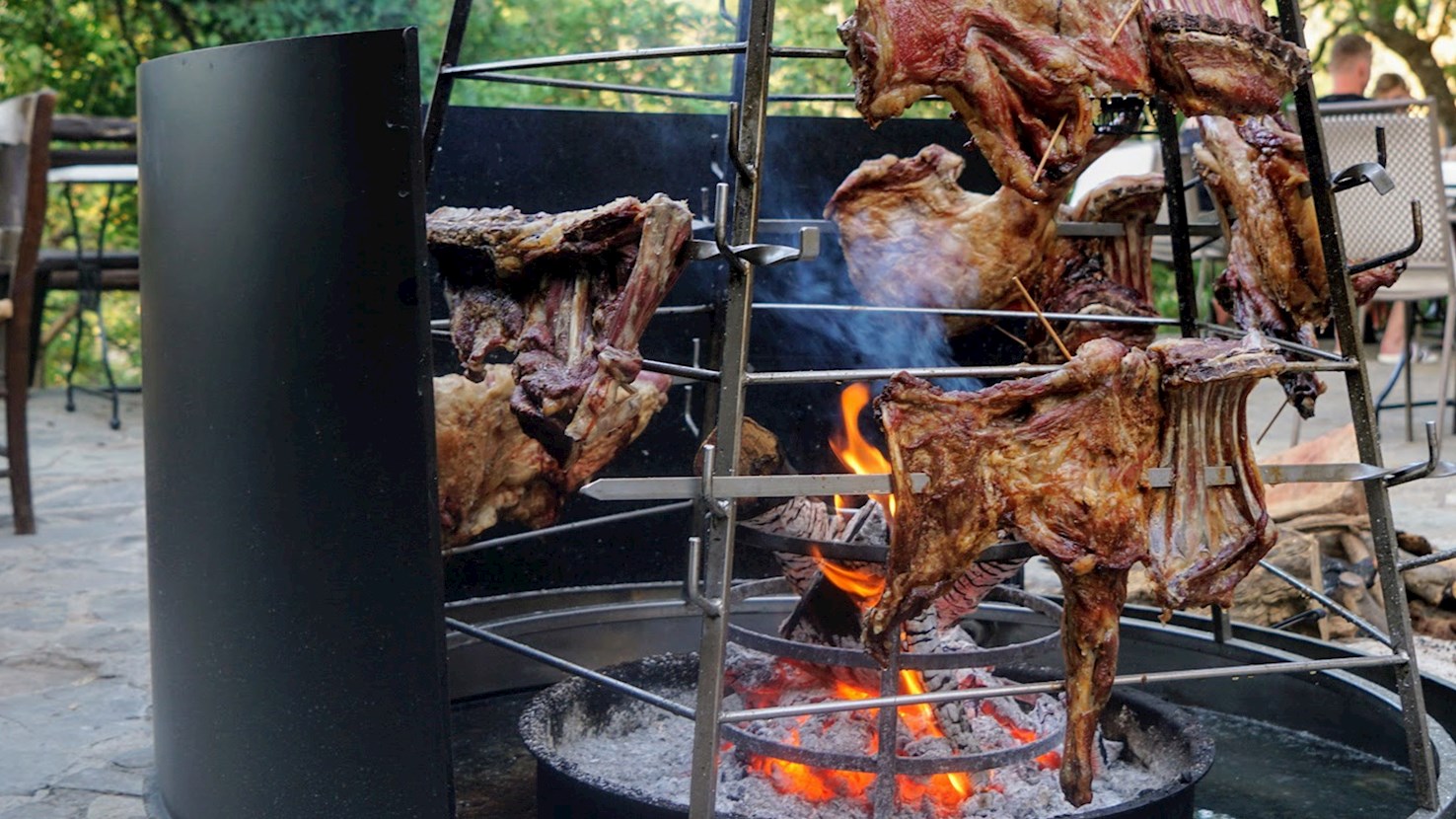
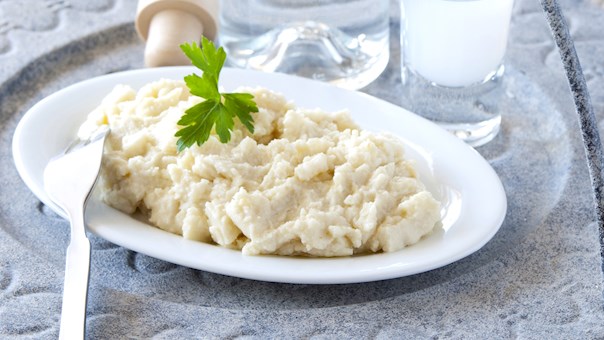
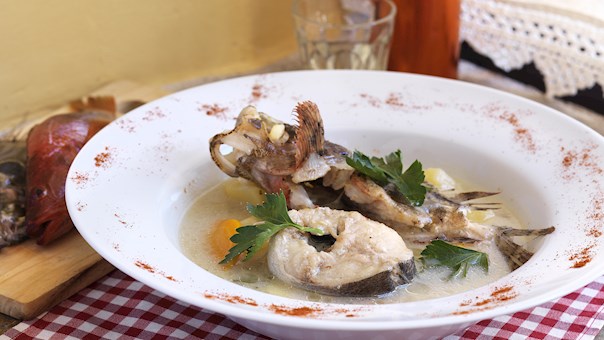
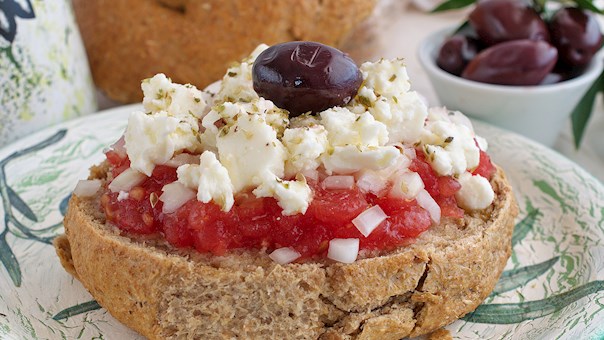
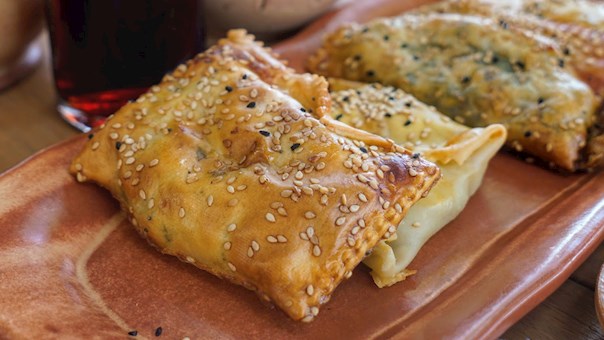
Antikristo is a traditional technique of cooking meat on Crete. A young lamb (or a goat, on rare occasions) is cut into four pieces (called goulidia), salted, then placed on big wooden skewers that are arranged around the fire in a circular formation, taking into consideration the direction of the wind, the intensity of the fire, and the distance between the fire and the meat. This process lets the meat cook in its own fat and salt with the heat coming from the flames instead of coals. The name antikristo means across the fire, describing this unique technique. The meat is slowly cooked, sometimes up to 6 hours, and it develops different flavors in the process. In the past, antikristo was common in the villages of Psiloritis mountain, but nowadays it can be found anywhere in Crete. Traditionally, it's prepared and cooked exclusively by men, most often shepherds.
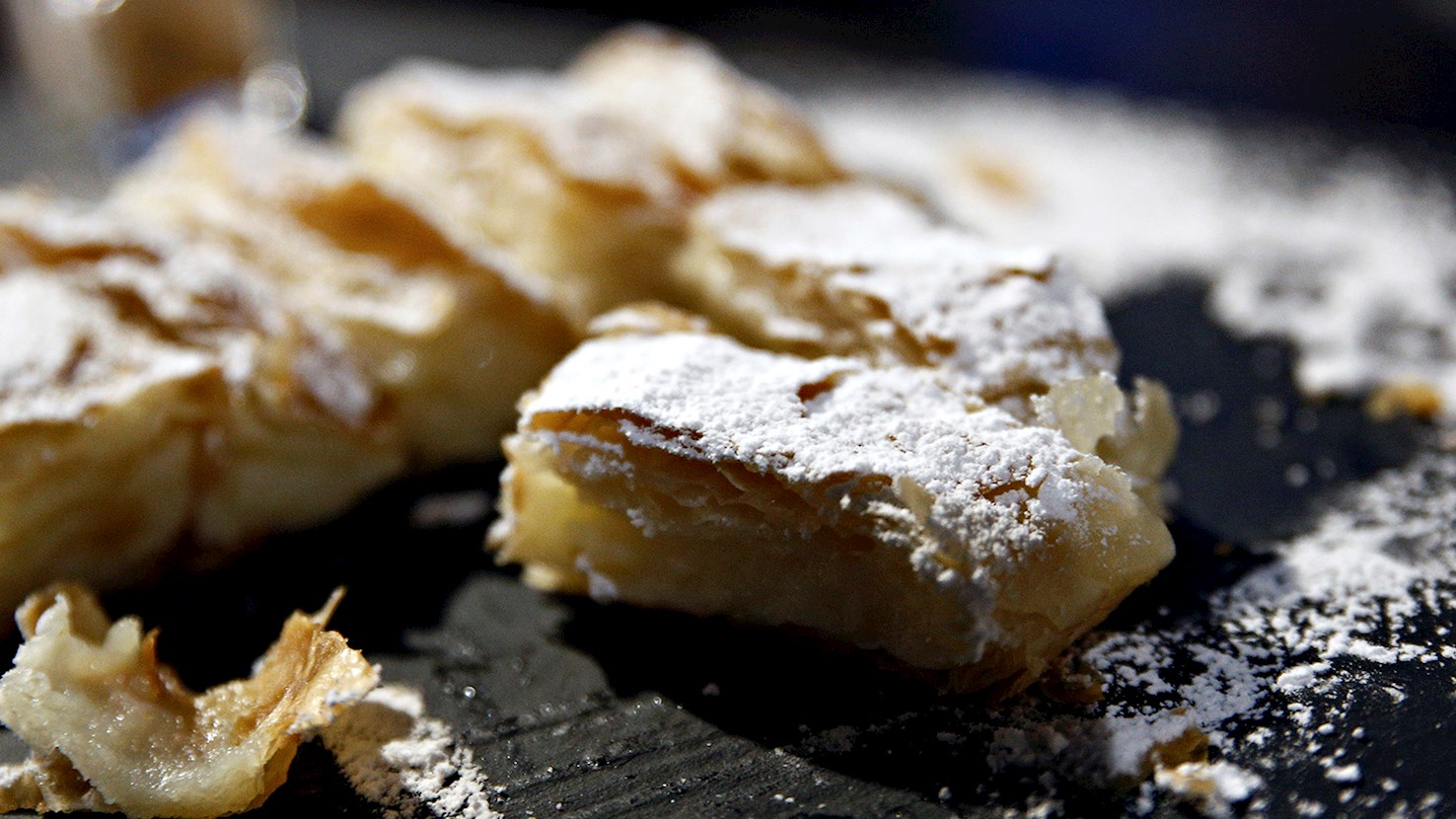
Bougatsa is a traditional, rustic Greek pie consisting of a phyllo pastry layered with a filling of semolina custard, although there are variations with minced meat or cheese. The name of the dish is a derivation of the Ottoman word pogatsa, denoting a pie filled with cheese. Bougatsa has origins from the Byzantine period, when Constantinople was Greek, and it began as a dough that was stuffed with numerous sweet and savory fillings. Over time, bougatsa evolved to incorporate a thinly rolled, hand-made phyllo pastry. As many Turkish immigrants settled in Northen Greece, bougatsa became a specialty of Serres and Thessaloniki. Today, the pies can be found throughout Greece in specialty shops called bougatsopolia, selling bougatsas exclusively.
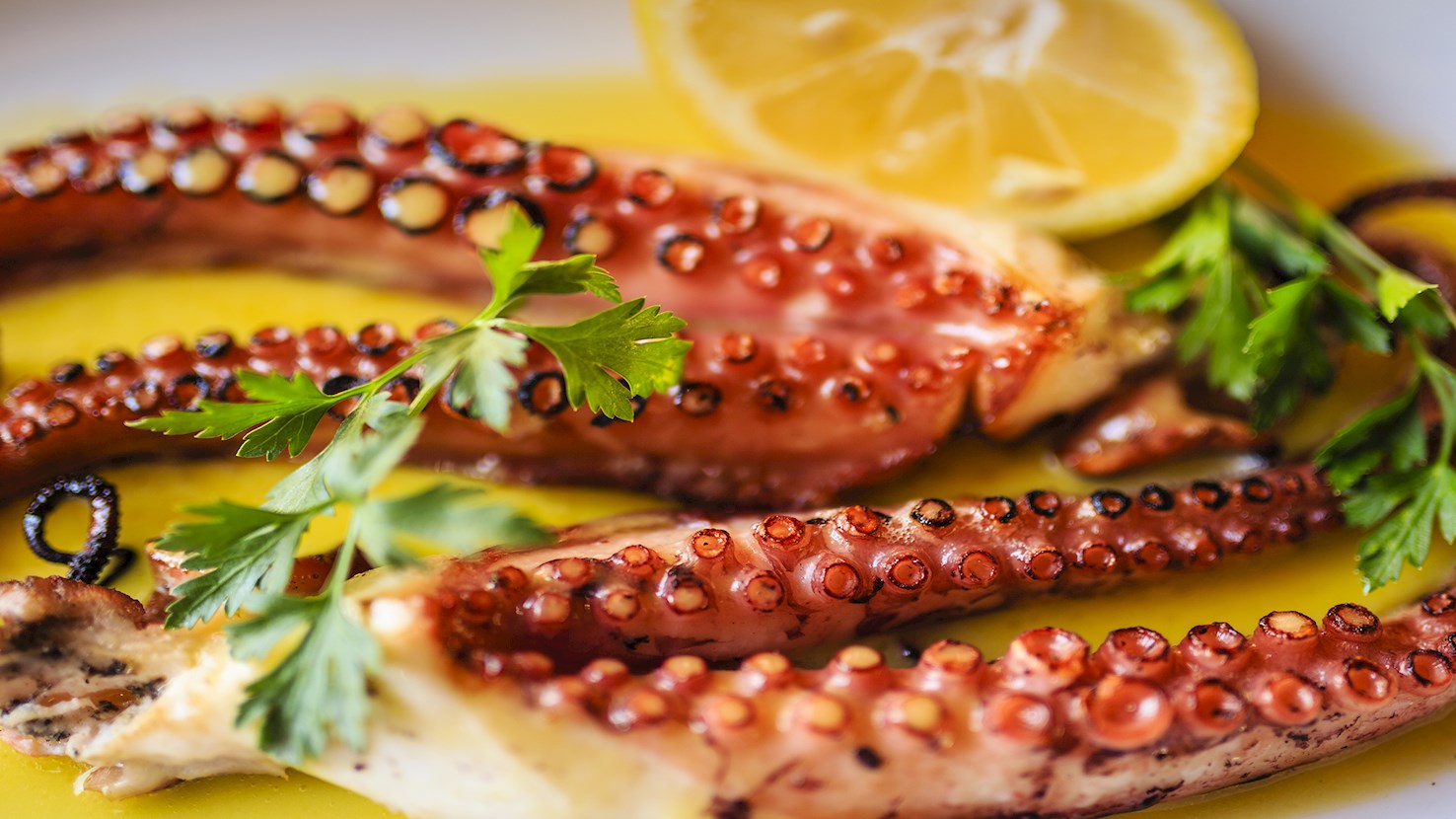
Chtapodi sti schara (grilled octopus) is a traditional octopus dish originating from Greece. Although there are variations, the dish is usually made with a combination of octopus, red wine vinegar, olive oil, and oregano. The octopus is washed, dried, and placed on a grill over a charcoal fire. It's brushed with a marinade consisting of oil, vinegar, and oregano. Once the octopus is tender, it's placed on a plate, thinly sliced and seasoned with olive oil, a drizzle of lemon, and oregano. It is mainly enjoyed as a meze dish that pairs well with crusty bread and ouzo or white wine.
This internationally known, decadent, and sugar-packed dessert is usually made with a mixture of flour, sugar, yeast, and salt, which is deep-fried and then bathed in syrup or honey. The origin of lokma fritters is ancient but often debated. It is presumed that they first appeared in Greece or Turkey, though some suggest Arabic origin. The dish is considered to be one of the oldest recorded desserts in Greek history. It is said that the pastries were even given to winning Olympians as a treat and were called honey tokens. Loukoumades, or loukmades in Cyprus, can be found throughout the streets of Greece, in shops selling nothing else but this caloric dessert. Alternatively, loukoumades can be topped with Greek cheese, chocolate, sesame seeds, or walnuts. In Turkey, lokma fritters are best enjoyed while still warm. They are drizzled with honey or syrup and can occasionally be sprinkled with either ground cinnamon, walnuts, or pistachios. The name probably stems from from Arabic luqma, meaning bite or mouthful, and it is said that lokmas were first prepared in Turkey by the sultans' cooks in palaces of the Ottoman Empire, though the oldest documentation of a similar dish was even found in the tomb of Ramses IV. In some Middle Eastern and Levant countries, this dessert is known as luqaimat or luqmat al-qadi, which roughly translates as judge's mouthful. The deep-fried balls are usually covered with date syrup, honey, or flavored syrups, while some prefer them sprinkled with various seeds. They are also often flavored with saffron or cardamom. The dessert is traditionally made in the month of Ramadan, and consumed after iftar, or breaking the fast. The dish is also found in some African countries, where it appears under various names.
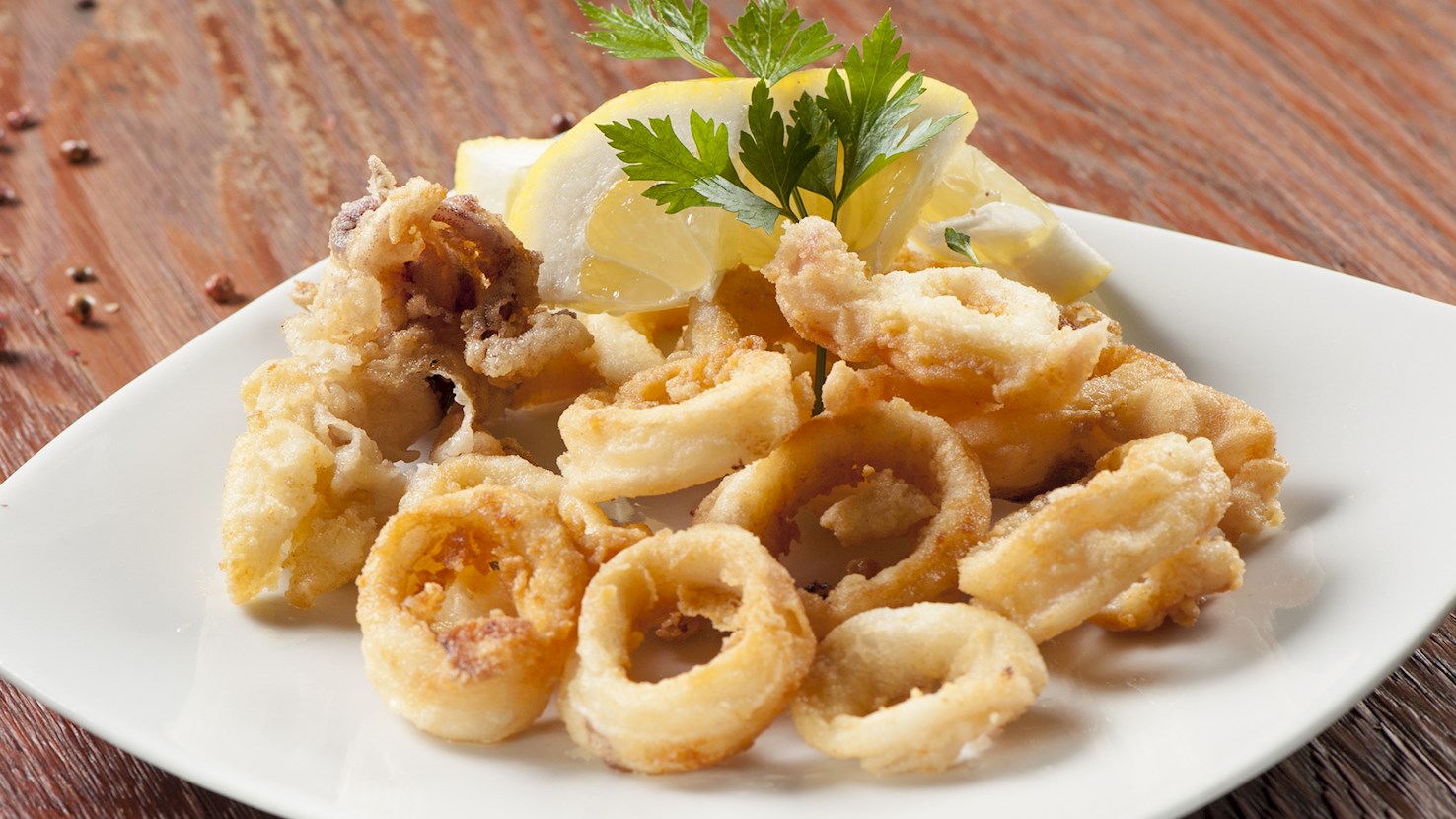
This classic Greek dish consists of squid rings and tentacles that are seasoned, dredged in flour, and fried until crispy and golden brown. Fried calamari is a restaurant staple, typically enjoyed as an appetizer or a meze dish. It is usually complemented by lemon wedges and garnished with freshly chopped parsley.
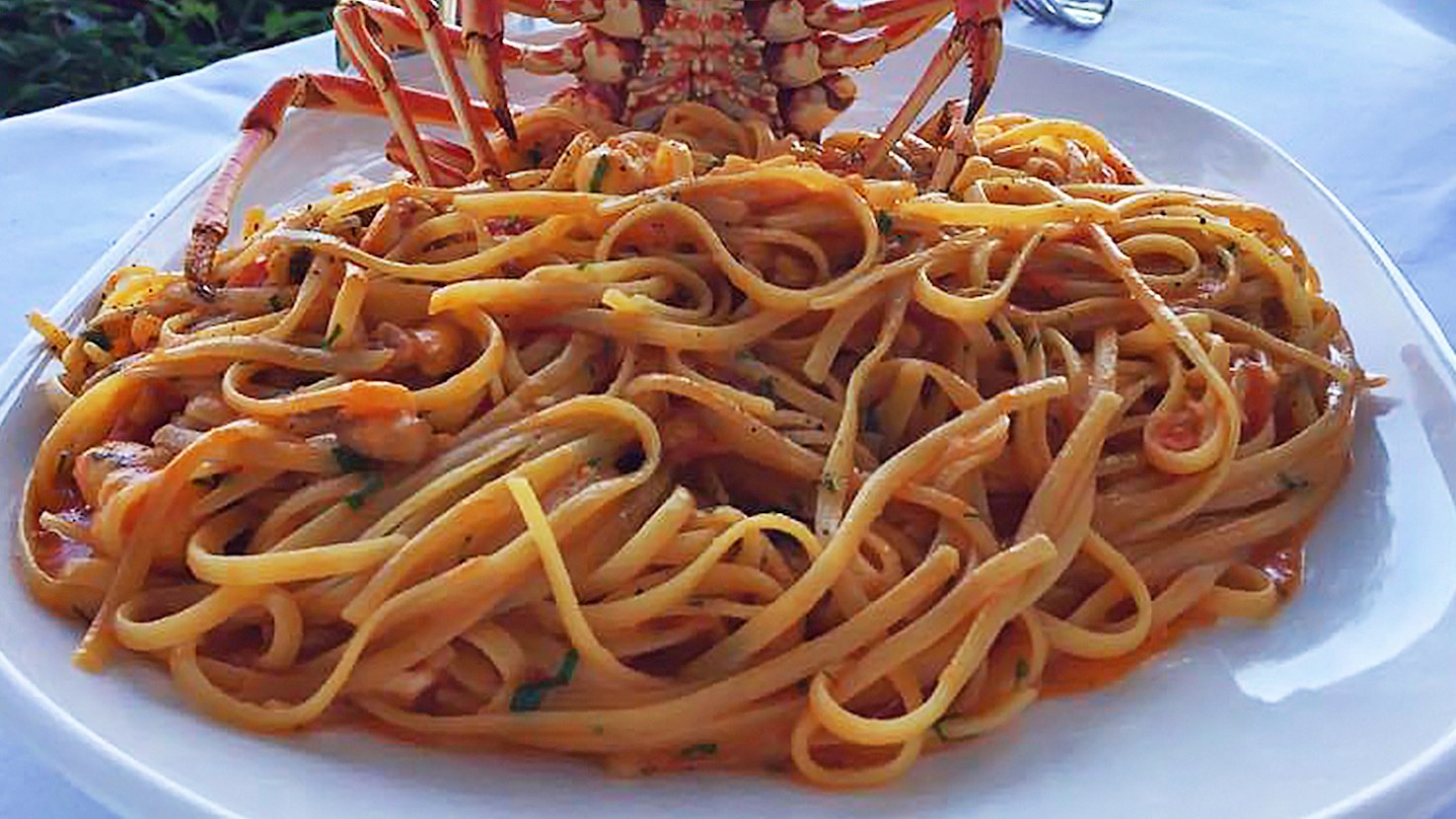
The main element in this exquisite Greek dish is lobster meat that is coupled with a flavorful tomato-based sauce and served over pasta. The dish is typically prepared with spaghetti, while the sauce is usually enriched with wine and various herbs and spices. Lobster meat is traditionally served in shells, and the whole dish is generously garnished with parsley. Though it can be found in other Greek regions, astakomakaronada is mainly associated with the island of Skyros.
Omeleta is a traditional Greek-style omelet made with Mediterranean ingredients, giving it a distinct and flavorful twist compared to classic omelets. Unlike a typical omelet, the Greek omeleta incorporates local vegetables, cheeses, and sometimes meats directly into the eggs rather than as fillings. The base is made with whisked eggs seasoned with salt and pepper, and crumbled feta cheese is a common addition, adding a tangy, creamy flavor. Fresh tomatoes, bell peppers, onions, and sometimes zucchini are included, giving the omelet vibrant color and taste, while Kalamata olives contribute a briny depth. Fresh herbs such as oregano, parsley, or thyme enhance the Mediterranean flavor, and olive oil is used instead of butter for cooking, adding a fruity richness. The vegetables are typically sautéed in olive oil until softened, after which the beaten eggs are poured over to incorporate the cheese and herbs, cooking slowly to allow the flavors to meld. The Greek omeleta is often enjoyed as a breakfast or light lunch and is served with fresh bread and a side of Greek yogurt or tzatziki.
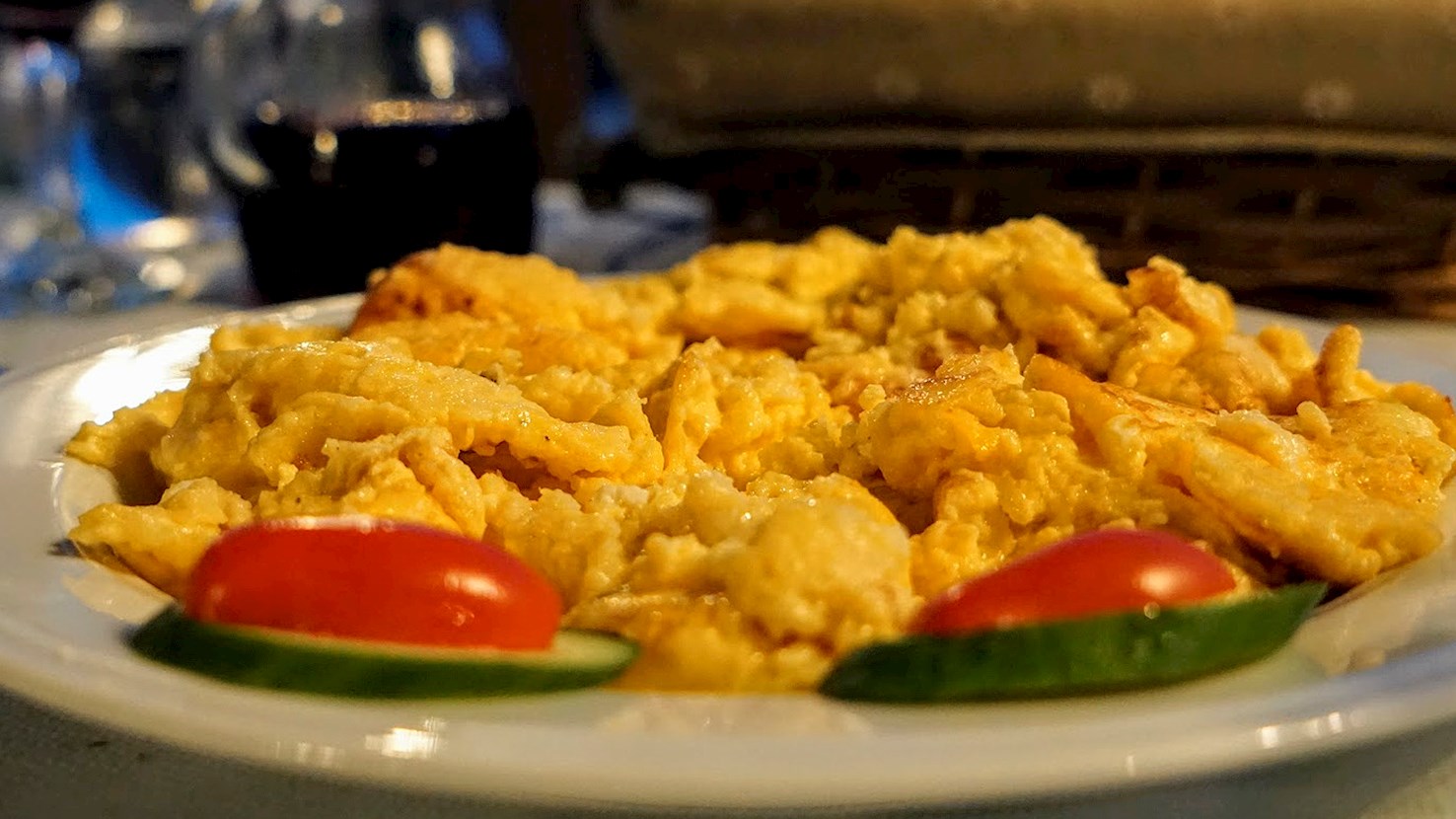
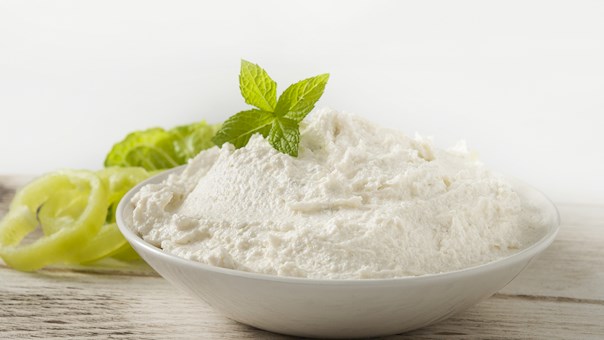
Staka me ayga is a simple Cretan dish consisting of poached or fried eggs and local staka (a type of buttery cream mixed with flour). The combination is usually seasoned with salt and pepper, and it is typically enjoyed warm for breakfast. Eggs with staka are often paired with apaki (smoked pork), another traditional Cretan product. Staka is a unique specialty of Cretan cuisine, and it can also be eaten as a spread on slices of bread or as a side dish.
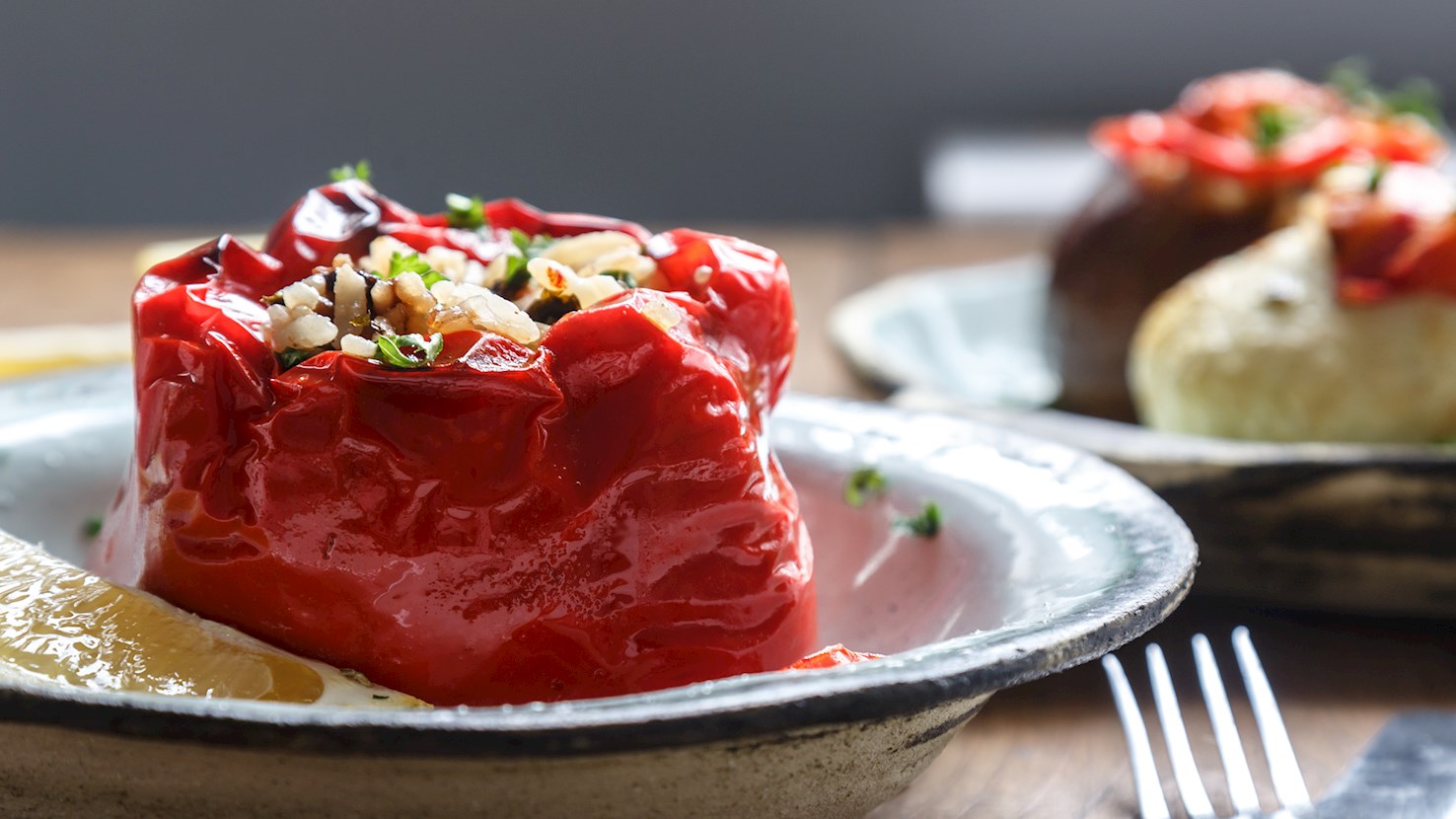
Yemista or gemista is a Greek dish traditionally consisting of vegetables such as tomatoes and green peppers that are stuffed with rice and vegetables' inner parts. The stuffed vegetables are then baked in the oven. The name of the dish means stuffed in Greek language, and it's a typical summer dish. It is mainly considered a vegan dish, although there are some that prepare it with ground meat in the stuffing. It is recommended to prepare the dish when the vegetables are at the peak of the season and to serve it garnished with a spoon of Greek strained yogurt and accompanied by feta cheese.
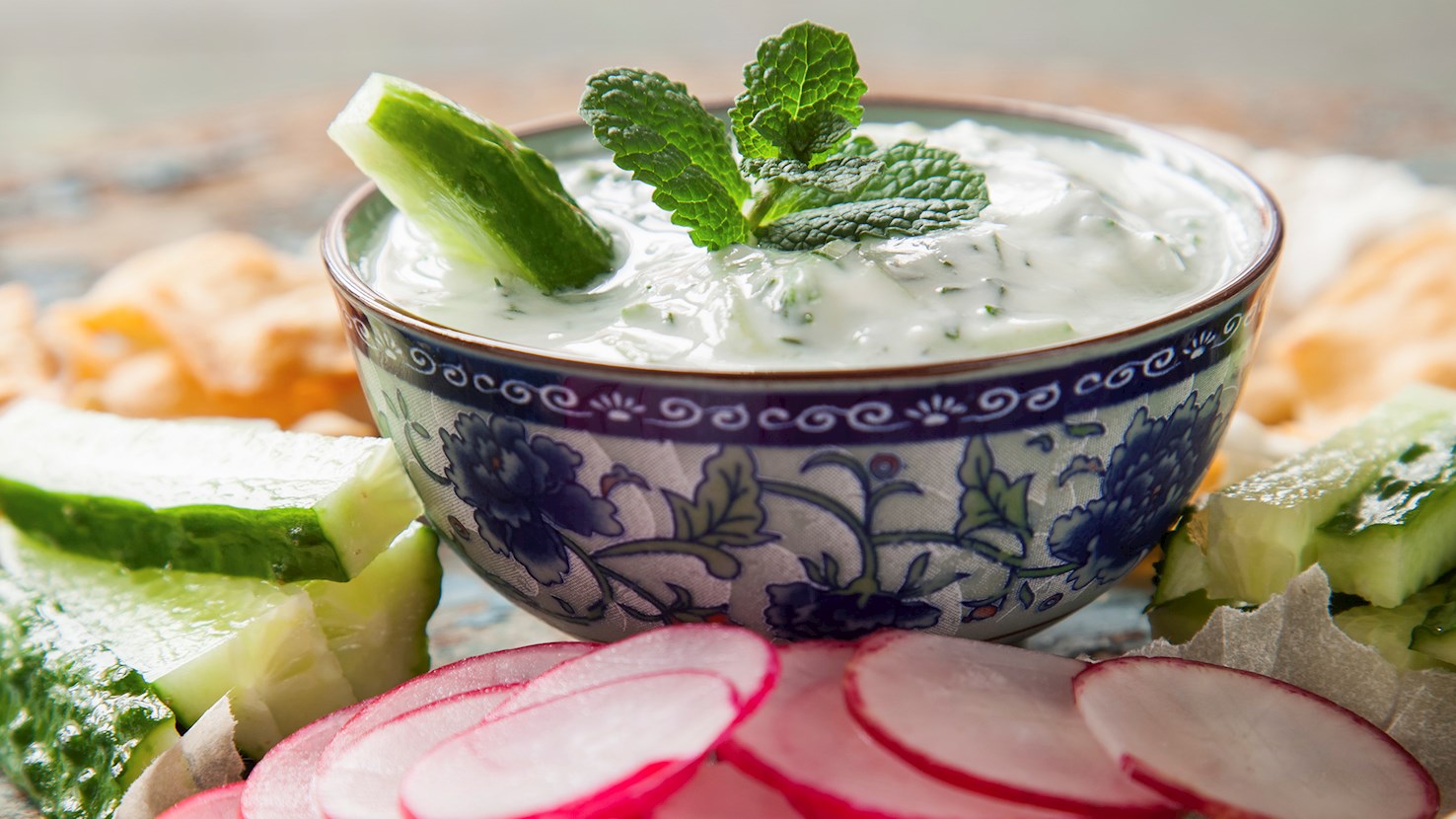
Tzatziki is a Greek concoction made from yogurt, cucumbers, garlic, and numerous herbs and spices such as dill, mint, or parsley. It is usually served as a sauce accompanying many meat dishes, as a simple dip, or an appetizer. Its name is derived from the Turkish word cacik, denoting a very similar dip, although some suspect that tzatziki was derived from the Indian raita dip. Tzatziki is always served cold, and it is especially popular to serve it with dishes such as gyros and souvlaki. Often, it is served with pita bread as part of the first course of a big meal. With its huge popularity, and the fact that it is one of the best summer dips, it is not strange that there are many regional variations of tzatziki, in countries such as Iran, Iraq, Turkey, Cyprus, Bulgaria, and Serbia.
TasteAtlas food rankings are based on the ratings of the TasteAtlas audience, with a series of mechanisms that recognize real users and that ignore bot,
nationalist or local patriotic ratings, and give additional value to the ratings of users that the system recognizes as knowledgeable.
For the “21 Traditional Foods You Have To Try in Chania City” list until May 22, 2026, 0 ratings were recorded, of which 0 were recognized by the system as legitimate.
TasteAtlas Rankings should not be seen as the final global conclusion about food. Their purpose is to promote excellent local foods,
instill pride in traditional dishes, and arouse curiosity about dishes you haven’t tried.