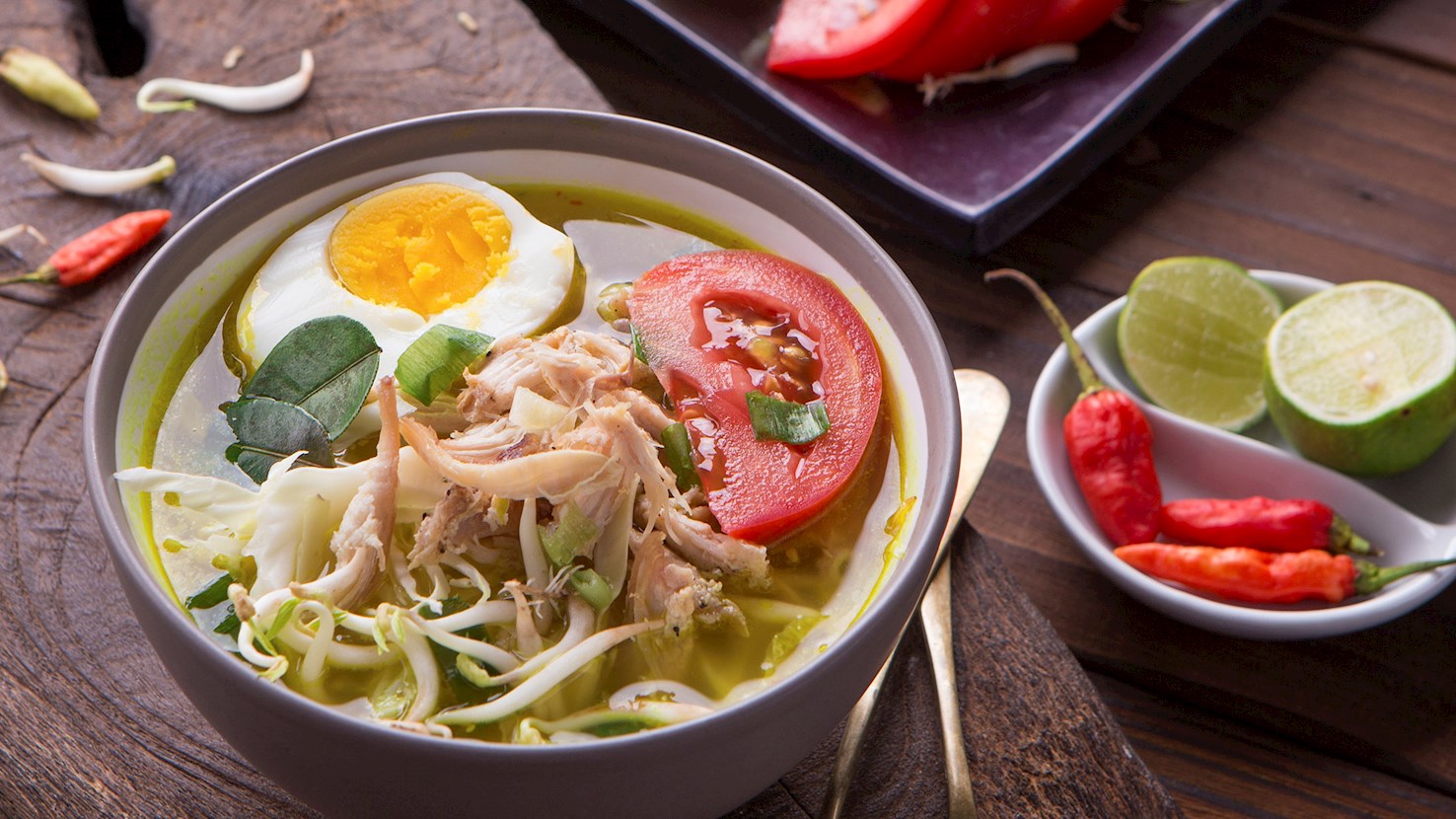
Throughout Indonesia, soto is known under various names such as the Makassar coto or the Pekalongan tauto. However, this traditional Indonesian soup is usually associated with the island of Java, where it is believed to have appeared in its original form. Nowadays there is no right way to prepare soto because the varieties are numerous and usually adapted to local cuisines. Although it is believed that soto was developed because of a strong Chinese influence in the country, it is more likely that the soup was created following common cooking traditions of the area and utilizing the ingredients which were available in abundance. This versatile dish also has a myriad of accompaniments such as stewed eggs, grilled offal, fried tofu, and either chili or soy sauce. Soto is regarded as comfort food, and it can be found everywhere in Indonesia - from local open-air eateries to high-end restaurants. This authentic Indonesian creation is also popular and commonly eaten in Malaysia, Singapore, and Brunei.
Coto Makassar is a rich and aromatic beef soup from Makassar, South Sulawesi, Indonesia, deeply rooted in the culinary heritage of the Bugis and Makassarese people. Traditionally made with beef and various innards such as tripe and liver, the meat is slow-cooked until tender in a spiced broth infused with peanuts, lemongrass, galangal, and other local spices. What sets Coto Makassar apart is its distinctive broth, which combines the savory depth of beef stock with a subtle nuttiness from ground roasted peanuts, creating a creamy, slightly oily texture that's both hearty and comforting. The soup is typically served steaming hot, accompanied by burasa or ketupat, which help balance the rich, spiced flavors of the broth. It is often garnished with sliced scallions, fried shallots, and a squeeze of lime, and diners can add chili paste or sweet soy sauce to adjust the heat and sweetness to their liking.
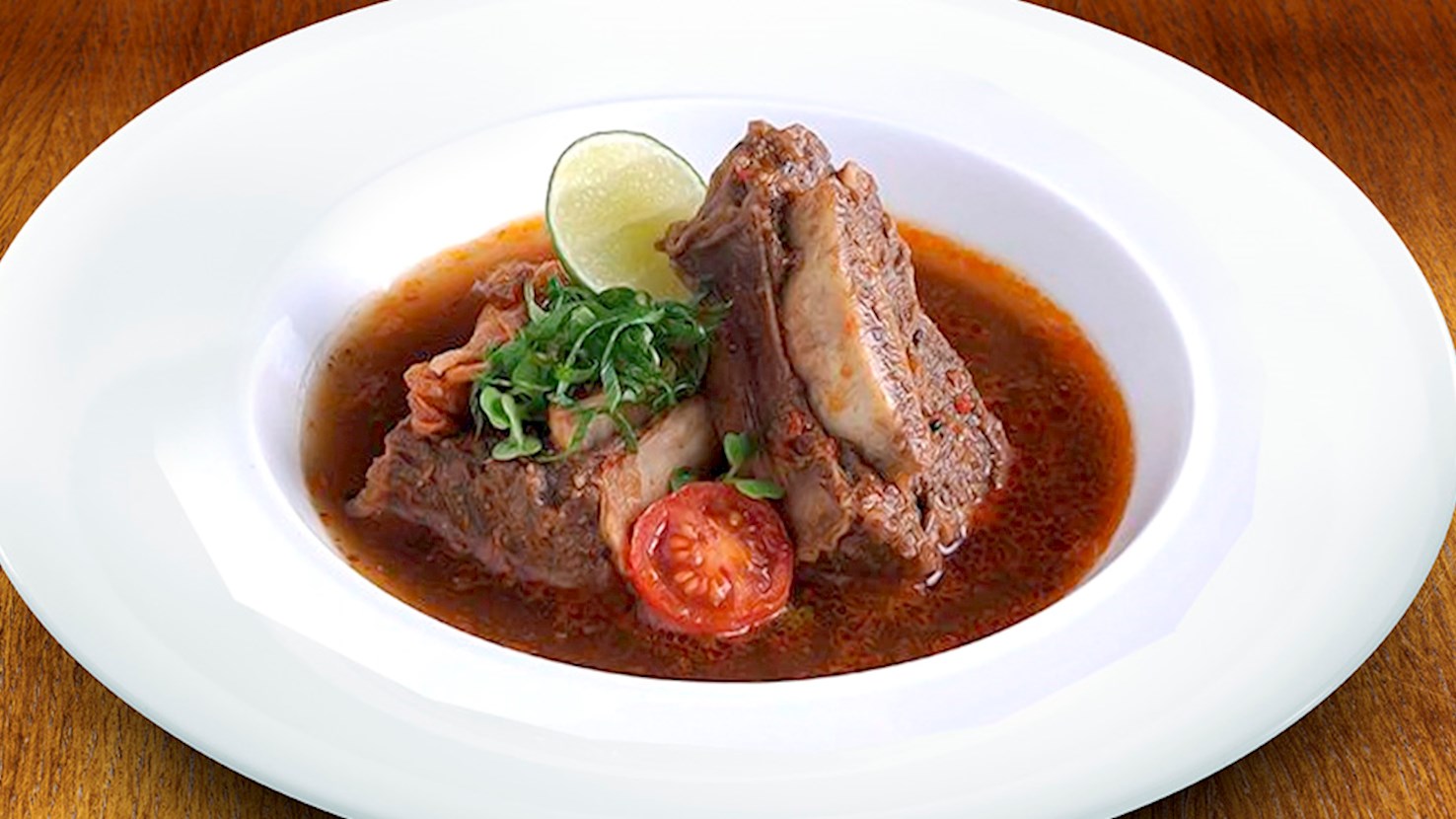
Konro is an Indonesian beef rib soup originating from the Bugis and Makassarese people of South Sulawesi, particularly centered in the port city of Makassar. Known for its deep, rich flavor and dark brown color, konro is made from meaty beef ribs simmered slowly in a broth infused with an aromatic blend of local spices and toasted coriander, kluwak (black nut), nutmeg, cinnamon, and tamarind. The result is a complex and hearty soup that embodies the bold and layered culinary style of Sulawesi’s coastal communities, where spices from the Indonesian archipelago have long been prized and widely used. Traditionally served as a festive or ceremonial dish, konro is both comforting and celebratory, often reserved for special gatherings or family feasts. The slow-cooked beef ribs become fall-off-the-bone tender, while the broth develops a savory, almost earthy depth with a subtle sweetness and a touch of acidity. Some versions of konro are served as a soup, while others, known as konro bakar, feature grilled or charred ribs brushed with the same spiced marinade, offering a smoky variation on the classic preparation. In both forms, it is typically enjoyed with steamed rice or ketupat (compressed rice cakes), and occasionally accompanied by sambal for added heat.
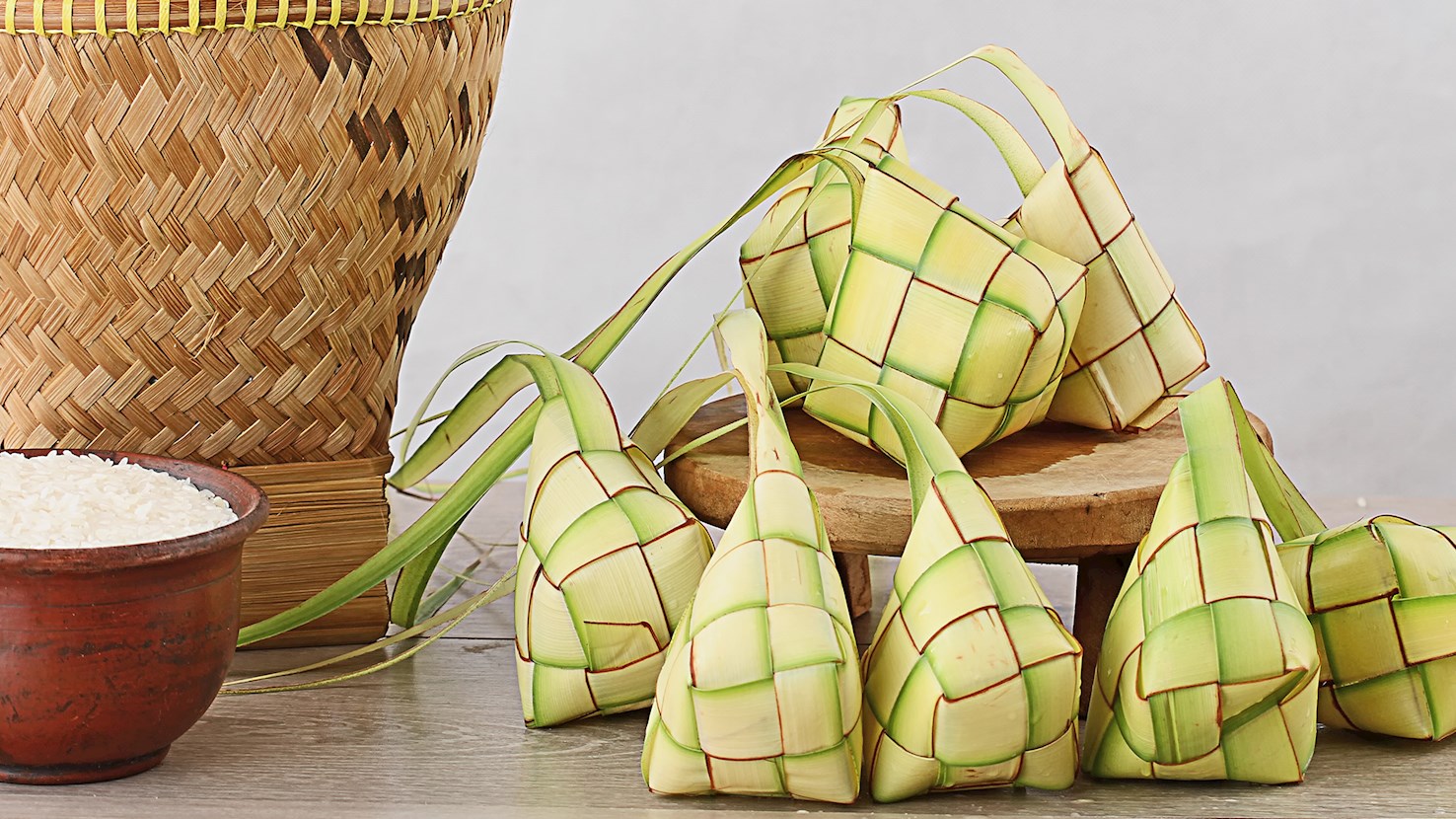
Ketupat are unique Asian rice cakes, prepared and sold in traditional woven containers made out of palm, coconut, or pandan leaves. Although they appear in numerous shapes and sizes, the most common variety is the cube-shaped ketupat, resembling a tiny woven basket. When the pouch is completed, the rice is securely sealed inside, and the whole packet is usually boiled in water, or occasionally in a mixture of coconut milk and water. After they have been boiled, the cakes need to be chilled, and because of their distinct texture they can easily be cut into slices. Ketupat can be found in many Asian countries, but its origin is usually associated with the Indonesian island of Java. Ketupat is particularly important during the Eid festival in the Muslim community. It also holds a strong religious symbolism, according to which the intricately woven leaves represent the mistakes caused by human nature, and the white rice inside stands for innocence, purity, and the final deliverance of sins. Sliced ketupat is usually served alongside famous Indonesian rendang, different curry varieties, sliced cucumbers, or it can simply be topped with a delectable peanut sauce.
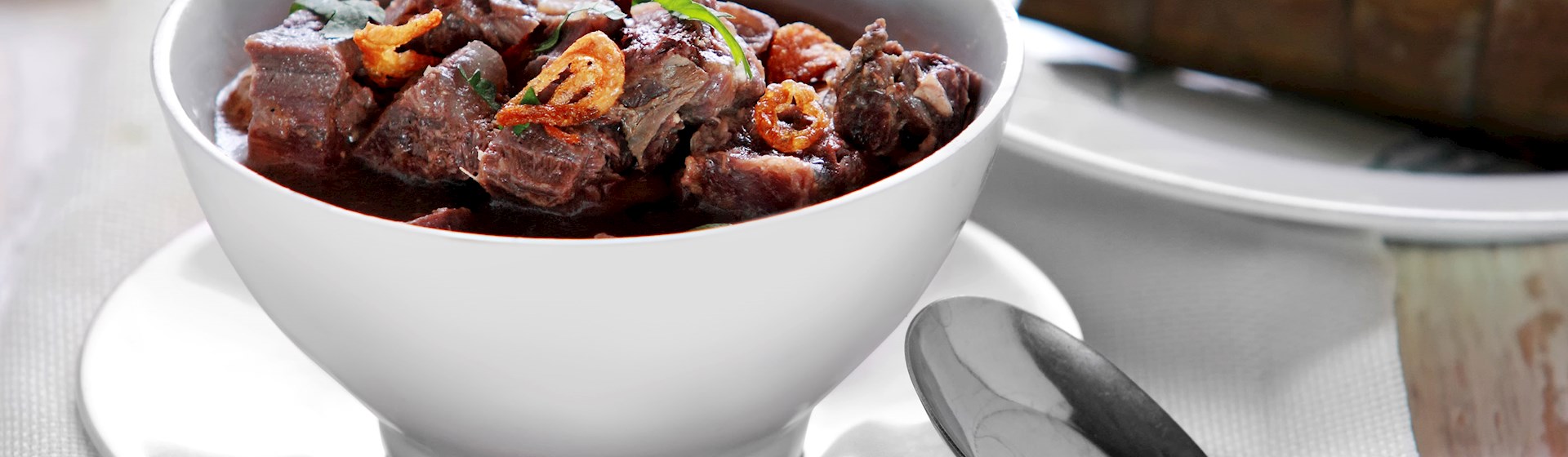
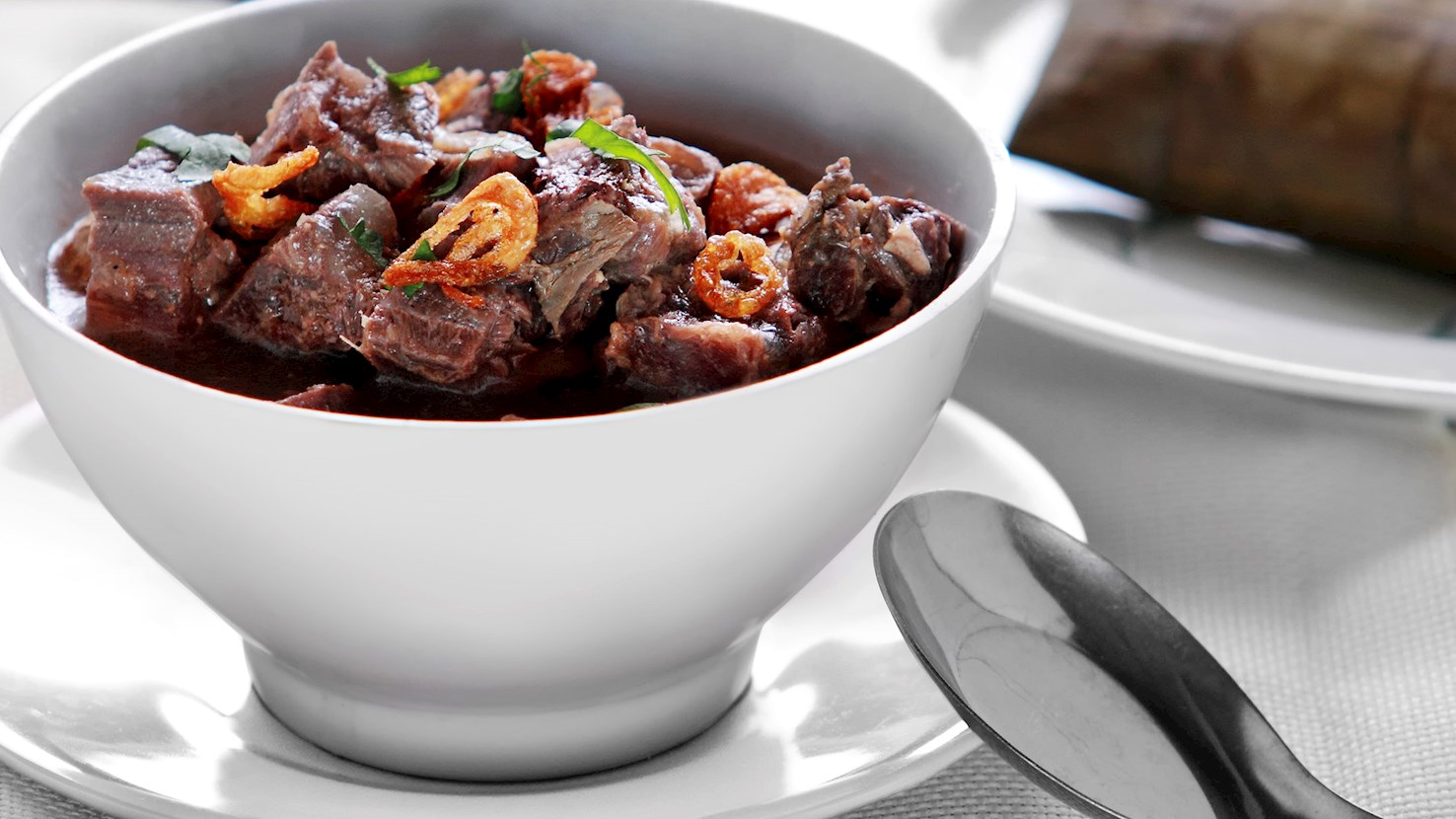
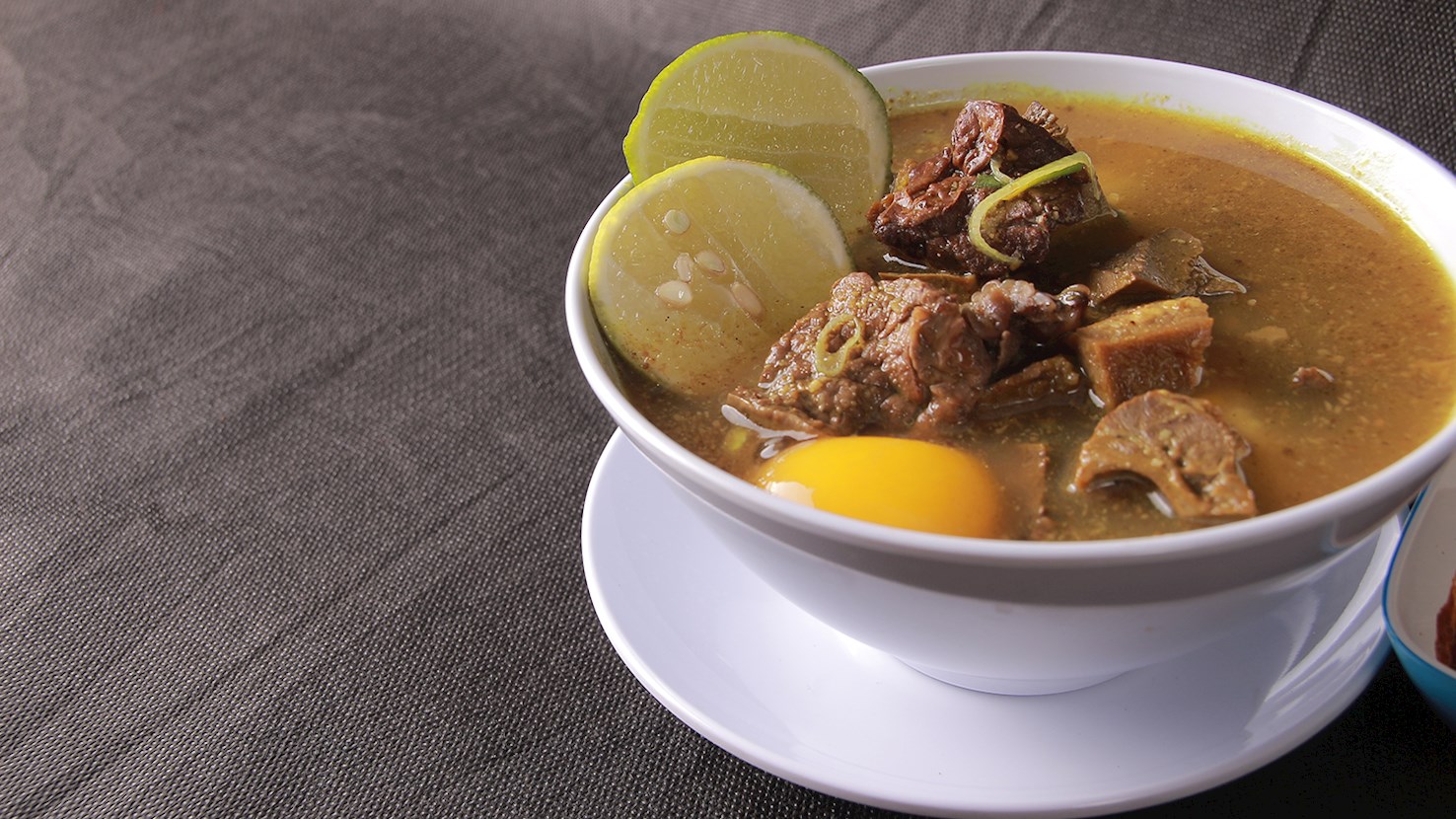
Pallubasa is a hearty meat stew originating from Makassar, the capital city of South Sulawesi. It is closely associated with the culinary traditions of the Makassarese people and is known for its rich, spicy broth, tender beef and buffalo meat, and the distinctive use of grated toasted coconut, which sets it apart from other regional meat soups. The dish is commonly served in small warungs or specialty eateries throughout Makassar and has become a local favorite, often eaten with a side of steamed rice or rice cakes such as ketupat. The primary components of pallubasa include beef or buffalo meat and offal, such as intestines, tripe, or liver, which are slowly simmered in a seasoned broth until tender. The seasoning base consists of a blend of ground spices including coriander, cumin, turmeric, garlic, shallots, and ginger, along with galangal and lemongrass to build aromatic depth. The broth gains its richness from the inclusion of grated coconut that is dry-roasted until golden brown and then added to the soup. This gives the dish a thick, slightly oily texture and a nutty, savory flavor unique to this preparation. One defining feature of pallubasa is the addition of a raw egg yolk, which is often placed into the hot soup just before serving. Diners stir the yolk into the broth, enriching it further and adding to its smooth consistency. The egg component is optional and varies depending on preference or vendor, but it is widely regarded as an integral part of the full pallubasa experience. Another element that differentiates it from other Indonesian beef soups like coto Makassar is the use of toasted coconut rather than ground peanuts or peanut paste. The dish is typically eaten with plain white rice, though some variations are served with ketupat or burasa, depending on local custom. Fried shallots, lime wedges, and sambal may be provided on the side to allow for individual adjustment of flavor. Despite its rich appearance, pallubasa is appreciated for its balance of spices and its satisfying, deeply savory character. Pallubasa has a strong presence in the urban food culture of Makassar and is particularly popular for lunch or dinner. Several long-established eateries in the city specialize exclusively in this dish, and it is often recommended to visitors as an essential part of experiencing local cuisine. While less commonly found outside of Sulawesi, it has begun to appear in Indonesian culinary showcases and regional food festivals, reflecting growing interest in diverse provincial dishes.
TasteAtlas food rankings are based on the ratings of the TasteAtlas audience, with a series of mechanisms that recognize real users and that ignore bot,
nationalist or local patriotic ratings, and give additional value to the ratings of users that the system recognizes as knowledgeable.
TasteAtlas Rankings should not be seen as the final global conclusion about food. Their purpose is to promote excellent local foods,
instill pride in traditional dishes, and arouse curiosity about dishes you haven’t tried.



What People Say