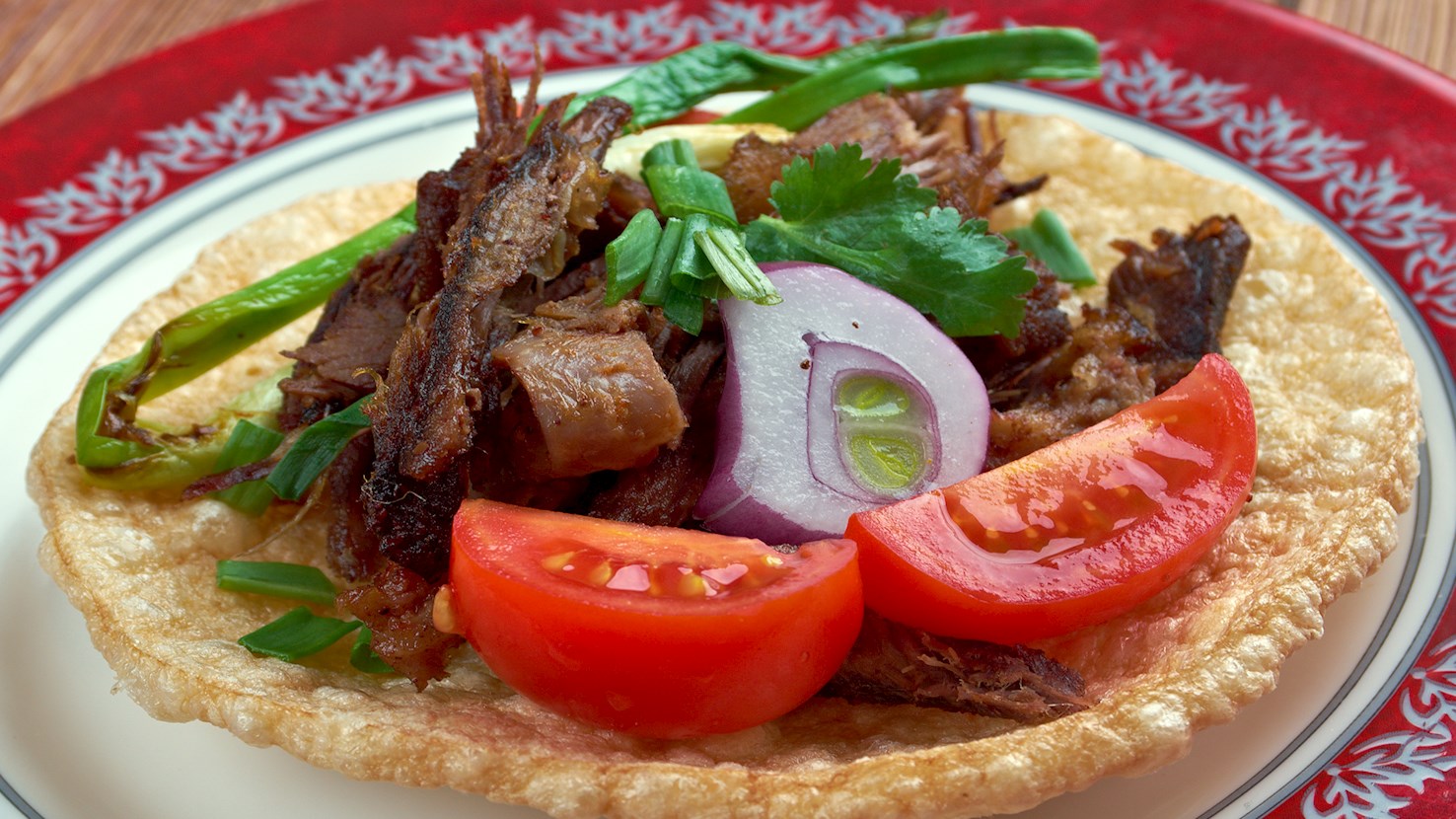
Chilorio is a Sinaloan dish consisting of fried pulled pork meat that is cooked in chili sauce and spices such oregano, garlic, and cumin. Originally, it was used as a way to preserve meat, but today it is usually used as a filling for numerous Mexican specialties such as tacos or enchiladas. If chilorio is served as a main dish, it is traditionally accompanied by salsa, guacamole, Mexican rice, or refried beans on the side.
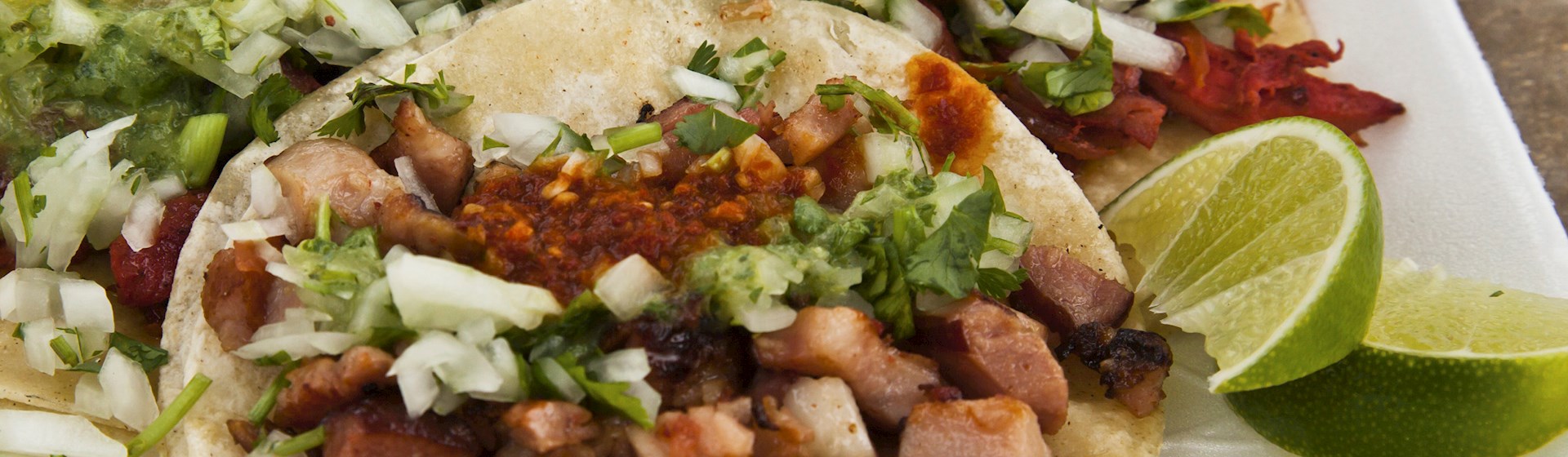
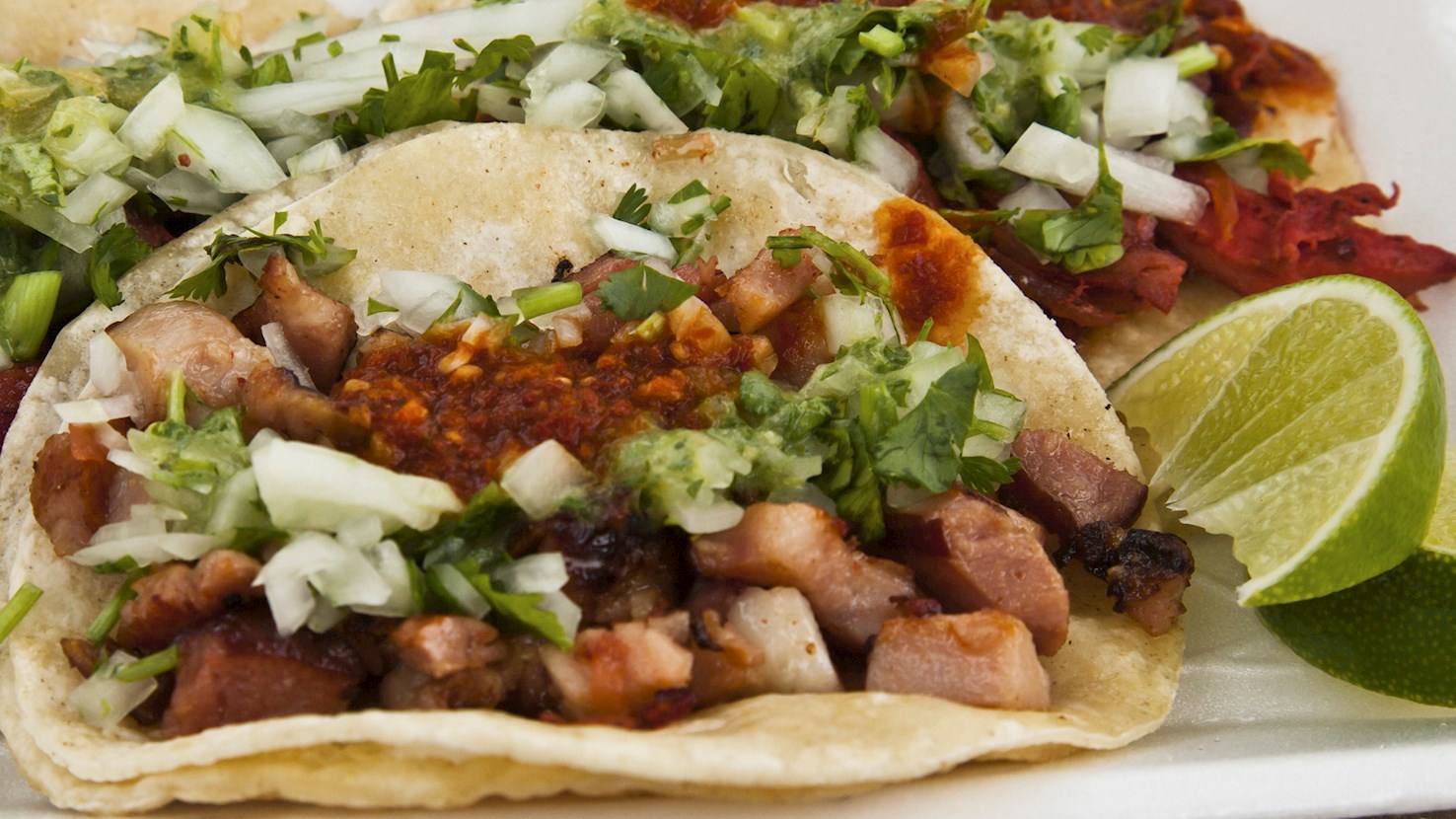
Tacos are the national dish of Mexico, dating back to the Mexican silver mines of the 18th century, when the word taco referred to gunpowder that was wrapped in a piece of paper and inserted into rocks. It was used to excavate the precious ore from mines and was called tacos de minero or miner's tacos. Today, the word is widely known to signify the leading street food and fast food item in Mexico – thin, flat griddle-baked tortillas topped with numerous fillings, folded and eaten without any utensils. A taco is basically anything eaten on a soft tortilla, and there is an infinite variety of them. In Sonora, in the north of Mexico, they eat the classic carne asada - thinly sliced meat grilled over coals and topped with salsa, onions, guacamole, and a lime wedge. In Baja, the topping consists of fried fish with cabbage and an acidic mayonnaise sauce. In Mexico City, sudados (sweated tacos) are the most popular option, filled with cooked and steamed meat. In Jalisco and Michoacan, they prepare carnitas, eaten in the morning or in the early afternoon, filled with deep fried pieces of pork that are sliced according to preference. Similar is the taco de cabeza, filled with pieces of cow's head that was steamed for a long time, and the customers can choose from slices of eyes, brains, tongue, lips, cheek, or ears. Tacos are mainly made of corn, except in the north, where wheat flour is used more often. They also differ in size, from the tiniest white tacos (blancas) to bigger ones, often made with blue corn. Most tacos come in pairs of two, in order to be able to hold all the flavorful and slightly wet ingredients. Some of them are fried until they become crispy and crunchy, in which case they're called tostadas. As anything can be a filling, there is a version made with fried veins from dried chiles, usually accompanied by salt, a tasty treat called tacos de venas. However, the standard is ground or shredded meat, cheese, potatoes, or vegetables and a topping of onions and coriander. Eaten at all times of day and night, one can find them on every corner in Mexico, in restaurants known as taquerias. Alternatively, they can be bought from numerous street vendors.
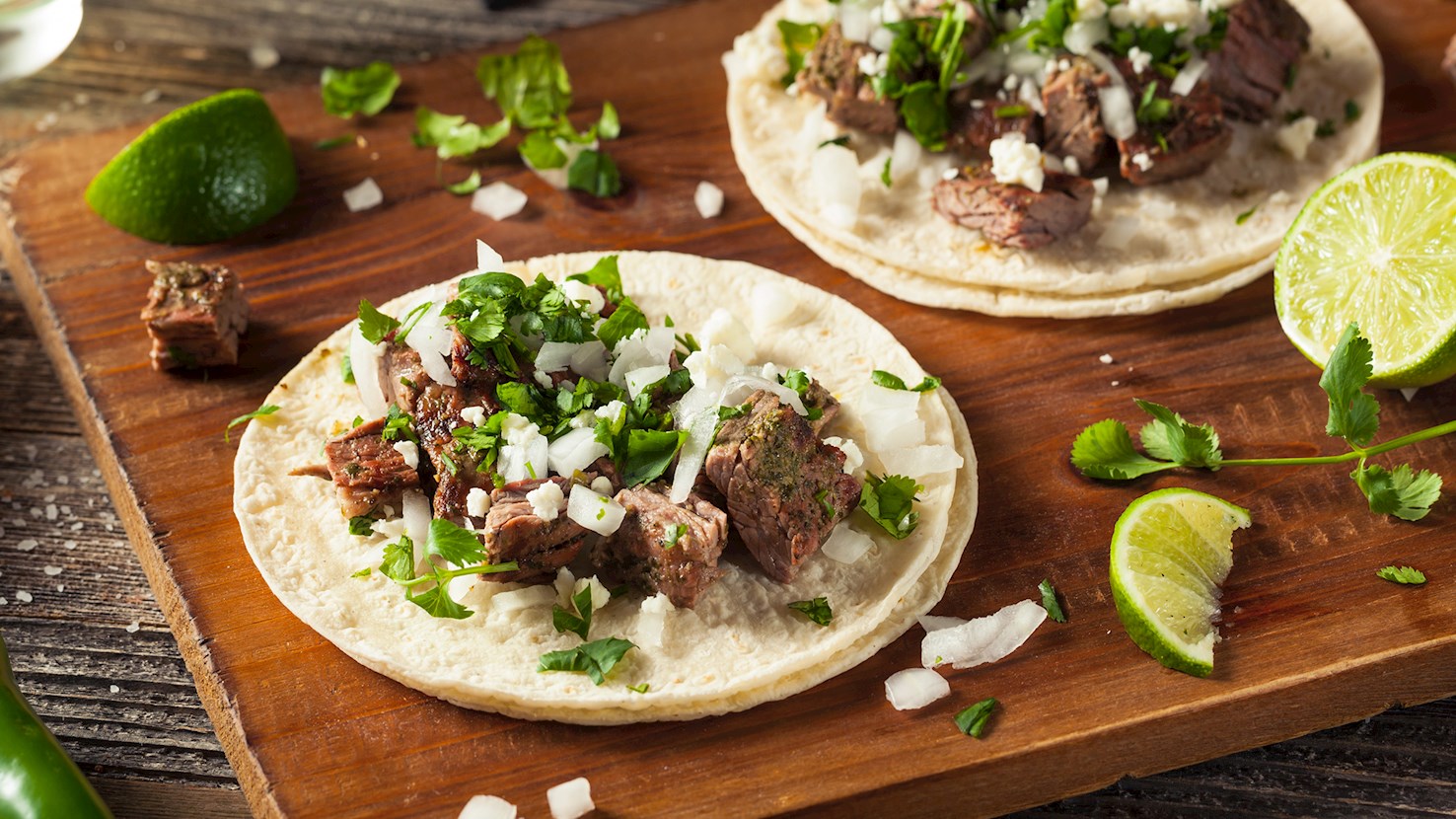
Carne asada tacos are the first tacos in history. It is believed that the first tacos appeared in the 1500s, made with thin slices of meat cooked over hot coals. The meat was placed in a corn tortilla and topped with guacamole, onions, chili peppers, and lime – also known as the carne asada taco. Over time, people started to make other versions in different regions, and nowadays we are witnessing a true taco-mania, and it all began with the simple carne asada tacos.
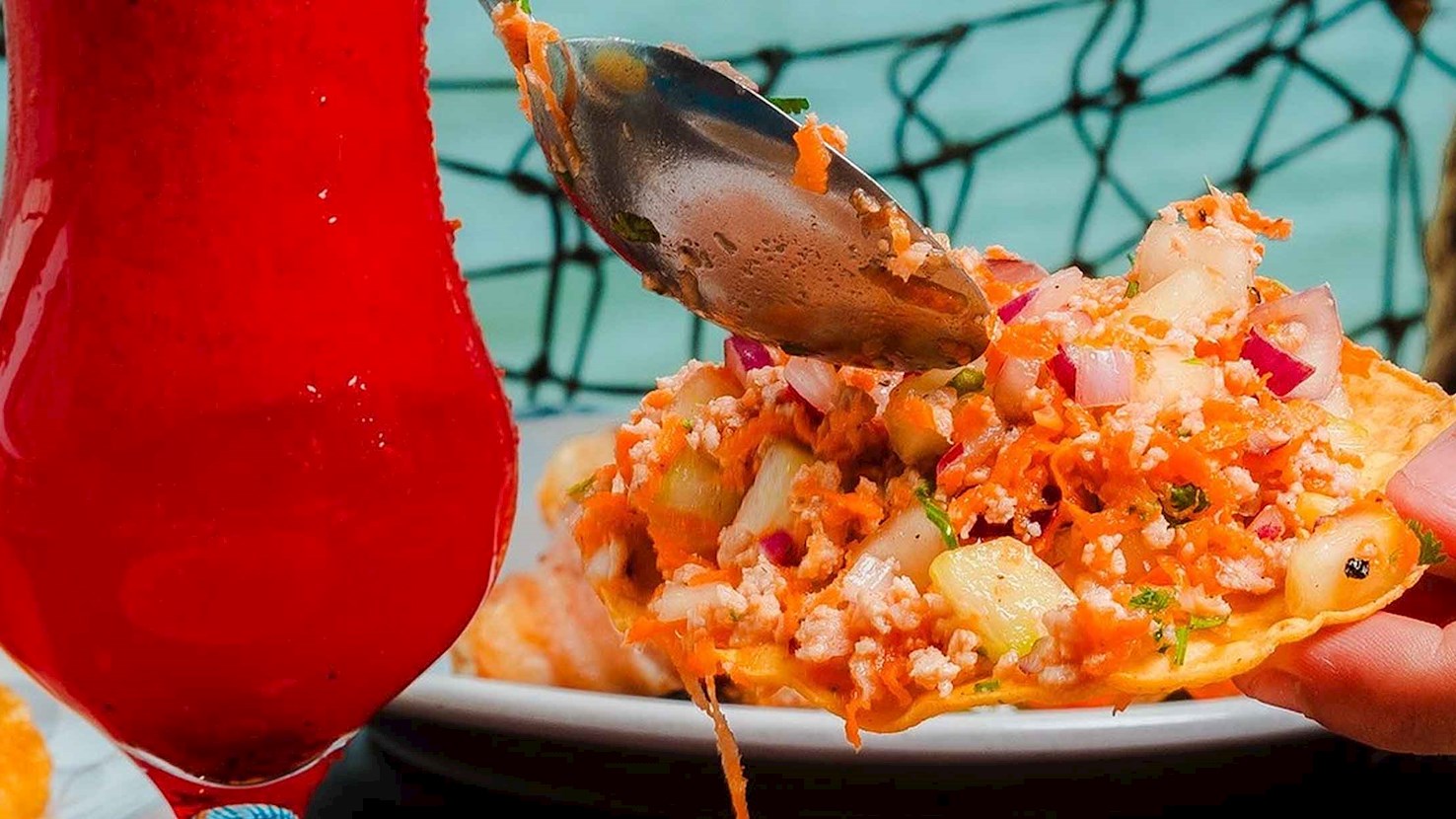
Originating from the coastal region around Mazatlán, ceviche de Sierra is a traditional type of ceviche prepared with fresh mackerel as the key ingredient. Other ingredients used in the dish include lime juice, carrots, onions, cucumbers, serrano peppers, oregano, and salt. The fish is finely chopped and marinated in lime juice and salt. The other ingredients are also chopped, and the two are then mixed together before serving. This ceviche can be enriched with the addition of diced avocado or chopped tomatoes.
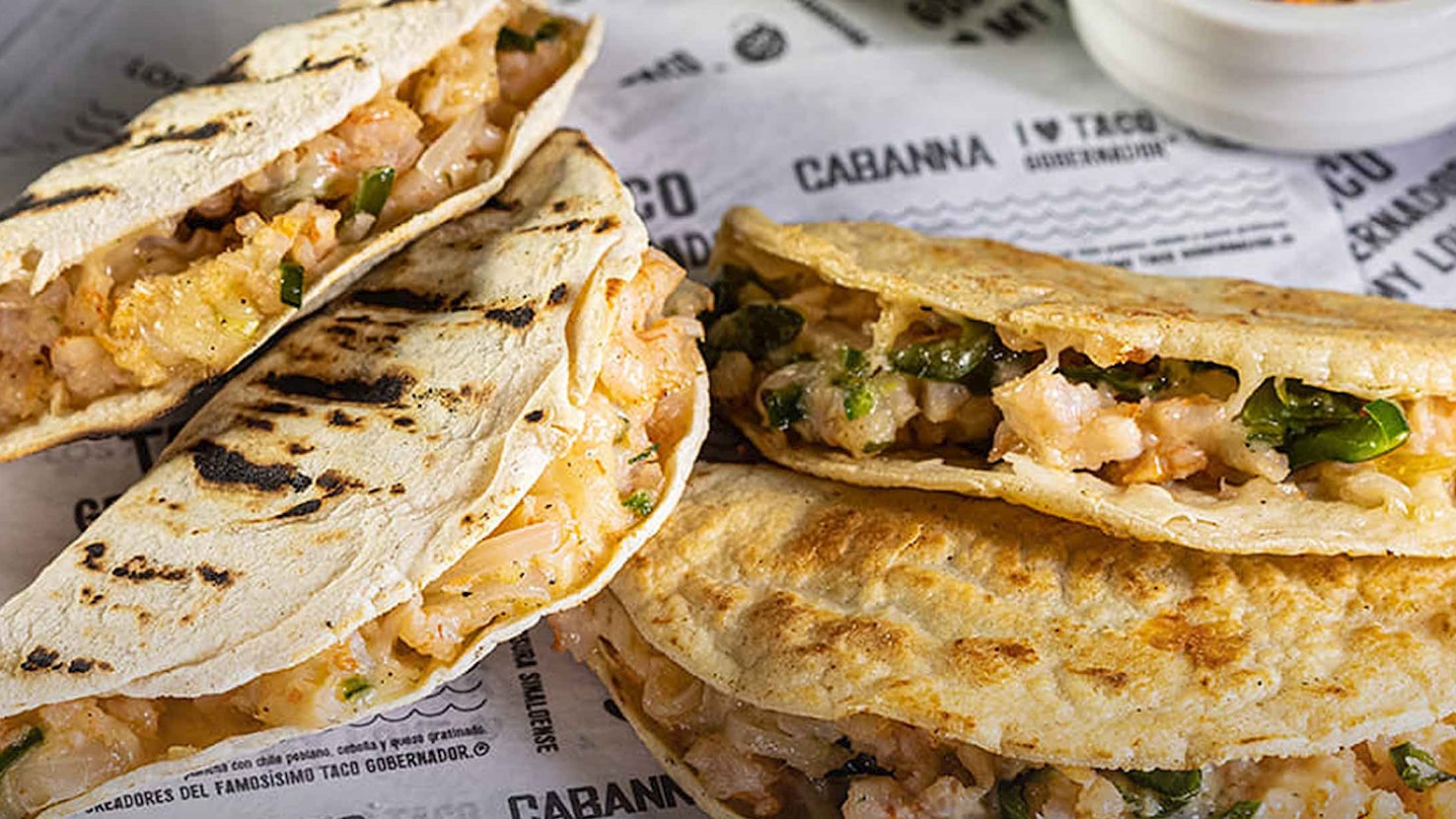
Tacos gobernador (lit. governor's tacos) are Mexican tacos named after a Sinaloan governor. In order to prepare the dish, warm tortillas are filled with a combination of shrimps, grated cheese, coriander, onions, and tomatoes. The tortillas are then folded in half, brushed with butter, and cooked on a griddle over medium heat. When served, tacos gobernador are often accompanied by lime wedges and hot chili sauce. Apart from Sinaloa, these tacos are also quite popular in Baja California.
TasteAtlas food rankings are based on the ratings of the TasteAtlas audience, with a series of mechanisms that recognize real users and that ignore bot,
nationalist or local patriotic ratings, and give additional value to the ratings of users that the system recognizes as knowledgeable.
TasteAtlas Rankings should not be seen as the final global conclusion about food. Their purpose is to promote excellent local foods,
instill pride in traditional dishes, and arouse curiosity about dishes you haven’t tried.



What People Say