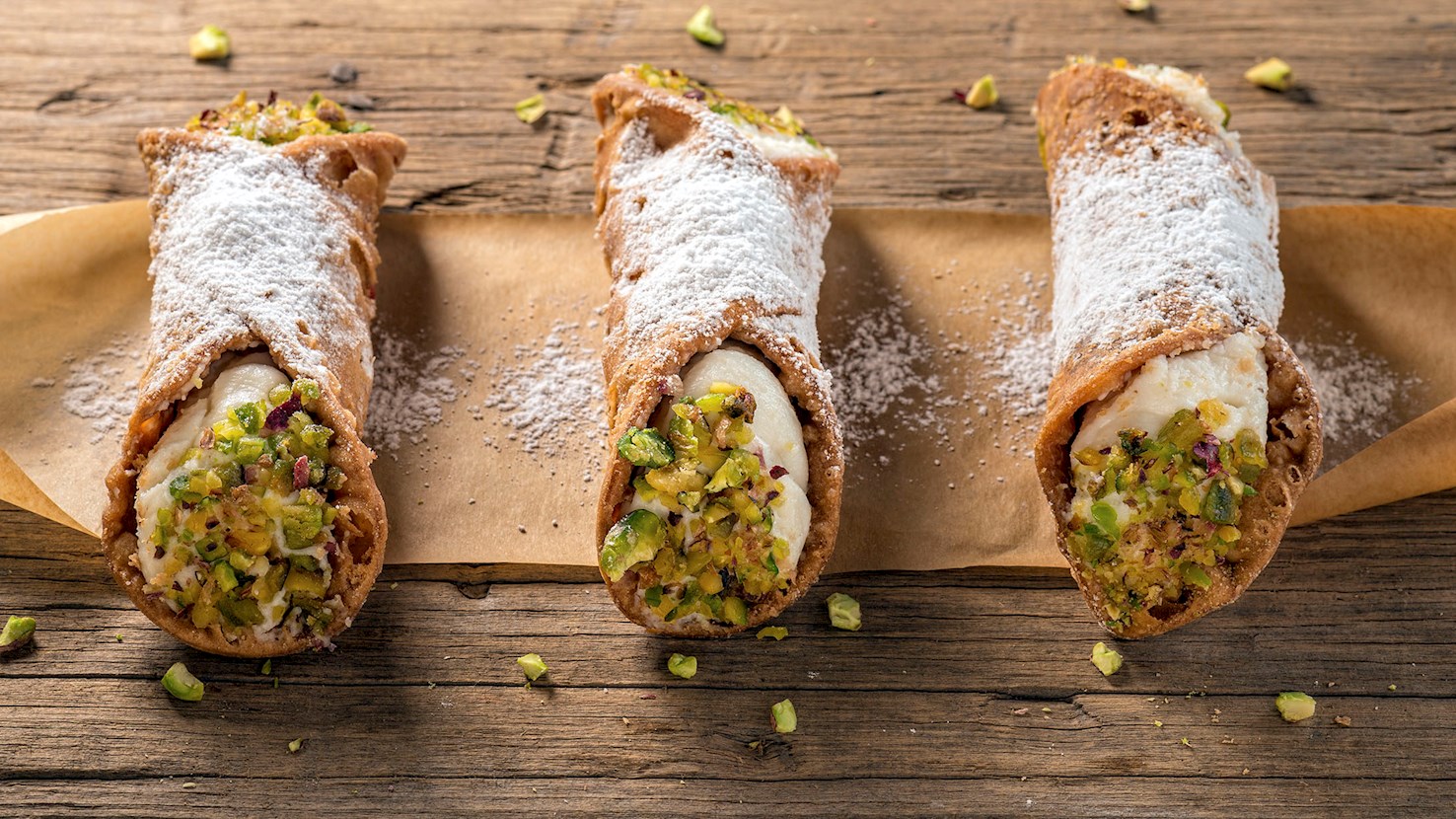
These decadent, crispy fried pastry tubes filled with luscious ricotta cheese cream are perhaps one of Sicily's best known desserts outside of Italy. Cannoli are believed to have originated around Palermo during the 9th century, while Sicily was under Arab rule. Legend has it that they were originally prepared by the women of the ancient city of Qal'at al-Nisā' (lit. castle of women), the modern-day Caltanissetta, which at the time served as the harem of a Saracen emir. Later on, the recipe later somehow found its way to the monasteries of Palermo where nuns would prepare this lavish dessert during the carnival season. Cannoli have come a long way since then, becoming incredibly popular not only throughout Italy, but also in North America, where they were introduced by Sicilian immigrants in the late 19th century. Furthermore, thanks to one of the most famous lines from the movie The Godfather — "Leave the gun. Take the cannoli." — by the end of the 1970s, this dessert had attained a truly iconic status. Although people in the United States are familiar with different variations of this classic recipe, cannoli in Sicily are still prepared in a more traditional way. The crispy pastry shells are typically flavored with cocoa, suet, and Marsala wine, while the delicate freshness of the sweetened ricotta is sometimes enriched with orange blossom water, candied orange peel, chocolate, zuccata candied pumpkin, or finely chopped pistachios. The name is derived from canna, a cane reed that’s cut into sections and used as a mold for frying the pastry shells, although metal cylinders have mostly replaced canna nowadays. And last, but certainly not least, cannoli shells are always filled just before serving to prevent them from getting soggy, ensuring the perfect feel of crunchiness against the creamy filling.
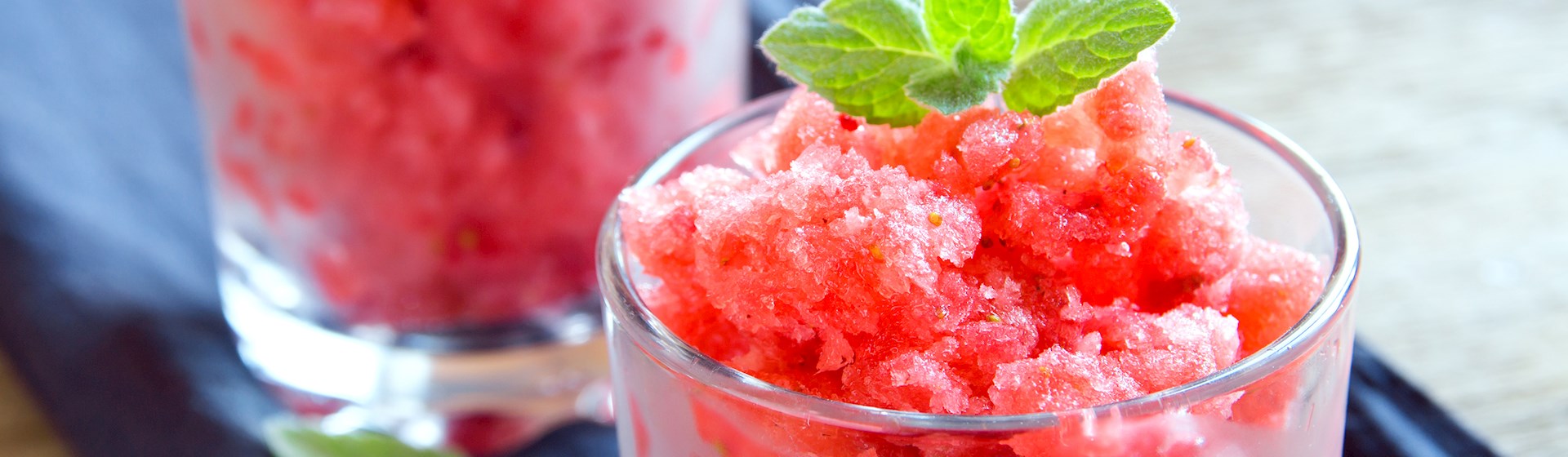
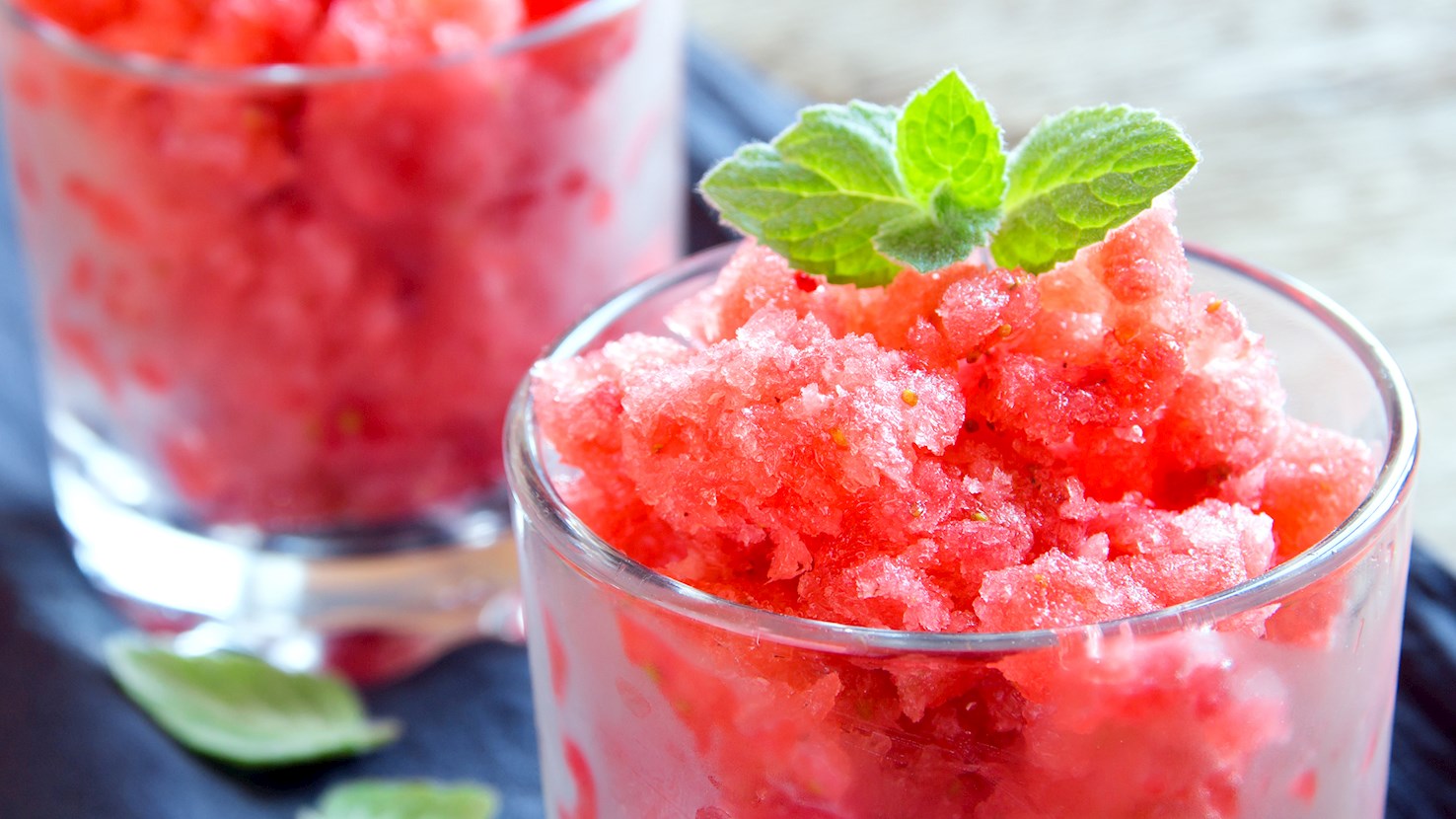
This classic Sicilian semi-frozen dessert is just the thing to cool you down during the dog days of summer. It is served all across the island, and traditionally enjoyed for breakfast alongside an espresso and brioche. Granita is made with water, sugar, and fruit juice or various other flavorings. It is sometimes confused with sorbetto, though granita has a much grainier texture, hence the name, while its origins can be traced back to the sweet Arabic chilled drink sharbāt which was introduced to Sicily during Arab rule. However, traditional granita is not simply chilled but almost frozen - in fact, it was once called rattata (lit. grated) and made using snow and ice from Etna that was collected during winter, then stored in mountain caves. Until the early 20th century and the advent of Italy's first ice cream makers, this was the only way to prepare this icy dessert. Some of the favorite modern Italian takes on this ancient recipe include sweet Sicilian lemon and zesty blood orange varieties. With other flavors such as rich espresso, almond, or even those spiked with luscious liqueurs, the possibilities for granita are seemingly endless.
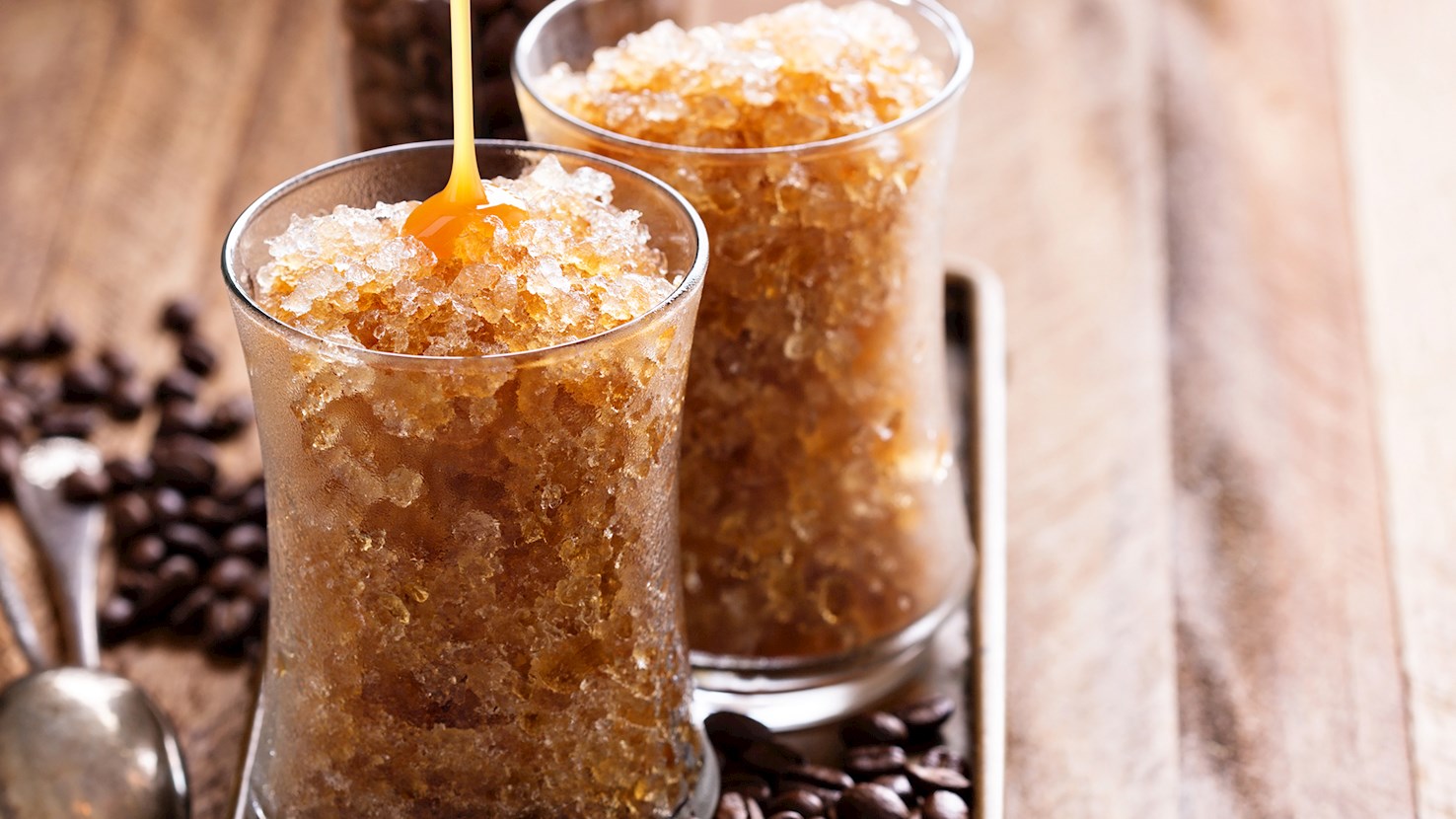
Although granita—frozen Sicilian dessert similar to sorbetto—is enjoyed throughout Sicily, the city of Messina is often dubbed as its spiritual home, and apart from typical flavors such as lemon, strawberry, chocolate, peach, mulberry, and pistachio, the most common specialty associated with the city is the coffee-flavored granita. In Messina, granita has a coarser structure, and the coffee-flavored combination is often called mezza con panna, which translates as half with cream. This name stems from the ancient practice of serving granita in larger glasses and those who would prefer smaller portions would often order only half (mezza). This size later became a standard and granita is nowadays usually served in regular water glasses. Interestingly, even though the name does not specify, mezza con panna only refers to granita with coffee. This frozen sweet treat is often topped with unsweetened whipped cream, and it comes served with Italian brioche (brioscia) on the side. Although it can be enjoyed as a regular dessert, Sicilians prefer to eat granita di caffè as a sweet breakfast option.
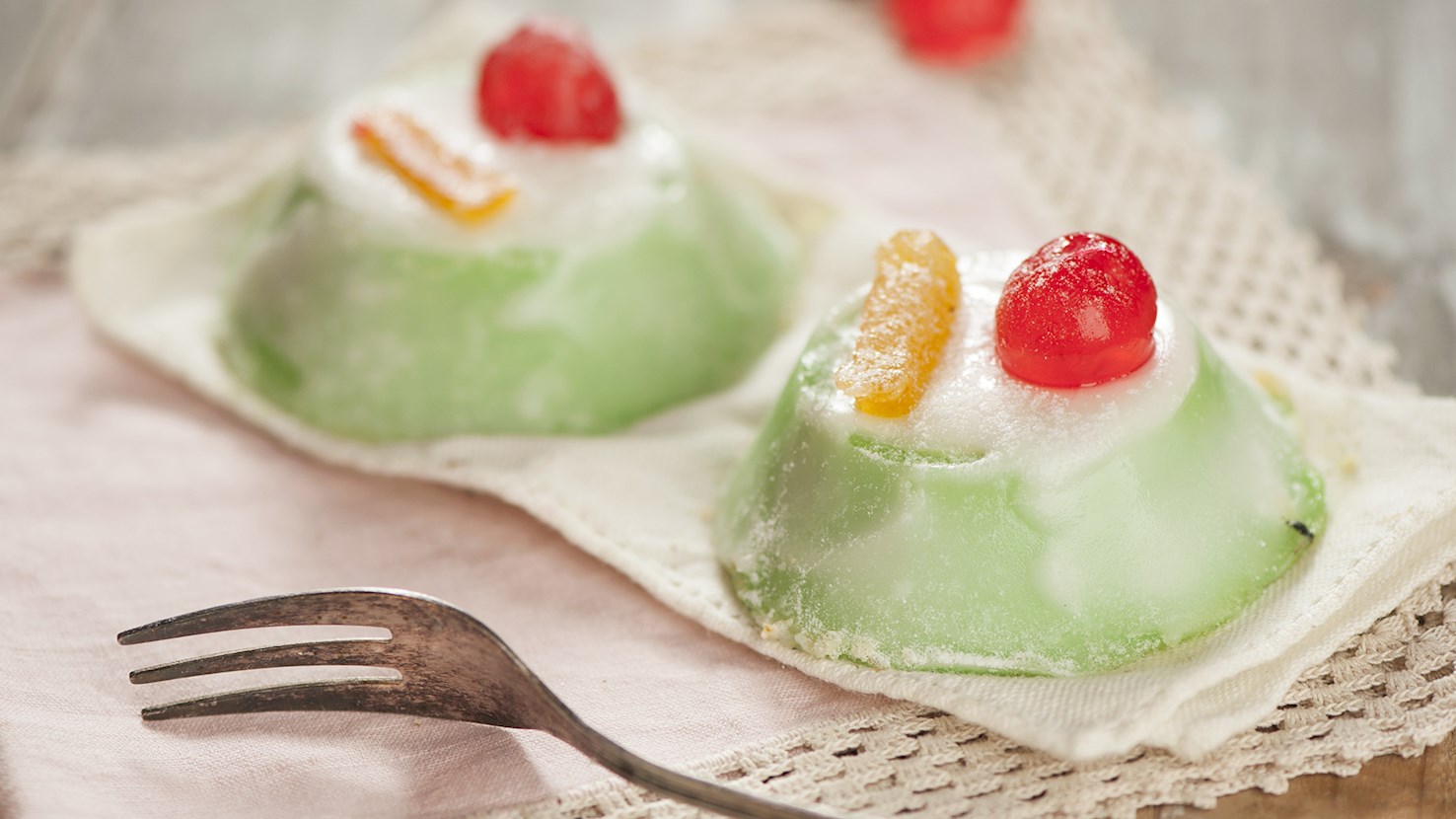
Arguably Sicily’s most famous dessert, this traditional cake consists of liqueur-drenched genoise sponge cake layered with sweetened ricotta and fruit preserves, decorated with a marzipan shell and colorful candied fruits. It is believed that cassata originated as a simple sugar, egg, and ricotta cheesecake while its name is thought to have been derived from the Arabic word qas’ah, which refers to the bowl used to make the cake. This is traditionally a winter and spring specialty, and it is most often served around Easter. It’s usually chilled for 3 hours before serving. By the 14th century, cassata had become a dessert of the aristocracy, and even today, few people outside of the culinary world are brave enough to prepare this elaborate delicacy at home. Other varieties of cassata exist today—cassata Catanese is quite popular in the Catania region of Italy, while cassatella di Sant’Agata is traditionally consumed during the feast of Saint Agatha, characterized by its small size, green marzipan, and a single cherry on top.
TasteAtlas food rankings are based on the ratings of the TasteAtlas audience, with a series of mechanisms that recognize real users and that ignore bot,
nationalist or local patriotic ratings, and give additional value to the ratings of users that the system recognizes as knowledgeable.
TasteAtlas Rankings should not be seen as the final global conclusion about food. Their purpose is to promote excellent local foods,
instill pride in traditional dishes, and arouse curiosity about dishes you haven’t tried.



What People Say