



shutterstock

43 Traditional Foods
You Have To Try in Milan

Last updated on June 17, 2026
01

Cotoletta alla Milanese

4.2 ·

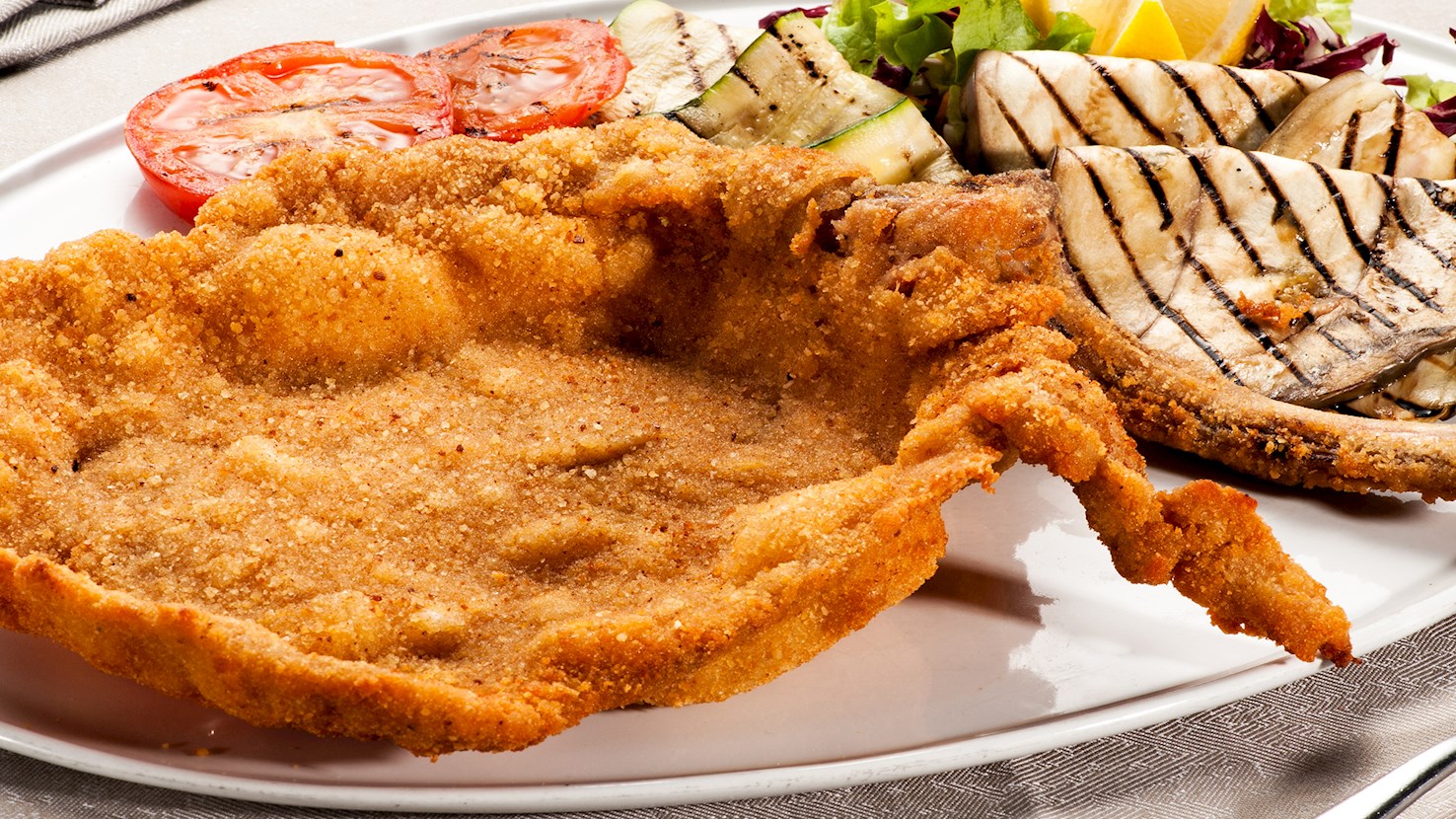
Just like its distant Viennese cousin, cotoletta alla Milanese is a thinly pounded, breaded, pan-fried veal cutlet. Although similar, the two dishes do differ slightly: the Viennese version is traditionally dipped in both flour and bread crumbs before being fried in oil, butter, or a combination of both, while the Milanese version is cooked bone-in and uses only bread crumbs and butter. It is often suggested that the similarities between these two culinary classics are not purely coincidental, as Milan was a part of the Austro-Hungarian Empire in the 17th and 18th century. However, when responding to any superficial comparison between the cotoletta and Wiener schnitzel, the Milanese will proudly point out that their dish has been a specialty of Milan and Lombardy since the 12th century. A recent Milanese invention is a version of the cotoletta called l’orecchia di elefante (lit. elephant's ear) in reference to its size and shape, while the original version gets its name from la costoletta - the cut of meat traditionally used to make it, a nearly inch-thick bone-in veal chop.

02

Risotto

4.2 ·

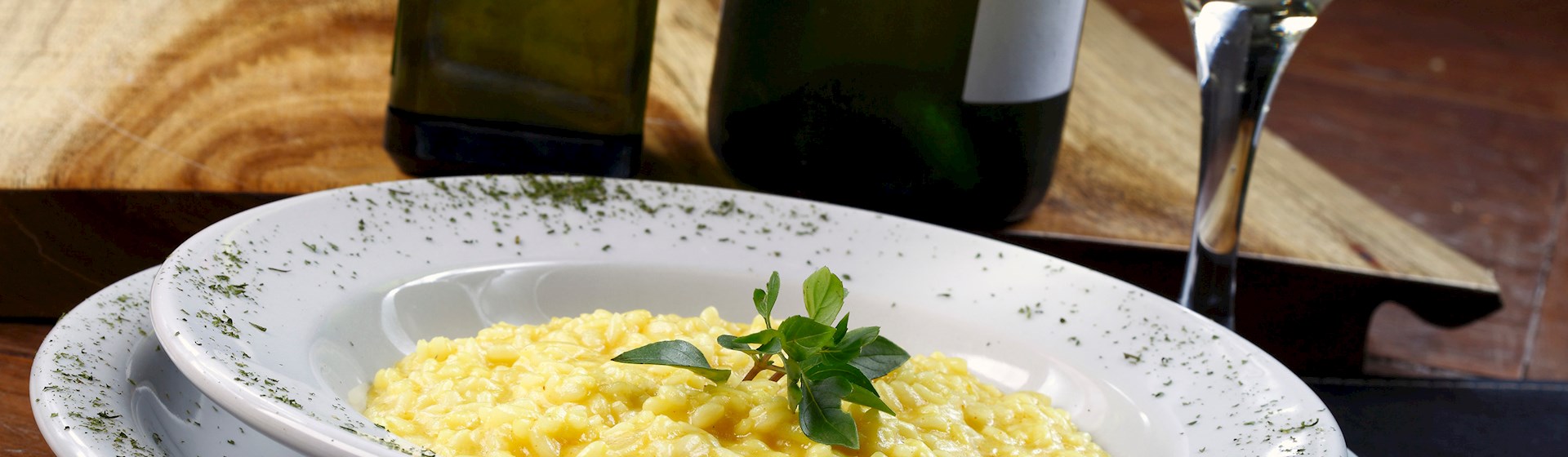
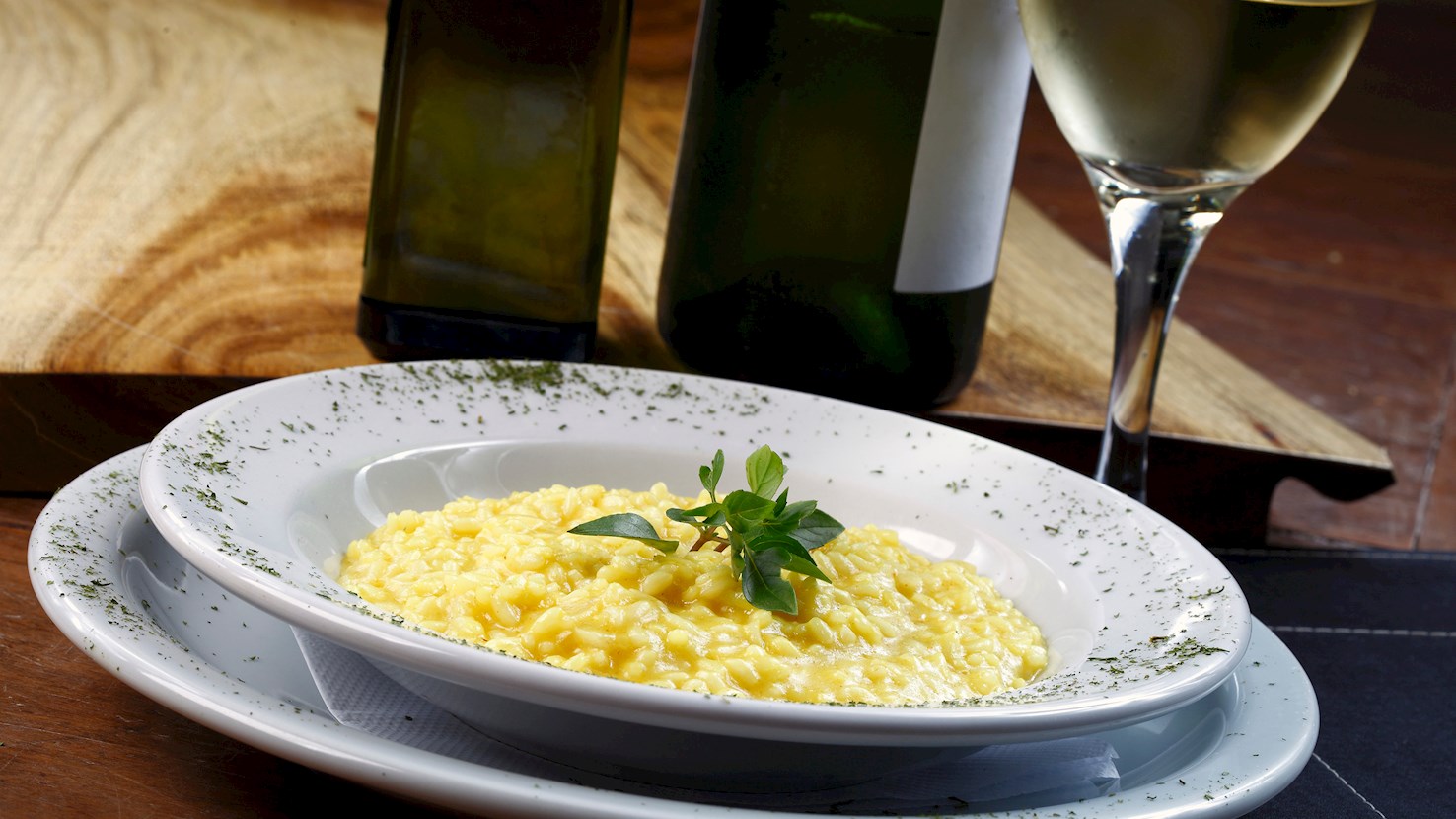
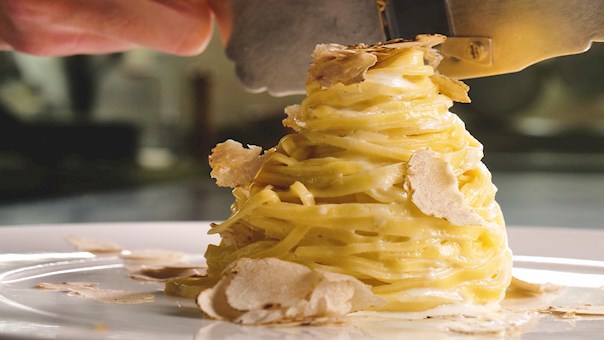
This widely popular and extremely versatile group of dishes consists of a base of rice and stock. Butter, saffron, and parmesan are some of the ingredients most often combined with the base to make a variety of flavorful risottos. The history of the dish is rife with conflicting theories about its origins, however, it is certain that rice was first introduced to Italy by the Arabs during the Middle Ages. Since the Mediterranean climate was perfect for growing short-grain rice, huge amounts of it started to be sold - primarily in Venice, Genoa, and the surrounding areas. As rice gained in popularity, it became a staple food of the Po valley, Lombardy, Piedmont, Veneto, and the city of Milan. It was only a matter of time before rice was combined with saffron, which the Milan region was famous for, and the legendary risotto alla Milanese was invented. Even today, risotto is still usually prepared using the same key components: rice, stock, butter, wine, parmesan, saffron, and onions. The dish is served throughout the world, so there are also a number of varieties with ingredients such as truffles, squid ink, asparagus, sausage, scallops, and veal, among many others.

03

Risotto alla Milanese

4.2 ·

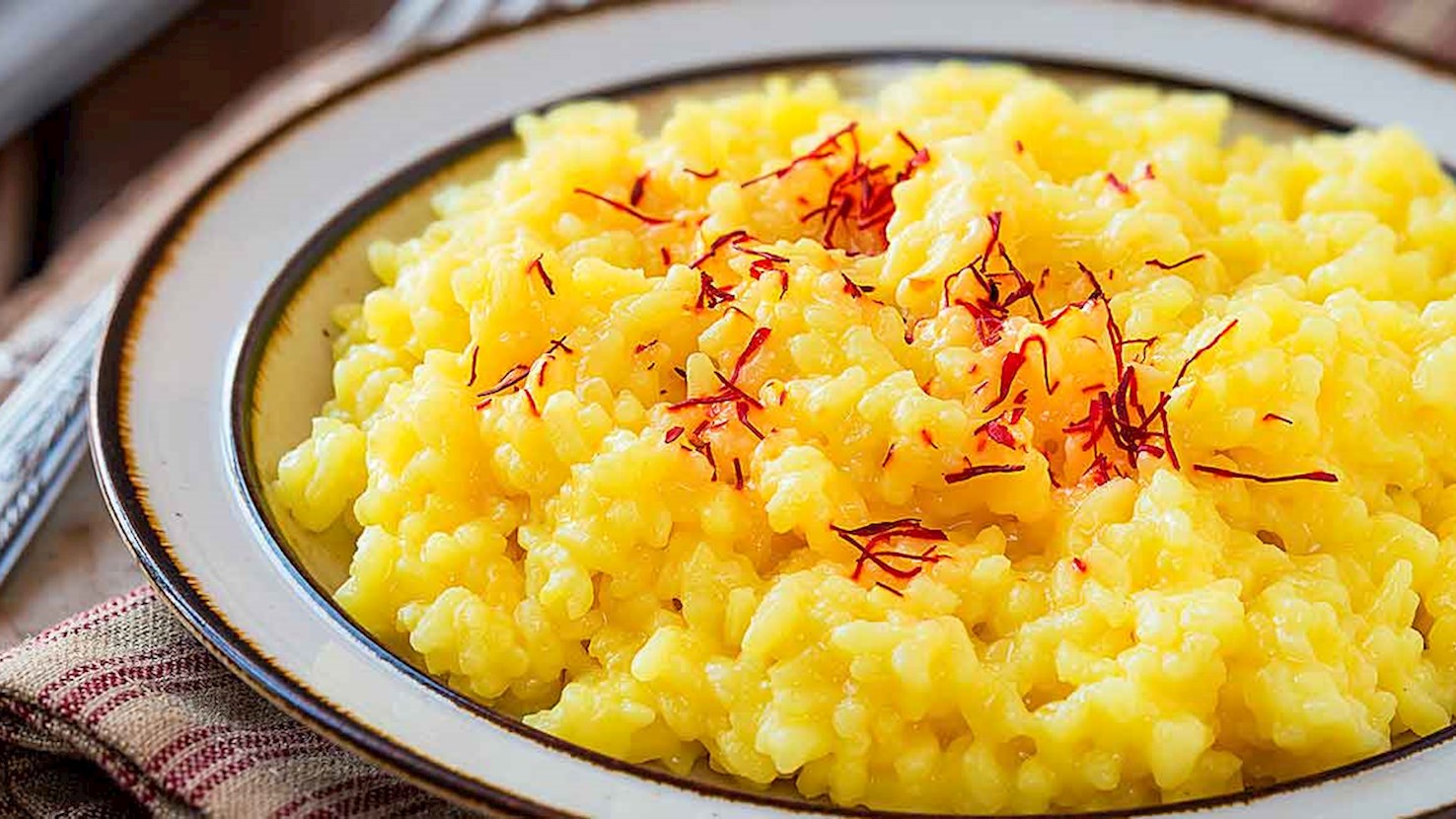
One of the simplest, yet most luxurious rice dishes, this creamy risotto gets its vivid color and flavor from saffron. According to legend, the dish was first created sometime in the 16th century, during the construction of Duomo. Apparently, it was invented by either the master glazier of Milan's cathedral, a Flemish painter named Valerio Diependale, or his apprentice, nicknamed Zafferano (lit. saffron), who regularly used this expensive spice to stain the glass windows yellow. However, the first recipe under the name risotto alla Milanese was found in Giovanni Felice Luraschi's 1829 cookbook Nuovo Cuoco Milanese Economico, and over time, this saffron-flavored classic became a traditional accompaniment to ossobuco, another signature dish of Milan.

04

Ossobuco alla Milanese

4.1 ·

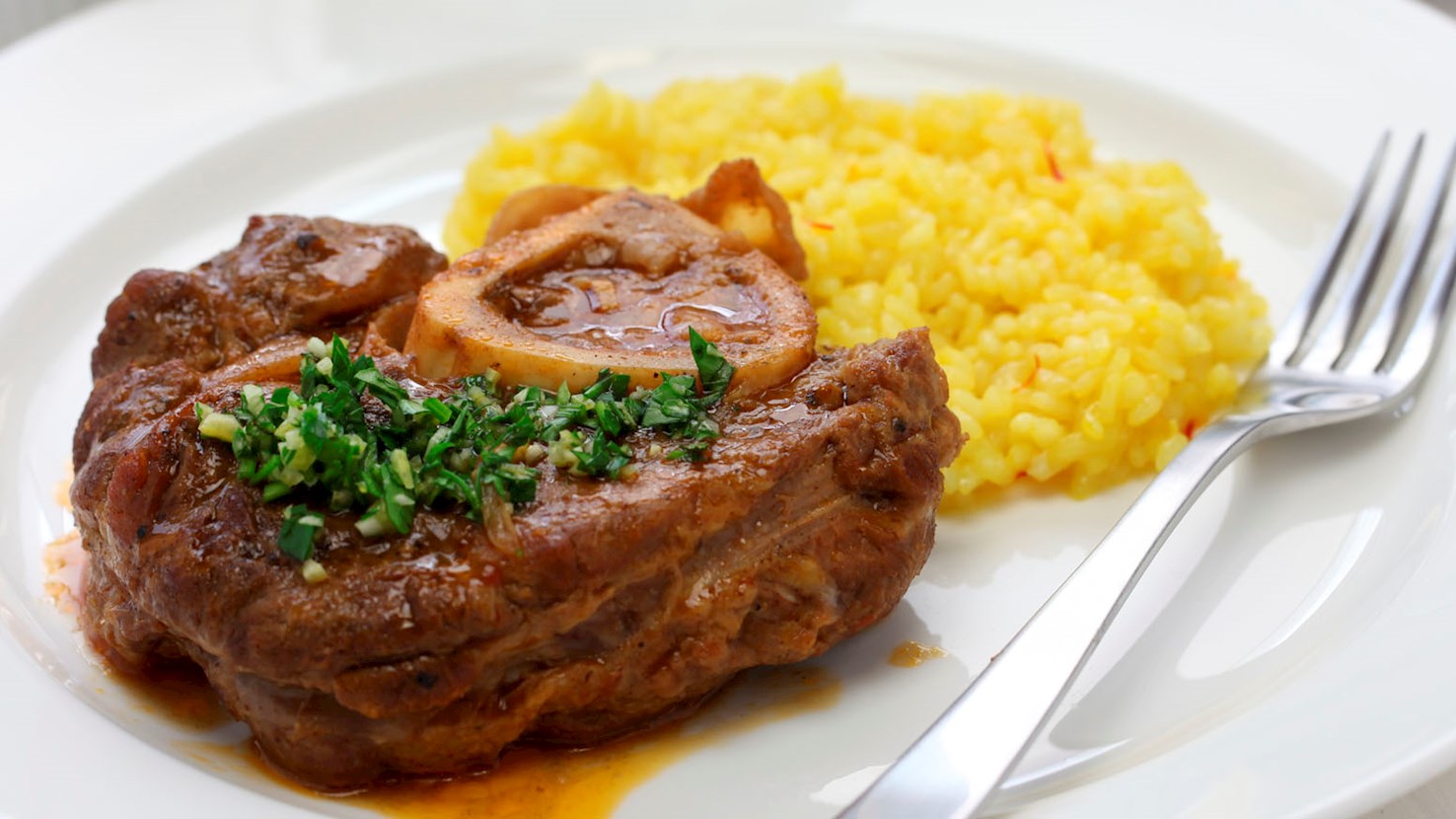
Locally known as l'oss bus a la Milanesa, these wine-braised veal shanks are a classic of northern Italian cuisine and one of Milan's most cherished signature dishes. Ossobuco is believed to have been prepared in local trattorias for centuries, although the first written recipe was found in Pellegrino Artusi's 1891 cooking manual La Scienza in Cucina e l’Arte di Mangiar Bene. The word ossobuco translates to hollow bone — the cut of veal used for this dish is sliced horizontally through the bone and exposes the marrow, which is what gives the dish its buttery richness. Slow-cooked in beef broth until the meat becomes soft enough to cut with a fork, ossobuco is finished with a topping of gremolà or gremolada, a zesty herb relish made with mashed anchovies, minced garlic, parsley, and lemon zest. Ossobuco can be served alone or it can be accompanied by polenta, peas, mashed potatoes, or spinach with butter, but for a real feast of flavors, it is best enjoyed with risotto alla Milanese.

05

Panettone

3.6 ·

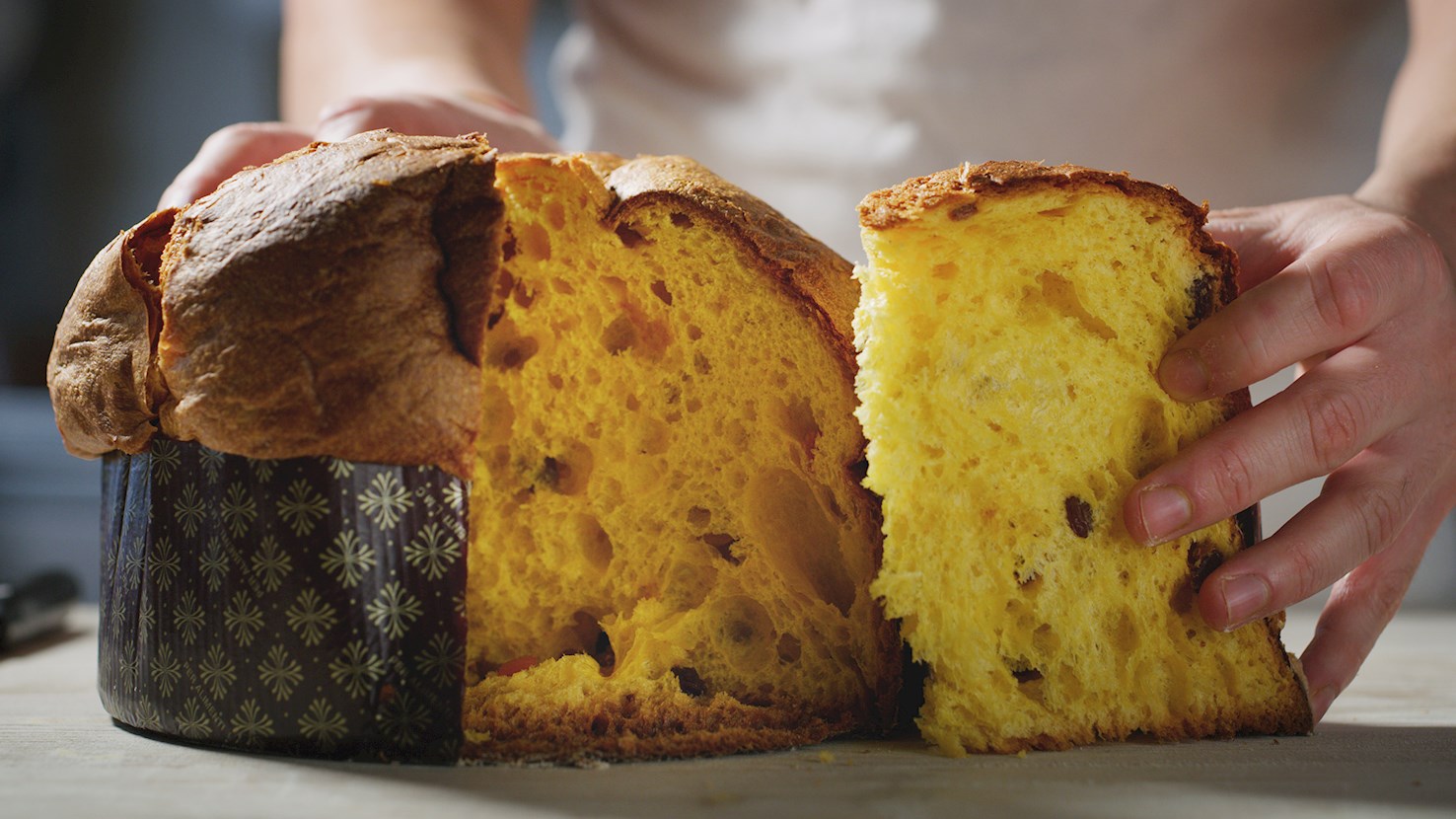
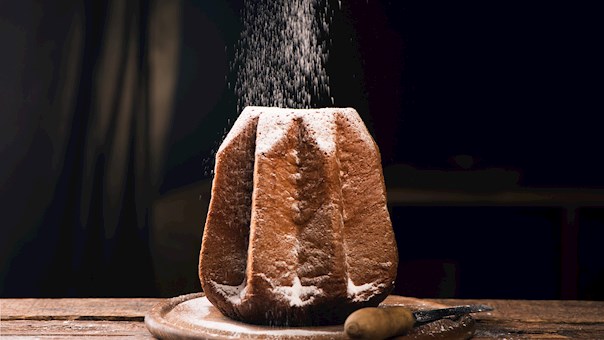
This famous Italian sweet bread studded with raisins and candied orange and lemon peels is traditionally enjoyed for Christmas. Often exchanged as a gift among friends and family, panettone represents an act of kindness and a wish for a happy holiday. This delicious treat is typically consumed with hot chocolate, ice cream, or eggnog. Legend has it that panettone was invented by a Milanese noble named Ugheto Atellani as a means of conquering the heart of Adalgisa, the local baker's daughter with whom he fell in love, and the bread was supposedly served at their wedding. At the time - being made with lots of butter, honey, and raisins - it was known as pan de ton, meaning the bread of luxury, hence the name panettone. There are many more stories about the origin of this sweet bread, but regardless of its true origin, panettone remains one of the most popular Italian delicacies as well as one of Italy's most exported products.

06

Colomba Pasquale

3.7 ·

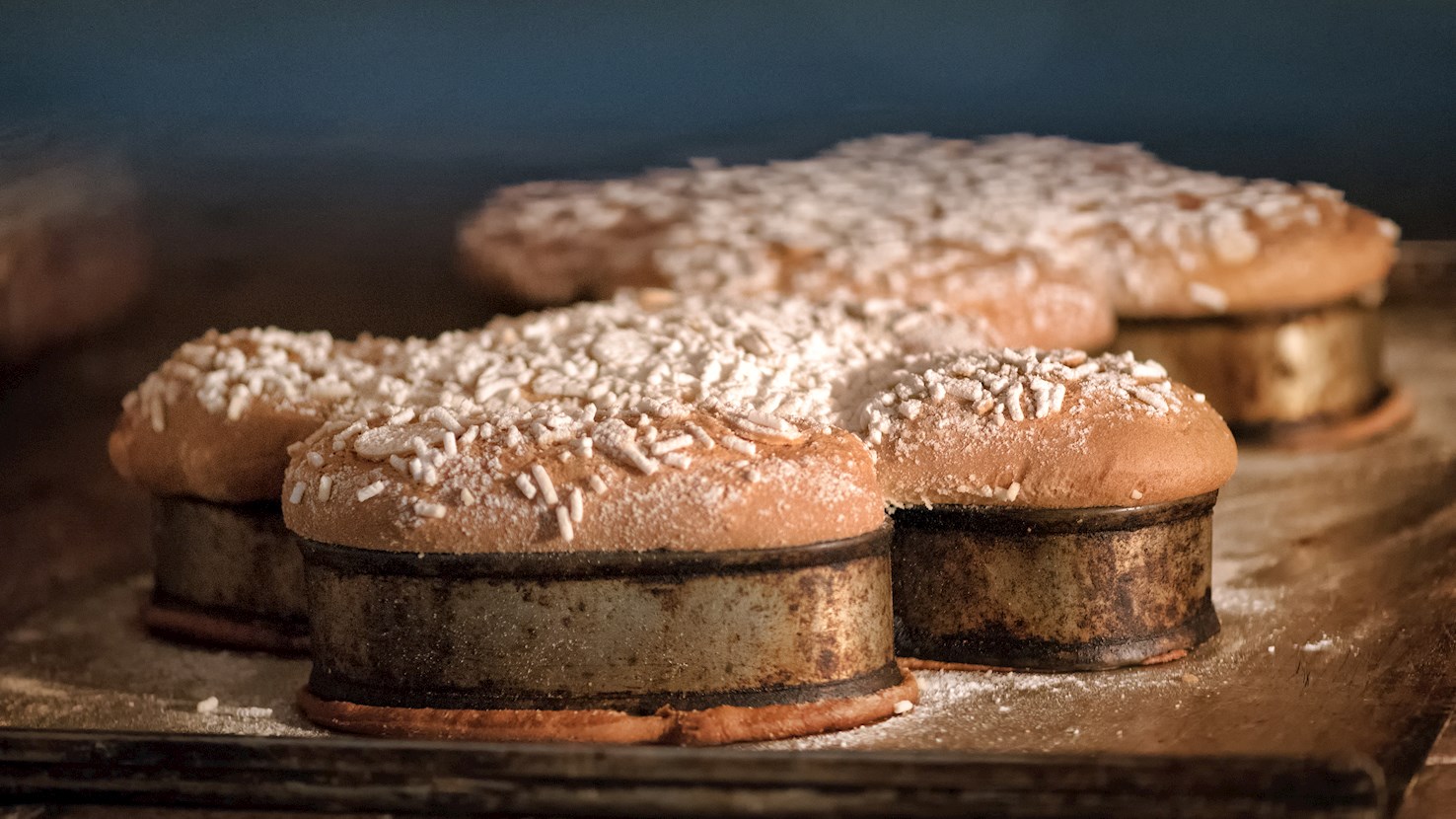
Colomba pasquale is a traditional sweet bread that is prepared for Easter. It is shaped to resemble a dove, covered in sugar, and studded with almonds. The dough is usually made with sugar, flour, eggs, yeast, and butter. The name of the dessert means Easter dove, referring to its shape. Spongy, buttery, and sweet, the bread is often stuffed with candied fruit or lemon zest on the interior.

07

Vitello tonnato

4.1 ·

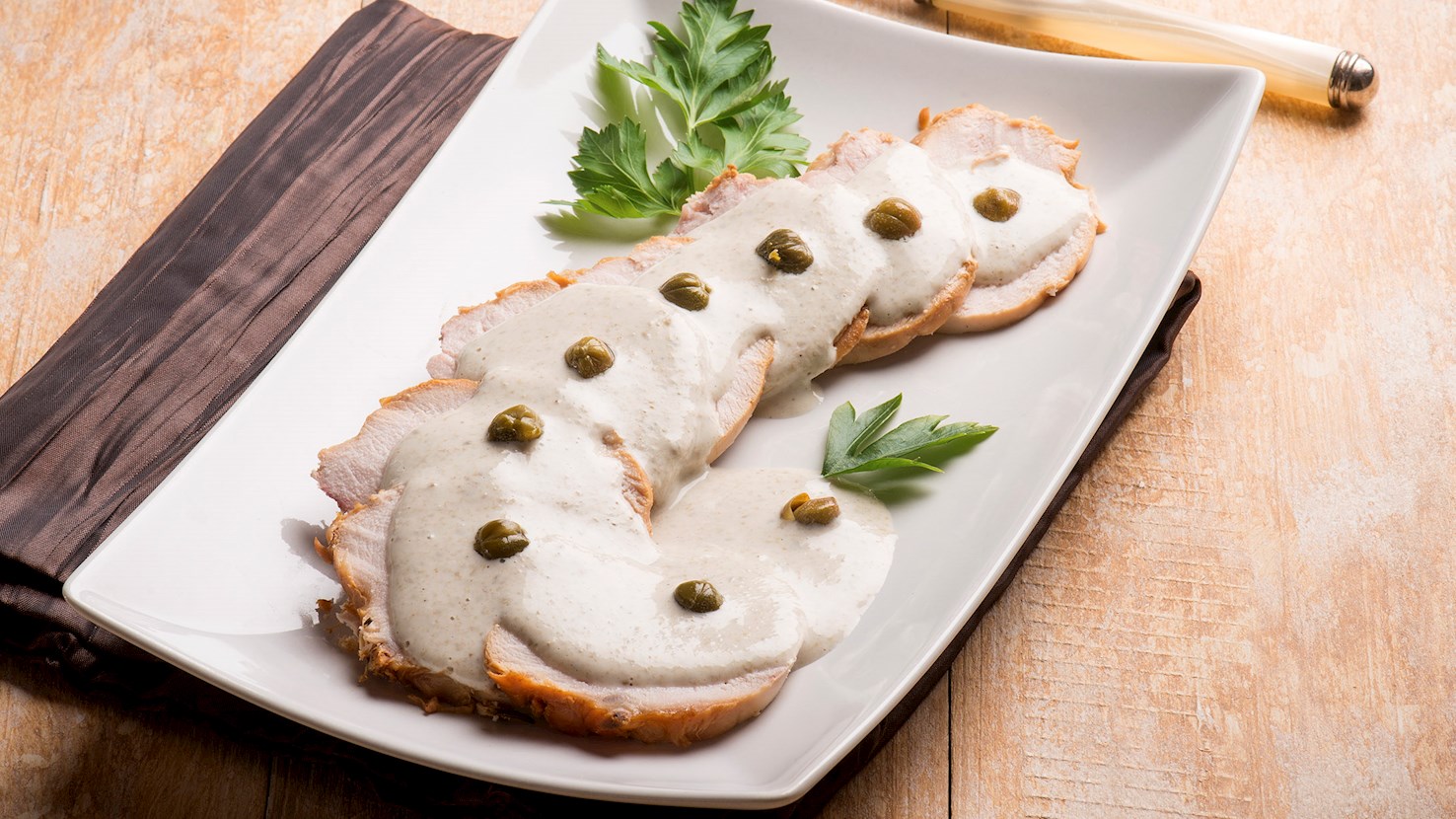
Another northern Italian classic, vitello tonnato, or vitel tonnè in local dialect, is a filling Piedmontese entrée made with white wine-marinated and tender-boiled veal smothered in a velvety tuna, anchovy, and caper sauce. It is traditionally served garnished with capers, parsley, anchovies, and lemon slices. The dish is believed to have been invented in the 1700s, but it wasn't until the mid-1800s when the recipe was first published in La Cucina degli Stomachi Deboli, a cookbook written by a renowned Italian physician and medical researcher Angelo Dubini.

08

Budino di riso

3.1 ·

Often prepared by grandmas throughout Italy on Sundays and holidays, budino di riso is a sweet Italian rice pudding. In its most basic form, the dessert is made with a creamy combination of rice, eggs, butter, and milk flavored with vanilla, lemon, or cinnamon. Modern versions are sometimes made with shortcrust pastry that acts as a bed for the rice pudding, and the whole concoction is then sprinkled with icing sugar. It is recommended to use either arborio or carnaroli rice because of the starch which gives the pudding a smooth and creamy texture.

09

Panzerotti

4.3 ·

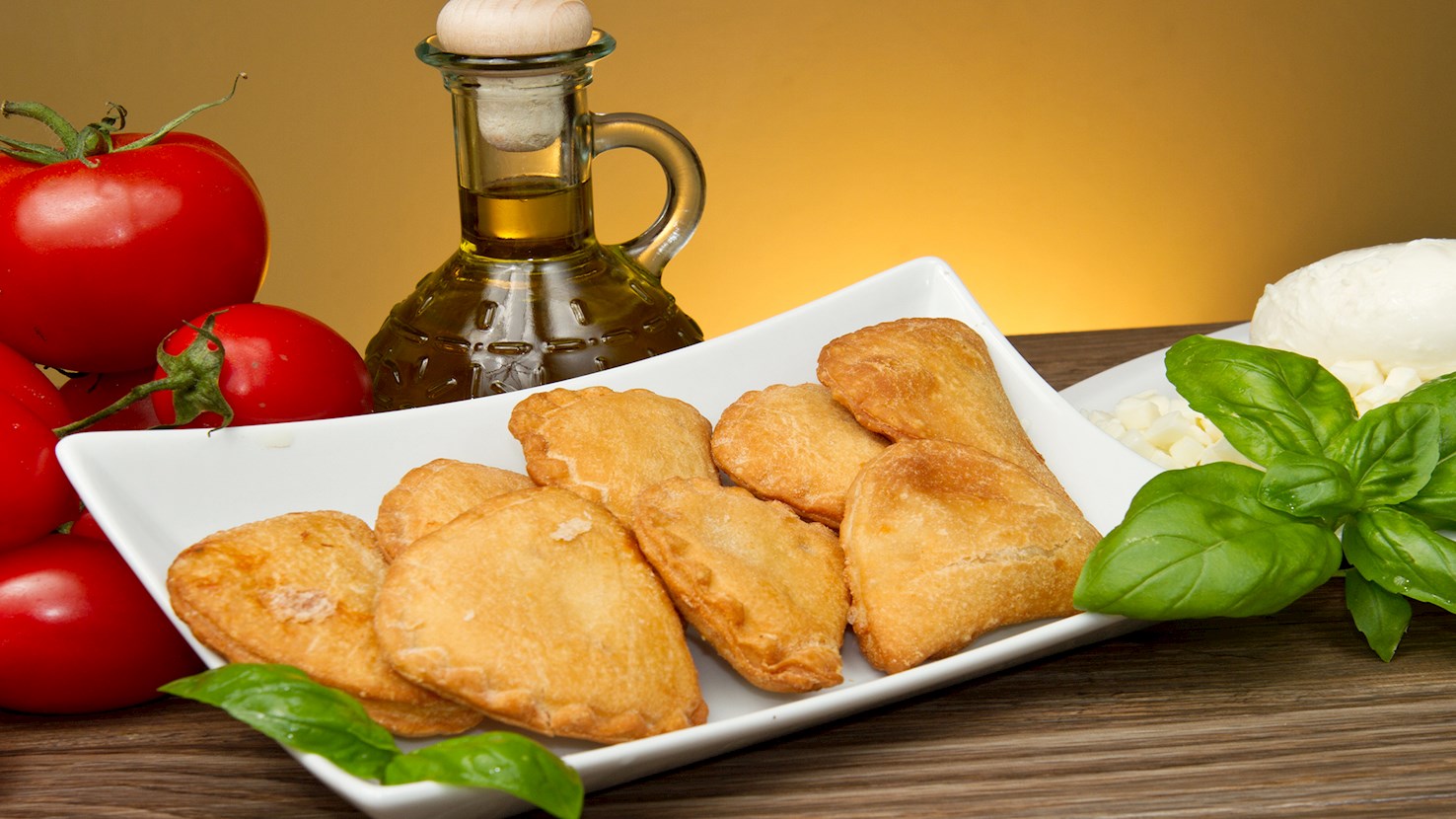
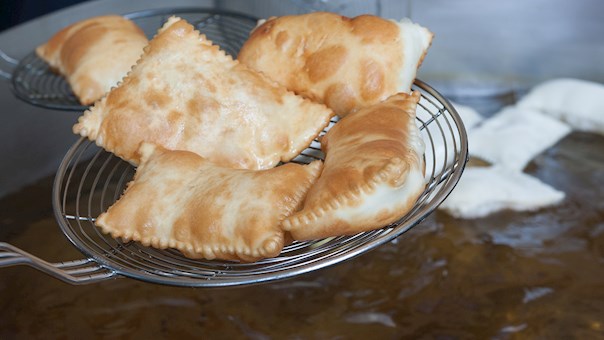
These crescent-shaped turnovers are traditionally prepared for the Carnival season, and even though it is believed that they originated in the Apulia region, panzerotti are extremely popular all across southern Italy. They resemble small calzone pizzas—both in shape and the dough used for its preparation—but instead of being oven-baked, panzerotti are deep-fried, which is why they're also called calzoni fritti (fried calzones), pizze fritte (fried pizzas), or simply frittelle (fritters). The classic panzerotto filling consists of merely tomatoes and mozzarella, but they can be filled with pretty much anything and in various combinations: prosciutto-mozzarella, pepperoni-provolone, spinach-ricotta, zucchini-mozzarella, onion-olives-tomatoes, speck-fontina, etc. Apart from the savory variations, there are also panzerotti filled with all kinds of fruits such as apples, pears, plums, oranges, cherries, peaches, and strawberries, which are wonderfully paired with ricotta, chocolate, or custard cream.

10

Cassoeula

3.2 ·

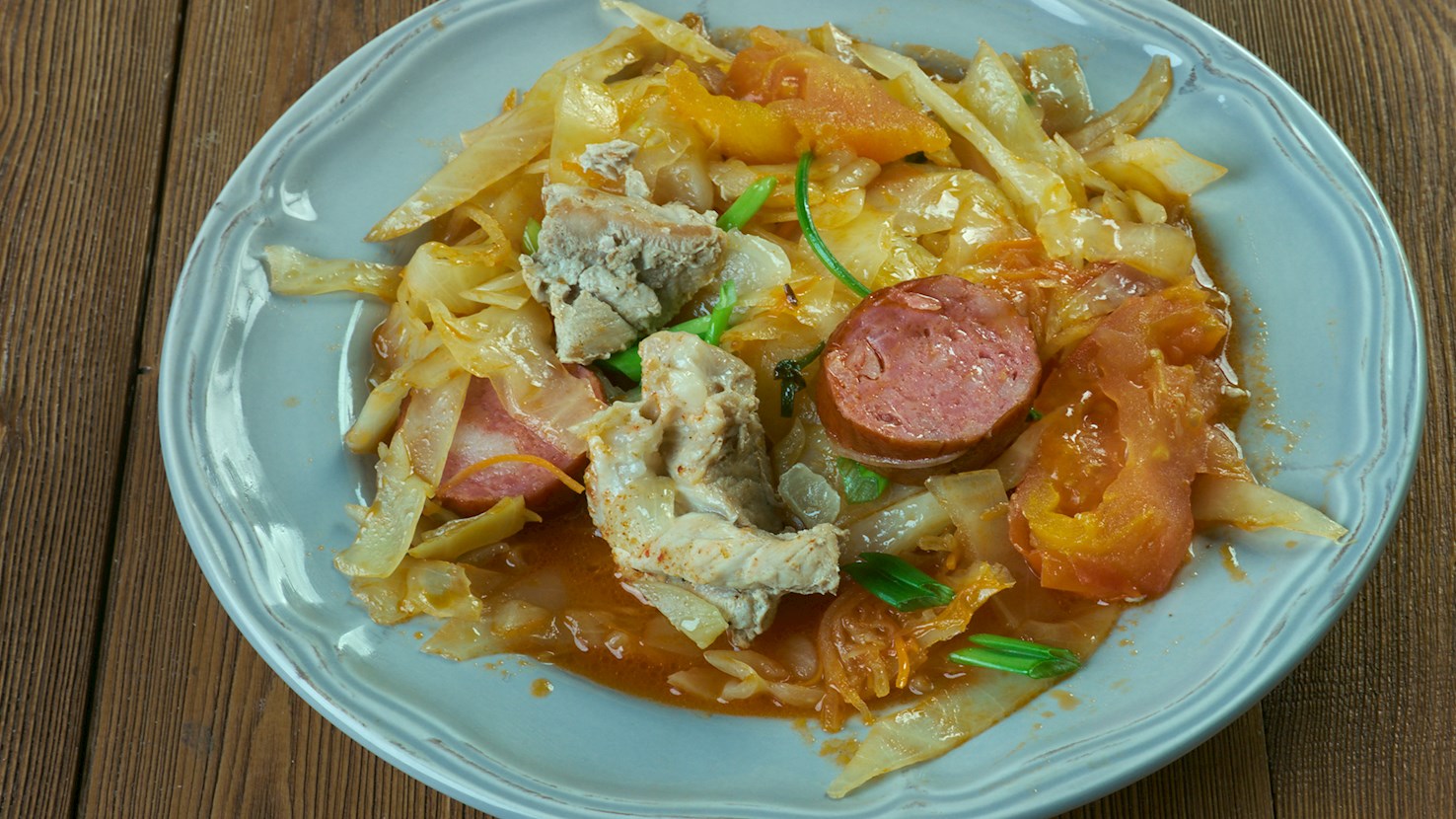
Cassoeula is a traditional dish from the region of Lombardy, consisting of braised pork cutlets and cabbage in a hearty stew. The dish is often served with creamy polenta on the side. The name of the dish is derived from the word cazza, meaning pan, referring to the pan in which it is prepared. Cassoeula is traditionally prepared during winter because it is very filling and nutritious. It is closely associated with the feast of St. Anthony Abbot, celebrated on the 17th of January, which marks the end of the pig slaughtering season.

About this ranking

TasteAtlas food rankings are based on the ratings of the TasteAtlas audience, with a series of mechanisms that recognize real users and that ignore bot, nationalist or local patriotic ratings, and give additional value to the ratings of users that the system recognizes as knowledgeable. For the “43 Traditional Foods You Have To Try in Milan” list until June 17, 2026, 1,311 ratings were recorded, of which 1,077 were recognized by the system as legitimate. TasteAtlas Rankings should not be seen as the final global conclusion about food. Their purpose is to promote excellent local foods, instill pride in traditional dishes, and arouse curiosity about dishes you haven’t tried.

Similar lists