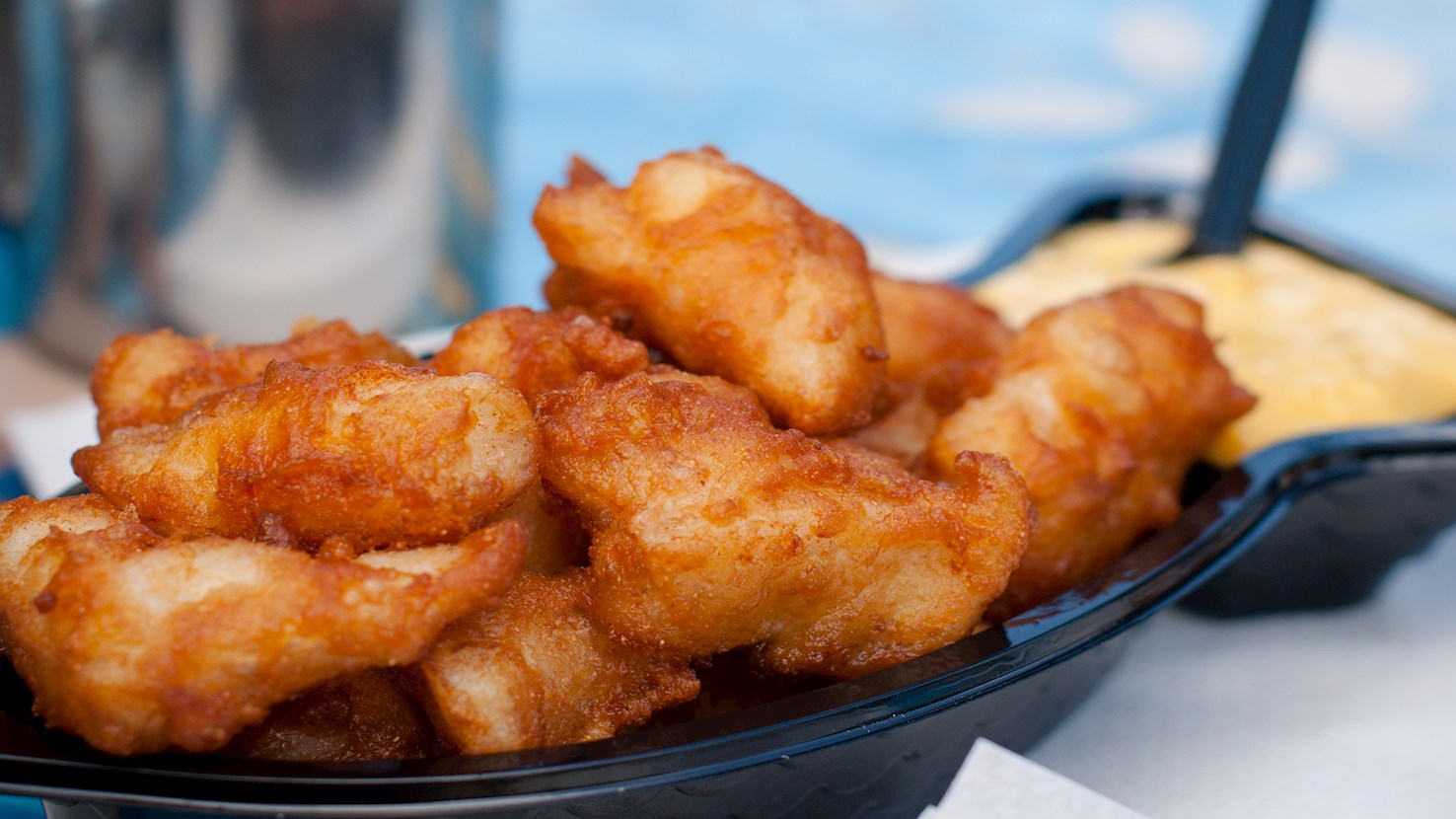
Kibbeling is a popular Dutch street food item consisting of pieces of fish that are dipped in batter, deep-fried in hot oil, and served with a dipping sauce such as garlic sauce, remoulade, ravigote, or whiskey sauce. In the Netherlands, kibbeling is mostly consumed as a snack, but it can also be prepared for dinner, when it is recommended to pair it with French fries, a fresh salad, and a sauce of choice.
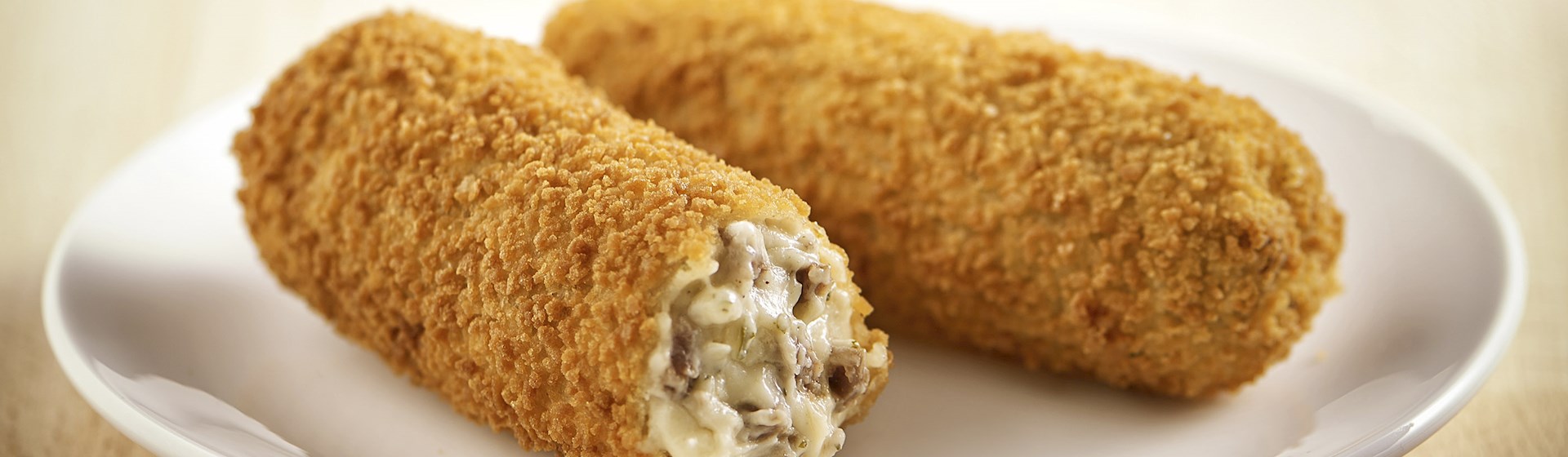
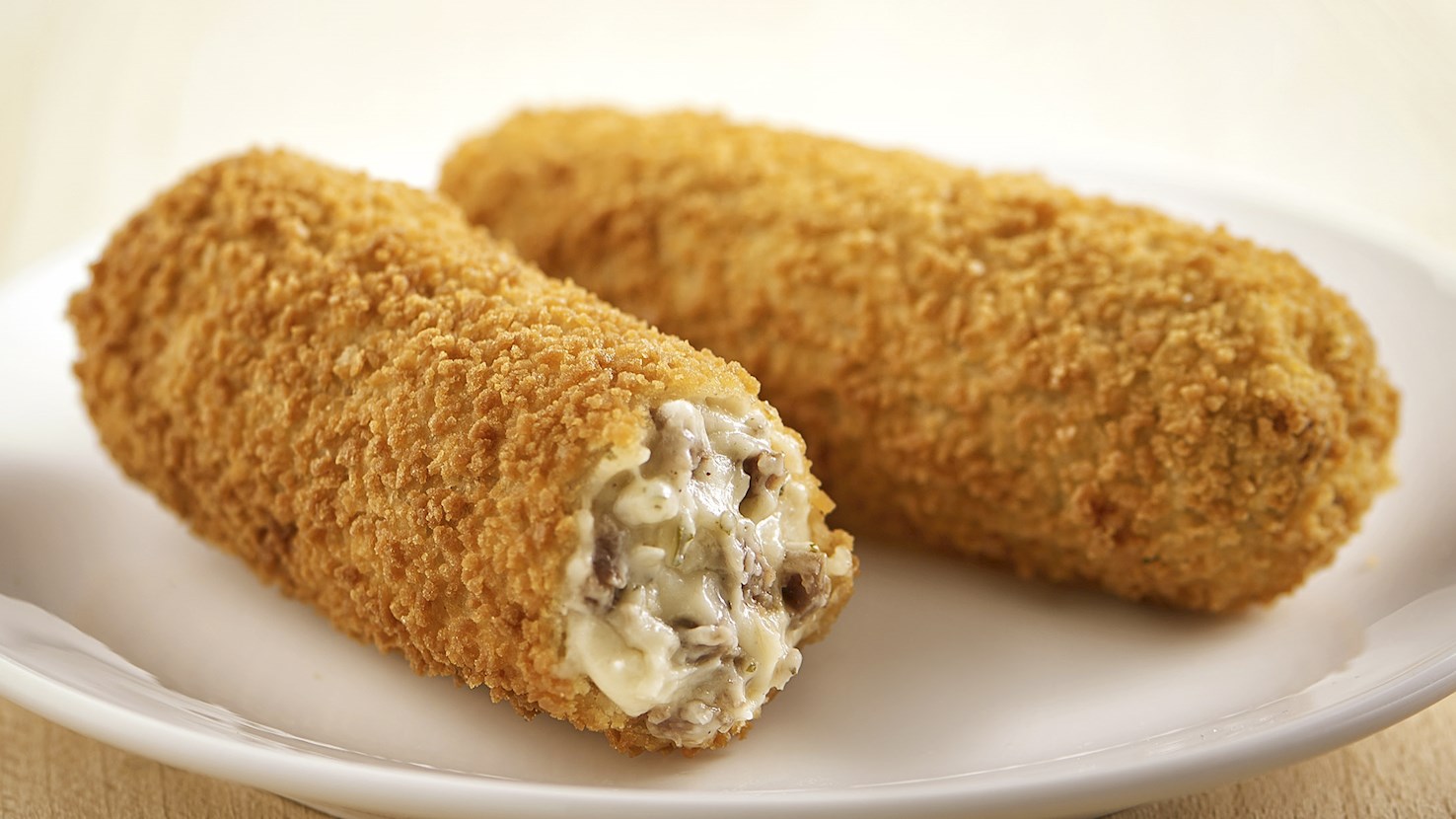
Kroket is a modern Dutch counterpart to the classic French croquettes, consisting of ingredients such as meat, seafood, cheese, and gravy that are refrigerated, rolled into logs, breaded and deep-fried until they develop a golden-brown color. The most typical Dutch kroket is made with meat ragout covered in breadcrumbs. The oldest recipe for the Dutch kroket is believed to date back to 1830, and since then, it has appeared in numerous Dutch cookbooks. Originally, kroket was served as a side dish, but after World War II, it quickly became a popular snack item. Today, kroketten can also be served in a croquette sandwich or accompanied by French fries, in numerous varieties such as goulash kroket, prawn kroket, and vegetarian kroket. There is also the bitterbal, a small, round-shaped version of kroket made with beef or veal, which is a popular snack in bars throughout the Netherlands.
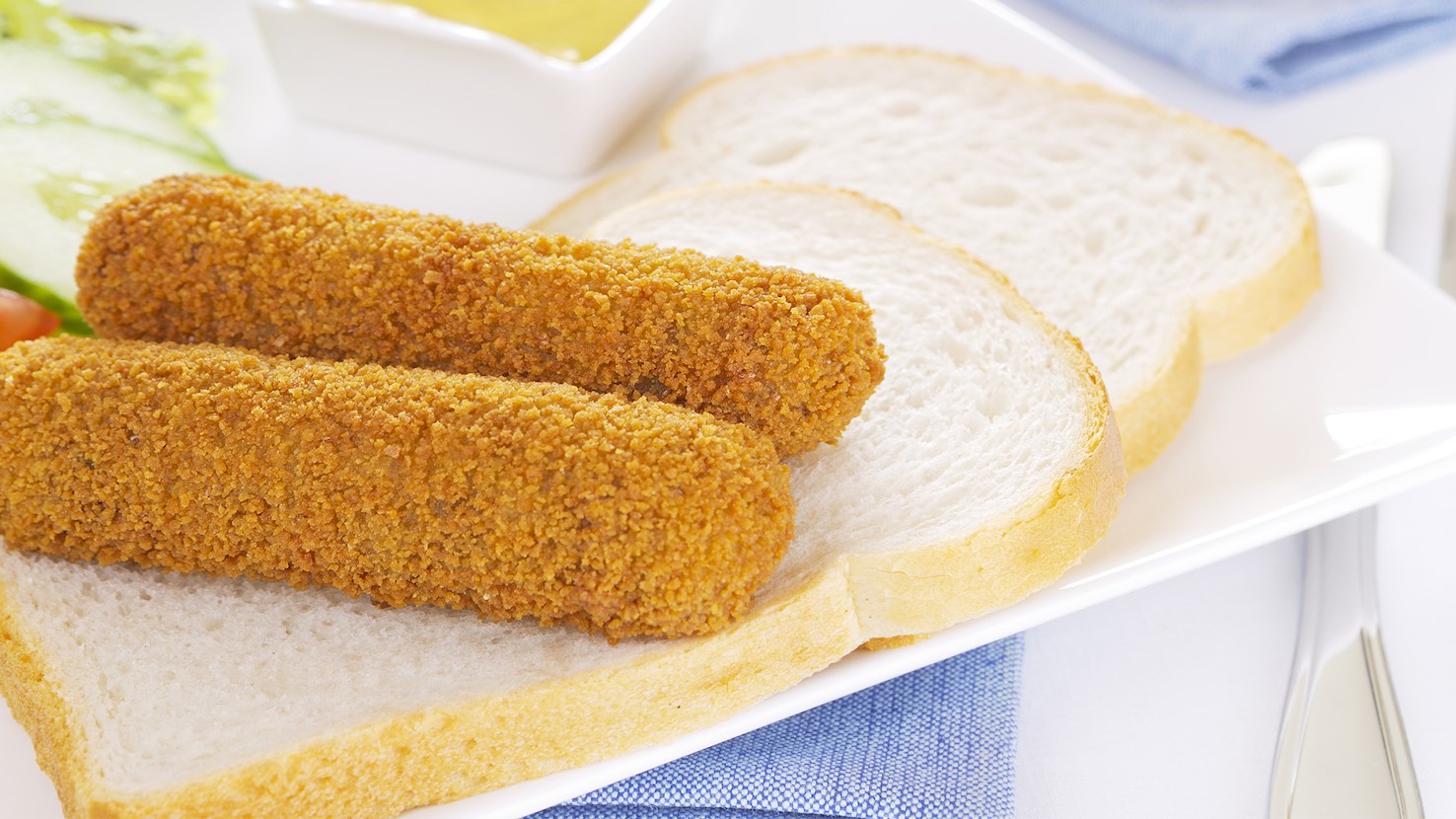
Broodje kroket is a popular Dutch sandwich consisting of a deep-fried kroket stuffed inside a soft bread roll or a bun. The sandwich is usually drizzled over with spicy mustard and consumed as a flavorful, comforting midnight snack. Dutch krokets, the key items in this sandwich, are traditional food items consisting of meat ragù that is shaped into a cylinder and covered in breadcrumbs.
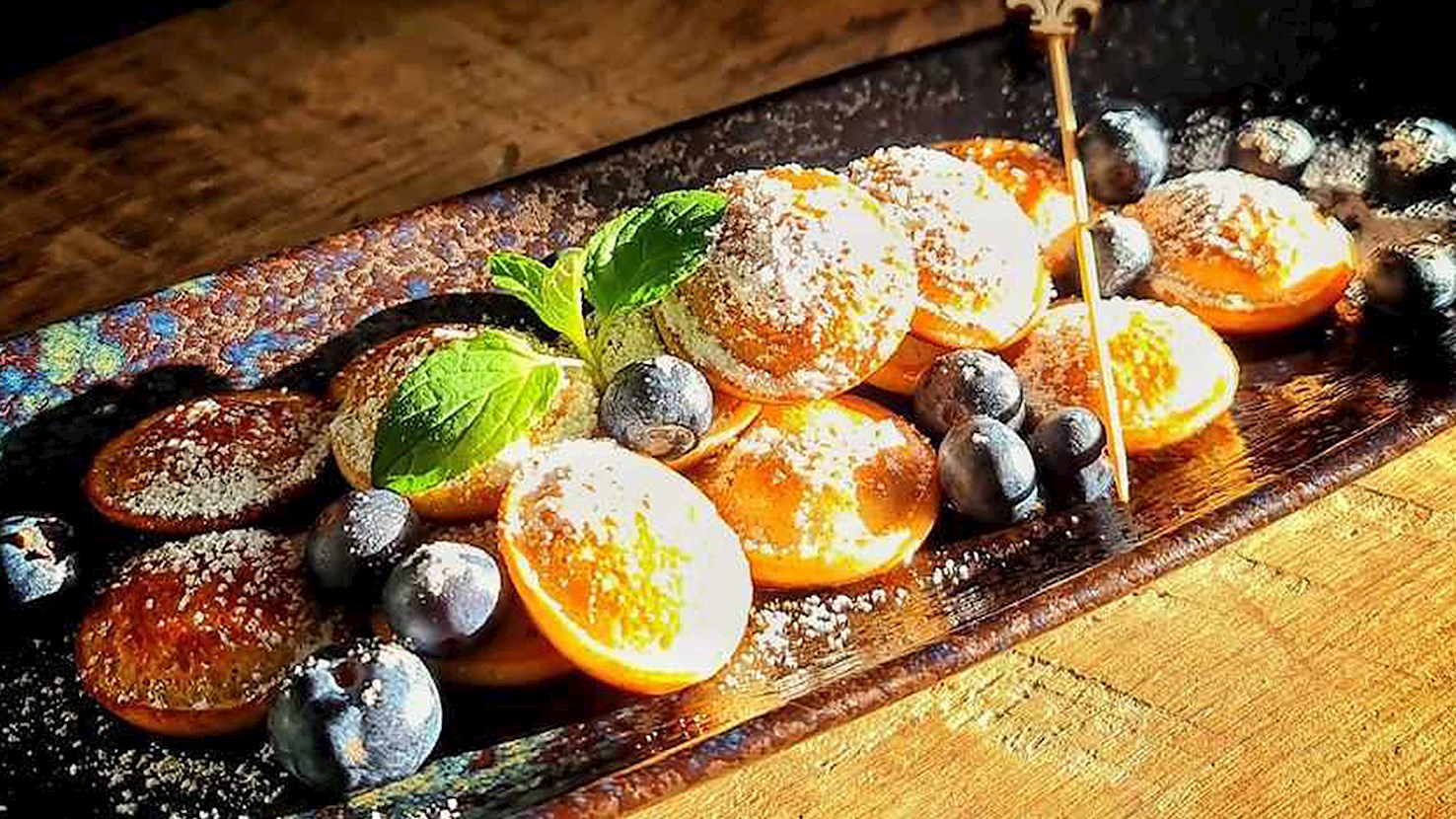
Poffertjes are small, round, and puffy Dutch pancakes made with yeast and buckwheat flour. They are baked in a special pan called poffertjespan, and usually served warm on a piece of cardboard paper when prepared outdoors, at festivals and outdoor events. They are consumed as a snack, and are rarely eaten for breakfast. Traditionally, poffertjes are topped with melted butter and powdered sugar, although there are a number of other, non-traditional toppings such as whipped cream, fresh fruit, or rum. During the Christmas and New Year period, poffertjes can be found throughout Dutch streets at numerous street carts. It is believed that poffertjes have roots in a Dutch Abbey, where they were used as a type of communion host. When the churchgoers tasted the small pancakes and liked them, poffertjes became very popular, so local stallholders seized the opportunity and started selling them as snacks. The first recipe for poffertjes is found in a cookbook from the mid-1700s, when the dish was considered a poor man's meal. Today, poffertjes are a staple of most Dutch weddings, birthday parties, and various festive occasions.
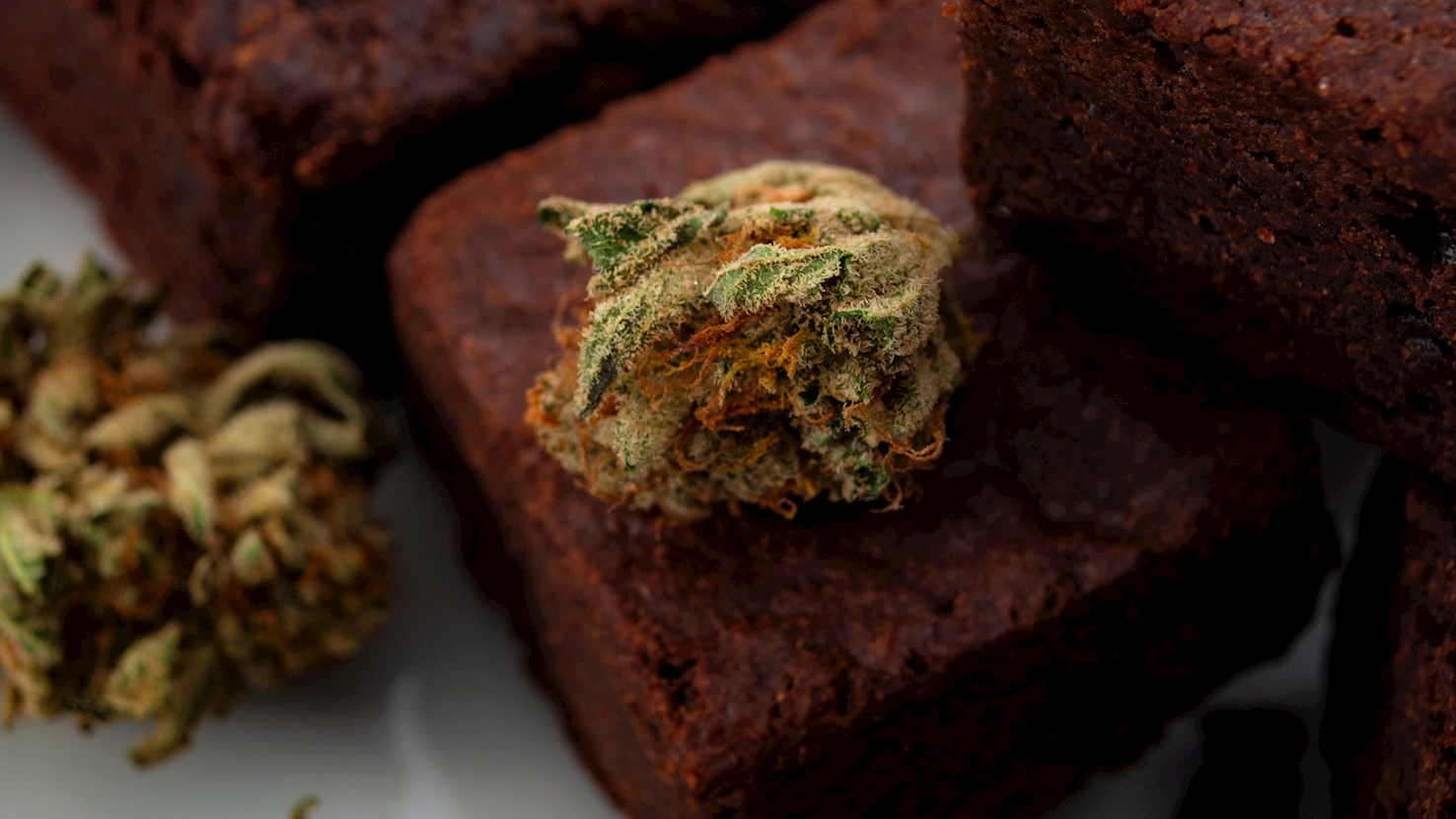
ALTHOUGH THERE ARE CLAIMS THAT EATING SPACE CAKES CAN LEAD TO PSYCHOSIS OR PSYCHOSIS SYMPTOMS FOR SOME PEOPLE, THERE'S STILL NOT ENOUGH CONCLUSIVE SCIENTIFIC EVIDENCE TO SUPPORT THEM. Originating from Amsterdam, space cake is a notorious delicacy that belongs to a group of cannabis-infused edibles. Variations on this specialty abound, and any baked good that contains cannabis butter may be called a space cake. This Dutch specialty is usually prepared with typical cake ingredients such as flour, sugar, baking powder, butter, milk, and eggs, which are combined with a certain quantity of cannabis. A great variety of ingredients can be added to the base to enrich the cake, including cocoa powder, chocolate drops, dried fruit, buttercream, vanilla, or various spices, and the baked cakes often come dusted with powdered sugar, glazed, soaked in rum, or stuffed with cream or custard. As with other cannabis intake methods, the consumption of cannabis in the form of space cakes also provides psychotropic effects upon its consumers due to the presence of THC (tetrahydrocannabinol) and other compounds. In the case of space cakes, the effects are usually prolonged and much stronger, and consumers typically feel high within 3 hours from the consumption. Space cakes with different shapes, flavors, and varying strengths can be savored at nearly any coffee shop in Amsterdam and they’re typically enjoyed alongside a cup of coffee, herbal tea, or beer. When it comes to the legal status of these cakes in the Netherlands, the country’s court allows the sale only of those cakes that are made with crushed weed.
TasteAtlas food rankings are based on the ratings of the TasteAtlas audience, with a series of mechanisms that recognize real users and that ignore bot,
nationalist or local patriotic ratings, and give additional value to the ratings of users that the system recognizes as knowledgeable.
TasteAtlas Rankings should not be seen as the final global conclusion about food. Their purpose is to promote excellent local foods,
instill pride in traditional dishes, and arouse curiosity about dishes you haven’t tried.



What People Say