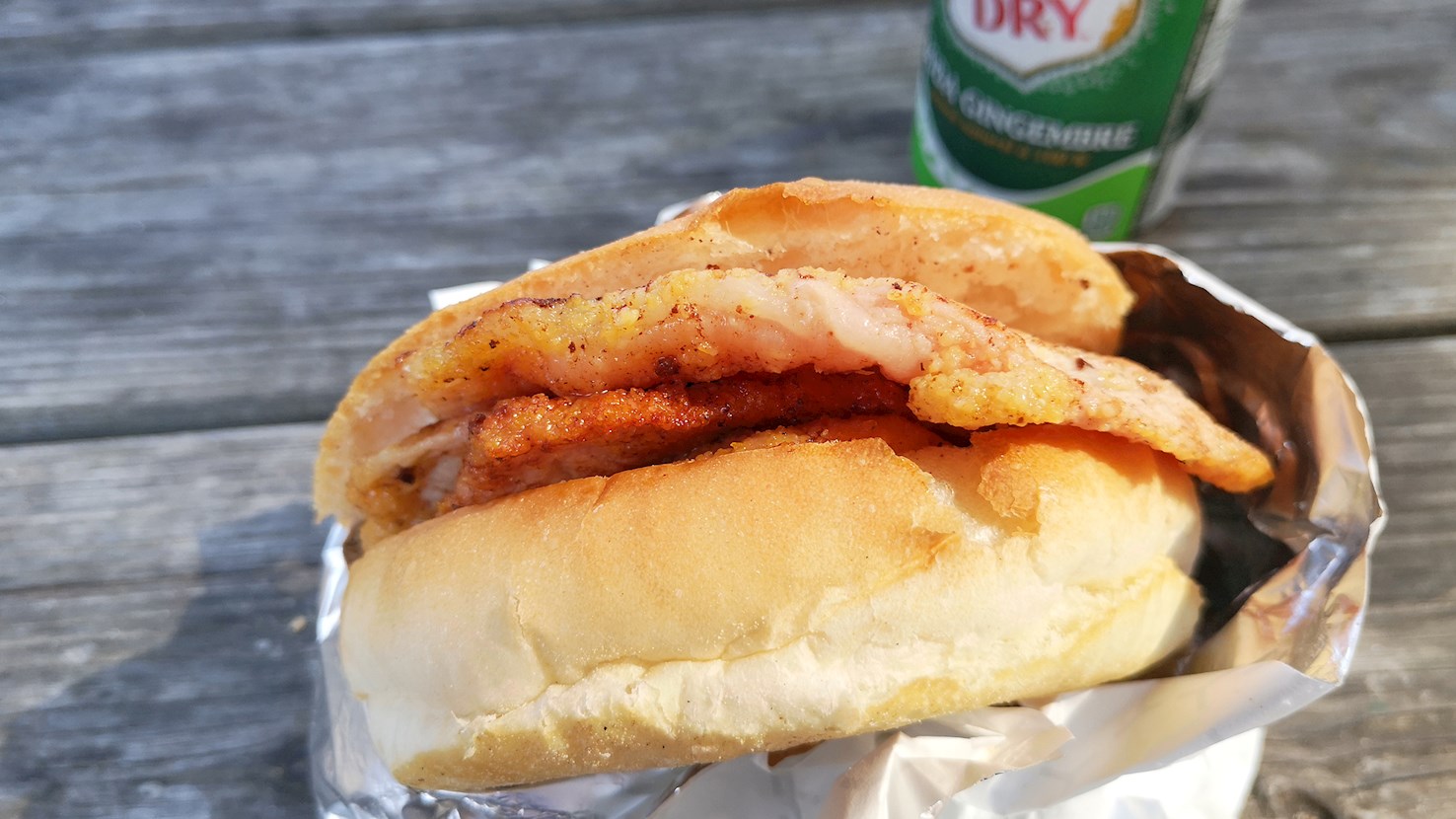
Originating from Toronto, this simple sandwich consists of thick slices of fatty and crispy peameal bacon on a Kaiser bun. The bun soaks up the bacon's juices, developing its own meaty texture in the process. The sandwich is usually paired with mustard, and nowadays there are even modern versions with added cheese, eggs, tomatoes, or lettuce. The bacon is called peameal because it used to be rolled in ground yellow peas, and although it's now typically rolled in cornmeal, the name peameal bacon remains unchanged.
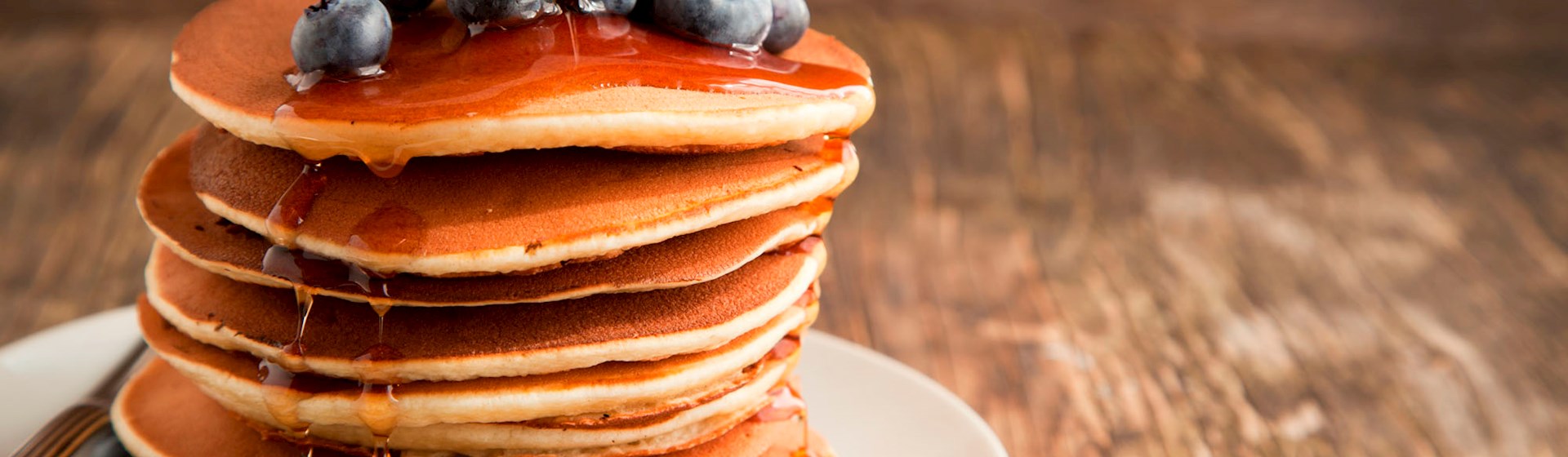
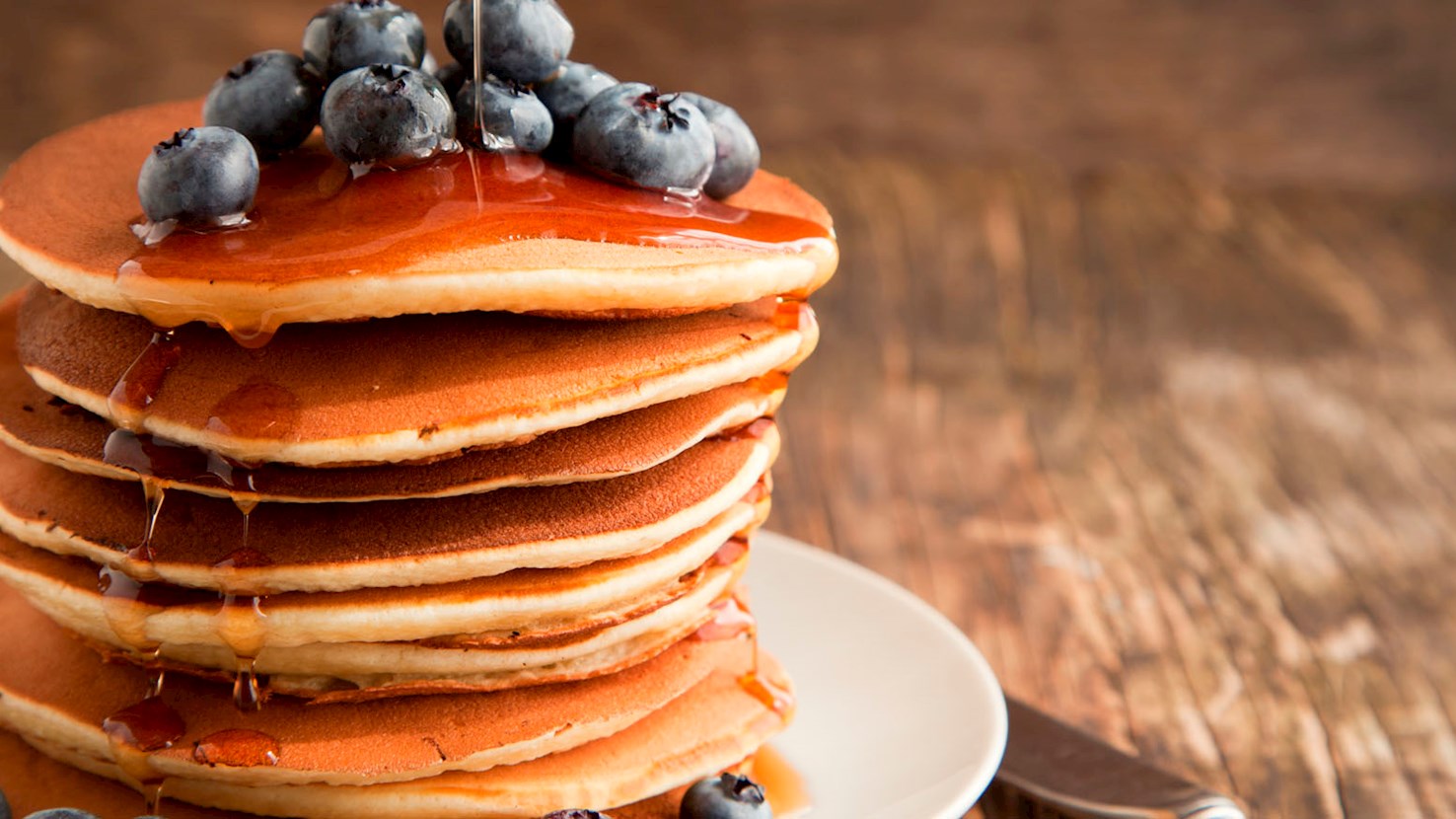
Pancakes are traditionally consumed across North America and Canada, made from a starchy batter, eggs, milk, and butter. Their origin is probably German, with the traditional Pfannkuchen recipe being brought by German immigrants who settled in the United States in the eighteenth and nineteenth centuries. The pancake has a similar appearance and flavor as the French crêpe but differs in diameter (5 to 10 cm) and thickness. The thickness is achieved by the use of a leavening agent, either baking soda or nutritional yeast. American and Canadian pancakes are typically served for breakfast, in a pile, topped with maple syrup and butter. They are often served with sides such as bacon, toast, eggs, or sausages. Other popular toppings include various jams, peanut butter, nuts, fruit, honey, cane syrup, and molasses. Spices such as cinnamon, vanilla, and nutmeg can also be added to the batter. The indigenous people of North America taught the European settlers how to collect and process maple syrup, and the practice was adopted and gradually improved. The Canadian province of Quebec is the greatest producer of maple syrup, producing about 76% of the world's output. In Canada, the syrup must be made exclusively from maple sap and must contain at least 66% sugar. Pancakes with maple syrup are a Canadian staple, a light, fluffy and sweet delight that can be found on virtually every street corner throughout Canada.
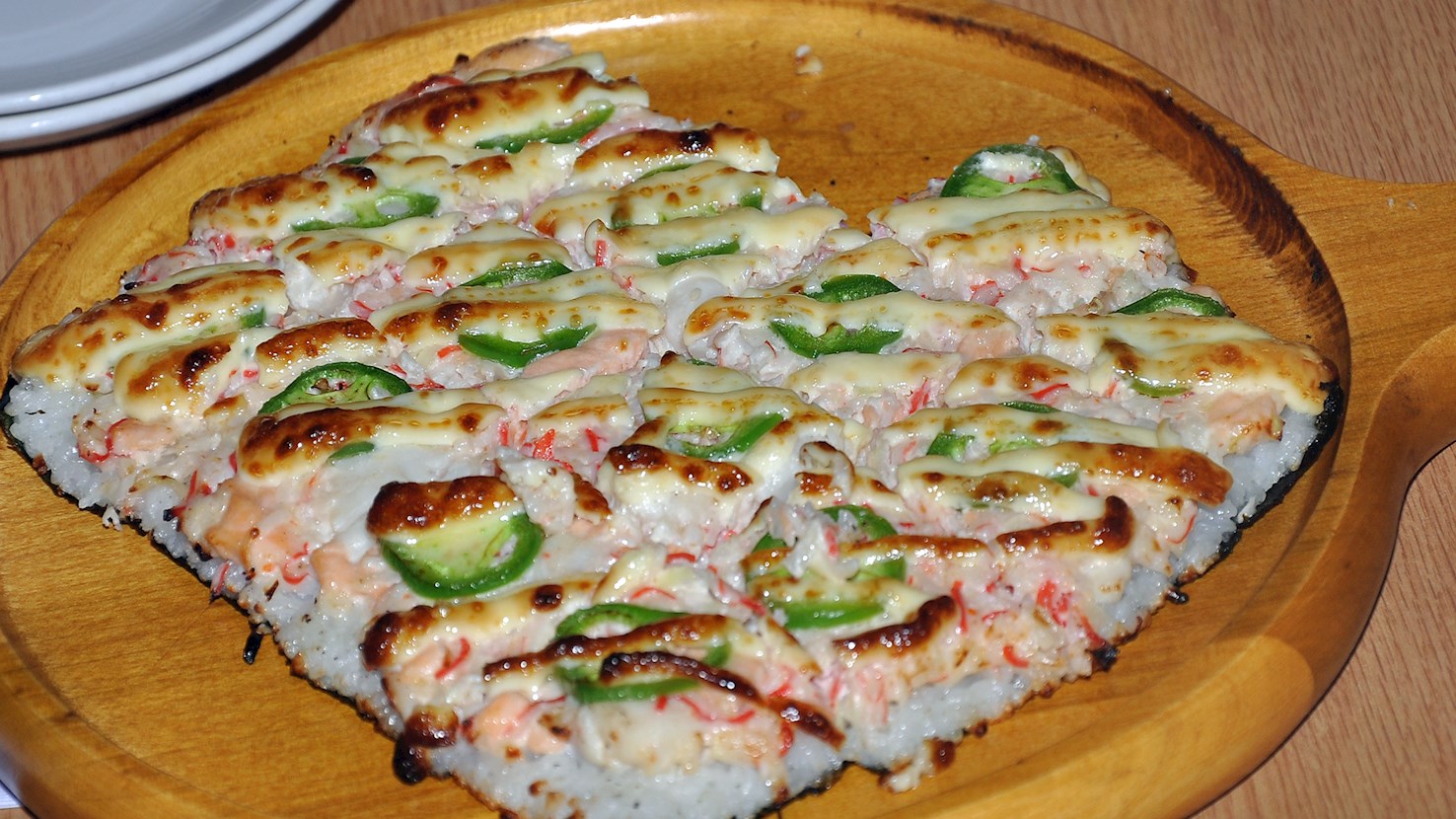
Sushi pizza is an unusual spin on sushi that is popular throughout Canada, especially in Toronto. It consists of a fried rice patty topped with salmon, tuna, or crab, avocado slices, spicy mayonnaise, and soy-wasabi sauce. It is believed that the dish was invented by a Japanese chef Kaoru Ohsada in a restaurant named Nami. Originally, he made the dish by frying sushi rice, topping it with salmon, and garnishing it with tobiko fish roe and chopped onions. Today, sushi pizza is often accompanied by soy sauce or pickled ginger on the side. This food trend has also crossed national borders, so you can occasionally find it in poké restaurants in the United States.
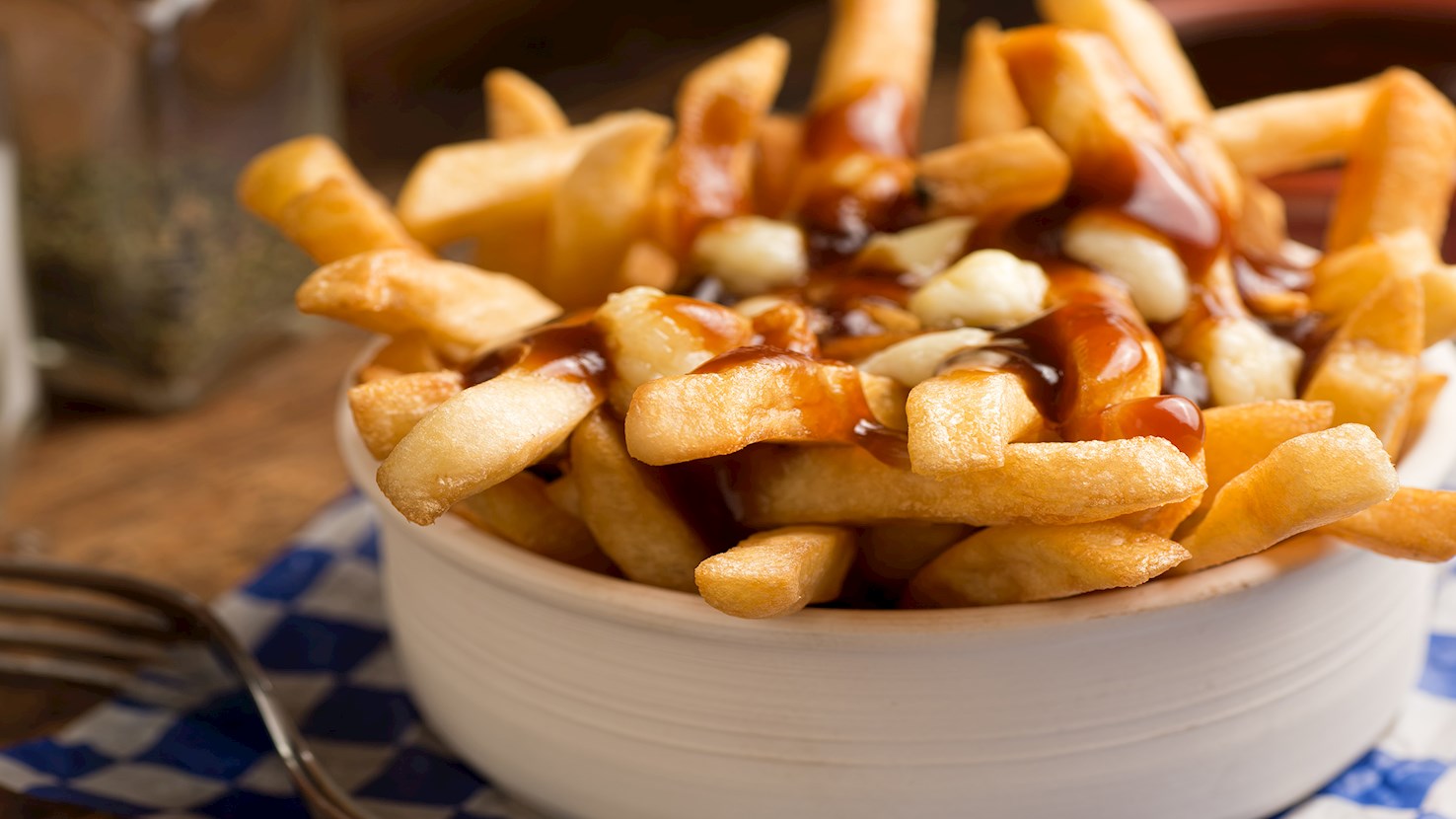
Even though its name stems from the French boudin—a word that usually refers to the pudding-like fillings of sausages—this soppy treat originating from the French Canadian province of Quebec consists of french fries drowned in a thick, brown gravy dotted with clumps of pale, soft, semi-creamy cheese curds. The potatoes are more coarsely cut than regular fries, and they are sometimes even fried twice so that the exterior remains crispy while the interior remains soft, whereas the cheese does not melt but just softens, adding that special squeakiness to the dish, and the gravy is made with either beef or chicken stock with the addition of vinegar. Since its rise to stardom from the 1950s onwards, poutine has spread all over Canada and became popular in many parts of the USA where it's considered the ultimate late-night snack. Many Canadians consider poutine a true national dish. It is found anywhere from food trucks to fancy restaurants, and even at Canadian McDonald's. Poutine connoisseurs claim that the best versions are served at small roadside stands where the curds are fresh, rubbery, and melt easily. Interestingly, in 2007, poutine was placed at number 10 of an online survey about the greatest Canadian inventions, conducted by CBC.
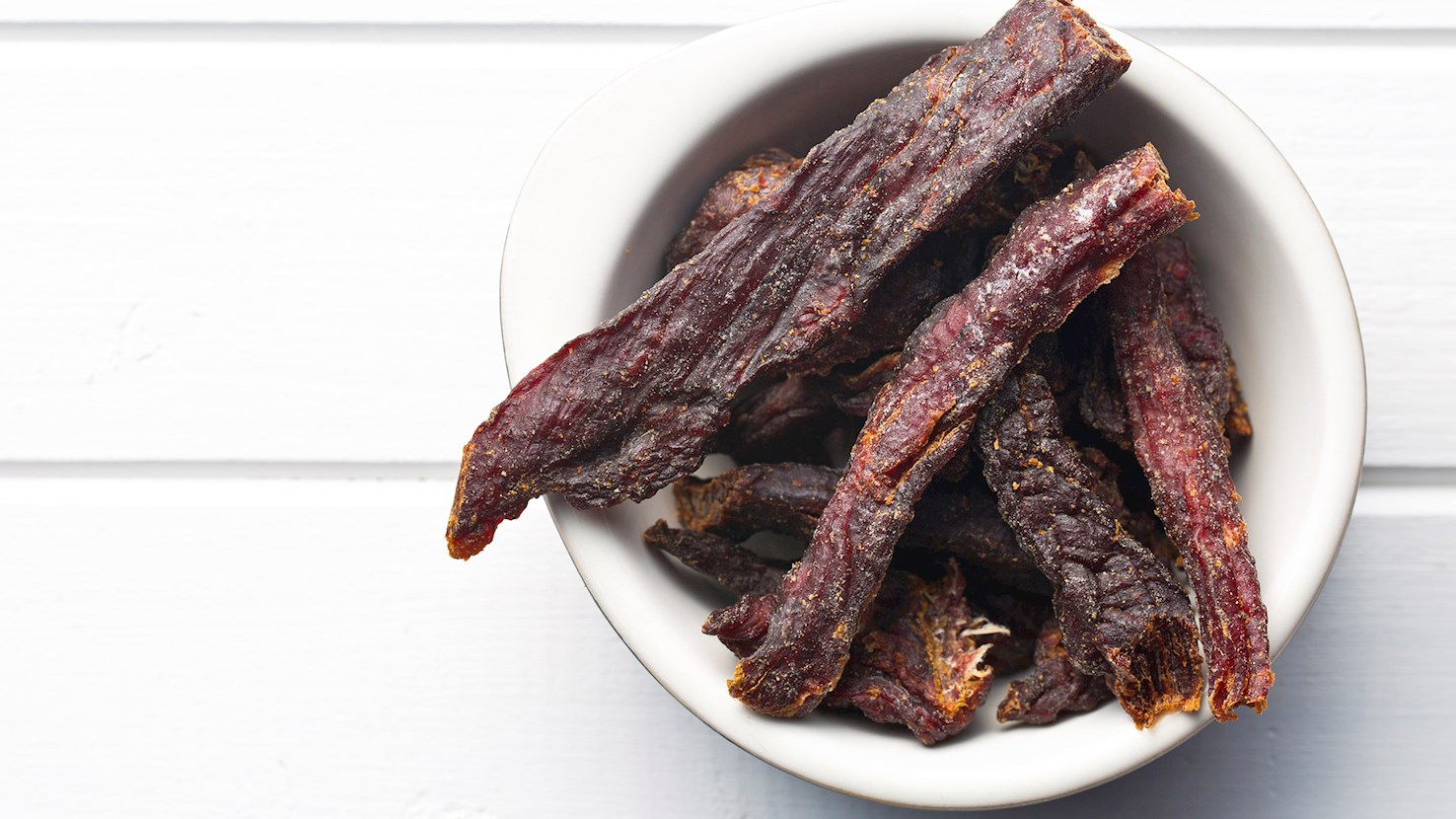
Long before beef jerky, there was pemmican, a Native American snack with a high fat content that was originally used as travel food. The word pemmican (pimîhkâ) comes from the Cree tribe and is derived from the word pimi, meaning fat or grease. It's made from a mixture of fat and lean meat of buffalos. The meat is thinly sliced, dried, and ground into a powder to make beef jerky, which is later mixed with fat to make pemmican. The flavor is creamy and salty, and pemmican bars are considered an outdoor tradition, useful for hunters, fishermen, and campers alike, as it provides tons of energy in a small package and it also has a very long shelf life. Today, there is a wide variety of pemmican bars made with pepper, cereals, and dried fruit such as cherries and blueberries.
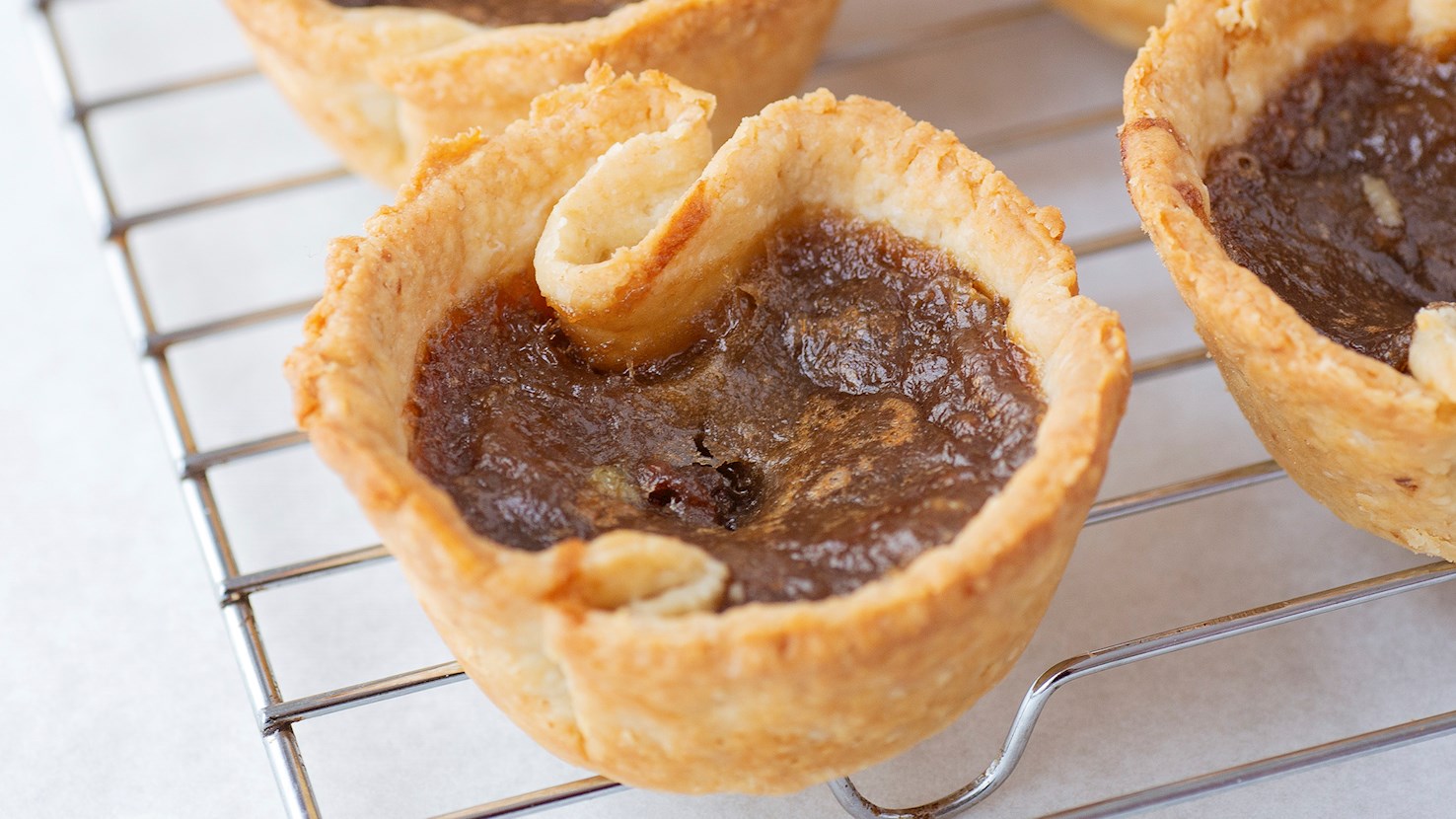
Butter tart is a humble food that achieved iconic status in early 20th-century Canada. The filling is traditionally made with a combination of walnuts, eggs, brown sugar, butter, and white vinegar, and it's then placed into small, flaky, deep or shallow tart shells before baking. Early versions of the recipe, dating back to 1915, suggest that currants and raisins should also be included in the mixture. There are lots of theories about the origin of the tart – some say that it is related to pecan pie, which was brought to the country by American slaves, some say it evolved from Quebec's sugar pie, while others say it's linked to Border Tarts from southern Scotland. Regardless of their origin, butter tarts are nowadays especially popular in the provinces of Ontario and Nova Scotia. The color of baked tarts depends on the darkness of the brown sugar used, and the filling on the interior can be either solid or runny (for a runny tart, the cooking time is shortened).
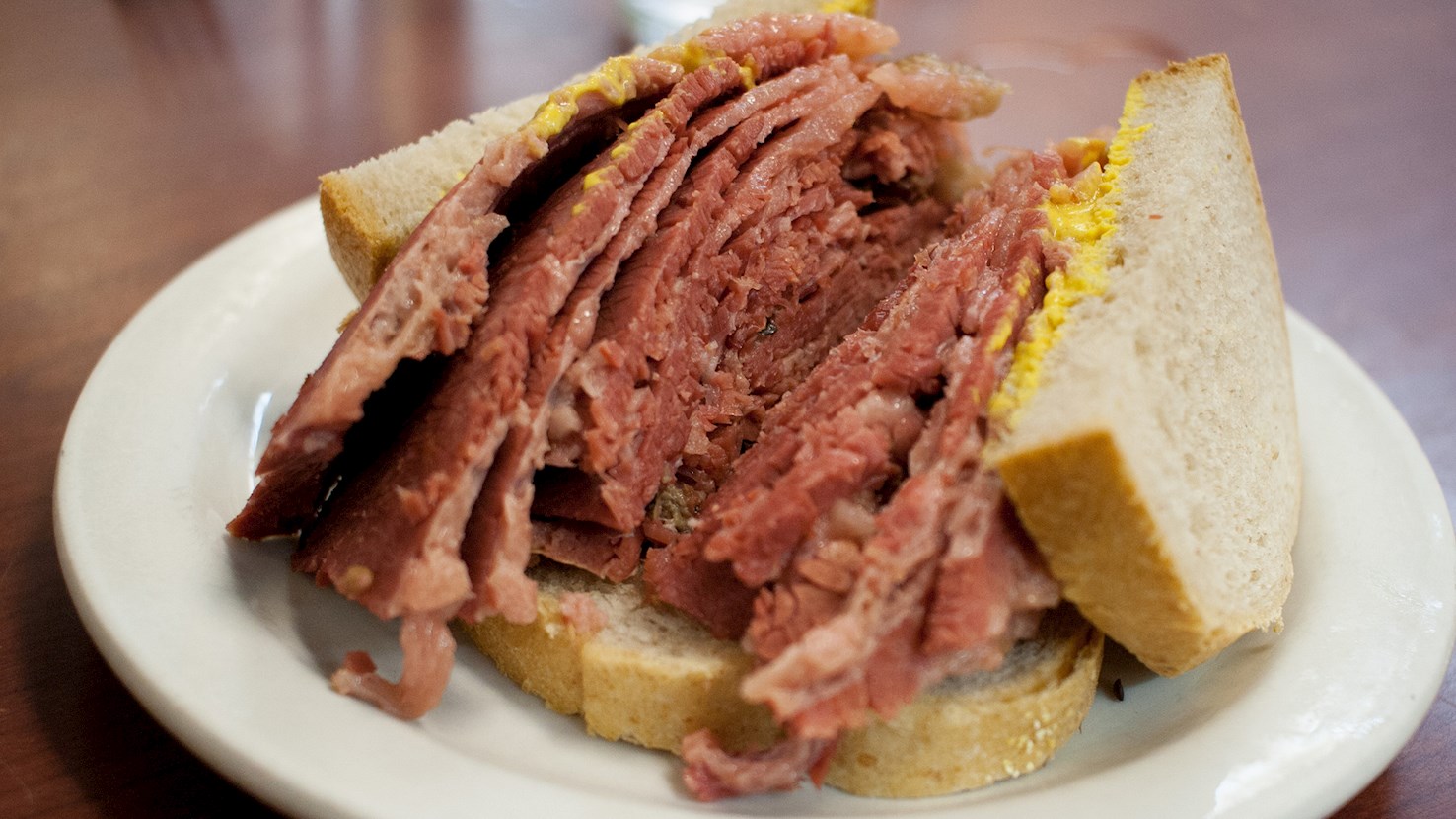
Montreal smoked meat is a type of deli meat sandwich that originated in Montreal, Canada. It's similar to corned beef and pastrami sandwiches, but the meat used has its own distinct preparation process and flavor profile. Pastrami was invented in Romania, a cured beef product prepared by pickling and smoking the fatty and succulent cuts of brisket, then covering them with a coating of various spices and peppercorns. Reuben Schwartz, a Romanian immigrant, started making smoked meat in Montreal in 1928, a product similar to the original pastrami. Called viande fumé in the Quebec province, it is a much sturdier product with an intense, smoky flavor. Prime beef brisket is marinated for at least ten days in a mixture of herbs and spices, and is then smoked, hand-sliced, and placed in delicious, mouth-watering rye-bread sandwiches, accompanied by French fries, pickles, coleslaw, yellow mustard, peppers, or olives. It is no wonder that there are huge lines in front of Schwartz's Deli in Montreal because everyone wants to try this world-famous smoked meat sandwich.
TasteAtlas food rankings are based on the ratings of the TasteAtlas audience, with a series of mechanisms that recognize real users and that ignore bot,
nationalist or local patriotic ratings, and give additional value to the ratings of users that the system recognizes as knowledgeable.
TasteAtlas Rankings should not be seen as the final global conclusion about food. Their purpose is to promote excellent local foods,
instill pride in traditional dishes, and arouse curiosity about dishes you haven’t tried.



What People Say