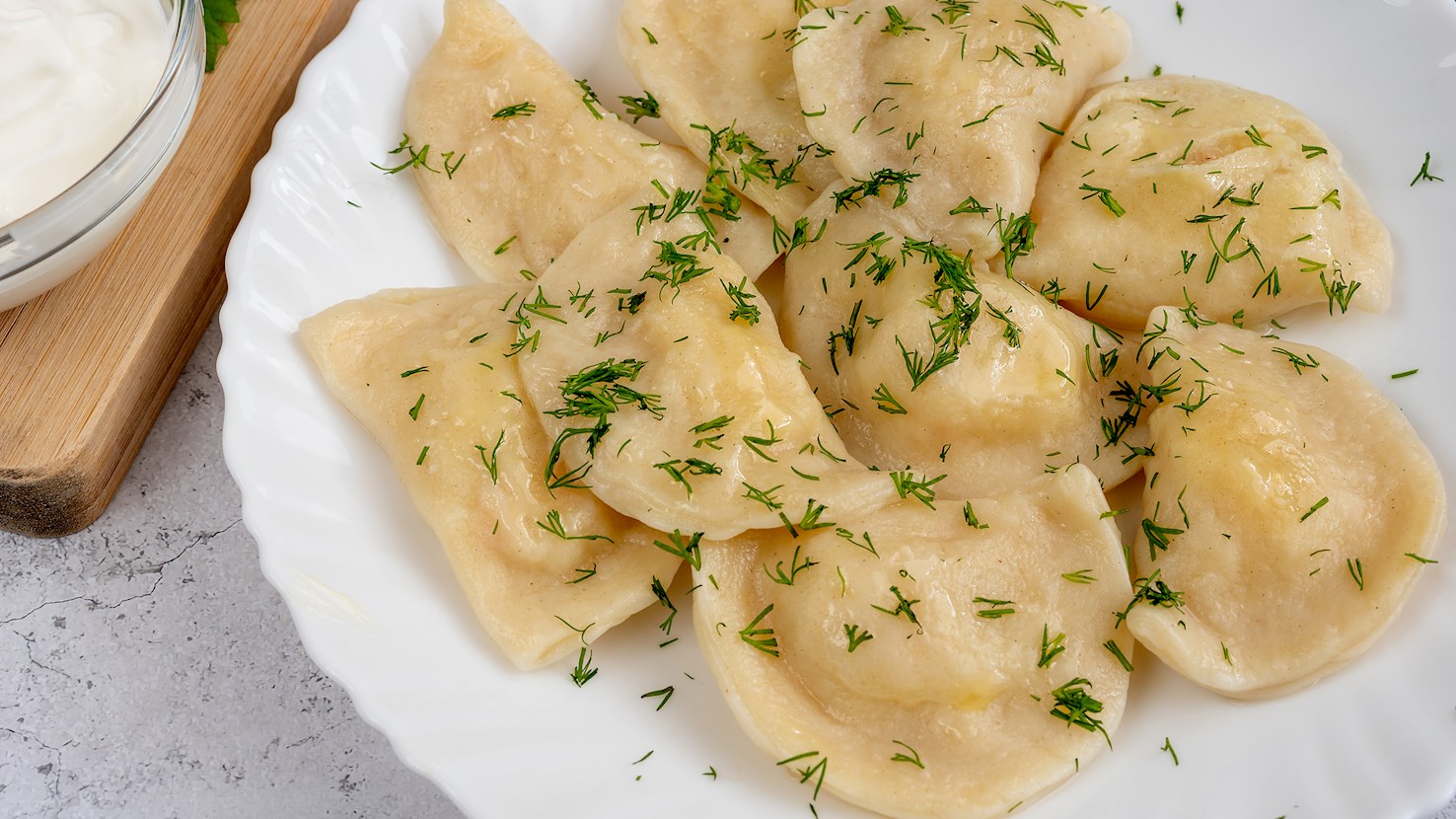
Cjarsons, also spelled cjarsòns, cjalsons, or cjalzons, are stuffed pasta parcels from Carnia, the mountainous area of Friuli-Venezia Giulia. Their defining feature is the unusual balance of sweet and savory flavors, although there is no single standard recipe. Dozens of versions exist, with the filling changing from valley to valley, village to village, and even from one family to another. Some sources count around 50 different variations. The wrapper may be made from soft wheat flour or from a dough containing boiled potatoes. In potato-based versions, the potatoes are mashed and combined with flour and sometimes water until a soft, workable dough forms. It is rolled into a thin sheet and cut into small rounds, which are filled and folded into crescent-shaped parcels. The filling is known locally as pistùm or pastùm. There is no universally accepted filling. Ricotta frequently forms the base, but it may be combined with cinnamon, raisins, cocoa or dark chocolate, crushed biscuits, dried fruit, nuts, apples, pears, herbs, spinach, chives, parsley, mint, jam, rum, grappa, eggs, or milk. Some versions are distinctly sweet, while others lean toward herbs and vegetables. Smoked ricotta may also appear, although it is more closely associated with the final topping. The wide range of ingredients reflects both seasonal availability and the recipes preserved within individual valleys and families. Once filled, the rounds are folded over and sealed firmly along the edges. The parcels are dropped into boiling, salted water and left until the dough is tender and rises toward the surface. They are then lifted out, drained, and transferred to a warm platter. Cjarsons are commonly finished with melted butter and a generous layer of grated smoked ricotta known in Friulian as scuete fumade. Historically, ont could replace fresh butter. Ont is a preserved butter fat made by heating butter to remove much of its water and milk solids, which allowed it to keep longer during periods when refrigeration was unavailable. It was particularly useful in mountain households where fresh butter could not be stored safely for extended periods. The warm fat coats the pasta, while the smoked ricotta adds saltiness and a pronounced smoky aroma. The history of cjarsons is closely associated with the cramârs, itinerant merchants from Carnia who crossed the Alps on foot carrying goods into Central European territories. Their activity extended over several centuries, from at least the late medieval period into the early twentieth century, although the 18th century is especially associated with the spice trade. They carried their merchandise in a crassigne, a small wooden cabinet with drawers worn on the back like a pack. Depending on the period and route, the cramârs traded spices, medicinal herbs, ointments, textiles, and other valuable goods. According to the best-known account of the pasta’s origins, small quantities of cinnamon, cloves, ginger, nutmeg, dried lemon balm, and other valuable ingredients remained in the drawers when the cramârs returned home. Rather than waste these remnants, their families combined them with ingredients already available in Carnia, including ricotta, dried fruit, raisins, apples, pears, herbs, vegetables, honey, grappa, and occasionally cocoa. This helps explain why cjarsons developed such an unusual mixture of Alpine ingredients and spices associated with trade routes through Central Europe. The filling changed according to what remained in the crassigne and what was available at home, giving rise to the large number of recipes still found across Carnia. Cjarsons were especially associated with major celebrations, including Christmas, Easter, weddings, First Communions, and confirmations, when richer and more elaborate foods appeared on the table. Recipes were often passed down within families, with each household maintaining its own version of the filling. Carnic chef Gianni Cosetti played an important role in bringing cjarsons into wider restaurant culture during the 1970s. Rather than inventing or standardizing one definitive formula, he helped rediscover, document, promote, and elevate the many local versions at a time when older Carnic recipes were receiving renewed attention. His work contributed significantly to establishing cjarsons as one of the best-known culinary symbols of Carnia beyond their original family and village settings.
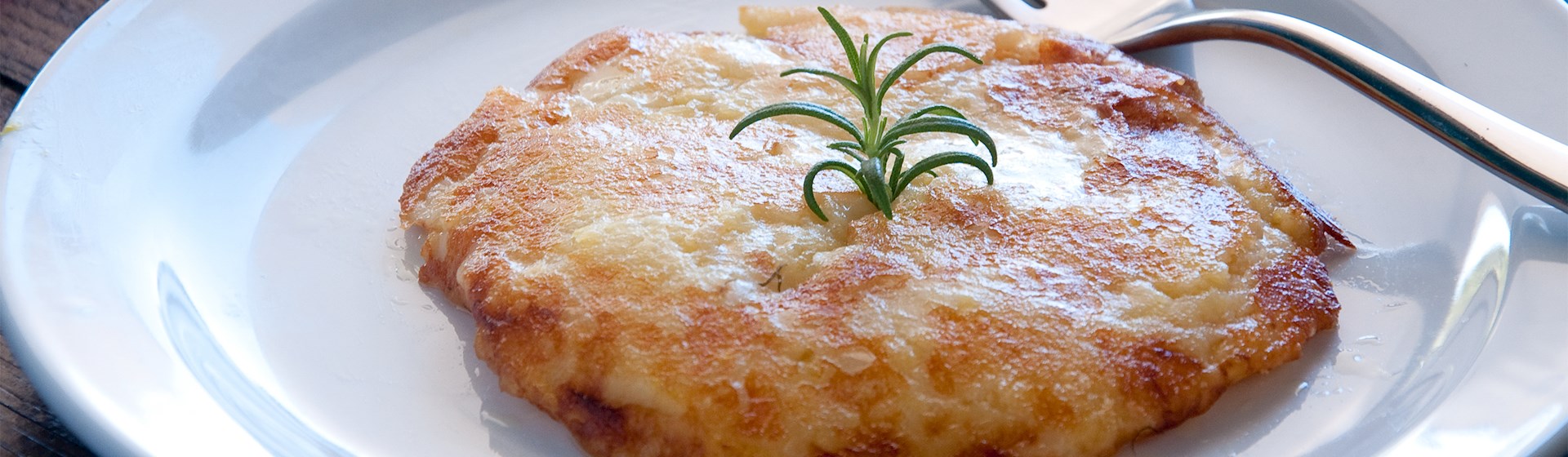
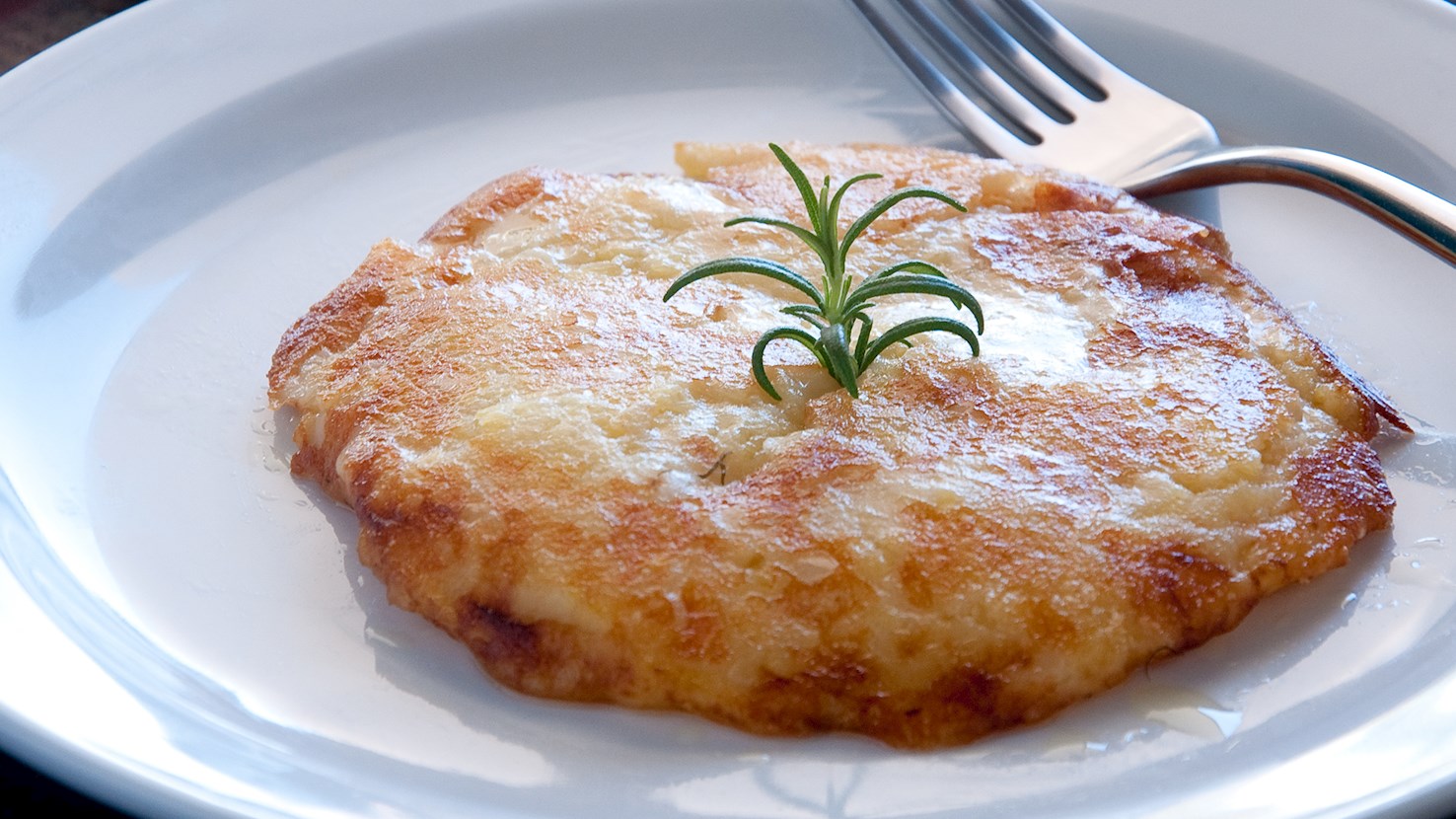
Frico is a traditional dish from the Italian region of Friuli-Venezia Giulia, made with a local delicacy known as Montasio cheese. There are two versions: the frico friabile, a crunchy snack made with cheese fried in olive oil until crunchy, and the more famous frico morbido, the soft one, combining the cheese with potatoes and onions in a succulent, rich pancake, baked or fried until it turns golden and crispy on both sides. Full of flavor, frico is a delicious example of cucina povera. It was invented in the 15th century as a clever way to use strissulis, the leftovers from cheese production. Like with many other popular traditional recipes, many varieties exist, so it can be additionally enriched with pancetta, mushrooms, or tomatoes. The flavor of this dish also changes significantly depending on the aging time of cheese used in its preparation: frico made with fresco and mezzano is not as intense as the one prepared with stagionato or stravecchio. The dish is best served hot, while the cheese is still melted, stringy, and gooey. It can be served as a garnish for soups and stews, or enjoyed sliced, paired with polenta and a glass of hearty red wine.
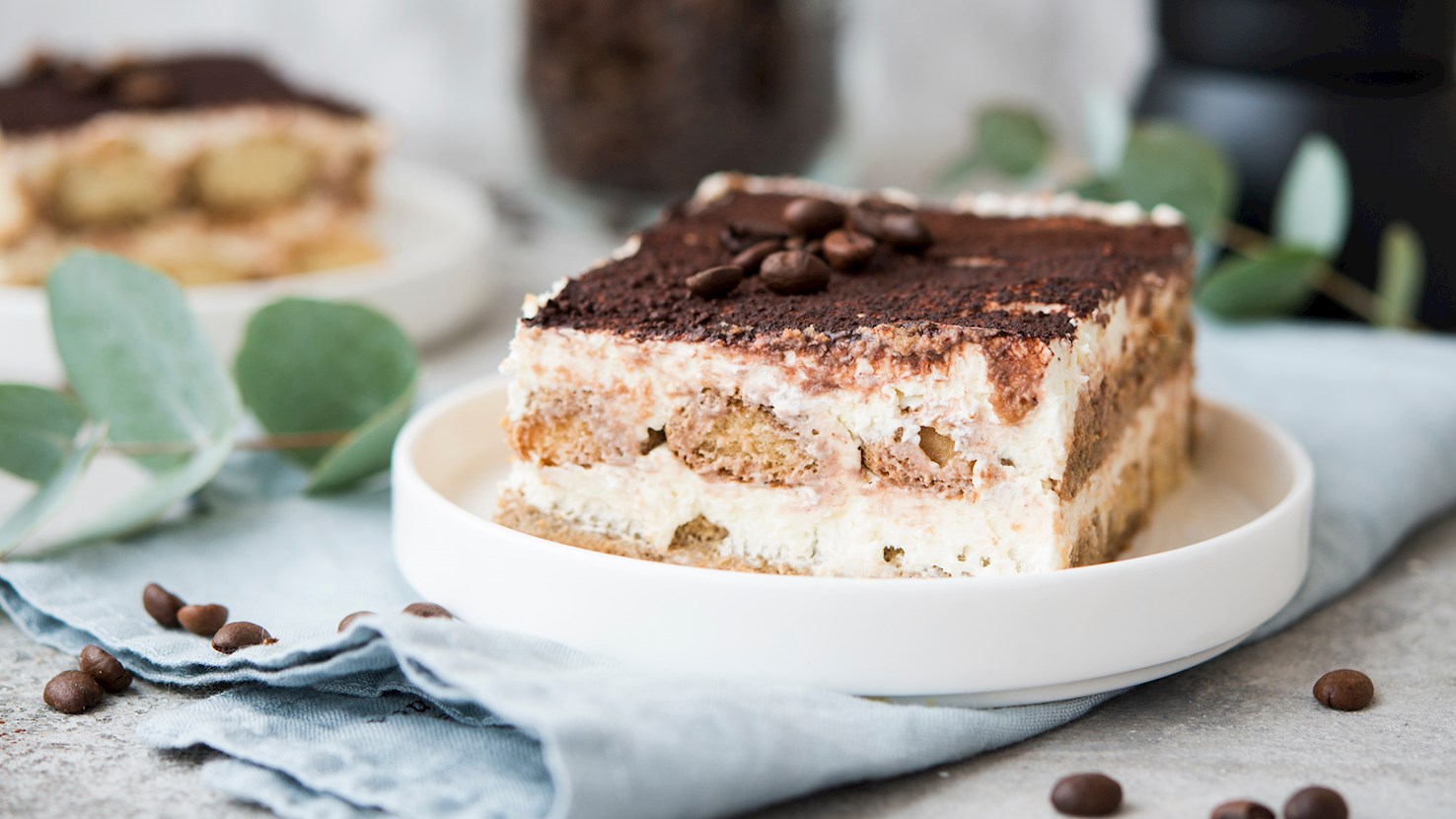
Even though tiramisù is actually a fairly recent invention, this dessert of coffee-soaked ladyfingers layered with mascarpone cream enjoys an iconic status among Italian desserts. Its name stems from the phrase tirami sù, an Italian expression which literally means pick me up, a reference to the uplifting effects of sugar, liquor, and coffee. The origins of tiramisù are heavily disputed between Veneto and Friuli-Venezia Giulia regions, but it is often suggested that the first was made in Veneto in the early 1960s. The earliest documented recipe for tiramisù (interestingly, without alcohol!) was printed in the 1981 spring edition of Vin Veneto magazine in an article on coffee-based desserts by Giuseppe Maffioli, a renowned food critic and member of the Italian Academy of Cuisine. However, in August 2017, Friuli-Venezia Giulia's tiramisu was officially added to the list of traditional regional dishes, but a Veneto local won the Tiramisu World Cup in November 2017, so the playing field is somewhat levelled once again. Regardless of these disputes, the perfect tiramisù should always deliver a serious caffeine kick from a shot of strong espresso, while brandy-fortified Marsala wine adds a nice sweet buzz. In 2021, Ado Campeol, the owner of the restaurant where tiramisù is widely thought to have been invented, has died.
TasteAtlas food rankings are based on the ratings of the TasteAtlas audience, with a series of mechanisms that recognize real users and that ignore bot,
nationalist or local patriotic ratings, and give additional value to the ratings of users that the system recognizes as knowledgeable.
TasteAtlas Rankings should not be seen as the final global conclusion about food. Their purpose is to promote excellent local foods,
instill pride in traditional dishes, and arouse curiosity about dishes you haven’t tried.



What People Say