shutterstock

Top 16 Korean Alcoholic Beverages

Last updated on June 15, 2026

Best Korean Alcoholic Beverages
01

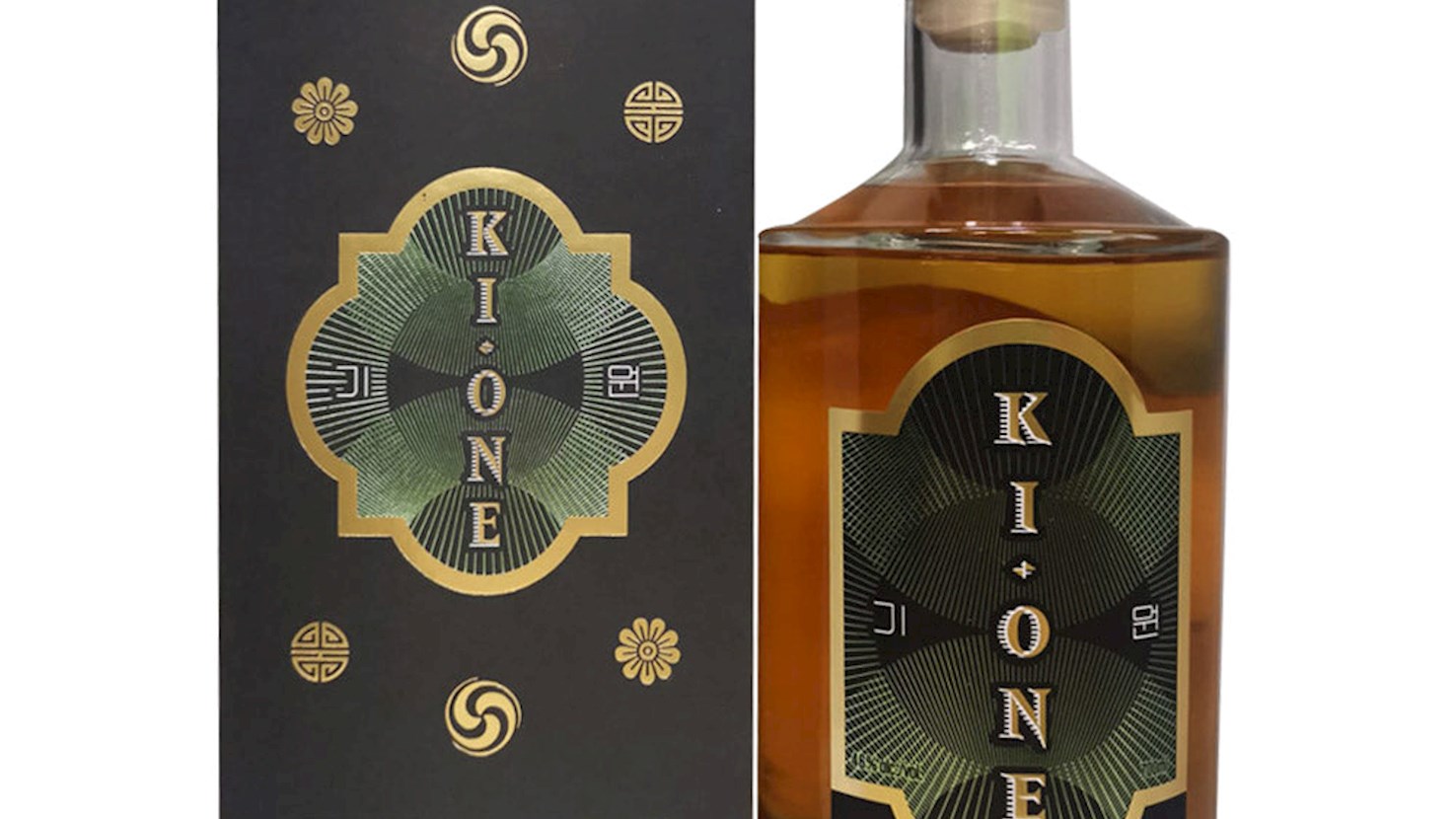
KI ONE

5 ·
Awards
SFWSC - San Francisco World Spirits Competition - Double Gold (2024)
02

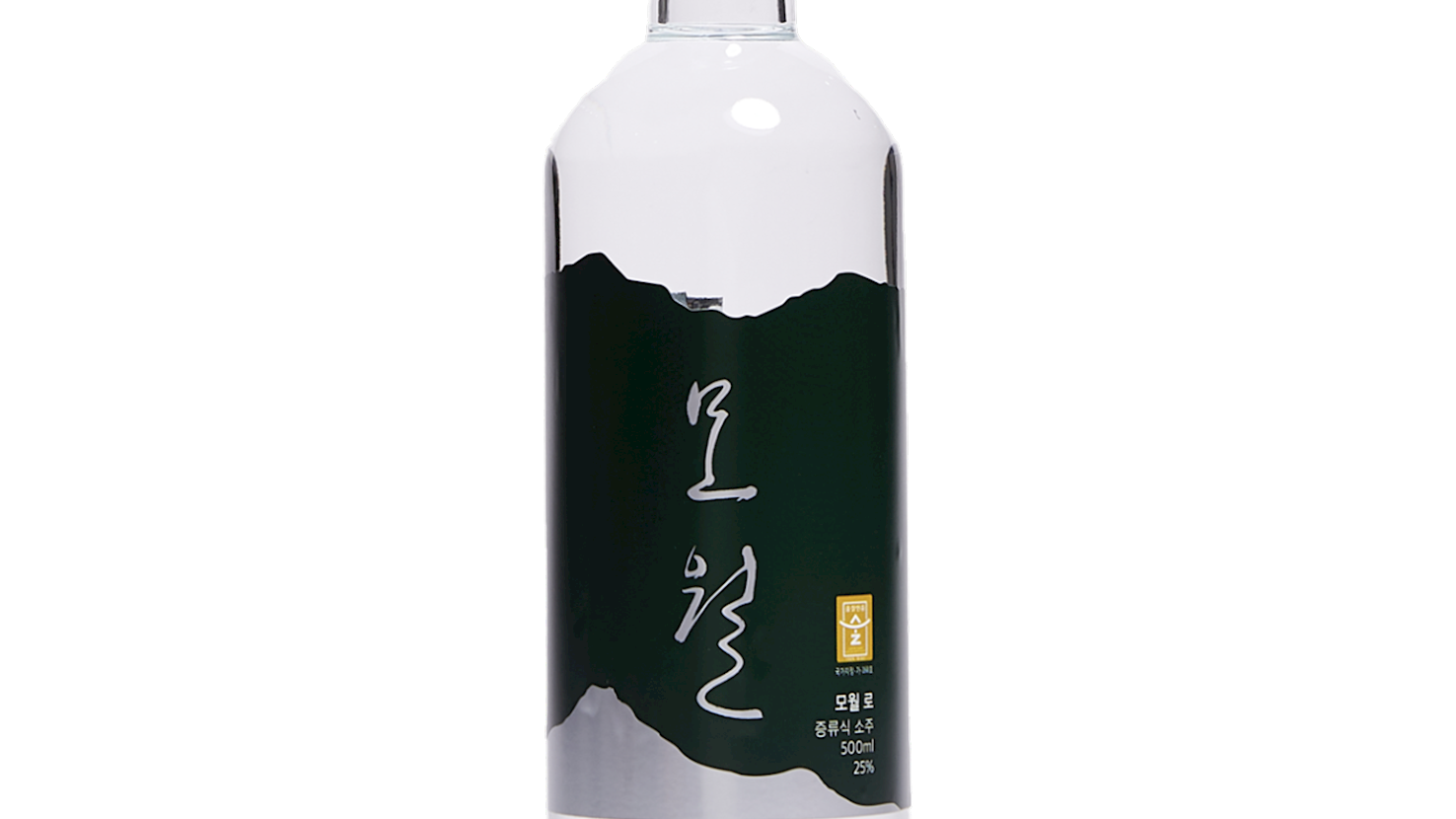
Mowall In

5 ·
Awards
SFWSC - San Francisco World Spirits Competition - Double Gold (2024)
03

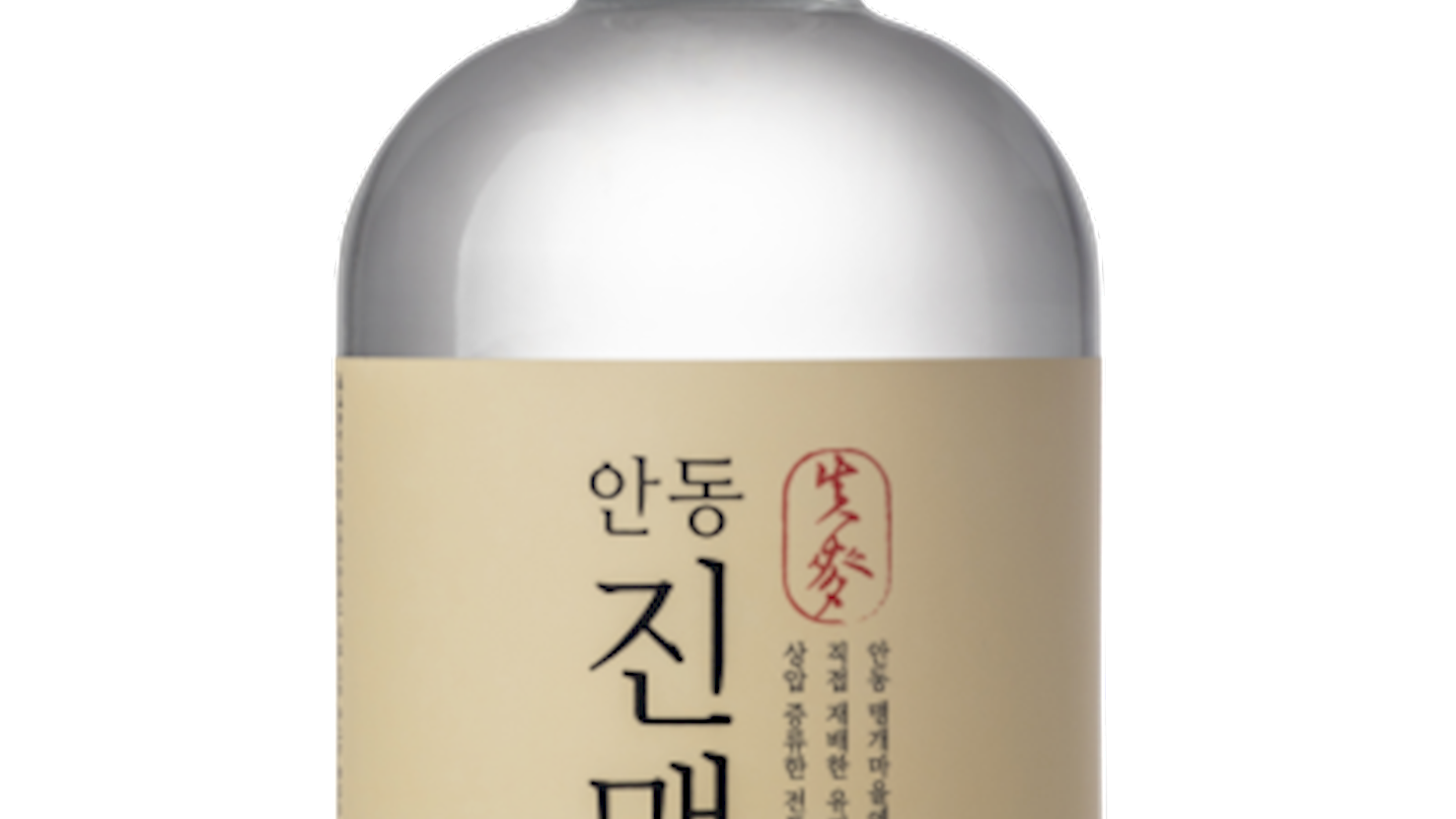
Jinmaek Soju

5 ·
Awards
SFWSC - San Francisco World Spirits Competition - Double Gold (2024)
04

Hite jinro

4.8 ·
Awards
ISC-International Spirits Challenge - Gold trophy (2013)
05

House of Heritage Distillery

4.8 ·
Awards
The Gin Masters – Second Tasting - Gold (2022)
06

Agric. Corp. DanongBio
4.7 ·
Awards
IWSC- International wine & spirit competition - Spirit Gold Outstanding (2024)
IWSC- International wine & spirit competition - Silver (2024)
07

Hwasimjujo

4.5 ·
Awards
IWSC- International wine & spirit competition - Spirit Gold (2024)
08

BUJA GIN CO., LTD.

4.5 ·
Awards
World Gin Awards - Country Winner (2024)
09

Golden Blue

4.5 ·
Awards
IWSC- International wine & spirit competition - Spirit Gold (2021)
10

Colored

4.4 ·
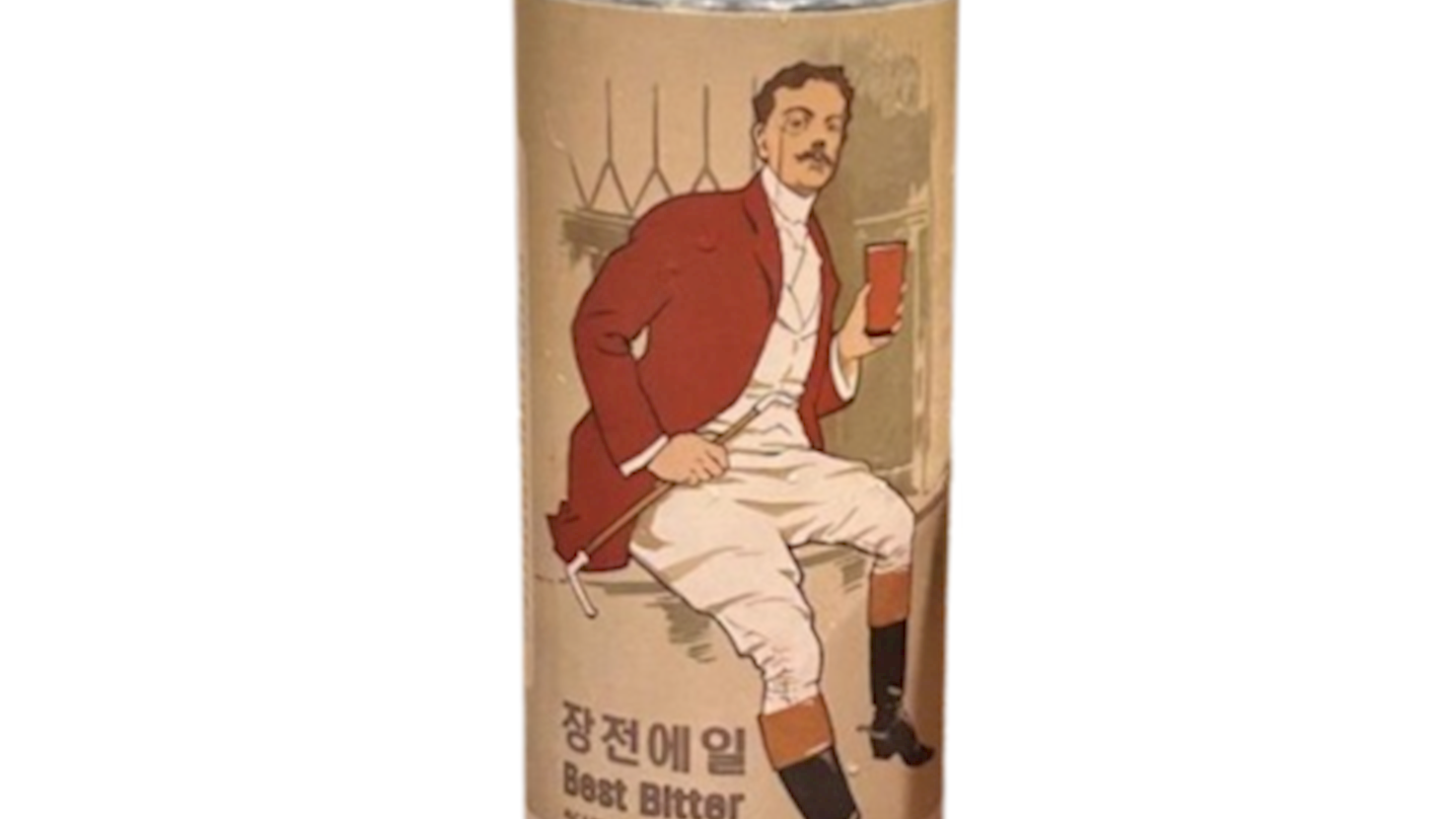
Colored is an independent brewpub and microbrewery located in the Jangjeon-dong neighborhood of Geumjeong-gu, Busan, South Korea. Founded with the idea of creating “world-class beers” for the local community, the brewery combines a craft-oriented approach with creative storytelling behind each release. Its portfolio includes more than 50 different beers. The range covers a wide spectrum of styles - from classic bitter ales to bold, complex imperial stouts. Each beer carries a unique name and story, often inspired by local landmarks, personal memories, or symbolic themes. The pub’s interior blends a modern yet warm design, with a focus on socializing and tasting experiences. Beyond the brewery itself, their beers can occasionally be found at specialized events and beer festivals across South Korea. Their combination of technical expertise, innovative creativity, and emotional branding makes them one of the most authentic beer producers in the region.
Awards
Untappd - 3.7

Best Korean Alcoholic Beverage Types

01

Makgeolli

3.8 ·

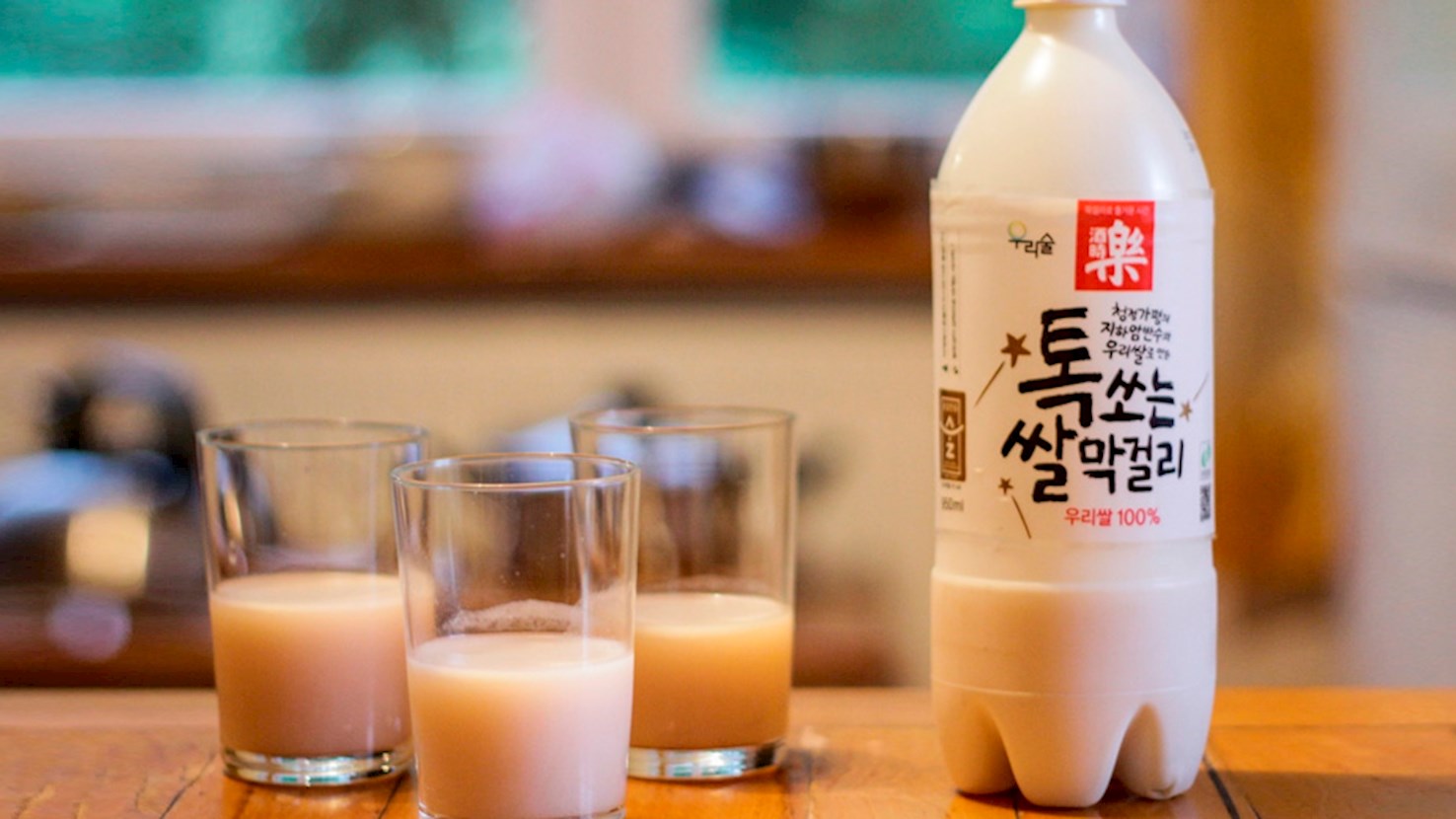
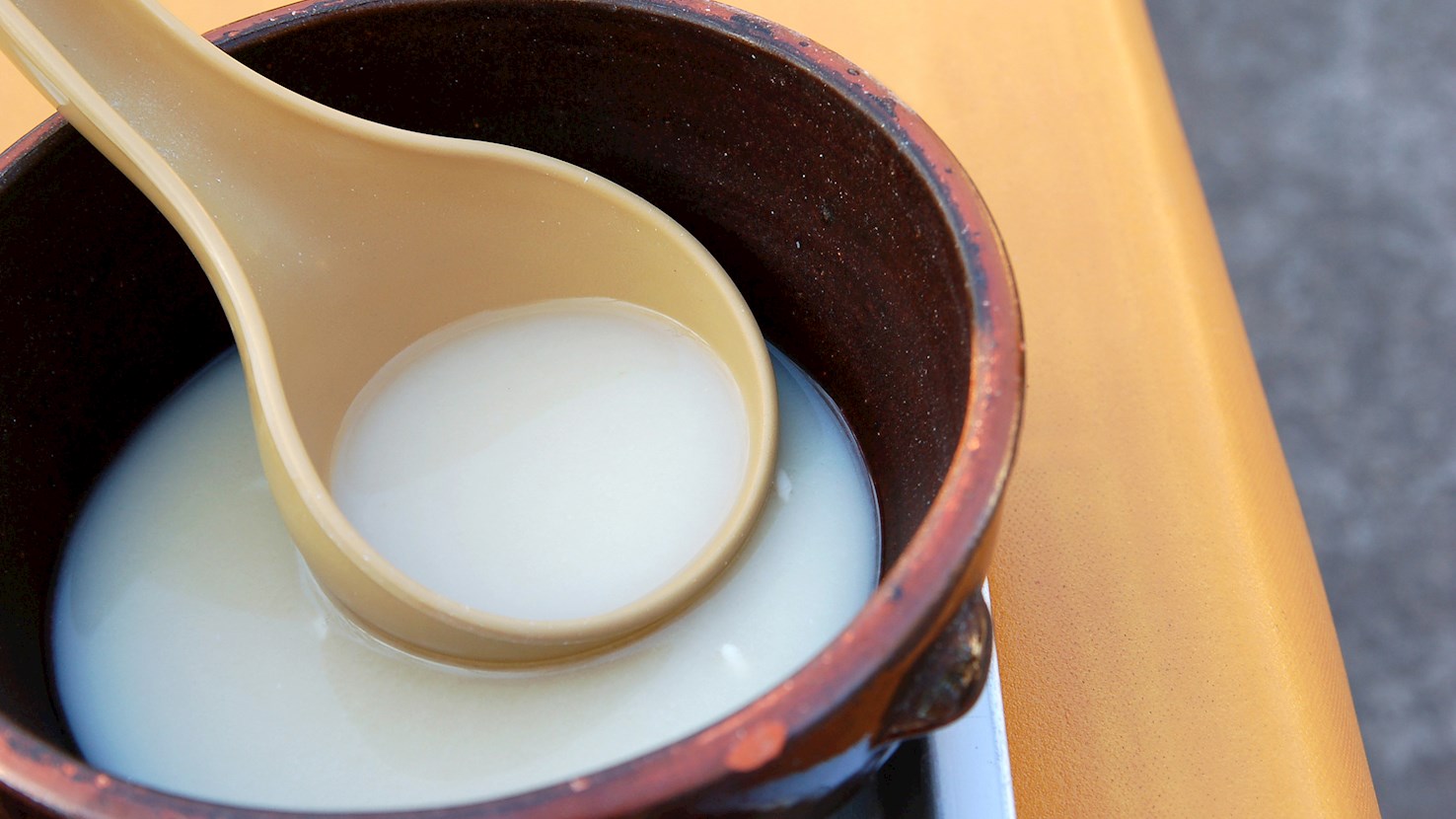
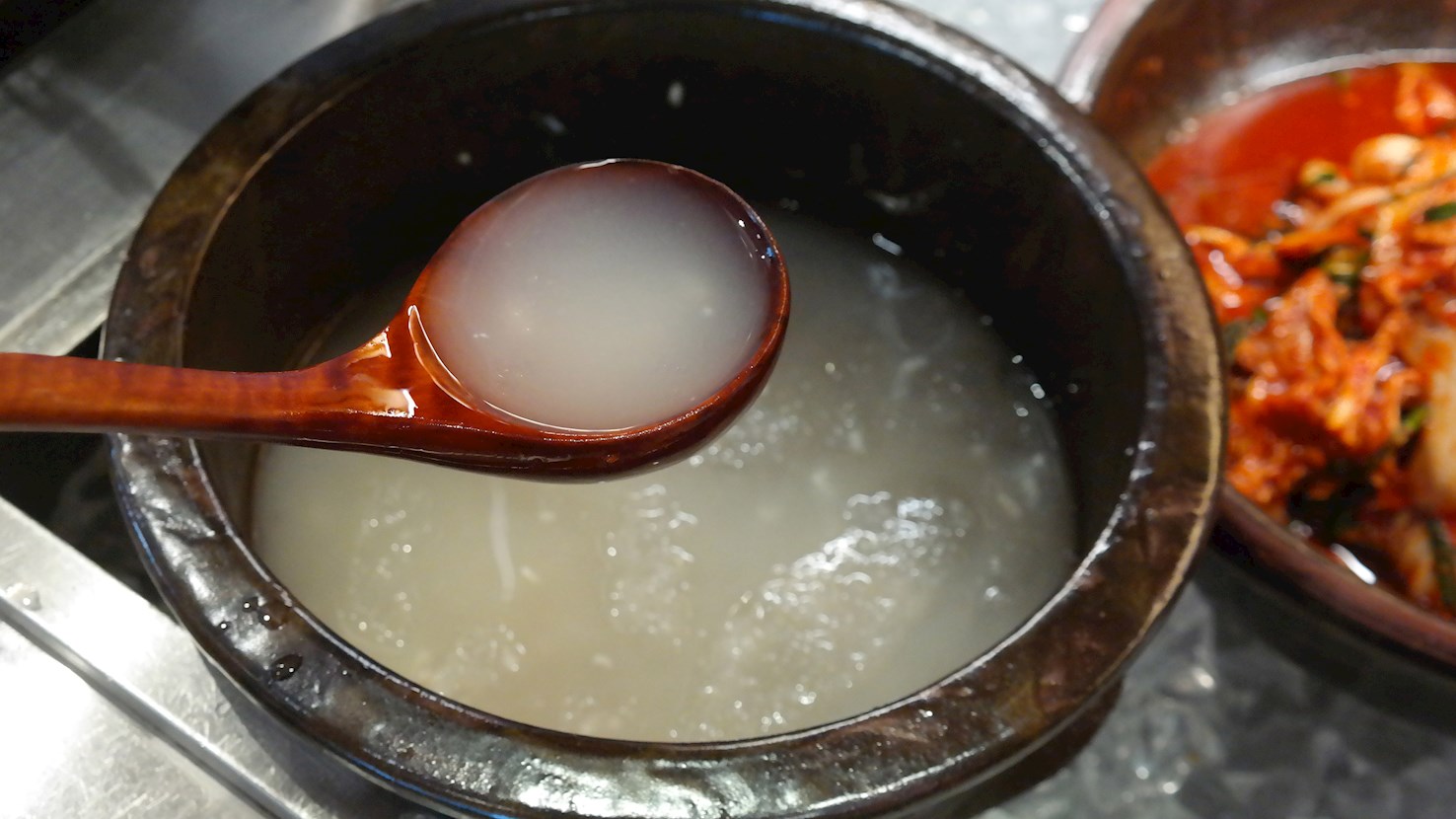
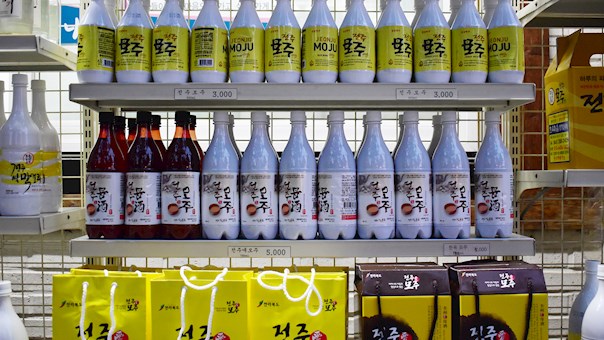
Makgeolli is the oldest Korean rice wine that dates back to the 10th century. It is usually made from rice which is fermented with nuruk—traditional Korean starter. The fermentation process produces a lightly fizzy drink with a typical milky appearance and a slightly sweet flavor. Makgeolli was the most popular Korean drink until the 1980s when it was largely overshadowed by imports, and it gained the status of a farmer’s drink (nongju). However, in the last decade, the drink has seen an increase in popularity, and it can be found in many South Korean bars. Makgeolli is best enjoyed cold and should be stirred before it is served.

02

Soju

3.6 ·

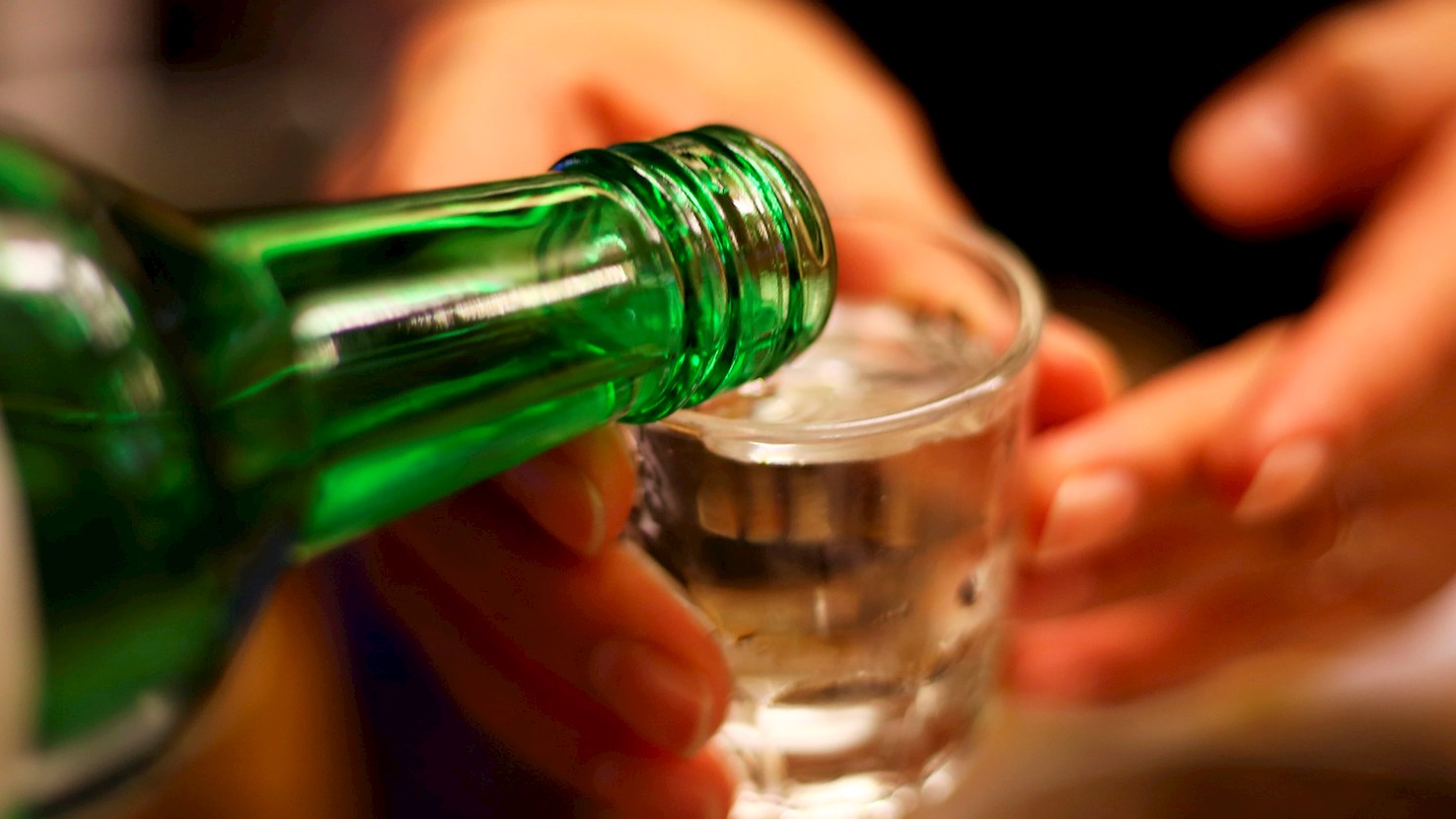
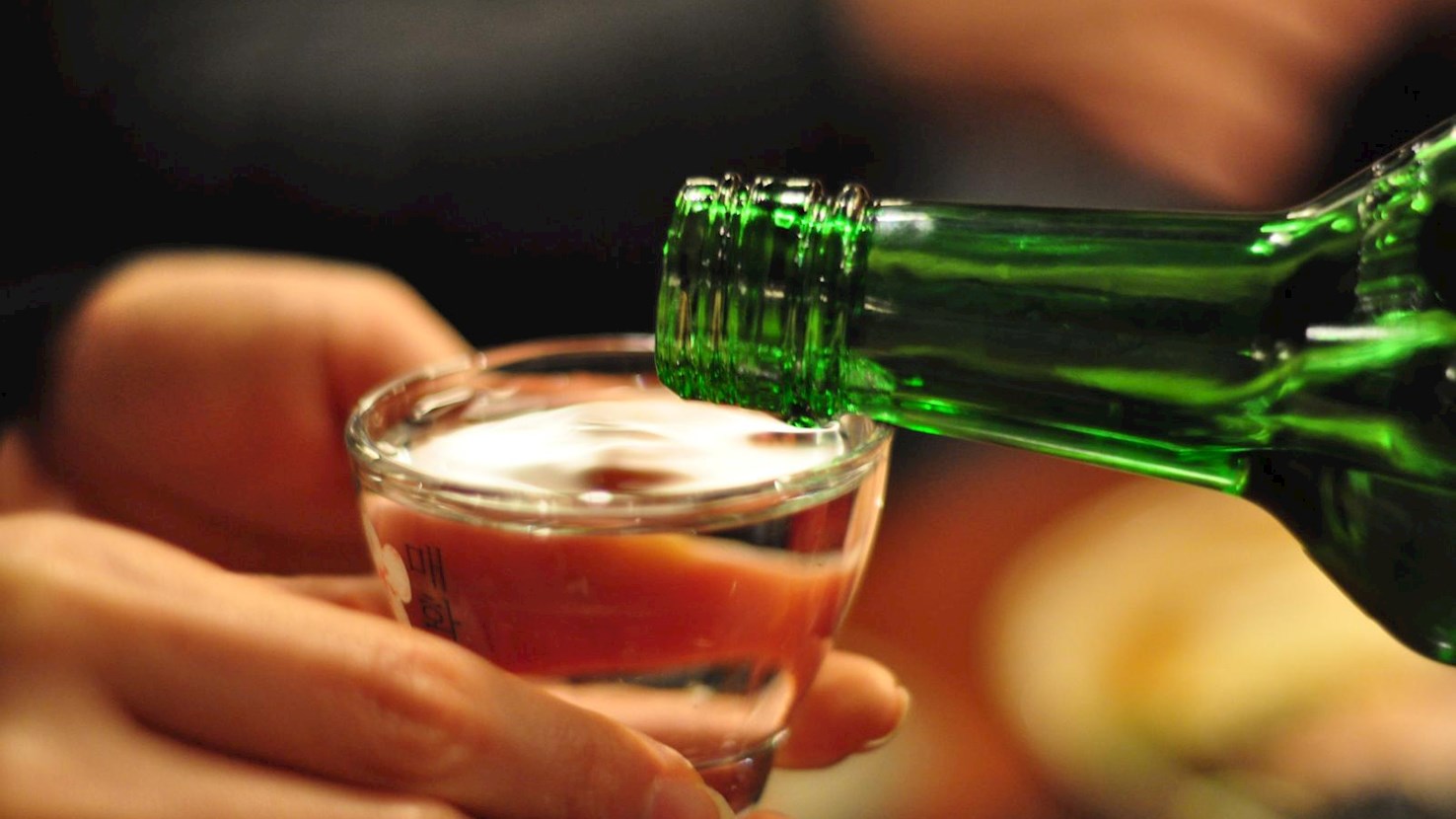
Korean soju is distilled from fermented rice, or optionally wheat, barley, sweet potatoes, or tapioca. It is believed that it initially appeared when Mongols introduced the distilling technique to the Koreans, sometime in the 13th century. The first varieties were made with rice, but in 1965 Korean government introduced a ban on using rice, and many producers looked for alternative sources. Soju is a clear spirit that is usually low in alcohol and has a mild, neutral flavor, which makes it work well with a wide array of dishes. It is usually enjoyed well-chilled, served in small traditional glasses, but Koreans also prefer to drop a shot of soju in beer. Apart from the classic type, it also comes in many fruit-flavored versions. Although it might come as a surprise, soju regularly tops the list of the best-selling drinks in the world, due to the large per capita consumption in South Korea.

03

Maesil-ju

3.6 ·

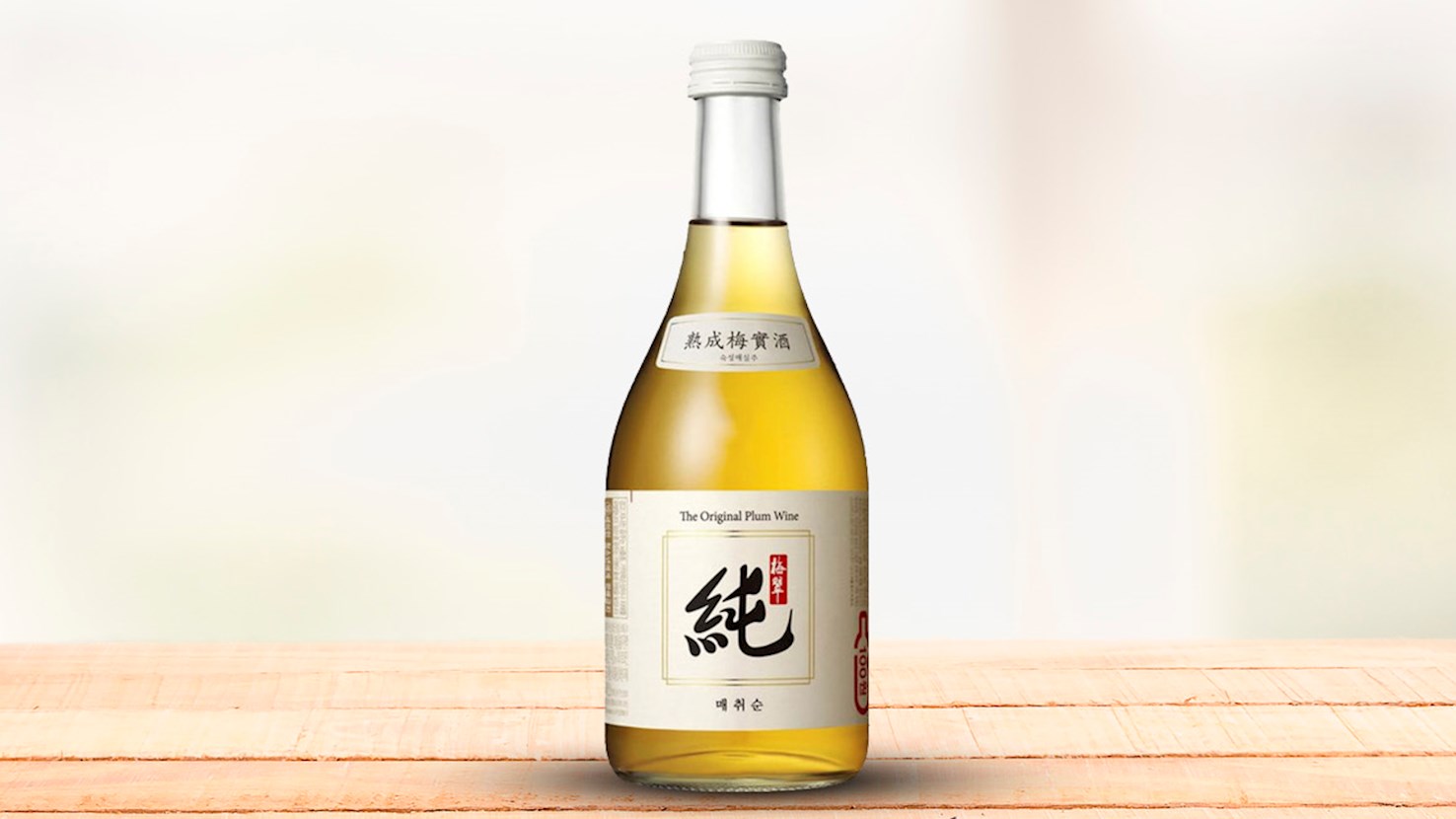
Maesil-ju is a traditional liqueur made with small-sized Asian plums (Prunus mume). Either unripe green or ripe yellow fruits can be used, sometimes even a mixture of both varieties. The drink is traditionally produced by steeping the fruit, together with sugar, in soju – traditional Korean spirit usually distilled from rice. The combination is macerated for at least several weeks until the beverage attains its distinctive golden color and bitter-sweet flavor. The fruit is usually strained, though several plums can be left inside jars or bottles. Maesil-ju is traditionally enjoyed neat, served in small shot glasses. It can pair well with seafood. The alcohol content typically varies around 14%.

04

Baekseju

3.5 ·

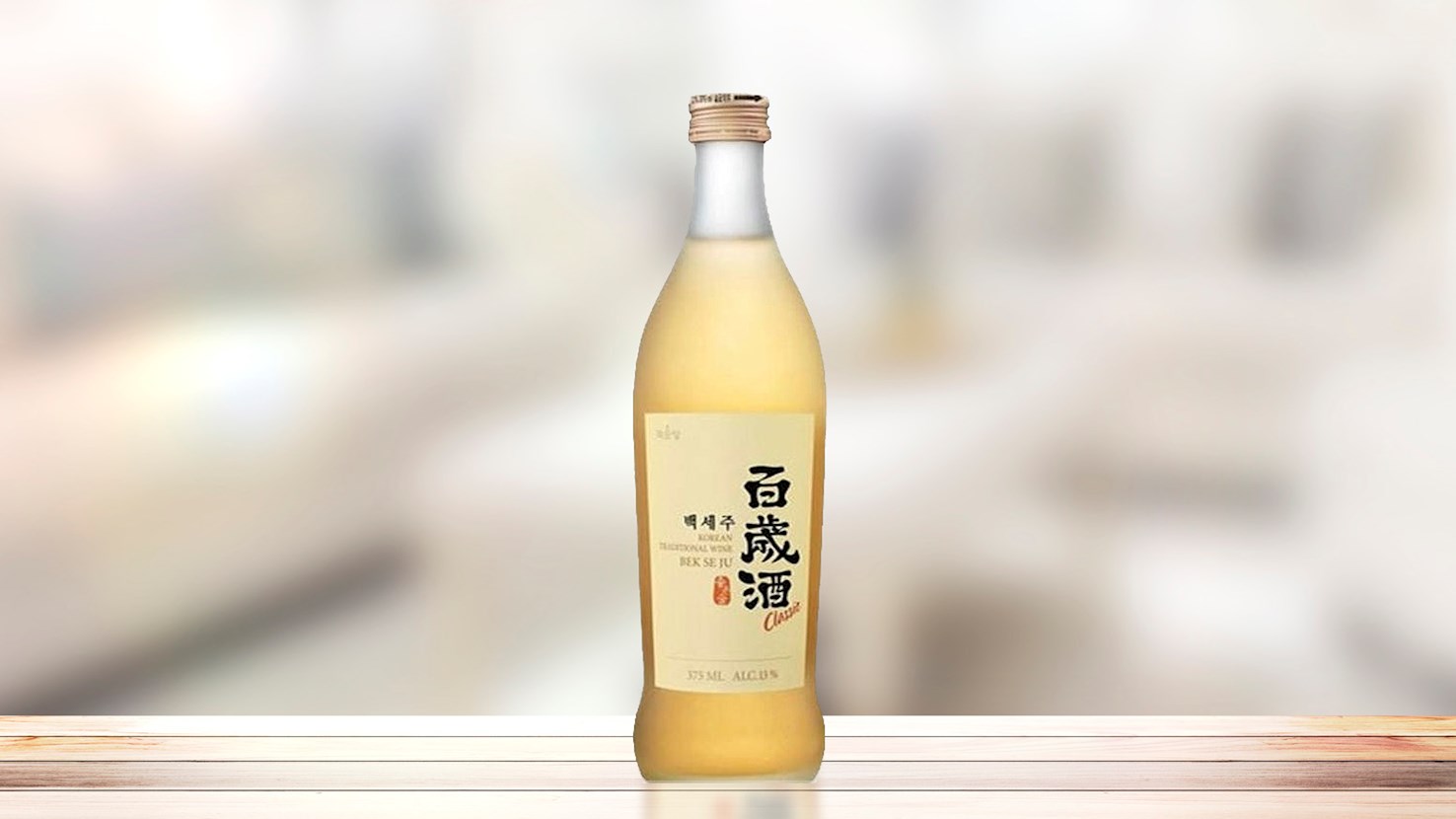
Baekseju is a clear, herb-flavored Korean rice wine made with fermented glutinous rice. Ginseng is the dominant flavor, while the combination usually includes a blend of herbs and spices such as ginger, omija (Schisandra chinensis), goji berries, or cinnamon. It is a subtly sweet drink with a distinctive herbaceous character, usually bottled at 13% ABV. Although the first written mention of baekseju dates back to the 17th century, in 1992, Kooksoondang introduced the first modern interpretation of the drink. Before that, it was usually produced as a house-made brew. Baekseju translates as 100-year-wine—a name given for its supposed health benefits that enable a person to live up to 100 years. It is sometimes cut with soju to create a drink popularly known as osipseju. Both drinks are often paired with spicy dishes and should always be served chilled.

05

Poktanju (Soju Shot)

3.5 ·

Poktanju is a simple South Korean combination of beer and soju—a traditional Koran rice spirit. Also known as soju shot or bomb shot, the drink is made by dropping a shot of soju in a glass of beer. Once prepared, the cocktail is gulped as quickly as possible. Unsurprisingly, this mixed drink can get people intoxicated quickly. Poktanju is often enjoyed as a social drink. It is considered a slightly more robust and heavier version of somaek, which also combines beer and soju.

06

Cheongju Rice Wine

3.3 ·

Cheongju is a variety of South Korean rice wine that is made from fermented polished rice. It is then filtered to produce a clear, crisp drink with a subtly sweet flavor. Cheongju is an ancient beverage that was once enjoyed on the royal court, and it is still often used a ceremonial or a welcome drink. It is also commonly employed in cooking, primarily in marinades and various sauces.

07

Somaek

3.2 ·

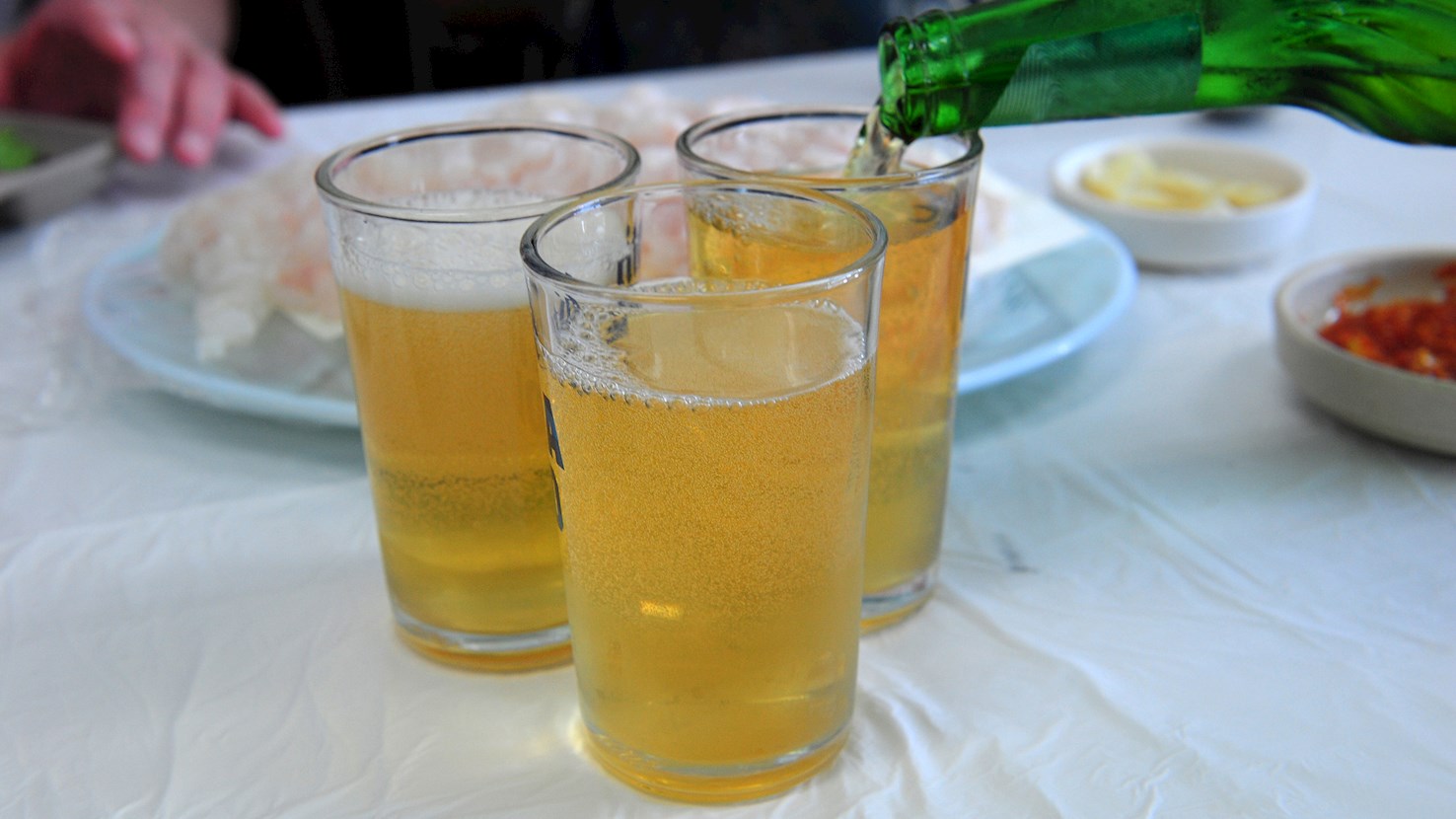
Somaek is a simple Korean cocktail that combines beer and soju—a traditional Korean rice spirit. The ideal choice for this cocktail is lager or pilsner, which should provide a nice neutral base for soju. The ratio of the drinks can vary, but the suggested combination is three parts soju to seven parts beer. There are several ways to make somaek, but beer is usually poured first, and a shot of soju is added next. Adding a shot of soju and then topping it with beer is also common. Somaek is mixed with chopsticks or a spoon. Chopsticks are placed inside the drink and are then quickly struck, while the spoon is used to hit the bottom of the glass. Both techniques create bubbles, foam, and a light fizz.

08

Dongdongju

n/a ·

Often called a type of makgeolli, dongdongju is a type of rice wine made with glutinous rice, starter, and water. Unlike the filtered makgeolli, dongdongju is shortly fermented and is not filtered. This technique leaves the rice kernels floating on top of the drink. Dongdongju is an opaque, milky drink with a sweet and subtly tart flavor. It is traditionally served in bowls, and it should be enjoyed chilled.

09

Gamju

n/a ·

Gamju or dansul is an opaque Korean drink which is produced by fermenting steamed rice with a starter culture known as nuruk. The fermentation is done at low temperatures, and the process results in a drink that is slightly sweet, subtly tart and has a low alcohol content. It can be prepared with plain as well as glutinous rice. The drink should not be confused with a non-alcoholic sikhye, which is also occasionally known as gamju or dansul.

10

Dosoju

n/a ·

Dosoju is a Korean spirit infused with various herbs that is traditionally enjoyed for Lunar New Year. It is often dubbed as the original New Year's drink. The base is made with cheongju—traditional South Korean rice wine—which is then infused with various medicinal herbs. Dosoju is believed to ward off evil spirits and protect from bad luck and any other misfortune. Even the name dosoju can be translated as kill/catch evil spirits. Tradition suggests that it should be the first drink consumed on New Year's Day. It should be sipped in order of seniority, starting with the youngest and ending with the oldest member.

Read more
View all
View map
About this ranking

TasteAtlas food rankings are based on the ratings of the TasteAtlas audience, with a series of mechanisms that recognize real users and that ignore bot, nationalist or local patriotic ratings, and give additional value to the ratings of users that the system recognizes as knowledgeable. For the “Top 16 Korean Alcoholic Beverages” list until June 15, 2026, 300 ratings were recorded, of which 285 were recognized by the system as legitimate. TasteAtlas Rankings should not be seen as the final global conclusion about food. Their purpose is to promote excellent local foods, instill pride in traditional dishes, and arouse curiosity about dishes you haven’t tried.

The initial list of top producers was compiled based on available reviews, awards, local recommendations, media and blog coverage, and consumer reviews. The list will be updated with ratings from TasteAtlas local ambassadors and TasteAtlas users.

Similar lists