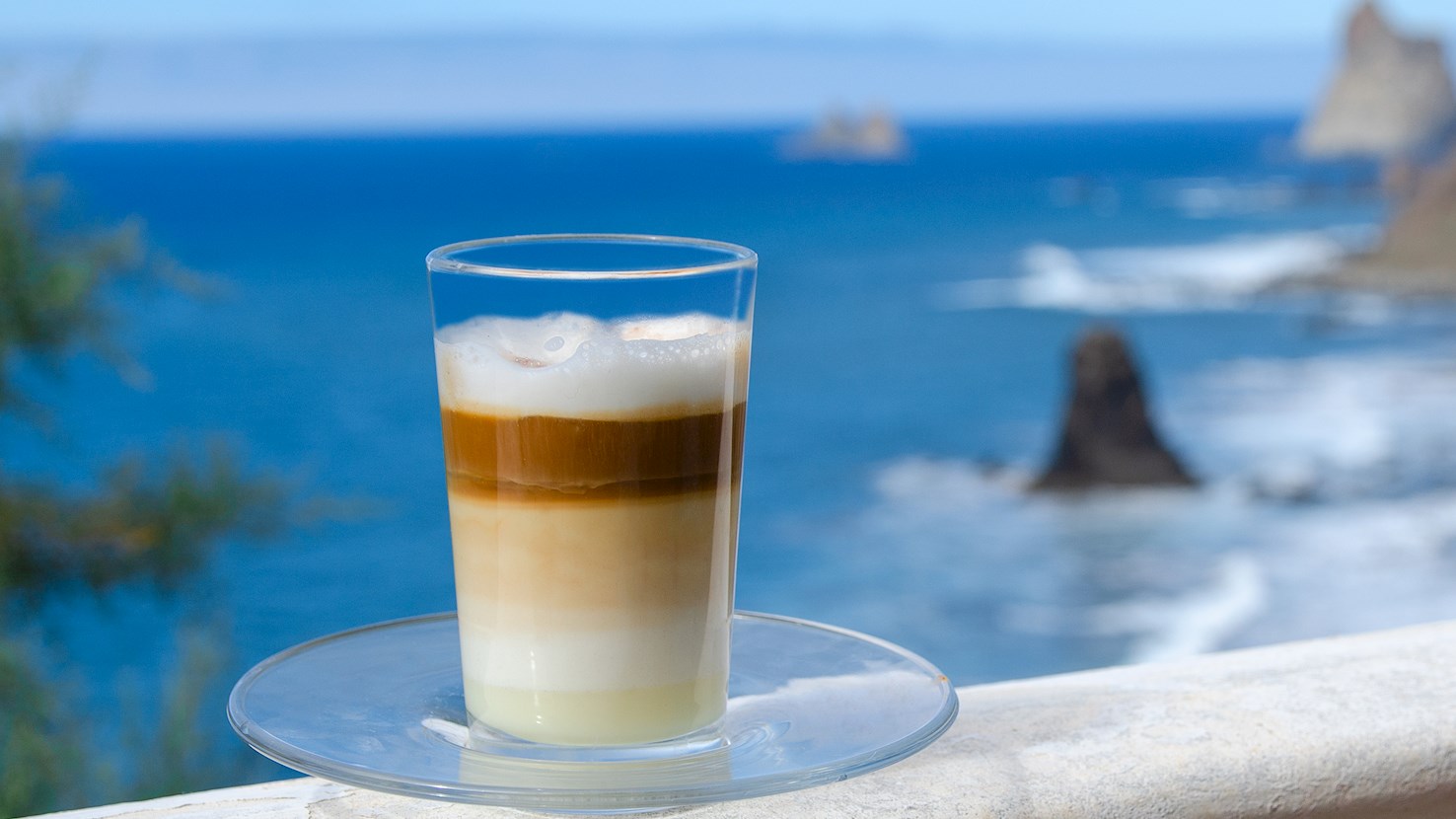
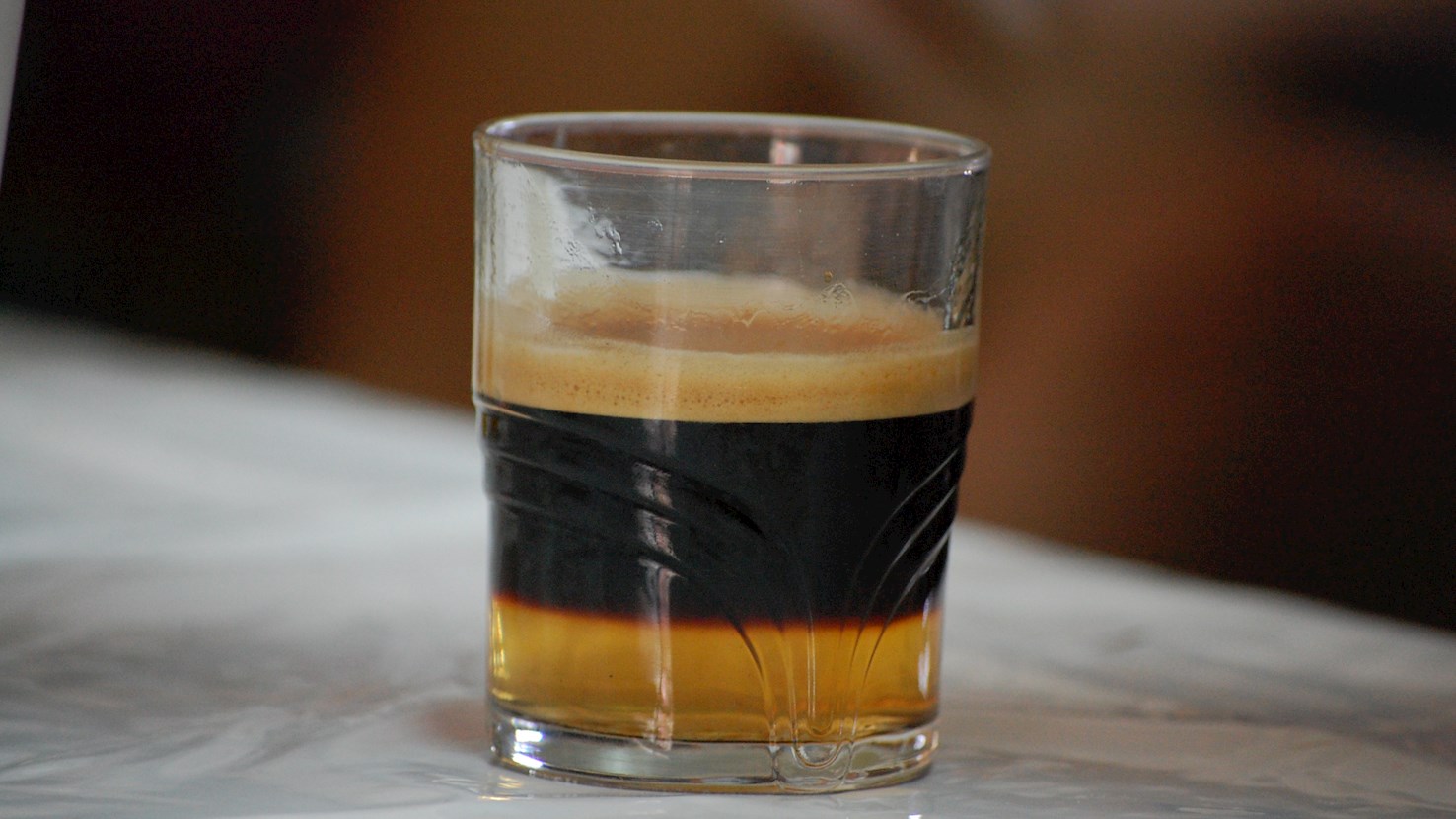
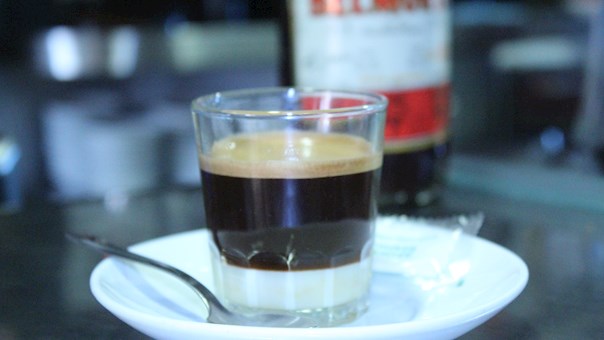
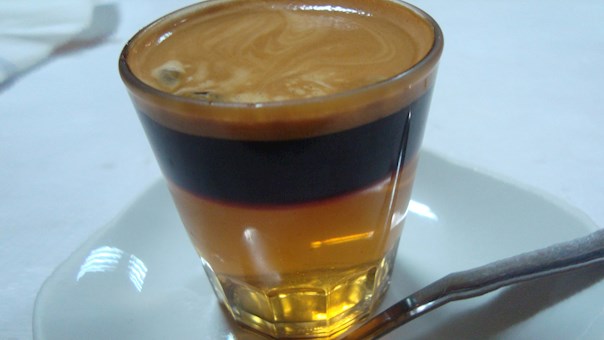
Barraquito is a type of coffee that usually combines condensed milk, liqueur, coffee, and milk. Although there are several regional variations, the most common combination includes condensed milk, Licor 43 (sweet and dense liqueur with flavors of vanilla, citrus fruit, and spices), espresso, and steamed milk. All the ingredients are layered, and the drink is usually served in a tall glass so the layers would be visible. Steamed milk is dusted with ground cinnamon, and the drink is traditionally garnished with lemon peel. Sometimes, steamed milk can be replaced with whipped cream, while other variations may include different types of liqueurs. The history of the drink is related to Tenerife and the Bar Imperial located in Santa Cruz de Tenerife. Allegedly, a man nicknamed Barraco used to order this combination, and eventually, patrons named the drink after him. In the north of Tenerife, the drink is better known as zaperoco, while barraquito sin licor is the alcohol-free variety. Although it can be enjoyed at any time, barraquito is usually served after a meal.
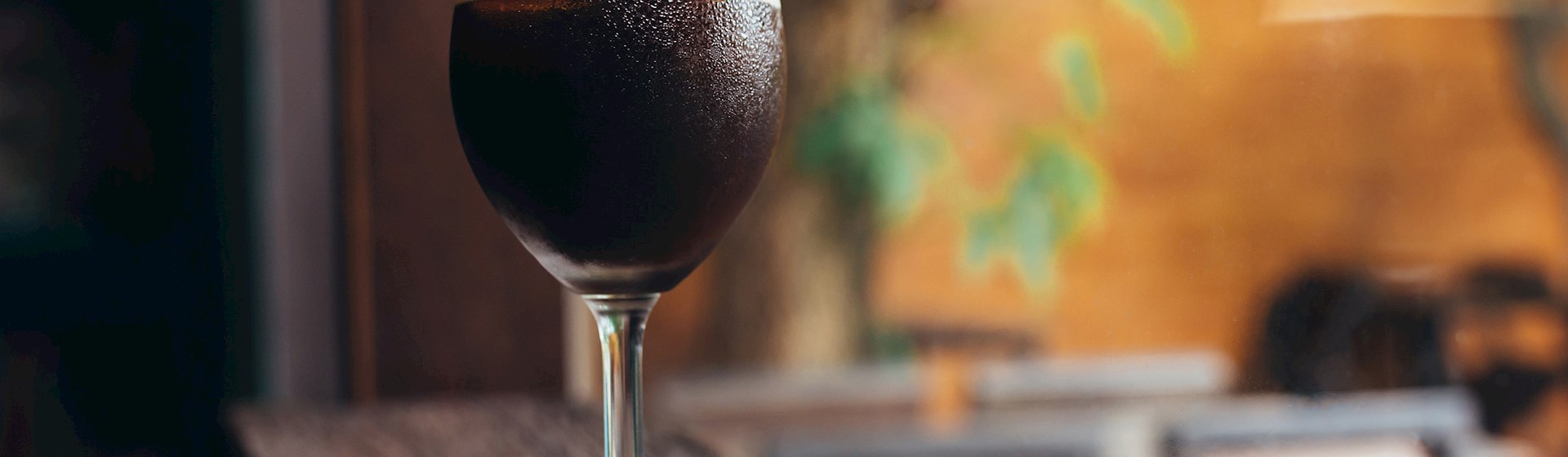
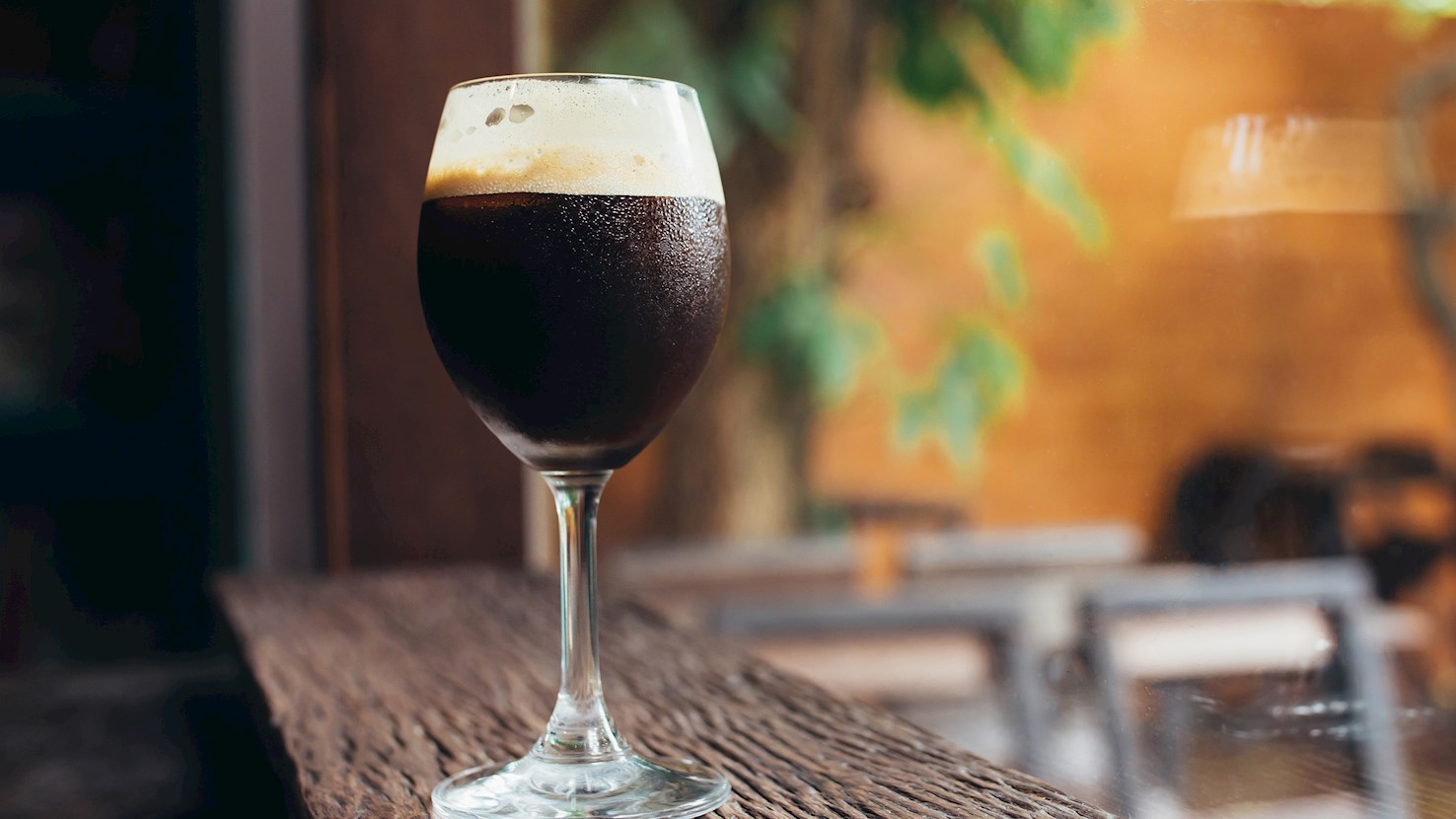
Shakerato is an Italian version of ice coffee. It consists of sweetened espresso and ice cubes that are shaken—hence the name—in a cocktail shaker. The drink is usually enjoyed during the summer as a refreshing version of traditional espresso. Because of its unique preparation, when it is poured in a glass, the drink should have a frothy layer (crema) on top. It is usually strained and served in a stemmed glass. Shakerato is commonly spiked with creamy vanilla or coffee-flavored liqueurs.
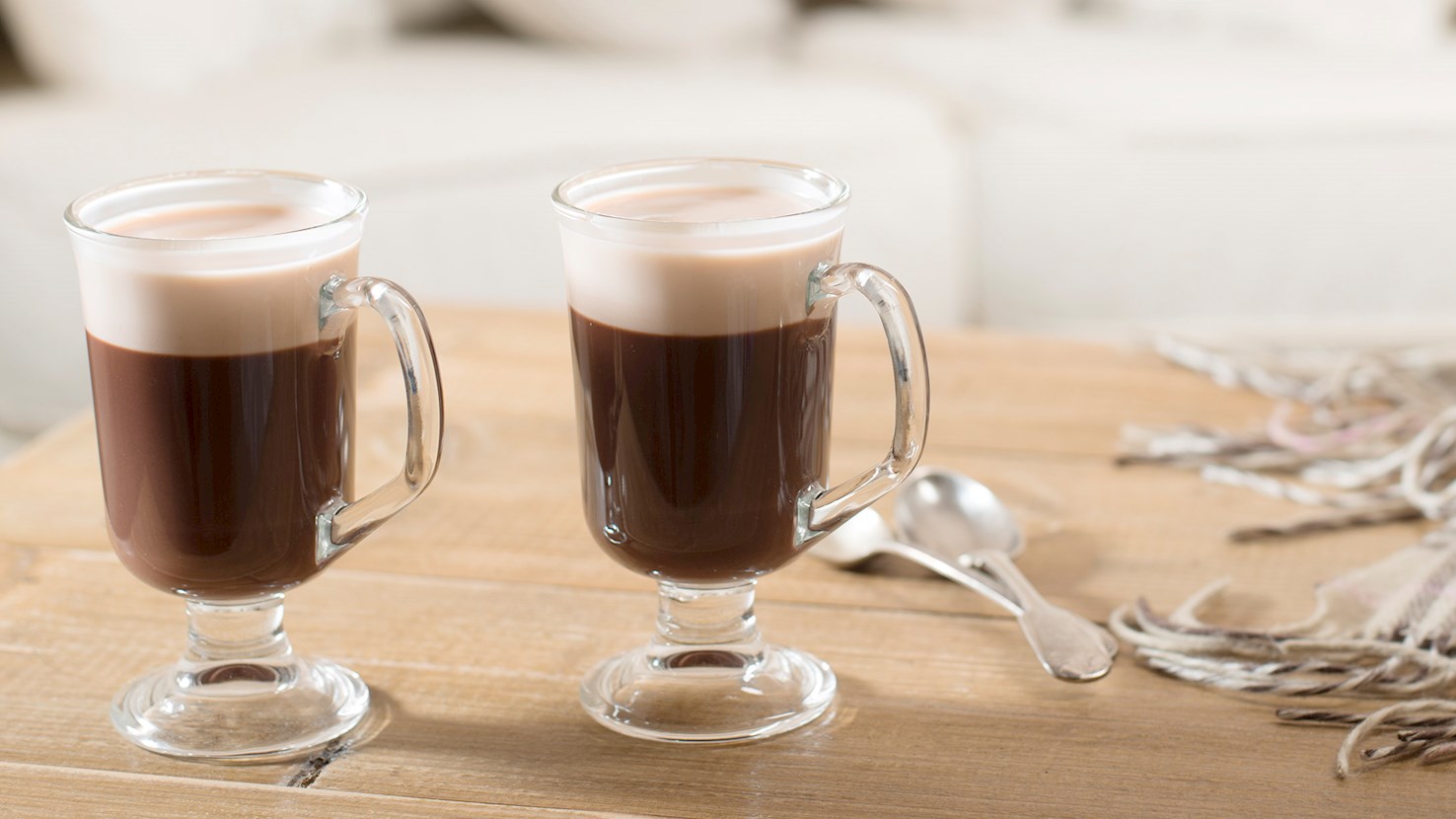
Irish coffee is a hot beverage from Ireland that combines strong brewed coffee with Irish whiskey, sugar, and lightly whipped cream served on top. Although there were some variations known in the early 20th century, the modern recipe was probably created in the mid-20th century at Foynes, a port town in County Limerick, where transatlantic flights once made stopovers. The story tells that it was offered to weary travelers as a way to warm them in cold weather, and the combination of whiskey and coffee soon gained recognition beyond Ireland when it was later introduced in the United States, particularly at the Buena Vista Café in San Francisco, which helped make the drink internationally famous. The preparation requires attention to balance. Hot, freshly brewed coffee is poured into a preheated glass, sugar is stirred in until dissolved, and Irish whiskey is added. The defining element is the cream, which must be lightly whipped so that it floats gently on top without blending into the liquid. The drink is not stirred once assembled, allowing the warm coffee and whiskey to pass beneath the cool cream as it is sipped, creating a layered effect in taste and texture. It is often enjoyed in pubs, cafés, or restaurants, particularly in colder seasons or after meals when a balance of caffeine, sweetness, and spirit offers both comfort and energy. Pairings tend to favor desserts like chocolate cake, biscuits, or fruit tarts, but it can also be served on its own as both a digestif and a coffee course.
Carajillo is a Spanish coffee variety that is traditionally prepared with three parts of coffee and one part of liquor. The most common combination includes espresso and brandy, rum, aguardiente, or Licor 43—a sweet liqueur from Cartagena. Carajillo is enjoyed throughout the country, but there are several regional varieties that differ in the choice of liquor and the preparation method. The origin of the drink is not known. One theory claims that it dates from a time when Cuba was a Spanish province, and the plantation laborers were given a combination of rum and coffee. The origin of the name is also said to stem from that time because the drink gave the laborers courage—in Spanish coraje, which was later turned into carajillo. Another version associates the drink with Catalonia and the workers who would order coffee and aguardiente que ara guillo—roughly translated as in a hurry. Some even mention Andalusia as its place of origin, claiming that the name derives from carajo—an exclamatory term meaning hell, damn, or fuck. Some of the varieties include a version from Granada (Íllora) that is made with Baileys and Cartagenian variety that combines lemon rind and cinnamon. The names also differ and include rebentat (in Valencia and Mallorca), Asiático (Cartagena), and cigaló or caraixell (Catalonia).
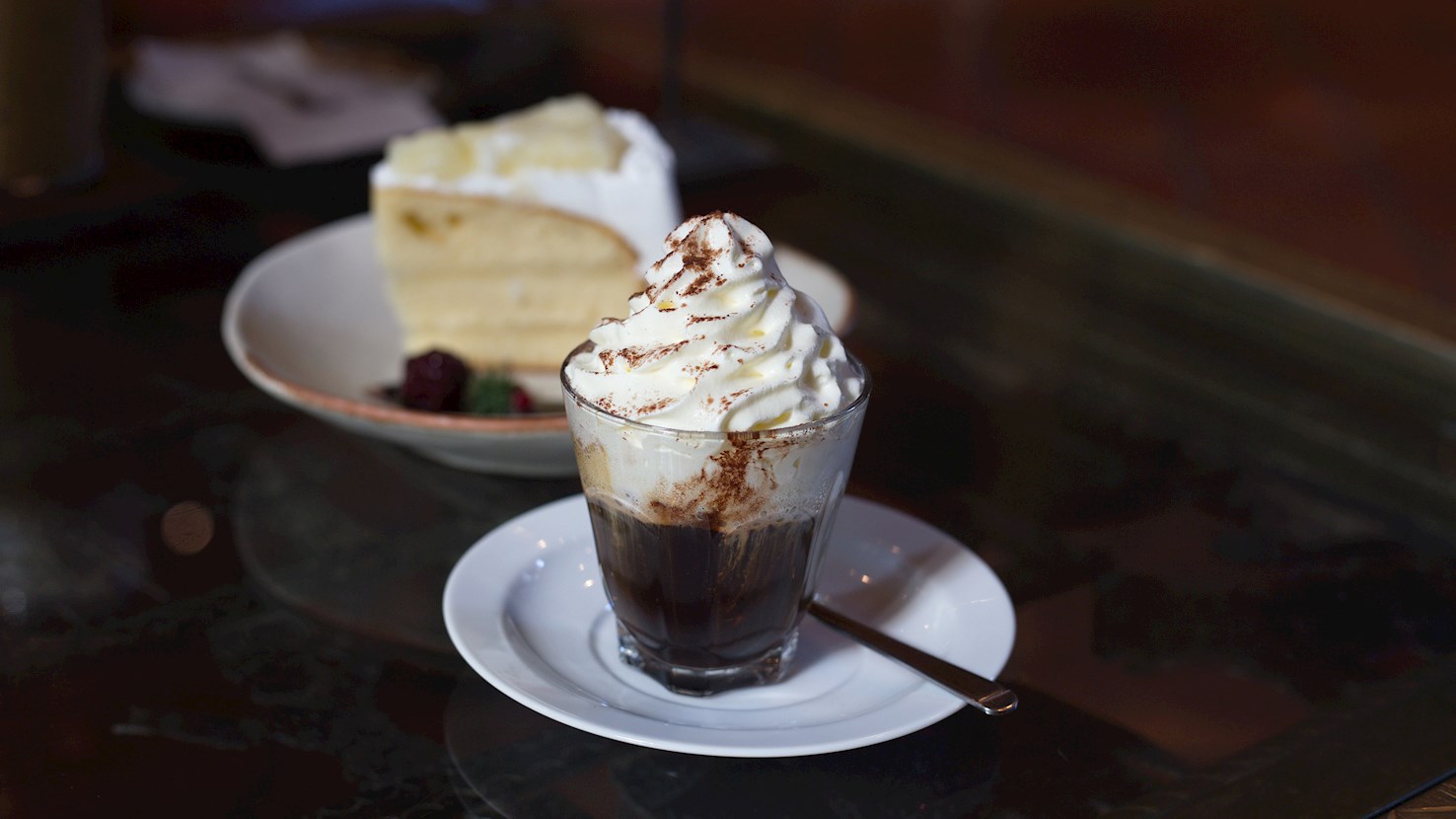
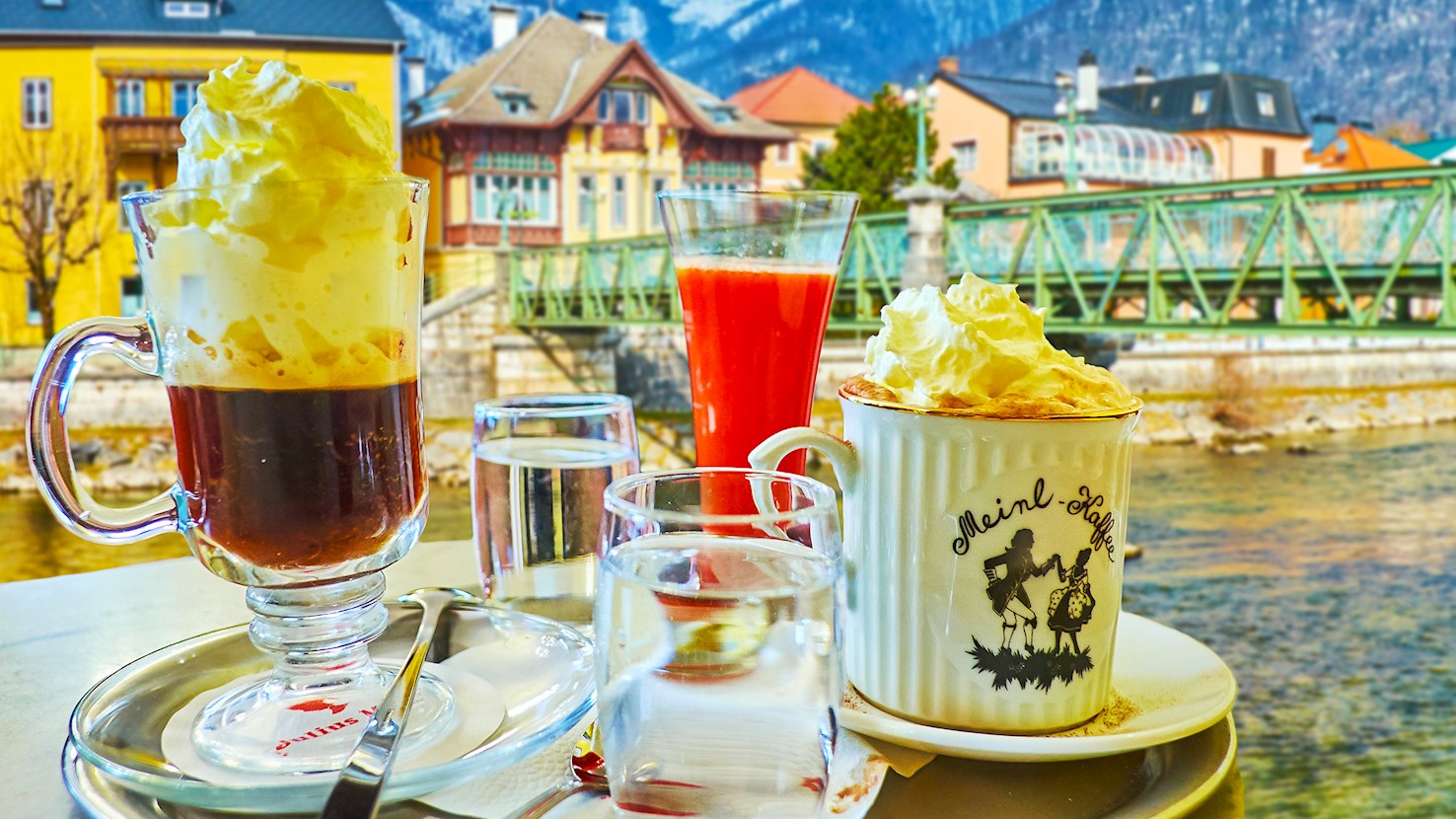
Fiaker is a Viennese specialty coffee that consists of an espresso that is usually sweetened and then topped with whipped cream. The drink also includes a splash of liquor, preferably kirschwasser—fruit brandy distilled from cherries—which is occasionally replaced with rum of plum brandy. The name fiaker was given because the coachmen of traditional Viennese coaches (fiakers) are big fans of this warming, alcohol-laced beverage. The drink is occasionally garnished with preserved cherries, or it can be dusted with cocoa powder. It is usually served in a hot toddy glass.
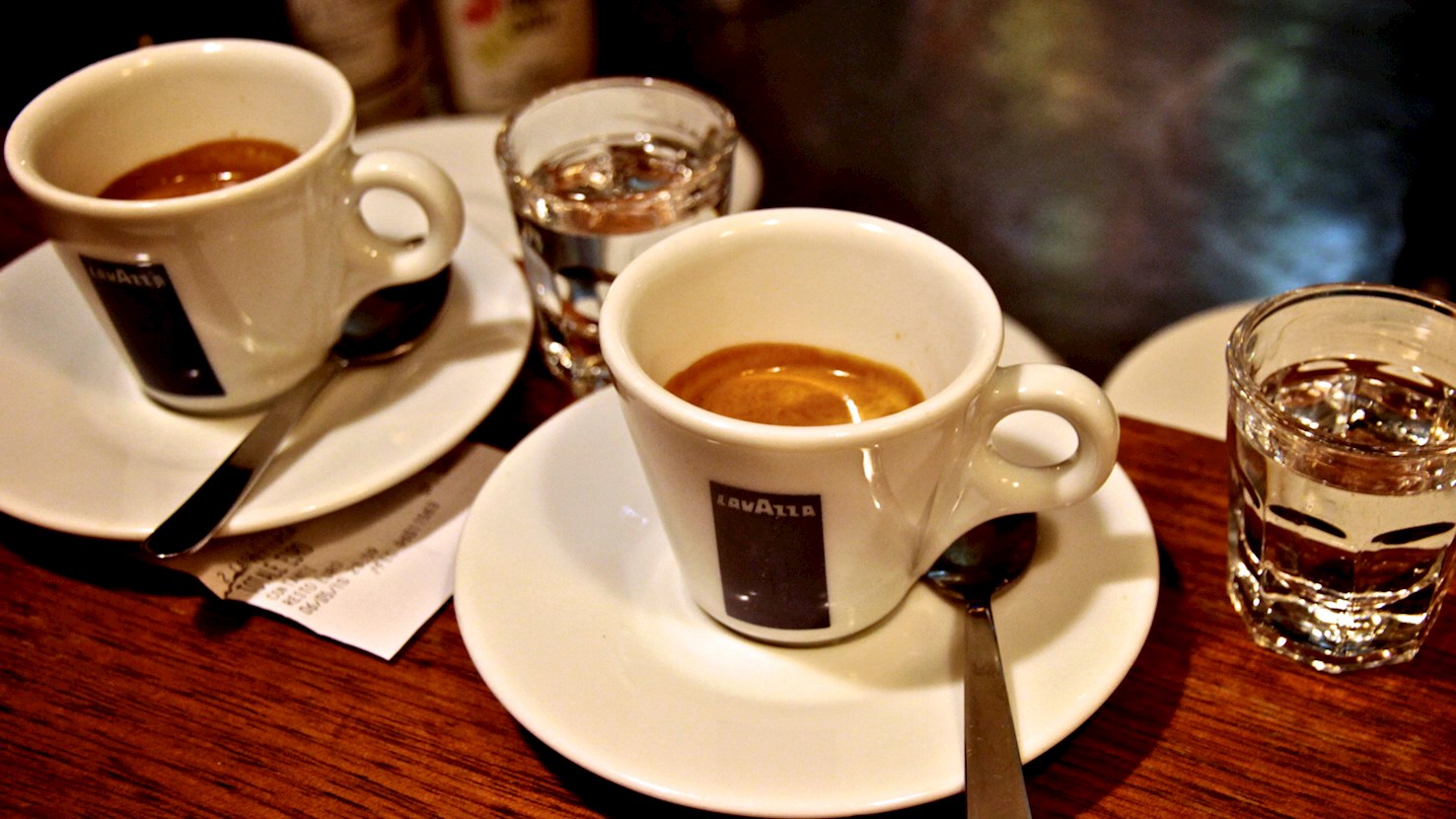
This spiked Italian coffee pairs a shot of espresso and a splash of liquor, typically different varieties of grappa, brandy, rum, mistrà, or sambuca. The drink is supposed to have a dominant, rich coffee flavor and not to be overpowered by strong liquor. Occasionally, the two drinks are served separately, allowing the guests to combine it according to their taste. In other countries, it occasionally goes under the name espresso corretto, while in Spain, a similar spiked espresso is known as carajillo.
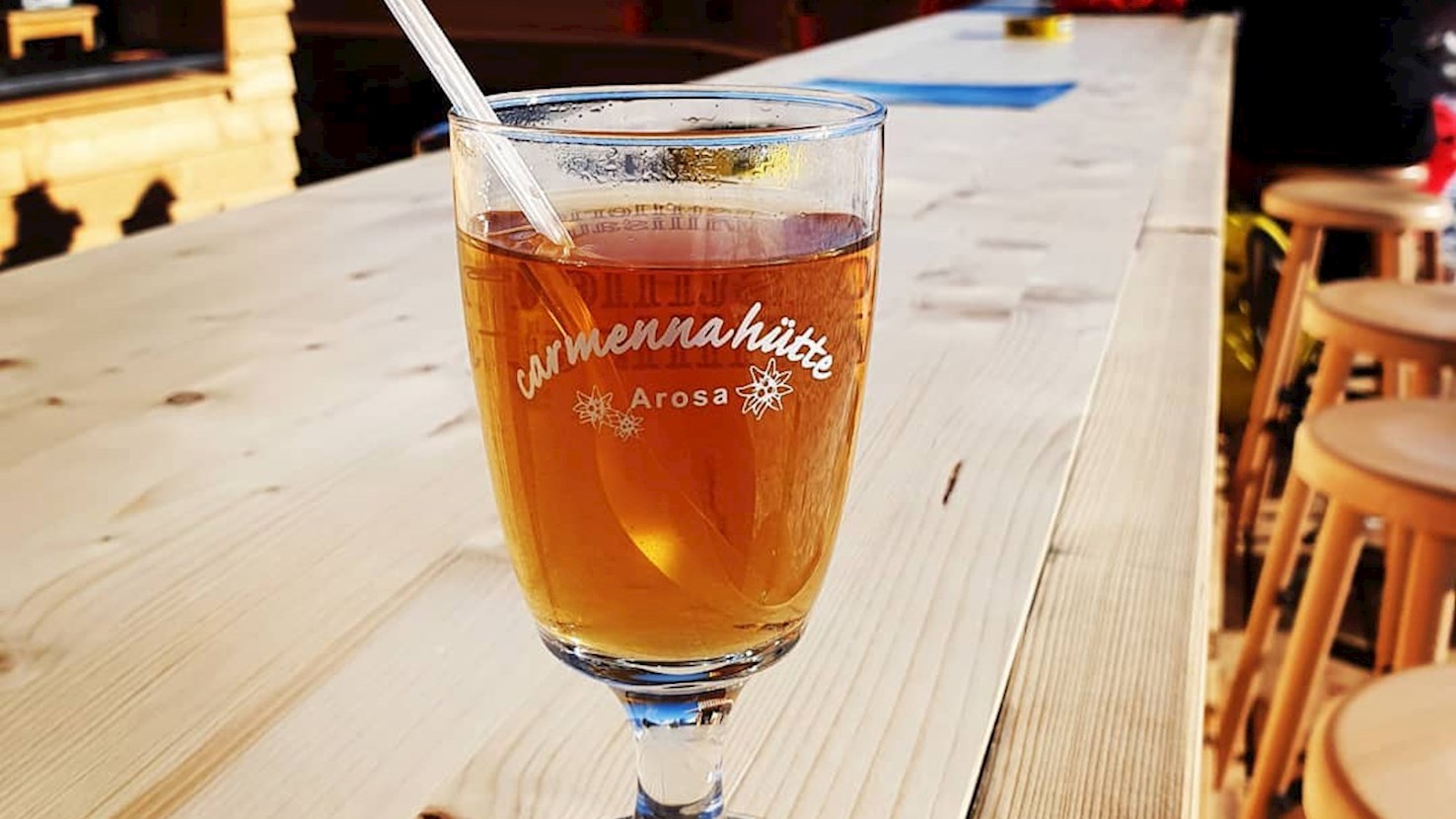
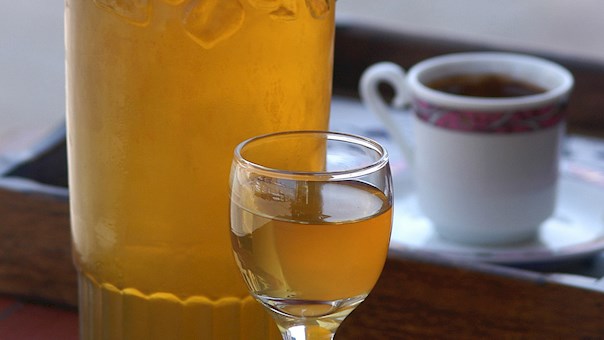
Kafi Luz or Kafi Fertig is a Swiss coffee that is usually made with Träsch—fruit brandy produced from pear and apple pomace that is mainly enjoyed in Central Switzerland. The recipe includes a splash of fruit brandy (schnaps), sugar, boiling water, and instant coffee. The drink should be pale and transparent, and it is typically served in a tall stemmed glass. This coffee was invented sometime in the 18th century when drinking schnaps was a common practice in Switzerland, especially in rural areas where each day would begin with a shot of brandy. When the authorities tried to regulate excessive drinking and eventually banned distillation and consumption of alcohol, the people thought of a way how to disguise it by mixing it with coffee. Kafi Luz known under various names, and it comes in many variations that may include different proportions of ingredients and other types of brandy.
Although it is nowadays rarely found in Viennese coffee houses, Kaisermelange is often listed as a unique Viennese specialty. It consists of a pulled espresso that is mixed with a raw egg yolk. The beverage is usually sweetened with honey and fortified with Cognac, other types of brandy, or rum. The name Kaisermelange translates as Emperor's mélange—presumably because of the luscious texture and rich flavor of the coffee, which makes it worthy of being served to an emperor.
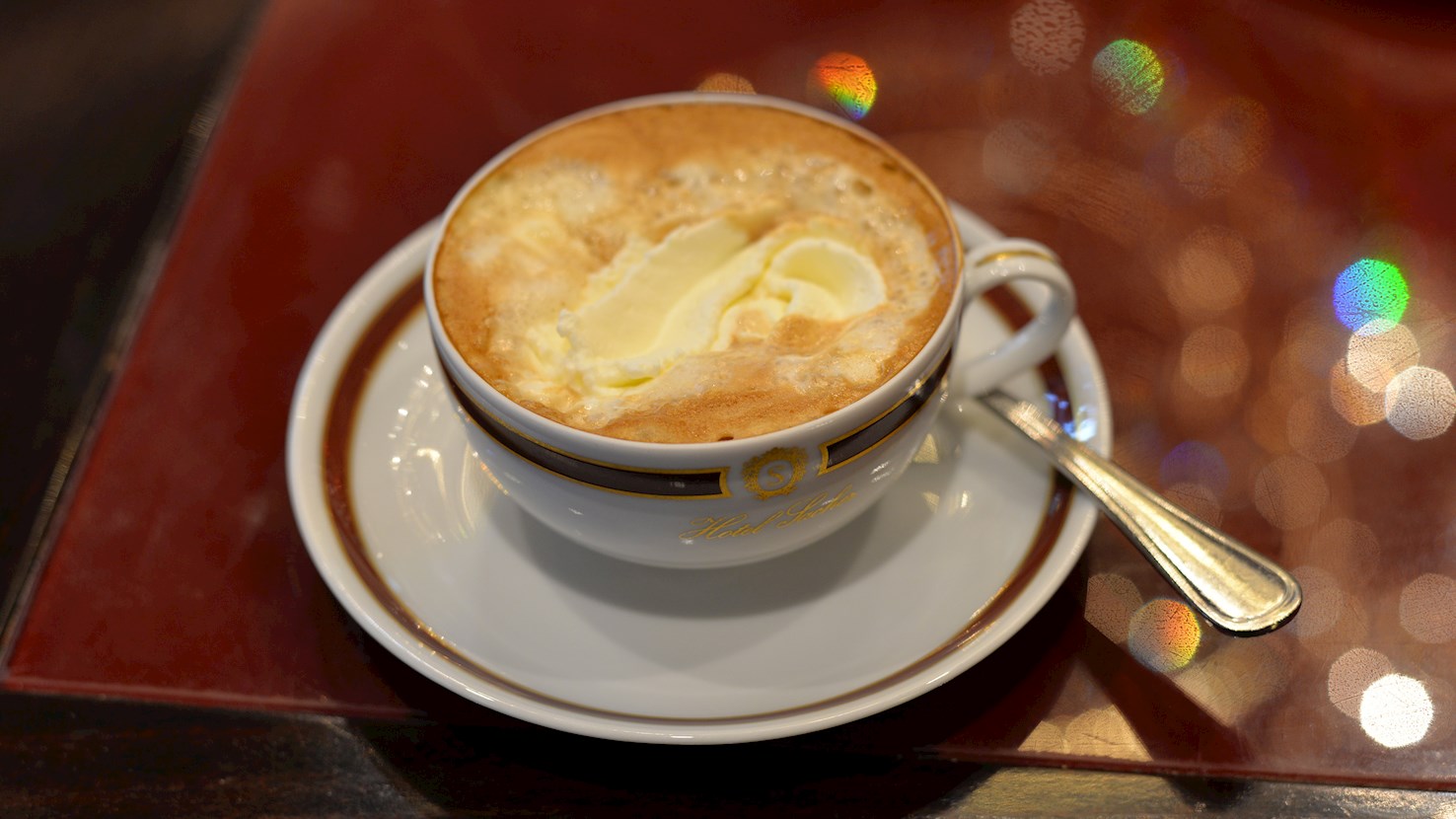
This specialty coffee is a staple in Viennese coffee houses. It consists of an espresso that is fortified with an orange liqueur such as Grand Marnier or Cointreau. The concoction is sweetened and then topped with whipped cream. It is usually garnished with chocolate shavings or orange rind. As it is evident from the name, the drink was named after Maria Theresa, the Holy Roman Empress, but it is not known whether it hails from the time of her reign.
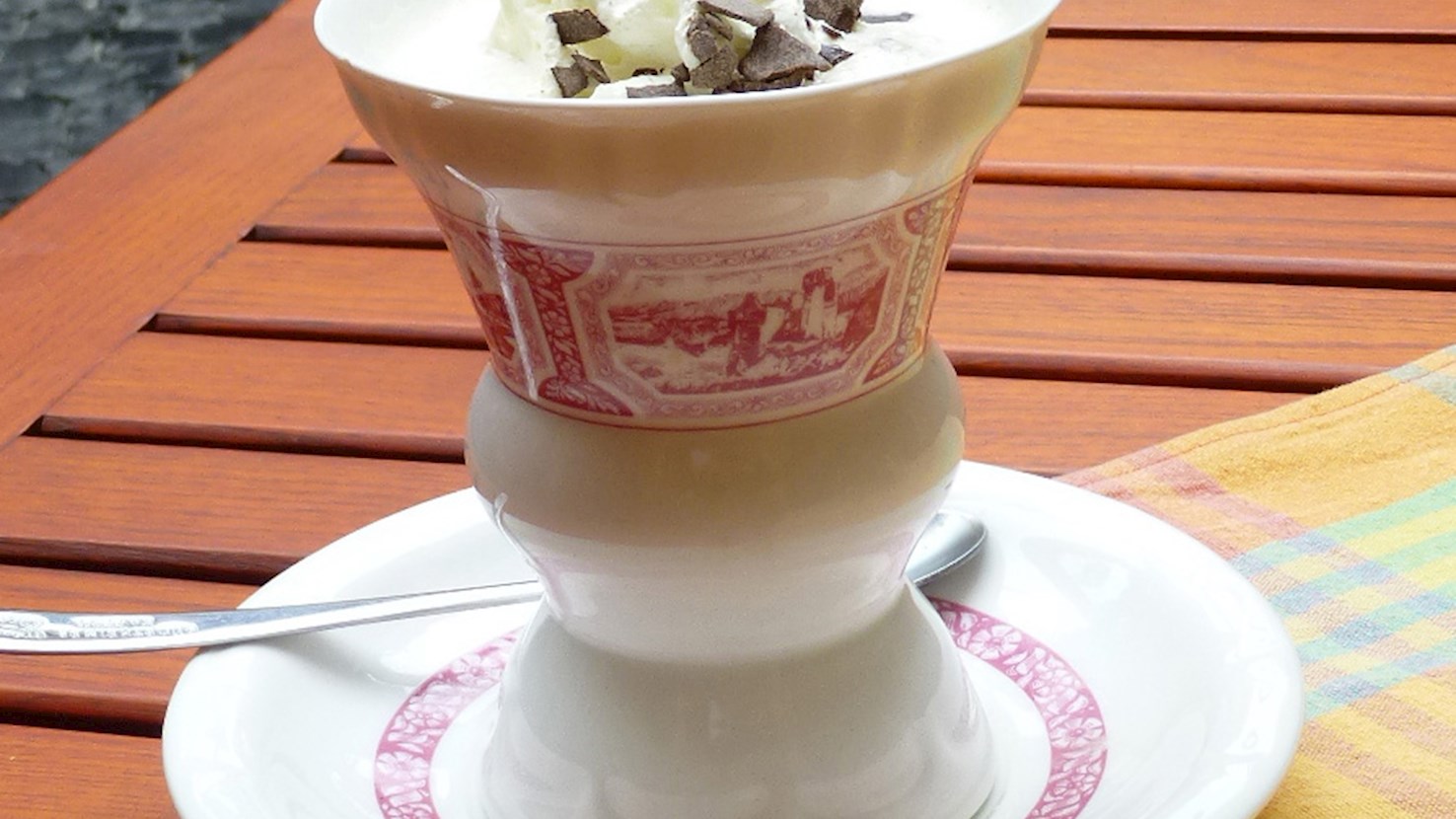
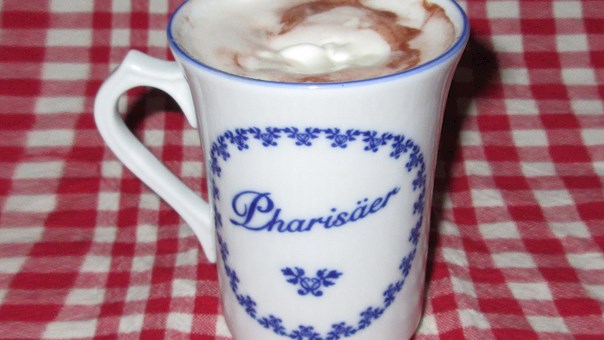
Rüdesheimer Kaffee is a German coffee that is fortified with Asbach Uralt brandy. The drink is prepared by mixing brandy and sugar, and the combination is then flambéed until alcohol partially evaporates. The mixture is then topped with coffee, and the drink is finished off with a layer of vanilla-flavored whipped cream and chocolate shavings. The drink originates from Rüdesheim am Rhein—hence the name—and it was invented in 1957 by Hans Karl Adam, a German television chef. Rüdesheimer Kaffee should not be stirred, and it is traditionally served in a tall glass that was specially designed for this alcohol-laced coffee.
TasteAtlas food rankings are based on the ratings of the TasteAtlas audience, with a series of mechanisms that recognize real users and that ignore bot,
nationalist or local patriotic ratings, and give additional value to the ratings of users that the system recognizes as knowledgeable.
TasteAtlas Rankings should not be seen as the final global conclusion about food. Their purpose is to promote excellent local foods,
instill pride in traditional dishes, and arouse curiosity about dishes you haven’t tried.














What People Say