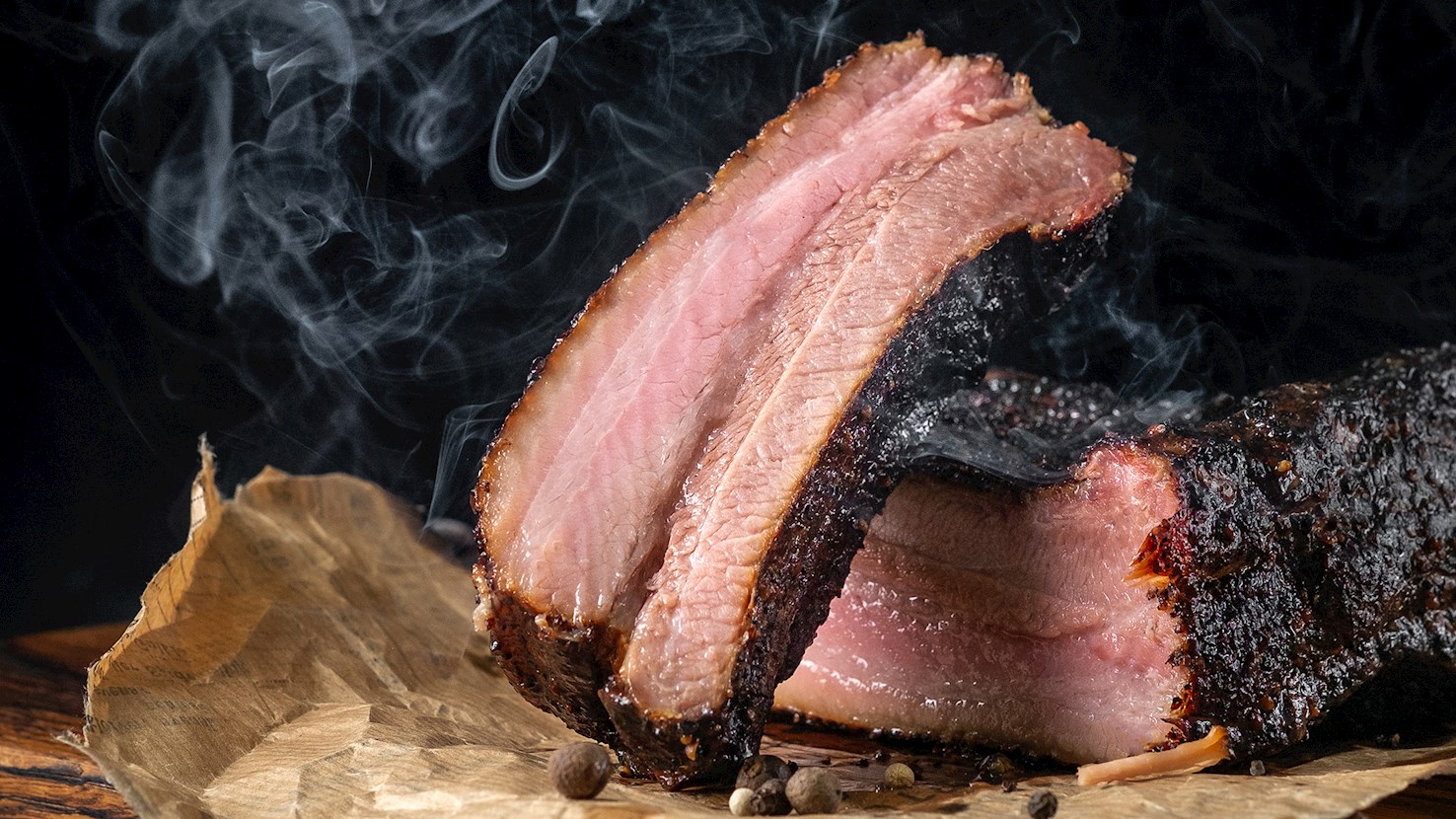
In the American, English and German systems of primal beef cuts, the brisket (or rinderbrust) is a cut that comes from the breast or lower chest of the cow. The brisket is one of the nine primal cuts of beef and is particularly known for its size and for having a significant amount of connective tissue. This cut consists of two different muscles: the pectoralis major, known as the "flat," and the pectoralis minor, or the "point." The flat is leaner, while the point has more fat and marbling. Because of the high amount of connective tissue, brisket needs to be cooked slowly, over low heat, to allow the collagen in the meat to break down and become tender. This makes it a popular choice for slow cooking methods like smoking, braising, or slow roasting. Brisket is notably used in a variety of regional American barbecue traditions, particularly Texas-style barbecue, where it's often smoked for many hours. It's also traditionally used for making corned beef and pastrami.
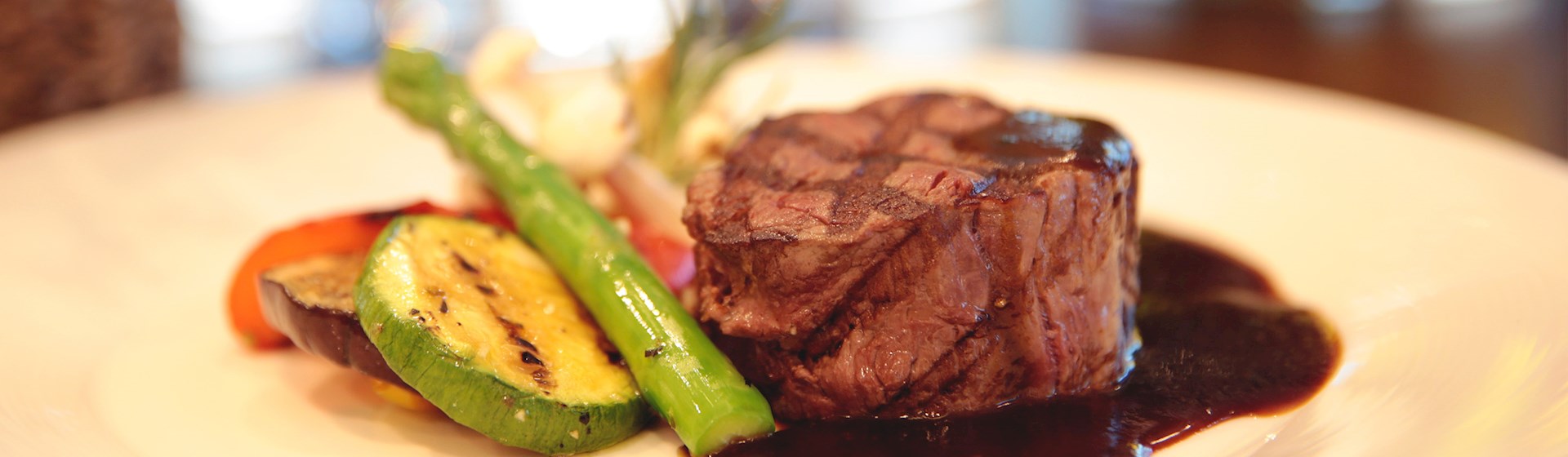
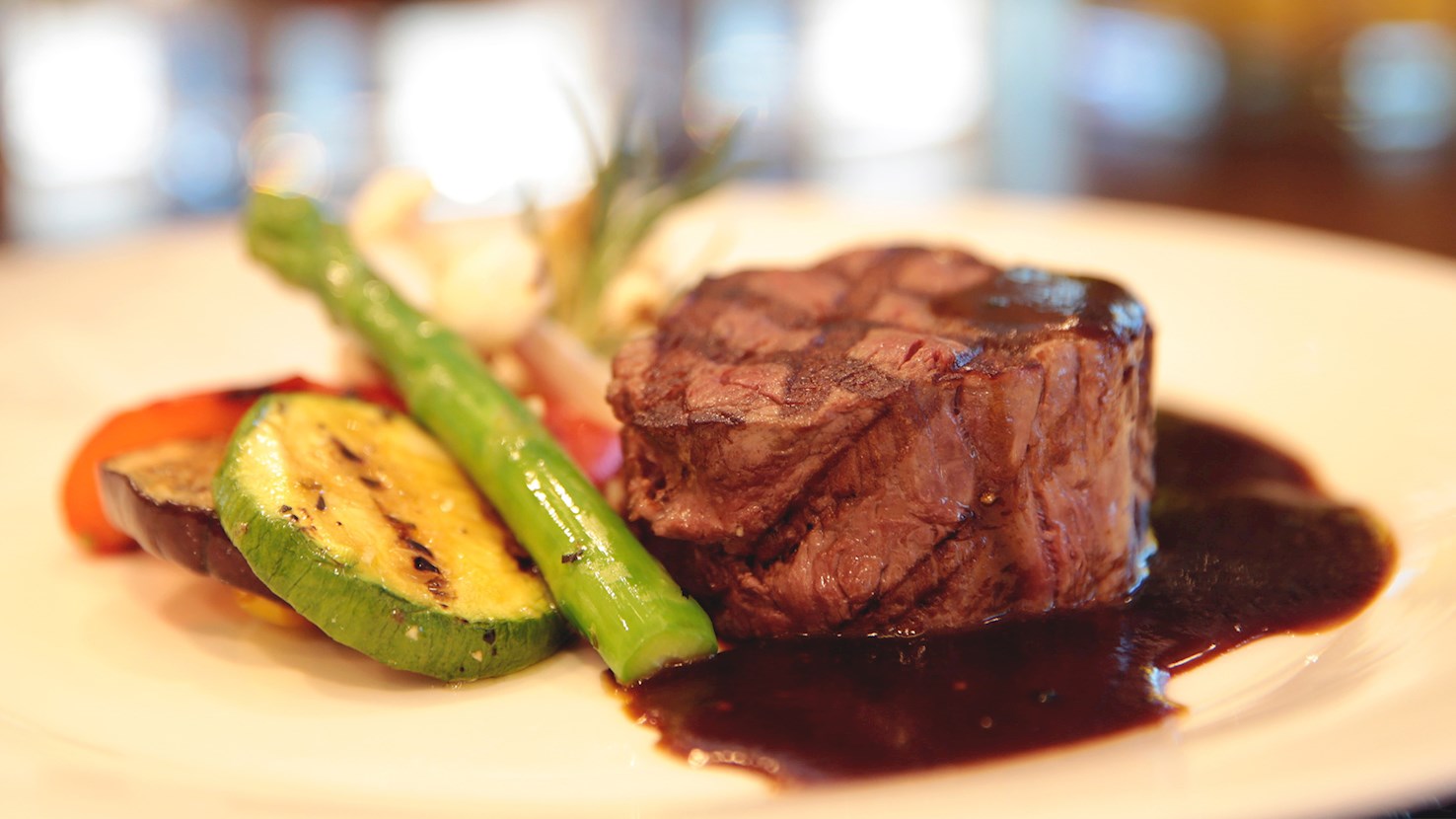
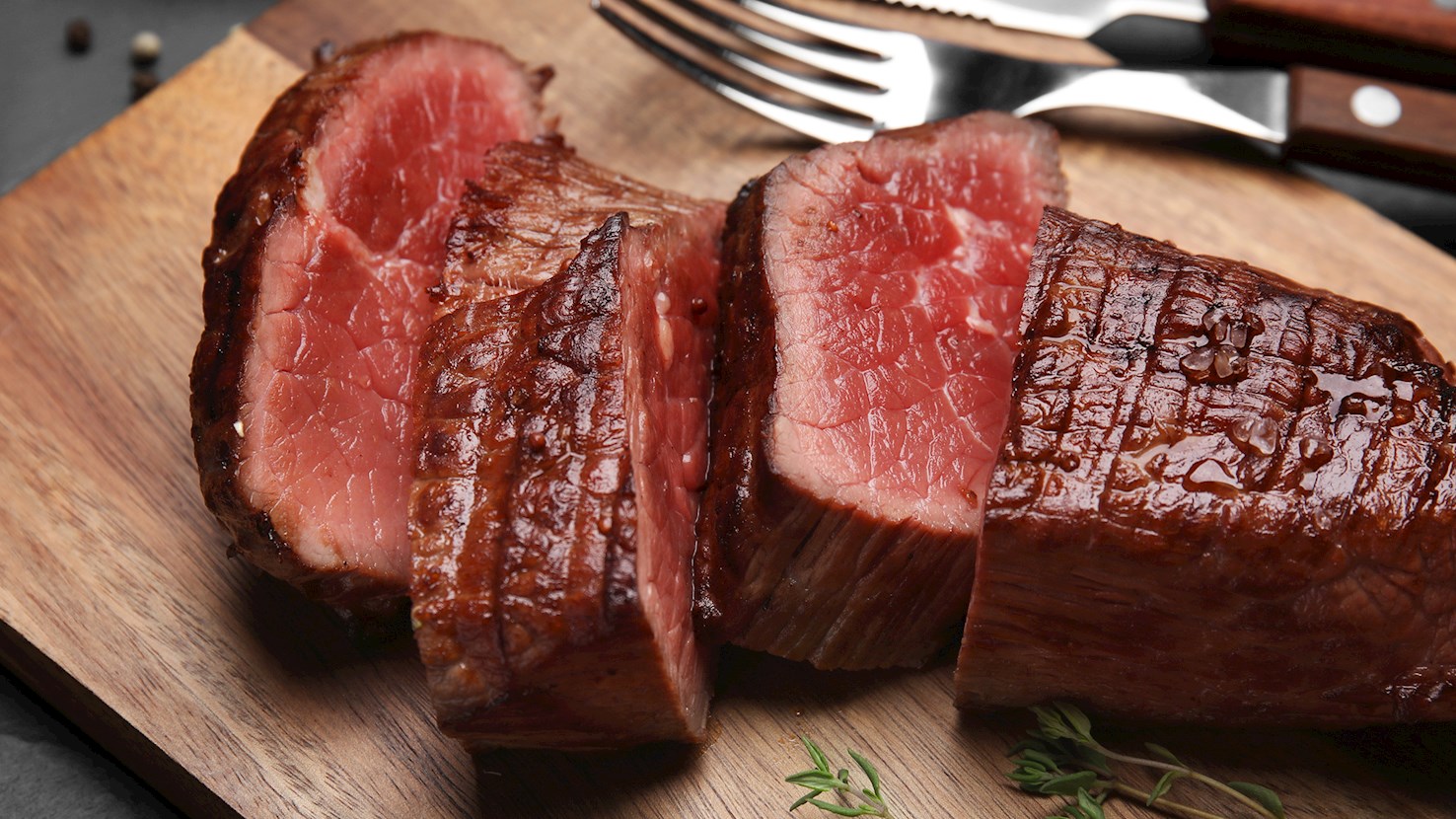
Filet mignon is a premium steak cut from the tenderloin of a cow, a muscle that runs along the spine. The name "filet mignon" is French, meaning "dainty fillet" or "delicate steak," which reflects its reputation as one of the most tender and luxurious cuts of beef. Known for its exceptional tenderness, filet mignon has a smooth, fine-grained texture and almost buttery consistency. However, it has a relatively mild flavor compared to other cuts like ribeye or strip steak, which are more marbled with fat. This makes filet mignon an ideal candidate for pairing with rich sauces, marinades, or other flavor-enhancing techniques. Typically cut into small, round portions weighing between 4 to 8 ounces each, filet mignon steaks are often thick-cut to help maintain their juiciness when cooked. They are usually prepared using high-heat methods such as grilling, broiling, or pan-searing and are best served medium-rare to medium to preserve their tenderness. Because filet mignon is so lean, it can dry out if overcooked, requiring careful attention during preparation. A favorite in fine dining, filet mignon is often the centerpiece of gourmet dishes, sometimes wrapped in bacon to add flavor and moisture. It is also commonly served with rich sauces like Béarnaise, peppercorn, or red wine reductions. Due to its tenderness and the skill required to prepare it properly, filet mignon is one of the more expensive cuts of beef, often reserved for special occasions and fine dining experiences.
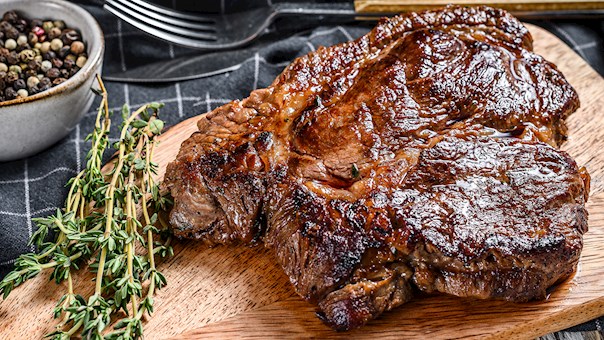
Entrecôte is a type of beef steak that's cut from between the ribs, but it's more commonly known as a thin and boneless rib-eye steak. The butchers cut bone-in rib-eyes with the bone on each side, but there are also six leftover boneless steaks from the meat between each bone-in rib-eye, and they're known as the entrecôtes. Due to the fact that these cuts are thin, it makes them great for quick cooking on the grill or in a pan (high heat), but it's important not to overcook them. The steaks are juicy, tender, and generously marbled. This type of meat cut is popular in France and Europe, and the word entrecôte means between the ribs.
In the American, French, German, Brazilian, and Korean systems of primal beef cuts, the tenderloin is a cut from the loin, which is located towards the back of the cow, nestled under the ribs, next to the backbone. It spans two primal cuts: the short loin and the sirloin. The tenderloin is one of the most tender cuts of beef as it comes from a muscle that doesn't get much exercise. It is also one of the most highly prized and correspondingly expensive cuts of beef, due to its tenderness and flavor. Given the tenderness of this cut, the tenderloin is often cooked quickly over high heat, with methods such as grilling or broiling. It's often served slightly rare to maintain its tender texture.
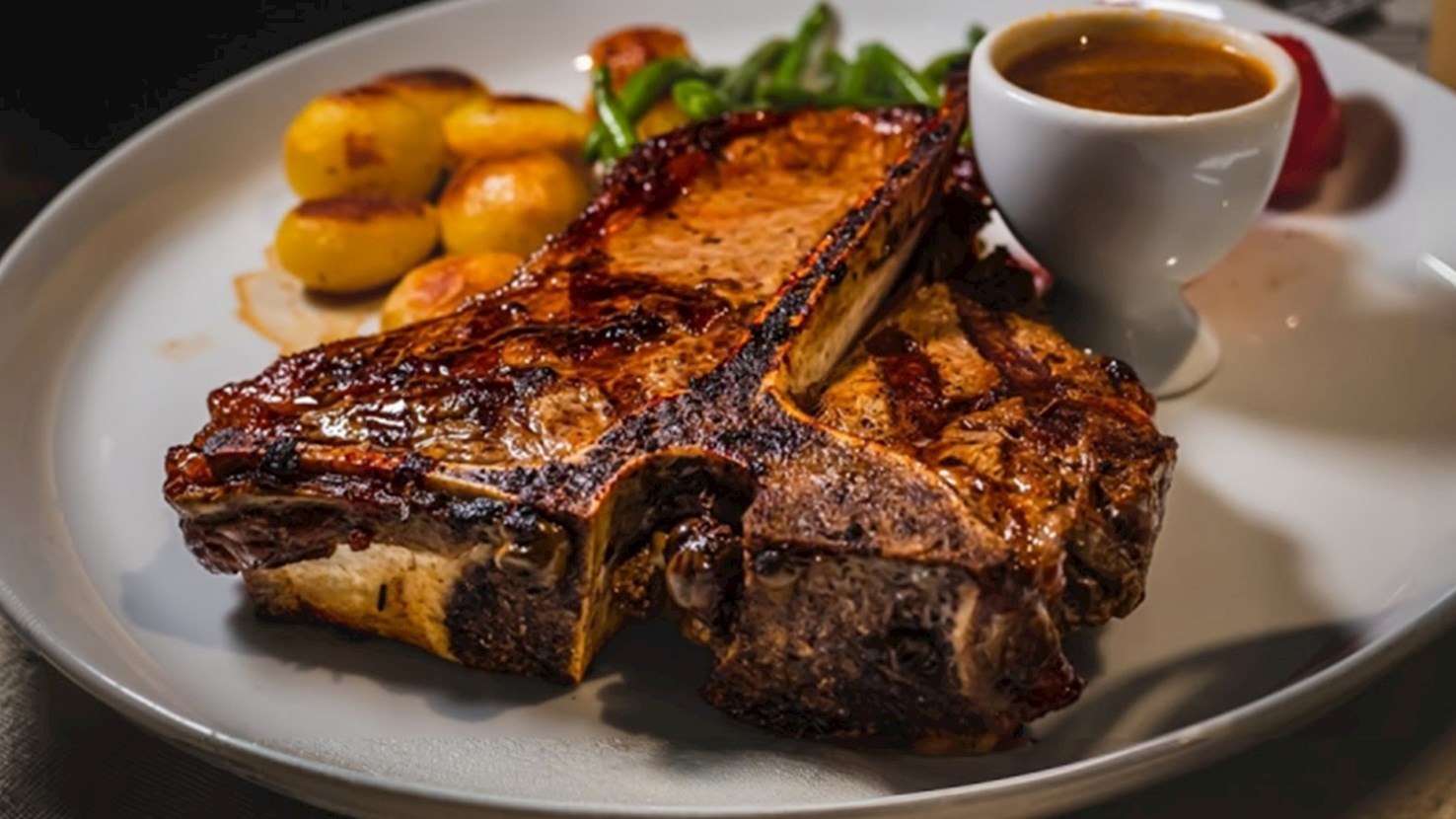
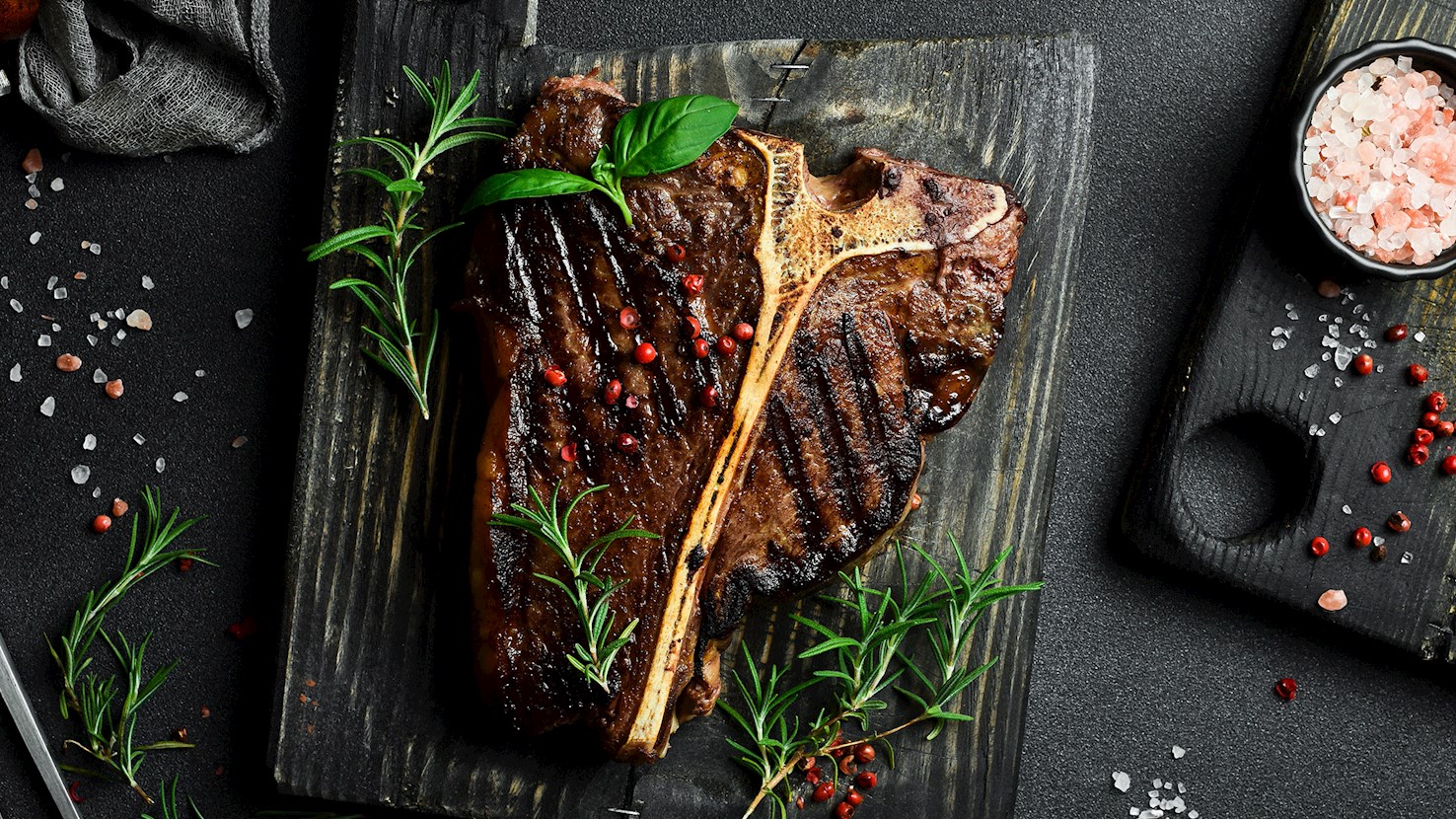
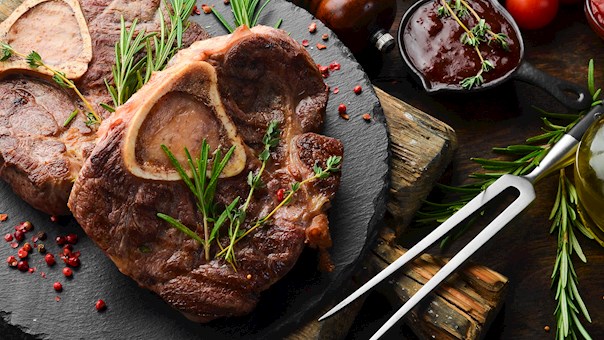
T-bone steak is a popular cut of beef that comes from the short loin section of the cow. It is easily recognizable by the T-shaped bone that runs through the center of the steak, dividing two different cuts of meat. On one side of the bone is the New York strip (or striploin), known for its balance of flavor and tenderness. On the other side is a small portion of the tenderloin (or filet mignon), which is incredibly tender but less flavorful than the strip side. The T-bone steak is prized for offering both of these cuts in one piece, providing a combination of tenderness and flavor in a single steak. It is typically grilled or pan-seared and served as a hearty main dish. T-bone steaks are often associated with steakhouses and are best cooked to medium-rare or medium to preserve their tenderness and juiciness. T-bone steaks are closely related to porterhouse steaks, which are similar but have a larger portion of the tenderloin. The main difference between the two is the size of the tenderloin—porterhouse steaks are cut from the rear end of the short loin, where the tenderloin is thicker, while T-bones are cut more toward the front, where the tenderloin is smaller.
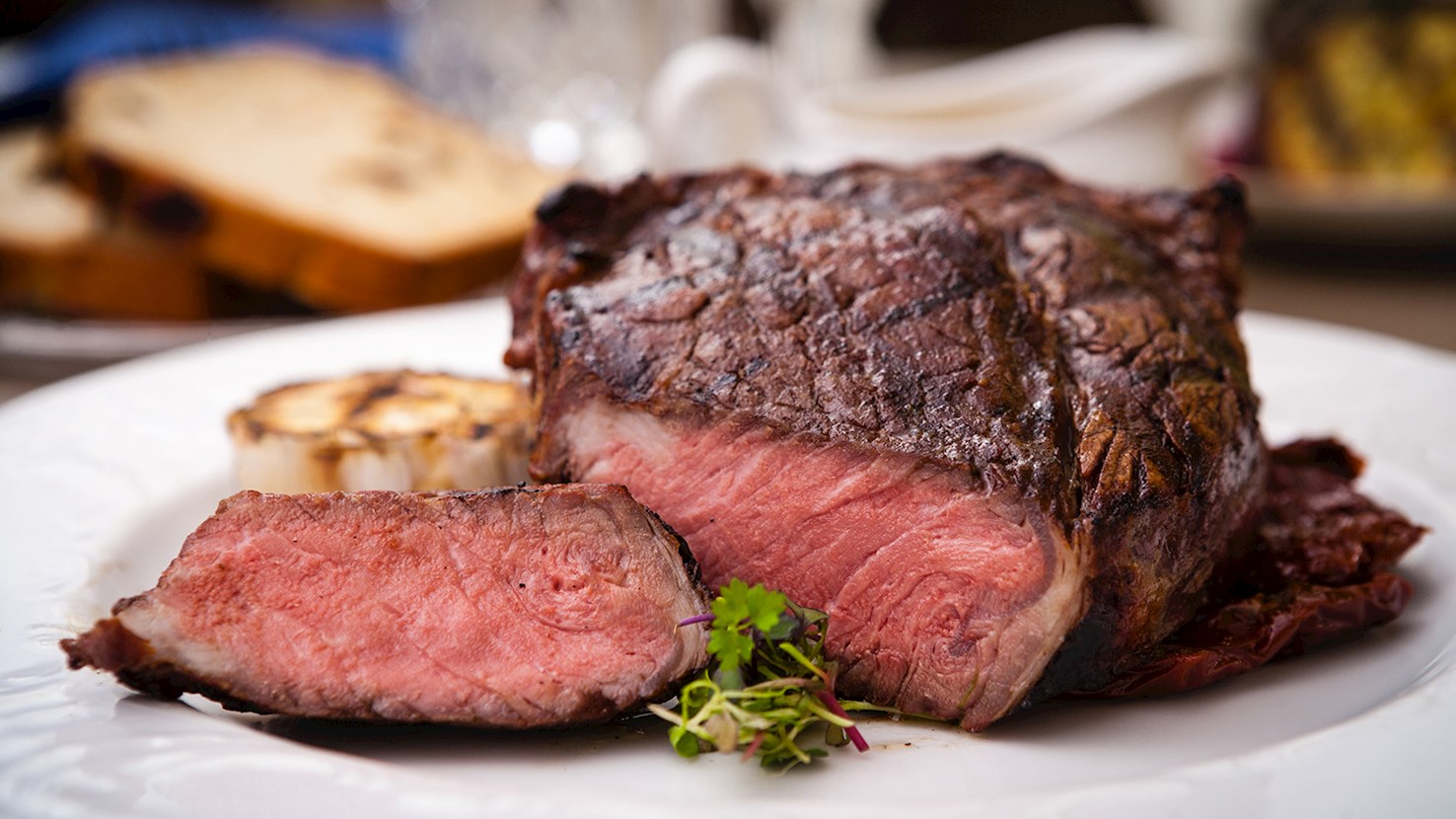
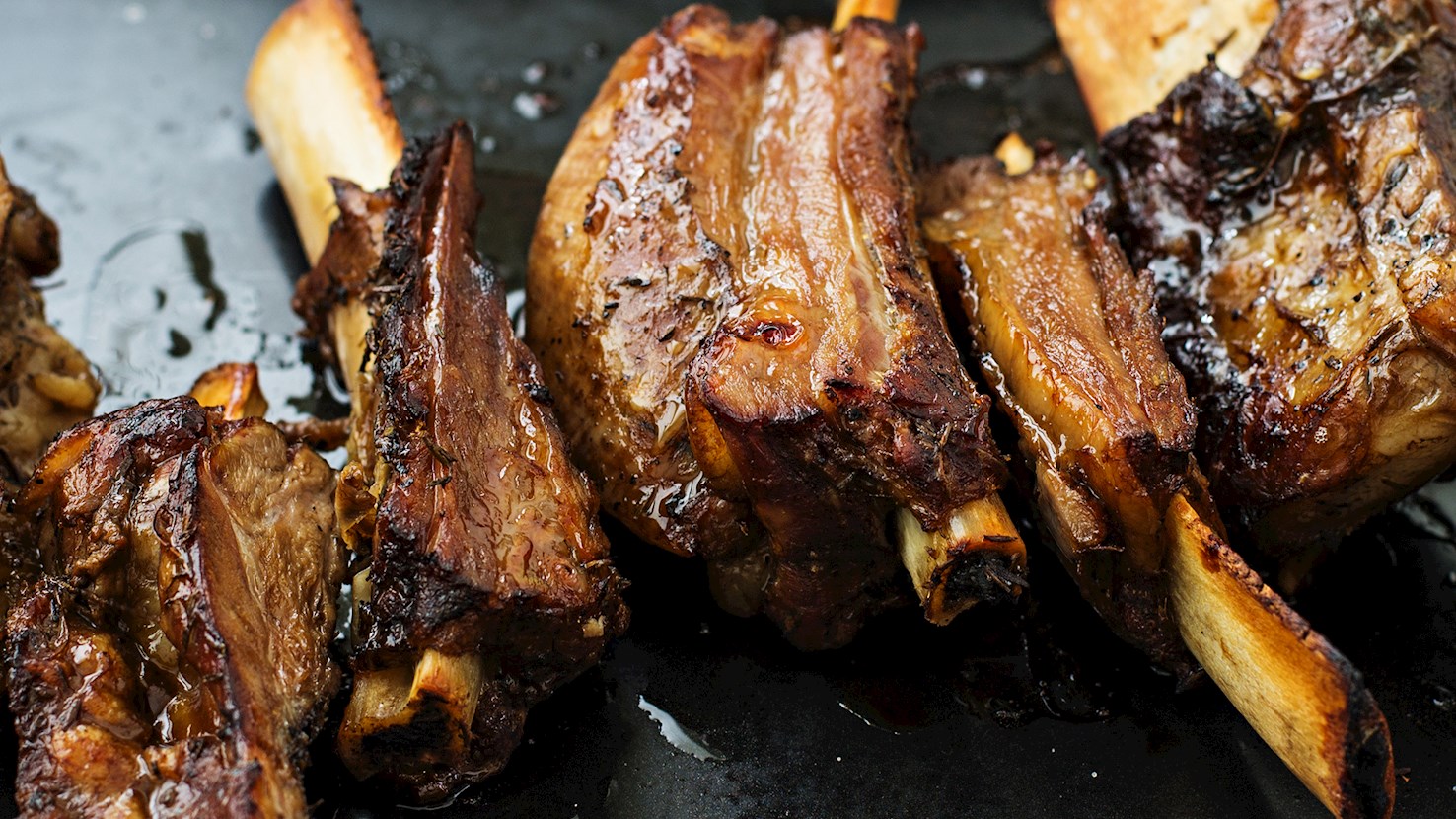
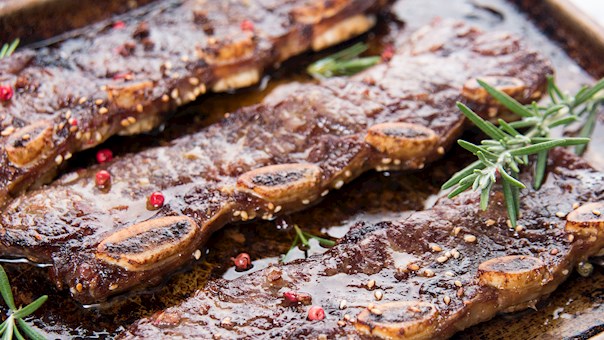
In the American system of primal beef cuts, ribs refer to the section of the cow that includes the sixth through the twelfth ribs, located between the chuck (shoulder area) and the loin (back area). This primal cut can be further divided into a few different sub-primal cuts. For example, ribeye roast and ribeye steaks are obtained when the bone is removed. These cuts are highly prized for their excellent marbling and tenderness. Prime rib includes a larger section of the rib bone, often roasted with the bone in. Finally, the back ribs are left when the ribeye meat is removed. They have less meat than short ribs but can be quite tender and flavorful. Ribs are often cooked using slow methods such as roasting, grilling, or smoking to break down the connective tissue and fat, resulting in a tender, flavorful piece of meat.
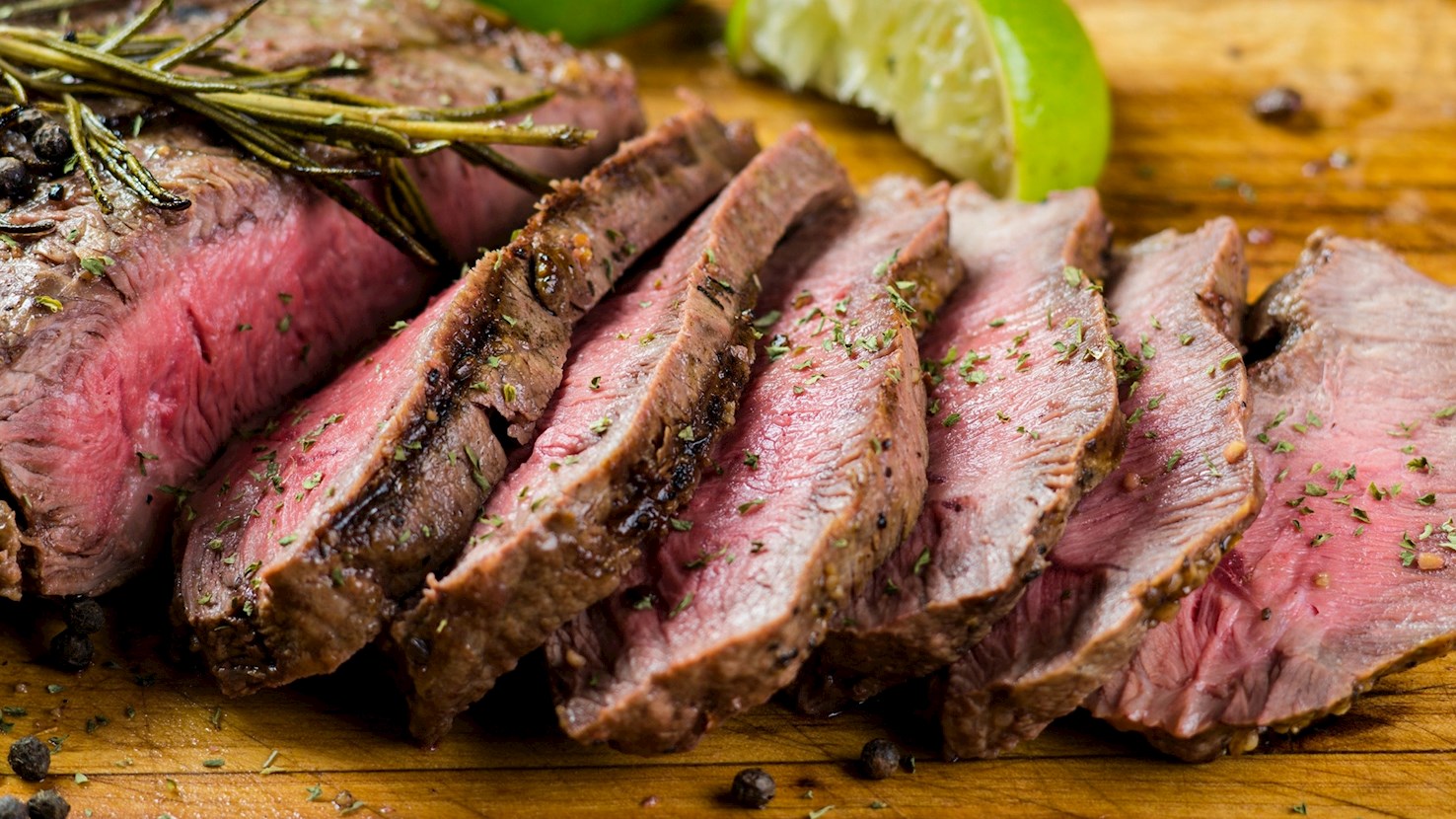
In the American system of primal beef cuts, the sirloin is located in the back of the cow, behind the ribs but before the round (the rump and hind legs). The sirloin is near the top of the animal, behind the loin, hence the name "sirloin," which derives from the French "surlonge," meaning "above the loin." Sirloin is generally a tender and flavorful cut of beef. It's a popular choice for steaks and roasts because of its balance between tenderness and flavor compared to the more forward sections of the animal. There are several different types of steaks and other cuts that can come from the sirloin subprimal cut, including top sirloin (a large, lean cut with a good balance of tenderness and flavor), sirloin tip (also known as a round tip steak, this cut comes from the area where the sirloin meets the round), and bottom sirloin (located beneath the top sirloin and in front of the sirloin tip, is less tender than the top sirloin but is still flavorful).
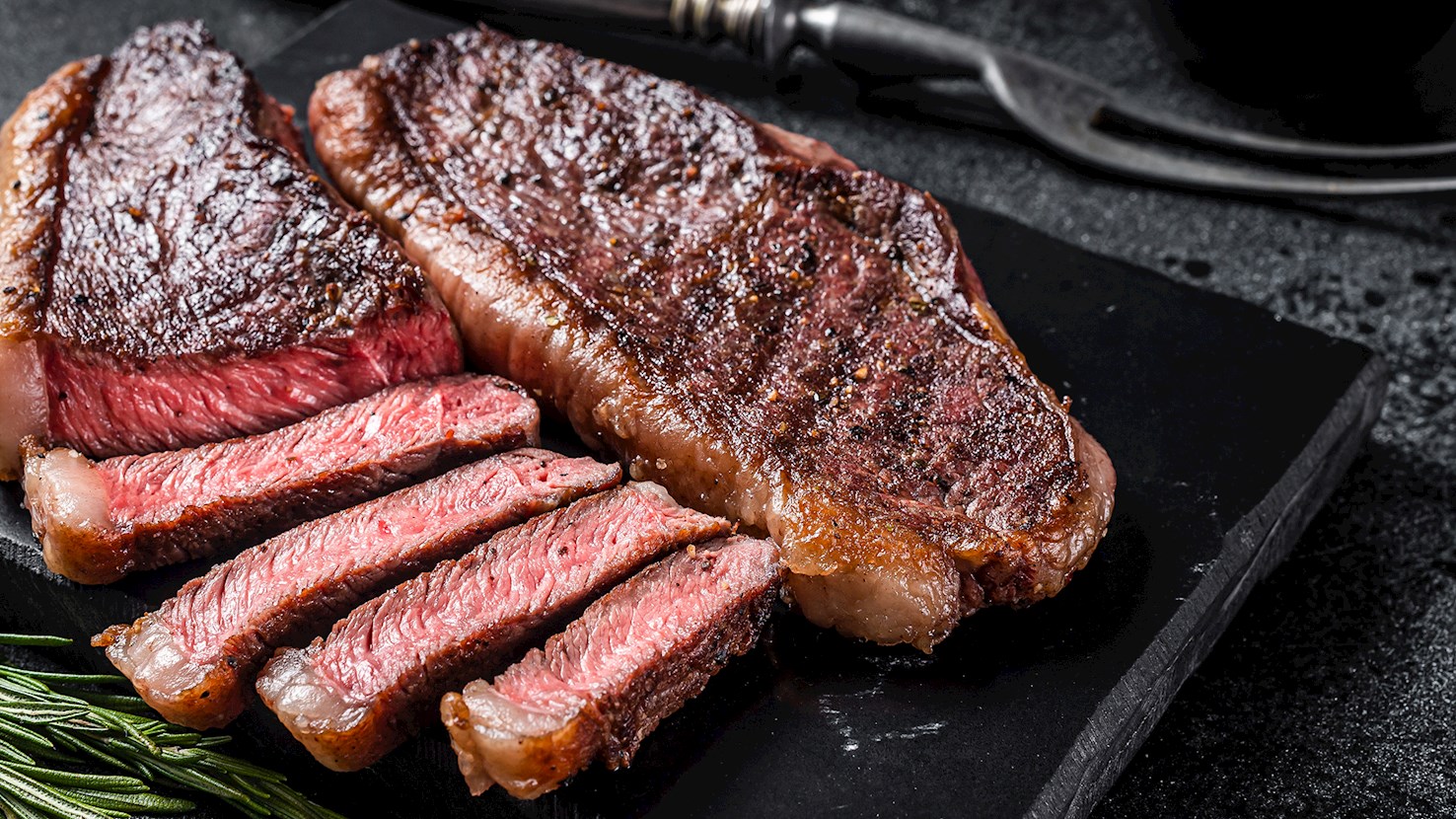
In the American system of primal beef cuts, the short loin is located towards the back of the cow, nestled between the rib and the sirloin. The short loin is home to some of the most popular and tender cuts of beef, as it comes from a part of the cow that doesn't get much exercise. It is known for its tenderness and flavor. Cuts from the short loin are usually cooked with dry heat methods, such as grilling, broiling, or roasting, and they are often served as steaks. Some specific cuts that come from the short loin include T-Bone steak, porterhouse steak and strip steak (also known as New York strip, Kansas City strip, or top loin).
Flat iron steak is a cut of beef that comes from the shoulder (or chuck) of the cow, specifically the top blade. The name "flat iron" is believed to come from the steak's shape, which somewhat resembles an old-fashioned flat iron. It's known for its rich flavor and tenderness, making it a popular choice for grilling and other cooking methods. The flat iron steak is usually well-marbled, which contributes to its flavor and tenderness. However, it has a line of tough connective tissue running through the middle, which is typically removed by butchers to make the steak more palatable. This cut is praised for being relatively affordable compared to other premium cuts like ribeye or filet mignon. It’s often used in recipes where a rich, beefy flavor is desired, and it's versatile enough to be cooked in various ways, including grilling, broiling, or pan-searing.
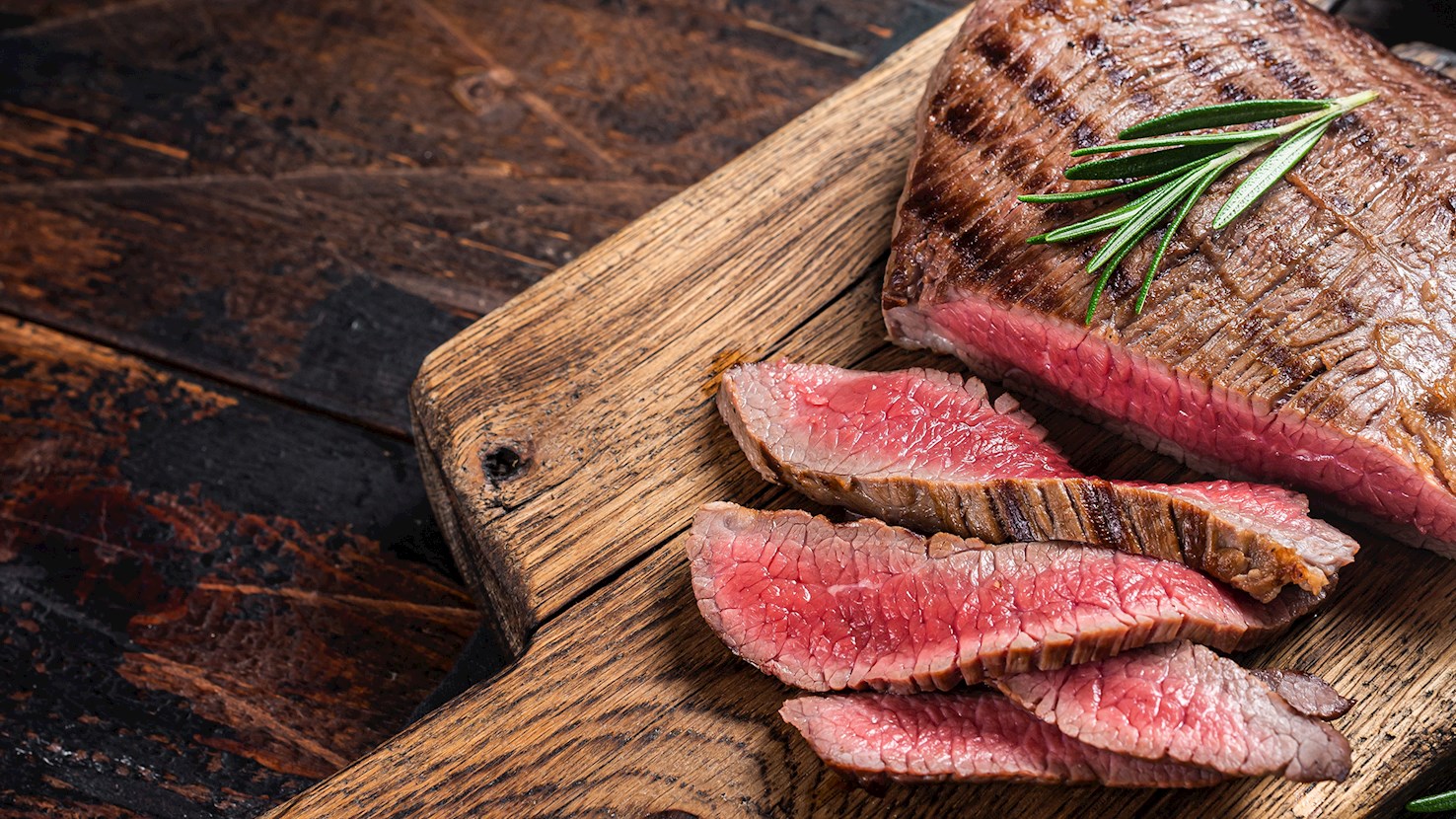
In the American system of primal beef cuts, the flank refers to the area right below the loin, and it stretches across the belly near the rear of the cow. It's a long, flat cut of beef that's very lean and contains a lot of tough fibers. Given its toughness and pronounced grain structure, flank steak is often marinated to tenderize it and then grilled or broiled quickly over high heat. It's important to slice this cut across the grain to break up the muscle fibers and make it easier to chew. Flank steak is popular in a variety of dishes, including fajitas, stir-fries, and London broil. It's also the traditional cut used for corned beef. Additionally, the flank is where "flap meat" comes from, which is a smaller cut within the flank that's often used similarly to flank steak. It's worth noting that even though flank steak is lean and tough, it's also known for its rich, deep, beefy flavor. So, despite needing some careful handling, it's a favorite for many beef lovers.
TasteAtlas food rankings are based on the ratings of the TasteAtlas audience, with a series of mechanisms that recognize real users and that ignore bot,
nationalist or local patriotic ratings, and give additional value to the ratings of users that the system recognizes as knowledgeable.
For the “Top 14 American American Beef Cuts” list until September 15, 2026, 1,296 ratings were recorded, of which 1,201 were recognized by the system as legitimate.
TasteAtlas Rankings should not be seen as the final global conclusion about food. Their purpose is to promote excellent local foods,
instill pride in traditional dishes, and arouse curiosity about dishes you haven’t tried.


What People Say