shutterstock

Top 17 Oceanian Appetizers

Last updated on May 15, 2026

Best Oceanian Appetizers
01

L’Authentique

4.7 ·
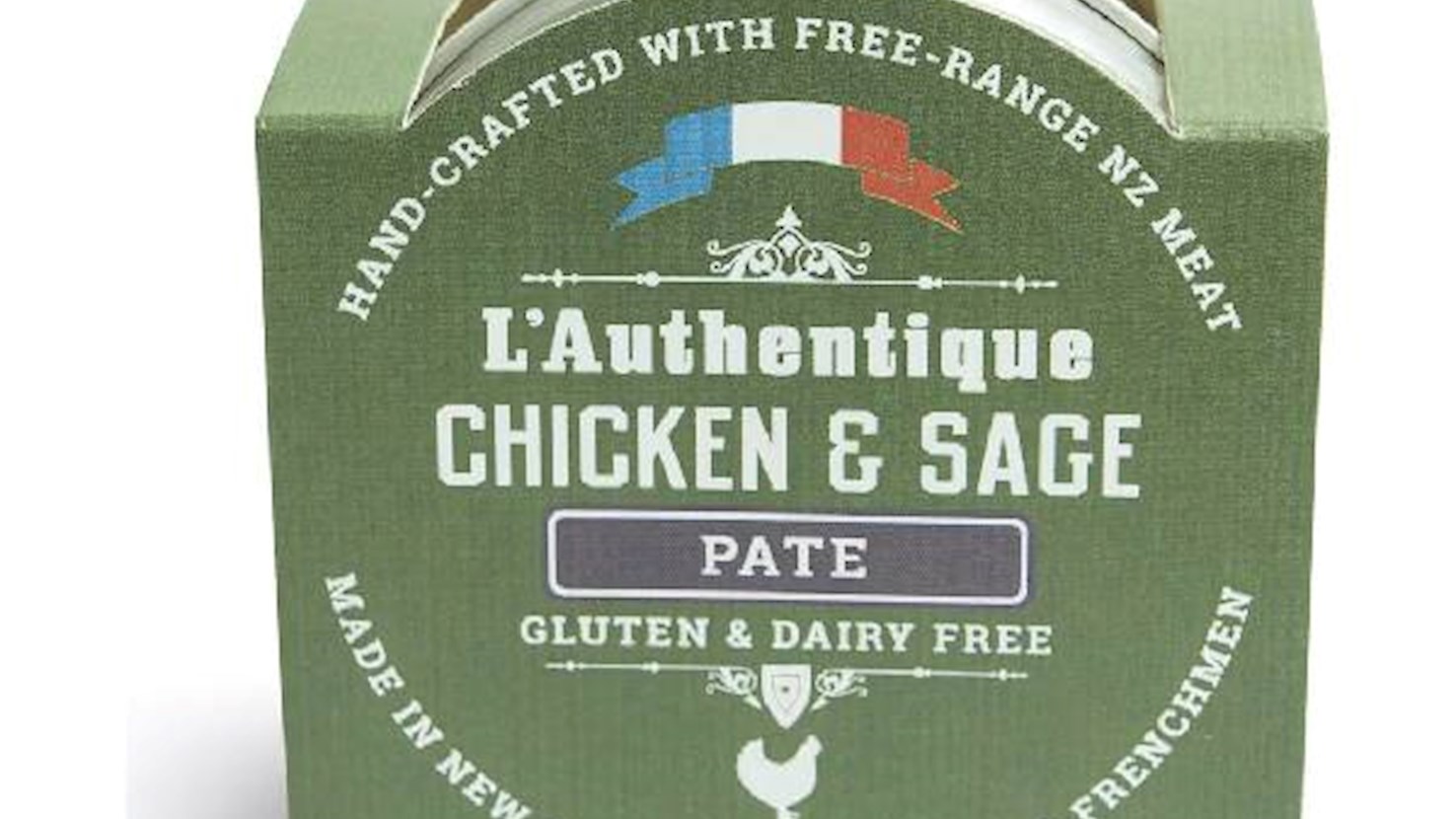
L’Authentique is a producer of authentic French charcuterie, crafting fine delicacies with passion and dedication using traditional recipes. Their range includes handmade sausages, terrines, and pâtés, made from meat sourced from farms that follow principles of free-range or controlled farming. Free from gluten, flour, artificial flavors, nitrates, or preservatives, L’Authentique products embody honesty and purity of flavor. The combination of French culinary tradition and high-quality local ingredients makes this charcuterie highly regarded and widely appreciated among lovers of true artisanal craftsmanship.

Best Oceanian Appetizers

01

Avocado Toast

3.8 ·

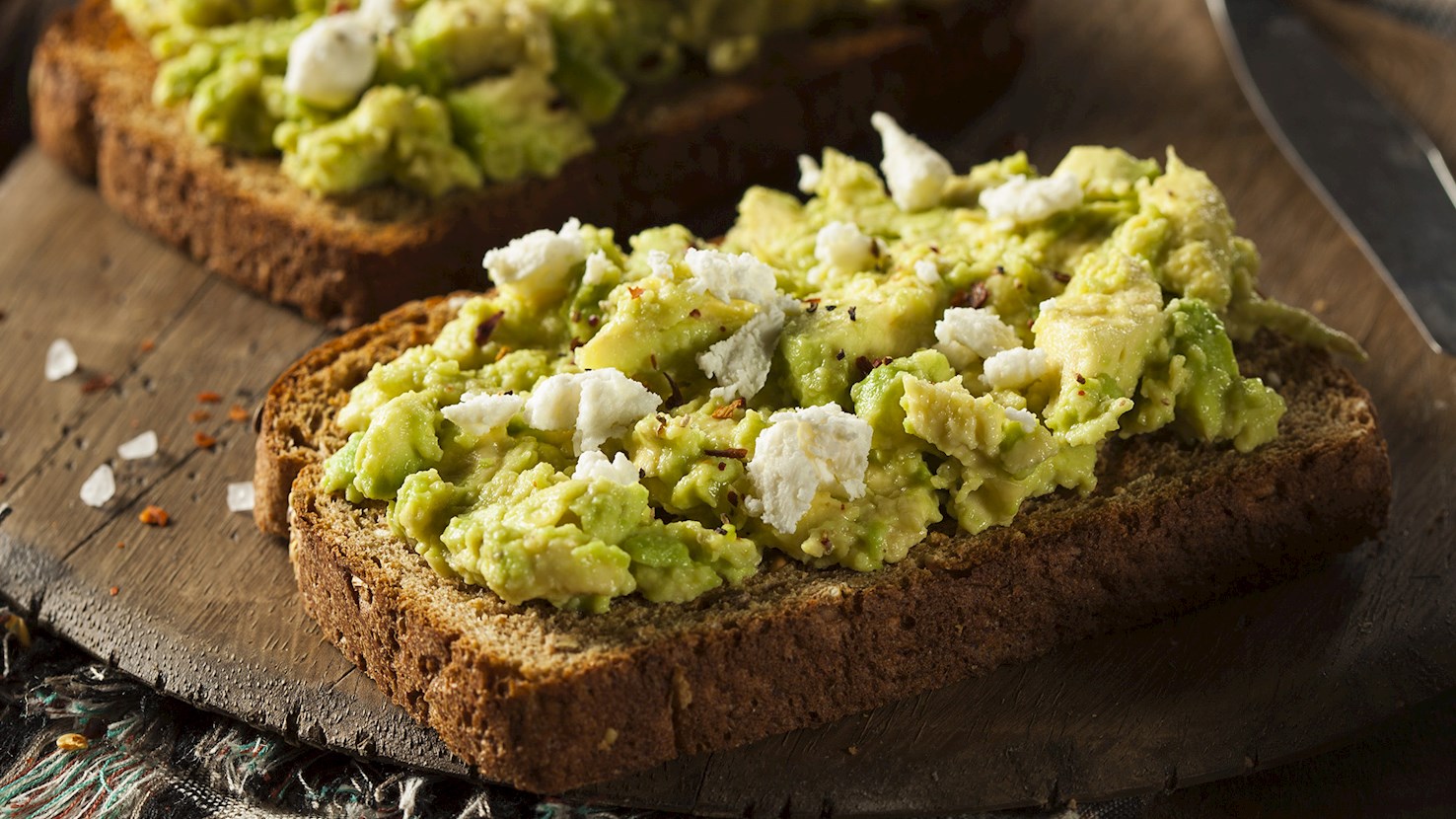
Avocado toast is a dish consisting of a piece of toasted bread topped with a combination of mashed avocados, salt, pepper, and (sometimes) citrus juice. There are many varieties of this dish, so it can be enriched with ingredients such as salmon, tomatoes, onions, eggs, garlic, cheese, olive oil, or red pepper flakes. Although the dish is quite simple and straightforward, the location of its origin is not – some claim that it is an Australian invention, while others proclaim that Los Angeles is the place where it was born. Regardless of its origin, avocado toast started its modern-day revival on Instagram, and it has been trending across the globe ever since.

02

Prawn Cocktail

3.7 ·

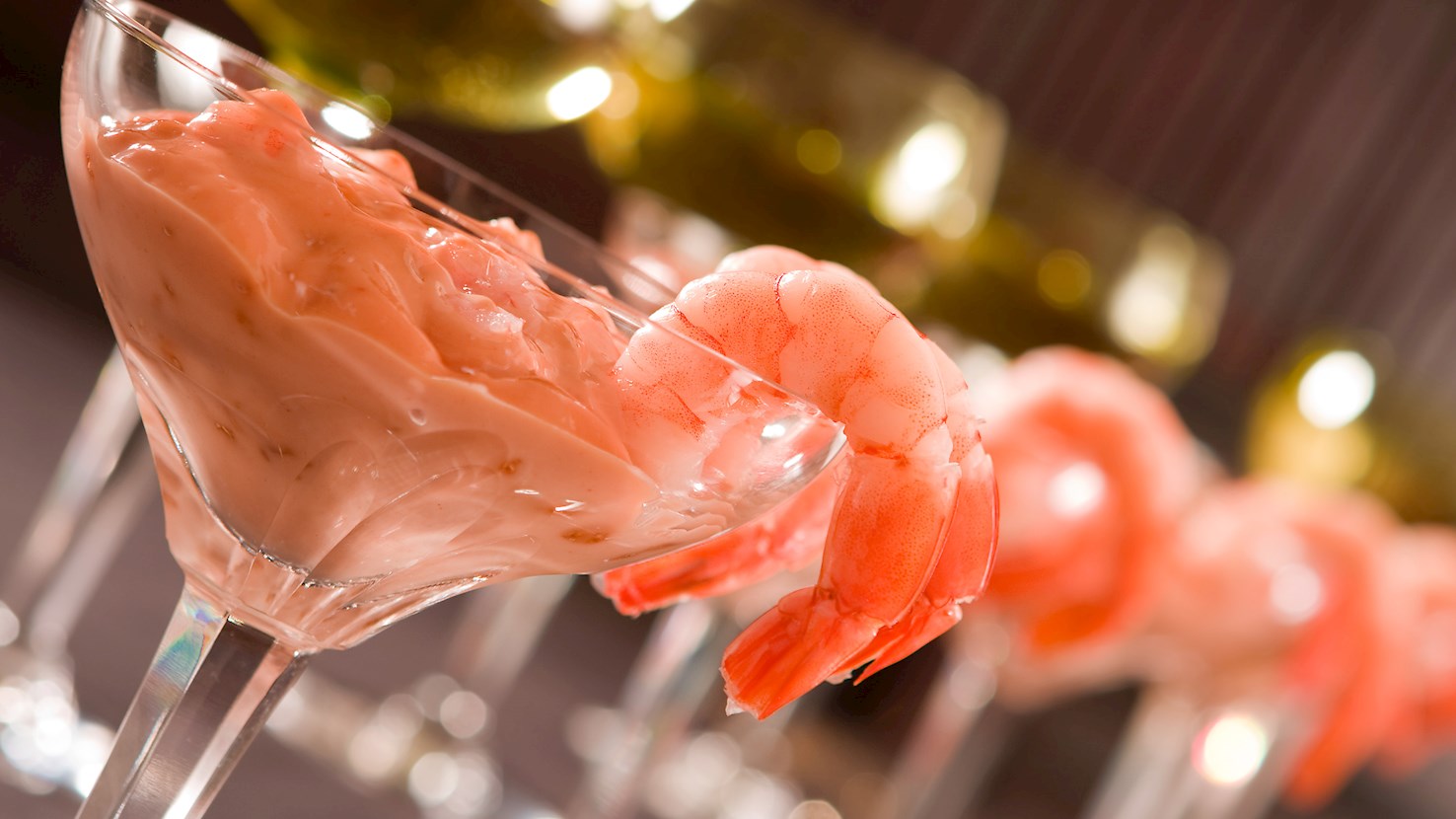
Shrimp or prawn cocktail is a seafood dish consisting of cooked prawns served in a glass with cocktail sauce. The dish has vague origins, but most people claim that it was invented by a 19th-century miner from California who first used oysters in a glass with a sauce, but the Golden Gate Hotel in Las Vegas was the first to offer a 50-cent shrimp cocktail in 1959. It was served in a tulip glass with cocktail sauce. The cocktail sauce usually consists of ketchup and horseradish or ketchup and mayonnaise. This iconic dish was especially popular from the 1960s to the 1980s.

03

Whitebait Fritters

3.3 ·

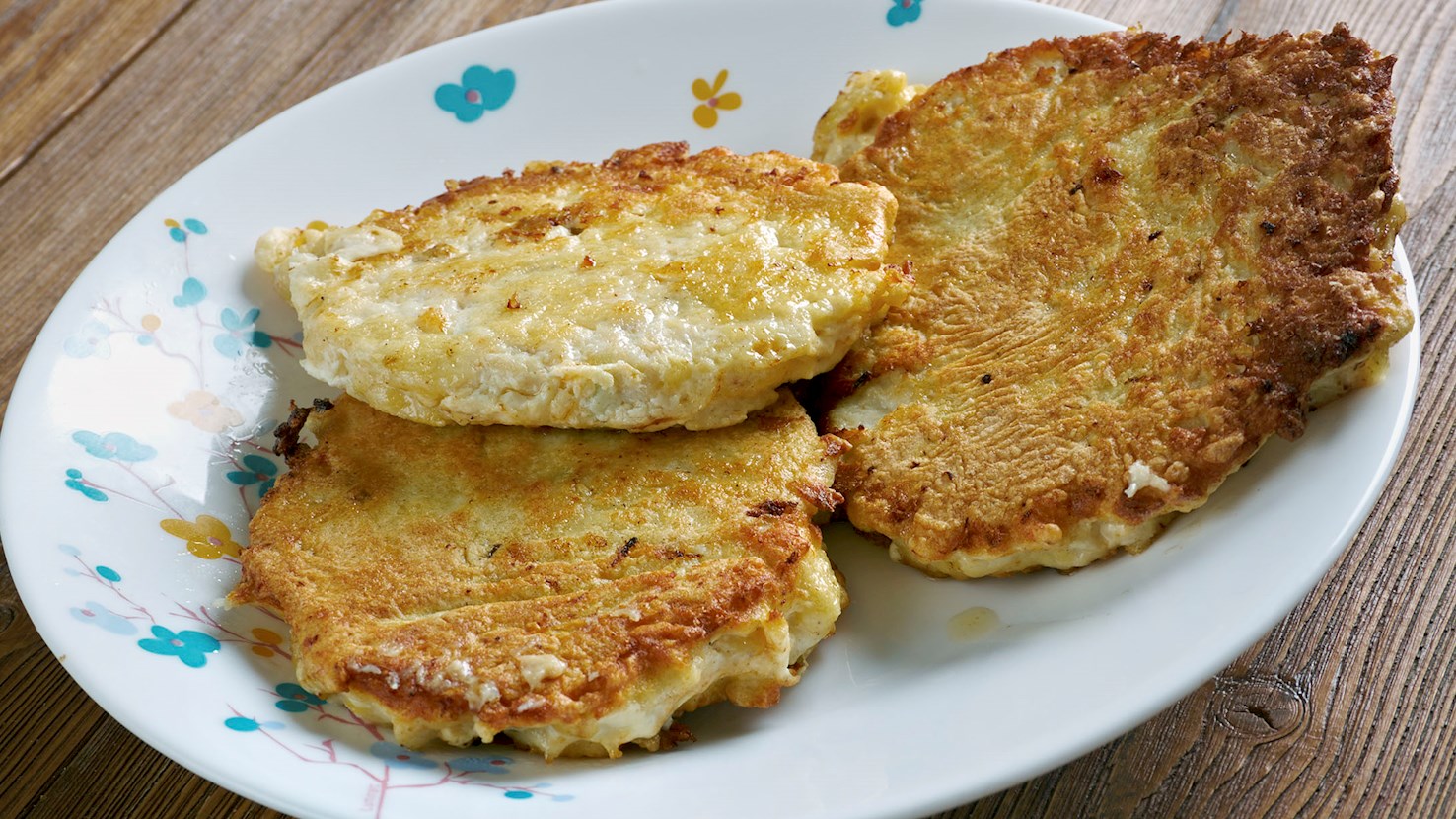
Whitebait fritters are considered a delicacy in New Zealand and they are the most popular way of preparing whitebait. The recipe is quite simple, which is in contrast to the rather pricey fish. The batter is made from eggs and flour, to which fry fish is added, then seasoned with salt and pepper, but purists will advise to limit the use of flour and just use egg whites instead of whole eggs as too much eggs, flour, and spices can interfere with the taste of fish. These fritters can be consumed as a snack, enjoyed as an appetizer, or even a main meal when paired with a fresh salad on the side.

04

Kokoda

2.8 ·

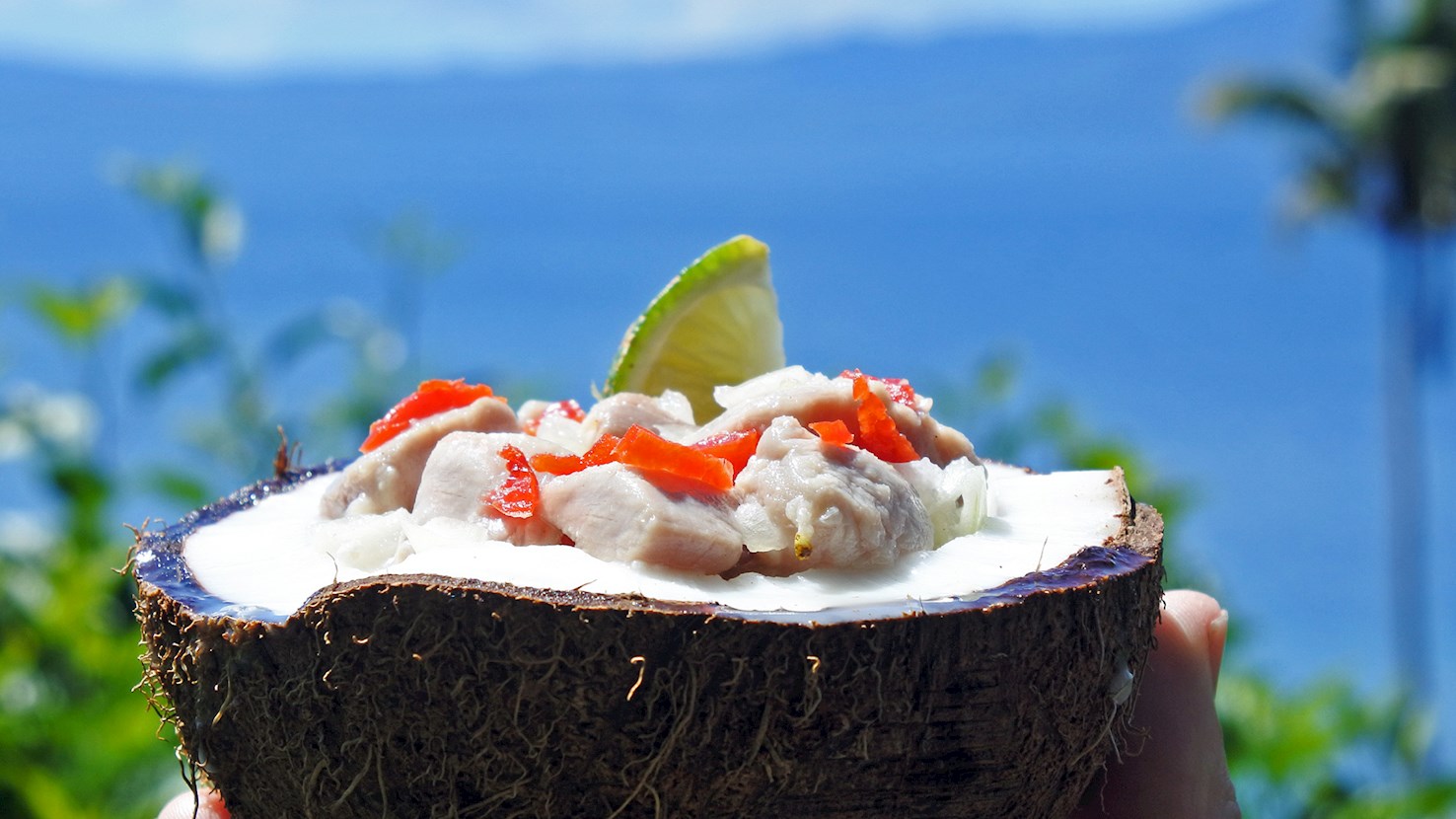
Kokoda is a traditional dish made with fresh, raw fish such as mahi-mahi or snapper that is marinated in a combination of coconut milk and citrus juices such as lemons and limes. The coconut milk is added in order to balance out the acid. Fijian variety of ceviche is often garnished or combined with additional ingredients such as sea salt, minced chilis, finely sliced green onions, and coriander leaves.

05

Rye Whiskey Gravlax

n/a ·

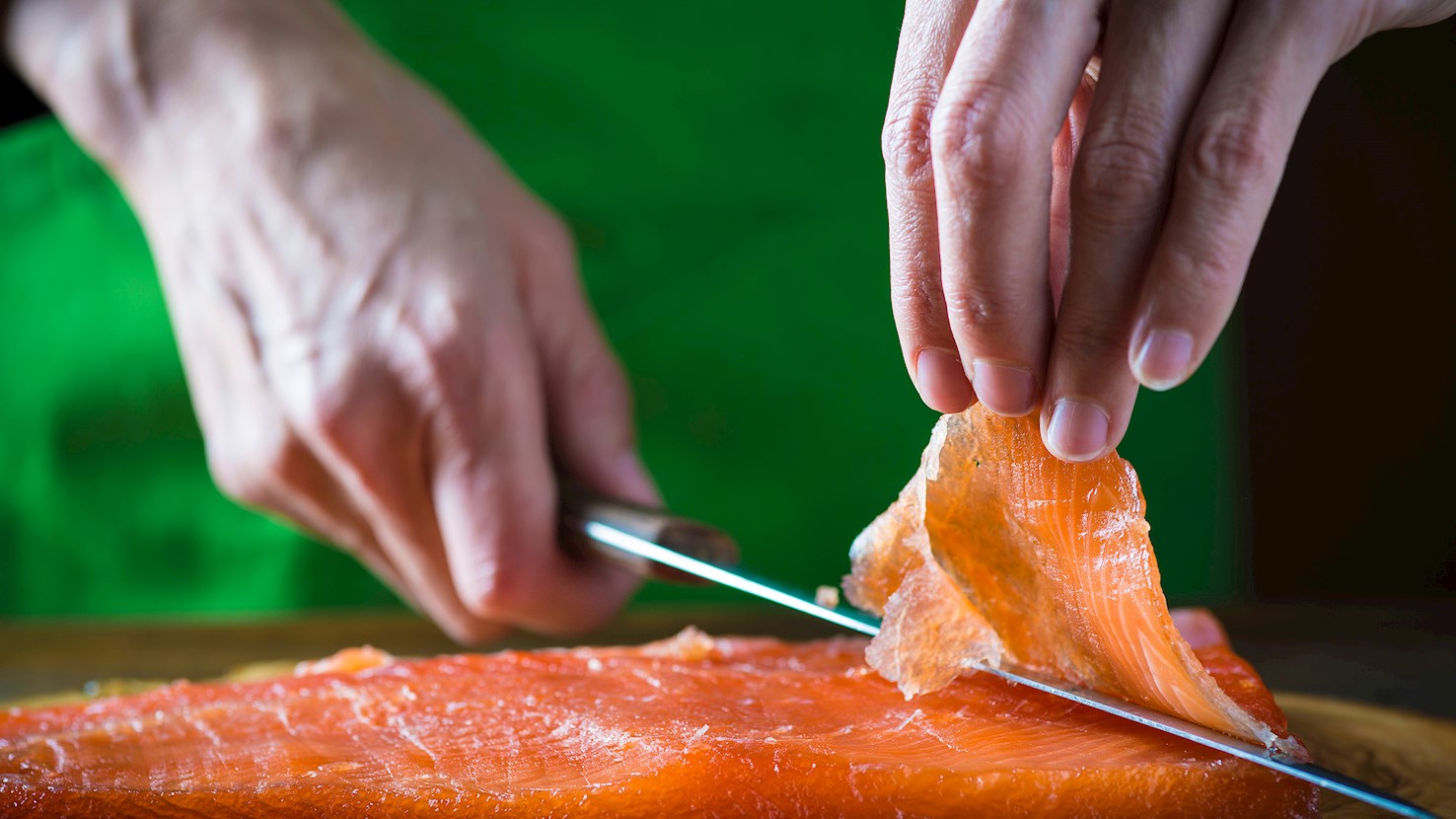
Rye whiskey gravlax consists of thin slices of fish that have been cured in a rye whiskey-based marinade. Fresh fillets of brown trout, sea trout, or salmon with their pin bones removed are generously seasoned with salt, sugar, and freshly cracked pepper, and then drizzled with Tasmanian rye whiskey before they are allowed to soak for at least 12 hours in the fridge. After soaking in the marinade, the fish fillets are rinsed and patted dry, and they can be served for breakfast, brunch, or as an appetizer. Paper-thin and delicate slices of gravlax with a hint of spiciness from the rye whiskey go well with anything from rye or sourdough bread, toasts, remoulades, boiled eggs, pickles, cream cheese, onions, dill, potatoes, asparagus, and rocket.

06

Kelaguen

n/a ·

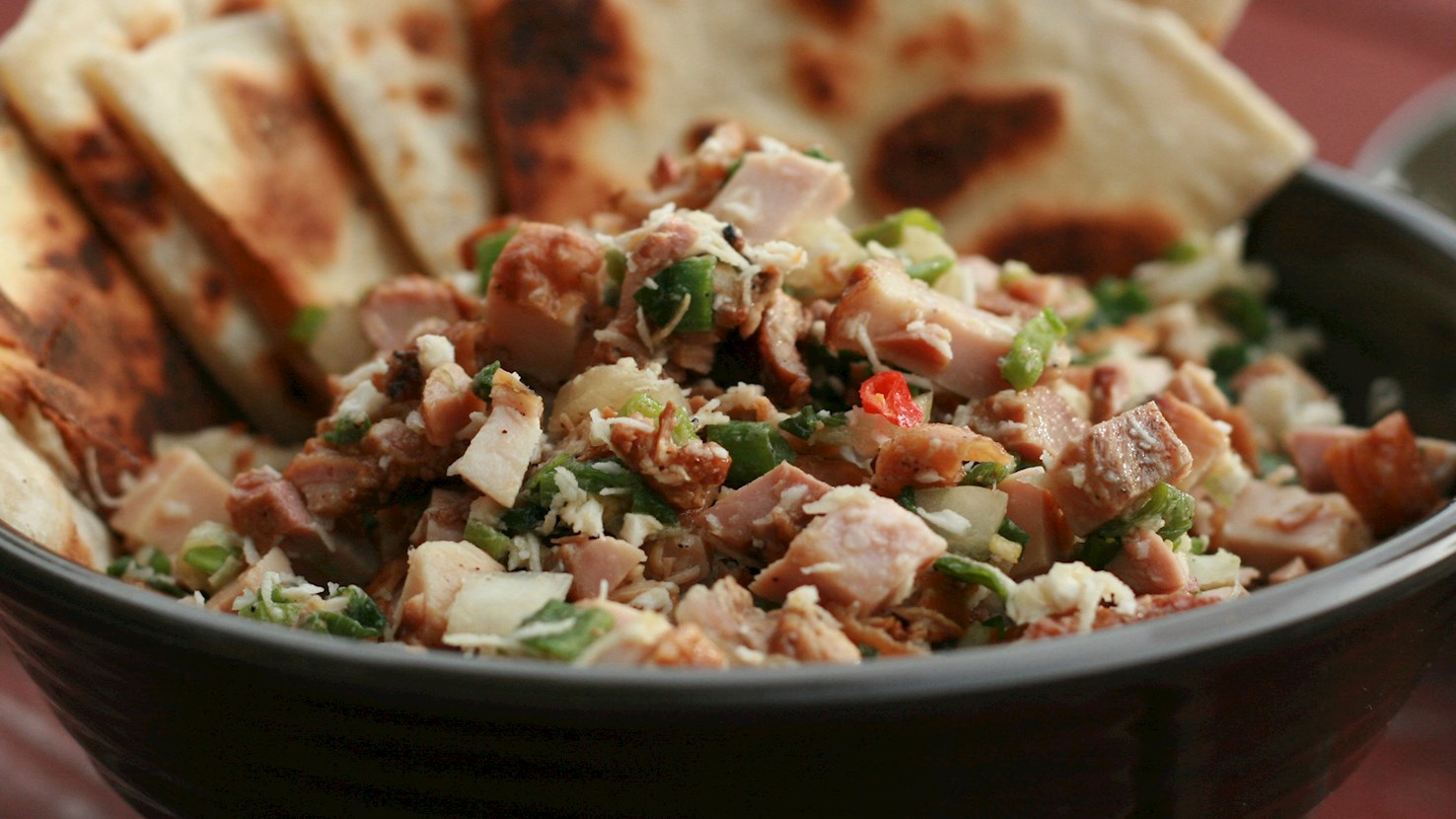
Kelaguen is a group of Chamorro dishes that are traditionally served either as a main course, an appetizer, or a side dish. Seafood, fish, or meat are typically marinated in a combination of lemon juice, salt, and hot peppers, which were introduced to the Marianas during the Spanish period. Chicken and fish kelaguen is often enriched with grated fresh coconut, and at Chamorro celebrations, kelaguen is served according to the ingredients used in it, so seafood is traditionally served after barbecued fish, while chicken kelaguen follows barbecued meat.

07

Sardine kelaguen

n/a ·

This type of Chamorro kelaguen is made with chopped sardines, either fresh or canned. They are seasoned with lime or lemon juice, salt, lots of onions, and hot peppers. Optionally, grated coconut can also be added to the dish. Once the dish has been prepared, it can be served on its own, as a filling for tacos, or as a delicious dip with tortilla chips.

08

Kaukau

n/a ·

Kaukau is a Papuan term that generally refers to a variety of sweet potatoes. The most popular dish made with these sweet potatoes is prepared by baking them, removing the skin, then mashing the sweet potatoes with ingredients such as coconut milk, coconut oil, garlic, ginger, cheese, eggs, or cinnamon. The mashed combination is then typically placed back into the potato skins as a filling and baked again for a short while until the dish is ready for consumption.

09

Roasted lobster tails with coconut curry dipping sauce

n/a ·

Roasted lobster tails with coconut curry dipping sauce is a culinary preparation originating from the Republic of Kiribati. The development of this dish is a direct result of the geographic availability of the spiny lobster, which inhabits the seaward edges of coral reefs, and the ubiquitous presence of the coconut palm across the archipelago. The integration of curry powder into the local diet stems from historical trade routes and British colonial influence in the Gilbert Islands during the late 19th and early 20th centuries, which introduced processed spice blends to the region. Preparation begins with the selection of fresh lobster tails, which are split longitudinally and seasoned with salt and lime juice before being roasted over open flames or in an oven at approximately 200°C until the flesh reaches an internal temperature of 60°C. The dipping sauce is constructed by extracting the liquid from grated coconut meat and simmering it with curry powder, minced garlic, and bird's eye chilies until the emulsion thickens. The lobster is served in its own shell to retain heat and is presented alongside the warm curry reduction. It is eaten as a significant protein source during communal gatherings known as botaki in local maneaba (meeting houses), or increasingly in hospitality venues catering to tourism. The dish is eaten by dipping pieces of the roasted tail into the sauce, often accompanied by local starches such as boiled breadfruit (te mai), taro, or te babai (giant swamp taro) which serve to neutralize the heat of the curry. Beverage pairings include fresh coconut water served directly from the shell, which provides an electrolyte-rich and cooling counterpoint to the spice, or a dry white wine, which possesses the acidity required to balance the saturated fats of the coconut cream.

10

Vol-au-vent des fruits de mer

n/a ·

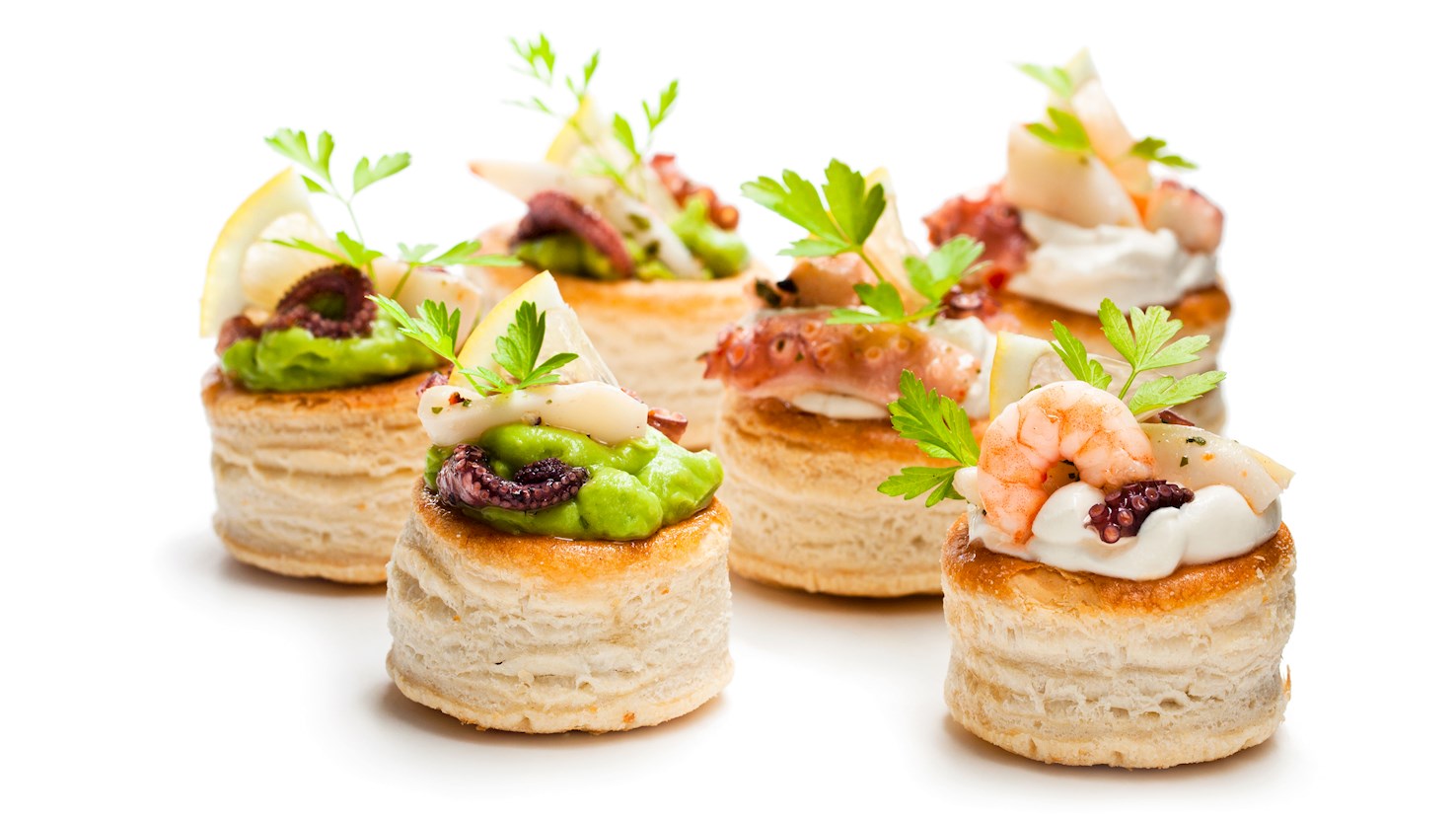
Vol-au-vent des fruits de mer is an inexpensive and easy to prepare New Caledonian dish. The vol-au-vent is filled with seafood and coated with a sauce. Shrimps and scallops are typically used as garnishes, while cream, garlic, and champagne or white wine are preferred for the sauce. This dish is perfect for parties as it can be served as a starter or as a main dish that is often accompanied by rice.

Read more
View all
View map
About this ranking

TasteAtlas food rankings are based on the ratings of the TasteAtlas audience, with a series of mechanisms that recognize real users and that ignore bot, nationalist or local patriotic ratings, and give additional value to the ratings of users that the system recognizes as knowledgeable. For the “Top 17 Oceanian Appetizers” list until May 15, 2026, 752 ratings were recorded, of which 689 were recognized by the system as legitimate. TasteAtlas Rankings should not be seen as the final global conclusion about food. Their purpose is to promote excellent local foods, instill pride in traditional dishes, and arouse curiosity about dishes you haven’t tried.

The initial list of top producers was compiled based on available reviews, awards, local recommendations, media and blog coverage, and consumer reviews. The list will be updated with ratings from TasteAtlas local ambassadors and TasteAtlas users.

Similar lists