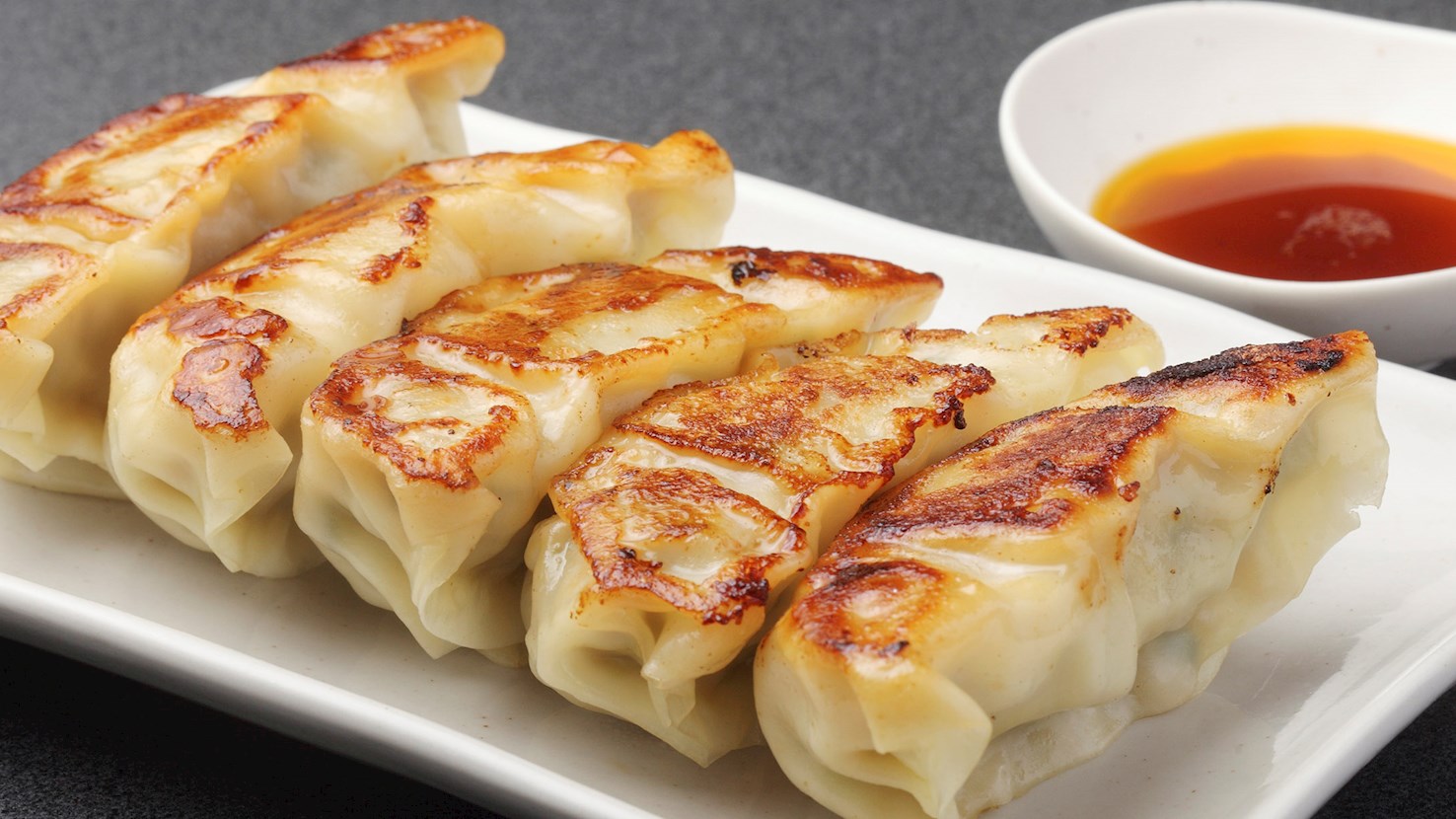
The famous Japanese gyoza are crescent-shaped dumplings that have originated from the traditional Chinese jiaozi dumplings. The recipe was slightly altered to accommodate the Japanese taste, and gyoza soon became one of the favorite Japanese meals. They consist of a thin wrapper made with wheat flour, eggs, and water, which is then stuffed with a mixture of meat and vegetables. The ingredients used in the stuffing are regionally influenced, but most commonly include minced pork or chicken, cabbage, chives, a substantial amount of garlic, ginger, and green onions. They are traditionally prepared in three different ways. The most famous are pan-fried gyoza, which are fried and then shortly steamed. Other types include boiled gyoza, usually served in broth, and the less common deep-fried variety. Traditionally, these scrumptious dumplings are served with a dipping sauce on the side, usually made with rice vinegar, soy sauce, and sesame oil. Since the 1940s, gyoza have been slowly making their progress to become one of the staple foods in Japan, commonly consumed everywhere in the country. They can be found on the menus of traditional Japanese restaurants and bought at specialized gyoza shops. In restaurants, they are usually offered as a starter, most commonly enjoyed as a snack, followed by a glass of cold beer or traditional sake. Also, although it is not a side dish per se, gyoza dumplings often accompany ramen.
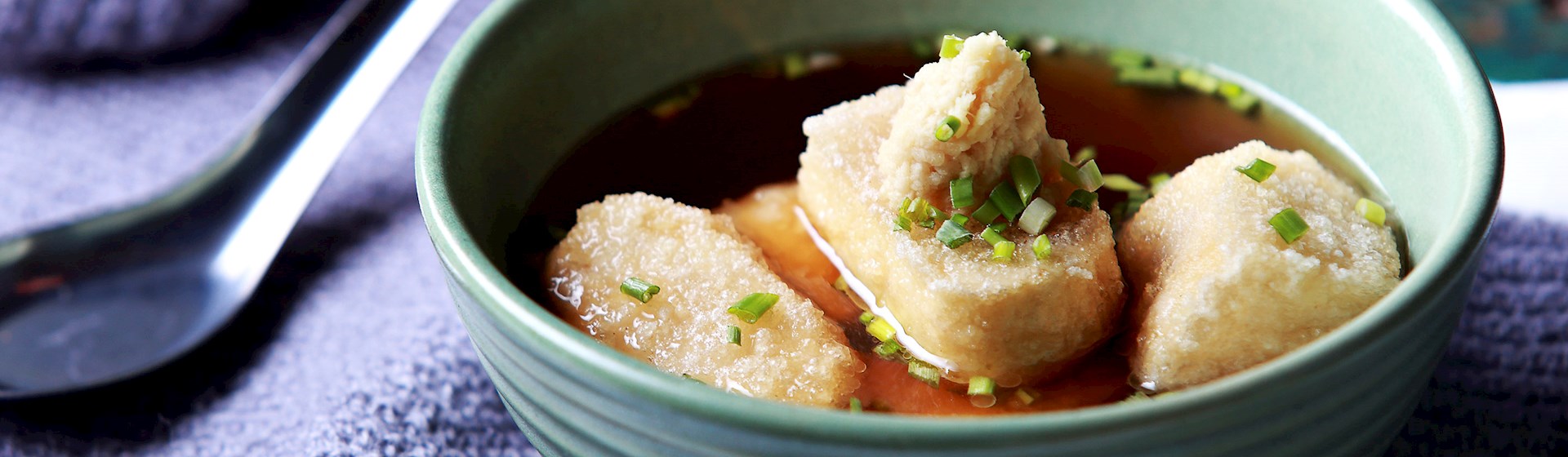
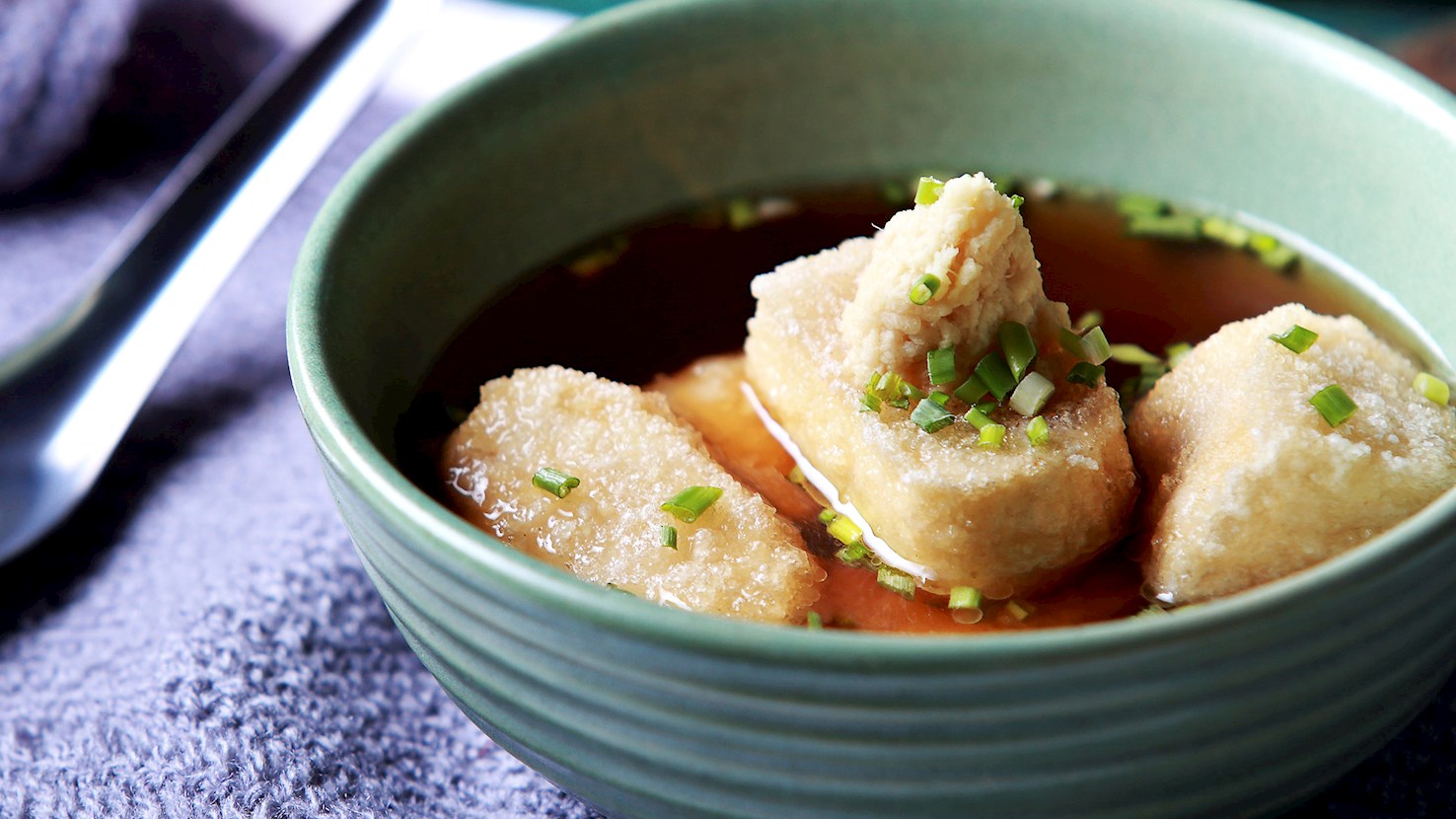
Commonly eaten as a side dish or an appetizer, agedashidofu is a popular dish consisting of deep-fried tofu that is typically served with tentsuyu dipping sauce, made with dashi, soy sauce, and mirin. It is a well known, old dish, and the recipe for it was included in a 1782 Japanese tofu cookbook called Tofu Hyakuchin, alongside other tofu dishes such as simmered and chilled tofu. Although it is easy to prepare, one can find agedashidofu in almost every Japanese restaurant. The dish is commonly topped with chopped negi spring onions, grated daikon, or dried bonito fish flakes.
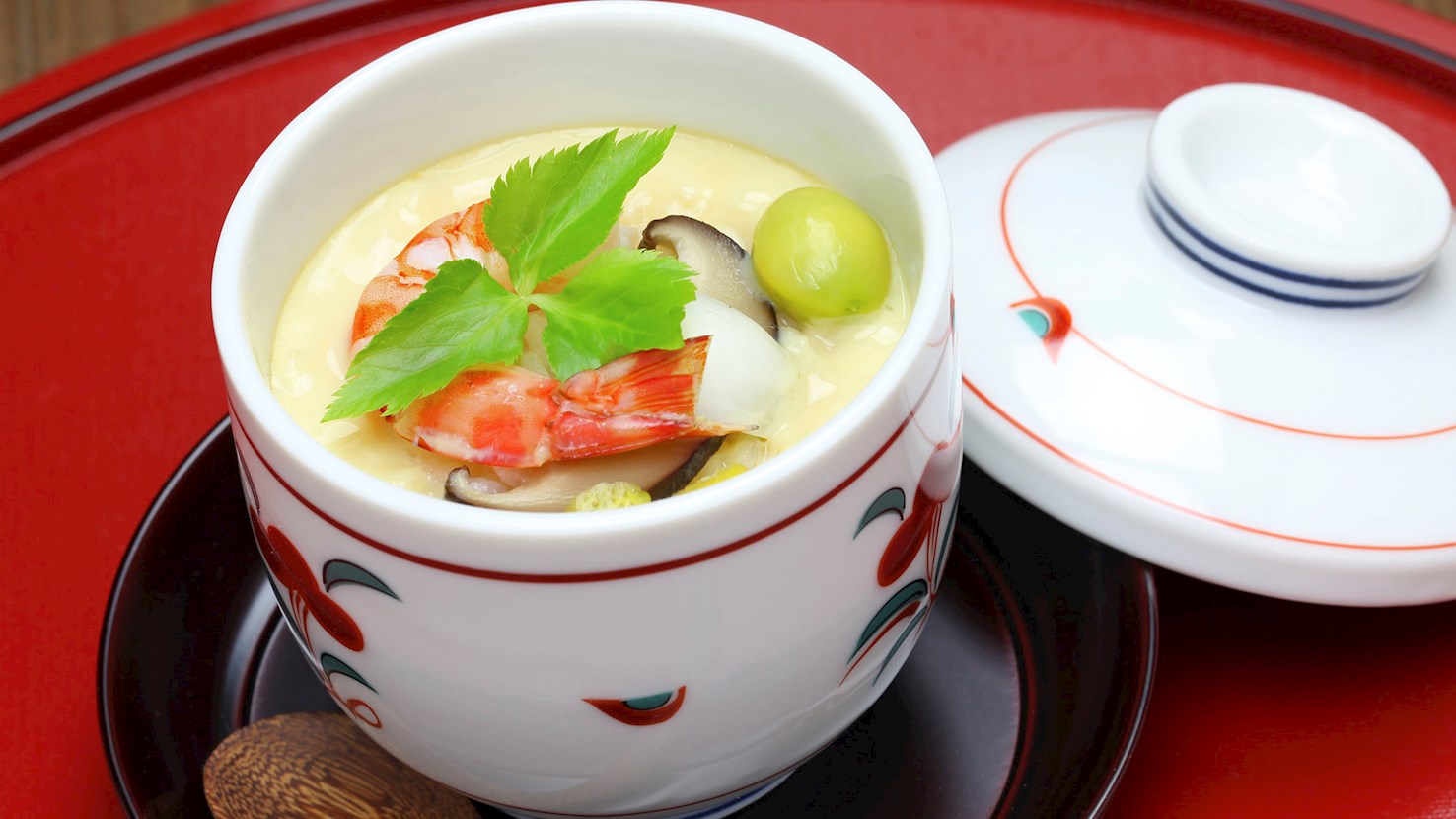
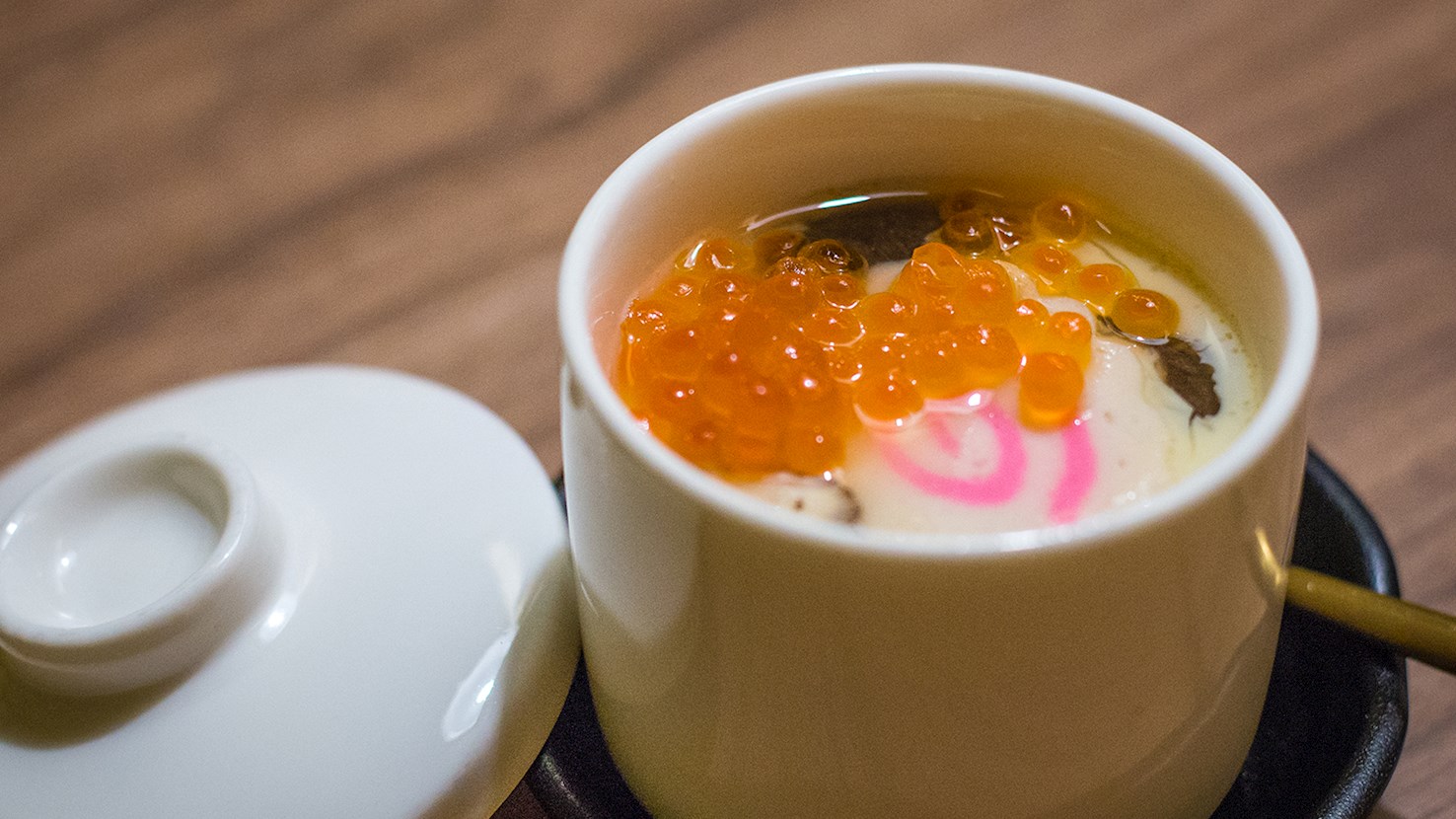
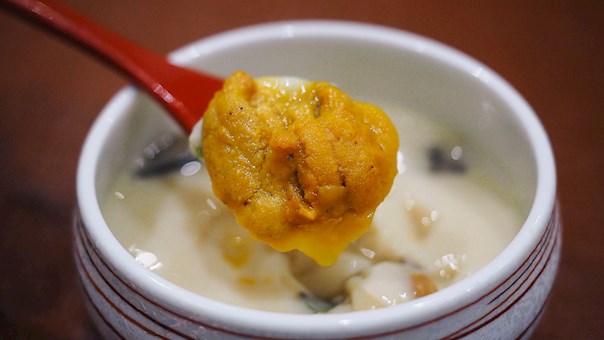
Chawanmushi is a delicate custard-soup, its name meaning steamed in a tea cup. Each portion of the dish is ideally served in a small, lidded cup, either as an appetizer or as a part of a bigger meal. The custard usually consists of an egg mixture that can be flavored with numerous ingredients such as dashi (Japanese stock), soy sauce, mushrooms, tofu, ginko nut, or steamed shrimp. It is believed that the dish originated in Kyoto and Osaka during the Kansei period, later spreading to Edo and Nagasaki. Chawanmushi can be served hot, warm, or cold, and can be garnished with carrot shavings, Japanese parsley, or even more seafood. Since it cannot be eaten with chopsticks, it is one of the few Japanese dishes that are traditionally consumed with a spoon.
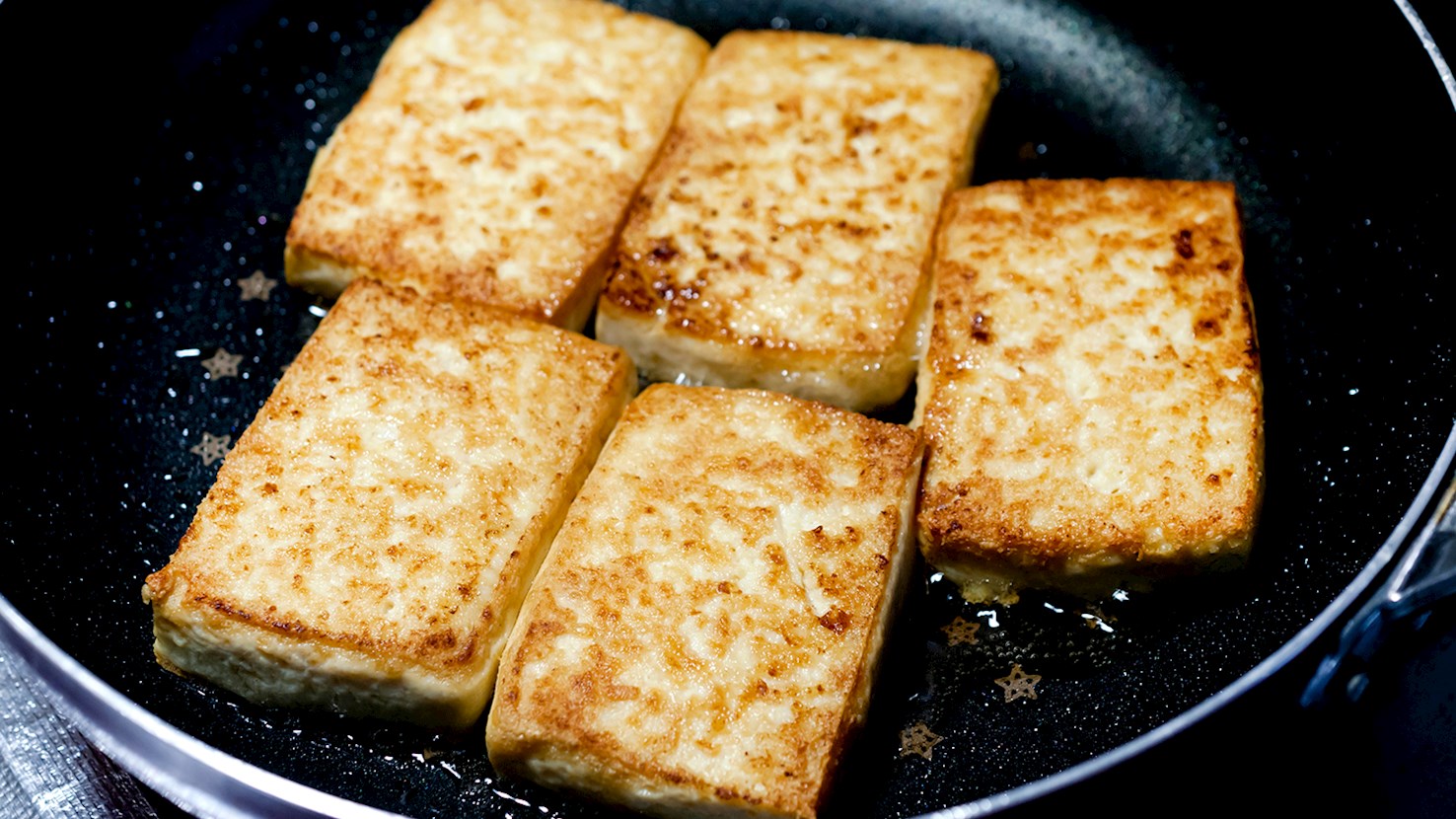
Atsuage is a traditional dish consisting of deep-fried tofu. The slices of tofu are wrapped in kitchen paper and weighed down with a small weight so the water drains well. They are then deep-fried until golden brown, puffy, and slightly crunchy on the exterior. On the inside, the tofu should remain silky soft. This dish is often prepared as an inexpensive source of protein and it’s eaten as it is with soy sauce, grated ginger, or various vegetables.
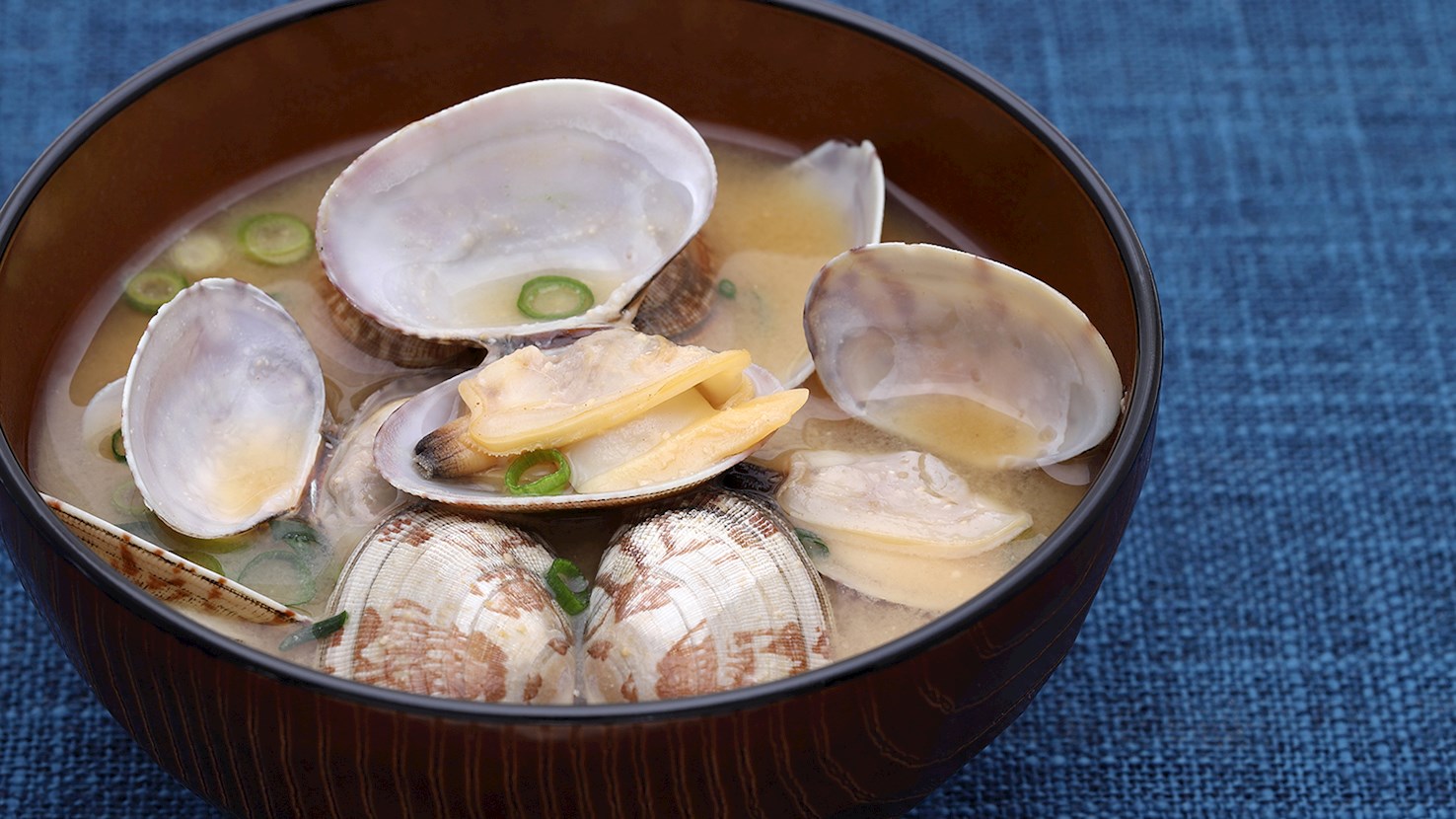
Asari no sakemushi is a traditional and seasonal Japanese dish that's usually prepared in springtime. This simple dish is made with a combination of clams, sake, and green onions (aonegi). The clams are first placed into saltwater for a while, and they are then taken out and placed into a pan with sake. The pan is covered with a lid, and the clams simmer over medium or high heat until the shells open. Before serving, the clams are garnished with chopped green onions. If desired, the flavors of asari no sakemushi can be elevated with the addition of ginger, butter, or red chili peppers. The dish can often be found at izakaya bars.
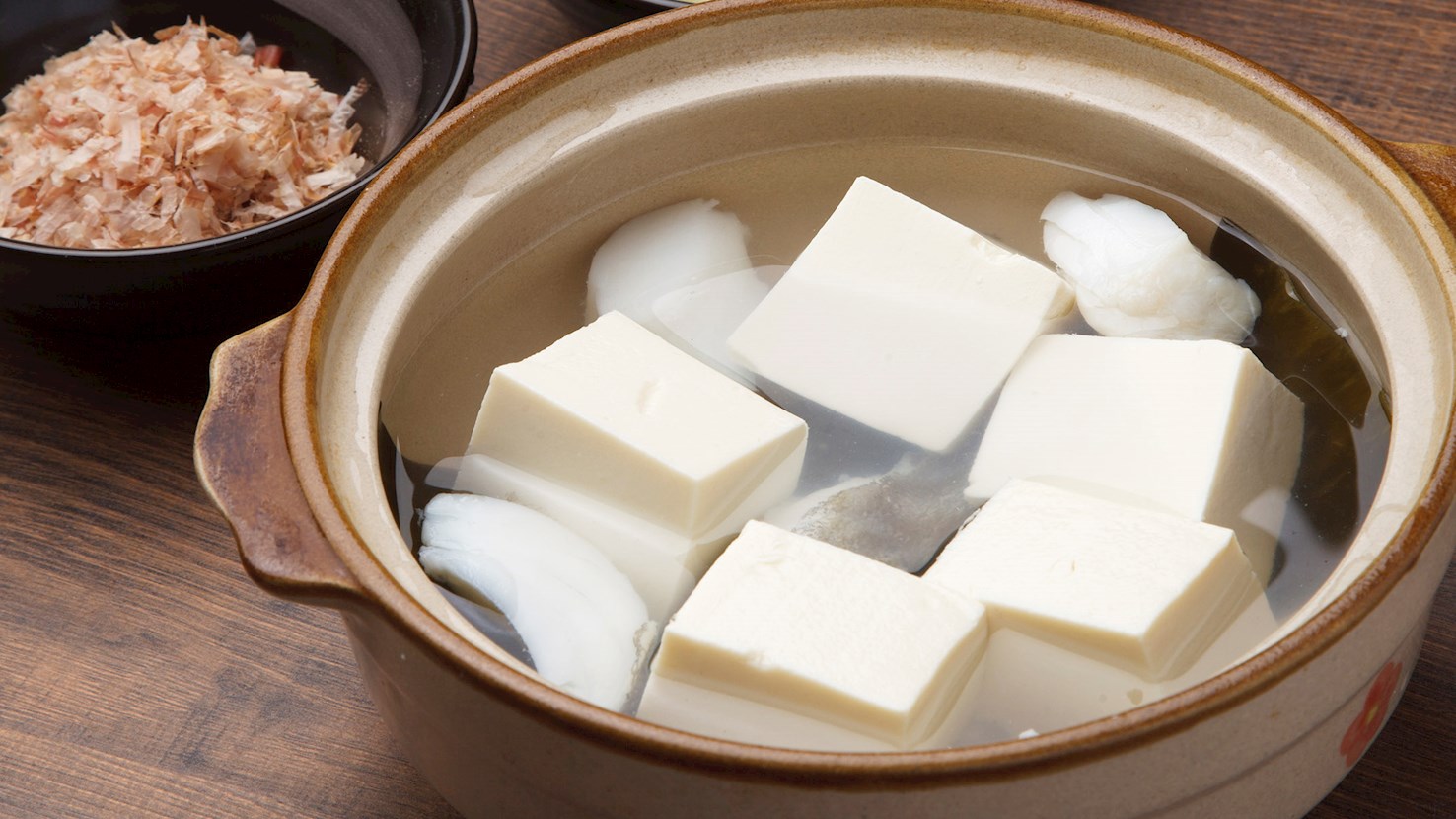
Yudofu, which translates to hot water tofu, is one the simplest Japanese dishes. As the name suggests, the tofu is merely heated in warm water, which is usually only spiced with dried kelp, a variety of dried seaweed. Yudofu was created by Buddhist monks who live in the Kyoto area and follow a strict diet which does not include any animal produce. The tofu used in yudofu has to be fresh, and restaurants serving the dish usually prepare fresh tofu on a daily basis. Most commonly, the kinugoshi tofu variety is employed in the dish, due to its silky and almost custard-like consistency. Traditionally, the dish is served in a traditional Japanese nabe pot, and the guests usually help themselves by taking a piece of tofu and placing it in their individual bowls. Occasionally, yudofu can be served already portioned, when it is commonly decorated with chopped scallions. This comforting traditional Japanese dish is regarded as a winter meal, and can be found in numerous Japanese restaurants, especially in the Kyoto area. Soy, ponzu, or mentsuyu sauce is typically served alongside the creamy hot water tofu.
One of the favorite Japanese street food varieties is a serving of tender grilled squid known as ikayaki. It can employ different types of squid in varying sizes. Serving styles usually range from chopped squid rings to skewered whole pieces. Squid tentacles can be left out or incorporated into the dish, and occasionally they even make the central part of ikayaki. Usual accompaniment to the dish is soy or teriyaki sauce, or a traditional Japanese marinade which typically includes rice wine, miso paste, ginger, and soy sauce. The squids are prepared quickly, which leaves them tender and plump. The squids should be served immediately once they are off the grill. Although ikayaki is often served as a restaurant dish, it is more commonly sold by street vendors who prepare and offer this delicacy on the markets, around Japanese shrines, and during the local festivals. In restaurants, they can be served as an appetizer, a side dish, or as the main dish alongside rice and salad.
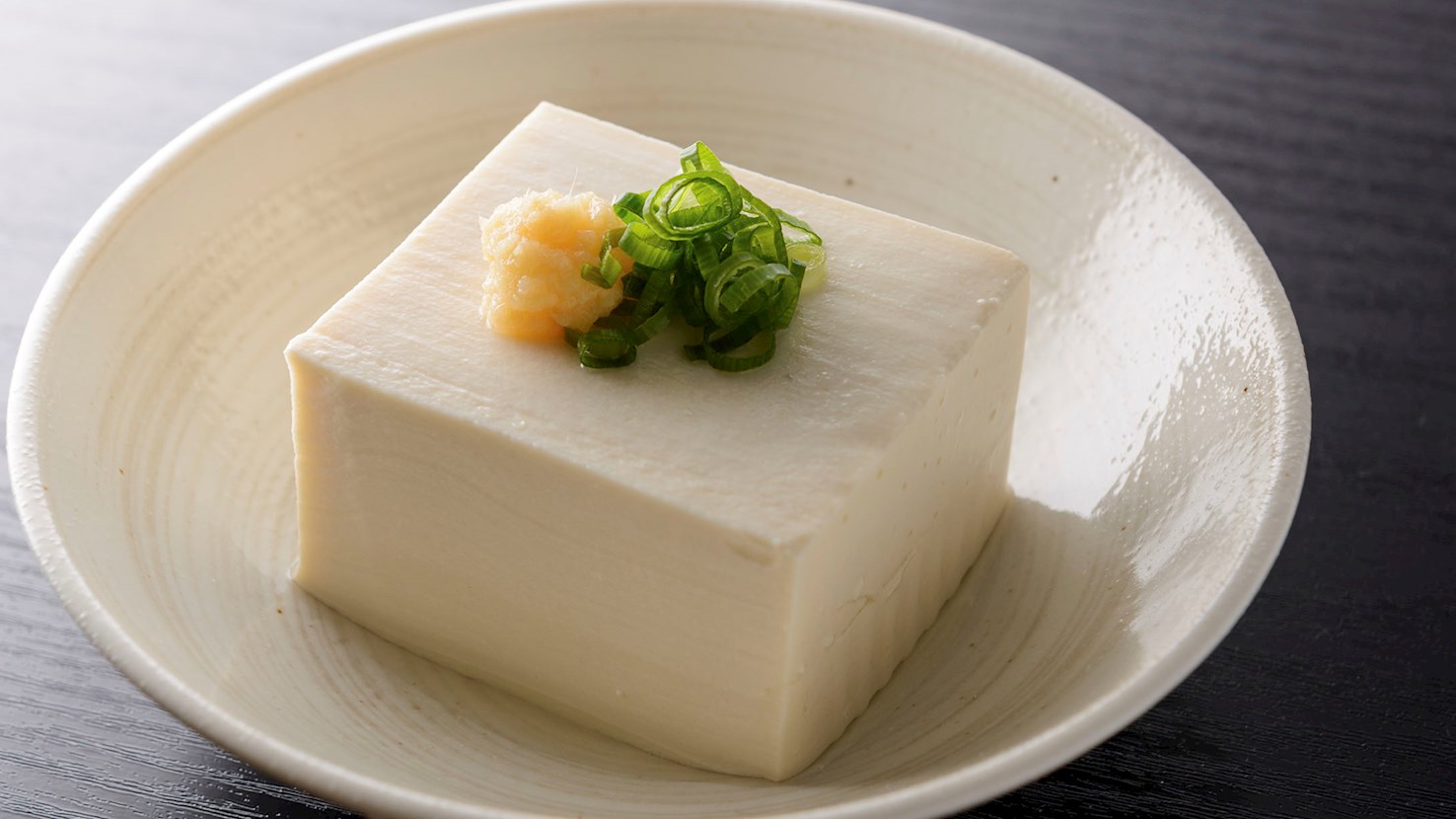
Hiyayakko, consumed mostly on hot summer days, is a block of soft tofu that is served cold and topped with finely minced scallions, fresh ginger, and flavorful dried flakes of bonito, a type of oily fish from the mackerel family. The dish is often dipped in soy sauce for an extra boost of flavor. In the Tofu Hyakuchin, a popular Japanese recipe book, it is said that hiyayakko is so famous that it needs no introduction or recipe. It is not hard to see why hiyayakko is a quintessential summer dish in Japan - it is easy to prepare, doesn't require the oven or the stove, and it provides a great example of how to appreciate all the delicate flavors of fresh tofu.
Ikura chawanmushi is a traditional egg-based dish. Chawanmushi is a soft egg custard that's steamed until the texture becomes silky smooth. The eggs are often flavored with dashi, soy sauce, or seafood stock. In this version, chawanmushi is topped with ikura (salmon roe) before serving, providing a salty pop and a nice textural contrast. This delicate dish can be served hot, warm, or cold in a small lidded cup, and since it can't be eaten with chopsticks, it's one of few Japanese dishes that are traditionally consumed with a spoon. Ikura chawanmushi is traditionally served as an appetizer.
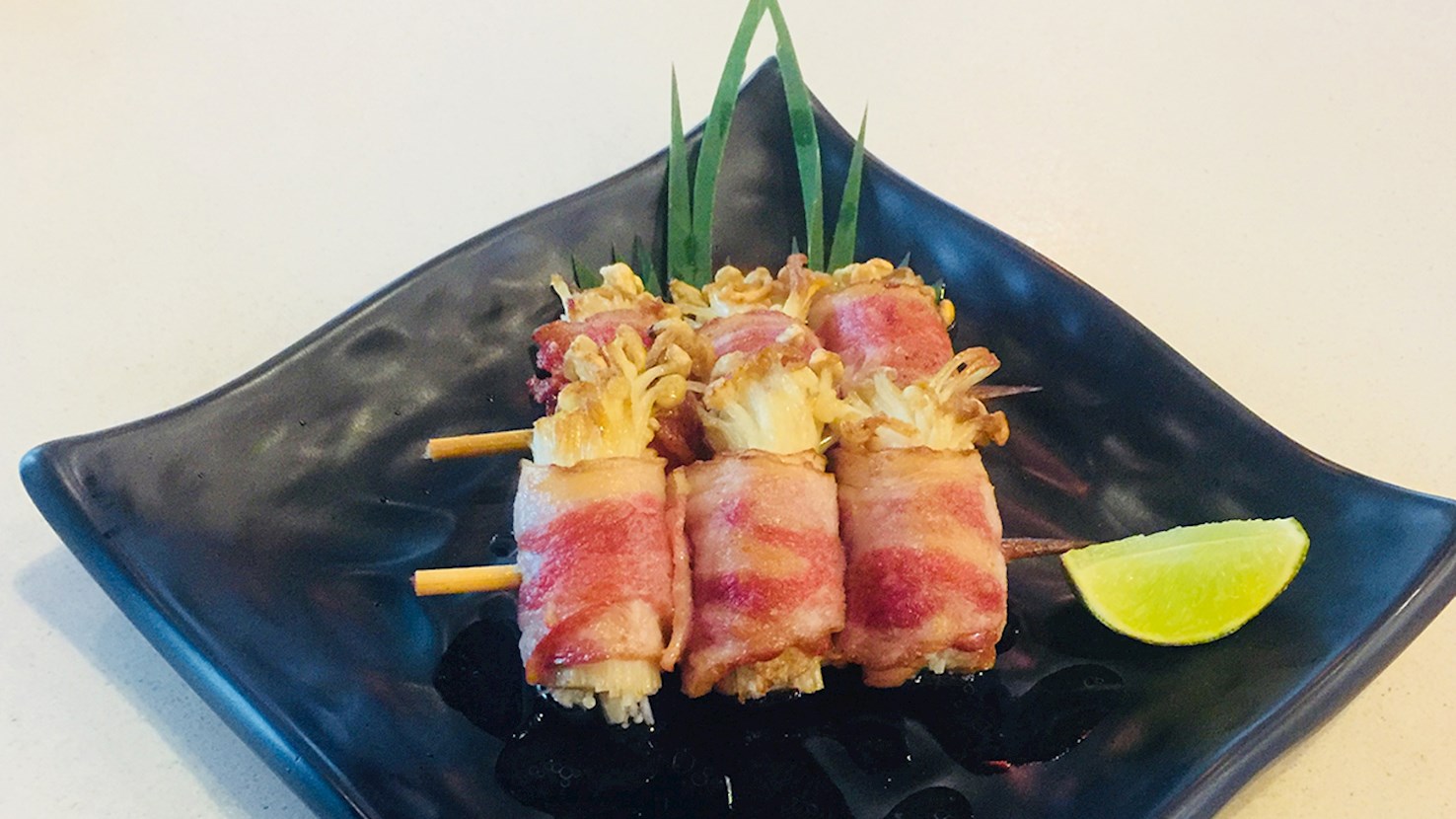
Enoki maki is a traditional dish consisting of enoki mushrooms that are wrapped and rolled in thinly sliced beef. The meat should always be marinated and tender. The marinade usually consists of sake, garlic, ginger, mirin, and soy sauce. After the mushrooms have been wrapped in sliced and marinated beef, the combination is shortly grilled before serving. The grilling process of this appetizer makes it a typical kushiyaki dish. Enoki maki can also be found at many yakitori bars in Japan.
TasteAtlas food rankings are based on the ratings of the TasteAtlas audience, with a series of mechanisms that recognize real users and that ignore bot,
nationalist or local patriotic ratings, and give additional value to the ratings of users that the system recognizes as knowledgeable.
For the “Top 19 Japanese Appetizers” list until September 15, 2026, 1,424 ratings were recorded, of which 1,272 were recognized by the system as legitimate.
TasteAtlas Rankings should not be seen as the final global conclusion about food. Their purpose is to promote excellent local foods,
instill pride in traditional dishes, and arouse curiosity about dishes you haven’t tried.





What People Say