Antojitos (lit. little cravings) refers to a variety of Mexican foods that are prepared in market stalls and on the streets. Due to the fact that formal, substantial meals are consumed in the mid-afternoon, most antojitos are eaten either in the morning or the evening. Typical antojitos include fajitas, tortas, tamales, tacos, tostadas, tlayudas, elote, chalupas, gorditas, empalmes, quesadillas, cemitas, empanadas, pambazo, chilaquiles, and nachos. However, vegetables, fruits, and soups such as pozole and menuda are also classified as antojitos. And let's not forget about the popular Mexican beverages known as aguas frescas, which are traditionally found on the streets. The famous American author and chef Rick Bayless grouped antojitos according to the one element present in all antojitos – corn masa, and in the end, he was left with 8 types of antojitos: tamales, tostadas, tacos, sopes, gorditas, quesadillas, enchiladas, and chilaquiles. Regardless of the classifications, antojitos are one of the staples of Mexican food, and can be consumed as an appetizer, a snack, or as a full meal when eating more than a couple of these delicious "little cravings."
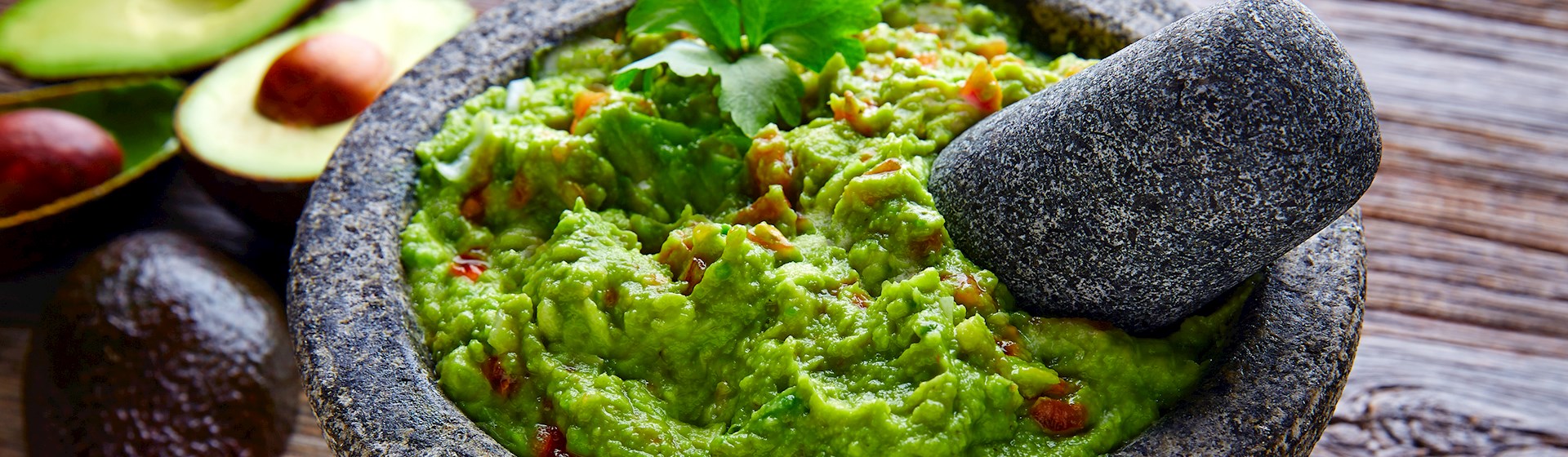
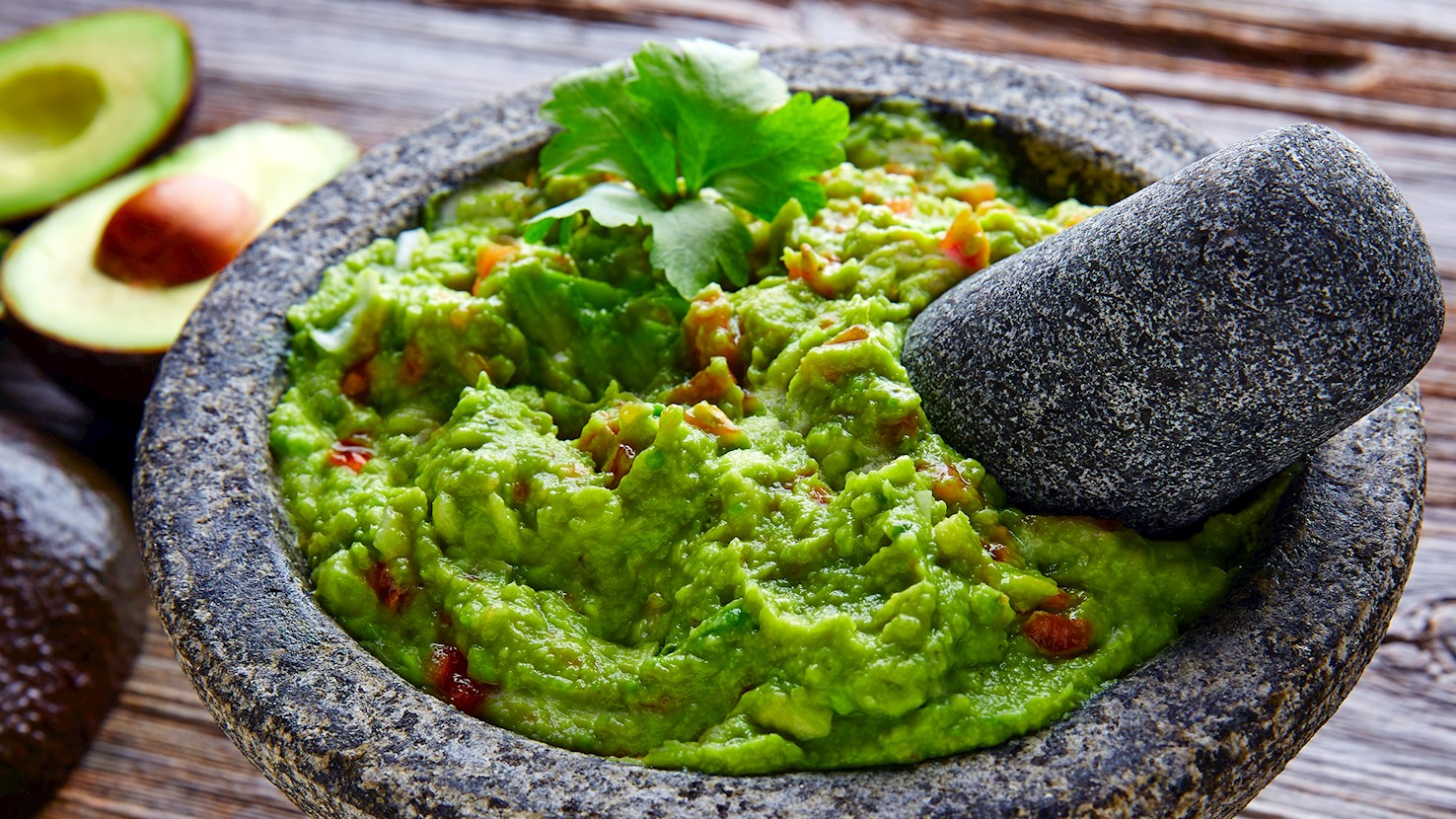
Guacamole is a world-famous buttery delicacy dating back all the way to the Aztec empire of the 1500s. It’s a healthy blend of ripe, mashed avocados, onions, chiles, optional tomatillos and selected seasonings such as sea salt and coriander. The star of this incredibly simple dish is the avocado, high in unsaturated fat, potassium, vitamins, minerals and protein, its name stemming from the Aztec ahuacatl, meaning testicle or testicle tree, which is why it was believed that it was an aphrodisiac by the Aztecs. Guacamole is sometimes prepared in the molcajete, a traditional Mexican mortar and pestle where onions, chiles, and salt are ground to a paste and added to the coarsely mashed avocados. Of course, guacamole is only as good as the avocados it is prepared with, and among the best are the nutty and creamy Hass and smooth Fuerte avocados. It is usually accompanied by corn chips, nachos or tortillas on the side, so guacamole is typically enjoyed as a dip. Regardless of its position on the table, the only important thing is to serve it fresh before it oxidizes and changes its vivid green color to a darker brown hue.
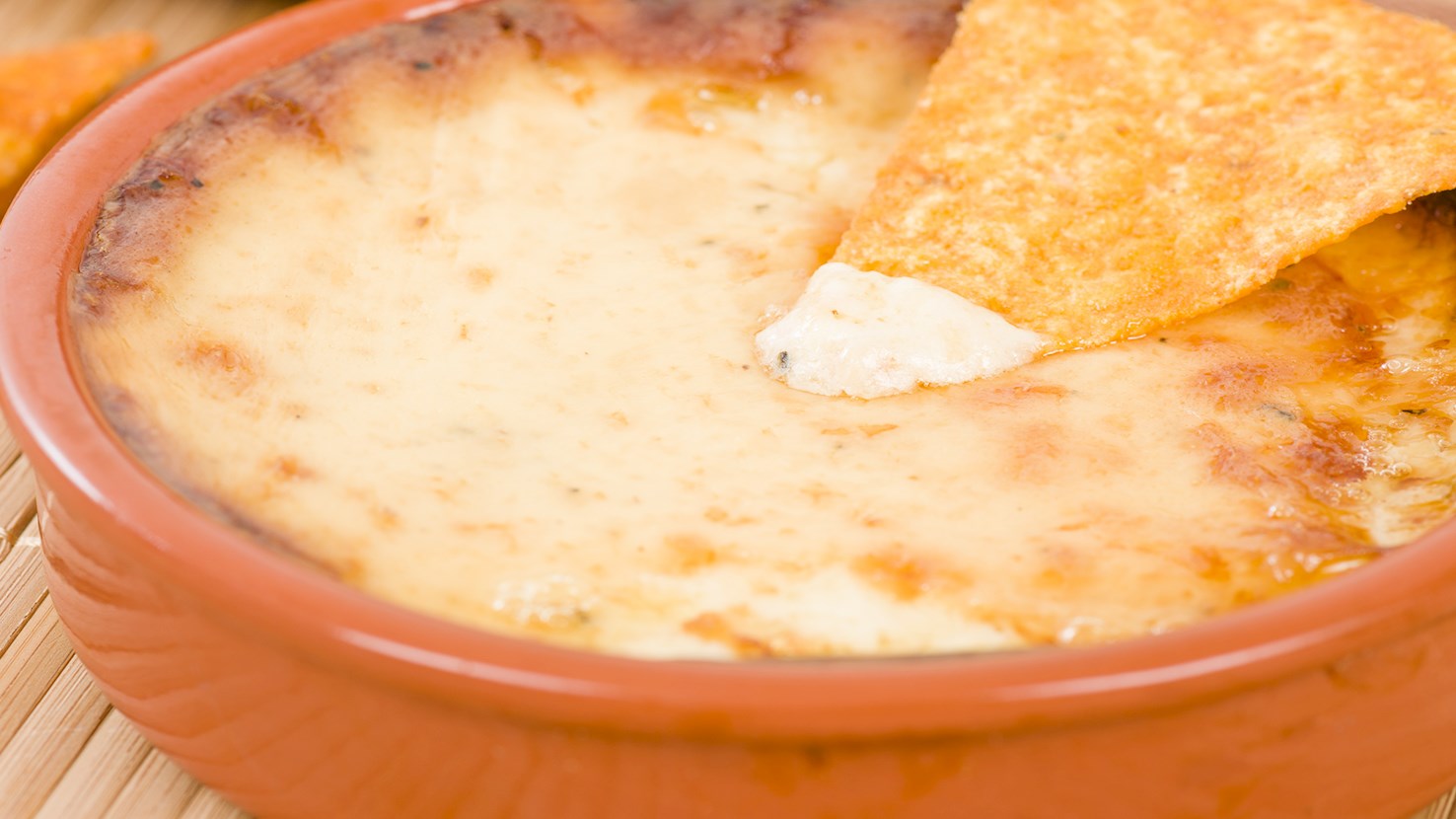
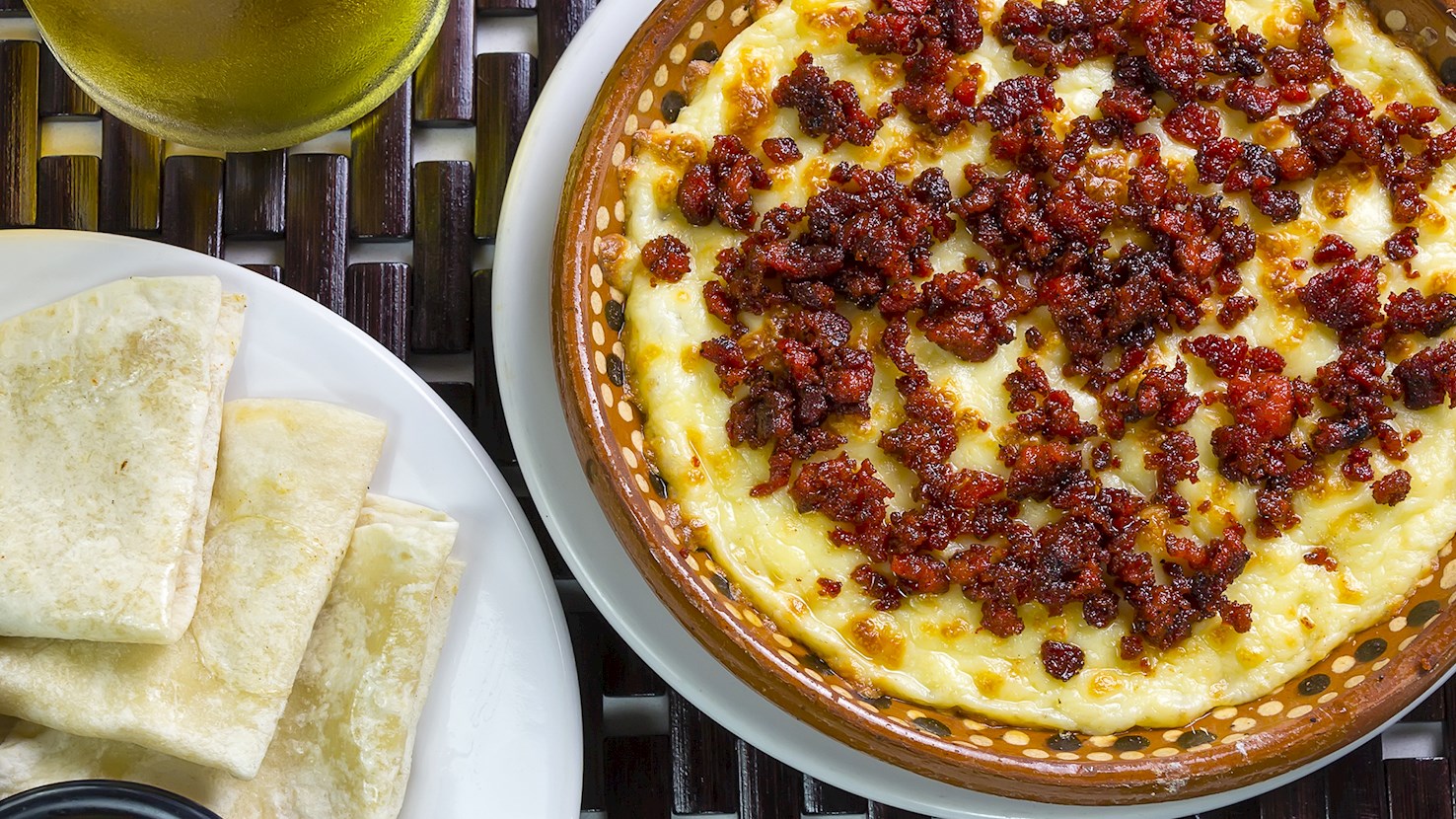
Queso fundido is a tasty Mexican comfort food dish that is typically served as an appetizer. It consists of pieces of chorizo, tomatoes, onions, poblano peppers, and gooey, stringy melted cheese. The dish is often prepared tableside in restaurants, where it is flambéed and presented bubbling hot in small casserole dishes. Queso fundido is traditionally spooned onto soft corn tortillas so that it could be eaten individually, as the dish is typically shared between groups of people, making it a great party food as well. It originated in northern Mexico, where it was originally prepared as a campfire dish. Nowadays, queso fundido is also popular in the United States, especially in El Paso.
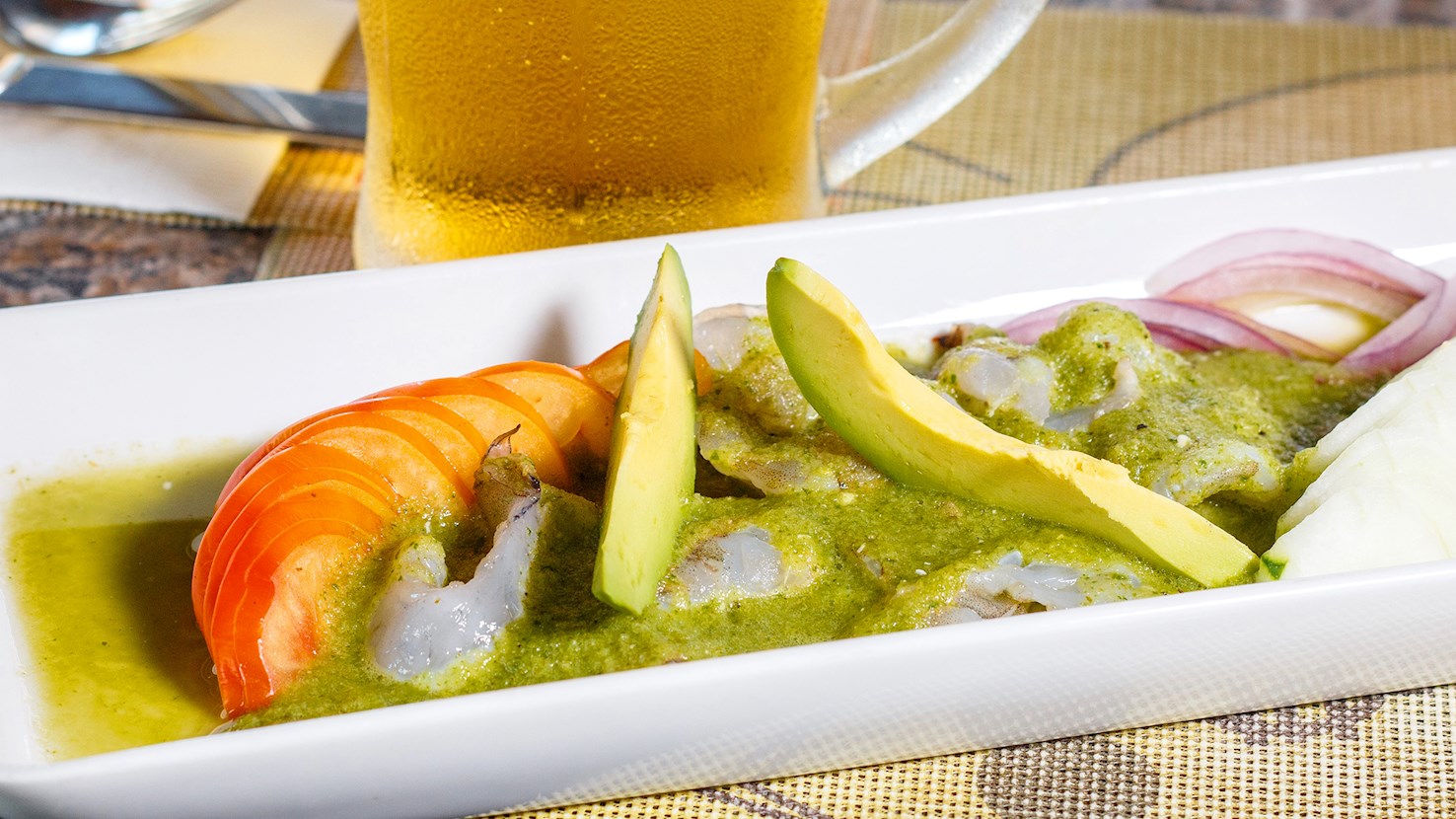
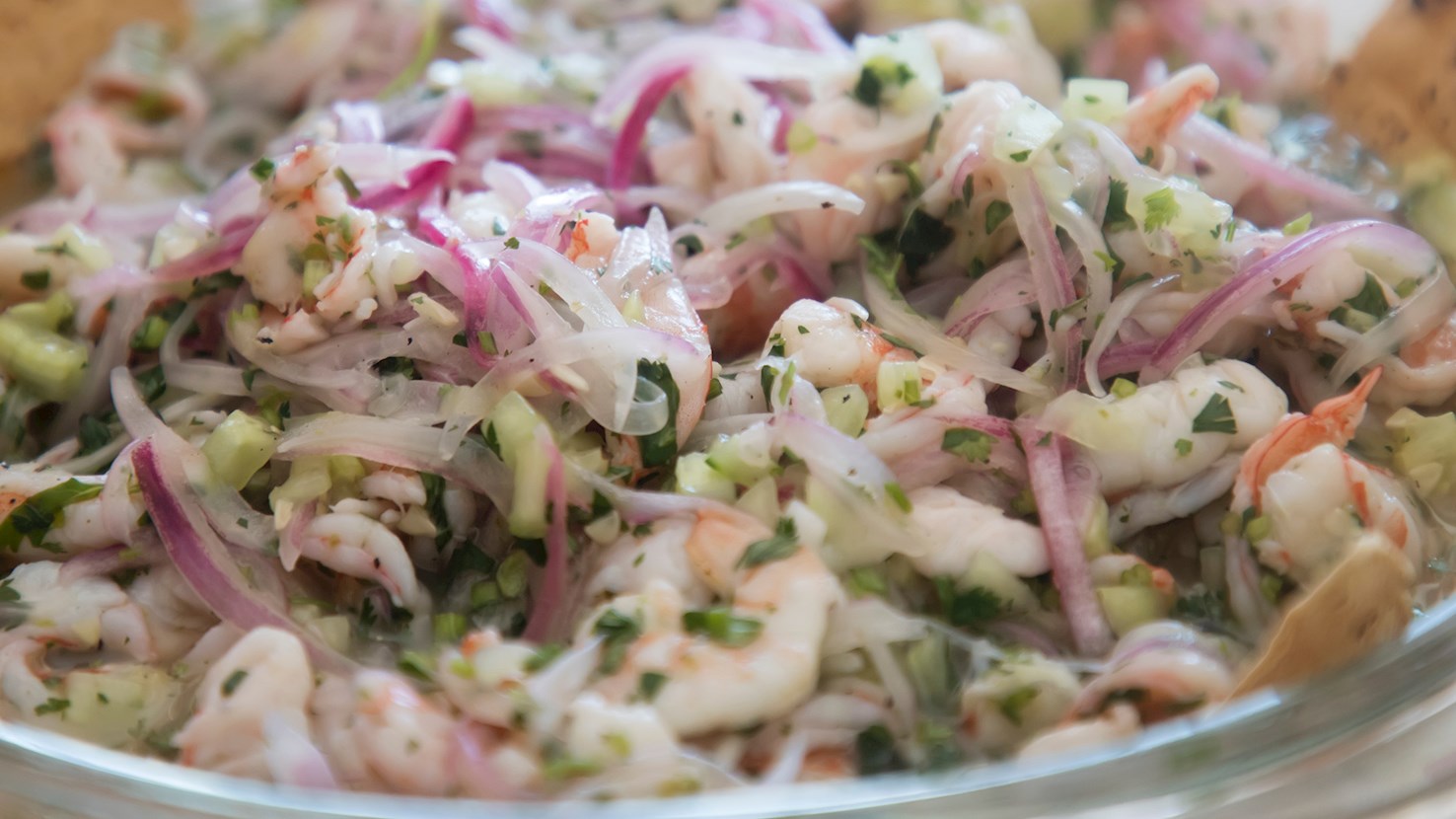
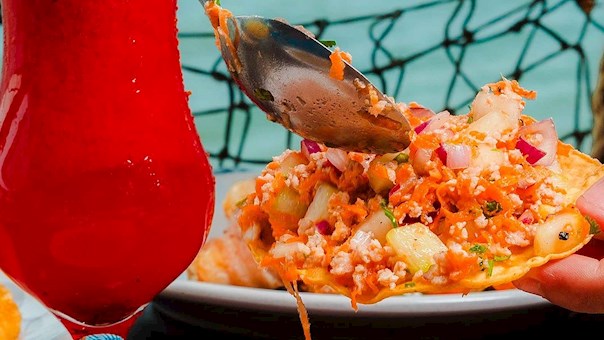
Aguachile is a simple dish originating from the Mexican state of Sinaloa. It is a type of Mexican ceviche that (in its most classic version) consists of fresh raw shrimp, cucumber, red onion, lime juice, and water-pulverized chilis, giving the dish its name. Unlike most ceviches, aguachile is served immediately after coating the shrimp in lime juice, so it is very important that the shrimp is as fresh as it can be. Aguachile is commonly accompanied by avocado and tostadas, while the beverage of choice is usually beer or tequila. There are also versions of aguachile prepared with octopus and scallops, but those versions are not traditional.
Choriqueso is one of the essential Mexican comfort food dishes: pieces of Mexican chorizo topped with melted cheese, tomato chunks, and finely chopped onions and coriander. It can be served as a dip when accompanied by tortilla chips, or stuffed into warm, charred tortillas for a quick snack, making it an ideal party food. For extra decadence, it is recommended to top it all with a dollop of Mexican crema or sour cream.
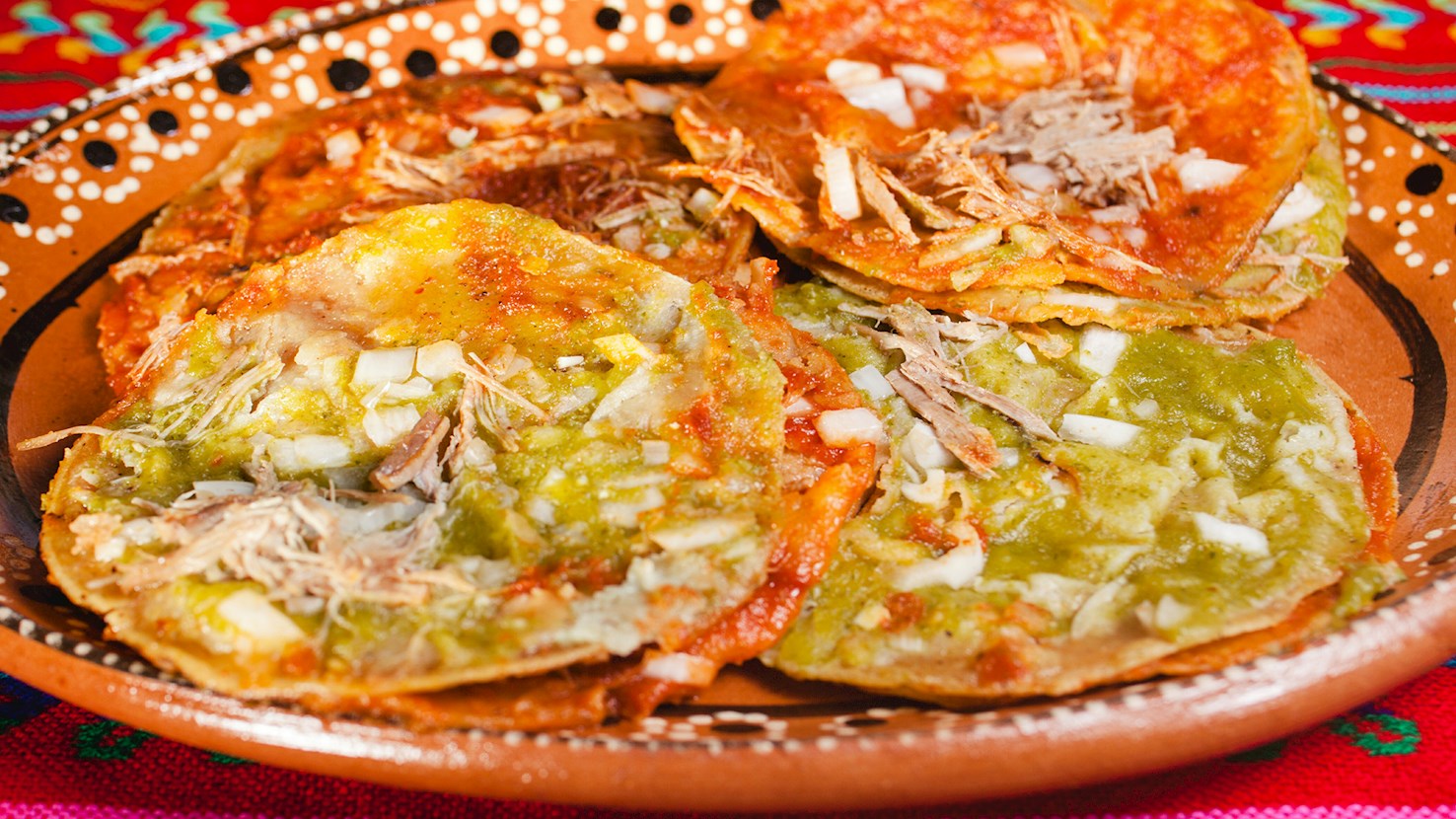
Chalupa is a thin, crunchy tortilla whose form is reminiscent of a canoe or a cup. The shape is achieved by pinching and baking the masa dough, which is then fried and topped with numerous savory ingredients such as pulled pork, ground beef, shredded chicken, various cheeses, potatoes, and red or green chili sauce. The dish is also popular in the United States, but the Americanized version looks more like a taco than a boat. Although the first written mention of chalupa dates back to 1895 in Mexico, it is believed that the dish originates from pre-colonial times. Today there are other varieties of the dish such as sopes and garnachas, which are similar to chalupas, but softer. The dish is usually served hot, as an appetizer or as a main course, and when served at parties, it is traditionally cut and served with coffee.
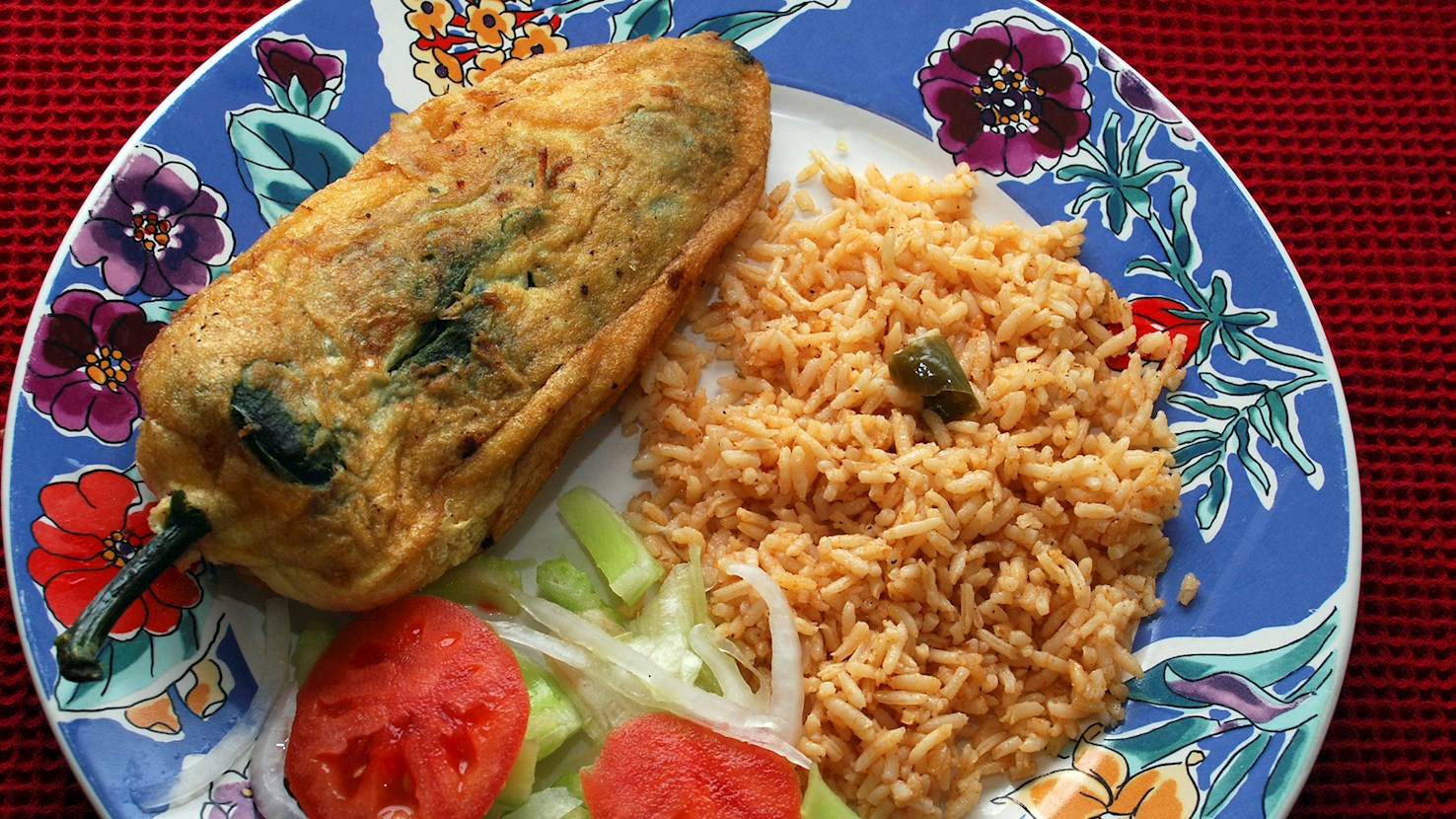
Chile relleno is a large, mild roasted pepper completely hollowed out, heavily stuffed with melting cheese or spiced meat, coated in a fluffy egg batter, and deep-fried until golden. The recipe starts with blistering a fresh poblano pepper over an open flame until the outer skin turns completely black and charred. The pepper is placed inside a sealed bag to steam, allowing the burnt skin to peel away effortlessly. A small slit is sliced down the side to extract all the seeds and membranes, leaving an empty cavity ready for the filling. Large blocks of stringy, white, melting cheese or a dense mixture of ground beef, raisins, and almonds are packed tightly into the hollow space. The opening is pinned shut with wooden toothpicks. The coating requires separating raw eggs, vigorously whipping the whites until stiff peaks form, and gently folding the yolks back in to create an airy, cloud-like foam. The stuffed pepper is lightly dusted with wheat flour, submerged entirely in the foamy egg mixture, and immediately dropped into hot oil. It fries rapidly until a soft, spongy golden-brown crust forms on the outside. Upon leaving the hot oil, the battered pepper is transferred directly to a shallow bowl and consumed immediately while the interior cheese remains molten. A thin, savory tomato broth, heavily flavored with oregano and garlic, known as caldillo, is poured generously over the fried crust just seconds before eating. A side of warm tortillas, seasoned rice, and mashed pinto beans constantly accompanies the plate, absorbing the remaining red sauce and stray bits of batter. The genesis of this stuffed vegetable dates back to the city of Puebla in the mid-16th century, arising from the fusion of indigenous ingredients and imported European livestock. Nuns in local convents used native poblano peppers as a vehicle for newly introduced dairy products and pork. Over time, numerous distinct iterations branched off from the original cheese-filled version. Some coastal regions swap meat and dairy for shredded fish and shrimp, while arid northern territories rely heavily on long, slender Anaheim or Hatch green chiles rather than the wider poblanos. A highly elaborate iteration known as chiles en nogada bypasses the frying phase entirely, featuring a sweet-and-savory, fruit-laced meat filling and a topping of chilled walnut cream sauce scattered with bright red pomegranate seeds. Another adaptation skips the egg batter and hot oil altogether, instead wrapping the stuffed pepper in flaky pastry dough before baking it in a hot oven. The dish is traditionally served as a snack or an appetizer, most commonly in late August and early September, since it is associated with Mexican Independence Day and the Day of San Agustín.
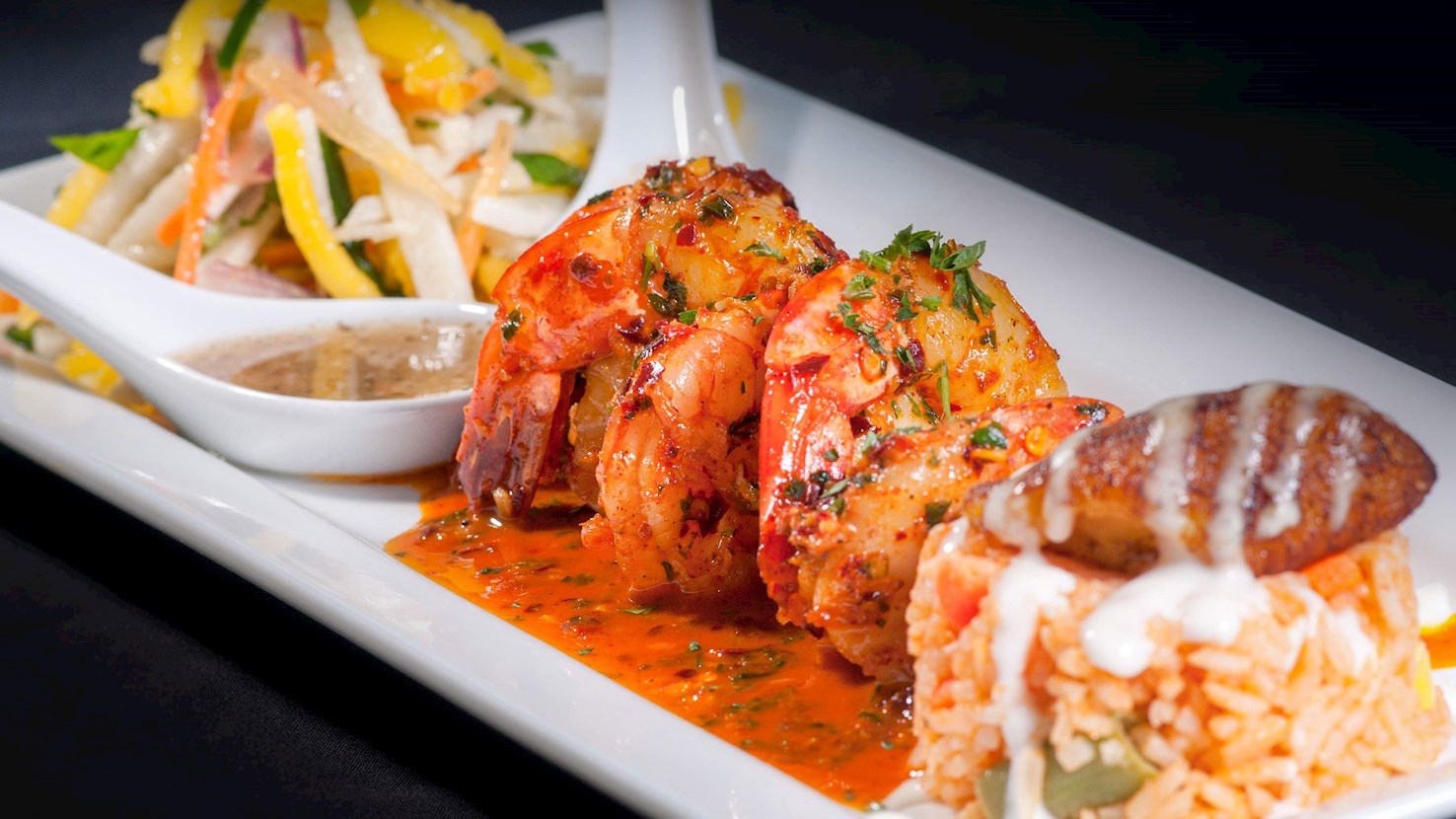
Camarones a la diabla is a traditional dish originating from Mexico. Although there are many variations, the dish is usually made with a combination of shrimps, tomatoes, garlic, onions, arbol chili peppers, olive oil, and salt. The shrimps are cooked in olive oil over medium-high heat until light pink. The hot peppers are blended with tomatoes, garlic, onions, and salt, and the sauce is then poured over the shrimps. The dish is simmered until the sauce is bubbling, and camarones a la diabla are then served immediately. Crusty bread or warm corn tortillas make great accompaniments to the spicy shrimp.
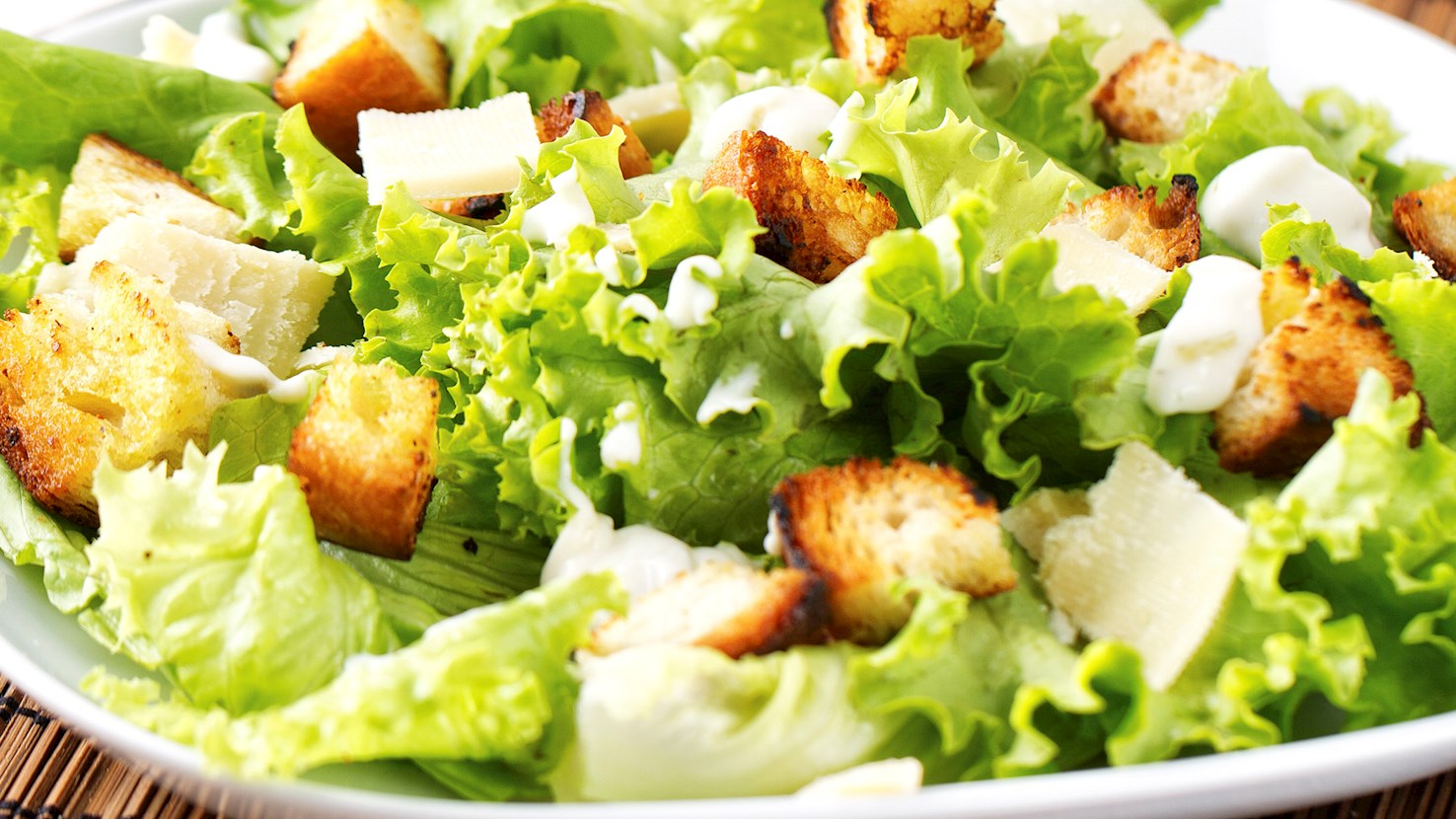
The iconic Caesar salad was named after its creator Cesare (Caesar) Cardini, an Italian immigrant who lived in San Diego but, circumventing Prohibition laws in the United States, operated a popular restaurant in Tijuana, just south of the Mexican border. Back then, in the 1920s, during the Prohibition era, Tijuana was flourishing as many Californians, including Hollywood jet set, would often drive over to party and enjoy the good life. And just like it was the case with many other world-famous dishes, Caesar salad was invented through sheer ingenuity and improvisation. In 1924, on a busy 4th of July weekend, Cardini's restaurant was packed so when the renowned restaurateur realized he's running low on food supplies, as he didn't want to disappoint the customers, Caesar concocted a salad with what was left over in the kitchen. To animate the guests and add some flair to his new invention, Cardini prepared the salad tableside, as many restaurants still do today, tossing the crisp romaine lettuce with creamy coddled eggs, garlic-flavored croutons, parmesan cheese, olive oil, and Worcestershire sauce. Originally, the romaine leaves were coated with the dressing and placed on a serving plate in a circle, stem side out, so that the diners could enjoy their salad with fingers. In 1926, Alex Cardini, a former ace pilot in the Italian Air Force during WWI, joined his brother Caesar at his Tijuana restaurant. Back then, the dish was named Aviator's salad in honor of the pilots from San Diego's Rockwell Field Air Base who, reportedly, one morning – after a long night of drinking and missing curfew – woke up at Caesar's restaurant and enjoyed the salad prepared by Alex Cardini for breakfast. Later on, as the salad gained popularity with other Californian visitors, it was renamed to Caesar salad. Alex also added other ingredients to the already famed concoction, in particular anchovies, even though Caesar was said to be against that inclusion, claiming that the Worcestershire sauce was enough to provide the faint fishy flavor. Moreover, in 1948 Caesar Cardini established a patent on the salad dressing which is still today produced and marketed by Caesar Cardini Foods, Inc. as Cardini's Original Caesar dressing mix. Regardless of the two slightly different recipes and dressing variations, Caesar salad became a sensation sought after from coast to coast, eventually even becoming a success in Europe; especially after the Paris-based International Society of Epicures in 1953 proclaimed it as "the greatest recipe to originate from the Americas in 50 years".
Tiritas pescado is a traditional dish originating from the Guerrero region, and it is especially popular in the Ixtapa-Zihuatanejo area. The dish is usually prepared with fish such as snapper, sailfish, or marlin that is cut into strips, then combined with lime juice, onions, pepper, salt, and chili peppers. After the fish has been marinated, it is typically garnished with coriander and served with tortilla chips on the side. Most seaside restaurants offer tiritas pescado as an appetizer, while local boat captains often prepare it for tourists on fishing trips.
TasteAtlas food rankings are based on the ratings of the TasteAtlas audience, with a series of mechanisms that recognize real users and that ignore bot,
nationalist or local patriotic ratings, and give additional value to the ratings of users that the system recognizes as knowledgeable.
For the “Top 26 Mexican Appetizers” list until October 15, 2026, 4,423 ratings were recorded, of which 2,419 were recognized by the system as legitimate.
TasteAtlas Rankings should not be seen as the final global conclusion about food. Their purpose is to promote excellent local foods,
instill pride in traditional dishes, and arouse curiosity about dishes you haven’t tried.






What People Say