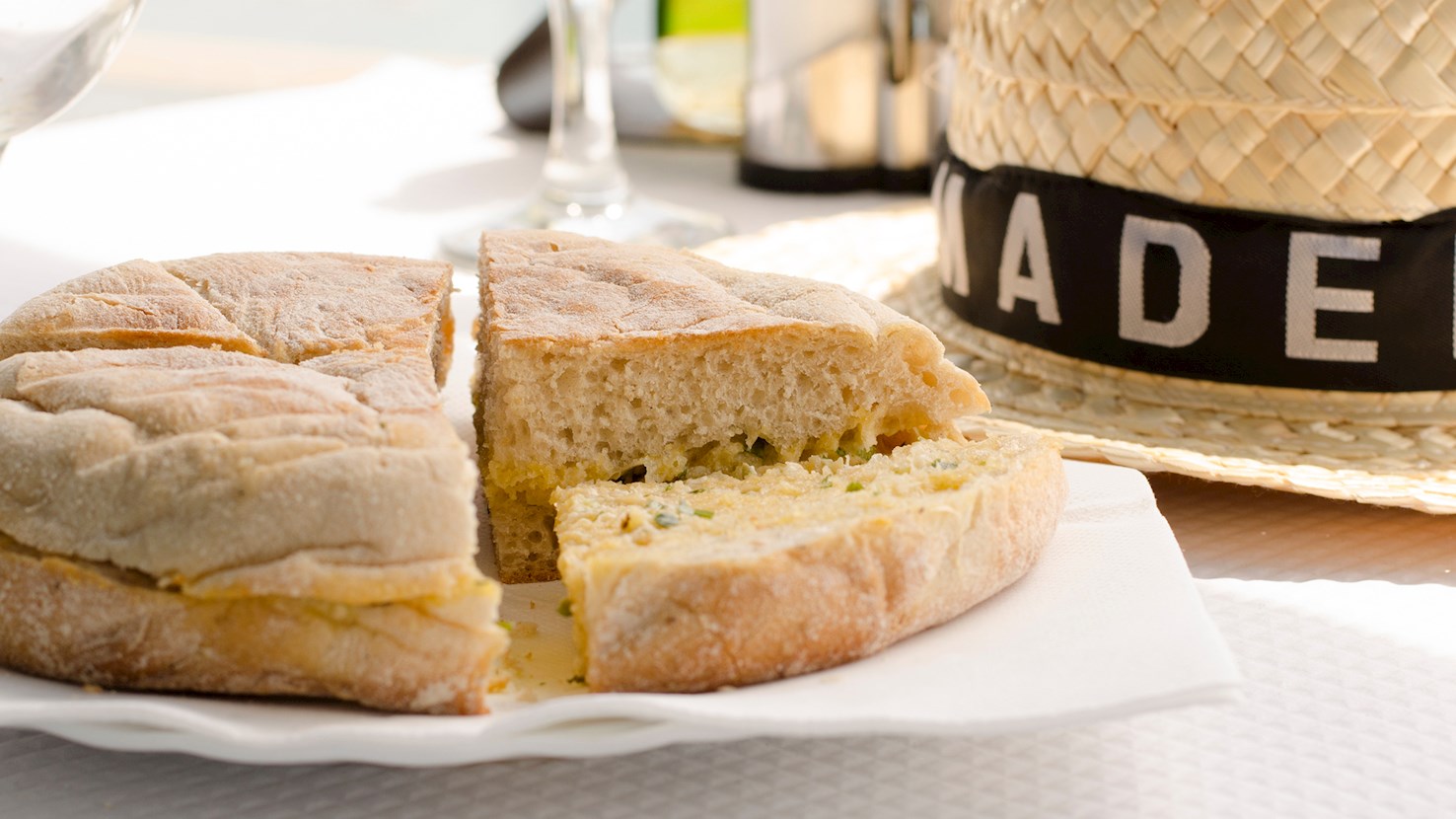
Hailing from Madeira, this rustic, leavened bread is prepared with wheat flour, mashed sweet potatoes, water, and salt. Traditionally baked on large basalt stone slabs, bolo do caco is typically flat and round, though it can vary in size. It is the most common bread variety on Madeira that is usually served as a warm appetizer with garlic butter spread, but it can also be enjoyed as a sandwich or an accompaniment to various traditional Portuguese dishes.
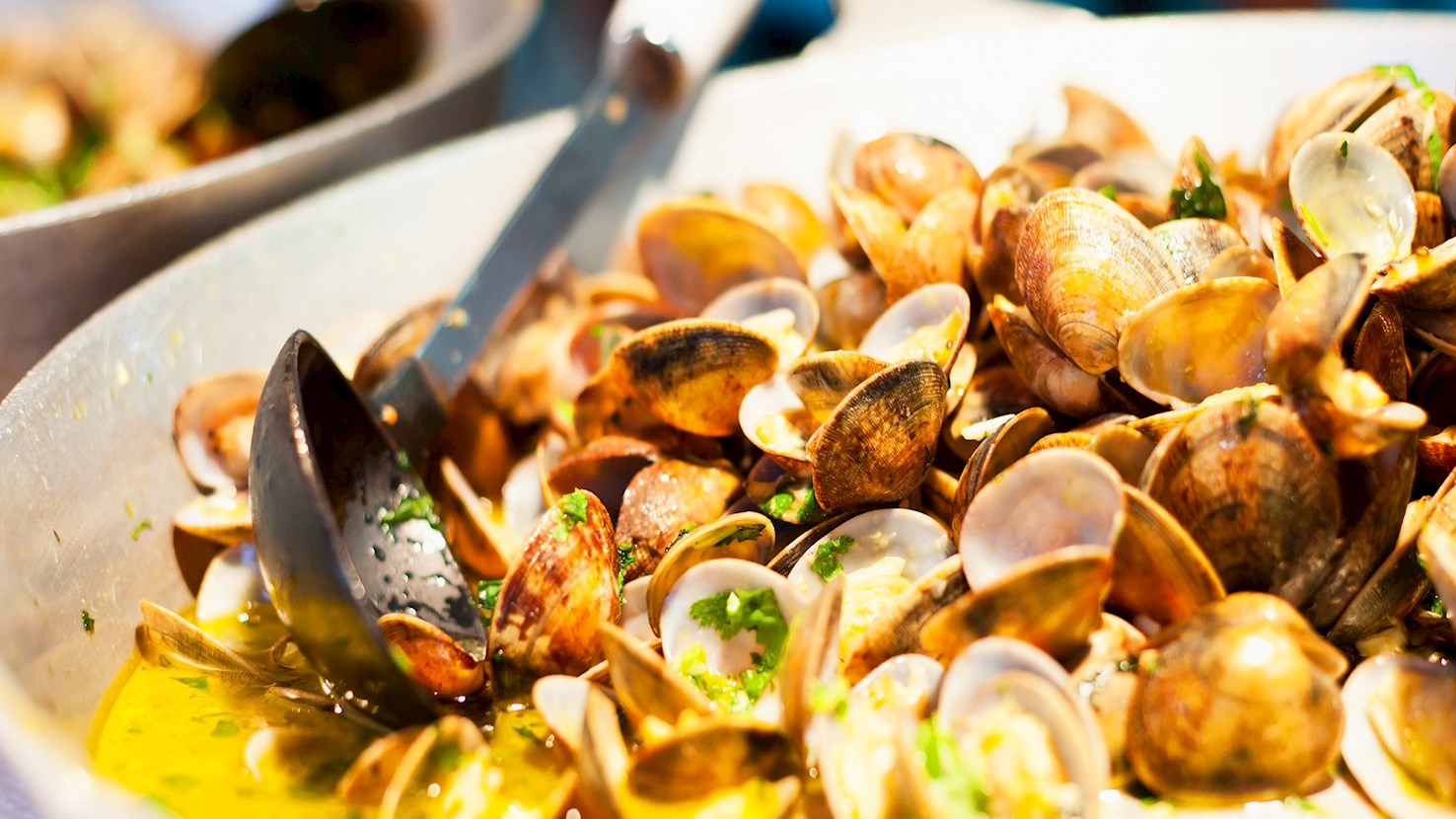
Named after the 19th-century poet Raimundo António de Bulhão Pato, this simple Portuguese dish combines clams and a flavorful sauce that is based on olive oil, garlic, lemon juice, and fresh cilantro. However, the sauce can also have white wine as one of its ingredients. Bulhão Pato clams are typically enjoyed as an appetizer and are usually served with bread on the side.
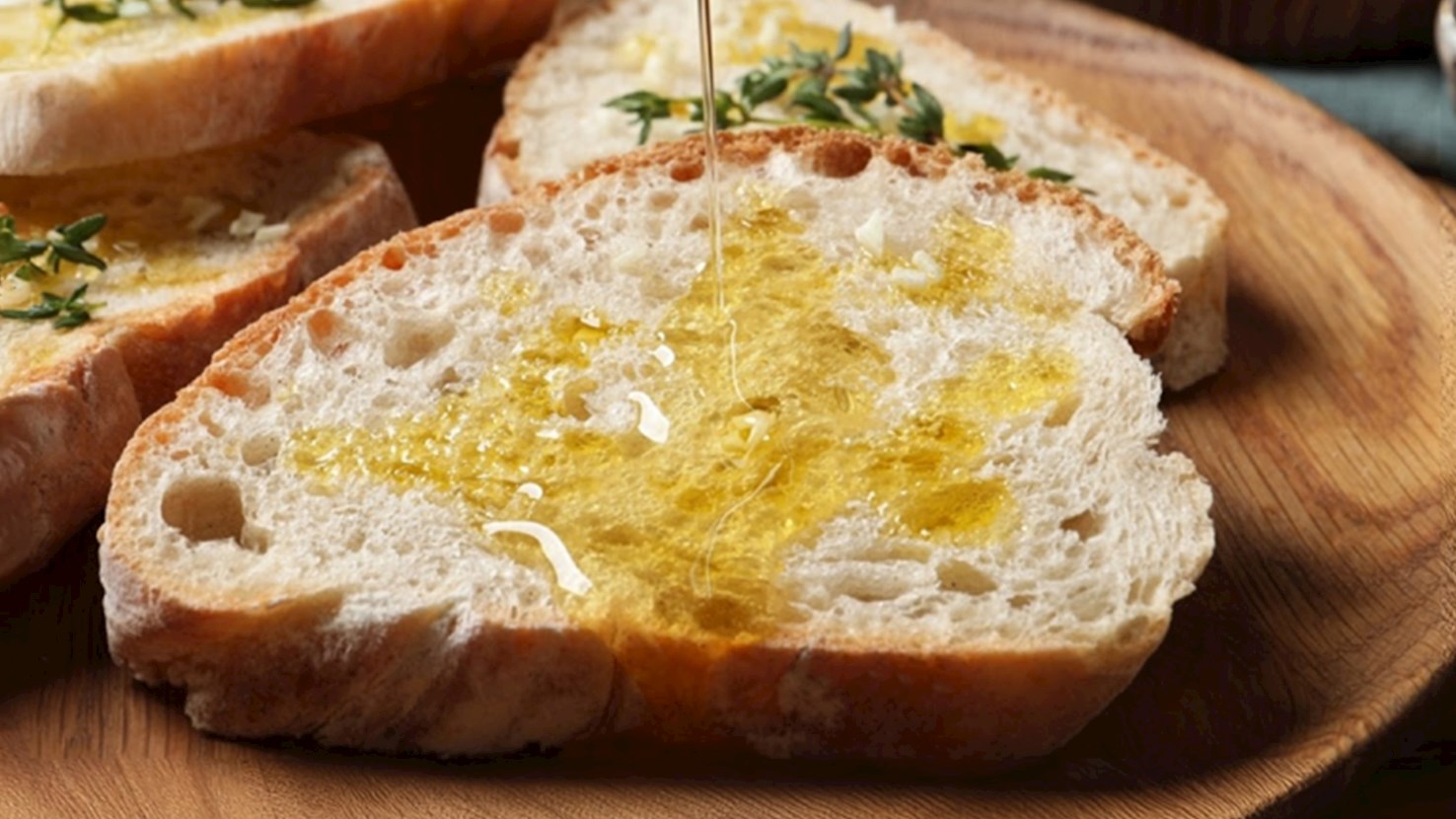
Pane e olio is an Italian phrase meaning bread and oil, referring to a simple yet classic Italian dish that highlights the quality of its basic ingredients: bread and olive oil. Traditional Italian bread such as ciabatta, focaccia, or a rustic country loaf is typically used, while extra virgin olive oil (EVOO) is the oil of choice due to its superior flavor and health benefits. High-quality, cold-pressed olive oil from regions like Tuscany or Puglia is ideal. The bread is usually sliced and may be served fresh or lightly toasted, with toasting enhancing its texture and providing a warm base for the olive oil. The olive oil is typically poured into a small dish or bowl for dipping, though some variations may include a drizzle of olive oil directly on the bread slices. The olive oil can be seasoned with a pinch of sea salt, freshly ground black pepper, or a dash of balsamic vinegar for added flavor, and some might add a sprinkle of dried or fresh herbs such as rosemary, thyme, or oregano. Rubbing a clove of garlic on the toasted bread before adding the olive oil can infuse the dish with a subtle garlic flavor, and additional toppings like sliced tomatoes, olives, or anchovies can be added for more complexity. Pane e olio is often served as an appetizer or a starter in Italian meals but can also be enjoyed as a light snack or part of an antipasto platter. This dish emphasizes the Italian culinary philosophy of using simple, high-quality ingredients to create delicious food and is a common practice in Italian households, showcasing the country's rich tradition of olive oil production and bread-making. But apart from Italy, the same dishes exist in other countries as well, such as Spain's pan con aceite, France's pain et huile d'olive, Lebanese khebez w zeit zaytoun, Turkish ekmek ve zeytinyağı, and many more.
Migas is a traditional, ancient dish in Spanish and Portuguese cuisine. At its base, it is made from softened bread cooked in fat. Its name, migas, is literally translated to crumbs, referring to its key ingredient - breadcrumbs. In Spain, the ingredients vary from region to region. Generally, the dish consists of water-soaked bread, garlic, paprika, and olive oil. Regional varieties include ingredients such as spinach, chorizo, and bacon. It is usually served as an appetizer before the main meal. In Portugal, migas is made with wheat or corn bread crumbs, garlic, and olive oil. Regional varieties of the dish include ingredients such as asparagus, tomatoes, coriander, kale, beans, or rice, and it is served as a side dish to numerous meat-based main dishes. Although migas is a highly caloric meal, it is often praised as great winter food that is extremely flavorful and easy to prepare.
Known as bolinhos de bacalhau in northern Portugal and pastéis de bacalhau in the central and southern regions and Brazil, these crispy cod fritters are one of the most beloved Portuguese national dishes. They consist of dry salted cod, mashed potatoes, onions, parsley, eggs, and a variety of spices. The cod is primarily soaked and deboned before it is incorporated in a creamy mixture that is shaped into elliptical or round forms and fried until golden brown and crispy on the outside. These small fritters are usually enjoyed as an appetizer served in restaurants or at formal dinner parties, but also as a satisfying main course accompanied by rice and various fresh salads.
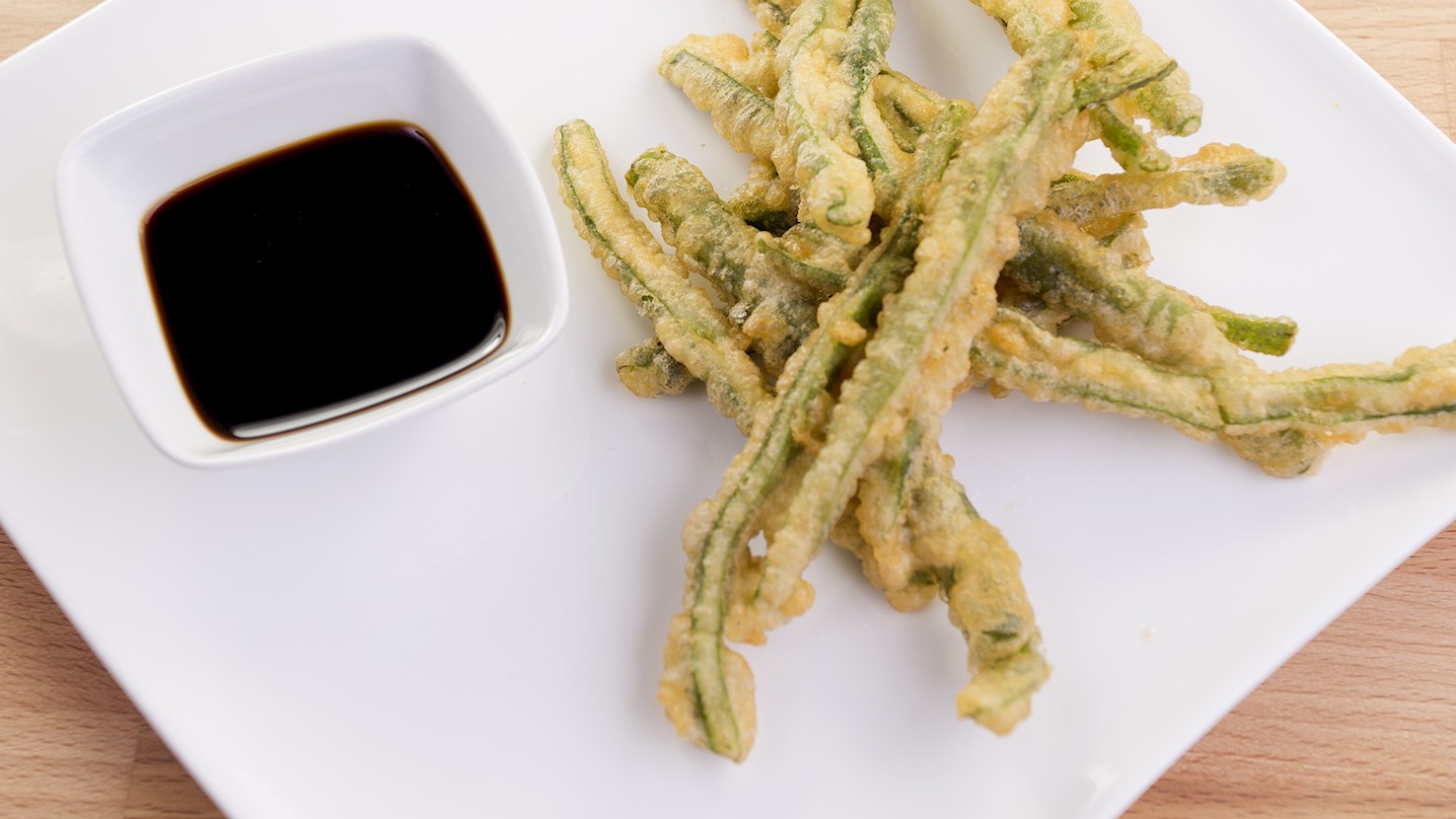
Peixinhos da horta are green beans dipped in batter and fried until golden, with a tender vegetable center beneath a lightly crisp coating. Their name means “little fish from the garden,” a reference to the slender shape of the battered beans and their resemblance to small fried fish; the familiar version contains no seafood. Served as a petisco, or small plate to share, they also make a substantial meal alongside rice. The beans usually remain in long pieces, sometimes enclosed individually and sometimes paired in the same coating, so the vegetable’s shape remains apparent rather than disappearing into a spoonful of fritter batter. Their best-known connection beyond Portugal is with Japanese tempura. Portuguese contact with Japan during the sixteenth century brought culinary exchanges as well as trade and missionary activity, and peixinhos da horta are widely associated with the introduction of battered frying that contributed to tempura’s development. The choice and handling of those beans matter as much as the coating. Young, tender pods give a sweeter, less fibrous center; larger ones need their tough strings removed, and broad pods can be split lengthways. Very long beans may also be shortened to make manageable portions. They are generally cooked briefly in salted water before battering, because the coating browns faster than a thick raw pod becomes tender. This first cooking should leave them firm enough to lift and dip without breaking. Boiling them until soft makes the finished pieces limp and can leave the vegetable almost indistinguishable from the surrounding batter. After draining, the beans need to lose their surface moisture. Water clinging to them dilutes the coating and encourages splattering when they meet the hot oil. Some methods cool the beans quickly in cold water before draining and drying them, which also prevents their initial cooking from continuing unchecked. The batter, called polme in Portuguese, is commonly based on wheat flour, egg, and water, seasoned with salt and pepper. Its consistency determines whether the finished pieces have a thin shell or a fuller, softer covering; it needs to cling to the beans while letting the excess run off. There is no single fixed formula. Some versions use cold sparkling water and a little baking powder, while others use white wine and finely chopped onion for flavor. These are variations within the same food, rather than separate regional specialties with clearly defined boundaries. The beans are drawn through the batter and lowered into hot oil, individually or in small groups. Enough space between them lets the coating set without neighboring pieces joining into a large sheet. Frying in small batches also helps maintain the oil’s temperature. The aim is an evenly golden exterior with crisp edges and a cooked, recognizably green-bean interior; an excessively thick coating can stay doughy beneath its browned surface. Once lifted out, the pieces are drained briefly to remove excess oil. They are best eaten soon afterward, since moisture from the beans gradually softens the crust. In Portugal, peixinhos da horta appear in home meals, tascas, and restaurant menus, where they may arrive as a shared starter or an accompaniment. A lemon wedge adds acidity without masking the vegetable’s flavor, and mayonnaise is sometimes offered alongside, though neither is necessary. For lunch or supper, arroz de tomate is a particularly fitting partner: the tomato rice supplies a moist, gently acidic contrast to the fried coating. Keeping the beans beside the rice, rather than burying them in it, preserves their crispness longer. A plain tomato salad offers a lighter accompaniment. With a small plate of freshly fried beans, a cold Portuguese lager is a sensible choice, its carbonation and mild bitterness complementing the batter; sparkling water with lemon works equally well when a drink without alcohol is preferred.
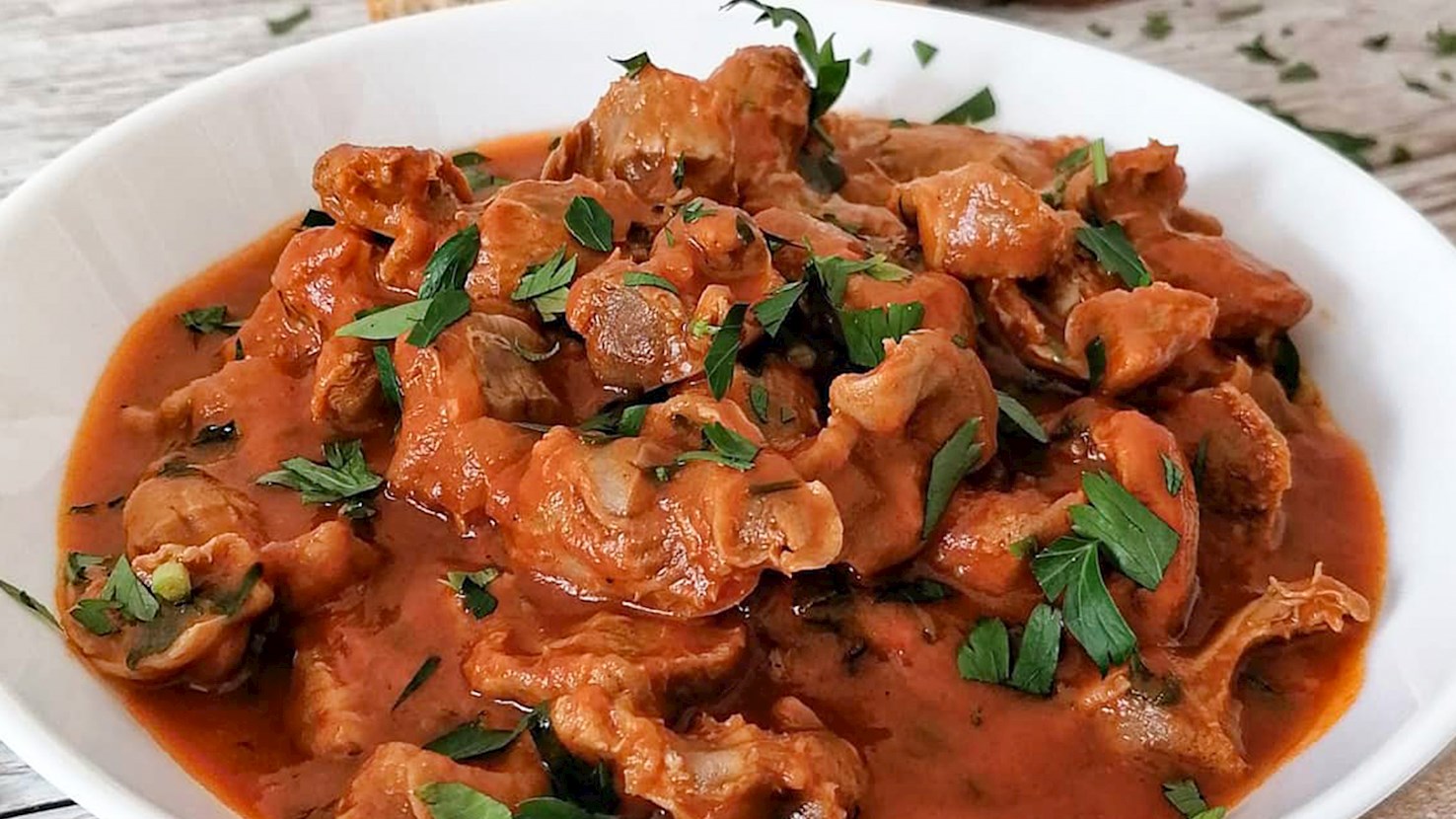
Moelas are a traditional Portuguese dish made from chicken gizzards, slow-cooked in a savory sauce of tomatoes, onions, garlic, white wine, and spices. The gizzards are first sautéed with onions and garlic, then simmered in the tomato and wine sauce until tender. This process allows the gizzards to absorb the rich flavors, resulting in a dish that is both tender and slightly chewy. Hot chili peppers, typically piri-piri, and chouriço, a Portuguese pork sausage spiced with paprika, can also be included, depending on the recipe. Moelas are typically served either as an appetizer or a stew, in which case they are sprinkled with parsley before serving. Regarding sides, moelas are usually paired with toasted papo seco (Portuguese bread rolls), rice, or potatoes.
Morcela com ananás is a traditional dish originating from the Azores. It's made with a combination of morcela black pudding, olive oil, bread, salt, pepper, garlic, and pineapple slices. The bread is cut into pieces and toasted, then drizzled with olive oil. The morcela is cut into large pieces, grilled, then seasoned with salt, pepper, and garlic before it's arranged on top of the pineapple slices. The dish is traditionally served as an appetizer, with toasted bread on the side.
These sausages, which are produced exclusively in the municipality of Portalegre, are made from the fat, liver, offal, and blood of the Alentejo pig. All of the ingredients are ground and spiced with garlic, cumin, sweet paprika, and salt. After 24 hours of rest, the mixture is stuffed into sausage casings, which are then blanched and left to dry. The sausage is compact and marbled when cut, and has a pleasant, unique flavor. On the outside, it is usually dark brown in color and covered with an ashy coating. It can be eaten as an appetizer or used in many traditional dishes of the Alentejo region.
TasteAtlas food rankings are based on the ratings of the TasteAtlas audience, with a series of mechanisms that recognize real users and that ignore bot,
nationalist or local patriotic ratings, and give additional value to the ratings of users that the system recognizes as knowledgeable.
For the “Top 9 Portuguese Appetizers” list until October 15, 2026, 1,681 ratings were recorded, of which 1,065 were recognized by the system as legitimate.
TasteAtlas Rankings should not be seen as the final global conclusion about food. Their purpose is to promote excellent local foods,
instill pride in traditional dishes, and arouse curiosity about dishes you haven’t tried.








What People Say