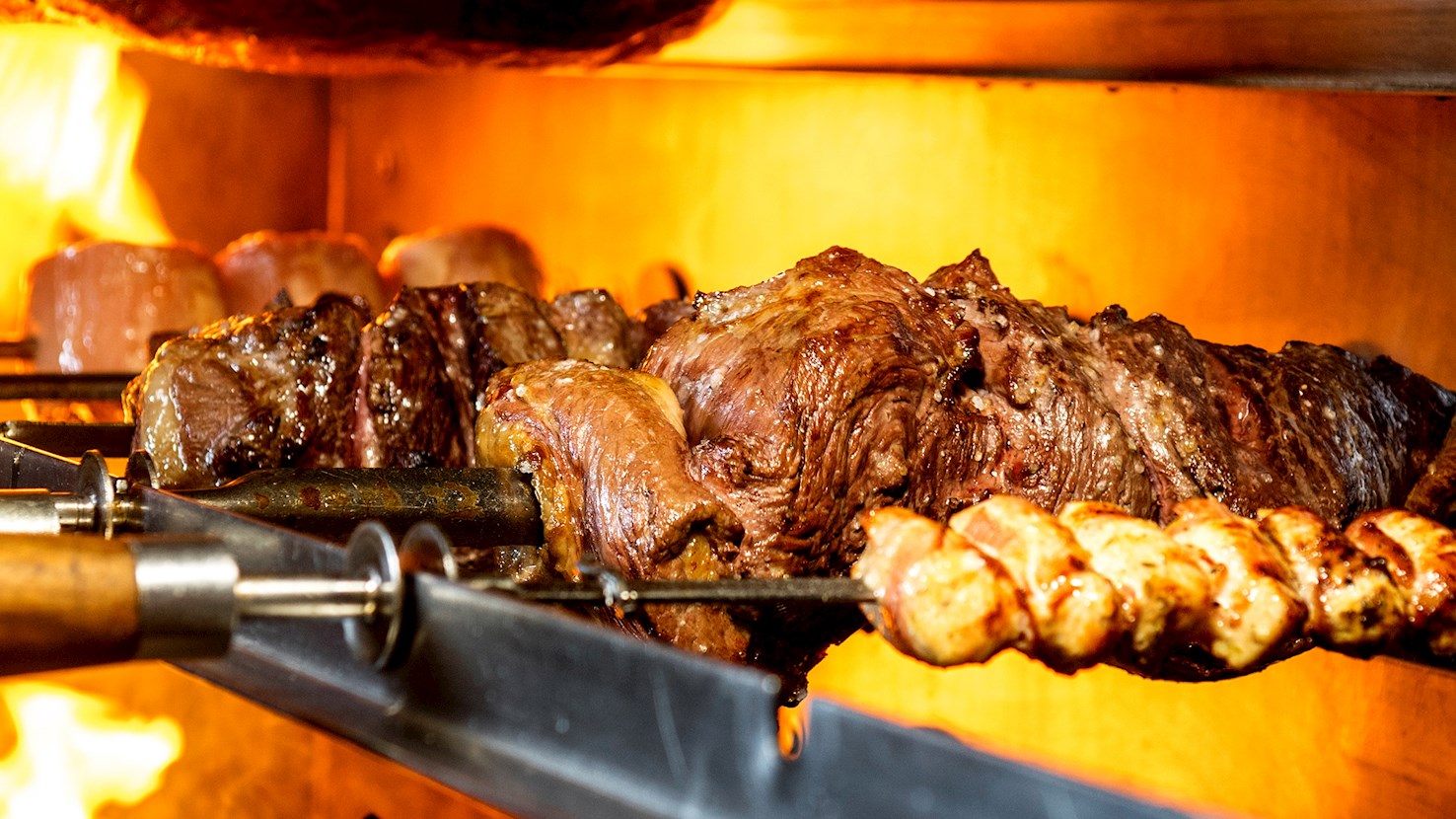
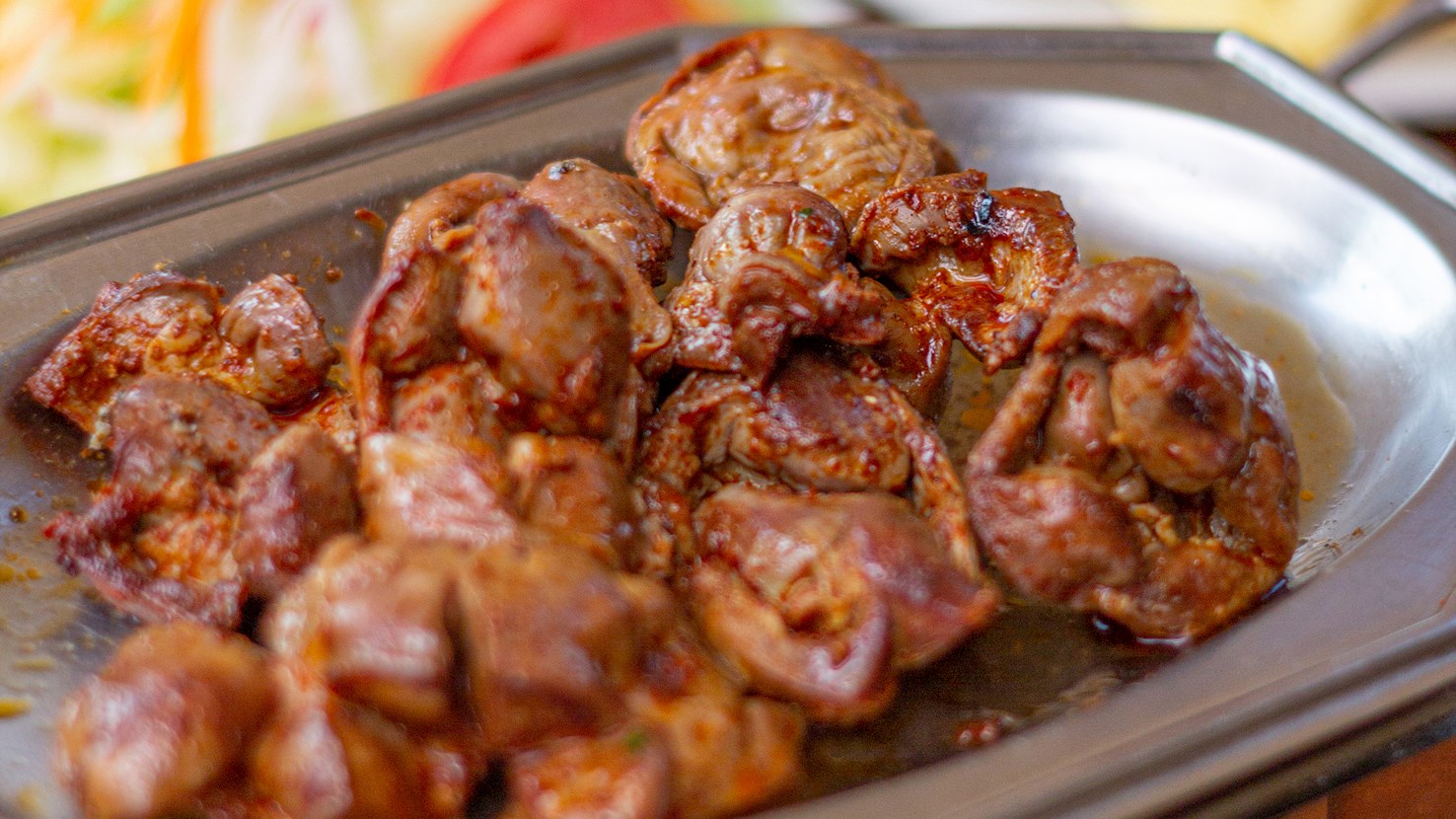
Churrasco is a Brazilian barbecue method where juicy pieces, slices, steaks, and chops of beef, veal, lamb, pork, and chicken are placed on big skewers and grilled over wood fire. It started in the early 1800s when the Gauchos (European immigrants that settled in the Rio Grade do Sul area) would get together and start a fire, adding large portions of meat on skewers and slowly grilling the meat. In the restaurants, known as churrascarias, the skewers are paraded across the restaurant in a flashy manner, and the waiters circulate among the tables in order to show off the succulent meat to hungry diners. After the customers have chosen their preferred type of meat, it is sliced off the skewers to the dining plates. Also known as rodízio, the theme of this barbecue experience is all you can eat, so the customers should know to come with an empty stomach. Beef is the most popular option, although livers and hearts are especially rich and chewy. In Brazil, the meat will often be from the zebu, a succulent, lean breed of cattle with a hump that's especially popular in churrasco as a cut of meat called cupim. Churrasco starts with appetizers and a variety of salads offered from a big buffet, as a preview of things to come. The usual accompaniments for the meat include farofa grains, rice, fried potatoes, potato salad, steamed greens, black beans, onions, fried bananas, and numerous chili-based sauces. After the big meal, it is typical to consume grilled pineapple slices, serving as a palate cleanser as well as a tasty dessert. Churrasco (lit. barbecue) is also popular as a cooking method in countries such as Nicaragua, Puerto Rico, Argentina, Uruguay, Ecuador, Guatemala, and Chile, and each country has their own favorite cuts of meat and accompaniments for this popular barbecue style.
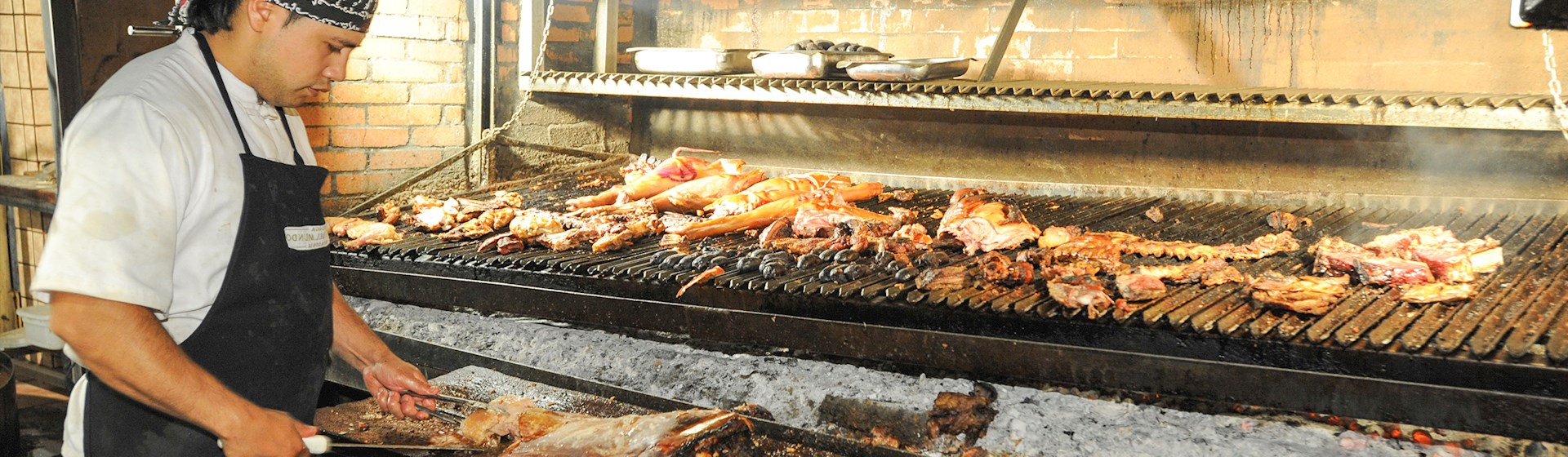
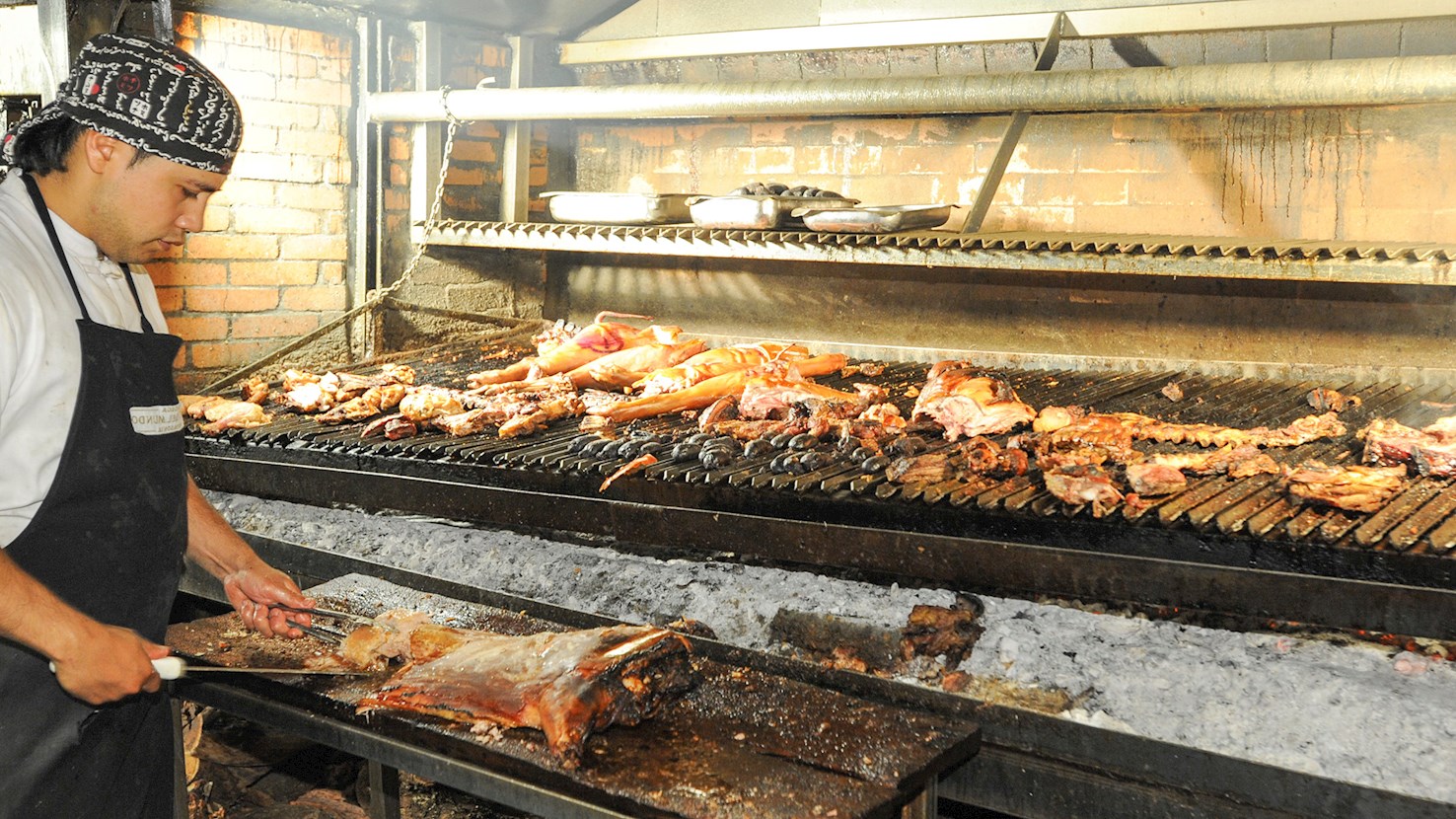
Parrilla is an Argentine word with two meanings – it can be used to describe a typical Argentine steakhouse restaurant, or it can denote a metal grill used for preparing the meat and fish. The metal grill is a part of traditional asado barbecues. It comes in many shapes and sizes, but it typically consists of a main grill with a firebox (called brasero) on the side. Firewood or charcoal are loaded into the firebox, and once the embers drop to the bottom, the coals are placed under the main grill. The plate is often tilted on a decline so that the excess juices can drip downward in order not to cause any flare-ups. Parrillas can be found in numerous homes and restaurants in Argentina, and the meat grilled on it typically includes chitterlings, morcilla blood sausages, chorizo sausages, salchichas parrilleras, ribs, sirloin, skirt steaks, and tenderloin.
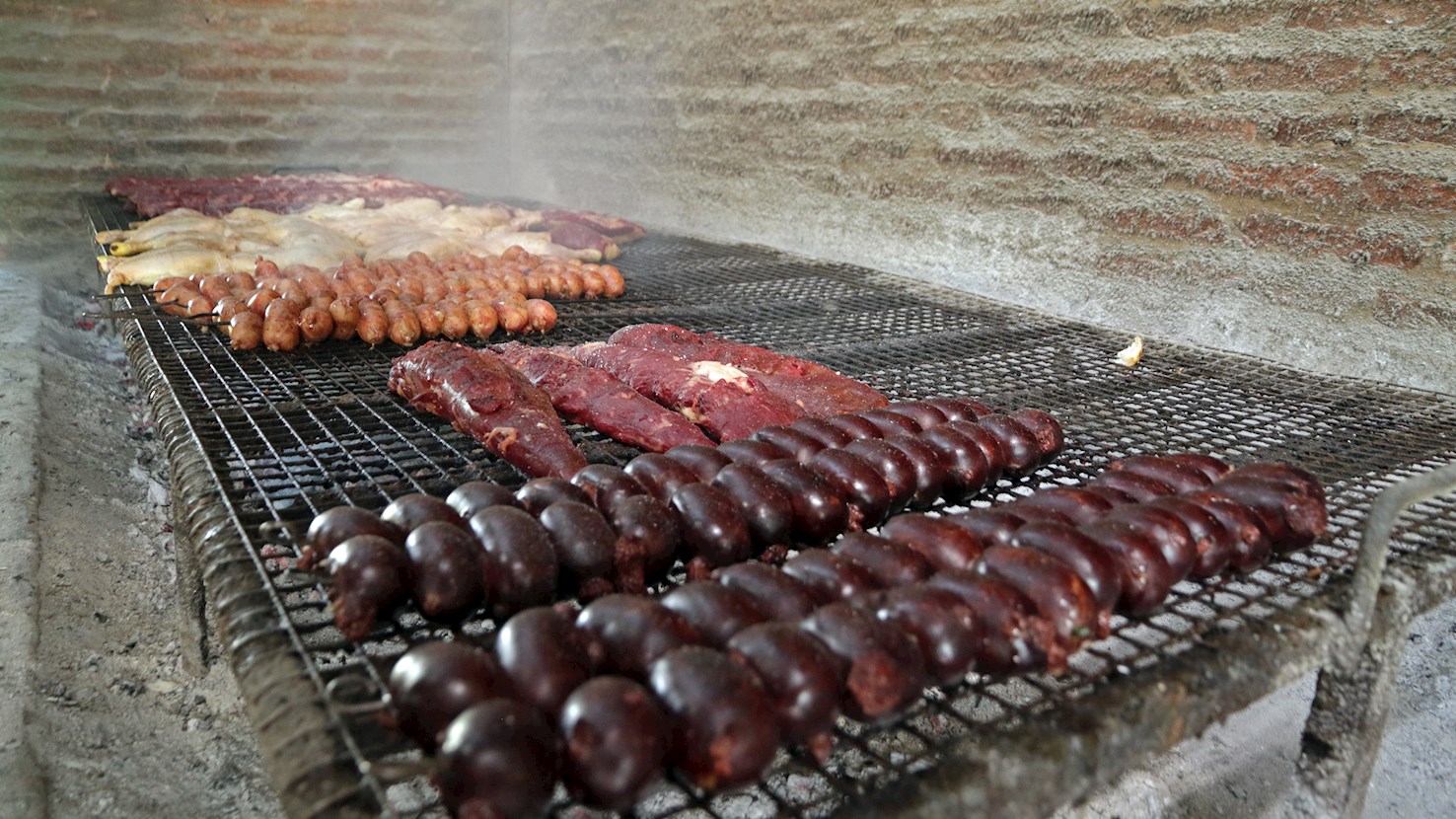
Considered an epitome of Argentinean gastronomy and culture, asado (lit. roast; roasted) is much more than merely a meal. In Argentina, Chile, Uruguay, Paraguay, and in a number of other South American countries, it is both a culinary and social event attended by friends and family to share the joy of outdoor cooking. Asado traditionally features a wide selection of grilled meats, mainly beef, which Argentina is most known for. The meat is cooked on a special brick-built grill called la parrilla, and the fire can either be made with charcoal (parrilla al carbón) or wood (parrilla a leña) which is more typical for the countryside and known as asado criollo, a term that indicates a more rustic, traditional style of grilling. First to go on the grill are chorizos (pork sausages), morcillas (blood sausages), and achuras (offal), followed by thinner beef cuts such as matambre (rose) and entraña (skirt steak), which are to be grilled hot and fast, as they would otherwise dry out. As for all the other juicy asado meats, they are grilled to perfection over fuego lento or slow fire. Some of the most popular cuts include bife de chorizo (sirloin), tira de asado (beef chuck ribs, flanken-style), bife ancho (Argentine ribeye), bife angosto (striploin), bife de costilla (T-bone or porterhouse), lomo (tenderloin), cuadril (rump), and vacio (flank steak). Lastly, apart from various side dishes and salads, the delicious asado meats are traditionally accompanied and doused with two sauces: chimichurri and salsa criolla.
A true Argentinian asado is only complete with chorizo, a fresh pork (or beef or pork and beef) sausage seasoned with paprika, pepper, oregano, and garlic. It is briefly soaked in water and then grilled until the outside is charred, but the insides remain juicy. Still, chorizo sausage is nearly impossible to overcook thanks to its high-fat percentage. Chorizo is typically served as an appetizer and as a sandwich, inside a bread roll, smothered in chimichurri sauce.
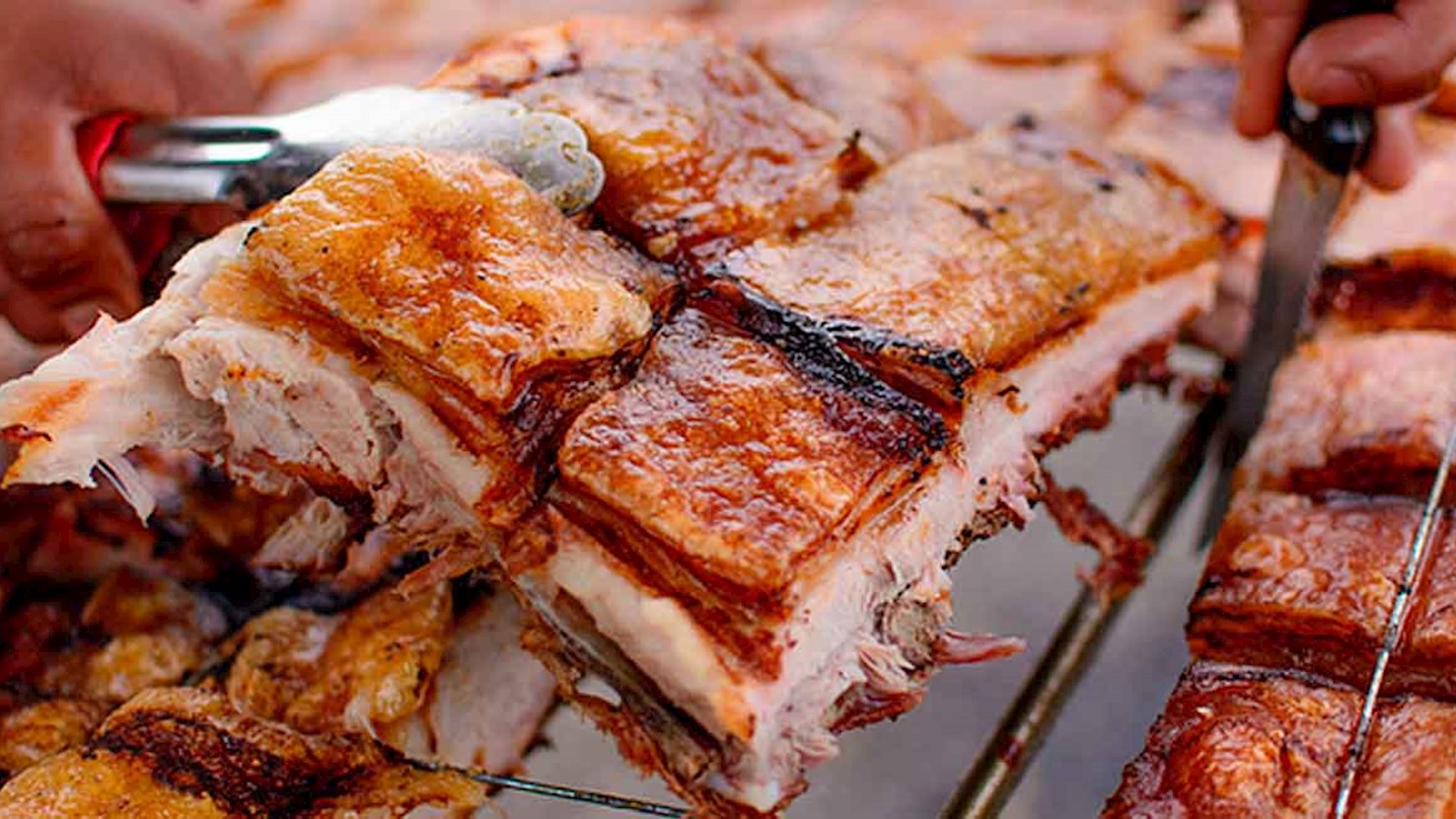
Chancho al palo is a traditional dish from Huaral that translates to "pork on the pole." The main characteristic of chancho al palo is the cooking method. A whole pig or large cuts of pork are marinated with spices and then skewered on large vertical or diagonal stakes. The stakes with the pork are then set around a wood fire, allowing the meat to roast slowly and evenly. The pork is typically marinated with a mix of Peruvian spices and ingredients, including garlic, cumin, aji panca, and other seasonings meant to infuse flavor into the meat. Once the pork is roasted to a crispy exterior and tender interior, it's sliced off and typically served with traditional Peruvian sides like boiled yucca (cassava), potatoes, salads, and various sauces. This method of preparation is often reserved for special occasions, festivities, or large gatherings due to the size of the meat and the communal nature of the cooking process.
Molleja, also known as sweetbread, refers to the thymus (corazón or heart) and pancreas (cuello or neck) of beef cattle, with the former being smoother, less fatty, and more flavorful compared to the latter. Molleja is typically prepared one of two ways. It is either soaked overnight in water or milk, then boiled and grilled, or only grilled twice, first to precook and then to form a crispy outside. When perfectly prepared, the texture of molleja is crunchy on the outside and buttery on the inside. It is served as a starter sprinkled with salt and lemon juice.
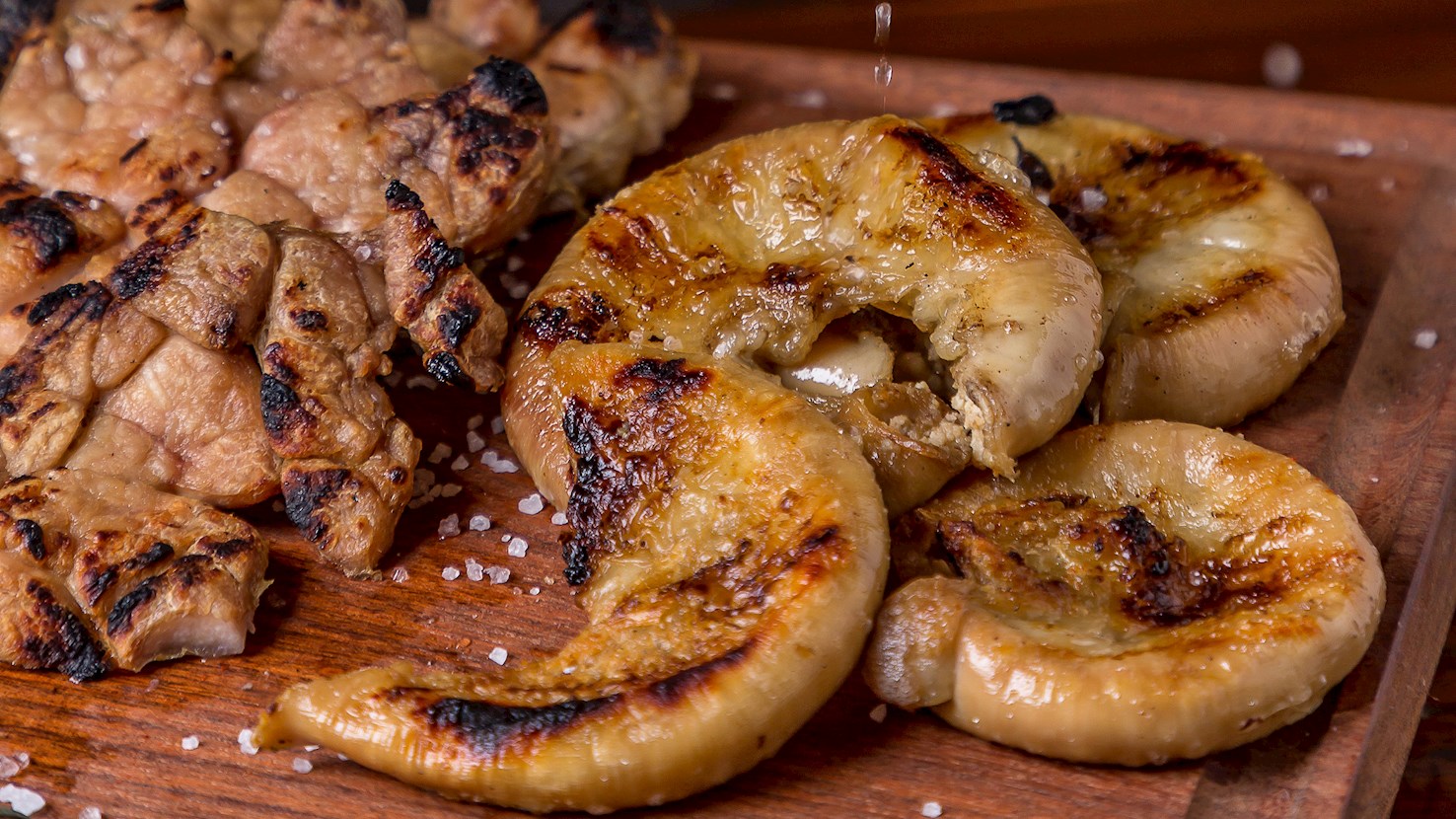
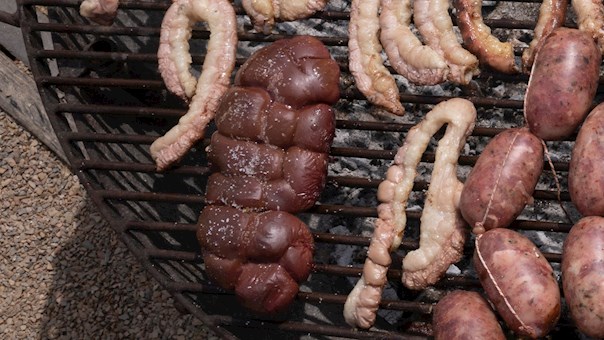
Chinchulines is a small intestine of beef cattle that is either cut in pieces, braided (trenzado), or filled with stuffing, usually a garlic and parsley one, then grilled. For good results, the important thing is to prep the intestine, meaning clean it well and boil it in water or milk to tenderize it, or it might end up gummy and bad tasting when grilled. Chinchulines are grilled over high heat, which results in a burnt, crunchy outside that will burst upon biting into it. Although typically made with beef’s small intestine, it can also be made with lamb. Chinchulines are an appetizer served with just salt and lemon. Also, chinchulines are somewhat controversial, as although some people love them, lots of people detest them.
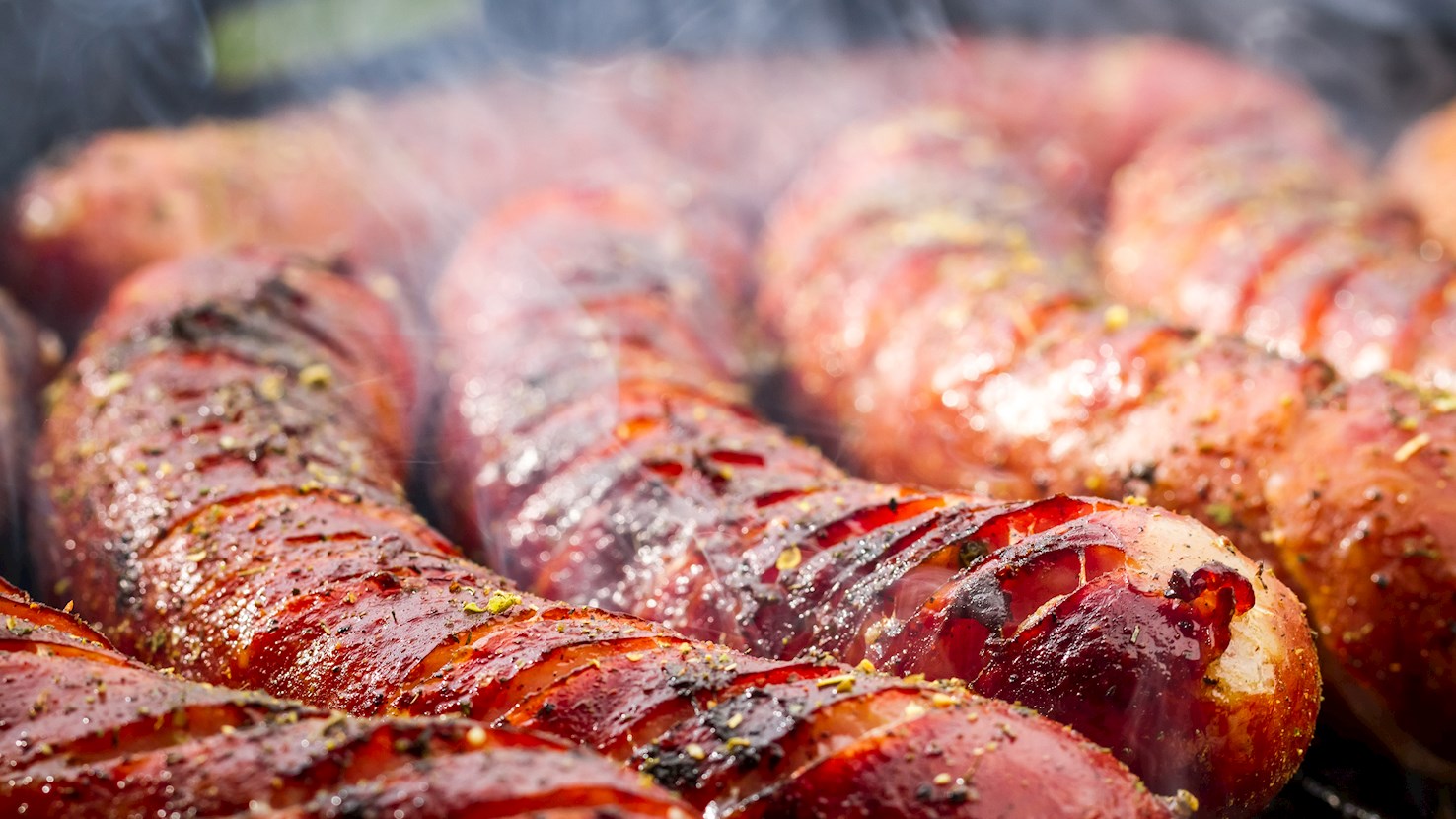
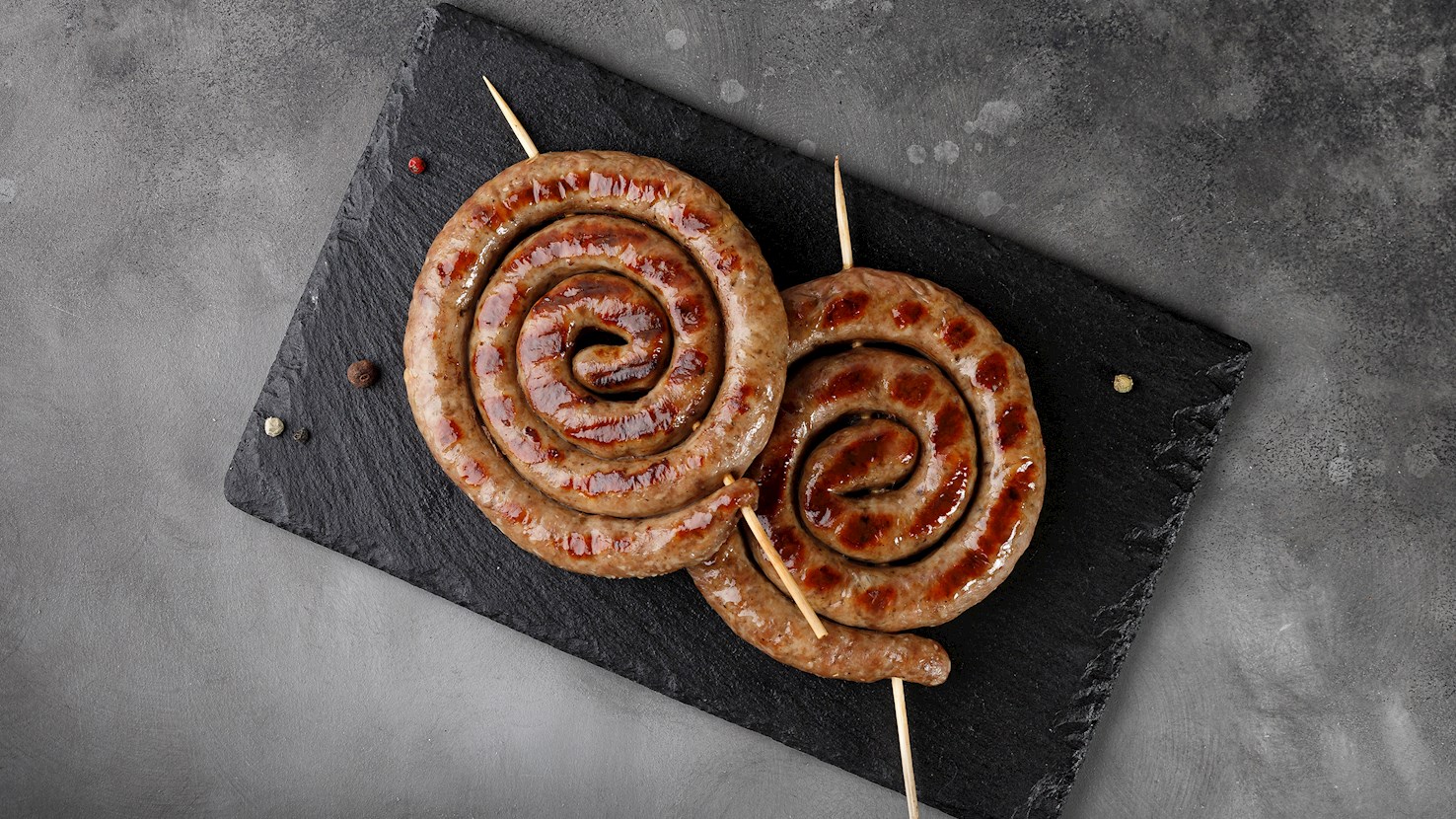
Salchicha parrillera is a thin, long, fresh, and coiled Argentinian sausage that is very similar to chorizo. They only differ in shape. For barbecuing, it’s usually shaped into a tight spiral and secured with long toothpicks that are pierced into the center of the sausage to keep it in place. It is grilled over low to medium flame and often turned until crispy on the outside. The grilled sausage is served with bread and chimichurri sauce.
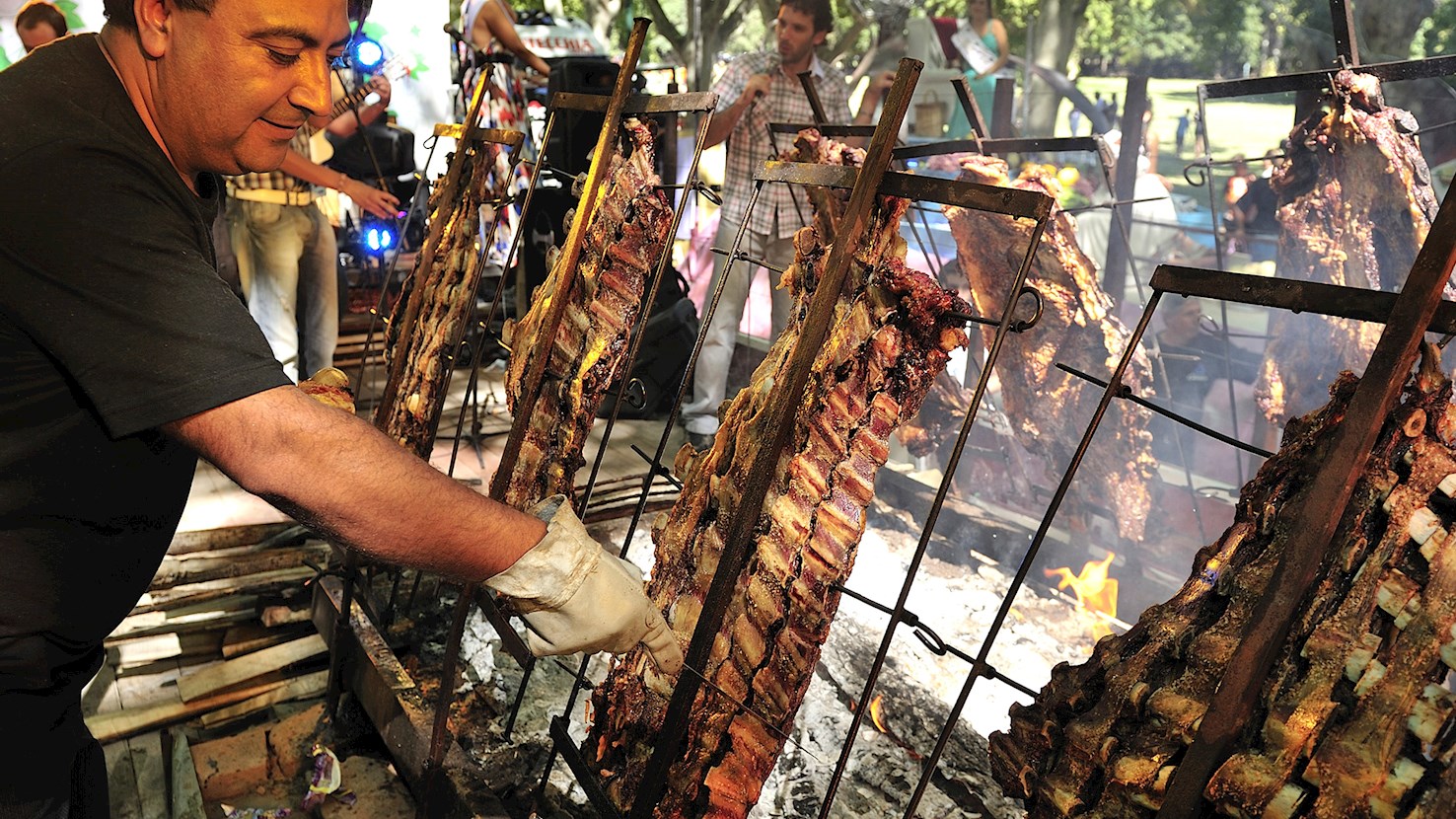
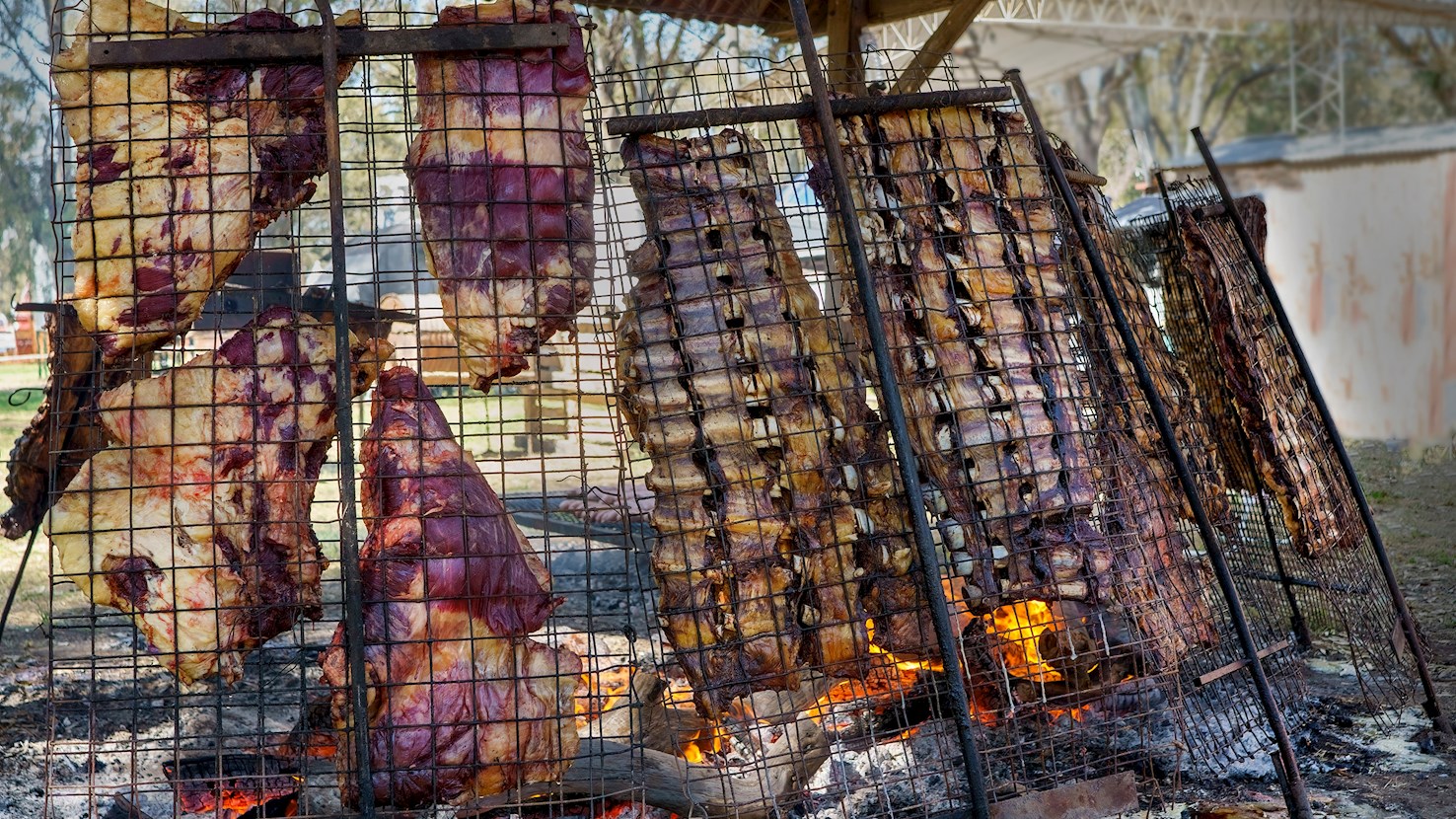
Asador criollo is an Argentinian style of barbecuing a whole animal or very large chunks of meat, also known as al asador type of grilling. The animal or the meat is stretched over an iron cross as if crucified, and the cross is positioned vertically over an open fire. This style of barbecuing is typically done in rural areas, and in different regions, different animals are preferred: in Patagonia, it’s lamb; in Mendoza, it’s goats, while pigs are preferred in the Pampas.
Morcilla a la parilla is a sausage dish that’s prepared by grilling morcilla blood sausage. Every morcilla is different. Some are savory, seasoned with salt, pepper, garlic, and onion, and some are sweeter and have things like raisins, cloves, and nuts, so the dish is each time different depending on the sausage used. Also, because morcilla is a pre-cooked sausage, technically, it is only heated on the grill, not cooked. It can be eaten plain or spread on bread.
TasteAtlas food rankings are based on the ratings of the TasteAtlas audience, with a series of mechanisms that recognize real users and that ignore bot,
nationalist or local patriotic ratings, and give additional value to the ratings of users that the system recognizes as knowledgeable.
For the “Top 12 South American Barbecues” list until October 15, 2026, 2,097 ratings were recorded, of which 1,299 were recognized by the system as legitimate.
TasteAtlas Rankings should not be seen as the final global conclusion about food. Their purpose is to promote excellent local foods,
instill pride in traditional dishes, and arouse curiosity about dishes you haven’t tried.







What People Say