




Top 19 Southeast Asian Beef Dishes

Last updated on July 15, 2026
01

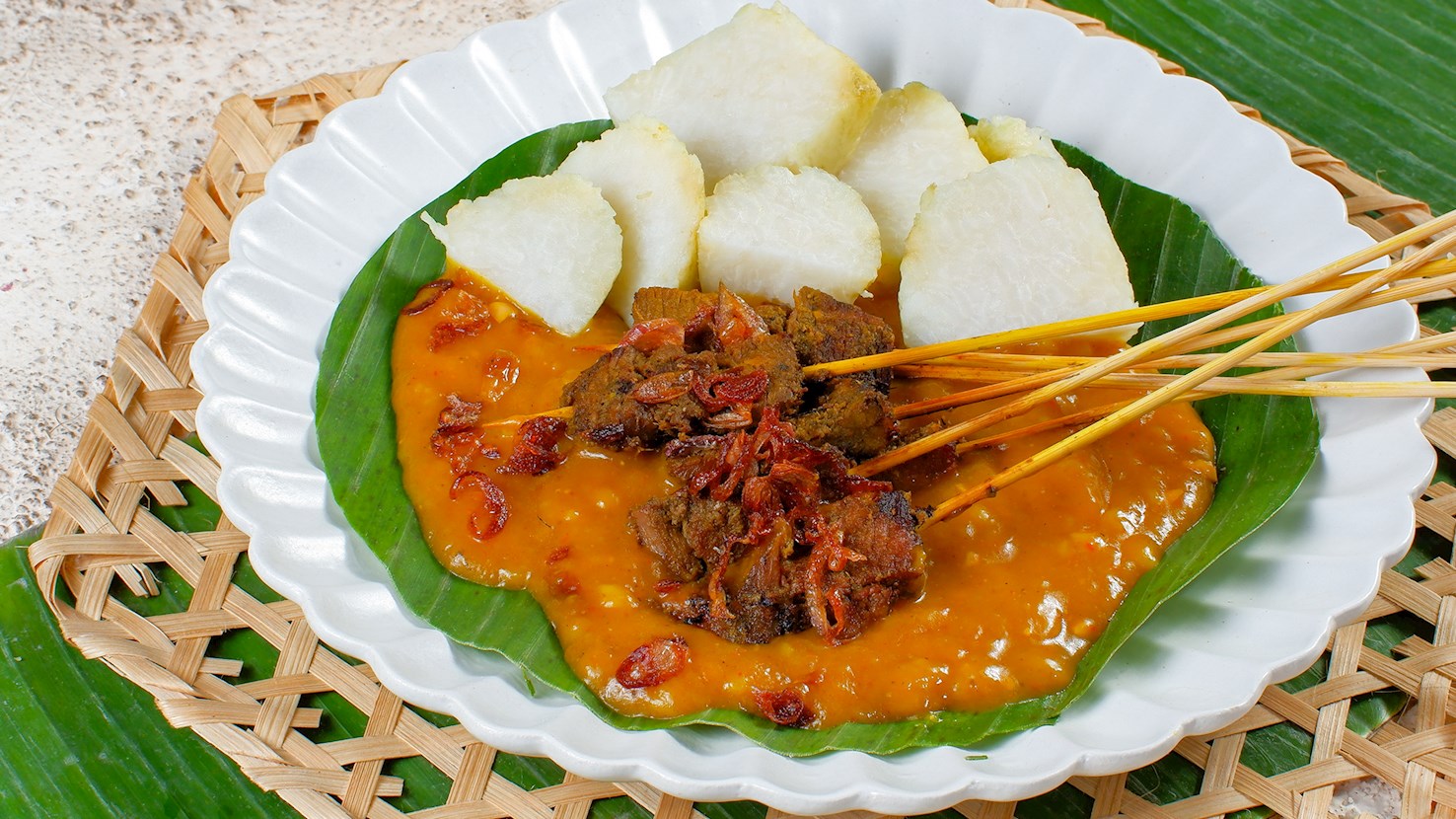
Sate Padang

4.4 ·

Padang satay is a spicy, rich, and aromatic Indonesian satay originating from Padang, West Sumatra, known for its thick, flavorful curry-based sauce. Unlike other Indonesian satay varieties that use peanut sauce or sweet soy sauce, Padang satay is distinct for its bold, turmeric-infused, and mildly spicy gravy, made from beef broth, rice flour, and a blend of local spices. The skewered meat—usually beef, beef tongue, or offal like intestines and heart—is first boiled in spiced broth until tender, then grilled over charcoal to achieve a smoky, caramelized crust. The signature thick, golden-brown sauce is made by reducing the broth used to cook the meat, thickened with rice flour, and enhanced with galangal, turmeric, coriander, cumin, lemongrass, and chilies, giving it a savory, slightly spicy, and deeply aromatic flavor. Padang satay is typically served on banana leaves, accompanied by steamed rice cakes (ketupat or lontong) and topped with crispy fried shallots, adding a final layer of crunch and fragrance.

02

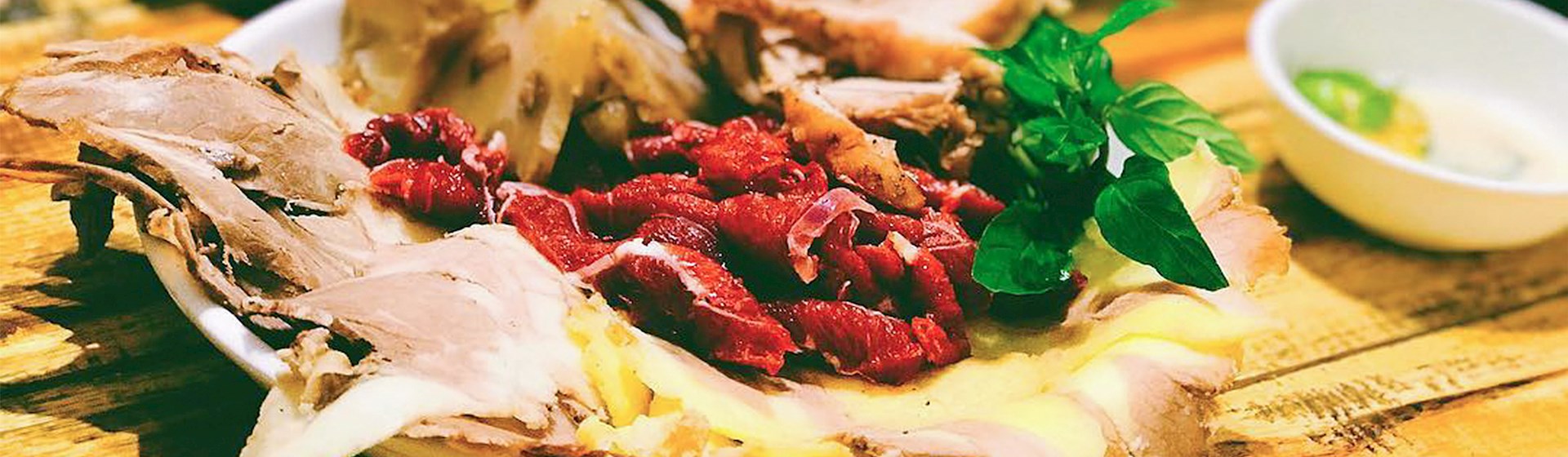
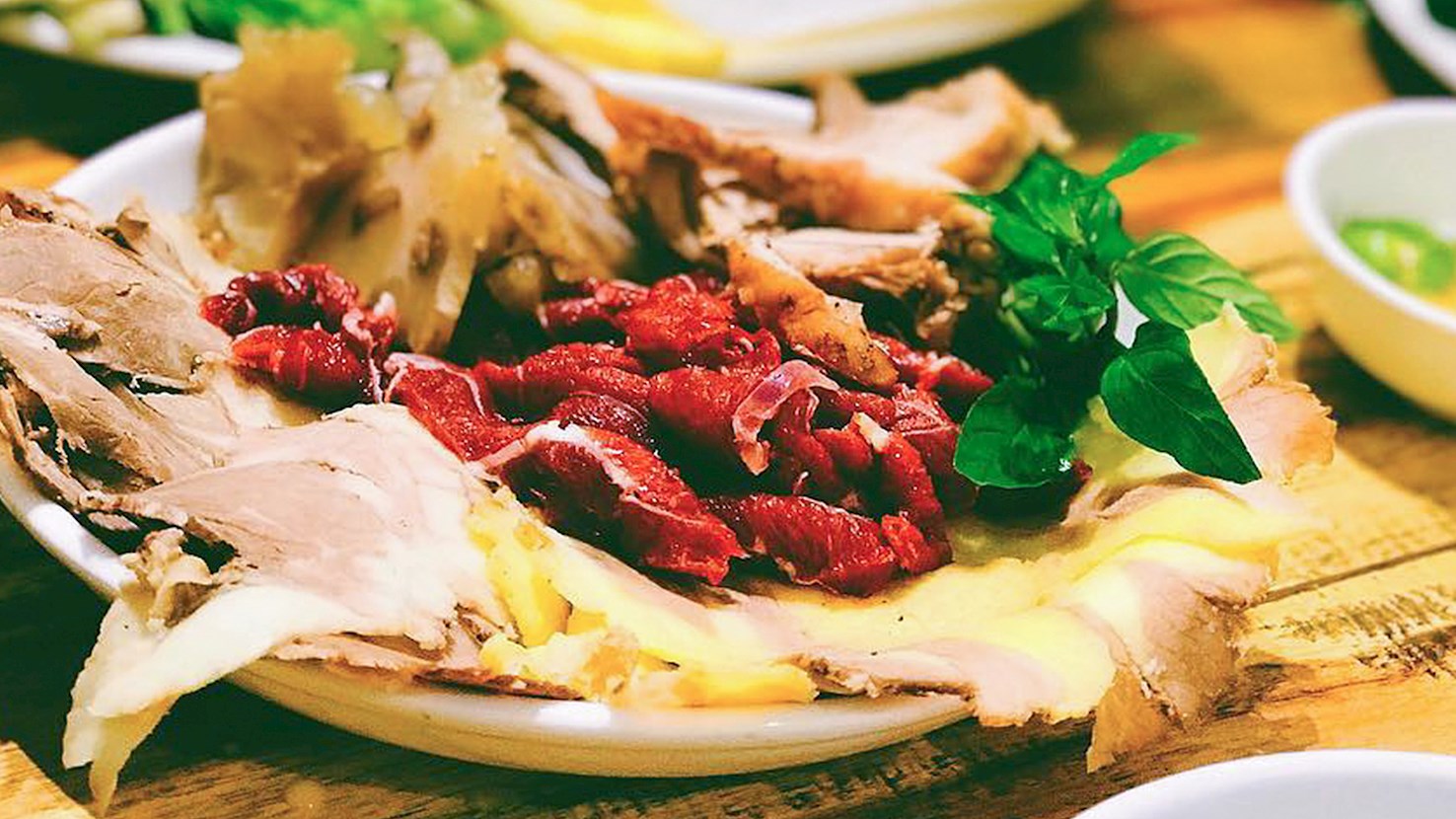
Bò nhúng dấm (Beef in Vinegar Hot Pot)

4.2 ·

Bò nhúng dấm is a Vietnamese version of a hot pot that is traditionally served communal style. In its basic form, the dish consists of a vinegar-flavored broth that may also include coconut milk or coconut water, lemongrass, onions, or other additions, while typical accompaniments include thinly sliced raw beef and an assortment of fresh vegetables and herbs such as bean sprouts, daikon, lettuce, cucumbers, mint, basil, and perilla leaves. Although the name (bò) suggests the dish is exclusively made with beef, it can also include other types of protein such as squids or shrimps. Additional elements include rice paper sheets, which are used as wrappers, and typically nước chấm and mắm nem dipping sauces.

03

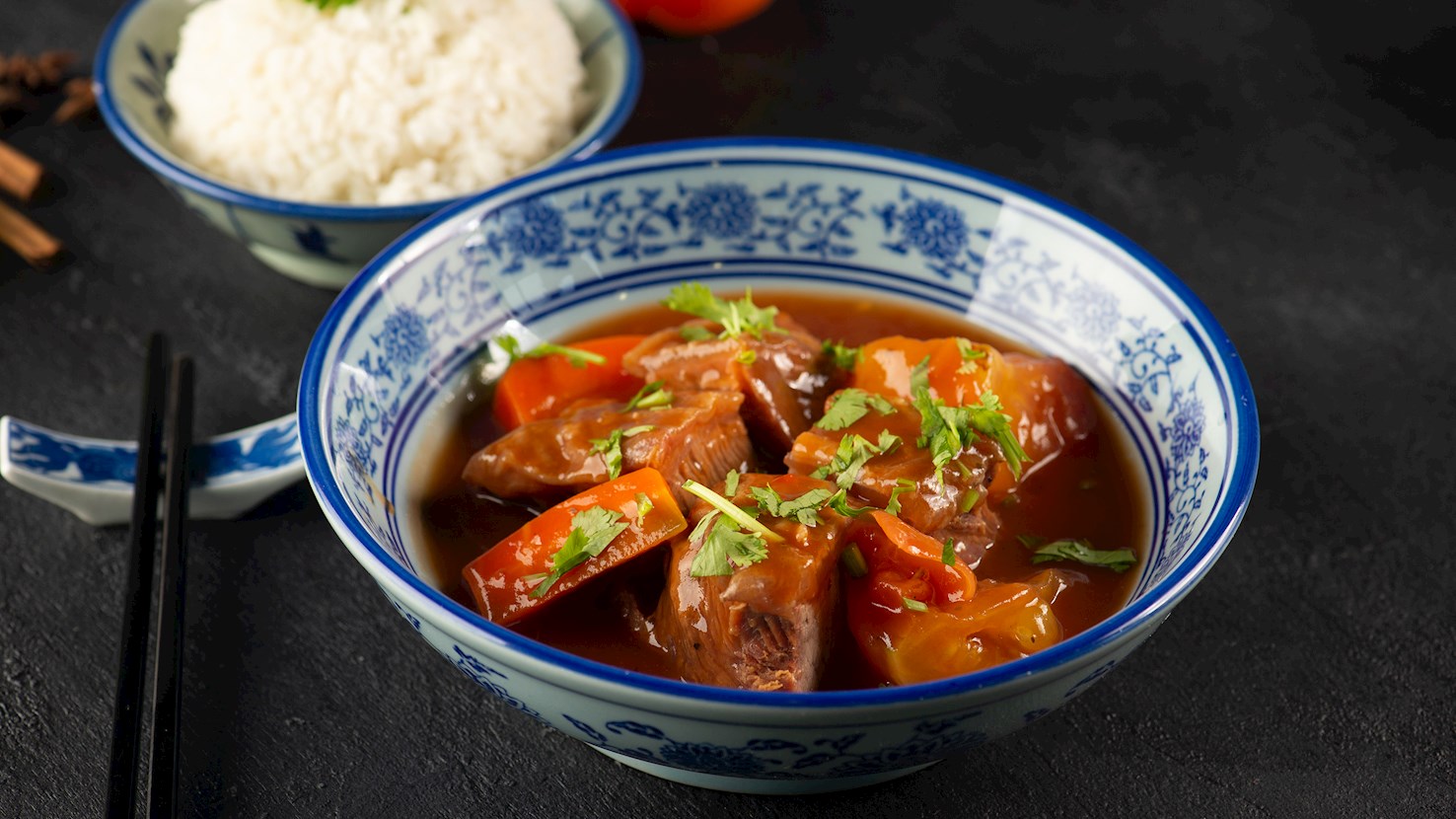
Bò kho (Vietnamese Beef Stew)

4.2 ·

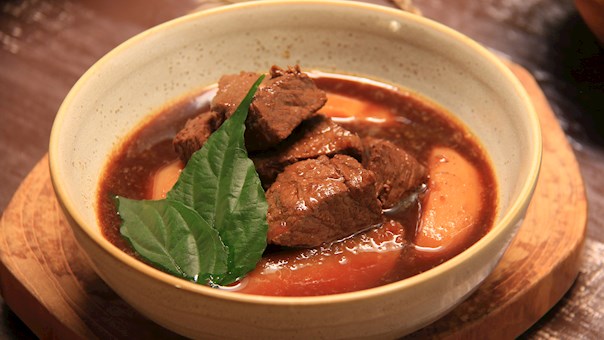
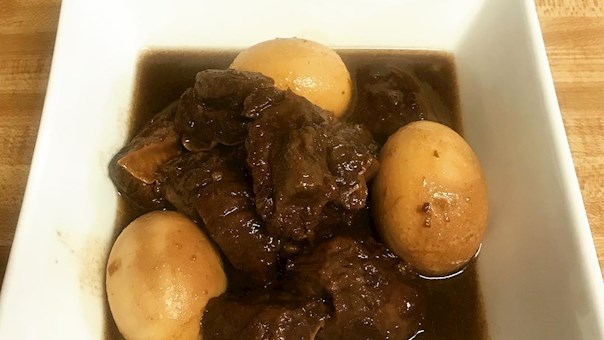
Bò kho is a popular Vietnamese beef stew that can be consumed on its own or accompanied by a baguette on the side. It can also be served over noodles, and it is customary to serve a variety fresh herbs on the side. The dish includes ingredients such as diced beef, carrots, lemongrass, cinnamon, chili, pepper, garlic, and shallots, all of them simmered in a spicy and aromatic broth. The origins of bò kho are still a mystery, although it is believed that the dish has many influences, from both the East and the West. In rural areas of Vietnam, the stew is usually much spicier than in urban areas. It is traditionally consumed for breakfast, garnished with chopped green onions, coriander, and onions.

04

Bò lúc lắc (Vietnamese Shaking Beef)

4.2 ·

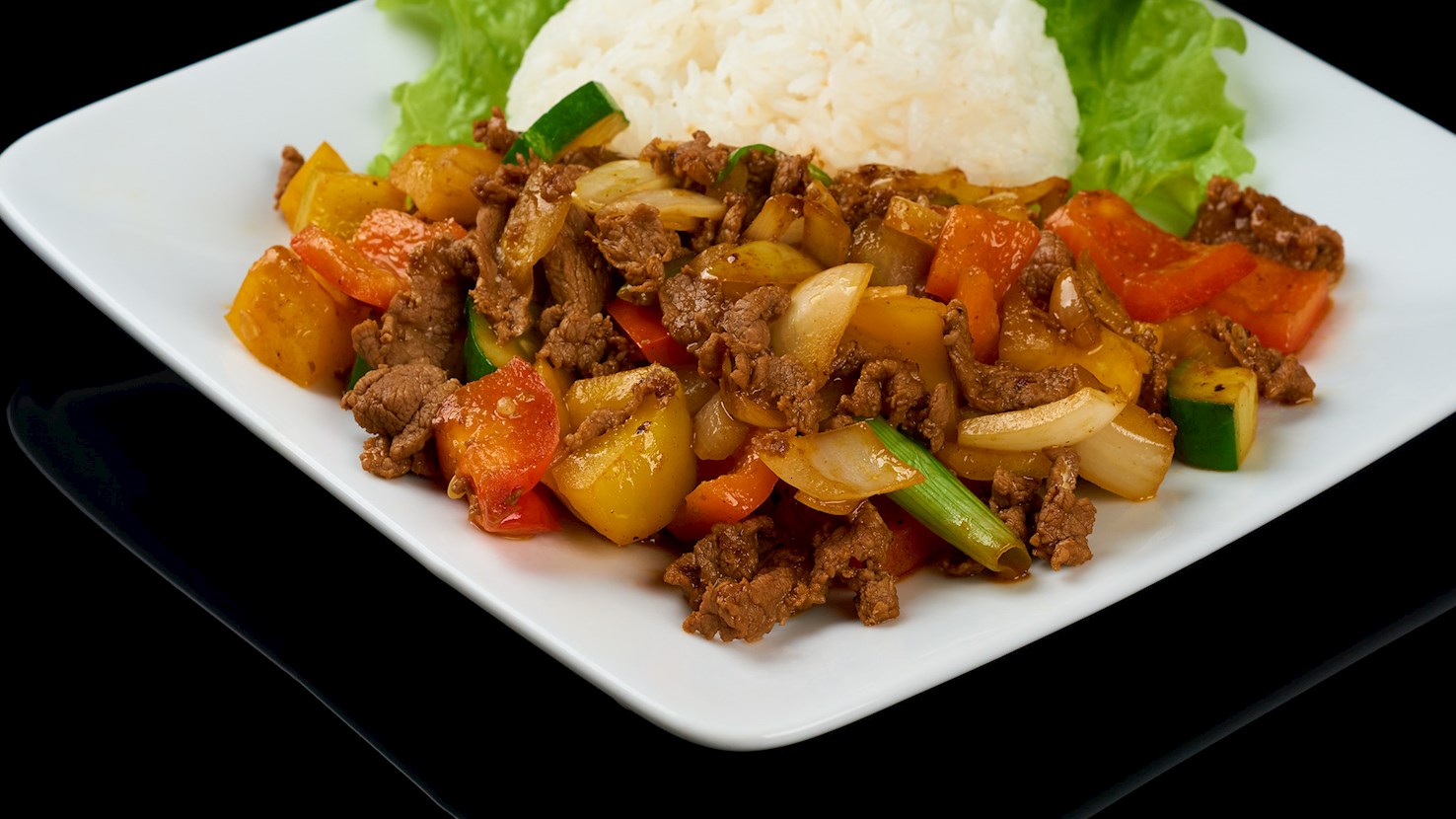
The main star of bò lúc lắc is diced marinated beef. The meat is shortly seared before it is served on a bed of watercress and sliced tomatoes. Additional toppings may include pickled onions, and a dipping sauce resembling lime-based vinaigrette can be drizzled over the meat or served on the side. The dish was once a rare treat that was mainly prepared and served on special events. Nowadays, it is more common, but bò lúc lắc is still considered a restaurant specialty and a dish that is traditionally reserved for special occasions. It is also popular abroad and typically goes under the name Vietnamese shaking beef—which was inspired by its original name lúc lắc that describes the act of tossing or shaking the beef while it's being seared. A similar dish exists in Cambodia where it is better known as lok lak. It is believed that bò lúc lắc was inspired by the French culinary tradition that was present in Vietnam.

05

Nasi rendang

4.0 ·

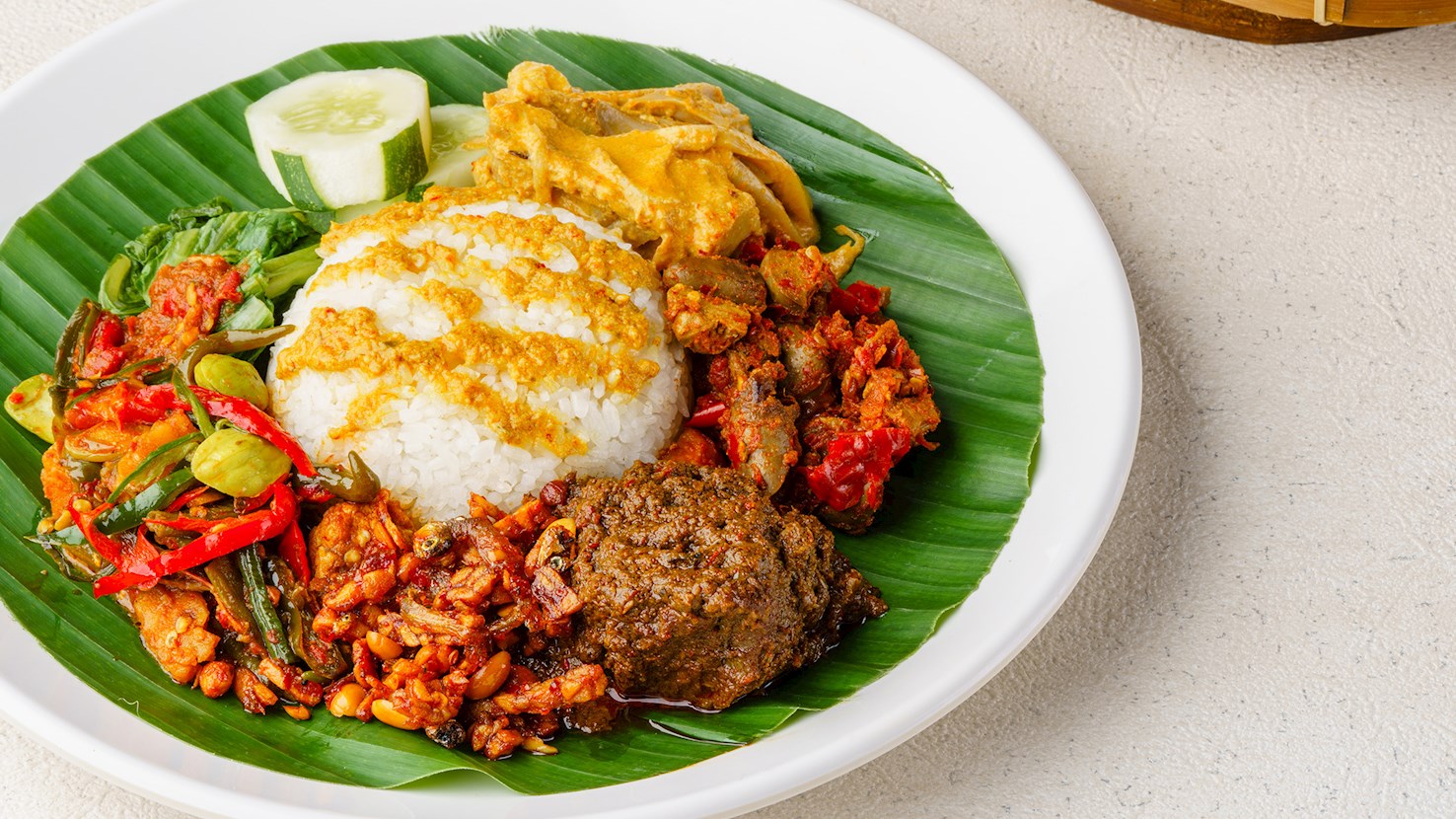
Nasi rendang is a traditional dish that combines nasi (rice) with rendang, a rich and flavorful meat dish. Rendang itself is a slow-cooked dry curry deeply spiced with a mixture of garlic, ginger, turmeric, lemongrass, galangal, and chilies, among other ingredients. Coconut milk is a key component, giving the dish its creamy texture and rich flavor. The meat, traditionally beef (but sometimes chicken or lamb), is simmered in this mixture for several hours until it becomes tender, allowing the flavors to deeply penetrate. The cooking process continues until the liquid is greatly reduced, resulting in a dry, intensely flavored coating around the meat. Serving this with rice (nasi) helps balance the strong flavors of the rendang, making nasi rendang a satisfying and complete meal.

06

Bò né (Vietnamese Steak and Eggs)

3.9 ·

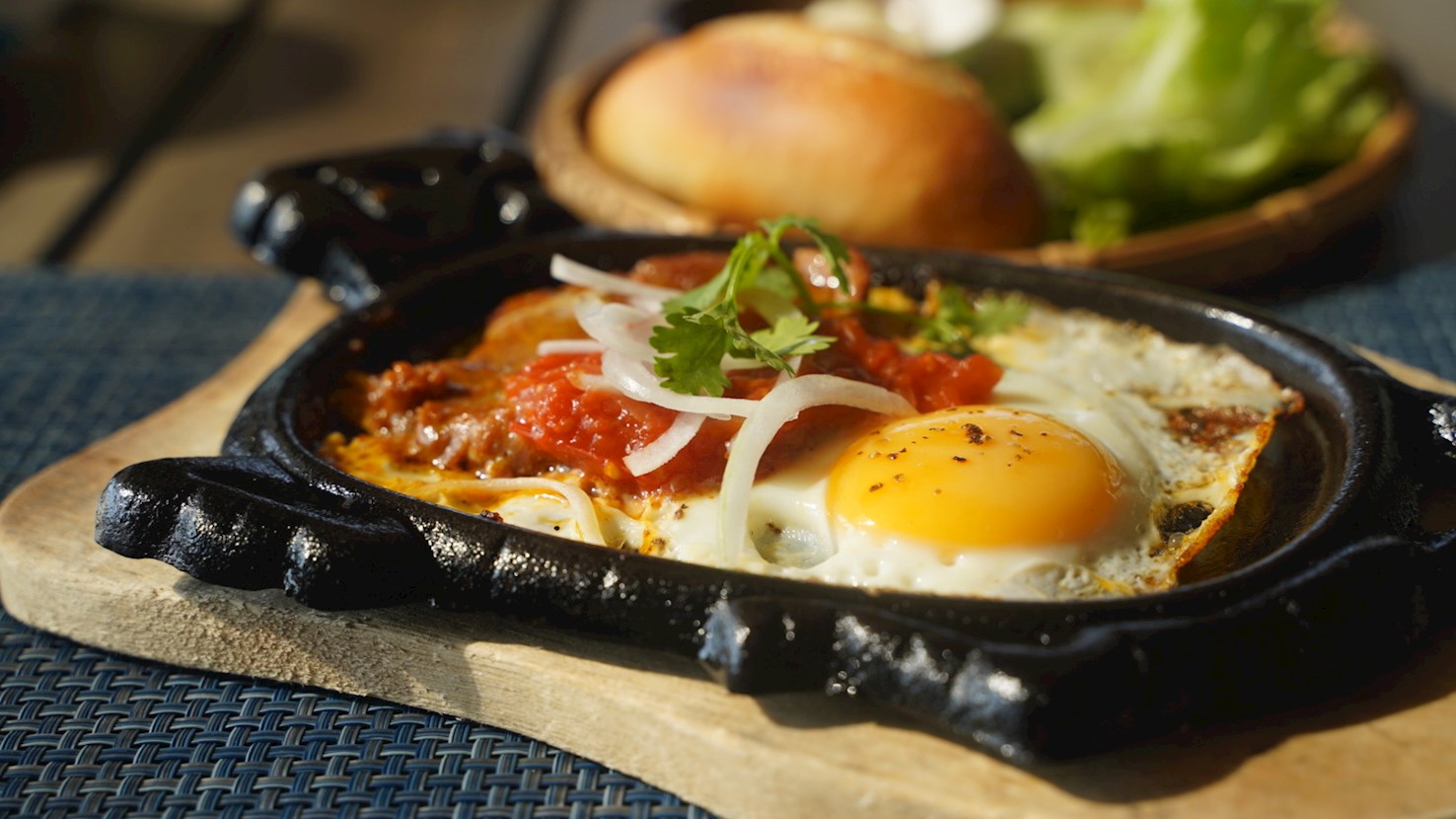
Bò né is a traditional dish that's especially popular in Nha Trang. It's made with cuts of beef such as skirt steak that's marinated in spices and comes served on a sizzling hot cast iron plate with fried eggs, onions, chili sauce, and a dollop of pate. The dish is usually accompanied by condiments and a baguette, along with lettuce, onions, tomatoes, and cucumber. The meat is often dipped into a combination of pepper sauce, lime juice, and salt, while the baguette is used to pick up the remains of pate and egg yolks off the plate. Vietnamese steak and eggs are traditionally served for breakfast.

07

Nasi gandul

3.9 ·

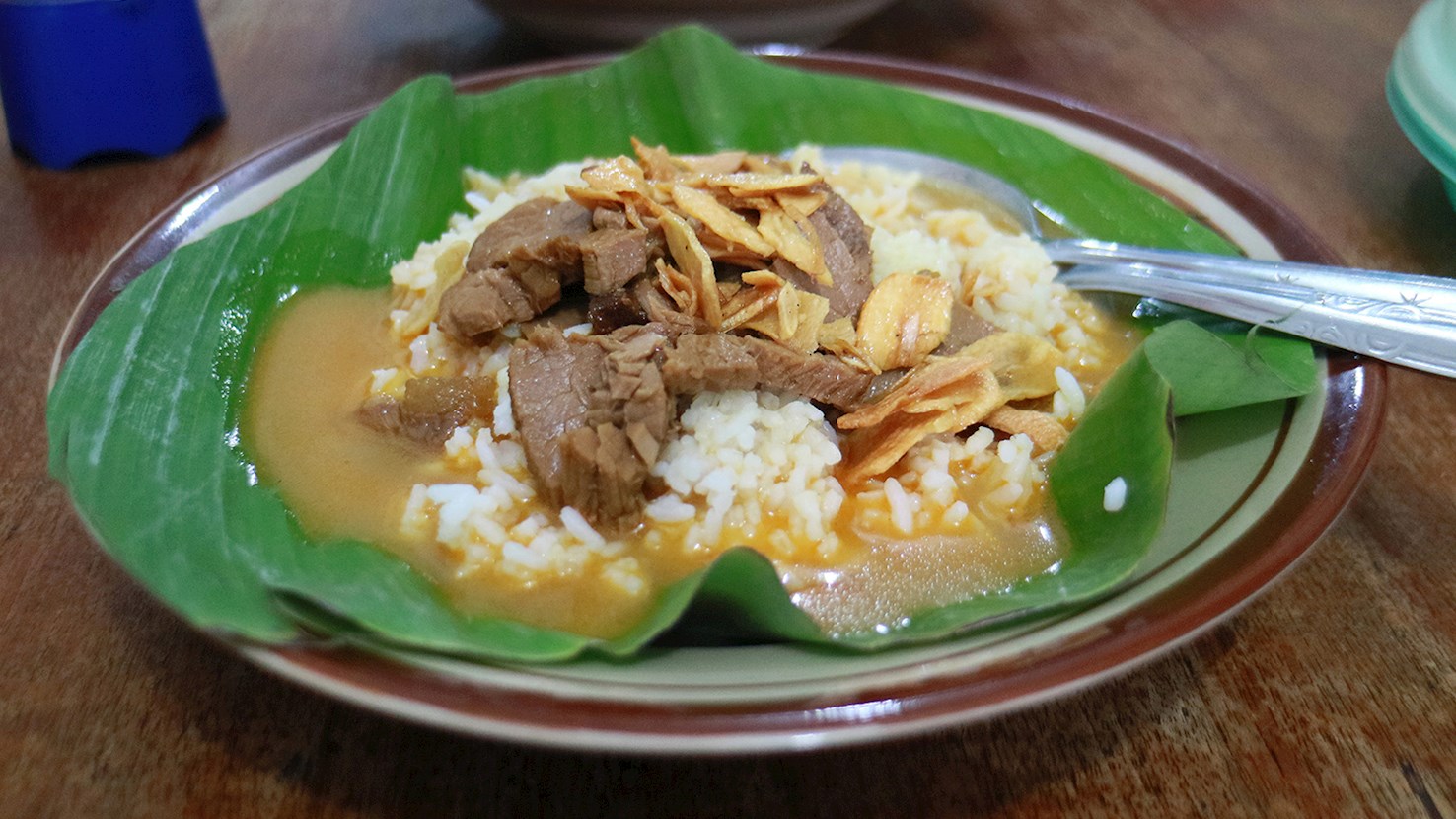
Nasi gandul is a richly flavored rice dish that hails from the town of Pati in Central Java, Indonesia. It features steamed rice served with tender slices of beef or offal in a thin, aromatic coconut milk-based gravy, typically infused with spices such as coriander, garlic, shallots, cumin, and cinnamon. The dish is often likened to a lighter version of gulai or a more brothy rendition of beef rendang, with its signature feature being the delicate balance between savory, sweet, and creamy elements. The name "gandul", which means "hanging" in Javanese, is believed to reference the way vendors once carried their food, suspended on bamboo poles over the shoulder, but over time, the name became synonymous with the dish itself. What makes nasi gandul distinct is not only its complex yet comforting flavor, but also its presentation. It is commonly served on a plate lined with banana leaf, enhancing the aroma and offering a rustic appeal. The meat, often beef brisket, tongue, or innards, is simmered until soft and spooned over the rice with the broth ladled generously on top. Crispy fried shallots and a splash of sambal add contrast and heat, while optional extras like fried tempeh or eggs can round out the meal. Although once sold by street vendors walking from village to village, nasi gandul is now a regional specialty served in food stalls and warungs in and around Pati, where it continues to be a symbol of local pride.

08

Bistek Tagalog

3.8 ·

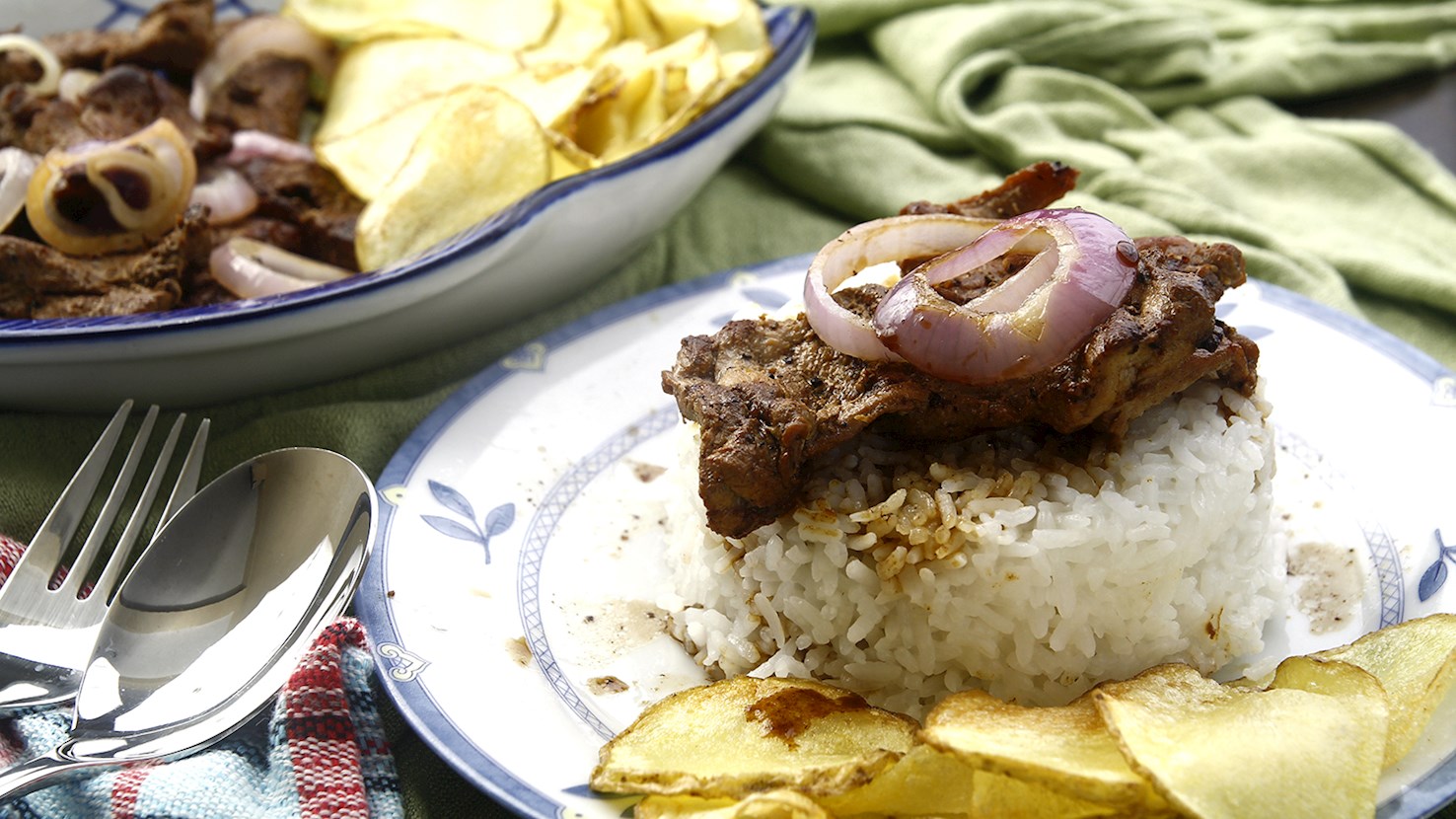
Bistek Tagalog is a traditional meat dish originating from the Philippines. It consists of thinly sliced beef that's marinated and braised in a combination of citrus juice (usually from lemon, lime, or calamansi fruit), onions, garlic, soy sauce, and pepper. It is believed that the dish was derived after the Spanish bistec encebollado. When properly prepared, the flavors should be savory, salty, and tangy. It's important to use only the freshest beef and the most tender cuts such as top round and sirloin. The dish is traditionally garnished with pan-fried onion rings on top and served with steamed rice on the side.

09

Dendeng balado

3.7 ·

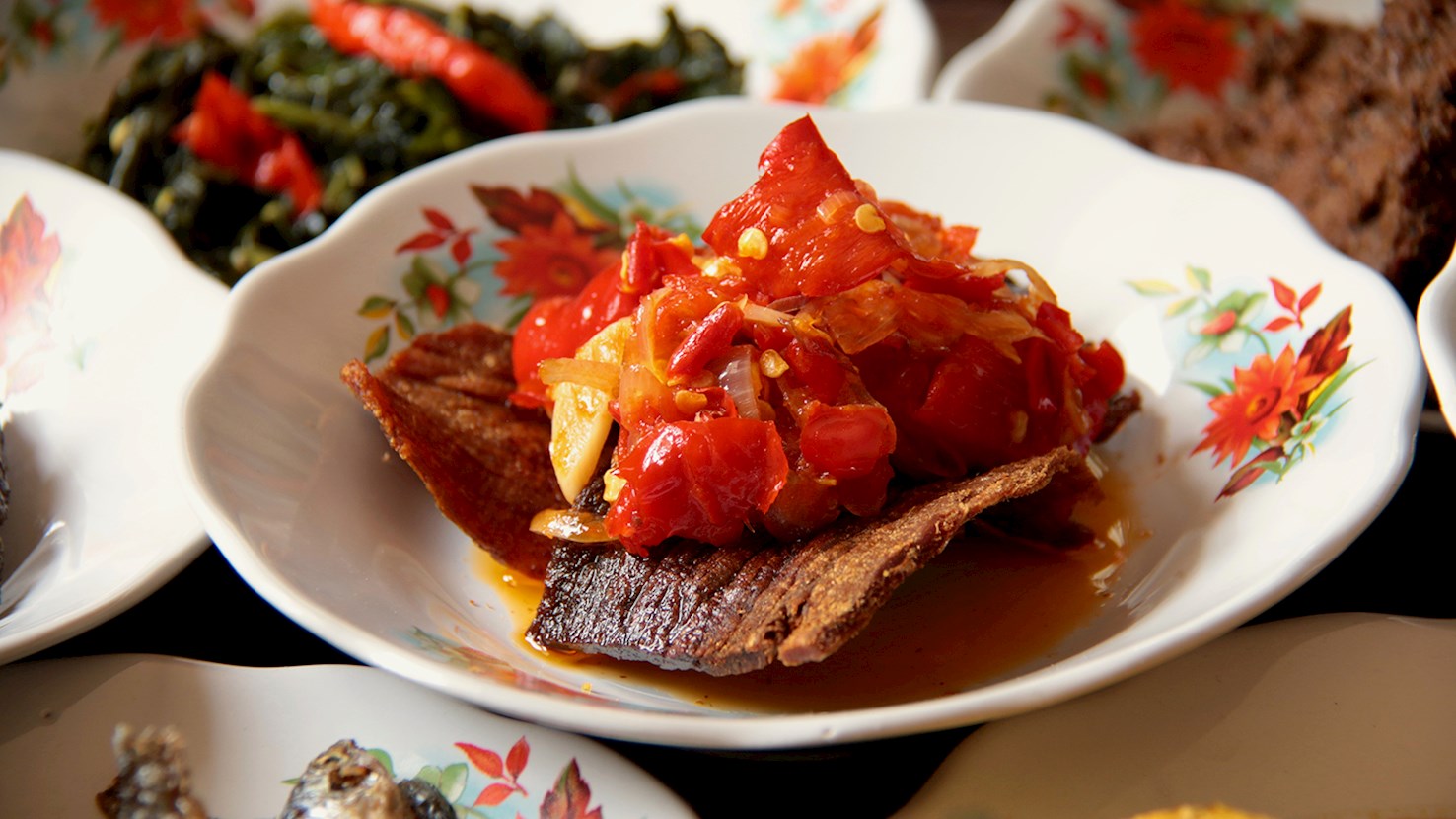
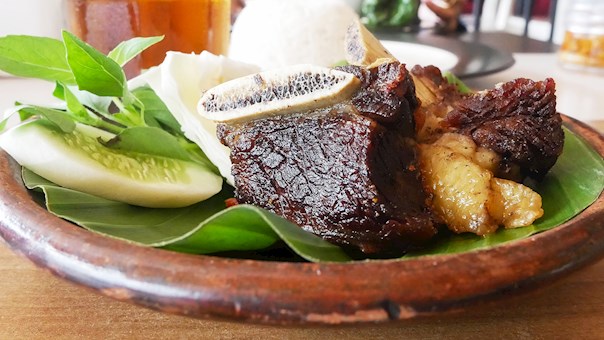
Dendeng balado is a spicy beef dish from West Sumatra, Indonesia, particularly associated with the Minangkabau people and their rich, chili-forward cuisine. It consists of thin slices of dried or fried beef that are generously coated in a vibrant, spicy chili sambal known as balado. The word "dendeng" refers to the beef itself, which is typically marinated, sun-dried or fried to a crisp texture, while "balado" denotes the signature West Sumatran chili paste made from red chilies, shallots, garlic, and lime juice, often sautéed in oil to intensify its flavor. In many Padang restaurants across Indonesia, dendeng balado is a staple offering, usually displayed in tall stacks of fried dishes behind glass counters, ready to be served at room temperature as part of a nasi Padang meal. Despite its simplicity in ingredients, the preparation of dendeng balado requires patience and skill: slicing the beef thinly, drying or frying it to the right crispness, and carefully blending the sambal to preserve its brightness without overpowering the meat. Traditionally made with beef, variations of dendeng balado may also include chicken, liver, or even eggplant, but the beef version remains the most iconic.

10

Pares

3.7 ·

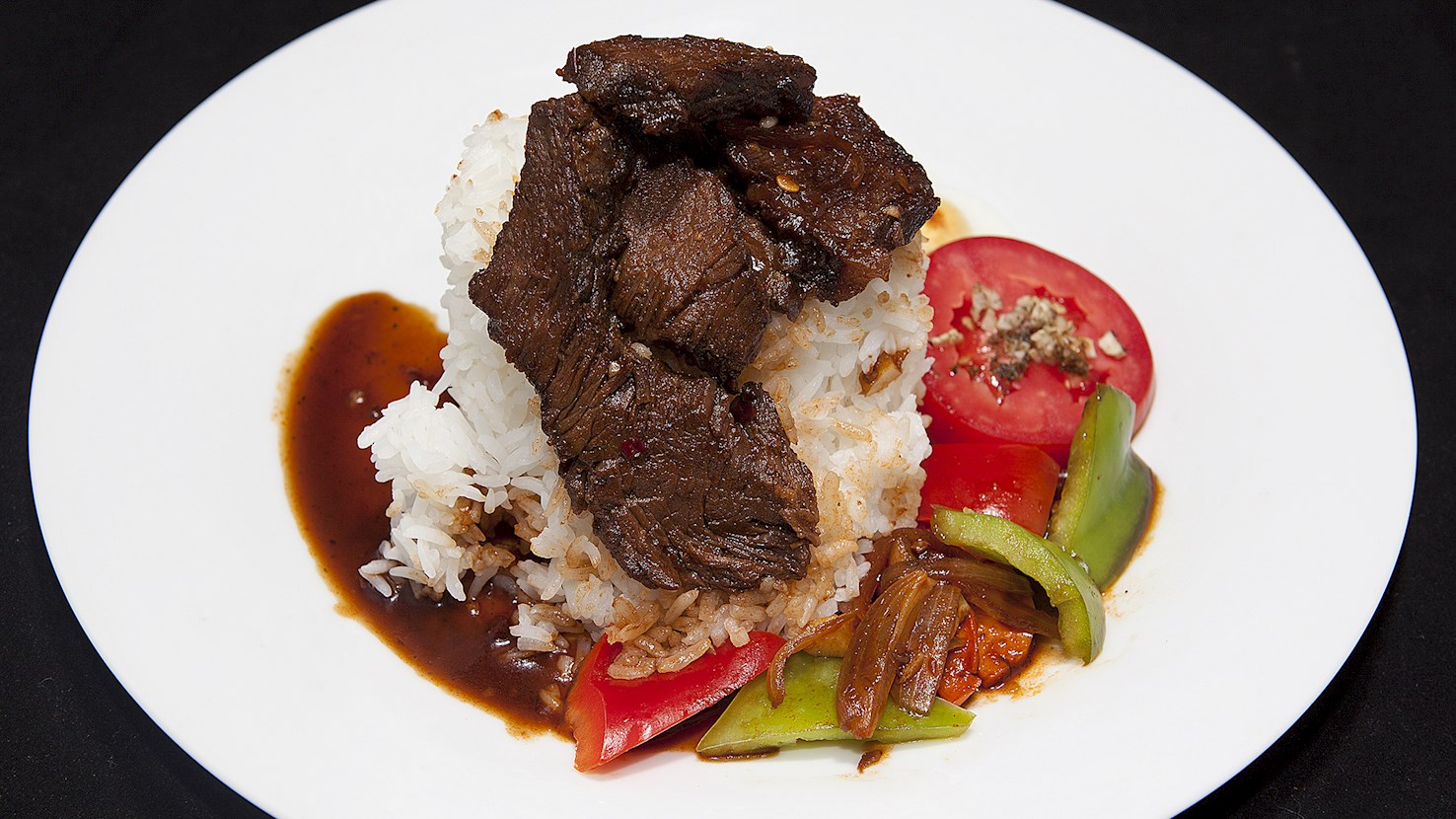
Pares is a Filipino term that typically refers to a standard combination of beef stew, beef soup, and rice. The star is the stew consisting of beef chunks that are slowly braised in a flavorful stock infused with garlic, soy sauce, star anise, sugar, and a variety of other spices and condiments. The thick, rich, and slightly sweet sauce and tender meat make pares one of the most popular beef dishes in the country. The term pares translates as pairs and stems from the traditional practice of serving this satisfying stew along with fried or steamed rice and a bowl of nourishing beef stock. This traditional comfort food is commonly found in many Filipino establishments (carenderias), which all have their signature pares recipes.

Read more
View all
View map
About this ranking

TasteAtlas food rankings are based on the ratings of the TasteAtlas audience, with a series of mechanisms that recognize real users and that ignore bot, nationalist or local patriotic ratings, and give additional value to the ratings of users that the system recognizes as knowledgeable. For the “Top 19 Southeast Asian Beef Dishes” list until July 15, 2026, 450 ratings were recorded, of which 319 were recognized by the system as legitimate. TasteAtlas Rankings should not be seen as the final global conclusion about food. Their purpose is to promote excellent local foods, instill pride in traditional dishes, and arouse curiosity about dishes you haven’t tried.

Similar lists