


shutterstock

Top 5 Vietnamese Beef Dishes

Last updated on May 16, 2026
01

Bò nhúng dấm (Beef in Vinegar Hot Pot)

4.2 ·

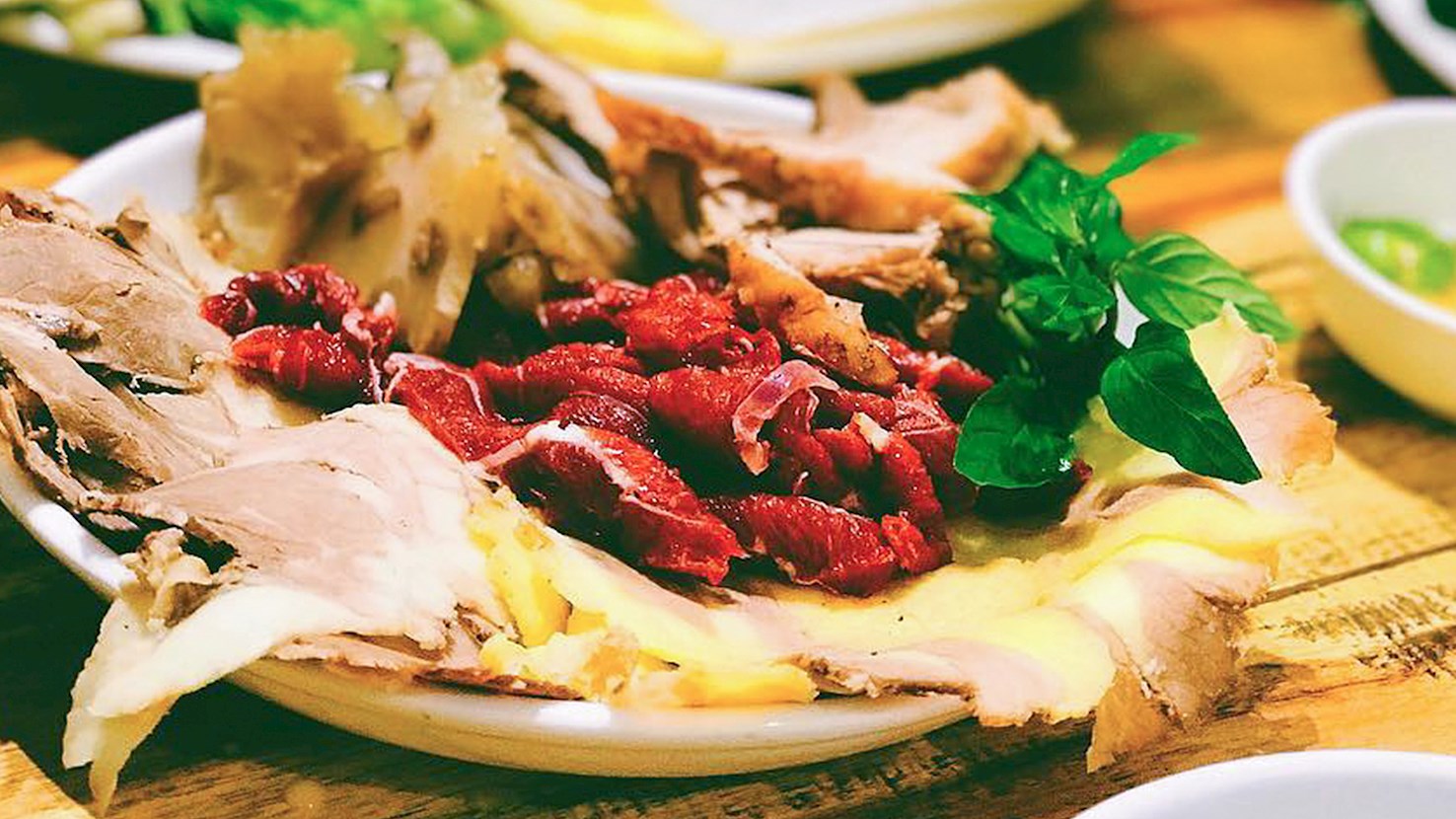
Bò nhúng dấm is a Vietnamese version of a hot pot that is traditionally served communal style. In its basic form, the dish consists of a vinegar-flavored broth that may also include coconut milk or coconut water, lemongrass, onions, or other additions, while typical accompaniments include thinly sliced raw beef and an assortment of fresh vegetables and herbs such as bean sprouts, daikon, lettuce, cucumbers, mint, basil, and perilla leaves. Although the name (bò) suggests the dish is exclusively made with beef, it can also include other types of protein such as squids or shrimps. Additional elements include rice paper sheets, which are used as wrappers, and typically nước chấm and mắm nem dipping sauces.

02

Bò kho (Vietnamese Beef Stew)

4.2 ·

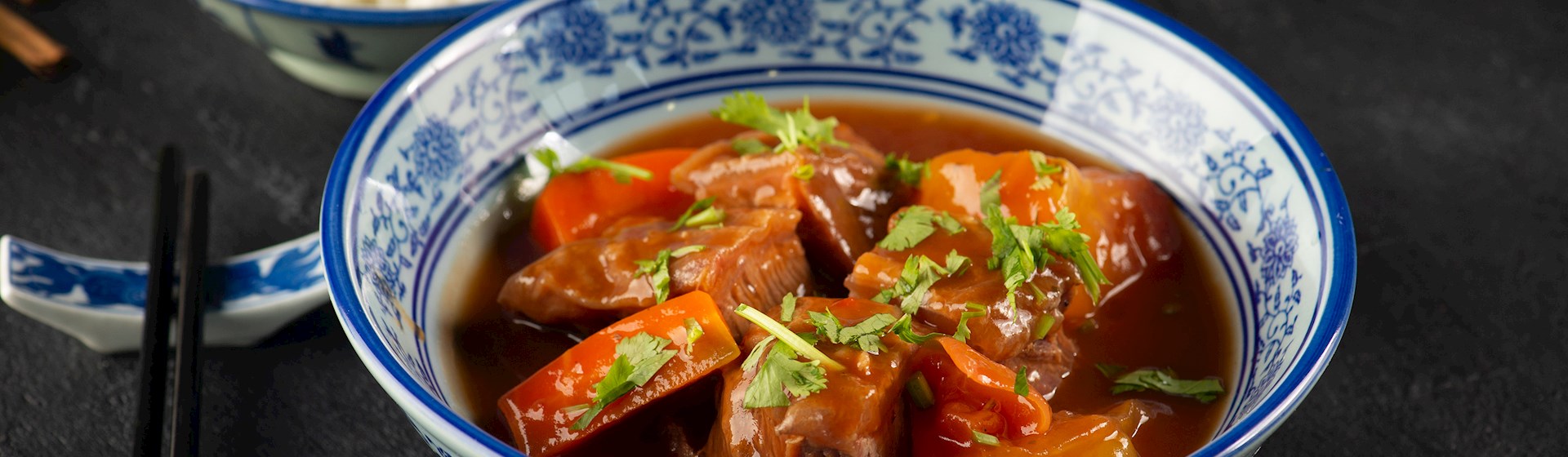
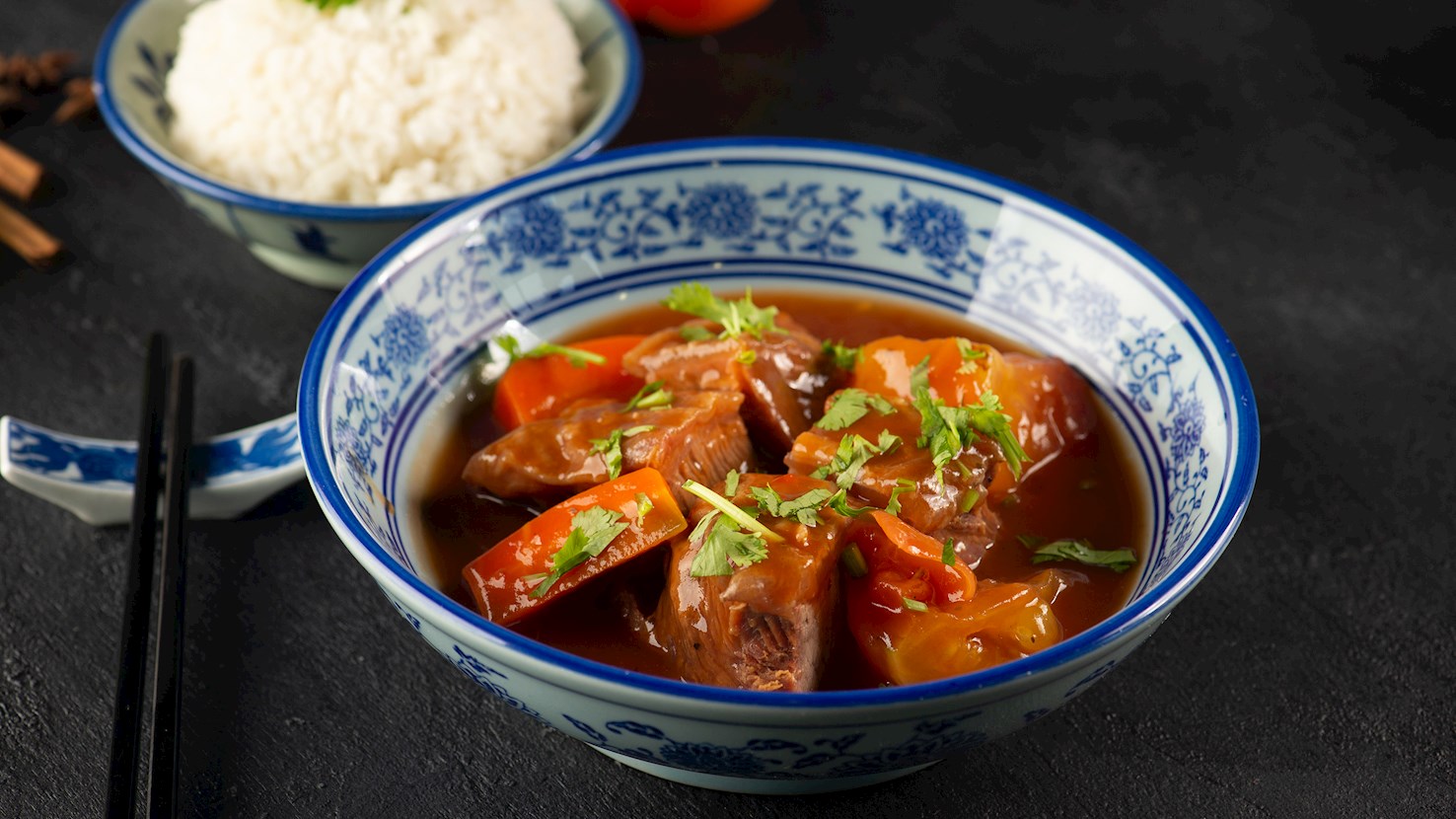
Bò kho is a popular Vietnamese beef stew that can be consumed on its own or accompanied by a baguette on the side. It can also be served over noodles, and it is customary to serve a variety fresh herbs on the side. The dish includes ingredients such as diced beef, carrots, lemongrass, cinnamon, chili, pepper, garlic, and shallots, all of them simmered in a spicy and aromatic broth. The origins of bò kho are still a mystery, although it is believed that the dish has many influences, from both the East and the West. In rural areas of Vietnam, the stew is usually much spicier than in urban areas. It is traditionally consumed for breakfast, garnished with chopped green onions, coriander, and onions.

03

Bò lúc lắc (Vietnamese Shaking Beef)

4.2 ·

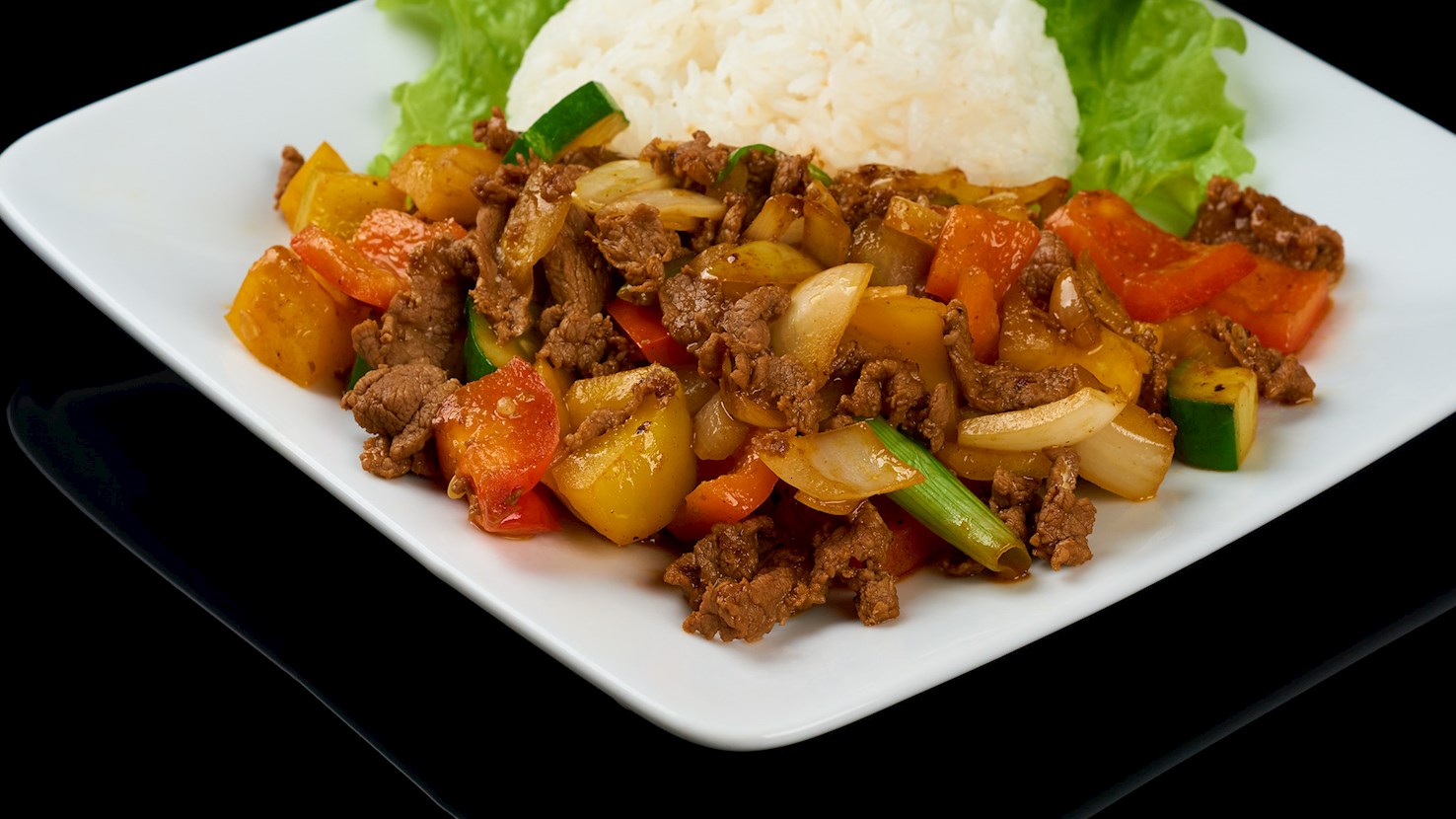
The main star of bò lúc lắc is diced marinated beef. The meat is shortly seared before it is served on a bed of watercress and sliced tomatoes. Additional toppings may include pickled onions, and a dipping sauce resembling lime-based vinaigrette can be drizzled over the meat or served on the side. The dish was once a rare treat that was mainly prepared and served on special events. Nowadays, it is more common, but bò lúc lắc is still considered a restaurant specialty and a dish that is traditionally reserved for special occasions. It is also popular abroad and typically goes under the name Vietnamese shaking beef—which was inspired by its original name lúc lắc that describes the act of tossing or shaking the beef while it's being seared. A similar dish exists in Cambodia where it is better known as lok lak. It is believed that bò lúc lắc was inspired by the French culinary tradition that was present in Vietnam.

04

Bò né (Vietnamese Steak and Eggs)

3.9 ·

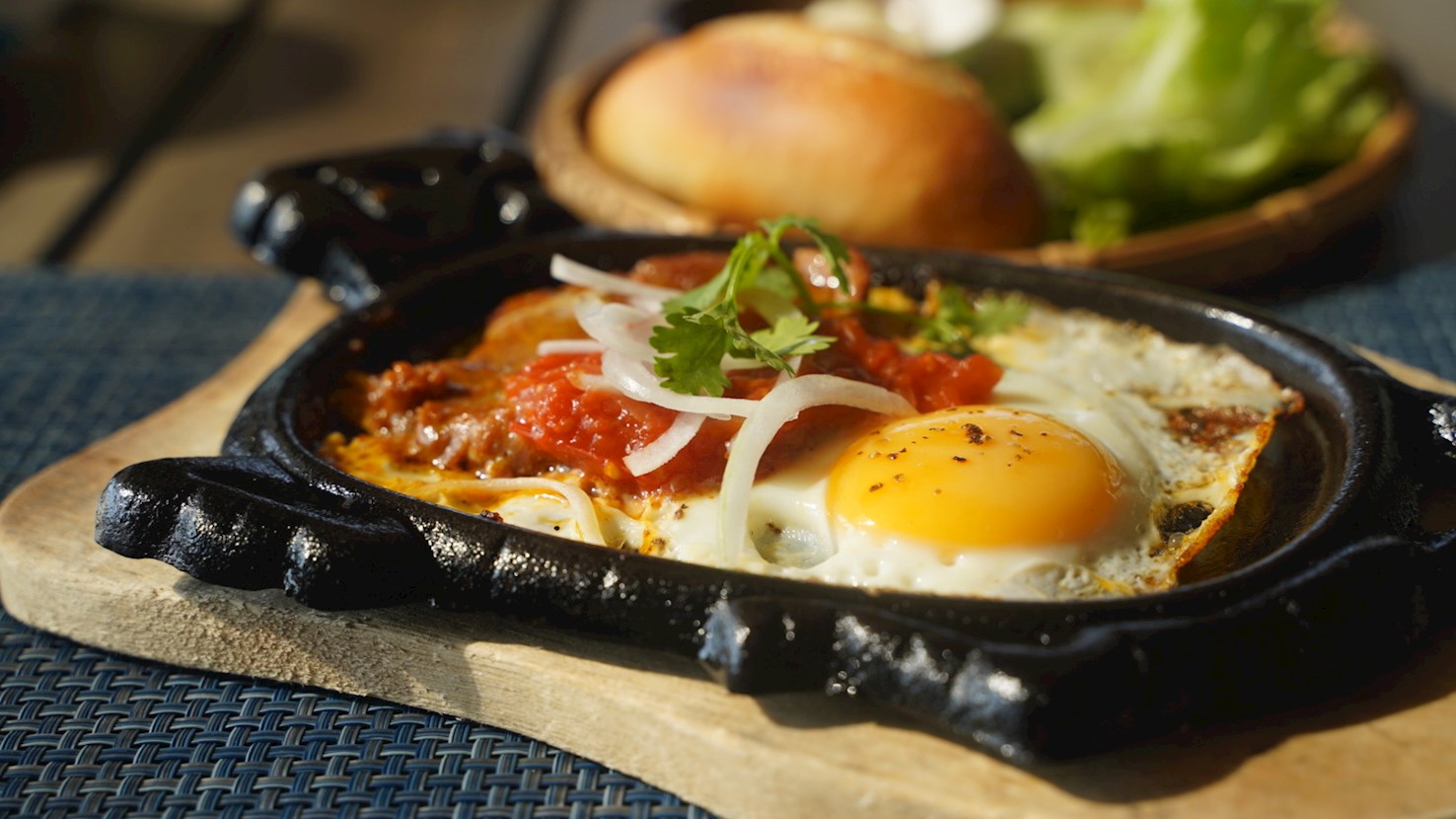
Bò né is a traditional dish that's especially popular in Nha Trang. It's made with cuts of beef such as skirt steak that's marinated in spices and comes served on a sizzling hot cast iron plate with fried eggs, onions, chili sauce, and a dollop of pate. The dish is usually accompanied by condiments and a baguette, along with lettuce, onions, tomatoes, and cucumber. The meat is often dipped into a combination of pepper sauce, lime juice, and salt, while the baguette is used to pick up the remains of pate and egg yolks off the plate. Vietnamese steak and eggs are traditionally served for breakfast.

05

Bò nướng ống tre (Grilled Beef in Fresh Bamboo)

n/a ·

Bò nướng ống tre is a traditional dish originating from the Central Highlands area around Pleiku. The dish consists of grilled beef that's served in a fresh bamboo tube. It usually consists of beef that's cut into strips and marinated in soy sauce, sugar, salt, pepper, then grilled with onions, garlic, chili peppers, and green peppers. Once prepared, bò nướng ống tre is traditionally served with steamed rice on the side.

Read more
View all
View map
About this ranking

TasteAtlas food rankings are based on the ratings of the TasteAtlas audience, with a series of mechanisms that recognize real users and that ignore bot, nationalist or local patriotic ratings, and give additional value to the ratings of users that the system recognizes as knowledgeable. For the “Top 5 Vietnamese Beef Dishes” list until May 16, 2026, 173 ratings were recorded, of which 114 were recognized by the system as legitimate. TasteAtlas Rankings should not be seen as the final global conclusion about food. Their purpose is to promote excellent local foods, instill pride in traditional dishes, and arouse curiosity about dishes you haven’t tried.

Similar lists