


shutterstock

Top 60 European Beef Cattle Breeds

Last updated on June 06, 2026

Best European Beef Cattle Breed Types

01

Carne Barrosã

4.5 ·

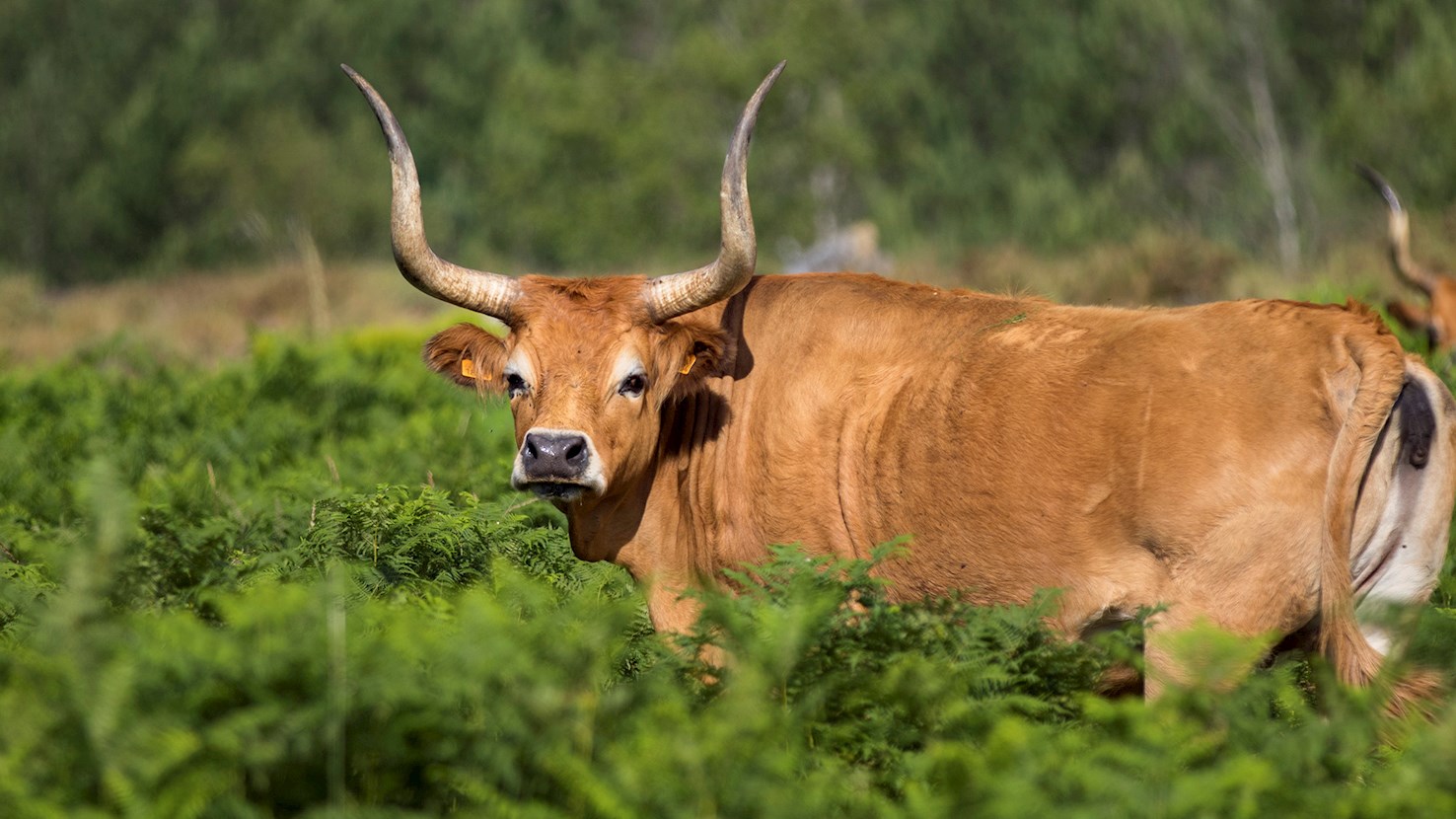
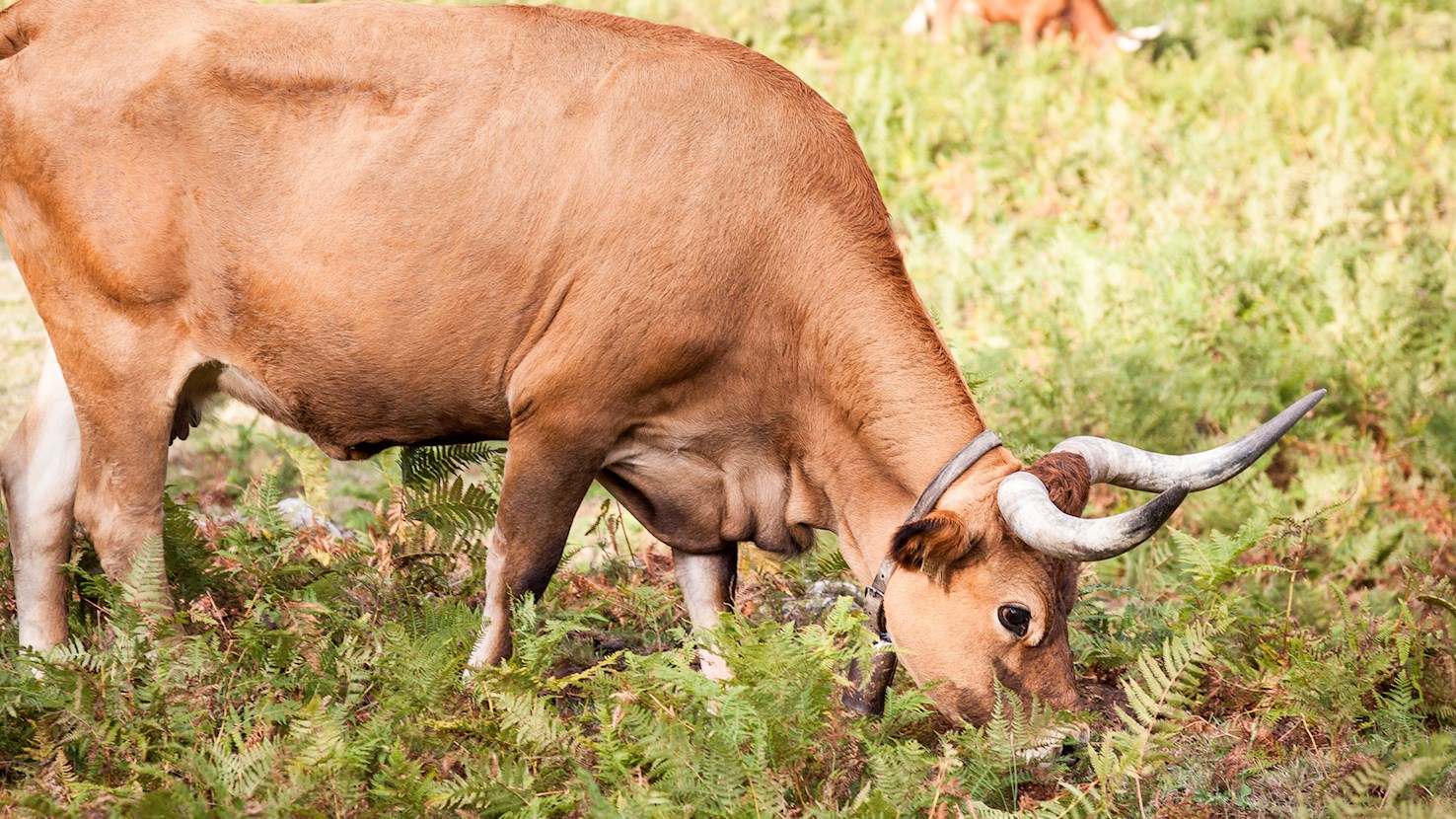
This meat is taken from from Barrosã cows, a native breed found in the districts of Viana do Castelo, Braga, and Vila Real on the Barroso plateau in northwestern Portugal, where they are raised mainly on family operated farms. Carne Barrosã is pink to dark red in color depending on the age of the animal. The meat is succulent, tender, and delicate, which makes it perfect for grilling or roasting. It is also an irreplaceable ingredient in traditional regional dishes such as Assados or Estufados.

02

Carne dos Açores

4.5 ·

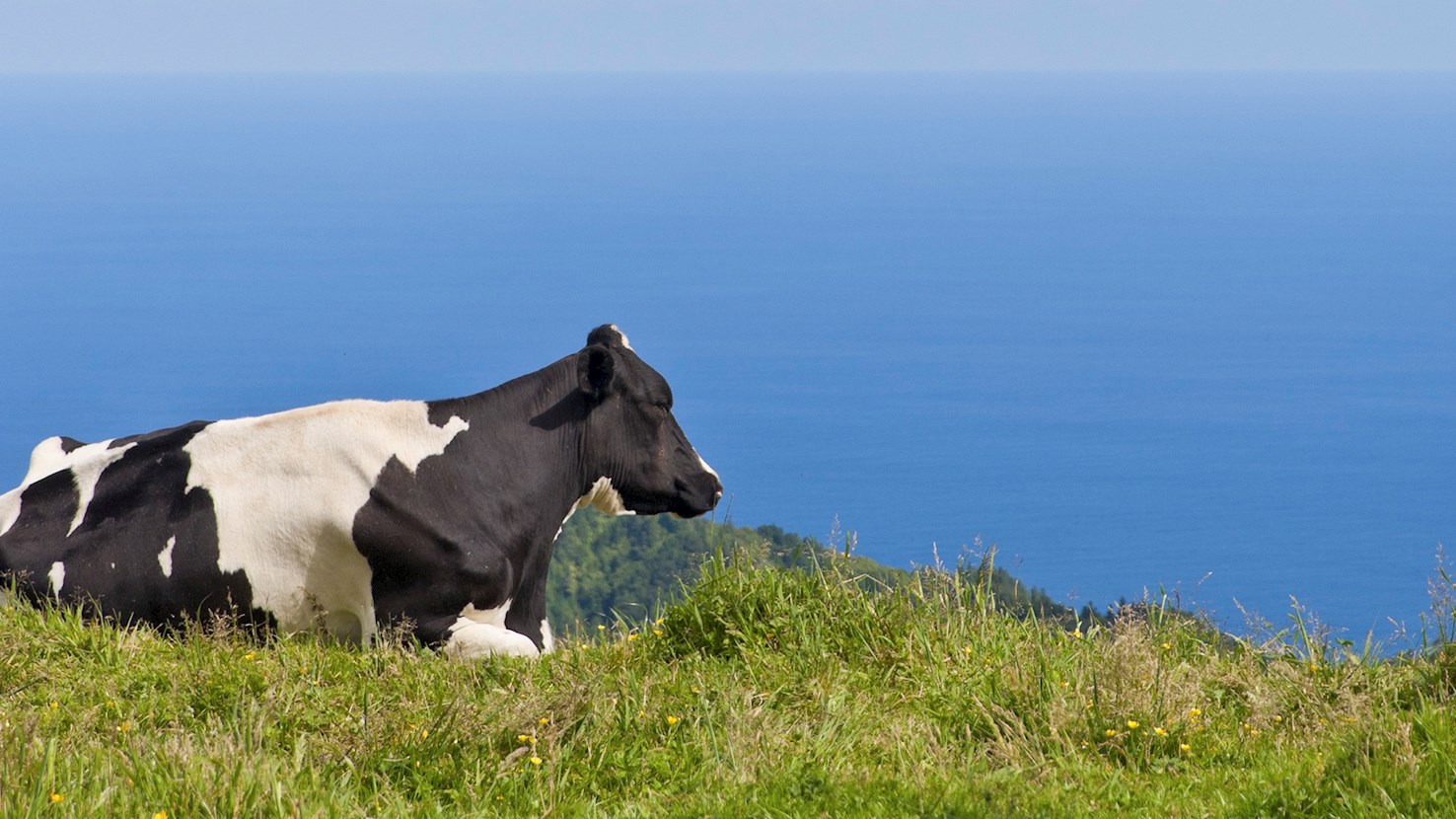
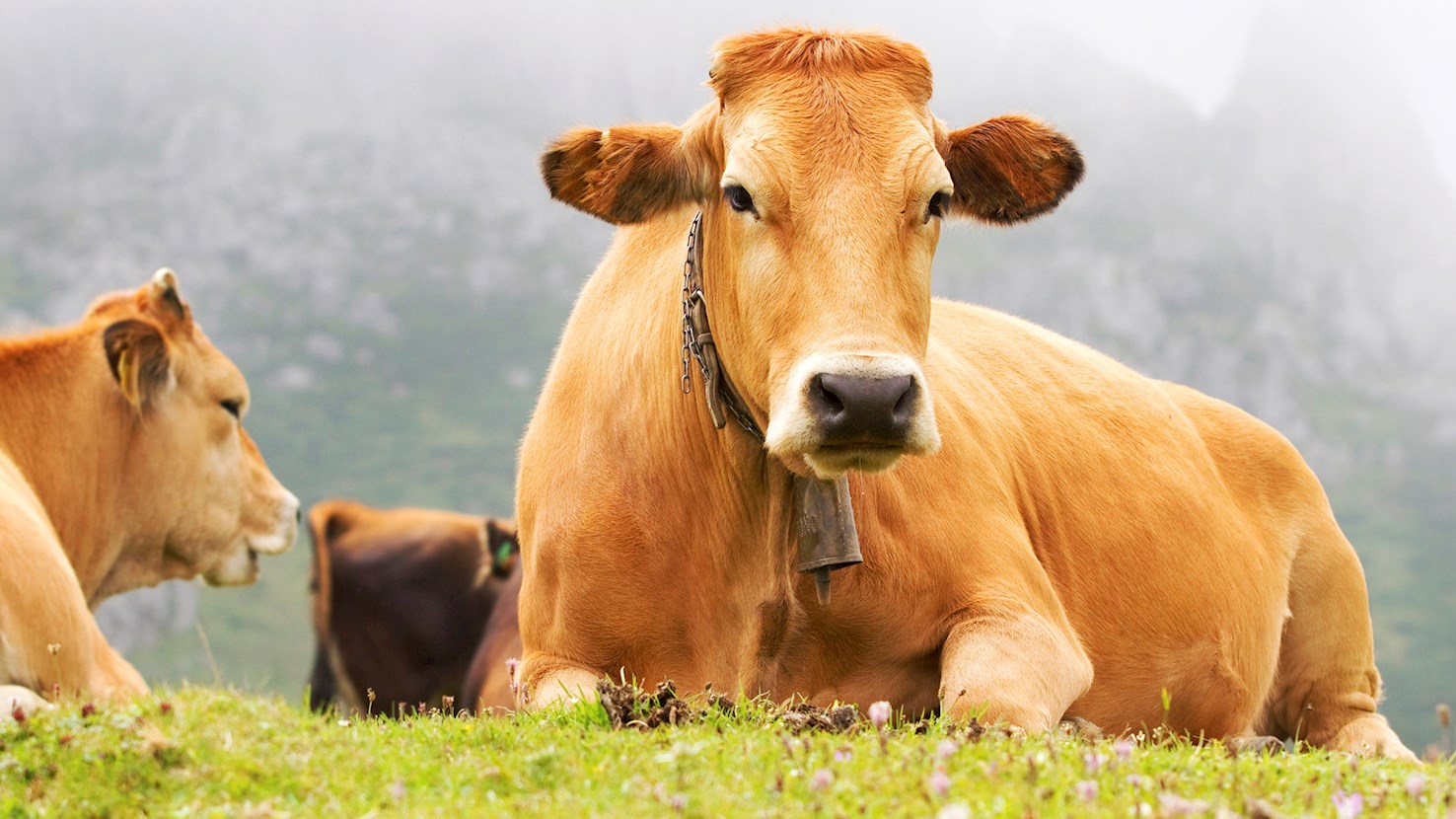
This meat is taken from cows raised in the Portuguese Azores. The cattle is raised using traditional methods in which they are allowed to graze on wild grasses, herbs, straw, and hay, which gives the meat its unique flavor. The beef is very juicy and succulent as it is highly marbled. It is light pink to light red in color, smooth in texture, and has a unique, intense but well-balanced flavor. Carne dos Açores is best roasted or grilled, and it is an essential ingredient in many traditional Portuguese dishes. As this meat is quite flavorful in and of itself, it is usually prepared with as little seasoning as possible. Most traditional recipes use nothing more than salt, olive oil, garlic, ground pepper, and herbs such as coriander, parsley, or bay leaf.

03

Carne Mirandesa

4.4 ·

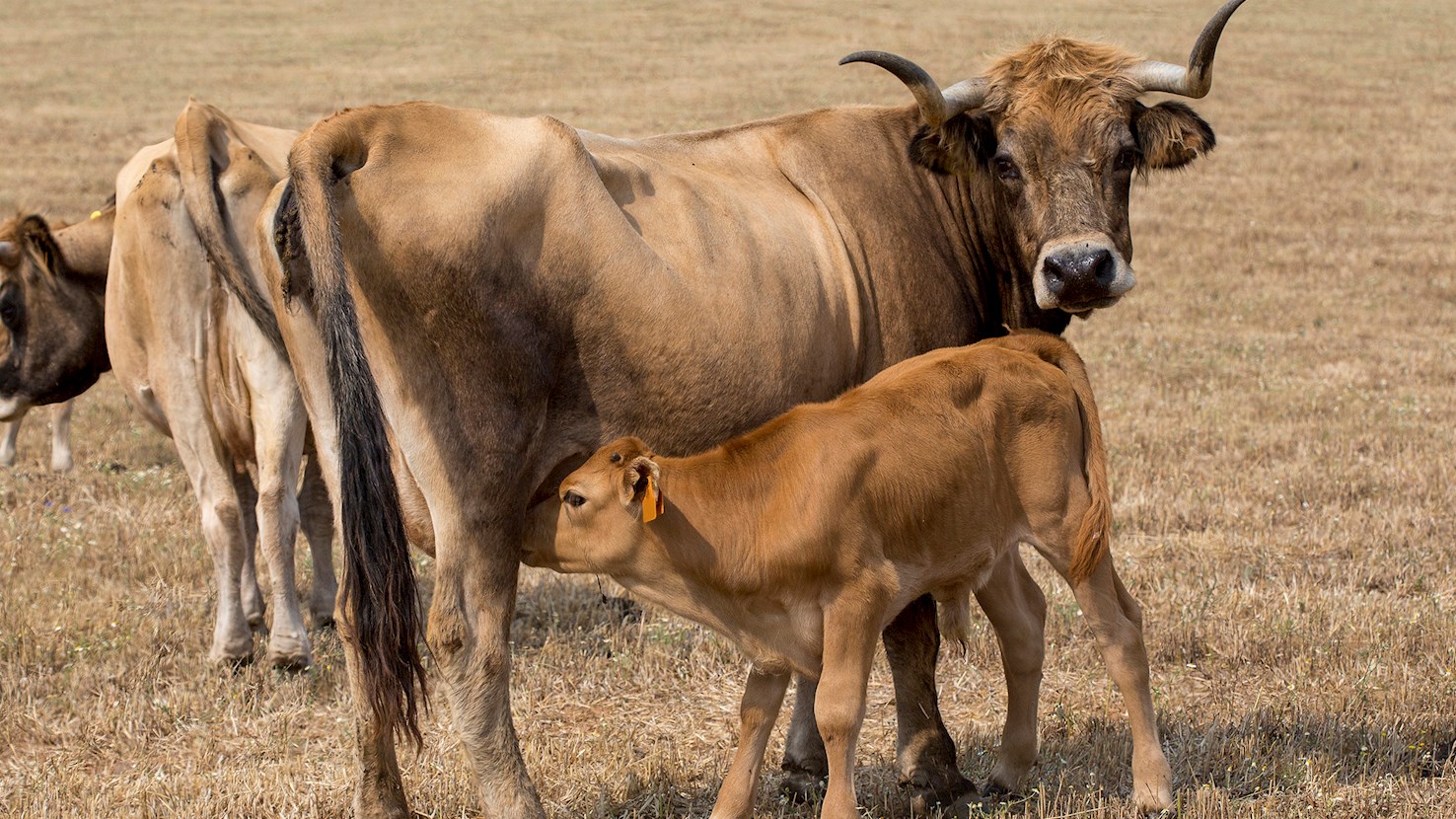
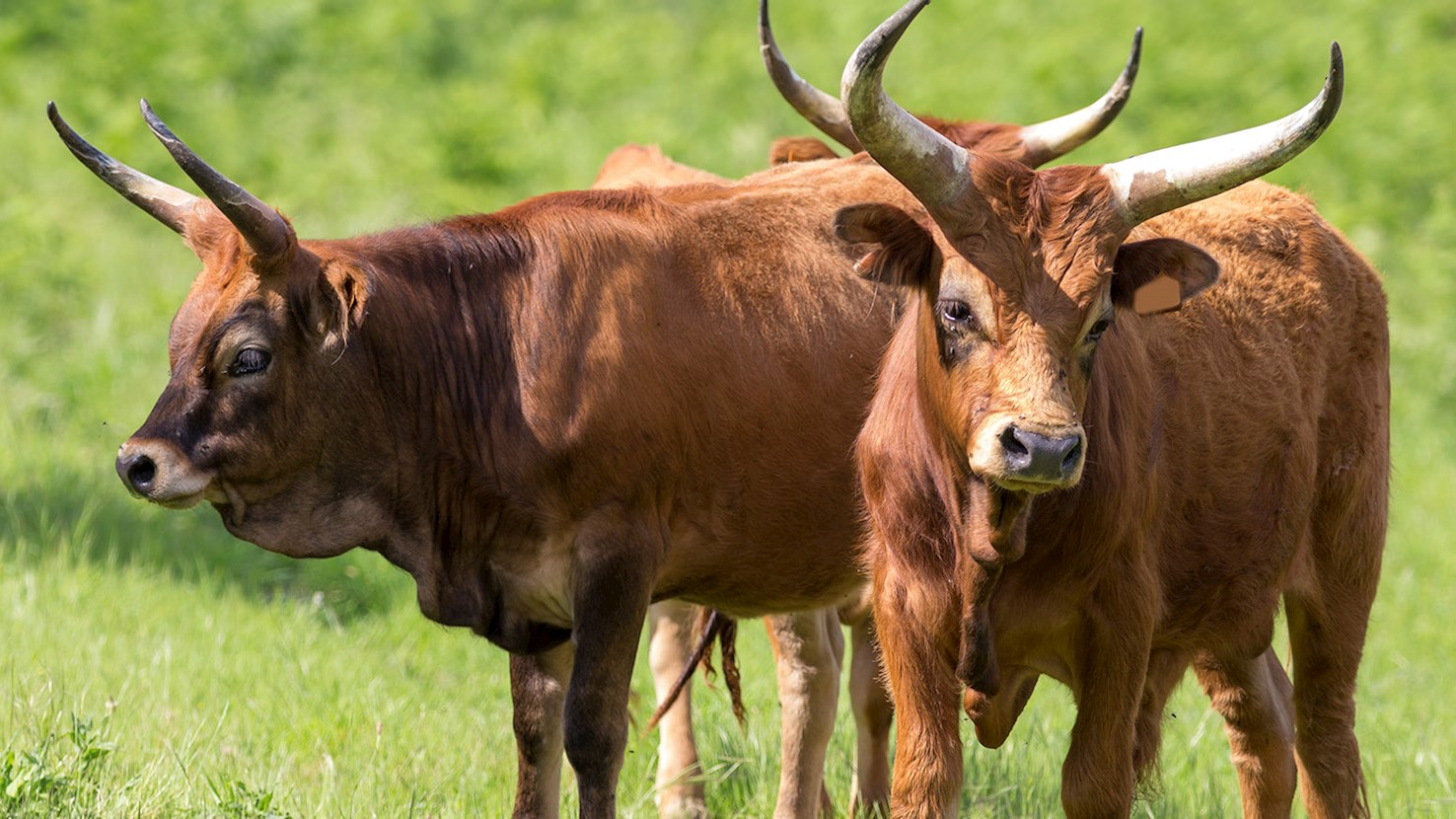
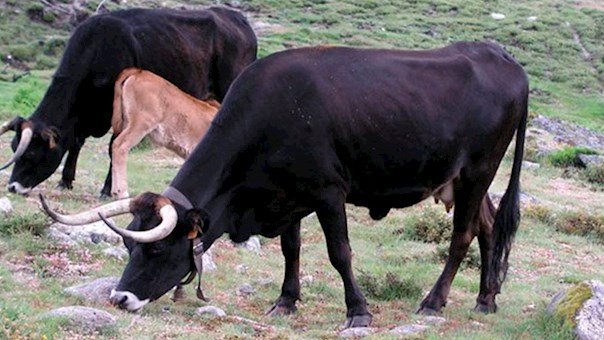
The first mention of Mirandesa cattle dates back to the Middle Ages, when Portuguese King Dom Dinis described the presence of the Mirandesa breed in Tras-os-Montes in a document dated to 1286. This breed of cattle, which has long populated the lands near Mirando do Douro, is characterized by its large body and chestnut-colored coat. Carne Mirandesa beef is moist, tender, and succulent, and is pinkish in color with even marbling. It is exceptionally popular in regional cuisine, and it is used in a variety of traditional recipes grilled or roasted and seasoned only with a pinch of salt to emphasize its unique flavor.

04

Angus beef

4.4 ·

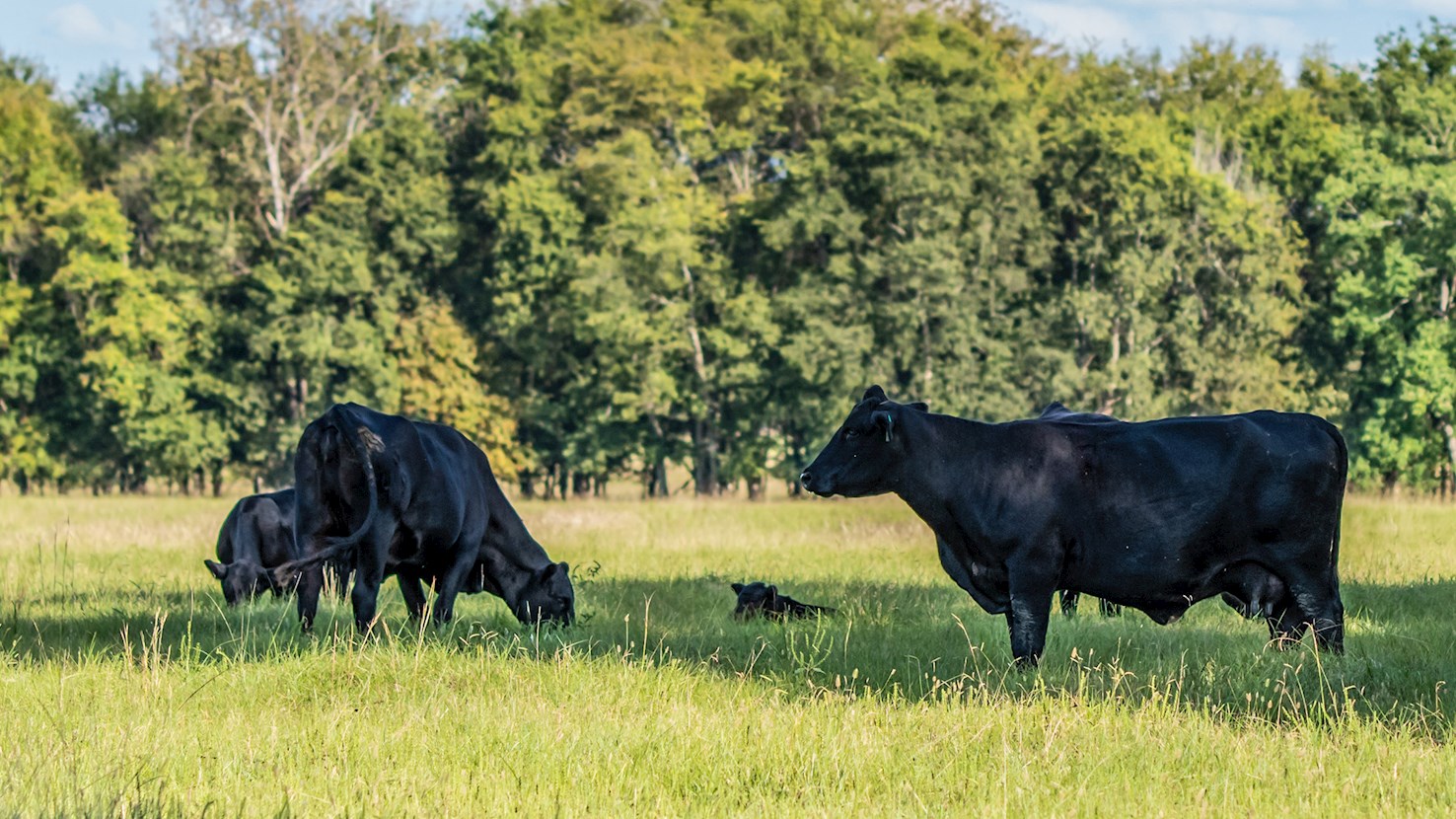
Angus beef is fresh meat that comes from the Aberdeen Angus cattle, a breed that has its origins in the Scottish counties of Aberdeenshire and Angus. The meat is highly prized for its exceptional marbling, which is believed to contribute to its superior texture, incredible tenderness, juiciness, and excellent flavor. The breed’s characteristics play only a partial role in the meat’s quality as the breed is often crossed with other cattle breeds. Therefore, the diet, age, lifestyle, maturation, and processing of the meat are of vital importance to the final product. Regarded as one of the finest beef types in the world, Angus beef has become synonymous with premium quality and, as such, it commands a high price on the market. After the introduction of Angus in the US back in the 1870s, a group of farmers established the American Angus Association (AAA), and later on, in 1978, they founded the Certified Angus Beef brand. The brand has set up a standardized grading system consisting of 10 standards of quality and consistency which Angus beef must meet to carry the label.

05

Carnalentejana

4.3 ·

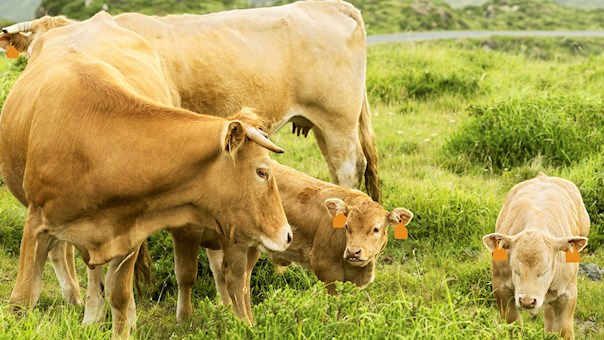
This meat is taken from Alentejana cows raised in the areas of Portalegre, Santarém, Lisbon, and Castelo Branco. These cows graze on hay, straw, and different types of wild herbs and grasses, all of which contribute to the meat's unique flavor. It is bright pink to red in color, with some marbling, and it is very juicy and succulent. Carnalentejana can be used in a number of different ways, from soups and stews to roasts or fried dishes. It is used in many traditional Portuguese recipes, such as Bifes Alentejo. This flavorful meat does not need much seasoning, and it is best prepared using simply olive oil, salt, and herbs.

06

Chianina

4.2 ·

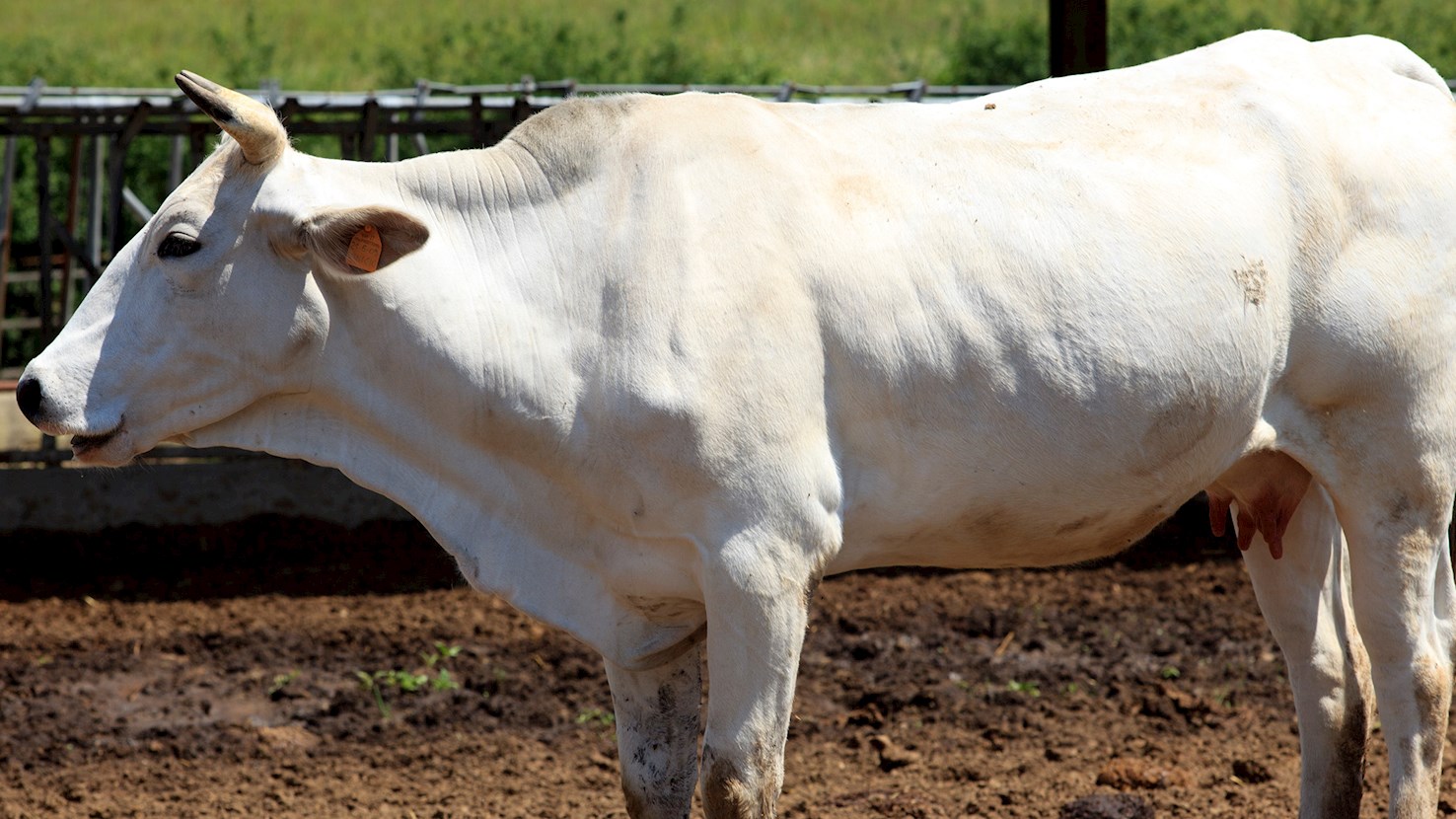
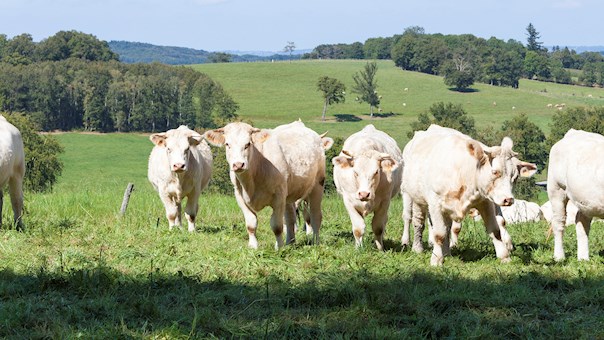
Hailing from Italy, chianina is an ancient cattle breed that is distinguished by its large size, well-muscled body, hardiness, excellent maternal abilities, ease of calving, and high adaptability to various environmental conditions. The initial purpose of the breed was that of draught animals, and due to their remarkable appearance and bright ivory coat, the cattle commonly took part in ancient sacrificial ceremonies. The breed then evolved into a dual purpose breed reared for both its meat and as a draught animal, while today, the main focus has been placed on beef production. Apart from Italy, pure-bred and cross-bred chianina are nowadays reared in other countries throughout Europe, in Ireland, Australia, the US, Canada, and, recently, South Africa.

07

Scotch beef

4 ·

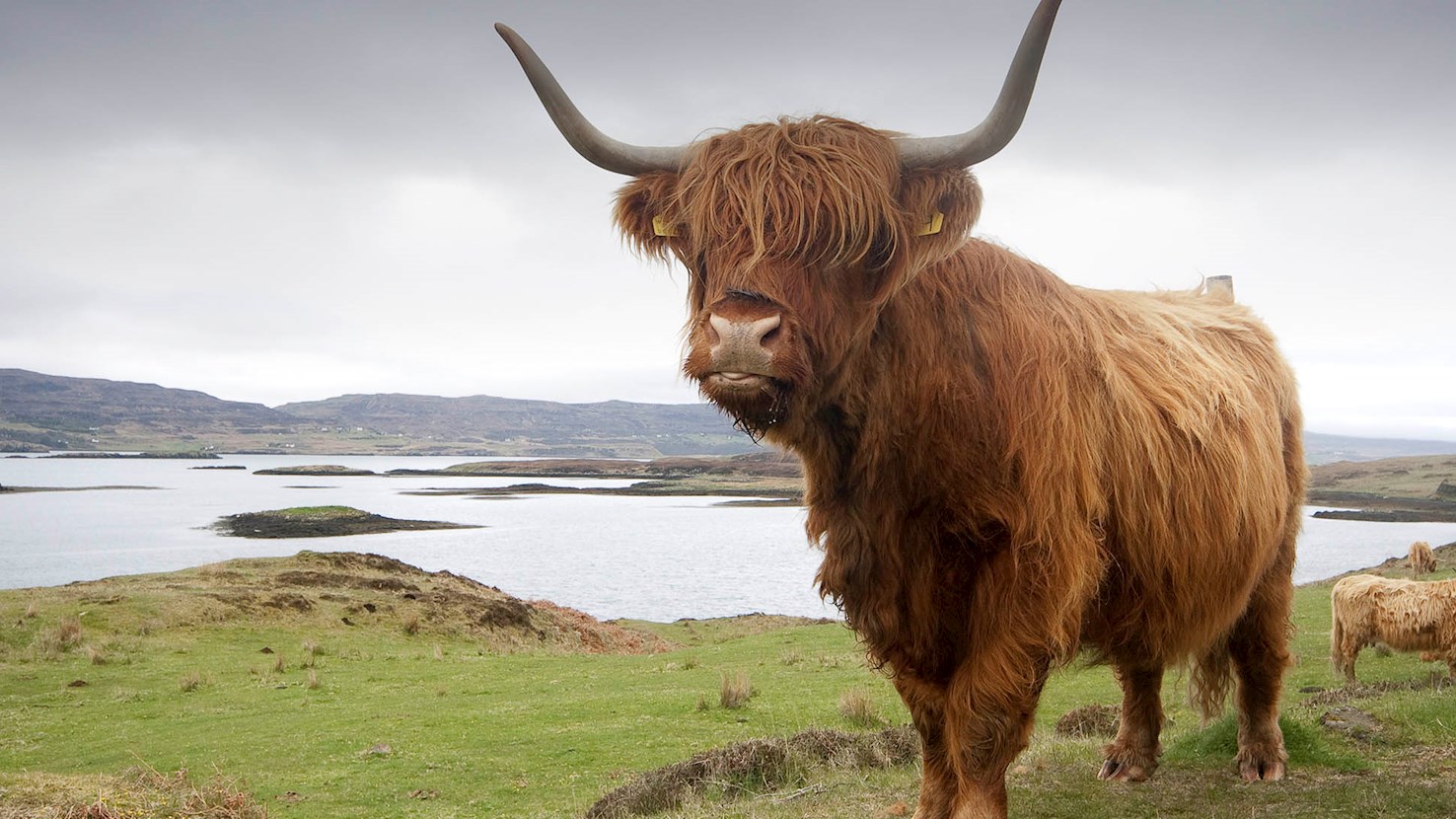
Scotch beef is meat from cattle that is born and reared in Scotland. These are special beef breeds with naturally suckled calves. It is sold as fresh meat, either the whole body, whole sides, hindquarter, forequarter or cuts of beef. The welfare of the animals and sustainable raising is of utmost importance in the production process. It should not be confused with Scottish beef, which refers to any cattle born and reared in Scotland, without the PGI certificate. Goes really well with potatoes, roast tomatoes, or used in casseroles or salads.

08

Magyar szürkemarha hús

4 ·

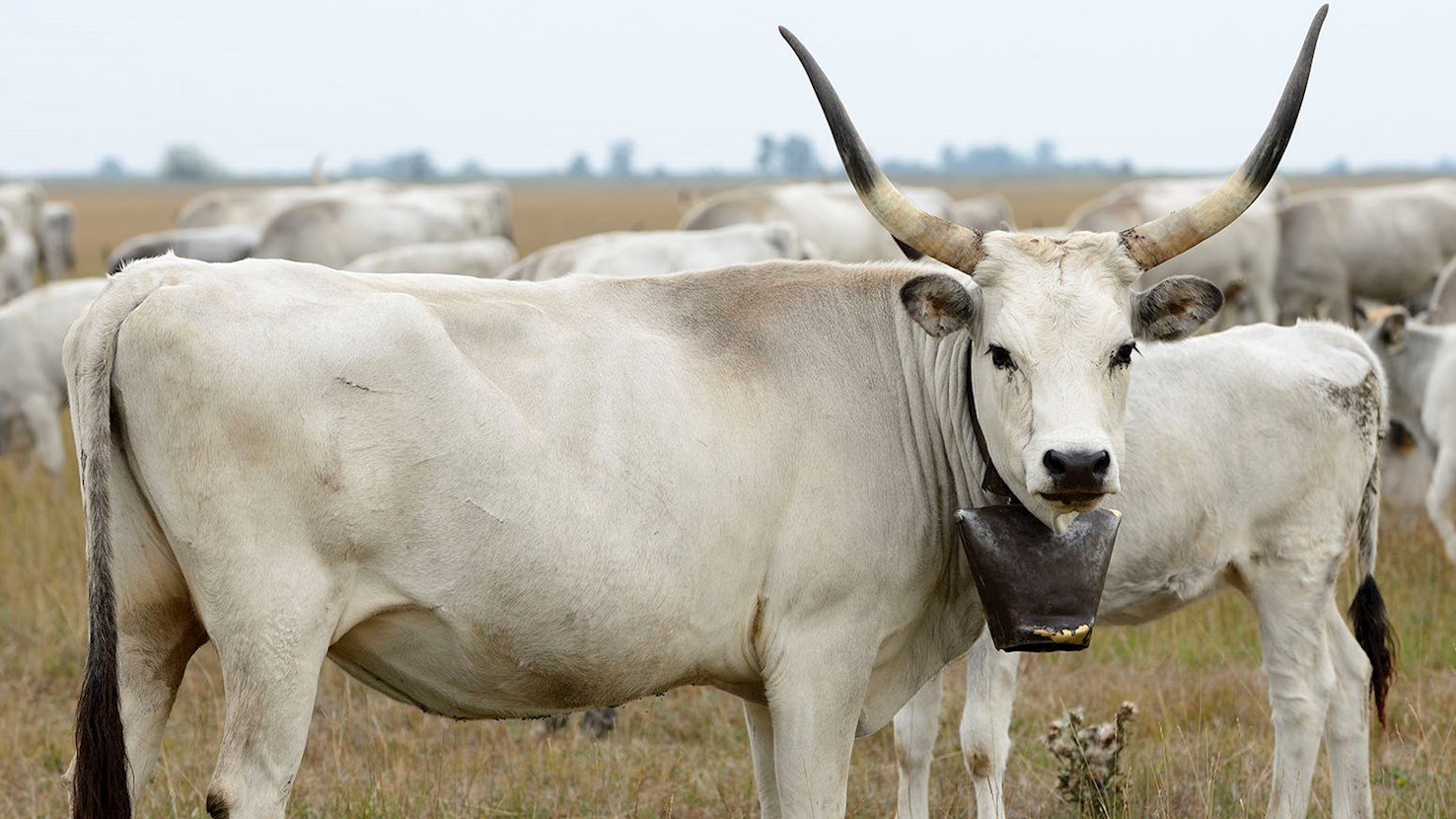
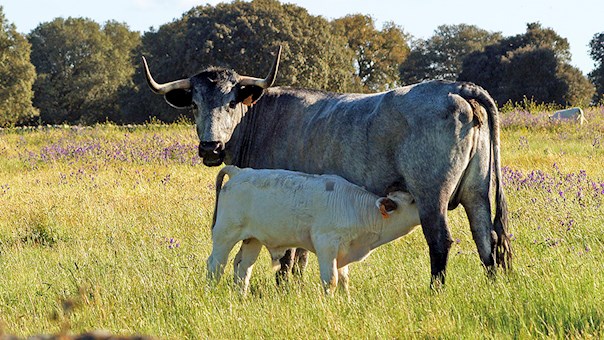
Magyar szürkemarha hús is a unique Hungarian native grey cattle, with tender and tasty meat. It has an unusual, delicately sour flavour, similar to that of game meat. The meat is dark scarlet in colour, so it is immediately noticeable that it is much darker than other types of beef. As the beef has quite a low dry content, it doesn't shrink as much as other types of beef during cooking. The animals graze on the Hungarian pastures over a long period of time, from April to December, which results in the high lean meat percentage and the quality of the meat itself. When sold, it can be in the form of half a carcass, quarters, fine cuts or boned meat, either chilled or frozen and is mostly cooked slowly, in sauces, to become more tender and succulent.

09

Carne Arouquesa

4 ·

This meat is taken from Arouquesan cows raised in the northern Portuguese municipalities of Viseu, Aveiro, Porto, and Braga. This high-quality meat is prized for its exquisite flavor and texture, and it even won two awards for best beef at the Paris Exhibition in 1878 and 1902. It is bright pink to red in color and has a unique, intense flavor. It is incredibly succulent and juicy, yet firm and smooth at the same time. People from all over the world travel to the northern part of Aveiro to try this exquisite beef and other traditional Portuguese delicacies. One of the most famous restaurants in which to try Arouquesan veal and beef is Casa Arouquesa in Viseu.

10

Ternera Asturiana

4 ·

Ternera Asturiana is fresh beef from the Asturiana de Los Valles and Asturiana de la Montaña cows that are born, reared and fattened in the Principality of Asturias. Depending on the age of the animal at slaughter, two categories of this meat can be found on the market. One category is Ternera meat from cattle slaughtered at a maximum of 12 months old and Añojo, from cattle slaughtered at between 12 and 18 months of age. Ternera Asturiana meat is valued for its superior flavor and tenderness.

Best European Beef Cattle Breeds
01

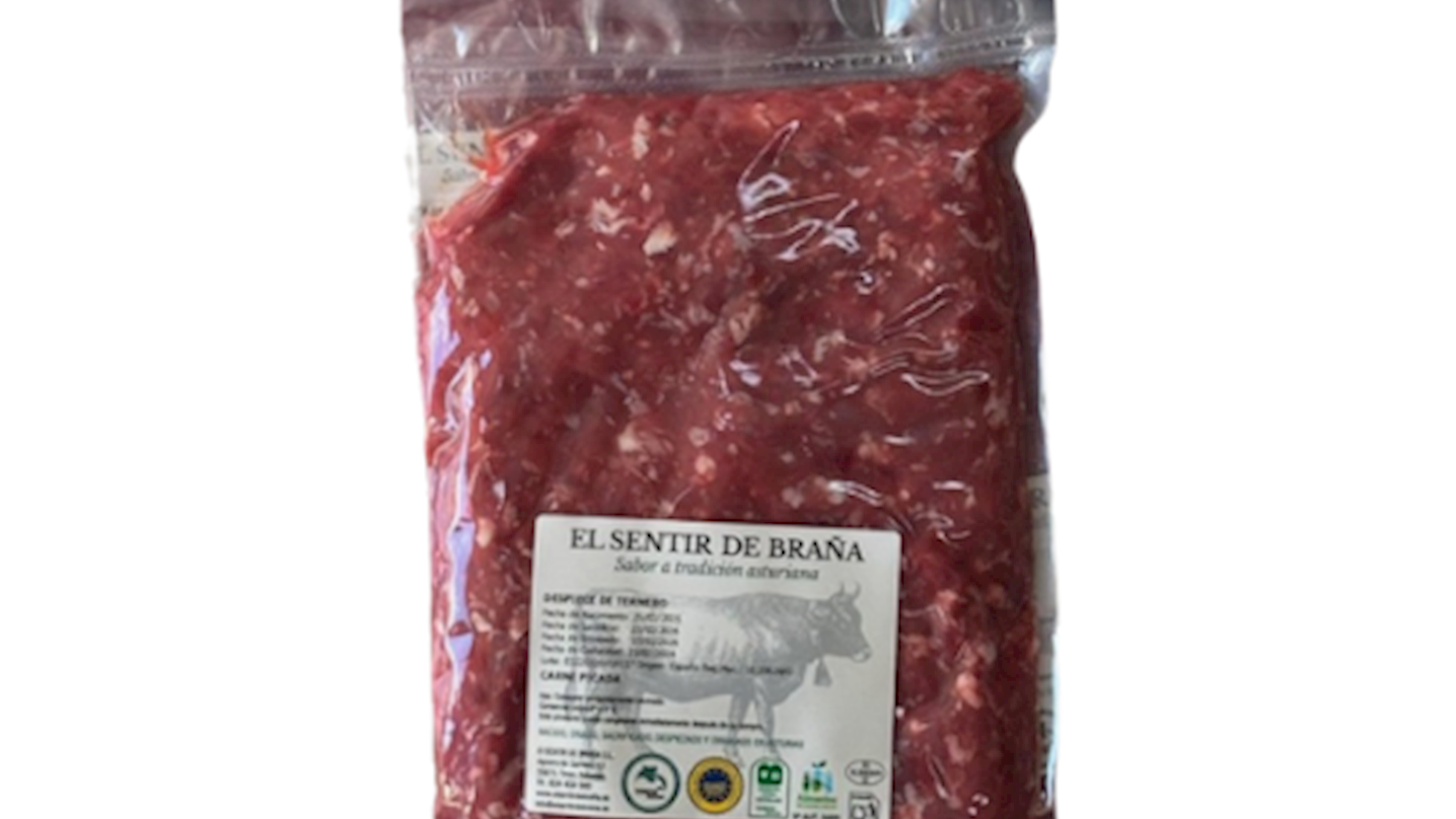
El Sentir de Braña

4.3 ·
El Sentir de Braña is a contemporary beef producer from Asturias built on the traditional livestock system of the braña, high-altitude mountain pastures typical of northern Spain. Their model is based on extensive farming, where cattle graze freely and feed on natural pastures, spending most of the year outdoors, which directly influences the quality and flavor of the meat. The project has a strong family foundation and is linked to long-standing cattle-raising traditions, with the aim of preserving a rural way of life that is gradually declining. Production focuses on native breeds, particularly Asturiana de los Valles, known for its balance between lean structure and marbling. Rather than industrial scale, the emphasis is on limited production and direct-to-consumer sales, allowing greater control over quality and traceability. The brand is part of the “Alimentos del Paraíso Natural” initiative, reinforcing its connection to regional standards and the promotion of Asturian products. Their philosophy centers on sustainability, animal welfare, and transparency throughout the production process. This approach positions the producer not only as a supplier of meat but as a representation of origin and production context. El Sentir de Braña reflects a model that combines traditional mountain farming, controlled production, and a clear focus on authenticity and regional identity.
Read more
View all
View map
About this ranking

TasteAtlas food rankings are based on the ratings of the TasteAtlas audience, with a series of mechanisms that recognize real users and that ignore bot, nationalist or local patriotic ratings, and give additional value to the ratings of users that the system recognizes as knowledgeable. For the “Top 60 European Beef Cattle Breeds” list until June 06, 2026, 608 ratings were recorded, of which 415 were recognized by the system as legitimate. TasteAtlas Rankings should not be seen as the final global conclusion about food. Their purpose is to promote excellent local foods, instill pride in traditional dishes, and arouse curiosity about dishes you haven’t tried.

The initial list of top producers was compiled based on available reviews, awards, local recommendations, media and blog coverage, and consumer reviews. The list will be updated with ratings from TasteAtlas local ambassadors and TasteAtlas users.

Similar lists