Top 100 Beverages
in the World

Last updated on June 03, 2026

Best Beverage Types in the World
01

Lulada

4.5 ·

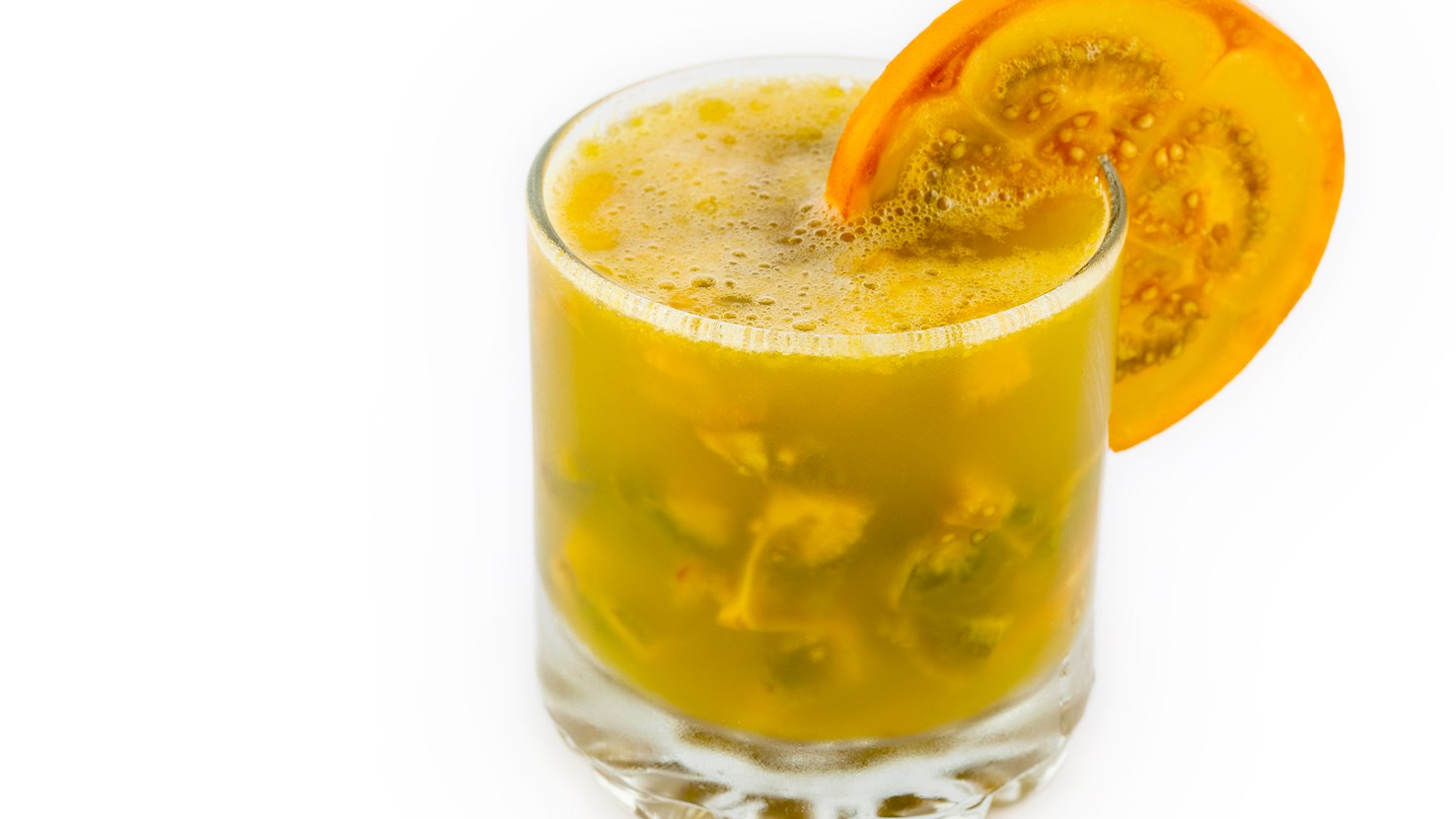
Lulada is a cold, refreshing drink originating from El Valle region of Colombia, made with mashed lulos, lime juice, water, sugar, and ice. Lulo, also known as naranjilla in Ecuador and Panama, is an exotic fruit popular in Colombia. It has a light, citrusy flavor and it’s very common in Colombian cuisine. Lulada is the perfect combination of sweet and tart, has a thick consistency and can be served with a shot of vodka.

02

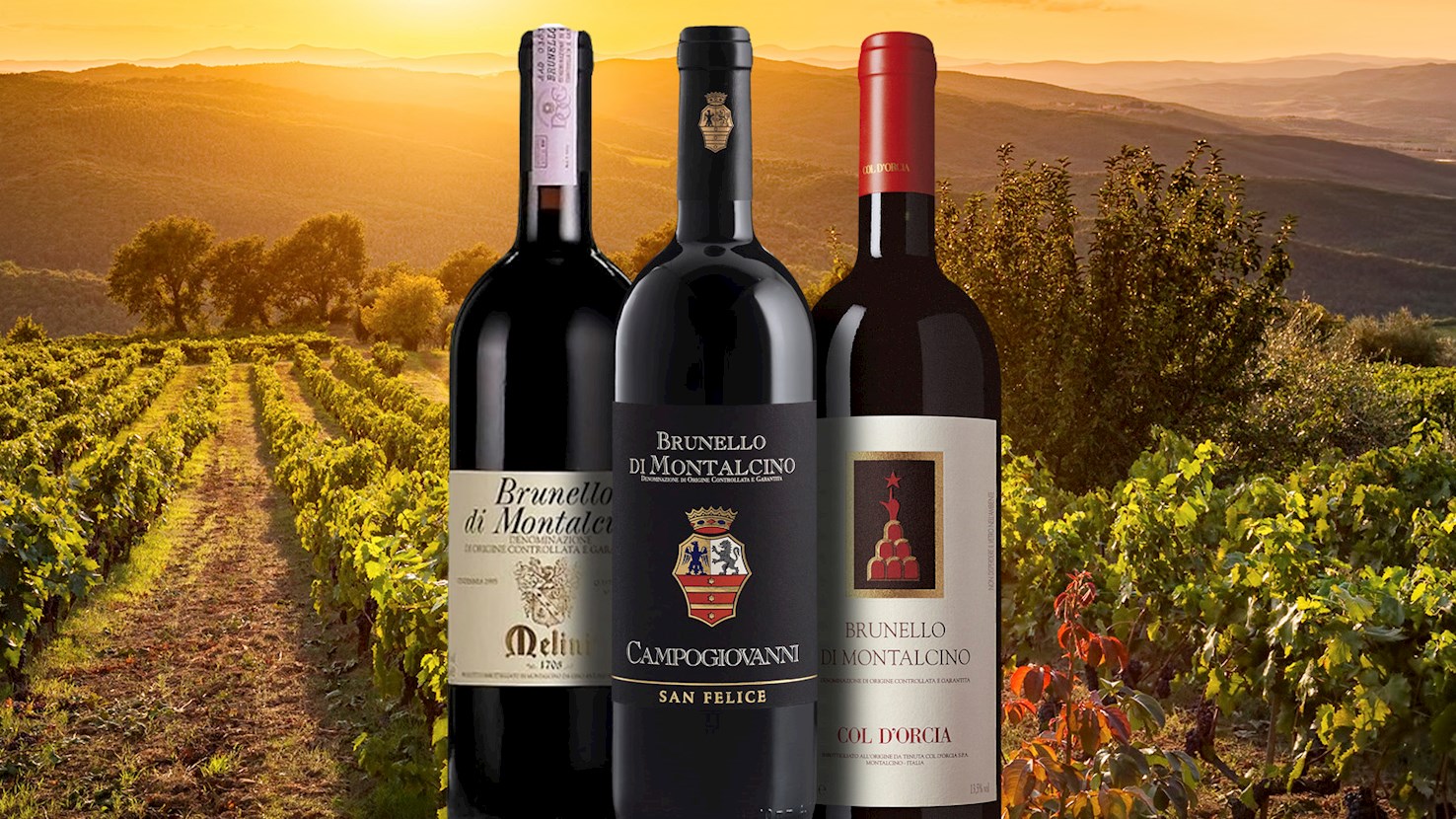
Brunello di Montalcino

4.5 ·

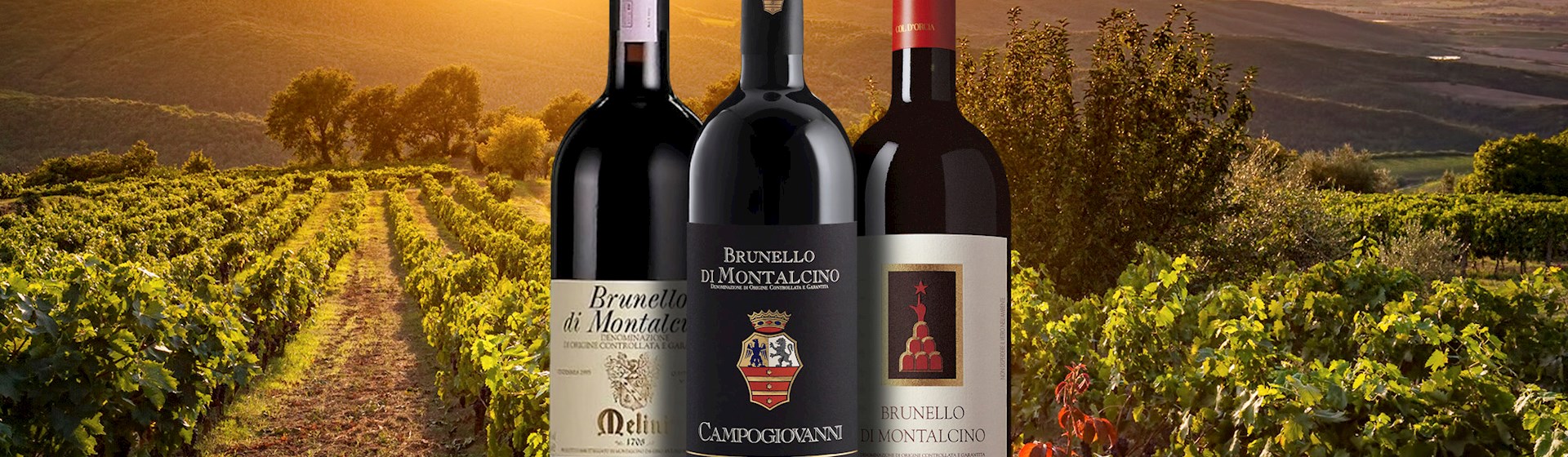
Brunello di Montalcino is a red Italian wine produced in the vineyards surrounding the town of Montalcino in the Tuscany wine region. Though it was initially considered to be made from a separate grape variety named Brunello, it was later discovered that the grape used in the production of the wine is in fact Sangiovese. Regarded as one of the most renowned Italian wines, Brunello di Montalcino was awarded the designation of origin (DOCG), and it is produced with 100% Sangiovese grapes. At first, it comes off as juicy and spicy, with notes of oregano and balsamic, and it may develop strong aromas of cherry and leather. The wine pairs well with red meat and rich, tomato-based dishes, and it usually sells at a lower price than the prestigious Barolo wines.

03

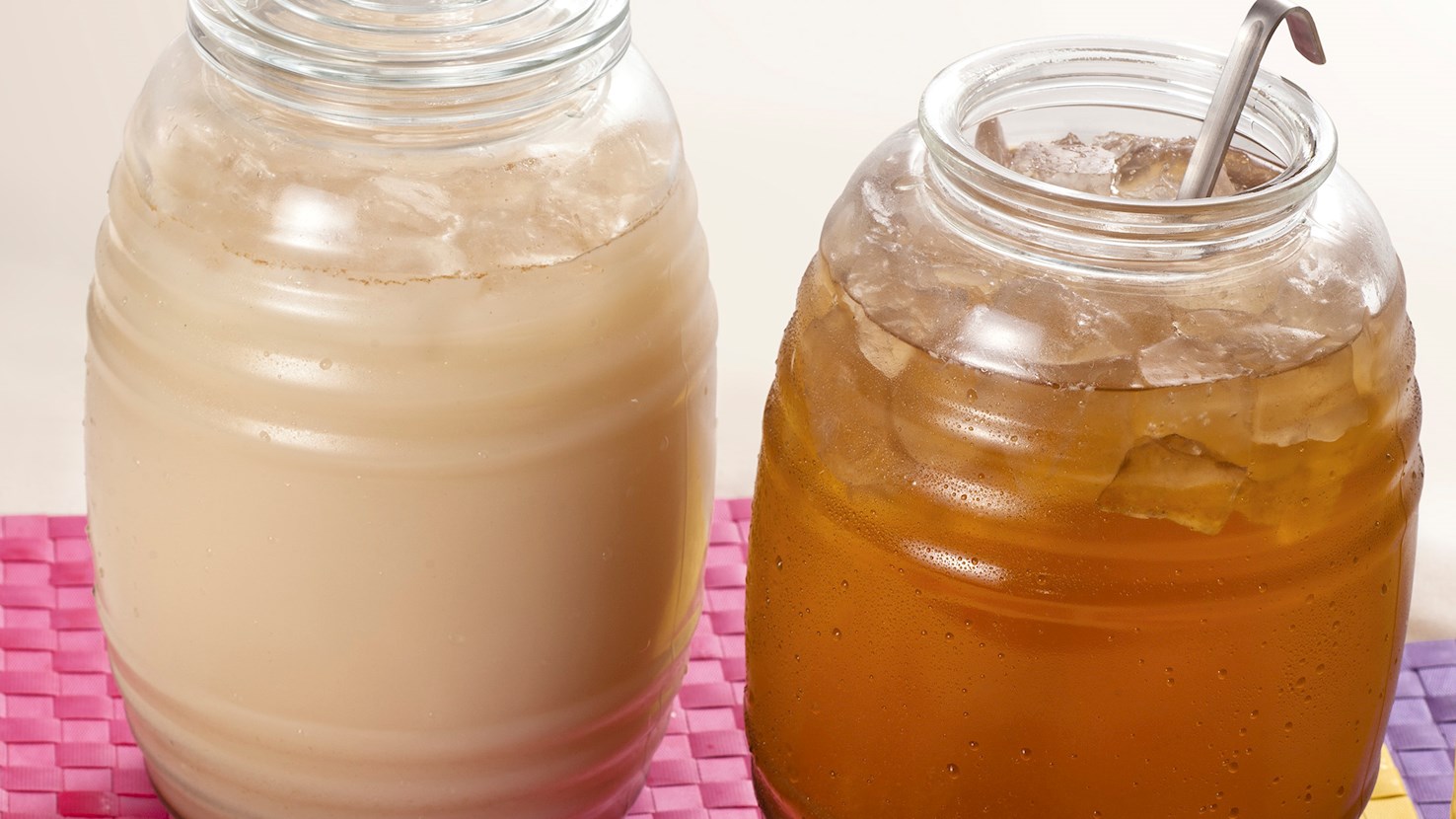
Aguas Frescas

4.5 ·

Aguas Frescas are light non-alcoholic beverages made with a combination of fruits, cucumbers, flowers, seeds, and cereals blended with sugar and water. The name translates to fresh water, and it is often sold at bodegas and eateries throughout Central America, Mexico, and the Caribbean, but it can also be found in Mexican cafés and taquerias throughout USA. Aguas Frescas come in a variety of flavors such as guava, mango, orange, cucumber, lemon, and tamarind, among others. The beverage is most commonly consumed in the summer months, served cold with pieces of fruit and ice.

04

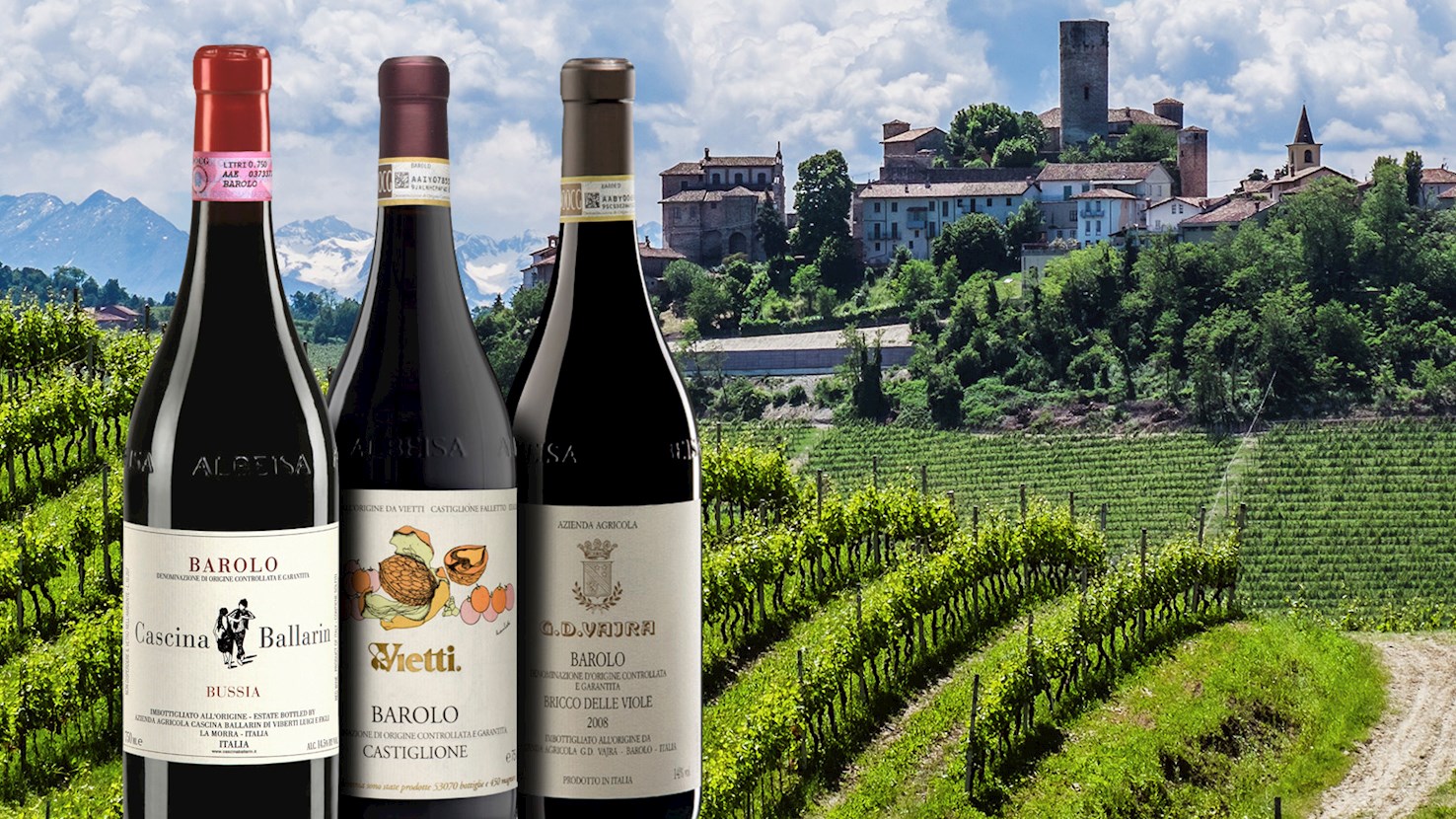
Barolo

4.4 ·

This full-bodied, red wine is made from Nebbiolo grapes in a small area in Piedmont with a unique soil and climate conditions. It has been produced since the 19th century, and soon after its invention, it became a favorite among the Italian and European nobility. According to Italian DOCG regulations, Barolo needs to matured for at least 36 months, while those aged for five years carry the prestigious Riserva label. It is a robust, but elegant wine, which is very high in tannins that soften with aging. Because of its distinctive notes of rose petals, dark fruit, tobacco, mocha, tar, and truffles, it pairs well with various dishes. Serve it with beef or game meat, aromatic tomato and truffle sauces, or aged and blue cheese varieties.

05

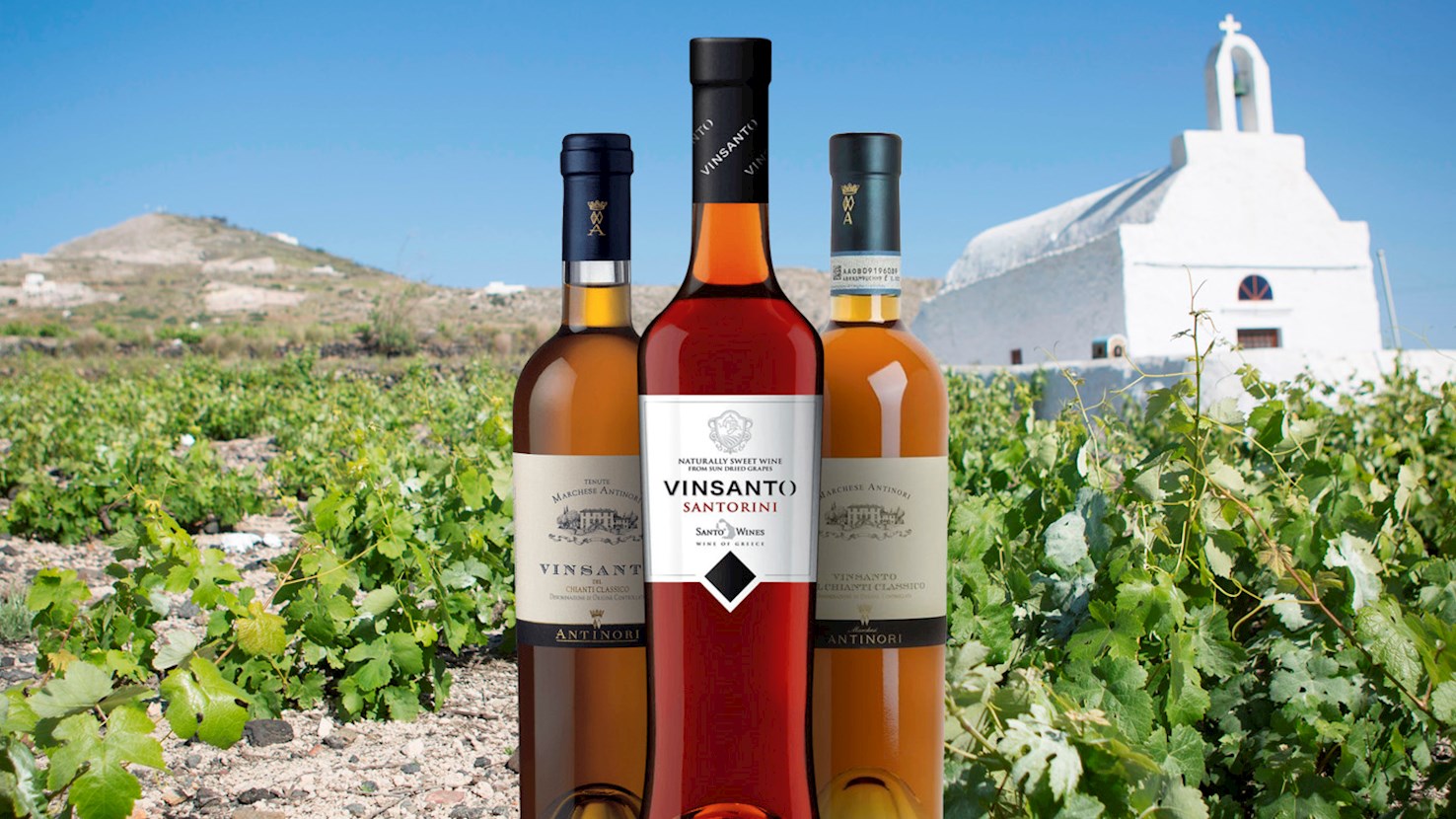
Vinsanto

4.4 ·

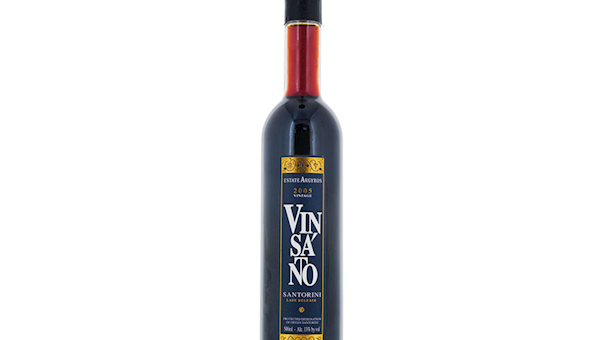
Vinsanto is a dessert wine hailing from Santorini. It is made with sun-dried Assyrtiko and Aidani grapes. Despite a surprisingly similar name, this Greek wine does not have much in common with the more famous Vin Santo from Tuscany. The grapes are sun-dried for approximately fourteen days and are then fermented and aged. This wine has to be oak-aged for a minimum of two years, but most producers opt for longer maturation. The result is a sweet and dense wine packed with flavor and rich in aromas. Although both grape varieties are white-skinned, Vinsanto will attain a luscious golden color that tends to turn into darker amber hues as the wine ages. On the palate, the wine is honeyed, sweet, and full-bodied, and the aromas are reminiscent of figs, raisins, apricots, caramel, nuts, and sweet spices. Despite concentrated flavors and dense texture, Vinsanto manages to remain balanced by retaining acidity and freshness. In the past, producers sometimes fortified the wines, but modern techniques mainly rely on adding yeast to prolong fermentation and increase the alcohol content. Vinsanto wines need to have a minimum of 9% ABV, but excellent examples usually reach 13% ABV. These wines should always be served chilled. They can be sipped on their own, but they also pair well with desserts and cheese. Young and lighter styles go well with sweet, caramel desserts, while older varieties work well with dark chocolate and nuts.

06

Mango lassi

4.4 ·

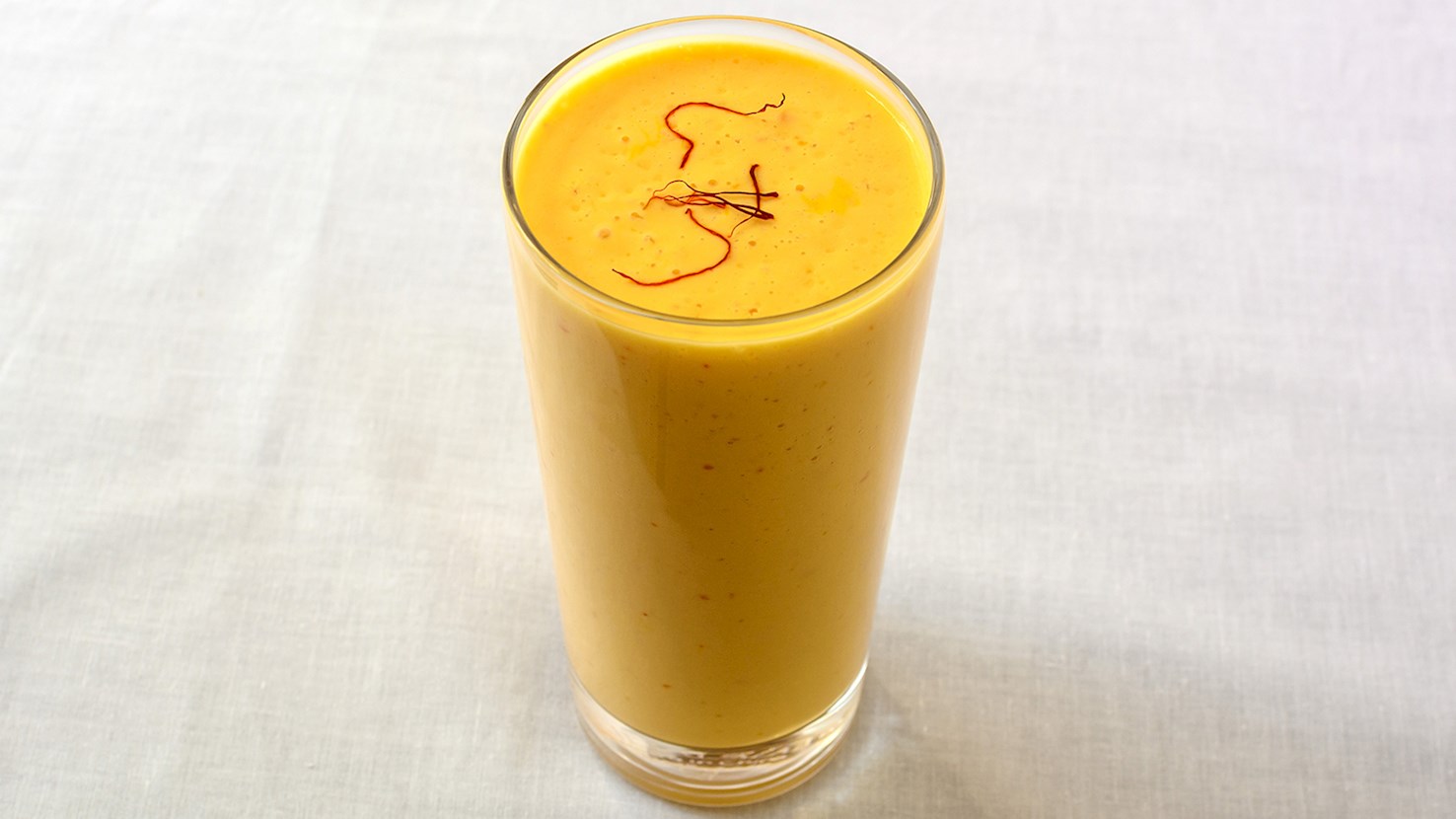
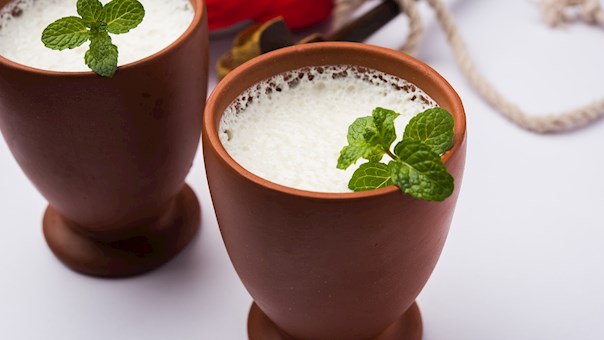
Mango lassi is one of the most popular lassi varieties, consisting of yogurt (dahi) and fresh mango. It commonly includes cardamom, water, and sugar. The ingredients are combined until the drink is creamy and frothy. Mango lassi should always be served well-chilled. Among numerous types of lassis, this sweet mango version is the most common variety on the menus of Indian restaurants outside the country.

07

Saperavi

4.4 ·

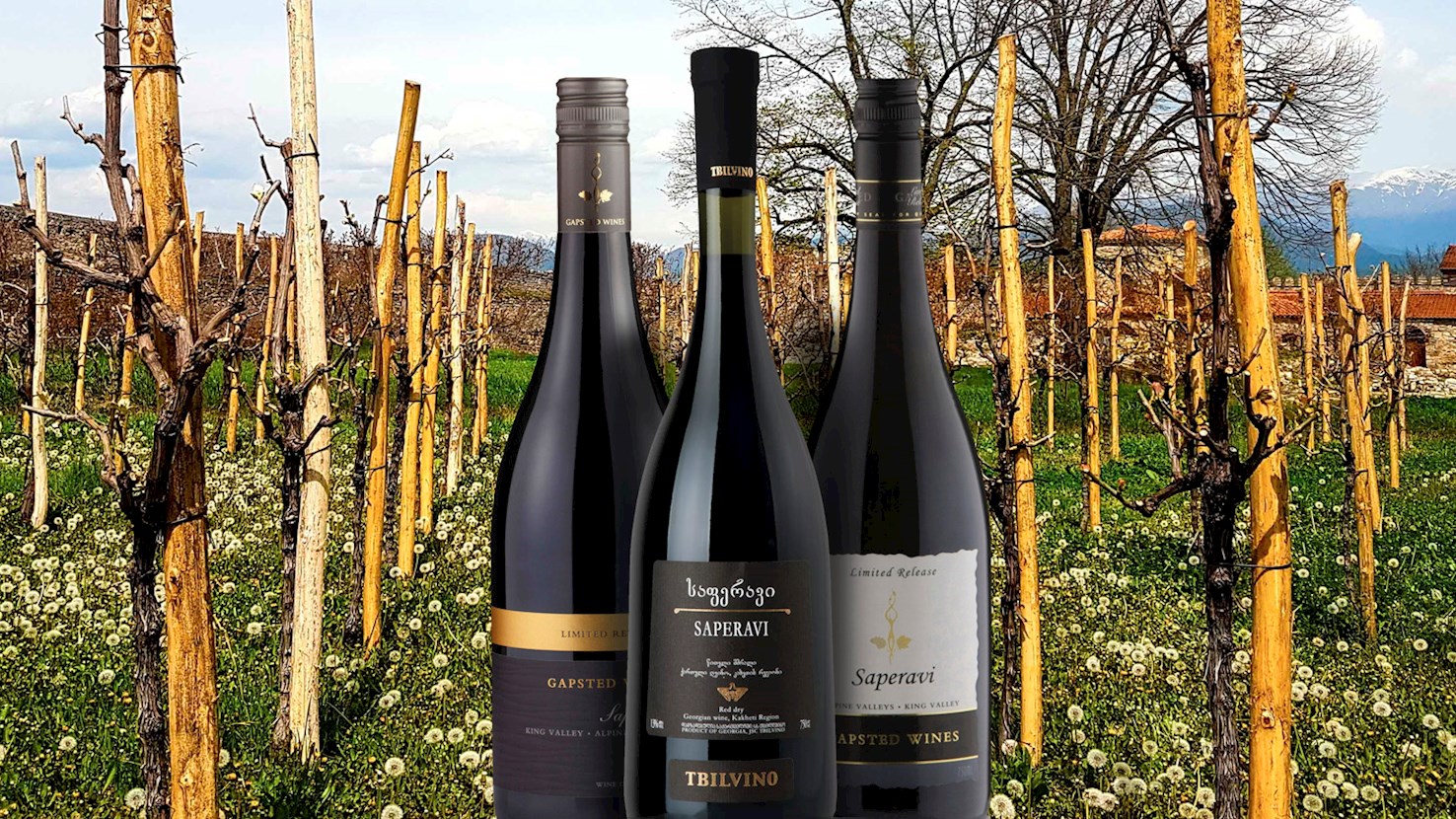
Saperavi is a resilient red Georgian grape that originated in the eastern region of Kakheti, and though it is still predominant in Georgia, small amounts are also grown in other Eastern European regions, Australia, and the United States. This teinturier grape that has dark skins and flesh produces full-bodied wines of a dark garnet color which are characterized by aromas of ripe red berries and pleasant acidity. Most wines produced from the Saperavi grapes are varietal and have a great tendency to age. Sapervai wines are incredibly versatile and can match a variety of dishes, including delicate fish dishes, stews, grilled meat, or game.

08

Chai masala

4.4 ·

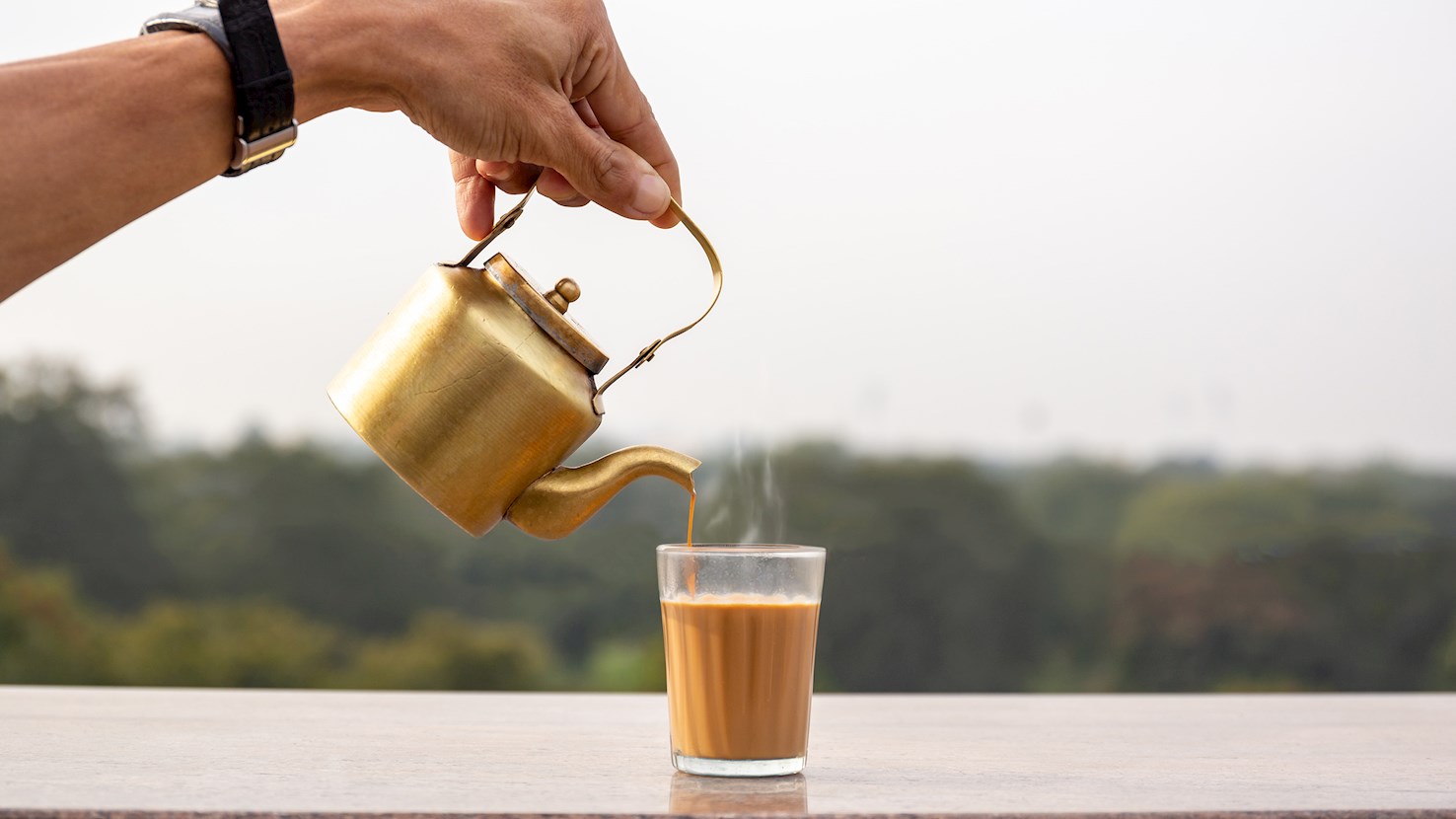
Chai masala is an aromatic beverage originating from India. It is made with a combination of sweetened black tea and milk that is spiced with a masala mix—which typically includes cardamom, ground ginger, cloves, cinnamon, and black peppercorns. However, the choice and the exact proportion of spices often vary. Although there are several theories that claim otherwise, the origin of chai masala is mostly associated with the British tea trade. In the 19th century, the Chinese had a monopoly on the tea trade, and the British looked for other markets that would fulfill the high demand for black tea—which was a firm European favorite. Their quest brought them to India, where they started to set up tea plantations. It is believed that chai masala first appeared during that period, but it only became a popular option in the 20th century when the Indian Tea Association promoted tea breaks as a much-needed refreshment for workers and when tea became more affordable. In India, the drink is mainly prepared and sold at challah stalls, but modern interpretations of chai masala are enjoyed around the world.

09

Georgian amphora wine

4.4 ·

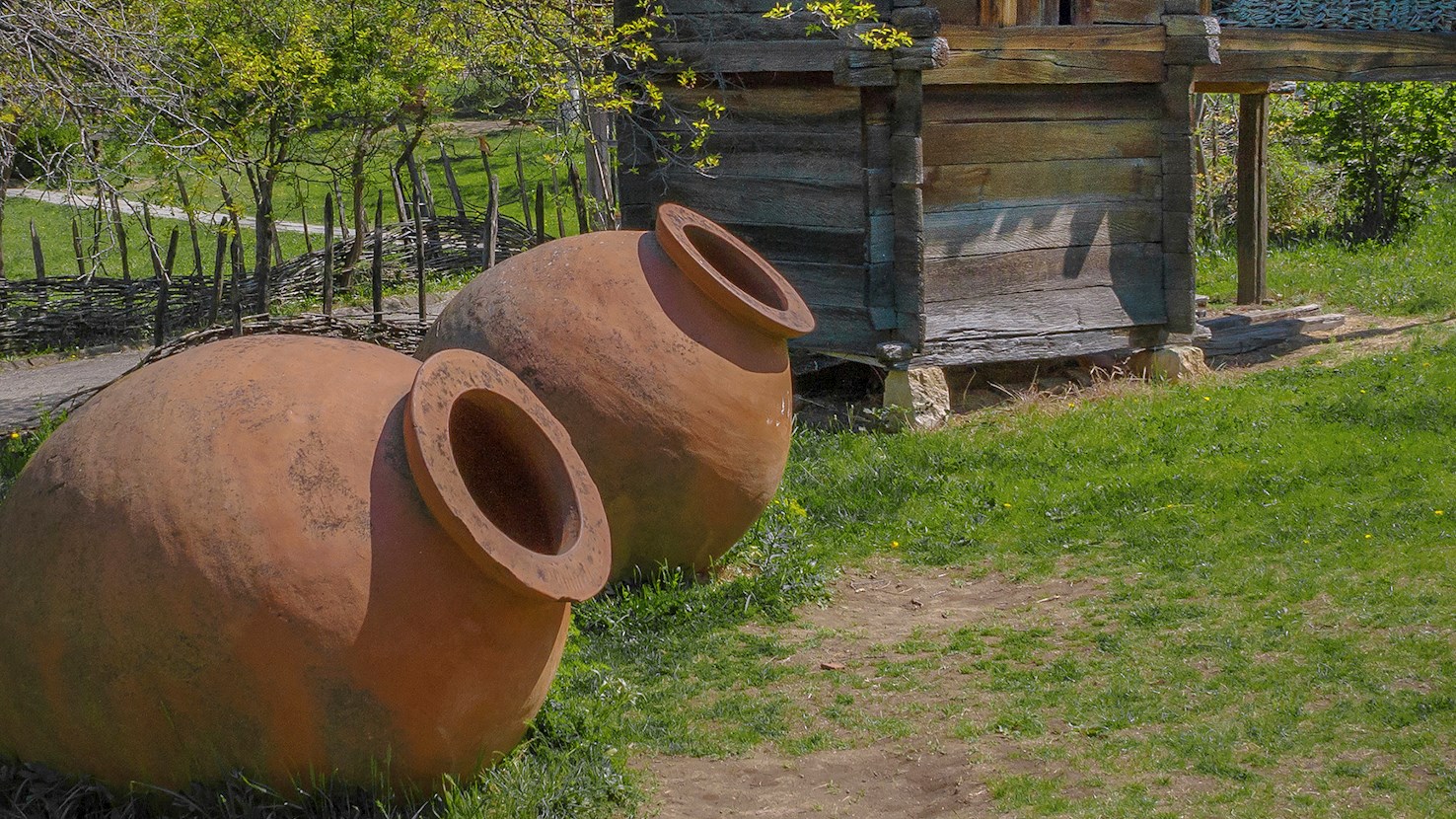
Georgian amphora wine is produced with an ancient wine-making method in which pressed grapes, including skins, juice (tkbili), stalks, and pips, are poured in traditional terracotta amphorae known as qvevri (kvevri). The amphorae are sealed and are then buried underground, or kept in Marani—underground cellars. Usually, the wine is left to ferment from five to six months. The method is used throughout the country, though the wines can slightly vary in styles depending on the region. In Kakheti, the wine is produced with whole chacha—pomace—while in Imereti approximately only a third is used. The method is used in the production of both red and skin-contact white wines. Although they can differ in character, red varieties are typically robust, while the whites tend to have a distinct dark color, complex aromatic profile, and well-structured tannins. This wine-making method, which has existed for over eight thousand years, has been recognized as an Intangible Cultural Heritage by the United Nations.

10

Maghrebi mint tea

4.4 ·

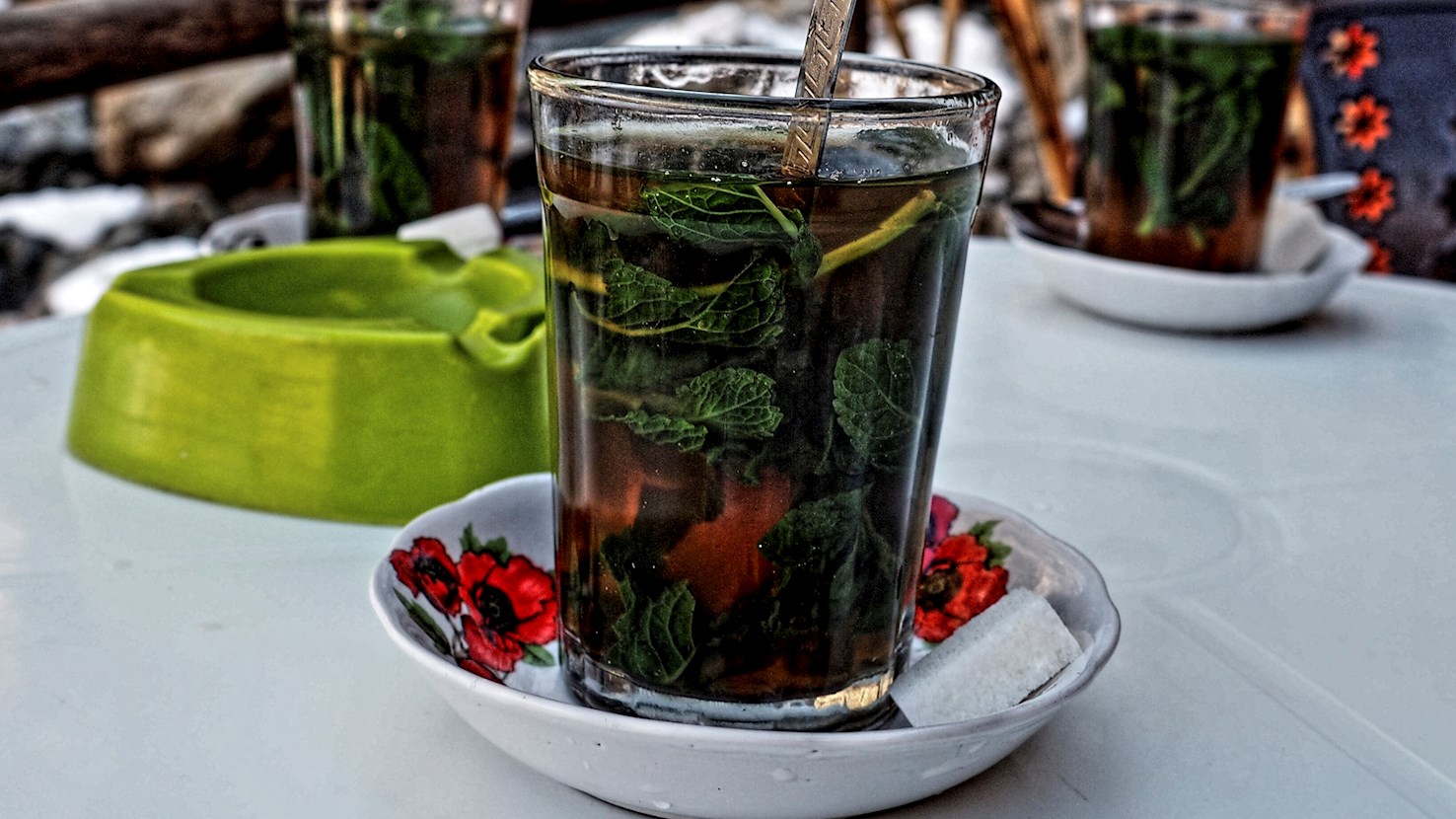
Maghrebi mint tea is the most common term used to denote the generously sweetened combination of green tea and fresh spearmint. The consummation of mint tea is common to the Maghrebi region of North Africa, but it is strongly associated with Morocco. It is traditionally prepared in berrad teapots, in which the tea is first steeped to produce the so-called spirit that is saved for later use. The leaves are washed and are then brewed with the addition of the tea spirit and water. Optionally, other types of herbs can be used instead of spearmint, and they can be put inside the teapot or directly into cups. In Morocco, Maghrebi tea is associated with social gatherings and is the ultimate sign of hospitality.

Best Beverages in the World
01

Tree House Brewing

5 ·
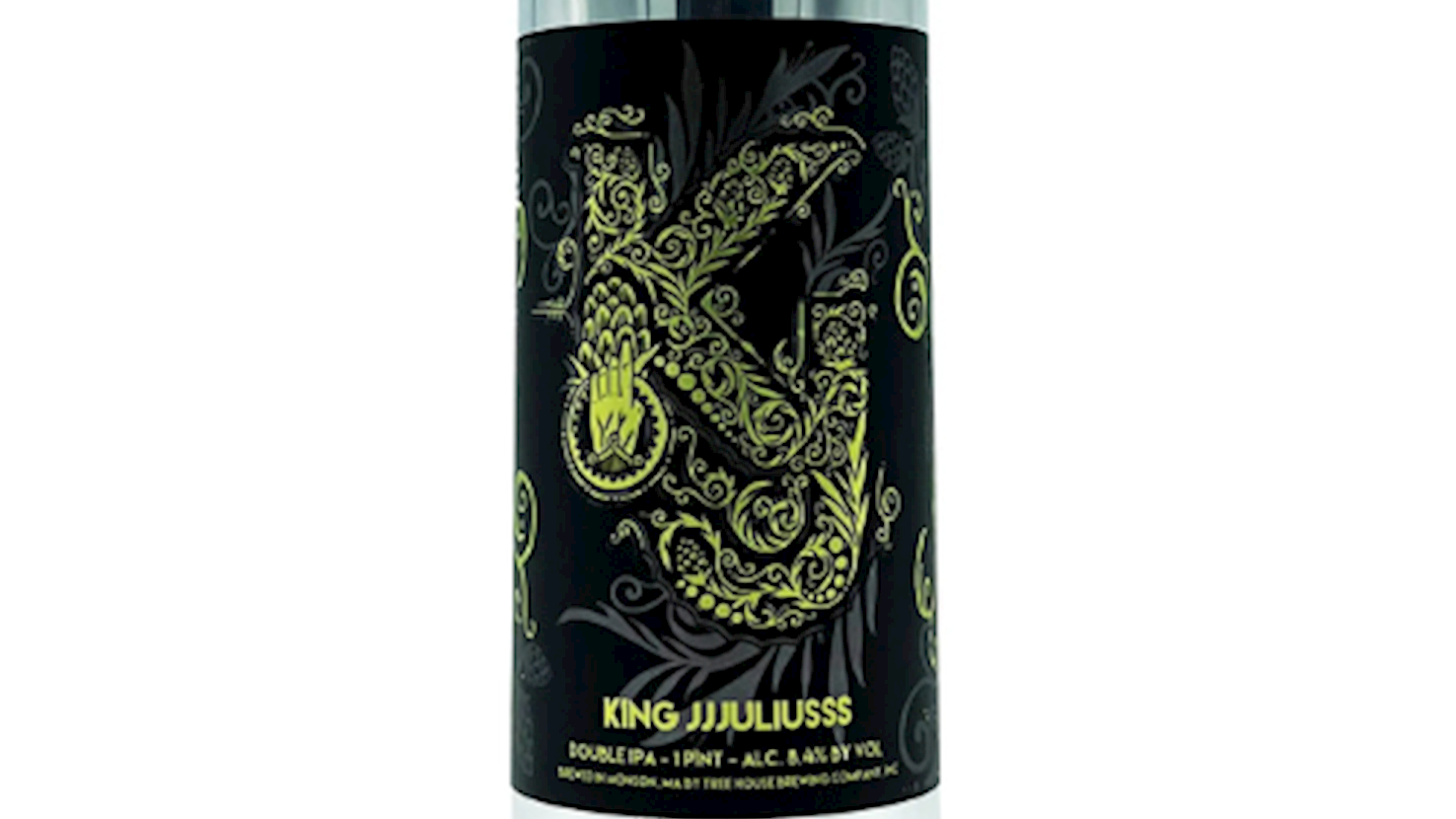
Tree House Brewing Company is one of the most highly regarded American craft breweries, known for its top-quality unfiltered IPAs and strong local presence. It was founded in 2011 in the state of Massachusetts by four friends as a small homebrewing project in Brimfield. They are best known for their hazy and juicy IPA beers, especially Julius, which stands out with tropical aromas of mango, peach, and passionfruit, paired with gentle bitterness and a smooth, full-bodied taste. Their beers are not distributed - they are sold exclusively on-site at brewery locations, giving them an exclusive status and creating buzz and long lines with each new release. Tree House combines innovation and high quality with a local, community-driven approach and a commitment to sustainable growth. Each location offers a warm, family-friendly atmosphere, often with pizza, music, and outdoor gathering spaces.
Awards
Beer Advocate - 100 World-Class
Untappd - 4.56 (0)
02

Hill Farmstead Brewery

5 ·
Hill Farmstead Brewery is a premier craft brewery located in Greensboro Bend, Vermont, founded around 2010 by Shaun Hill on his family’s ancestral farm, which has been in the Hill family for over two centuries. The brewery focuses on subtle complexity and elegance, producing small batches of exceptionally high-quality beers - including IPAs, saisons, porters, and others. Sales take place exclusively on-site, often drawing long lines of visitors who travel from distant states to purchase beer directly from the source. The brewery features a beautifully designed taproom and a retail shop lined with growlers and bottles, while the setting of the family farm adds an authentic, serene backdrop to the full brewery experience.
Awards
Untappd - 4.7
Untappd - 4.8
03

Side Project Brewing

5 ·
Side Project Brewing is an American craft brewery based in Saint Louis (Maplewood, Missouri), run by Cory and Karen King. The brewery is renowned for its premium, complex beers fermented in oak barrels, using wild yeasts and spontaneous processes that give each release a rustic and unpredictable character. Their philosophy relies heavily on local ingredients - such as fruit and native microorganisms - to create unique saison and wild ale styles with a strong sense of terroir. In addition, Side Project experiments with aging in bourbon and other spirit barrels, crafting intensely powerful stouts and barleywines that combine strength and depth with exceptional balance and elegance. Their work is defined by technical precision, innovation, and dedication to artisanal principles, making them one of the most respected and influential breweries in the world of spontaneous and barrel-aged beers.
Awards
Untappd - 4.7
Untappd - 4.8
04

Russian River Brewing

5 ·
Russian River Brewing was founded in 1997, when Vinnie Cilurzo was hired as the head brewer. As early as 1999, Vinnie created one of the first commercially available Double IPAs - the renowned Pliny the Elder, which remains the brewery’s most famous and acclaimed beer to this day. Their reputation is built primarily on outstanding IPA styles, with Pliny the Elder - Double IPA, and Pliny the Younger - Triple IPA standing out. The latter is brewed only once a year, during a two-week release in February or March, and is available exclusively at their locations -an event that attracts beer enthusiasts from around the world. With the opening of their modern brewery in Windsor, they significantly expanded production capacity while also enhancing the visitor experience. Today, Russian River Brewing is considered one of the most influential and innovative American craft breweries, with its success rooted in a strong commitment to quality, continuous innovation, and deep connection with the community.
Awards
Beer Advocate - 100 World-Class
Untappd - 4.5
05

Brasserie Cantillon

5 ·
Brasserie Cantillon is a small, family-owned brewery founded in 1900 in Brussels, and today it stands as the only active brewery in the region that still produces lambic using traditional methods. This unique beer undergoes spontaneous fermentation, relying on wild yeasts and bacteria naturally present in the air. The brewing base consists of two-thirds malted barley and one-third unmalted wheat, and after boiling, the wort is cooled in large, open vessels known as “coolships”. It then matures in oak or chestnut barrels of varying ages before being blended and refermented in the bottle. Within the brewery is the Brussels Gueuze Museum, opened in 1978, offering visitors insight into the history and fermentation processes of this distinctive style. Cantillon is regarded as one of the most respected and authentic producers of Belgian sour beers, earning recognition among connoisseurs and as a cultural icon of brewing heritage. Production continues using traditional equipment: centuries-old barrels, wooden kettles, and open fermenters - all preserved in their original, functional form. The brewery’s atmosphere, marked by age and history, evokes a near-museum-like setting that reflects continuity and deep respect for a craft passed down through generations.
Awards
Untappd - 4.7
Beer Advocate - 100 World-Class
06

Brouwerij 3 Fonteinen

5 ·
Brouwerij 3 Fonteinen is one of the most respected and authentic Belgian breweries specializing in the production of lambic and geuze beers, located in Beersel, just outside Brussels. It was founded in 1883, originally as a tavern named after the “three fountains”, which later became the name of the brewery itself. Over the decades, it evolved from a simple pub into a guardian of traditional Belgian brewing craftsmanship rooted in spontaneous fermentation. The production process remains faithful to centuries-old methods: after boiling, the wort is cooled in a large open vessel called a "coolship", where it is exposed to the natural microflora of the environment, allowing for spontaneous fermentation without the use of cultured yeast. The beer then matures in large oak barrels and is carefully blended - often from different vintages - based not on strict recipes but on the experience, knowledge, and intuition of the master blenders. Brouwerij 3 Fonteinen does not filter or pasteurize its beers, keeping them alive and allowing them to evolve in the bottle. Today, Brouwerij 3 Fonteinen stands as one of the world’s most esteemed producers of geuze and lambic, preserving tradition while continuously exploring new frontiers of flavor through innovation in fermentation, blending, and aging.
Awards
Beer Advocate - 100 World-Class
Beer Advocate - 95 World-Class
07

Angry Chair Brewing

5 ·
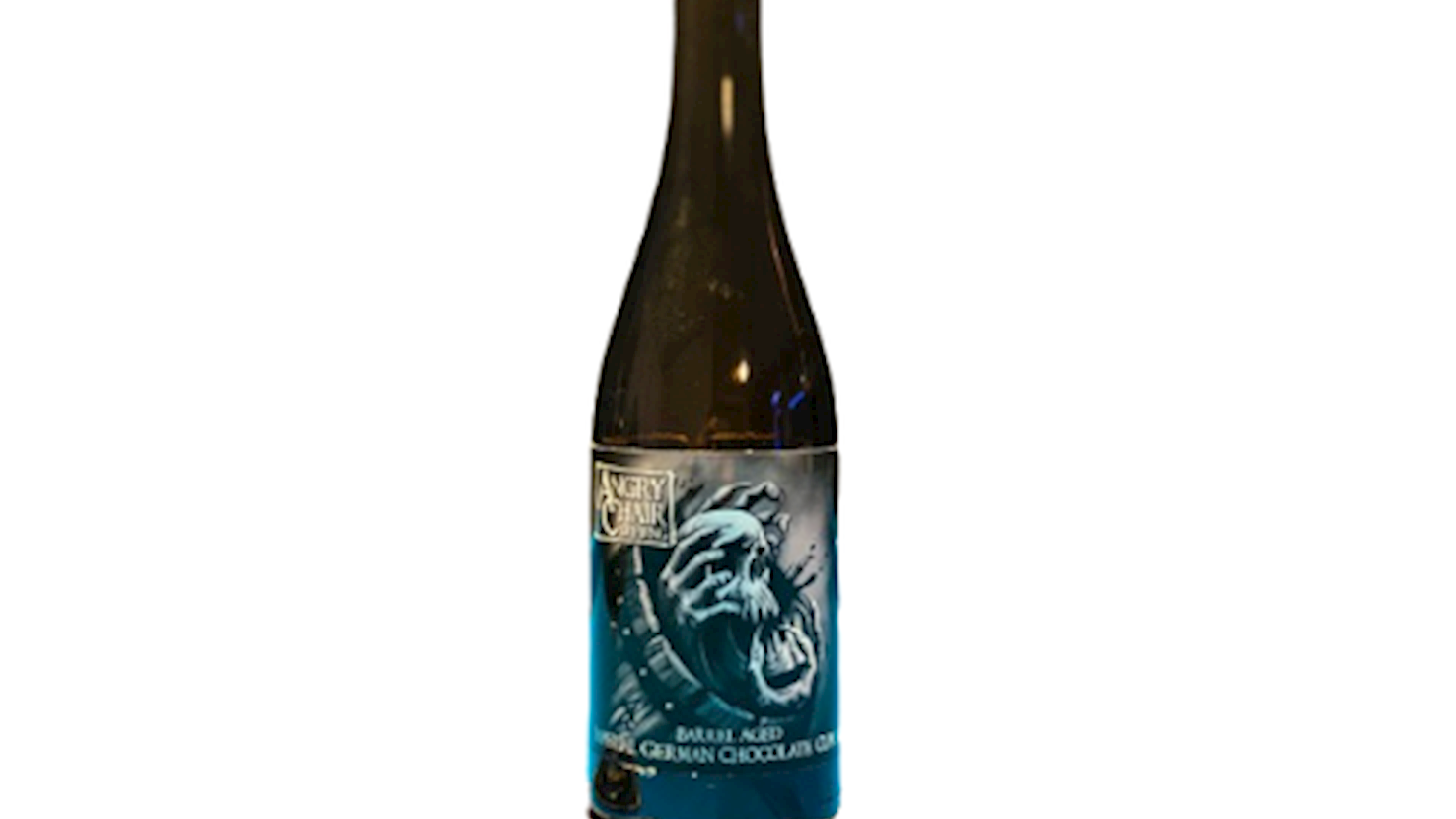
Angry Chair Brewing is a craft brewery located in the Seminole Heights neighborhood of Tampa, Florida, recognized for its unique blend of technical precision and an experimental approach to brewing. While best known for their rich, layered, and often decadent stouts, their lineup also includes IPAs, light and refreshing lagers, classic pilsners, porters, and thoughtfully crafted sour styles. Their focus is on creating beers with distinct character and balanced flavor profiles, which has earned them a loyal following and recognition within the craft beer community. The taproom offers a relaxed, welcoming atmosphere where locals and visitors come together, while the constantly rotating draft list ensures that each visit brings a new experience.
Awards
Untappd - 4.7
Beer Advocate - 100 World-Class
08

Bodegas Lustau

5 ·
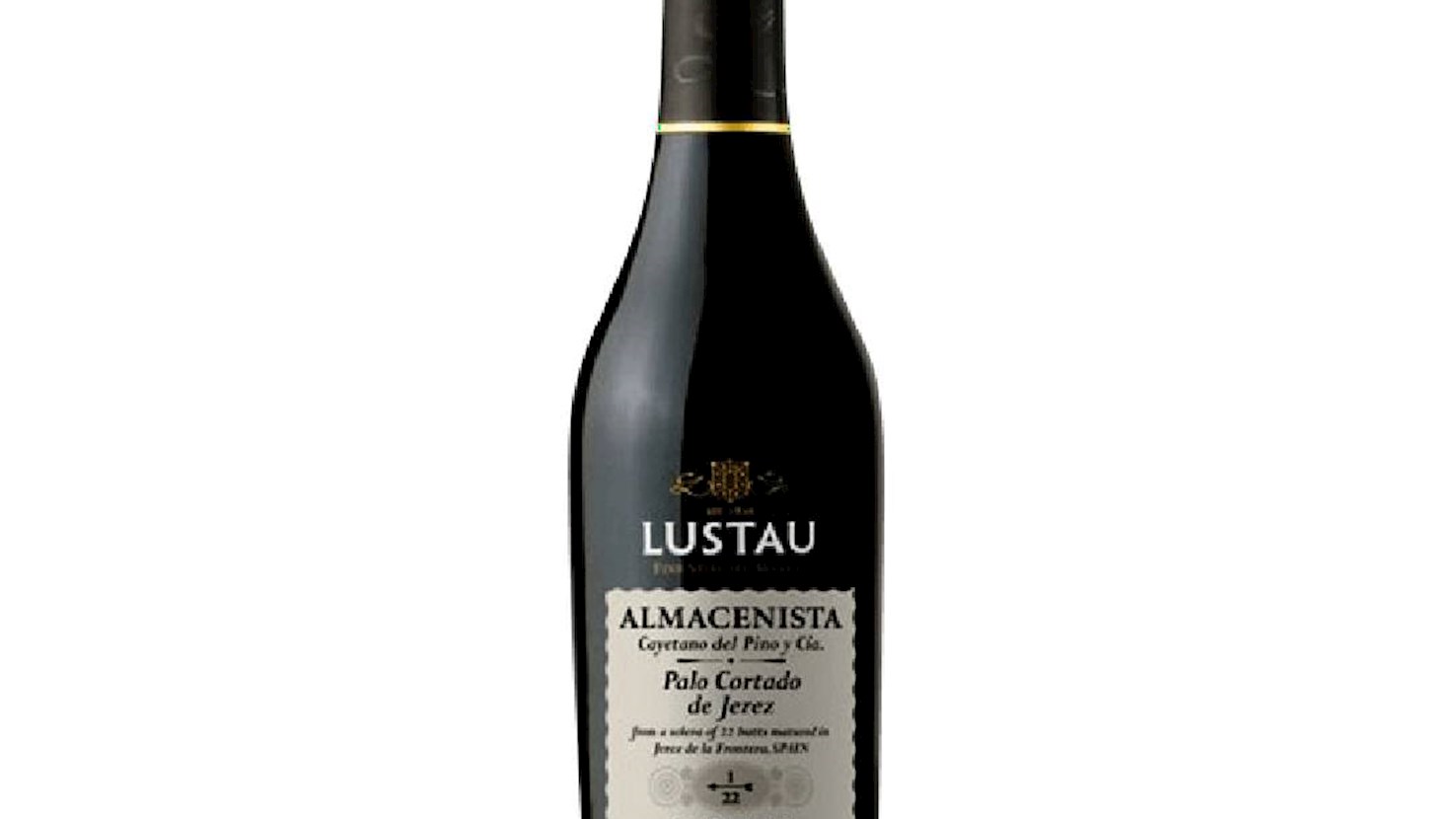
Bodegas Lustau is one of the most important and influential wineries in the world of Sherry, based in Jerez de la Frontera, with a tradition that dates back to the late 19th century. It was founded in 1896 as a small family bodega and has grown over the decades into a global reference for both quality and stylistic diversity in Jerez wines. Lustau is especially known for being among the first to systematically highlight the origin of its wines from different parts of the Marco de Jerez, including Jerez, El Puerto de Santa María, and Sanlúcar de Barrameda, thereby emphasizing the role of microclimate and local character. Its portfolio covers almost every style of Sherry, from Fino and Manzanilla to Amontillado and Palo Cortado, as well as deep Oloroso and sweet styles such as Pedro Ximénez. In Lustau’s cellars, soleras of different ages are carefully maintained, with a strong focus on long aging and the preservation of traditional methods. The winery is also known for its precise selection of wines, often working with small, historic producers whose soleras are integrated into its own system. The house style is defined by a balance between authenticity and accessibility, without the need to follow short-lived trends. Over the years, Lustau has received numerous international awards and has been repeatedly named the world’s best Sherry producer, yet its reputation rests above all on consistent quality.
Awards
Decanter World Wine Awards - Best in Show (2023, 2022, 2020, 2019, 2018)
Decanter World Wine Awards - Platinum (2023, 2022, 2021, 2020, 2019, 2018)
09

Monkish Brewing

5 ·
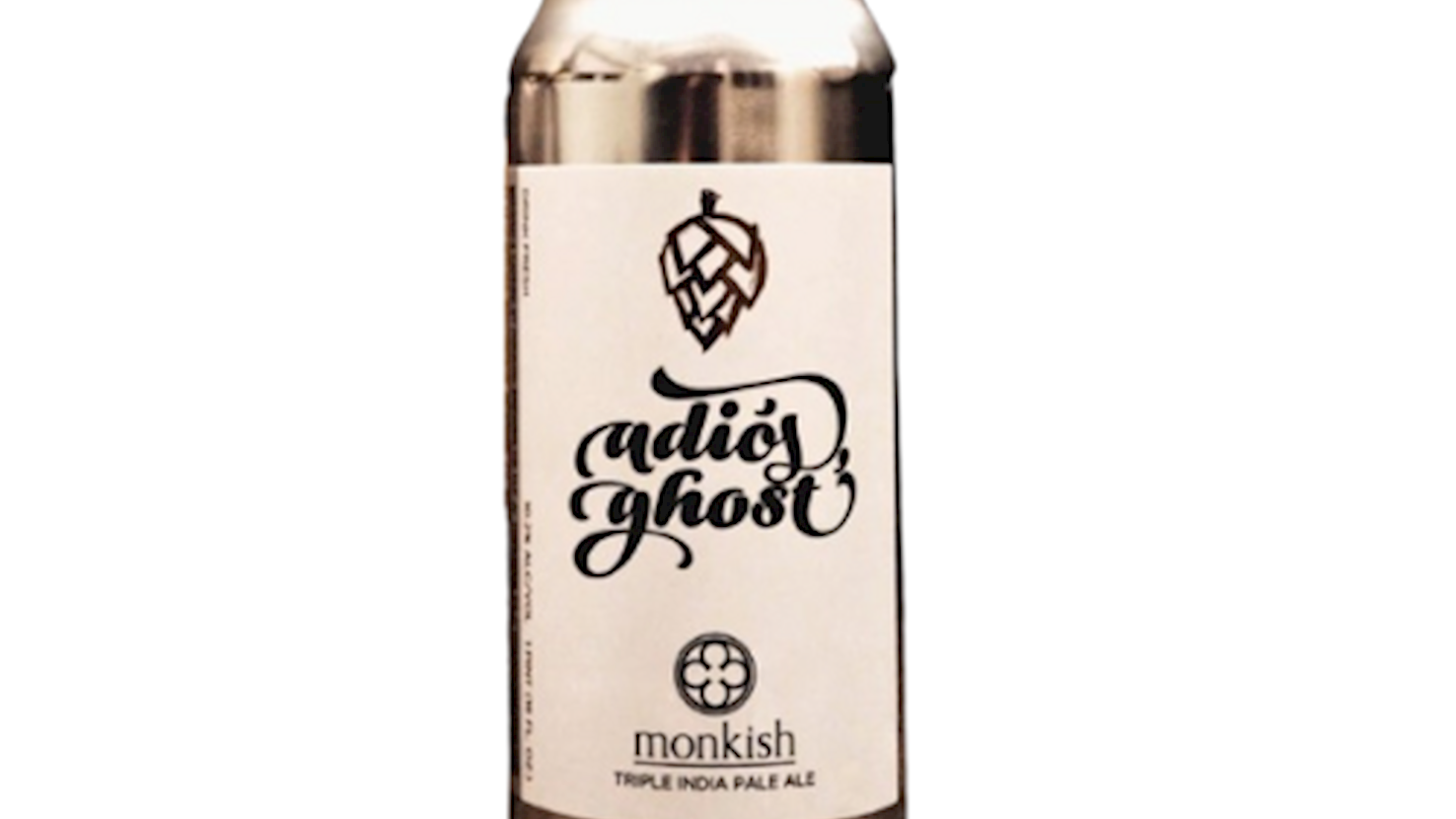
Monkish Brewing Co. is an independent brewery based in Torrance, California, with an additional taproom in Anaheim, known for its exceptional hazy IPAs and sour ales. Founded in 2012, the brewery began with Belgian-style ales but quickly gained a reputation as one of the most innovative producers of New England IPAs on the West Coast. Their shift toward modern, hop-forward styles is marked by a meticulous focus on aroma and dry-hopping techniques, using varietals such as Citra, Nelson, Galaxy, and Mosaic. Monkish also continues to explore fermentation-driven expressions - developing complex wild and mixed-fermentation ales in parallel with their IPA lineup, relying on both spontaneous and controlled processes in oak foeders. Each recipe carries the signature of head brewer Henry Nguyen, who blends technical precision with a creative approach inspired by philosophy and aesthetics.
Awards
Untappd - 4.5
Beer Advocate - 99 World-Class
10

Other Half Brewing

5 ·
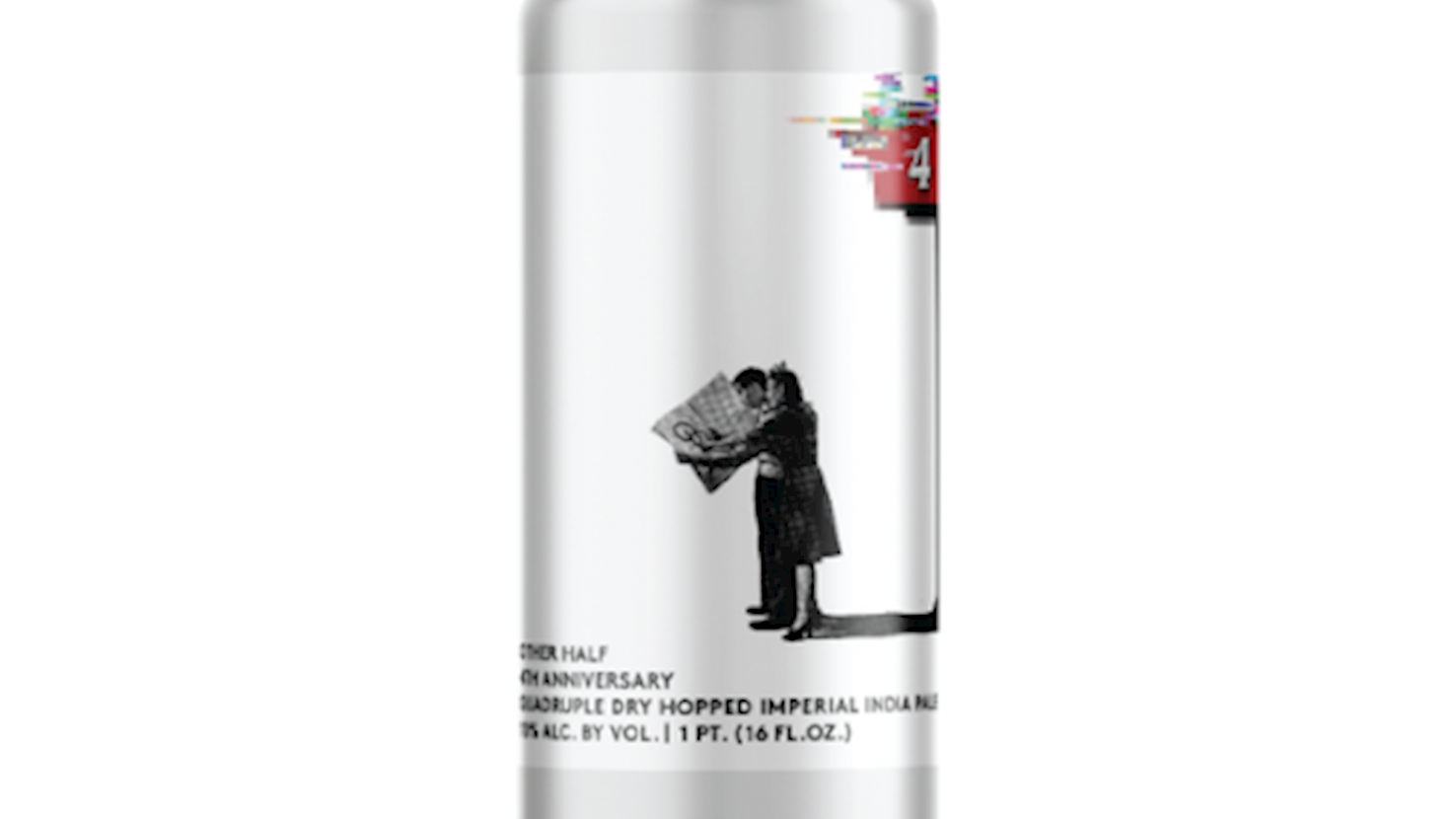
Other Half Brewing is a highly influential craft brewery founded in 2014 in Brooklyn by Sam Richardson, Matt Monahan, and Andrew Burman. From the very beginning, they established themselves as masters of hop-forward styles, with a focus on juicy, fruity, and dank IPAs inspired by the West Coast. Their dedication to using top-tier hops, employing techniques like double dry hopping, and pioneering innovations such as HDHC (high-density hop charge) have helped redefine the modern IPA and become hallmarks of the brewery. Other Half has built a strong reputation through collaborations with breweries around the world, while their culinary approach to recipe development adds depth and complexity to their beers. By combining a passion for aromatic hops, technical innovation, and close engagement with the beer community, Other Half has earned cult status among craft beer enthusiasts. Today, they operate in several major U.S. cities and are considered one of the leading forces on the American craft beer scene, particularly known for their outstanding and boundary-pushing IPA releases.
Awards
Beer Advocate - 100 World-Class
Untappd - 4.5
About this ranking

TasteAtlas food rankings are based on the ratings of the TasteAtlas audience, with a series of mechanisms that recognize real users and that ignore bot, nationalist or local patriotic ratings, and give additional value to the ratings of users that the system recognizes as knowledgeable. For the “Top 100 Beverages in the World” list until June 03, 2026, 69,983 ratings were recorded, of which 50,583 were recognized by the system as legitimate. TasteAtlas Rankings should not be seen as the final global conclusion about food. Their purpose is to promote excellent local foods, instill pride in traditional dishes, and arouse curiosity about dishes you haven’t tried.

The initial list of top producers was compiled based on available reviews, awards, local recommendations, media and blog coverage, and consumer reviews. The list will be updated with ratings from TasteAtlas local ambassadors and TasteAtlas users.

Similar lists