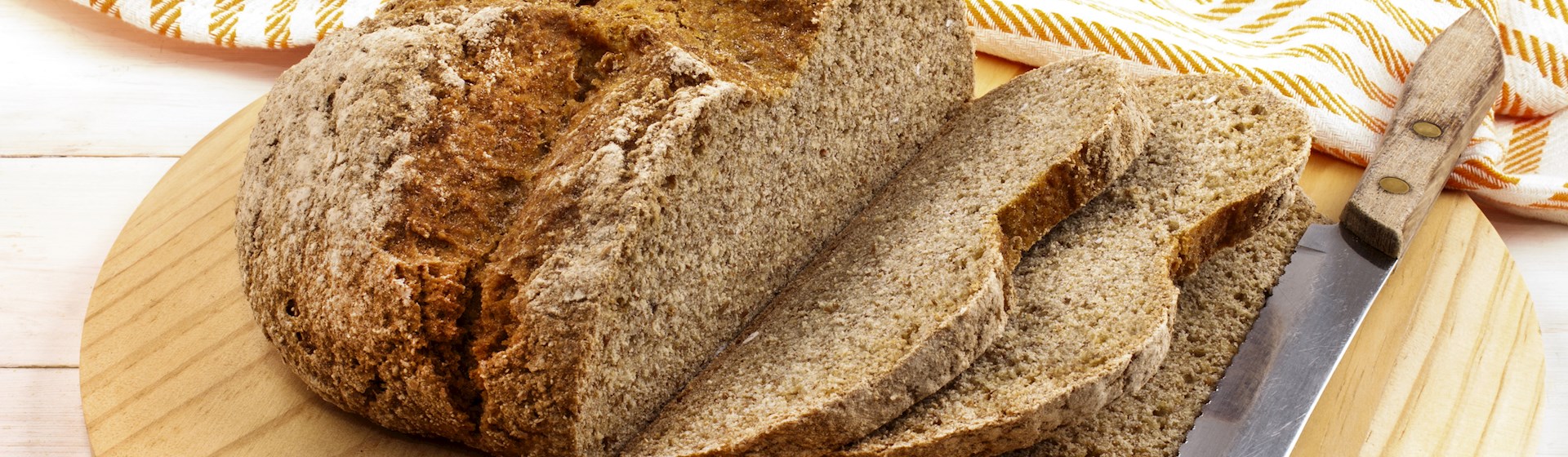
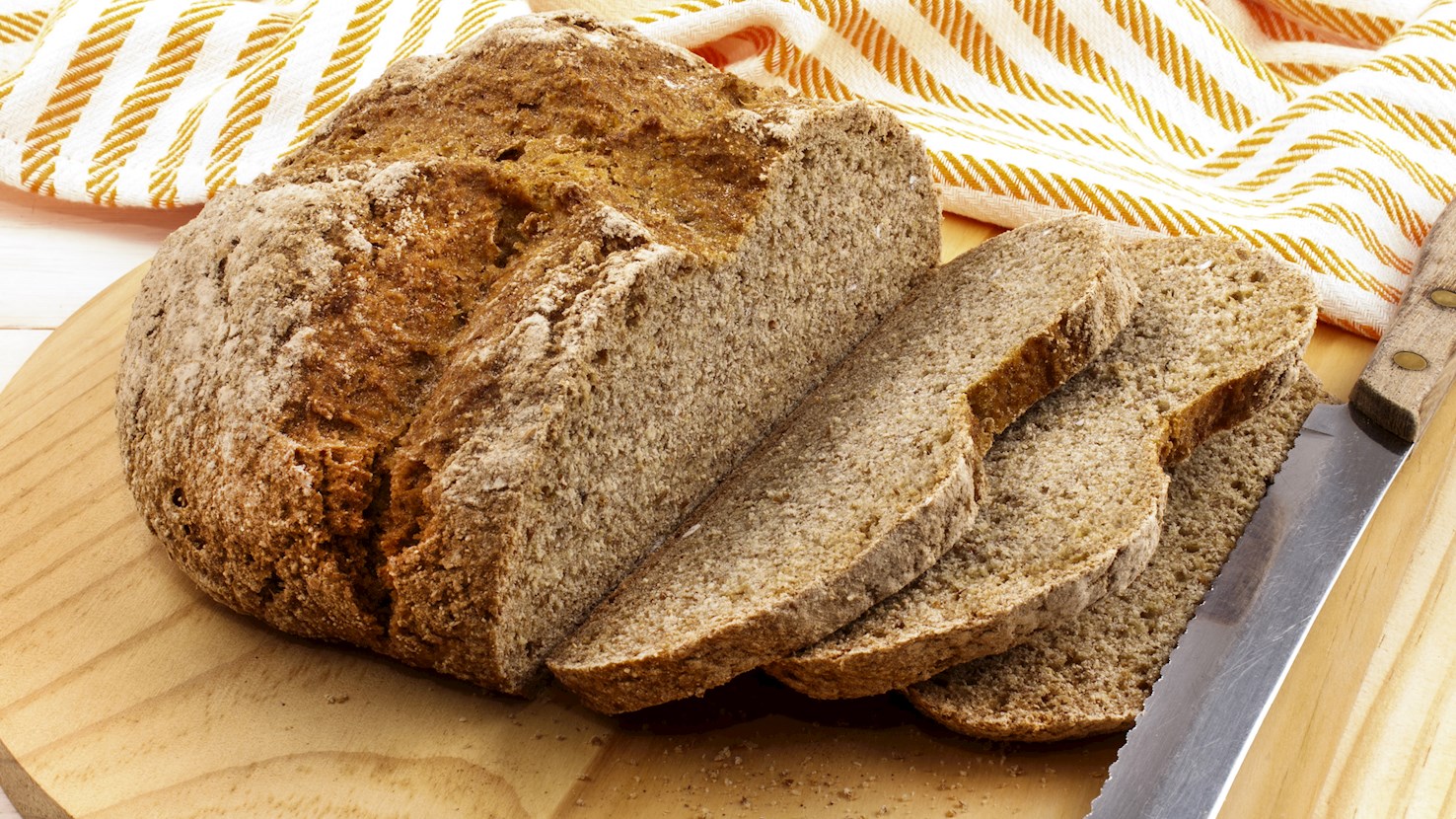
Irish brown bread is a staple loaf from Ireland, made with coarse wholemeal flour, baking soda, and buttermilk, giving it a dense texture and a distinctively nutty flavor. It grew out of the need for a hearty and inexpensive bread that could be baked quickly in rural households where yeast was not always accessible. Over time, it became closely associated with daily Irish meals, appearing at breakfast tables, in lunch baskets, and alongside stews and soups. The preparation is straightforward, relying on the natural reaction between baking soda and the acidity of buttermilk to give rise to the bread. Wholemeal flour provides most of the body, often mixed with some white flour to lighten the loaf, and salt balances the flavor. The dough is shaped into a round, scored with a cross on top, and baked until it forms a firm crust with a tender interior. Some families add small touches like a spoonful of molasses or treacle for sweetness, while others keep it plain and robust. What sets Irish brown bread apart from similar soda breads is the use of coarse wholemeal flour, which gives it a hearty bite and makes it more filling. Because of this, it has long been regarded as an everyday bread rather than a special-occasion one, and its rustic character reflects the practical nature of Irish home cooking. Today, it is eaten across Ireland in both homes and restaurants, often sliced thick and served with butter, smoked salmon, or cheeses, and it is just as common on the side of a bowl of seafood chowder or a plate of Irish stew. In cafés, it appears with soups and salads, while in hotels it is part of breakfast spreads alongside jams and marmalades.
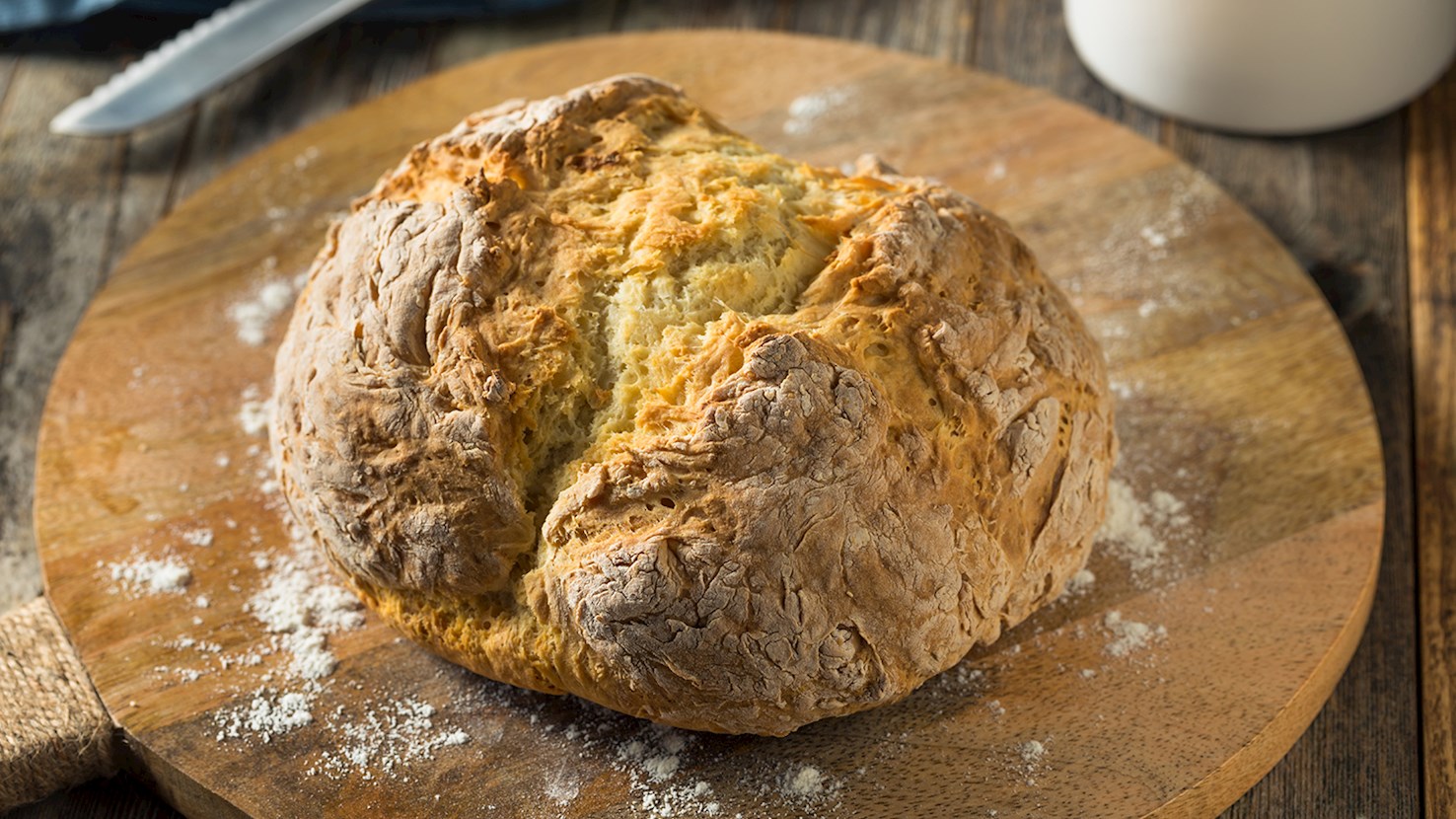
Soda bread is a type of quick bread from Ireland that is made without yeast, relying instead on the reaction between baking soda and acidic buttermilk to create its rise. Although this type of bread has been known for centuries and was first invented by Native Americans, it was not until the 19th century that soda bread as we know it today became commonplace in Ireland. As a result of the potato famine, as well as Ireland's weather and geographical conditions, which allowed only the production of soft wheat that had low protein content, the Irish turned to soda bread as their main source of nutrition. It quickly spread across rural Ireland because it required only basic ingredients (flour, salt, baking soda, and buttermilk) making it practical in homes where ovens were uncommon and bread was often baked on griddles or in iron pots over open fires. The preparation is straightforward, with the dry ingredients mixed together and then combined with buttermilk until a soft dough forms. It is shaped into a round and often scored with a cross before baking, which allows heat to penetrate evenly and helps the loaf expand without splitting unevenly. The resulting bread has a dense crumb with a tender texture and a distinct tang from the buttermilk. Variations emerged over time, with some versions enriched with butter, sugar, or eggs, while others incorporated raisins, caraway seeds, or oats. In some regions, the bread is made with wholemeal flour, producing a heartier loaf known as brown soda bread. Soda bread is eaten throughout Ireland and is also widely recognized abroad, particularly in Irish communities. It is usually served alongside soups and stews, where its dense texture is ideal for soaking up broths, or simply enjoyed with butter and jam for breakfast or tea. It pairs naturally with strong cheeses, smoked salmon, and hearty meat dishes, and is sometimes used as a base for open sandwiches.
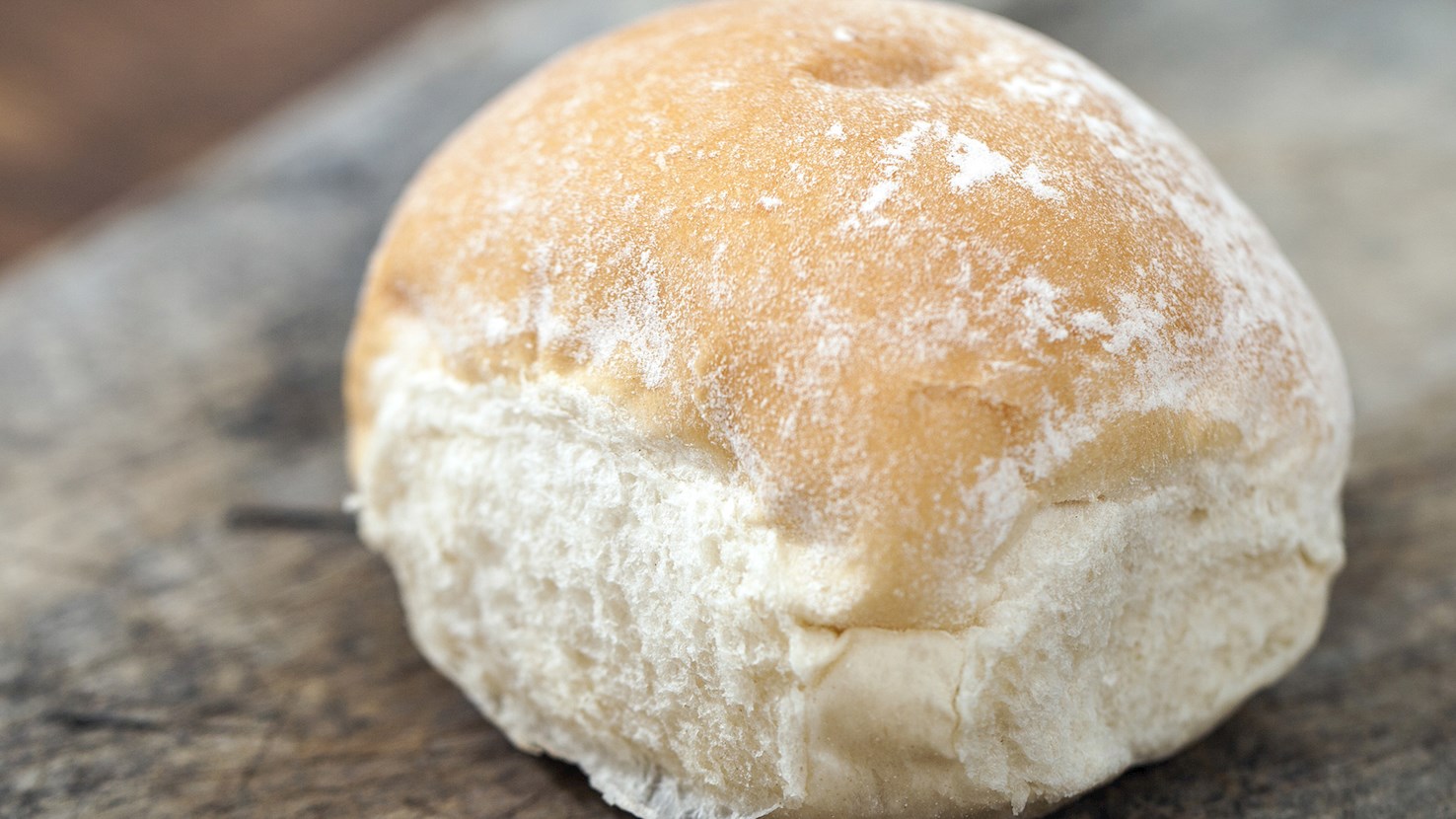
Waterford blaa is a soft, white bread roll from Waterford, known for its light texture, flour-dusted crust and slightly chewy interior. It is deeply woven into the city’s baking heritage and reflects centuries of European influence on Irish food culture. The roll’s origins can be traced back to the 17th century, when French Huguenots fleeing religious persecution settled in Waterford and brought with them their baking skills and techniques. Over time, local bakers adapted these methods to Irish ingredients and tastes, creating the distinctively airy yet hearty bread that became a daily staple for the region’s working population. The process of making blaas is simple but precise. A soft dough is prepared from white flour, water, yeast and salt, then allowed to rise slowly before being shaped into rounds. They are proofed closely together on large trays so that they bake with soft sides, while the tops are liberally dusted with flour, forming a delicate crust that cracks slightly as they cool. The result is a roll with a pillowy interior and a mild, yeasty flavor that makes it versatile for both savory and sweet fillings. Blaas are usually best eaten fresh, often on the same day they are baked, as their soft texture and delicate crust are at their peak then. Nowadays, there are only four bakeries left that still produce this bread roll which was awarded a Protected Geographical Indication status by the European Commission in 2013. Blaas are most often enjoyed as part of breakfast or lunch in Waterford, typically split and filled with butter, sausages, bacon or cold meats. They also serve as an ideal base for simple sandwiches or to accompany hearty stews and soups.
Conger bread is a sourdough loaf created by Jimmy Griffin, the owner of Griffin’s Bakery in Galway, known for its distinctive size and shape, modelled after the local sea creature, the conger eel, and produced daily at Griffin’s Bakery. The loaf is made from a sourdough starter and baked in a long format so that it spans the full length of the counter in the bakery, thereby becoming a landmark item in the local baking scene. It first appeared when the bakery’s owner, after a diving incident with a large conger eel off the Connemara coast, decided to honour the experience by crafting a dough that matched the eel’s length and shape. In terms of preparation, the sourdough is made by combining flour, water, salt, and starter, then allowing a long fermentation period to develop flavour and structure. The dough is shaped into an elongated form, proofed until it has risen sufficiently, then baked in a hot oven until the crust is deeply browned and the crumb is open yet chewy. The length and shape of the loaf require special handling. Moving and scoring a loaf of such size takes care, and the large surface area creates a high crust-to-crumb ratio, which gives the bread a firm outer texture with a softer interior. The bakery sometimes incorporates local grains or seaweed flakes in other loaves, but for the conger loaf the focus remains on the sourdough’s texture and shape. Conger bread is eaten in Galway and the surrounding region, primarily from the bakery itself where slices are sold fresh. It is commonly enjoyed with Irish butter, as part of a sandwich, or served alongside soups and stews in local cafés. It pairs well with hearty fare such as stewed lamb or vegetable soups, and for beverages it suits a robust Irish stout or a full-bodied ale, both of which stand up to the dense crumb and bold crust. A crisp, dry white wine can also work if the bread is served with lighter toppings like smoked salmon or cheese.
TasteAtlas food rankings are based on the ratings of the TasteAtlas audience, with a series of mechanisms that recognize real users and that ignore bot,
nationalist or local patriotic ratings, and give additional value to the ratings of users that the system recognizes as knowledgeable.
TasteAtlas Rankings should not be seen as the final global conclusion about food. Their purpose is to promote excellent local foods,
instill pride in traditional dishes, and arouse curiosity about dishes you haven’t tried.




What People Say