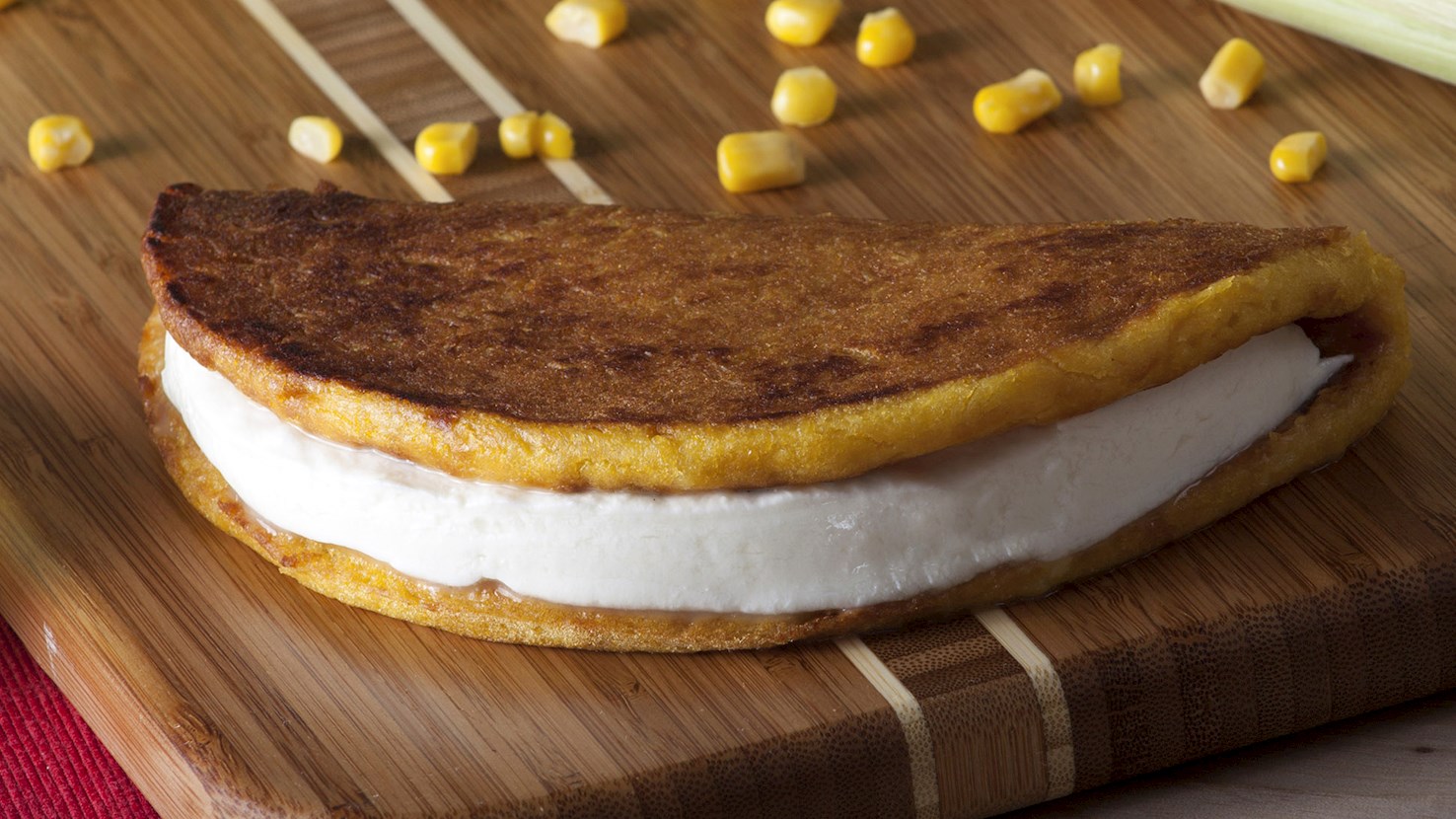
Cachapa, chorreada, arepa de choclo, güirila, toquera, tortilla de choclo, and tortilla changa, are all names that describe a Latin American corn dish that can be categorized as either a pancake, tortilla, or flatbread, depending on the country. It can be made only of corn or have additional ingredients like sugar, water, milk, salt, butter, cheese, and oil. They are typically prepared by street vendors and are either fried or griddled (in Nicaragua, they’re cooked between two banana leaves!) and characterized by a sweet-savory flavor. They can be eaten plain with a beverage, wrapped around a filling, or topped like an open-faced sandwich with things like cheese, shredded pork, sour cream, and eggs. They can be eaten any time of day, but typically they're eaten for breakfast, as a snack, or a quick dinner.
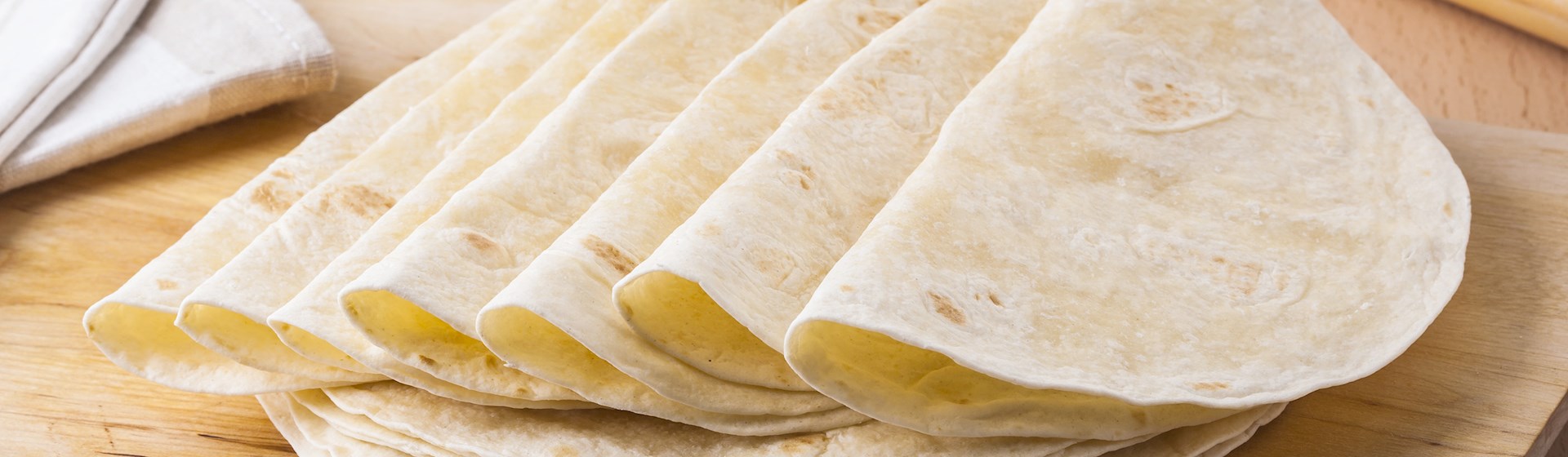
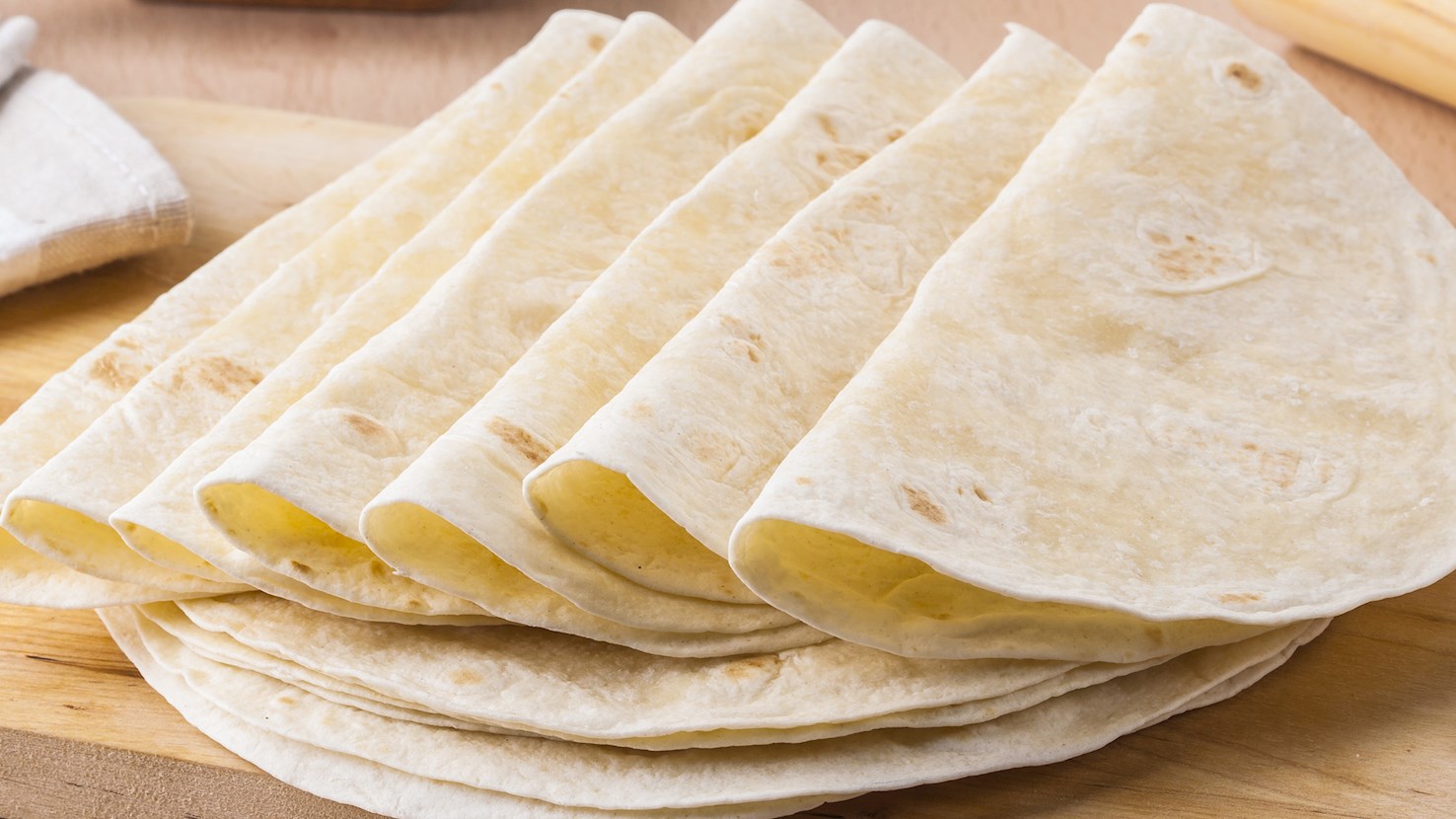
Tortilla, originally a corn flatbread, is one of the essential bread varieties that has been present in Mexican culture for thousands of years. The first tortilla was created out of the staple ingredient of indigenous cultures, the ubiquitous corn. It was an ingredient used by the ancient Mesoamerican people, who would store the corn kernels and later process them to create masa, which was then formed into balls and hand pressed to create the familiar, round and thin tortilla. This ancient tradition is still present among some native Indian groups, who are excessively trained to perfect the art of making authentic tortillas. The narrative of the tortilla has been inadvertently changed after the arrival of Spanish conquistadors to the area in the 15th century. The conquistadors brought their different culinary traditions, in which wheat played a crucial role, while the authentic corn was regarded as food of the plebeians. However, the tradition of growing and cooking with corn remained popular in rural areas among the indigenous Indians. The emergence of the wheat tortilla is believed to have happened during the colonial time, but what caused its appearance is not quite clear. Some theories claim that it grew out of the European tradition, some that it was an intentional invention of Indians to please the palates of European conquistadors, and some even say that the exiled Spanish Jews created it since they believed corn was not kosher. Regardless of the reason, wheat tortilla has first spread around the area of the Rio Grande River and continued to gain popularity following the agricultural production and advancement. Today, tortillas are not only a Mexican favorite: due to proximity, historical influence, and large Hispanic influx, tortillas have stopped being regarded as an ethnic bread in the United States, and have thoroughly been immersed as a part of the American culinary heritage. Today, tortillas are usually used as a foundation and a wrapper to numerous dishes such as tacos, burritos, enchiladas, and quesadillas. They are also commonly served alongside stews and chilies, where they are often used as an accompaniment and a utensil used to scoop the dish. Whether made with corn or wheat, this ancient Mexican product has gained followers around the world and has become one of the most common bread varieties in the world.
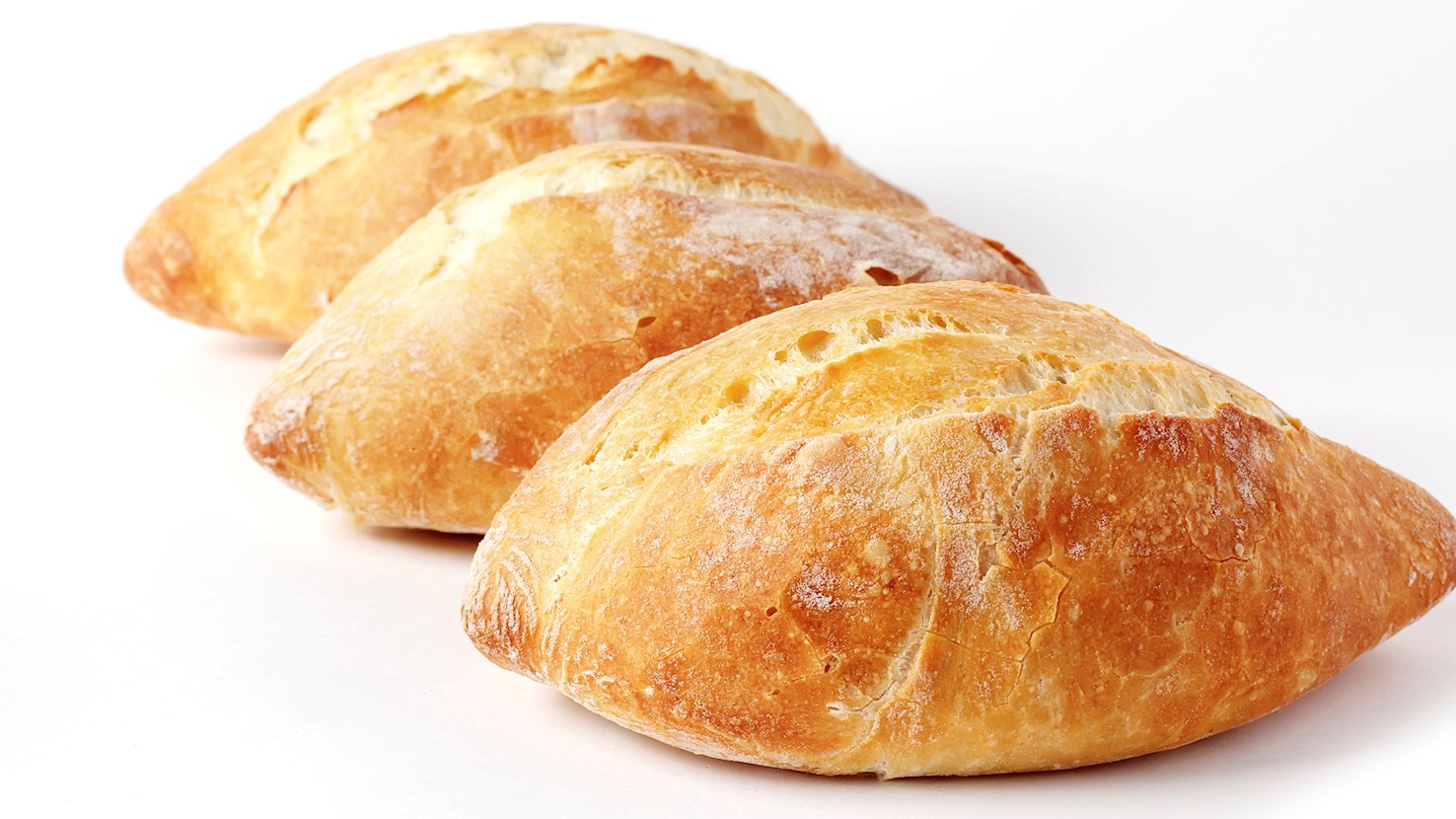
Bolillo is a crusty white bread characterized by its short, oval shape, a distinctive deep slash along the top, a crunchy exterior, and a soft, dense crumb. The fundamental recipe requires only four ingredients: wheat flour, water, salt, and yeast, although commercial bakeries often add small amounts of sugar or fat to extend shelf life. Creating the distinct shape involves dividing the fermented dough into small portions, flattening them, and tightly rolling the edges inward to form tapered ends, often resembling an elongated football. A sharp blade is used to slice deeply down the center right before baking, allowing steam to escape and creating the signature split crust, while a light misting of water in the oven ensures the exterior becomes shatteringly crisp. This baking technique dates back to the 1860s, during the French intervention in Mexico, when Emperor Maximilian's court introduced European baking arts and crusty baguettes to the region. The baguette was eventually shortened and adapted to fit within the smaller, wood-fired clay ovens ubiquitous in Mexican bakeries at the time. Similar breads exist across Mexico, such as the telera, which uses the same dough but is shaped into a flatter, softer oval with two shallow, parallel indents on top rather than a single deep slash. Another regional spin is the birote, famously originating in Guadalajara, which employs a sourdough starter and a longer fermentation period, yielding an intensely tangy flavor and a thicker, darker crust specifically engineered to withstand heavy, wet ingredients. Consumption of the bread takes multiple forms in daily Mexican gastronomy, from simply tearing it apart to dip into spicy hot chocolate or café de olla to slicing it horizontally to build robust sandwiches. When sliced completely open, the interior crumb is frequently hollowed out to make room for heavy fillings in iconic dishes such as the torta, where the bread holds layers of refried beans, meats, cheeses, and avocados, or the mollete, which features halved loaves topped with beans and cheese that are baked until melted and blistered.
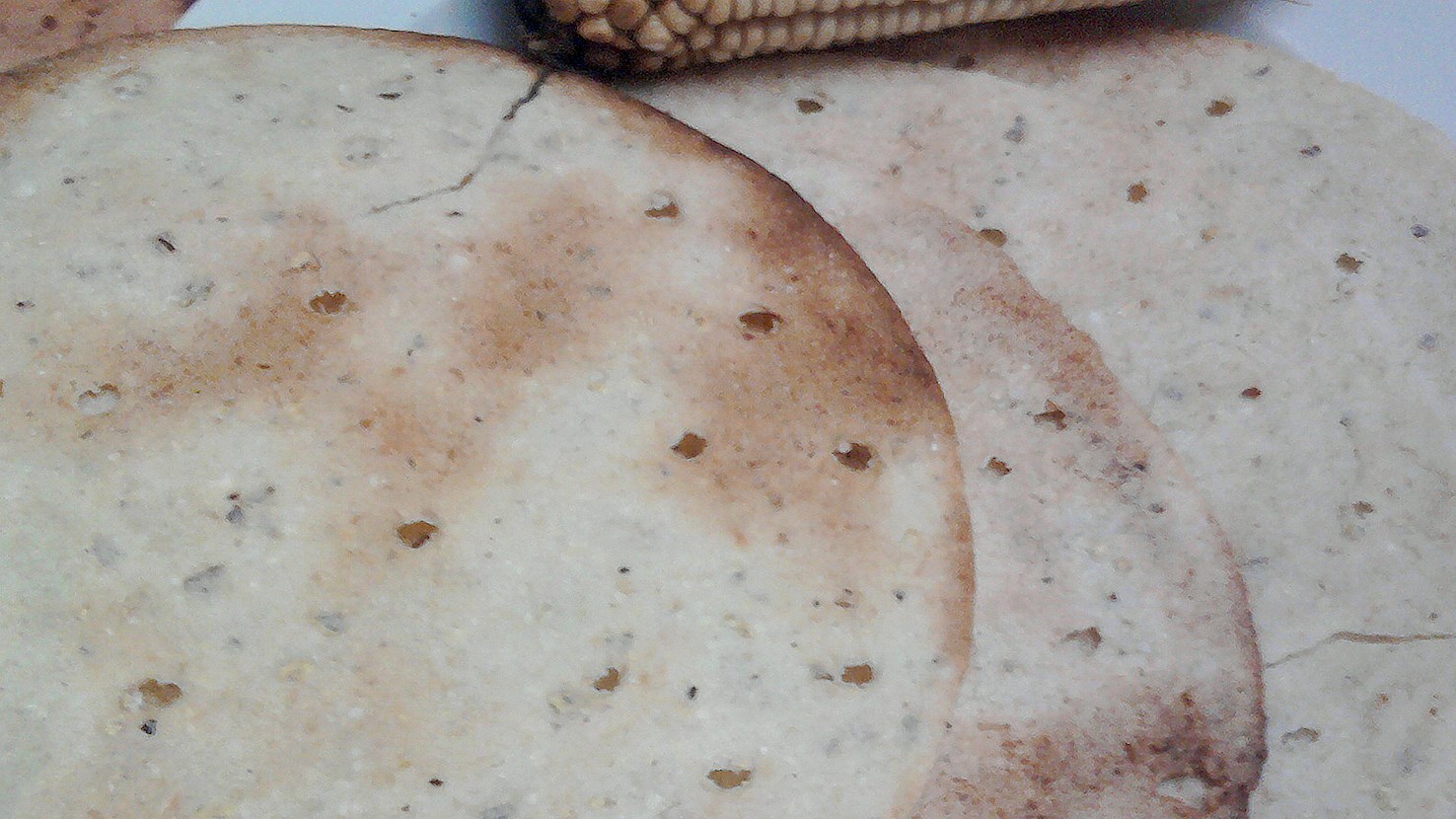
Totopo is a Mexican corn tortilla chip with variable sizes, characterized by numerous holes in the dough. It originates from the Zapotec people in the region of Oaxaca, where the chips are traditionally baked in a clay oven known as a comixcal. Crispy and dry, the tortillas can be cut into various shapes depending on their usage: large pieces can be used for dips, squares can be used as toppings and in a dish called migas, while strips are ideal for soups, salads, and garnishing.
Pan de Acambaro is a traditional bread that's named after the city of its origin, Acambaro in Guanajuato. The bread is made with a fermented dough called masa madre (mother dough), and it's decorated with a few slashes on top, then glazed before baking. Some people compare it with the Jewish challah. Once baked, pan de Acambaro should be quite dense with a fine crumb and yeasty aromas. It's recommended to pair it with a cup of coffee or Mexican hot chocolate (champurrado). The bread can be found in most bakeries and pastry shops in the area.
TasteAtlas food rankings are based on the ratings of the TasteAtlas audience, with a series of mechanisms that recognize real users and that ignore bot,
nationalist or local patriotic ratings, and give additional value to the ratings of users that the system recognizes as knowledgeable.
For the “Top 5 Mexican Breads” list until June 15, 2026, 1,565 ratings were recorded, of which 835 were recognized by the system as legitimate.
TasteAtlas Rankings should not be seen as the final global conclusion about food. Their purpose is to promote excellent local foods,
instill pride in traditional dishes, and arouse curiosity about dishes you haven’t tried.




What People Say