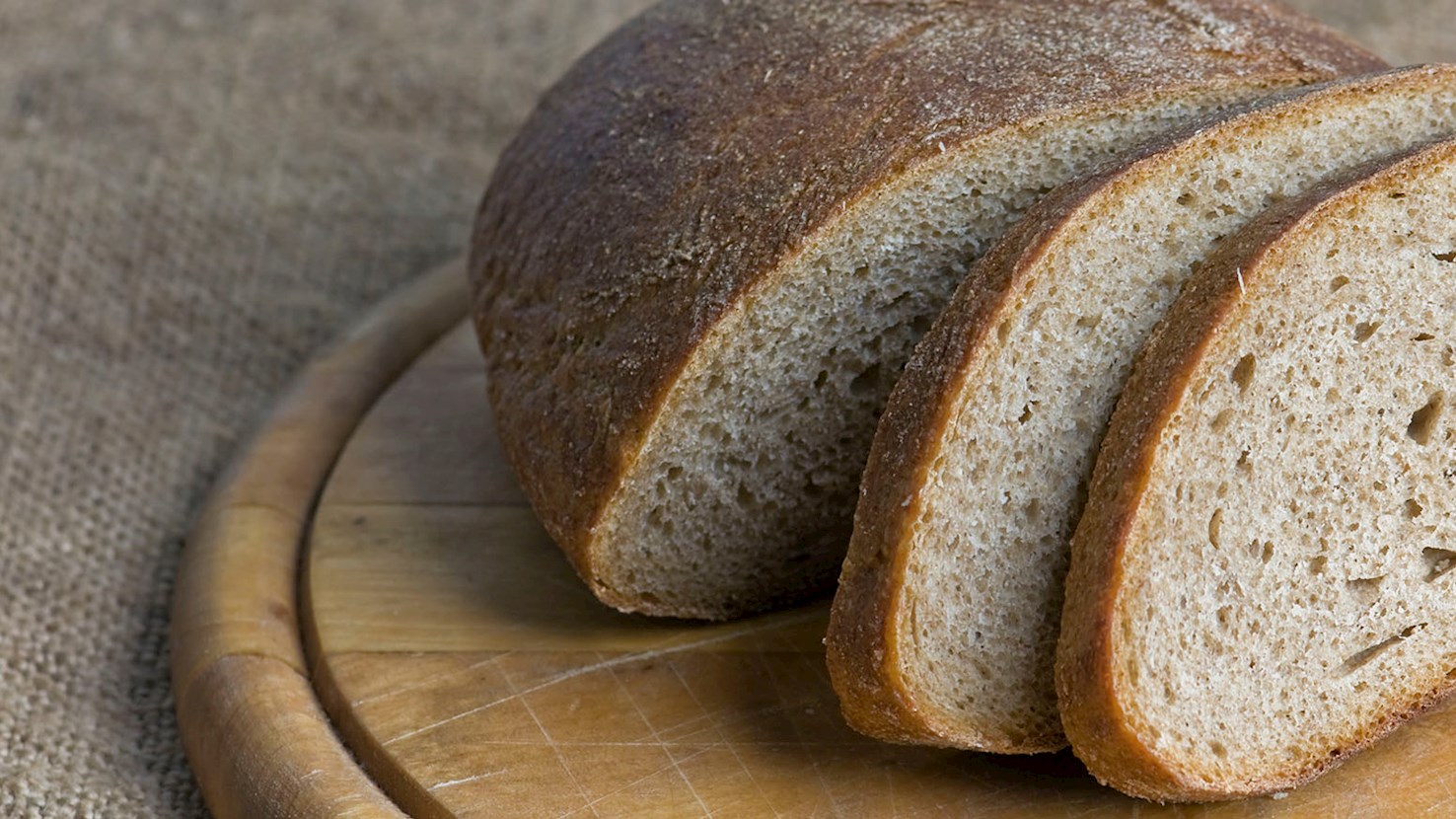
Chleb prądnicki is a traditionally made brown bread produced within the administrative boundaries of the city of Krakow in Poland since the 15th century. It is a huge and unique bread - the loaves weigh 4.5 kilos, its crust is very thick and it has a long shelf life, staying fresh for at least seven days. It has a typical flavor and smell of bread made with fermented rye, and just like some cheeses, it develops its unique organoleptic properties after a period of maturation, its full flavor is best appreciated the second day after it has been baked. Even though it is five times more expensive than standardly-made bread, it is highly popular and during the annual Bread Festival, it is often bought four times more than any other day .
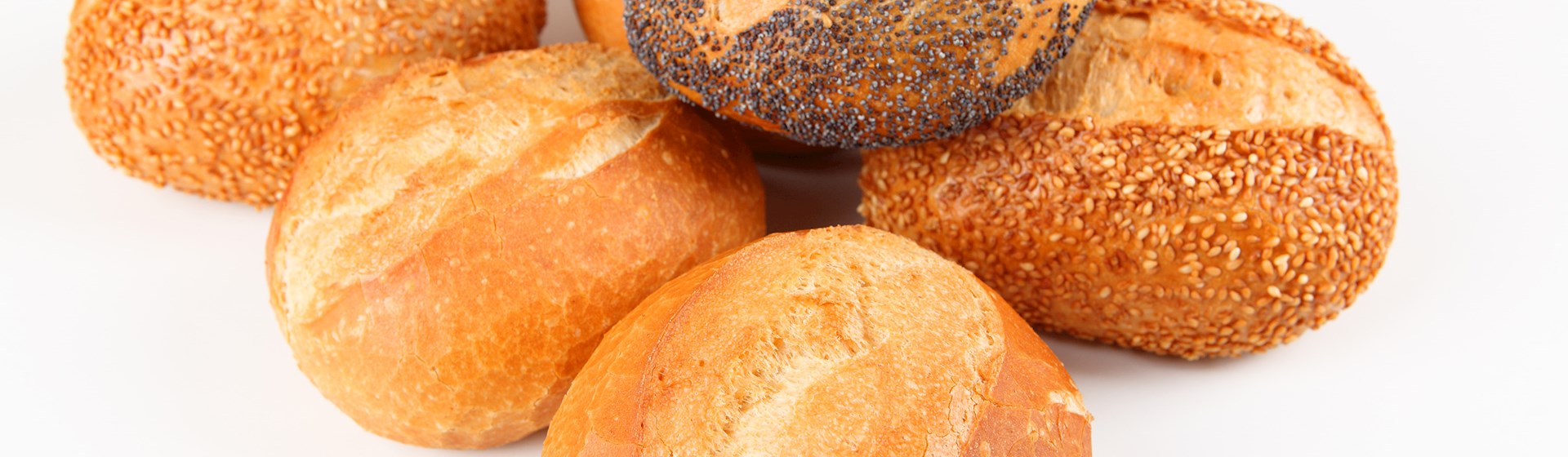
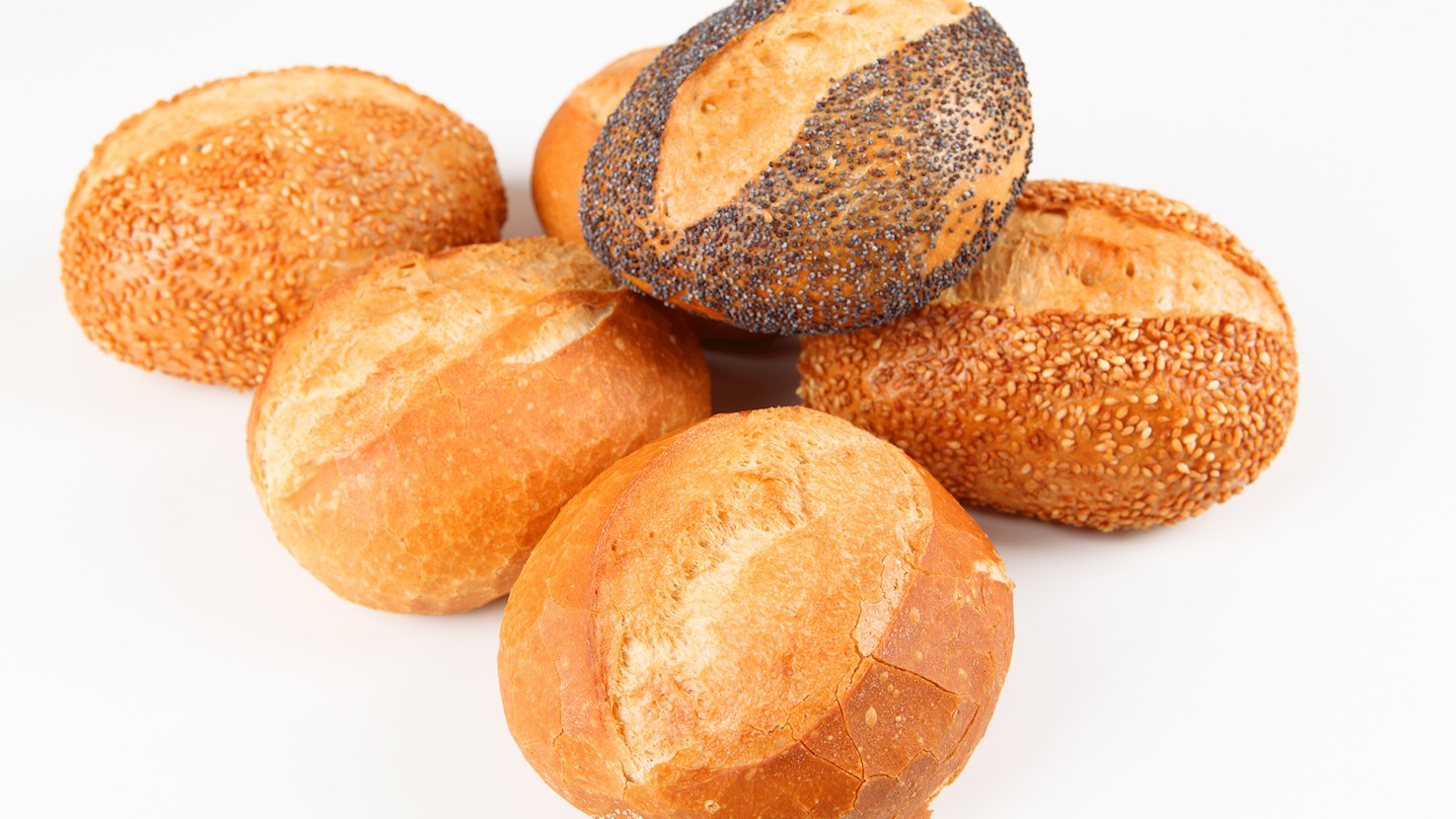
Żymła is the Silesian name for a traditional white bread roll. Known as bułka in Polish, the bread roll typically has an oval shape and is often sprinkled with poppy seeds on top before baking. Apart from its everyday consumption, this bread roll is also an essential ingredient used in the preparation of the traditional Upper-Silesian blood sausage called żymlok.
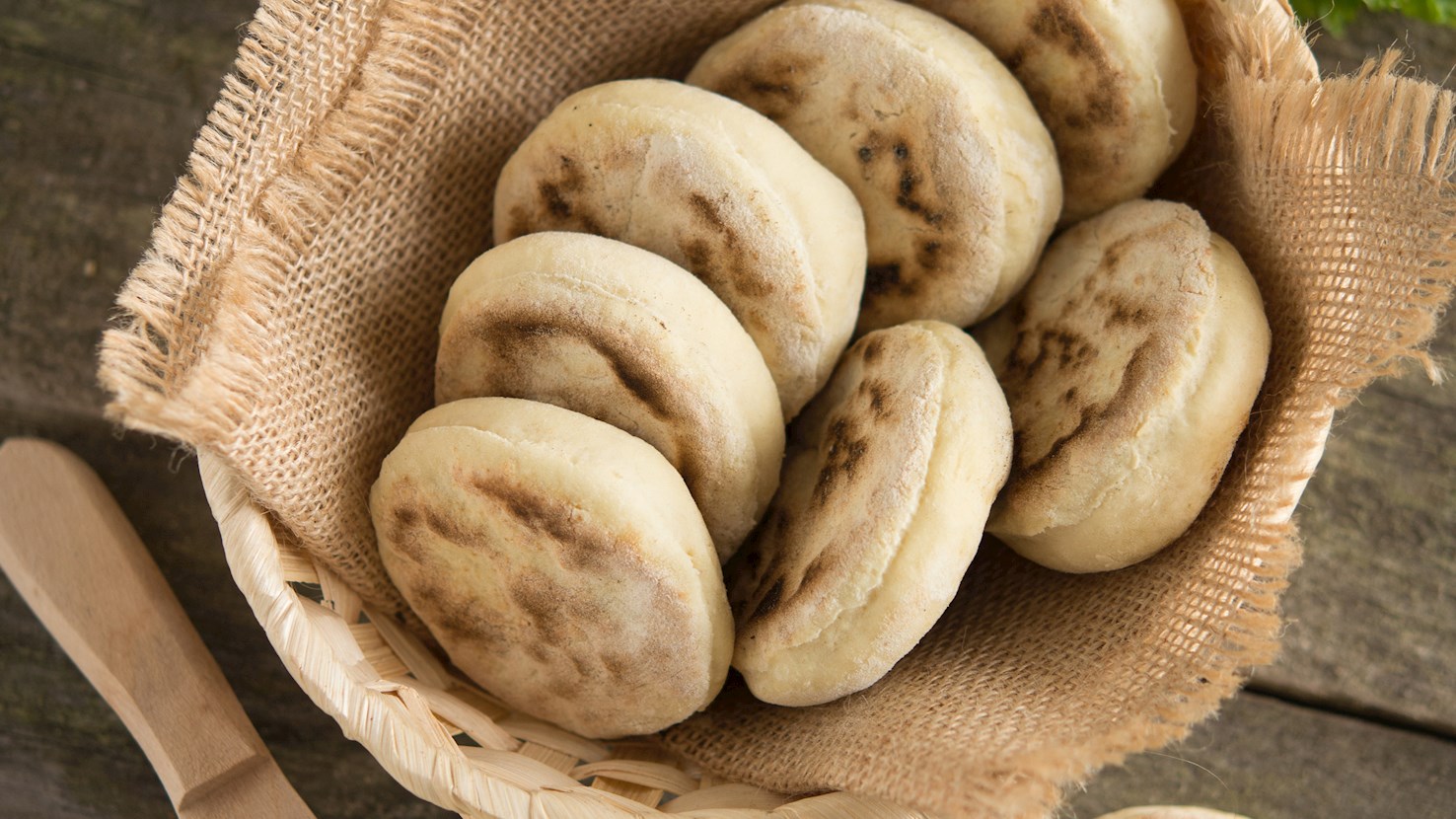
Incredibly similar to Irish soda bread, the soft proziaki are traditional Polish bread rolls that originally hail from the Subcarpathian region and date back to the 19th century. Though the recipes vary across the region, they typically consist of flour, baking soda (proza), and the choice of milk, sour milk, water, sour cream, buttermilk, or kefir. In the past, they were baked on old-fashioned stove tops, but nowadays they are commonly dry-baked on classic pans. Proziaki can be paired with sweet or savory ingredients such as butter, cheese, or marmalades.
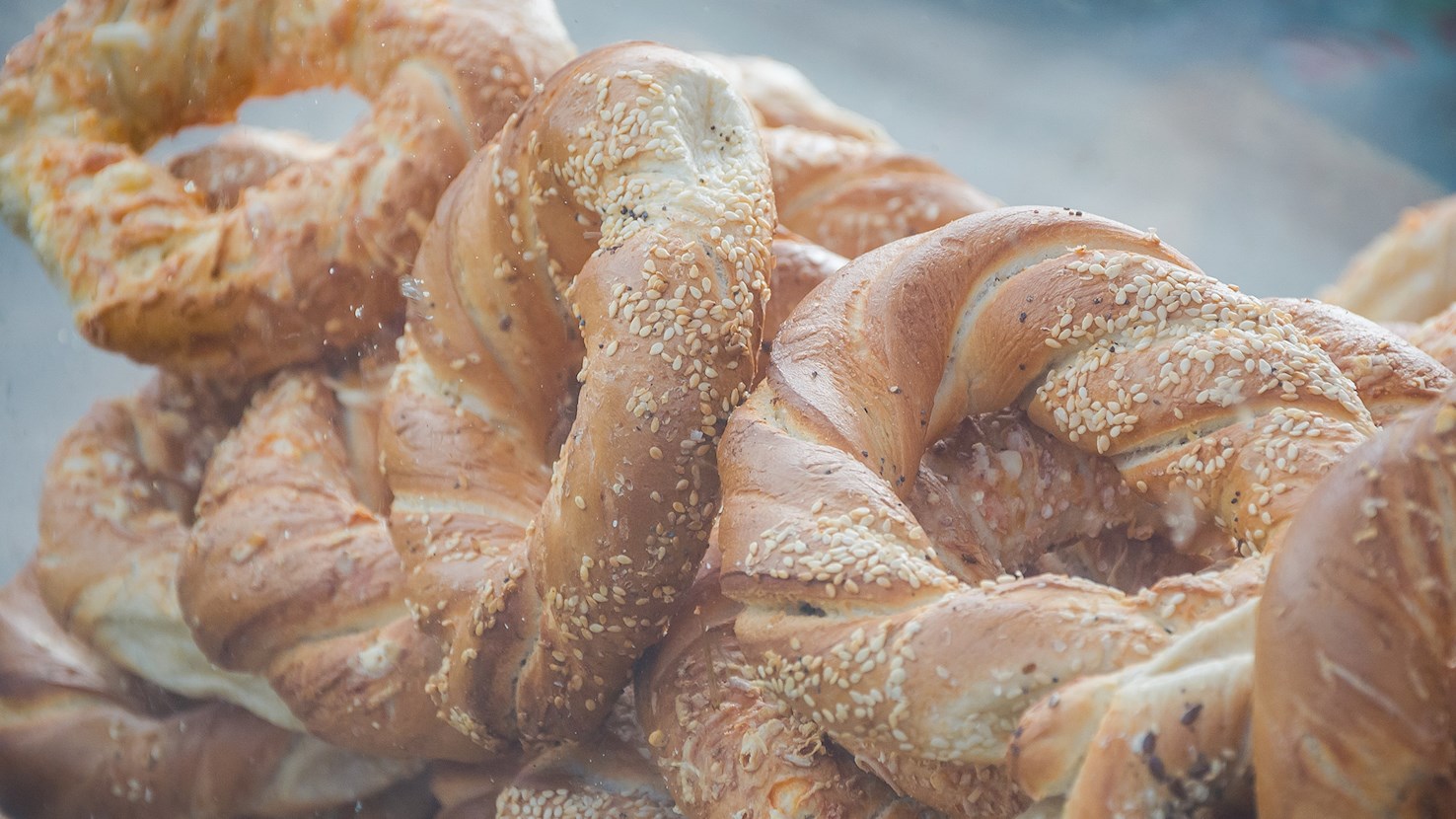
Obwarzanek krakowski is a traditional, baked pastry product shaped like a ring and produced in the Malopolskie Province, districts of Kraków and Wieliczka in Poland. Obwarzanek whose name comes from the Polish word for 'boiled', is not just any regular bagel. It is bigger than the standard bagels and is woven from two strands of dough instead of just one. Before being baked, it is boiled and can be additionally sprinkled with poppy or sesame seeds, herbs, spices, cheese, salt or onions. It has a sweetish taste and a dense, chewy texture. On the exterior, it is light or dark golden to light brown, with a glossy shade. Unlike other bagels, it is not cut in half or toasted to make sandwiches but is instead regularly eaten on its own. They are so popular that they are sold on every other street corner in Kraków, and have become an unofficial symbol of the city.
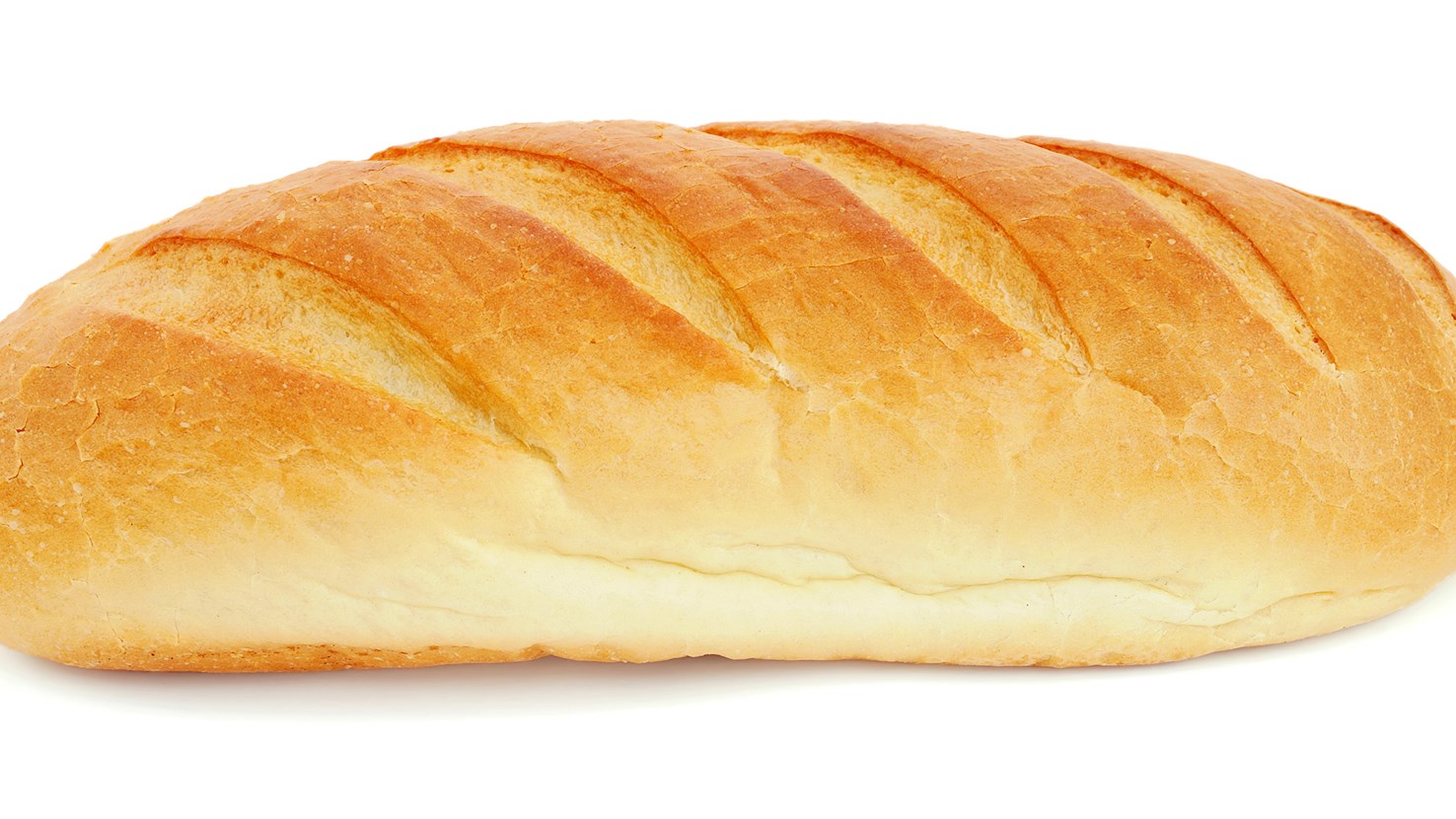
Veka is a white bread variety that is similar to the famous French baguette, commonly found in Czech, Slovak, and Polish cuisines. Made with yeasted wheat dough, it is usually shaped into small loaves, shorter and wider than the traditional baguette. When baked, the loaves attain a golden-brown crust, while the center stays soft and airy. It appears under various names and it is one of the most common bread varieties found in many Central and Eastern European countries. In the Czech Republic, it is usually used as a base for the open-faced chlebíčky sandwiches, when the slices are topped with various condiments and then served as a quick buffet snack.
Chleb wielkopolski is a mixed-flour sourdough bread with a strict ratio of 60% rye flour to 40% wheat flour, originating from the Greater Poland Voivodeship. The development of this specific staple occurred during 19th-century agricultural shifts in the area, driven by strict Prussian baking regulations. Farmers grew resilient rye in sandy terrains and high-yielding wheat in the fertile Warta river basin, prompting local bakers to engineer a specific flour blend to optimize crop utilization. The first step in making this bread is fermenting a rye sourdough culture over multiple days to propagate wild yeast and lactic acid bacteria. Bakers then mix this highly active starter with water, salt, and the remaining wheat flour. This exact sixty-to-forty rye-to-wheat proportion yields a unique structural balance, preventing the extreme density of a pure rye loaf while adding the volumetric rise and crumb elasticity associated with wheat gluten. The resulting dough is kneaded vigorously, shaped into large ovals or placed in rectangular steel tins, and lightly dusted with flour or poppy seeds. High-heat steam ovens force the wheat proteins to expand rapidly, forming a thick, dark-brown exterior crust that protects the internal moisture. Once baked, the loaf must rest on cooling racks until all internal steam has evaporated, ensuring the crumb sets properly before consumption. People throughout Poznań and the surrounding Greater Poland area rely on this bread as their primary daily carbohydrate for both morning and evening meals. It is consumed by hand as open-faced slices or in closed sandwiches, often serving as a sturdy vehicle for gzik, a local spread made from quark cheese, cream, and chives. The mildly sour tang of the rye base pairs excellently with fatty liver sausages, spiced cold cuts, and thick layers of unsalted butter, commonly accompanied by a hot cup of roasted grain coffee, black tea, or a regional pale lager to complement the robust crust.
Chleb Kaszubski is a dense, distinctly shaped regional bread originating from the Kashubia cultural area within the Pomeranian Voivodeship. Recognized formally on the national agricultural registry for authentic regional products, the strict recipe defines it as a rye-dominant loaf enriched with cooked potatoes and buttermilk. The development of this specific formulation stems directly from the historical agricultural realities of northern Poland, where farmers cultivated hardy rye and root vegetables in the region's sandy, nutrient-poor soils rather than relying on demanding wheat crops. Because pure rye dough can be exceptionally dense and heavy, early rural bakers innovated by incorporating dairy acidifiers, such as buttermilk, to soften the gluten matrix and by adding mashed, boiled potatoes to naturally increase the hydration capacity of the crumb. This specific combination of ingredients effectively delays starch retrogradation, resulting in a loaf that retains its internal moisture and resists staling for significantly longer periods than standard commercial breads. During preparation, bakers initiate a natural rye sourdough starter to develop the necessary wild yeast and lactic acid bacteria. Once active, this fermented base is combined with high-extraction rye flour, liquid buttermilk, salt, and finely crushed boiled potatoes. The resulting high-hydration dough is thoroughly mixed and portioned into elongated, rectangular baking tins rather than being formed into free-standing round boules. The tins are placed into high-temperature steam ovens, allowing the loaves to develop a thick, protective top crust while the sides remain soft from the mold. After baking and cooling to ambient room temperature, the rectangular loaf is cut into uniform slices that serve as a foundational carbohydrate for daily meals across Pomerania and broader Polish markets. The deeply earthy, mildly acidic flavor profile of the sourdough and buttermilk pairs exceptionally well with robust, savory local garnishes like rendered pork lard mixed with cracklings, brine-pickled cucumbers, and smoked Baltic herring, while standard beverage accompaniments include a glass of cold cultured milk, a hot cup of roasted grain coffee, or a regional dark lager to balance the fermented acidity of the crust.
TasteAtlas food rankings are based on the ratings of the TasteAtlas audience, with a series of mechanisms that recognize real users and that ignore bot,
nationalist or local patriotic ratings, and give additional value to the ratings of users that the system recognizes as knowledgeable.
TasteAtlas Rankings should not be seen as the final global conclusion about food. Their purpose is to promote excellent local foods,
instill pride in traditional dishes, and arouse curiosity about dishes you haven’t tried.





What People Say