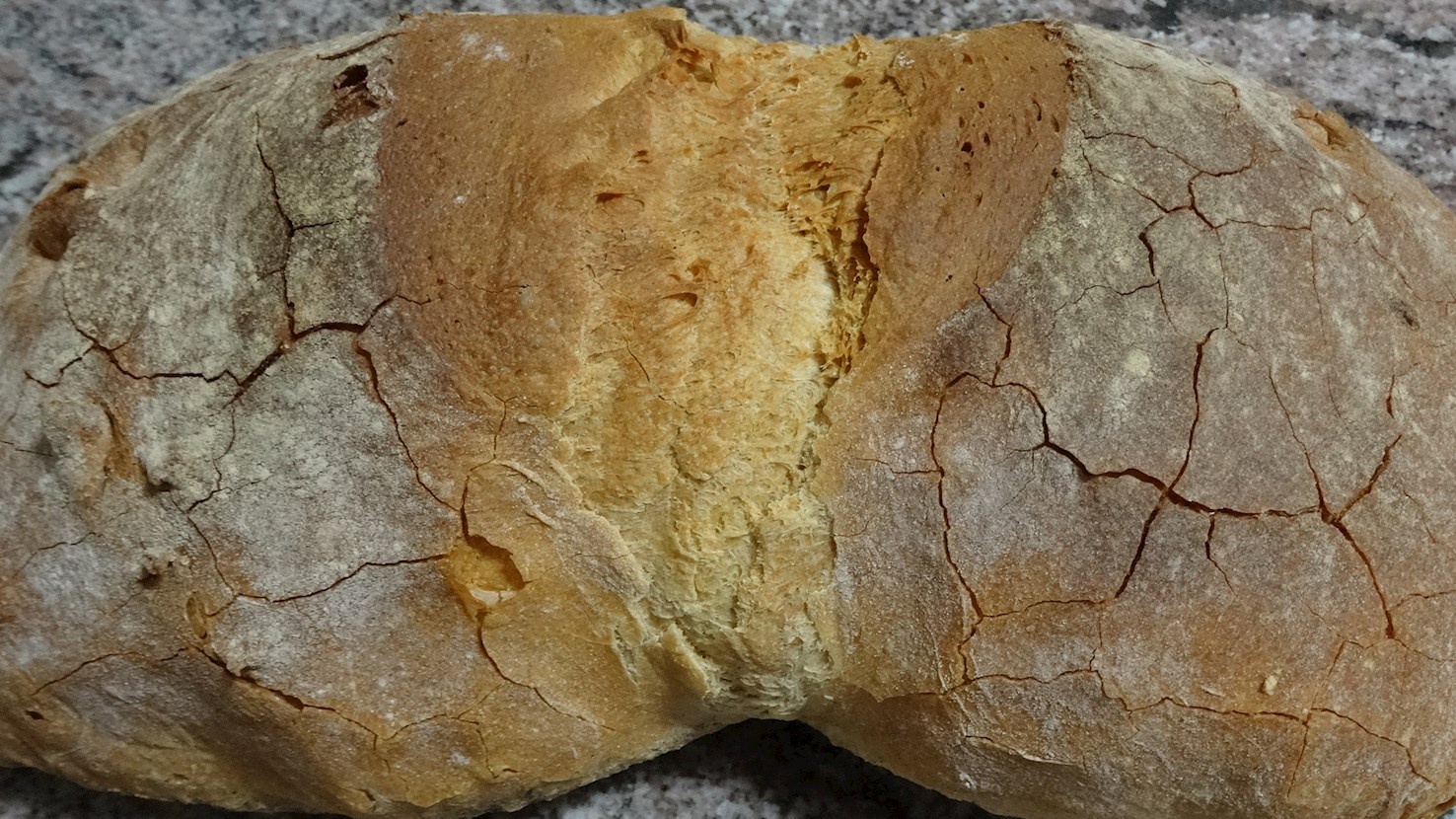
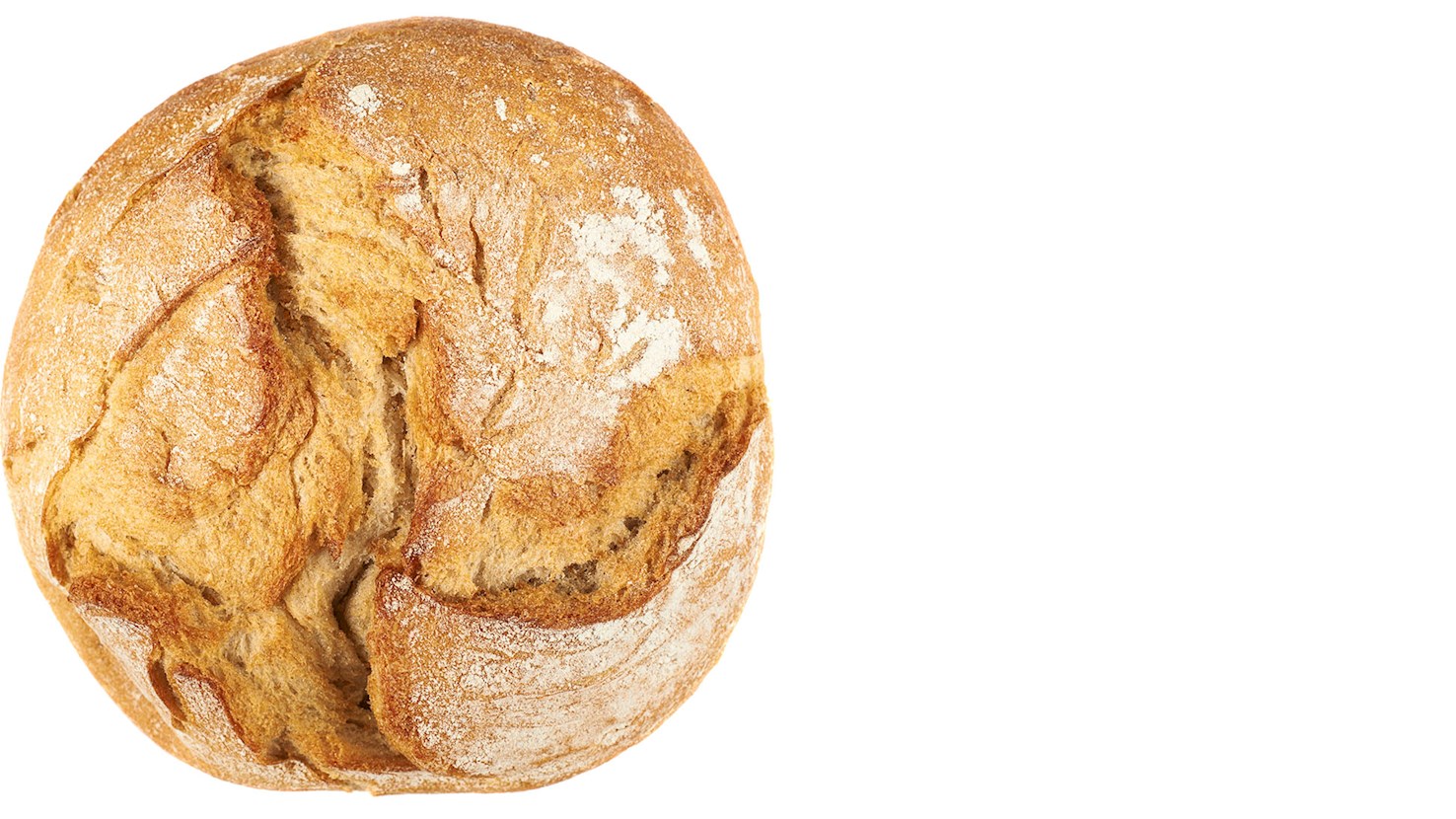
Pan Gallego is a traditional crusty bread originating from Galicia. It is characterized by a soft and springy crumb with many air pockets and a hard crust, depending on the variety. In artisan bakeries, it's made with wheat flour or trigo gallego (Galician wheat), a sourdough starter, salt, and large amount of water. The bread needs long rising times – at least 3 hours – and baking times. There are four types of loaves – the bolo or hogaza, a misshapen round loaf with small cracks on the upper part and often with a topknot; the rosca, an irregular and flat ring of bread; the bola or torta, which is round and flat; and the barra, a baguette-type loaf. The bread is aromatic with an intense wheaty flavor and slightly acidic notes. For the best experience, try it with a cheese called La Tetilla.
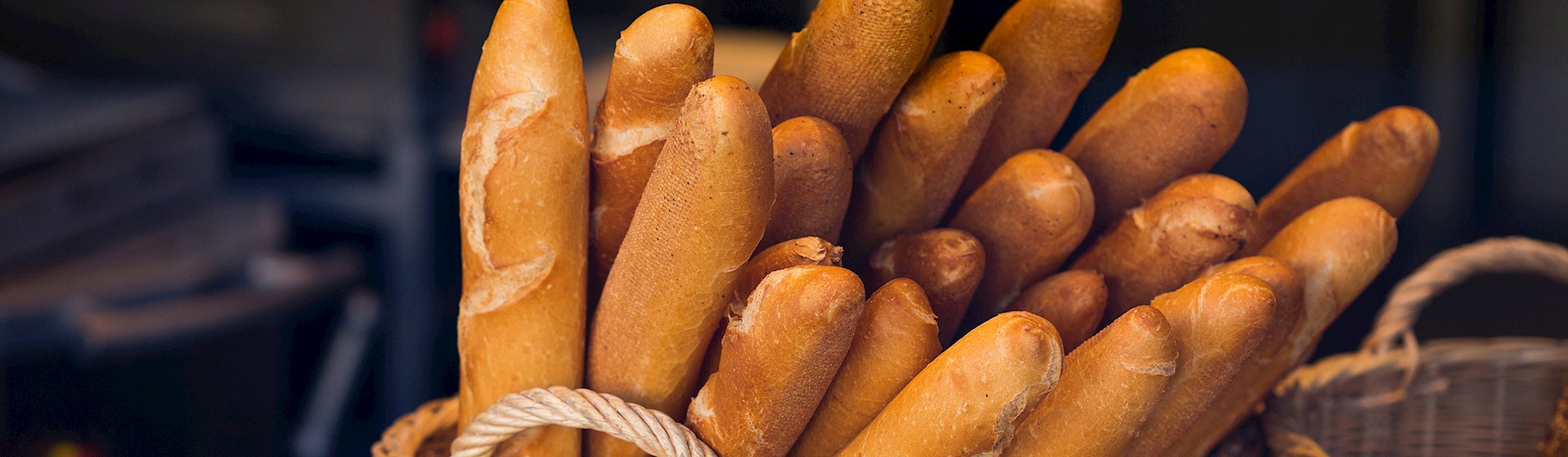
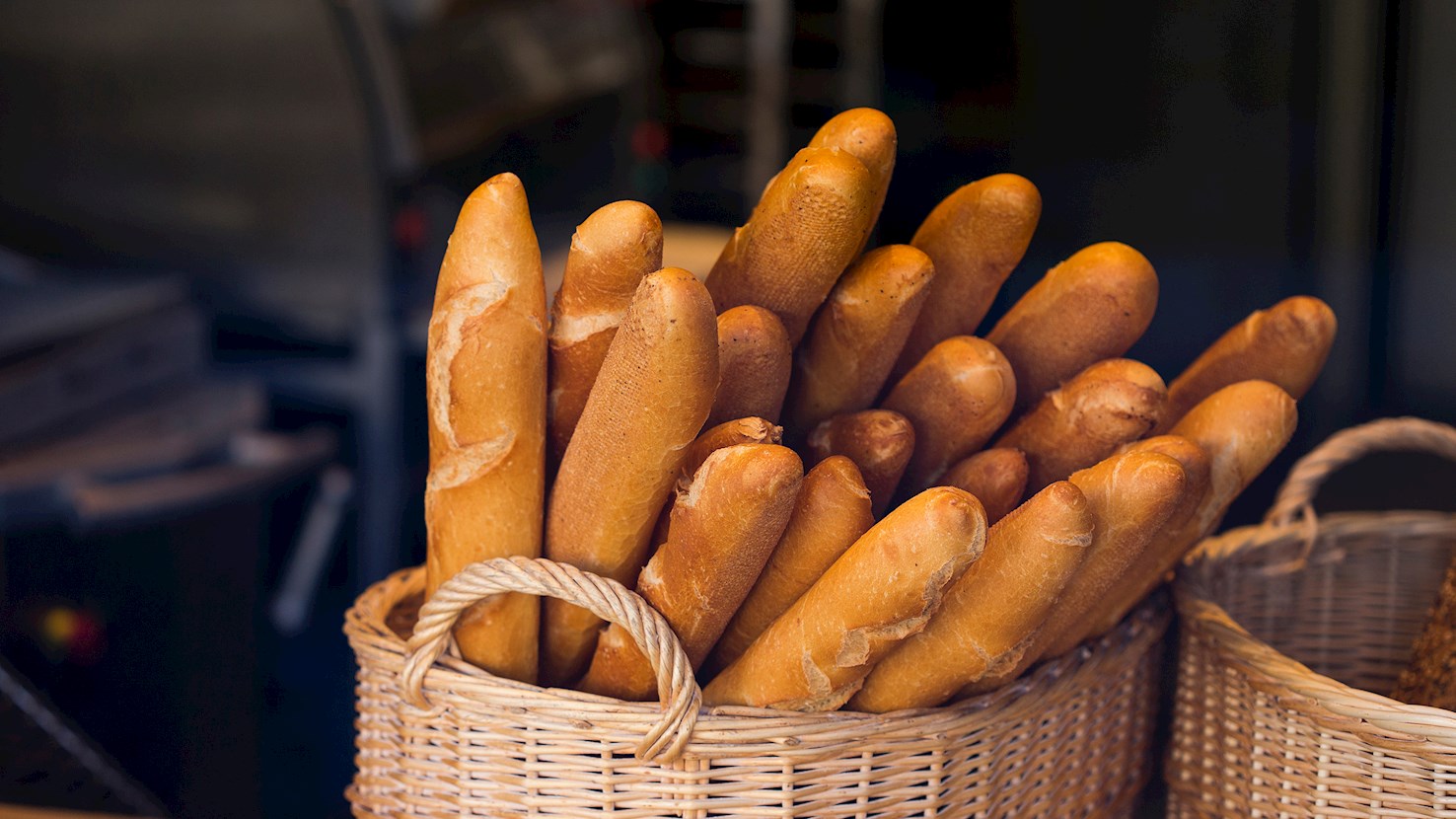
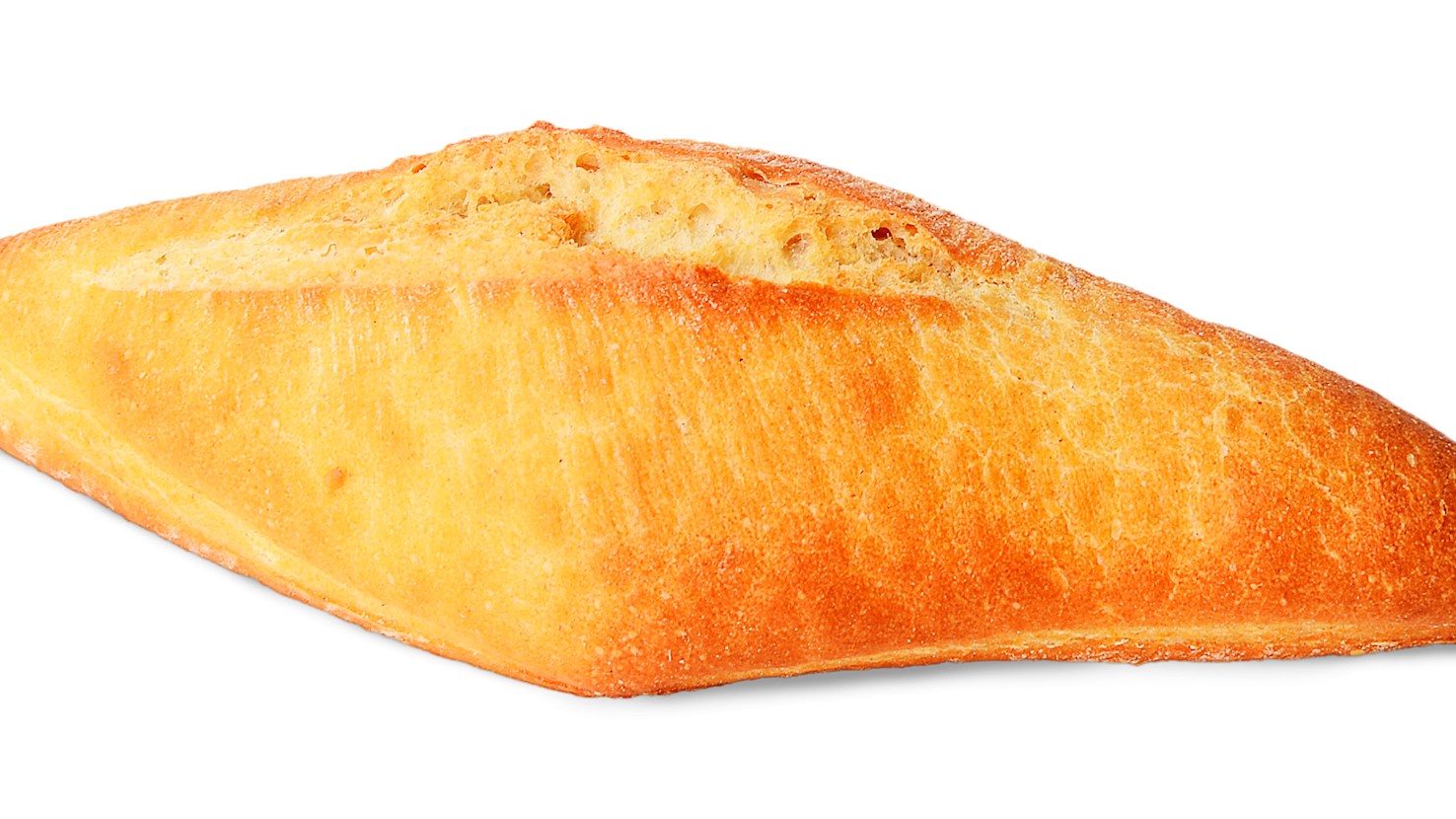
Pan de barra is a Spanish-style baguette, a rustic bread loaf that’s made with a simple dough consisting of flour, water, yeast, and salt. The dough is shaped into a long, thin loaf, and it is then allowed to rise before it’s slashed on the surface and baked until crispy and nicely browned. Although it resembles the French baguette, pan de barra typically has a harder and drier texture, which makes it an excellent base for sandwiches. In the past, there were slightly different versions of the bread in different parts of Spain, although they all shared the same long, cylindrical shape. In Madrid, the bread used to be distinguished by a denser texture, while those prepared in Galicia tended to be lighter and fluffier. This bread is consumed everywhere throughout Spain, and it’s the most popular choice of bread used for making Spanish bocadillos, delicious sandwiches that are staples of Spanish cuisine.
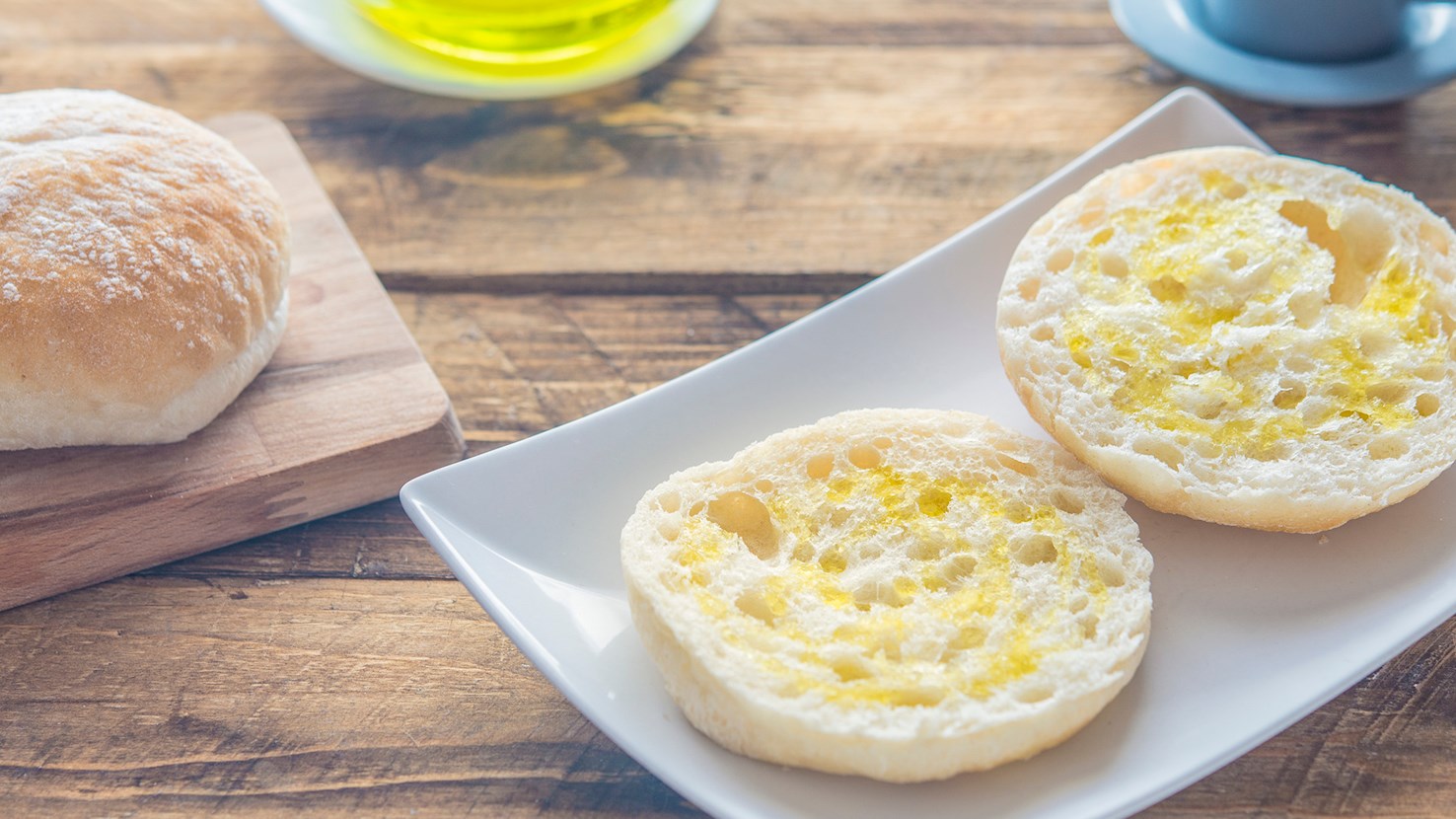
Mollete is a traditional bread hailing from Antequera. It's made with a combination of yeast, plain flour, whole-wheat flour, salt, sugar, milk, and olive oil. The dough is rolled into oval-shaped disks, and it's then baked until golden brown. Traditionally, molletes are sliced into halves, toasted, drizzled with extra virgin olive oil, and topped with sliced tomatoes and a pinch of salt. In Andalusia, molletes are usually served for breakfast.
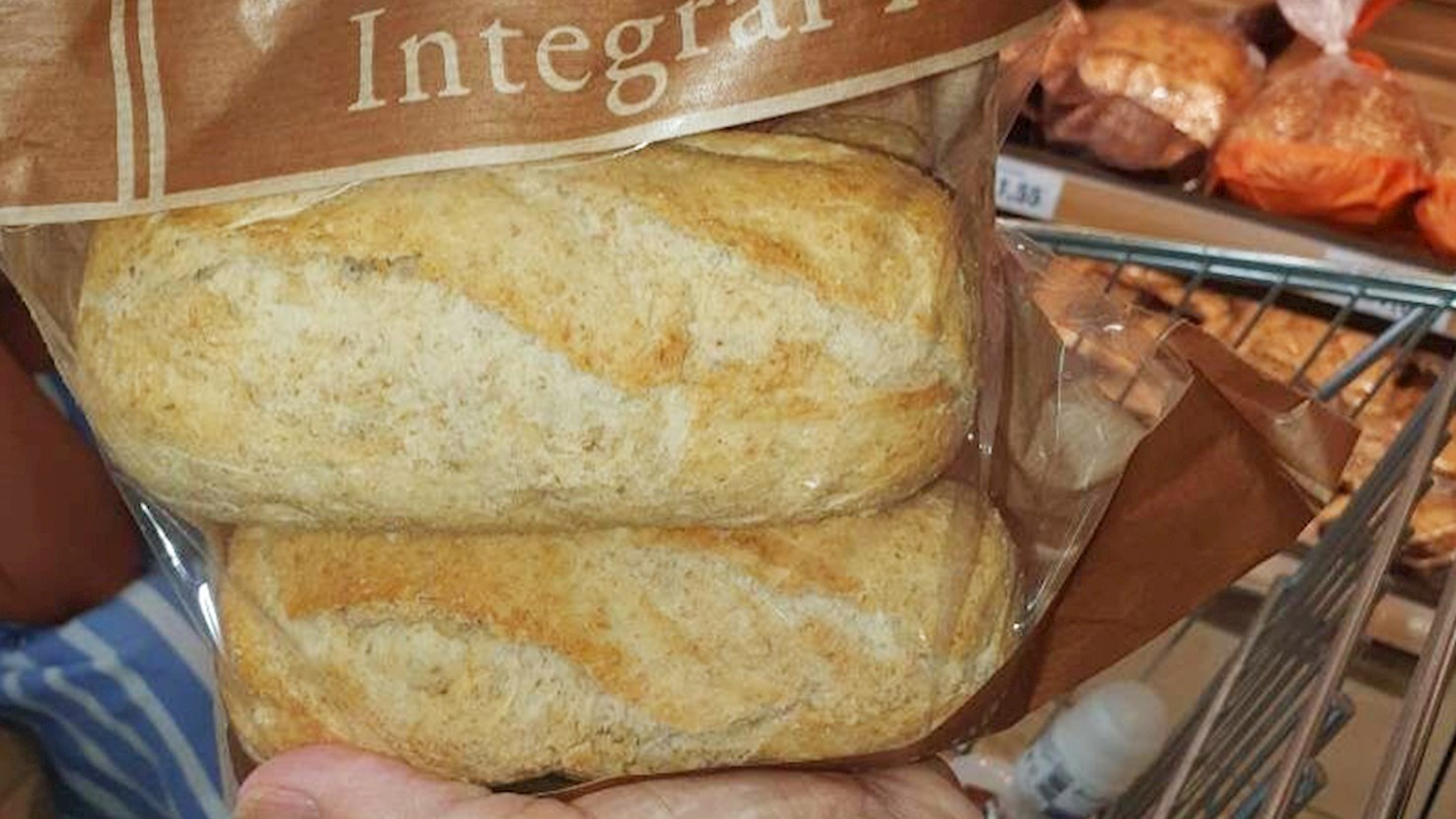
Viena andaluza is a traditional bread roll hailing from Andalusia. The bread roll is usually made from wheat flour, and the dough is formed into an oval shape. Once baked, these rolls should be golden and crusty, with a soft, fluffy, white crumb and a pleasant, characteristic aroma. Viena andaluza is often used to make sandwiches such as bocadillo serranito due to its softness and its thin and elastic crust.
Pan de Cea is a traditional type of bread made in the Municipality of San Cristovo de Cea, in the north-west of the Province of Ourense. It is made by kneading wheat flour, water, salt and masa madre, the previously fermented yeast dough, into an elastic and tough dough. The bread dough is then left to ferment, or rest, for 45 to 60 minutes. The bread is then kneaded once more and baked in special, wood-burning granite ovens. These ovens are the characteristic feature of the production of this bread and are specially shaped to ensure uniform baking.
Pa de Pagès Català is a type of round bread traditionally made by hand and baked in bread ovens, in the Autonomous Community of Catalonia. This bread has a crisp golden crust and is spongy and soft on the inside. It is usually made using white flour, and during the slow fermentation and baking, it develops characteristic large irregular air holes that give it springy consistency. Another unique characteristic is its ability to retain freshness longer than other types of white bread. The quality of this artisan bread depends mostly on the bakers' expertise and experience. Pa de Pagès Català is a high quality, aromatic bread with pleasant acidity and a complex flavor. It is sold in loaves weighing approximately 1 kg.
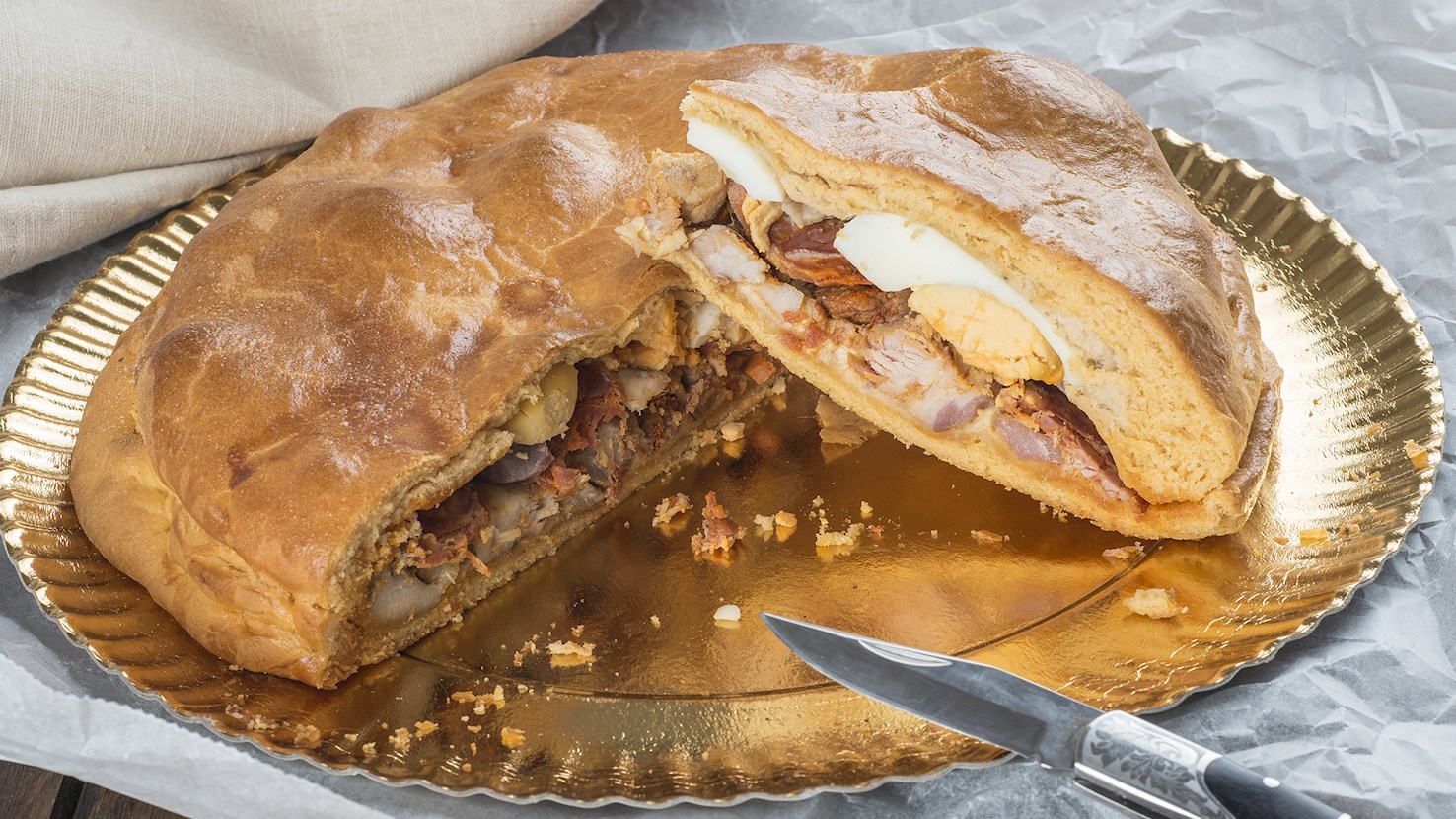
Hornazo is a traditional delicacy made by stuffing bread with pork loin, hard-boiled eggs, and chorizo. The bread is made with flour and yeast, and the top is usually nicely decorated with various shapes made from the same dough. It has origins in Salamanca, and it is often prepared for Lunes de Aguas festival, celebrated annually on Easter Monday. Nowadays, there are many variations on this festive bread, so it can be stuffed with anything from ham and cheese to tuna and smoked salmon.
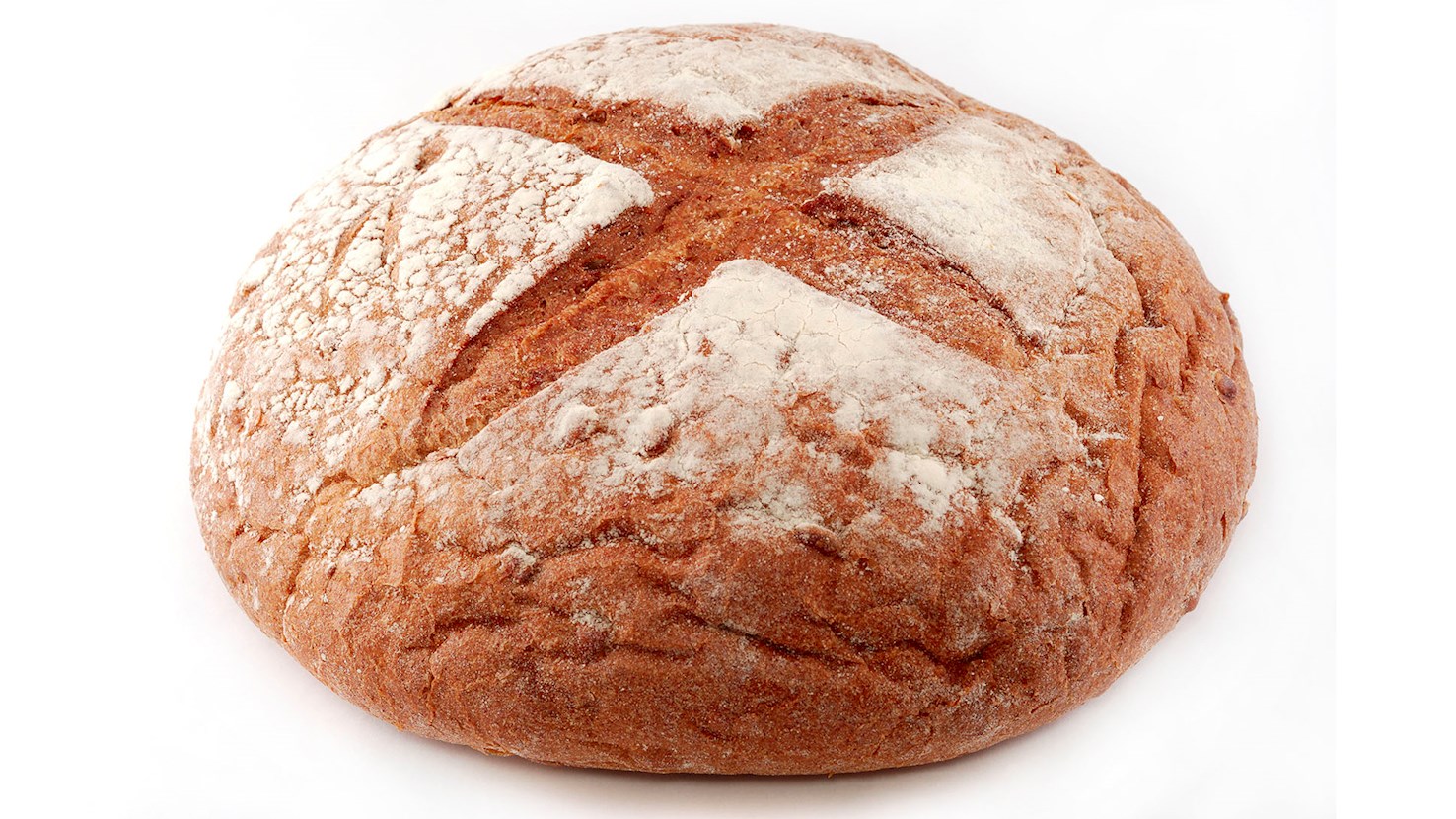
Pan de Cruz de Ciudad Real is a traditional type of bread made in the province of Ciudad Real. It is made by kneading wheat flour, water, and salt and baking it in wood-burning ovens. Pan de Cruz de Ciudad Real is a round, very dense and compact bread with a smooth, golden crust. The most characteristic feature, however, is the cross-shaped cut on the top of the bread. Inside, this bread is white, smooth and spongy in consistency with almost no air bubbles. This bread does not dry easily and remains fresh for six to seven days. One can readily recognize this bread by the PGI logo sticker that can be found on the bottom of the loaf.
The name Pan de Alfacar refers to bread made at least partly by hand that can be formed into buns, rolls or rings. This bread is made in the municipal areas of Alfacar and Víznar, in the province of Granada. It is creamy white in color and has a spongy consistency due to many air holes that develop during the slow fermentation and baking process. The most distinctive ingredient in the recipe for Pan de Alfacar is the Alfacar spring water, whose unique physical and chemical composition has a positive effect on the fermentation process of the natural yeast and sour bread dough. This high quality, aromatic bread has a pleasant acidity and complex flavor and is one of the most famous products of the region.
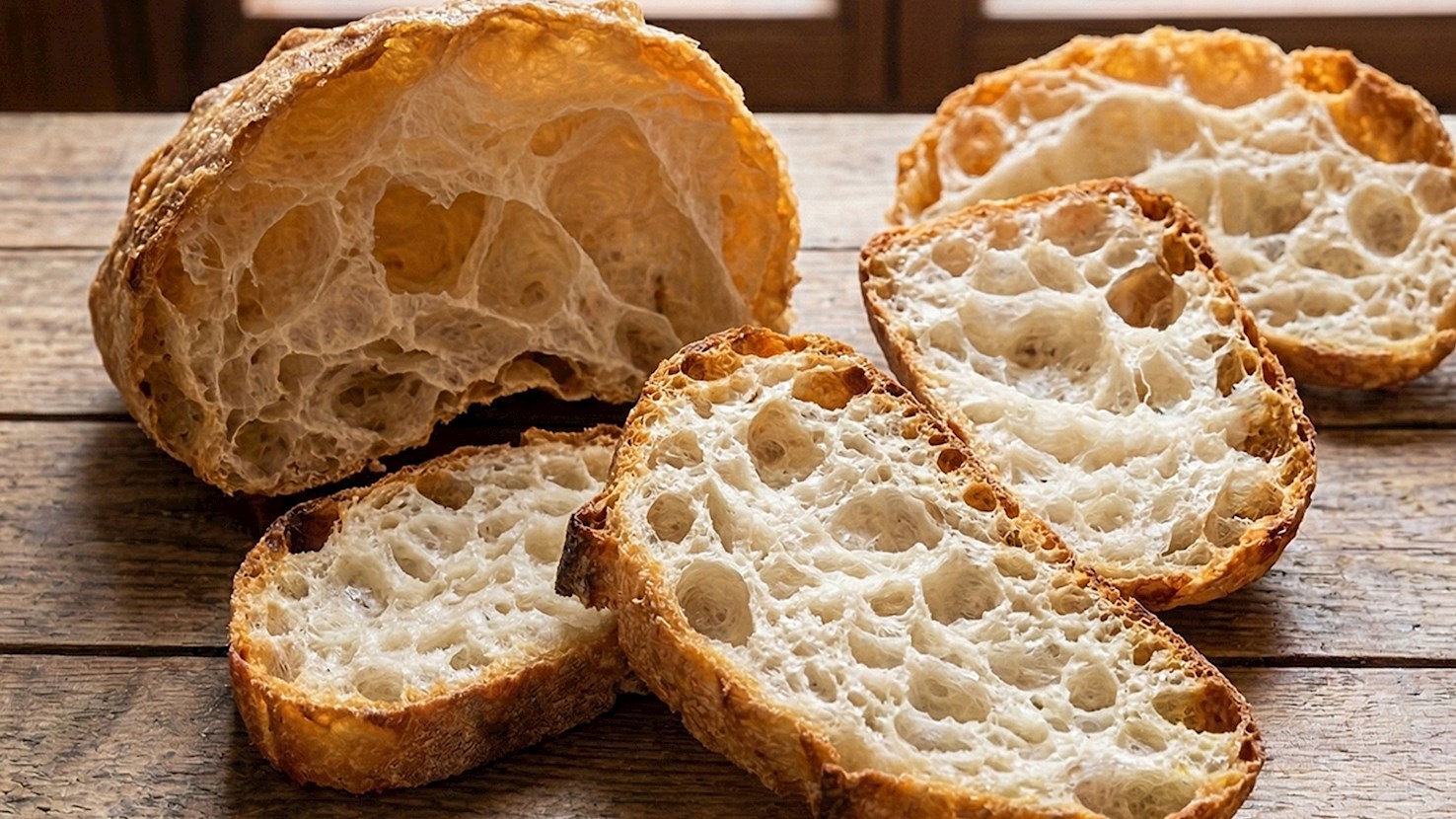
Pan de cristal is a high-hydration wheat bread originating from Barcelona, specifically developed in 2004 by baker Jordi Nomen. It is defined by its exceptionally thin, shatteringly crisp crust and a translucent, highly aerated crumb with large, irregular alveoli. This was achieved by pushing the hydration levels of the dough beyond the standard limits of Mediterranean bread-making, often exceeding 90% or even 100% water relative to the weight of the flour. Preparation of pan de cristal requires high-strength wheat flour with a high protein content to support the extreme water content and maintain the gas produced during fermentation. The dough is not kneaded in the conventional sense but is subjected to a series of folds, known as coil folds, over several hours to develop gluten tension without degassing the mixture. Because the dough is too fluid to be shaped into a structured loaf, it is gently poured onto floured surfaces, cut into rectangular slabs, and baked at very high temperatures in a deck oven. A technical attribute of pan de cristal is its light weight, as the high water content evaporates during the baking process, leaving behind a rigid but hollow structure. The bread is typically served toasted to further enhance its brittle texture. It is eaten throughout Spain as a premium base for montaditos and tapas, particularly in high-end gastronomic contexts. It is most frequently paired with pan con tomate (pa amb tomàquet), where the crust provides a structural contrast to the rubbed tomato and olive oil, and it serves as an accompaniment to high-quality Iberian ham (jamón ibérico), anchovies, or roasted vegetables like escalivada. Beverage pairings usually include crisp, dry sparkling wines like Cava or light, acidic white wines such as Albariño, which cleanse the palate after the richness of the olive oil and cured meats.
TasteAtlas food rankings are based on the ratings of the TasteAtlas audience, with a series of mechanisms that recognize real users and that ignore bot,
nationalist or local patriotic ratings, and give additional value to the ratings of users that the system recognizes as knowledgeable.
TasteAtlas Rankings should not be seen as the final global conclusion about food. Their purpose is to promote excellent local foods,
instill pride in traditional dishes, and arouse curiosity about dishes you haven’t tried.





What People Say