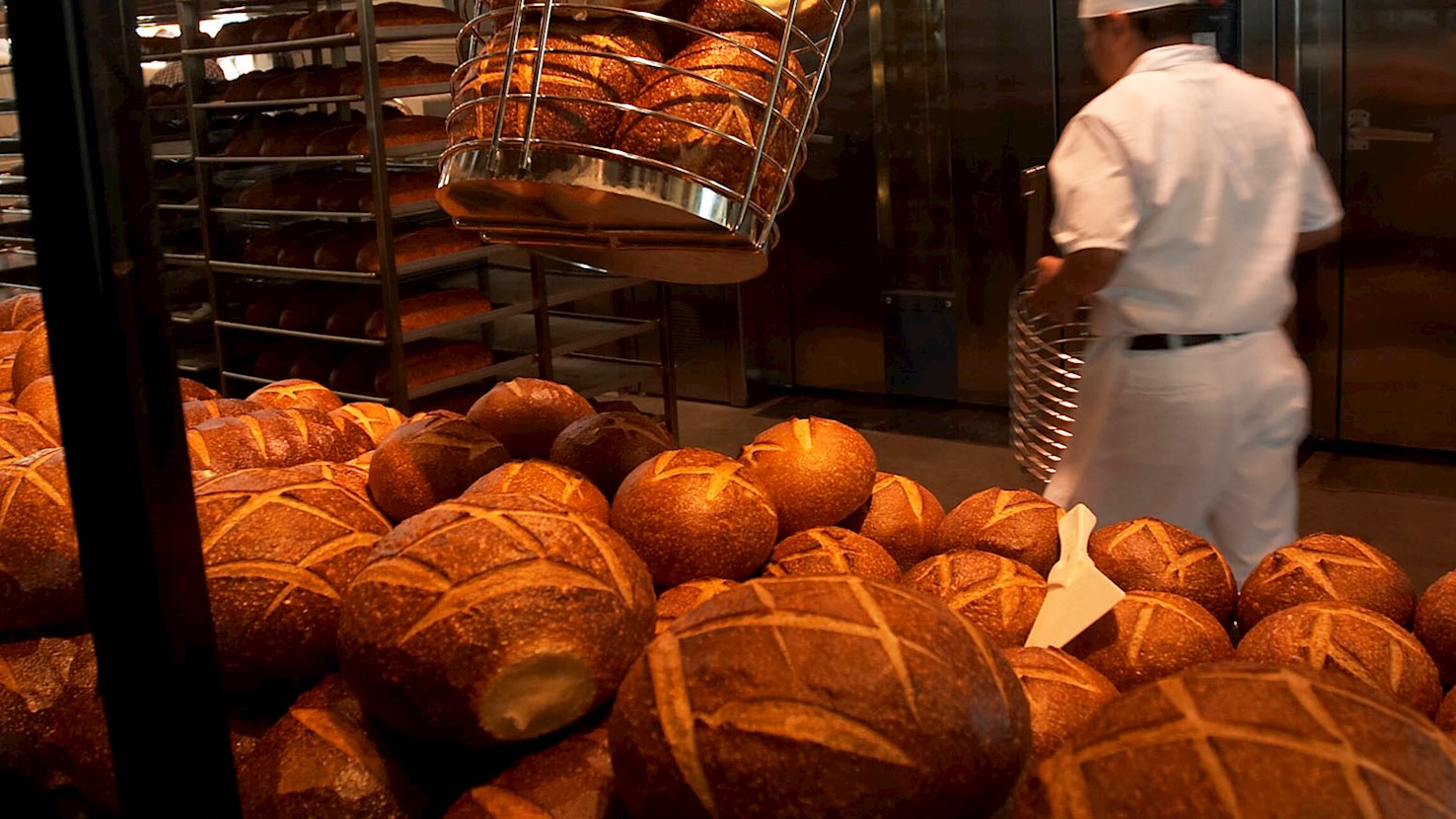
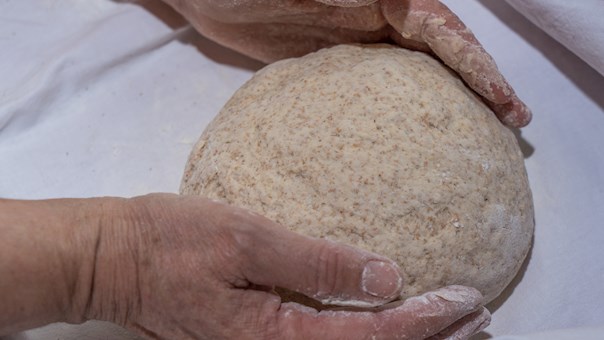
Ever since California's days of gold mining around 1849, sourdough has been an iconic bread and a staple of the Western cuisine. It is the oldest and the most original form of leavened bread, with the oldest recorded use of sourdough dating back to the ancient Egyptians. During the gold rush period, the Boudin family (well-known bakers from France) came to San Francisco and became famous for their unique sourdough bread. It was a hugely popular food, especially for the hungry miners who flocked into the bakery every morning, appreciating the bread for its taste and durability. The Boudin bakery has been using the same starter sourdough culture since 1849, called Mother Dough, and it is still operating today. The sourdough craze spread like wildfire, and today there is a huge number of artisanal bakeries that sell sourdough bread all around the San Francisco Bay Area.
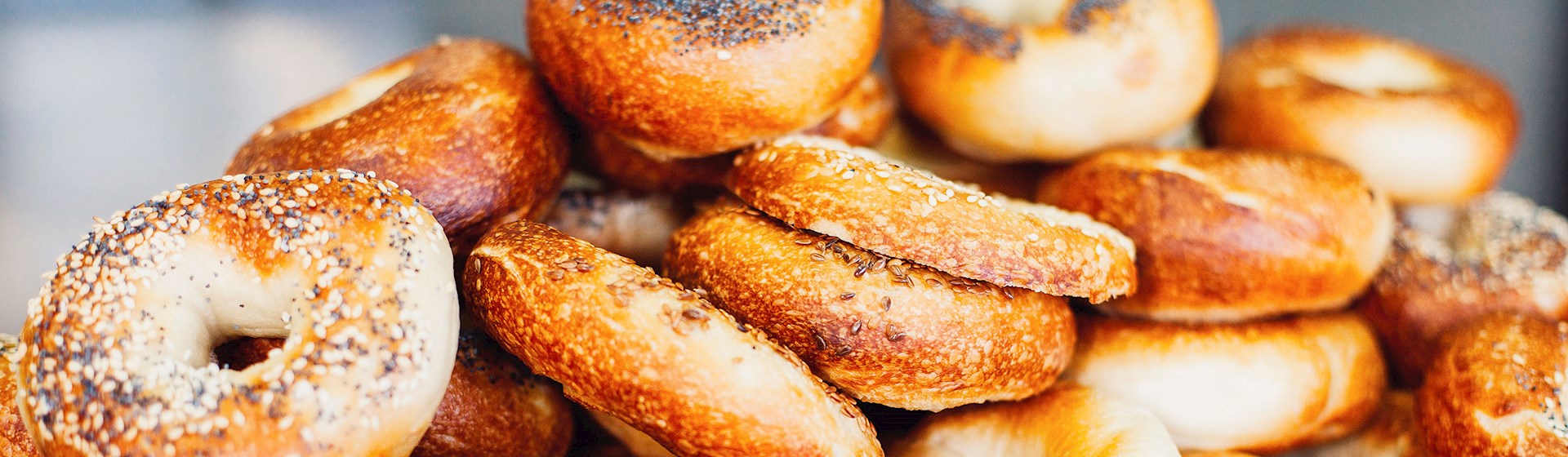
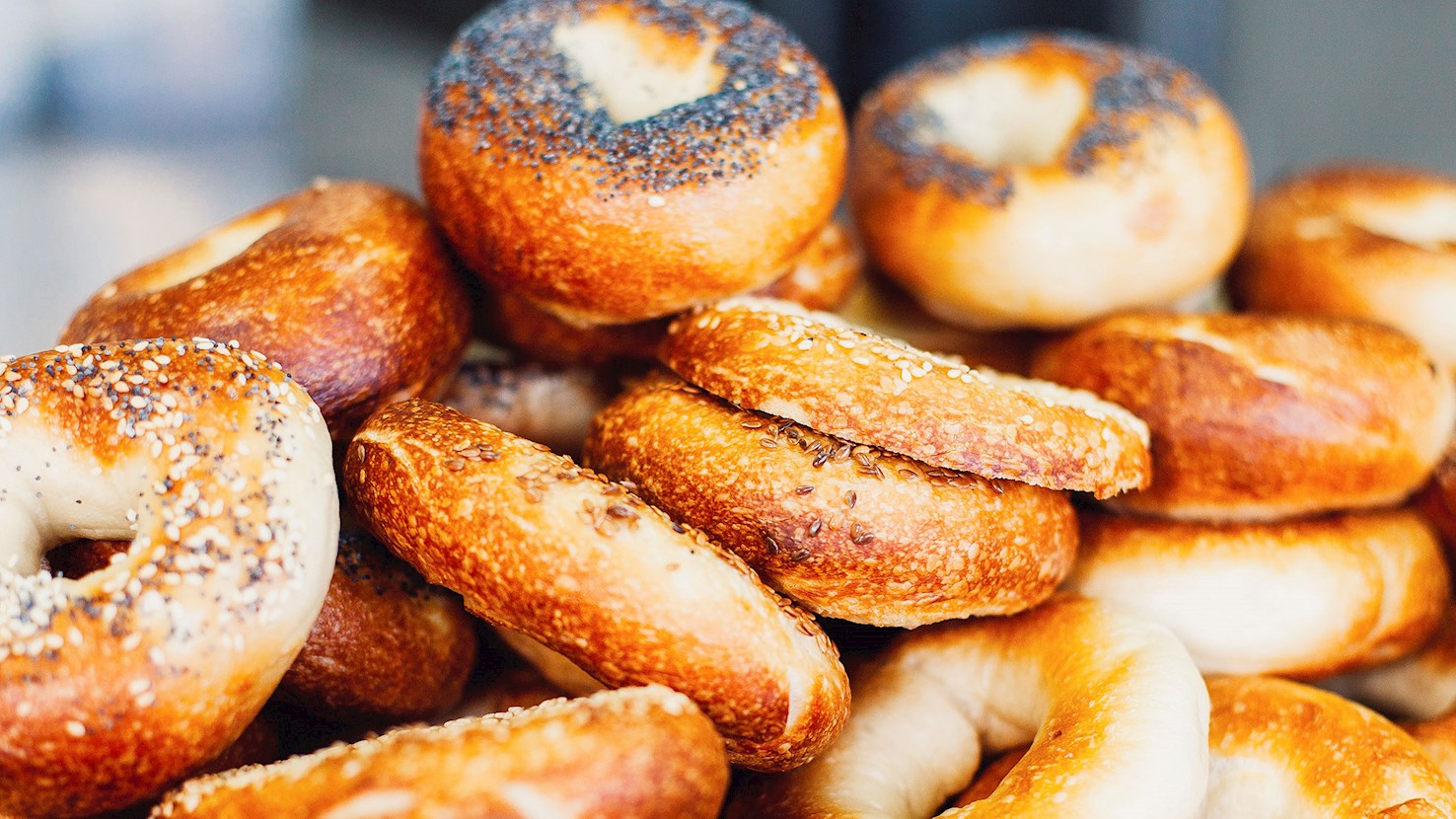
Bagels are an iconic New York City food: boiled, then baked hand-shaped, round rolls with a hole in the middle. It is a small and dense bread with a malty flavor and a dark, shiny, and crunchy exterior which should snap when bitten into it. Originally, they were brought to the United States by Jewish immigrants from Eastern Europe. There is a theory that bagels were popular in the Jewish community because the dough needs to rest for twelve hours before being baked, so it was convenient for Jews to let it rise during the Sabbath, when work is forbidden. New Yorkers claim that their bagels are the best due to the water's softness, as there are low levels of calcium and magnesium that could toughen the dough when combined with gluten. In the past, bagels were made in four original varieties: plain, poppy, salt or sesame, but nowadays they are made with garlic, onion, cinnamon, and raisins, best enjoyed fresh out of the oven and paired with butter, scallions, lox, and cream cheese.
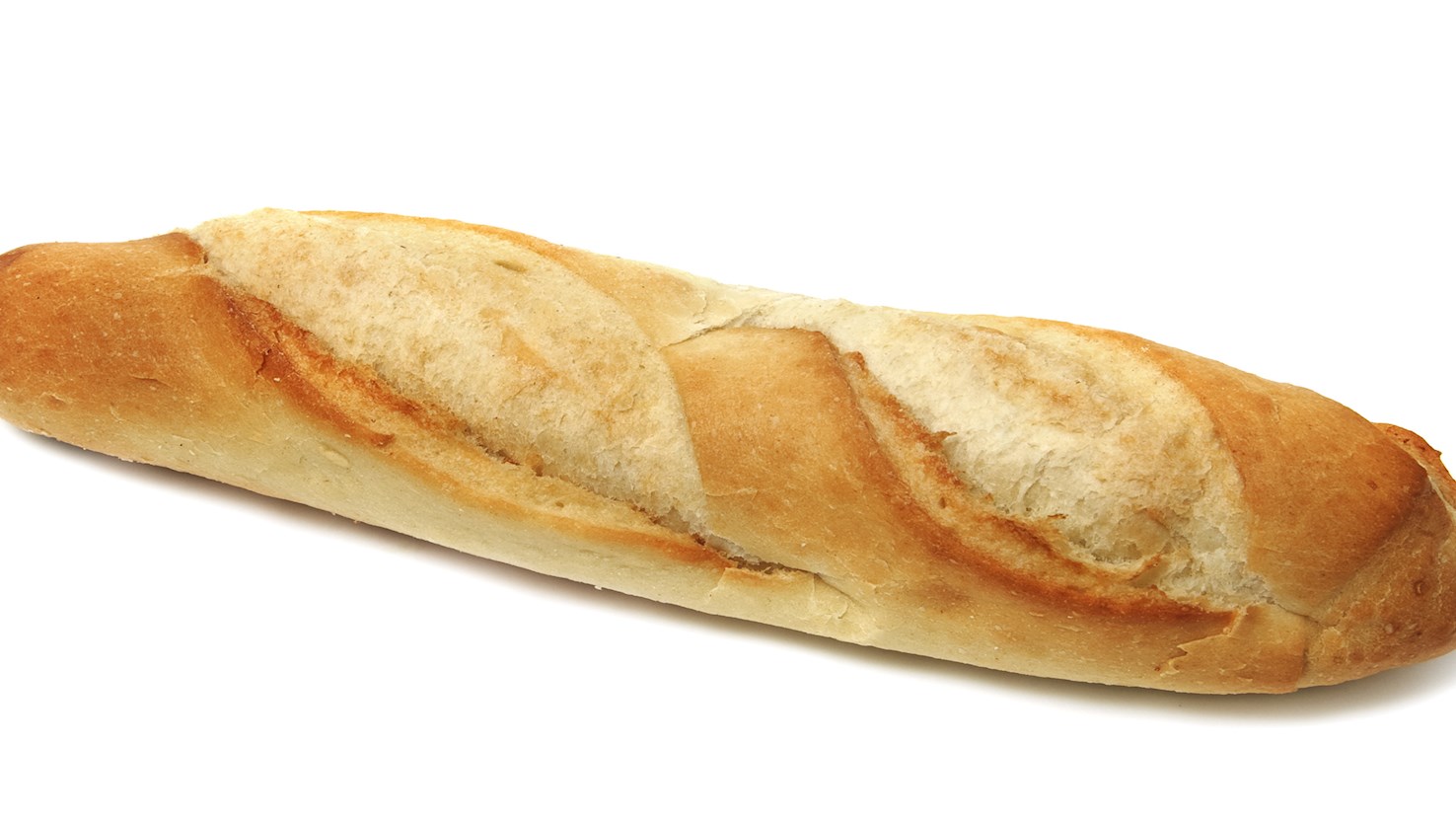
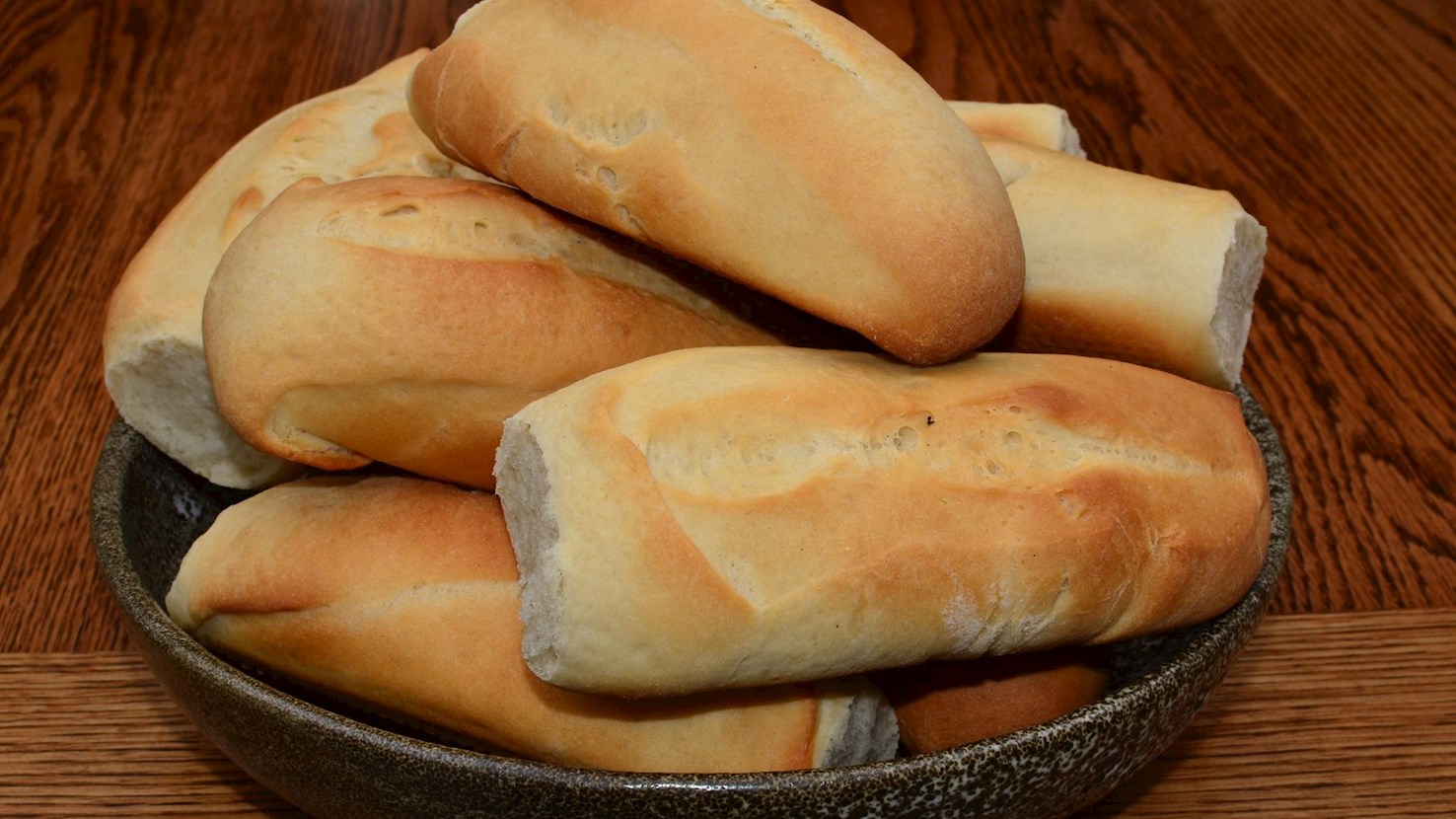
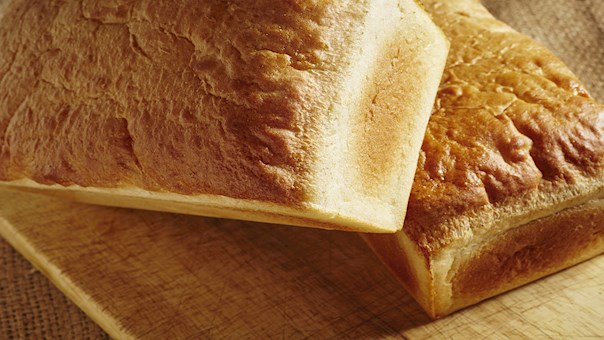
Cuban bread is a long, white bread characterized by its (ideally) rectangular shape, hard and thin crust, and soft, flaky interior filled with numerous air pockets. It is still unclear whether it was first created in Tampa or Miami, but everyone agrees that the best Cuban bread is made in Florida. The bread is a key ingredient of the popular Cuban sandwich, and it is recommended to pair it with a hot cup of coffee.
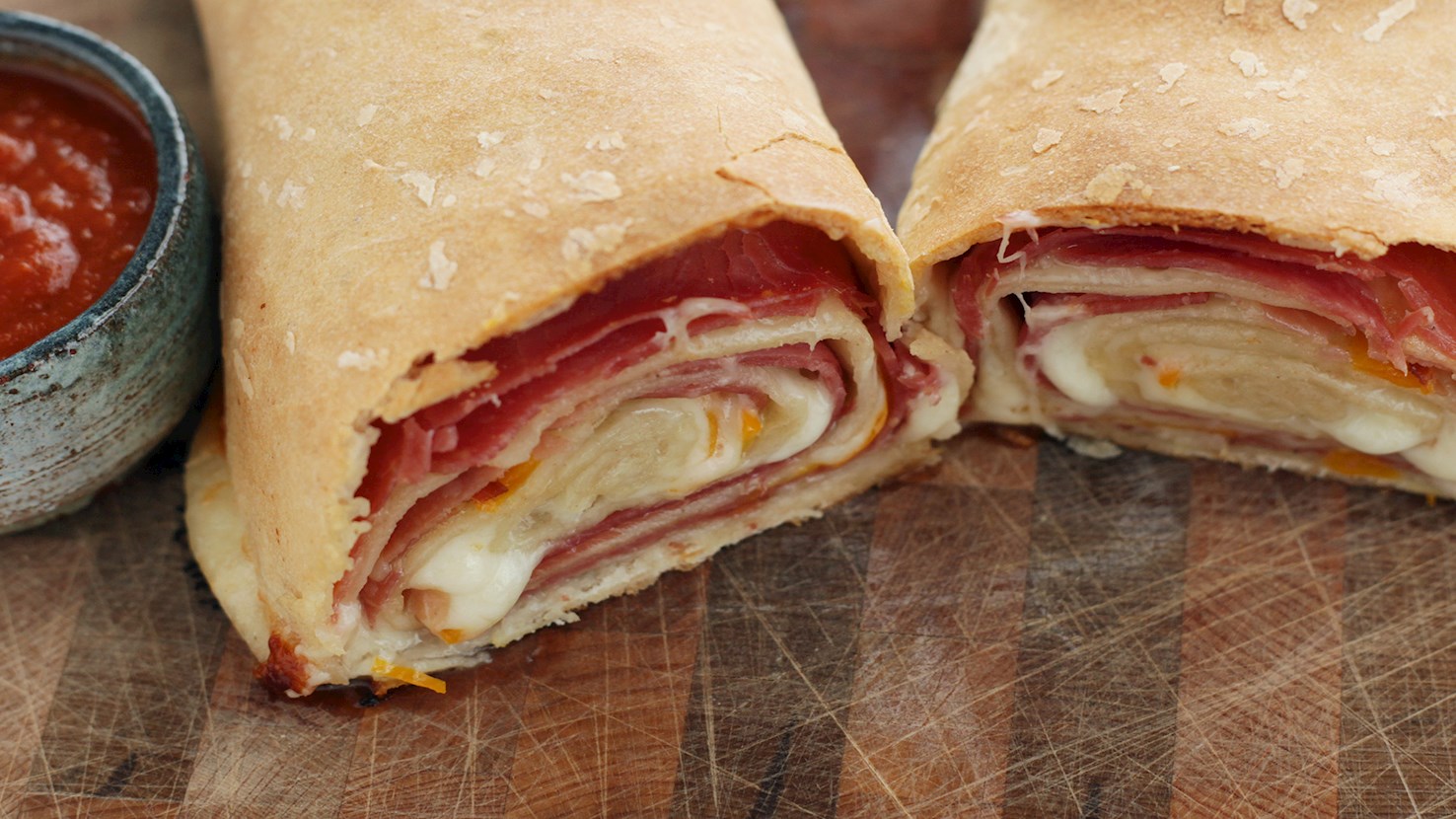
Pepperoni roll is a specialty of West Virginia consisting of a baked white bread roll filled with pepperoni sticks or slices. The roll is sold throughout the state at numerous gas stations, diners, and convenience stores, often paired with marinara sauce for dipping. It is believed that pepperoni roll was invented in 1927 by Giuseppe Argiro at the Country Club Bakery in Fairmont, who originally created it as a portable food item for Fairmont's miners.
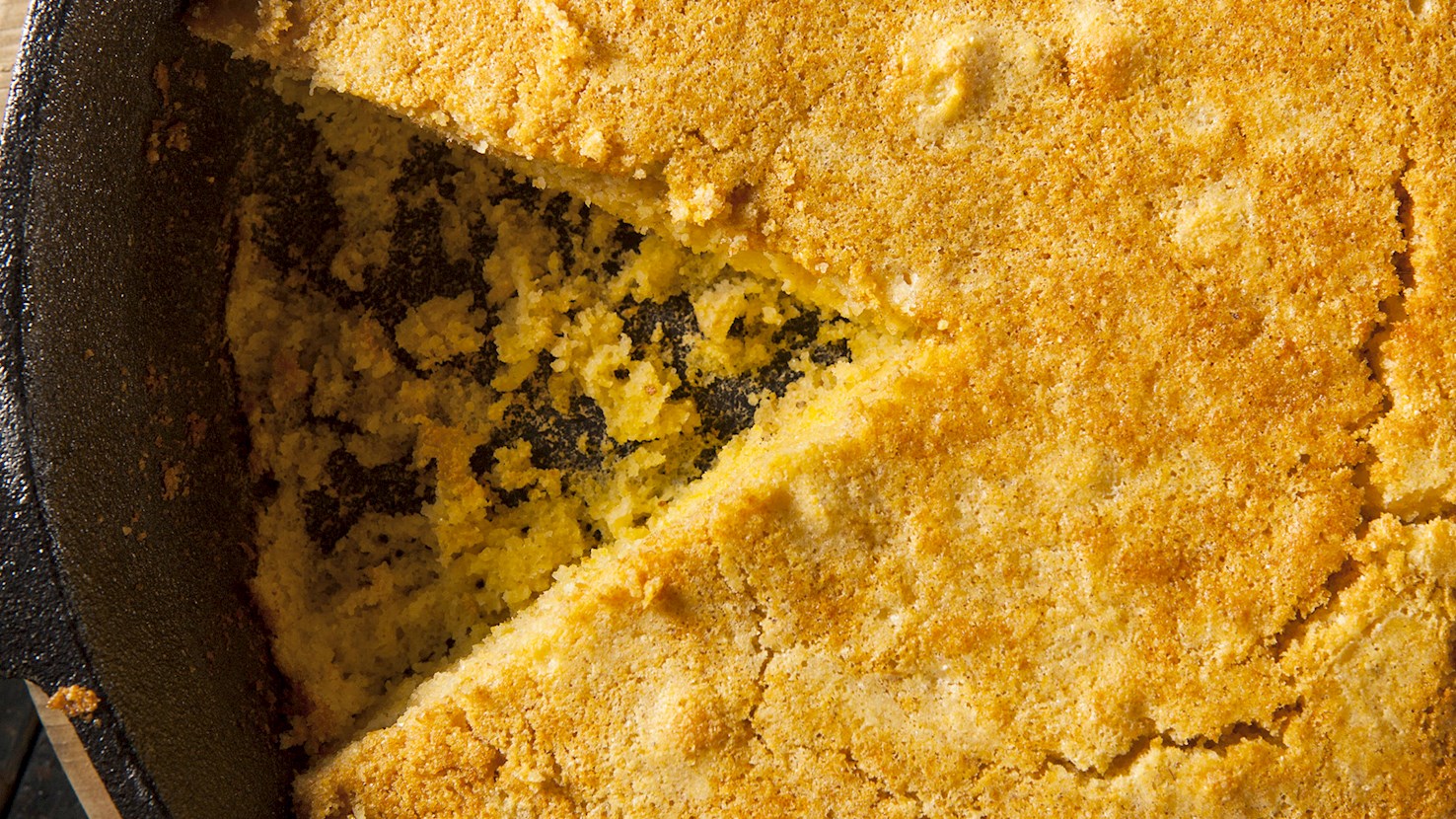
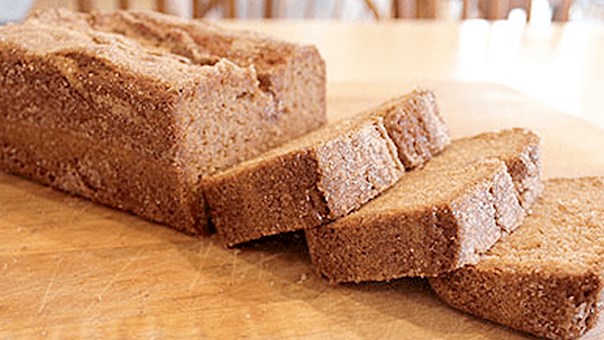
There is no food more American than the classic cornbread. The soft, but firm baked bread made with cornmeal is easily the most important memorabilia of the American past, which is especially associated with the American South. Corn has been a staple ingredient among the Native Americans, who created the first version of what is today known as cornbread. This original version was common food among the frontier explores, and soon became a staple meal favored among the nation. Originally, cornbread was white in color, and since it was made with stone-milled corn, which produced coarser flour, it created a more substantial meal. The change occurred with the introduction of industrial mills, which finely ground the corn and caused the loss of natural sweetness. When the colonists introduced wheat, eggs, and milk products, the well-known firm and rustic cornbread was transformed into a softer and more subtle version. However, the southern part of the United States kept the tradition of preparing the rustic variety, while the northern adopted the leavened, softer, and sweeter version. Nowadays cornbread is usually made from store-bought packs, and it is traditionally prepared in cast iron skillets, but pans and even muffin tins are also common. In American culture, cornbread is not regarded as the plain bread replacement, but more as a substantial side dish. It is often used as an accompaniment to chilis and other types of bean and lentil stews. Sometimes it is merely covered in honey or molasses and eaten as a dessert, or torn and drenched in a warm glass of milk.
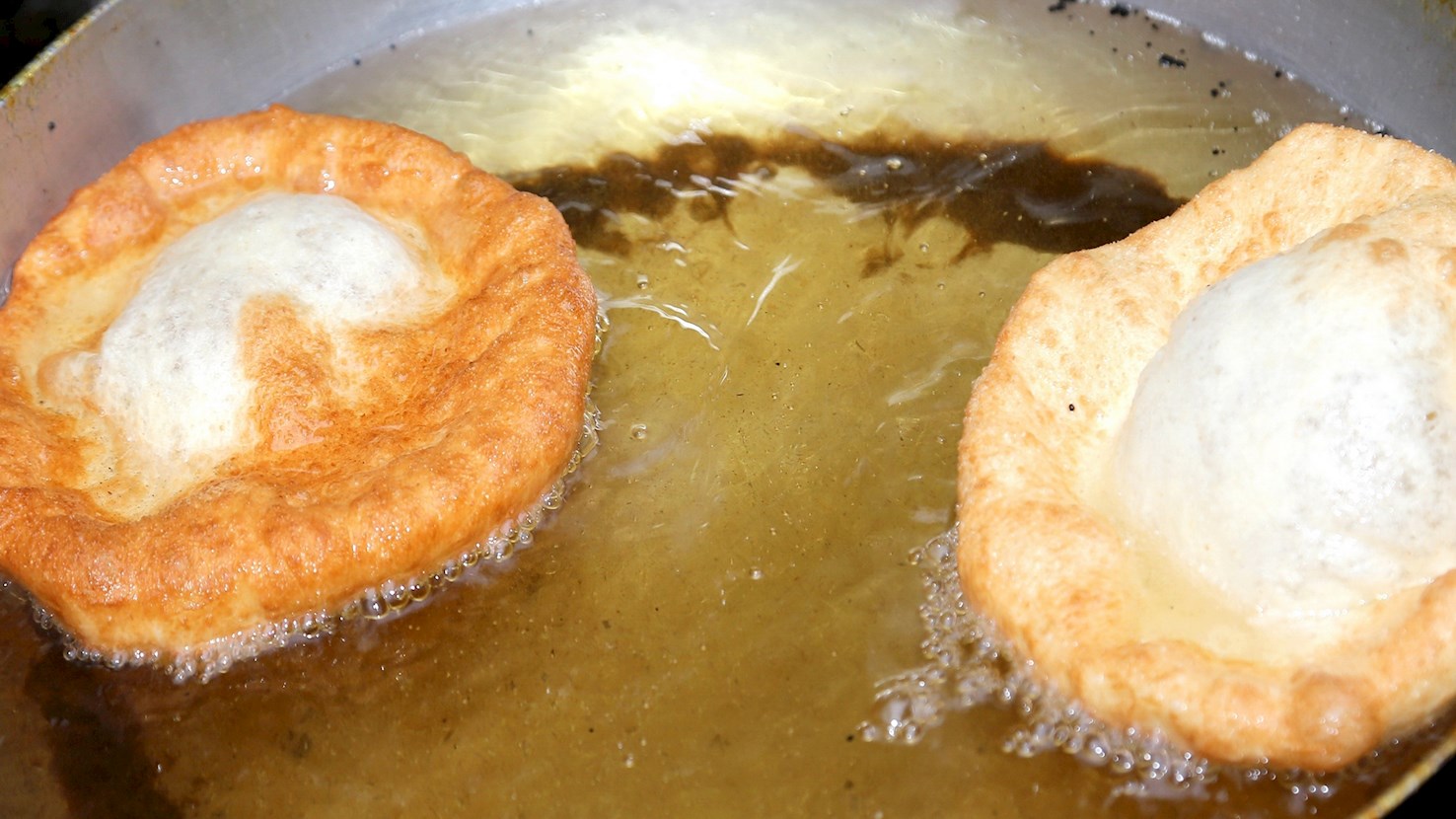
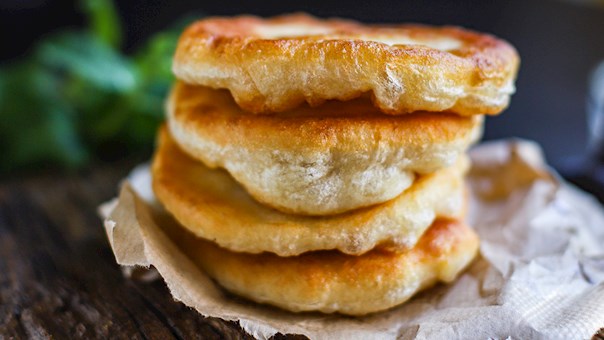
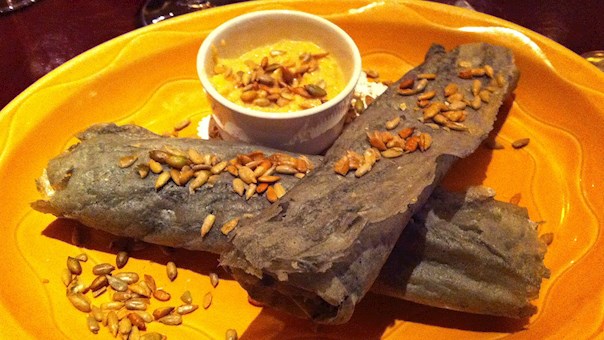
Named as the official state bread of South Dakota in 2005, frybread is a flat dough that is fried or deep-fried in oil or lard. Originally, it is a Native American Navajo tradition, invented at a time when the Natives were in captivity and attempts were made to starve them out. The government supplied them with lard, flour, salt, sugar, yeast, and powdered milk, which were often spoiled, so fry bread originated from those few foods provided during the four years of captivity. What ensured the Navajo's survival in the past is now consumed either on its own, or with numerous topping and accompaniments such as honey, jam, or beef. Frybread can also be made into tacos, called Navajo or Indian tacos, consisting of frybread that is topped with numerous ingredients usually found in tacos, such as lettuce, tomato salsa, grated cheese, and chopped meat.
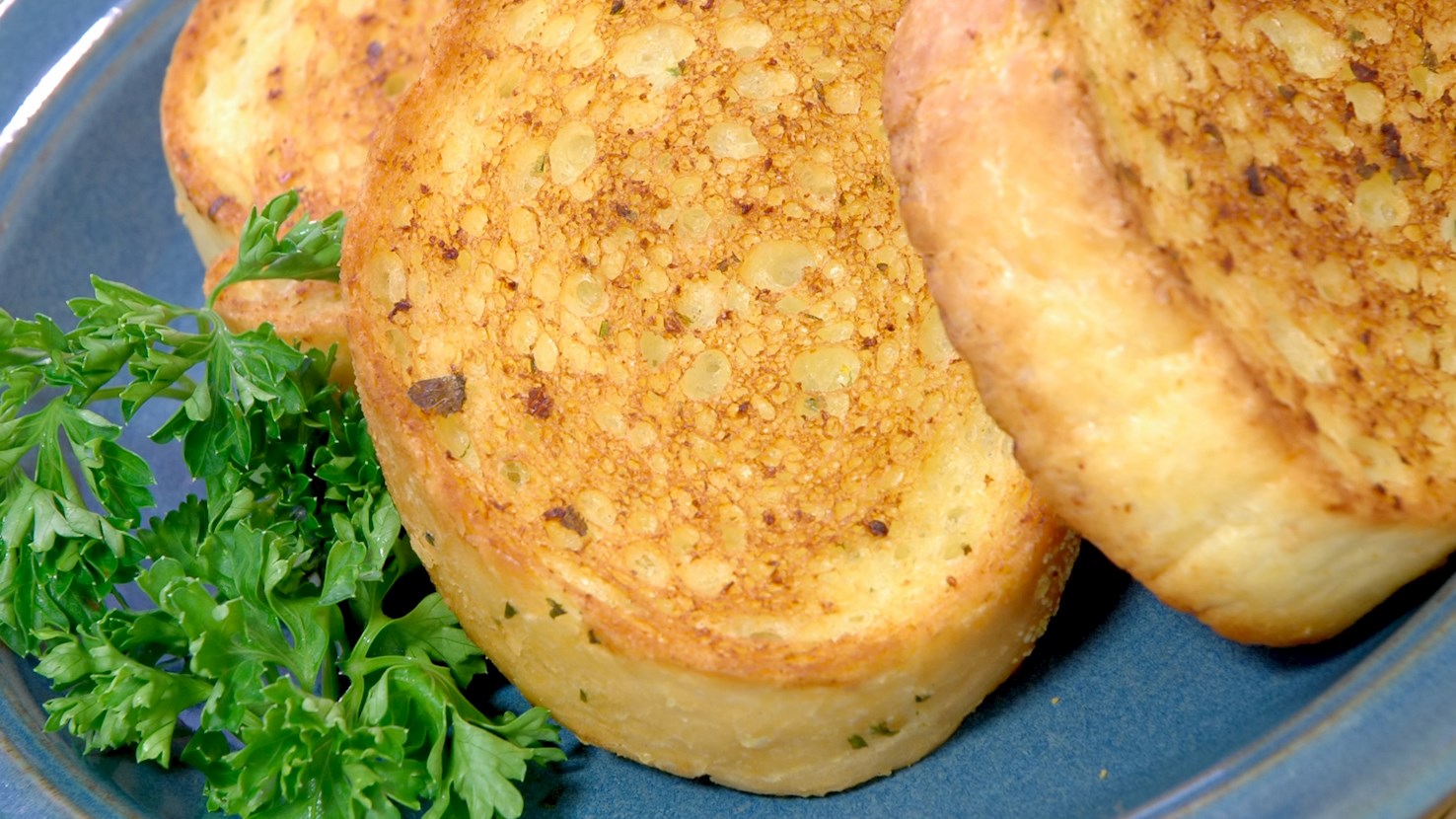
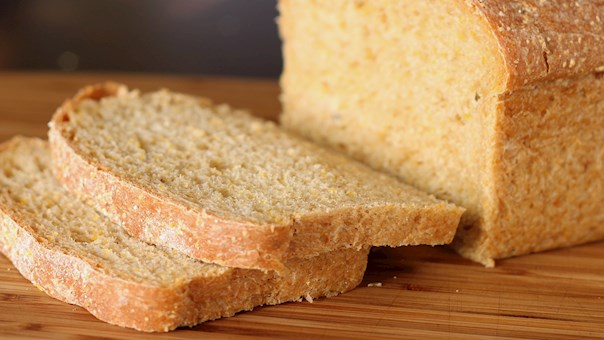
Despite the implications in its name, Texas toast is not sold toasted, but is instead a packaged, sliced bread, characterized by its thickness (twice the thickness of most sliced and packaged bread). It is most commonly used for dishes such as French toast, and others which incorporate heavy substances like sauces and syrups. Sometimes, it is buttered, broiled until golden, and served with pulled pork and garlic. It is also often used in fondues and chicken sandwiches. If there is a barbecue going around, it is not uncommon to see Texas toast served as a side dish. The highly versatile bread is believed to have originated in 1941 in Beaumont, Texas, at the restaurant named Pig Stands when its owner, Royce Hailey, ordered some wide-sliced bread that he intended for toasting. Since the bread was too thick to fit into the toaster, a cook suggested that the bread should be buttered and grilled instead. The dish was a huge success with the customers, and it is still a favorite at the only remaining Pig Stand restaurant in San Antonio.
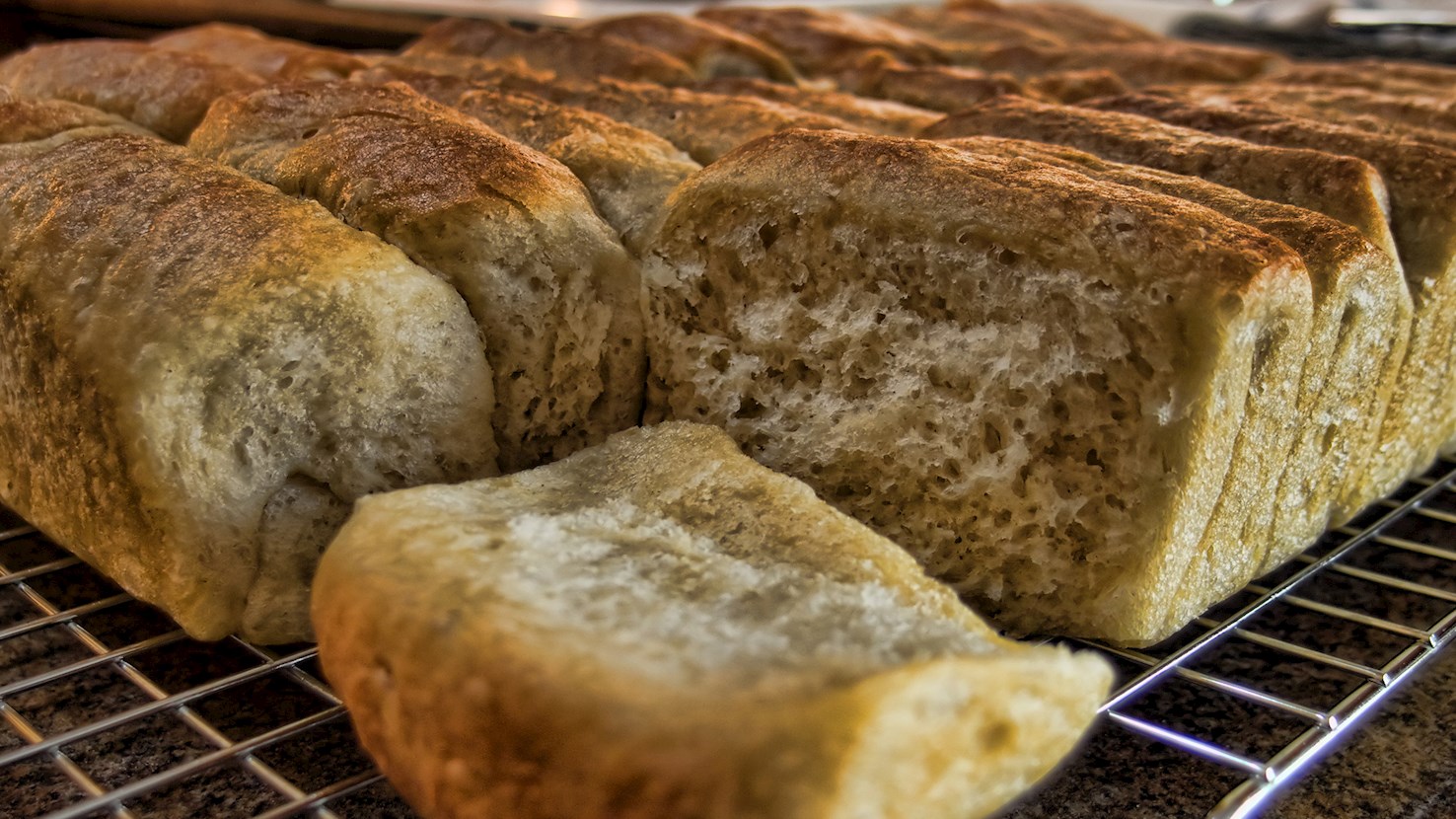
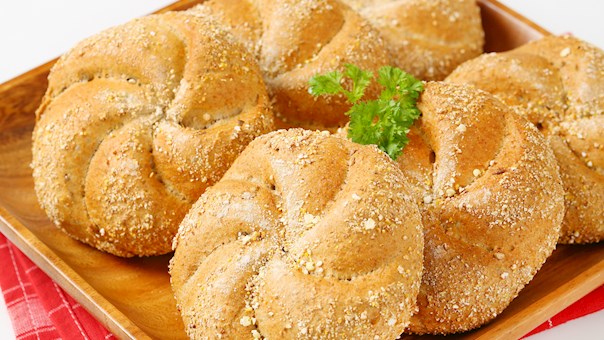
Invented by the Parker House Hotel during the 1870s, the Parker House roll is a butter-rich, soft, and delicate bread roll that is tender on the inside and crisp on the outside. An interesting fact is that these bread rolls are somewhat sweet, which has been a feature of American rolls during the 19th century. Before baking, the oval pieces of dough are folded in half and dipped in butter. However, the dough can be cut into triangles and shaped into crescents, or cut into strips and braided.
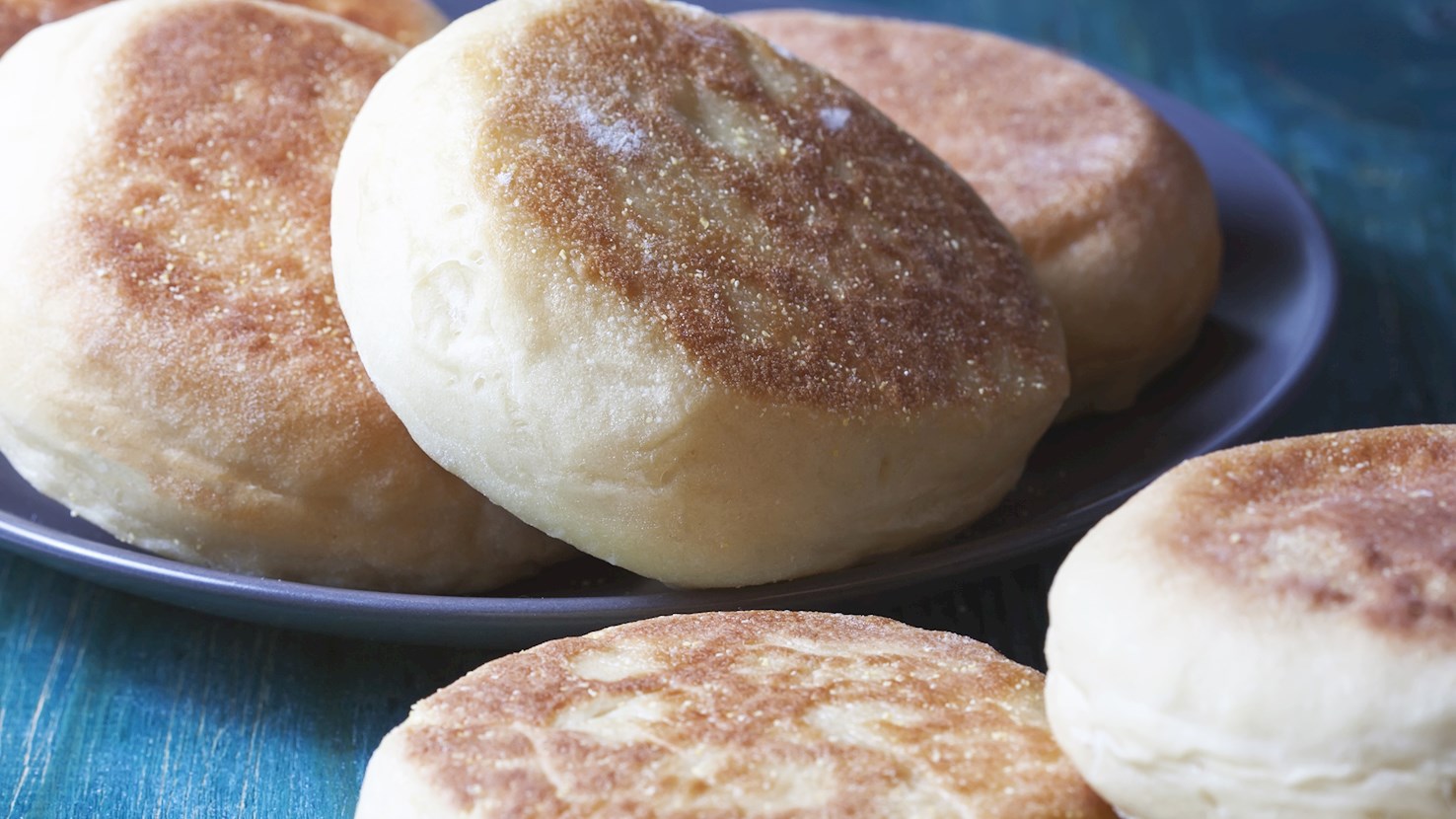
English muffin is a small, round, and flat bread that's made from a soft yeasted dough. Once shaped into rounds, either by hand or with crumpet rings, the English muffin is baked on a griddle. Before toasting, they are halved, and once toasted, they're buttered, then served for breakfast with sweet or savory toppings. These muffins are an essential part of eggs Benedict. It's not recommended to use a knife to cut them in half – most cooks agree that they should be split with a fork and gently pulled apart in order to create a surface with small peaks and craters, which gives them a crunchy texture and provides many pockets for jam and butter. The muffins can be made at home or bought in stores, where they are available in various flavors including cornmeal, cinnamon, whole wheat, raisin, and sourdough. It is believed that the first English muffin was invented in 1894 by a British immigrant to New York, Samuel Bath Thomas.
A hoagie roll is a long and flat roll that's traditionally used to prepare hoagie sandwiches, submarine sandwiches, and sometimes even Philadelphia cheesesteak sandwiches. The inside should be soft, and the exterior should be a bit harder. These rolls are popular in the United States of America, and they're usually made with a combination of flour, milk, oil, eggs, yeast, salt, and sugar, while some versions might include sesame seeds on top. Hoagie rolls are typically split down the middle before they're filled with various ingredients.
TasteAtlas food rankings are based on the ratings of the TasteAtlas audience, with a series of mechanisms that recognize real users and that ignore bot,
nationalist or local patriotic ratings, and give additional value to the ratings of users that the system recognizes as knowledgeable.
For the “Top 23 American Breads” list until September 15, 2026, 1,471 ratings were recorded, of which 1,383 were recognized by the system as legitimate.
TasteAtlas Rankings should not be seen as the final global conclusion about food. Their purpose is to promote excellent local foods,
instill pride in traditional dishes, and arouse curiosity about dishes you haven’t tried.




What People Say