







Top 29 African Breakfasts

Last updated on May 15, 2026
01

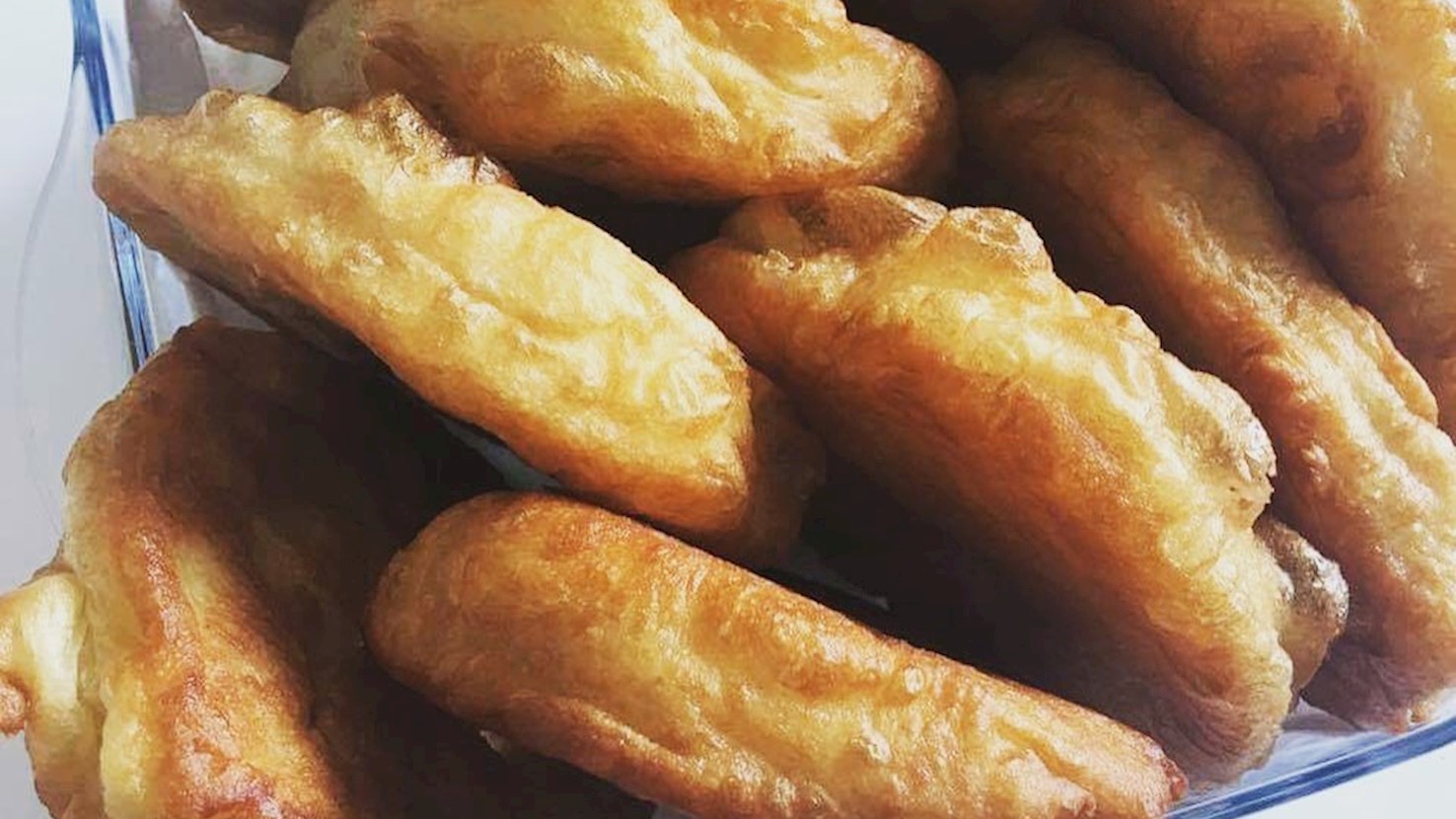
Sfinz

4.5 ·

Sfinz is a traditional fried pastry made with a dough consisting of flour, sugar, yeast, salt, and water. The dough is shaped into small balls which are then flattened to form a thin layer of pastry. After it has been fried, sfinz is typically enjoyed with honey, although it can also be fried with an egg on top. Also known as Libyan doughnut, this fried pastry is especially popular for breaking the fast during Ramadan, but it can also be served for breakfast. If there is any leftover dough, Libyans usually transform it into herb bread.

02

Bambalouni

4.3 ·

Bambalouni are traditional Tunisian doughnuts that are especially popular in the village of Sidi Bou Said. They are made with flour, hot water, yeast, and salt. After the dough has been prepared, it is fried in hot oil until golden brown, and the doughnuts are then sprinkled with sugar on top. It is recommended to serve bambalouni with coffee, either for breakfast or as a snack eaten at the end of the day.

03

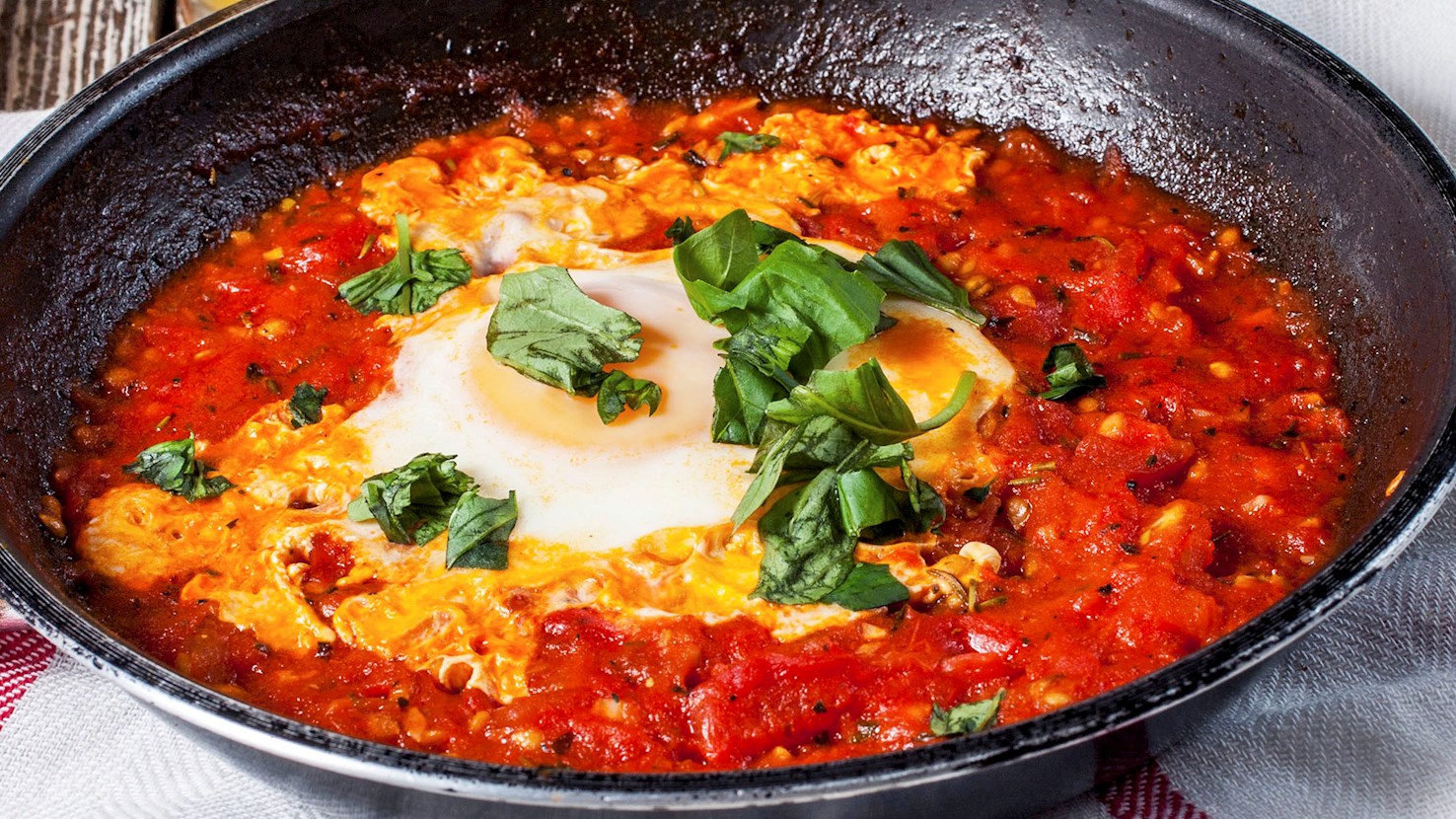
Shakshouka

4.2 ·

Shakshouka is a delicious combination of eggs poached in a spicy tomato sauce. Although it has an unusual name, the dish is straightforward and easy to make. It is usually made in a skillet in which onions, tomatoes, and spices are cooked until they form a delicious tomato sauce. Eggs are then added directly to the tomato sauce and poached until done. Merguez sausage can also be added to the dish. It is believed that shakshouka originated in Tunisia, but the dish is well-known and commonly eaten throughout North Africa and the Middle East as well. Almost every region has formed their distinctive variety of shakshouka: in Egypt, eggs are usually scrambled and served in a sandwich, and in Israel it is often served with salty feta cheese on top. The consistency of the sauce and eggs is also variable – the sauce can be thinner or thicker, while the eggs can be completely firm or soft. For a more nutritious meal, meat, most commonly sausages, can be included in the dish. Shakshouka is suitable for any meal of the day and is usually served warm or sizzling hot, with bread on the side. Because it is budget-friendly, simple, and easy to prepare, the dish has recently gained popularity both in Europe and North America.

04

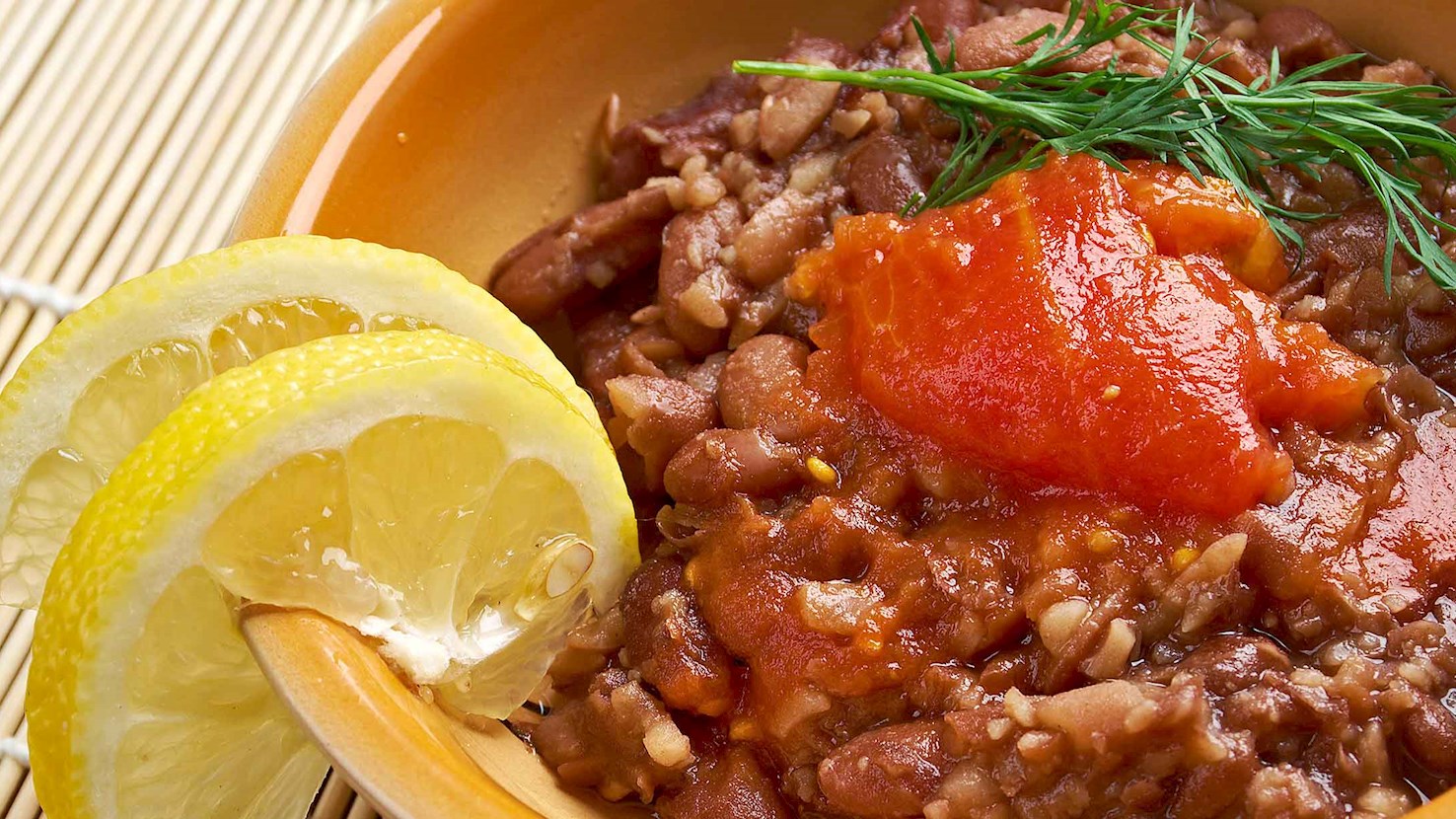
Ful medames

4.1 ·

Ful medames is an ancient, pre-Ottoman and pre-Islamic national dish of Egypt, a traditional breakfast food consisting of slowly simmered fava beans seasoned with a squeeze of lemon juice, olive oil, garlic, and selected spices. Some remnants of the dish were found in the 12th Dynasty Pharaonic tombs in Egypt, and any food that has been found in an ancient tomb must have been a wildly popular culinary treat. Because it is a breakfast food that is also good for breaking the fasting, the dish is extremely popular during Ramadan. Although it's an Egyptian dish, it is also prepared throughout North Africa and the Middle East. Ful medames is a staple of the Egyptian diet, so much that the price of beans is regulated by the government in order to ensure that they are affordable to the poorest citizens. The creamy, earthy stew is usually spiced with the addition of chilis and cayenne pepper. It is recommended to prepare it a day in advance because the beans need to be soaked and cooked overnight. When eaten, the hearty stew is traditionally served out of big metal jugs, and once on the plate, it is often mopped up with pieces of fresh pita bread and topped with pickled beets, parsley, onions, tomatoes, and cumin. Filling, savory, nutritious, and easy to prepare, ful medames is a literal blast from the past.

05

Shahan ful

4.1 ·

Shahan ful is a traditional dish from the countries of the Horn of Africa that is typically served for breakfast. The dish is made by slowly cooking fava beans in water until they soften, then mashing them into a purée. The purée is then combined with onions, lemon juice, berbere spices, chili peppers, and tomatoes. When served, shahan ful is sometimes garnished with yogurt on top and accompanied by bread rolls on the side. The dish is especially popular during Lent and Ramadan.

06

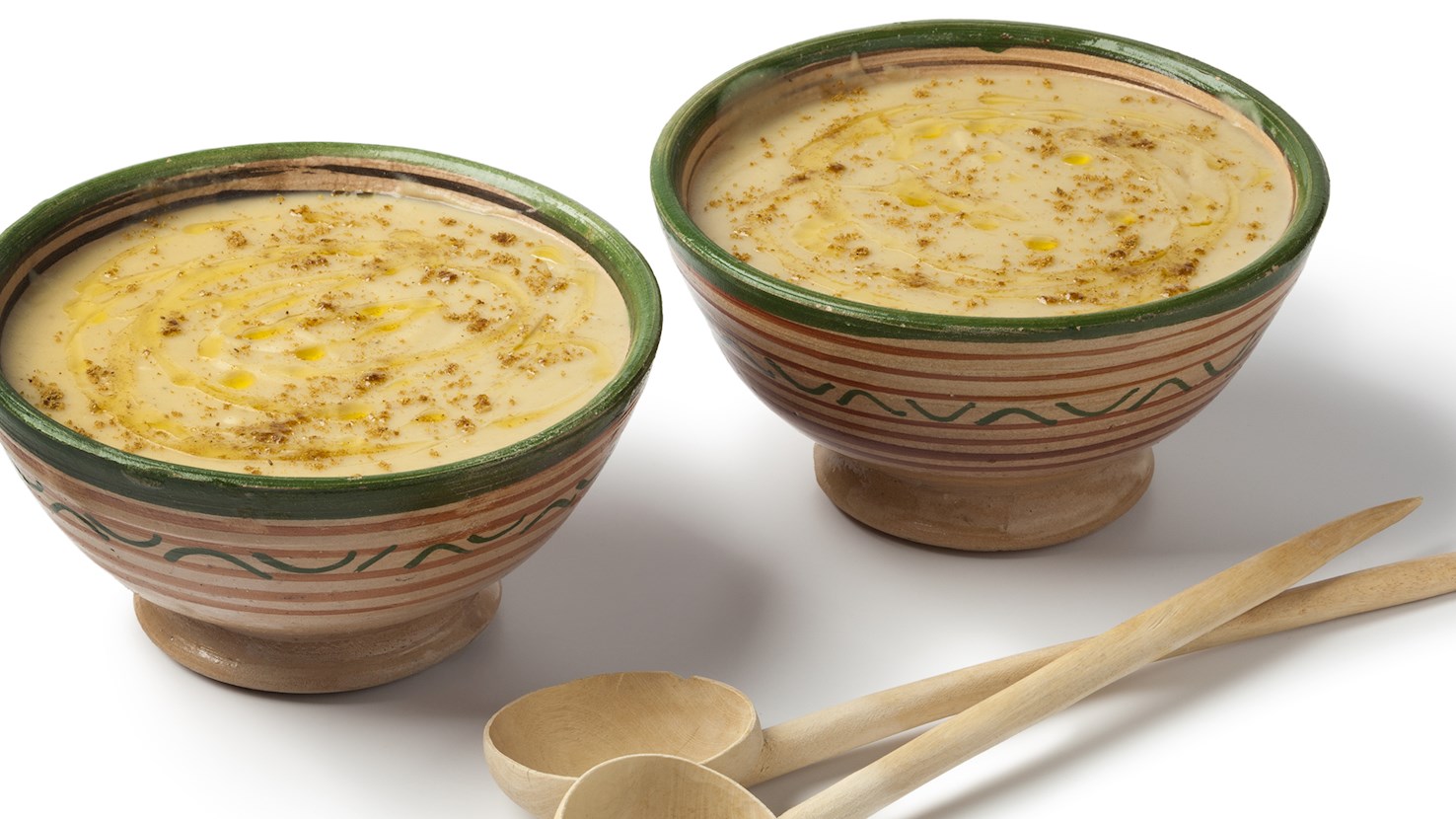
Bissara

4 ·

Bissara is a comforting Egyptian and Moroccan dish made with puréed beans – either split peas or dried fava beans. It can be prepared in the form of a soup or porridge, while the thicker versions are commonly used as a dip. The puréed beans are typically seasoned with olive oil, lemon juice, and garlic, and the dish is often served with paprika and cumin on the side, while crusty bread is almost mandatory. Bissara is traditionally served for breakfast, and it is especially popular during winter.

07

Fit-fit

3.9 ·

Fitfit is a typical Ethiopian food served for breakfast, made with clarified spiced butter and berbere spices. There are two main versions of fitfit: the one made with injera flatbread, and the other one made with unleavened kitcha bread. Injera fitfit is combined with onions, while kitcha is usually accompanied by a scoop of yogurt.

08

Injera fit-fit

3.9 ·

Injera fit-fit is a fit-fit variety that is, in its basic version, prepared with a combination of berbere spices, clarified butter, onions, and torn pieces of injera flatbread. Chunks of meat or leftover meat sauces are often added to the dish, which is sometimes served for breakfast with yogurt and chili peppers on the side. When served in a bowl, injera fit-fit is consumed with a spoon, but when it’s served on top of another piece of injera flatbread, it is customarily consumed with the right hand.

09

Waakye

3.8 ·

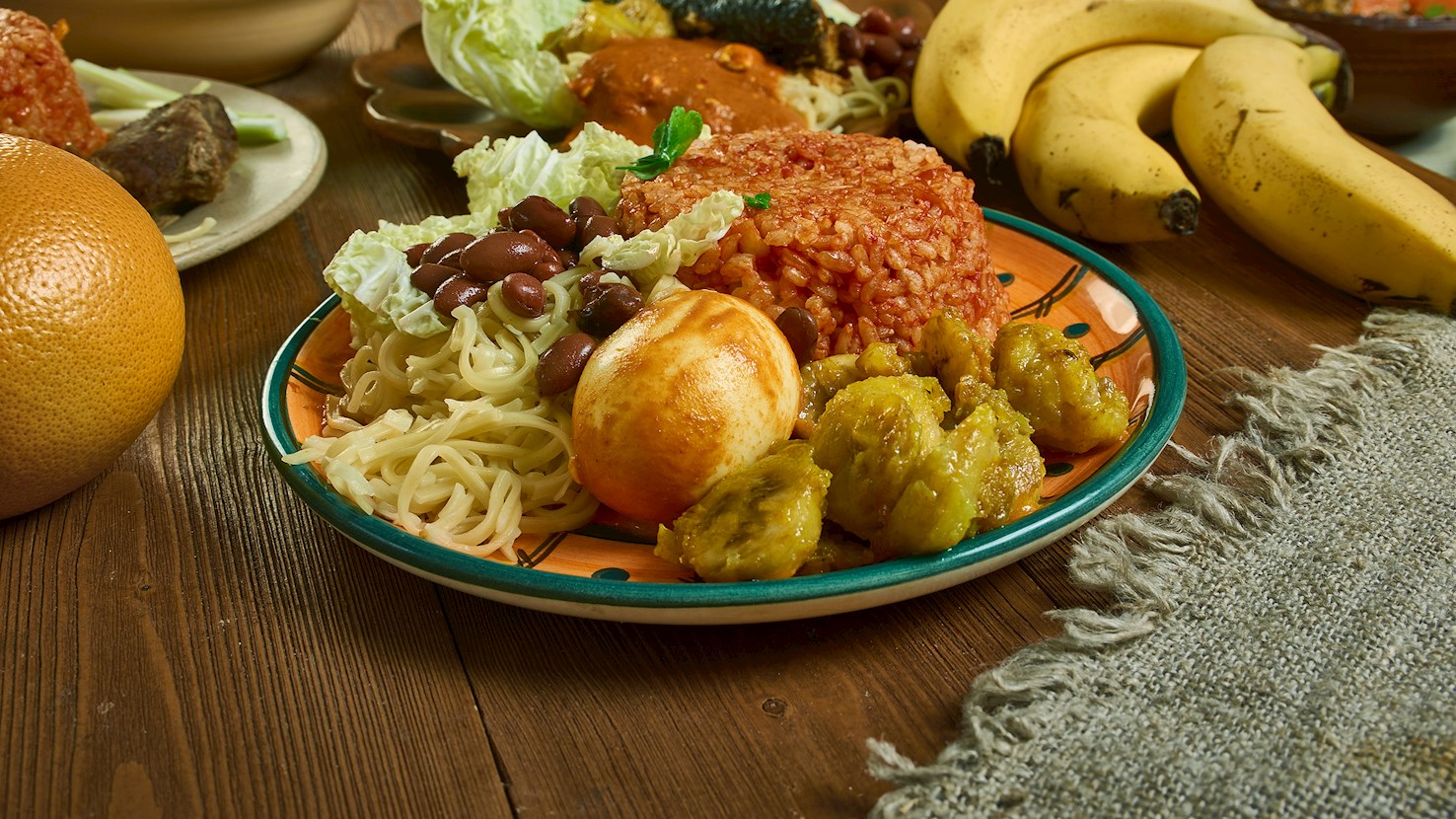
Although it originated in northern parts of Ghana, the rice-and-bean-based dish known as waakye is today consumed on a national level. Whether it's eaten for breakfast or lunch, this dish can be made as rich and as filling as one likes by adding an almost unending list of accompaniments. The most typical ones include fried plantains, the spaghetti-like talia, a black pepper sauce called shito, boiled eggs, avocados, a tomato-based soup which contains meat, and gari foto — a mashed sauce made with finely grated cassava. This versatile dish is a favorite street food and comes served on a large waakye leaf.

10

Mandazi

3.4 ·

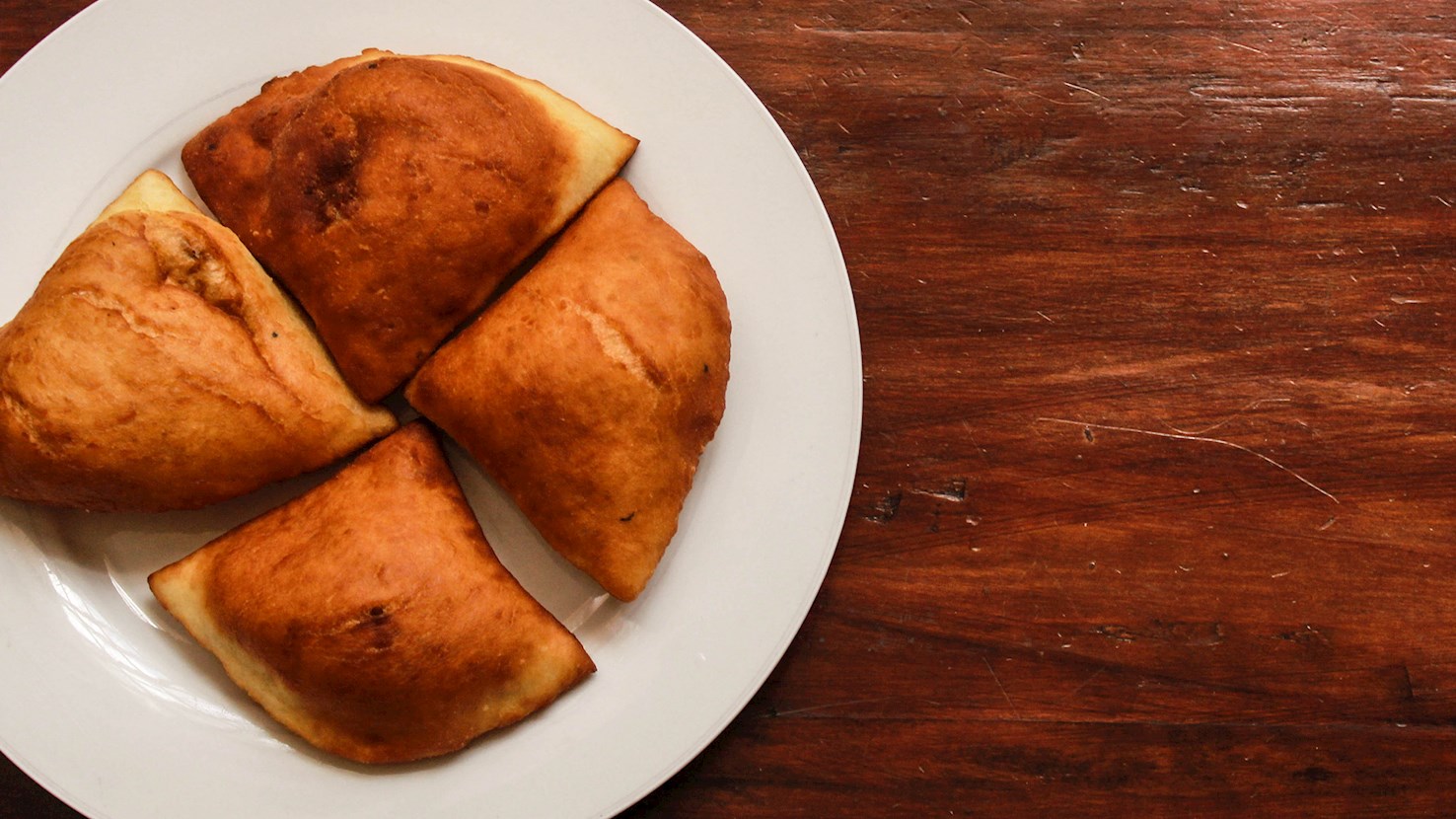
This African snack is very popular in countries such as Tanzania, Uganda, and Kenya. The dough is made with sugar, flour, water, yeast, and milk or coconut milk. It can be additionally enriched with ingredients such as ground peanuts or almonds. After the dough has been shaped into triangles, circles, or ovals, it is fried in hot oil. Mandazi can be served for breakfast with tea, as a tasty appetizer before lunch, or even as a late-night snack. It is often served with fruit-flavored dips, but when served as a dessert, mandazi is typically dusted with powdered sugar or cinnamon in order to add some sweetness to it.

11

Phaphatha

3 ·
13

Akwadu

2.7 ·
14

La bouillie

n/a ·
15

Genfo

n/a ·
16

Gateaux piments

n/a ·
18

Kinche

n/a ·
19

Mofo gasy

n/a ·
20

Fatira

n/a ·
Read more
View all
View map
About this ranking

TasteAtlas food rankings are based on the ratings of the TasteAtlas audience, with a series of mechanisms that recognize real users and that ignore bot, nationalist or local patriotic ratings, and give additional value to the ratings of users that the system recognizes as knowledgeable. For the “Top 29 African Breakfasts” list until May 15, 2026, 2,016 ratings were recorded, of which 754 were recognized by the system as legitimate. TasteAtlas Rankings should not be seen as the final global conclusion about food. Their purpose is to promote excellent local foods, instill pride in traditional dishes, and arouse curiosity about dishes you haven’t tried.

Similar lists