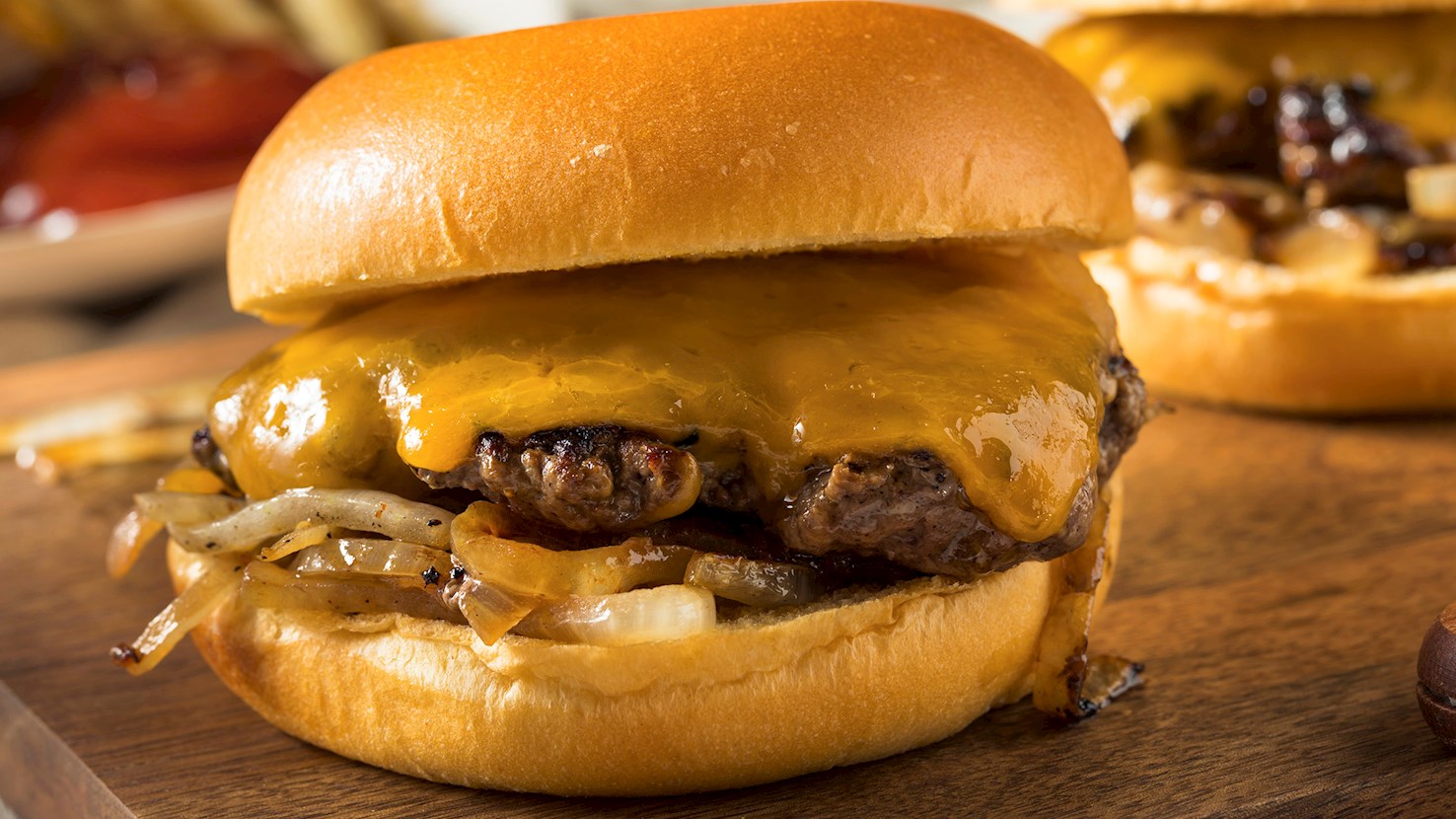
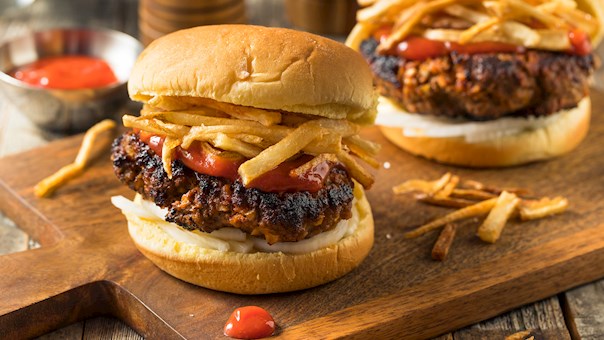
Oklahoma onion burger is prepared by smashing thin slices of onions into a beef patty. The meat and onions cook together until the onions become caramelized and crispy and the meat is fully cooked. The burger usually also contains a slice of American cheese, pickles, and mustard or mayonnaise (or both), all tucked inside soft and fluffy burger buns. It is believed that this burger was invented in the 1920s during the Depression, when onions were very cheap, and meat was expensive, so people started to add onions to the patties by smashing them into the meat with the back of a spatula.
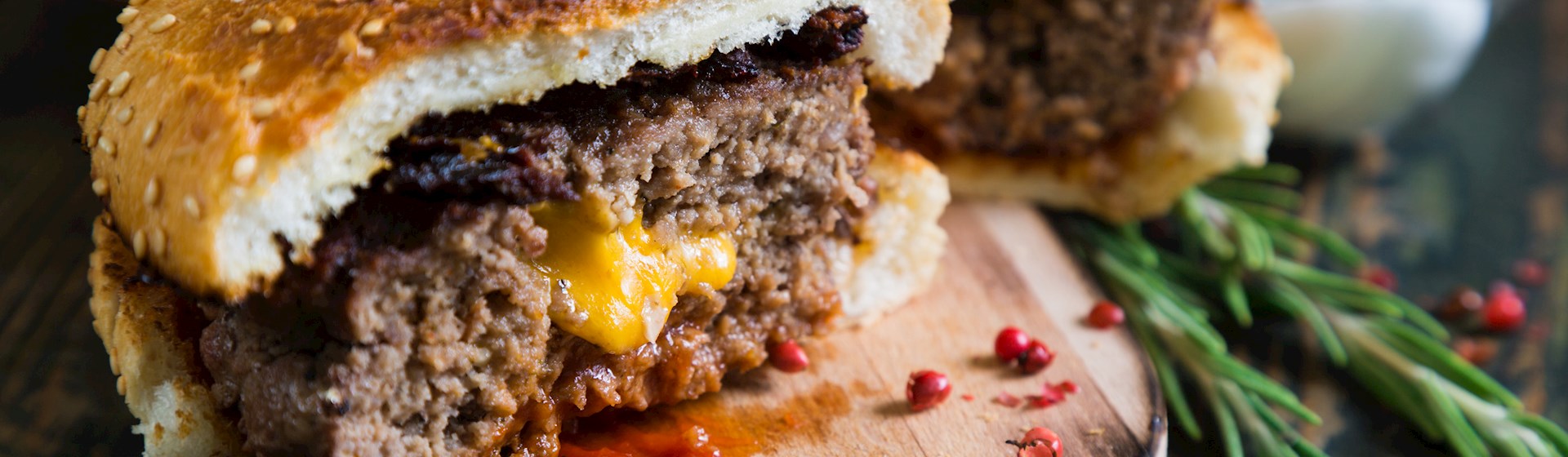
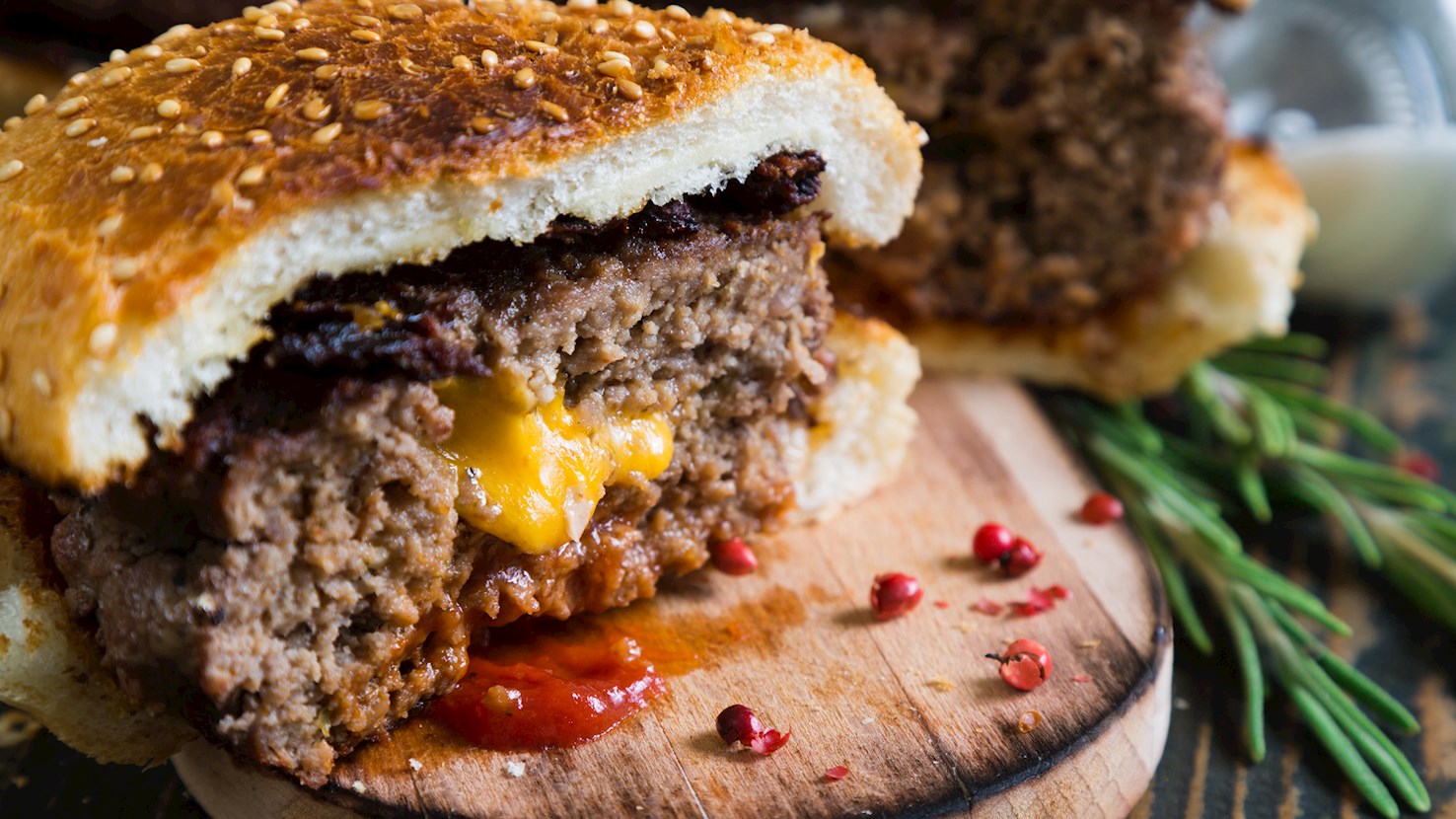
Named one of Time magazine's 17 most influential burgers, Juicy Lucy—also purposely spelled without the "i"—is a twist on the classic cheeseburger in which the cheese is melted inside the patty. Hands down a Minneapolis favorite, the cheese-stuffed Lucy burger is an exquisite experience which actually requires some skill in order to know how to eat it without burning your mouth with a hot shot of the flowing molten American cheese locked between the two ground beef patties. Apart from the succulent beef, this cheeseburger also carries another quarter-pound of controversy, mostly due to the feud about its origin, as there are two Minneapolis burger eateries claiming its invention. Matt’s Bar & Grill put it on the menu shortly after its opening in 1954 when a local customer asked for two hamburger patties with a slice of cheese in the middle. Upon biting into this new cheesy goodness, as the hot cheese spurted out, he wiped his mouth and said, "Ooh, that’s one juicy Lucy!", explained the founder Matt Bristol. Customer demand grew "so quickly they forgot to add the i", and so the Jucy Lucy legend was born, although the misspelling was probably merely a typo made by the cook behind the bar. Up that same street in Southern Minneapolis, the popular speakeasy-style joint called 5-8 Club eventually started making their own version of this burger, also claiming to be the place of its origin. And even though the 5-8 Club offered no historical story to validate their claim, they added the "i" to make it a Juicy Lucy, and the rest is history. Except for the i in juicy, their take on this meaty Midwestern treat was pretty much the same thing, but unlike Matt’s Bar which sticks to the original recipe, the 5-8 Club today offers Lucy burgers stuffed with a choice of American, Amablu Blue, Pepper, or Swiss cheese. Interestingly, the true origin of the cheese-oozing Lucy burger remains a heated debate as the two bars keep taunting each other with their mottos: while Matt's Bar says "Remember, if it is spelled correctly, you are eating a shameless rip-off!", the 5-8 Club claims that "If it's spelled right, it's done right." This rivalry continues to amuse the people of Minneapolis and adds just a pinch of that extra spice to make you want to try both Lucys.
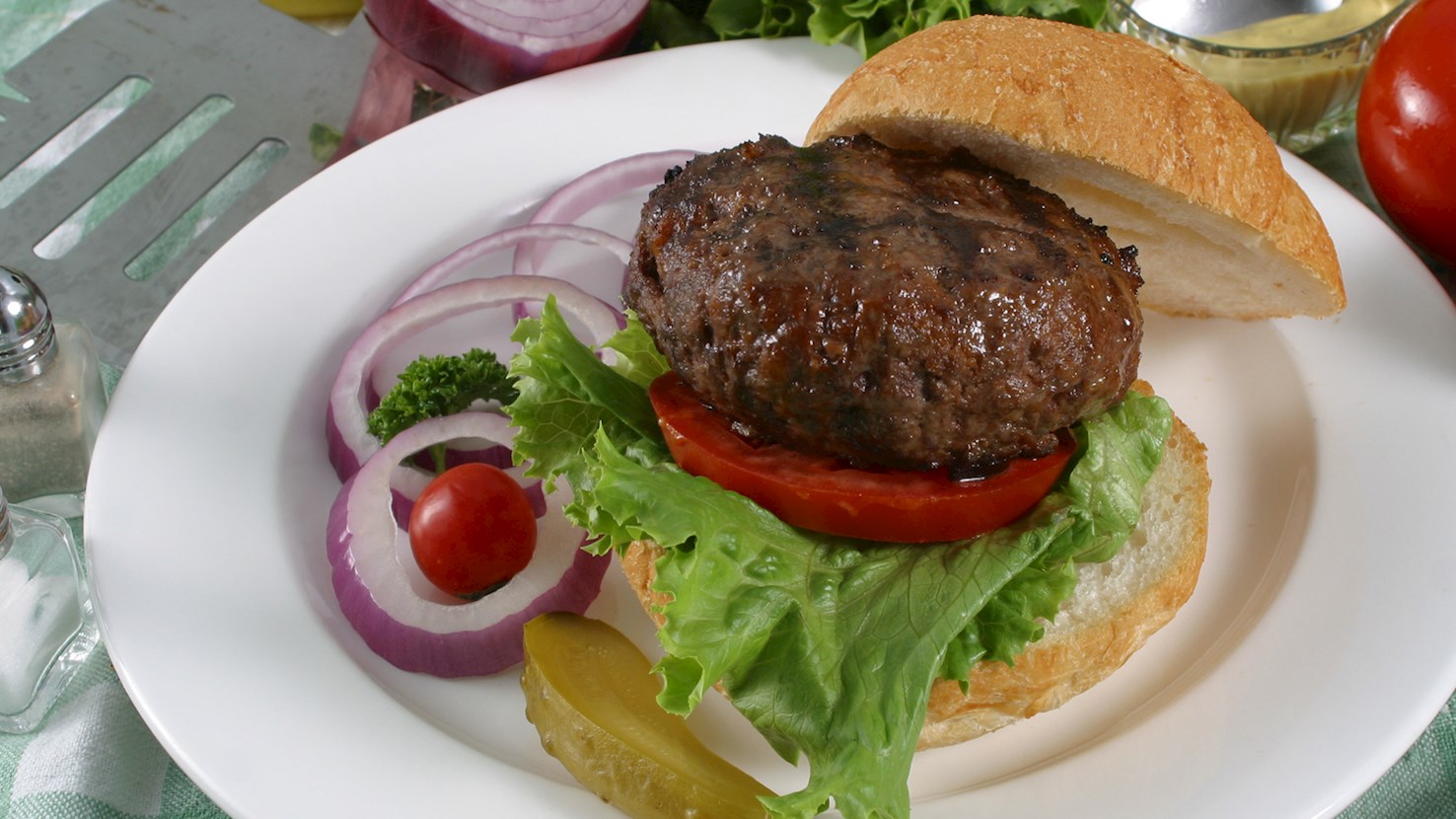
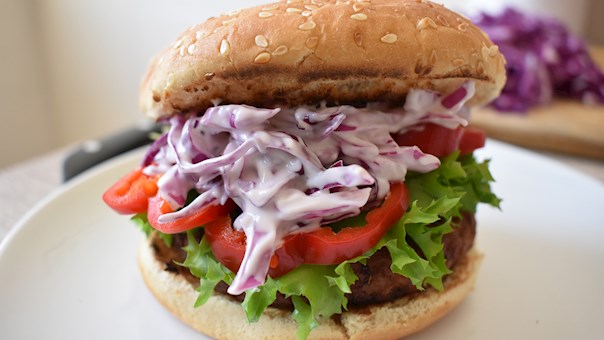
A unique American burger known as bison burger is a type of hamburger that uses meat from the North American bison. This hamburger is often called buffalo burger as bison meat is frequently incorrectly referred to as buffalo meat, which is usually used for the meat coming from the African buffalo and water buffalo. Although this burger has less cholesterol and fat than typical burgers, the higher price of buffalo meat makes it a special treat. The bison burger patty is typically placed inside a soft bun and served with various toppings such as onions, lettuce, tomato slices, red slaw, and cheddar cheese, with sweet fries often served on the side.
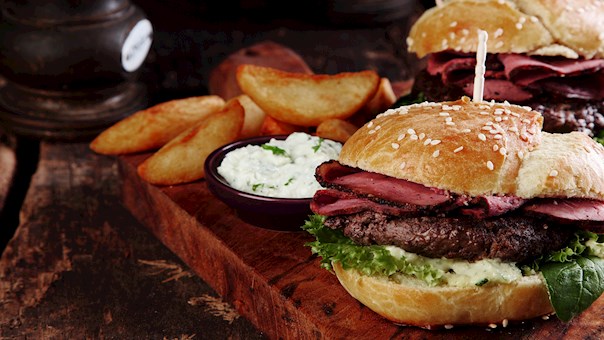
The United States of America is famous for many creative recipes consisting of a succulent meat patty placed inside of a bun, and elk burger is Montana’s spin on the nation’s beloved dish. The state of Montana is widely known for its game meat, especially elk, and juicy elk burgers made with tender, dark-red meat are among the most popular local dishes. They are leaner and higher in protein than those made with beef, yet equally tender and delicious. Elk’s delicate, slightly sweet flavor pairs nicely with pretty much any classic burger topping, but it is important not to overcook it - due to its low-fat content, elk meat dries easily, so medium rare is the best way to go.
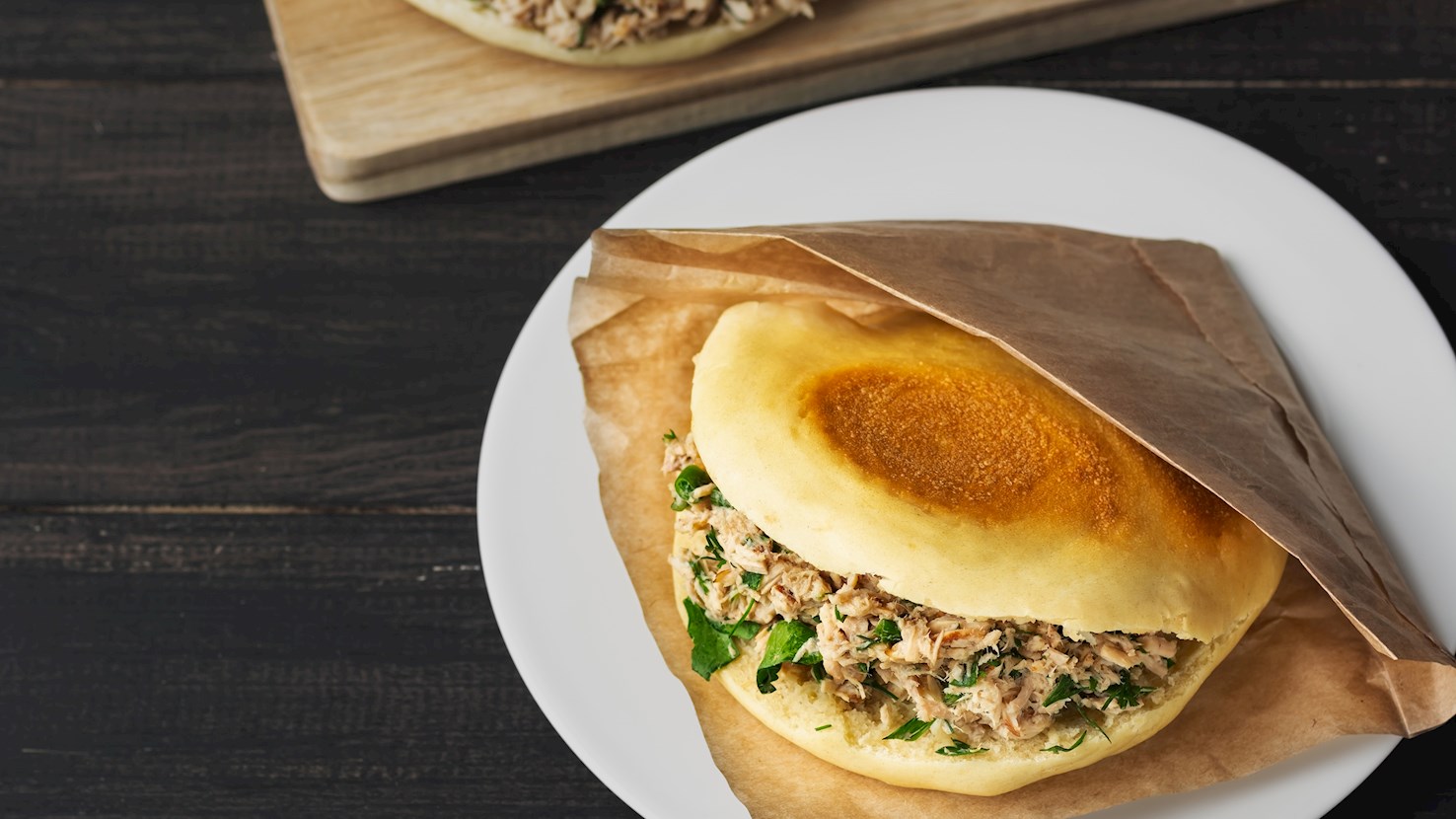
Ròujiāmó is a type of street food from Shaanxi province, often described as a meat-filled flatbread that has become one of the most recognizable snacks from the region. Its roots go back centuries, reflecting the long-standing bread culture of northern China, where wheat rather than rice dominates the diet. Over time, the idea of baking or pan-frying a dense, chewy flatbread and filling it with slow-cooked meat found a strong foothold in Xi’an and its surroundings, where food traditions were shaped by the city’s position as the starting point of the Silk Road. The preparation begins with the bread, called báijiǎo or mò, made from wheat flour, water, and a leavening agent. The dough is kneaded, left to rest, then shaped into discs and baked or griddled until crisp on the outside and soft within. The filling most commonly uses pork belly, simmered with soy sauce, rice wine, star anise, cinnamon, ginger, and other aromatics for several hours until tender enough to shred. The meat is chopped finely with a cleaver before being packed into the warm bread, soaking into its crumb and creating a balance between chewy and juicy textures. In Muslim communities of the region, beef or lamb replaces pork, giving rise to variations equally tied to local identity. Today it is eaten not only at roadside stalls and markets in Xi’an but also in cities across China where it has become a common fast food, enjoyed on its own or alongside bowls of liangpi cold noodles or soups. It pairs well with hot green tea in winter or with sour plum juice in warmer months, each beverage cutting through the richness of the meat.
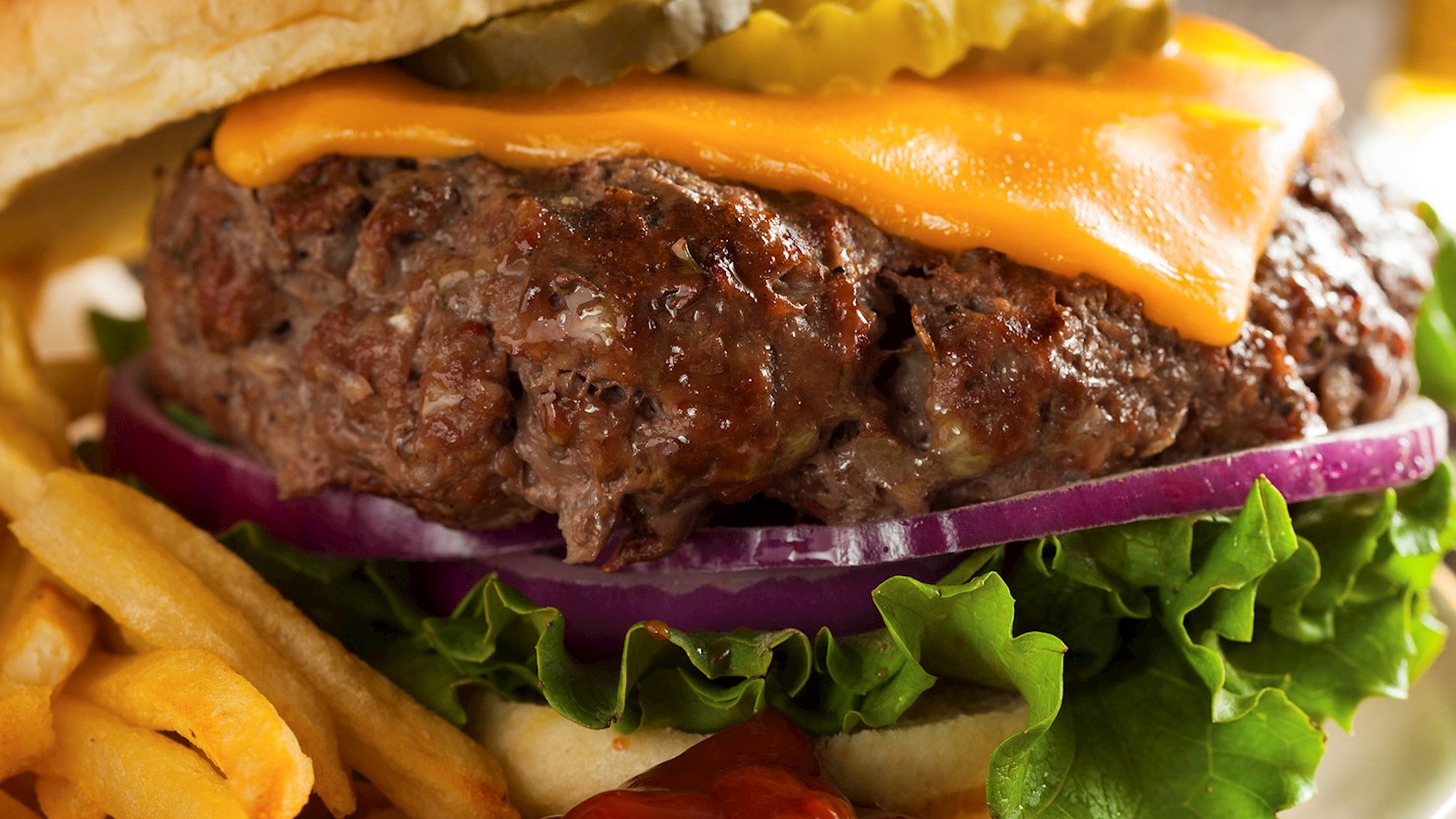
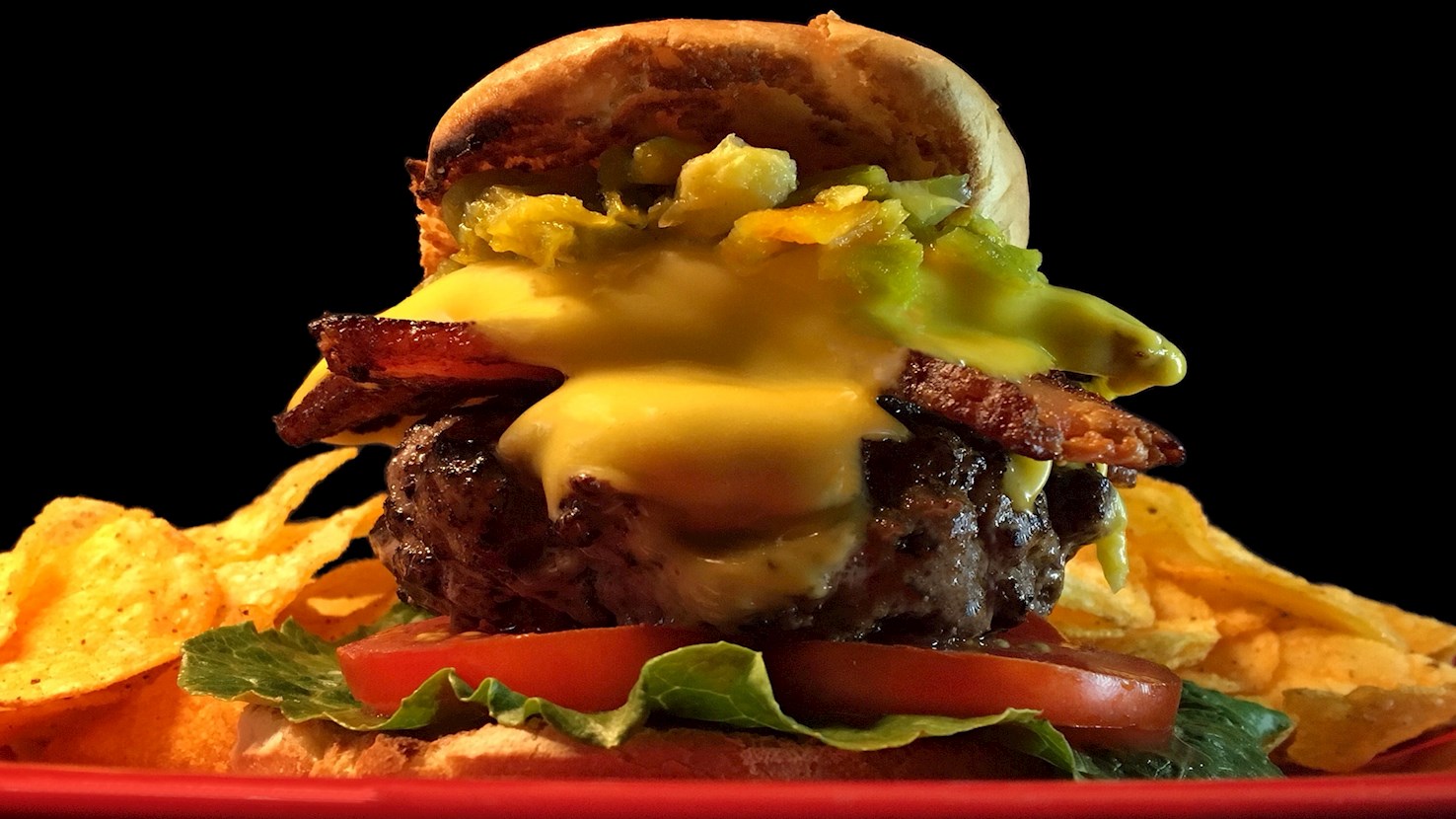
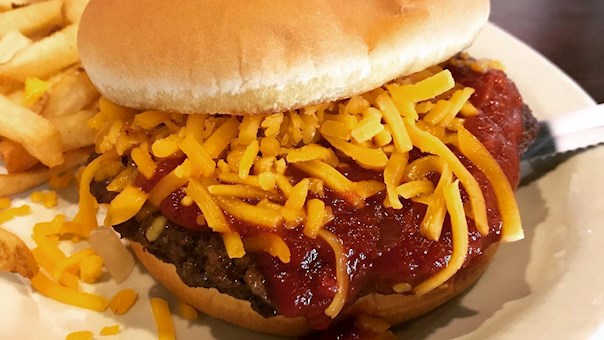
Green chile cheeseburger is New Mexico’s variation of the classic burger, made with green New Mexico chile-topped beef patty inside a burger bun. A slice of melted American cheese on top of the patty is mandatory. The dish has been popular at least since the 1950s, and nowadays it is practically a symbol of New Mexico. This cheeseburger typically also contains other toppings such as onions and lettuce.
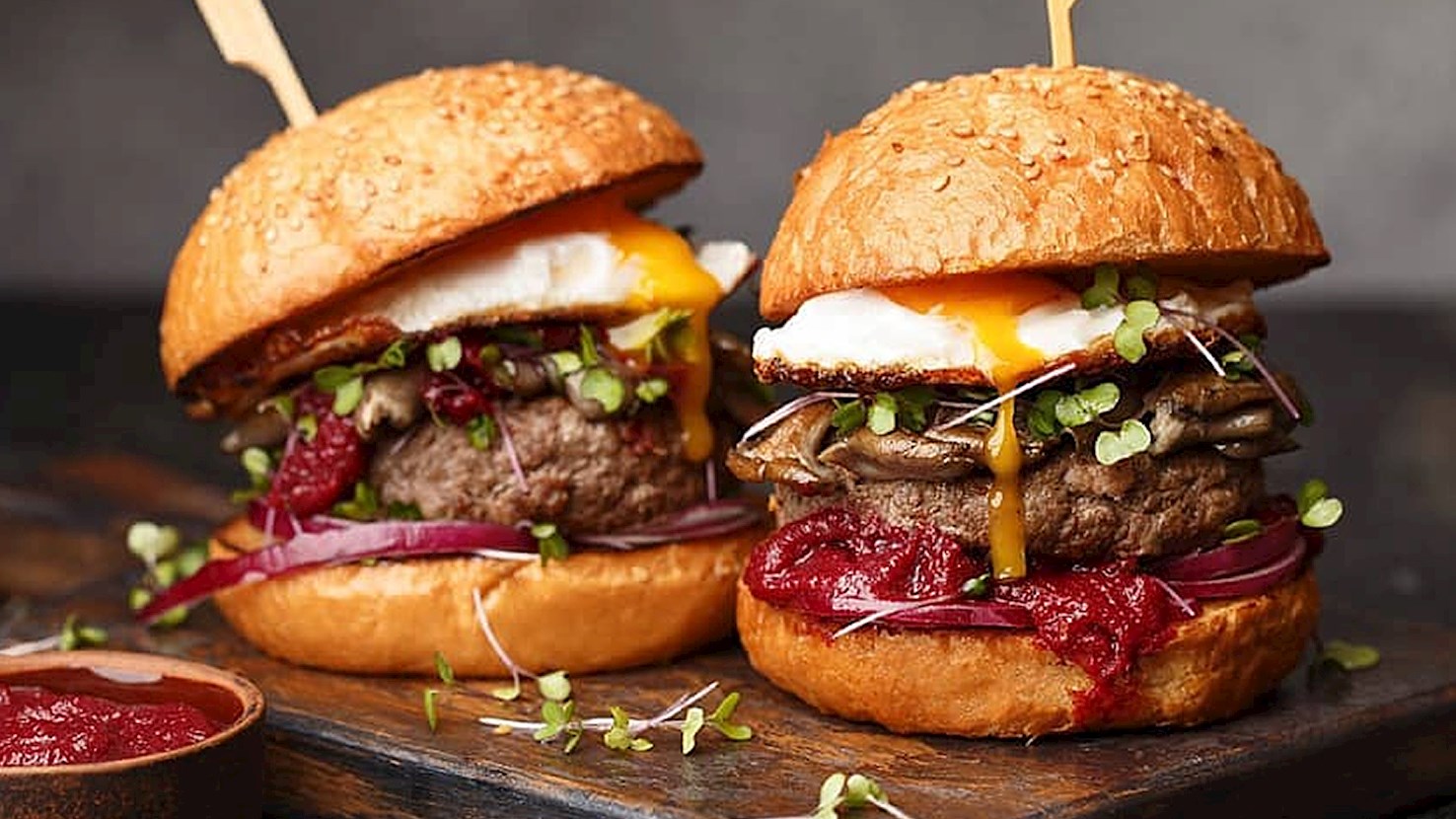
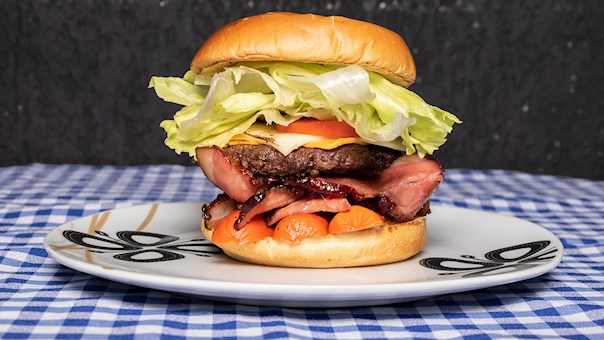
An institution at many pubs, restaurants, and cafés in Australia, Australian burger with the lot first made its appearance in the 1940s, when beetroot started to be added to the burger alongside onions, tomatoes, lettuce, and meat. The inclusion of canned beetroot on a burger was possible due to the fact that there were two canneries that opened during the 1930s and the 1940s. Today, there is still a heated debate about the inclusion of beetroot - some say it is obligatory, while the others claim it's a travesty. Burgers with beetroot rose in popularity during the 1950s and the 1960s, but in the 1970s, with the opening of fast-food chain restaurants such as McDonald's and Hungry Jacks, its popularity began to wane. However, it still remains a much-loved Aussie delicacy with its remarkable combination of flavors - a slice of pineapple, meat, canned beetroot, fried egg, and chili mayonnaise on top.
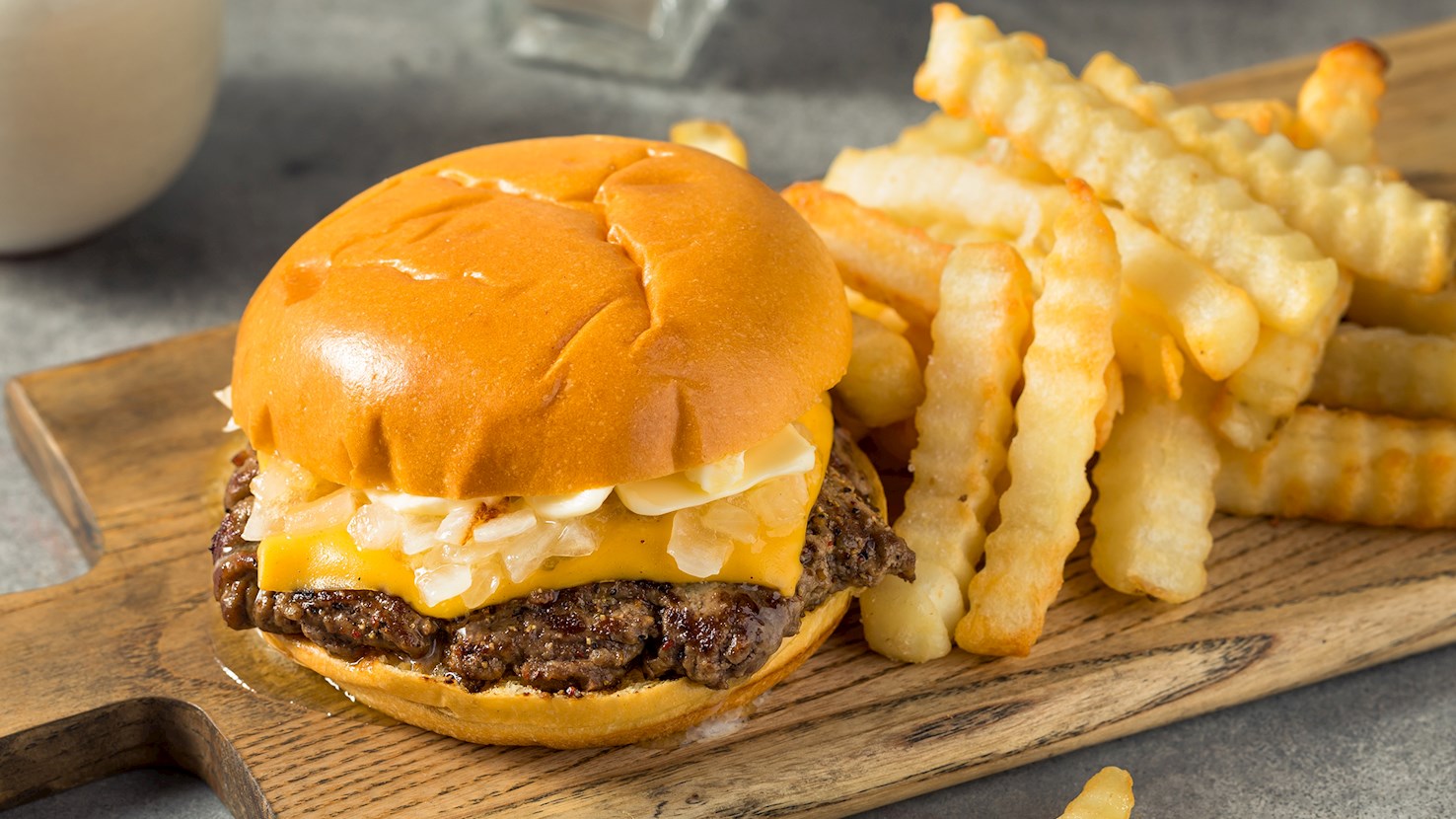
Wisconsin's messy contribution to the world of burgers is called butter burger. For some, butter burger is authentic when the ground meat is combined with butter. For others, it's when the bun is buttered, toasted, and topped with some more butter before serving. The only thing that everyone can agree on is that there must be enough butter to drip off the meat, which will usually form a small pool of butter on one's plate. A theory says that the name comes from a place called Solly's in Glendale, Wisconsin, operating since 1936, where the butter is added to the meat that is, again, fried in butter, and served with a side of stewed onions. A mainstay of greasy diners throughout Wisconsin, butter burger may not be good for one's health, but it will certainly satiate one's hunger.
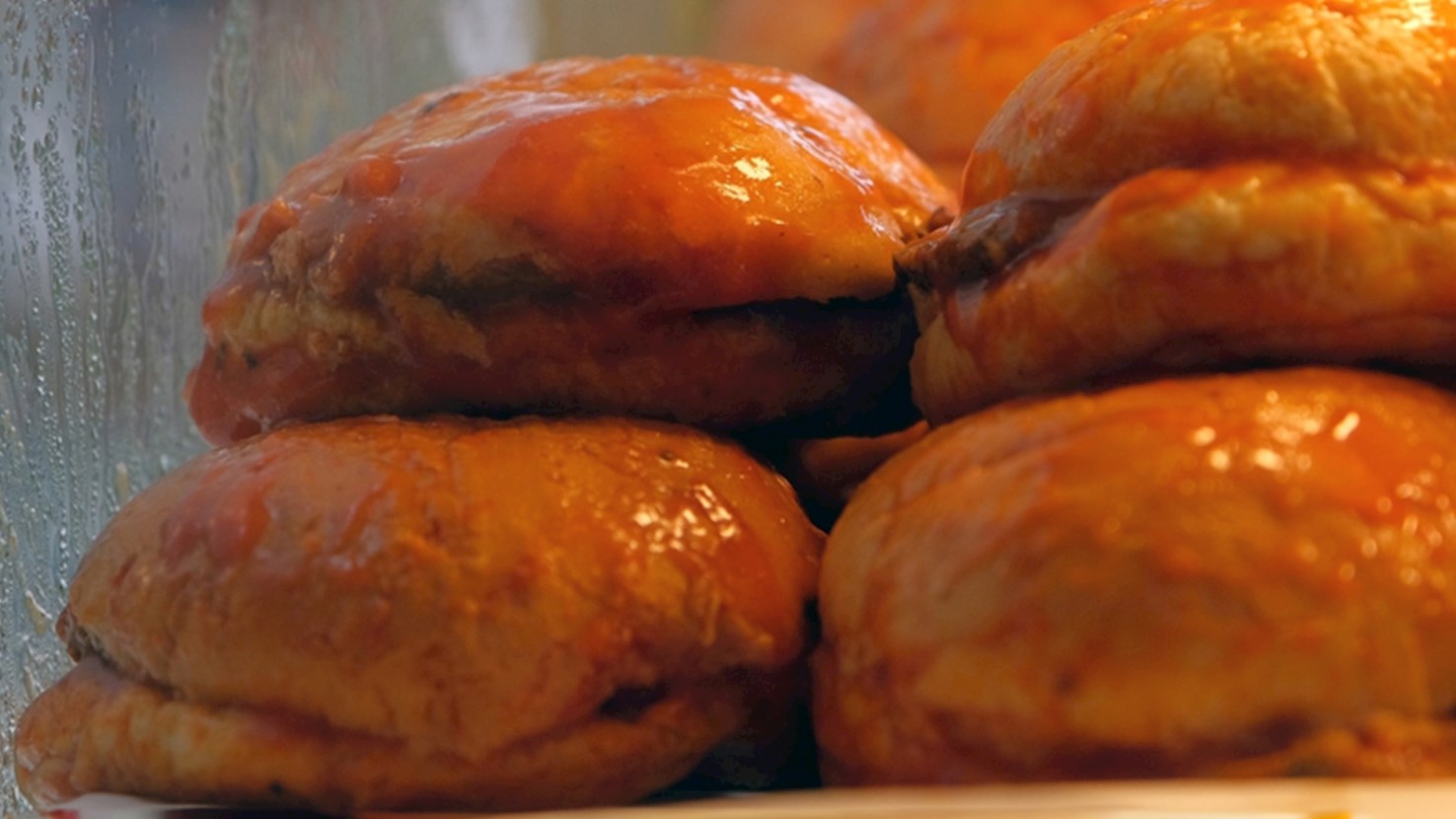
Islak hamburger, also known as wet burger or Taksim hamburger, is a popular street food item in Turkey, especially renowned in Istanbul. This unique take on the hamburger consists of a beef patty placed inside a soft bun that is then drenched in a flavorful tomato-based sauce and steamed, resulting in a moist, tender, and incredibly flavorful burger. The process makes the bun very soft and the entire burger almost melts in your mouth, differentiating it from the typical dry and grilled versions found elsewhere. The sauce, rich in tomatoes and a blend of spices, infuses the burger with a tangy and slightly spicy flavor, enhancing the taste of the beef patty. After being soaked in this sauce, the burgers are stacked in a special steamer to keep them warm, further ensuring that they retain their moistness and flavor until served. Islak hamburgers are typically served late into the night, making them a favorite among night owls and after-party crowds seeking a satisfying and flavorful snack. They are often found in small eateries and street food stalls throughout Istanbul and other parts of Turkey, offering a quick, delicious, and inexpensive meal option.
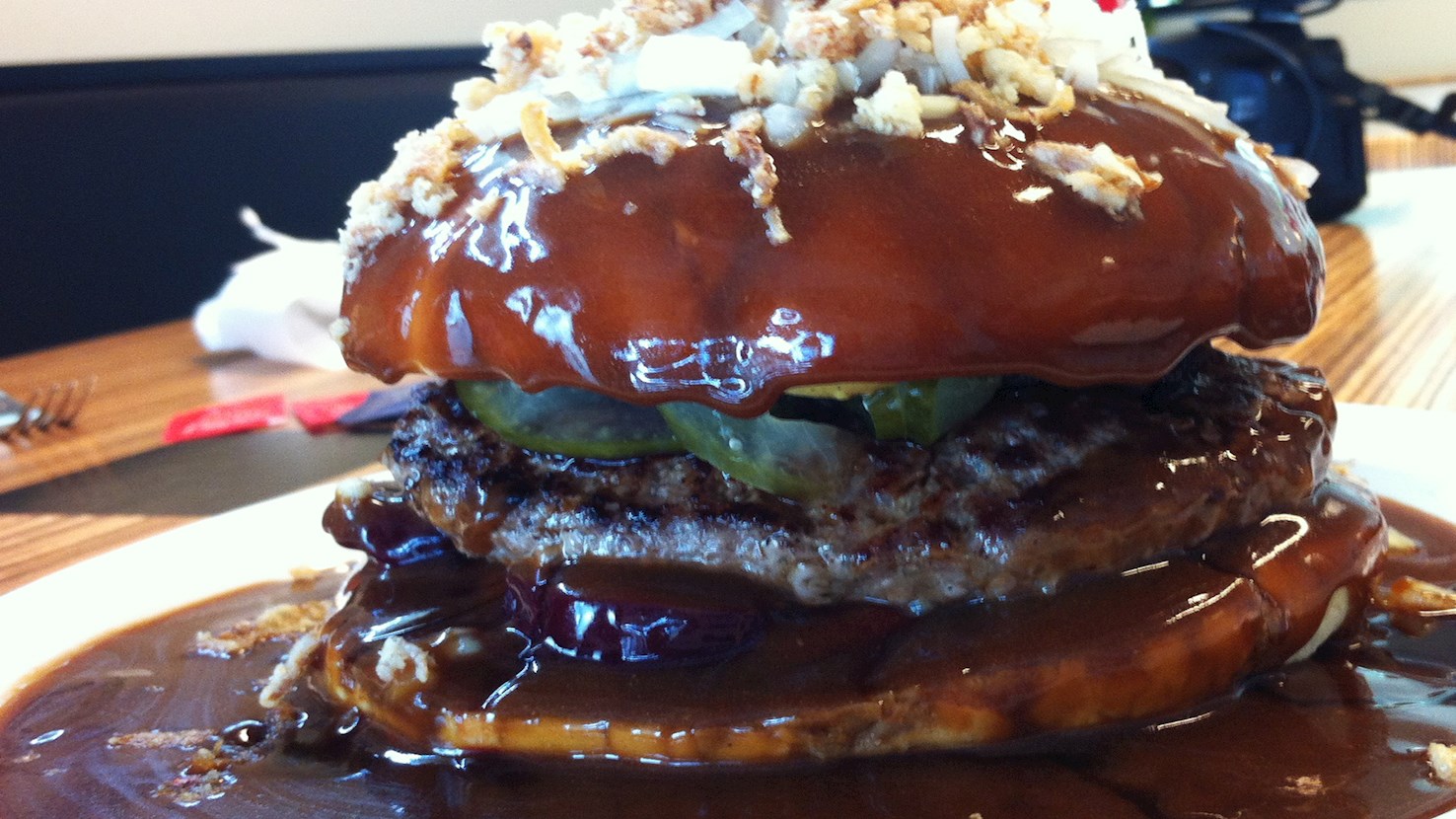
This traditional Danish version of the American hamburger is prepared with a thick beef patty that is served on a bun or a bread roll. It is usually accompanied by various sides and condiments such as pickles, onions, ketchup, or mustard. Due to its popularity, there is also a unique variety of the dish – a local specialty of the Jutland region – where the whole hamburger is doused in brown gravy before serving. Since their first first appearance in 1949, hamburgers have become an important part of Danish food culture, traditionally enjoyed at numerous burger bars across the country.
TasteAtlas food rankings are based on the ratings of the TasteAtlas audience, with a series of mechanisms that recognize real users and that ignore bot,
nationalist or local patriotic ratings, and give additional value to the ratings of users that the system recognizes as knowledgeable.
For the “Top 39 Burgers in the World” list until October 15, 2026, 4,105 ratings were recorded, of which 3,521 were recognized by the system as legitimate.
TasteAtlas Rankings should not be seen as the final global conclusion about food. Their purpose is to promote excellent local foods,
instill pride in traditional dishes, and arouse curiosity about dishes you haven’t tried.












What People Say