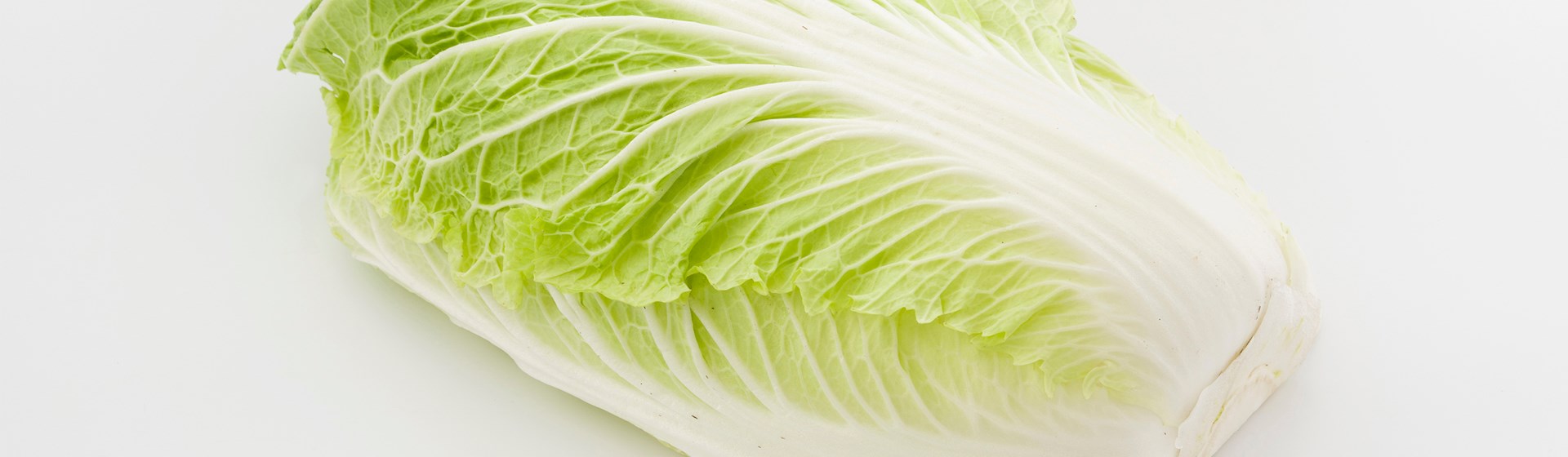
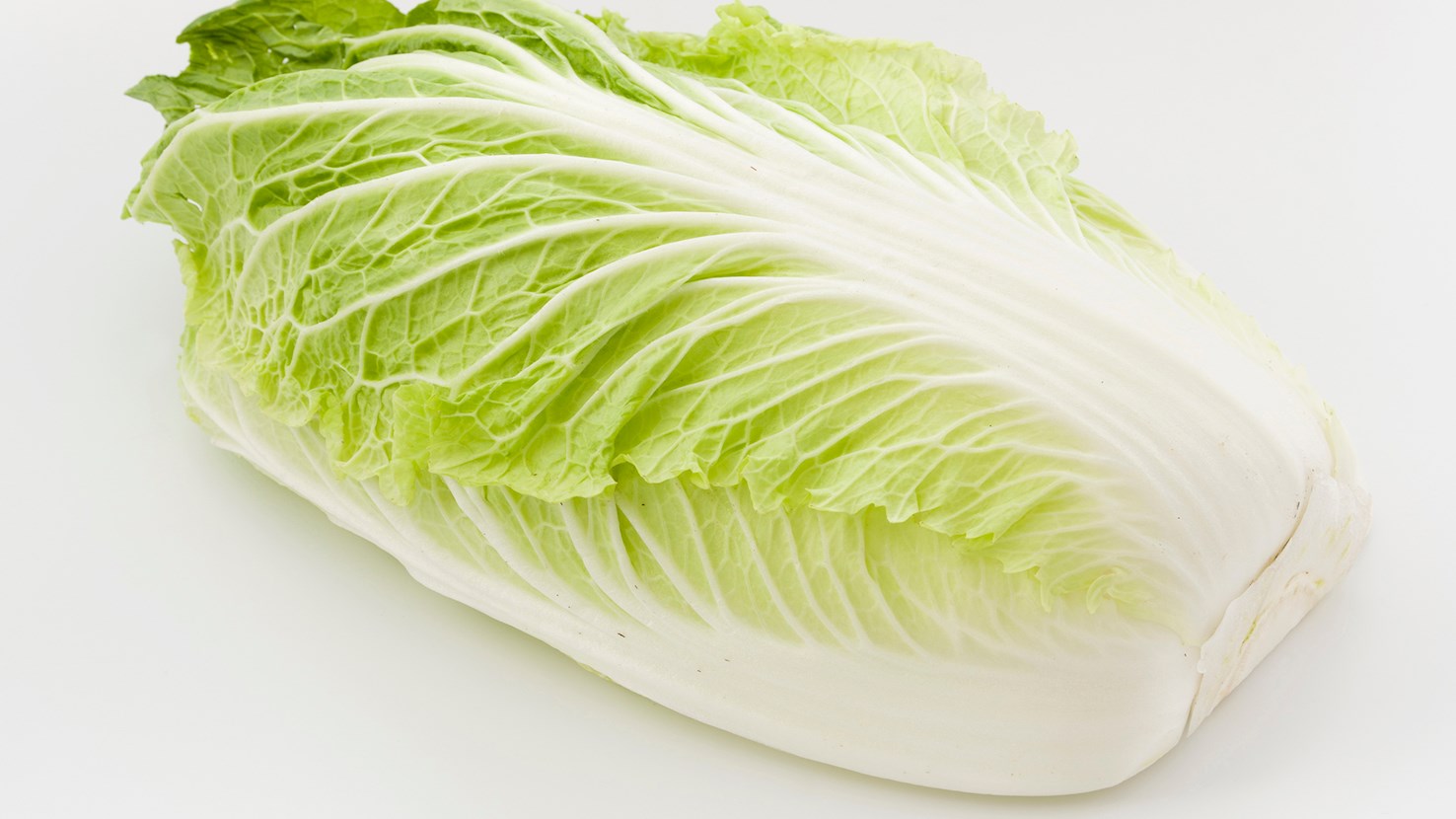
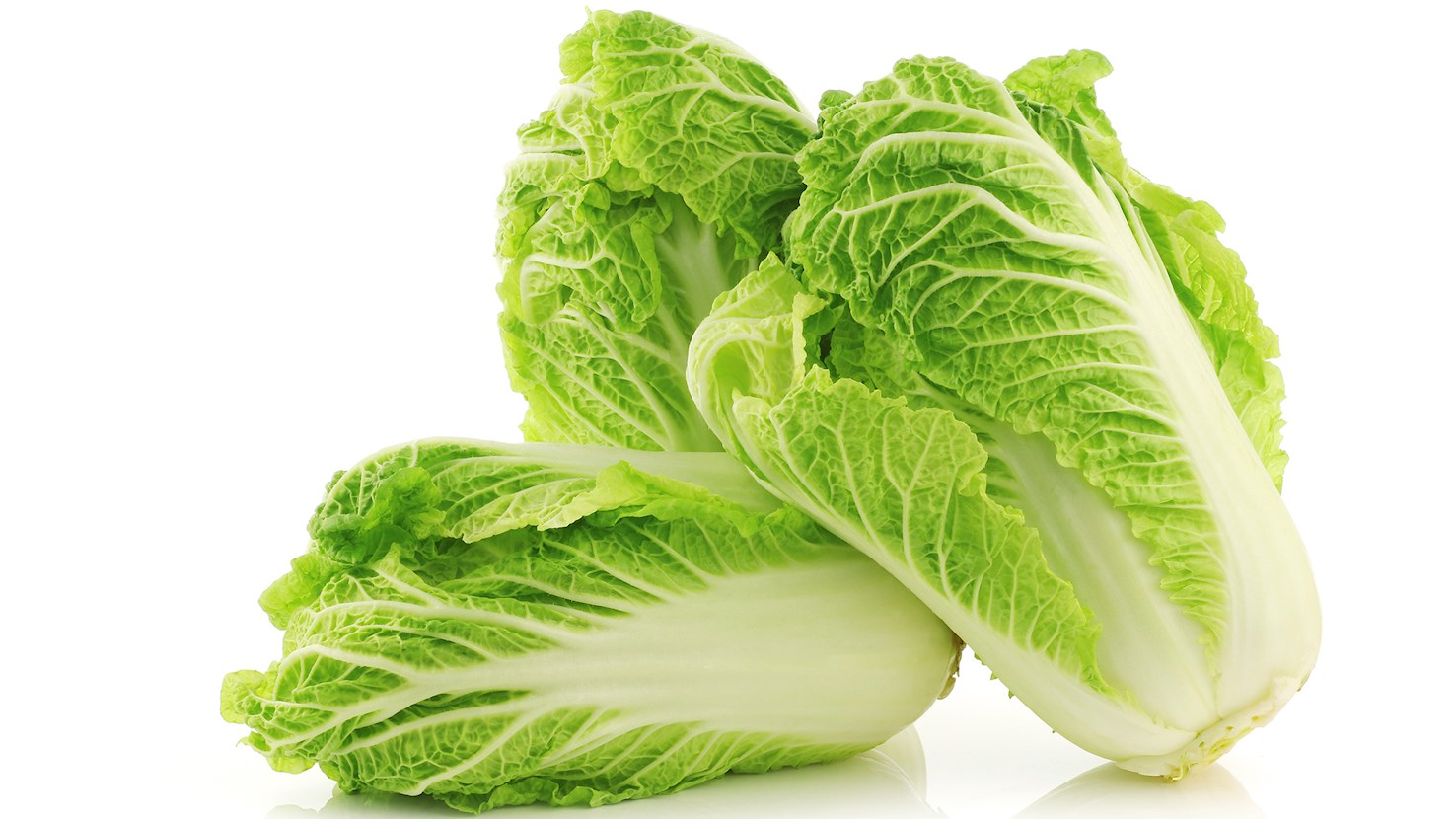
Napa cabbage (lat. Brassica rapa subsp. pekinensis) is a type of Chinese cabbage characterized by its elongated head, pale green leaves, and white stalks that are crinkly and tightly packed together. Unlike the round shape of common green cabbage, Napa cabbage has an oblong shape. The leaves are tender and have a mild, sweet flavor when cooked, making it a versatile vegetable in the kitchen. Rich in vitamins C and K, as well as dietary fiber, Napa cabbage offers numerous health benefits. It's also a good source of folate and contains antioxidants that may contribute to overall health. Napa cabbage is a staple ingredient in East Asian cuisines, particularly in Chinese, Korean, and Japanese cooking. It is widely used in a variety of dishes, including stir-fries, soups, hot pots, and salads. Napa cabbage is perhaps best known as the main ingredient in traditional Korean kimchi, where it is fermented with a mix of seasonings including chili pepper, garlic, ginger, and scallions.
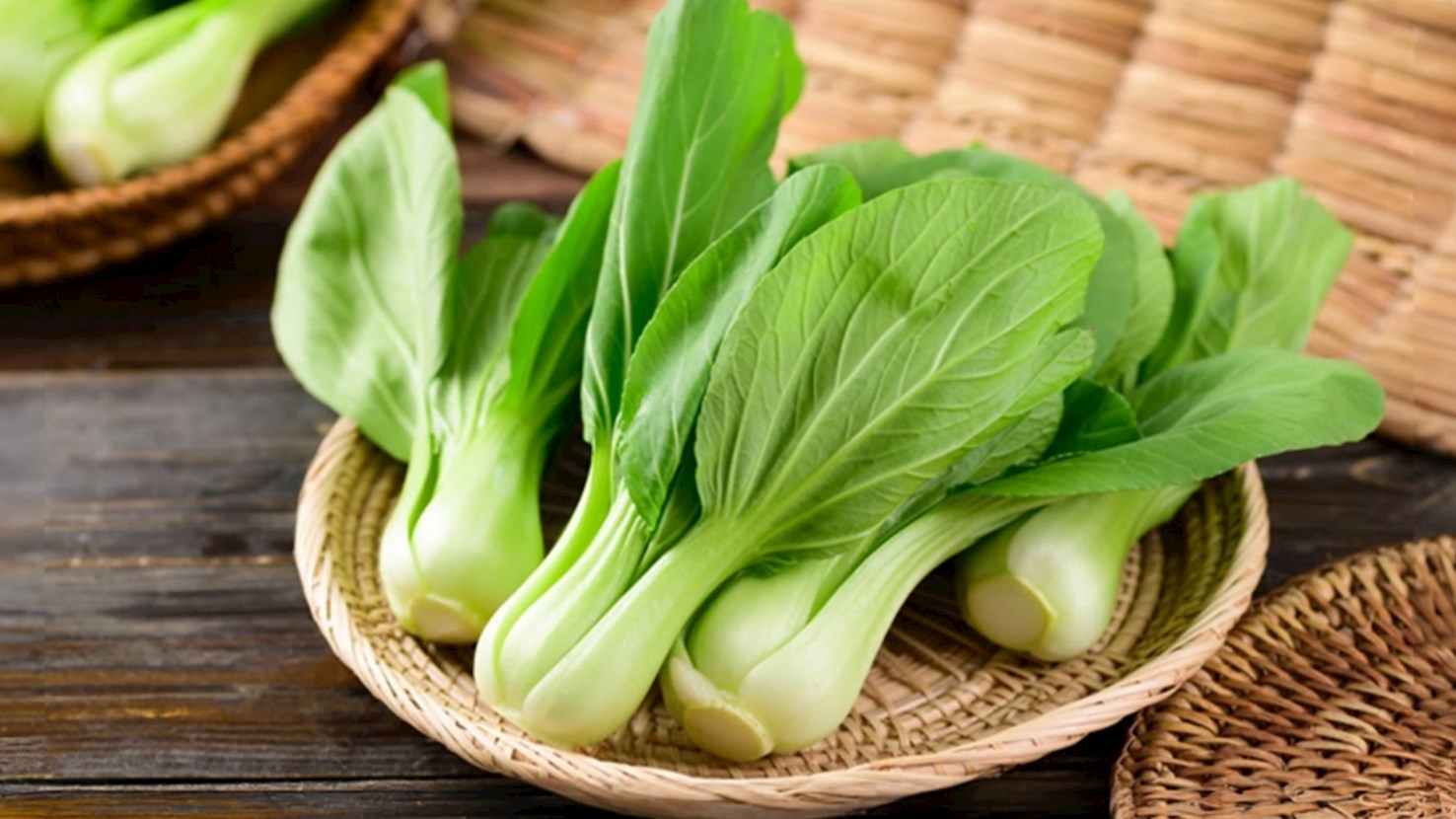
Bok choy is a type of Chinese cabbage (lat. Brassica rapa subsp. chinensis) that features dark green leaves and white to pale green stalks, forming a cluster akin to mustard greens or celery but with a softer texture and a milder taste. Nutritionally, bok choy is low in calories but high in vitamins A, C, and K, as well as minerals like calcium and iron. It also contains important antioxidants and is a good source of fiber. Bok choy is a staple in Asian cuisine, especially in Chinese cooking. It is prized for its crisp, tender stalks and slightly sweet, earthy leaves. The vegetable can be prepared in various ways, including steaming, boiling, stir-frying, and braising. It is often used in soups, stir-fries, and as a side dish, sometimes simply sautéed with garlic.
Chinese cabbage primarily refers to two types of leafy greens that are integral to Chinese cuisine and widely cultivated across the country: napa cabbage and bok choy. Originally, it was grown in the Yangtze River Delta region and it was popularized for its medicinal qualities. Today, it is a staple of Chinese cuisine and it is widely used for pickling, but it is also often consumed raw, baked, or braised. The vegetable is commonly used in China, Japan, and Korea. In Japan, it is a symbol of prosperity, while in Korea it is used to produce the popular kimchi. When stir-fried, Chinese cabbage is often accompanied by mushrooms, tofu, or zucchini in order to create a variety of flavorful and healthy dishes.
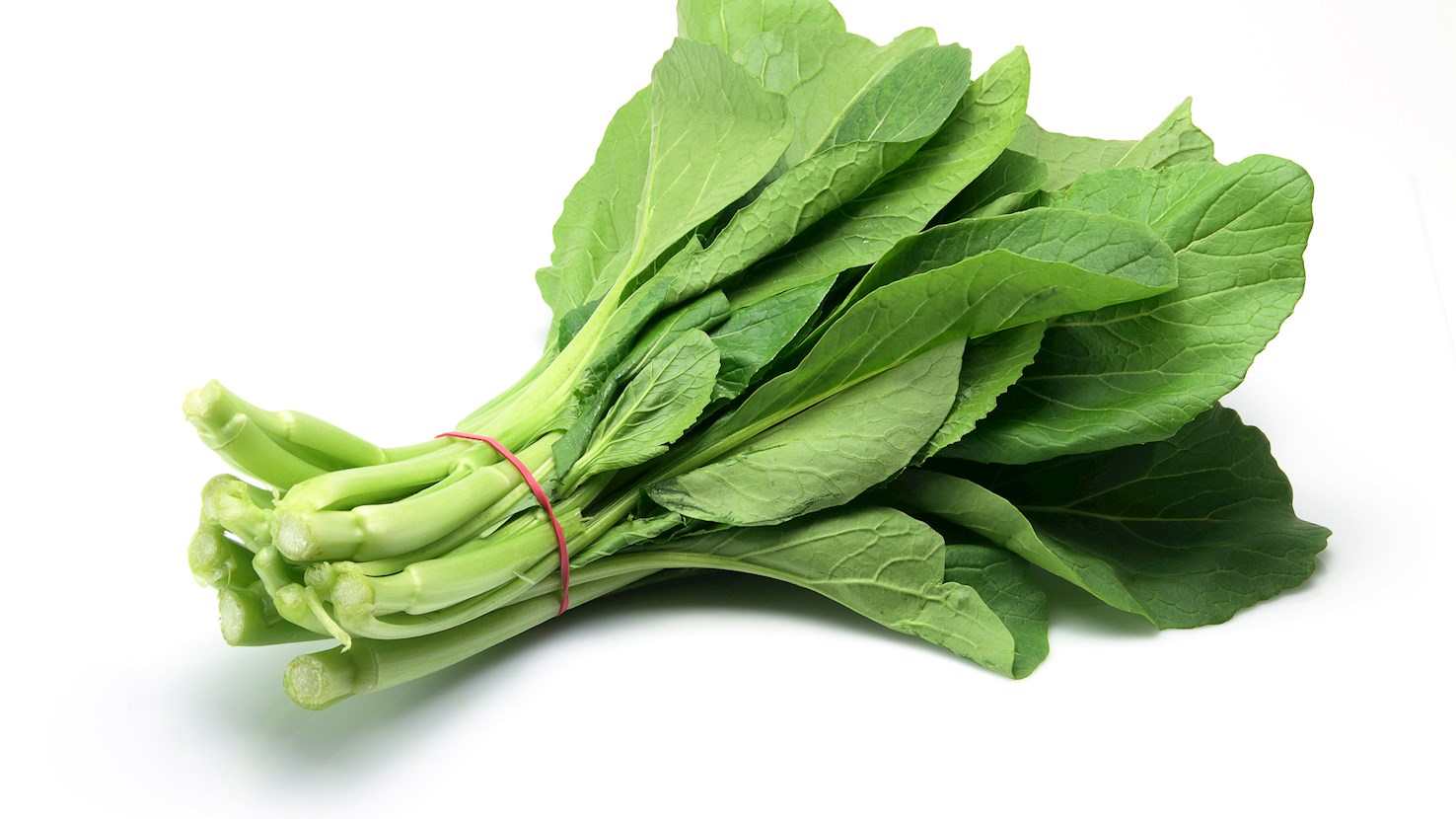
Choy sum is a leafy vegetable with widespread use in both Asian and Western cuisines. It belongs to the pak choy cabbage family and is characterized by tender, white or green stalks, with oval-shaped green leaves and tiny yellow flower buds on top. The stalks have a delicious, mustard-like flavor and a crunchy texture. Both the stalks and the tiny flowers of the plant are edible, typically used fresh in salads, or either blanched or stir-fried and paired with meat dishes or prawns.
Futoški kupus is a traditional type of Serbian cabbage originating from Futog in Vojvodina. It comes in fresh or sour versions (although it's mostly designed for souring), and the cabbage has been cultivated in Futog from the 18th century onwards. The leaves are thin, elastic, and flexible, and the texture is softer than other cabbage varieties in the wider region. When soured, after the fermentation, the head of the cabbage has amber-yellow color and a slightly oblate shape, while the leaves are slightly ellipsoid. This cabbage is usually larger than other varieties, making it suitable for the preparation of futoška sarma, a dish made by stuffing the cabbage leaves with a mix of ground meat, spices, onions, and rice.
Varaždinsko zelje is an autochthonous variety of cabbage traditionally grown in Varaždin County. The most important property of this cabbage variety is that it can withstand winter cold very well, but it can also be grown as a spring cabbage. The heads of the cabbage are flat, light olive green, and when it is ready for harvest the leaves usually begin to curl upward. It has a bitter and sharp flavor and pungent smell. Because its leaves are durable and elastic, it is traditionally used in recipes that require longer cooking time, such as cabbage soup or braised cabbage with bacon or beef.
This is a German cabbage from the protected Brassica oleracea variety, and it is grown between Esslingen and Stuttgart. Its white-green leaves are coated with a fine layer of wax, which gives them a slightly glossy look. Because of its sensitivity to pressure, this cabbage is still harvested manually. This renowned cabbage, believed to be introduced by monks in Denkendorf, is ideal for the production of sauerkraut as it has a strong flavor. Young cabbage from this variety is particularly well suited for making coleslaw.
This variety of cabbage originates from the Dithmarschen region off the coast of the North Sea, and it is a good example of locally grown products that have been incorporated into both traditional and contemporary international cuisine. This cabbage contains many phytonutrients, which provide a variety of health benefits and strengthen the immune system. Dithmarschen cabbage lends itself easily to various dishes, and it is often used not only in regional cuisine, but also Indian, Japanese and other Eastern traditional dishes.
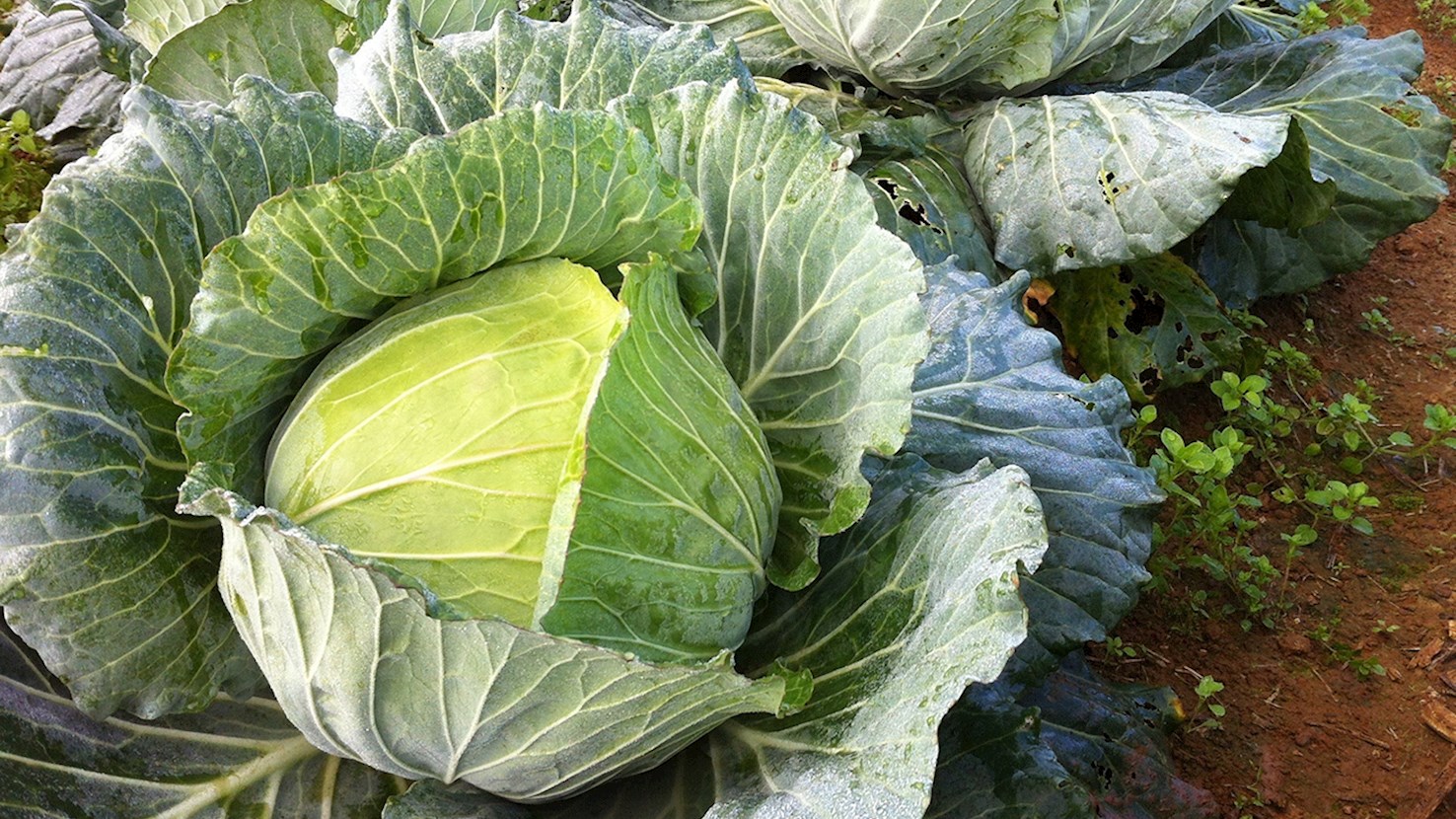
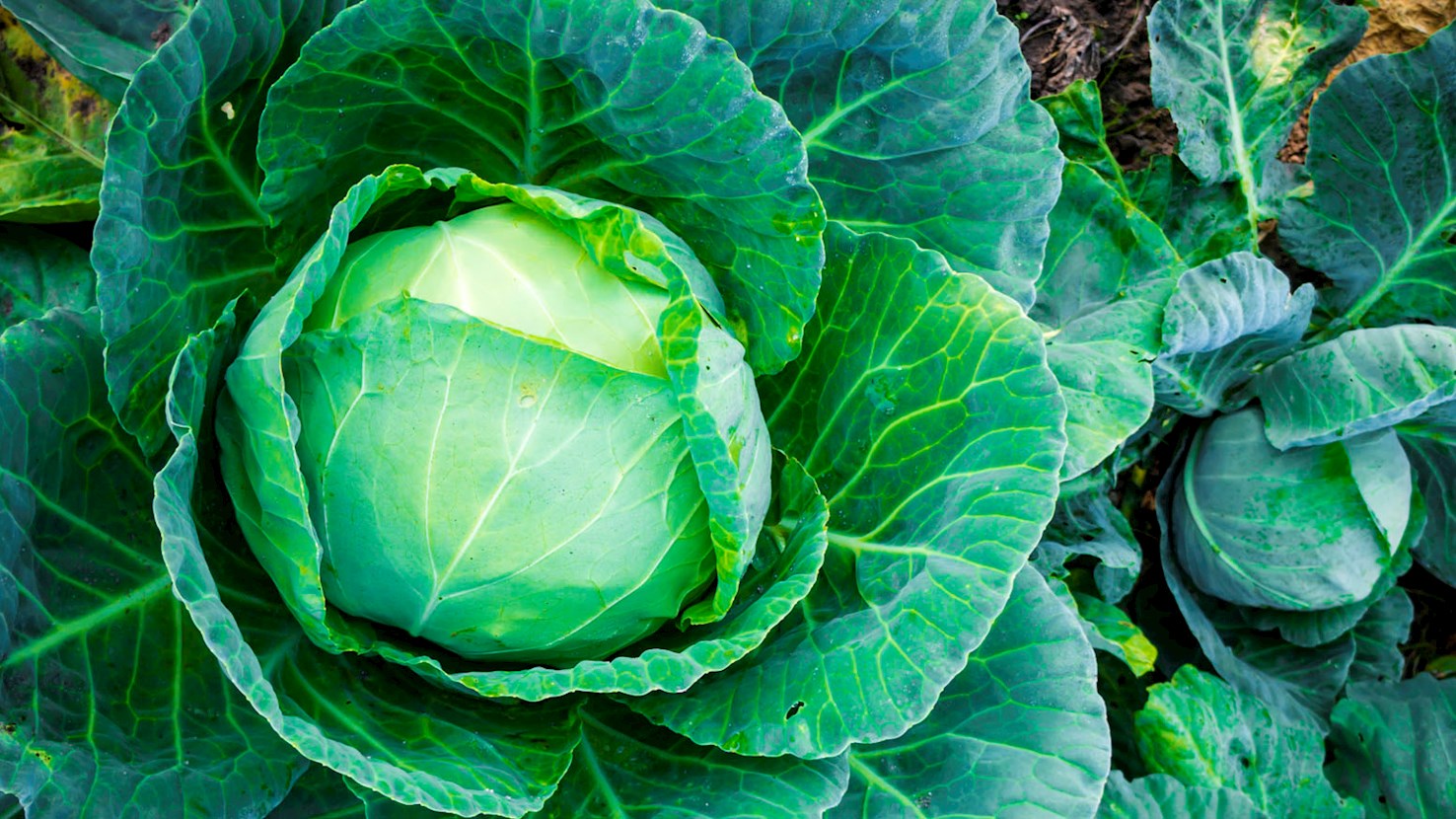
Kamienna głowa, literally translating to "stone head," is a prized, late-maturing Polish heirloom variety of white cabbage renowned for its massive, remarkably dense, and tightly packed spherical heads, harvested between September and November. Weighing anywhere from three to six kilograms (six to thirteen pounds) at full maturity, this robust plant is an absolute cornerstone of Eastern European agriculture, naturally adapted to withstand harsh autumn frosts and endure extended winter storage without losing its structural integrity. Cultivated extensively across Poland, the cabbage is characterized by a short, sturdy stalk and light-green outer leaves that give way to a brilliant, tightly woven white interior. The leaves are exceptionally crisp, thick, and firm, naturally resisting the splitting and cracking that plague lesser cabbages during sudden temperature drops or heavy rains. This firm texture is accompanied by a uniquely high natural sugar content, a crucial biological feature that makes it the undisputed gold standard for traditional Polish fermentation. When shredded and salted in the autumn, those elevated sugars trigger a rapid, highly active lactic acid fermentation, producing a deeply sour, complex, and intensely crunchy kapusta kiszona (sauerkraut) that will not degrade or turn to mush in the barrel. Beyond pickling, its robust leaves are perfectly suited for long, slow applications in the kitchen, easily enduring the grueling, multi-day simmering required for authentic bigos (hunter's stew) or maintaining enough strength to be rolled tightly around meat and rice for classic gołąbki (cabbage rolls).
TasteAtlas food rankings are based on the ratings of the TasteAtlas audience, with a series of mechanisms that recognize real users and that ignore bot,
nationalist or local patriotic ratings, and give additional value to the ratings of users that the system recognizes as knowledgeable.
TasteAtlas Rankings should not be seen as the final global conclusion about food. Their purpose is to promote excellent local foods,
instill pride in traditional dishes, and arouse curiosity about dishes you haven’t tried.








What People Say