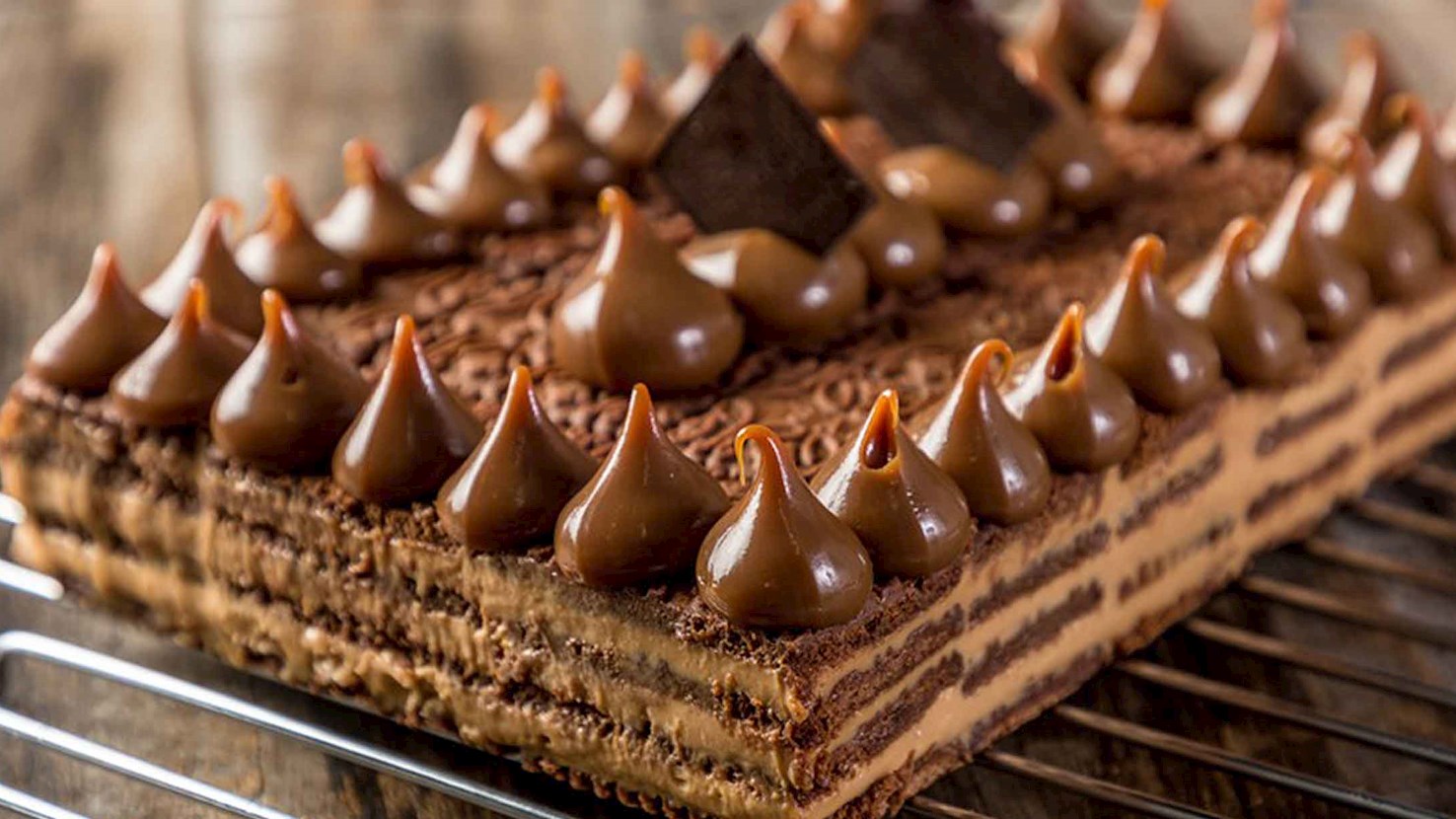
Translated as chocolate cake, this no-bake Argentinian dessert was influenced by Italian cuisine and modeled on the famous Italian tiramisu. It is made with three Argentinian staple ingredients: chocolate biscuits, dulce de leche, and cream cheese. The cookies are softened in milk and layered with a combination of cream cheese and dulce de leche. The shapes of chocotorta can vary, while the biscuits can be soaked with chocolate milk, coffee, or even coffee liqueur. The most common theory about its origin says that it was invented as a part of a marketing campaign designed to promote Chocolinas chocolate cookies, and the recipe was included in the packaging. Chocotorta is rarely found in restaurants and remains a novel dessert outside of Argentina.
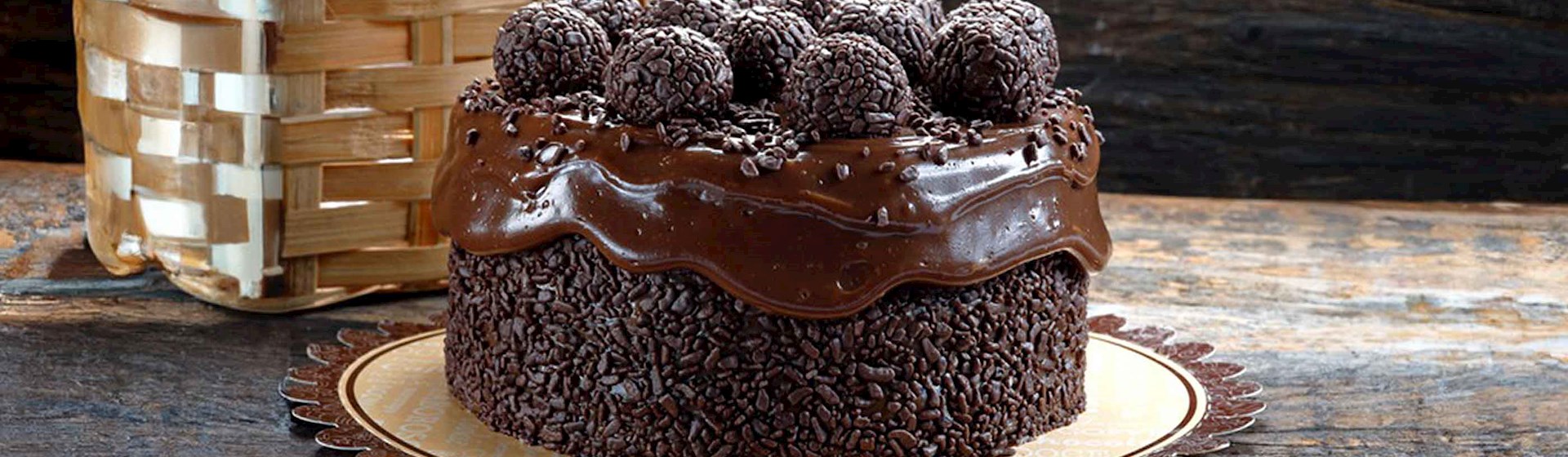
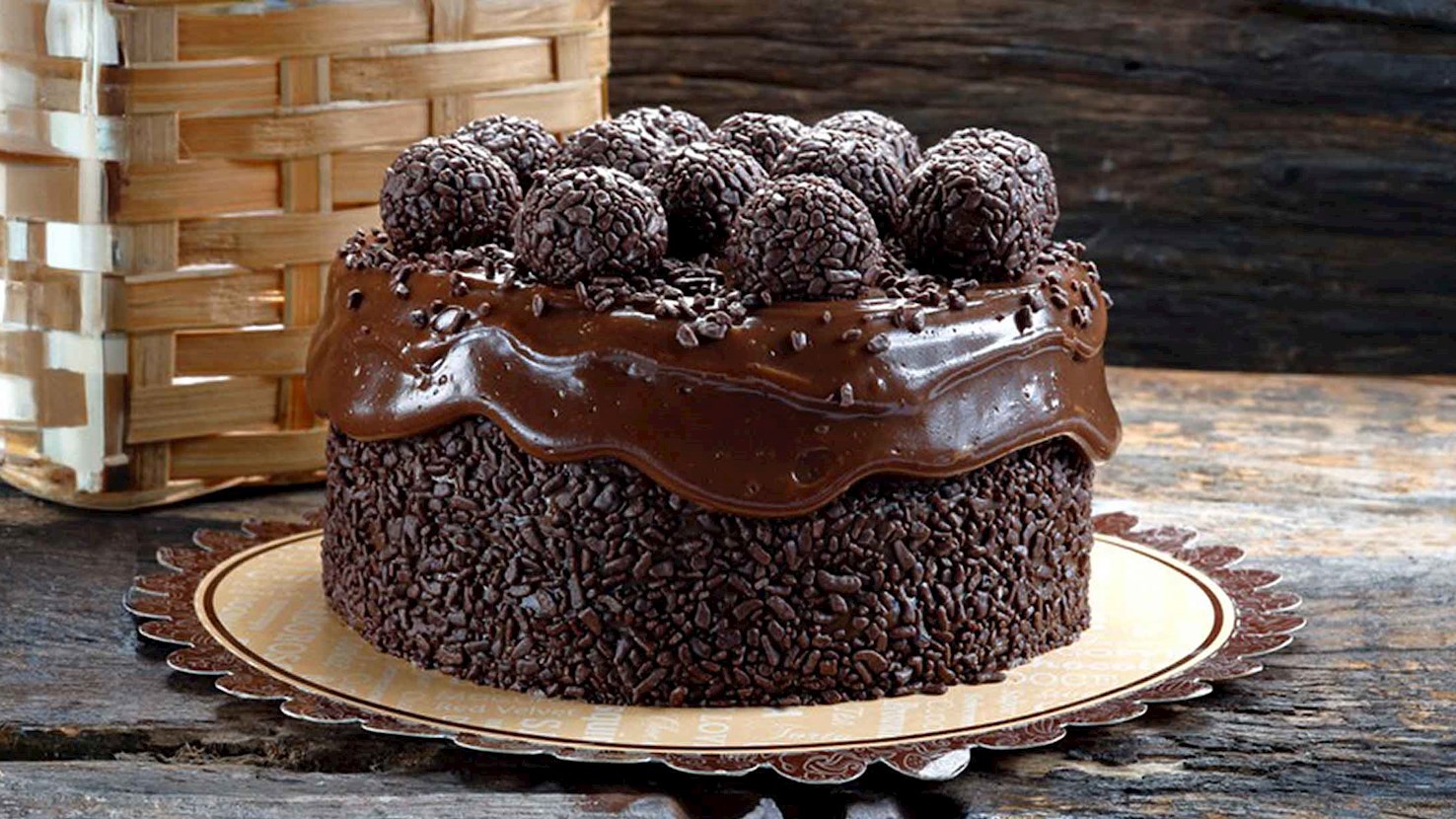
Bolo de brigadeiro is a traditional cake that's a staple at birthday parties. The cake consists of three layers of tender and moist crumb, chocolate cake, and the fudgy brigadeiro filling and frosting that's made with a combination of condensed milk, table cream, margarine, chocolate powder, full fat milk, and cornstarch. The base layer is made with sugar, butter, oil, eggs, vanilla, flour, cocoa powder, baking powder, baking soda, and whole milk. Once assembled and frosted, this cake is decorated with chocolate sprinkles on all sides. Some people also like to decorate this decadent chocolate cake with a few brigadeiro balls on top.
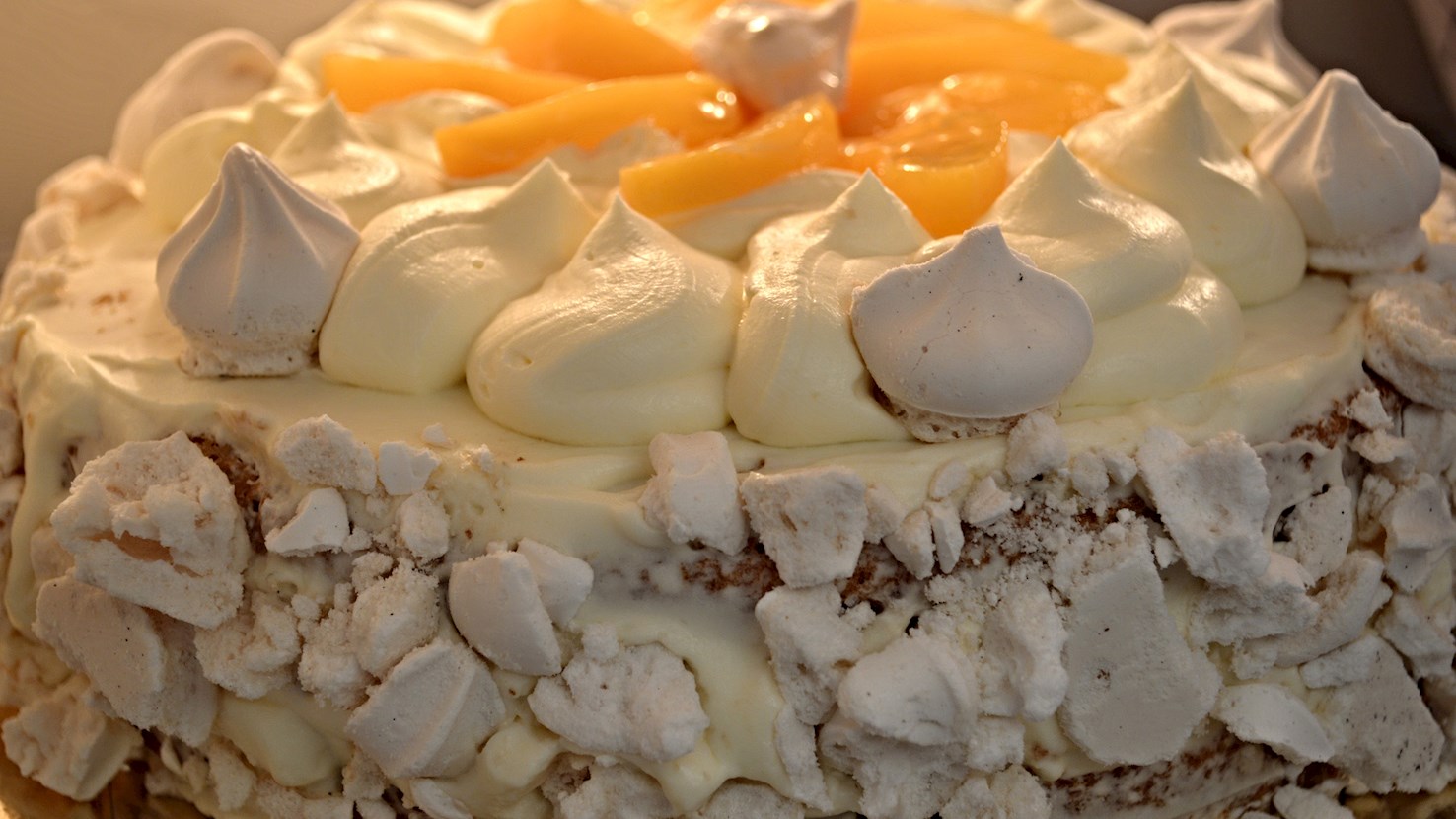
Chajá is an Uruguayan cake consisting of layers of sponge cake, whipped cream, meringue, and peaches, while a layer of dulce de leche on top is often seen, but not mandatory. The cake was invented in the 1920s by Orlando Castellano at the Confitería Las Familias in Paysandú. He was inspired by a local bird, el chajá (crested screamer), and that's how this delicious cake was invented. Nowadays, it is a staple at Uruguayan feasts and celebrations.
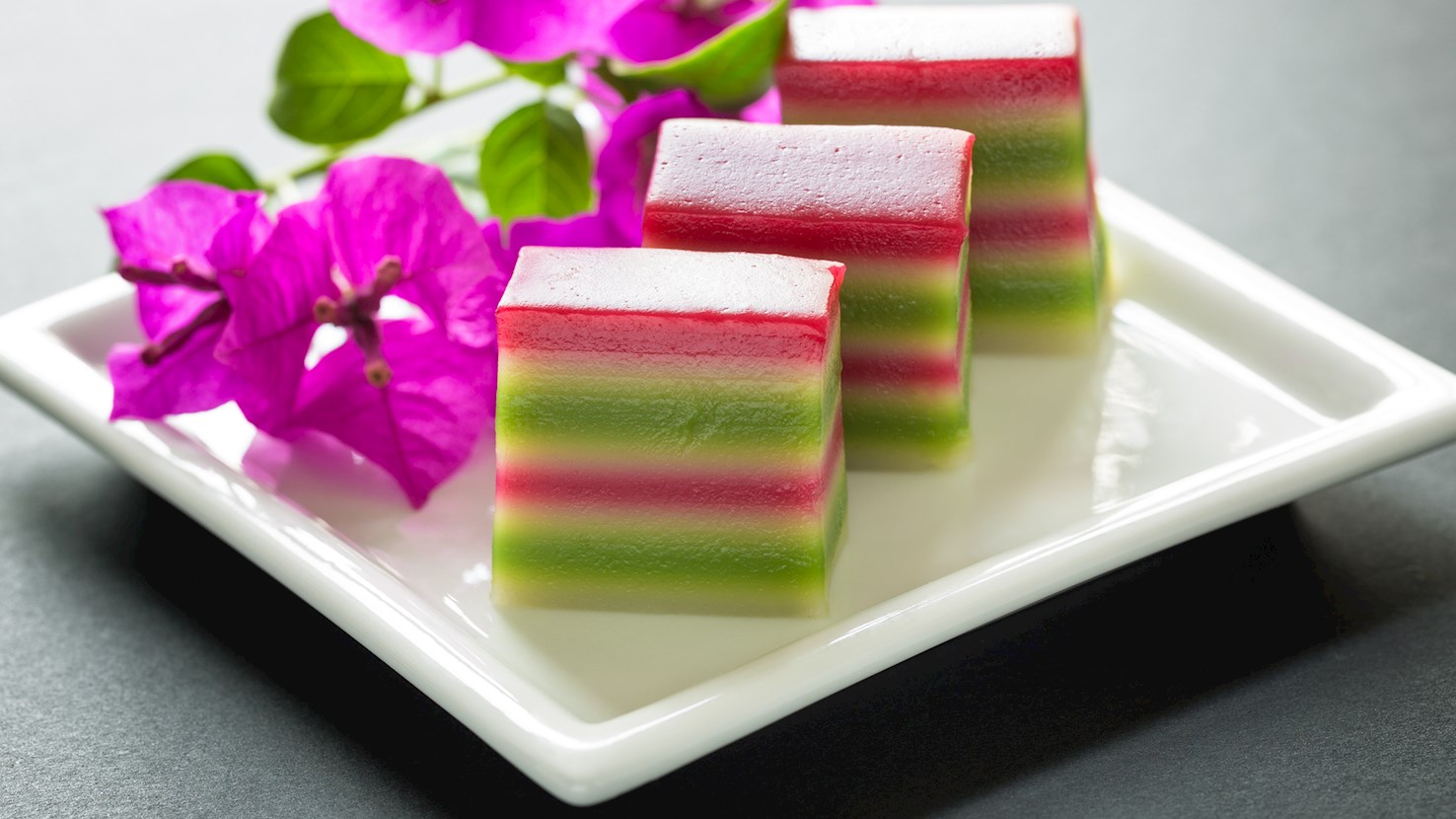
Kue lapis is a layered steamed cake widely enjoyed in Indonesia, Malaysia, Singapore, and Brunei, known for its vibrant colors, soft, chewy texture, and delicate coconut-infused flavor. The name comes from the Malay and Indonesian word kue (or kuih in Malaysa), meaning "cake" or "sweet snack," and lapis, meaning "layers"—a literal reflection of the dessert’s distinctive multi-layered structure. Often made with a combination of rice flour, tapioca flour, coconut milk, sugar, and natural food coloring, kue lapis is steamed layer by layer, resulting in alternating bands of color, typically in shades of pink, green, and white, although many regional and modern versions feature other color combinations. Each layer is steamed individually, giving the cake its characteristic appearance and allowing for a unique peel-apart texture, which is particularly beloved by children and nostalgic adults alike. The cake is lightly sweet and subtly aromatic, with the richness of coconut milk and a smooth, slightly sticky chew. It is usually cut into small squares or diamonds, served at room temperature, and commonly found in street markets, festive gatherings, and traditional kuih platters. Although similar in name to the baked Indonesian-Dutch kue lapis legit (a spiced layered cake), kue lapis is entirely different in preparation and character—soft and steamed, rather than firm and baked.
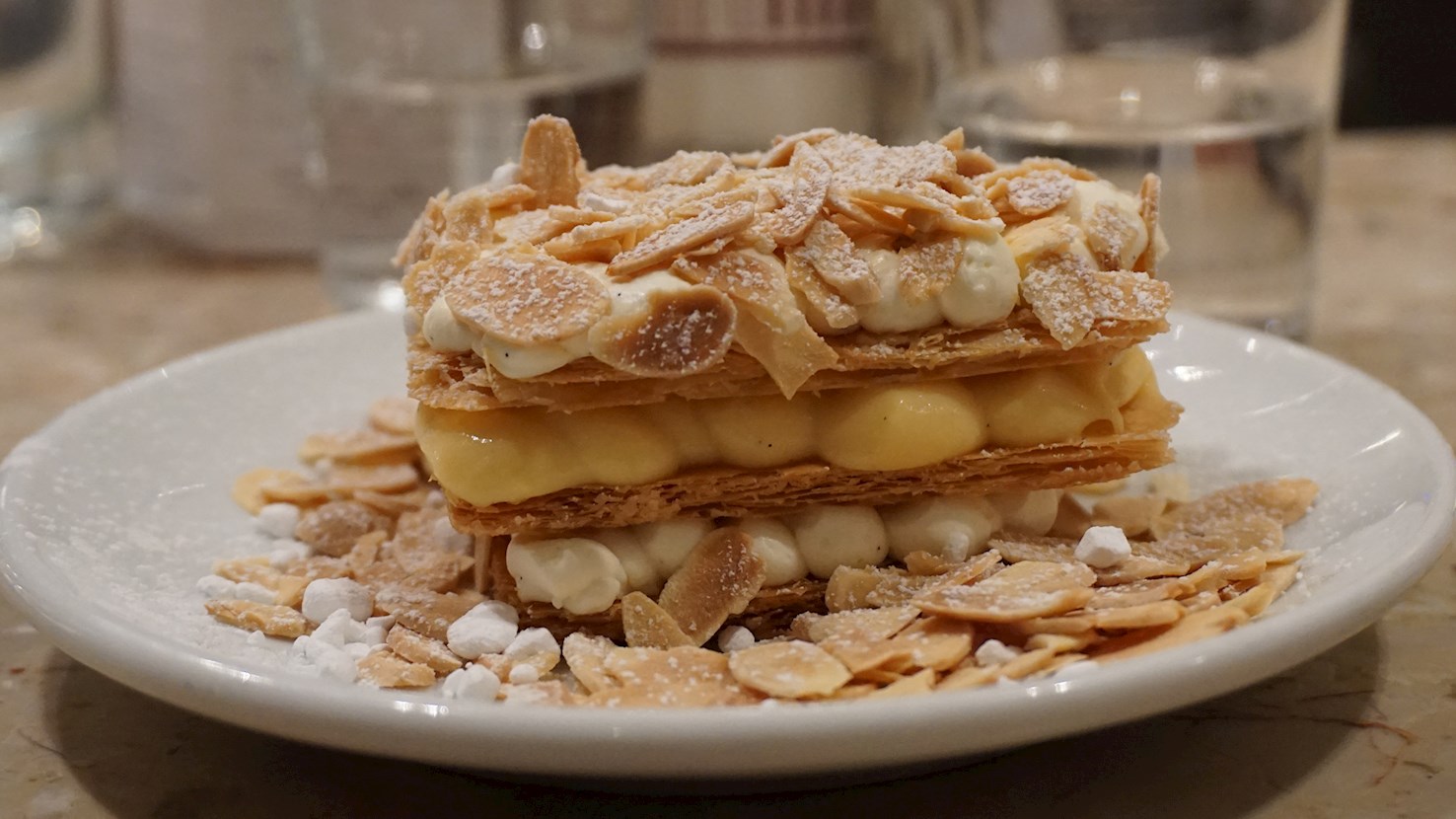
This Argentinian dessert combines layers of crispy puff pastry with dulce de leche. The layers are occasionally coated with crème pâtissière, while the top is sometimes decorated with Italian meringue. It is believed that the cake was modeled on mille-feuille – a classic French dessert consisting of thin layers of pastry and cocoa, almond, or vanilla icing. Apart from Argentina, similar milhojas varieties are also enjoyed in other South American countries.
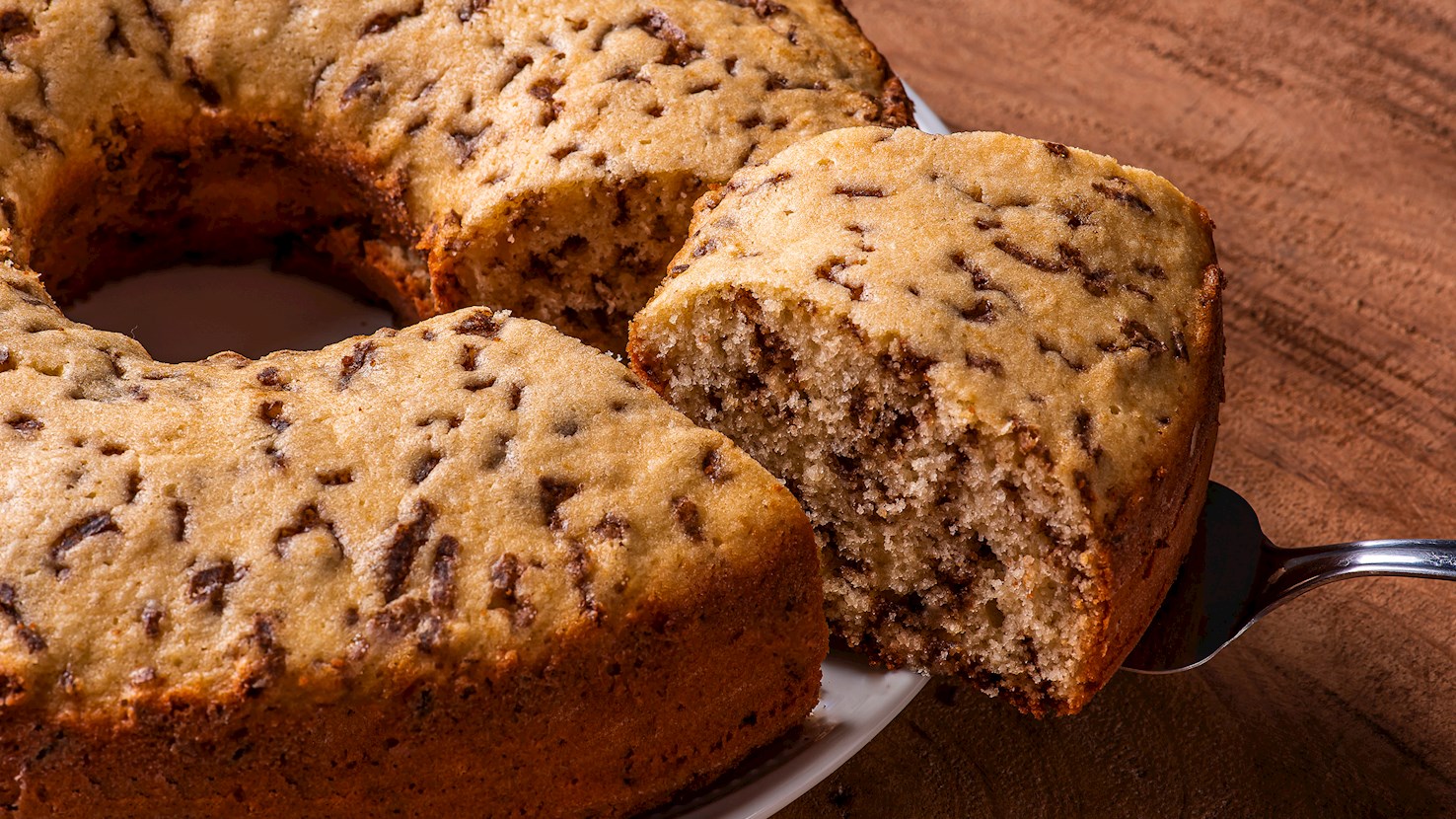
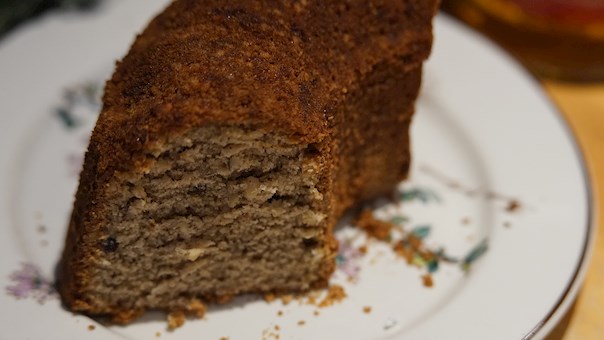
Bolo formigueiro is a traditional cake originating from Brazil. Essentially, it's a sponge cake with chocolate shavings running throughout the dough, hence the name, which means anthill cake. The cake is usually made with a combination of flour, butter, sugar, eggs, milk, vanilla, salt, dark chocolate shavings, and baking powder. The cake is baked until an inserted toothpick comes out clean, and it's then sprinkled with chocolate shavings once it cools down a bit. The cake can also be glazed, if desired. Bolo formigueiro is especially popular during family celebrations and similar festive occasions.
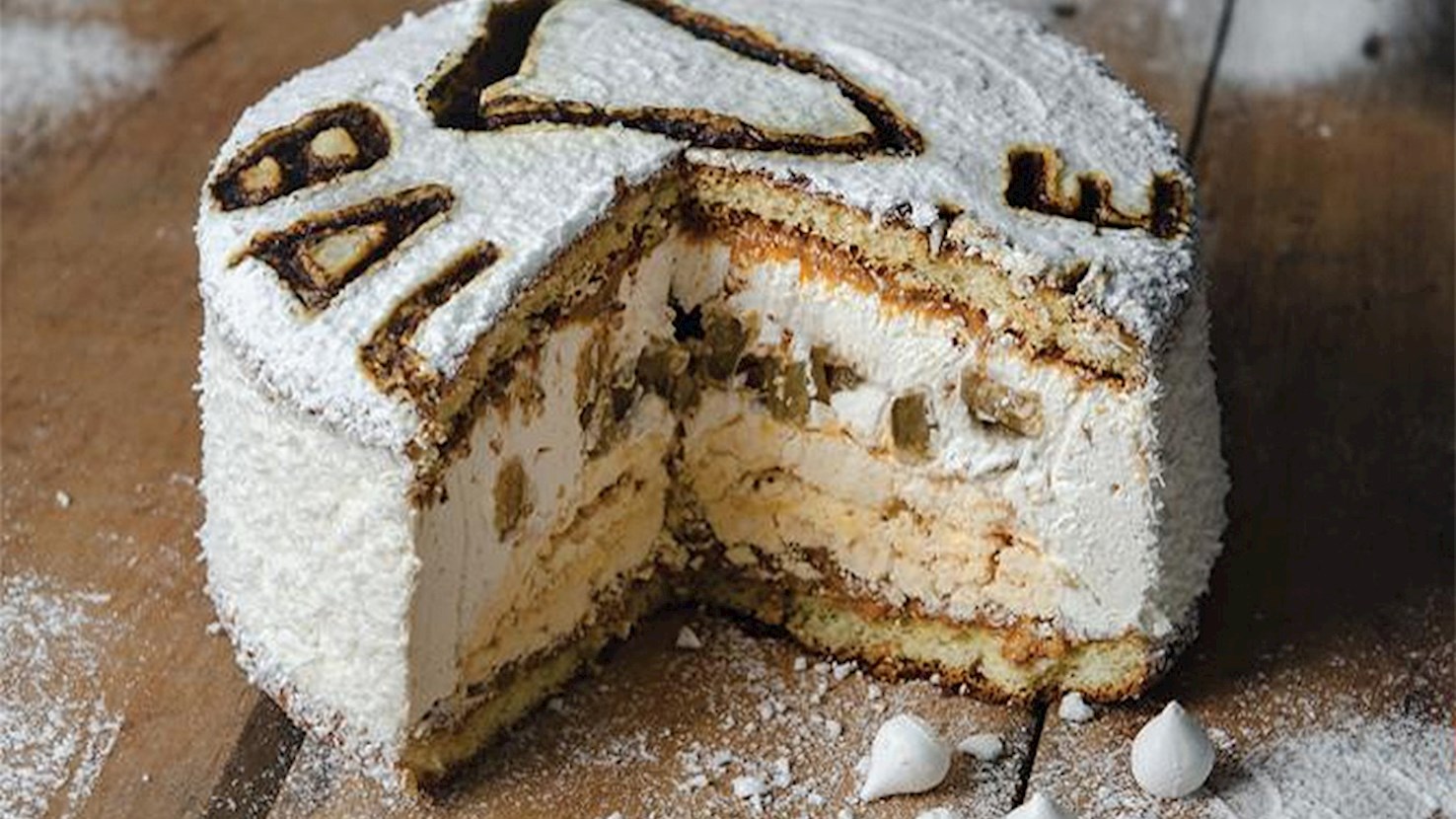
This Argentinian dessert is a luscious combination of sponge cake, whipped cream, almond paste, dulce de leche, meringue, walnuts, and candied chestnuts, while the top is dusted with powdered sugar and coconut. Created in 1958, the cake was invented by a pastry chef at a small pastry shop in Balcarce. The owner Guillermo Talou eventually opened Comoantes – another pastry shop which still operates and sells this traditional cake following the original recipe. Interestingly, Talou sold the recipe to a pastry shop from Mar del Plata, where they gave the cake its current name.
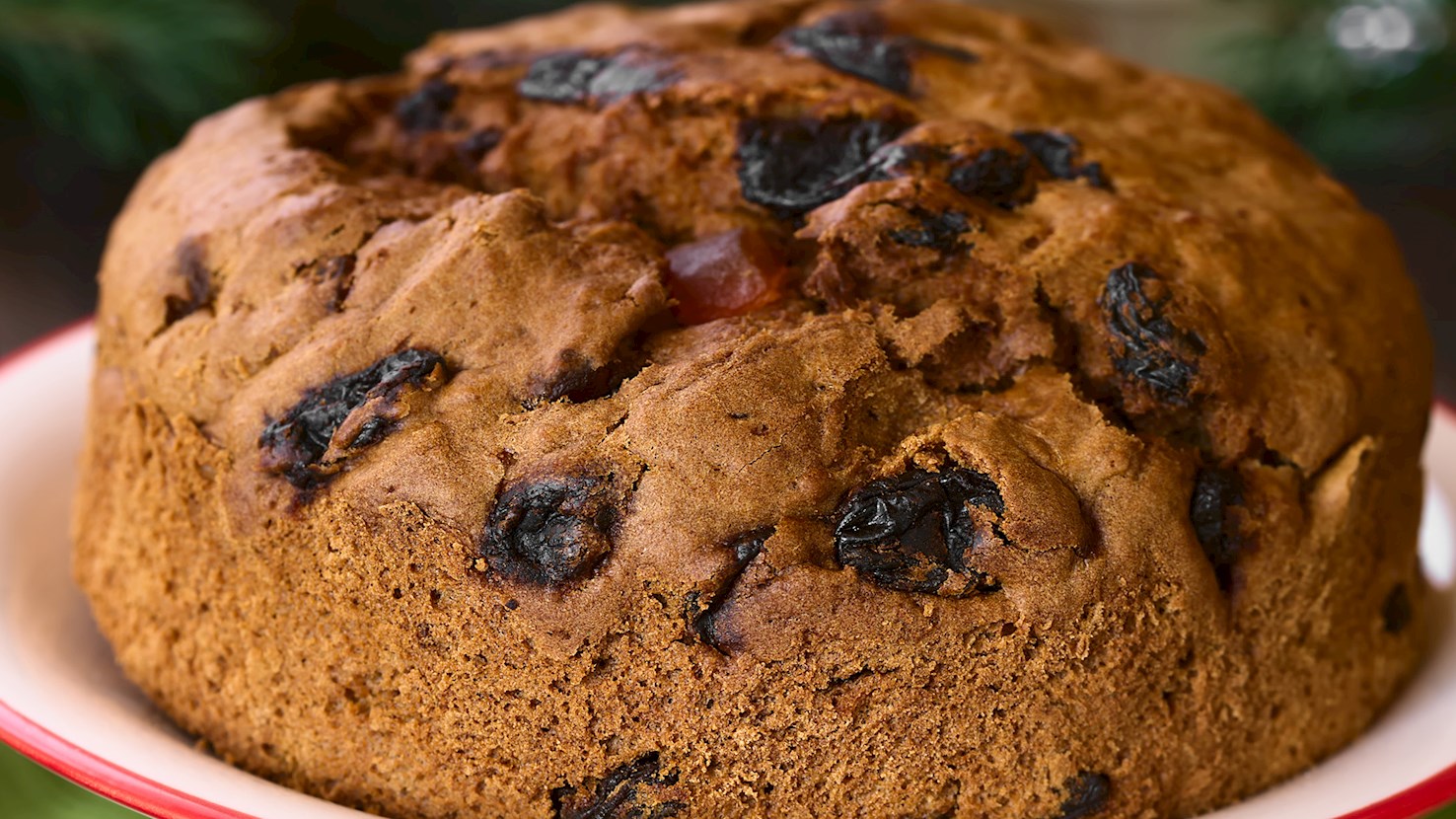
Unusually, pan de Pascua can be literally translated as Easter cake, but this sweat bread is traditionally eaten at Christmas time. In line with the Italian panettone and the German stollen, two holiday breads from which it has evolved, pan de Pascua is also a rich and dense, loaded with various spices, nuts, and dried fruits. The sweet bread is usually given an extra kick of flavor by adding a splash of brandy, rum, or pisco—a type of Chilean brandy. It often comes served with a glass of cola de mono (lit. monkey's tail), a Christmas drink made with coffee and alcohol.
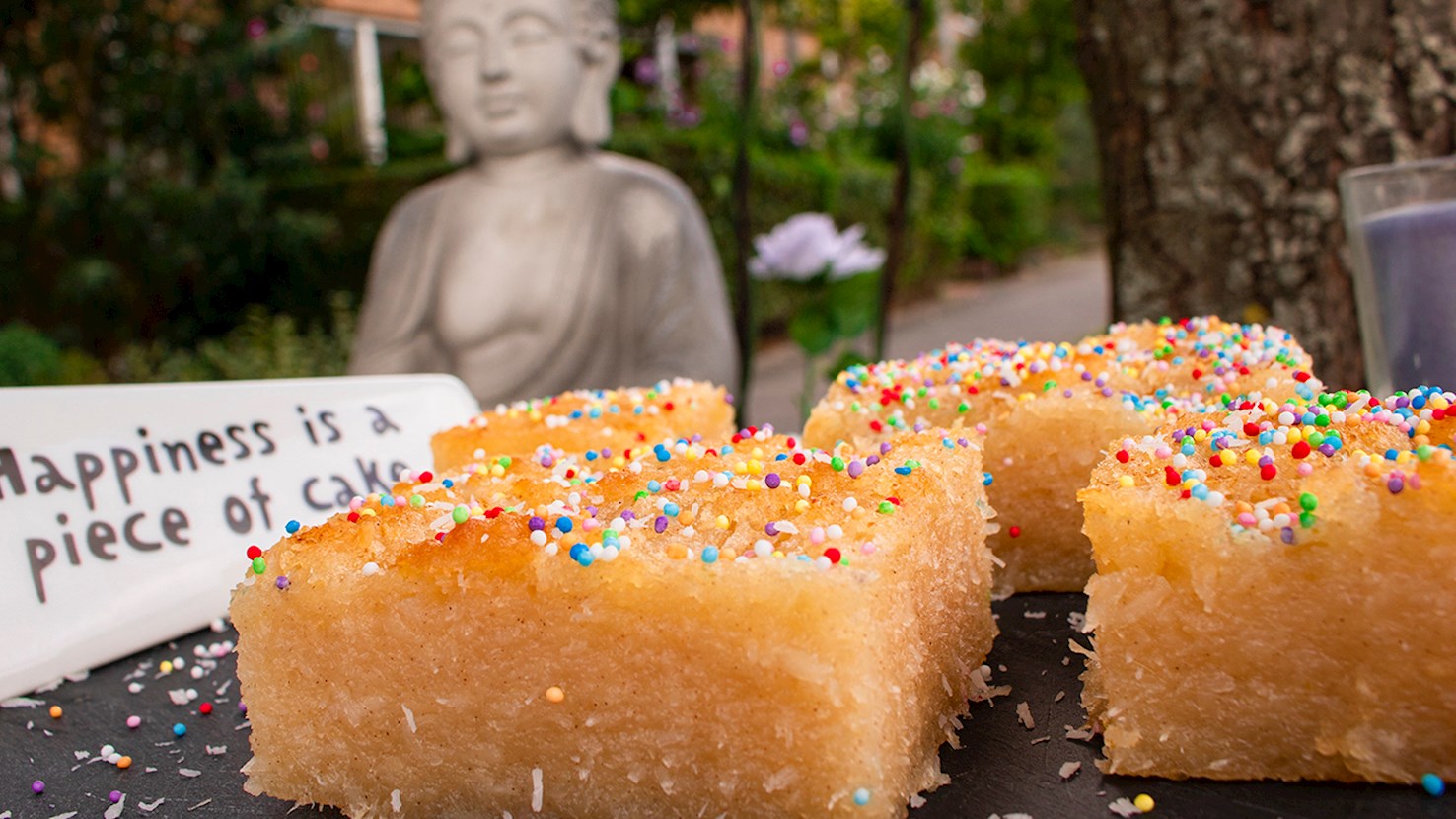
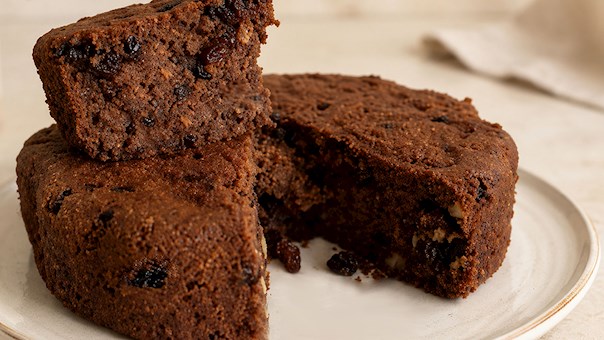
Bojo cake is a tender Surinamese dessert with a smooth texture. This flourless cake is made with ingredients such as raisins, rum, cassava, coconut, sugar, cinnamon, eggs, coconut milk, butter, almond extract, and vanilla. The combination is typically poured into a baking pan, and it is then baked until golden brown in color. When served, bojo cake is cut into squares. It can be consumed warm or cold, and it is recommended to serve it with a dollop of whipped cream.
Rogel is a classic Argentinian dessert consisting of numerous thin layers of dough that are topped with a creamy dulce de leche spread. The cake traditionally includes eight layers, while the top is usually decorated with Italian meringue. Although not much is known about its origin, rogel is a staple on every special occasion in Argentina. It is also known as alfajor rogel, due to its similarity to sandwiched alfajor cookies.
TasteAtlas food rankings are based on the ratings of the TasteAtlas audience, with a series of mechanisms that recognize real users and that ignore bot,
nationalist or local patriotic ratings, and give additional value to the ratings of users that the system recognizes as knowledgeable.
For the “Top 28 South American Cakes” list until September 15, 2026, 1,460 ratings were recorded, of which 705 were recognized by the system as legitimate.
TasteAtlas Rankings should not be seen as the final global conclusion about food. Their purpose is to promote excellent local foods,
instill pride in traditional dishes, and arouse curiosity about dishes you haven’t tried.












What People Say