shutterstock

Top 15 Cheesecakes
in the World

Last updated on April 15, 2026
01

Gazta tarta (Basque cheesecake)

4.3 ·

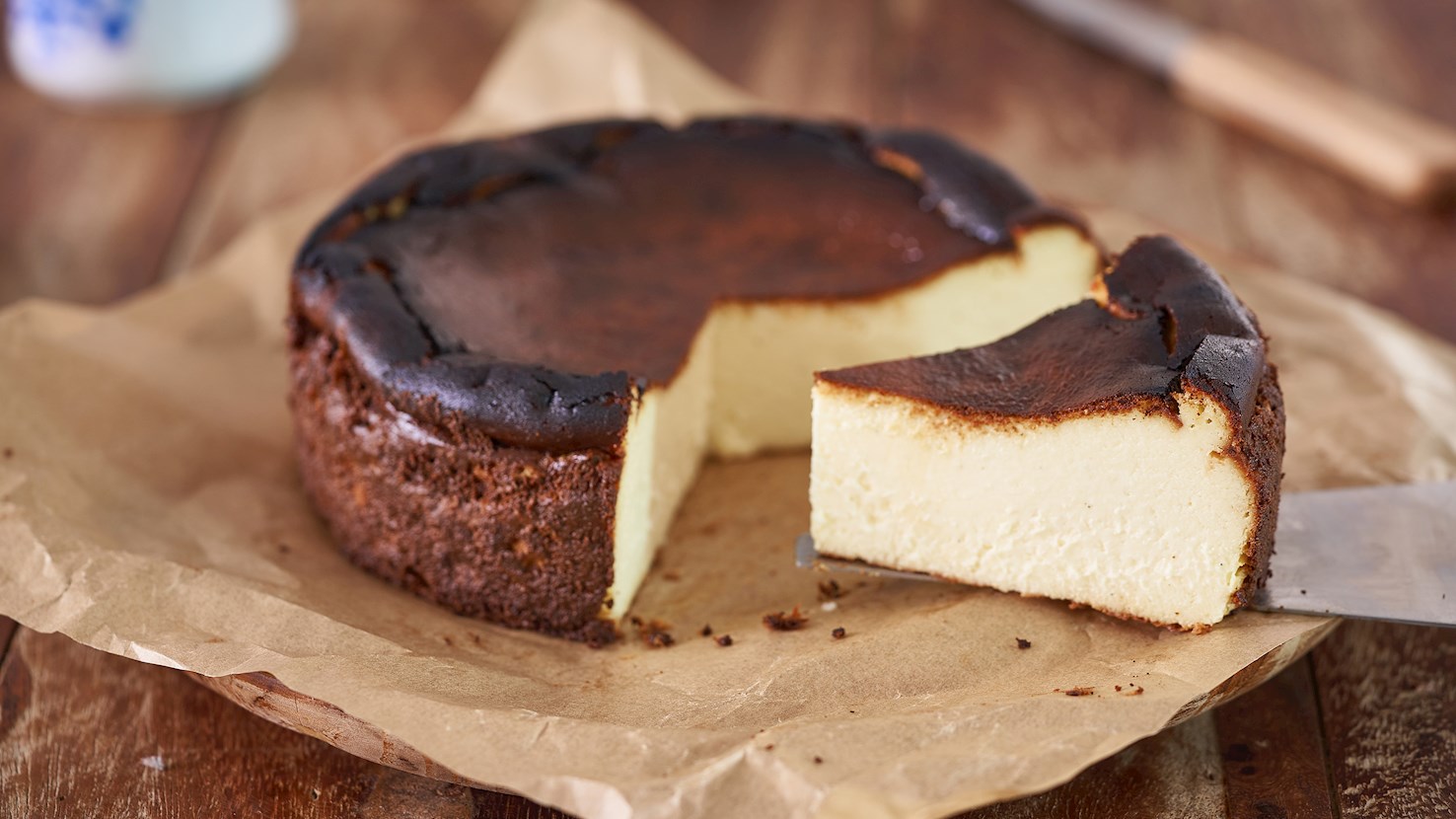
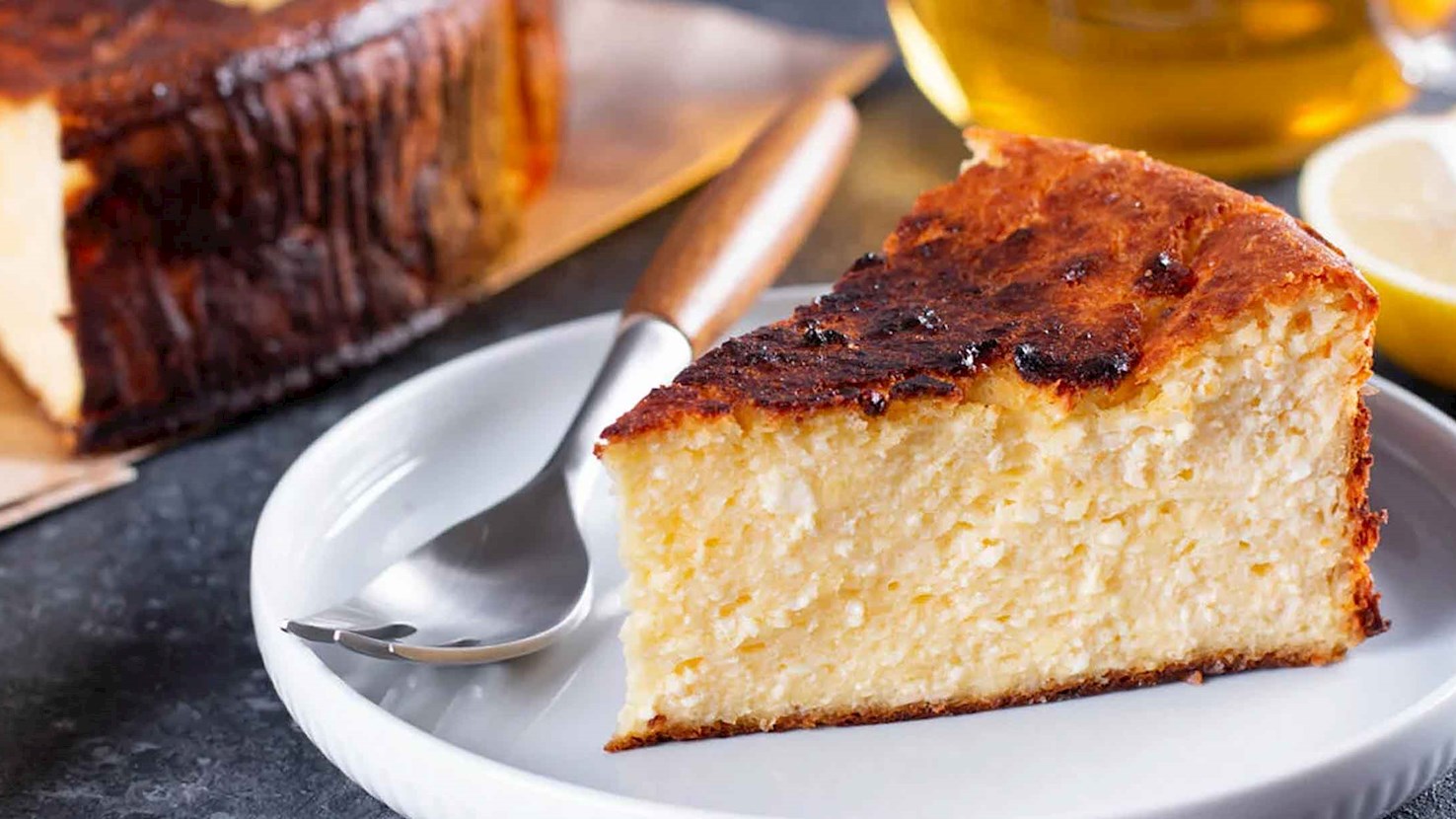
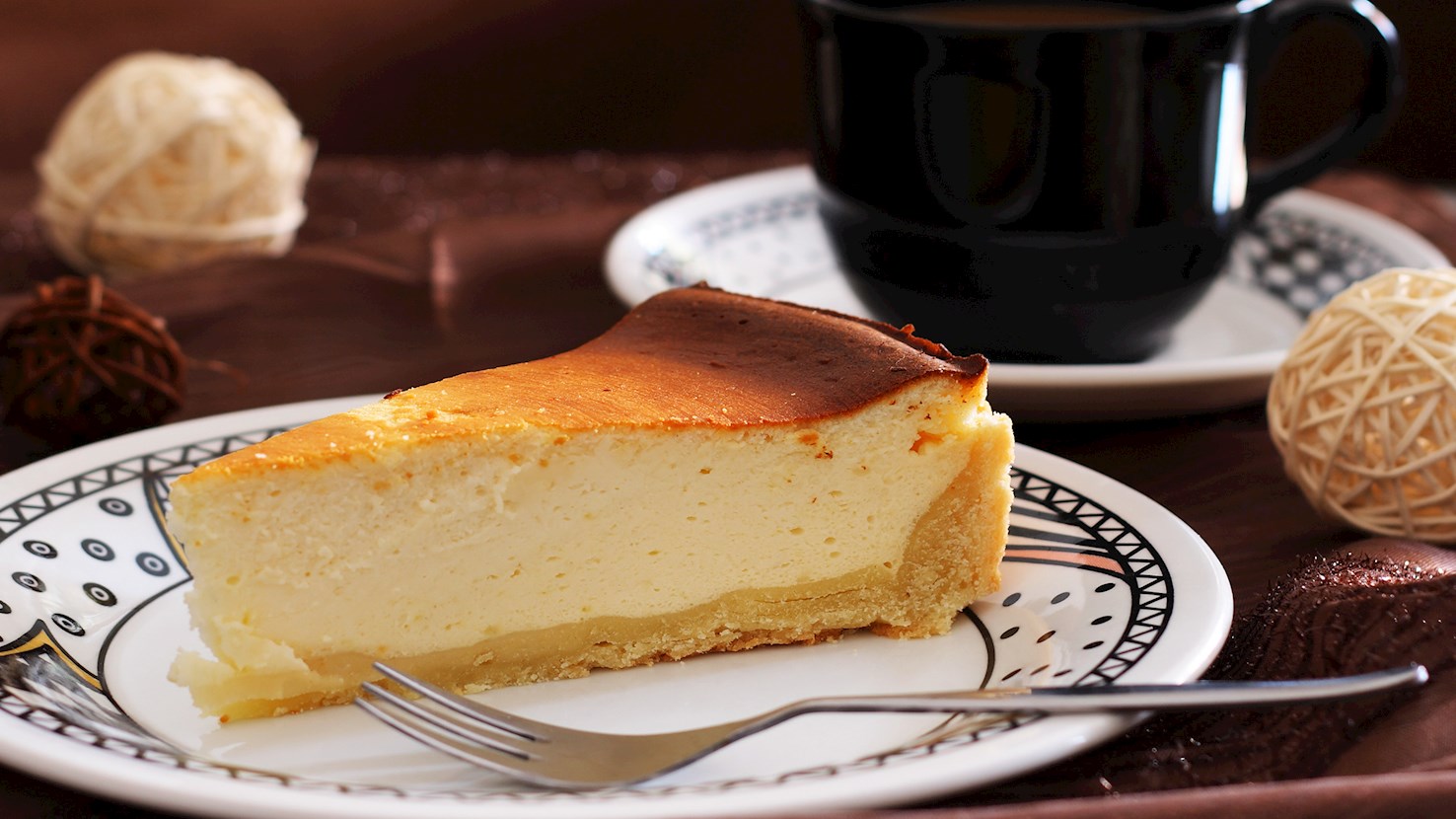
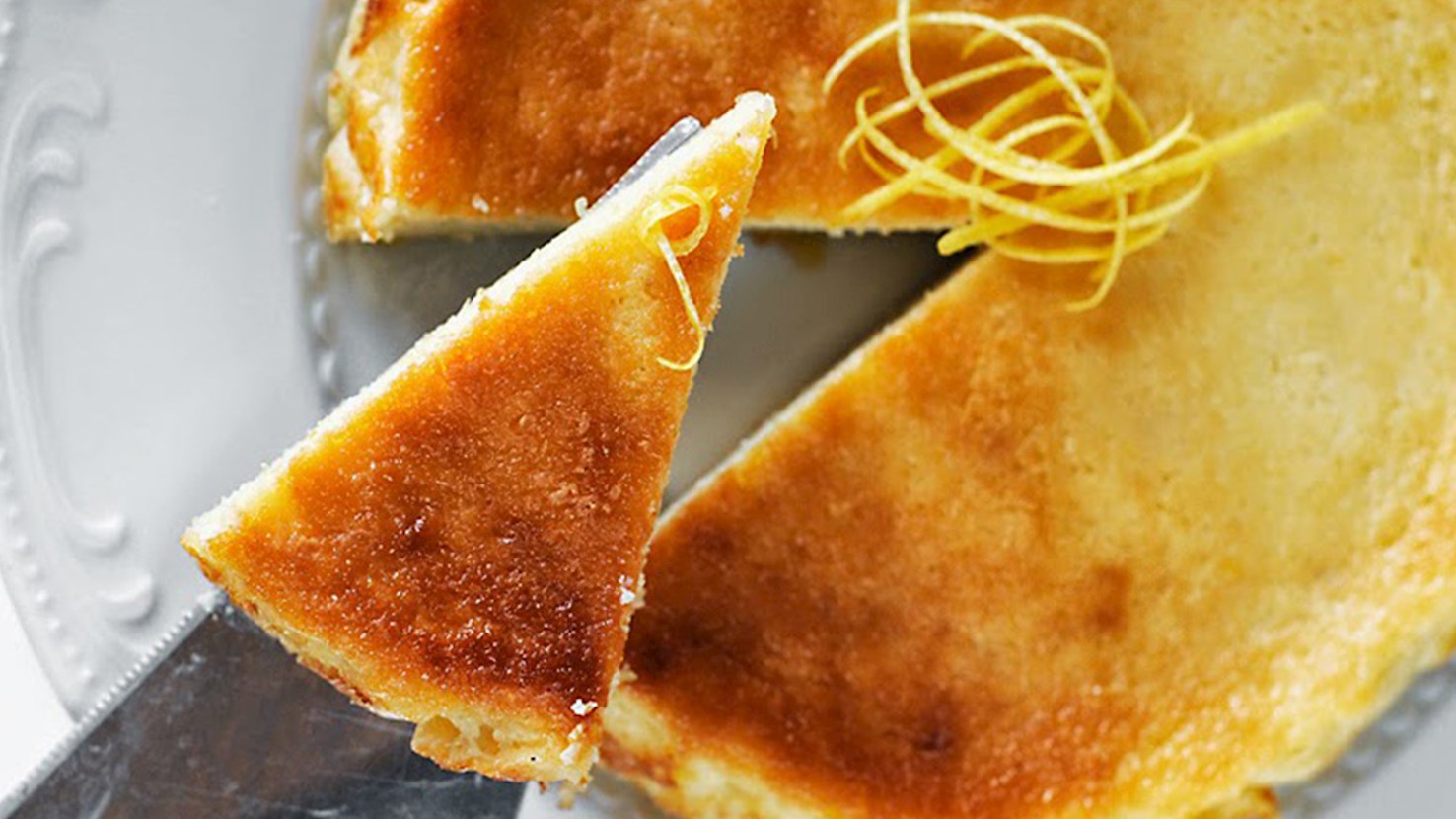
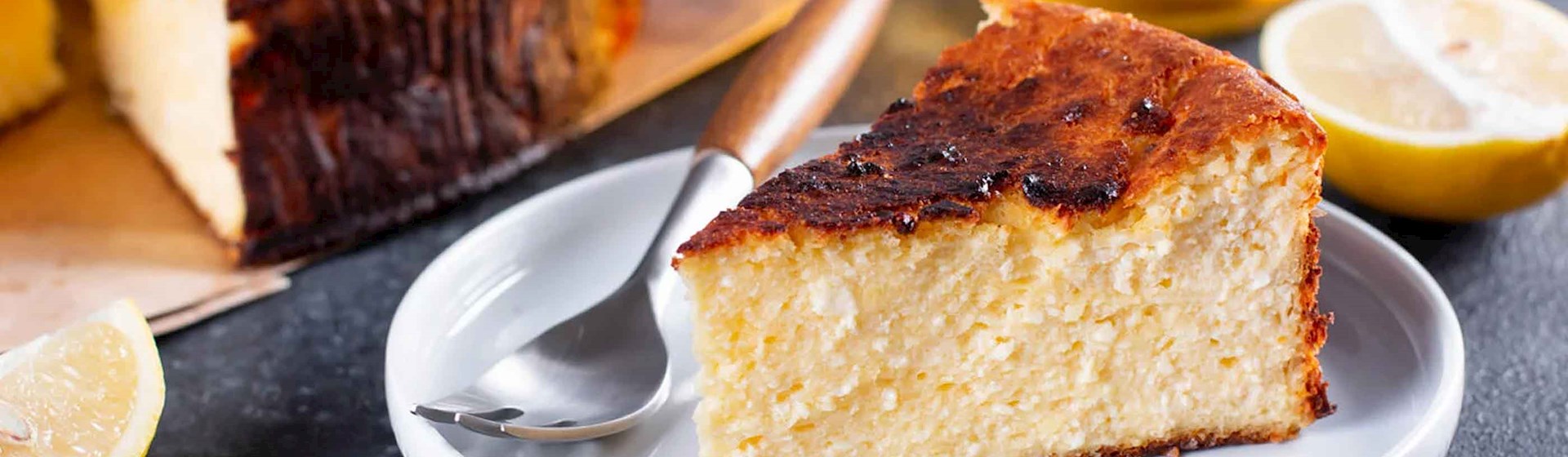
Known simply as tarta de queso or gazta tarta in its native Basque, this simple yet incredibly creamy cheesecake variation is a decades-old local specialty of the La Viña Bar in San Sebastián. The recipe is a simple combination of classic cheesecake ingredients such as sugar, heavy cream, eggs, and cream cheese, but unlike its more popular counterparts, this Basque version does not have any crust. Instead, it is baked on a high temperature which leaves the outside firm, darker, and somewhat burnt, while the center remains gooey. Basque cheesecake is immensely popular, and while La Viña remains its place of origin, different variations are nowadays found in several patisseries around the world.

02

Sernik

4.3 ·

Sernik is a cheesecake from Poland, stemming from old Christian and Jewish traditions. It is made with eggs, sugar, and twaróg - a type of curd cheese that has been used in desserts for hundreds of years. It is believed that sernik originated in the 17th century, when King Jan III Sobieski brought the recipe with him after his victory against the Turks at the Battle of Vienna. Today, there are many varieties of sernik, some baked, some unbaked, but it is usually made on a layer of crumbly cake. Often times raisins, chocolate sauce, or fruits are also added to sernik, and one of the most popular varieties of the dessert has a sponge cake as its base and is covered with jelly and fruit on top. The krakowski version of sernik has a lattice crust on top to differentiate it from other types of this cheesecake. Sernik can either be prepared at home or found in many Polish stores and supermarkets.

03

Japanese cheesecake

4.2 ·

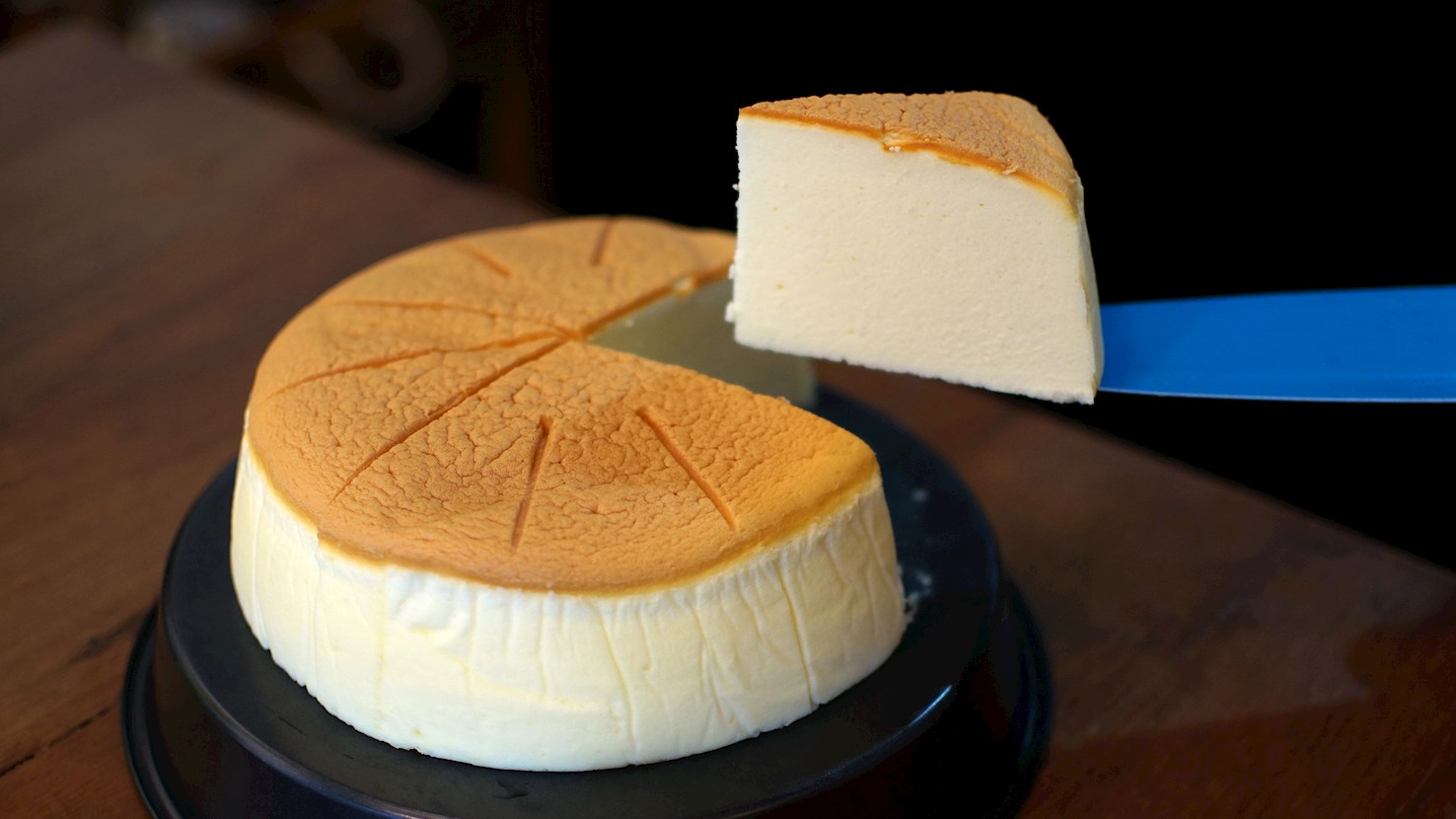
Known as soufflé cheesecake in Japan and cotton cheesecake or Japanese cheesecake outside of Japan, this light and fluffy dessert is made by incorporating whisked egg whites into the cake mixture (eggs, milk, sugar, cream cheese), and the combination is then baked in a bain-marie. The Japanese cheesecake is more fluffy and sponge-like than regular cheesecake, and it's sometimes eaten cold, but most people prefer to eat it straight out of the oven while it's still hot, so it almost melts in the mouth. It was created by a Japanese chef Tomotaro Kuzuno who went to Germany in the 1960s and found käsekuchen, a type of German cheesecake. When Kuzuno came back to Japan, he wanted to prepare a combination of käsekuchen and the American-style cheesecake that was becoming popular at the time, and that's how Japanese cheesecake was born. Nowadays, if you want something extra sweet on your Japanese cheesecake in Japan, traditionally you'll get a topping of apricot jam. Interestingly, there's also one version of this dessert called rare cheesecake, and it's a Japanese take on the classic Western unbaked cheesecake, made with agar-agar or gelatin, cream cheese, and yogurt.

04

New York-style cheesecake

4.1 ·

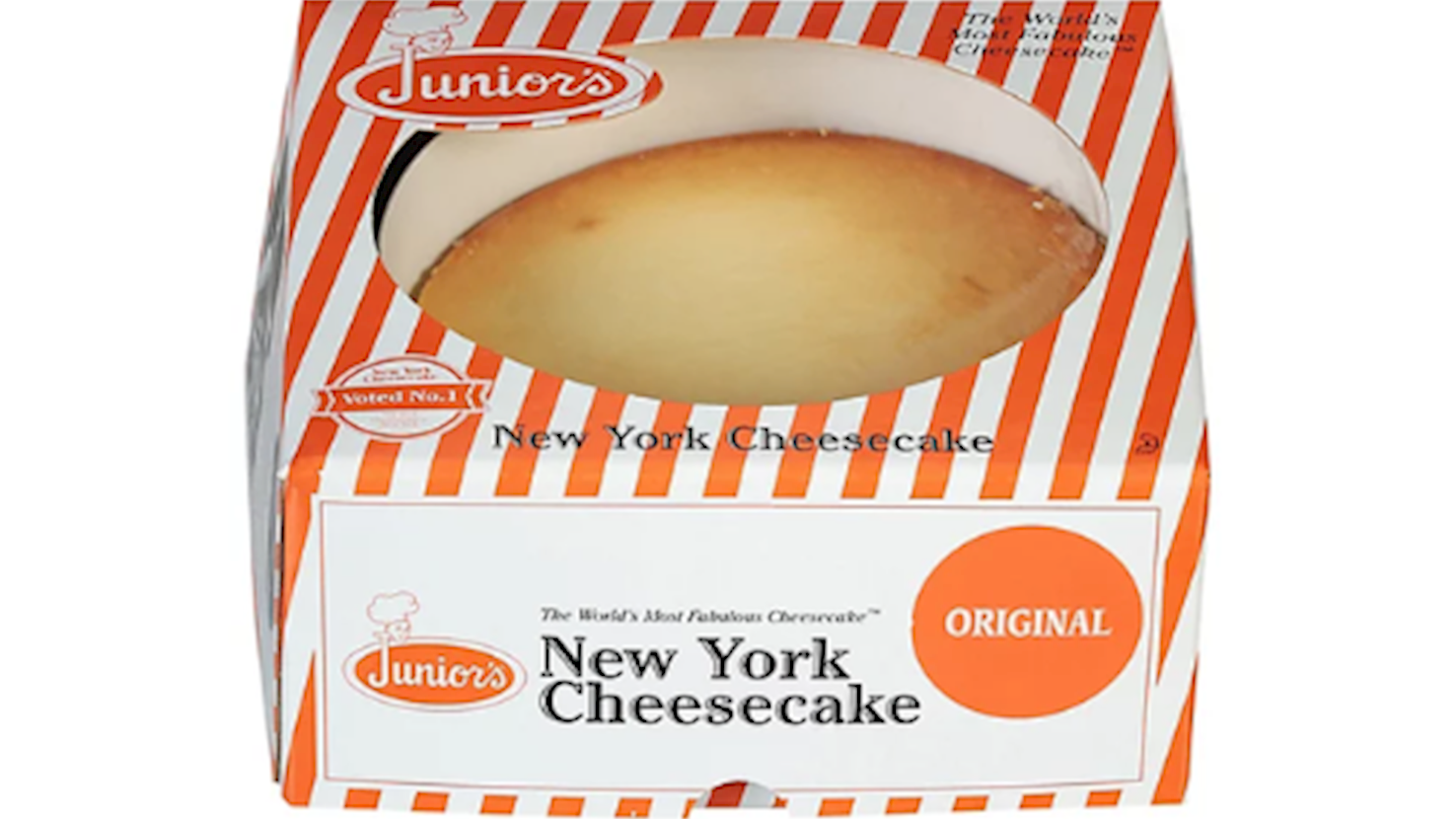
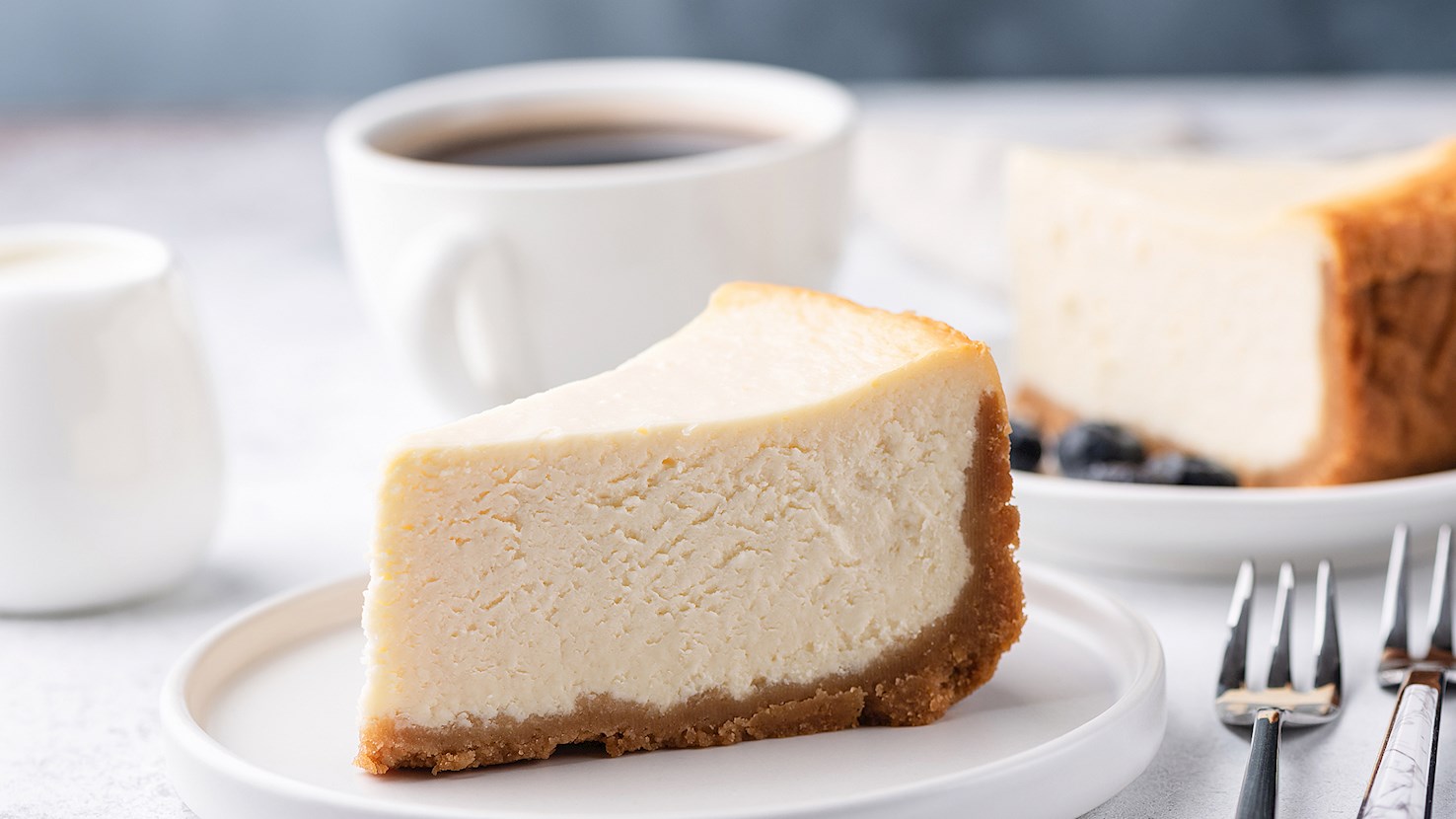
New York-style cheesecake is different from other cheesecakes mainly because of its heavy and dense texture that feels extremely smooth and rich. Its flavor should be sweet and tangy, not citrusy, chewy, or starchy. It is believed that the first New York-style cheesecake was made by Junior’s in the 1950s. The magic formula includes heavy cream, eggs, vanilla, cream cheese, and (optionally) sour cream, while the base usually consists of a sponge cake crust or graham cracker crust.

05

Käsekuchen

4.1 ·

German-style cheesecake is a traditional dessert consisting of a thin layer of shortcrust pastry that is topped with a creamy combination of quark cheese, eggs, and (occasionally) various fruits. Even though käsekuchen is often compared to the classic American cheesecake, the use of lightly acidic quark cheese results in a light, scrumptious treat that perfectly combines sweet and sour flavors. Usually served dusted with powdered sugar, käsekuchen is a classic German dessert that is commonly enjoyed as an everyday treat alongside coffee or tea.

06

Topfentorte

3.8 ·

Topfentorte is an Austrian-style cheesecake made with topfen or quark cheese as the main ingredient. Apart from topfen, the cake is made with eggs, sugar, flour, lemon juice and zest, whipping cream, and gelatin. The tangy topfen filling is typically sandwiched between two layers of sponge cake. Once baked, the cake is usually chilled in the fridge before serving. If needed, topfentorte can be dusted with powdered sugar before consumption.

07

Ostkaka

3.6 ·

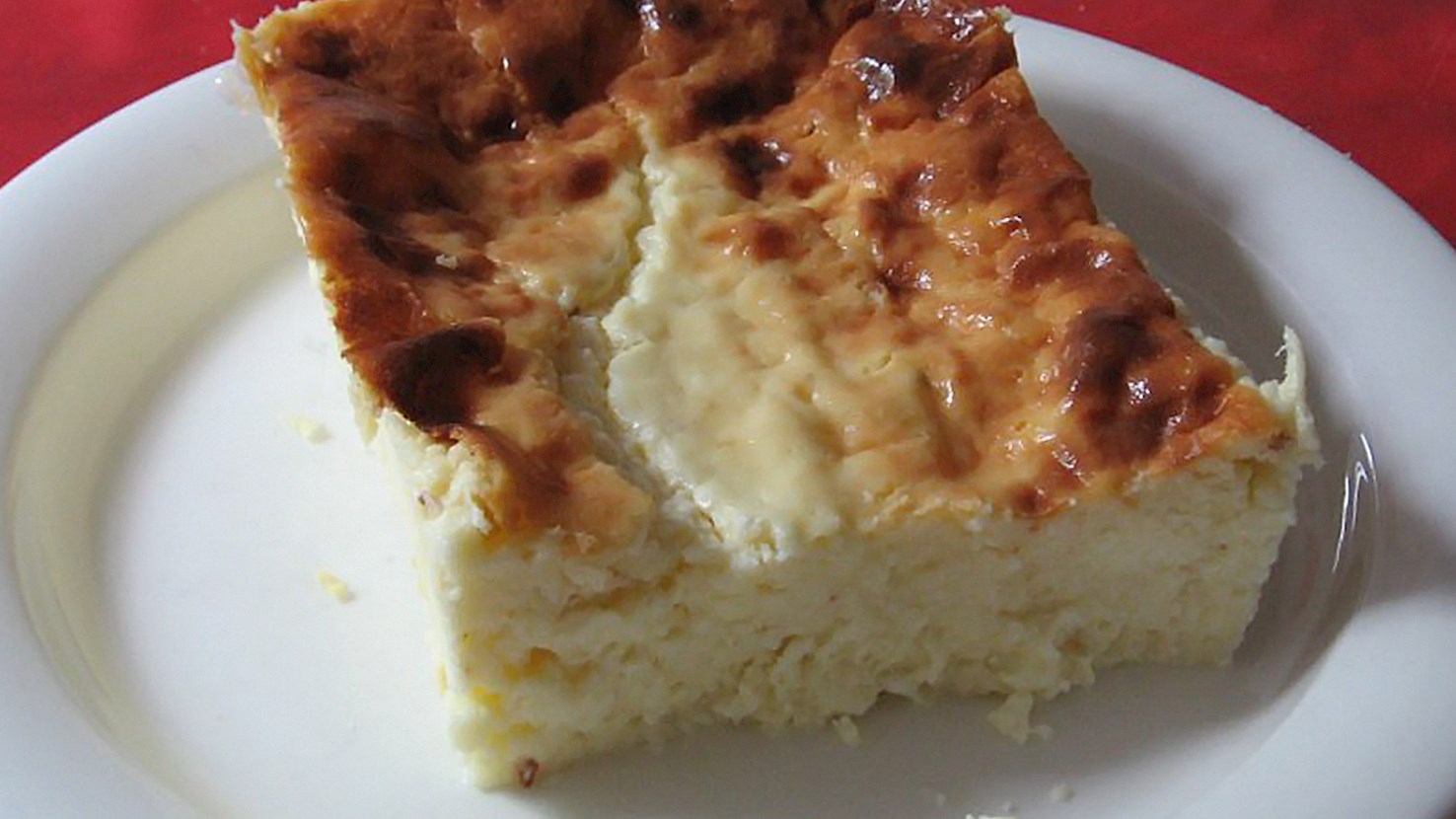
Ostkaka is a very old Swedish specialty that literally translates to cheesecake, although it should not be mistaken with the well-known American cheesecake. Traditionally, it is prepared with rennet that converts milk into cheese, which is then combined with flour, eggs, sugar, cream, and almonds, and baked until lightly browned. The whole process can be simplified by using cottage cheese instead. Unlike American cheesecakes, ostkaka is less sweet, much lighter, less fattening, and somewhat custardy. It is best served lukewarm or at room temperature, drizzled with fresh berry syrup, tart jam, or topped with whipped cream and strawberries. Ostkaka even has its very own day, called the Ostkaka dag (the 14th of November) when this delicious culinary delight is celebrated in Sweden. It can be bought ready-made in any supermarket throughout Sweden and is a staple dessert enjoyed during Swedish celebrations year-round.

08

Fiadone

3.5 ·

Often dubbed as the Corsican take on cheesecake, fiadone is a traditional dessert prepared with brocciu (fresh whey cheese made from goat's or ewe’s milk), eggs, sugar, lemon zest, and lemon juice. Occasionally, oranges are used instead of lemons, and the base can be enriched with local liqueurs. The cake was once a staple dish for various special occasions and a typical dessert prepared during the holiday seasons, but nowadays it is enjoyed throughout the year. It can be served on its own, drizzled with honey, or accompanied by fruit preserves or fresh fruit. The Corsican fiadone closely resembles similar Italian desserts which are predominantly made with ricotta.

Best restaurants
09

Country-Style Cheesecake

n/a ·

Country-style cheesecake is a variety of cheesecake that calls for the addition of buttermilk to the combination of cream cheese and eggs. Just like the New York-style variety, where heavy cream provides a smooth, dense texture to the cream cheese mixture, the buttermilk gives this version a firmer texture and a slightly acidic flavor. It also prolongs the shelf life of the cake. Country-style cheesecake is typically prepared in certain rural parts of the country and is not common elsewhere.

10

Käsesahnetorte

n/a ·

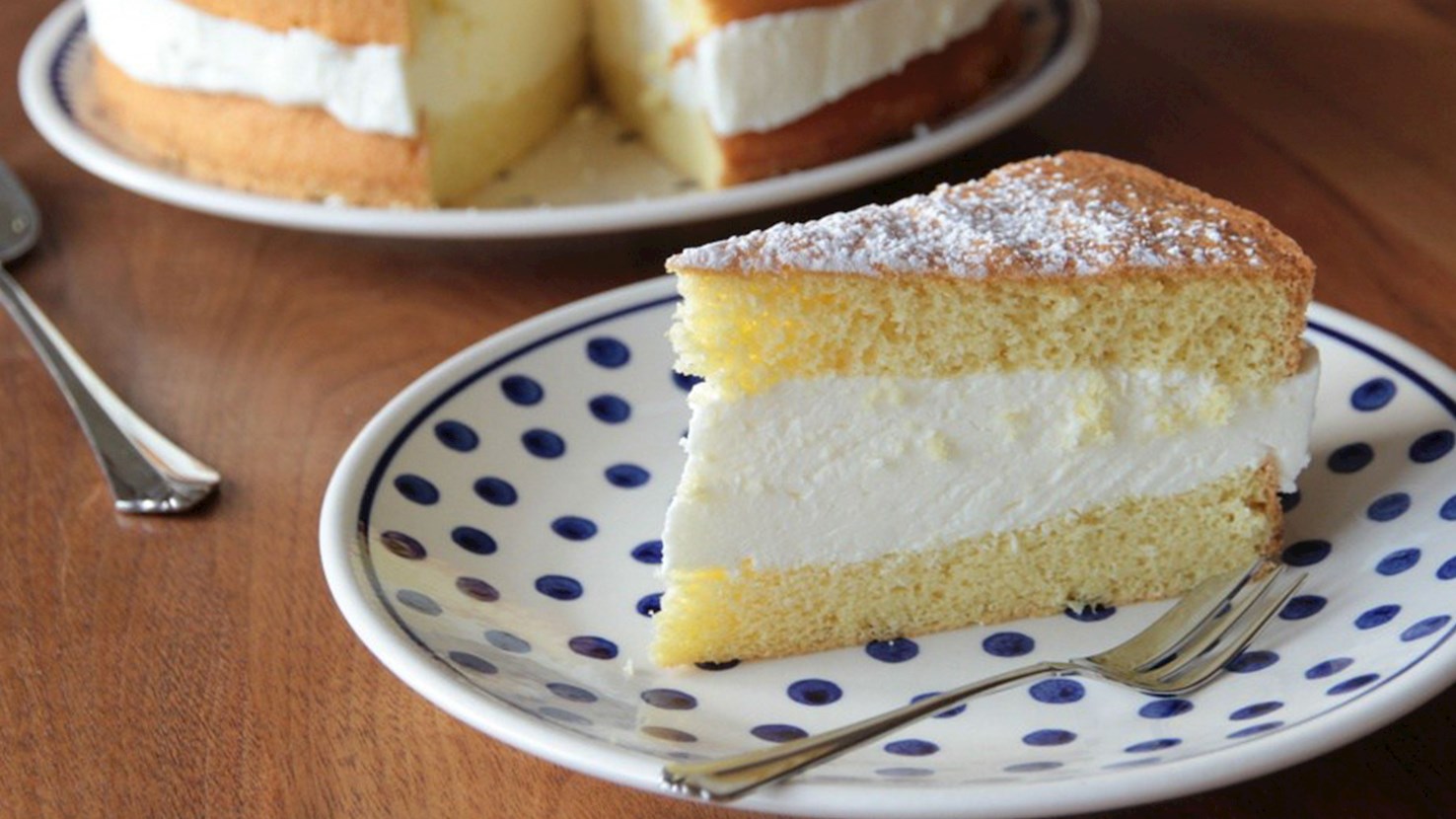
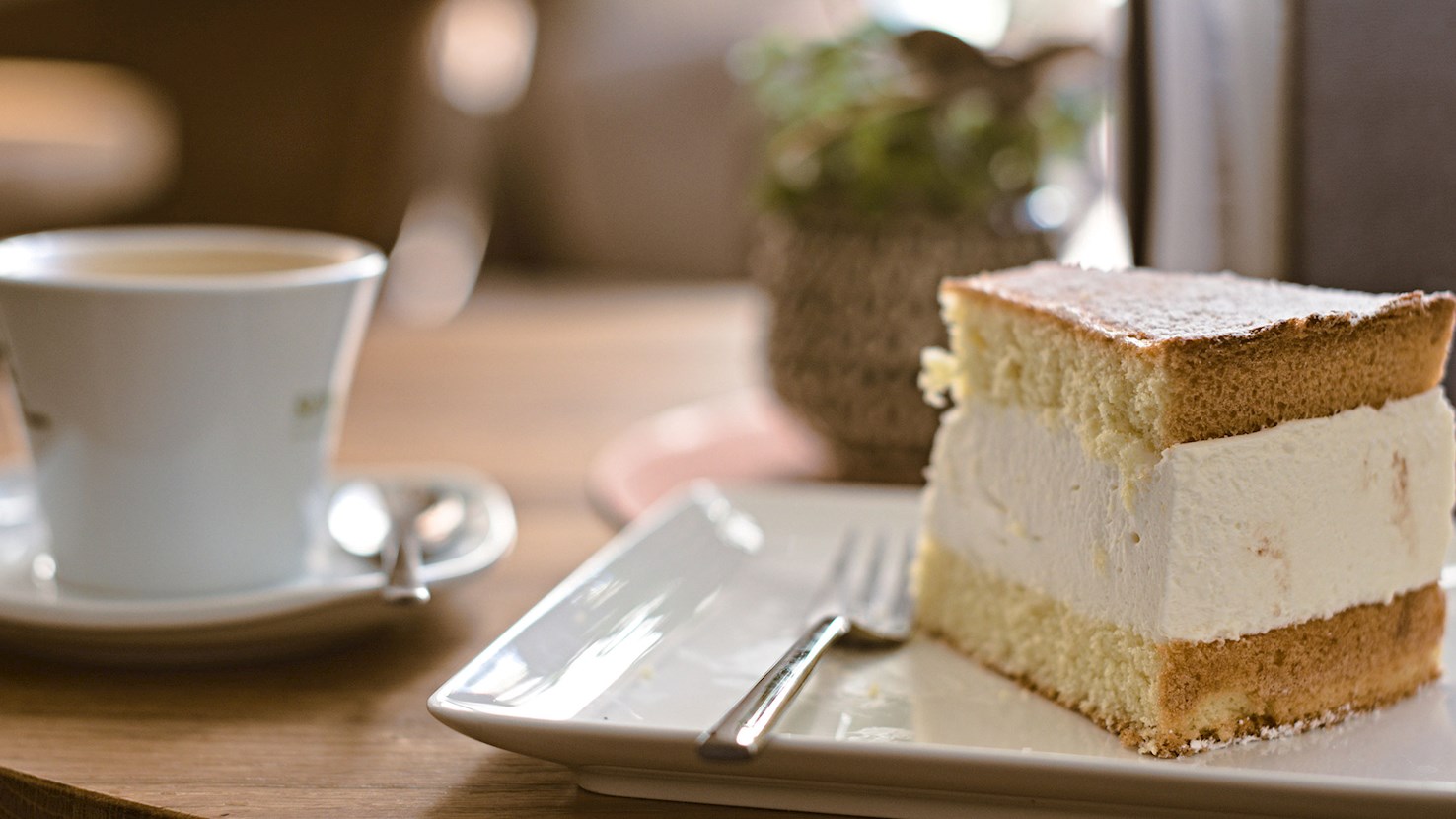
Käsesahnetorte, literally meaning "cheese cream cake," is a traditional German and Austrian no-bake cheesecake, particularly popular in southern Germany and Austria, with roots in regions like Bavaria. This airy, refreshing dessert consists of a quark-based filling—a soft, fresh cheese—combined with whipped cream, gelatin, and occasionally tangerines or other fruit, all layered between rounds of light sponge cake (biskuitboden). Served cold, käsesahnetorte is prized for its fluffy, mousse-like texture and mildly sweet flavor, making it a favorite in kaffee und kuchen (coffee and cake) traditions. Its origin likely dates back to the early 20th century, when both quark and gelatin became more accessible in home kitchens. Käsesahnetorte is a dessert that stands as a lighter, fresher alternative to denser baked cheesecakes, such as the American New York-style cheesecake or the heavier German käsekuchen.

About this ranking

TasteAtlas food rankings are based on the ratings of the TasteAtlas audience, with a series of mechanisms that recognize real users and that ignore bot, nationalist or local patriotic ratings, and give additional value to the ratings of users that the system recognizes as knowledgeable. For the “Top 15 Cheesecakes in the World” list until April 15, 2026, 1,989 ratings were recorded, of which 1,603 were recognized by the system as legitimate. TasteAtlas Rankings should not be seen as the final global conclusion about food. Their purpose is to promote excellent local foods, instill pride in traditional dishes, and arouse curiosity about dishes you haven’t tried.

Similar lists