

shutterstock

Top 13 Italian Citrus Fruits

Last updated on June 24, 2026
01

Limone Costa d'Amalfi

4.4 ·

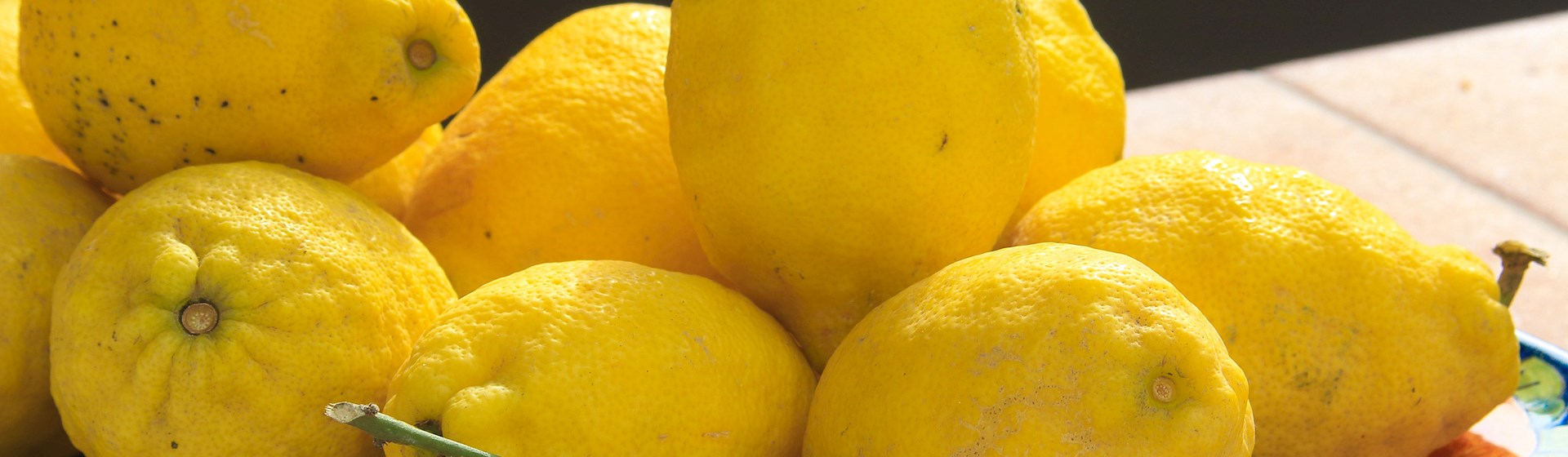
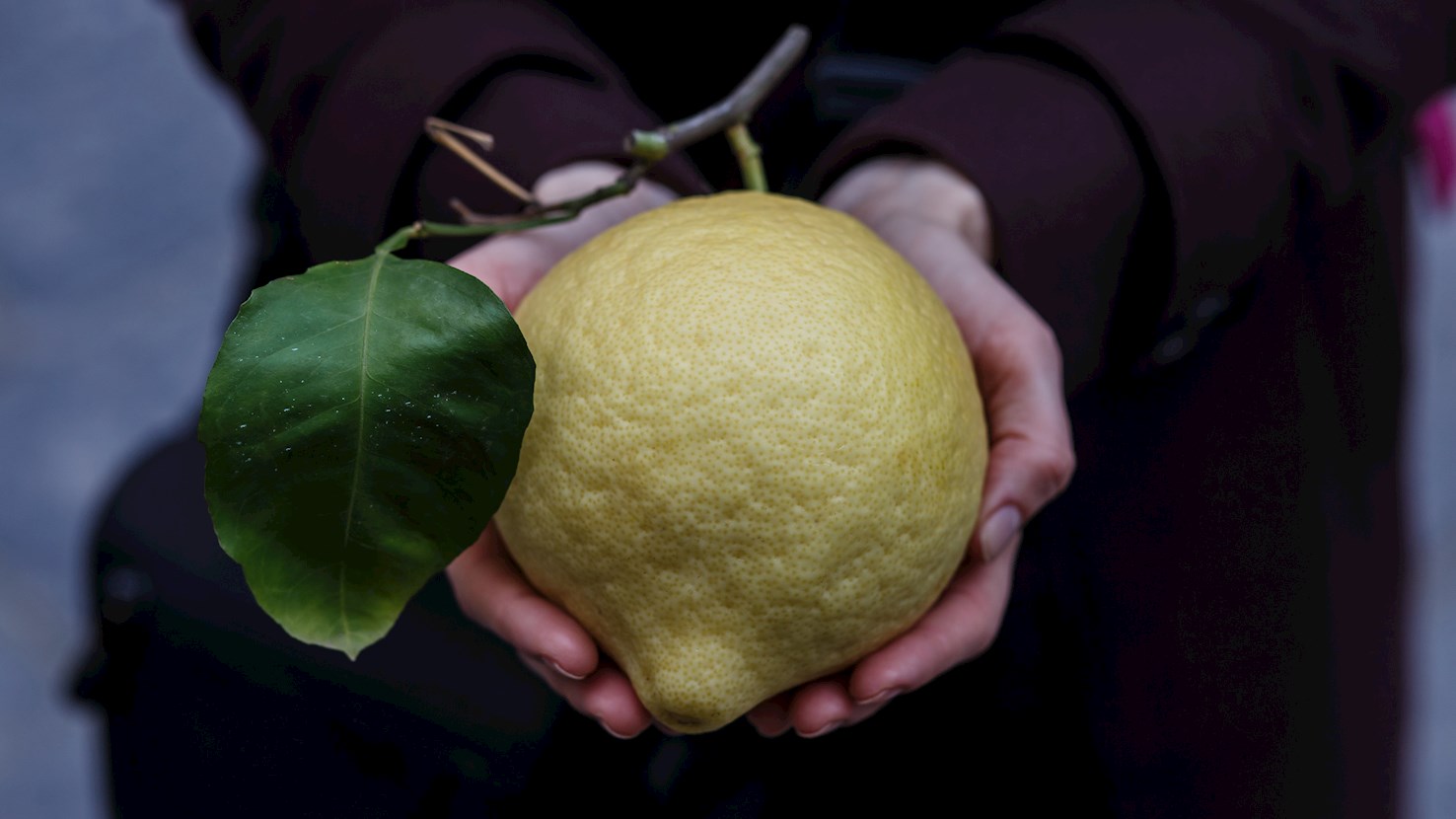
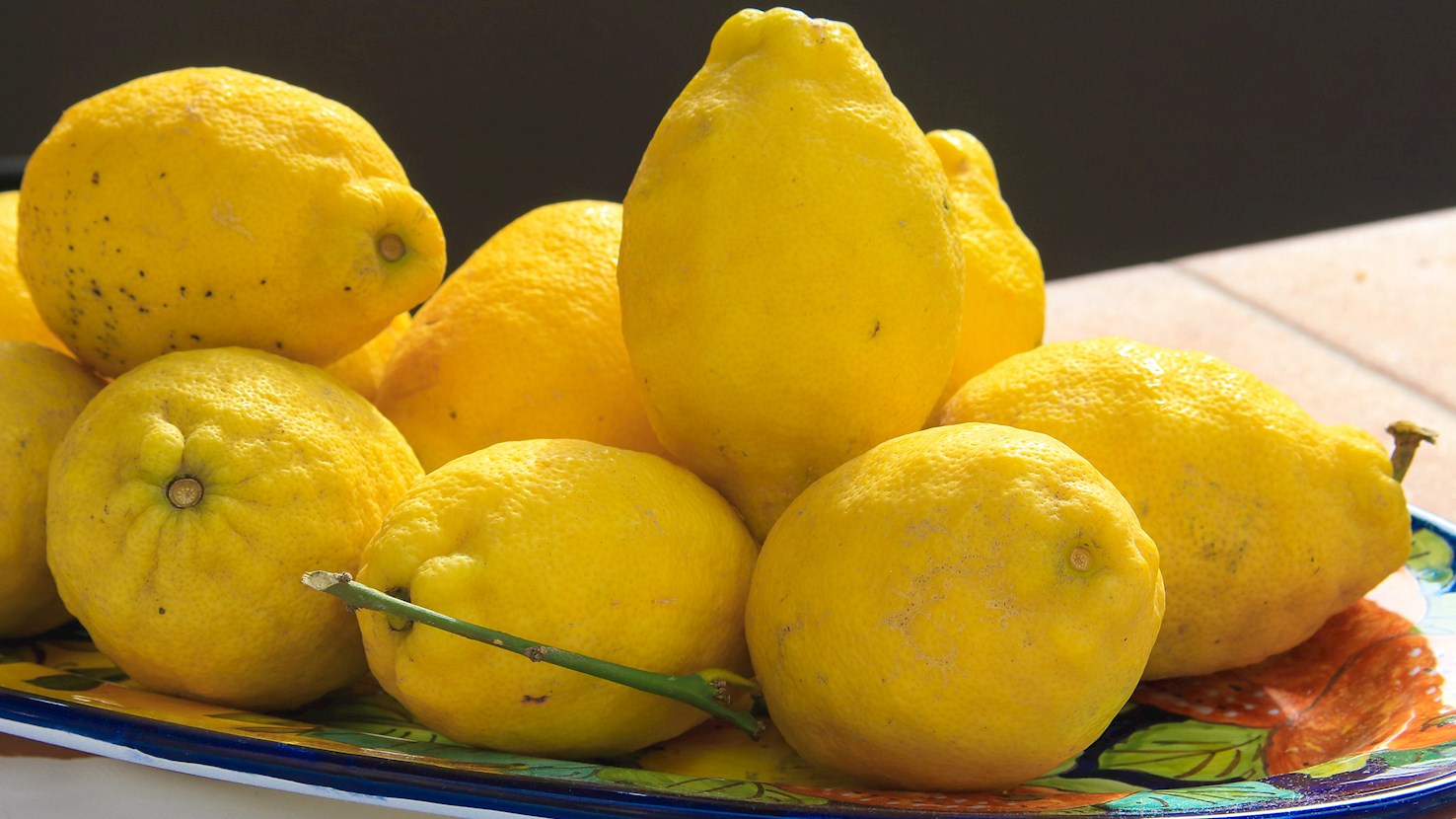
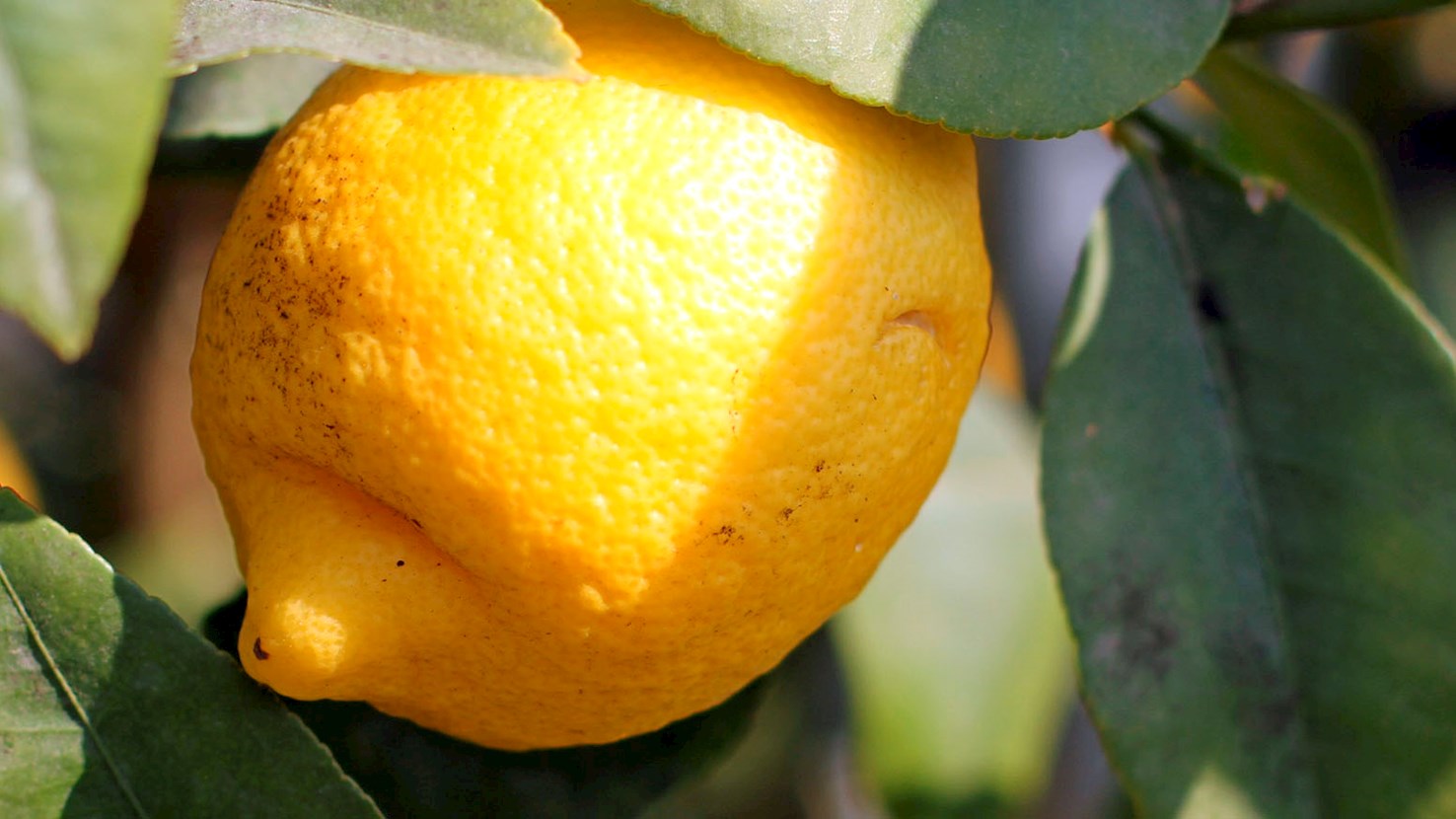
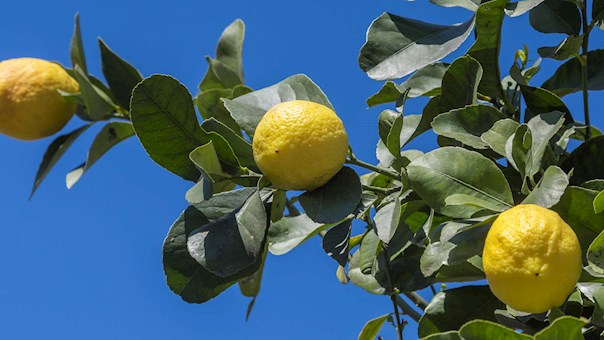
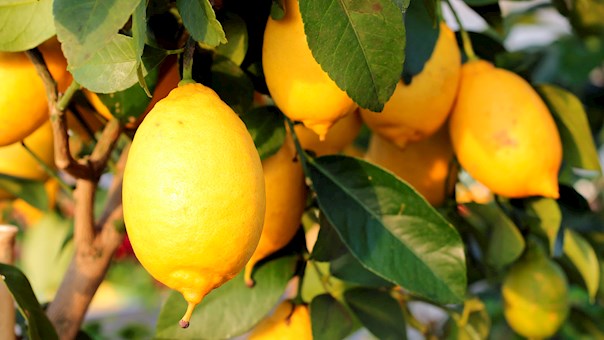
Lemons from the Amalfi coast have been cultivated in the province of Salerno for centuries, growing in terraced groves which are stretched up the hillsides of every village in the area, spreading the intoxicating fragrance of citrus blossoms and dotting the beautiful Amalfi landscapes with green and yellow. Prized for their low acidity and delicate flavor, Amalfi lemons are so sweet you can eat them whole! When they're not enjoyed fresh, traditionally cut into slices sprinkled with salt, mint leaves and drizzled with some vinegar, these aromatic fruits are used for making jams, preserves, lemon honey, sorbettos and various desserts. In fact, there are very few dishes of Campania cuisine which are not flavored with either Amalfi lemon juice or zest. Also, Limone Costa d'Amalfi is the essential ingredient of Limoncello, a refreshing summer pick-me-up liqueur.

02

Limone di Sorrento

4.3 ·

Also known as Limone di Massa Lubrense or Massese, named after a small community of villages settled at the tip of the Sorrentine Peninsula, these fragrant lemons are derived from the local ecotype Ovale di Sorrento and grown in the province of Naples since the Renaissance. The first lemon trees were planted by the Jesuits in the 18th century, and one of the very first cultivars named Gesù still exists today in the Guarazzanno Basin, between Sorrento and Massa Lubrense. Due to a special cultivation technique, Limone di Sorrento can bear fruit up to five times a year, which makes this variety available year round. They are abundant in juice and have a well-balanced sugar content with high acidity levels. Sorrento lemons can be eaten fresh or used as an ingredient in a number of various dishes, from starters to desserts, as well as for making preserves, marmalades, jams and liqueurs such as the famous Limoncello.

03

Arancia Rossa di Sicilia

4.2 ·

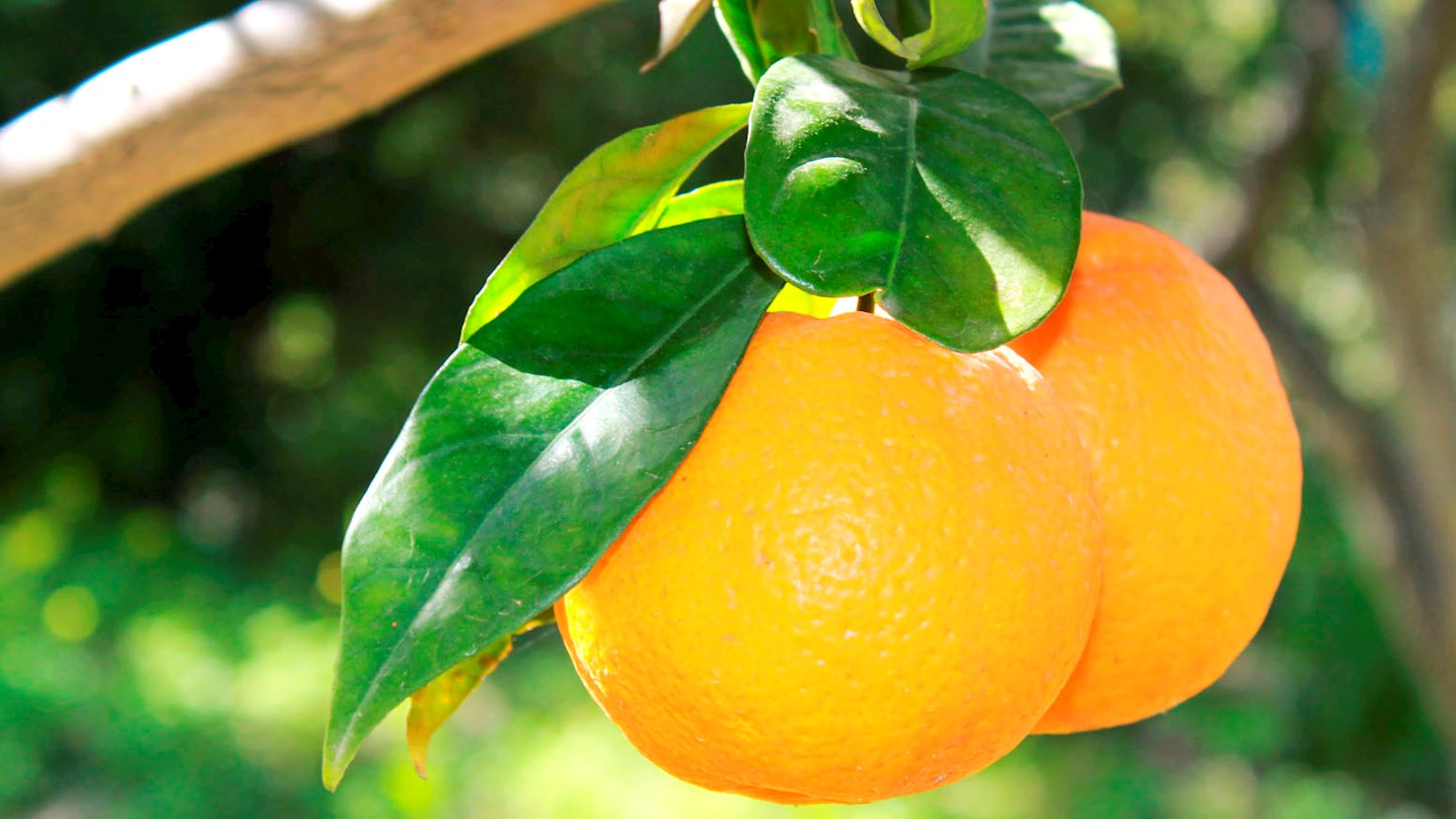
Commonly known as 'The blood orange of Sicily', Arancia Rossa di Sicilia is grown in the fertile lands spread out below the Mount Etna volcano. During ripening, due to a significant diurnal temperature variation in the area, the oranges produce high levels of crimson colored pigments called anthocyanins which give this orange its distinctive color. Sicilian red oranges are available in three different varieties: Tarocco, Moro, and Sanguinello. Even though Sicilian red oranges are characterized by their acidic fruitiness and may be quite tart, studies have proven that the consumption of blood oranges protects our DNA from oxidative damage and may reduce the risk of cardio vascular diseases. Arancia Rossa di Sicilia is delicious on its own, but it can also deliver a refreshing kick to a typical Sicilian salad, paired with red onions, fennel, and black olives.

04

Clementine di Calabria

3.7 ·

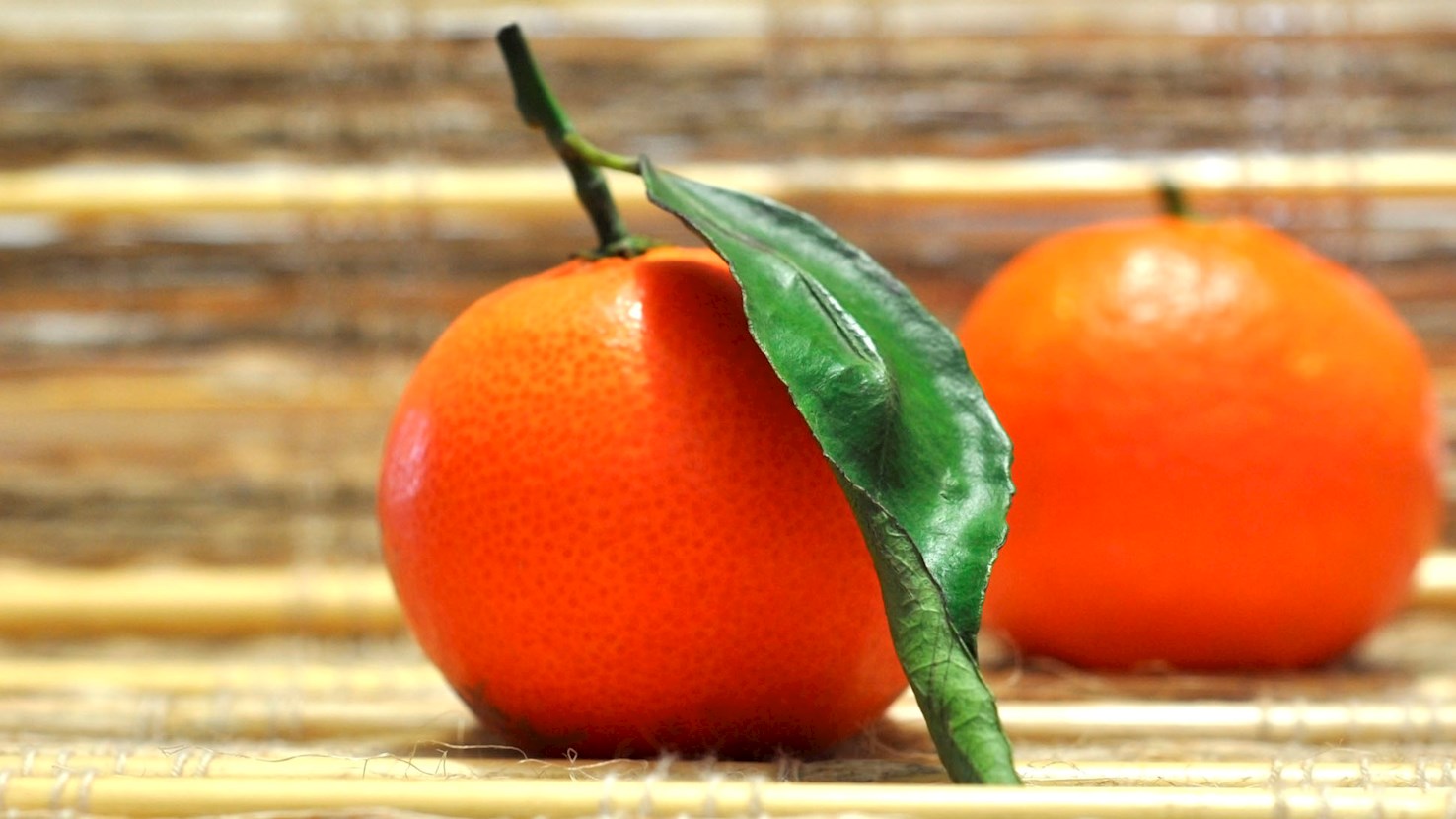
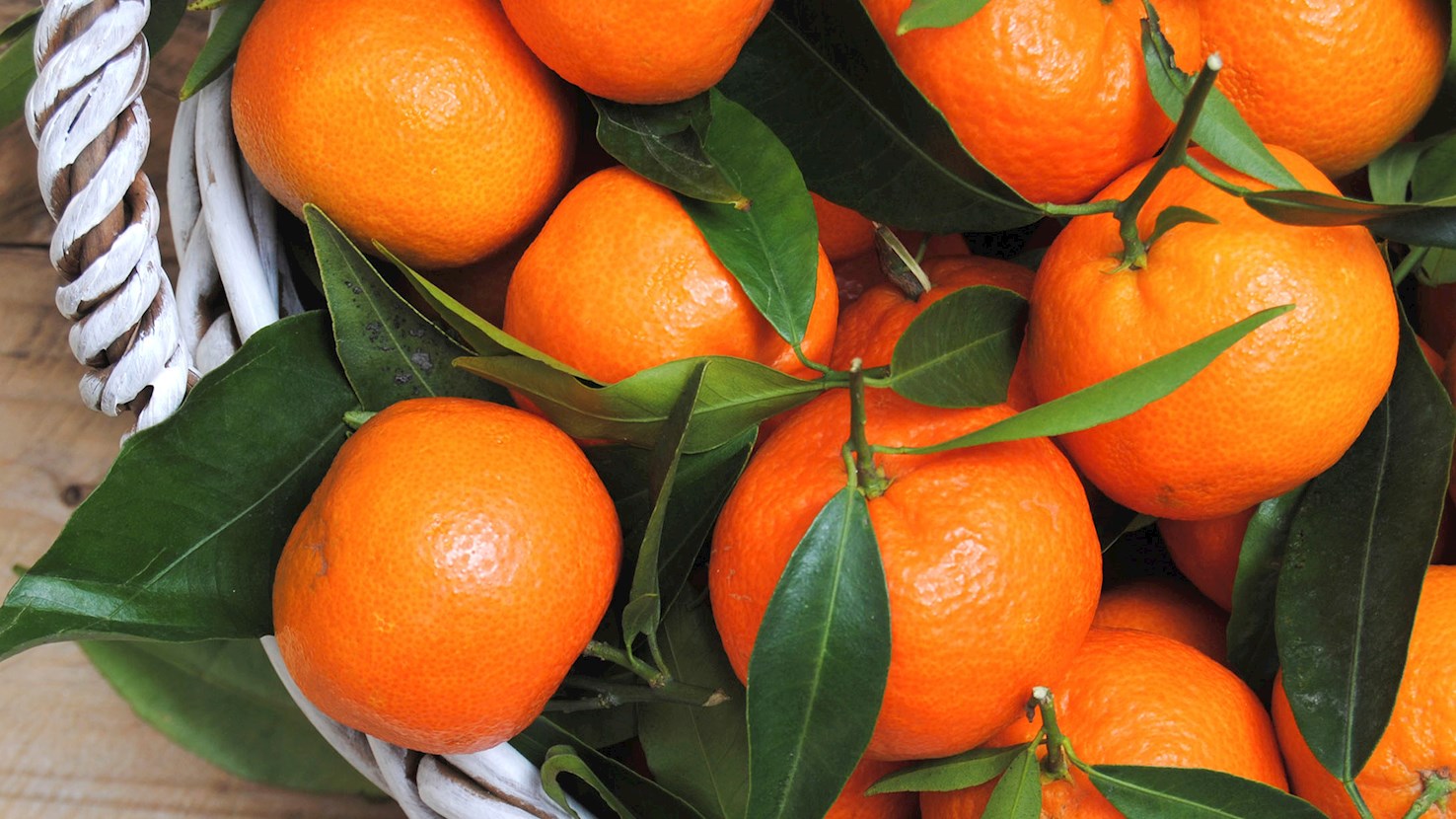
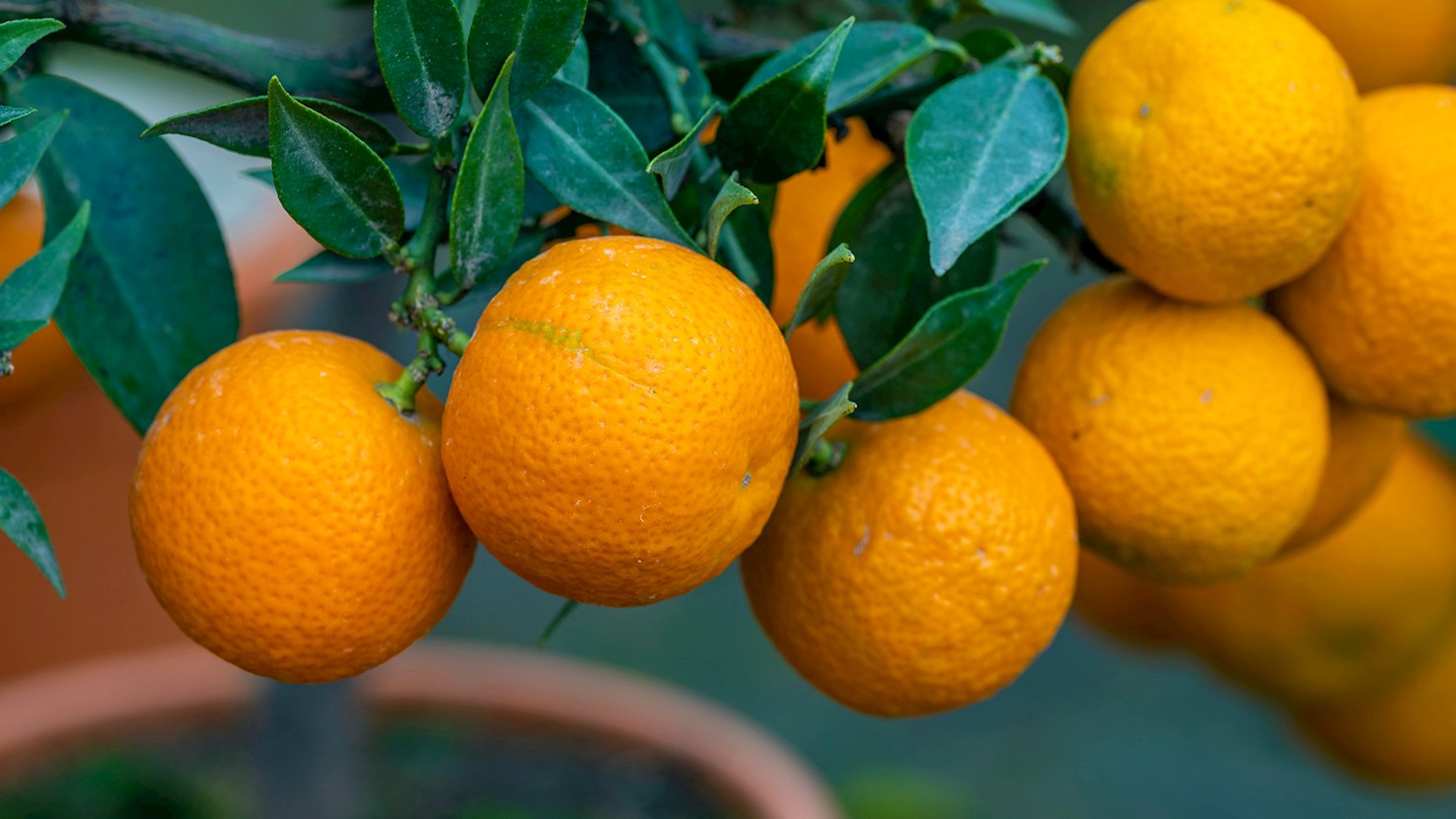
Grown just off the coast of Ionian and Tyrrhenian sea, more precisely in Sybaris, the largest Calabrian plain nestled between the rivers of Crati and Coscile, and on the neighboring Gioia Tauro Plateau, the flavorful Calabrian clementines are the only Italian early-ripening variety, available from the beginning of October. They are seedless, slightly flattened in shape and have a dark orange colored peel and a particularly juicy and aromatic flesh. Clementine di Calabria are widely used in the preparation of sorbets, juices and syrups, liqueurs, jams and preserves, fruit salads, creams, flans or mousses and for a real decadent treat, they can be enjoyed candied and chocolate-coated! Also, in modern Italian cuisine, this fruit often adds flavor to savory dishes such as Tagliolini alle Clementine.

05

Arancia di Ribera

3.5 ·

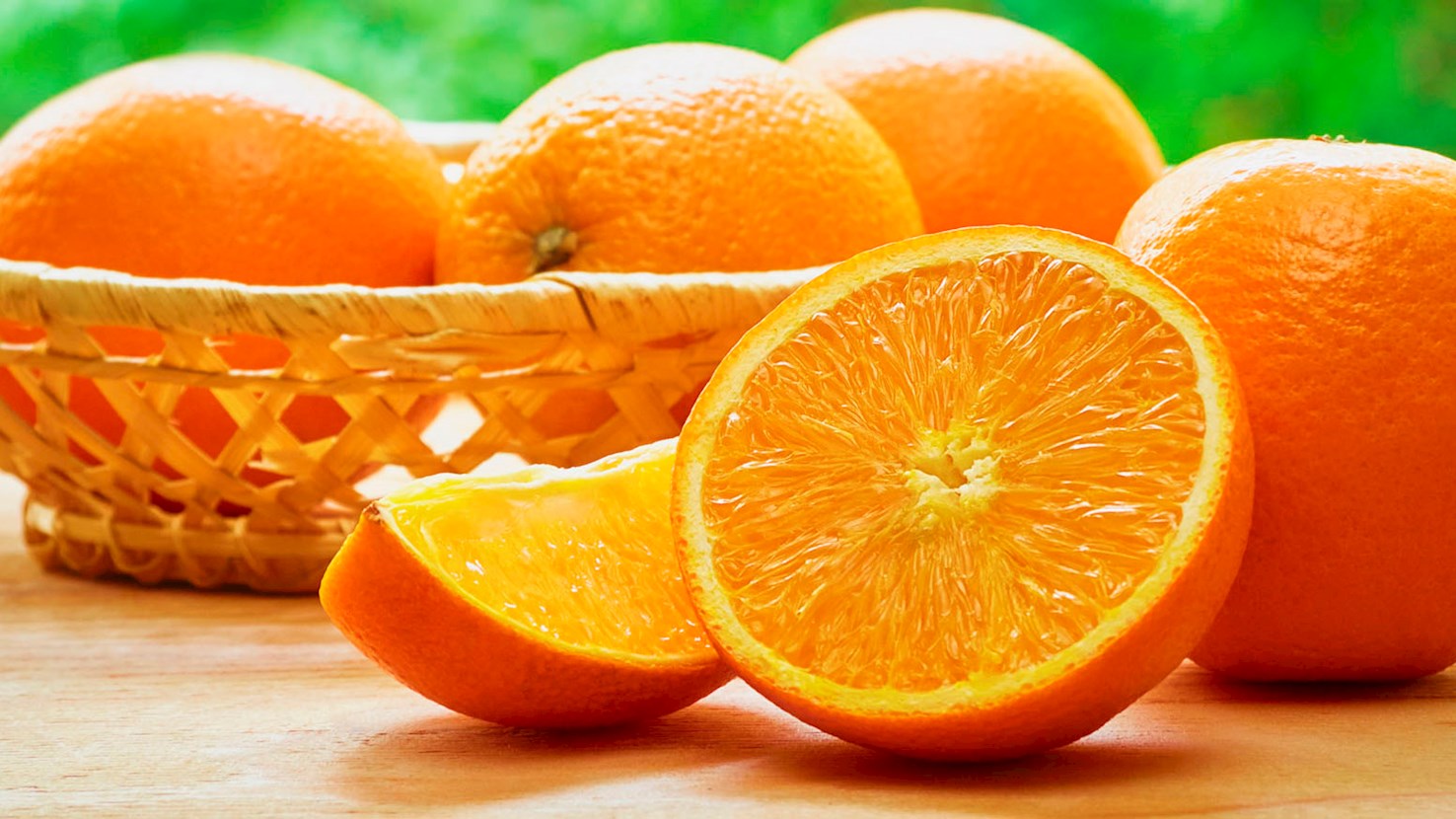
Grown on the fertile banks of the Verdura, Magazzolo and Platani rivers, the Sicilian oranges of Ribera are available in three different varieties: Brasiliano, Washington Navel, and Navelina. During ripening, the uniformly orange color of these fruits turns reddish and when sliced, Arancia di Ribera is easily recognized by its internal navel which is even more pronounced in the Brasiliano and Washington Navel varieties. Particularly sweet and juicy, Ribera oranges are often used for making healthy juices and smoothies or they can add an interesting twist to a number of traditional and modern Sicilian dishes: from risotto with scallops, orange marinated salmon, cod carpaccio, sausages in orange sauce, duck à l'orange with Trapanese couscous to Aranzada, a type of orange zest and almond brittle.

06

Limone di Siracusa

3.4 ·

The intensive cultivation of lemon trees on Sicily was started by the Jesuits who were expert farmers and can be traced back to the 17th century. Today, more than 50% of all Italian citruses are produced on the island. Named after its province of origin, Limone di Siracusa refers to the fresh fruit of the Femminello Siracusano cultivar and derived ecotypes. These lemons are harvested year round and depending on the ripening period, they are available in following varieties: Primofiore (lit. first flower) which matures from October to March, Bianchetto or Maiolino which are spring lemons maturing from April to June, and Verdello or summer lemon which matures from July to September. Only slightly different in appearance, Syracuse lemons are characterized by an intense fragrance and juiciness which makes them particularly suitable for the preparation of liqueurs, desserts, sorbets and ice cream.

07

Clementine del Golfo di Taranto

n/a ·

The smallest members of the mandarin family first introduced to the region of Apulia in the 18th century, these fragrant clementines are grown off the coast of Taranto where they flourish in the warm, sunny Mediterranean climate. Clementine del Golfo dì Taranto refers to the fruits of the following cultivars: Comune, Fedele, Precoce di Massacra (Spinoso) and Grosso Puglia. Grown without cross-pollination, Taranto clementines are seedless and easily distinguished by a slightly flattened shape, deep orange-colored skin, an intense and long-lasting aroma and a particularly sweet flavor. These refreshing and juicy clementines have a high content of vitamin C and, when not enjoyed fresh, they are used to prepare juices, syrups, sorbets, and marmalades.

08

Limone dell'Etna

n/a ·

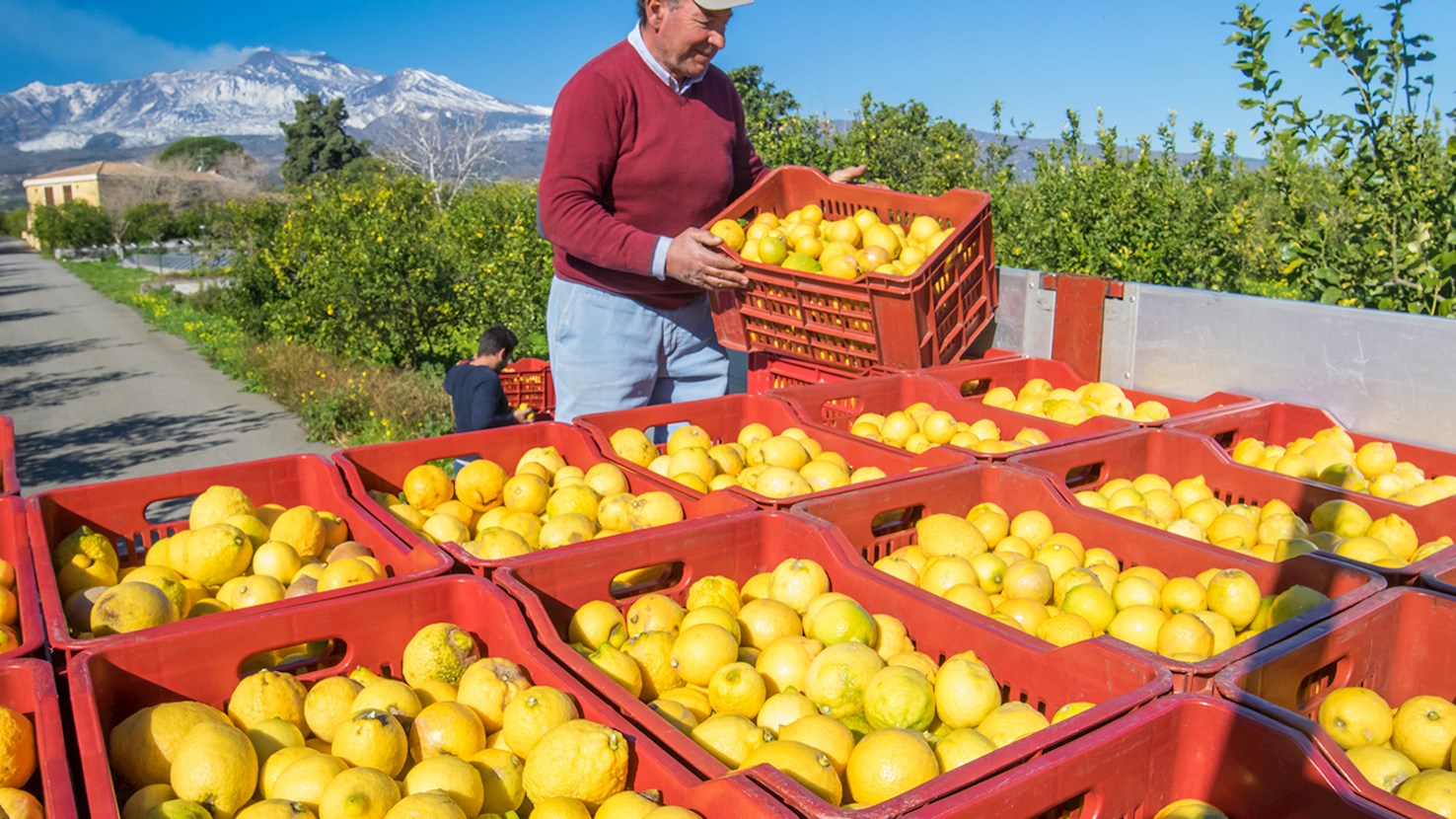
Limone dell'Etna is a term referring to lemons that are grown along the Etna coastal strip, between the Alcantara river and the northern parts of Catania. The lemons are divided into two cultivars – Femminello and Monachello. The Femminello is harvested in winter, spring, or summer. It has an elliptical shape and the flesh color ranges from light green to light yellow or lemon yellow. The Monachello variety is also harvested in winter, spring, or summer, and the shape is elliptical, ovoid, or spheroidal. These lemons are rich in essential oils of high aromatic quality, which can be attributed to the fact that they are grown in an environment with a specific volcanic soil and climate. A special growing technique known as forzatura or secca allows the lemons to be produced in summer. Etna lemons are especially suitable for making juices and candied peel.

09

Chinotto fruit

n/a ·

The chinotto fruit (lat. Citrus myrtifolia) is a small, bitter citrus fruit native to the Mediterranean region, particularly Italy. This fruit is about the size of a tangerine, with a bumpy, orange rind when ripe. The chinotto fruit is distinctive for its intensely bitter flavor, which sets it apart from other citrus fruits. The aroma of chinotto is fragrant, contributing to its appeal in both culinary and beverage applications. The most well-known use of chinotto is in the Italian carbonated soft drink of the same name, which combines the fruit's bittersweet taste with carbonation to create a refreshing beverage. Additionally, chinotto is used to flavor various liqueurs and alcoholic drinks, adding a unique bitter note. In culinary contexts, chinotto can be found in marmalades, candies, and as a flavoring agent in a variety of dishes.

10

Arancia del Gargano

n/a ·

These fragrant oranges originate from the Gargano peninsula in Apulia, the only citrus producing region on the Italian Adriatic coast. Famous for its picturesque landscapes of orange and lemon groves, the area between the towns of Rodi, Ischitella, and Vico del Gargano is called 'Il triangolo giallo-arancio' (the yellow-orange triangle) and has an agricultural tradition dating back to the ancient times. The sweet Gargano oranges are cultivated in two varieties, Duretta and Biondo, both of which are characterized by a long shelf life. In fact, since they remain firm and juicy weeks after harvesting, Gargano oranges used to be one of the most popular Italian fruits for transatlantic export. In Apulia, Arancia del Gargano fruits can be enjoyed all year round: Durettas mature around Christmastime, and Biondo oranges start to ripen between April and May, but can be found in the market and consumed fresh until September.

Read more
View all
View map
About this ranking

TasteAtlas food rankings are based on the ratings of the TasteAtlas audience, with a series of mechanisms that recognize real users and that ignore bot, nationalist or local patriotic ratings, and give additional value to the ratings of users that the system recognizes as knowledgeable. For the “Top 13 Italian Citrus Fruits” list until June 24, 2026, 264 ratings were recorded, of which 170 were recognized by the system as legitimate. TasteAtlas Rankings should not be seen as the final global conclusion about food. Their purpose is to promote excellent local foods, instill pride in traditional dishes, and arouse curiosity about dishes you haven’t tried.

Similar lists