

shutterstock

Top 44 Citrus Fruits
in the World

Last updated on July 08, 2026
01

Mandarini Chiou

4.5 ·

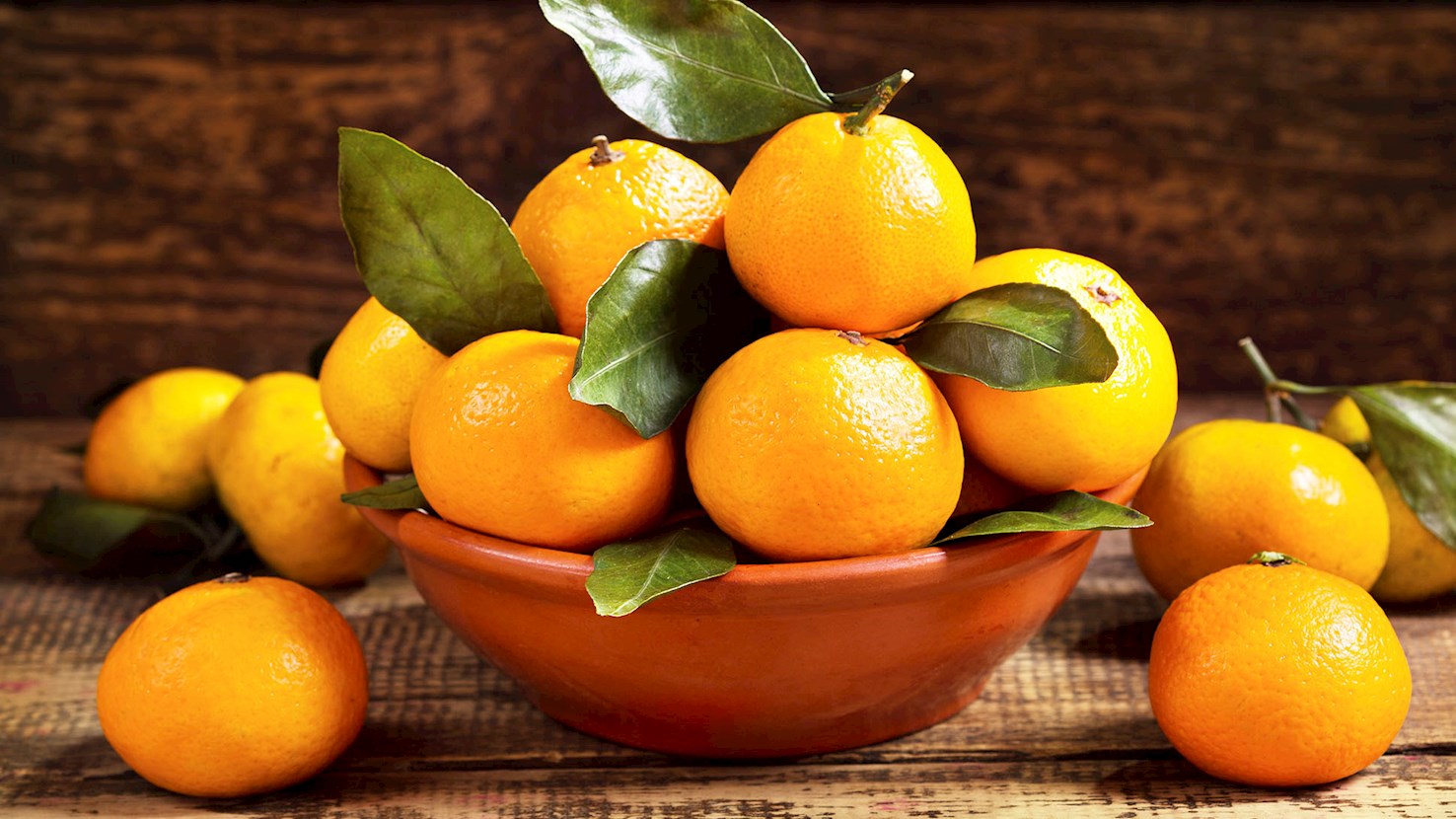
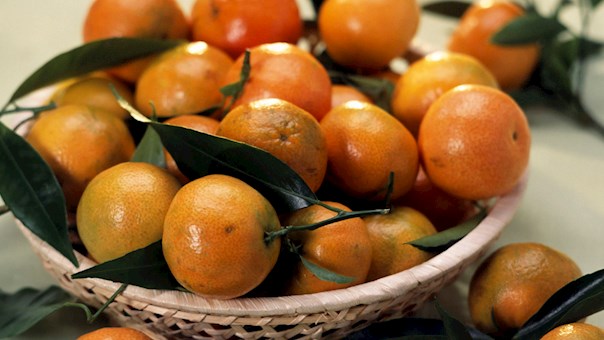
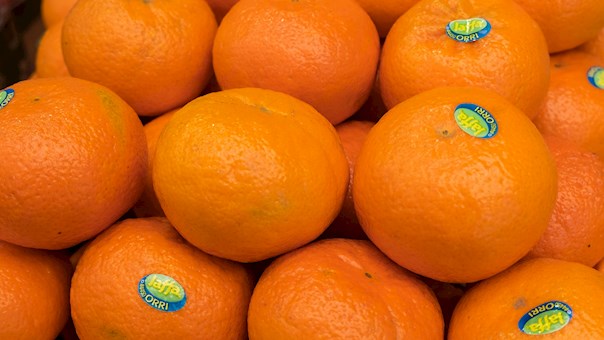
The size and quality of the fruit and its high sugar content can be ascribed to amazing weather, great exposure to the sun and properties of the soil. It has tender, tasty, slightly orange flesh with an intense aroma and quite a rough membrane. This variety of mandarins is among the most aromatic in the world. Even when they are unripe, the persistence of their aroma will make anyone love them at the first bite. Amazingly, their aroma escapes the citrus groves, taking over the entire island, making Chios known both in Greece and abroad as 'Myrovolos' – the fragrant island. The term Mandarini Chiou was established on the market at the end of the 19th century to identify the island with this original, sought-after product of a characteristic intense flavor. In order to preserve the fruit’s high quality, the growers of Chios invented the procedure of paper wrapping the mandarins immediately after harvesting. The earliest written evidence of this method can be found in the French travel review 'Le Tour du Monde' from 1878. These mandarins enjoy an excellent reputation and are, together with Mastiha Chiou, the prefecture's most sought after product. They are used as the basic ingredient in a wide variety of products such as marmalade, juice and sweets. Also, they are often processed into an essential oil that can be used in bakery and the cosmetic industry.

02

Citrinos do Algarve

4.5 ·

The Algarve region produces a wide range of citrus fruits, including oranges, tangerines, grapefruits, limes, and lemons. The Algarve orchards in the district of Faro occupy an area of about 16,000 hectares, and most of the trees grown are oranges and tangerines. The fruit grown in this area have a characteristic color depending on the variety, while they all share a thin skin, intensely bright colors, and a high juice content. The fruit can be eaten raw after a meal or used as a snack, and it is also used to prepare juices, desserts, liqueurs, and jams. Citrus fruit begame an integral part of the south Iberian Peninsula and the Mediterranean at the end of the thirteenth century through Genoese and Portuguese trade with China, Japan, and India. From then on, citrus fruit production spread all over the world. In Algarve, Christmas trees have been decorated with citrus fruits since ancient times – a testament to the importance of this product to the region.

03

Limone Costa d'Amalfi

4.4 ·

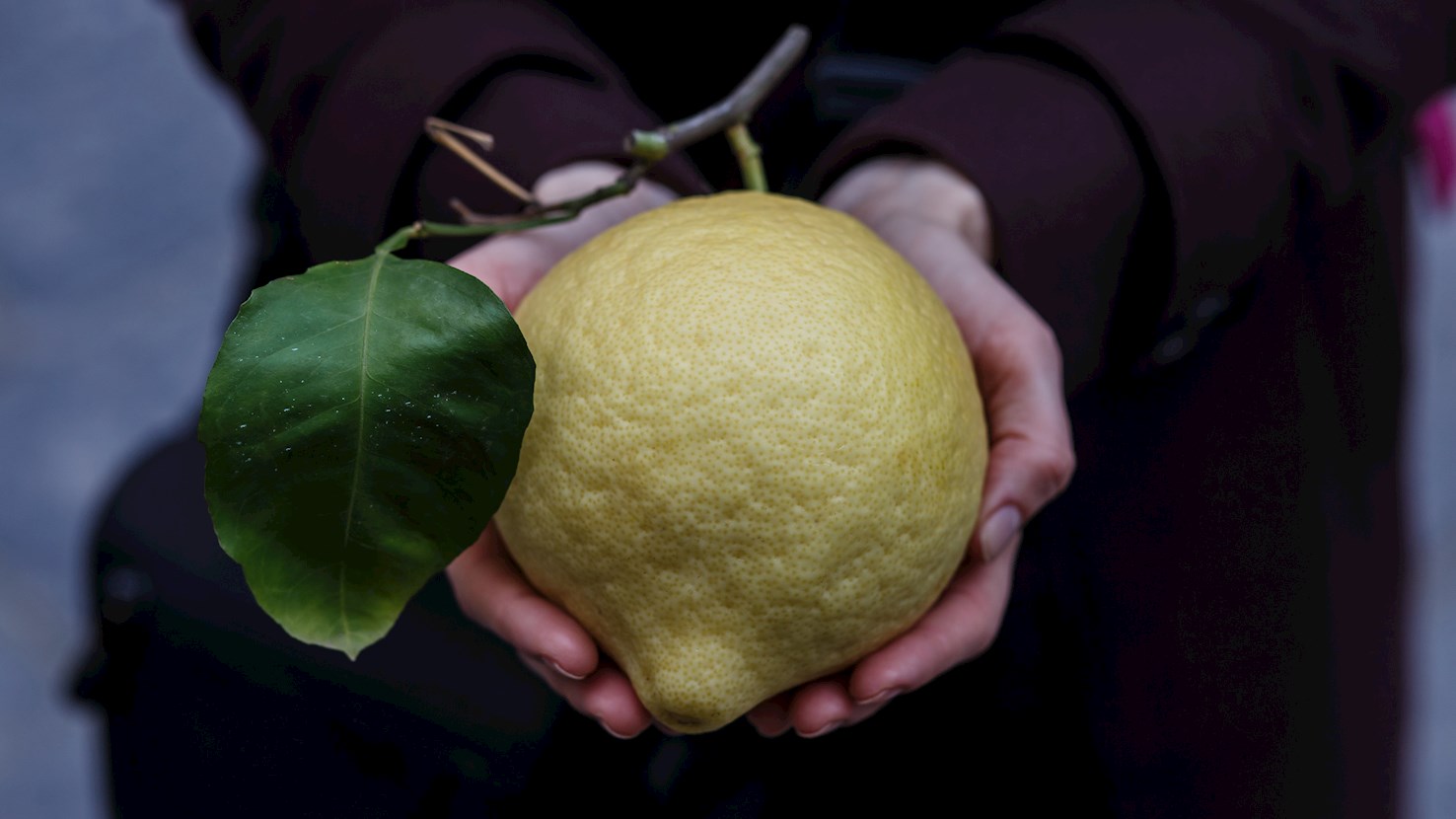
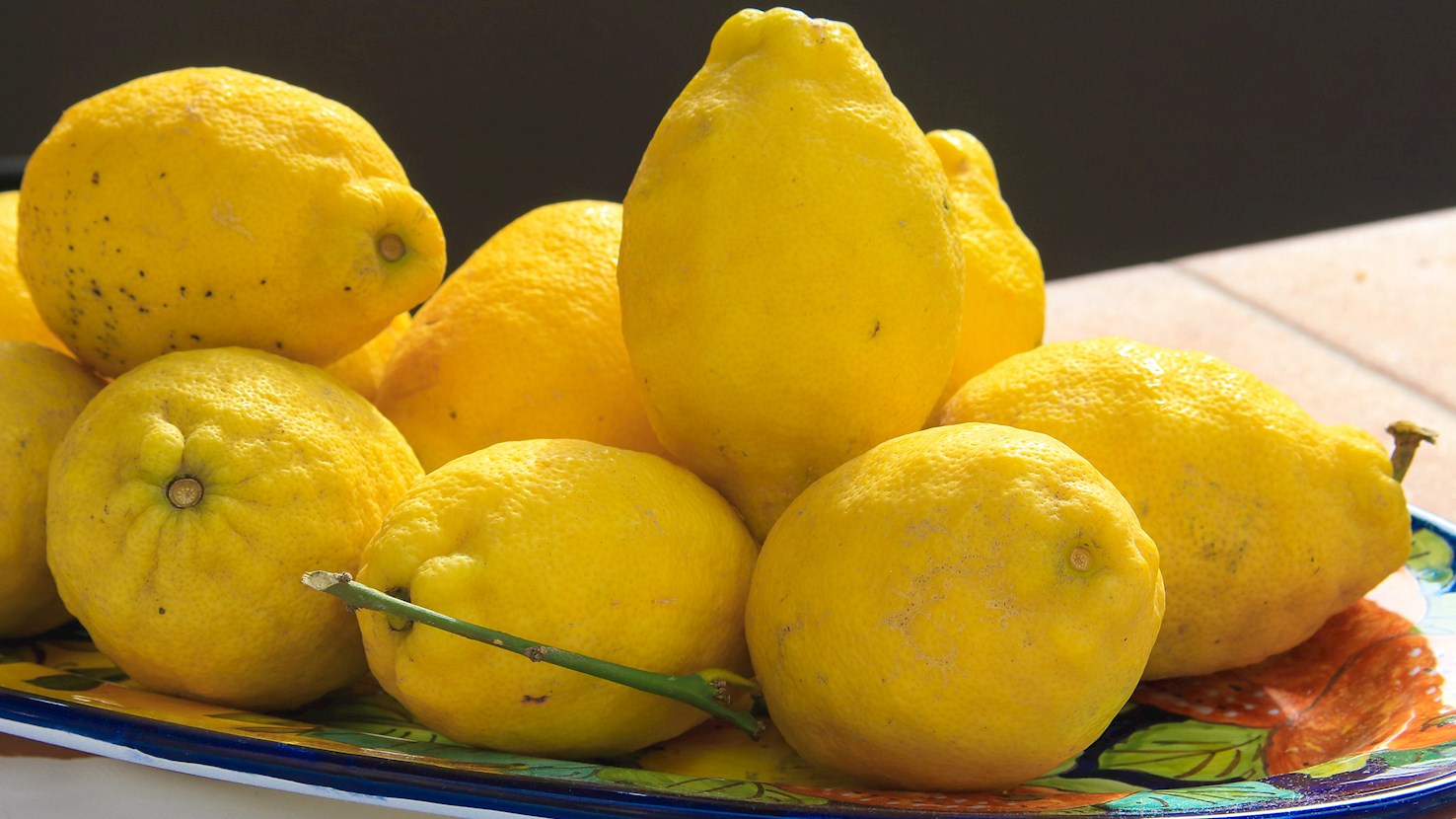
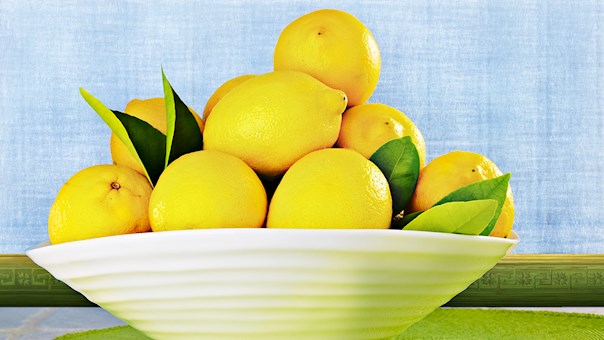
Lemons from the Amalfi coast have been cultivated in the province of Salerno for centuries, growing in terraced groves which are stretched up the hillsides of every village in the area, spreading the intoxicating fragrance of citrus blossoms and dotting the beautiful Amalfi landscapes with green and yellow. Prized for their low acidity and delicate flavor, Amalfi lemons are so sweet you can eat them whole! When they're not enjoyed fresh, traditionally cut into slices sprinkled with salt, mint leaves and drizzled with some vinegar, these aromatic fruits are used for making jams, preserves, lemon honey, sorbettos and various desserts. In fact, there are very few dishes of Campania cuisine which are not flavored with either Amalfi lemon juice or zest. Also, Limone Costa d'Amalfi is the essential ingredient of Limoncello, a refreshing summer pick-me-up liqueur.

04

Portokalia Maleme Chanion Kritis

4.4 ·

These oranges of the Washington Navel variety are cultivated in the coastal areas of Chania prefecture on the island of Crete. They are harvested by hand from the middle of December until the middle of May. These exceptionally juicy and flavorful oranges have a strong fragrance. They are quite large, slightly elongated, and quite firm, which makes them easy to transport. It is often said that Cretan oranges are the best in the world. According to Greek mythology, these oranges were kept in the Gardens of the Esperides, away from humans. Portokalia Maleme Chanion Kritis oranges were the most important fruit to eat during the winter, and were present in every Cretan home due to their nutritional value - they are very rich in Vitamin C, B and A. Although usually eaten raw, there are many recipes for tasty jams and pies that can be made from this fantastic fruit.

05

Limone di Sorrento

4.3 ·

Also known as Limone di Massa Lubrense or Massese, named after a small community of villages settled at the tip of the Sorrentine Peninsula, these fragrant lemons are derived from the local ecotype Ovale di Sorrento and grown in the province of Naples since the Renaissance. The first lemon trees were planted by the Jesuits in the 18th century, and one of the very first cultivars named Gesù still exists today in the Guarazzanno Basin, between Sorrento and Massa Lubrense. Due to a special cultivation technique, Limone di Sorrento can bear fruit up to five times a year, which makes this variety available year round. They are abundant in juice and have a well-balanced sugar content with high acidity levels. Sorrento lemons can be eaten fresh or used as an ingredient in a number of various dishes, from starters to desserts, as well as for making preserves, marmalades, jams and liqueurs such as the famous Limoncello.

06

Cítricos Valencianos

4.3 ·

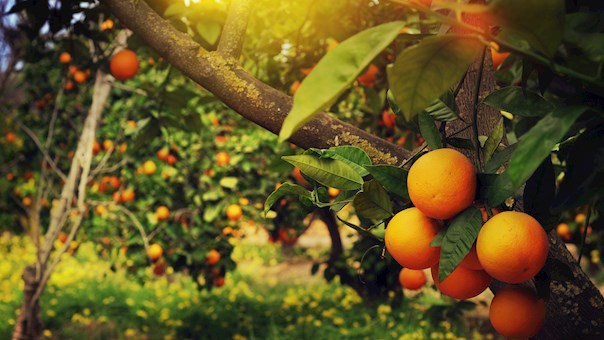
Cítricos Valencianos are oranges, mandarins, and lemons grown in the provinces of Castellón, Valencia and Alicante. These regions are recognized worldwide for their century-long tradition of cultivation of citrus. Citruses grown in Valencia have well-balanced acidity and sweetness due to warm Mediterranean climate. The soil characteristics combined with the technical skills of Valencian growers help produce more flavorful fruit with and intense color and fragrance. Citruses cultivated in this region are of exceptional quality, and each fruit is inspected for even the tiniest imperfections thus ensuring a premium product.

07

Neretvanska mandarina

4.3 ·

Neretvanska mandarina is a citrus fruit similar to a tangerine. It is a segmented fruit with a rind that is easily peeled. The meat of this fruit is very sweet and aromatic, and orange in color due to high carotenoid content. The segments of fruit are easily divided. The ratio of sugar to acid in the fruit must be higher than 7:1, which is important because this determines the taste and balance of sweetness, tartness and freshness. Every phase of production must take place in the area of the Neretva River Valley.

08

Arancia Rossa di Sicilia

4.2 ·

Commonly known as 'The blood orange of Sicily', Arancia Rossa di Sicilia is grown in the fertile lands spread out below the Mount Etna volcano. During ripening, due to a significant diurnal temperature variation in the area, the oranges produce high levels of crimson colored pigments called anthocyanins which give this orange its distinctive color. Sicilian red oranges are available in three different varieties: Tarocco, Moro, and Sanguinello. Even though Sicilian red oranges are characterized by their acidic fruitiness and may be quite tart, studies have proven that the consumption of blood oranges protects our DNA from oxidative damage and may reduce the risk of cardio vascular diseases. Arancia Rossa di Sicilia is delicious on its own, but it can also deliver a refreshing kick to a typical Sicilian salad, paired with red onions, fennel, and black olives.

09

Tangelo

4.1 ·

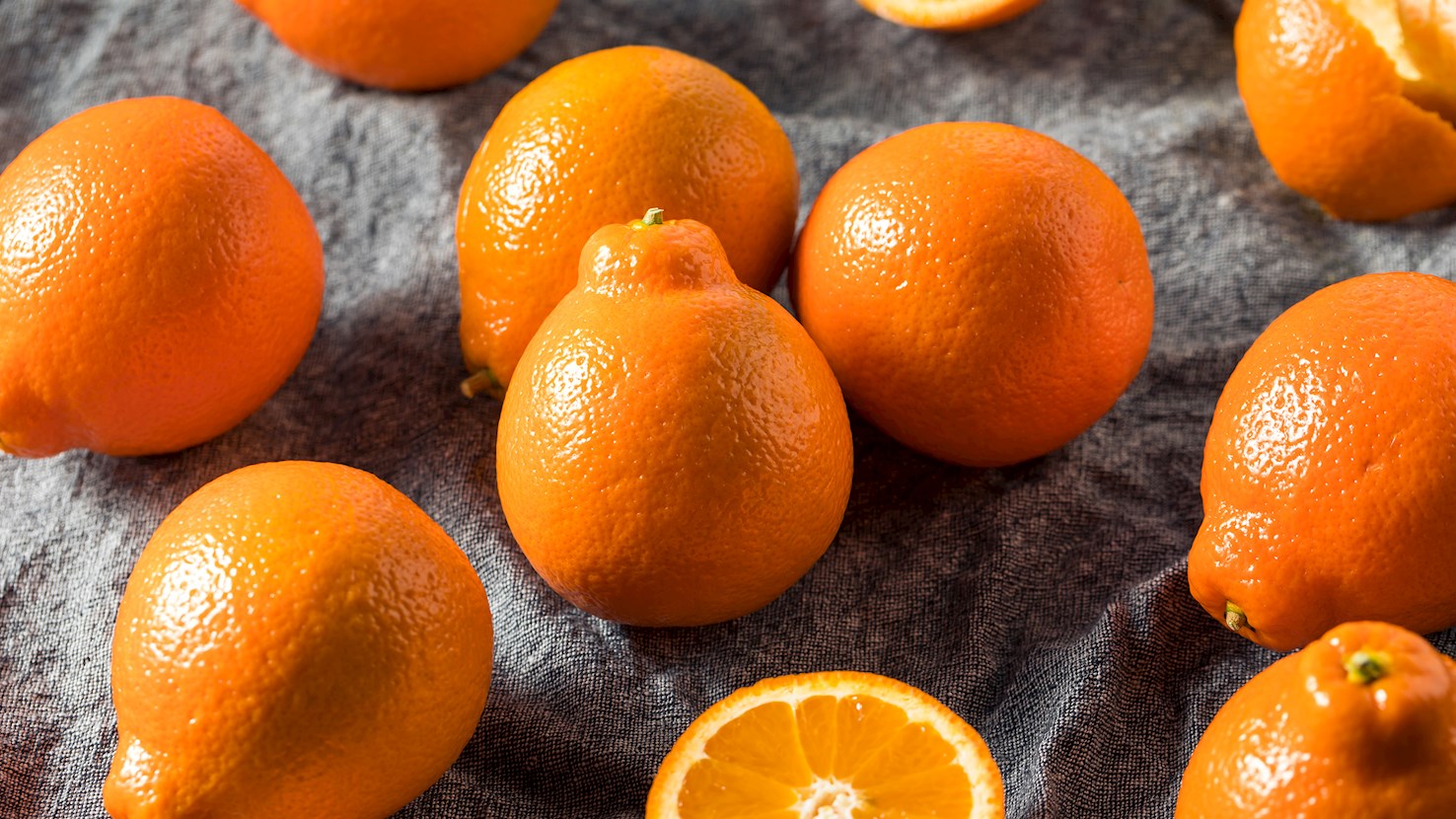
Tangelo is an evergreen tree with dense foliage that was first cultivated in Florida and southern California in 1897 as a cross between the Mandarin orange or a tangerine and either the pomelo or the grapefruit. Nowadays, it’s cultivated in tropical and subtropical climates. The fruit is deep orange in color, with juicy and aromatic pulp that’s subacid to sweet in flavor. When ripe, fresh tangelo is usually eaten out of hand or used in fruit salads. It can also be used to make marmalades, desserts, juices, and sauces. Pieces of the fruit are often used as a garnish for cakes and desserts. There are several notable commercial varieties of tangelo such as Orlando, sweet in flavor and with a distinct nipple; Seminole, oblate in shape with a sweet and juicy pulp; and Minneola, with a delicately subacid flavor.

10

Calamansi

4.1 ·

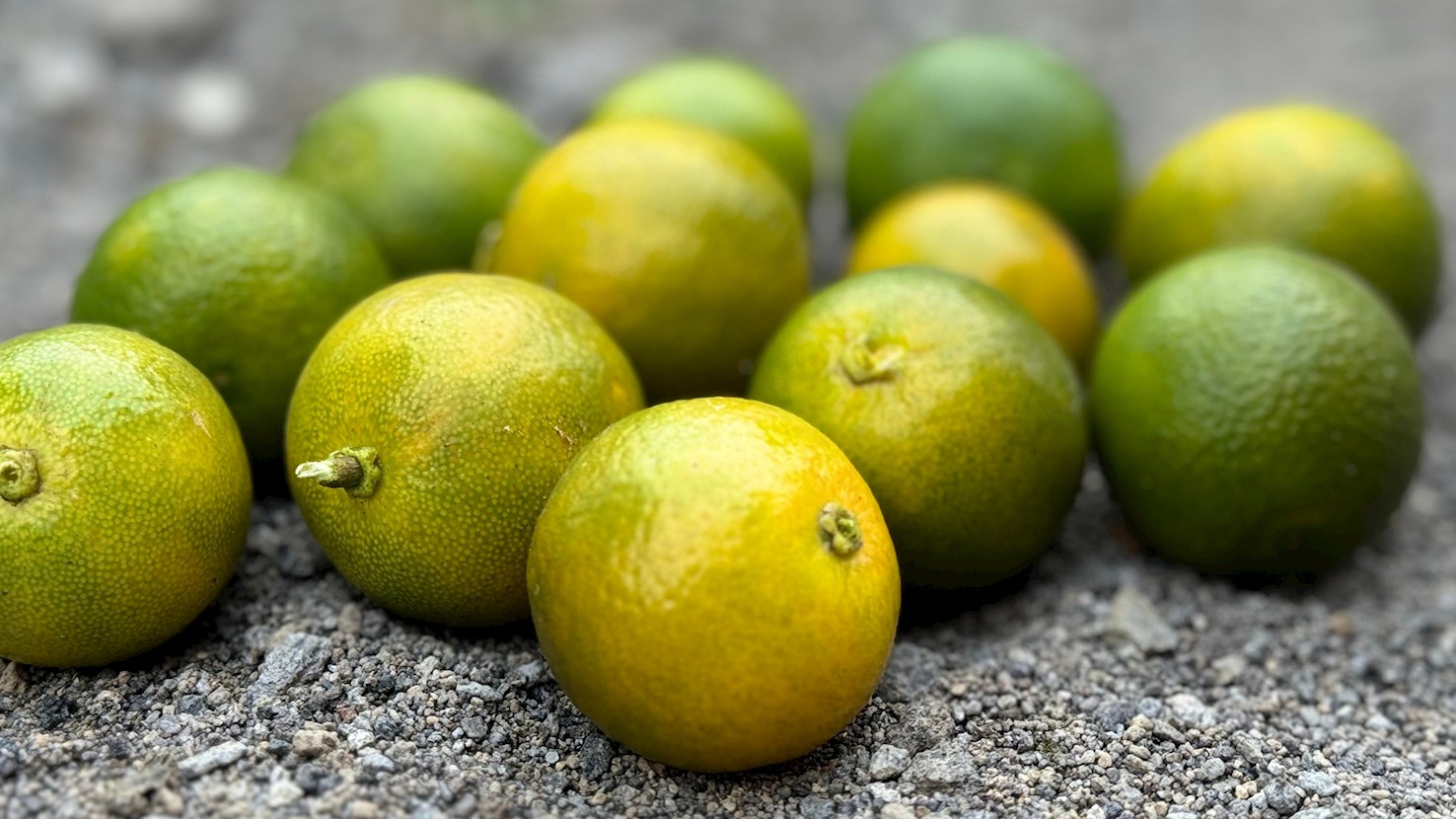
Calamansi (lat. Citrus × microcarpa) is a small citrus fruit hybrid native to the Philippines and widely used across Southeast Asia. The fruit is spherical, typically about 20 to 25 millimeters in diameter, and has a green to golden yellow color when ripe. Despite its small size, calamansi packs a flavorful punch and is highly aromatic. The taste of calamansi is a unique blend of sweet and sour, similar to a cross between a lime and a mandarin orange, making it versatile in both culinary and beverage applications. It is commonly used as a seasoning, adding a vibrant citrusy flavor to dishes, as well as in marinades to tenderize meats. Calamansi juice is also popular as a beverage, either consumed on its own as a refreshing drink, mixed with water and sugar, or used in cocktails and other drinks for its distinctive tangy flavor. Additionally, calamansi is used in various sauces, condiments, and even in baking.

About this ranking

TasteAtlas food rankings are based on the ratings of the TasteAtlas audience, with a series of mechanisms that recognize real users and that ignore bot, nationalist or local patriotic ratings, and give additional value to the ratings of users that the system recognizes as knowledgeable. For the “Top 44 Citrus Fruits in the World” list until July 08, 2026, 995 ratings were recorded, of which 706 were recognized by the system as legitimate. TasteAtlas Rankings should not be seen as the final global conclusion about food. Their purpose is to promote excellent local foods, instill pride in traditional dishes, and arouse curiosity about dishes you haven’t tried.

Similar lists