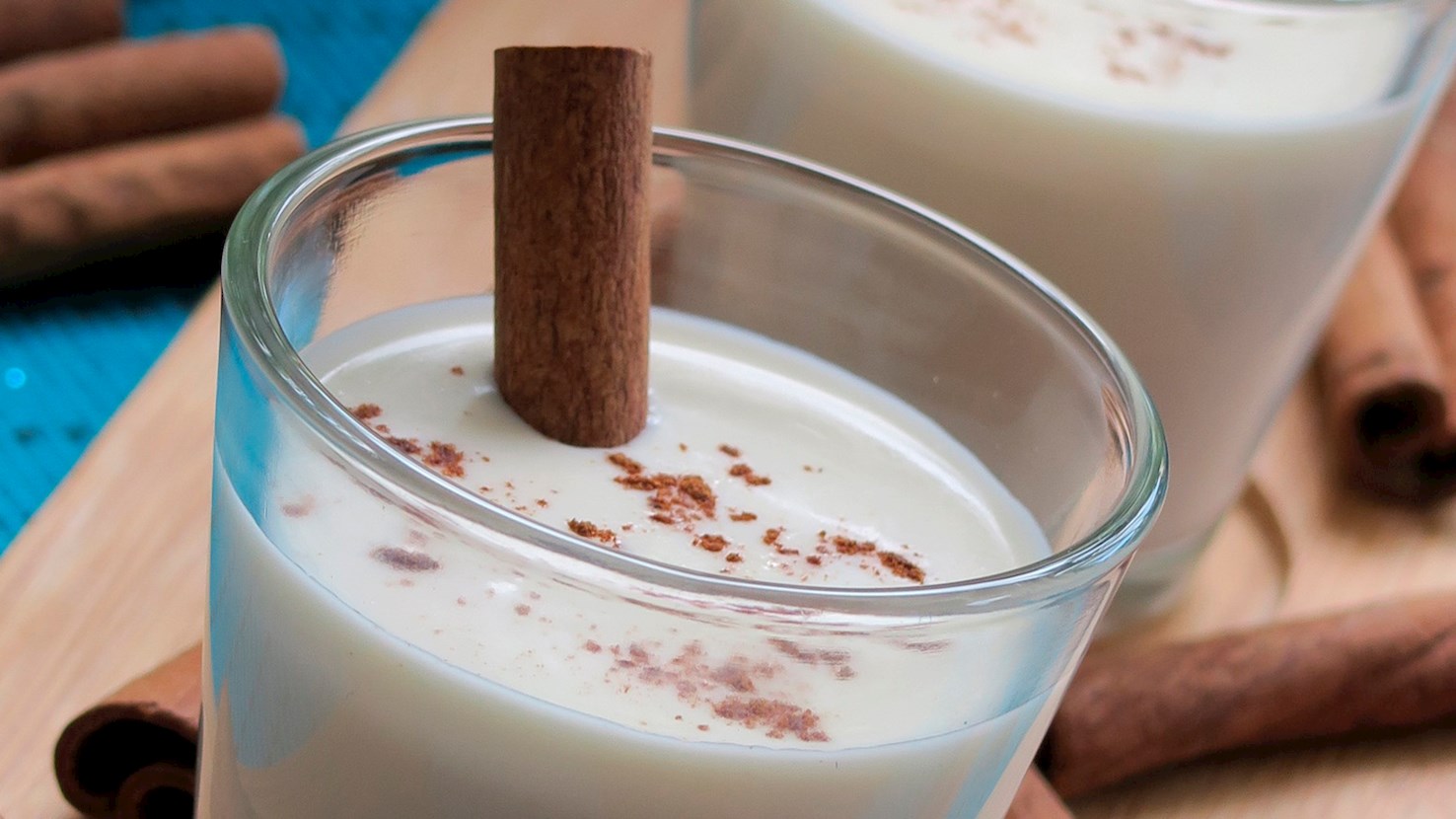
Coquito is a traditional cocktail similar to eggnog. It is typically prepared and consumed during the festive Christmas season. The cocktail is made with a combination of coconut milk, rum, condensed milk, and vanilla, although every family has their own variation. In order to prepare it, all ingredients should be blended, then chilled and served in small glasses. It is recommended to garnish coquito with nutmeg on top. The name of this drink means little coconut. In Cuba, they serve it with scoops of coconut ice cream, while the Spanish people serve it with turron.
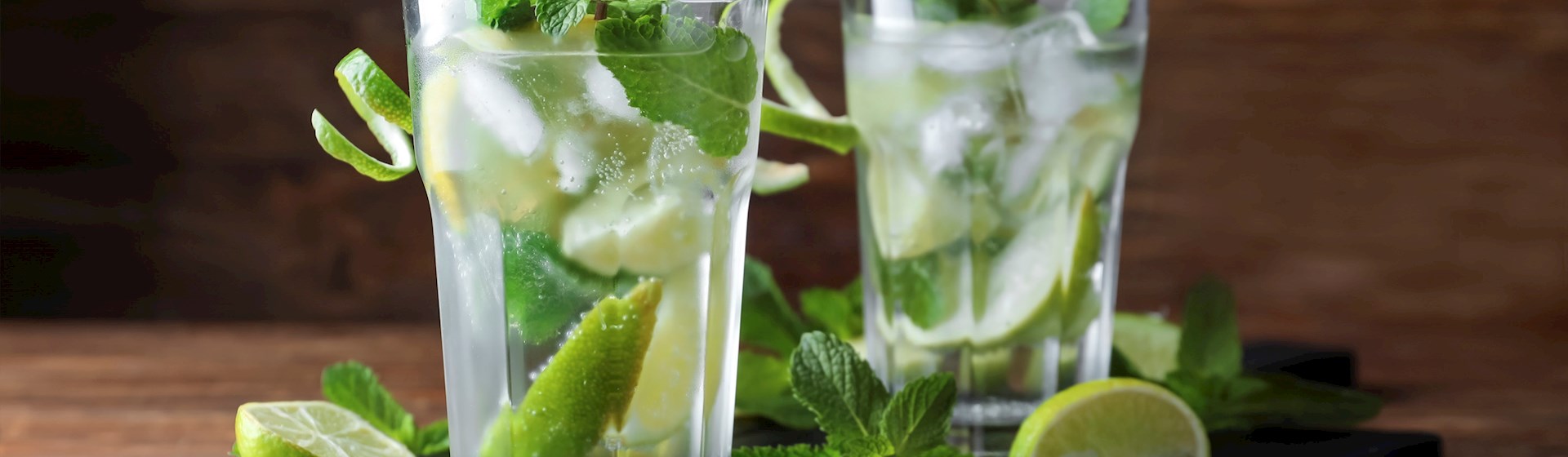
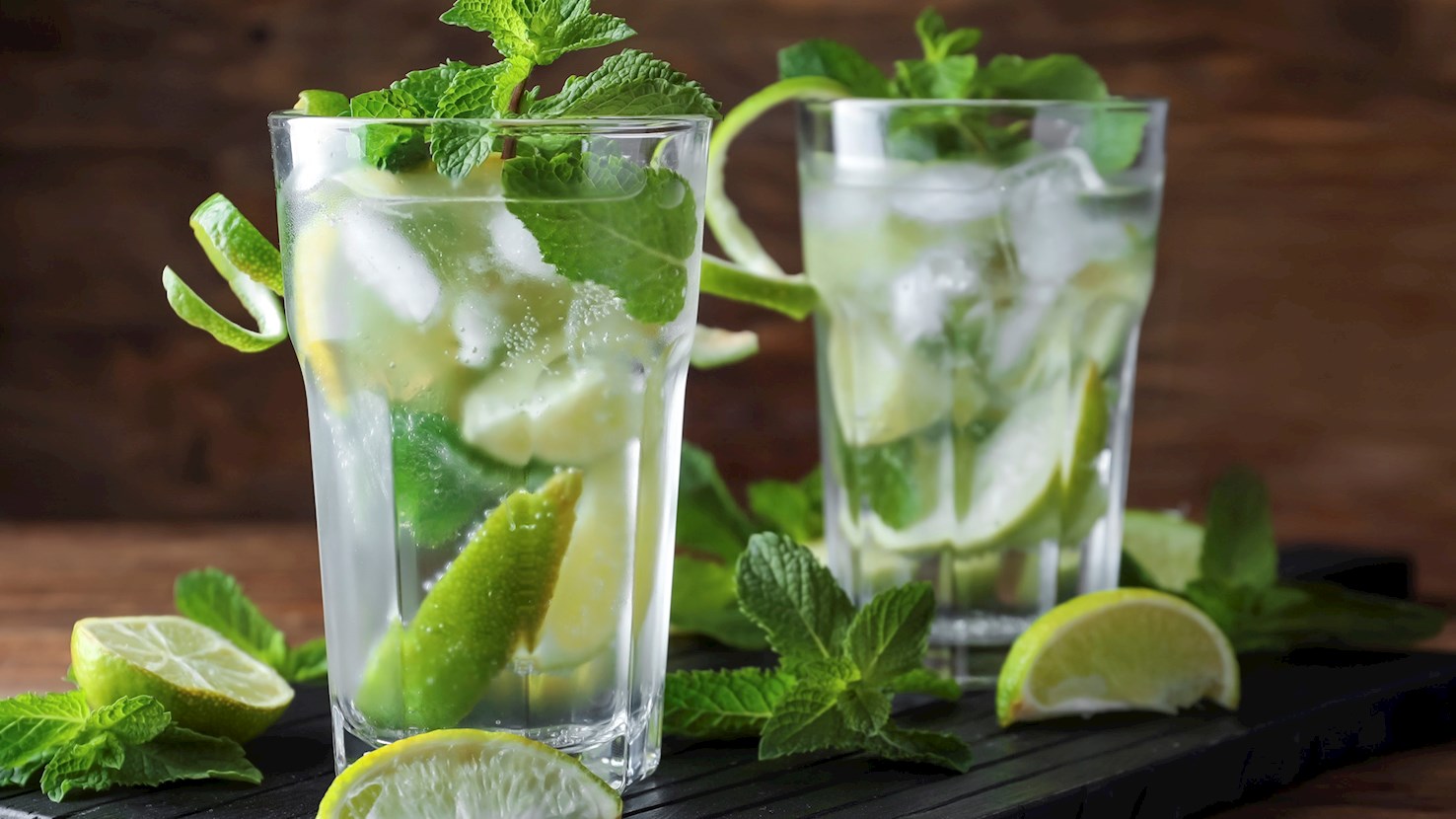
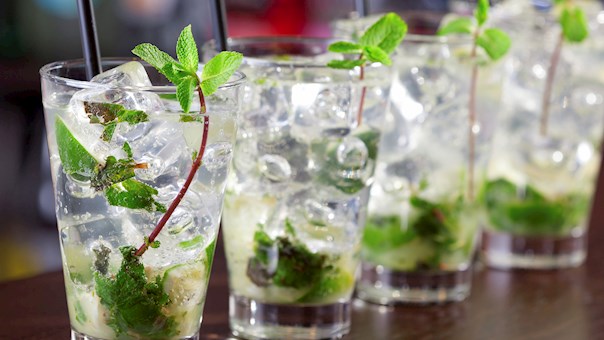
Sugary, refreshing, and herbaceous, Mojito is a traditional cocktail based on rum as the key ingredient. It has a relatively low alcohol content (about 10%). Although Havana is considered its birthplace, the origin of this simple cocktail is still disputed. The original Cuban cocktail recipe includes white rum, sugar, lime juice, soda water, and spearmint yerba buena that grows on the island, but almost every mint variety can be used in the mix if yerba buena is not available. The components of the cocktail are added in a particular order: sugar and lime juice are gently mashed before mint and rum are added to the combination; the cocktail is then briefly stirred and topped with ice and sparkling soda water. Mojito is usually served in a glass garnished with lime wedges and mint leaves. It is considered one of the most popular summer cocktails, which gained worldwide popularity when it was presented as the favorite drink of Ernest Hemingway. There are several versions of Mojito, and many bars in Havana use Angostura bitters or add lemons instead of lime to cut Mojito's sweetness. The so-called RoseMojito contains rose-flavored spirit Lanique, while a Mojito made without alcohol is called VirginMojito or Nojito.
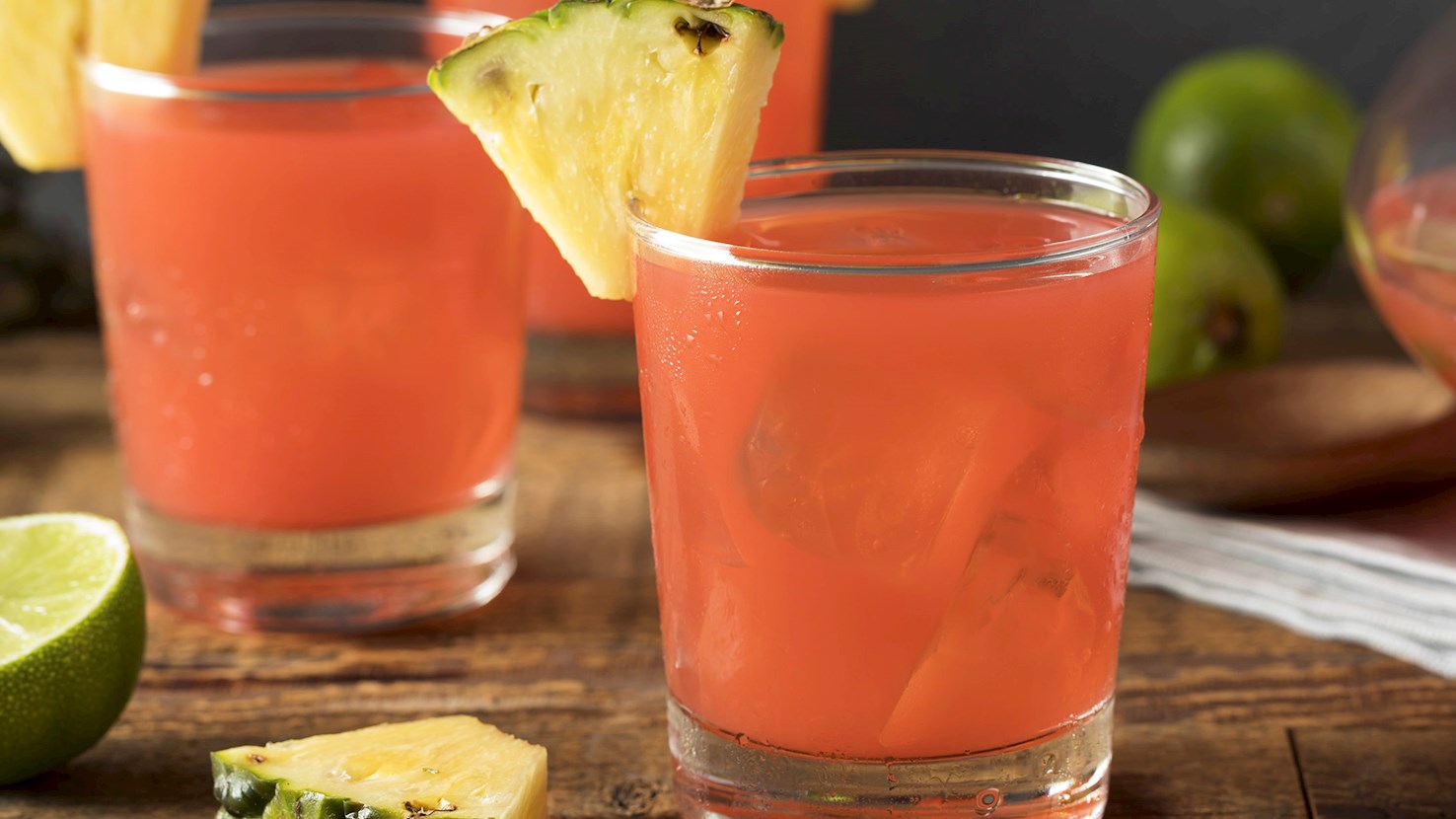
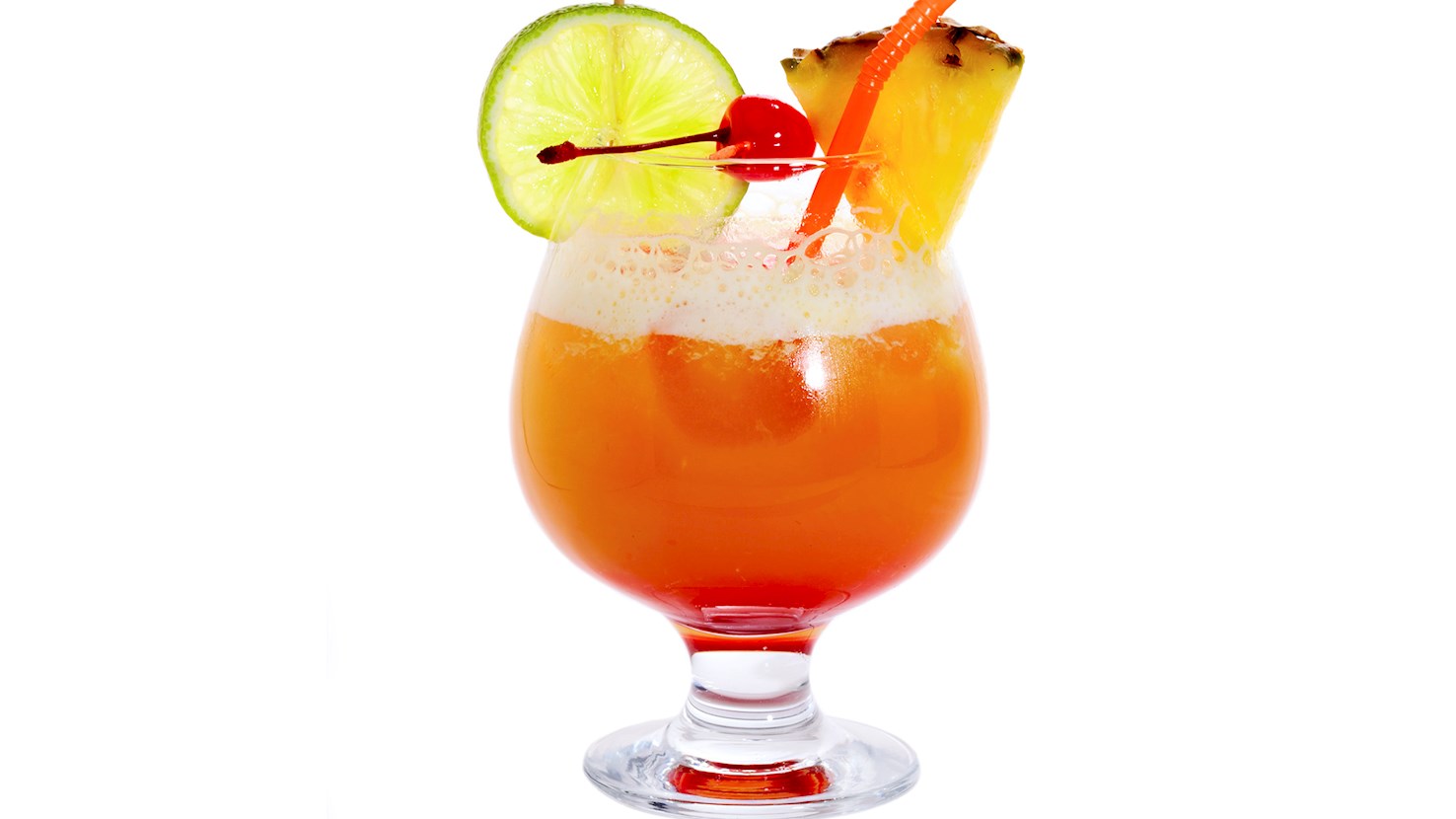
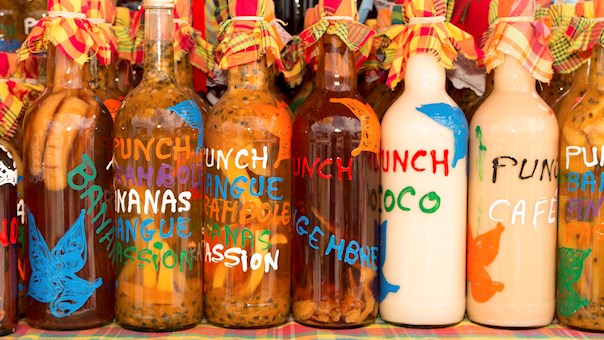
Rum Punch is a classic Caribbean cocktail made with rum, fruit juice, sugar syrup, and water. To prepare it, all you need to do is remember this Caribbean saying: “One of sour, two of sweet, three of strong, and four of weak.” A shot of fruit juice, two shots of sugar syrup, three shots of rum, and four shots of water are combined in a big glass or a jug, then poured into a glass over ice. It is recommended to add a few drops of bitters or some freshly grated nutmeg to elevate the flavors even further. Garnish it with a pineapple wedge for the best possible experience.
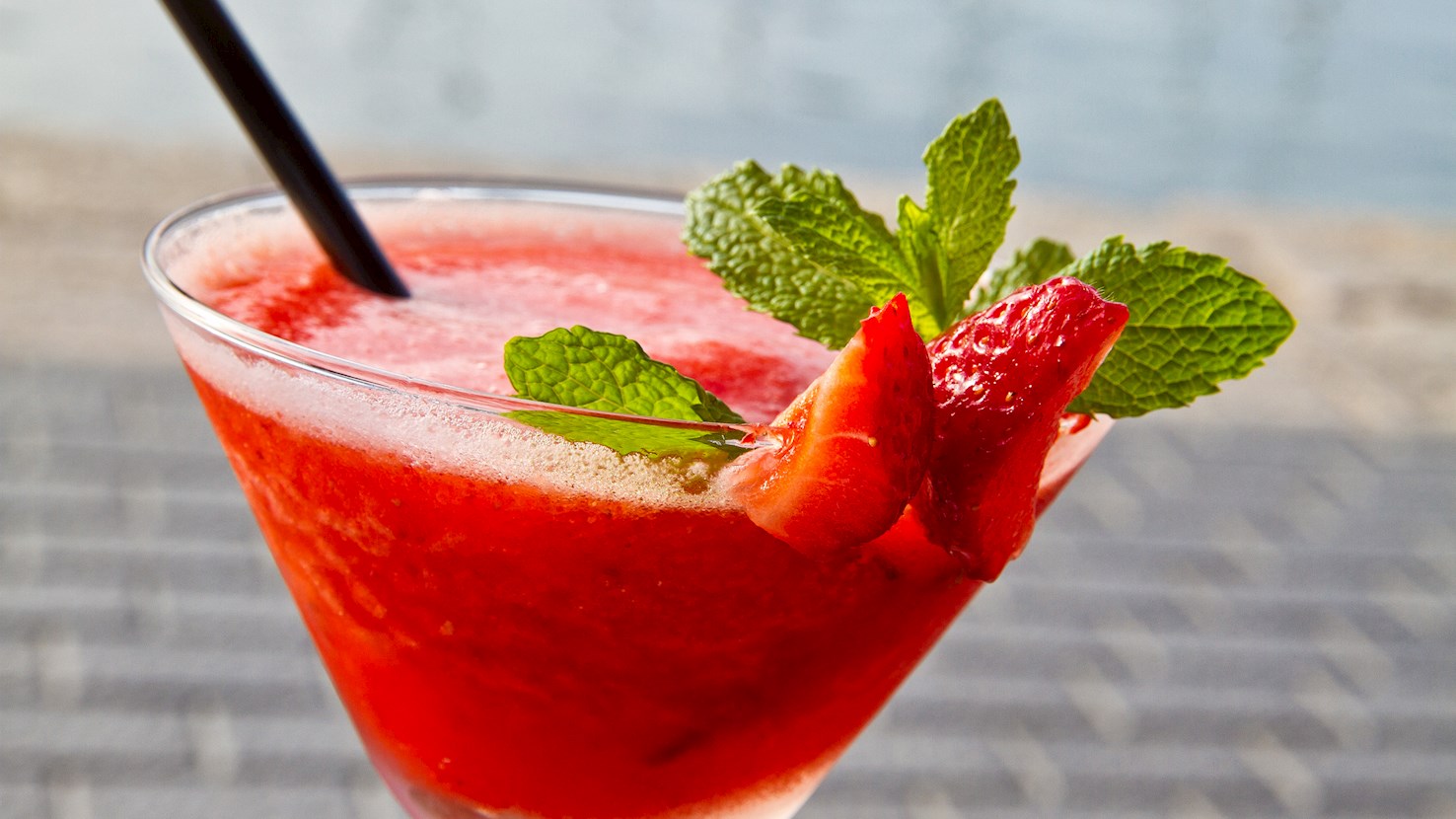
Frozen daiquiri is a variation of a classic shaken daiquiri, which typically incorporates rum, fresh lime juice, and sugar. This frozen version is mostly blended and usually includes pulverized ice and frozen fruit to mix, creating a sweet slurry with a texture similar to a slushie. Frozen daiquiris probably first appeared at the legendary El Floridita in Havana, sometime around the time of Prohibition. They were initially made with crushed ice and electric blenders, but their popularity skyrocketed in the second half of the 20th century after the invention of commercial machines. Banana and strawberry daiquiris were probably the most famous derivations at the time. Through the years, the drink went through many transformations that sometimes significantly differ from the original. They went to include sugar-packed syrups and artificial flavorings, earing frozen daiquiri somewhat of a bad rep. Frozen daiquiri is especially popular in Louisiana, and most local bars specializing in frozen daiquiris have several machines that dispense various daiquiri flavors.
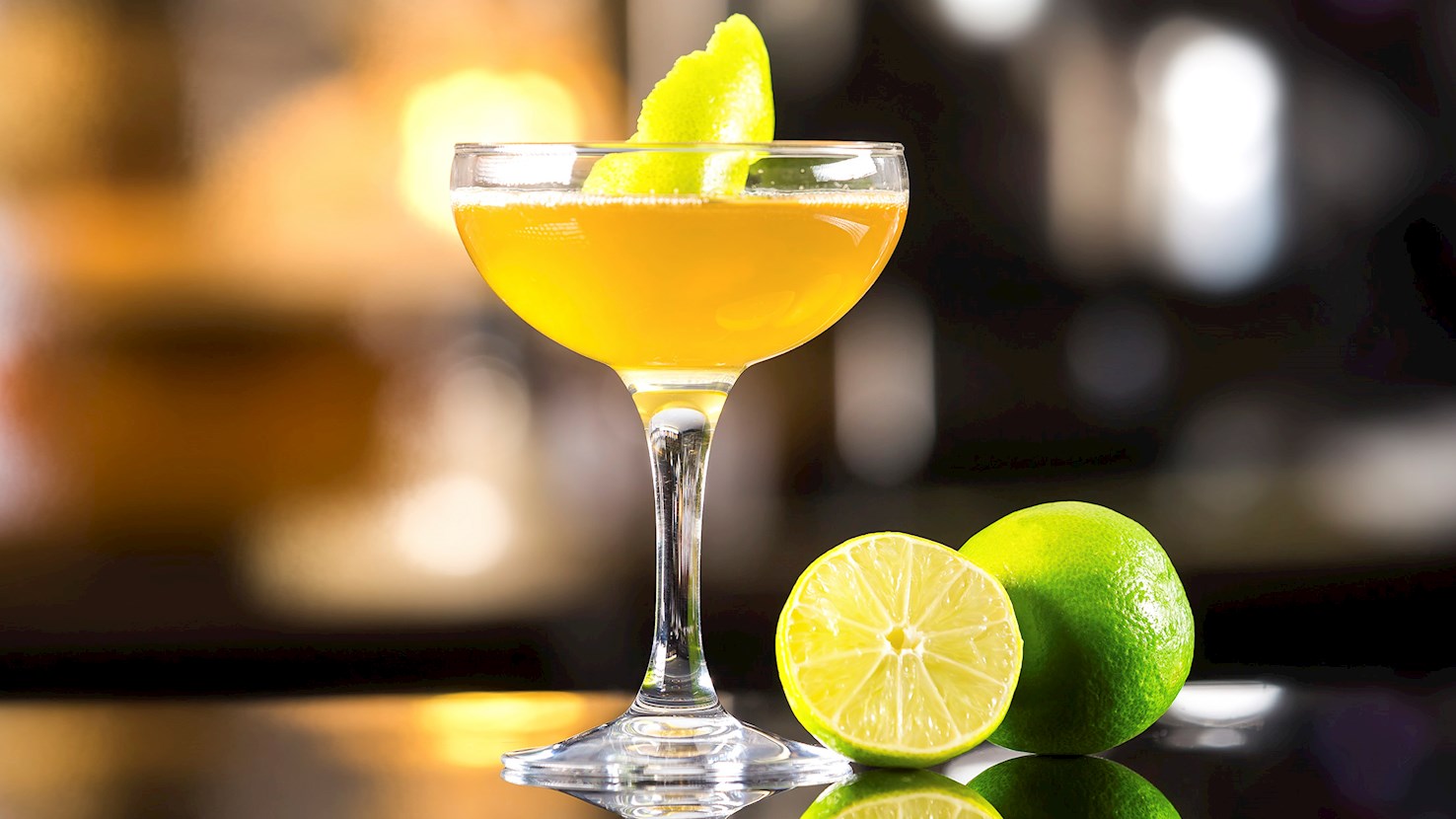
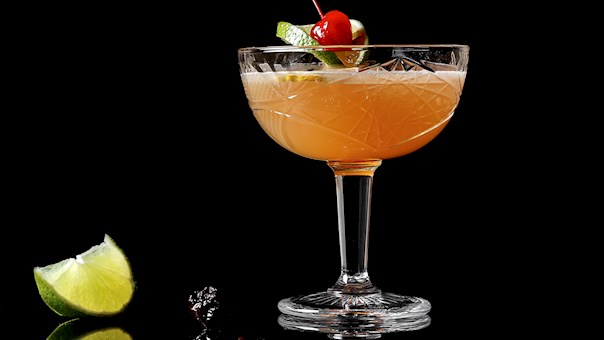
Daiquiri is a group of cocktails prepared with rum, fresh lime juice, and sugar as the key ingredients. Supposedly, it was invented in the late 19th century by Jennings Cox, an American mining engineer who was staying in Cuba during the Spanish-American War. The cocktail was named after the beach and an iron mine near Santiago de Cuba. The drink was probably introduced to high-class New Yorkers in 1902 by a US congressman who purchased the Santiago iron mines, but it gained fame during World War II when trade and travel relations with Latin America opened up due to Roosevelt’s Good Neighbor policy, so Latin America became fashionable. It is quite simple to prepare a good Daiquiri: all ingredients are shaken with ice, and then poured into a chilled glass garnished with a lime wheel. Variations of the classic Daiquiri include Banana Daiquiri, Avocado Daiquiri, and Hemingway Daiquiri or Papa Doble, a slightly bitter cocktail made without sugar, but with the addition of maraschino liqueur and grapefruit juice, named after the famous writer who loved it. There is also the Frozen Daiquiri, a variety with finely pulverized ice and a texture similar to that of a smoothie.
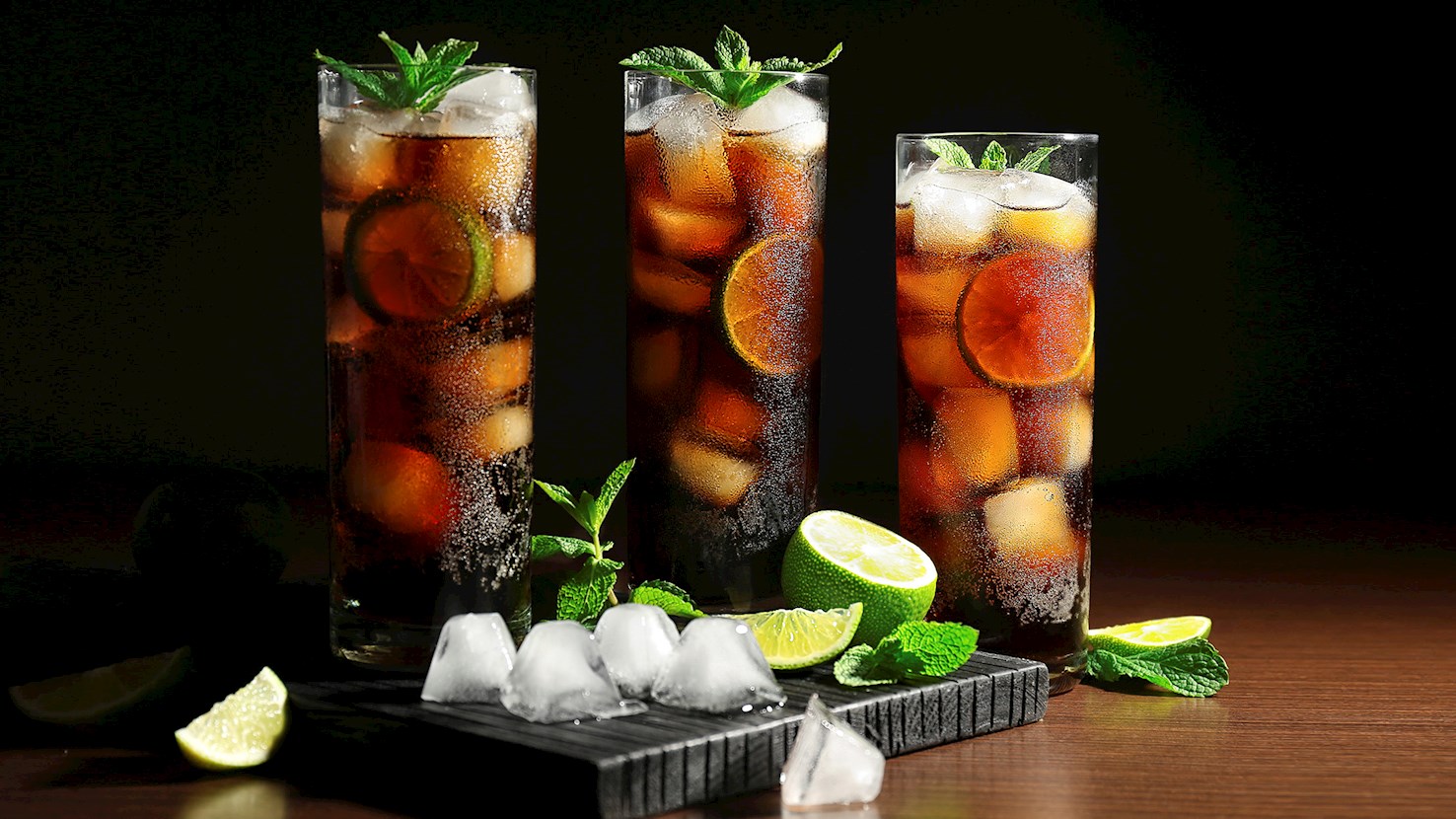
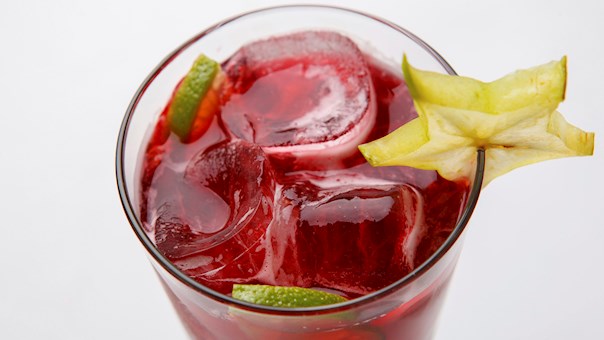
Cuba Libre is a Cuban cocktail based on rum, with the addition of cola and lime. In Spanish, its name means Free Cuba, and although the exact origin of this cocktail is still a mystery, it was probably first mixed in Havana in August 1900, after the Spanish-American war, when Coca-Cola was available in Cuba. In the past, the cocktail was viewed as exotic, but nowadays it is popular throughout the world, and it is often referred to as Rum and Coke. A common way to serve it is on the rocks with a lime wheel, but some variations (such as Rum and Coke) exclude the lime wheel or substitute white rum with golden or dark rum.
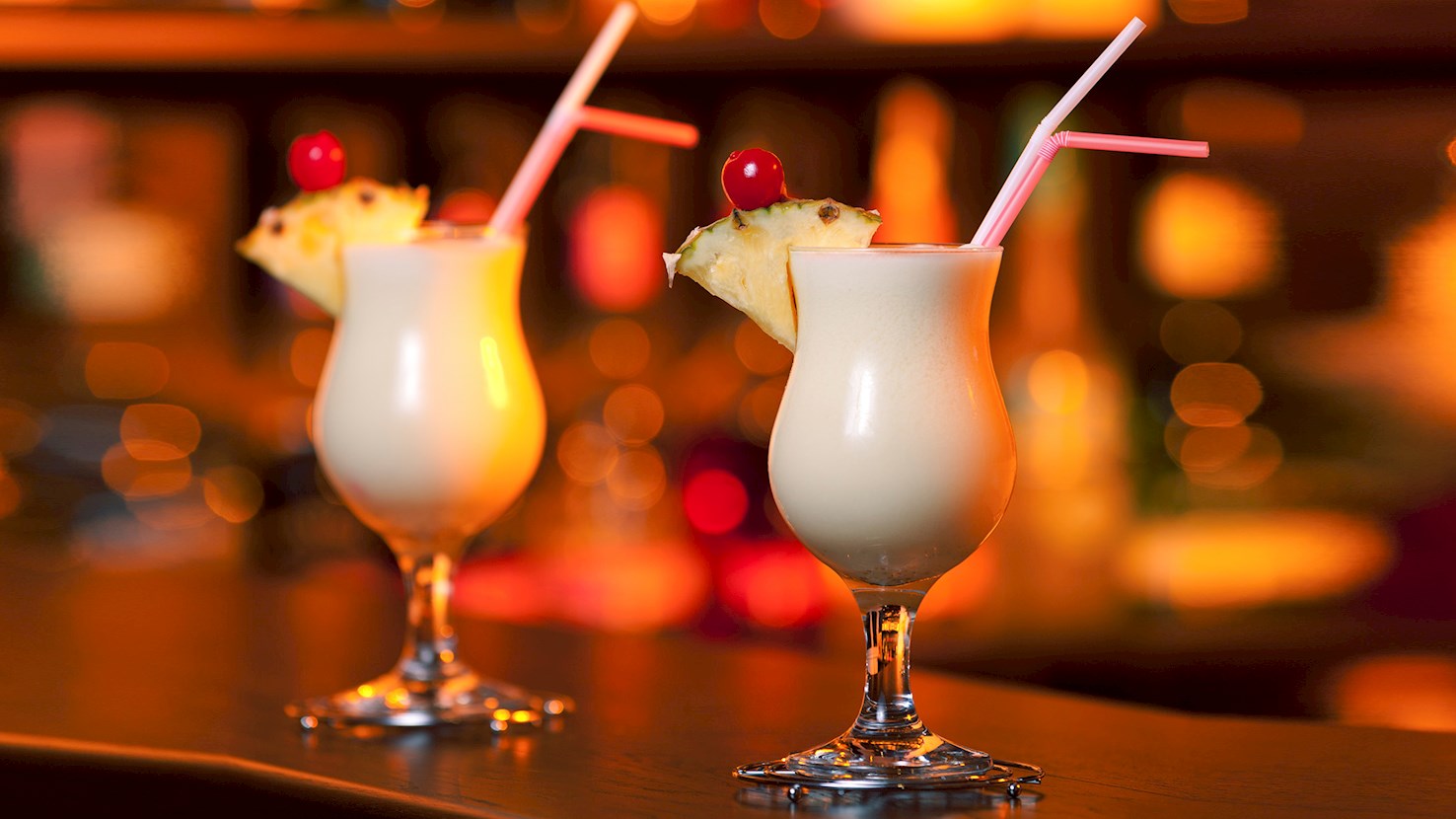
Piña Colada is a sweet and creamy tropical cocktail that has been celebrated as the national drink of Puerto Rico since 1978. It is a simple but delicious mixture of rum, pineapple juice, coconut milk, and coconut cream, often shaken or blended with ice, served in a chilled glass, then garnished with a piece of pineapple or a cherry on top. The cocktail can be made with different types of rum or different proportions of ingredients than those used in the original recipe, but it can also be served frozen. Regarding the cocktail's origins, a bartender named Ramón "Monchito" Marrero Pérez made this cocktail in 1954 at the Caribe Hilton Hotel in San Juan, which is now considered a birthplace of the Piña Colada.
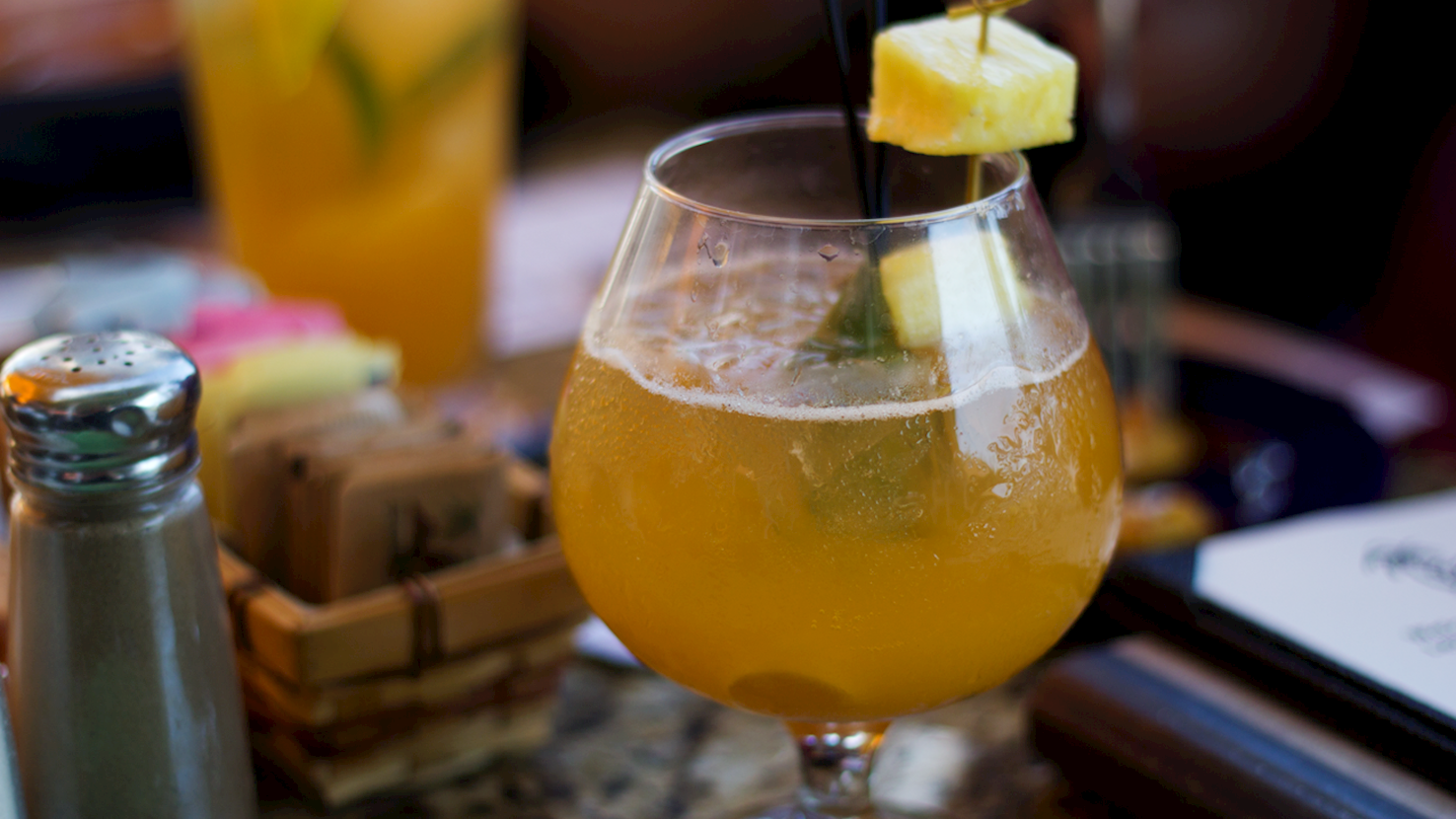
Goombay Smash is a tropical Caribbean cocktail believed to contain a combination of dark rum, coconut rum, apricot brandy, pineapple juice, and orange juice. In order to prepare it, all ingredients should be combined in a highball glass with ice, then shaken and garnished with an orange slice and a pineapple wedge. The cocktail was invented by Emily Cooper at Miss Emily’s Blue Bee Bar on Green Turtle Cay, and the recipe has remained a secret ever since its creation in the 1960s.
Planter’s Punch is a rum-based cocktail associated with Jamaica and made from a mixture of rum, citrus juice, sweetener, and dilution, often with added fruit or spice components. It belongs to the wider family of Caribbean rum punches, which follow the balance of strong, weak, sour, and sweet elements. Versions appear in bars, hotels, and homes across Jamaica, and the drink later became known internationally through cocktail books and tourism promotion. Its development is linked to the rise of rum production in Jamaica in the eighteenth and nineteenth centuries, when estates produced high-ester rums that were often mixed with citrus and sugar to make them more palatable and refreshing in a hot climate. By the late nineteenth century, recipes referring to Planter’s Punch appeared in Jamaican newspapers and hotel menus, most notably in formulas from the Myrtle Bank Hotel in Kingston. These early references described a mixture of Jamaican rum, lime juice, sugar, and water or ice, with proportions adjusted for balance. As tourism expanded in the early twentieth century, the drink spread to bars abroad, where bartenders began adding grenadine, fruit juices, and bitters. Over time, multiple versions developed, some remaining close to the Jamaican formula and others adopting a broader “tropical punch” style common in American tiki bars. Preparation begins with selecting a Jamaican rum, often a medium or dark style that provides body and characteristic aroma. Lime juice, sugar syrup or brown sugar, and water or ice are added to achieve a balanced mixture. Some versions include a small amount of pineapple or orange juice, but many Jamaican formulas limit the fruit to lime alone. Angostura bitters may be added for complexity. The drink is shaken or stirred with ice and served over fresh ice in a tall glass or sometimes in a short glass without fruit garnish. The proportion commonly associated with early Jamaican recipes follows the rhyme “one of sour, two of sweet, three of strong, four of weak,” though this is a guideline rather than a fixed rule. Planter’s Punch is consumed in Jamaica in bars, on beaches, and at social gatherings, and abroad in cocktail bars that feature Caribbean or rum-focused menus. It is usually enjoyed as a refreshing drink rather than a dessert cocktail and is served chilled at any time of day, especially in warm weather. Food pairings often include grilled or jerk chicken, fried fish, pepper shrimp, festival, saltfish fritters, or light appetizers that balance the acidity and sweetness of the drink. The citrus and rum profile also pairs well with salty snacks, tropical fruit, and simple seafood dishes without heavy sauces.
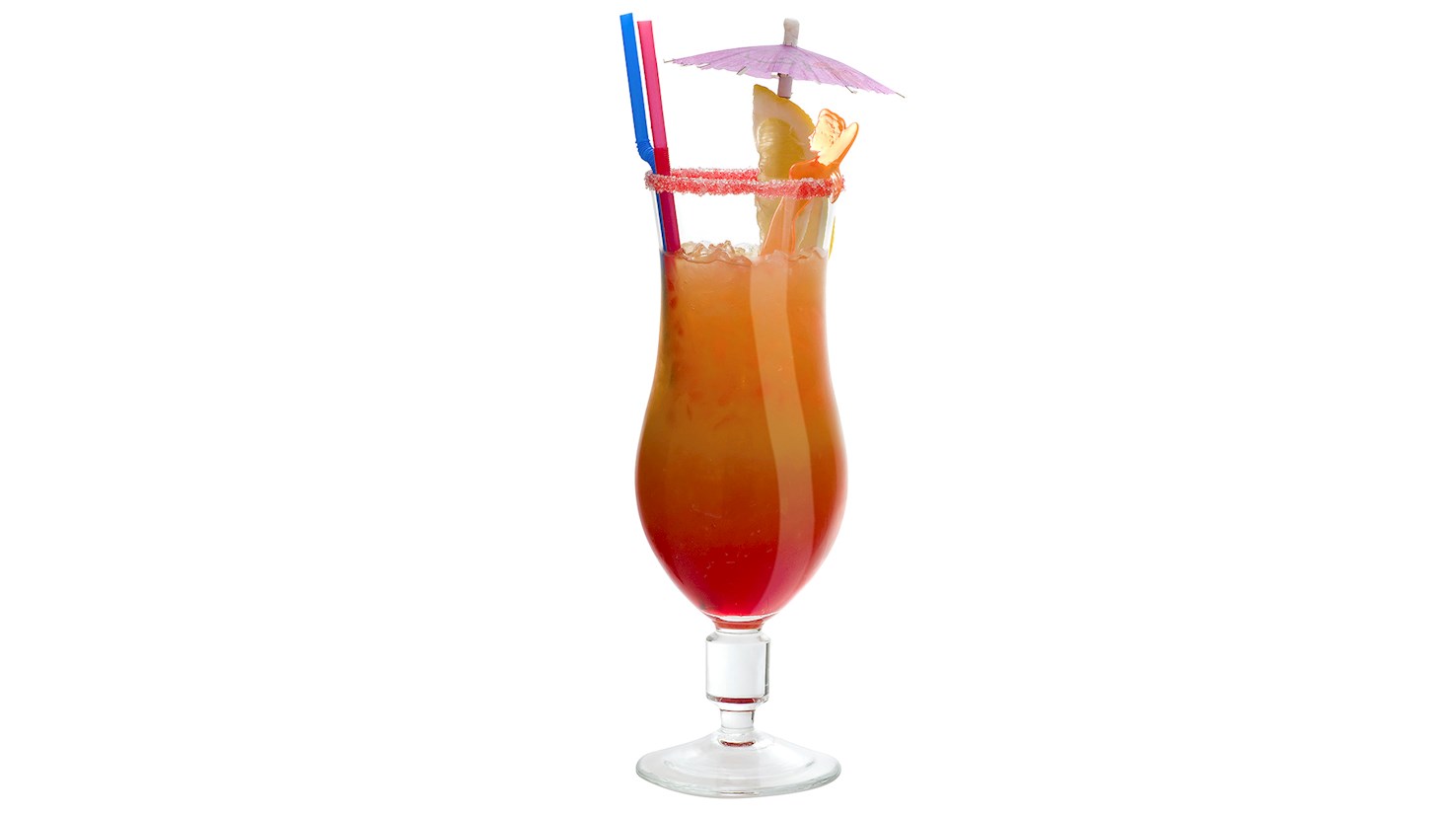
Bahama Mama is a fruity Tiki cocktail that consists of white rum, coconut rum, grenadine, cherry juice, lemon juice, orange juice, and pineapple juice. The cocktail is prepared by shaking or blending the ingredients with crushed ice until the consistency becomes slushy. It is typically served at summer parties to invoke the atmosphere of a tropical beach, in a hurricane glass filled with cracked ice, with a cherry and an orange slice as garnishes.
TasteAtlas food rankings are based on the ratings of the TasteAtlas audience, with a series of mechanisms that recognize real users and that ignore bot,
nationalist or local patriotic ratings, and give additional value to the ratings of users that the system recognizes as knowledgeable.
For the “Top 37 Caribbean Cocktails” list until September 23, 2026, 1,619 ratings were recorded, of which 1,331 were recognized by the system as legitimate.
TasteAtlas Rankings should not be seen as the final global conclusion about food. Their purpose is to promote excellent local foods,
instill pride in traditional dishes, and arouse curiosity about dishes you haven’t tried.





What People Say