

shutterstock

Top 100 American Cocktails

Last updated on June 03, 2026
01

Frozen Daiquiri

4.2 ·

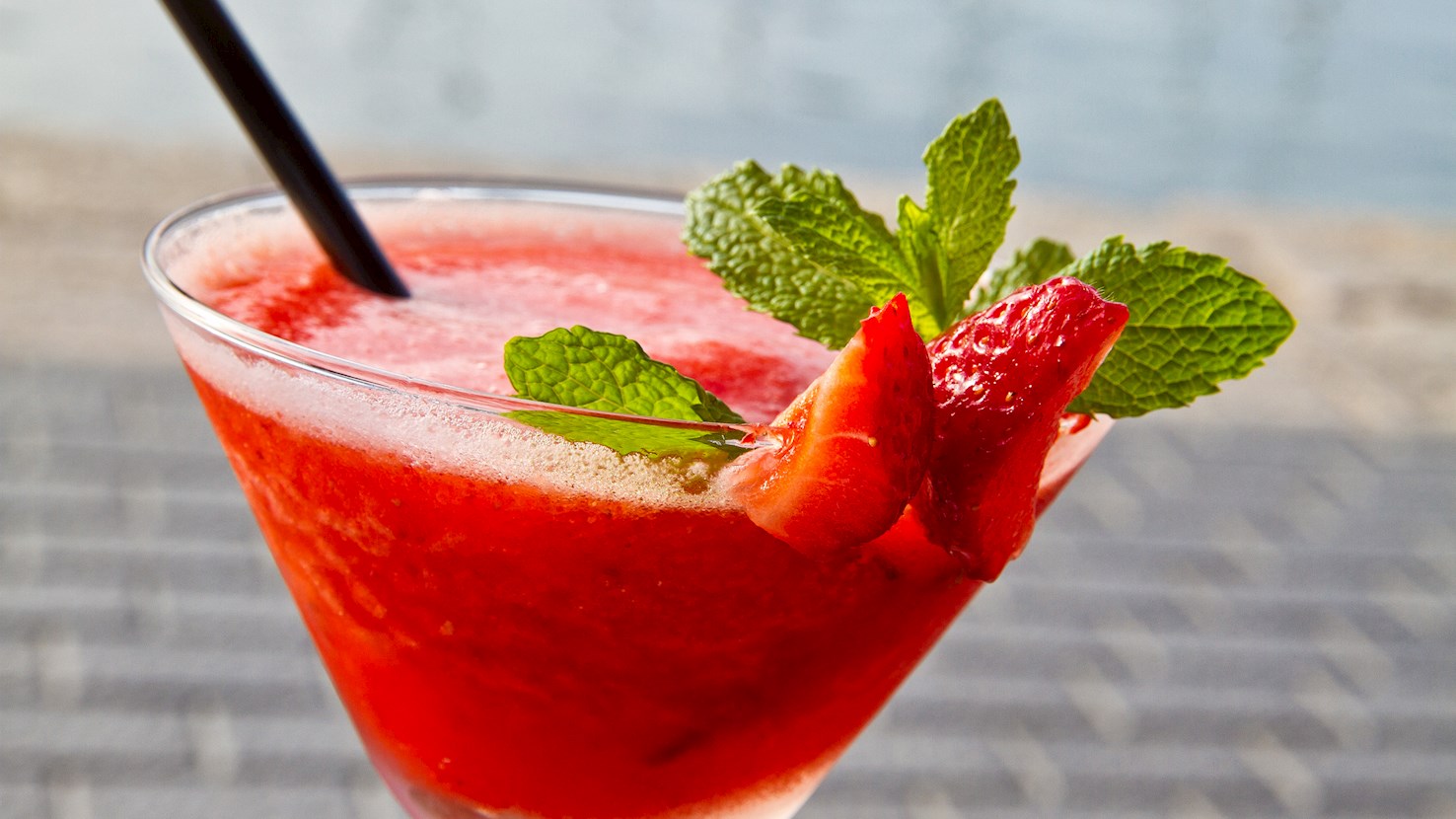
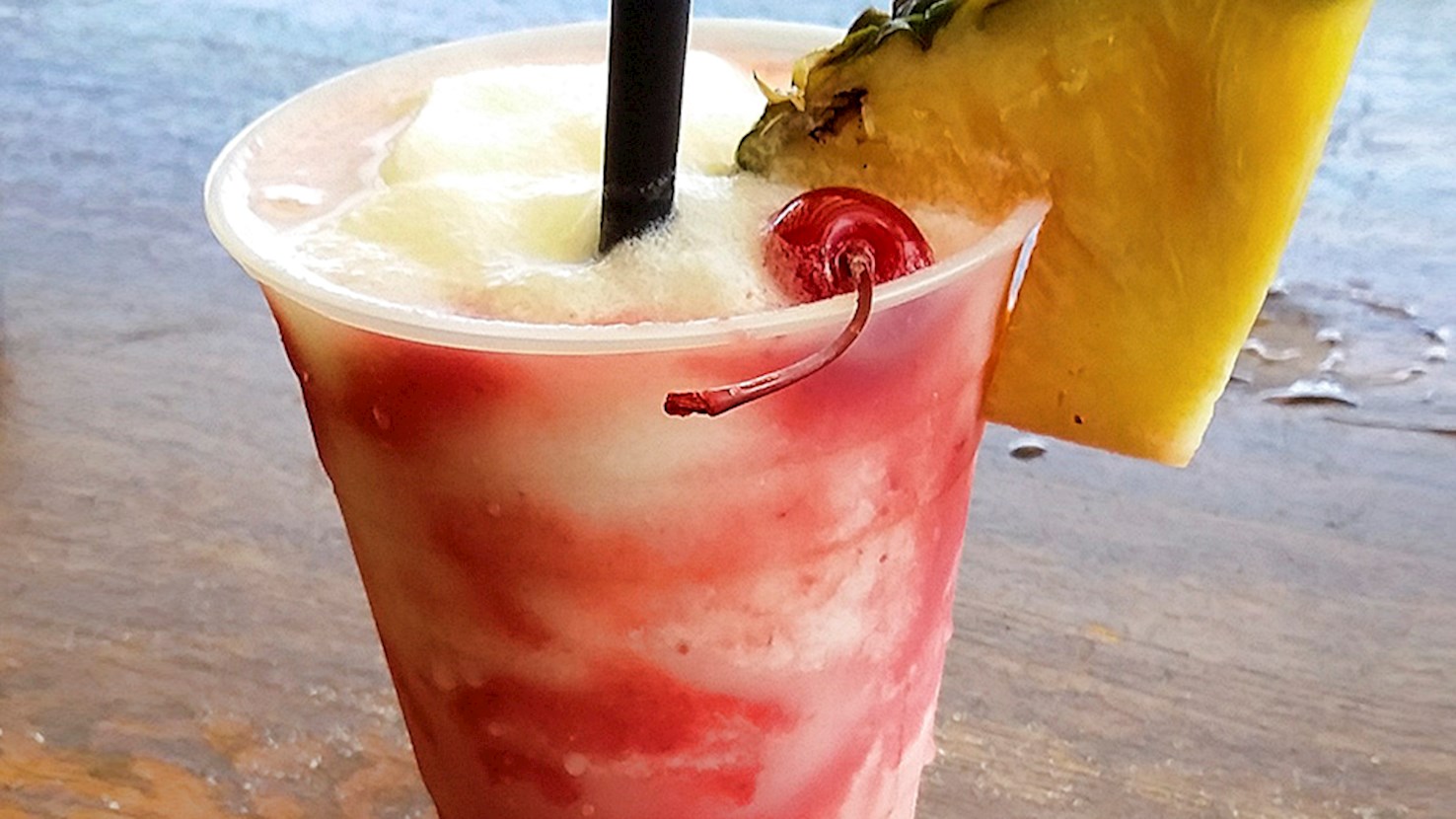
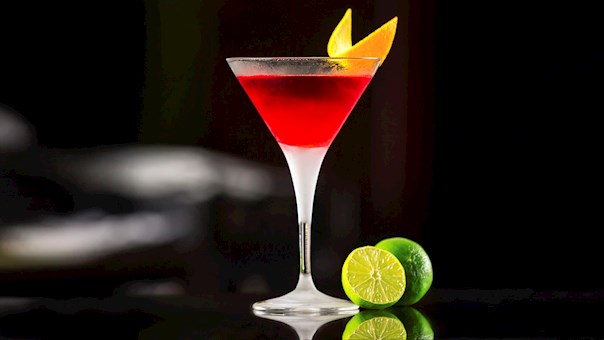
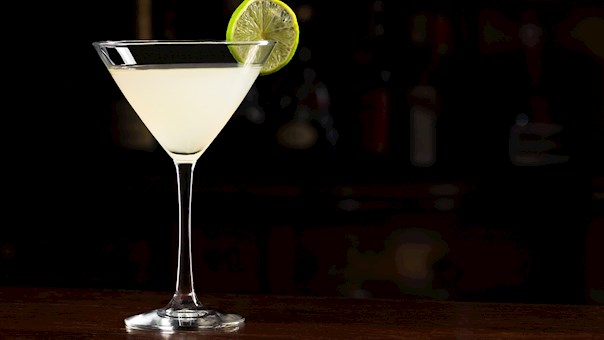
Frozen daiquiri is a variation of a classic shaken daiquiri, which typically incorporates rum, fresh lime juice, and sugar. This frozen version is mostly blended and usually includes pulverized ice and frozen fruit to mix, creating a sweet slurry with a texture similar to a slushie. Frozen daiquiris probably first appeared at the legendary El Floridita in Havana, sometime around the time of Prohibition. They were initially made with crushed ice and electric blenders, but their popularity skyrocketed in the second half of the 20th century after the invention of commercial machines. Banana and strawberry daiquiris were probably the most famous derivations at the time. Through the years, the drink went through many transformations that sometimes significantly differ from the original. They went to include sugar-packed syrups and artificial flavorings, earing frozen daiquiri somewhat of a bad rep. Frozen daiquiri is especially popular in Louisiana, and most local bars specializing in frozen daiquiris have several machines that dispense various daiquiri flavors.

02

Gin Fizz

4.1 ·

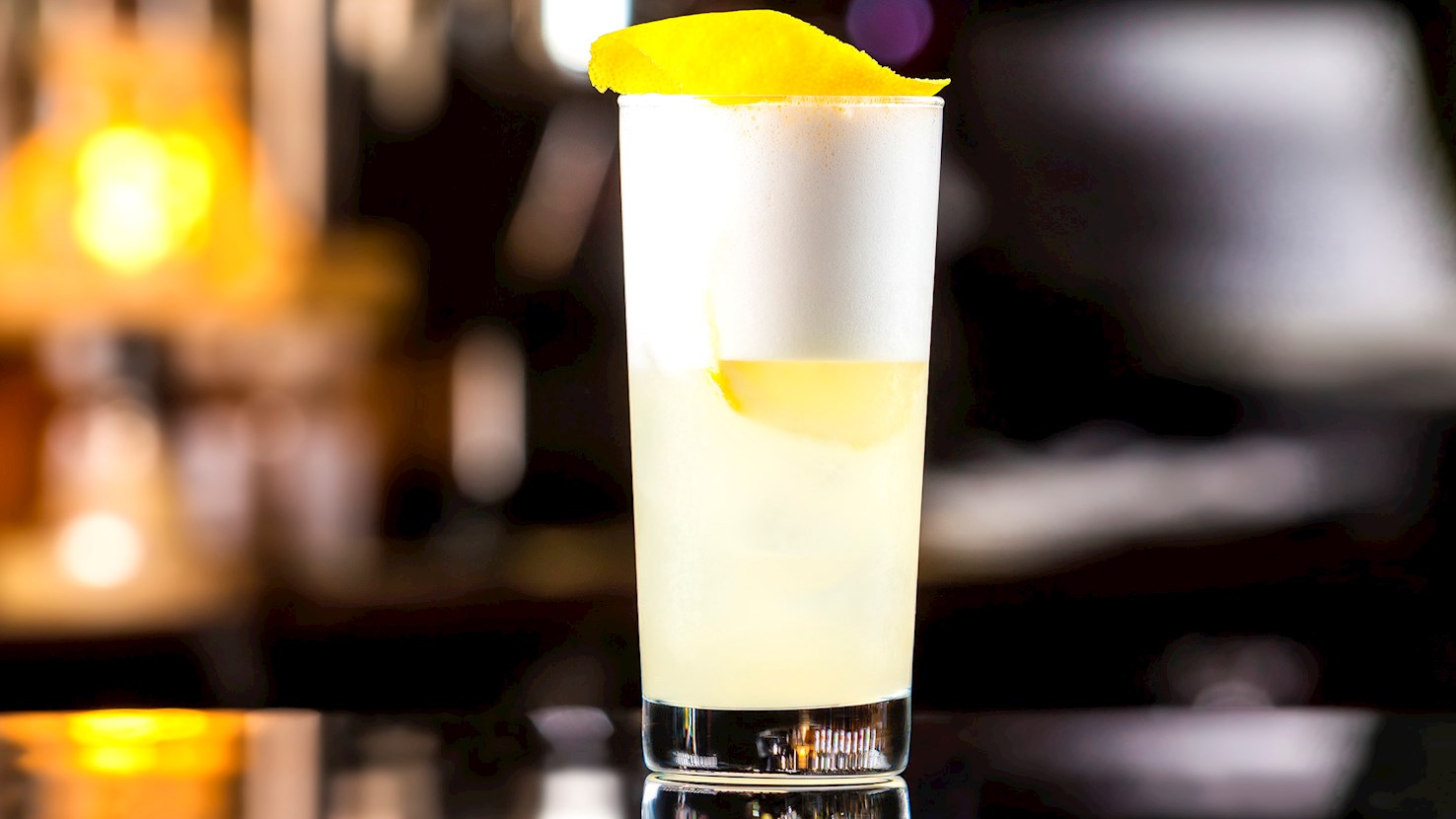
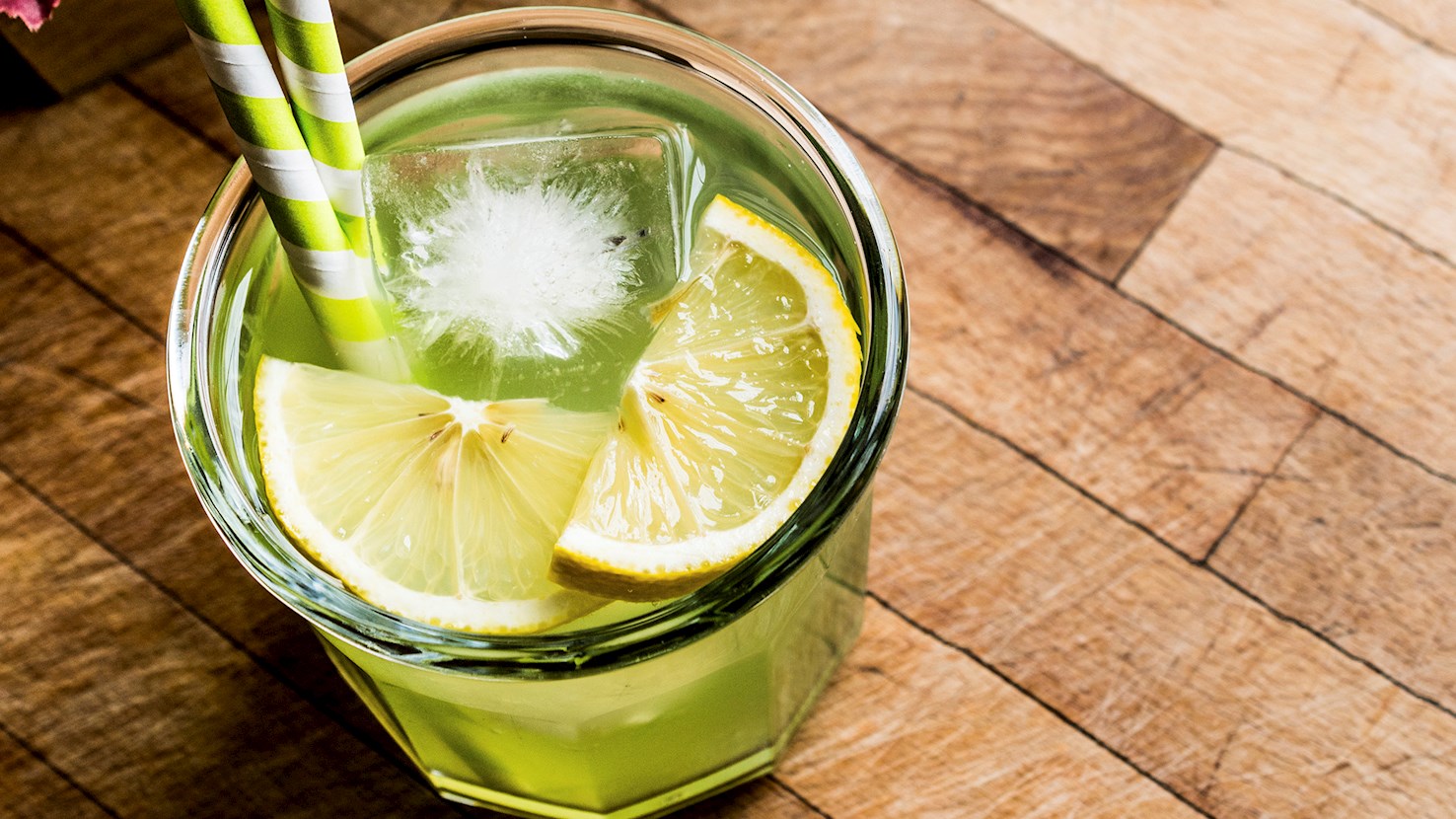
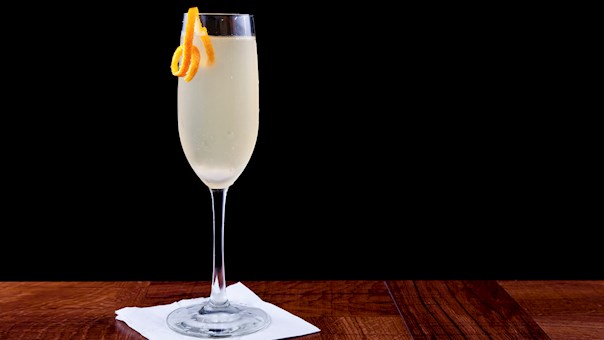
Known as the specialty drink of New Orleans, where it was invented in 1887 as the first beverage in the fizz family, Gin Fizz is a cocktail made with gin, Gomme syrup or sugar, lemon juice, and soda water. The cocktail is prepared by shaking gin, lemon juice, and sweet syrup with ice. When strained in a glass, it is topped with sparkling water which provides it with a bubbly effect, hence the fizz in its name. The drink is very similar to Tom Collins, a cocktail that is traditionally made with a slightly sweeter gin called Old Tom. There are several versions of Gin Fizz, and some of the most popular varieties include egg whites in the preparation, such as Silver Fizz, Golden Fizz, Royal Fizz, and Sloe Gin Fizz. Regardless of the varieties, the cocktail is typically served on the rocks in a highball glass garnished with a slice of lemon.

03

Moscow Mule

4.1 ·

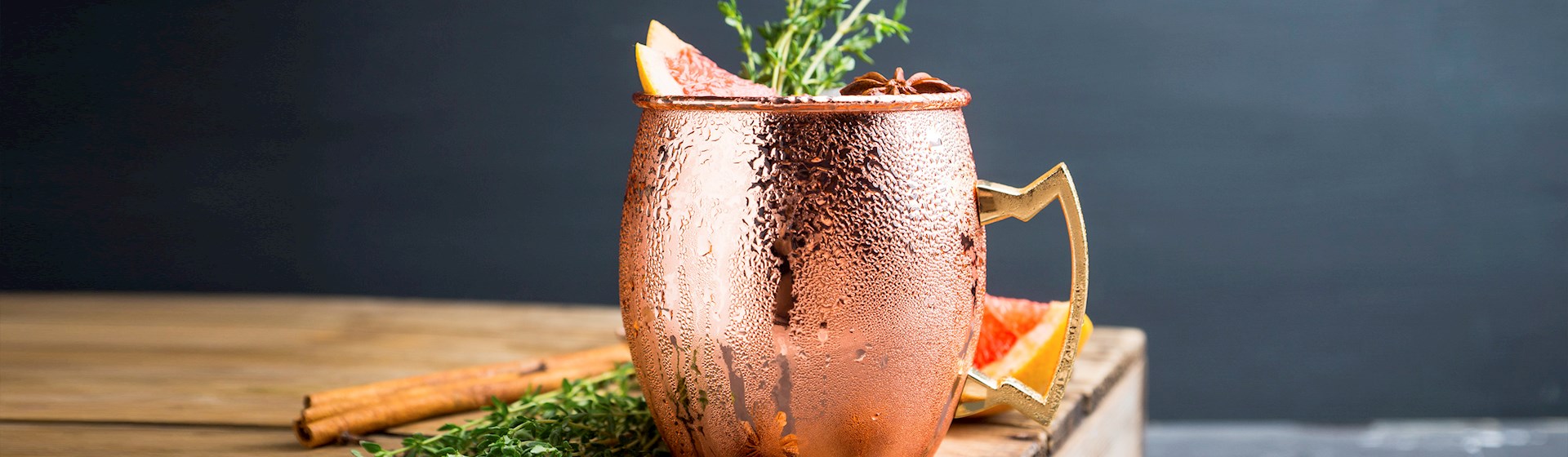
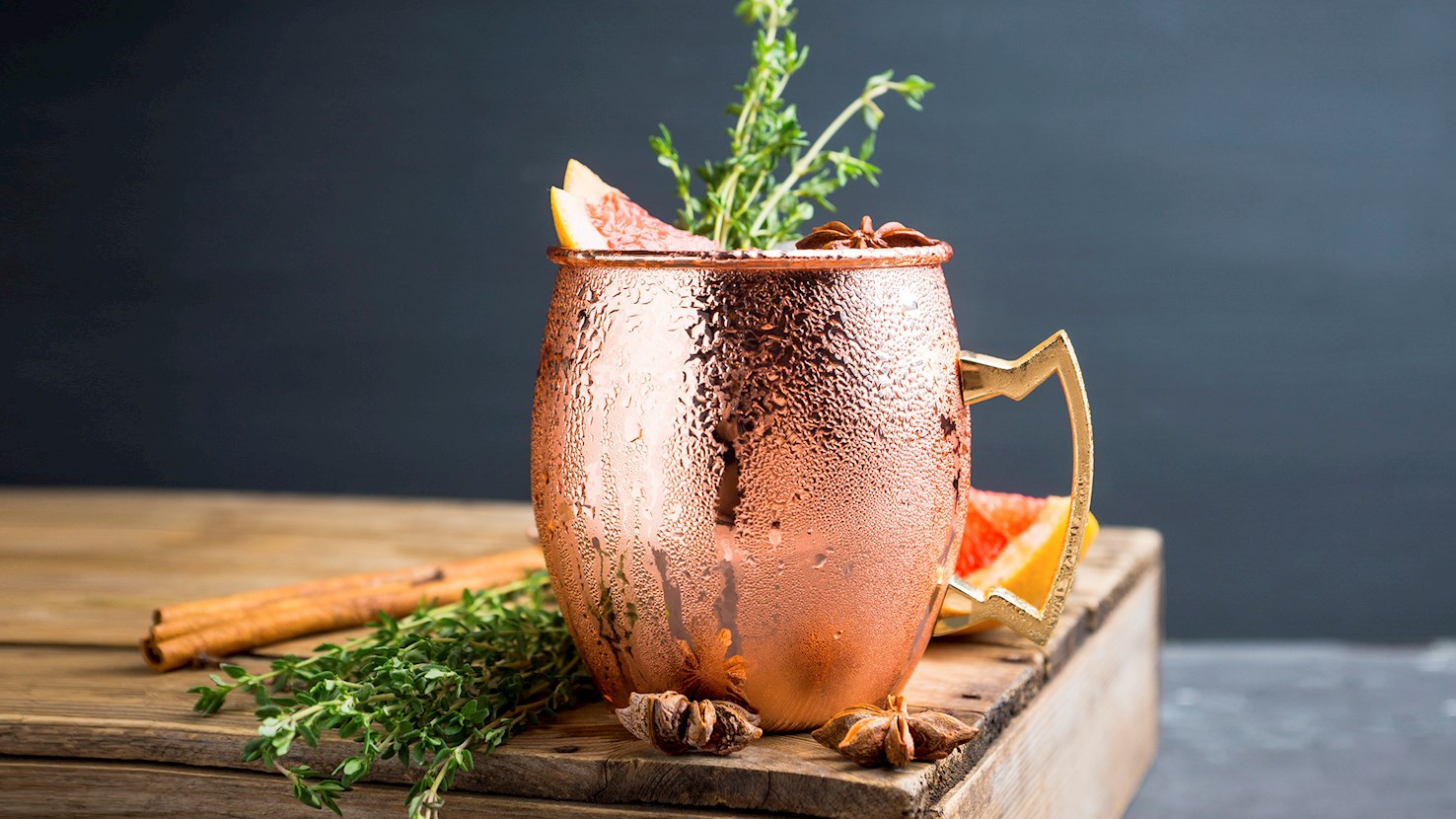
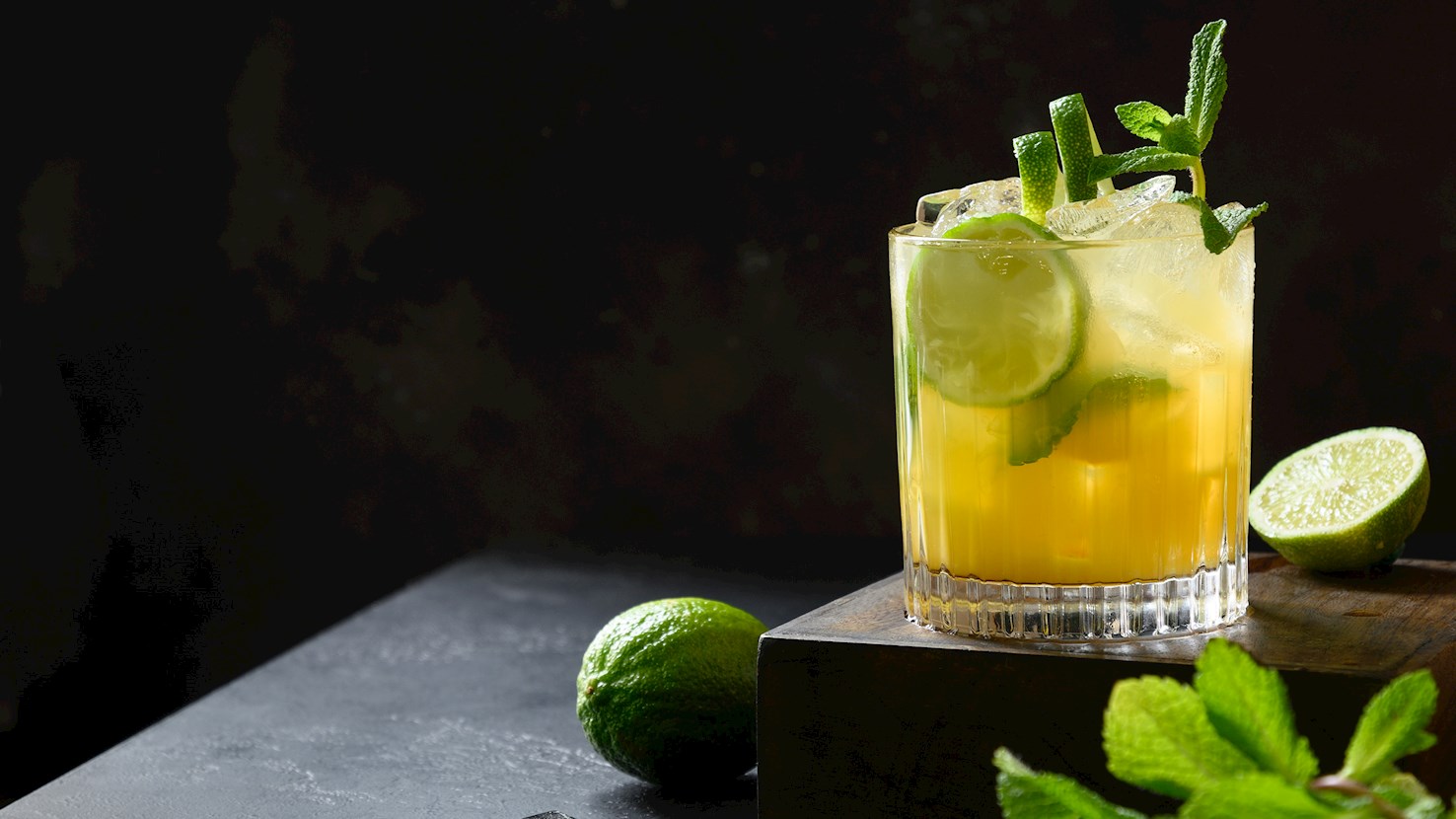
A classic cocktail that was created in New York City in the 1940s, Moscow Mule consists of vodka, ginger beer, and lime juice. Because it contains ginger beer, Moscow Mule is a type of buck (a mixed drink with ginger beer or ale, spirit, and citrus), so it is often referred to as Vodka Buck. The cocktail is traditionally served in a copper mug, on the rocks, with a lime wheel garnish. Vodka is typically associated with Russia, while mule was supposedly added to the name because ginger beer adds a kick of flavor, hence the name Moscow Mule.

04

Mai Tai

4 ·

Mai Tai is a popular rum-based cocktail originating from Oakland in 1944. Its name means good in Tahitian. In addition to rum, which can be both spiced and coconut flavored, the cocktail contains lime juice, orgeat syrup, and orange liqueur, typically curaçao, but in some versions it can include grapefruit juice, bitters, or grenadine. All ingredients should be vigorously shaken with ice for a few minutes before the cocktail is strained into an old-fashioned glass. Before serving, Mai Tai is traditionally garnished with fruits such as pineapple, orange, and cherries. It became a trendy cocktail in the 1950s, when Elvis Presley promoted it in his movie, and since then it is heavily associated with Tiki culture and Polynesian-style settings.

05

Whiskey Sour

4 ·

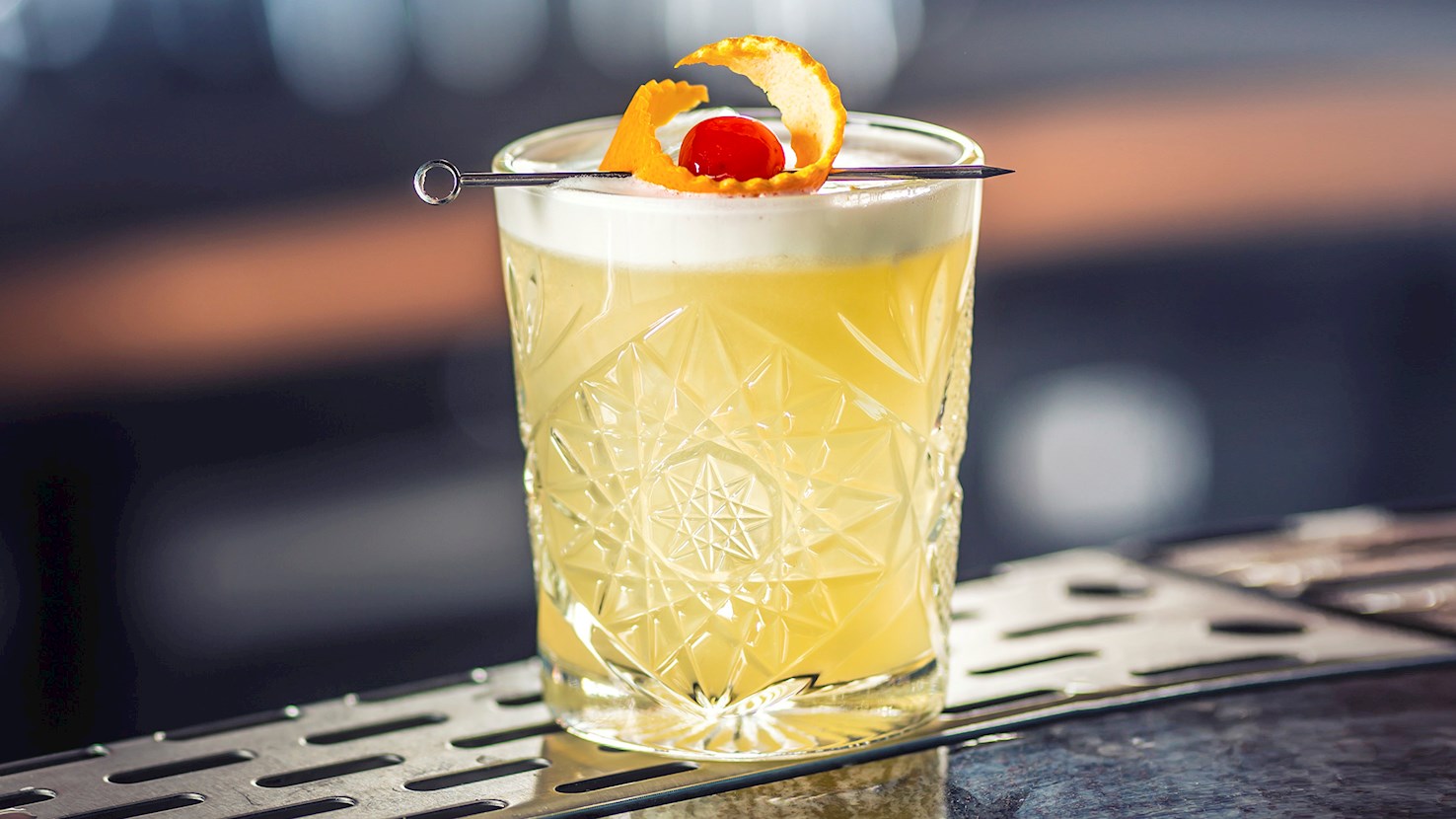
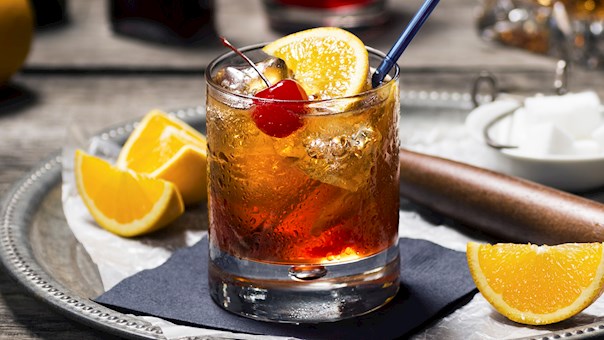
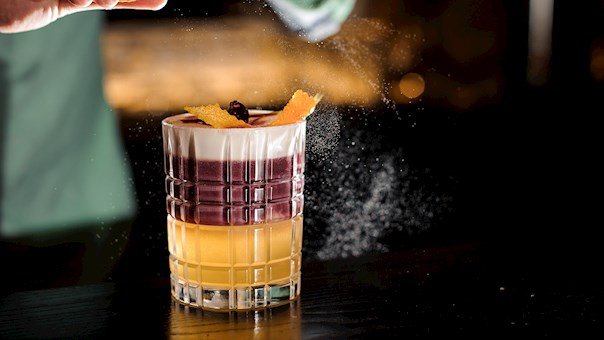
Whiskey Sour is an American cocktail that originated sometime in the 1870s. This cocktail classic is composed of whiskey or bourbon, sugar or Gomme syrup, lemon juice, and optionally an egg white. It is believed that the original version did not include an egg white, but it was added later to give the drink a smoother texture. Modern recipes often leave it out or list it as an optional ingredient. If an egg white is added to the mix, the drink is often referred to as Boston Sour, and if red wine is included in the cocktail, it is then called New York Sour. In some versions, sugar syrup can be replaced with grenadine syrup, while other versions add both lemon juice and orange juice. Whiskey Sour is a shaken cocktail typically served on the rocks in an old-fashioned glass, usually garnished with a Maraschino cherry and orange zest or half of an orange slice.

06

Lava Flow

3.9 ·

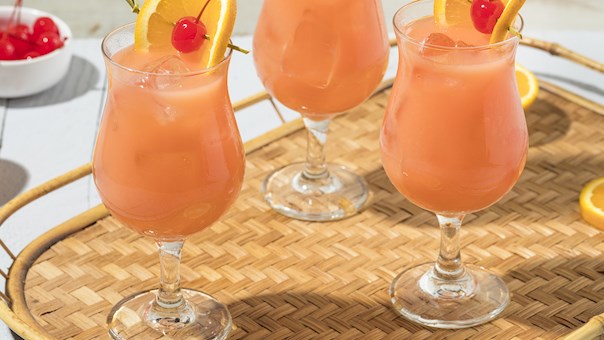
Lava Flow is a Hawaiian cocktail with numerous variations. It can be blended or shaken. The blended version is typically made with a combination of coconut rum, light rum, pineapple juice, coconut cream, bananas, and frozen strawberries. In order to prepare it, rums and strawberries are blended separately from other ingredients, but they are later combined in a collins or hurricane glass so that the strawberries swirl in the drink, creating an effect similar to that of lava flow. If shaken, strawberries and a slice of banana should be muddled in the bottom of a glass, then combined with ice and shaken coconut cream, pineapple juice, and rum. The cocktail is then garnished with a pineapple wedge and a paper parasol, if desired.

07

Ramos Gin Fizz

3.8 ·

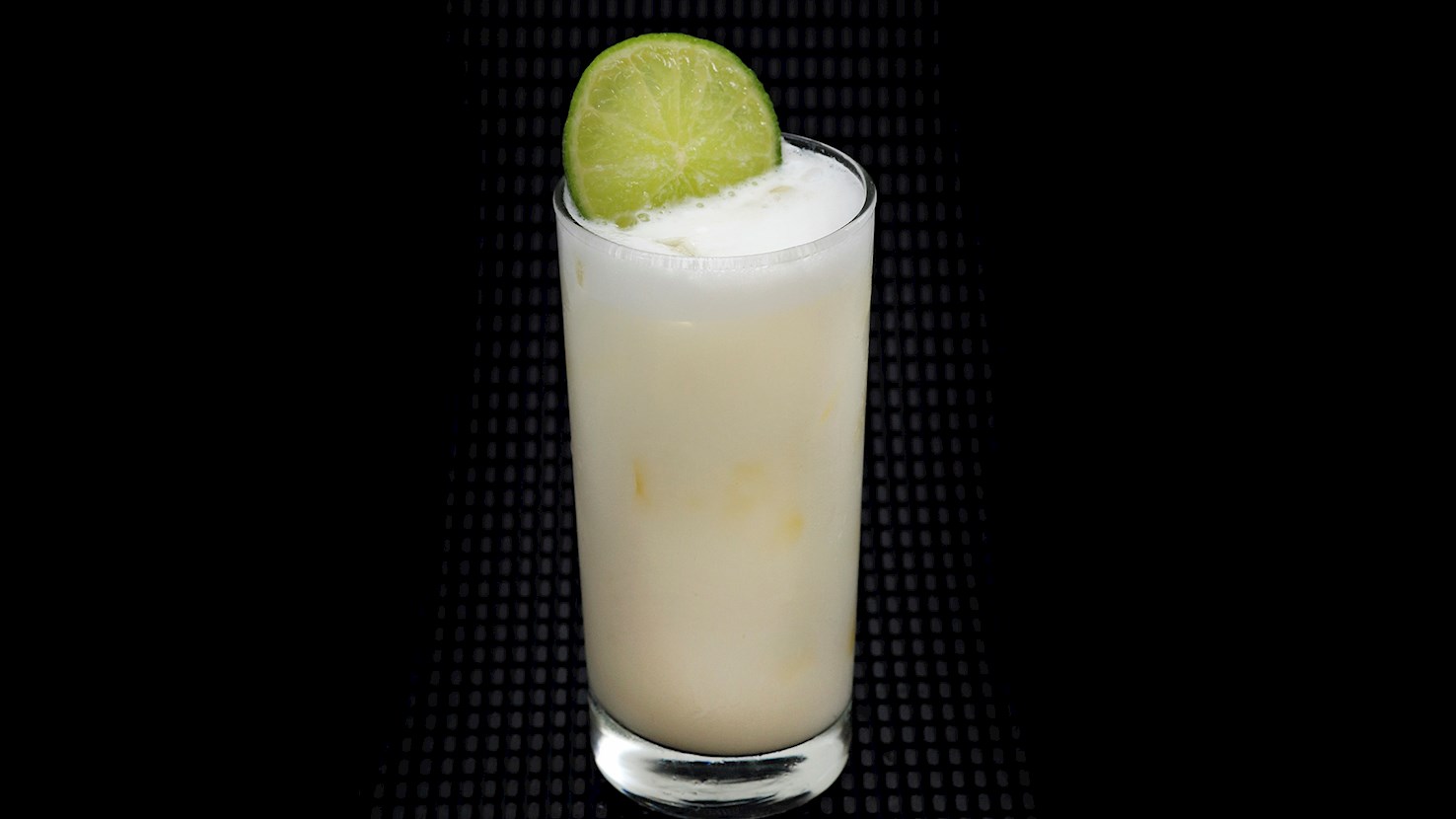
Ramos Gin Fizz is an American cocktail made with a combination of gin, sugar syrup, lime juice, lemon juice, cream, egg whites, orange flower water, vanilla extract, and soda water. All ingredients except soda are poured in a mixing glass and dry shaken without ice for 2 minutes. Ice is then added to the combination, and the cocktail is hard shaken for an additional minute. The cocktail should be strained into a highball glass without ice, then topped with soda. Due to the fact that vigorous shaking is required to reach the right texture, Ramos Gin Fizz is loathed by many bartenders. It was created in 1888 by Henry Charles Ramos (hence the name) at the Imperial Cabinet Saloon in New Orleans. Originally, the inventor employed a few ''shaker men'' in his bar to meet the constant demand for the cocktail. This foamy, floral, and refreshing cocktail can be garnished with orange and lemon slices, if desired.

08

Mint Julep

3.8 ·

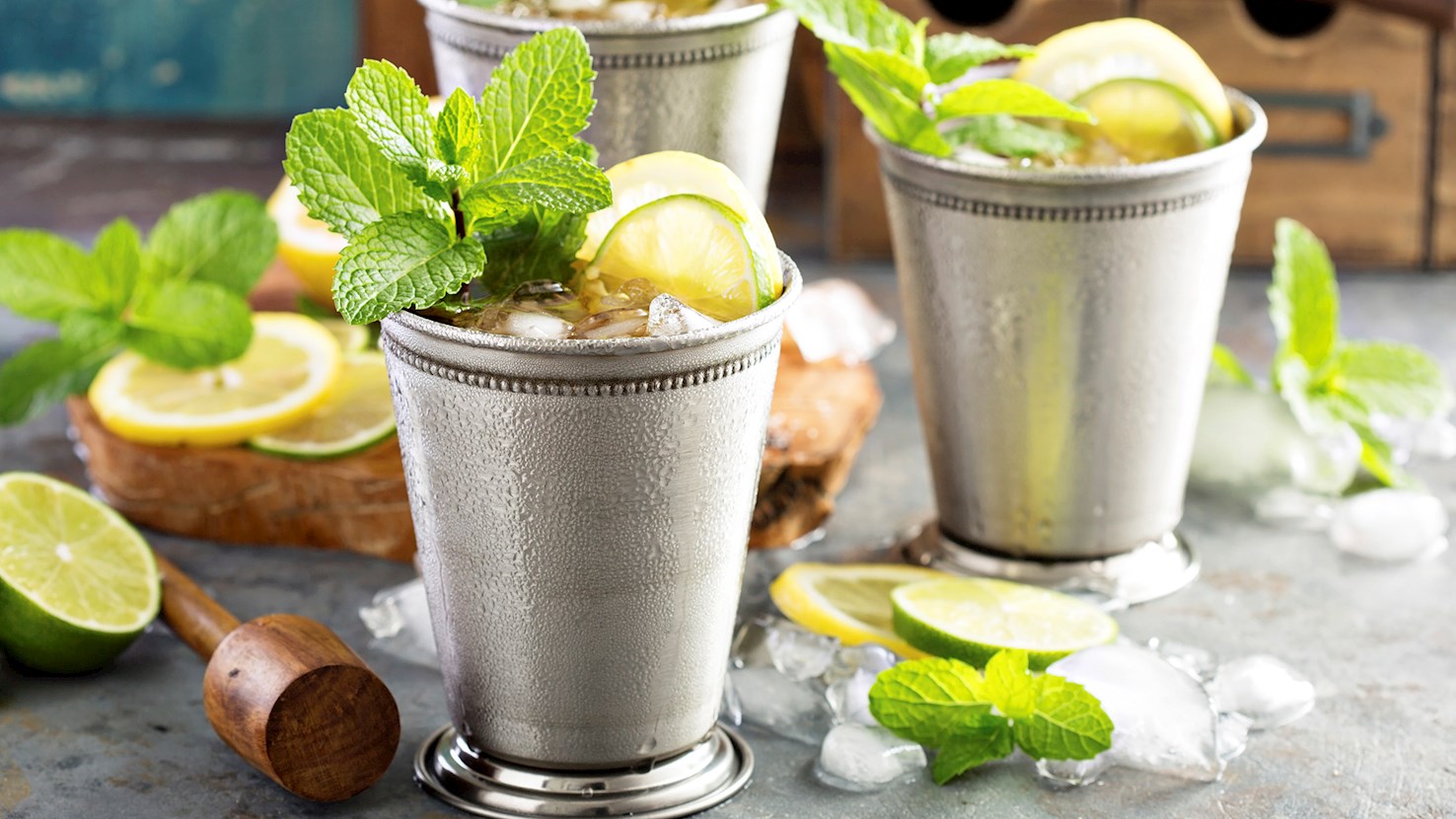
Mint Julep is a cocktail that originated in the 18th century in Kentucky, and it is widely consumed throughout the American South. It contains bourbon, sugar syrup, water, crushed ice, and fresh mint leaves (usually spearmint). In the 18th century, Mint Julep was originally prescribed for stomach-aches, while bourbon was sometimes replaced with aged gin. However, since 1938, it is associated with the Kentucky Derby as an official drink. The drink is prepared by muddling fresh mint with sugar and crushed ice until the mint releases its essential oils, and the cocktail is then topped with bourbon and water. Although it was traditionally served in a silver cup in the past, nowadays it is commonly served in a tall glass (collins or highball) with a straw.

09

Banana Daiquiri

3.8 ·

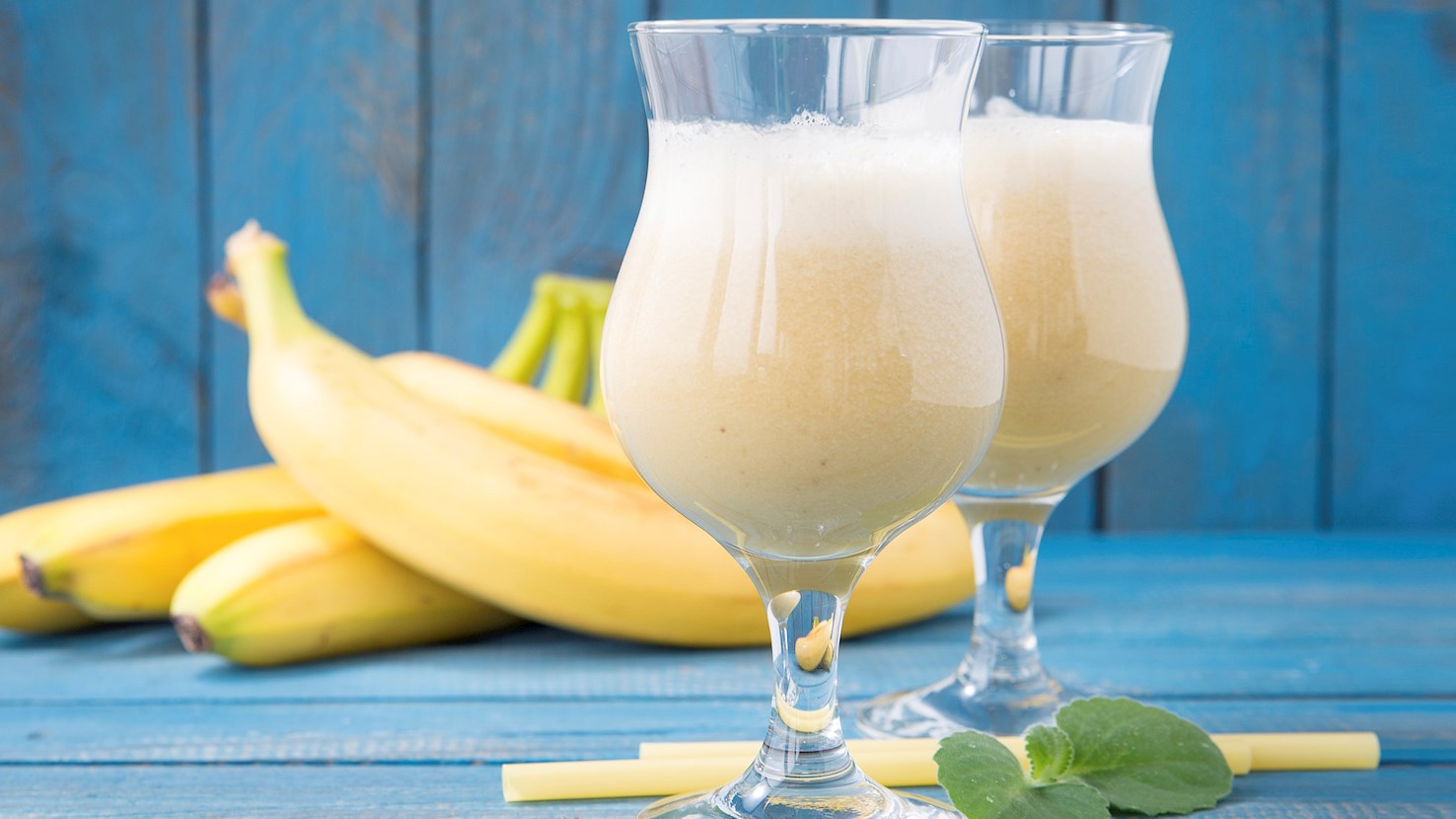
Although the classic Daiquiri is said to have been invented in 1898 in Cuba, the variation known as Banana Daiquiri was first made around the 1970s at St. Thomas’ Mountaintop bar, located in the U.S. Virgin Islands. The cocktail is made by blending dark rum, sugar, lime juice, banana liqueur, water, and peeled ripe bananas with ice until the combination becomes smooth and thick. It is then served in tall, chilled glasses, which can be garnished with banana slices, if desired.

10

Fuzzy Navel

3.8 ·

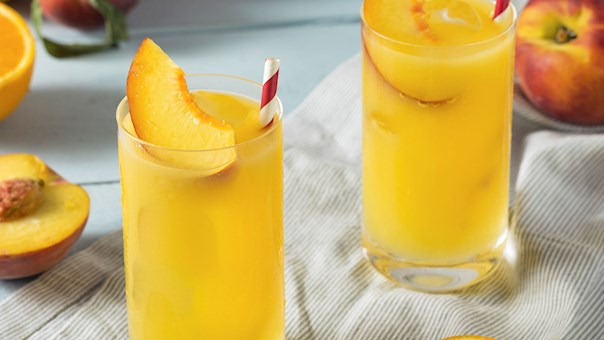
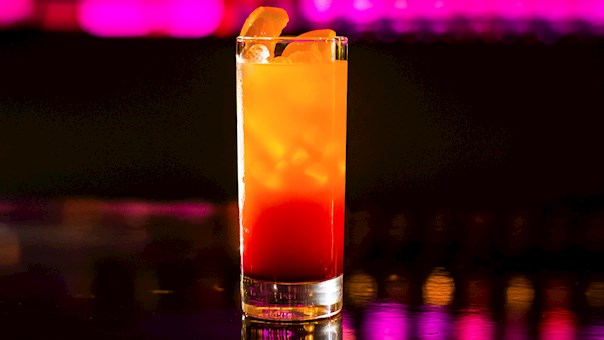
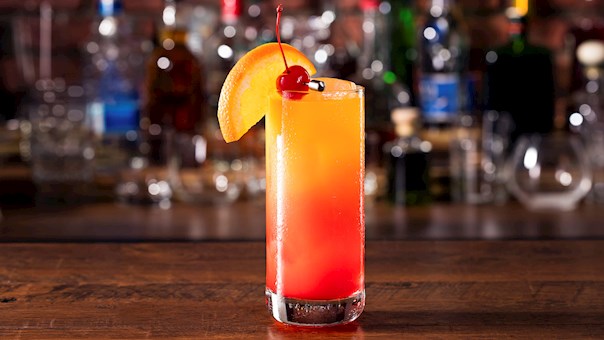
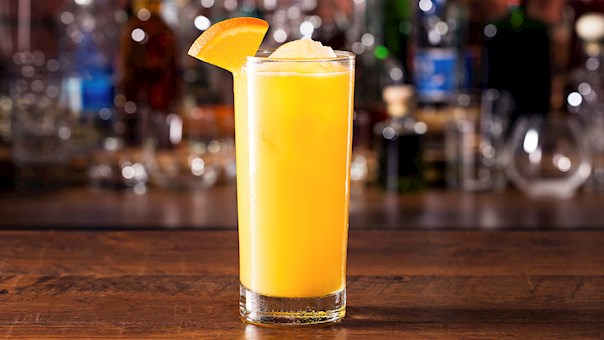
Fuzzy Navel is a sweet and fruity American cocktail that was invented in the 1980s by bartender Ray Foley. The cocktail consists of equal parts peach schnapps and vodka, which are then topped with orange juice. There are also versions that include lemonade or a splash of vodka in the mix, transforming the drink from Fuzzy navel into Hairy Navel. The cocktail is prepared by pouring the ingredients on the rocks in a highball glass, without shaking and stirring, and it is typically garnished with an orange slice.

Read more
View all
View map
About this ranking

TasteAtlas food rankings are based on the ratings of the TasteAtlas audience, with a series of mechanisms that recognize real users and that ignore bot, nationalist or local patriotic ratings, and give additional value to the ratings of users that the system recognizes as knowledgeable. For the “Top 100 American Cocktails” list until June 03, 2026, 3,104 ratings were recorded, of which 2,870 were recognized by the system as legitimate. TasteAtlas Rankings should not be seen as the final global conclusion about food. Their purpose is to promote excellent local foods, instill pride in traditional dishes, and arouse curiosity about dishes you haven’t tried.

Similar lists