shutterstock

Top 6 Austrian Coffees

Last updated on June 10, 2026

Best Austrian Coffees
01

Alt Wien Kaffee

4.1 ·
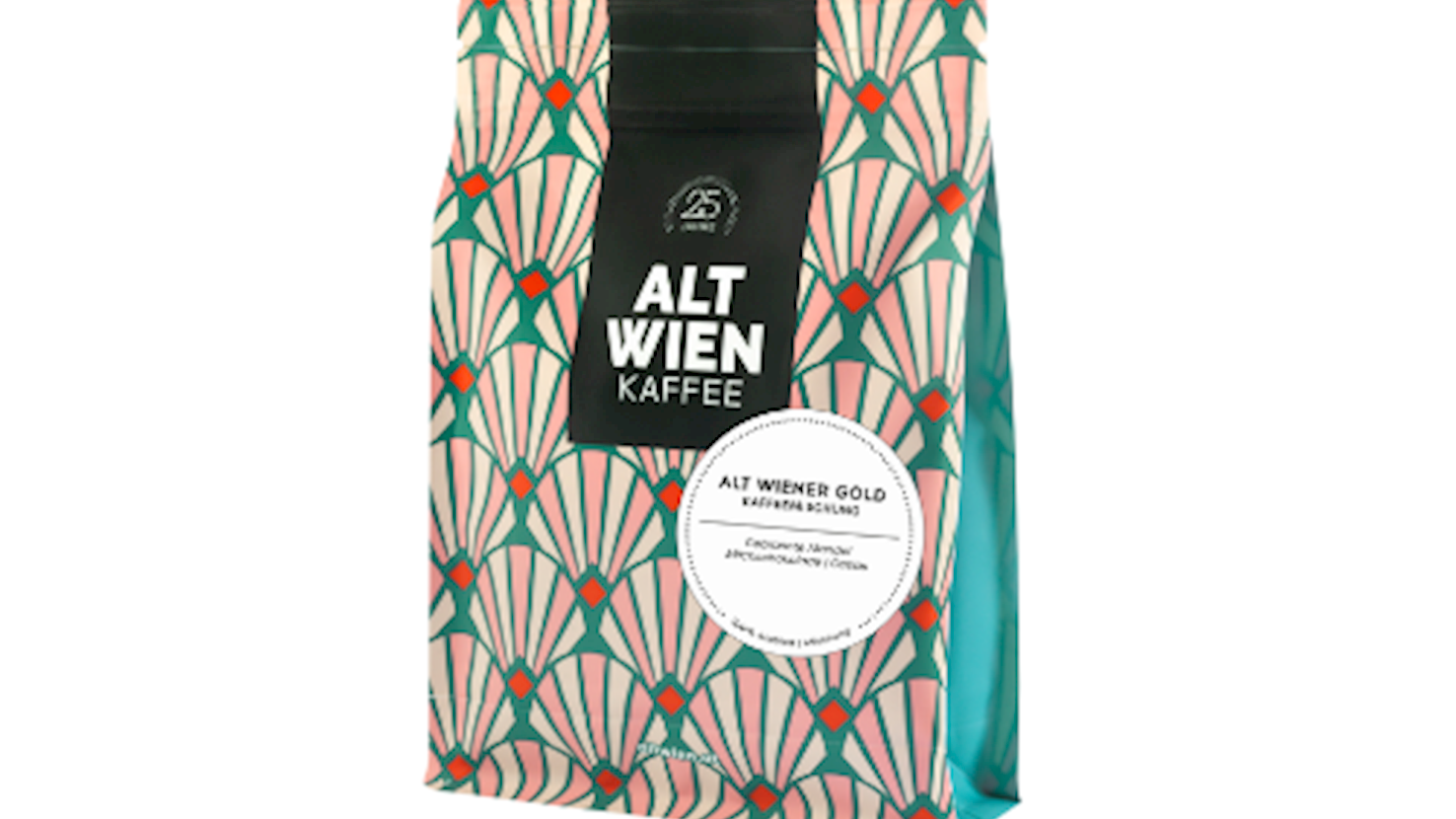
Alt Wien Kaffee is a Viennese coffee roastery and specialty coffee retailer built around Vienna’s long-standing coffee culture and identity as a historic coffee city. The brand focuses on carefully selected coffees across a range of profiles, from stronger traditional espresso blends to lighter, fruitier, and more chocolate-driven coffees for filter preparation. Its portfolio includes classic Viennese blends, 100% Arabica coffees, organic and Fairtrade products, as well as specialty coffees with clearly identified origins and flavor characteristics. Alt Wien Kaffee does not position itself as a large industrial coffee brand, but rather as a local Viennese roastery with an emphasis on character, freshness, and variety. Its approach connects the traditional image of Viennese coffee house culture with contemporary interest in bean origin, roasting style, and sensory tasting notes. The company’s roastery and shop are located at Schleifmühlgasse 23 in Vienna’s 4th district, reinforcing its urban artisan identity. Product descriptions frequently highlight notes such as chocolate, nuts, fruit, caramel, and spices, helping customers choose according to preparation method and flavor preference. Alt Wien Kaffee can therefore be seen as a contemporary custodian of Vienna’s coffee heritage, interpreted through a more modern specialty and small-batch coffee perspective rather than mass-market production.
02

Julius Meinl

3.6 ·
Julius Meinl is one of Austria’s most recognizable coffee and tea brands, with roots dating back to 1862, when Julius Meinl I opened a shop selling spices and green coffee in Vienna. The company is considered a pioneer in modern coffee retail, as it was among the first in Europe to offer pre-roasted coffee, providing consumers with more consistent quality and easier preparation. Over the decades, Julius Meinl has become a symbol of Viennese coffee house culture, combining the tradition of elegant café rituals with a contemporary approach to premium beverages. By the early 20th century, the company had become the largest coffee roaster in the Austro-Hungarian Empire and one of Central Europe’s leading importers of coffee and tea. Its distinctive logo featuring the silhouette of a boy wearing a fez has become one of the most recognizable visual identities in the European food and beverage industry. Today, Julius Meinl operates as an international family-owned company present in more than 70 countries, and beyond whole bean coffee, ground coffee, and capsules, the company also develops tea collections, cold brew products, and beverages for professional use.

Best Austrian Coffee Types

01

Wiener melange

3.8 ·

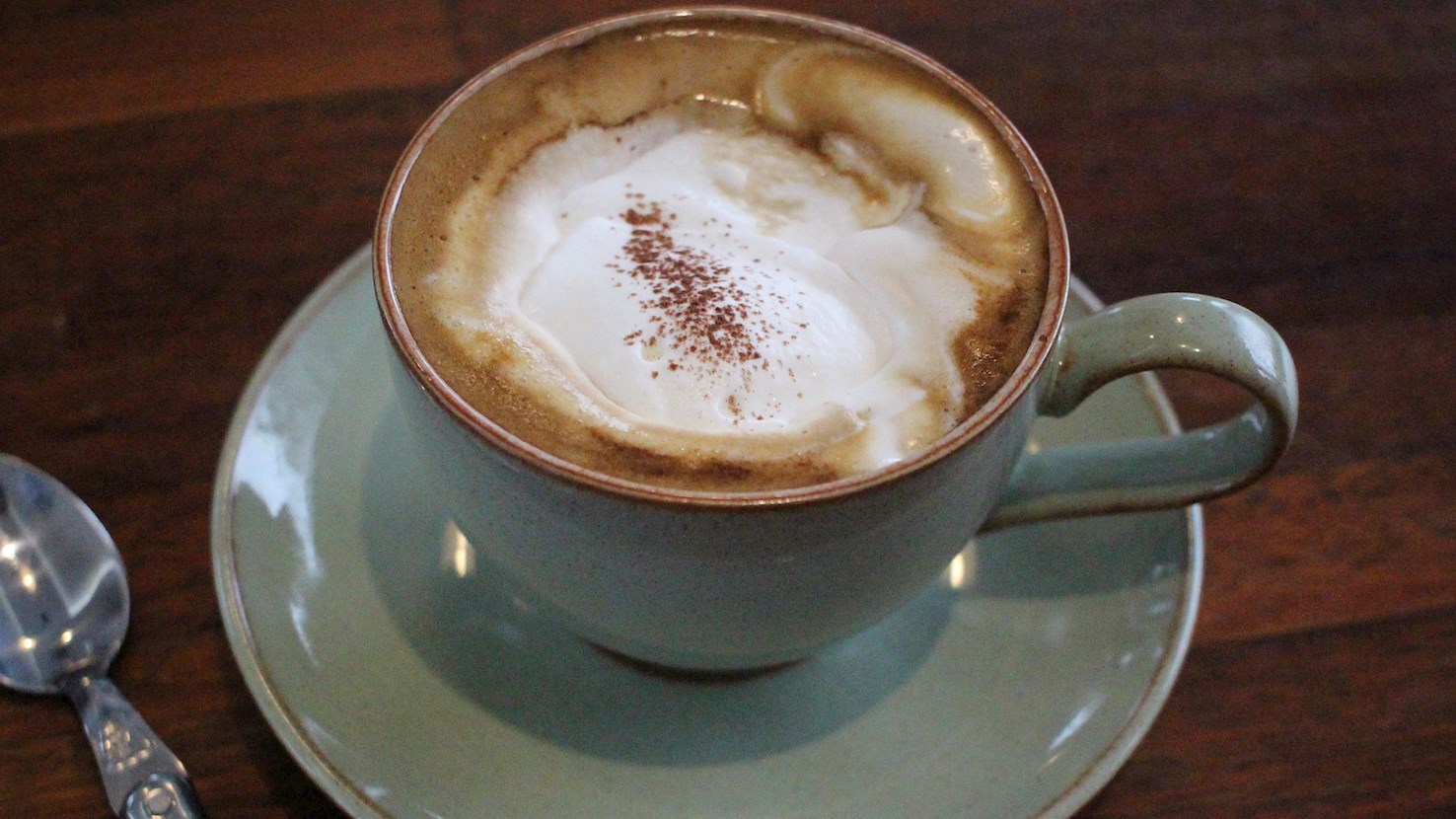
Although it is often compared to cappuccino, Wiener melange is a specialty blend of coffee and milk that is more similar to caffe latte. The first written records about melange date back to Vienna in the mid-19th century, while the word melange comes from the French verb méler, which translates as to mix. While there are several variants of this classic, it is usually made with one espresso shot of mild coffee that is served in a large cup. The coffee is then topped with hot creamy milk and milk foam. Melange is typically consumed by sipping through the milk foam, and it is regularly accompanied by a glass of water, acting as a palate cleanser between sips. The drink is a staple in Viennese coffee houses, and it can be sweetened depending on personal preferences. It is best paired with classic Austrian desserts.

02

Einspänner

3.8 ·

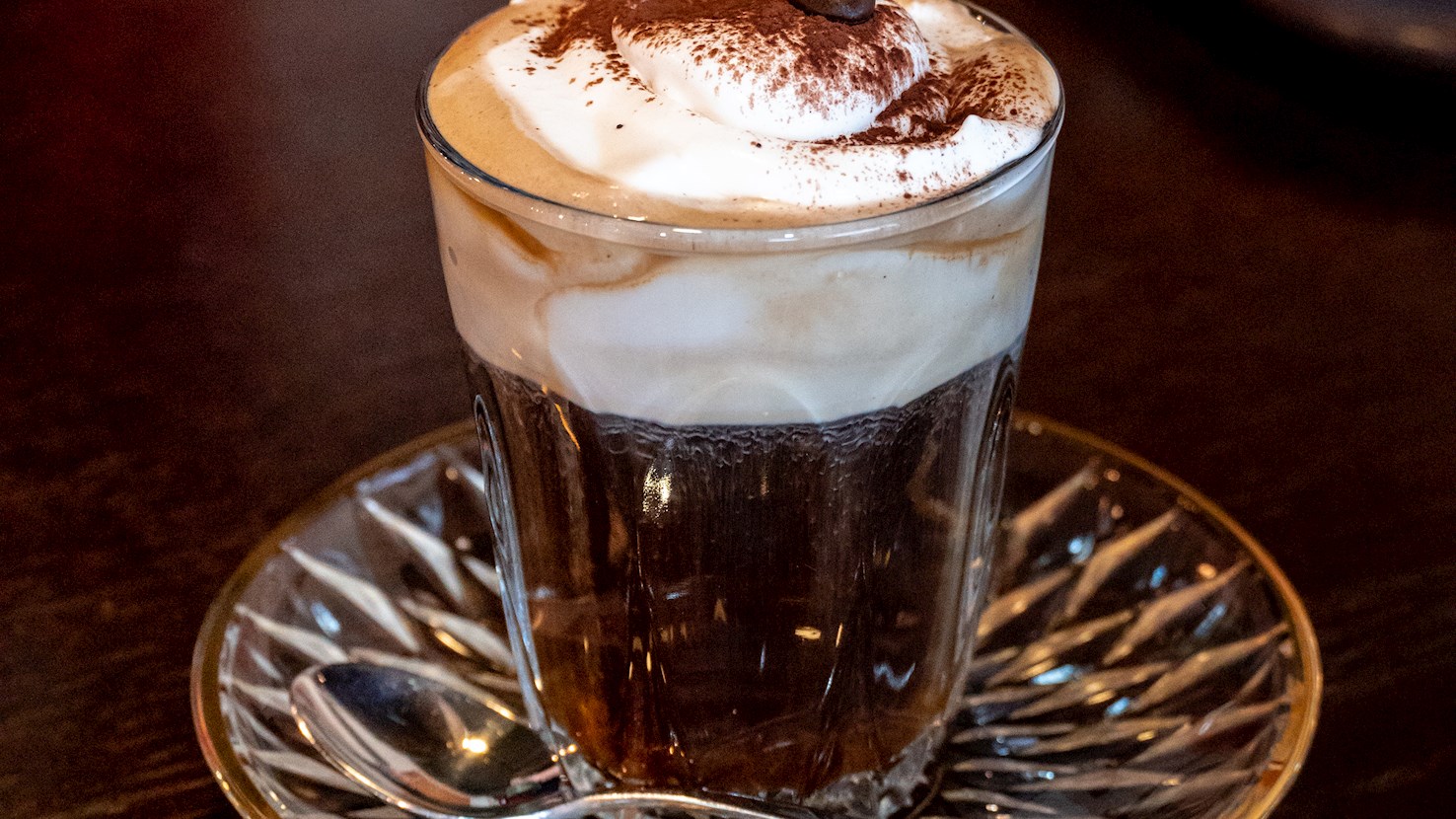
Einspänner is a classic Viennese coffee that combines espresso and hefty amounts of whipped cream on top. The drink was named after one-horse-drawn carriage. Allegedly, this type of coffee was ideal for the coachmen because the cream would keep the coffee warm and would prevent spillage. Einspänner is usually served in a tall glass, and it can be dusted with icing sugar or cocoa powder. Traditionally, it is not stirred, and the coffee should be slowly sipped through the whipped cream.

03

Kaisermelange

3.6 ·

Although it is nowadays rarely found in Viennese coffee houses, Kaisermelange is often listed as a unique Viennese specialty. It consists of a pulled espresso that is mixed with a raw egg yolk. The beverage is usually sweetened with honey and fortified with Cognac, other types of brandy, or rum. The name Kaisermelange translates as Emperor's mélange—presumably because of the luscious texture and rich flavor of the coffee, which makes it worthy of being served to an emperor.

04

Kapuziner

3.5 ·

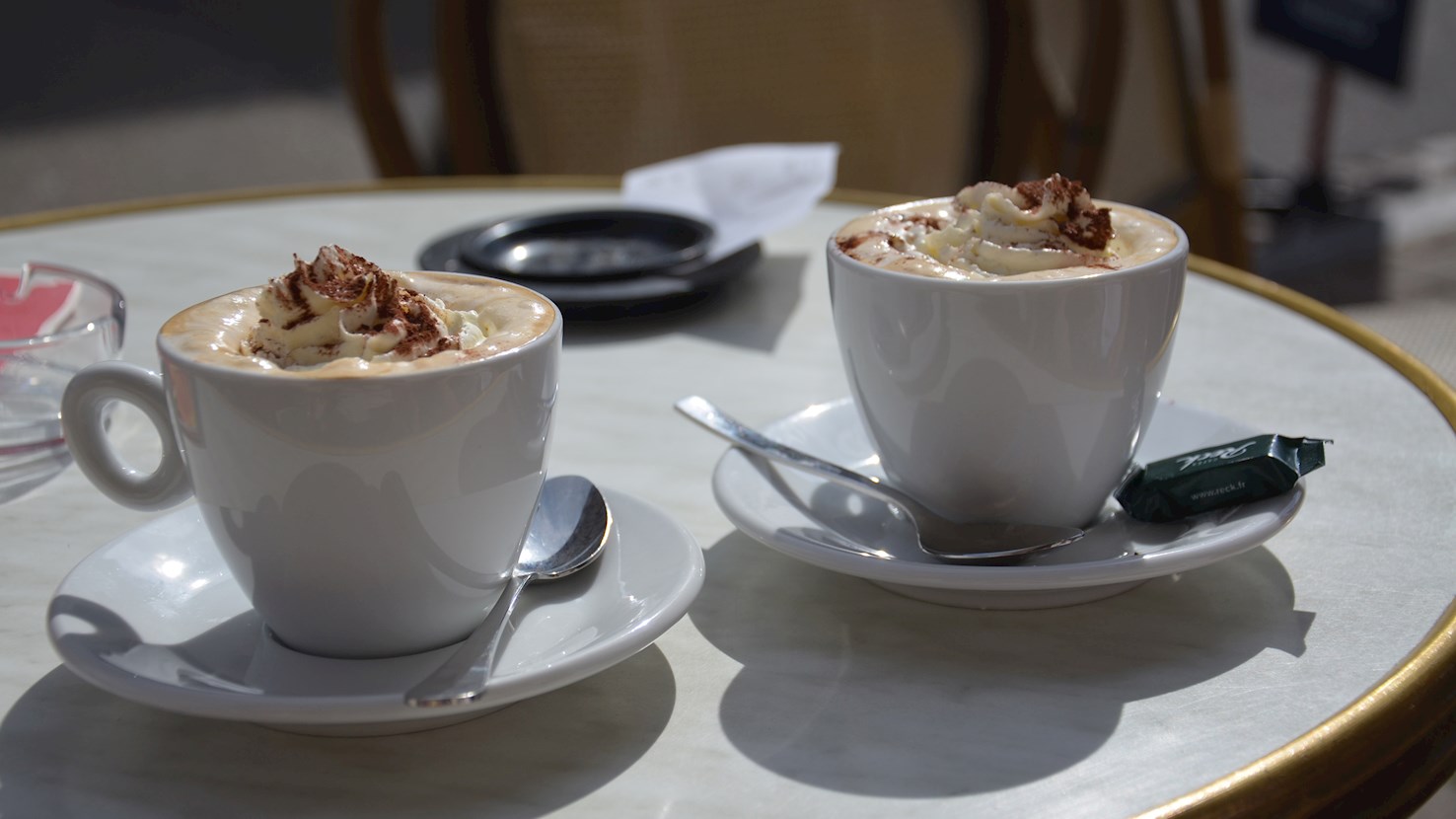
Kapuziner is an Austrian specialty coffee consisting of espresso and a dollop of whipped cream. The drink has a distinctive brown color similar to the color of the robes worn by Capuchin friars. It is presumed that this is the reason why it was given the name. This coffee is usually served dusted with cocoa powder or sprinkled with chocolate shavings.

05

Franziskaner

3.1 ·

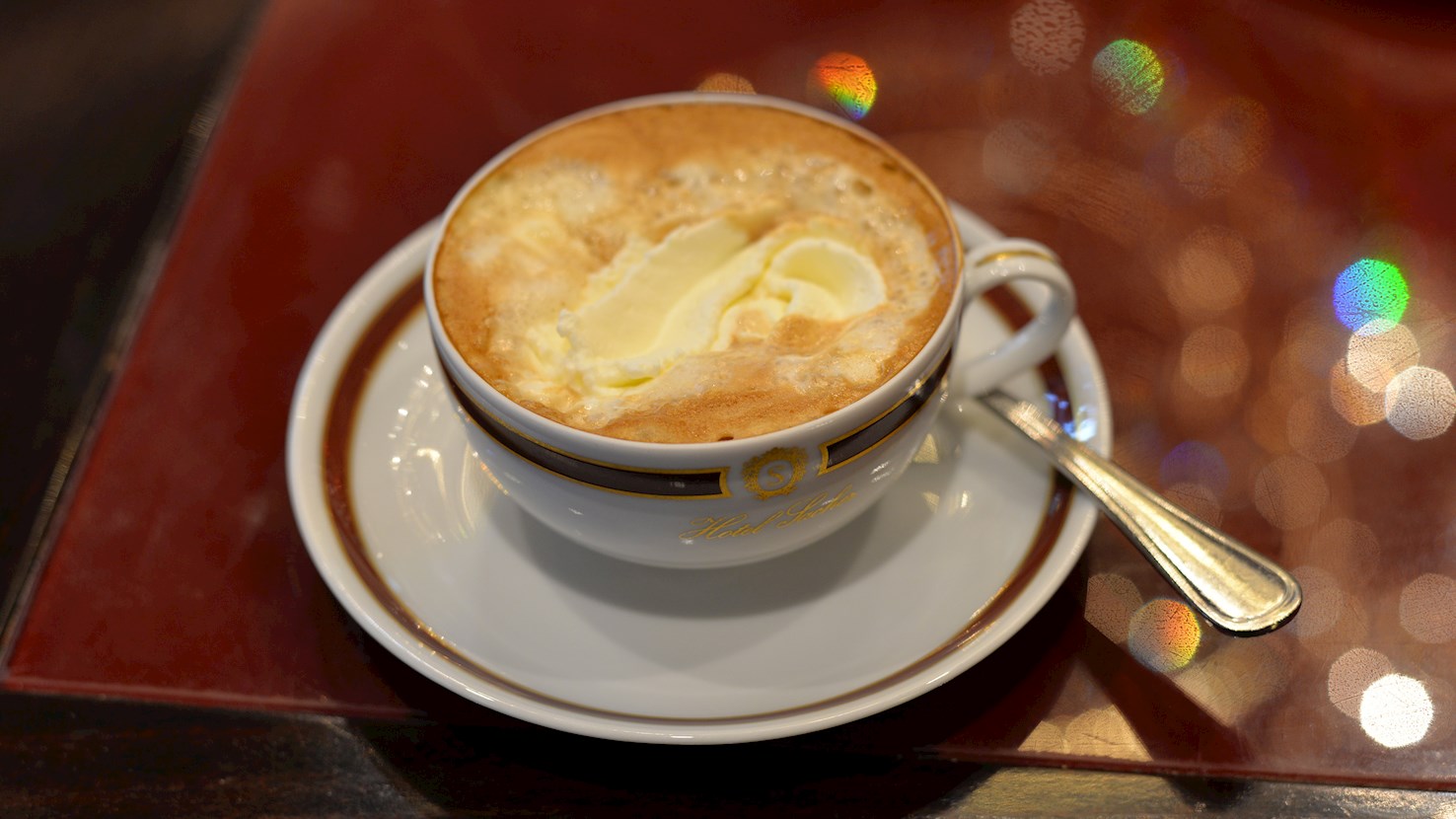
Franziskaner is an Austrian coffee variety that consists of a combination of espresso and milk. The coffee is then topped with hefty amounts of whipped cream, which is occasionally garnished with chocolate sprinkles or dusted with cocoa powder. It is believed that the beverage was named after Franciscan friars because the color of the drink is similar to the brown color of their robes.

06

Biedermeier Kaffee

n/a ·

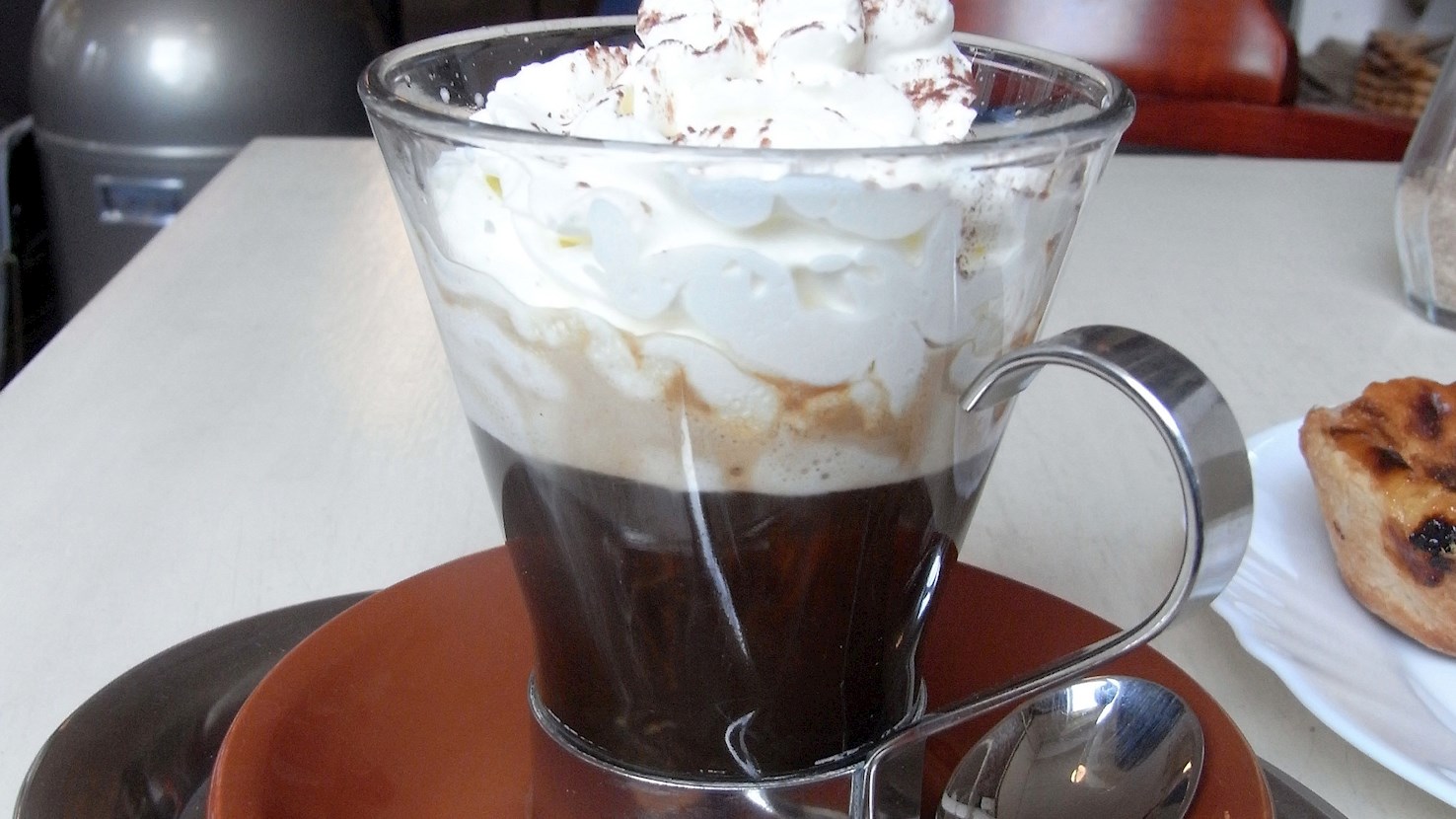
Biedermeier Kaffee is a flavored coffee specialty originating from Austria, specifically Vienna, and closely associated with the cultural and culinary refinement of the Biedermeier period in the early 19th century. The drink is typically prepared by adding a dash of apricot liqueur, most often Marillenschnaps, to a serving of strong black coffee, usually of Viennese roast, and topping it with a layer of lightly whipped cream. The result is a subtly sweet and aromatic beverage that reflects the restrained elegance and bourgeois sensibilities of the era in which it was conceived. This coffee style emerged during a time when Austrian cafés began to flourish as social hubs, influenced by the quieter domestic life and emphasis on private enjoyment characteristic of the Biedermeier cultural movement. Unlike more ostentatious or dessert-like coffee creations, Biedermeier Kaffee maintains a level of restraint; its enhancement through fruit liqueur is present but not overpowering, designed to complement the coffee rather than mask it. The use of apricot-based spirits is deeply rooted in the culinary landscape of Austria, especially the Wachau region, where apricots have long been cultivated for their quality and flavor. Biedermeier Kaffee is typically served in a glass or fine porcelain cup, and the cream is added gently to allow a soft contrast between the coffee and the topping. While it may not appear frequently on modern café menus outside of Austria, within Vienna's historic coffeehouses it remains a subtle reminder of a more introspective approach to café culture.

Read more
View all
View map
About this ranking

TasteAtlas food rankings are based on the ratings of the TasteAtlas audience, with a series of mechanisms that recognize real users and that ignore bot, nationalist or local patriotic ratings, and give additional value to the ratings of users that the system recognizes as knowledgeable. For the “Top 6 Austrian Coffees” list until June 10, 2026, 176 ratings were recorded, of which 137 were recognized by the system as legitimate. TasteAtlas Rankings should not be seen as the final global conclusion about food. Their purpose is to promote excellent local foods, instill pride in traditional dishes, and arouse curiosity about dishes you haven’t tried.

The initial list of top producers was compiled based on available reviews, awards, local recommendations, media and blog coverage, and consumer reviews. The list will be updated with ratings from TasteAtlas local ambassadors and TasteAtlas users.

Similar lists