

shutterstock

Top 99 Coffees
in the World

Last updated on June 06, 2026

Best Coffee Types in the World

01

Café Cubano

4.3 ·

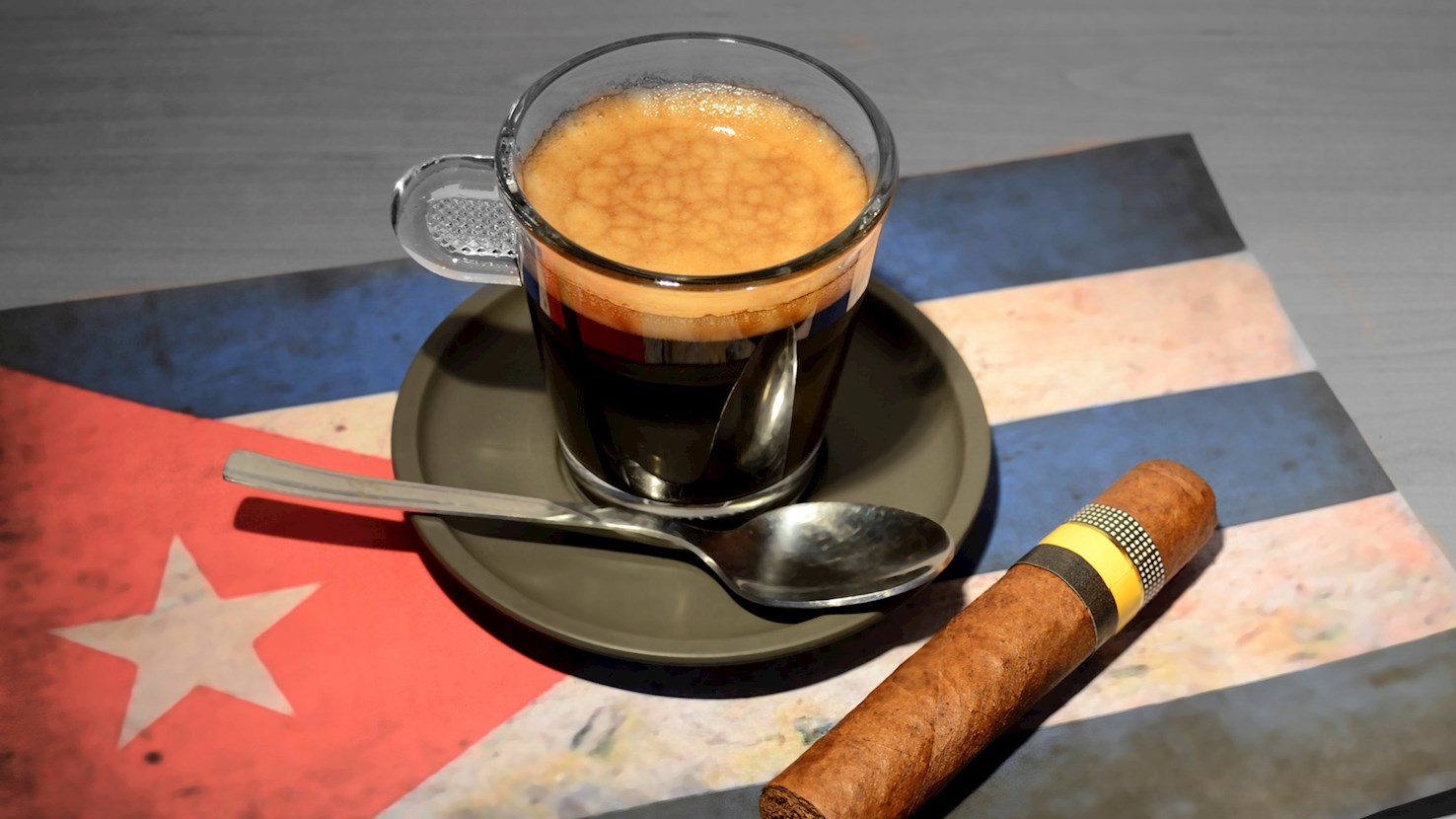
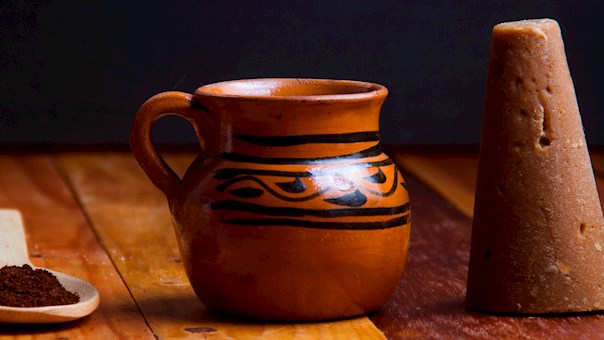
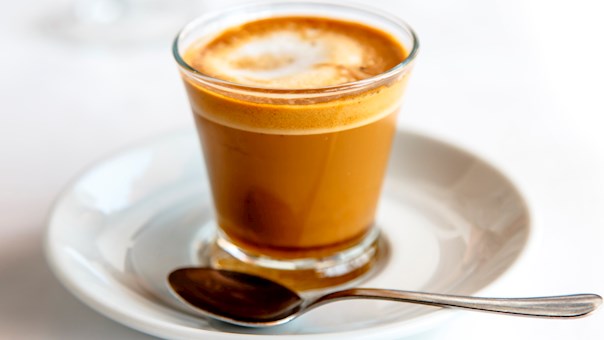
A unique, pre-sweetened type of espresso that originated in Cuba known as café Cubano is often referred to as Cuban espresso, Cuban coffee, Cuban pull, or Cuban shot. Although it holds a unique status in Cuba, where it traditionally stands as the essential social and cultural beverage, Cuban espresso is also very popular and widely available throughout Latin America and Florida. It consists of an espresso shot that is sweetened with demerara sugar while being brewed. This espresso variety is made by brewing the darker roasts with sugar, which results in light-brown foam on top of the coffee. Cuban-style espresso is considered a mid-afternoon standard that is typically served alongside a glass of water. For an authentic Cuban experience, it is best to pair it with a fine Cuban cigar.

02

Espresso freddo

4.3 ·

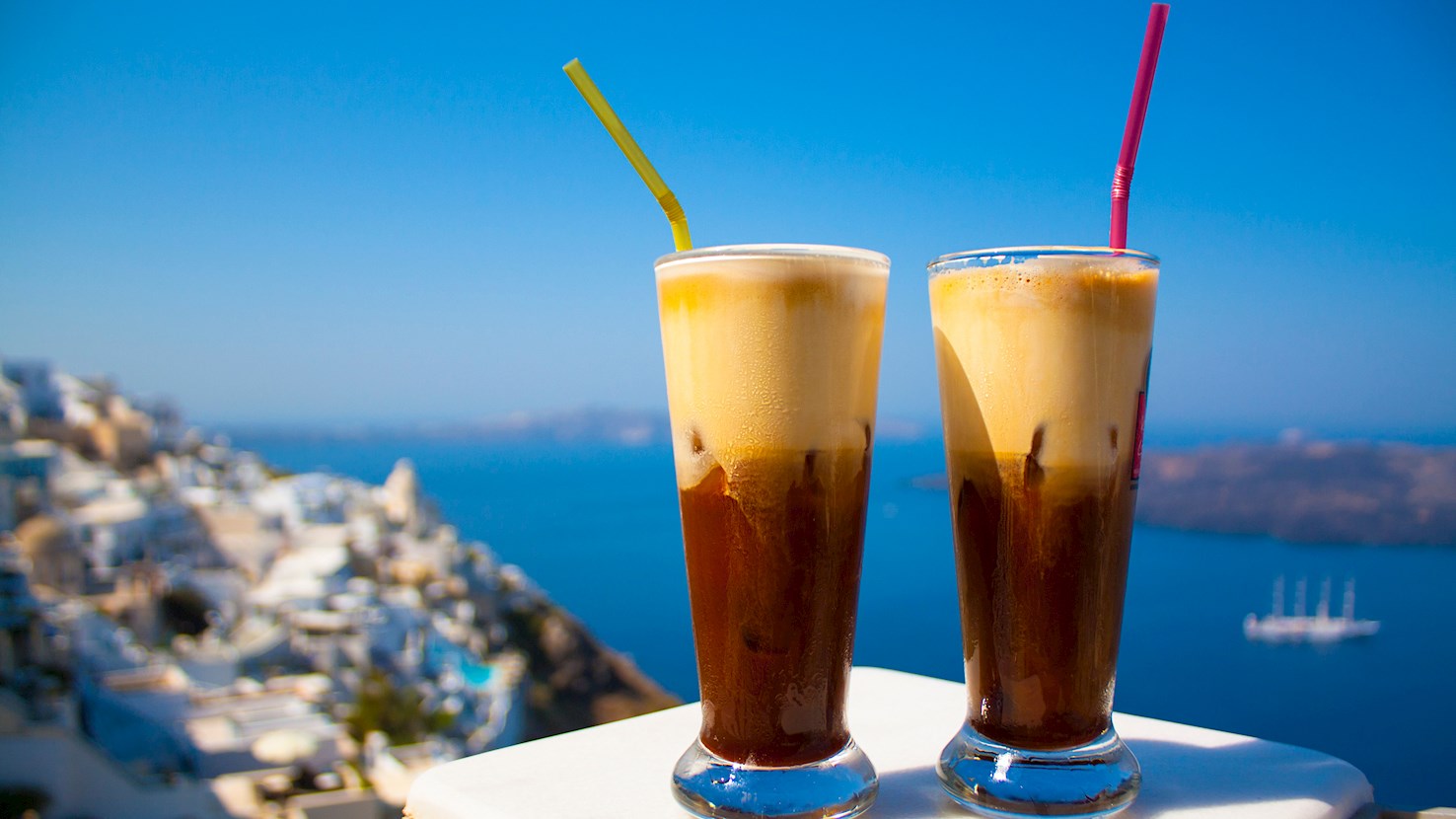
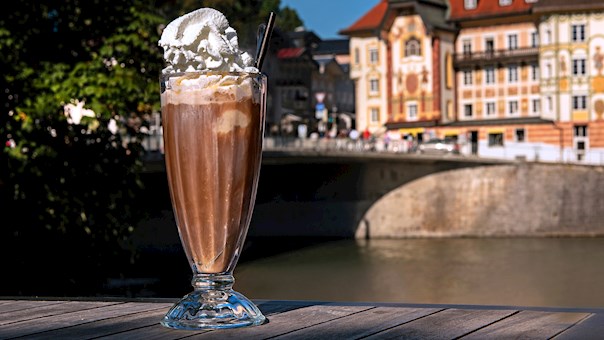
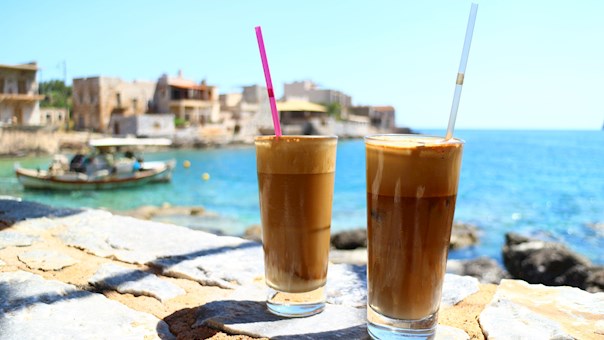
Espresso freddo is a simple Greek coffee that combines espresso and ice. Unlike similar ice coffee varieties that merely serve coffee over ice, this Greek version primarily blends the two ingredients until the coffee is slightly chilled, smooth, and creamy. Slightly chilled coffee is then strained and poured over ice. The drink is sweetened according to preference, which should be done before it is blended. Espresso freddo became popular in the 1990s, and nowadays, it is a staple throughout the country. It is traditionally served in glasses.

03

Vietnamese Iced Coffee

4.2 ·

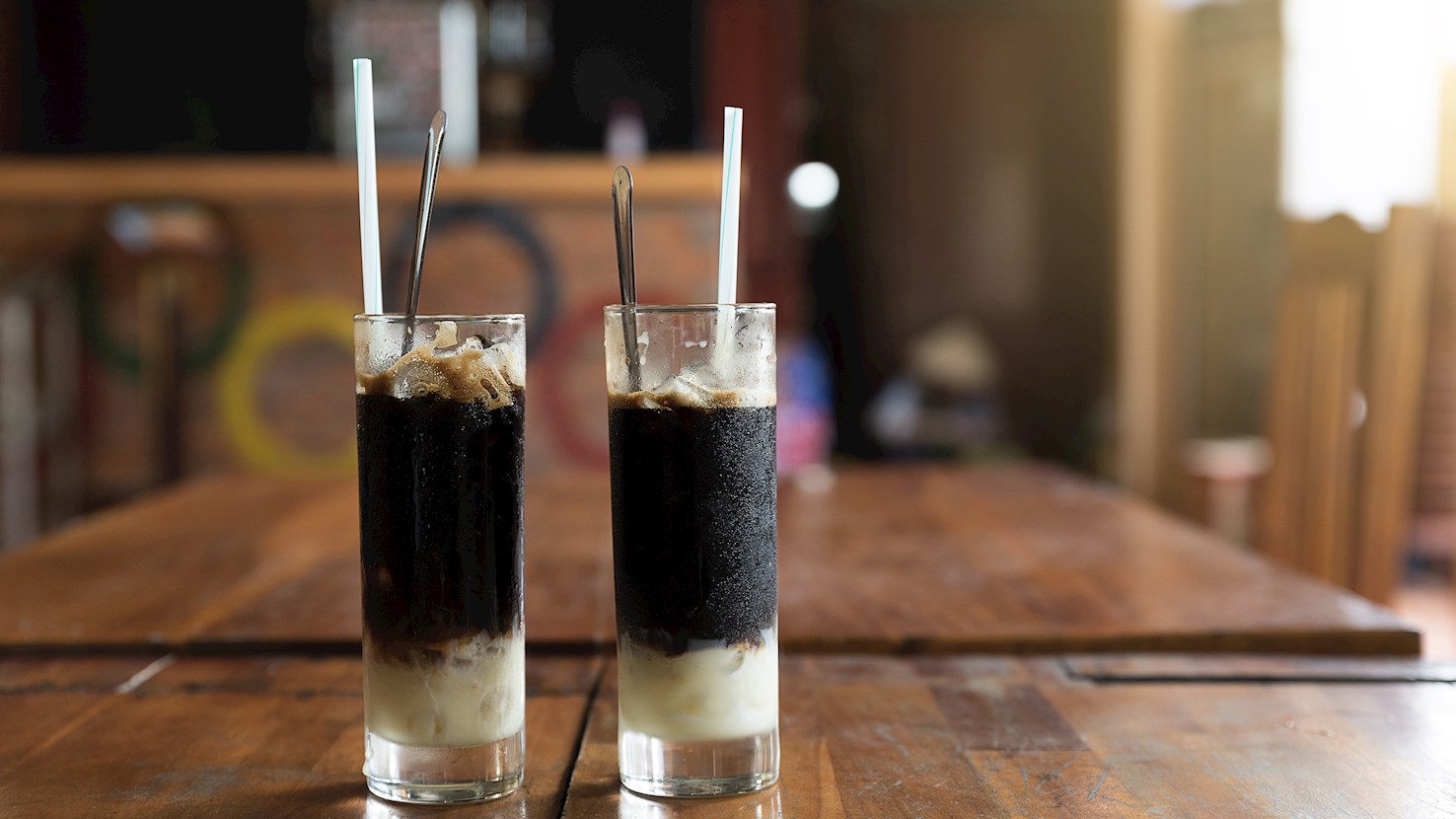
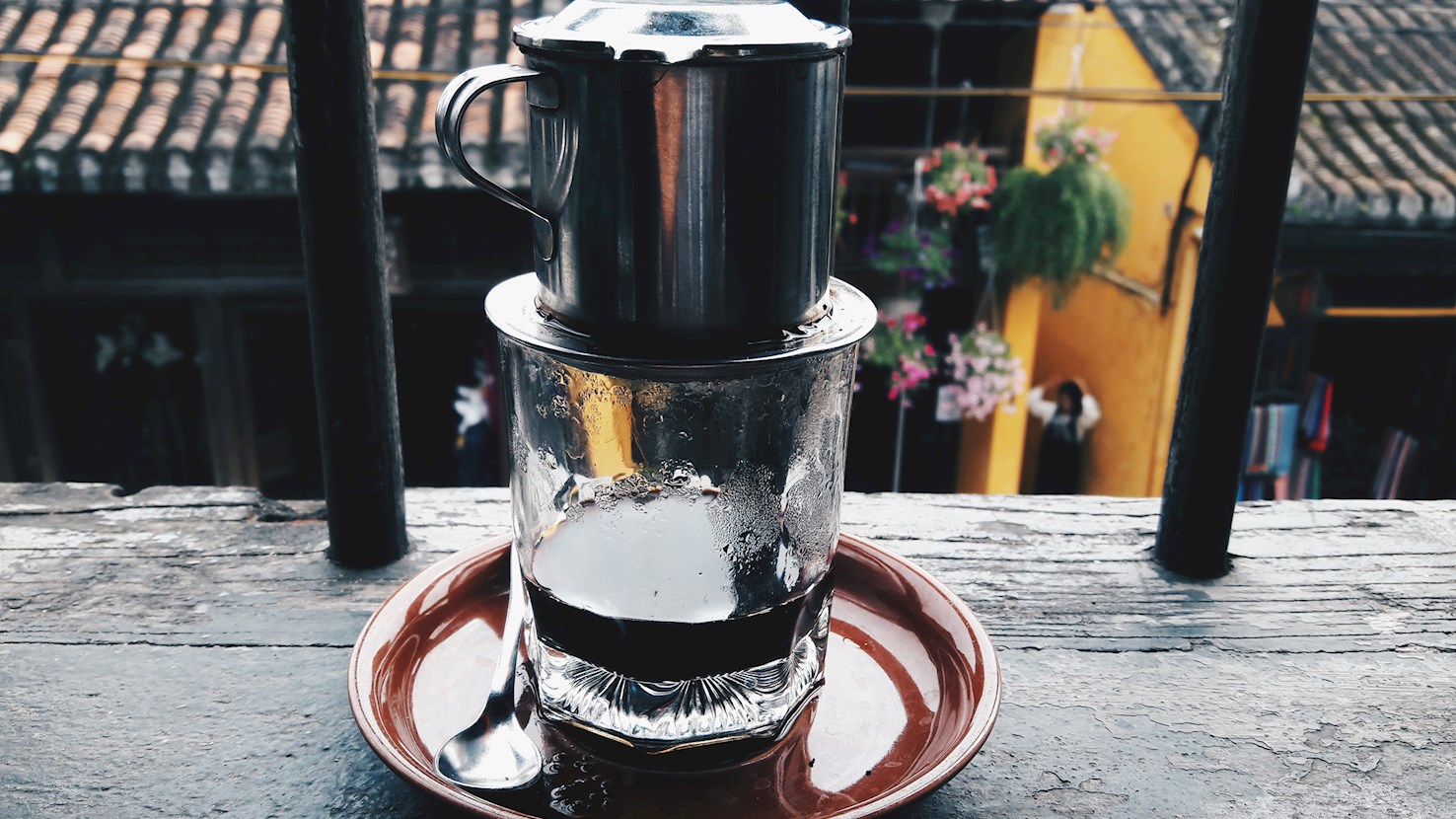
Vietnamese iced coffee is a drink that combines strong coffee, condensed milk, and ice. It is traditionally made with medium or coarse ground Vietnamese-grown coffee, typically the Robusta variety, which is brewed using a drip phin filter—in which the coffee is brewed and then slowly dripped in the cup. The coffee is then poured over ice and mixed with condensed milk. It is usually served in a tall glass. Although it is most commonly made with condensed milk (cà phê sữa đá), there is also a version that combines only coffee and ice (cà phê đá).

04

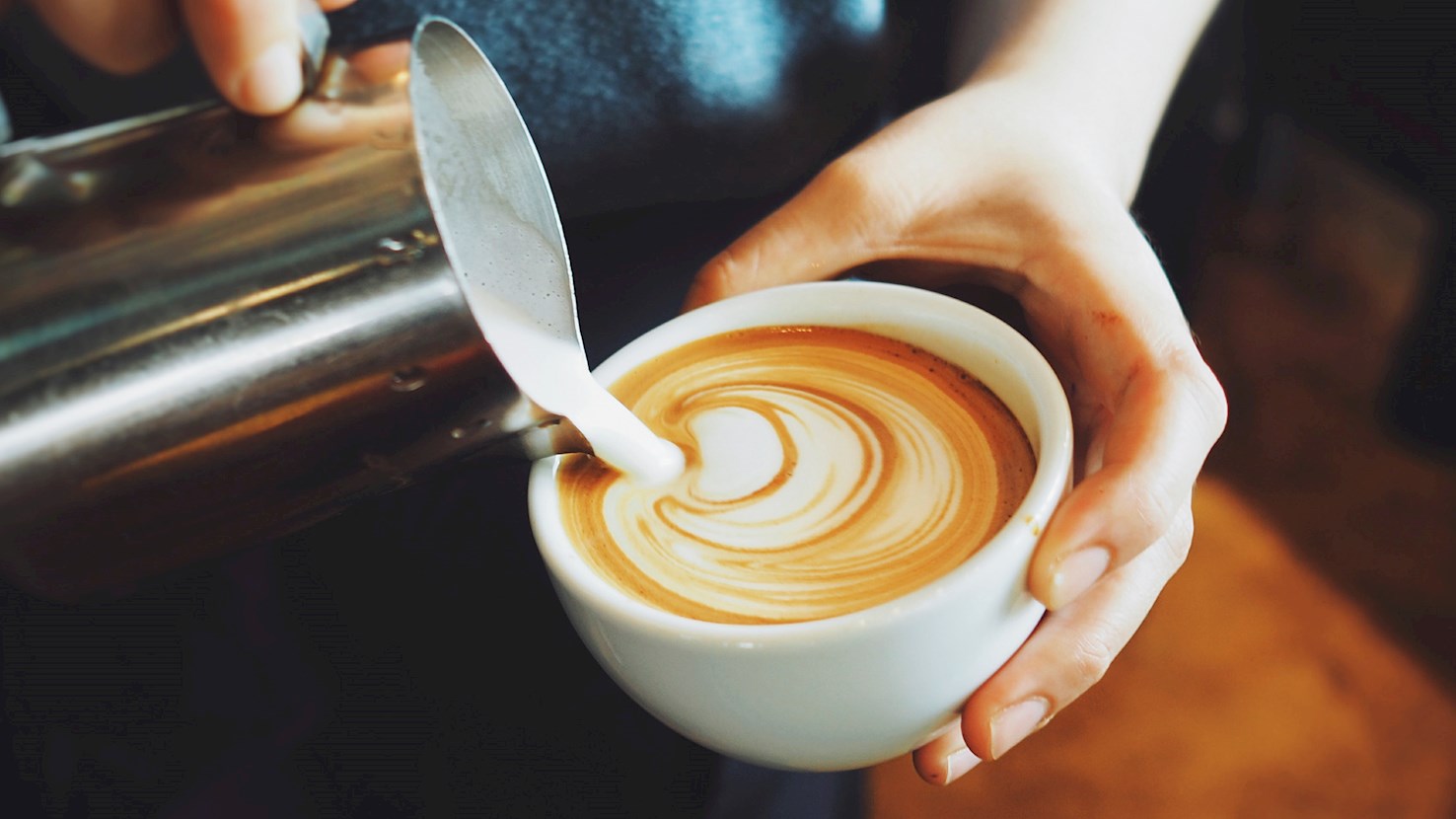
Cappuccino

4.2 ·

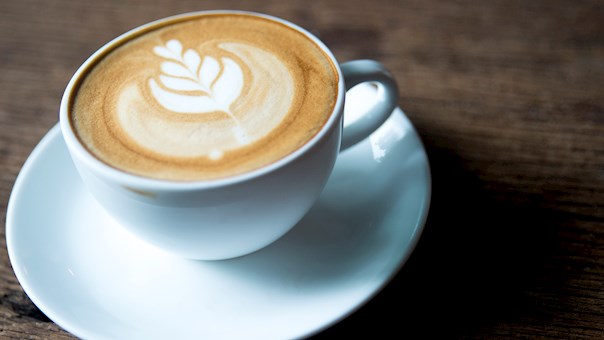
Cappuccino is an Italian coffee made with espresso and steam-foamed milk. It is believed that it developed from kapuziner—a coffee-based beverage that was enjoyed in Austrian coffee houses in the 18th century. The first mention of the word cappuccino in Italy dates back to the 1930s, but at the time the drink was topped with whipped cream, and later it gained its current form with the invention of the espresso machine. Traditional Italian cappuccino is always served in small cups, which are occasionally pre-heated, and it is prepared by pulling a single or a double shot of espresso which is then topped with a light and frothy steamed milk. The recommended ratio in Italy is to have more froth than liquid. Due to its popularity, outside of Italy, cappuccini can significantly differ from their original Italian version, and they can be enjoyed throughout the day, while the Italians would rarely drink them in the afternoon. Interestingly, it is said that the name cappuccino was inspired by the Capuchin friars, supposedly because the color combination of coffee and milk resembles those of Capuchin robes.

05

Freddo cappuccino

4.2 ·

Freddo cappuccino is a chilled coffee variety that originates from Greece. It is made with espresso; usually a double shot, which is first blended with ice, strained, and then poured over ice. The drink is then topped with well-chilled milk that is shaken or blended until it achieves a light, frothy consistency. Freddo cappuccino is a traditionally served in tall glasses. Similar variety, without milk, is known as espresso freddo. Both drinks are commonly found in Greece, and they are mostly enjoyed as refreshing summer drinks.

06

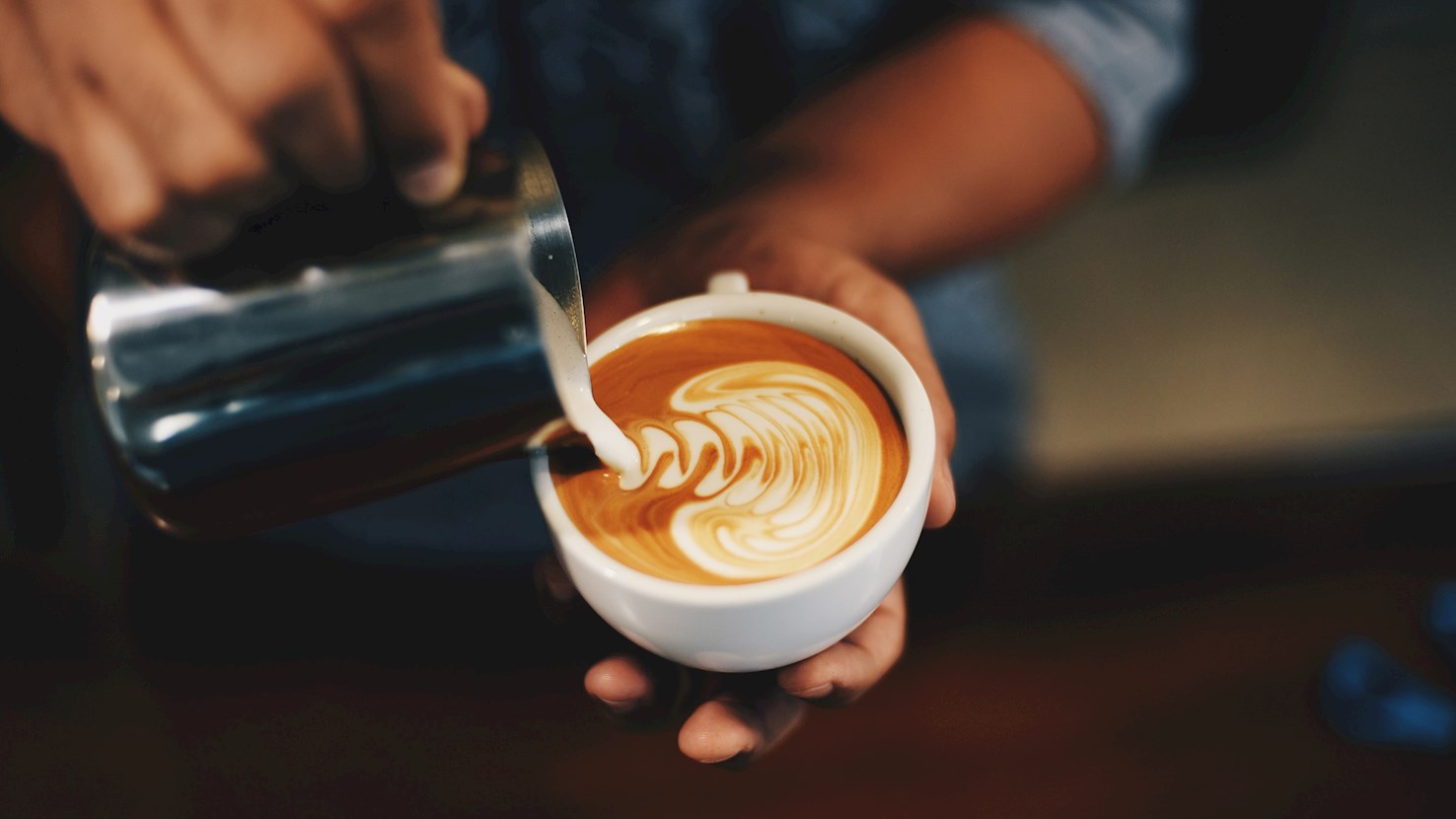
Caffè latte

4.1 ·

Caffè latte (caffè e latte) is an espresso-based coffee that has a somewhat vague origin. It consists of an espresso that is topped with steamed and sometimes lightly frothed milk. The usual ratio is 1:3 in favor of milk, but this often varies. The first mention of caffè latte dates back to 1867 when the term was mentioned in Italian Journeys, written by William Dean Howells. It is often claimed that it originated from cappuccino in order to make the drink more palatable for foreigners, but it belongs to a large group of European-style coffees that combine milk and coffee, such as the French caffe au lait or the Spanish café con leche. Although it has European origins, the international success of the modern caffè latte is often associated with the United States, where it became popular in the 1980s.

07

Ristretto

4.1 ·

Ristretto, which means restricted in Italian, is half of a single shot of espresso. It differs from a standard espresso not only in the amount of water used for its preparation, but also in flavor, which is less bitter than regular espresso. When prepared in an espresso machine, the regular amount of finely ground coffee is extracted with half the amount of water used for classic espresso. The result is a more concentrated beverage with a different balance of compounds than in standard espresso. The color of ristretto is reminiscent of dark chocolate, while the crema is much lighter than in regular espresso. Ristretto is typically served straight in a demitasse cup.

08

Vietnamese Coffee

4.1 ·

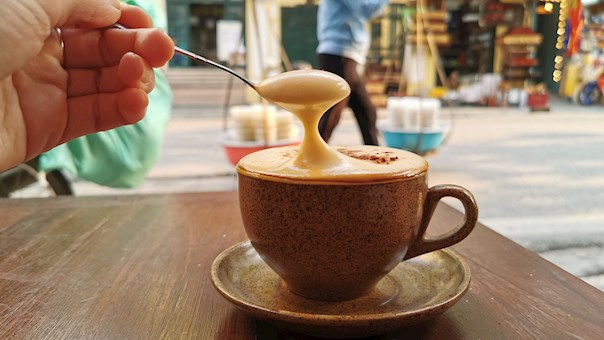
Coffee culture is an important part of daily life in Vietnam. Although it was first brought by the French colonist in the mid-19th century, coffee quickly became popular, and Vietnam is currently one of the largest coffee producers, as well as the leading producer and exporter of the Robusta coffee variety. Robusta is also the most commonly used variety in Vietnam. It attains its quite strong flavor and a thick texture due to the slow and long dark roast. Occasionally, the beans are also roasted with butter and sugar, while some even decide to add cocoa and vanilla during roasting. Vietnamese coffee is traditionally brewed with a phin filter—which consists of a perforated plate that is placed on top of the cup. The plate is topped with a metal vessel in which the ground coffee is mixed with hot water, and brewed coffee is then slowly dripped directly in the cup. Because Vietnamese coffee is quite strong and bitter, the local prefer to mix it with ice and sweeten it with condensed milk (cà phê sữa đá), but it can also be enjoyed as a straight black coffee (cà phê đen) or black coffee with ice (cà phê đá). Another popular local variation is coffee mixed with egg yolks (cà phê trứng).

09

Espresso

4.1 ·

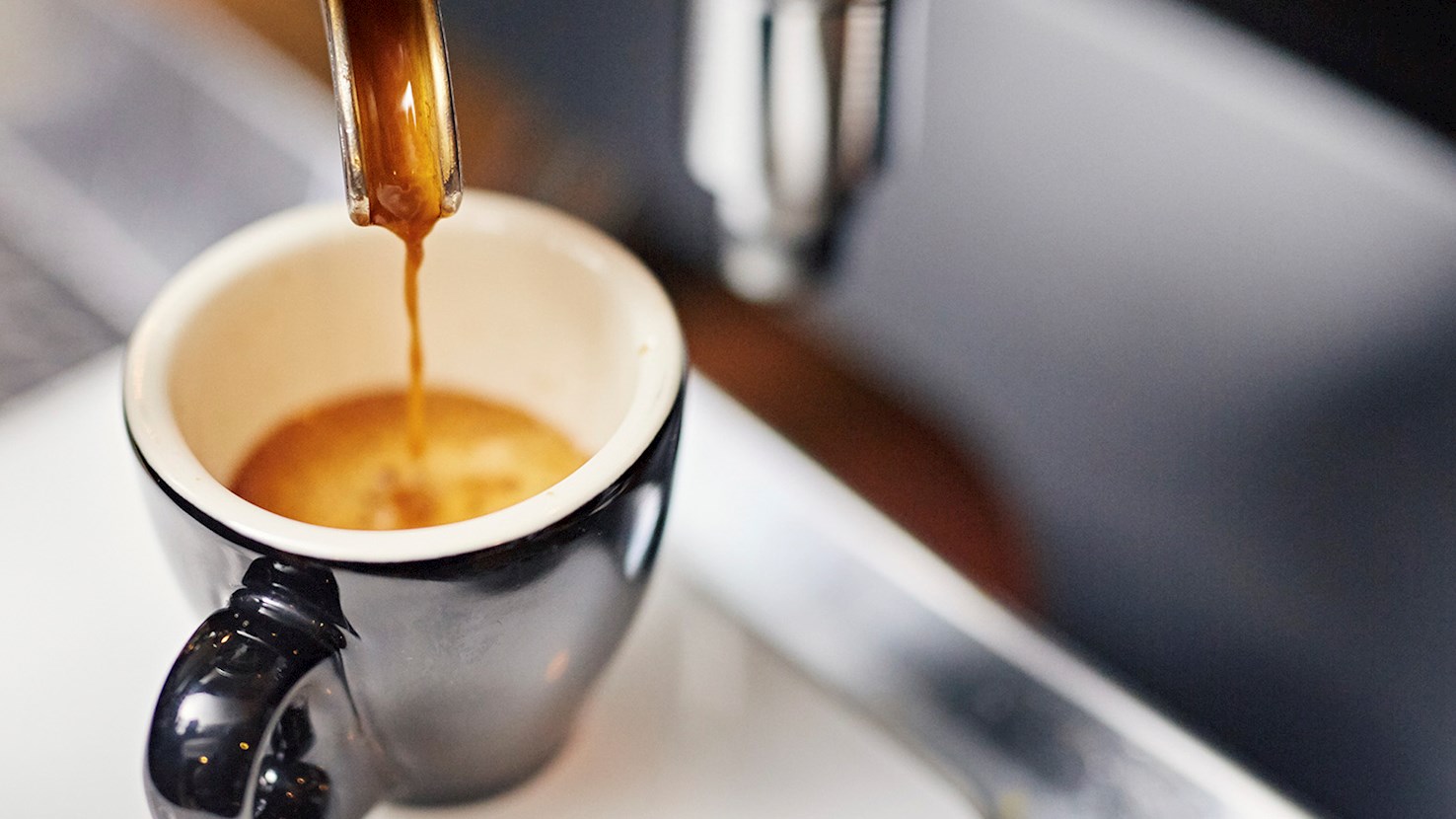
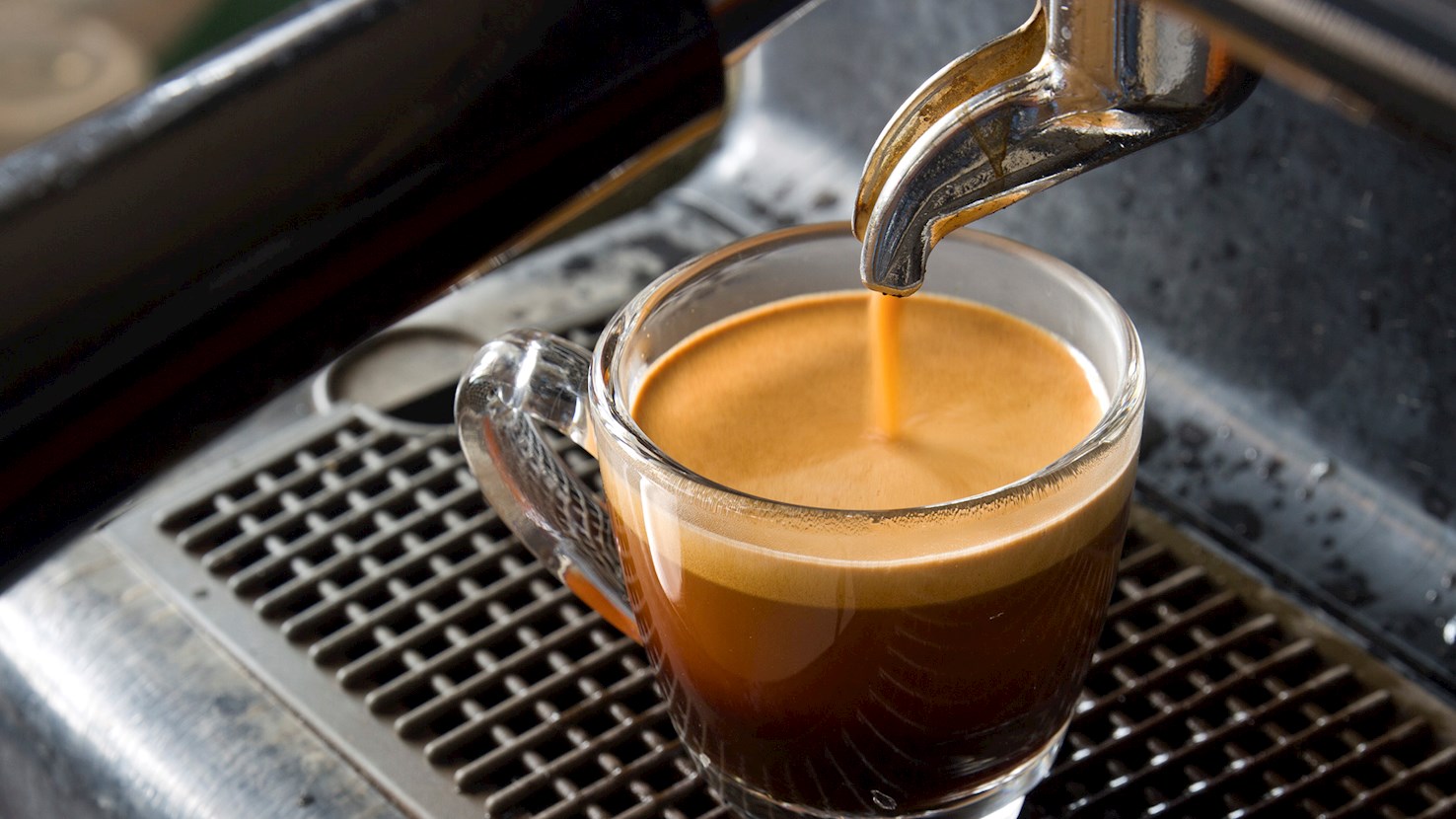
Espresso is both the name of a coffee beverage and the method of brewing coffee that originated in Italy. Nowadays it is prepared worldwide with the espresso machine - invented in Turin in 1884 by Angelo Moriondo - by forcing a small amount of hot water under high pressure through finely ground coffee beans. The coffee used for espresso is blended from several roasts and as a result of pressurized brewing, the flavors of the beverage are very concentrated, with thick and almost syrupy texture. Consequently, espresso has more caffeine than other coffee beverages, so it is traditionally served as a shot. On top of every well-made espresso is a frothy foam with a creamy consistency, known as crema. Besides the standardized shot, espresso can also be served as doppio, ristretto, and lungo. Furthermore, it can be mixed with milk or cream, so it is a base for many other coffee drinks such as caffè latte, caffè Americano, cappuccino or caffè macchiato.

10

Türk Kahvesi (Turkish coffee)

4.1 ·

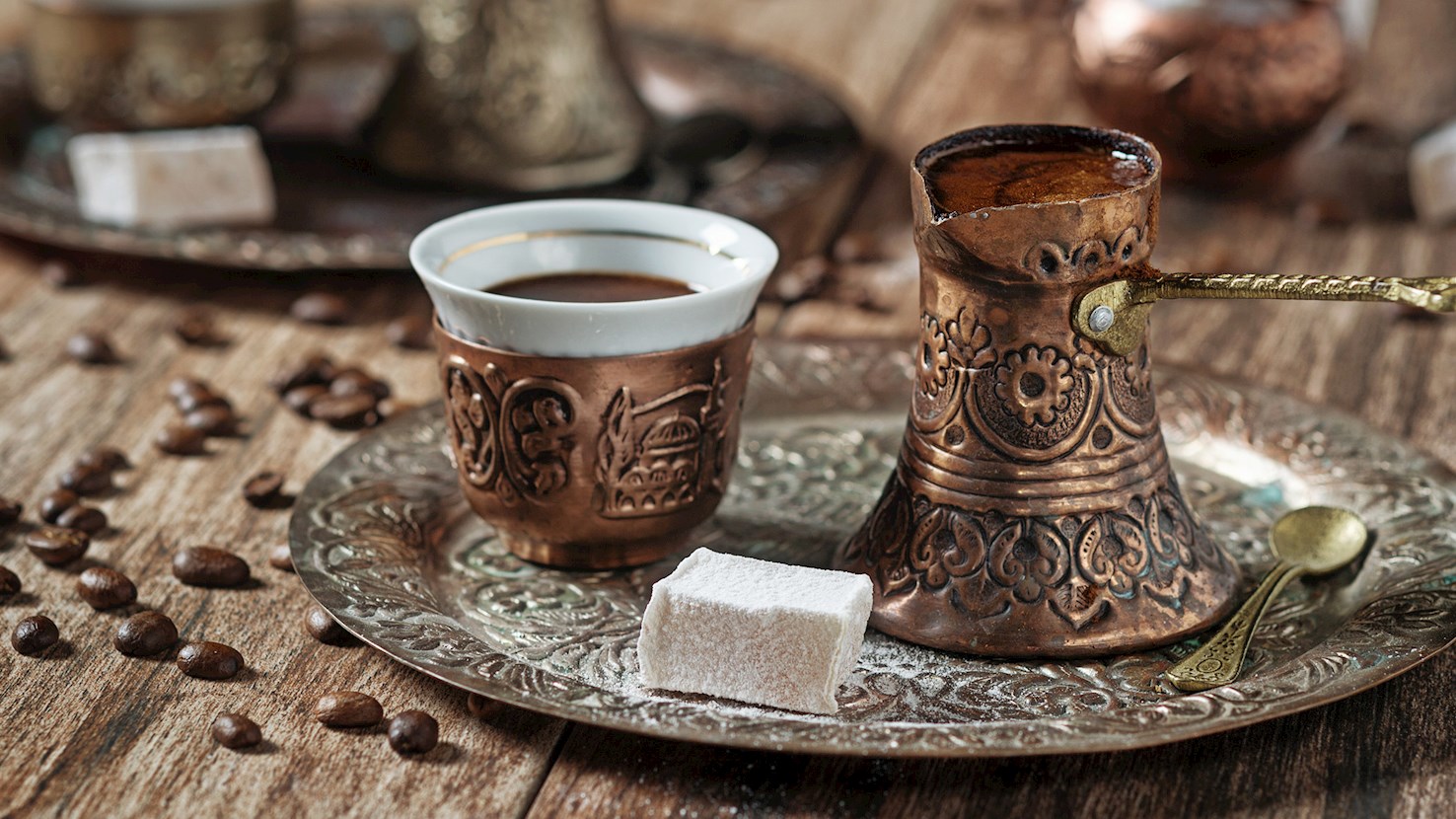
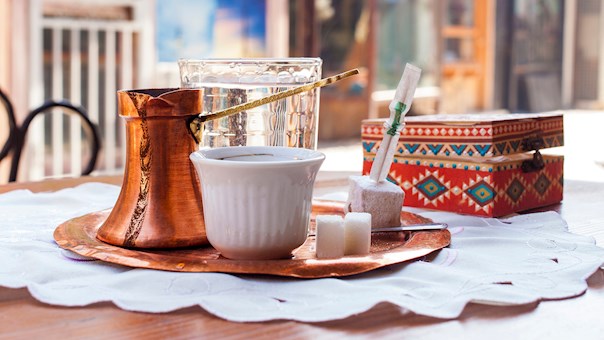
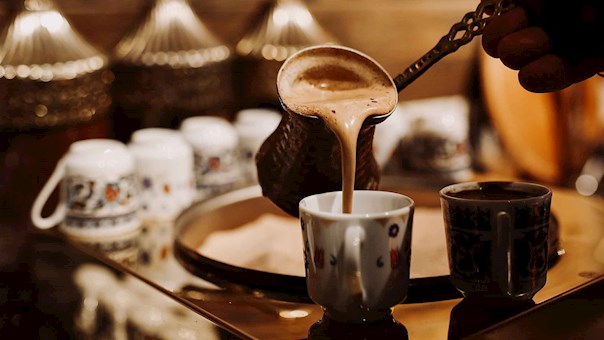
Extra finely ground roasted coffee beans are combined with cold water (and, optionally, sugar) in a traditional coffee pot called cezve or ibrik, and then brewed over low heat until frothy and on the verge of coming to a boil, yielding a uniquely strong and rich Turkish coffee. It is this specific method of brewing the beverage that distinguishes this coffee from other coffee types, and it has been attributed to the Turks, hence the name. When prepared properly, Turkish coffee is characterized by a dark color, thick foam on the surface, homogenous consistency, and a strong flavor with notes of bitterness. Believed to be one of the oldest methods of coffee preparation, this coffee is often flavored with aromatic spices such as cinnamon, cardamom, or mastic, and it is typically consumed from demitasse cups accompanied by a glass of water and a sweet dessert such as Turkish delight or any homemade or store-bought dessert. Lightly roasted or medium roasted Arabica beans are most commonly used in Turkish coffee preparation; nevertheless, the coffee can be made with any coffee beans, and there are numerous regional varieties of it in Türkiye. Apart from Türkiye, Turkish coffee is enjoyed daily in many other countries around the world (especially in the Balkan), and it has been a part of UNESCO’s Intangible Cultural Heritage List since 2013, due to its unique preparation and tradition, as well as the significance it has to the country’s social and cultural life. In Greece, Turkish coffee has been called Turkish coffee until there was a conflict with Türkiye and the 1974 invasion of Cyprus, when it started to be called Greek or Cypriot coffee, but the drink itself remained unchanged.

Best Coffees in the World
01

Hacienda La Esmeralda

5 ·
Hacienda La Esmeralda is synonymous with premium coffee and is one of the most esteemed specialty coffee producers in the world. Nestled in the beautiful Boquete region of Panama, this family-owned estate boasts a tradition spanning more than half a century. The Peterson family acquired the estate in 1967, dedicating themselves to cultivating coffee with unparalleled quality and character. Their breakthrough moment came in 2004 when they discovered the exceptional properties of the Geisha coffee variety, renowned for its extraordinary aroma and complex flavor profile. Today, Hacienda La Esmeralda produces exclusive micro-lots of Geisha coffee, such as Esmeralda Auction, Esmeralda Special, and Esmeralda Private Collection, available only through auctions and select sales channels. Each batch of their coffee is the result of meticulously controlled cultivation, careful hand-picking, and innovative processing methods, ensuring an unforgettable taste and experience in every cup. Hacienda La Esmeralda is more than just a coffee producer – it is a story of dedication, tradition, and the pursuit of perfection. Their mission is clear: to craft coffee that pushes boundaries and inspires coffee lovers around the world.
Awards
Best Of Panama Competition - 1st Place (2019, 2010)
02

Ninety Plus Gesha Estates

4.9 ·
Ninety Plus Coffee is an innovative producer of specialty coffee, known for its commitment to quality, environmental sustainability, and pioneering processing methods. The company was founded in 2006 by Joseph Brodsky with a vision to redefine industry standards through experimentation with fermentation, terroirs, and cultivation methods. Ninety Plus Coffee began its journey in Ethiopia, the birthplace of coffee, where new approaches to coffee cultivation and processing were developed. Shortly after, the company expanded its plantations to Panama, recognizing the exceptional conditions for growing premium Arabica coffee. Its two leading farms, Gesha Estates and Barú Estates, are situated on rich volcanic soil and surrounded by biodiversity that enables organic coffee growth in the shade of natural forests. Their Gesha variety is particularly significant, recognized as one of the best coffees in the world. Coffees from the Ninety Plus collection have won awards at prestigious competitions and have been used to claim several world championships in coffee preparation. Their cultivation method does not rely on conventional plantation systems but instead follows a holistic approach that encourages the regeneration of natural ecosystems.
03

Finca El Injerto

4.9 ·
Finca El Injerto is one of the most esteemed coffee plantations in Guatemala, renowned for its exceptional quality and commitment to sustainable production. Nestled in the mountainous region of Huehuetenango, this family-owned farm boasts a legacy spanning more than a century. Founded in 1874, the farm initially cultivated sugarcane and other agricultural crops, but in the early 20th century, it fully dedicated itself to coffee production. The name El Injerto originates from a native fruit found in this region, symbolizing the farm’s deep connection to nature and the uniqueness of its terroir. Today, the third and fourth generations of the Aguirre family manage the farm with a clear mission – to produce the highest-quality specialty coffee, maintaining strict control over every step of the process, from cultivation to final processing. Finca El Injerto does not purchase coffee beans from other producers; instead, it exclusively processes its own harvest, ensuring premium quality and full traceability.
Awards
Cup of Excellence - 1st Place (2015)
Cup of Excellence - 1st Place (2013, 2012, 2011, 2006)
04

Elida Estate
4.9 ·
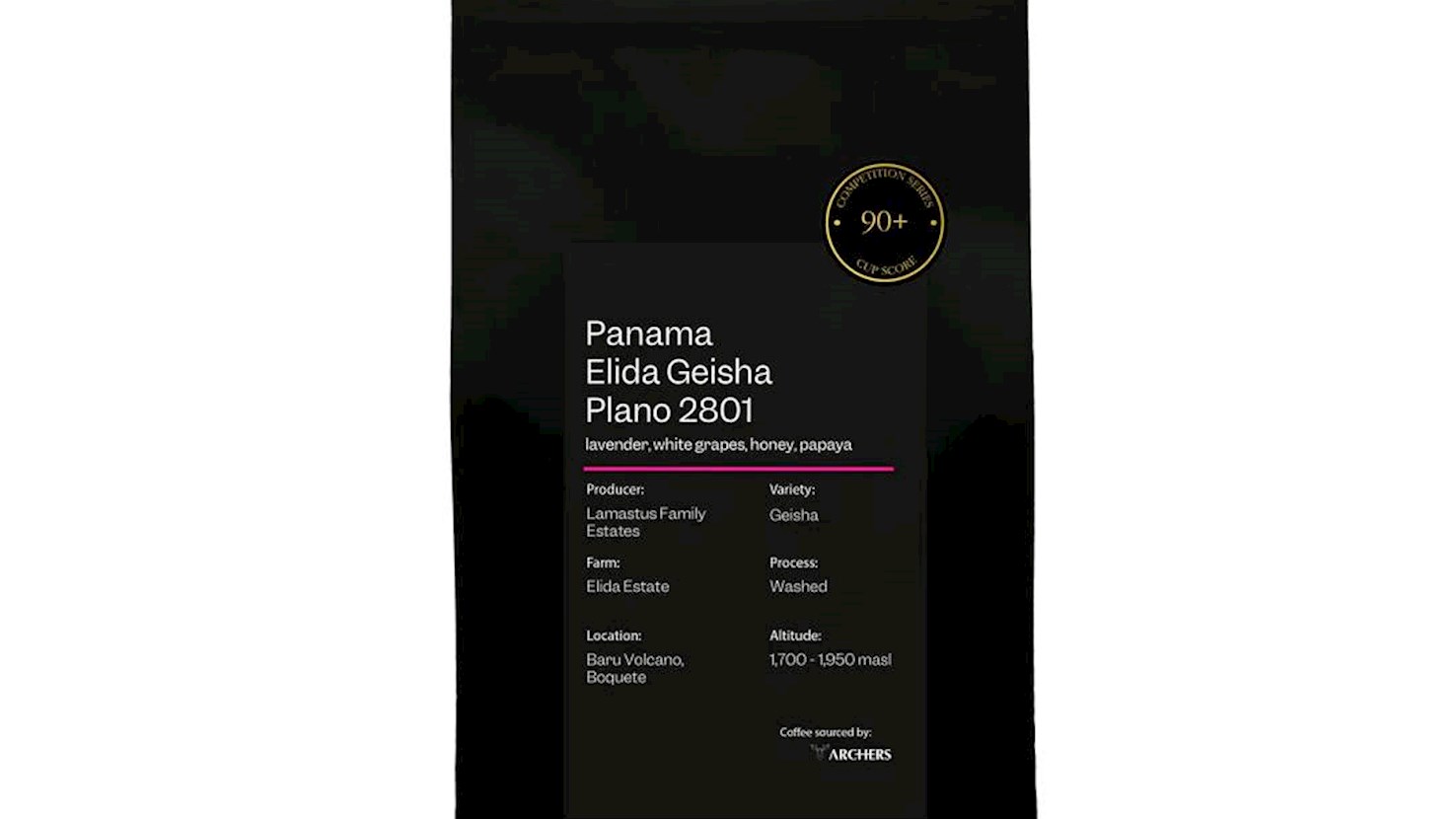
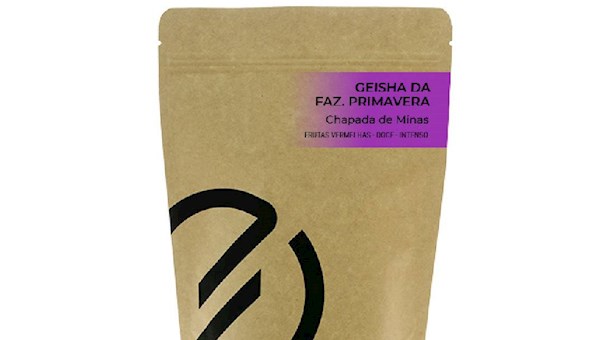
Lamastus Family Estates is a prestigious name in the world of premium coffee, with a cultivation tradition spanning over a century. The Lamastus family has been producing coffee since 1918, when Robert Lamastus founded the first plantation in the Boquete region, in the heart of Panama. Today, this family tradition lives on through three exceptional estates: Elida Estate, El Burro Estate, and Luito Geisha Estate, located at altitudes ranging from 1,700 to 2,500 meters. The unique location of these plantations, rich volcanic soil, and microclimatic conditions contribute to the development of coffee with exceptional complexity of flavor and aromatic profile. Among the varieties we cultivate, the Geisha variety stands out, having won numerous prestigious awards, including multiple titles at the Best of Panama competition. We take pride in blending tradition with innovation. Coffee from our estates reaches the most discerning connoisseurs worldwide, and our dedicated research into fermentation and drying processes allows us to continually raise the bar for quality.
Awards
Best Of Panama Competition - 1st Place (2018)
Best Of Panama Competition - Second Place (2020)
05

Aida Batlle Selection

4.9 ·
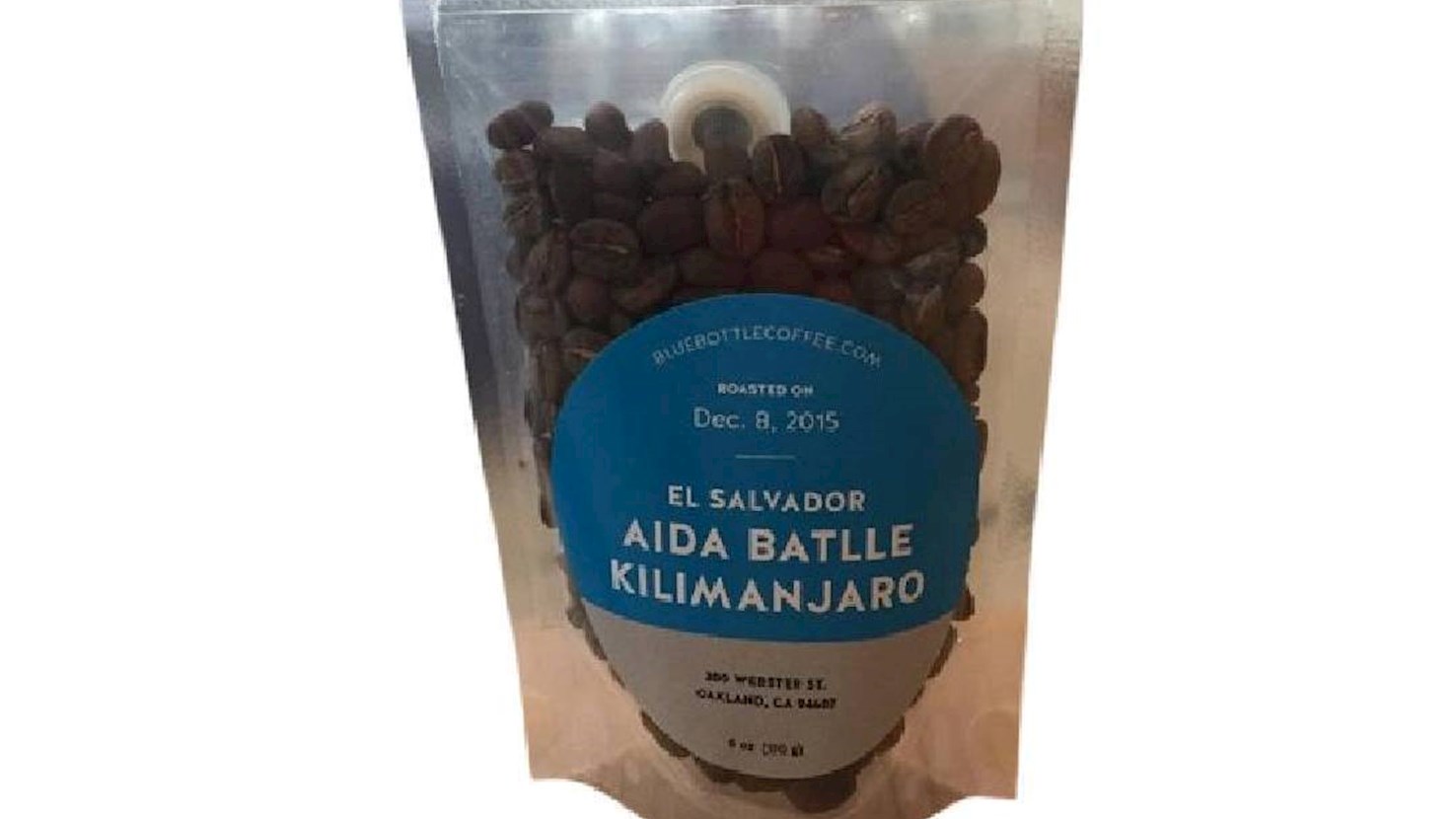
Aida Batlle Selection refers to a premium line of coffees sourced and curated by Aida Batlle, a renowned coffee producer from El Salvador. Batlle is known for her meticulous approach to coffee cultivation, processing, and selection, earning her international acclaim in the specialty coffee industry. Sourced primarily from her family farms in El Salvador, notably in the Santa Ana region. Includes Bourbon, Pacamara, and other high-quality Arabica varieties. Aida Batlle was the first woman to win the Cup of Excellence in El Salvador. Her coffees are sought after by specialty roasters and cafes worldwide. Collaborates with elite roasters to ensure her coffee is showcased at its best.
Awards
Coffee Review - 6th Place (2017)
06

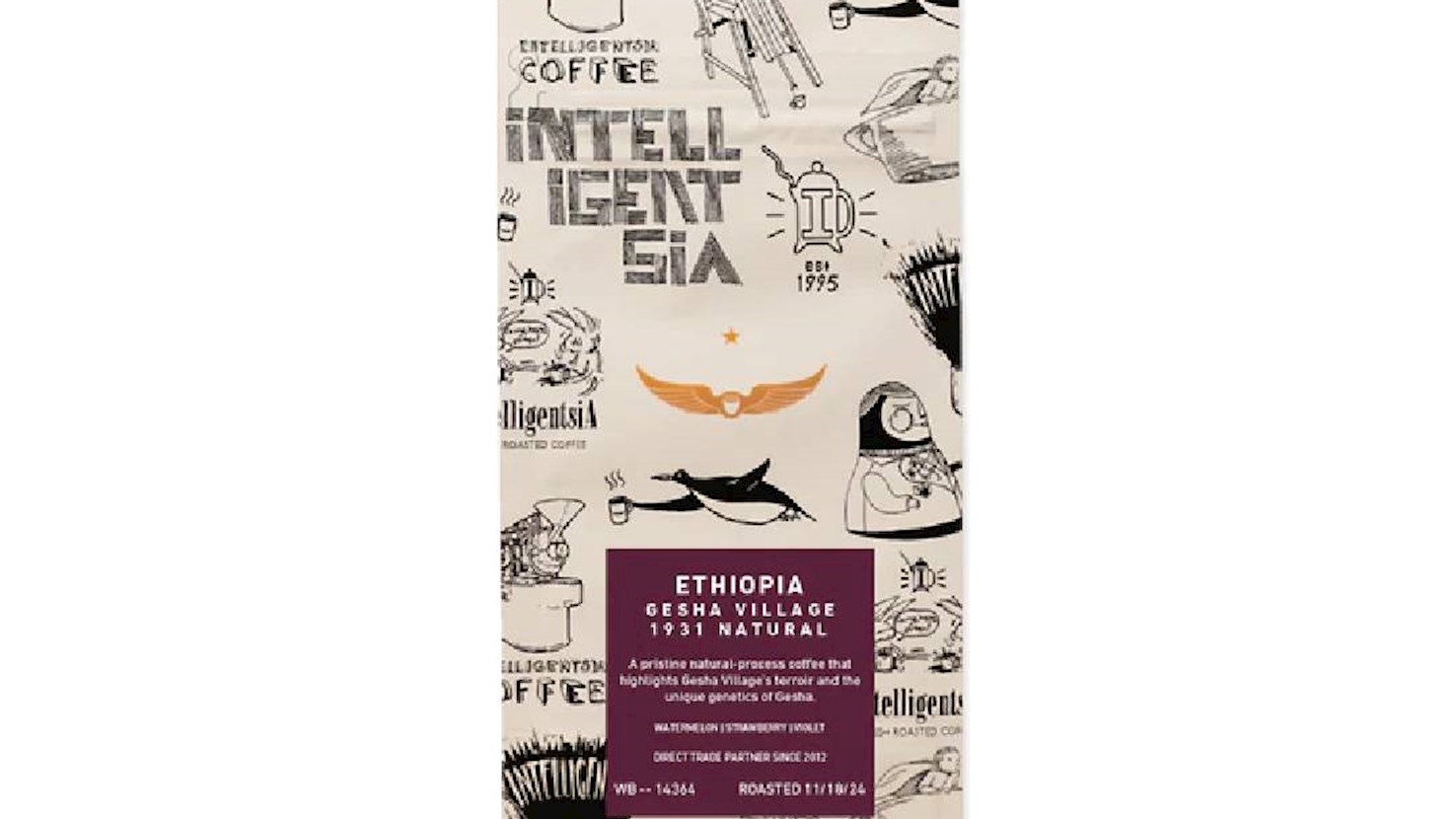
Gesha Village Estate

4.9 ·
Gesha Village Coffee Estate – Redefining Excellence in Coffee Cultivation Gesha Village Coffee Estate is a world-renowned coffee farm located in western Ethiopia, near the border with South Sudan, in a region known for its lush forests and rich biodiversity. Founded in 2011 by Rachel Samuel and Adam Overton, who transitioned from careers in photography and documentary filmmaking to coffee farming, Gesha Village is dedicated to preserving and elevating the legacy of Ethiopian coffee. Spanning 471 hectares, with 341 hectares dedicated to coffee cultivation and 27% of the land preserved for natural conservation, the estate is home to over 730,000 coffee trees. Gesha Village is best known for cultivating Gesha 1931, a variety traced back to the nearby Gori Gesha forest, where the legendary Gesha variety was originally discovered. The estate employs meticulously controlled processing methods, including both natural and washed techniques, resulting in coffees with exquisite flavor profiles characterized by jasmine, brown sugar, and raspberry notes. Beyond coffee production, Gesha Village is committed to sustainability and community development, as demonstrated by the establishment of the first high school in the area in 2021, providing essential educational opportunities for local families. The estate has gained global recognition, achieving record-breaking auction prices, including a remarkable $105 per pound, the highest price ever paid for an African coffee. Their mission is to connect the world to Ethiopia through an exceptional coffee experience while preserving the environment and improving the livelihoods of the surrounding community.
07

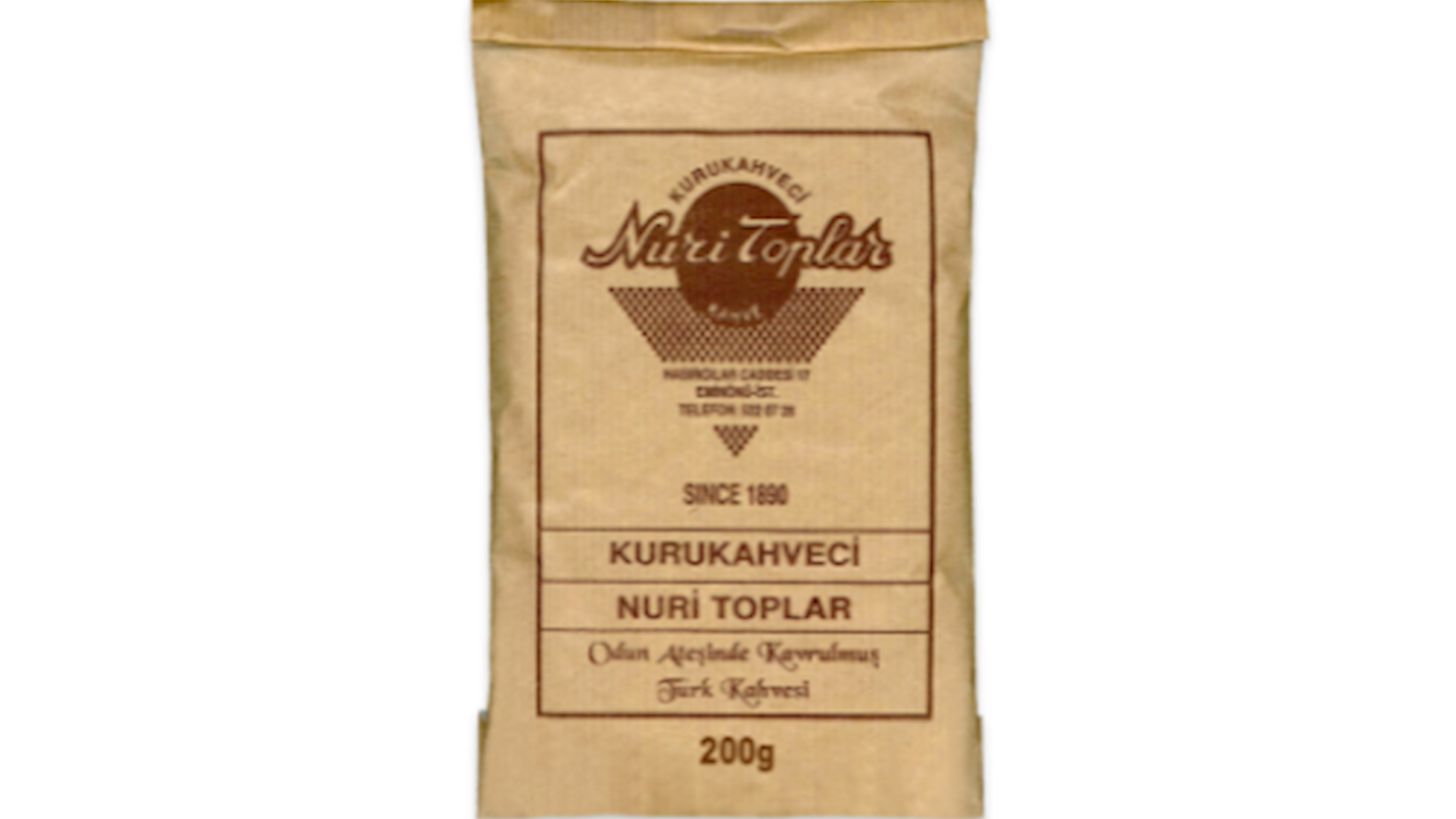
Kurukahveci Nuri Toplar

4.9 ·
Kurukahveci Nuri Toplar is a historic Istanbul-based producer of traditional Turkish coffee, recognized for roasting high-quality Arabica beans exclusively over a wood fire, which creates a deeper aroma and a richer, more nuanced flavor than industrial roasting. Founded in 1890, the brand has preserved its artisanal approach: the coffee is ground to an ultra-fine texture, contains no additives, and is packaged immediately after roasting to maintain its natural freshness and signature fragrance. Their shop in the Eminönü district is known for preparing coffee strictly according to classical Turkish methods, emphasizing precise brewing and a velvety foam. The flavor profile combines gentle bitterness, subtle chocolate undertones, and a long, clean finish. Today, the brand is considered a benchmark for authentic Turkish coffee, valued by consumers seeking tradition, craftsmanship, and the characteristic depth of flavor associated with slow wood-fire roasting.
08

Sey Coffee

4.9 ·


Sey Coffee is a specialty coffee roaster based in Brooklyn, New York, recognized for its meticulous approach to sourcing, roasting, and presenting some of the world’s most distinctive coffees. Founded by a team of coffee professionals dedicated to transparency and quality, Sey Coffee has built its reputation around direct relationships with producers and a strong focus on showcasing the unique characteristics of each coffee’s origin. The company specializes in seasonal, single-origin coffees sourced from renowned coffee-growing regions such as Ethiopia, Colombia, Peru, Kenya, and Ecuador. Sey Coffee is particularly known for its light roasting philosophy, designed to highlight clarity, sweetness, acidity, and the natural complexity of the coffee rather than roast-derived flavors. Every coffee is selected for its exceptional quality and traceability, with detailed information provided about the farm, producer, variety, altitude, and processing method. In addition to its roasting operation, Sey Coffee operates a minimalist café and tasting space in Brooklyn where visitors can experience its coffees through carefully prepared filter and espresso offerings. The company places a strong emphasis on sustainability, long-term producer partnerships, and equitable sourcing practices. Through its commitment to precision and transparency, Sey Coffee has become one of the most respected names in the contemporary specialty coffee industry and a reference point for coffee professionals and enthusiasts seeking origin-driven coffees of exceptional quality.

09

Café Granja La Esperanza

4.9 ·
Café Granja La Esperanza is a leading specialty coffee producer from Colombia, renowned for its commitment to quality, innovative fermentation methods, and cultivation of rare varieties. Founded in 1945, the farm began its journey in the Valle del Cauca region with Yellow Bourbon, Red Bourbon, and Caturra varieties before expanding to estates such as Las Margaritas, La Esperanza, Cerro Azul, Potosí, and Hawaii. Their continuous research and refinement of cultivation and processing techniques have made them synonymous with premium coffee and precision fermentation. In 2007, they gained global recognition by growing the Geisha variety in Panama, which won first place at the prestigious Best of Panama competition. Their innovative approach includes specialized fermentation processes such as X.O and Napoleon, which enhance flavor complexity and unique aromas. Managing five farms, Café Granja La Esperanza cultivates exclusive varieties such as Geisha, Mokka, Laurina, Pacamara, Pink Bourbon, and Lupe Maria, adapting them to Colombia’s microclimatic conditions. Their dedication to sustainability and community support is reflected in their work with 12 coffee-producing communities, while their expert team with Q-Grader certification ensures top-tier quality in every batch. Blending tradition with innovation, Café Granja La Esperanza continues to push the boundaries of the specialty coffee industry, delivering a unique experience in every cup.
Awards
Coffee Review - 3rd Place (2019)
10

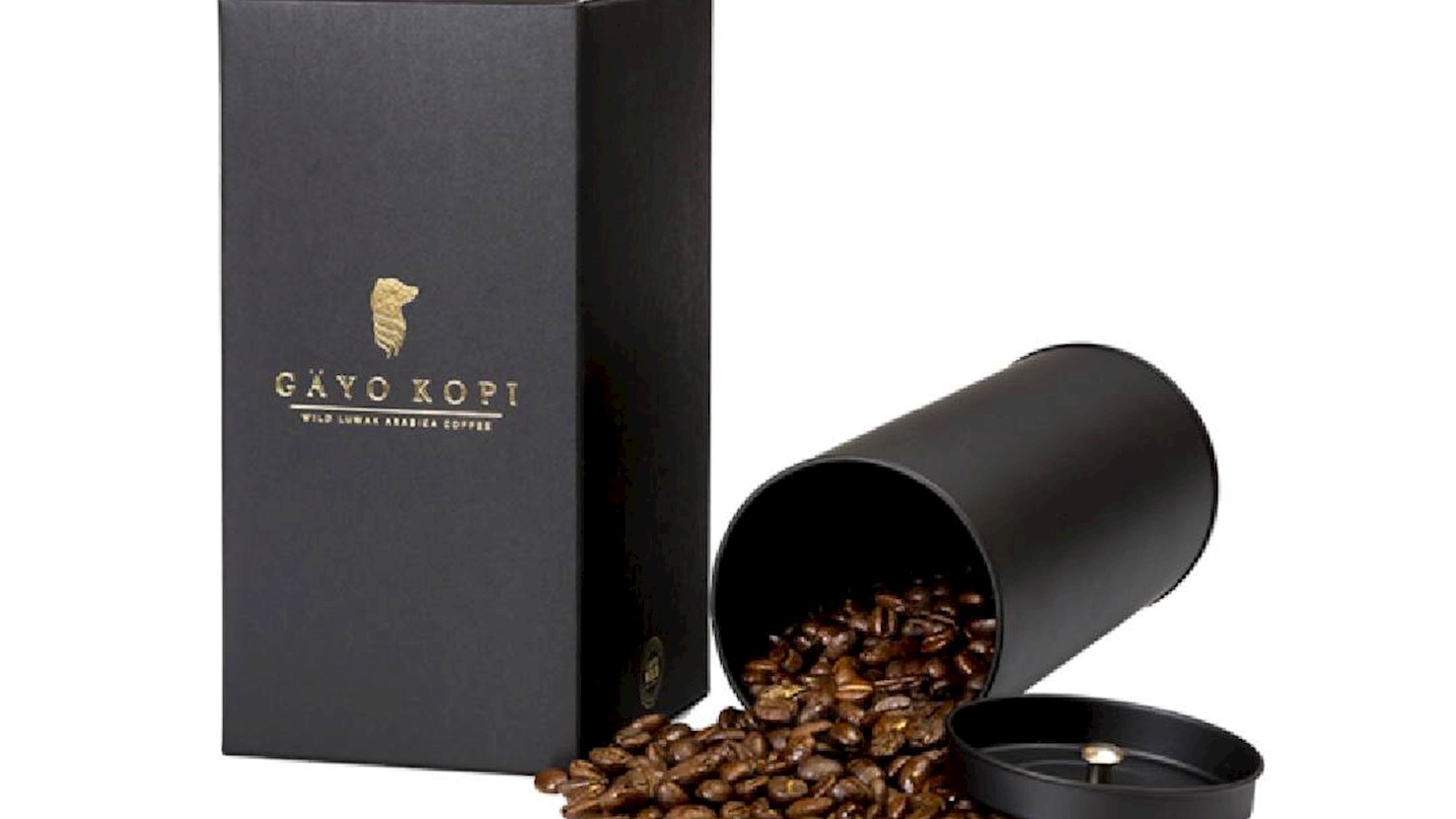
Gayo Kopi

4.9 ·
Gayo Kopi is a distinguished Indonesian company specializing in the production and export of premium Wild Kopi Luwak coffee. Their beans are sourced from the Gayo Highlands in Northern Sumatra, where wild civets naturally select and consume the finest coffee cherries. This natural process imparts unique flavor profiles to the beans, resulting in a rich and indulgent coffee experience. Gayo Kopi is committed to ethical sourcing, ensuring that all their Kopi Luwak is collected from wild, uncaged civets, thereby supporting both environmental sustainability and animal welfare.
About this ranking

TasteAtlas food rankings are based on the ratings of the TasteAtlas audience, with a series of mechanisms that recognize real users and that ignore bot, nationalist or local patriotic ratings, and give additional value to the ratings of users that the system recognizes as knowledgeable. For the “Top 99 Coffees in the World” list until June 06, 2026, 6,646 ratings were recorded, of which 4,631 were recognized by the system as legitimate. TasteAtlas Rankings should not be seen as the final global conclusion about food. Their purpose is to promote excellent local foods, instill pride in traditional dishes, and arouse curiosity about dishes you haven’t tried.

The initial list of top producers was compiled based on available reviews, awards, local recommendations, media and blog coverage, and consumer reviews. The list will be updated with ratings from TasteAtlas local ambassadors and TasteAtlas users.

Similar lists