shutterstock

Top 15 North American Coffees

Last updated on June 15, 2026

Best North American Coffees

01

Sey Coffee

4.9 ·


Sey Coffee is a specialty coffee roaster based in Brooklyn, New York, recognized for its meticulous approach to sourcing, roasting, and presenting some of the world’s most distinctive coffees. Founded by a team of coffee professionals dedicated to transparency and quality, Sey Coffee has built its reputation around direct relationships with producers and a strong focus on showcasing the unique characteristics of each coffee’s origin. The company specializes in seasonal, single-origin coffees sourced from renowned coffee-growing regions such as Ethiopia, Colombia, Peru, Kenya, and Ecuador. Sey Coffee is particularly known for its light roasting philosophy, designed to highlight clarity, sweetness, acidity, and the natural complexity of the coffee rather than roast-derived flavors. Every coffee is selected for its exceptional quality and traceability, with detailed information provided about the farm, producer, variety, altitude, and processing method. In addition to its roasting operation, Sey Coffee operates a minimalist café and tasting space in Brooklyn where visitors can experience its coffees through carefully prepared filter and espresso offerings. The company places a strong emphasis on sustainability, long-term producer partnerships, and equitable sourcing practices. Through its commitment to precision and transparency, Sey Coffee has become one of the most respected names in the contemporary specialty coffee industry and a reference point for coffee professionals and enthusiasts seeking origin-driven coffees of exceptional quality.

02

Clifton Mount Estate

4.6 ·
Clifton Mount Estate is one of the oldest and most esteemed coffee estates in Jamaica, renowned for producing the prestigious Jamaica Blue Mountain Coffee. With a rich family history dating back to the 1700s, the Sharp family and their long-standing collaborators proudly continue the tradition of cultivating one of the world’s most exclusive coffees. Clifton Mount Estate is the only coffee plantation in Jamaica that fully controls every step of the production process, from seedling selection and cultivation to hand-picking, wet processing, and dry processing. This innovative approach ensures an uncompromising level of quality in every batch of coffee produced on the estate. Beyond its exceptional quality, the estate is also recognized for its commitment to environmental conservation. Clifton Mount Estate is the only Jamaican coffee plantation certified by the Rainforest Alliance, a testament to its dedication to sustainability and eco-friendly coffee production. By combining centuries-old tradition, meticulously preserved heritage, and state-of-the-art processing methods, Clifton Mount Estate stands out as one of the leading producers of Jamaica Blue Mountain Coffee. Their dedication to quality and sustainability allows coffee lovers worldwide to experience one of the most authentic and prestigious coffee experiences in the world.
03

Greenwell Farms

4.6 ·
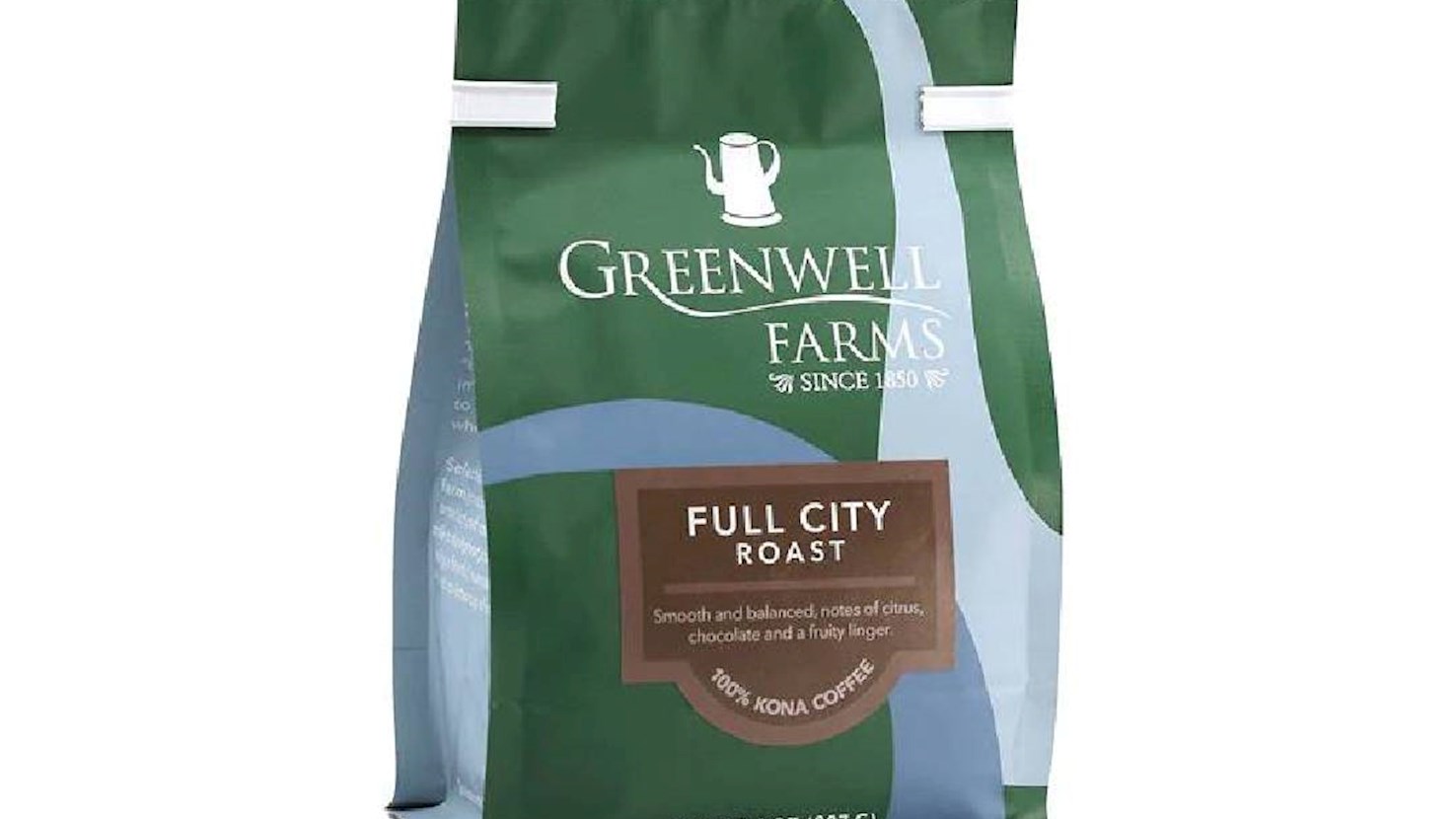
Greenwell Farms is a family-owned farm with a rich tradition in cultivating and processing premium 100% Kona coffee, located in the heart of the legendary Kona region in Hawaii. With over 170 years of experience, Greenwell Farms stands out for its exceptional quality, carefully controlled production processes, and deep commitment to preserving the authenticity of Kona coffee. The story of Greenwell Farms began in 1850 when Henry Nicholas Greenwell arrived in Hawaii and recognized the remarkable potential of the region’s fertile volcanic soil. Thanks to his pioneering efforts, Kona coffee quickly gained international recognition, winning a Recognition Diploma at the World Exposition in Vienna in 1873. Today, the farm is managed by the fourth generation of the Greenwell family, with Tom Greenwell at the helm, continuing the tradition of producing premium coffee on nearly 100 hectares of Hawaii’s finest land. Greenwell Farms offers a wide range of premium Kona coffees, grown and processed to the highest standards. Their Private Reserve coffee, sourced from 35 hectares in the central part of the farm, is carefully processed to satisfy even the most discerning coffee lovers. The selection also includes Full City Roast, Medium Roast, and Peaberry, known for its rarity and unique flavor. Every cup of Greenwell coffee delivers a distinctive smooth, rich, and well-balanced taste with notes of nuts, caramel, and dark chocolate. Greenwell Farms is dedicated to sustainability and environmental responsibility. Their farming methods protect the environment and support the long-term sustainability of Kona coffee, while their direct collaboration with local farmers helps preserve traditional cultivation techniques.
04

Sahadi's

4.6 ·

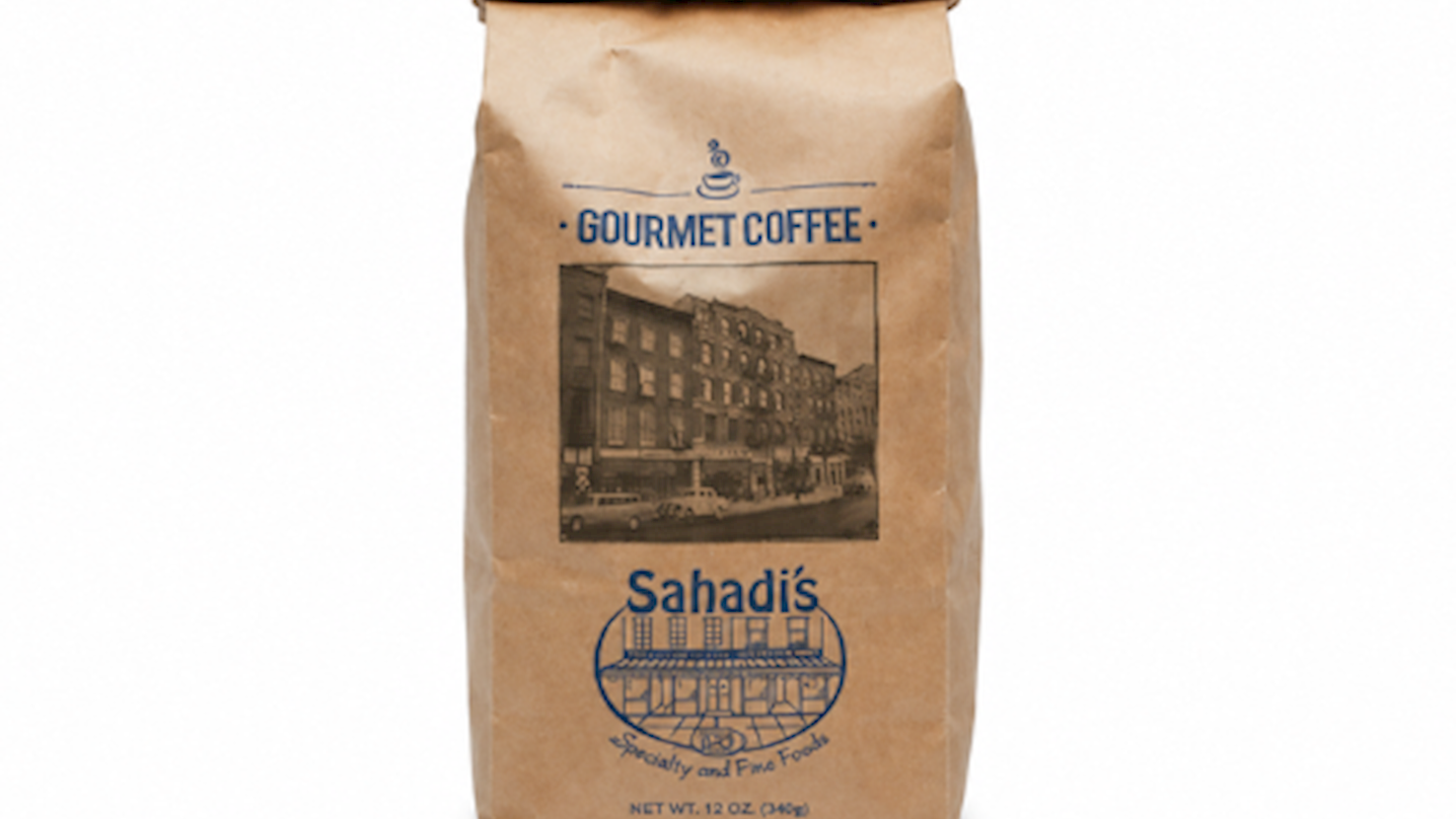
Sahadi’s is a family-owned New York specialty food market known for its extensive selection of Middle Eastern and Mediterranean products. The Sahadi family, originally from Lebanon, established its first business in New York in 1895 in the historic Little Syria neighborhood of Lower Manhattan. In 1948, the family opened its flagship store on Atlantic Avenue in Brooklyn, where it became a landmark destination for specialty foods. Today, Sahadi’s is widely recognized for its selection of spices, nuts, dried fruits, olives, grains, coffee, tahini, hummus, cheeses, and prepared Mediterranean dishes. The market is particularly known for its bulk offerings, including freshly roasted nuts, dried fruits, and custom spice blends. Its product range combines traditional Middle Eastern ingredients with a carefully curated assortment of gourmet foods from around the world. Over the decades, Sahadi’s has remained an important part of Brooklyn’s cultural and culinary landscape, reflecting the enduring influence of Lebanese-American food traditions in New York City. In recognition of its longstanding contribution to local food culture, Sahadi’s received the America’s Classics Award from the James Beard Foundation in 2017. Today, the company operates multiple locations while continuing to uphold its reputation for quality, authenticity, and community connection.

05

Blue Bottle Coffee

4.6 ·

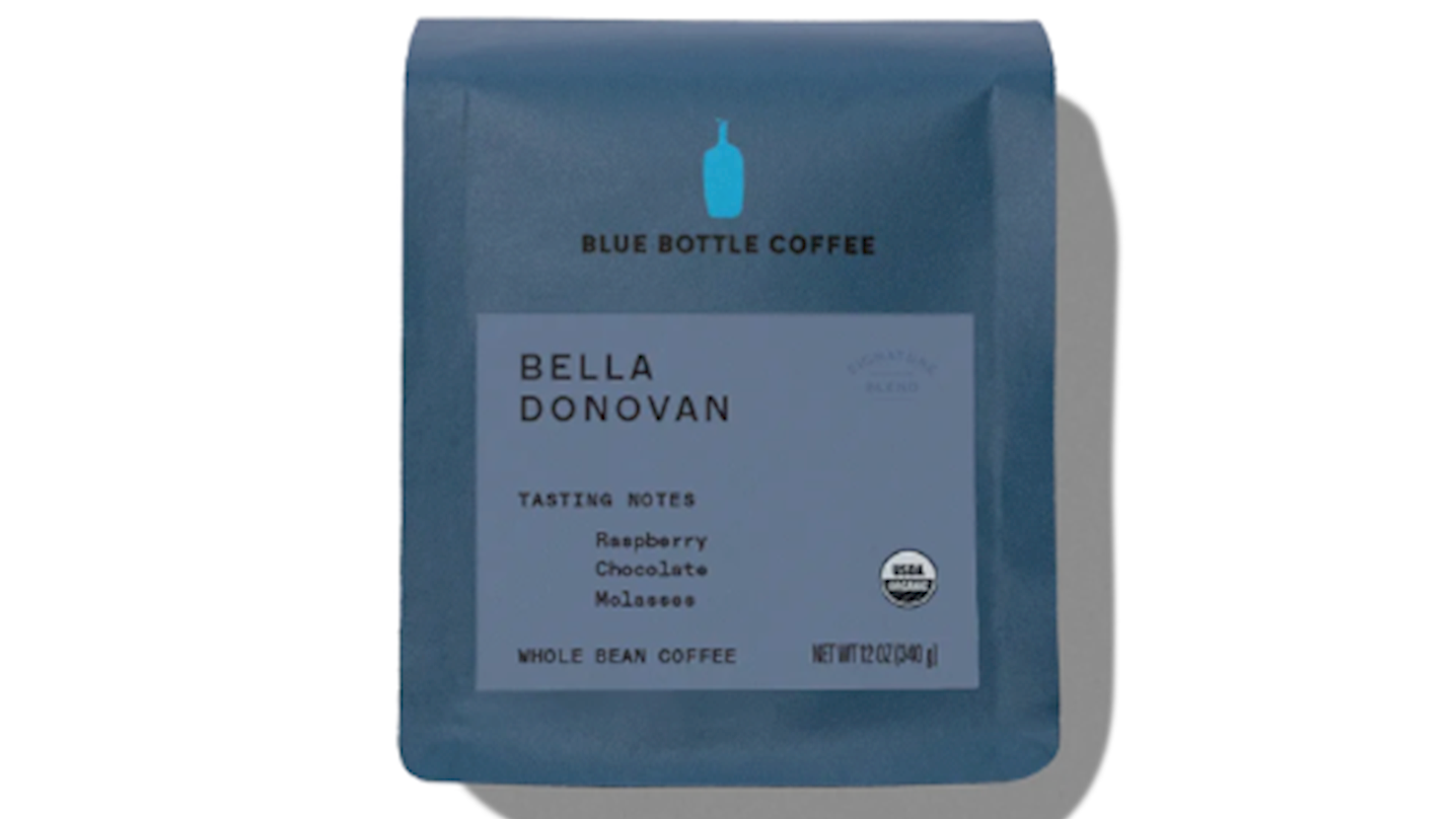
Blue Bottle Coffee is a specialty coffee company founded in 2002 in Oakland, California, by musician-turned-coffee-roaster James Freeman. Widely recognized as one of the pioneers of the third-wave coffee movement, the company helped popularize a fresh approach to coffee focused on quality, traceability, and precise brewing methods. Blue Bottle was established with a simple philosophy: coffee should be served as fresh as possible and roasted in small batches to highlight the unique characteristics of each bean. The company gained a devoted following through its meticulous pour-over preparation, carefully sourced coffees, and minimalist café design. Over the years, Blue Bottle expanded from California to major cities across the United States and Asia, including Japan, South Korea, China, Hong Kong, and Singapore. The brand is particularly known for emphasizing freshness, often selling coffee shortly after roasting and encouraging customers to enjoy it at its peak flavor. Blue Bottle's sourcing program focuses on high-quality specialty coffees and long-term relationships with producers around the world. In 2017, the company became part of Nestlé through the acquisition of a majority stake, while continuing to operate under its own brand identity. Today, Blue Bottle remains one of the most influential names in specialty coffee, known for its commitment to craftsmanship, sustainability, and coffee education.

06

Detour Coffee

4.5 ·
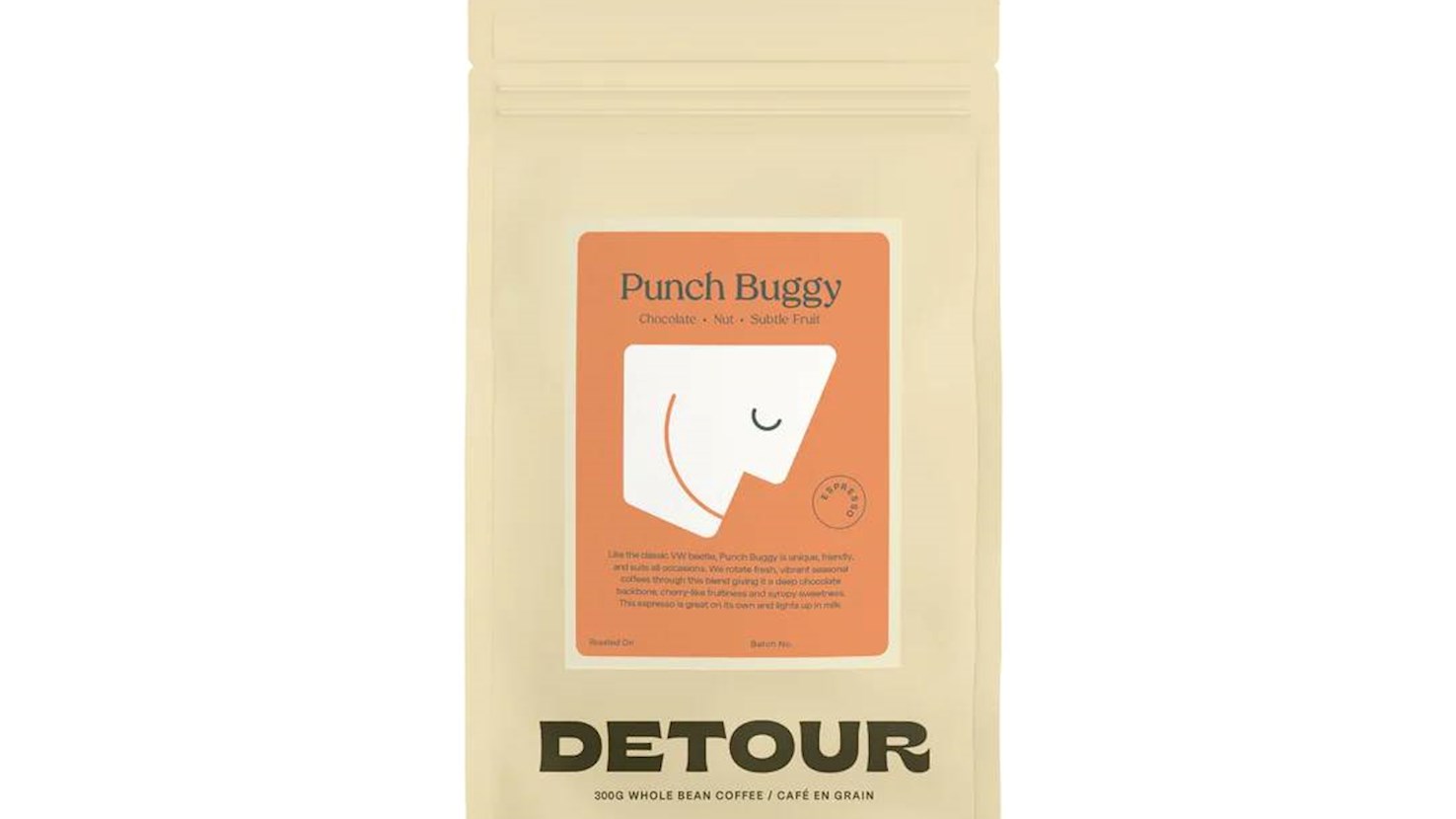
Detour Coffee Roasters is a specialty coffee roaster dedicated to producing some of the finest coffees available, with a strong focus on quality, sustainability, and innovation. Located in Ontario, Canada, Detour is committed to sourcing high-quality, ethically traded beans from around the world and transforming them into coffee that is as exceptional as it is memorable. Every coffee from Detour is carefully selected, roasted with precision, and designed to highlight the natural flavors and unique profiles of each origin. Their offerings range from single-origin coffees to blends, each crafted to provide a rich, complex, and balanced experience that coffee lovers can savor. With an emphasis on sustainable sourcing and collaborating with farmers who share their values, Detour Coffee Roasters brings attention to both the artistry of coffee roasting and the importance of ethical practices. Their dedication to coffee craftsmanship, paired with their commitment to environmental responsibility, makes them a standout in the world of specialty coffee. Whether you’re brewing at home or enjoying a cup at their café, Detour Coffee offers an unforgettable coffee experience.
07

Pilot Coffee Roasters

4.5 ·
Pilot Coffee Roasters is a renowned specialty coffee roaster committed to quality, sustainability, and transparency in every step of the coffee journey. Founded in Toronto, Canada, the company has built a reputation for sourcing the finest coffee beans from around the world and roasting them with precision and care to bring out their unique flavor profiles. With a focus on direct trade partnerships, Pilot Coffee Roasters works closely with coffee producers to ensure fair wages, ethical practices, and sustainable farming methods. This commitment to responsible sourcing guarantees that every cup of Pilot Coffee not only tastes exceptional but also supports a more equitable and environmentally friendly coffee industry. From single-origin coffees to signature blends, each batch is meticulously crafted to highlight the natural sweetness, acidity, and complexity of the beans. Whether you’re enjoying their coffee at home, in one of their Toronto cafés, or through their subscription service, Pilot Coffee Roasters delivers an unparalleled coffee experience for enthusiasts and professionals alike. Driven by passion, expertise, and innovation, Pilot continues to shape the future of specialty coffee, ensuring that every sip reflects their dedication to craftsmanship and sustainability.
08

Propeller Coffee

4.5 ·
Propeller Coffee Co. is an award-winning specialty coffee roaster based in the heart of Toronto’s Junction district, known for its dedication to sustainability, ethical sourcing, and community impact. Founded in 2013, the company has built a strong reputation for delivering outstanding quality while staying true to its values of transparency and social responsibility. As a proud B Corp certified business and recipient of the 2016 “Micro-Roaster of the Year” award, Propeller Coffee combines a passion for coffee with a genuine commitment to making a difference. Their space is more than just a roastery—it’s a vibrant hub that includes a café, education lab, event venue, and gathering place for coffee lovers and changemakers alike. Their coffees are sourced from carefully selected producers around the world, with an emphasis on direct trade and long-term relationships. Roasting is done using energy-efficient practices, and all packaging is compostable, reflecting their mission to operate as sustainably as possible. Propeller Coffee Co. isn’t just a brand—it’s a movement that brings together quality, ethics, and community in every cup.
09

Devoción Coffee

4.5 ·
Devoción Coffee is a specialty coffee company built around an uncompromising focus on freshness, traceability, and Colombian origin. Founded in 2006 by Colombian-born Steven Sutton, Devoción rethought the traditional coffee supply chain by sourcing exclusively from Colombia and dramatically reducing the time between harvest and roasting - often to just days rather than months. By working directly with small-scale farmers, overseeing dry-milling in Bogotá, and air-shipping green coffee to its Brooklyn roastery, the brand preserves aromatic intensity and natural sweetness that are typically lost as beans age. Devoción’s roasting philosophy emphasizes clarity and balance, highlighting origin character instead of masking it with dark roasts. Its portfolio includes blends and single-origin offerings that showcase a range of Colombian micro-regions and flavor profiles, from bright and fruit-forward to round and chocolate-driven. The company operates several New York City cafés, with the Williamsburg location becoming especially known for its greenhouse-like space and immersive coffee experience. Devoción positions itself not as a nostalgic roaster, but as a modern, origin-driven brand. Its identity is defined by control of the full value chain and a clear commitment to quality at every stage.
10

Stumptown Coffee Roasters

4.5 ·

Stumptown Coffee Roasters is a pioneering American specialty coffee company founded in 1999 in Portland, Oregon, by Duane Sorenson. Widely regarded as one of the leaders of the third-wave coffee movement, the company helped redefine how coffee is sourced, roasted, and appreciated in the United States. From its earliest days, Stumptown focused on building direct relationships with coffee producers and paying premium prices for high-quality beans, helping establish practices that later became influential throughout the specialty coffee industry. The company is known for its commitment to transparency, sustainability, and quality-driven sourcing. Stumptown carefully roasts coffees to highlight the unique characteristics of each origin rather than masking them with overly dark roasting. In addition to whole-bean and single-origin coffees, the brand gained national recognition for its role in popularizing ready-to-drink cold brew coffee. Its cafés and roasteries in cities such as Portland, New York, Seattle, and Los Angeles have become well-known destinations for coffee enthusiasts. Over the years, Stumptown has earned a reputation for innovation, craftsmanship, and strong relationships with coffee-growing communities around the world. The company remains headquartered in Portland and continues to be one of the most influential names in specialty coffee.

Best North American Coffee Types
01

Café Cubano

4.3 ·

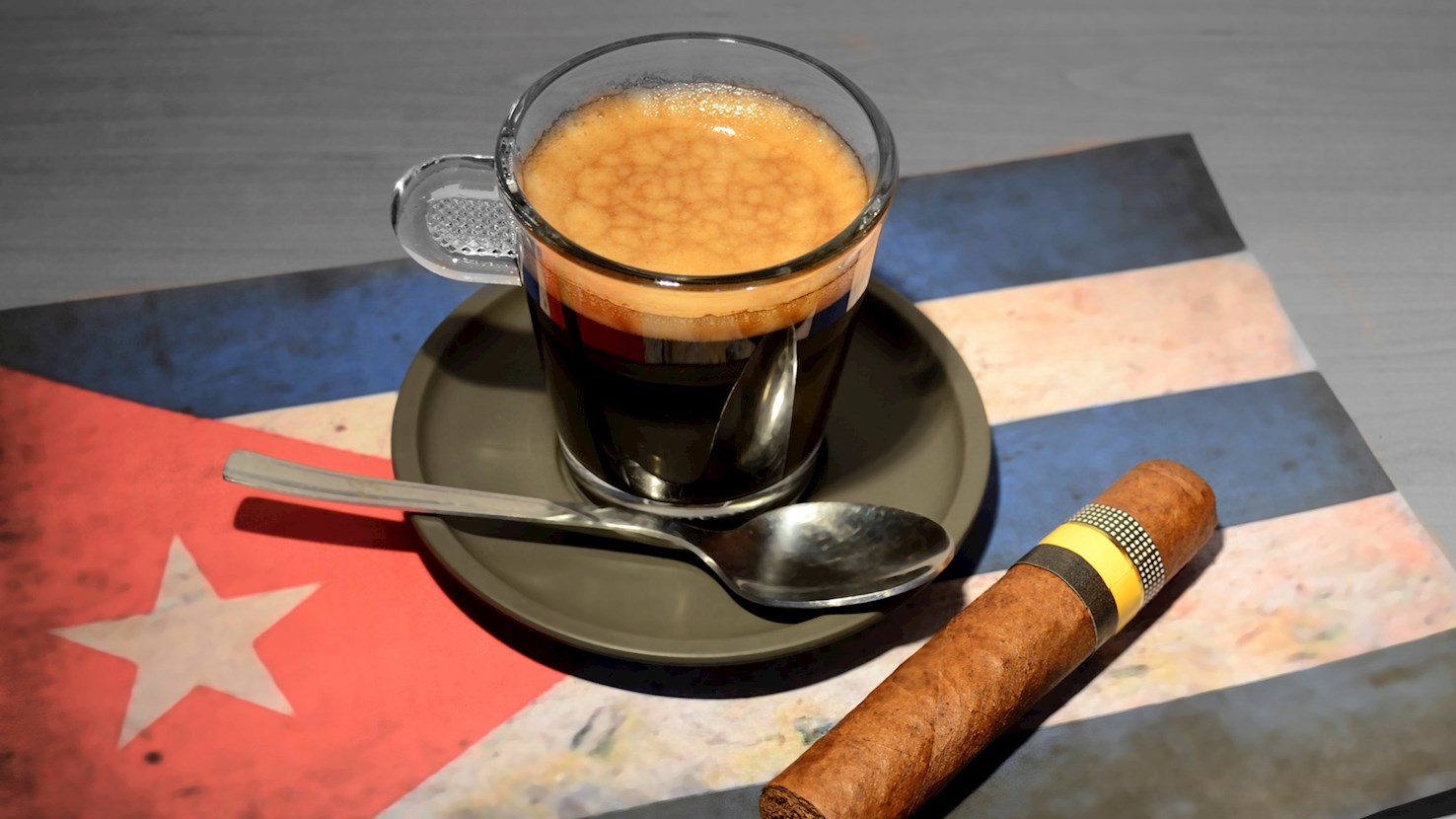
A unique, pre-sweetened type of espresso that originated in Cuba known as café Cubano is often referred to as Cuban espresso, Cuban coffee, Cuban pull, or Cuban shot. Although it holds a unique status in Cuba, where it traditionally stands as the essential social and cultural beverage, Cuban espresso is also very popular and widely available throughout Latin America and Florida. It consists of an espresso shot that is sweetened with demerara sugar while being brewed. This espresso variety is made by brewing the darker roasts with sugar, which results in light-brown foam on top of the coffee. Cuban-style espresso is considered a mid-afternoon standard that is typically served alongside a glass of water. For an authentic Cuban experience, it is best to pair it with a fine Cuban cigar.

02

Café de Olla

4.1 ·

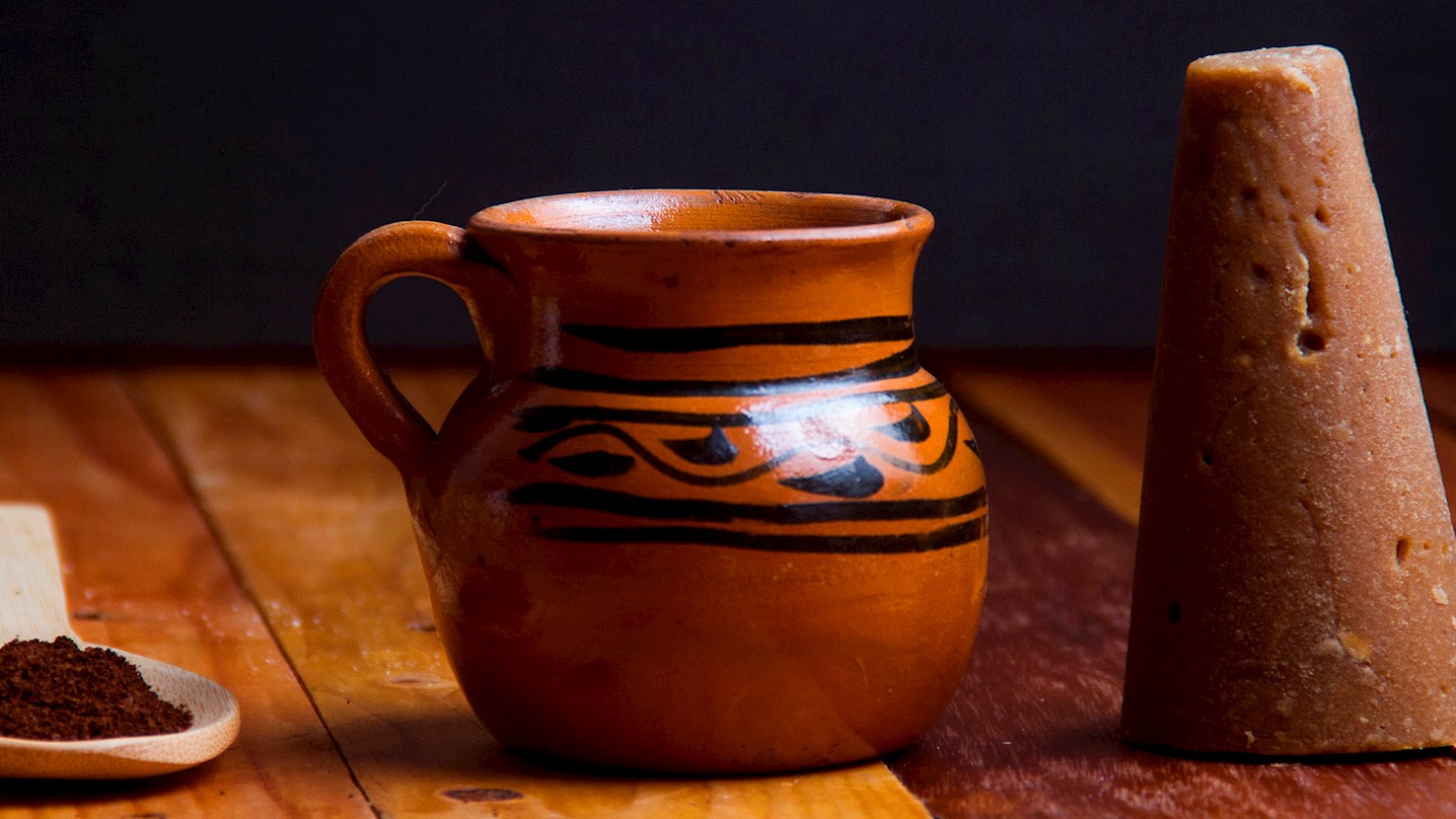
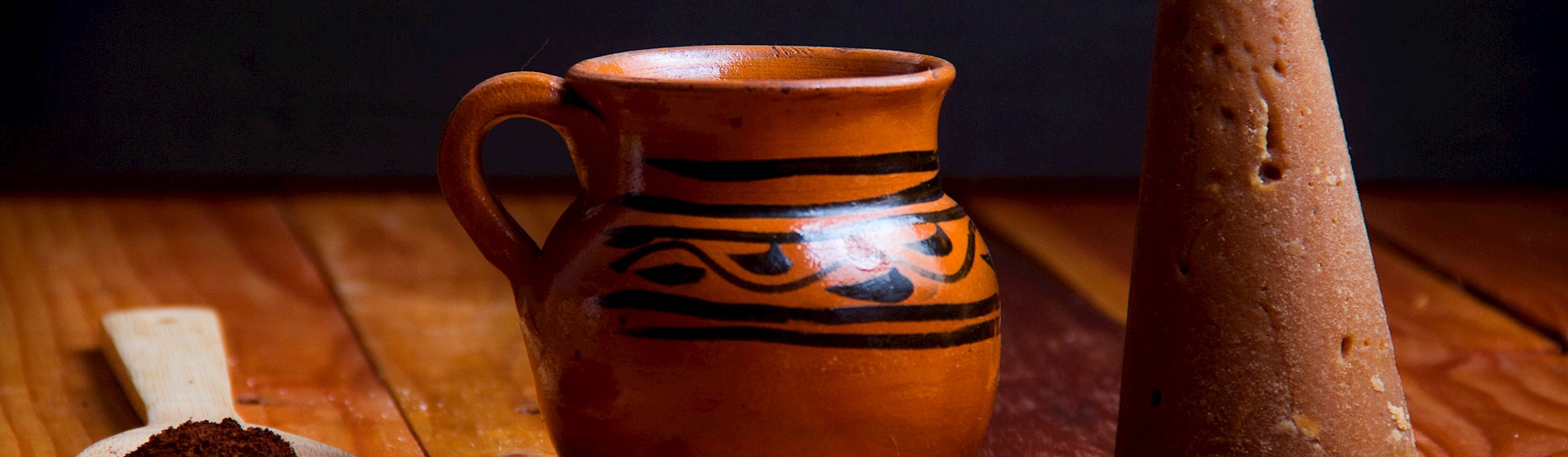
This traditional Mexican coffee is prepared by brewing ground coffee in a mixture of cinnamon-infused water that is generously sweetened with piloncillo—unrefined sugar cane. The coffee is traditionally prepared in clay pots, and it is believed that original versions were additionally enriched with roasted cocoa beans, while other variations may employ anise, clove, or orange zest. Apart from Mexico, café de la olla has become popular in the United States, predominantly in the areas with large Mexican communities.

03

Red Eye Coffee

3.8 ·

Red eye is an American coffee variety that combines brewed coffee with an espresso shot. Although this coffee variety is found elsewhere, the name is of American origin—it is a reference to severe exhaustion that can sometimes cause bloodshot eyes. This coffee combination is stronger than regular coffee, and it is supposed to be a more potent stimulant that keeps you awake and improves concentration. Red eye coffee appears in several variations and under various names.

04

Caffè mocha

3.8 ·

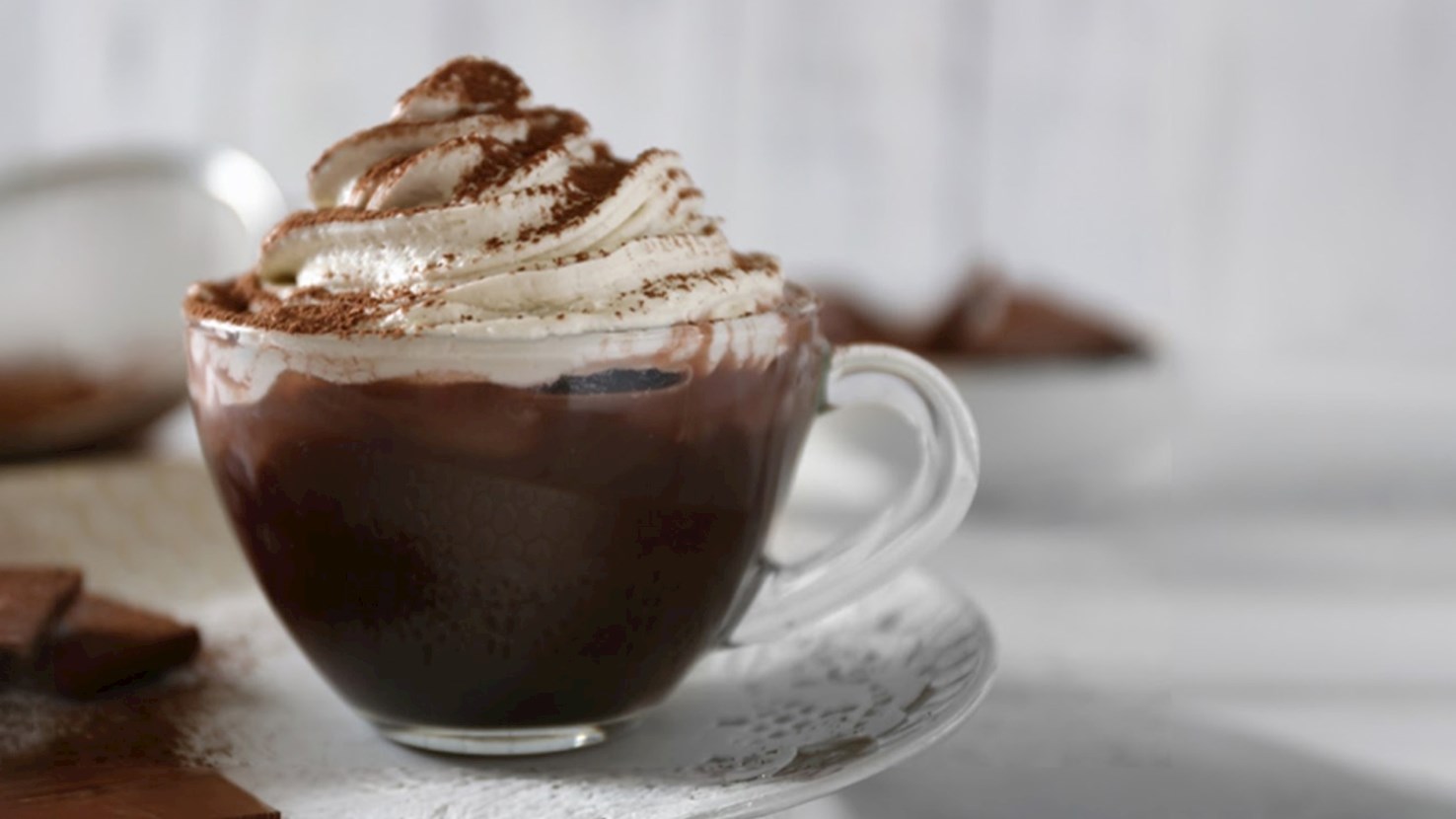
Caffè mocha, often simply called mocha, is a popular coffee drink that combines the flavors of espresso, chocolate, and milk. Although it shares the name with the Yemeni coffee beans, modern caffè mocha was developed sometime in the 19th century in the USA (as a variation of the Italian bicerin coffee beverage), and is essentially a chocolate-flavored variant of a caffè latte. It typically consists of one or two shots of espresso, steamed milk, and chocolate syrup or cocoa powder. The drink is usually topped with whipped cream and occasionally a dusting of cocoa powder or chocolate shavings for added decoration and flavor. The preparation of a caffè mocha begins with brewing a shot of espresso. Chocolate syrup or cocoa powder is then added to the espresso, which is followed by the addition of steamed milk. The ingredients are mixed together to create a rich and creamy beverage. Finally, the drink is often topped with whipped cream and a garnish of cocoa powder or chocolate shavings. The flavor profile of caffè mocha is characterized by the boldness of espresso combined with the sweetness of chocolate and the creaminess of milk. The balance of these flavors can be adjusted according to personal preference by varying the amount of chocolate syrup, milk, and espresso used in the drink. Caffè mocha can be served hot or iced. For a hot mocha, the drink is served in a warm mug, while an iced mocha is prepared by pouring the mixture over ice and often adding cold milk instead of steamed milk.

05

Café au lait (New Orleans)

3.8 ·

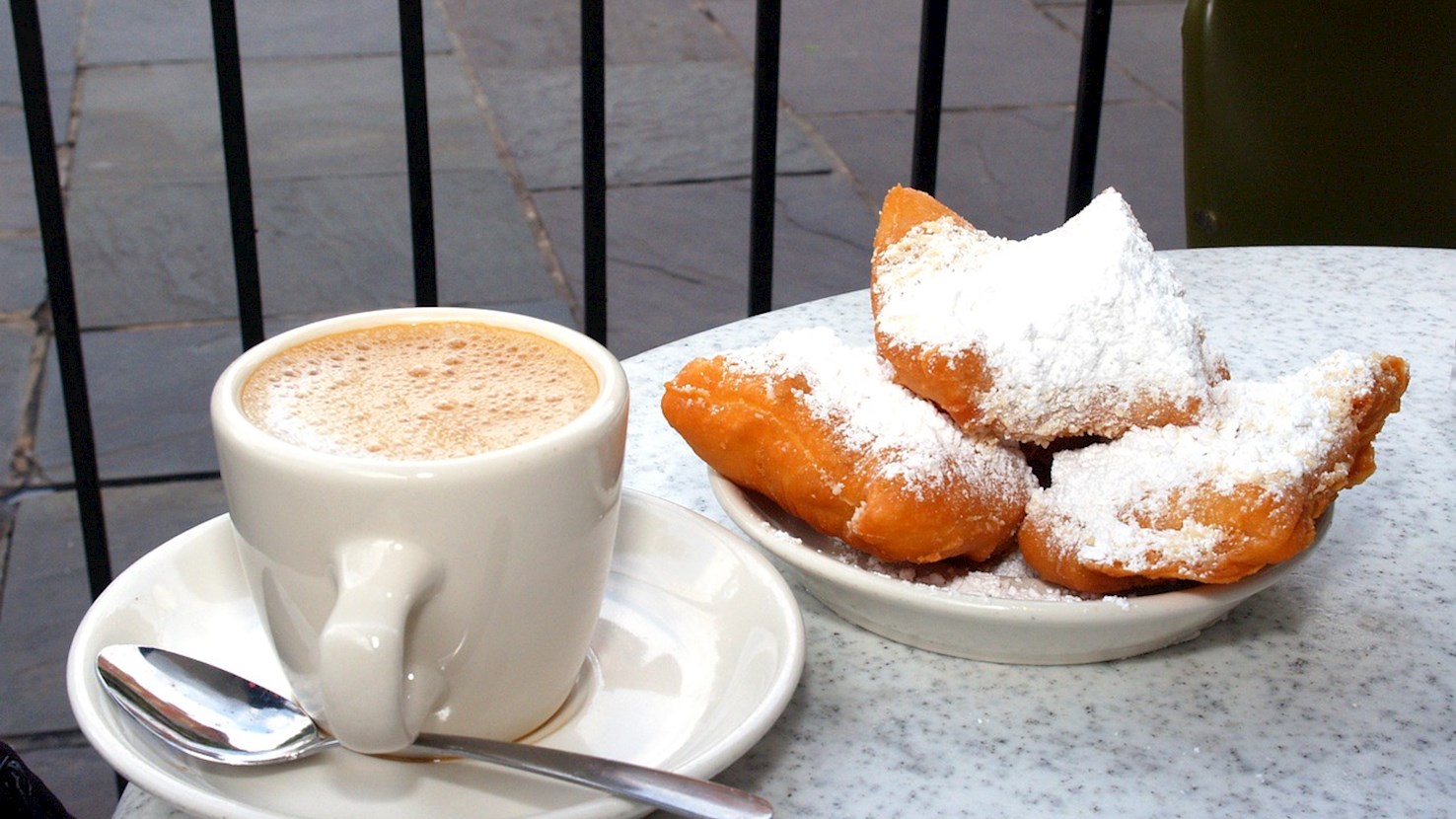
Mostly associated with New Orleans, this American version of café au lait is made with the blend of ground coffee and chicory. This practice stems from the French tradition, where chicory root was primarily used as a coffee substitute. The root is roasted and ground before it is combined with coffee and then brewed, usually using a drip coffee maker or a French press. In the United States, this coffee variety appeared during the Civil War, when coffee was scarce and expensive. The combination remained popular in New Orleans, where the blend is brewed, and the coffee is served with equal parts of brewed coffee and scalded milk (milk that is heated just below the boiling point). A common tradition in New Orleans is to drink this type of coffee with beignets—sugar-coated fritters. It is said that the combination works well because the hefty amount of sugar on the beignets perfectly complements the distinctive, slightly bitter flavor of café au lait.

06

Kona coffee

3.5 ·

Kona coffee is a highly prized, gourmet Arabica coffee grown exclusively in the Kona district on the Big Island of Hawaii. Nestled along the fertile volcanic slopes of Mauna Loa and Hualālai, Kona coffee thrives in a unique microclimate characterized by rich volcanic soil, warm morning sunshine, gentle afternoon cloud cover, and frequent light rainfall. These ideal growing conditions allow the coffee cherries to mature slowly, enhancing their natural sweetness and complexity. The history of Kona coffee dates back to 1828, when Samuel Ruggles, an American missionary, introduced Coffea arabica plants to the region from Brazil. Over time, large plantations gave way to small, family-run farms, many established by Japanese immigrants who perfected hand-picking and processing techniques that remain central to Kona coffee’s exceptional quality today. Renowned for its smooth, well-balanced flavor profile, Kona coffee is celebrated for its low acidity, rich body, and delicate yet complex tasting notes, which can include caramel, chocolate, honey, macadamia nuts, citrus, and tropical fruit. The combination of altitude, climate, and meticulous hand-picking ensures that only the finest, ripest cherries are selected, contributing to its reputation as one of the most sought-after and expensive coffees in the world. Due to its limited production and high demand, true Kona coffee is a rare commodity. Authenticity is crucial, as many products labeled “Kona blend” contain only a small percentage of Kona beans mixed with lower-quality coffee from other regions. To guarantee quality, consumers should look for "100% Kona Coffee" certification, which ensures that the beans are sourced entirely from Kona's coffee farms.

07

Caffè breve

n/a ·

Breve, also known as caffè breve, is a rich and creamy espresso-based coffee drink made with half-and-half instead of milk. Breve coffee is essentially an American adaptation of the classic Italian latte, but it uses half-and-half (a mixture of equal parts milk and cream) instead of regular milk. This substitution gives the drink a richer and creamier texture and a slightly sweeter flavor compared to a traditional latte. To prepare a breve, a shot (or shots) of espresso is brewed and then combined with steamed half-and-half. The process of steaming the half-and-half creates a frothy and velvety foam, which is then poured over the espresso. The result is a luxurious and indulgent coffee drink with a thick, creamy consistency. Because half-and-half has a higher fat content than milk, breve coffee is richer and more caloric. This makes it a popular choice for those who enjoy a decadent coffee treat. Breve coffee can be enjoyed hot or iced. For a hot breve, the drink is served in a warm mug, while an iced breve is made by pouring the espresso and steamed half-and-half over ice.

08

Espresso Romano

n/a ·

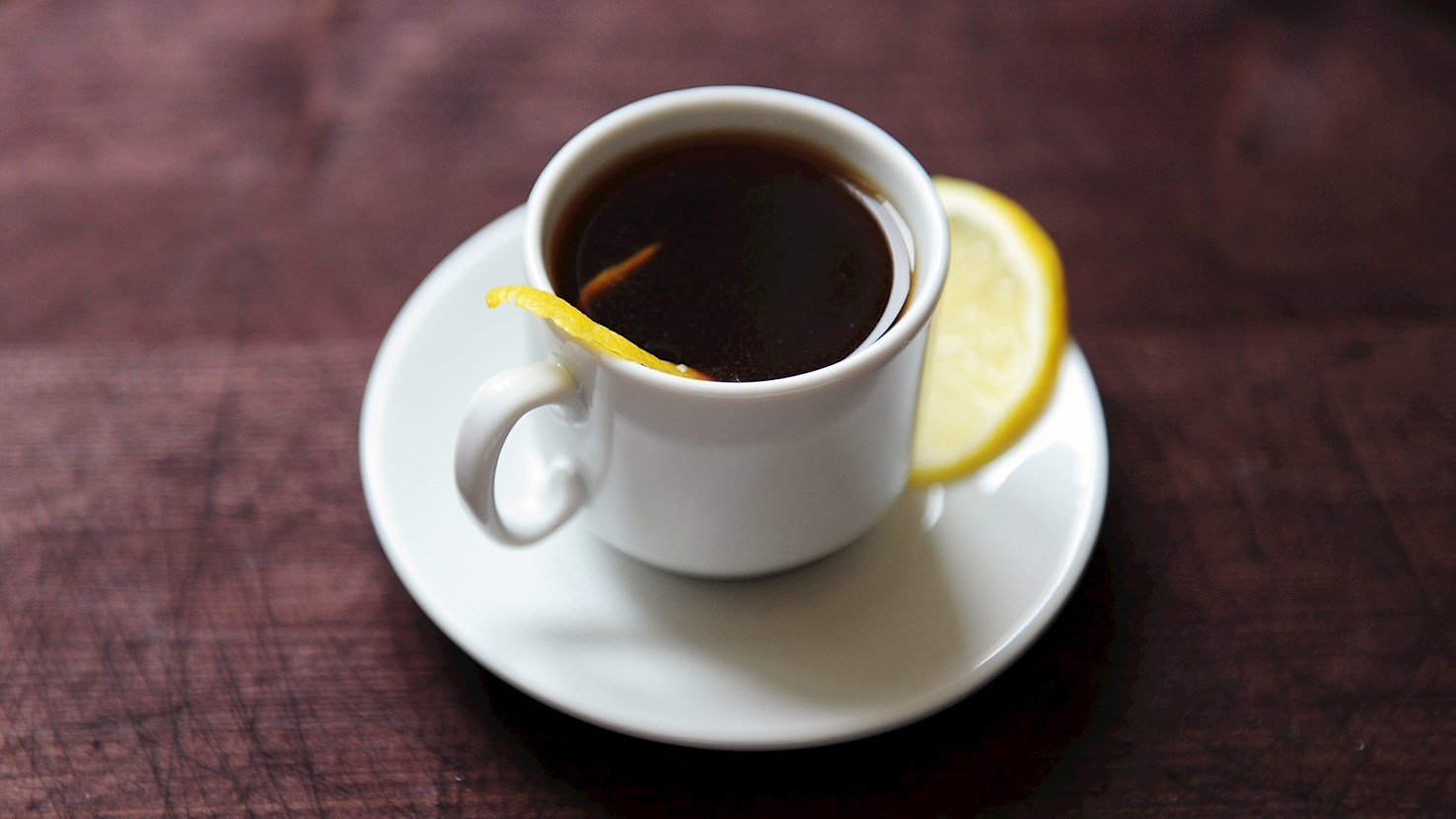
In its basic form, espresso Romano consists of an espresso shot served with a slice of lemon or a lemon twist. It is suggested that lemon should be rubbed around the edge of the cup—which imparts a light bitter note while drinking espresso. Despite its name, espresso Romano most likely does not have Italian origin. Some suggest it was an American invention used to cover a taste of a badly pulled espresso, while there are also several theories suggesting that it was an Italian invention that mostly caught up in the United States. Espresso Romano is nowadays served in numerous coffee houses around the world. Variations of the drink sometimes include oranges or tangerines.

Read more
View all
View map
About this ranking

TasteAtlas food rankings are based on the ratings of the TasteAtlas audience, with a series of mechanisms that recognize real users and that ignore bot, nationalist or local patriotic ratings, and give additional value to the ratings of users that the system recognizes as knowledgeable. For the “Top 15 North American Coffees” list until June 15, 2026, 372 ratings were recorded, of which 244 were recognized by the system as legitimate. TasteAtlas Rankings should not be seen as the final global conclusion about food. Their purpose is to promote excellent local foods, instill pride in traditional dishes, and arouse curiosity about dishes you haven’t tried.

The initial list of top producers was compiled based on available reviews, awards, local recommendations, media and blog coverage, and consumer reviews. The list will be updated with ratings from TasteAtlas local ambassadors and TasteAtlas users.

Similar lists