

shutterstock

Top 4 Piedmontese Coffees

Last updated on June 10, 2026
01

Cappuccino

4.2 ·

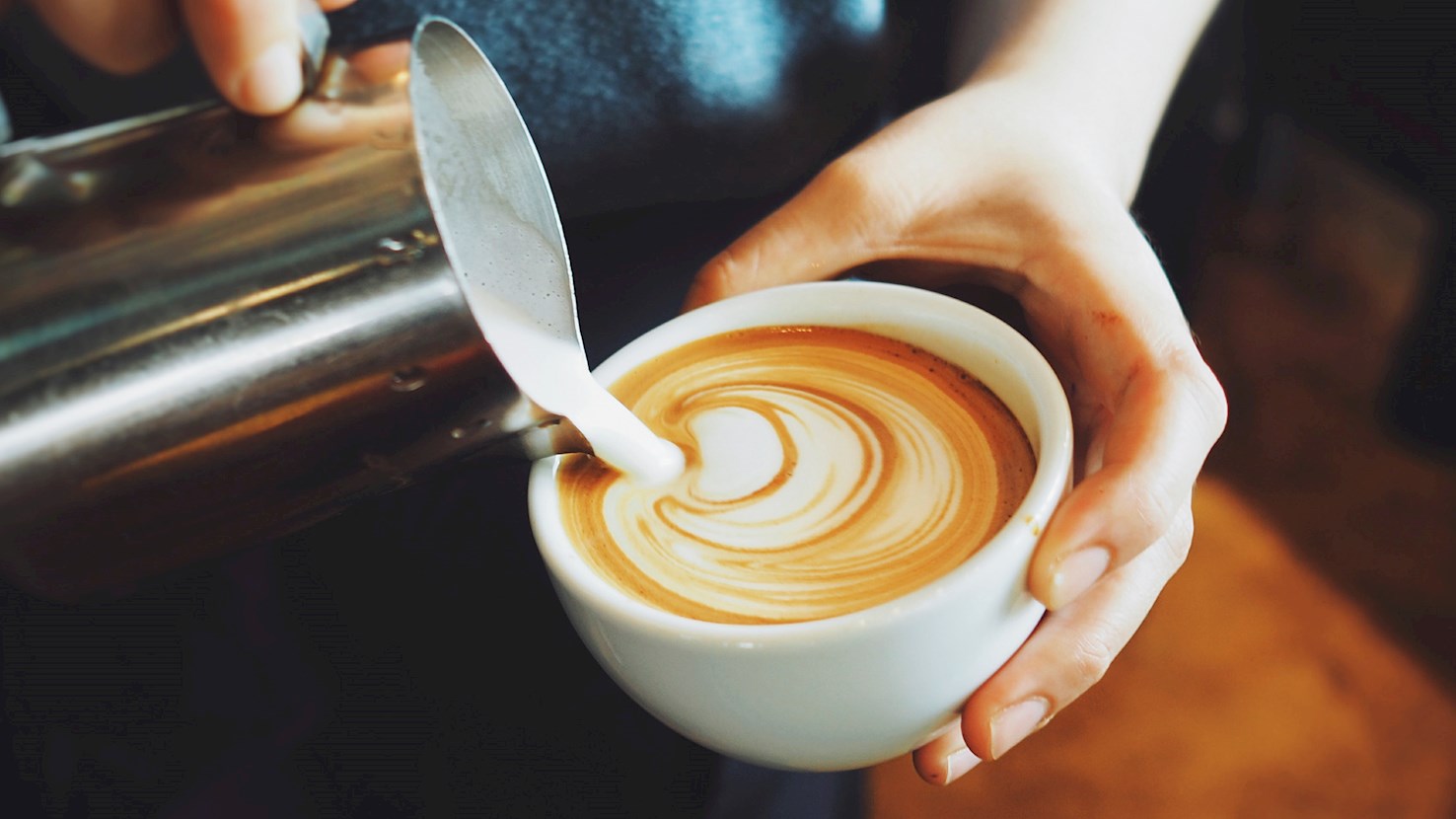
Cappuccino is an Italian coffee made with espresso and steam-foamed milk. It is believed that it developed from kapuziner—a coffee-based beverage that was enjoyed in Austrian coffee houses in the 18th century. The first mention of the word cappuccino in Italy dates back to the 1930s, but at the time the drink was topped with whipped cream, and later it gained its current form with the invention of the espresso machine. Traditional Italian cappuccino is always served in small cups, which are occasionally pre-heated, and it is prepared by pulling a single or a double shot of espresso which is then topped with a light and frothy steamed milk. The recommended ratio in Italy is to have more froth than liquid. Due to its popularity, outside of Italy, cappuccini can significantly differ from their original Italian version, and they can be enjoyed throughout the day, while the Italians would rarely drink them in the afternoon. Interestingly, it is said that the name cappuccino was inspired by the Capuchin friars, supposedly because the color combination of coffee and milk resembles those of Capuchin robes.

02

Espresso

4.1 ·

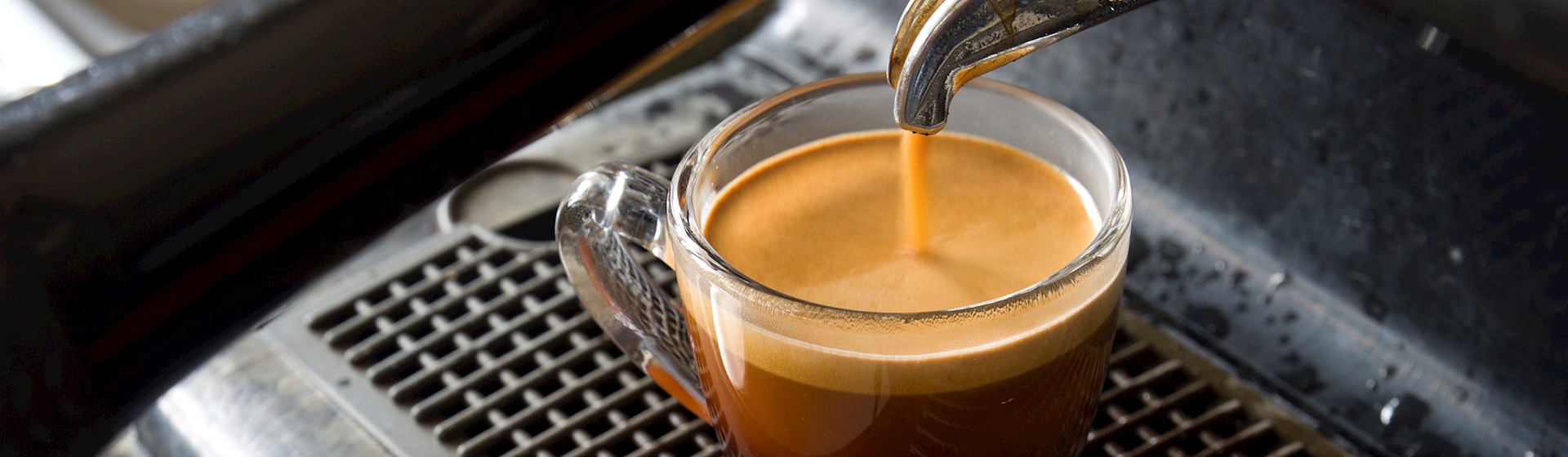
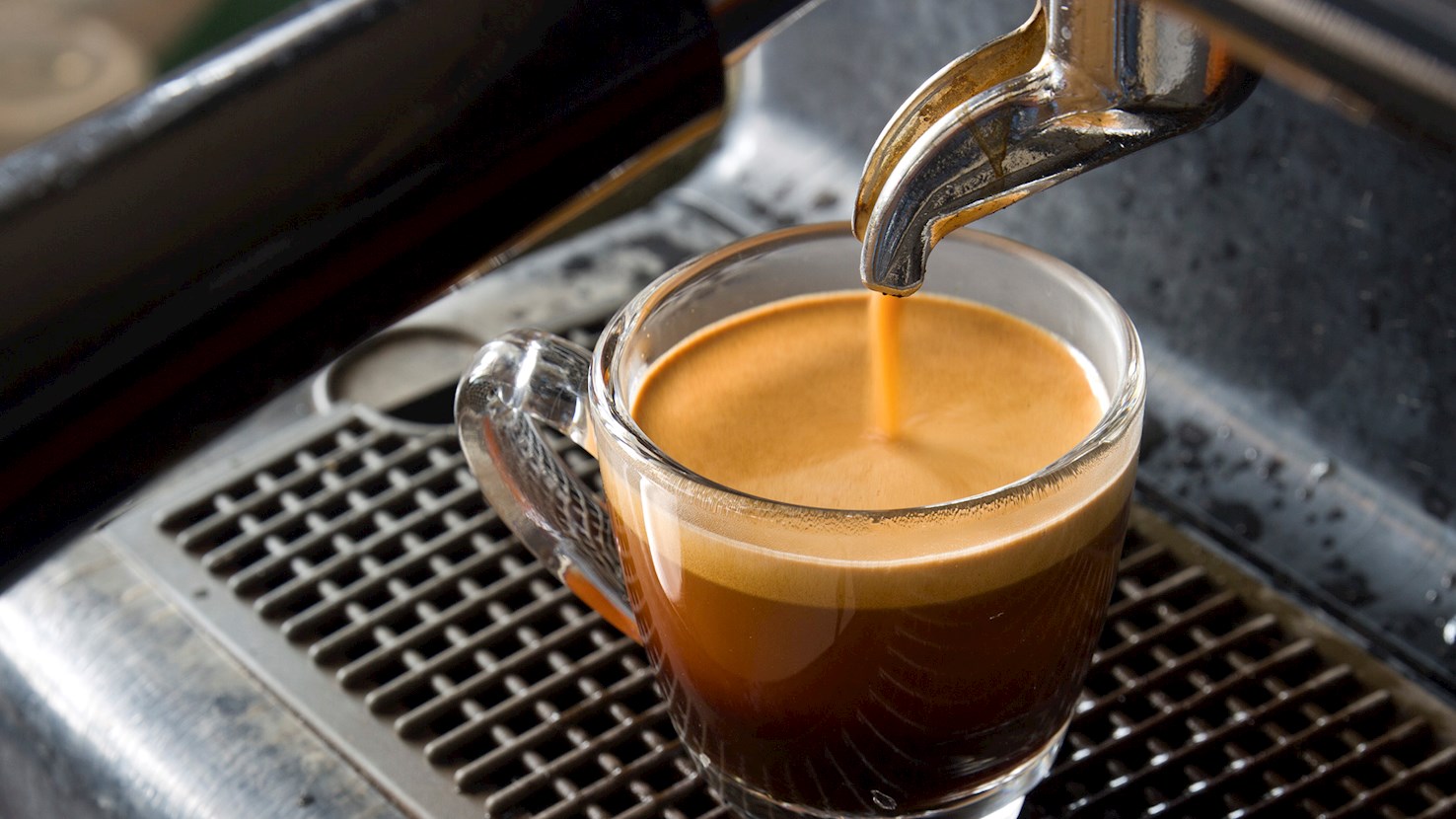
Espresso is both the name of a coffee beverage and the method of brewing coffee that originated in Italy. Nowadays it is prepared worldwide with the espresso machine - invented in Turin in 1884 by Angelo Moriondo - by forcing a small amount of hot water under high pressure through finely ground coffee beans. The coffee used for espresso is blended from several roasts and as a result of pressurized brewing, the flavors of the beverage are very concentrated, with thick and almost syrupy texture. Consequently, espresso has more caffeine than other coffee beverages, so it is traditionally served as a shot. On top of every well-made espresso is a frothy foam with a creamy consistency, known as crema. Besides the standardized shot, espresso can also be served as doppio, ristretto, and lungo. Furthermore, it can be mixed with milk or cream, so it is a base for many other coffee drinks such as caffè latte, caffè Americano, cappuccino or caffè macchiato.

03

Bicerin

4 ·

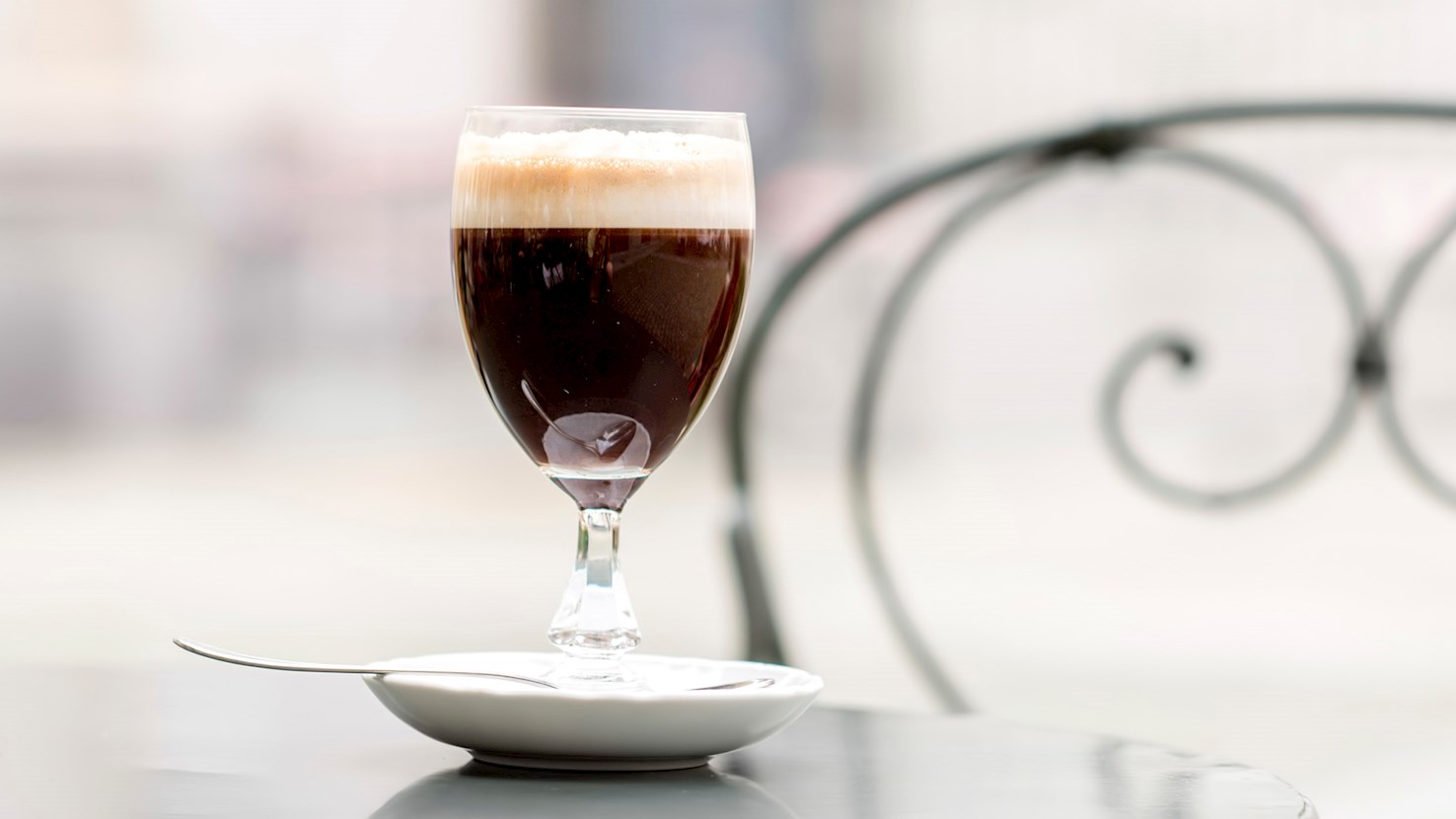
Dating back to the 18th century, this classic beverage from Turin consists of an espresso that is layered with hot chocolate, and then topped with whipped cream. It is traditionally prepared and served in tall, clear glasses, and all three layers should be visible. Although bicerin is enjoyed throughout Turin, Caffè Al Bicerin and Caffè Florio claim its origin. It is believed that its name stems from the term bicchierino, which is a diminutive of bicchiere (glass).

04

Marocchino

3.7 ·

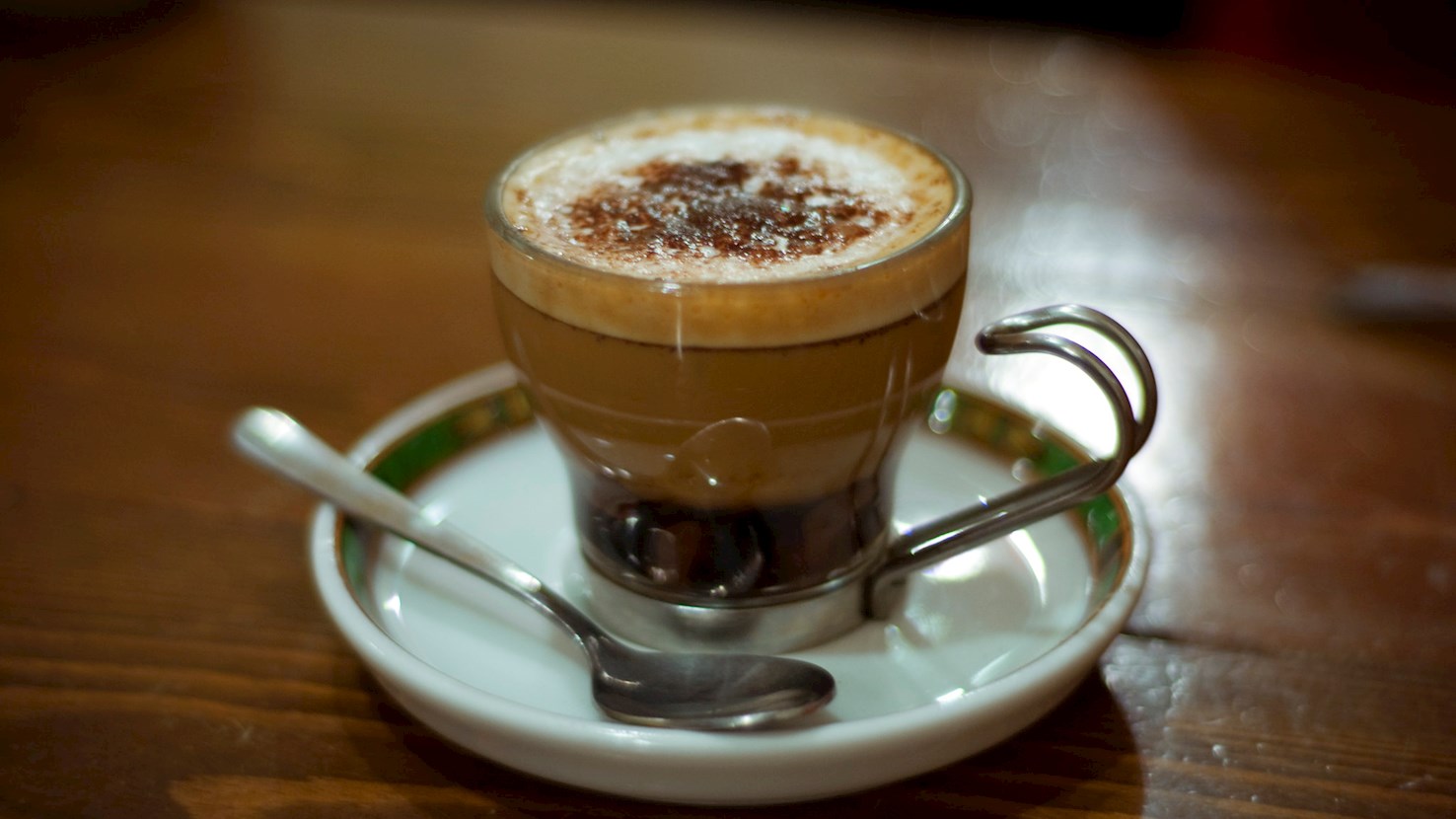
Marocchino, which is occasionally known as vetrino, is an Italian coffee variety that originated in Piedmont. It consists of a shot of espresso that is sprinkled with cocoa and then topped with frothed milk. Usually, the milk is then also dusted with cocoa powder. The origin of marocchino is associated with the Carpano Bar in Alessandria. It was invented during the first half of the twentieth century, and its inventors modeled it on bicerin—an espresso that is layered with hot chocolate and then topped with whipped cream. It is often said that the name marrocchino, which translates as Moroccan, was given due to the brownish color of the coffee—which was reminiscent of an eponymous type of fine leather that was popular in the 1930s.

Read more
View all
View map
About this ranking

TasteAtlas food rankings are based on the ratings of the TasteAtlas audience, with a series of mechanisms that recognize real users and that ignore bot, nationalist or local patriotic ratings, and give additional value to the ratings of users that the system recognizes as knowledgeable. For the “Top 4 Piedmontese Coffees” list until June 10, 2026, 1,166 ratings were recorded, of which 962 were recognized by the system as legitimate. TasteAtlas Rankings should not be seen as the final global conclusion about food. Their purpose is to promote excellent local foods, instill pride in traditional dishes, and arouse curiosity about dishes you haven’t tried.

Similar lists