Pâtisserie Bennis Habous is a historic Moroccan patisserie located in the Habous district of Casablanca, with origins dating back to the 1930s and a continuous family ownership that has extended across four generations. Founded by a family from Fez, the business evolved from a small artisanal operation into one of the city’s most established pastry houses, while maintaining a strong commitment to traditional methods. The production is centered on classic Moroccan sweets, particularly almond-based pastries such as cornes de gazelle, alongside honey-coated specialties like chebakia and other nut-filled confections. Recipes are preserved with minimal modification, relying on simple ingredients such as almonds, orange blossom water, honey, and sesame to build layered and recognizable flavors. The pastries are prepared daily, with an emphasis on freshness and consistency rather than large-scale industrial output. Visually, the products retain a handmade character, often presented in traditional trays that reflect the artisanal nature of the craft. The patisserie itself, with its modest interior and distinctive tiled exterior, mirrors the architectural identity of the Habous quarter. Today, it remains a reference point for authentic Moroccan pastry-making, closely tied to the cultural and culinary heritage of Casablanca.
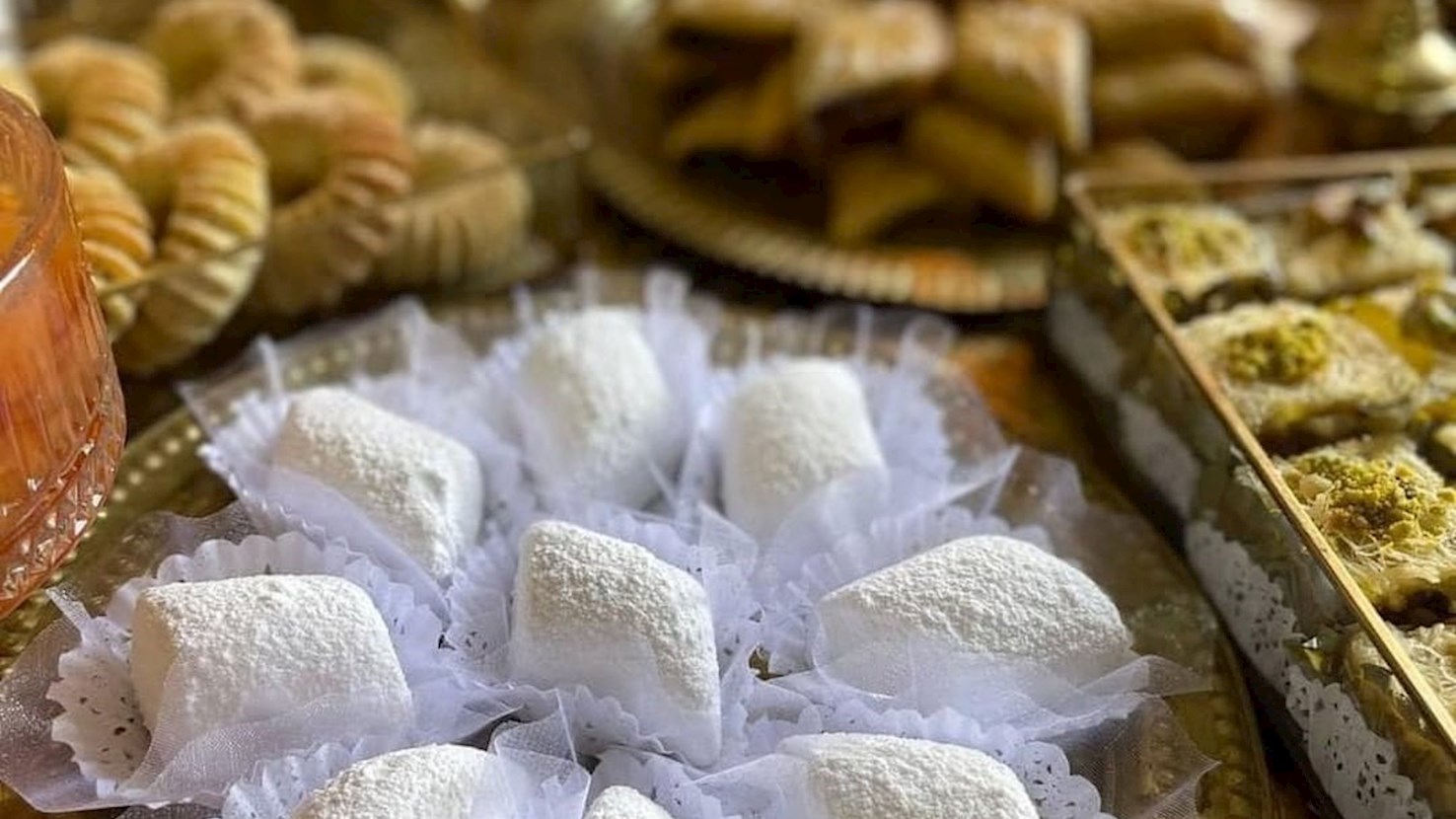
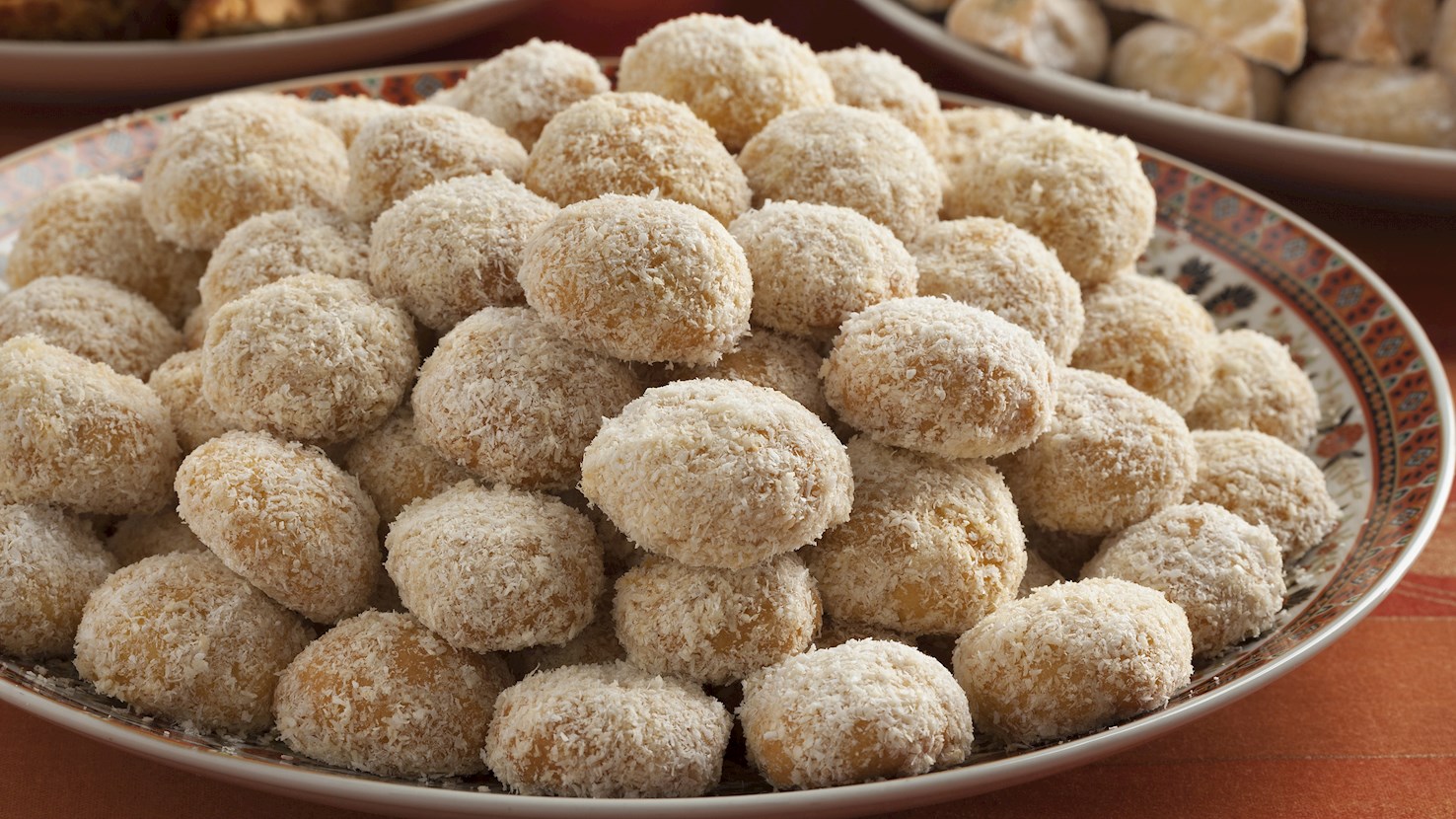
Makroud el louse are flourless Algerian cookies consisting of almonds, eggs, sugar, and a flavoring of orange flower water. Baked until lightly browned, these cookies are typically tossed in powdered sugar in order to be completely coated. Once consumed, makroud el louse should melt in the mouth. It is recommended to serve these cookies with a cup of tea or coffee on the side.
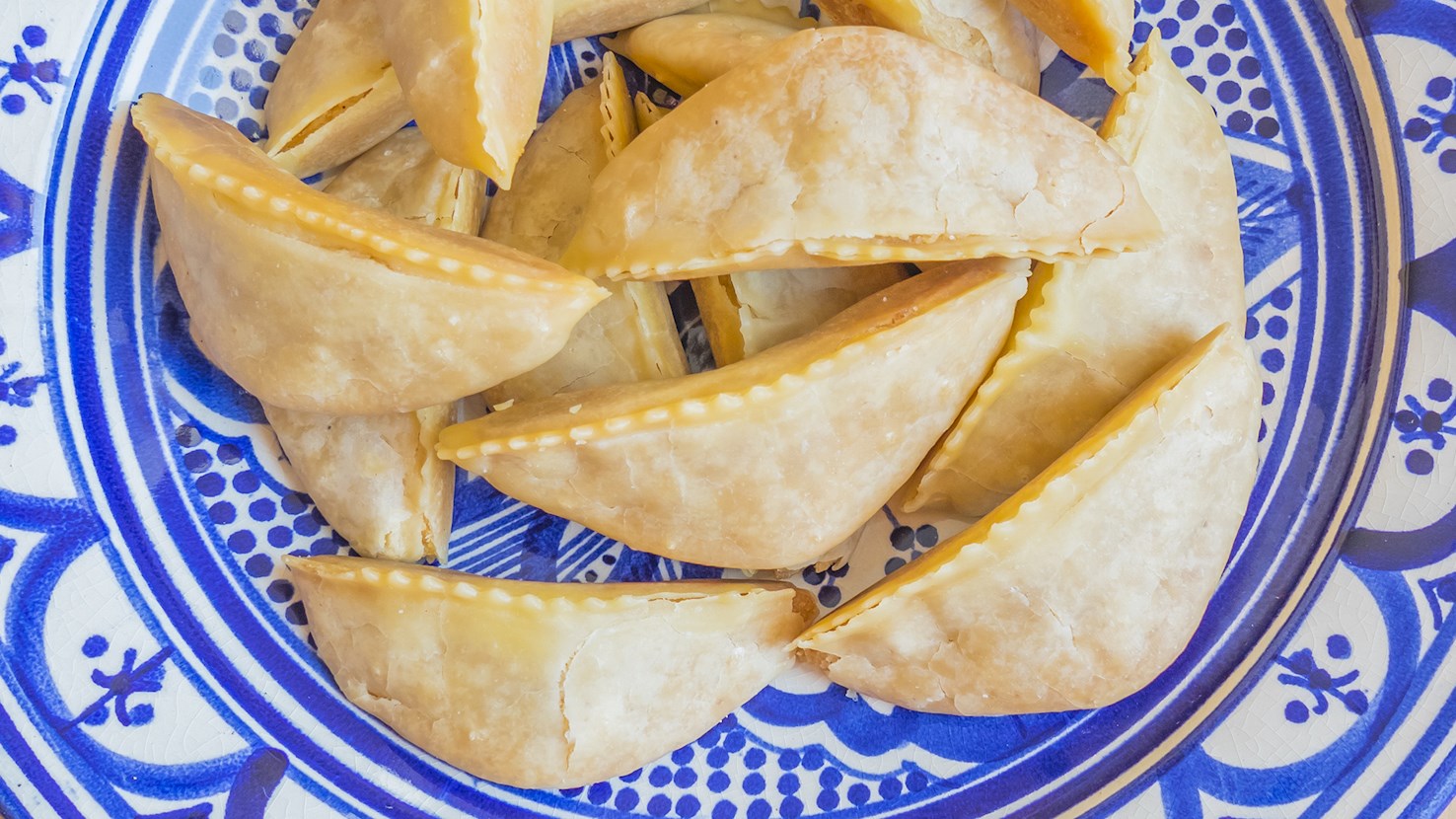
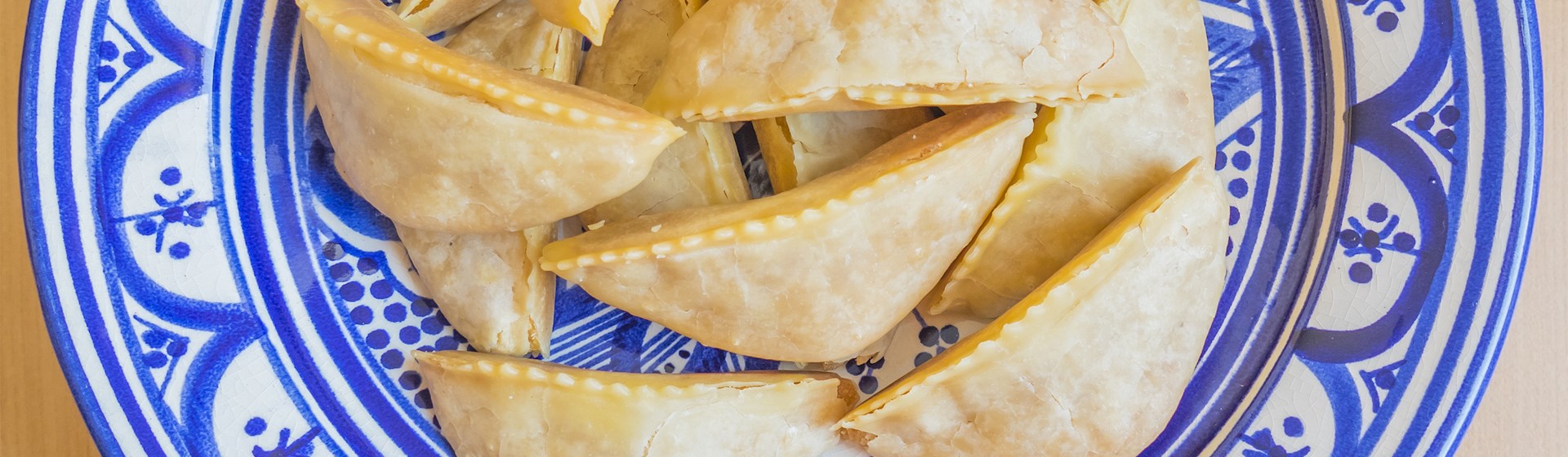
These crescent-shaped cookies are usually associated with Morocco, but they can be found throughout Algeria and Tunisia in slightly different forms and under various names. Their name translates as gazelle ankles, but they are better known as gazelle horns. They consist of a thin pastry shell that is wrapped around a sweet cinnamon-flavored almond filling. Both filling and the pastry dough are typically enriched with orange blossom water. The cookies can be coated in crushed nuts or optionally dipped in orange blossom water and then dusted with sugar, in which case they are typically referred as kaab el ghazal m'fenned.
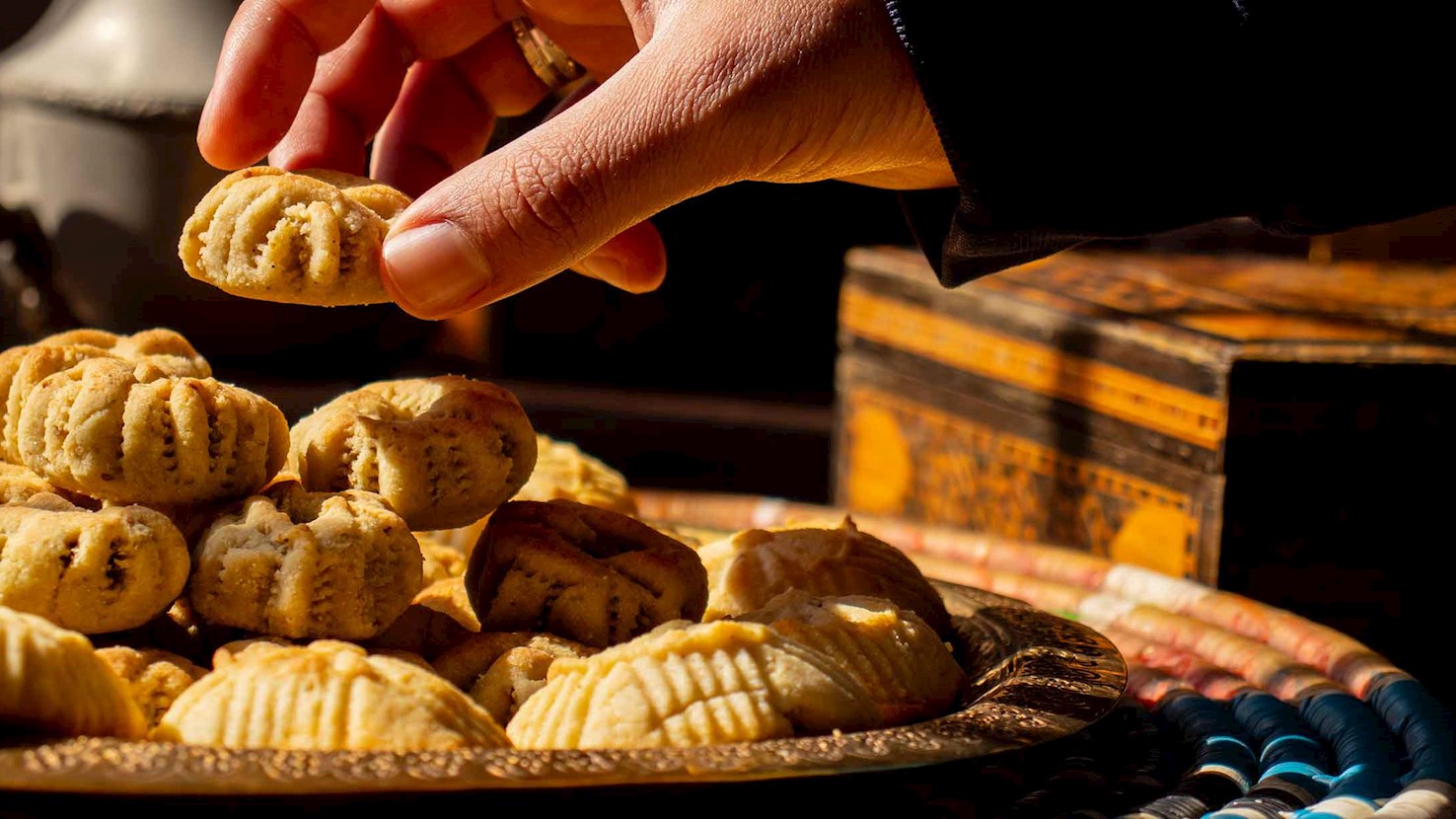
Ma’amoul is a filled baked pastry made from a short dough of semolina or flour and fat, shaped into small rounds or domes and filled with dates, walnuts, or pistachios, widely prepared across the eastern Mediterranean and the Levant, particularly in Lebanon, Syria, Palestine, Jordan, and parts of Iraq, where it is closely associated with religious holidays and communal baking. Its development is tied to the long cultivation of wheat, dates, and nuts in these regions and to festive baking practices that required pastries capable of being prepared in advance, stored briefly, and shared widely, with molded decoration emerging as a way to distinguish fillings and standardize appearance when large quantities were produced at home or in neighborhood bakeries. Preparation begins with a dough made from semolina or a semolina-flour mixture combined with clarified butter or oil, lightly sweetened and often scented with rose water or orange blossom water, rested to allow the grains to absorb fat, then portioned and filled with date paste or finely chopped nuts mixed with sugar and aromatic water, after which each piece is pressed into a carved wooden mold to imprint a pattern before being unmolded and baked until set but not deeply browned. Serving usually involves allowing the pastries to cool fully so the structure firms, with some versions dusted lightly with powdered sugar while others, especially date-filled ones, are left plain, and they are presented in assortments where shape and surface design indicate the filling inside rather than labeling. A defining feature of ma’amoul is the use of molded decoration as an integral part of the pastry rather than a garnish, creating a visual code that is widely understood within the region and allowing different fillings to coexist on the same plate without confusion. It is eaten primarily during major holidays and family gatherings, offered to guests in homes and served in cafés during festive periods, typically consumed by hand alongside plain coffee, Arabic coffee, or unsweetened tea, with the bitterness of the beverage balancing the richness of the dough and the sweetness of the filling.
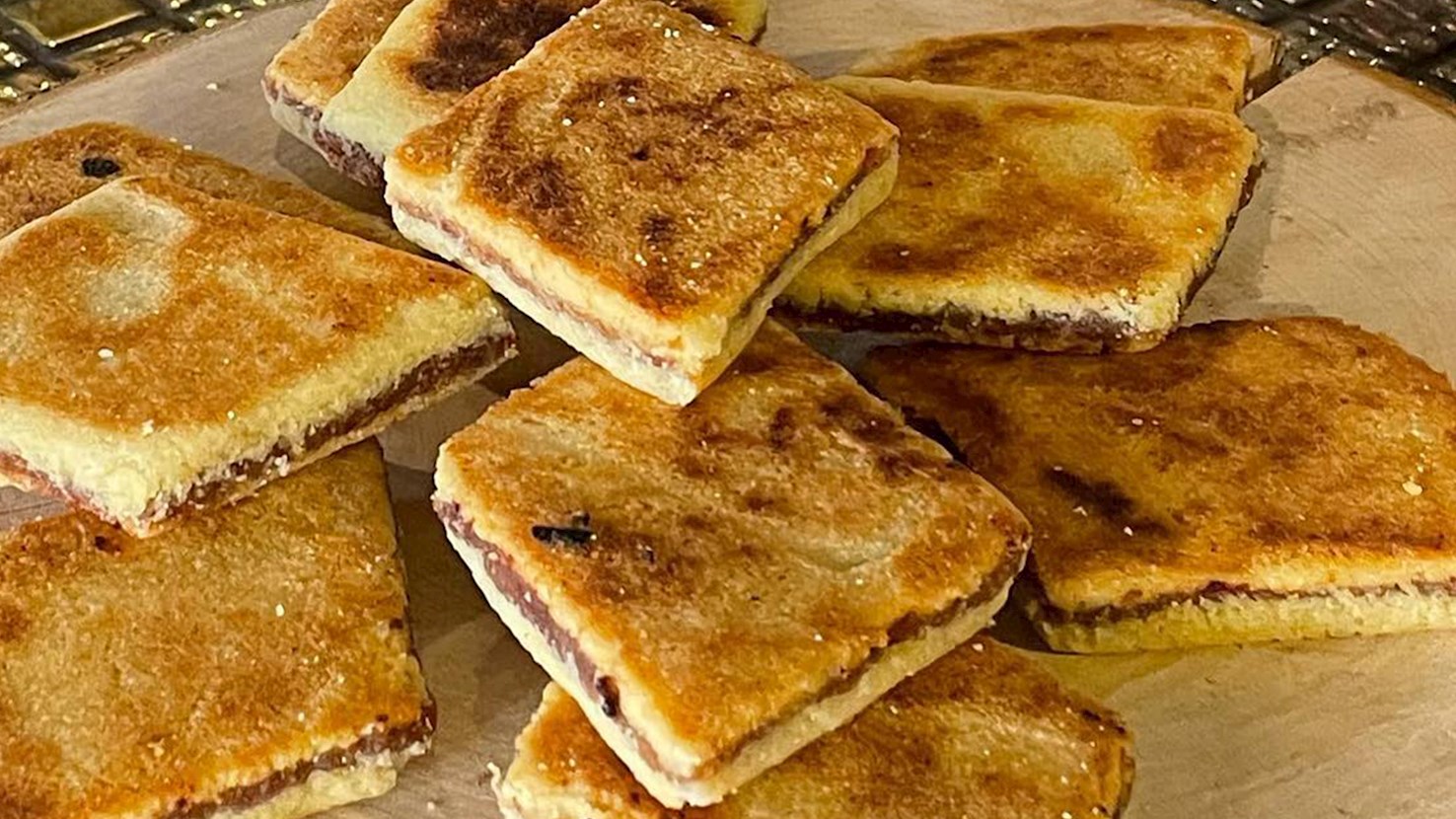
Bradj, also known as mbardja, mteqba, or mbarja, is a traditional diamond-shaped pastry from the northeast, traditional consumed in Constantinois, Jijel, Bibans, and Kabylie region. This diamond-shaped delicacy consists of two layers of semolina dough (kesra) filled with a date paste (ghers). The preparation starts with a dough of semolina mixed with oil, water, and salt, which is then shaped, filled, and cooked on a griddle or heavy pan. It is often flavored with cinnamon and sometimes cloves. Bradj is typically prepared in spring and served with leben, rayeb, or mint tea.
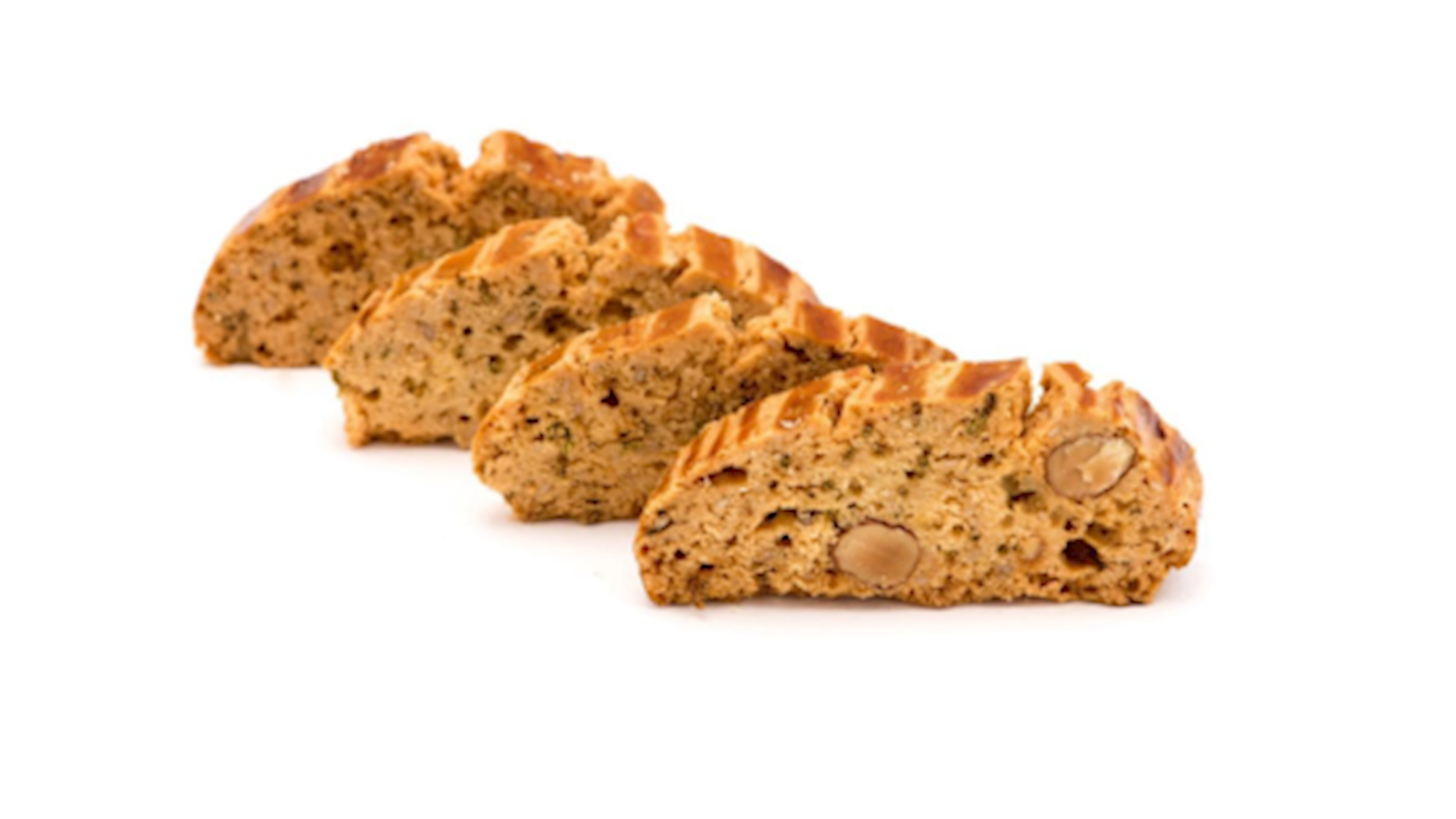
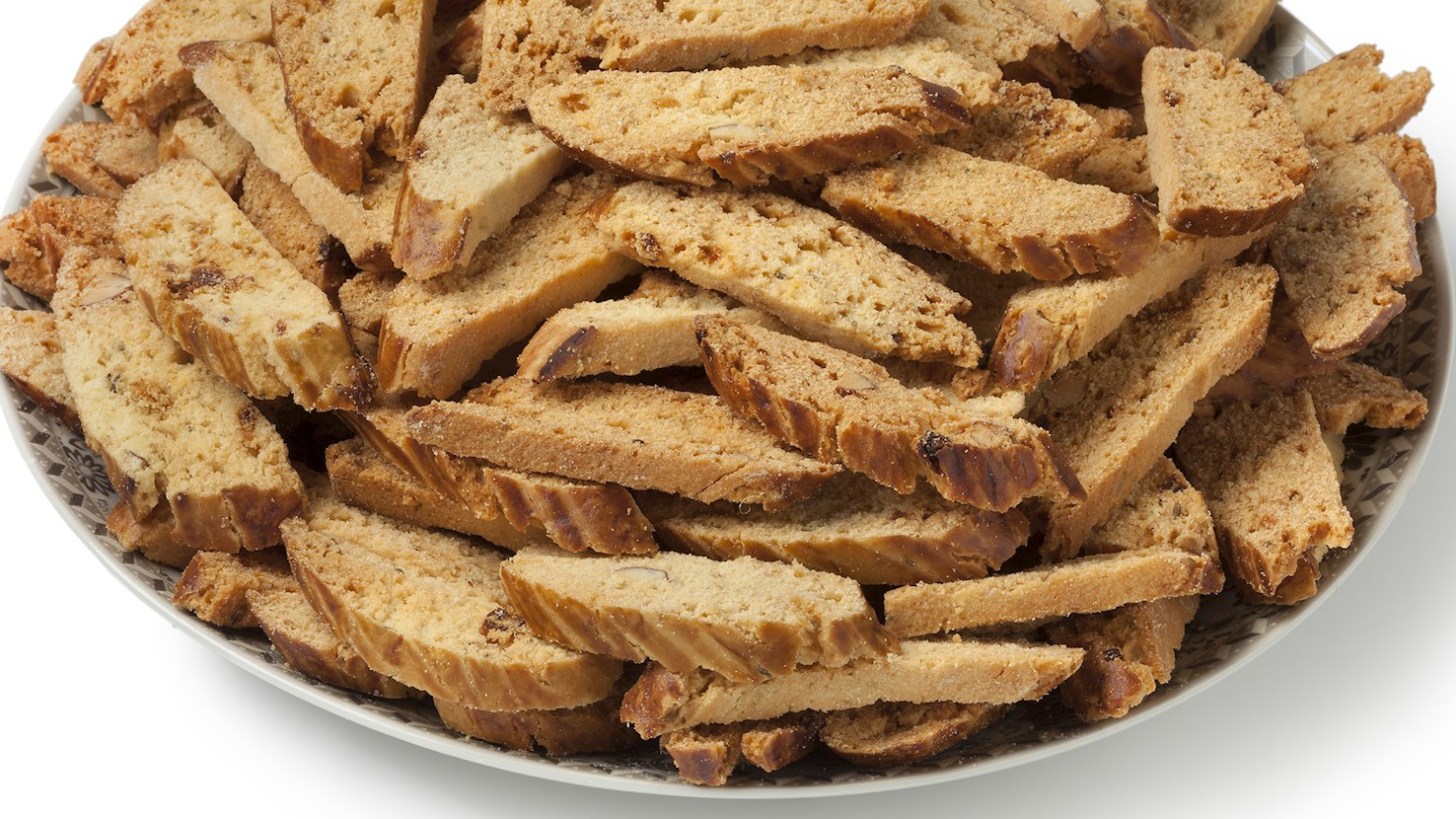
These traditional Moroccan twice-baked cookies come in both sweet and savory versions. They are prepared with shortbread or yeasted dough that is usually enriched with orange blossom water, aniseed, or citrus zest, as well as toasted nuts and dried fruit such as almonds, walnuts, raisins, pistachios, or sesame seeds. Often dubbed as the Moroccan biscotti, these crunchy treats are best paired with tea or coffee.
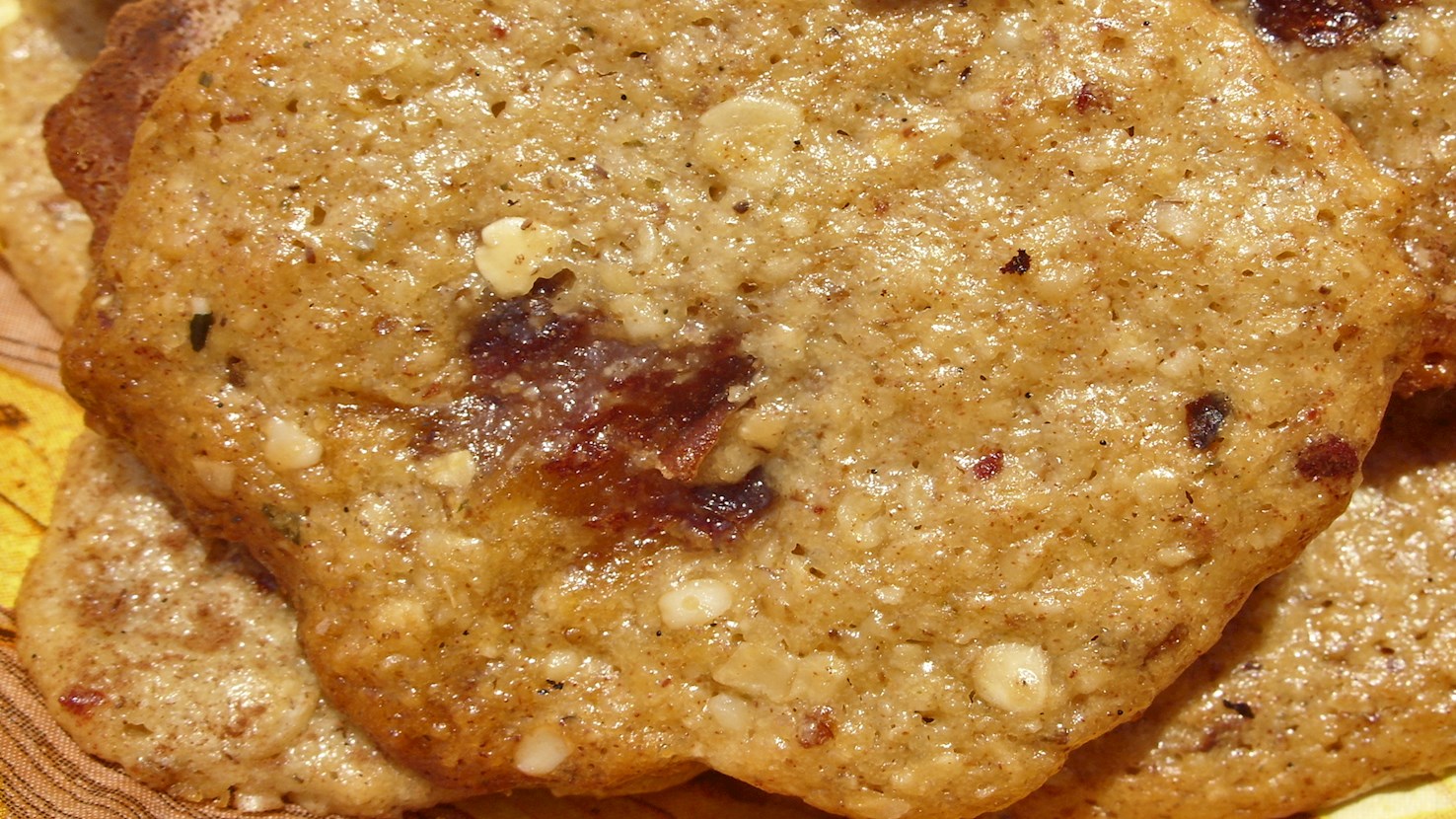
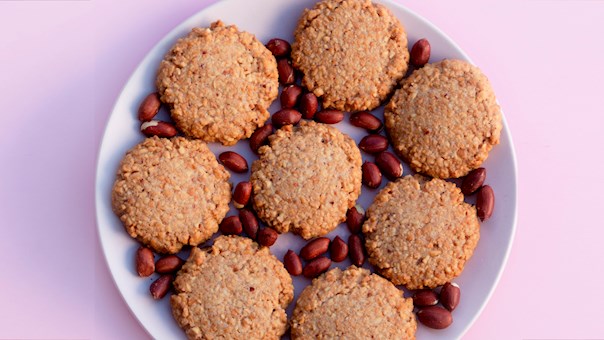
Ghoriba are traditional Middle Eastern cookies that come in a few varieties – some can be chewy, while others have a shortbread-like, crumbly texture. The cookies are traditionally shaped into balls or disks, and often have characteristical cracks across their surface. Ghoriba cookies usually consist of flour, sugar, butter, and almonds. It is recommended to serve them with a cup of tea or coffee on the side.
Tahini cookies are baked sweets made with tahini, the sesame seed paste that is widely used across the cuisines of the Eastern Mediterranean and parts of the Middle East, where sesame cultivation and milling have been present for centuries. They emerged from regions where tahini was already a common pantry ingredient, especially in areas of present-day Lebanon, Israel, Palestine, Turkey, and parts of Greece, gaining presence in home kitchens and bakeries as sesame-based confectionery evolved. Their development followed the spread of sesame grinding techniques and the growing use of tahini in both savory and sweet preparations, which eventually led bakers to incorporate it into flour-based doughs that could be shaped and baked easily. The cookies are usually made by mixing tahini with sugar, flour, and a fat source such as butter or oil, creating a dense dough that needs no complicated handling and often relies on the natural richness of sesame for flavor. They are baked until lightly set, resulting in a crumbly texture that comes from the high fat content of the sesame paste rather than from large amounts of added butter, and this reliance on tahini for both structure and flavor is a distinguishing feature. Some versions may include vanilla, citrus zest, or a small amount of leavening, but many rely on the purity of sesame without elaborate additives. They are eaten throughout the year in households, cafés, and bakeries, often as an accompaniment to coffee or tea, and they pair well with beverages that balance their richness, including unsweetened black tea, Arabic coffee, espresso, or mildly acidic herbal infusions.
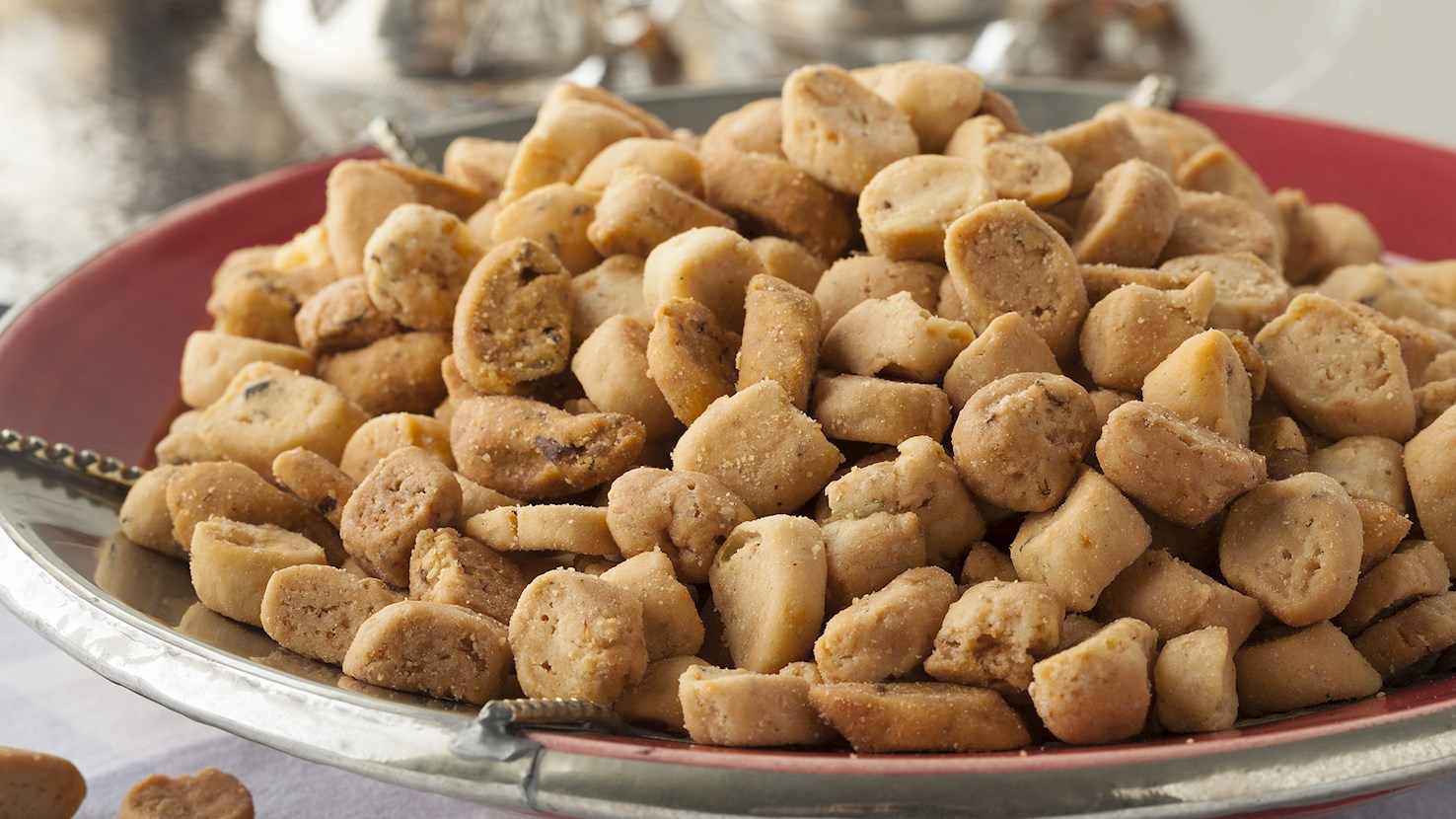
These tiny Moroccan cookies are prepared with a shortbread dough that is usually enriched with aniseed and toasted sesame seeds. The cookies are usually associated with Ashura festival—the tenth day of the first month of the Islamic calendar. On that occasion, they are typically served with a variety of dry fruits and nuts. The cookies are also prepared for other festivities and can be enjoyed as an everyday snack that best pairs with coffee or tea.
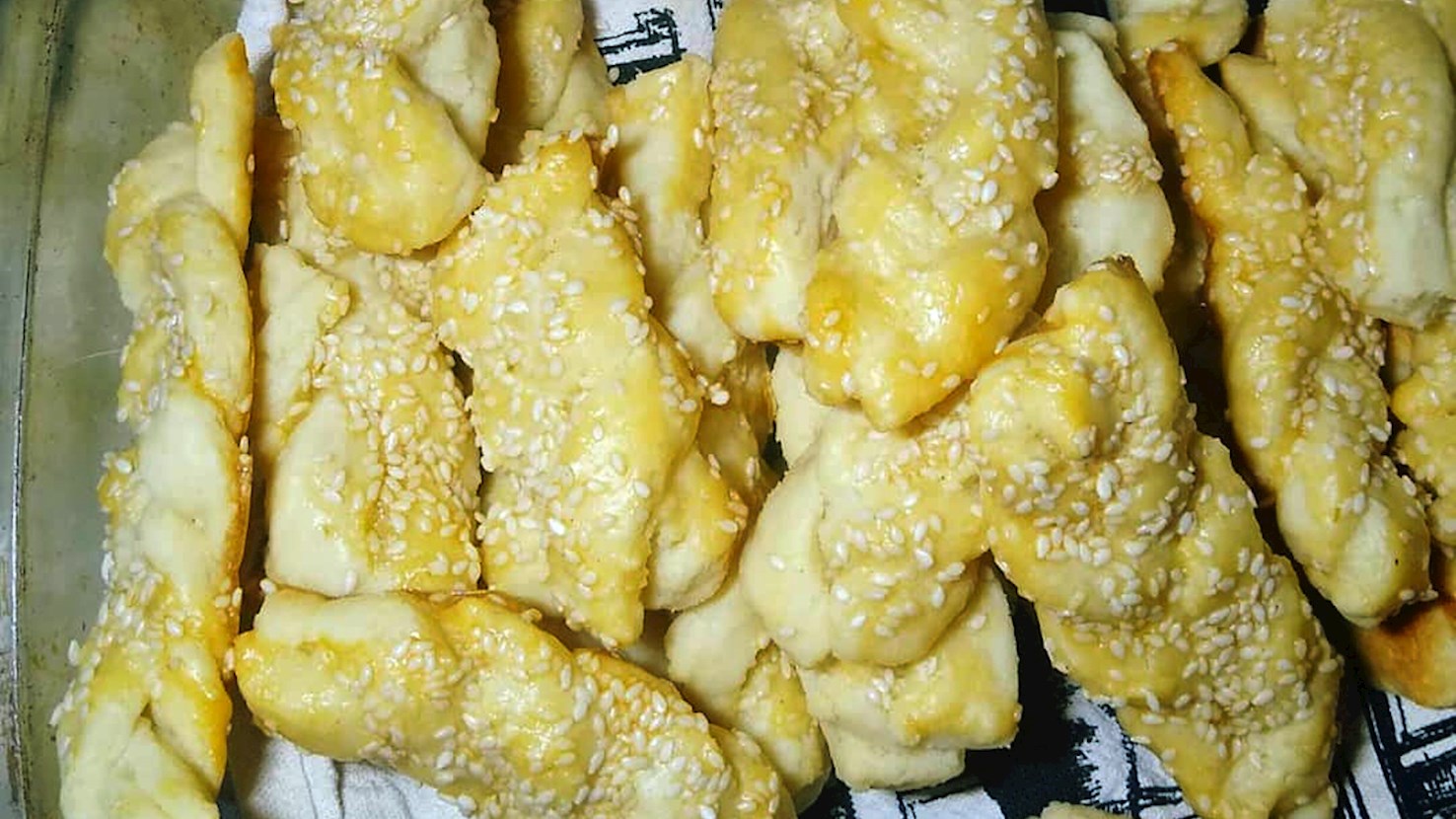
Kaak malih are savory Libyan cookies consisting of flour, baking powder, oil, butter, milk, and salt. The dough, which is either braided or shaped into rings, is often decorated with sesame seeds before baking. Once baked and golden-brown, these light cookies are typically served as an accompaniment to Arabic coffee or tea.
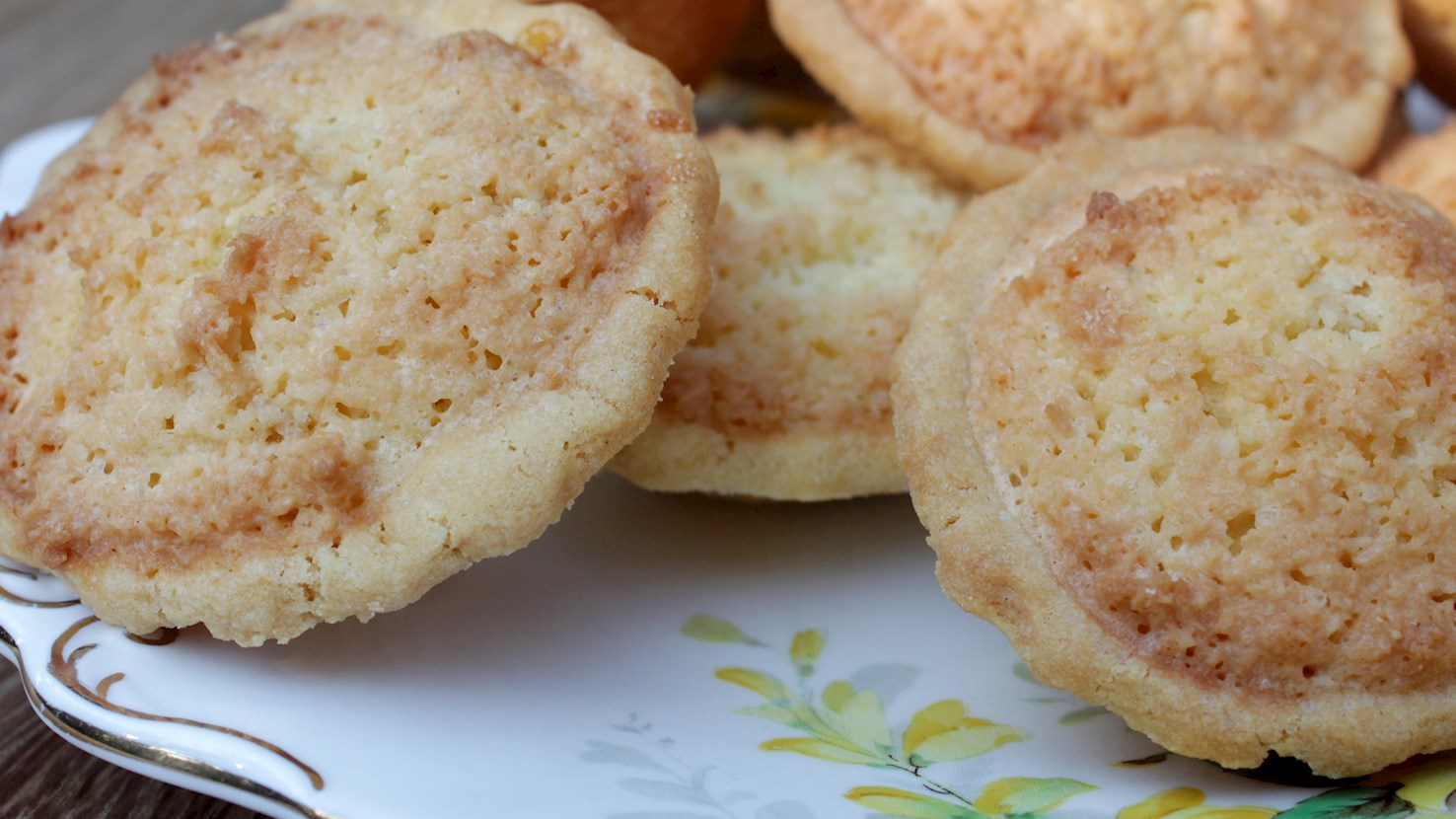
Hertzoggies are South African cookies consisting of light and puffy pastry tarts filled with apricot jam meringue. The crust is made with flour, baking powder, salt, sugar, nutmeg, butter, and egg yolks, while the filling contains apricot jam, sugar, beaten egg whites, and desiccated coconut. These delectable cookies are named after General J.B.M. Hertzog, who was Prime Minister of South Africa from 1924 to 1939. In the country, hertzoggies are usually served with a cup of English tea on the side.
TasteAtlas food rankings are based on the ratings of the TasteAtlas audience, with a series of mechanisms that recognize real users and that ignore bot,
nationalist or local patriotic ratings, and give additional value to the ratings of users that the system recognizes as knowledgeable.
For the “Top 12 African Cookies” list until June 15, 2026, 1,587 ratings were recorded, of which 311 were recognized by the system as legitimate.
TasteAtlas Rankings should not be seen as the final global conclusion about food. Their purpose is to promote excellent local foods,
instill pride in traditional dishes, and arouse curiosity about dishes you haven’t tried.
The initial list of top producers was compiled based on available reviews, awards, local recommendations, media and blog coverage, and consumer reviews.
The list will be updated with ratings from TasteAtlas local ambassadors and TasteAtlas users.