shutterstock

Top 4 Iranian Cookies

Last updated on June 15, 2026

Best Iranian Cookies
01

Naderi

4.6 ·
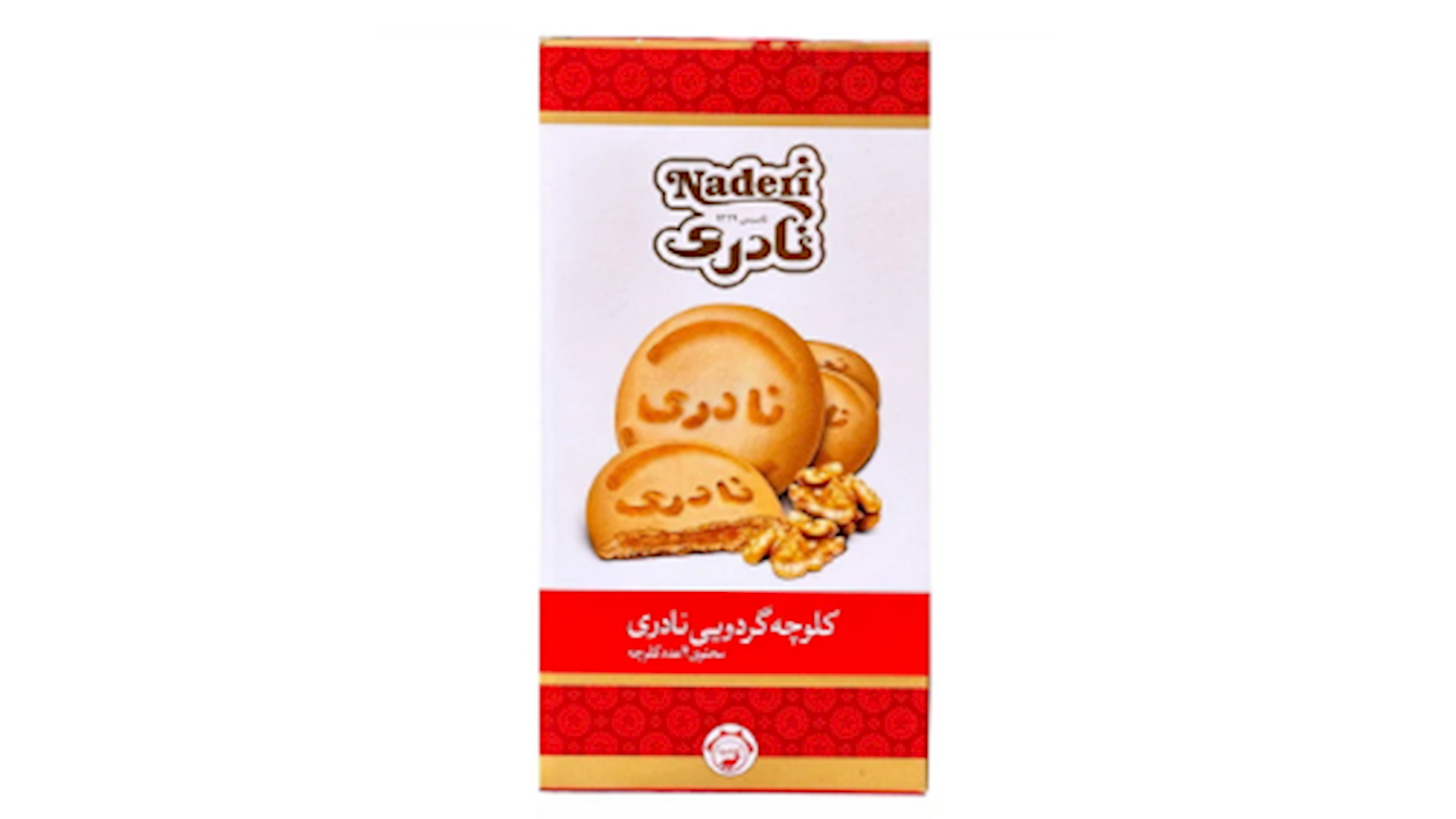
Naderi is an Iranian confectionery producer known for its wide range of biscuits and traditional sweets, with origins dating back to 1950 when it began as a small family-run shop in Lahijan before evolving into a larger-scale manufacturing operation. Today, as part of Naderi Food Industries Group, the company offers a diverse portfolio that includes biscuits, filled cakes, wafers, and snack products, alongside more contemporary cookie-style lines often marketed under names like Cookia. A defining element of its production is the continuation of traditional Iranian pastries such as koloocheh - soft, filled cookies made with ingredients like walnuts, coconut, or dates - which remain closely tied to local culinary habits and are commonly consumed with tea. At the same time, Naderi has expanded into more modern formats, including chocolate-coated biscuits and cream-filled varieties, balancing heritage recipes with industrial production methods. The products typically rely on straightforward ingredients such as flour, sugar, vegetable fats, nuts, and dairy components, resulting in a range of textures from soft and cake-like to crisp and compact. While firmly rooted in the domestic market, Naderi products are also distributed internationally through specialty food retailers, where they represent a contemporary interpretation of Persian confectionery traditions.

Best Iranian Cookies

01

Koloocheh

3.9 ·

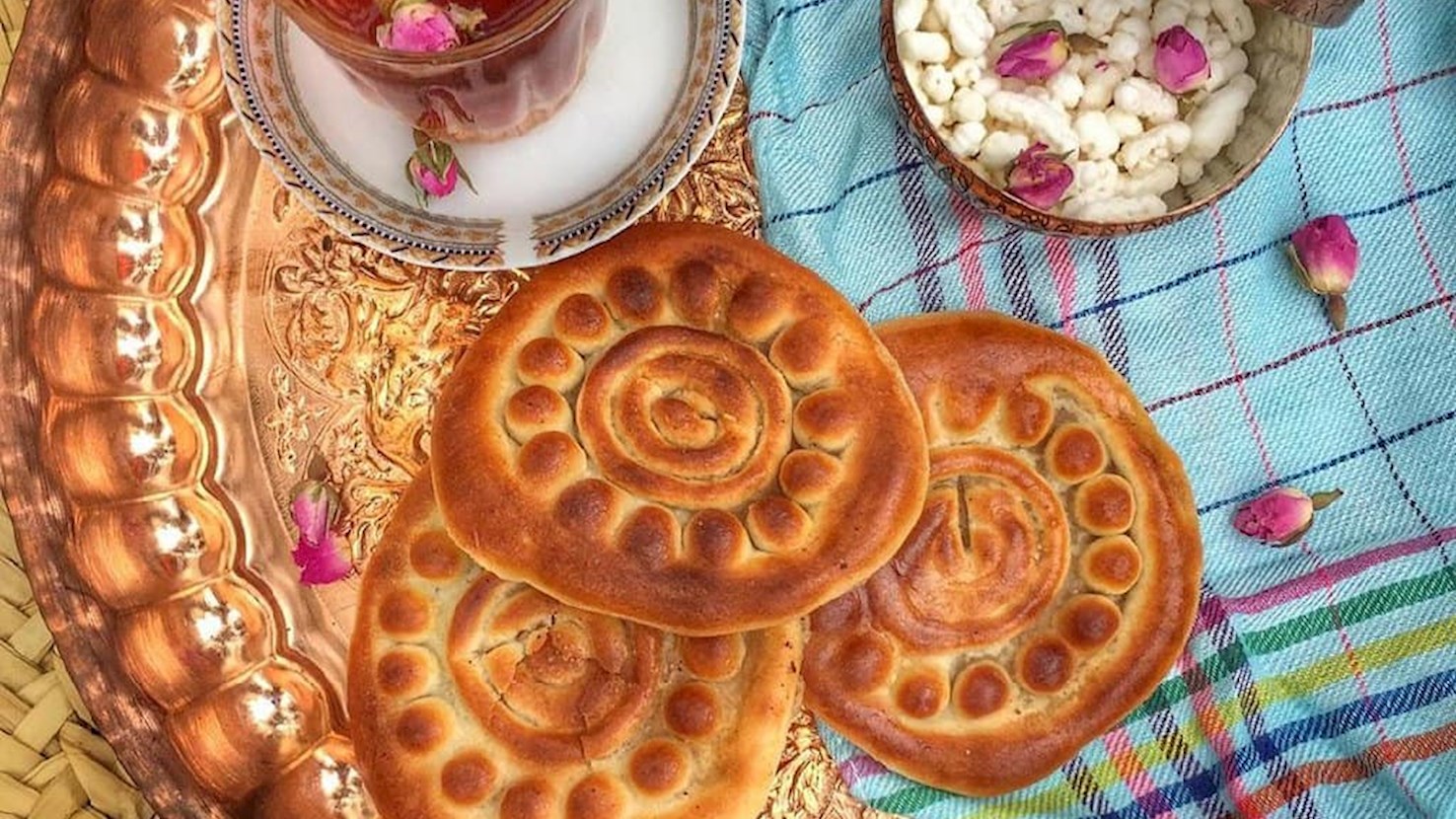
Koloocheh is a filled Persian cookie that comes from northern Iran, especially the provinces of Gilan and Mazandaran along the Caspian coast, where it holds a distinct place in local baking culture. The pastry is known for its round shape, soft crumb, and aromatic fillings that often combine crushed nuts, sugar, cinnamon, and sometimes ground cardamom. Over centuries, koloocheh evolved from early flatbreads and sweetened doughs that were baked in communal ovens for festive occasions or as offerings. In its modern form, it gained popularity as a recognizable specialty sold in bakeries and markets of Lahijan and Rasht, cities particularly renowned for their refined variations of the cookie. Preparation begins with an enriched yeast dough made of wheat flour, milk or water, a little oil or butter, sugar, and leavening agents. Once risen, the dough is divided and rolled into disks. Each portion is topped with a layer of filling—typically a paste of finely ground walnuts or other nuts mixed with sugar and spices—and then sealed to enclose the filling. The tops of the cookies are stamped with decorative patterns using a carved wooden mold or a simple fork. After a light egg wash, they are baked until golden and slightly firm. Koloocheh are often served freshly baked, sometimes warm, though they keep well for several days. In addition to being a popular snack and souvenir, koloocheh has long been prepared for Nowruz, the Persian New Year, and other celebrations. Each city has its own slight variation in dough texture, sweetness, and filling composition, with some bakers also incorporating dates or coconut. The cookies are typically eaten alongside tea, offered to guests, or packed into gift boxes. In the Caspian provinces, bakeries often specialize only in koloocheh production, making it an everyday staple and an emblem of regional hospitality.

02

Naan berenji

3.7 ·

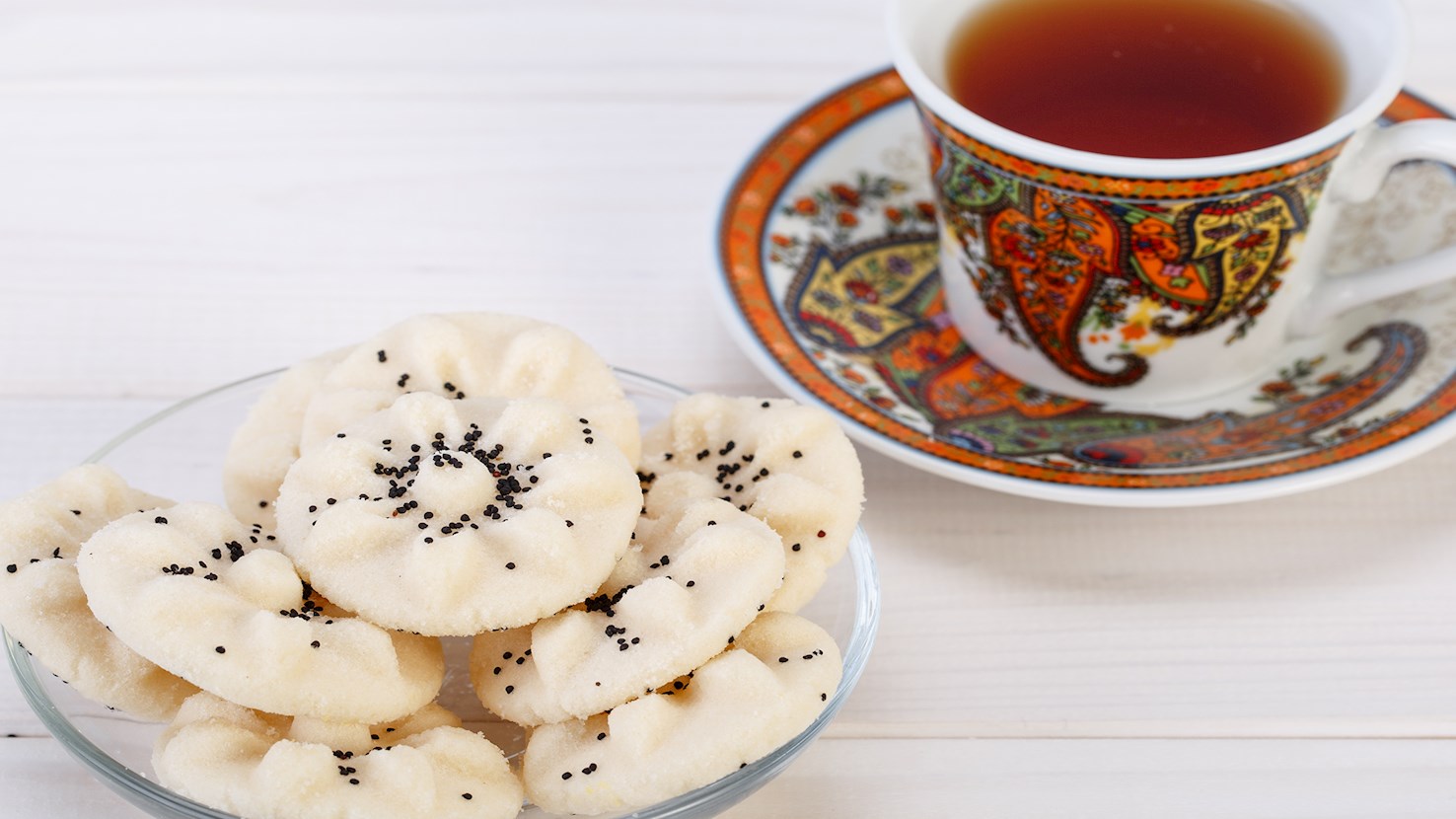
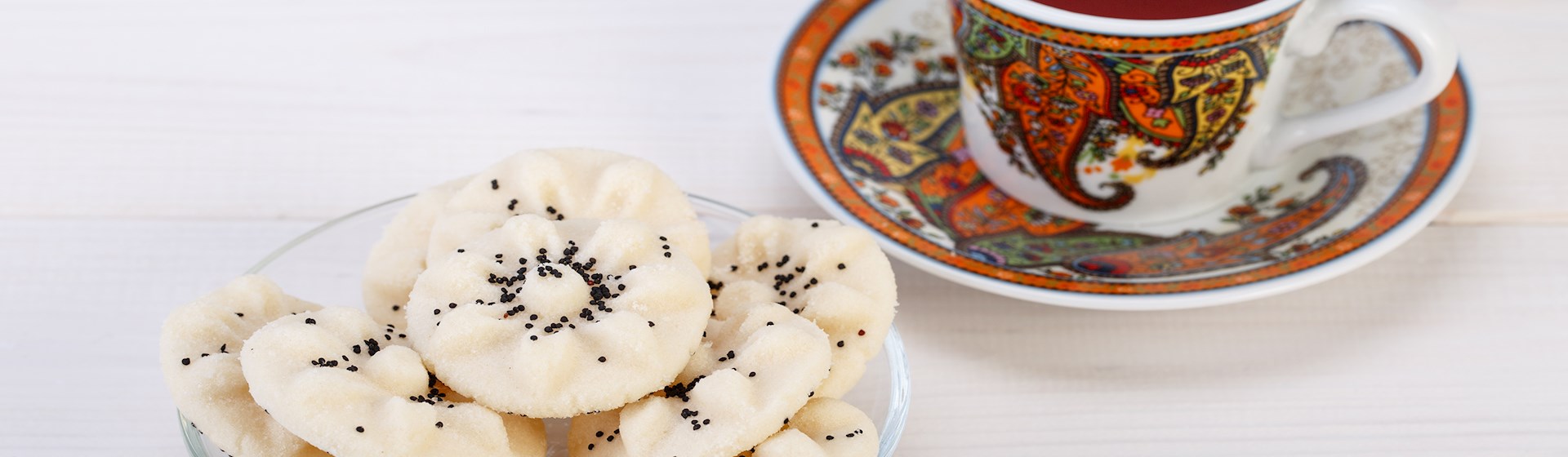
Naan berenji is a delicate rice flour cookie from Iran, most closely associated with the western province of Kermanshah, where it is still produced in local bakeries and home kitchens. Recognizable by its pale, almost white color and the light aroma of rosewater, this biscuit is a staple sweet during Nowruz celebrations and is often offered to guests alongside tea. The name combines “naan,” the Persian word for bread or biscuit, with “berenj,” meaning rice, reflecting its primary ingredient. The history of naan berenji dates back several centuries when rice cultivation and milling techniques spread widely through western Iran. Kermanshah became a center for producing sweets that used rice flour instead of wheat, partly due to regional availability and partly because rice flour gives a uniquely tender, sandy texture. Recipes were refined in confectioners’ workshops and passed through families, establishing naan berenji as a familiar item on festive trays of assorted pastries known as shirini. Preparation begins by combining fine rice flour with powdered sugar and clarified butter or oil. Eggs are added for structure, and the dough is perfumed with rosewater, which is essential to the biscuit’s aroma. The mixture is kneaded into a soft, pliable mass, then portioned into small balls. Each piece is flattened gently, often stamped with a patterned mold or marked with the back of a fork to create a decorative design. Before baking, the cookies are sprinkled with black poppy seeds, giving them a contrasting visual detail. They are then baked at a low temperature so they retain their pale color and delicate crumb. Once cooled, naan berenji becomes dry and slightly crumbly, melting easily in the mouth. They are carefully packed in tins or boxes to protect their fragile texture and are frequently prepared in advance of holidays or important family gatherings. Bakers in Kermanshah sometimes prepare large quantities to sell by weight in local markets, especially in the weeks leading up to Nowruz. These biscuits are typically served on small plates alongside a glass of hot Persian tea, providing a sweet counterpoint to the drink’s slight bitterness. They are offered to guests as part of a spread of pastries that may include other regional specialties like nan-e nokhodchi or nan-e badami.

03

Qurabiya

3.7 ·

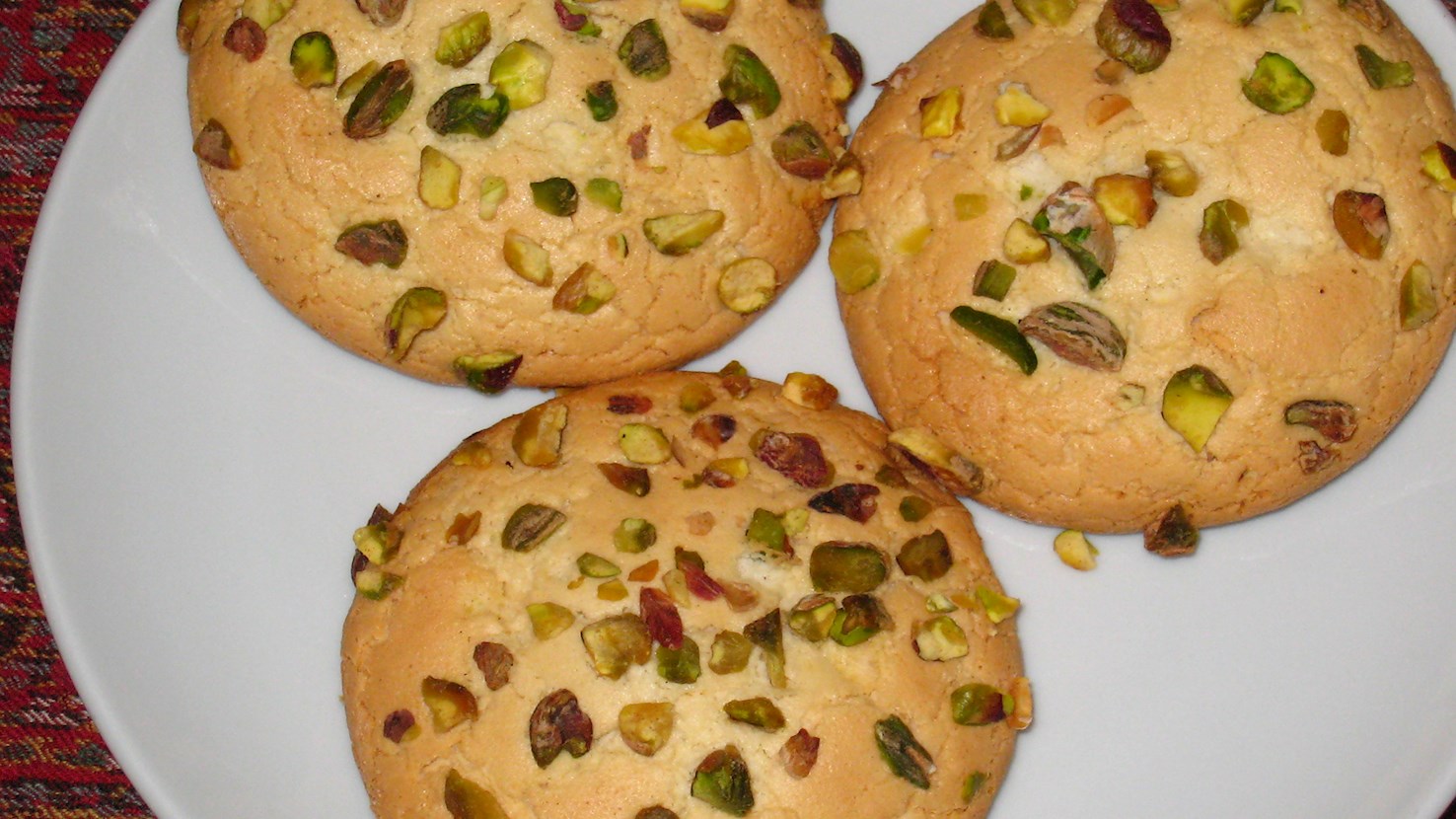
Qurabiya is a soft, crumbly almond-based cookie originating from the city of Tabriz in northwestern Iran. Known locally as "qurabiyeh Tabrizi," it is one of the best-known sweets of the region and is strongly associated with Azerbaijani-Iranian culture. This confection is made primarily from ground almonds, egg whites, sugar, and often a small amount of flour or starch to give it structure, resulting in a delicate pastry that is pale in color and rich in texture. The history of qurabiya in Tabriz reflects the city’s long-standing role as a cultural and commercial center on trade routes connecting Iran with the Caucasus and Anatolia. As a city influenced by Persian and Turkic culinary traditions, Tabriz developed a version of qurabiya distinct from similar cookies in Turkey or the Arab world. While the name itself shares roots with “kurabiye” in Turkish and other regional variants, the Tabrizi preparation is characterized by its use of high-quality almonds, minimal flavorings, and a focus on technique. Historically, qurabiya was prepared for celebrations, gifts, and as a high-end sweet offered to guests. It was commonly included in wedding feasts and New Year (Nowruz) spreads, as well as for special guests during formal visits. The process of making Tabrizi qurabiya begins with finely ground almonds, which are combined with powdered sugar and stiffly beaten egg whites. This mixture is gently folded to maintain volume, resulting in a thick but light batter. A small amount of flour or cornstarch may be added to improve shape retention during baking. The dough is then spooned or piped onto baking sheets in round or oval shapes. Each cookie is typically topped with a single almond, pistachio, or a piece of candied cherry for decoration. They are baked at a low temperature to prevent browning and to preserve their pale color and delicate texture. After cooling, they are packaged in layers with wax paper to prevent sticking, often in metal or cardboard boxes used specifically for sweets. Qurabiya in Tabriz is often sold in specialized pastry shops that have prepared this cookie in the same way for decades. Some of these bakeries are well-known in the region and attract customers from other cities and countries, especially among Azerbaijani-speaking communities. The cookie is commonly served with black tea, either as part of an afternoon refreshment or after a formal meal. It is often presented on decorative trays alongside other local confections like nogha (Persian nougat) or baslogh (a starch-based sweet). Although fragile and easily broken, qurabiya from Tabriz is regularly purchased for long-distance gifting, and care is taken in how it is packed and transported.

04

Nan-e nokhodchi

n/a ·

Nan-e nokhodchi is a small, crumbly cookie from Iran made primarily with roasted chickpea flour, sugar, cardamom, and clarified butter. It is especially associated with Qazvin, a city long known for its confectionery, but it is enjoyed across the country and has become one of the emblematic sweets of Persian New Year celebrations. The origins of nan-e nokhodchi reflect both regional agriculture and culinary ingenuity. Chickpeas have been cultivated in Iran for centuries, used in savory dishes, stews, and as a flour in sweets. In Qazvin, a center of trade and food production, chickpea flour became a foundation for small baked goods that could be stored, transported, and shared easily. As Persian confectionery developed under Safavid and later dynasties, cookies like nan-e nokhodchi gained a place alongside other spiced and delicately flavored pastries that highlighted the balance of local ingredients and imported seasonings such as cardamom. Preparation is straightforward but requires care. Roasted chickpea flour is mixed with powdered sugar and ground cardamom before being combined with ghee or clarified butter to form a pliable dough. The dough is rolled and pressed into small shapes, often using cloverleaf or diamond-shaped molds, then baked briefly until set but still pale. The result is a cookie that crumbles gently in the mouth, carrying the nutty sweetness of chickpeas and the fragrance of cardamom. Because the flour lacks gluten, the texture is distinct from wheat-based cookies and is one of the defining features of this sweet. Nan-e nokhodchi is closely tied to Nowruz, the Persian New Year, when families prepare an array of pastries to welcome spring and share with guests. Alongside baklava, nan-e berenji, and other sweets, these cookies represent hospitality and the spirit of renewal. Today, nan-e nokhodchi is found in pastry shops throughout Iran and in diaspora communities, often packed in decorative boxes for gifting. It is eaten with tea, offered to visitors during holidays, and appreciated year-round as a light and aromatic sweet.

Read more
View all
View map
About this ranking

TasteAtlas food rankings are based on the ratings of the TasteAtlas audience, with a series of mechanisms that recognize real users and that ignore bot, nationalist or local patriotic ratings, and give additional value to the ratings of users that the system recognizes as knowledgeable. For the “Top 4 Iranian Cookies” list until June 15, 2026, 155 ratings were recorded, of which 104 were recognized by the system as legitimate. TasteAtlas Rankings should not be seen as the final global conclusion about food. Their purpose is to promote excellent local foods, instill pride in traditional dishes, and arouse curiosity about dishes you haven’t tried.

The initial list of top producers was compiled based on available reviews, awards, local recommendations, media and blog coverage, and consumer reviews. The list will be updated with ratings from TasteAtlas local ambassadors and TasteAtlas users.

Similar lists