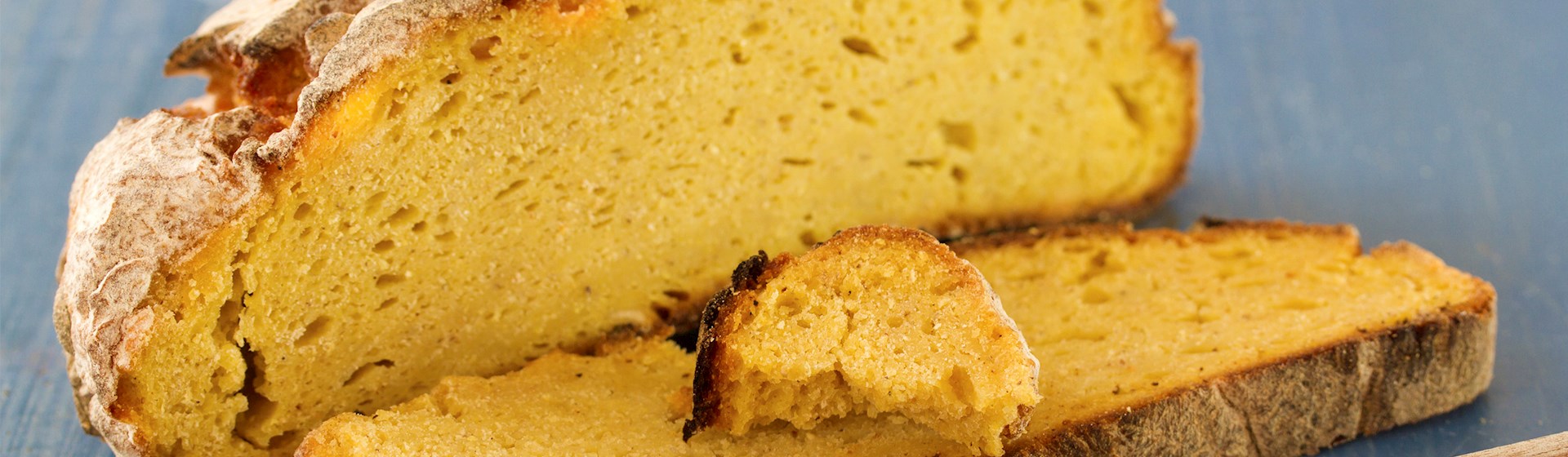
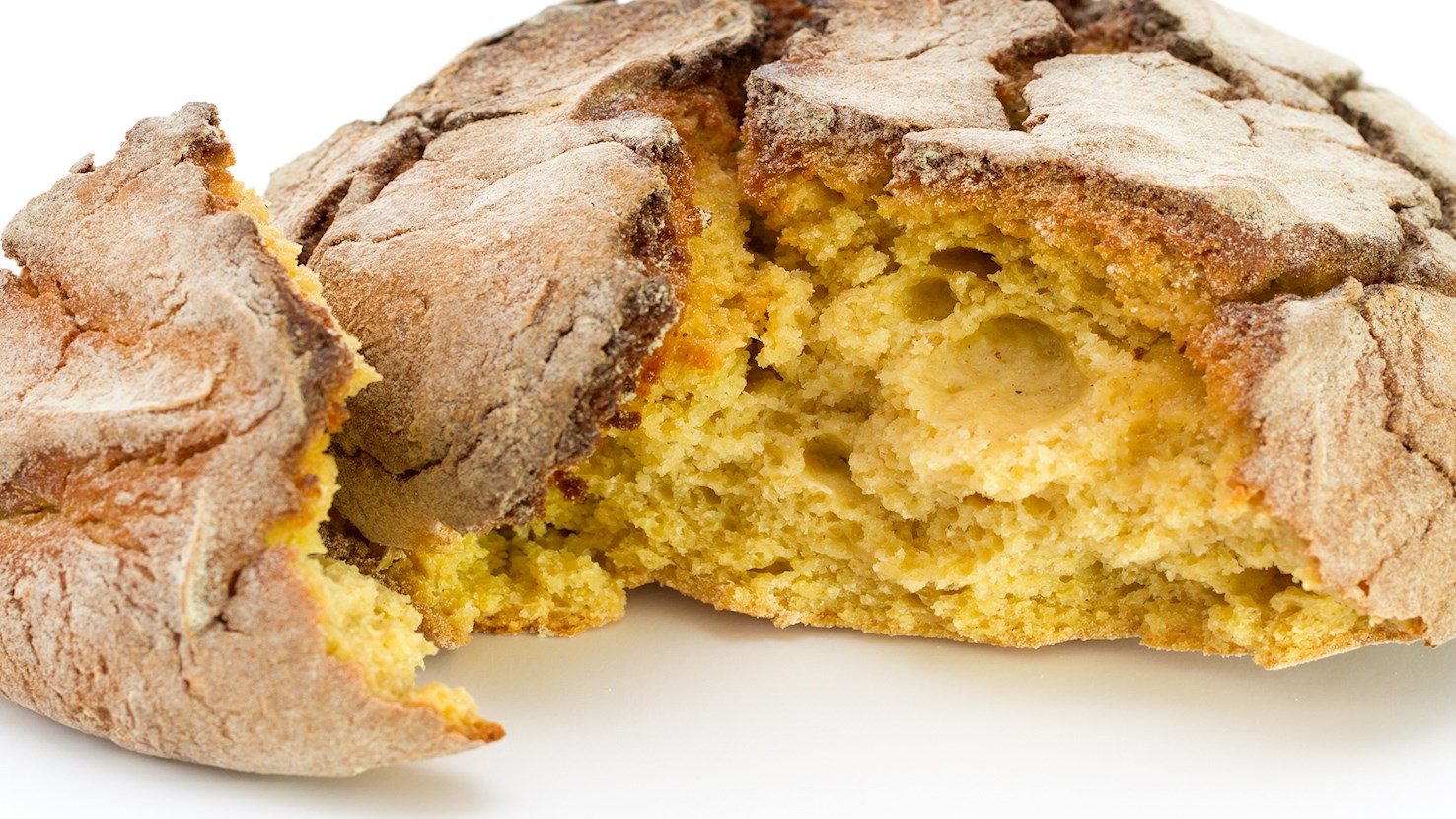
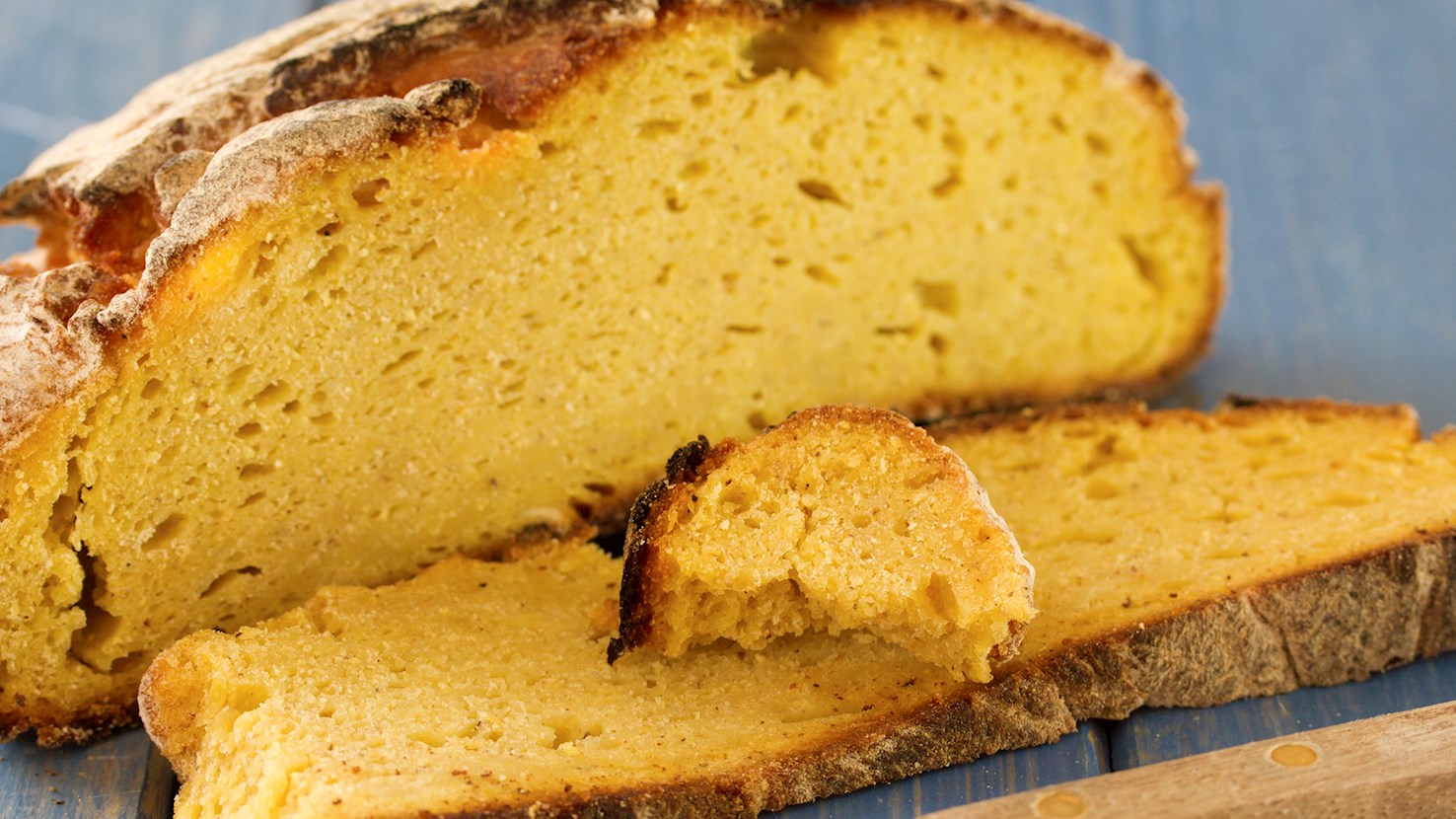
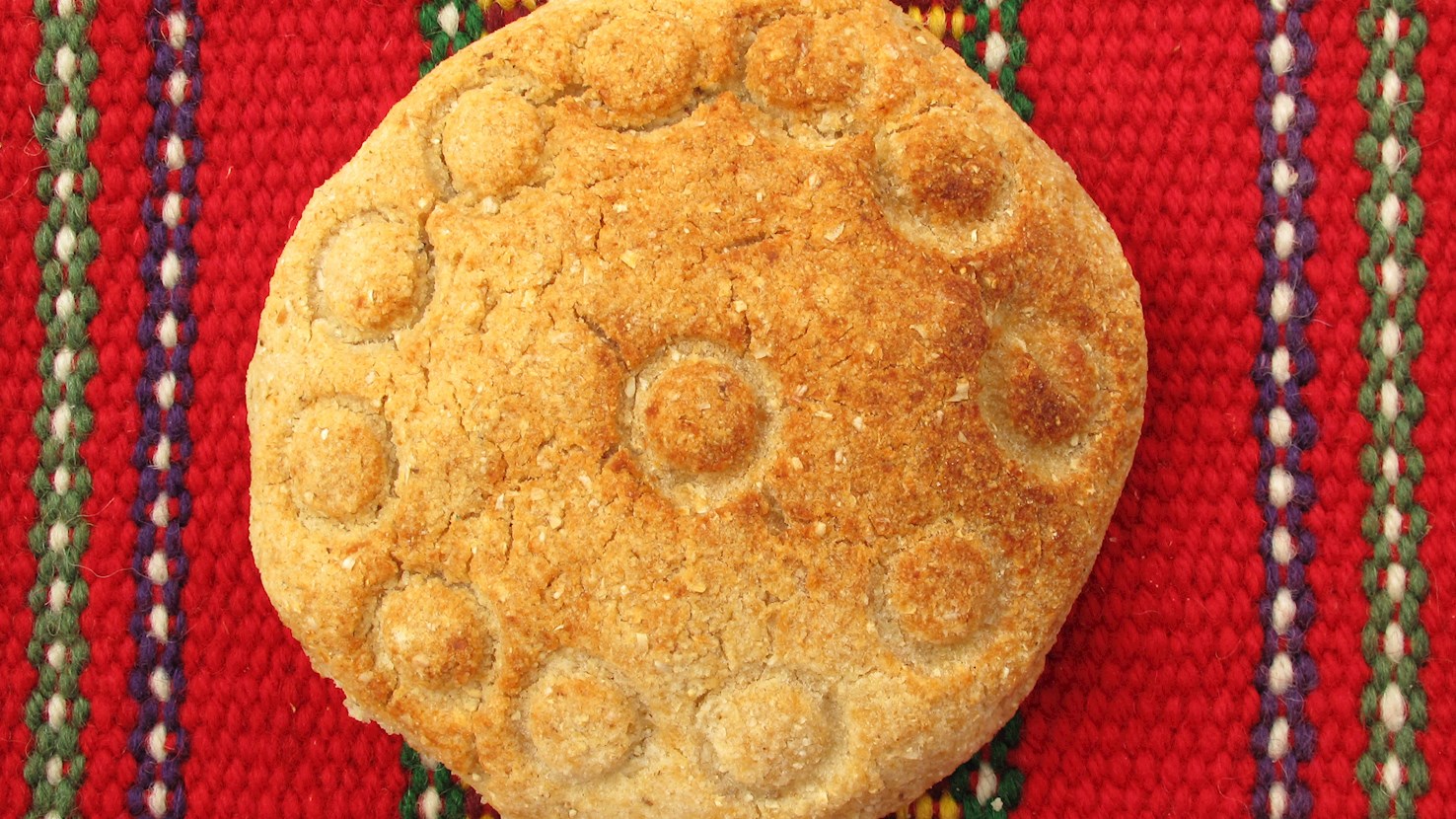
Broa de milho is a Portuguese corn bread consisting of plain flour, cornmeal, yeast, water, milk, sugar, salt, and butter. It is characterized by its fine, moist texture, making it an ideal pair for soups and stews, when it is often used for dipping. The bread is especially popular in Northern Portugal and the Azores. In the past, broa de milho was considered a poor man's food, but today it is enjoyed by all tiers of society.
Broa is a Portuguese bread made from yellow cornmeal, yeast, and a combination of wheat and rye flour. It is characterized by a thick crust on the exterior, and a tender, moist texture of the interior. Broa is also quite popular in Galicia and Brazil, where it is typically seasoned with fennel seeds. It was first baked by peasants in the mountainous regions of northern Portugal, who made their living by cultivating corn. Although broa is an integral part of a traditional Portuguese breakfast, it is also often served at the beginning of the meal with a traditional Portuguese soup called caldo verde.
Proja is a traditional cornbread made with a combination of cornmeal, salt, and water. As soon as milk, beaten eggs, and butter or oil are added to this peasant dish, it's no longer a cornbread but a savory pie called projara, projanica, razlevak, or muruzara, depending on which part of Serbia you find yourself in. After it has been baked in a pan, projara is typically cut into squares and served warm. It should be crusty on all sides, and since it's a bit dry, it is recommended to pair it with cheese, yogurt, pavlaka, pasulj (bean stew), sauerkraut, sarma, or cracklings. Proja was a peasant staple back in the day, but nowadays it's a common everyday meal.
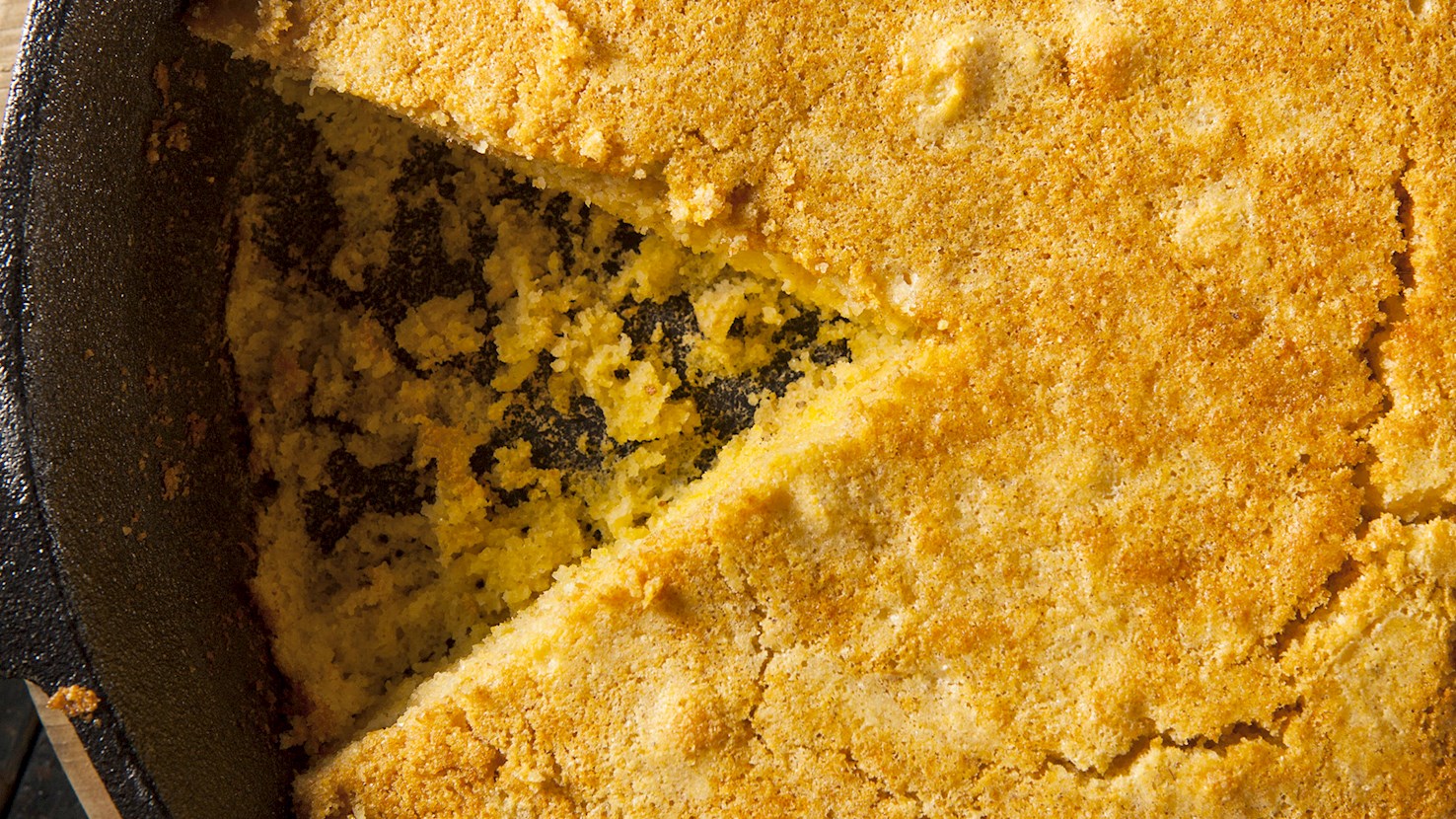
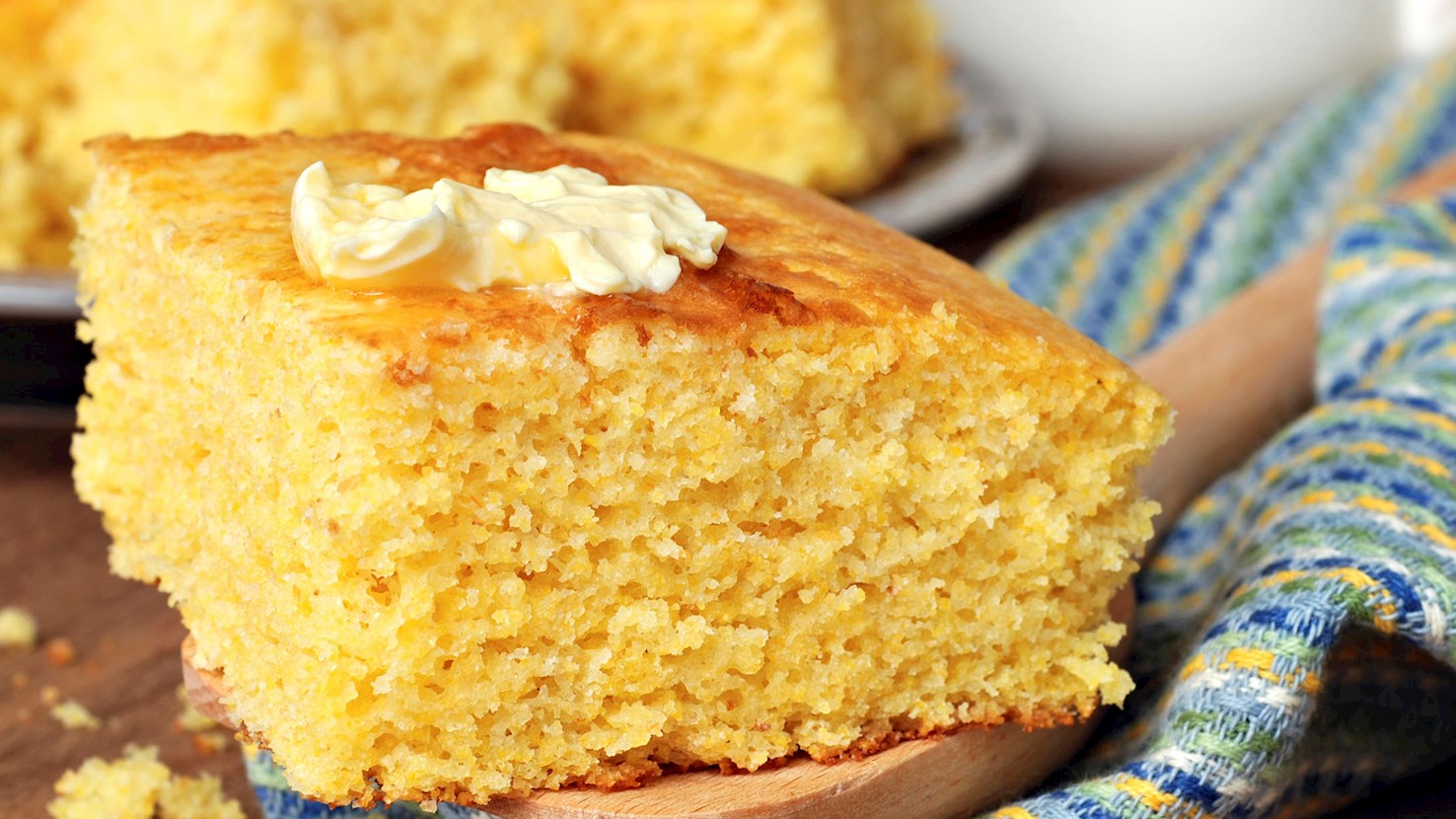
There is no food more American than the classic cornbread. The soft, but firm baked bread made with cornmeal is easily the most important memorabilia of the American past, which is especially associated with the American South. Corn has been a staple ingredient among the Native Americans, who created the first version of what is today known as cornbread. This original version was common food among the frontier explores, and soon became a staple meal favored among the nation. Originally, cornbread was white in color, and since it was made with stone-milled corn, which produced coarser flour, it created a more substantial meal. The change occurred with the introduction of industrial mills, which finely ground the corn and caused the loss of natural sweetness. When the colonists introduced wheat, eggs, and milk products, the well-known firm and rustic cornbread was transformed into a softer and more subtle version. However, the southern part of the United States kept the tradition of preparing the rustic variety, while the northern adopted the leavened, softer, and sweeter version. Nowadays cornbread is usually made from store-bought packs, and it is traditionally prepared in cast iron skillets, but pans and even muffin tins are also common. In American culture, cornbread is not regarded as the plain bread replacement, but more as a substantial side dish. It is often used as an accompaniment to chilis and other types of bean and lentil stews. Sometimes it is merely covered in honey or molasses and eaten as a dessert, or torn and drenched in a warm glass of milk.
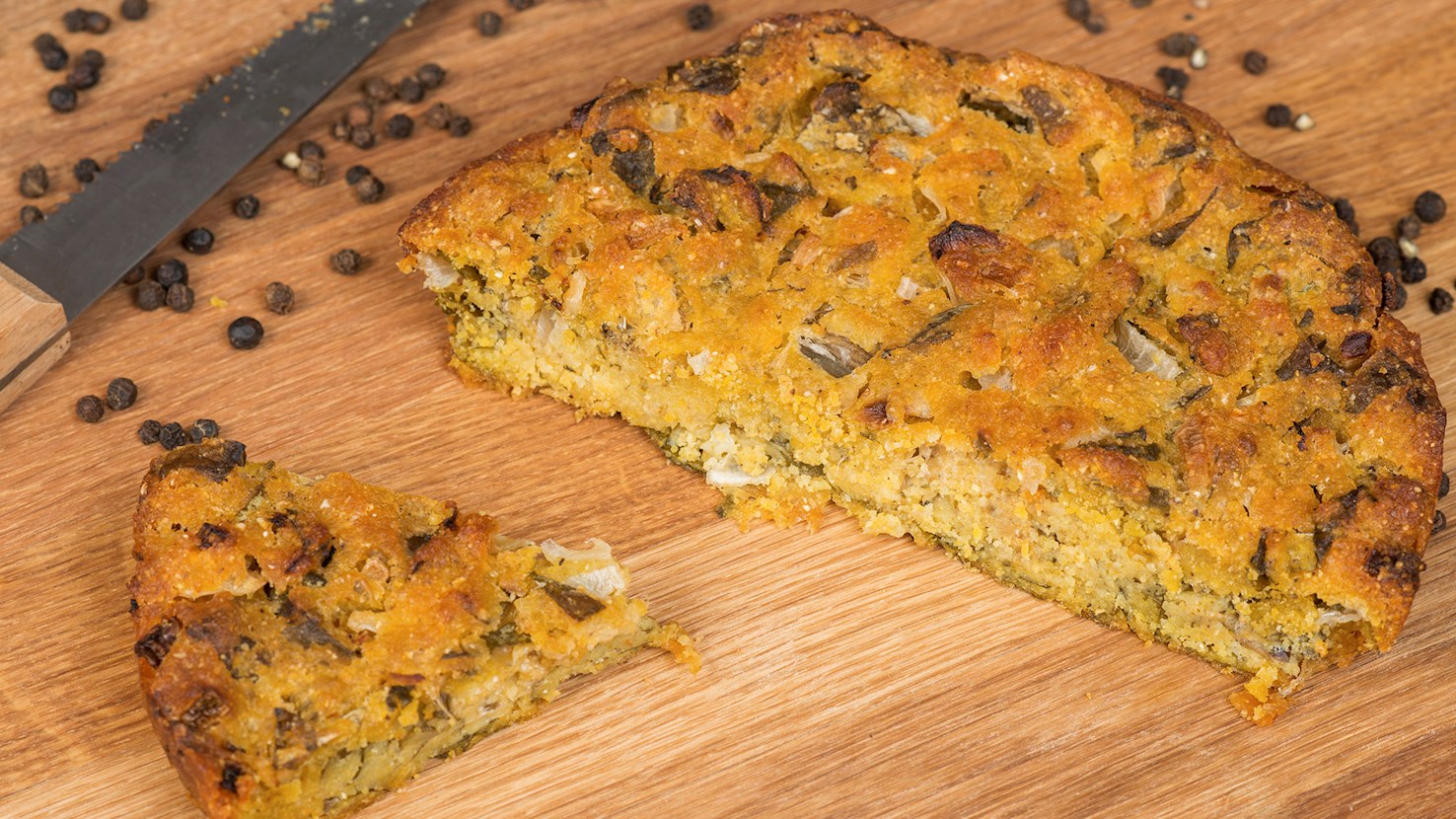
Sopa paraguaya is a typical example of a misnomer (a word with a misleading meaning) - although sopa translates to soup, this traditional Paraguayan dish does not even resemble it. In fact, it is a type of thick cornbread flavored with cheese and onions. There are numerous stories connected to the origin of the dish and many explanations for the unusual name. The most common version claims that the dish was an accidental invention of a personal chef who cooked for the Paraguayan president Don Carlos Antonio López. The chef wanted to prepare a hearty corn soup for the president but accidentally put too much corn flour into the pot, making the consistency of the soup more solid than liquid. With no other options, the alleged soup was served as a corn bread. Fortunately, the president loved this creation, and the dish was later made famous under the wrongfully given name. Today, sopa paraguaya is one the national dishes of the country and a staple during special occasions or festivities. It's traditionally eaten as an accompaniment to soups or barbecued meat, but the corn bread is also a very common breakfast or afternoon snack.
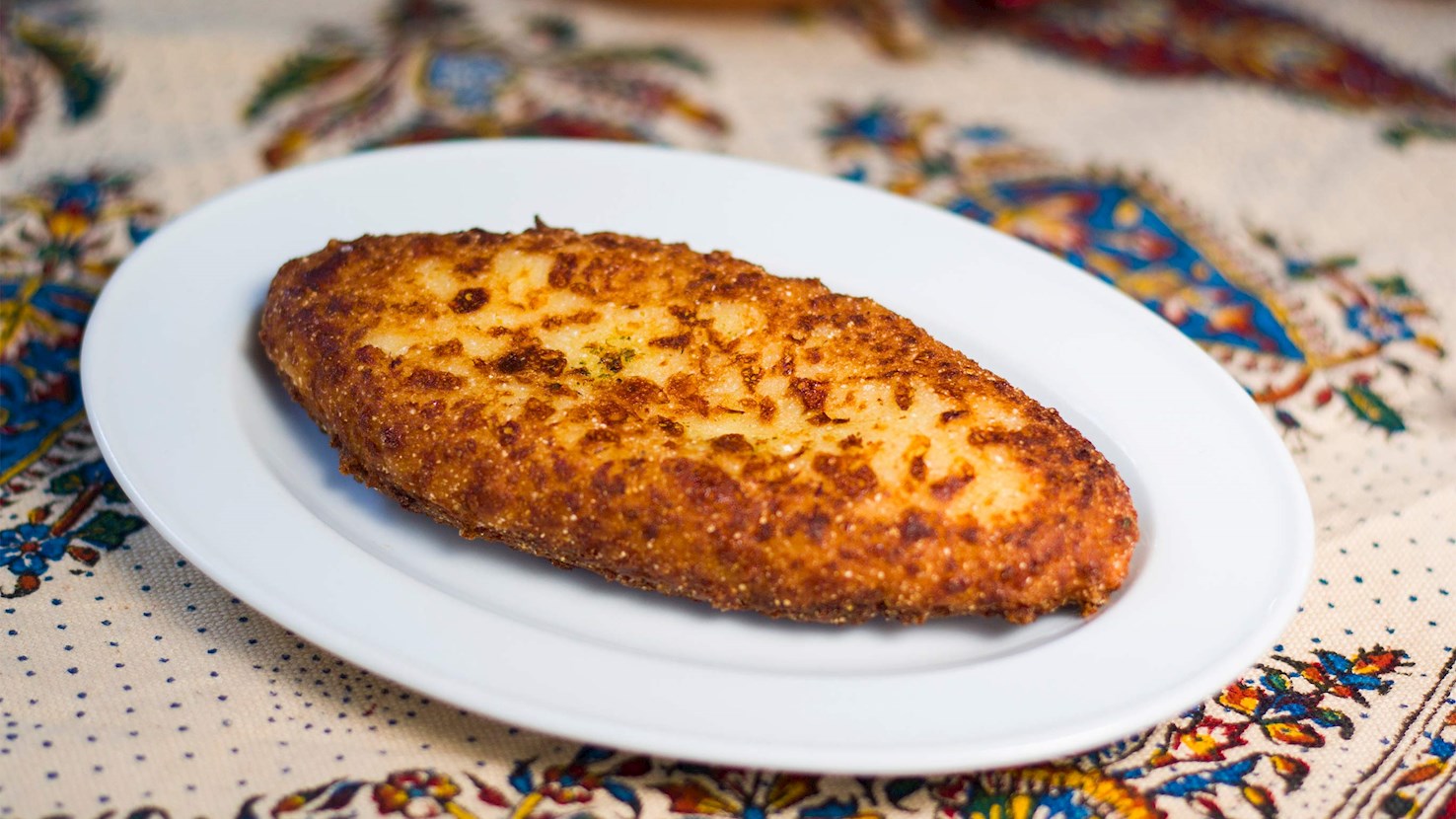
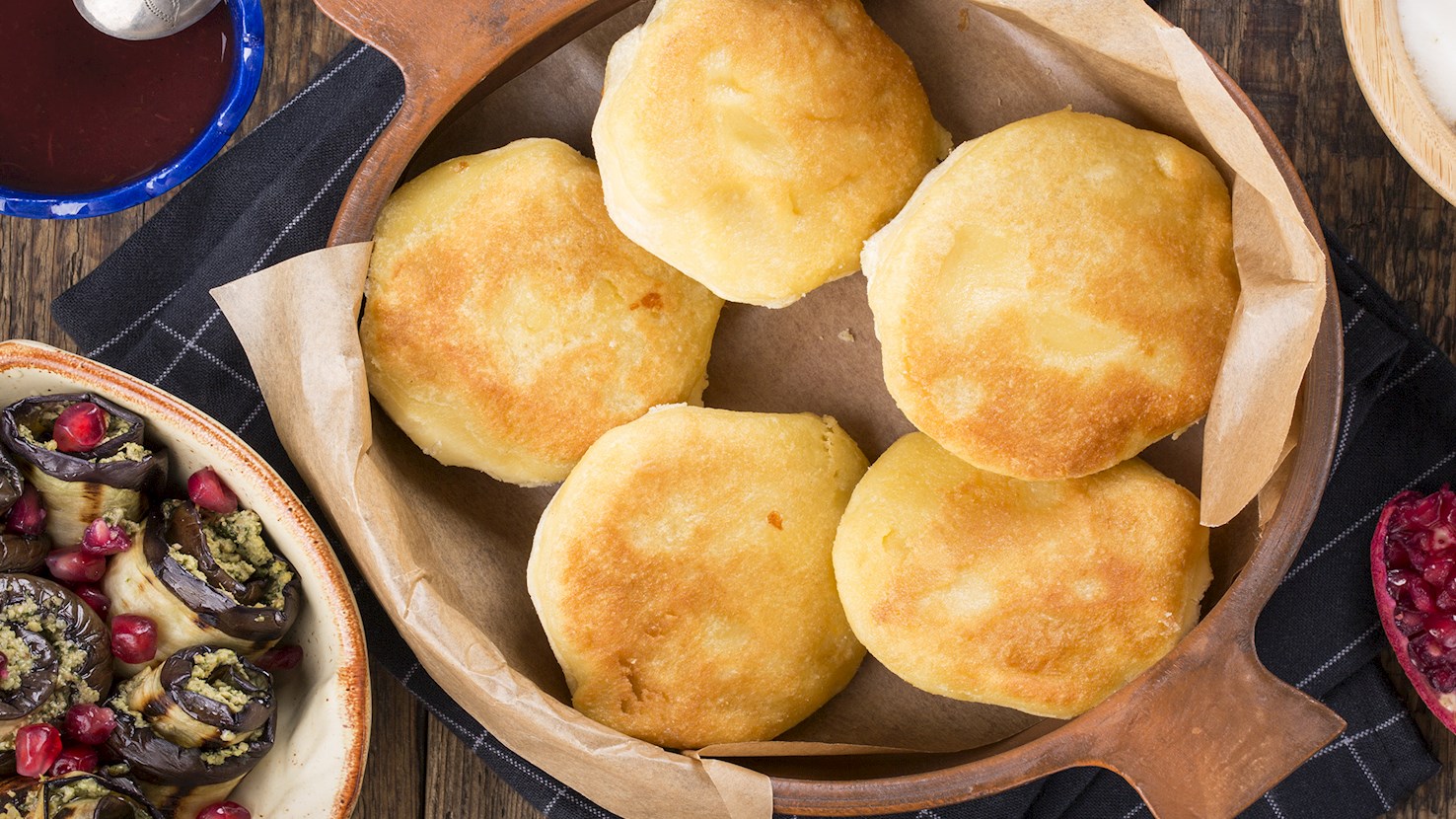
Chvishtari is a traditional cornbread originating from Svaneti. It's usually made with a combination of cornflour, milk, eggs, oil, salt, and sulguni cheese. The dough is kneaded with the cheese until it becomes firm and smooth. It is then flattened and cooked on both sides in a greased frying pan over medium heat until lightly golden. It's recommended to eat chivshtari on the same day that it was made, preferably while still hot.
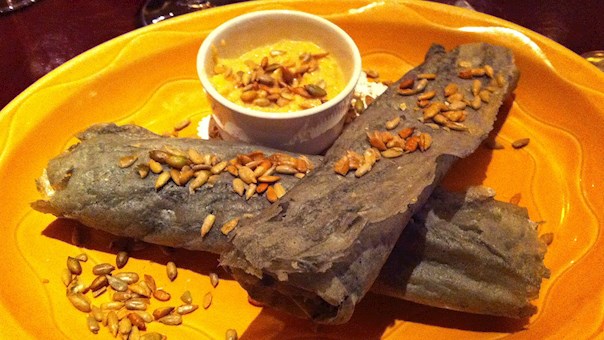
Mısır ekmeği is a savory Turkish cornbread that is especially popular in the Black Sea region of the country. Its texture is usually hard and dry because it is prepared without a raising agent. The bread can be shaped into circles, tubes, oblongs, or plaits. Cheese, dill, sesame, poppy, and nigella seeds can all be added to the dough in order to enhance the flavors. A specialty of the region is cornbread with sardines, which are traditionally baked in the dough. If made this way, the bread is typically consumed with yogurt as a full meal. Mısır ekmeği is usually sliced into small pieces or broken in chunks, preferably with some butter, cheese, fruit jams, dips, or sauces on the side.
Mchadi is a popular, traditional Georgian bread consisting of cornmeal, salt, and water. The dough is usually fried in hot oil until golden brown. It is recommended to serve mchadi warm with kidney beans and cheese on the side.
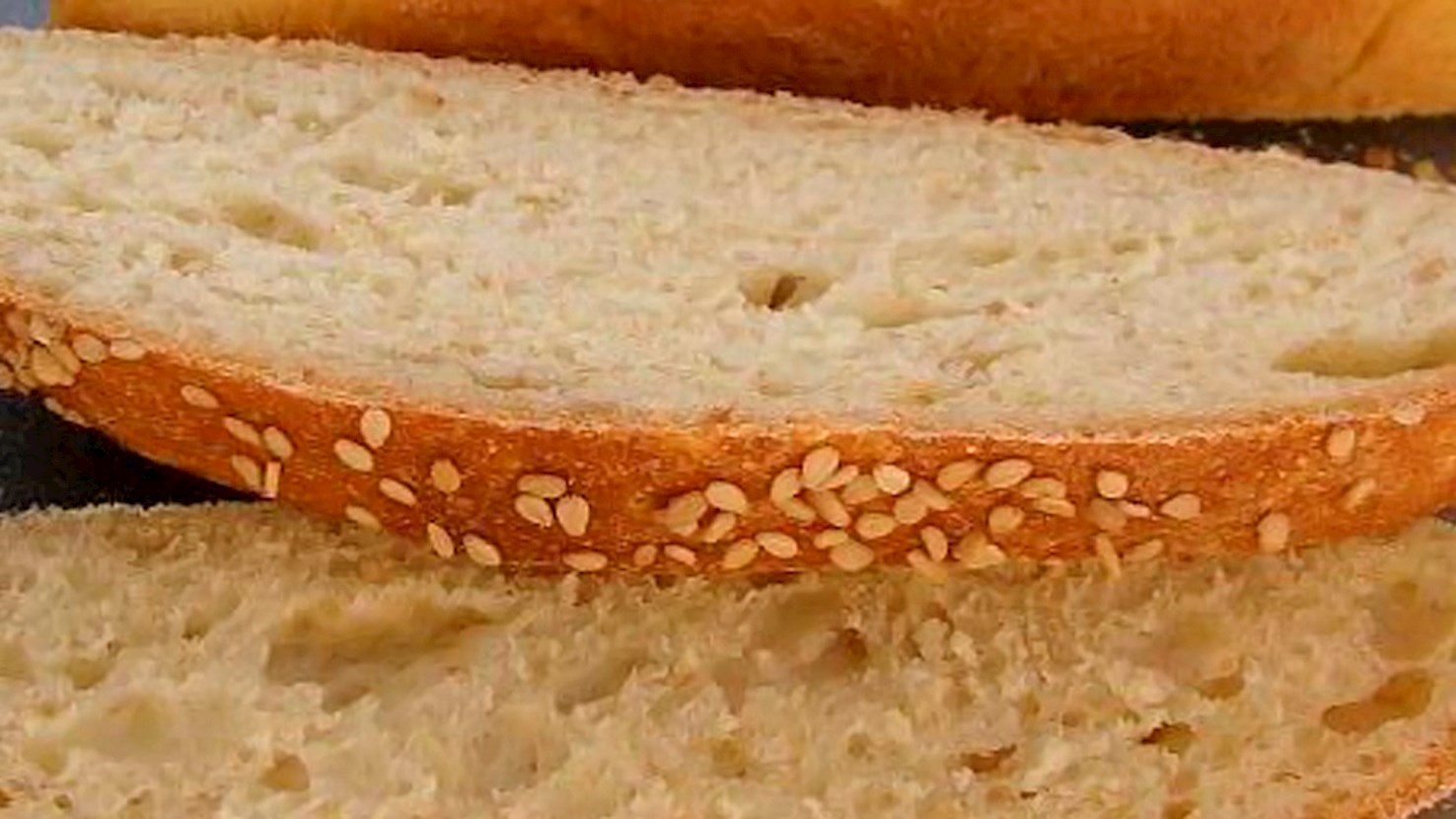
Daktyla is a rustic Greek bread made with a combination of cornmeal, plain flour, and whole wheat flour, resulting in a light yellow color of the bread's center. It is traditionally sprinkled with sesame and nigella seeds. The name of the bread can be translated to finger bread, because it is usually torn apart and broken into pieces reminiscent of fingers. It is recommended to pair daktyla with yogurt or soft cheeses.
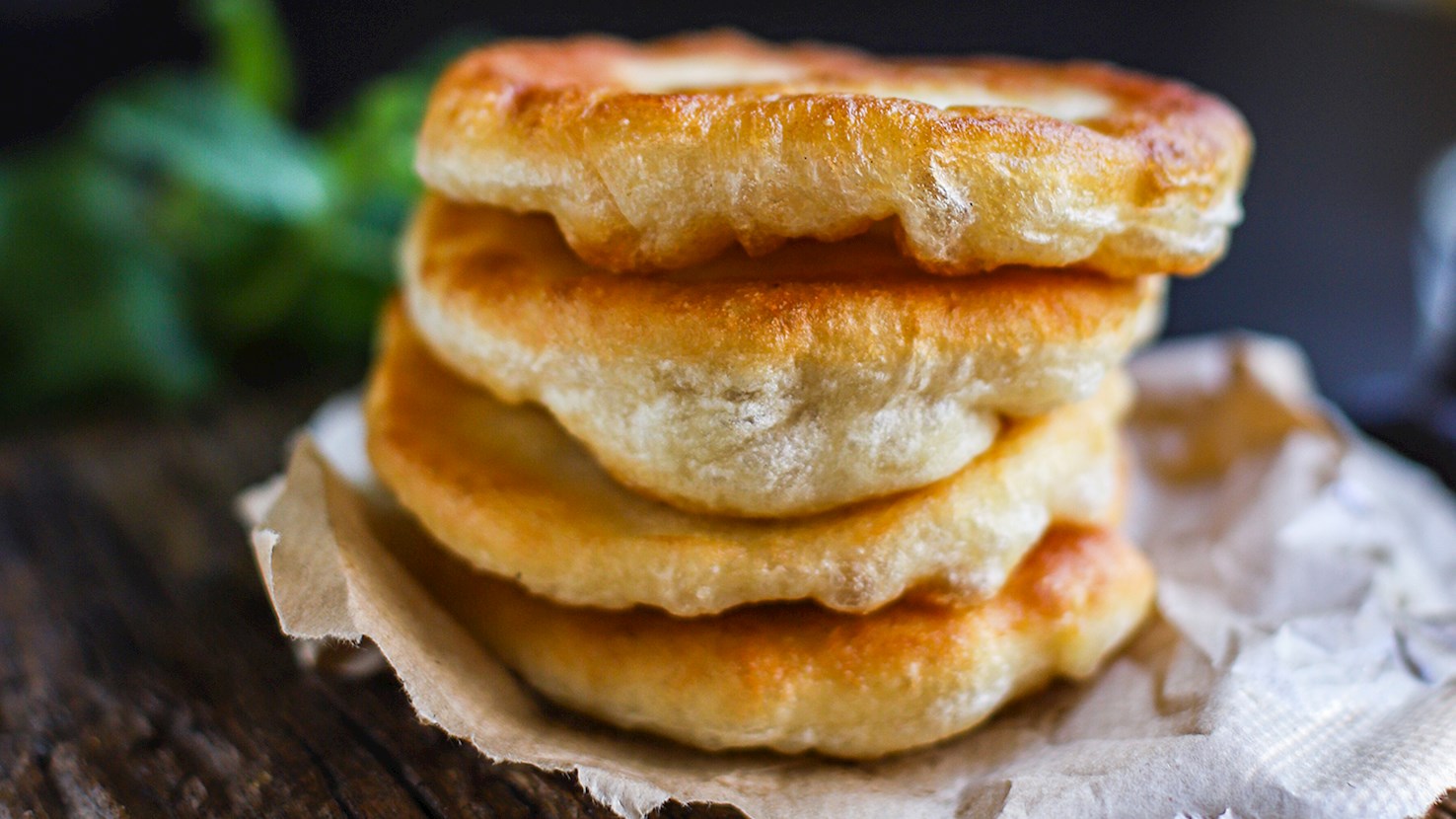
A staple of the American South, hot water cornbread is a traditional bread that is made with cornmeal and hot water. Sugar, salt, butter, and other ingredients such as ham, bacon, jalapeno peppers, or green onions are often added to the cornmeal mixture in order to provide additional flavor and texture. The ingredients are combined, and the batter is formed into flattened cakes or patties which are then fried in hot oil or bacon fat. Crispy on the outside and soft on the inside, hot water cornbread is commonly eaten with honey, cane sugar, or maple syrup drizzled on top, but it can also be served as an accompaniment to chili, greens, beans, or soups. Interestingly, some people enjoy their hot water cornbread crumbled in a glass of cold buttermilk.
TasteAtlas food rankings are based on the ratings of the TasteAtlas audience, with a series of mechanisms that recognize real users and that ignore bot,
nationalist or local patriotic ratings, and give additional value to the ratings of users that the system recognizes as knowledgeable.
For the “Top 16 Corn Breads in the World” list until April 15, 2026, 1,074 ratings were recorded, of which 694 were recognized by the system as legitimate.
TasteAtlas Rankings should not be seen as the final global conclusion about food. Their purpose is to promote excellent local foods,
instill pride in traditional dishes, and arouse curiosity about dishes you haven’t tried.