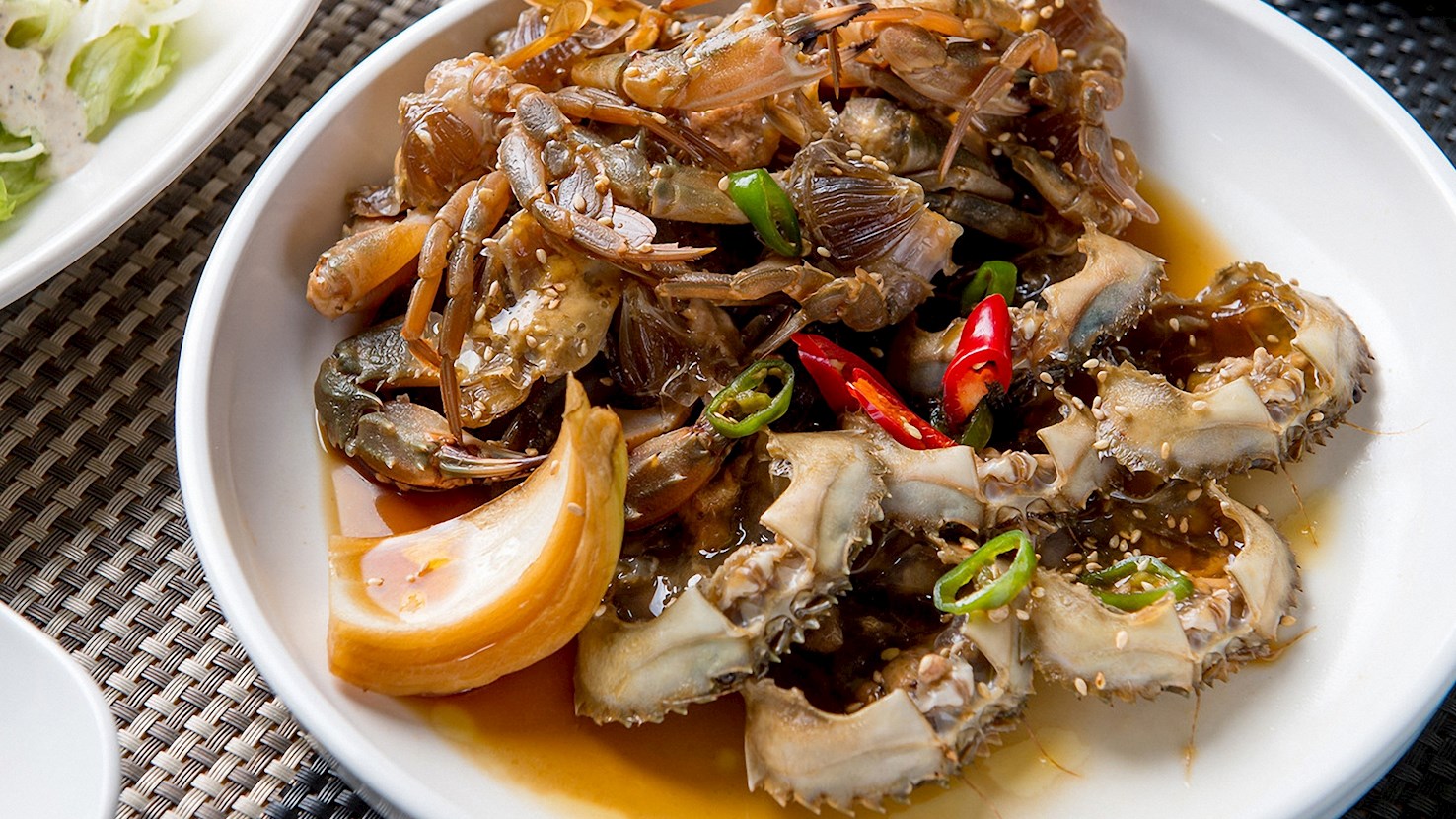
Gejang is raw crab seasoned and marinated in Korea, most commonly in an aromatic soy-sauce brine or a red chili mixture, then eaten with steamed rice. The flesh stays soft and translucent, with a slippery, almost creamy texture that differs sharply from the firm flakes of steamed crab. Ganjang gejang, the soy-marinated form, emphasizes the crab’s sweetness beneath a salty, savory seasoning; yangnyeom gejang coats cut pieces in a thicker mixture of chili flakes, garlic, and other seasonings. Both are served in the shell, and roe-bearing females are especially prized for the orange roe and rich contents beneath the carapace. Gejang developed through Korean methods of salting and preserving seafood, though its inventor and birthplace remain unknown. By the late Joseon period, crab was being preserved in both soy sauce and salt, and older versions could be substantially saltier than those commonly served now. Freshwater crabs, including mitten crabs known as chamge, had an important place in these earlier practices. Many contemporary versions use marine crabs and a milder marinade, with refrigeration and a short holding period replacing the prolonged preservation expected from a heavily salted product. The distinction matters: a bowl of modern gejang is perishable raw seafood, not a shelf-stable preserve. Soy sauce is fermented, but that doesn't mean every serving of crab has undergone long fermentation. The crab most closely associated with present-day gejang is kkotge, literally “flower crab,” a swimming crab abundant along Korea’s western coast. Incheon and the coastal areas of South Chungcheong Province are particularly associated with it. Spring females are valued for their developed roe, while autumn crabs are sought for their substantial meat. Male crabs are also used, and a good serving does not depend entirely on the presence of roe. The species, size, season, and condition of the crab all affect how much flesh it contains and how it responds to the marinade. For ganjang gejang, the shells are thoroughly scrubbed, and the crabs are drained before being submerged in seasoned brine. Cleaning and opening practices vary, with some methods leaving the crab largely intact until serving. The marinade combines soy sauce with water and aromatics such as onion, garlic, ginger, and chili. Kelp may add savory depth, while apple, Asian pear, sugar, or a little rice wine can soften the saltiness and contribute sweetness. These additions vary by household and restaurant; the essential point is a brine that seasons the crab without making its flesh taste only of soy sauce. The liquid is usually boiled separately to extract the aromatics, then cooled completely before it touches the crab. This preserves the raw texture rather than partially cooking the surface. The crabs remain submerged under refrigeration while the seasoning penetrates, commonly for a few days. Some methods drain the brine, boil it again, cool it, and return it to the crab. That repeated treatment manages the marinade, not the crab itself. Longer soaking isn't necessarily better: the meat can become excessively salty and lose its structure. Yangnyeom gejang follows a different approach. The upper shell is removed, the gills are discarded, and the body is cut in half or into quarters so the seasoning reaches the exposed flesh. Gochugaru, Korean red chili flakes, supplies the red color and much of the heat, usually alongside soy sauce, garlic, ginger, and a sweetener. Scallions and sesame seeds are common additions, while some versions include grated fruit or plum syrup. Gochujang isn't required; many mixtures use chili flakes instead of fermented chili paste. The coating clings to the shell and cut surfaces, delivering a more immediate chili-and-garlic flavor than the liquid marinade in ganjang gejang. It generally needs less marinating time and is also kept cold. Regional differences depend as much on the crab as on the seasoning. In Yeosu, on the southern coast, dolgejang uses smaller, hard-shelled crabs called dolge and is closely associated with baekban, a set meal of rice, soup, and side dishes. The city’s Bongsan neighborhood has many restaurants specializing in these meals, often serving both soy-marinated and spicy crab. Elsewhere, larger kkotge may serve as the centerpiece of a more expensive restaurant, while chamgejang preserves the association with freshwater mitten crabs. At the table, the crab is separated into manageable sections and the soft flesh extracted with fingers, chopsticks, or suitable shell-cracking utensils. Hard shell fragments should remain on the plate. A particularly familiar way to finish ganjang gejang is to spoon warm rice into the upper shell and mix it with the roe, rich crab contents, and a little marinade. Roasted gim, or seaweed sheets, can wrap small mouthfuls. Gejang’s nickname, bap doduk, means “rice thief” and reflects its reputation for encouraging another bowl of rice, a useful clue to how it is meant to be eaten: in concentrated bites alongside a relatively plain staple. Light soup and vegetable banchan cut through the salt and richness. Water or unsweetened barley tea suits the meal, while soju is a common pairing when the crab is served with drinks.
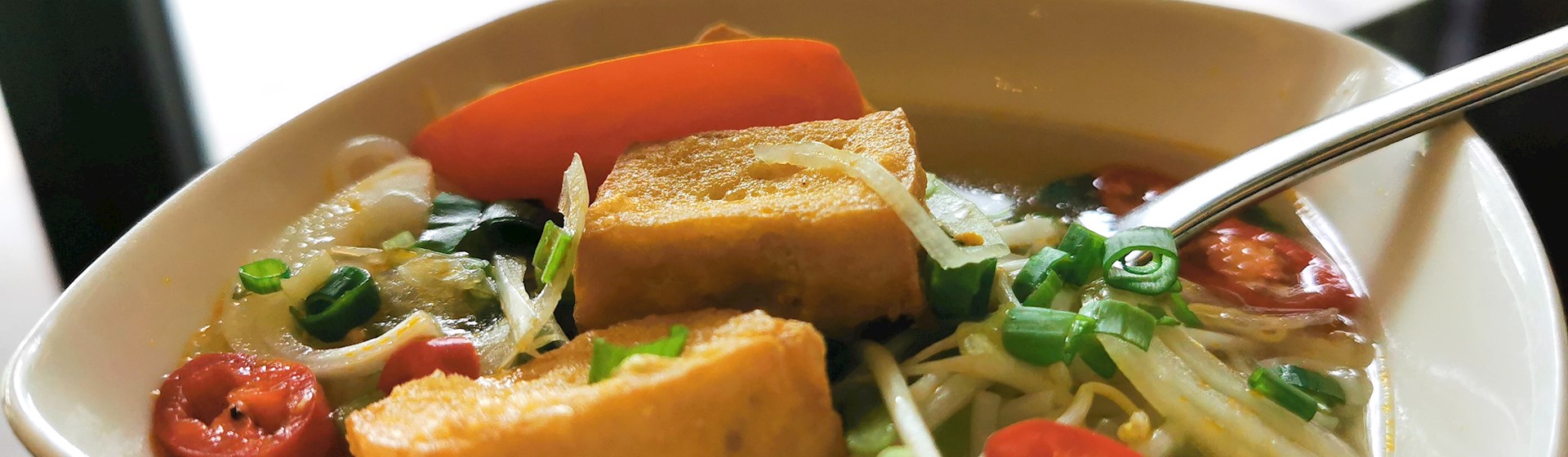
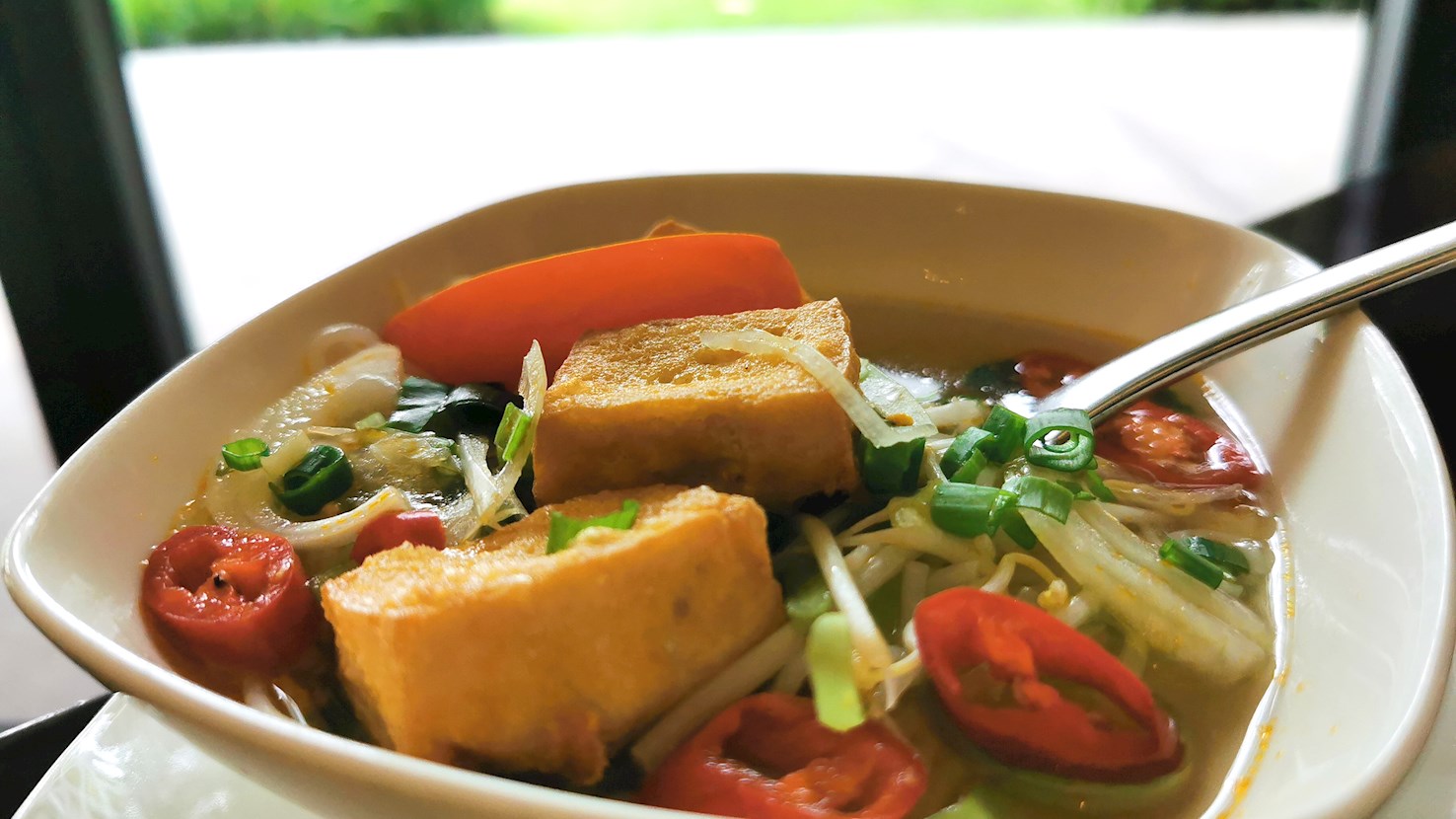
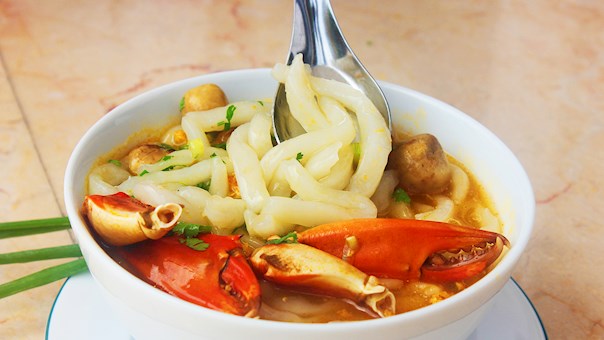
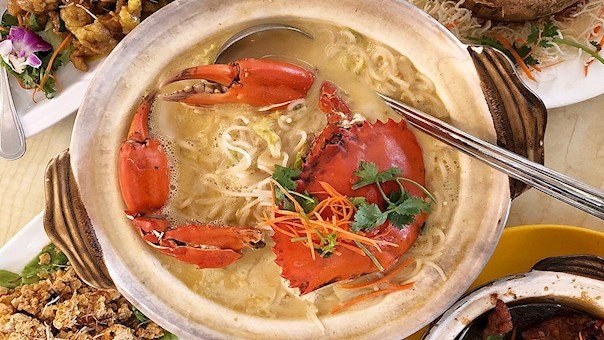
Bún riêu is a crab-based Vietnamese noodle soup. The dish is made in several versions, but the most popular one is made with a tomato base and goes under the name bún riêu cua. The soups are prepared with different broths, but they are always infused with crab paste and come served with vermicelli noodles, while the toppings typically include crab meat, pork, tofu, tomatoes, blood jelly, and a selection of fresh greens such as perilla or bean sprouts. The combination of sweet and sour flavors make bún riêu one of the favorite noodle dishes in the country.
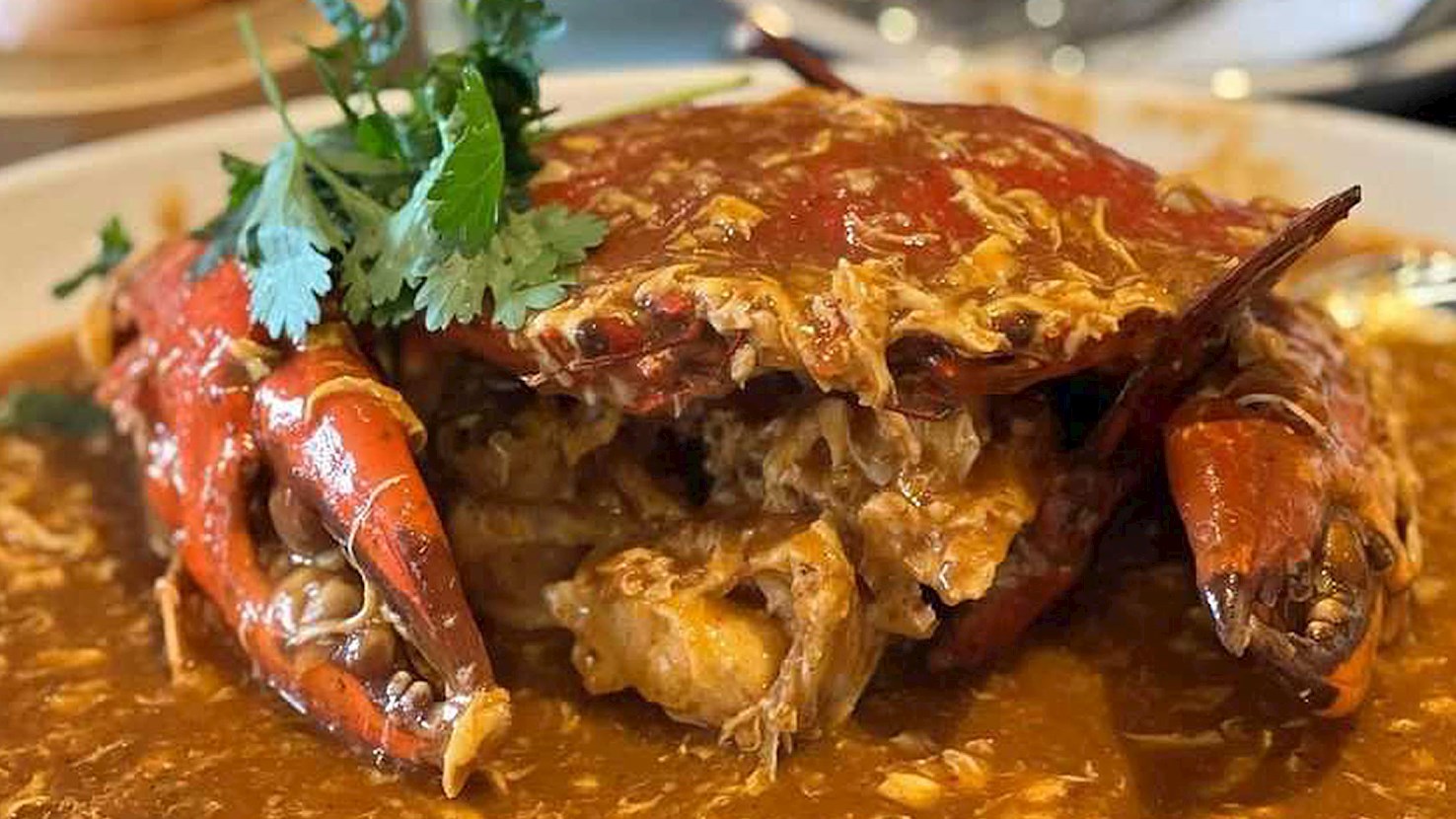
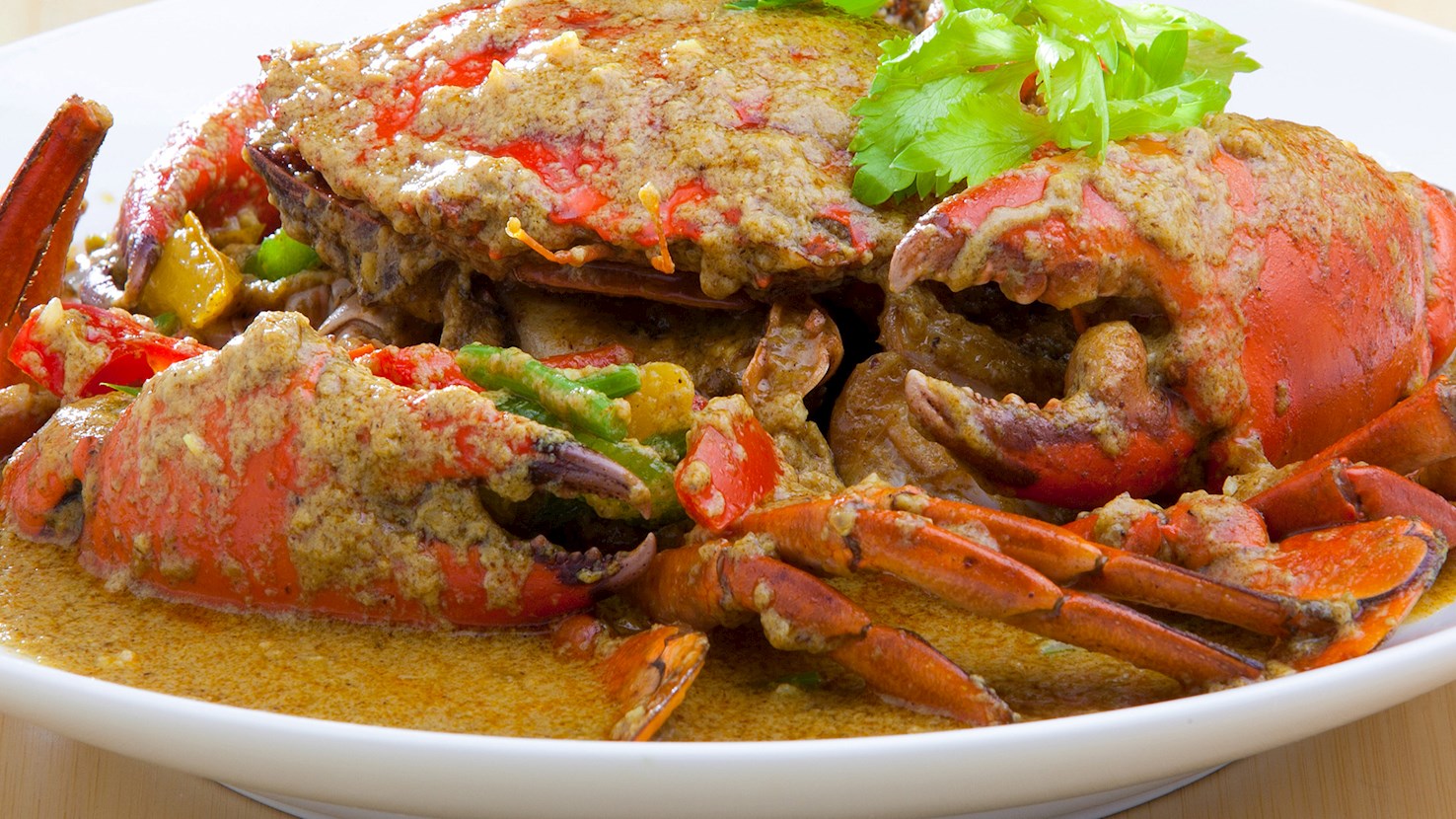
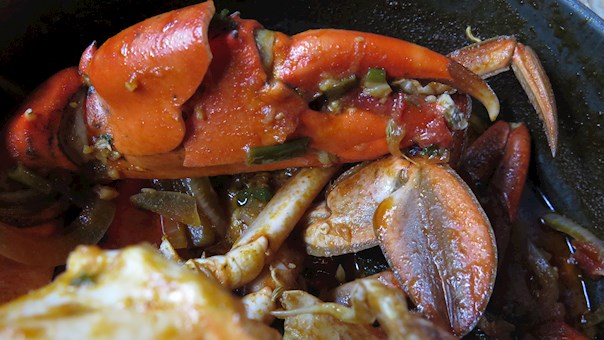
Like many other dishes in Asia, chilli crab started as a street food item, but it has eventually become so popular that today it is considered to be the national dish of Singapore. It consists of a stir-fried crab covered in a succulent, spicy sauce. The story of chilli crab's origin is a well-known anecdote - it was invented in the 1950s by Cher Yam Tian, who wanted to modify her stir-fried crab recipe by adding bottled chili sauce into the dish. The result was so delicious that her family persuaded her to start selling the dish, so chilli crab began its way to become the signature dish of Singapore. The dish is served in many restaurants in the country, and since the crab is served in a shell, the consumption of chilli crab is a unique experience. The diners must use their hands to crack the shell open in order to get hold of the tender crab meat hiding on the inside. Usually, mallets or nutcrackers are used to ease the whole procedure. Bread is commonly served together with the crab, and it is mainly used to soak up the delicious spicy gravy.
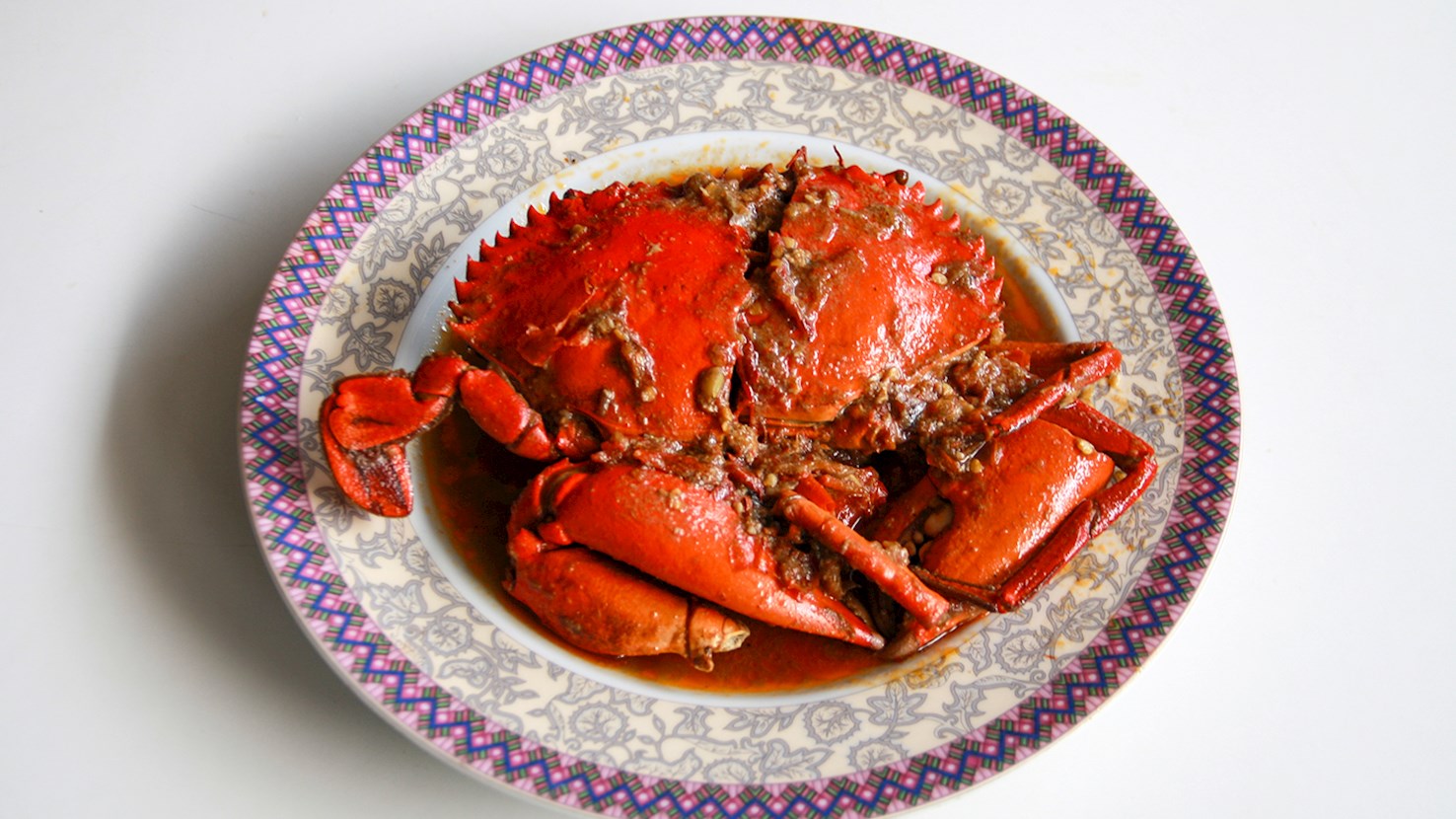
Kepiting saus Padang is a spicy Indonesian crab dish known for its bold, chili-laden sauce and rich, savory flavor, originating from the Padang culinary style of West Sumatra. The name translates to “crab in Padang sauce,” and it features whole crabs cooked in a thick, fiery red sauce made from a blend of chilies, garlic, shallots, tomato, ginger, lemongrass, and sometimes egg to create a textured, slightly creamy finish. The dish is popular in seafood restaurants across Indonesia, especially in coastal cities and regions where fresh crab is readily available. Kepiting saus Padang stands out for the balance it strikes between spiciness, tanginess, and umami, often enhanced with the addition of oyster sauce or sweet soy sauce depending on local preferences. The crabs are usually cleaned and cracked before being simmered in the sauce so the flavors fully penetrate the meat. Some versions include chopped bird’s eye chilies for an extra punch, while others are slightly sweetened to temper the heat, making it adaptable to different regional tastes. Served hot and messy, usually with steamed rice and eaten by hand, the dish delivers an intense and satisfying seafood experience that captures the essence of Indonesian coastal cooking.
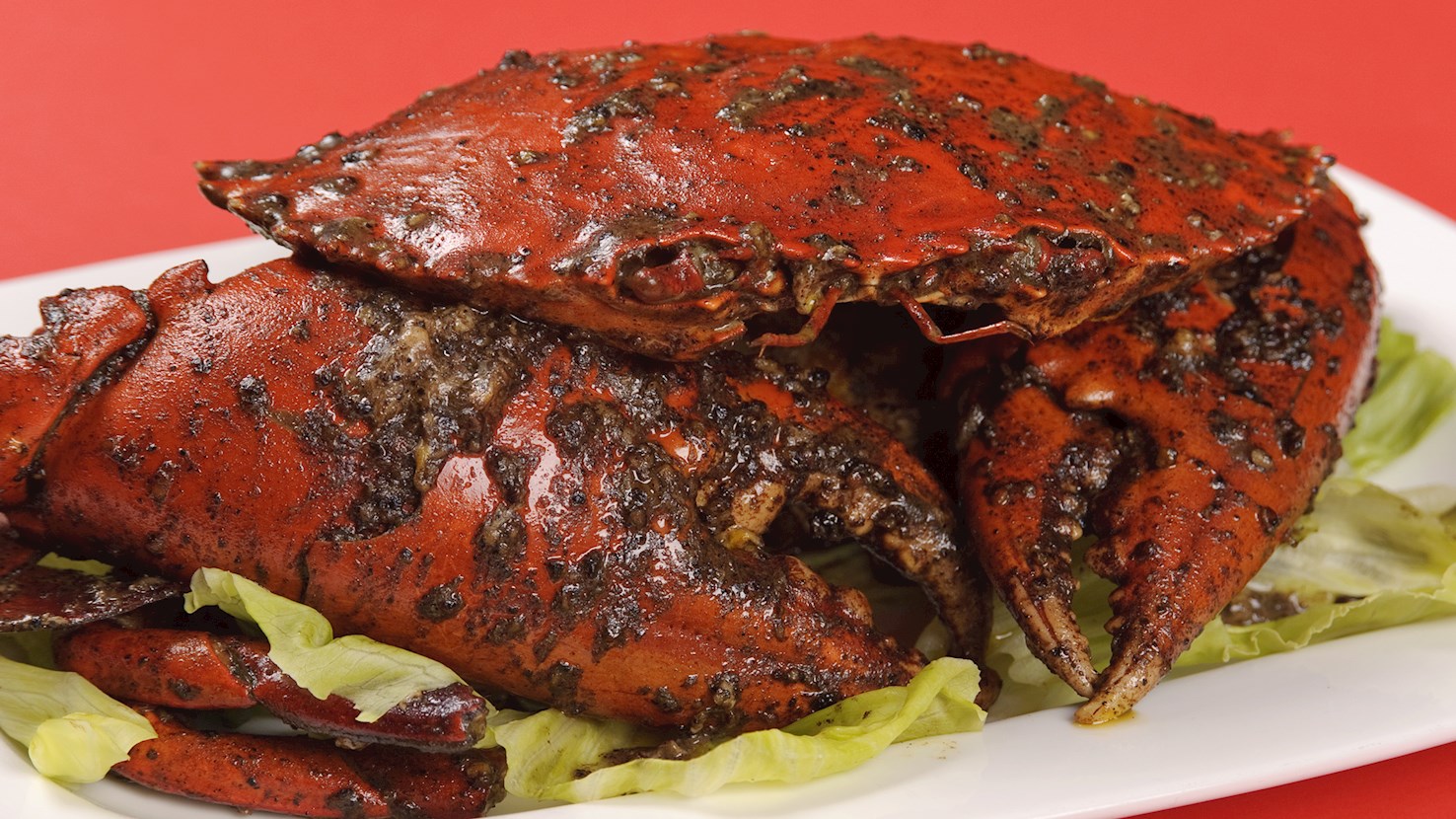
Black pepper crab is the unofficial national dish of Singapore, made by stir-frying crab pieces with black pepper, garlic, shallots, and oyster sauce over high heat. The dish is seldom prepared at home, but people can easily find it at numerous street stalls and seafood restaurants. Once the crab is cooked, it is often garnished with coriander leaves and paired with rice on the side.
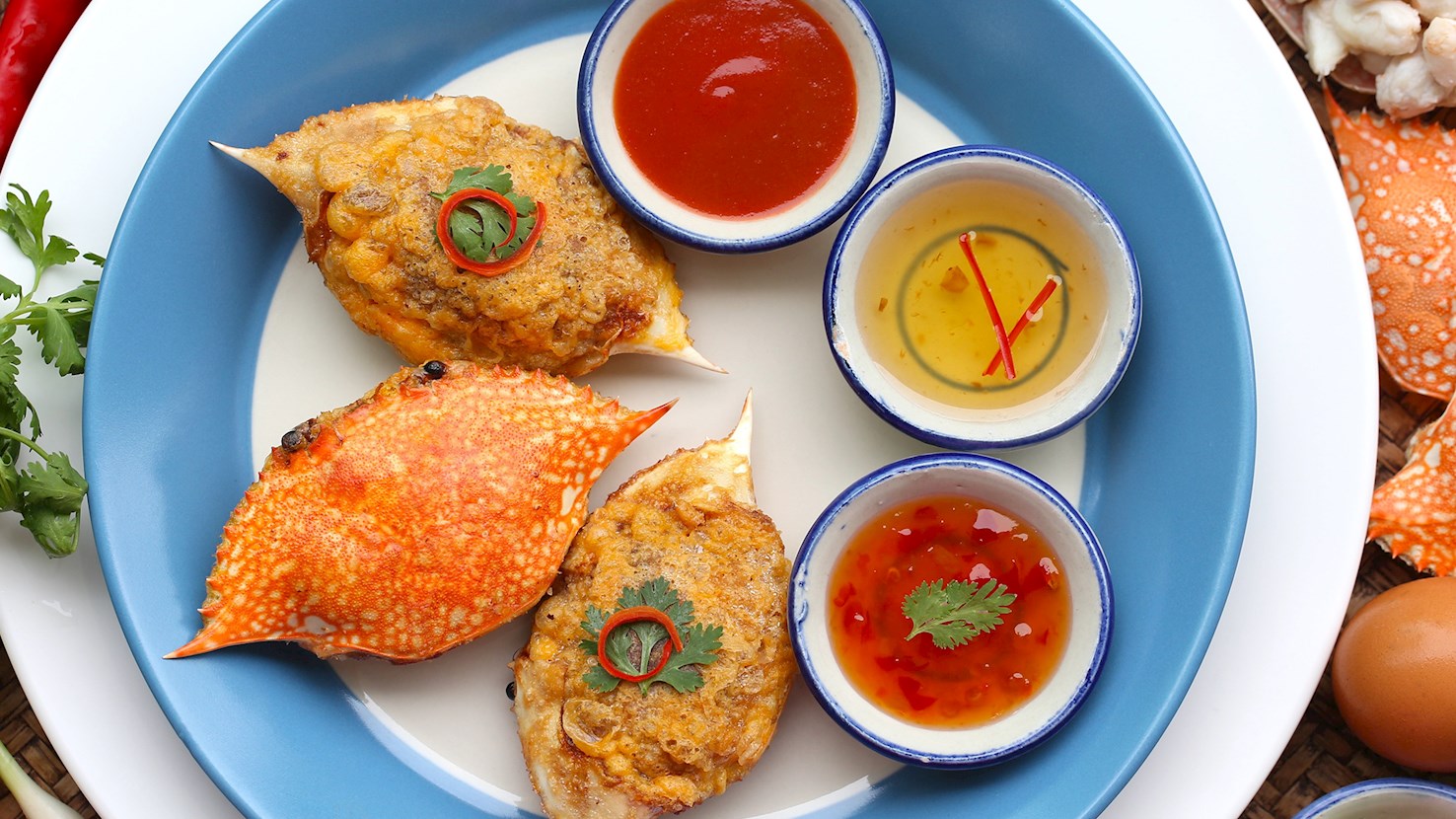
Poo cha (a.k.a. poo ja) is a Thai dish consisting of stuffed, deep-fried crabs. The dish is best prepared with fresh crabs that are steamed, and the meat is then removed and flaked before it is combined with pork, shrimps, soy sauce, garlic, fish sauce, and various other spices and seasonings. The mixture is then stuffed inside crab shells, which are occasionally steamed before they are deep-fried. The crabs are usually served with a dipping sauce on the side.
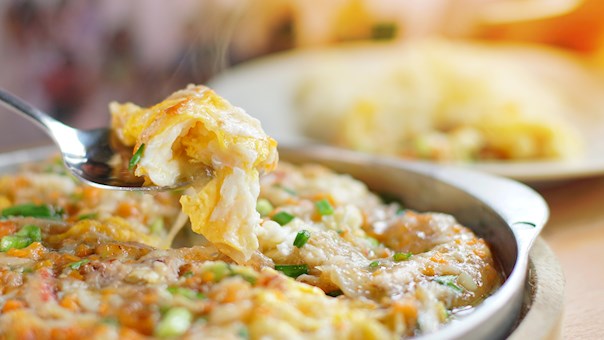
Kai jeow pu is a traditional crab omelet originating from Thailand. It's usually made with a combination of crabmeat, eggs, a bit of flour, fish sauce, and oil. About half of the eggs are fried in hot oil, topped with crab meat, and then the combination is topped with another layer of eggs. The eggs and the crab meat can also be mixed together, then simply fried in lots of hot oil. Once the omelet has been shaped and fully cooked, it is served immediately. Kai jeow pu has recently been popularized by Bangkok's famous chef Jay Fai, whose street food stall was awarded a Michelin Star.
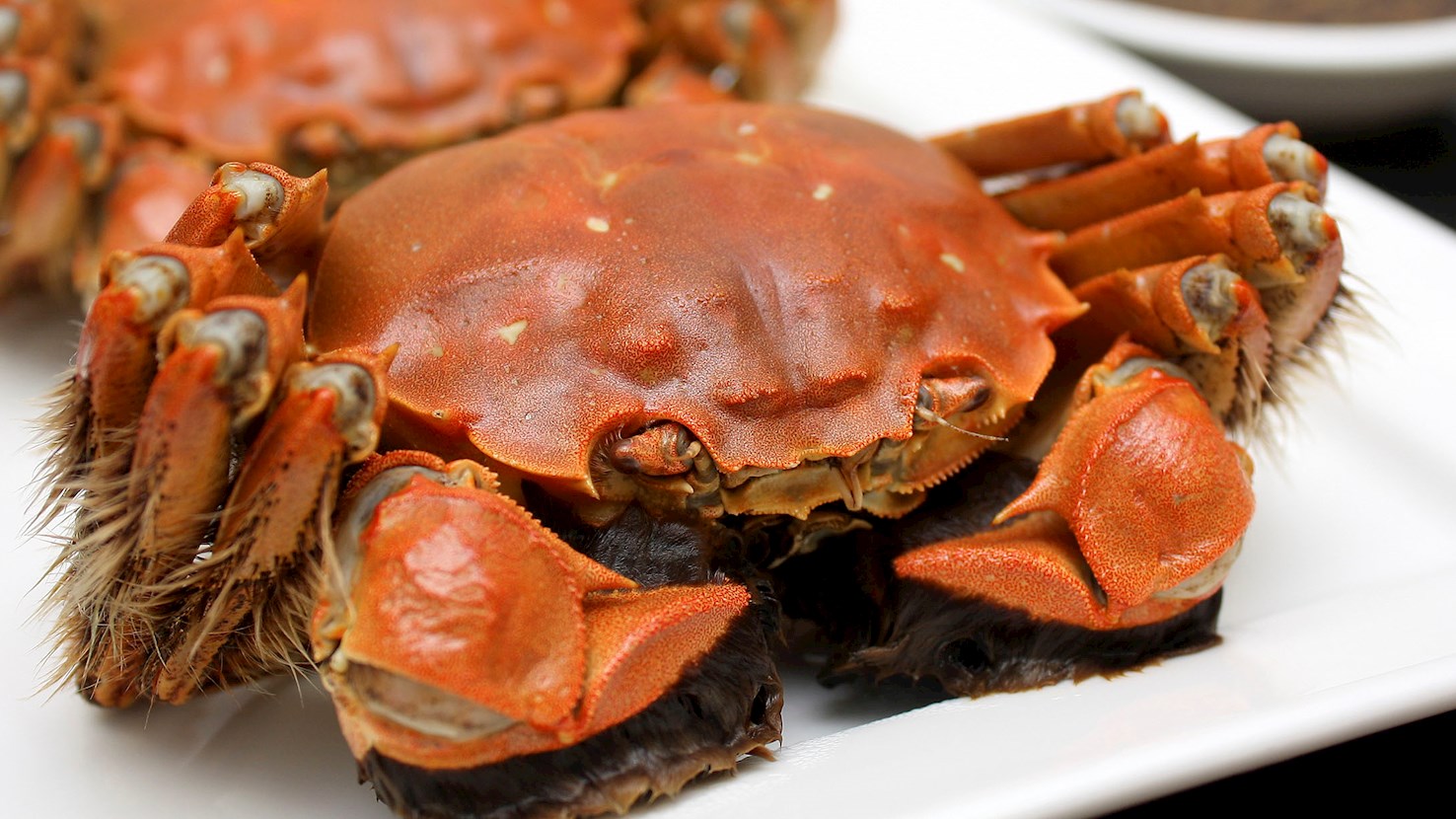
Easily identifiable by the patches of scruffy dark hair on its claws, the succulent, moist, and meaty Shanghai hairy crab is a delicacy that is large as an adult person's palm. Its flesh is firm, yet tender and delicate, so it is always steamed whole, without any seasonings, while the meat is much sweeter than regular crabmeat. When consumed, it is typically dipped into a combination of rice vinegar and soy sauce, then topped with sliced ginger. These crabs are traditionally eaten hot, and two to four crabs per person usually makes a satisfying meal. Hairy crabs are in season from September until mid-November, a time of the year when the city's neighbourhoods are interspersed with markets and high-end restaurants offering this delicacy. The Chinese people believe that hairy crab has a cooling (yin) effect on the body, so it should be paired with suitable warming foods and beverages such as the potent yellow rice wine.
This famous Sri Lankan curry is made with a combination of crab meat, lime juice, milk or coconut milk, curry leaves, grated coconut, ginger, shallots, garlic, cinnamon, turmeric, fenugreek seeds, and red chili peppers. The curry is cooked until the crabs are fully cooked and the gravy develops a thick consistency. It is recommended to serve this dish hot with rice and Indian flatbreads on the side.
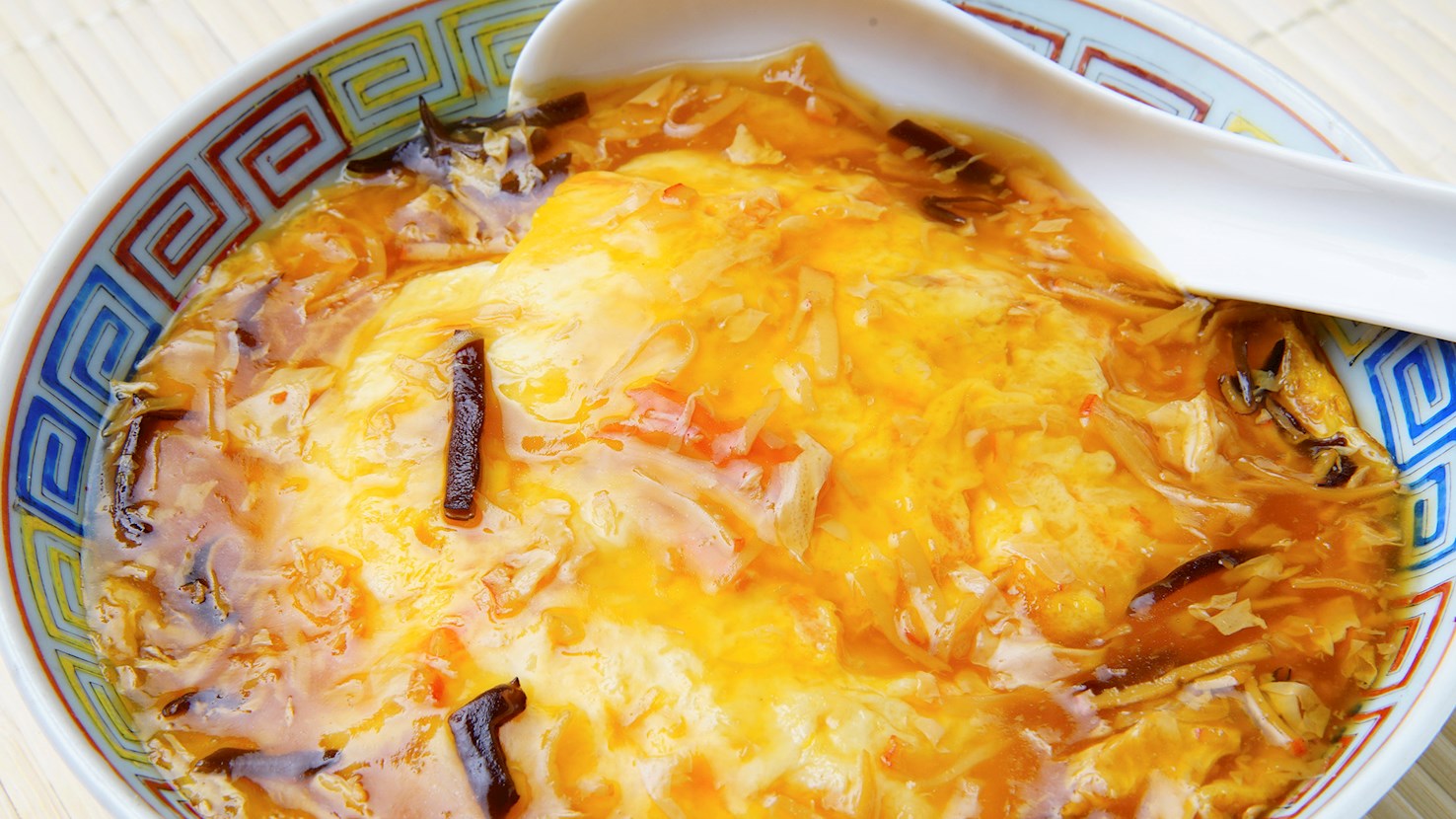
Tenshindon is a simple Japanese dish which combines crab meat omelet and rice. It belongs to the broad category of donburi dishes, which includes many Japanese ingredients and meals that are served over rice. The central part of every tenshindon is the omelet which employs crab meat, the authentic Japanese negi onions, and (occasionally) mushrooms, peas, and sliced ginger. The dish is assembled and usually served in a bowl, in which the rice is placed first, and the omelet is positioned on top. The final addition is a thick sauce that is generously poured over the dish. It is made with different combinations of soy sauce, vinegar, sugar, rice wine, sesame oil, oyster sauce, chicken broth, starch, and occasionally ketchup. Depending on the location, the sauce can have a more sour, vinegary taste, preferred in the Kanto region, or the sweeter variety, typically found in the Kansai area. Even though this traditional Japanese specialty was named after the Chinese city of Tianjin, there is no similar and corresponding dish found in the Chinese gastronomy. It is believed that the name was given because the city was a major rice trade location, and the dish was primarily made with rice which originated from Tianjin. Today it can be found in many Japanese restaurants, and is commonly prepared as a quick and nutritious homemade meal. It makes an excellent quick lunch, or a hearty and satisfying dinner.
TasteAtlas food rankings are based on the ratings of the TasteAtlas audience, with a series of mechanisms that recognize real users and that ignore bot,
nationalist or local patriotic ratings, and give additional value to the ratings of users that the system recognizes as knowledgeable.
TasteAtlas Rankings should not be seen as the final global conclusion about food. Their purpose is to promote excellent local foods,
instill pride in traditional dishes, and arouse curiosity about dishes you haven’t tried.















What People Say