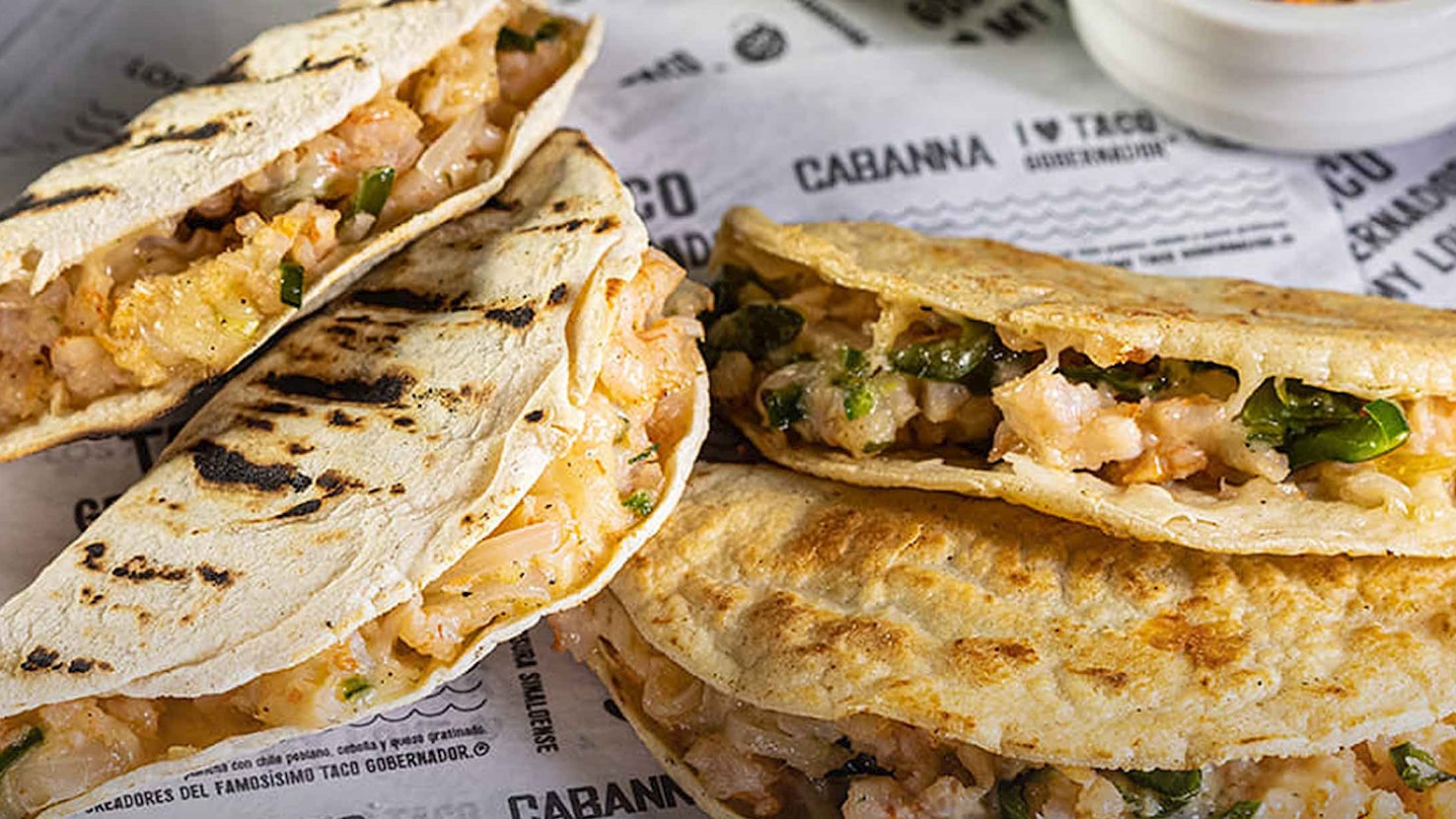
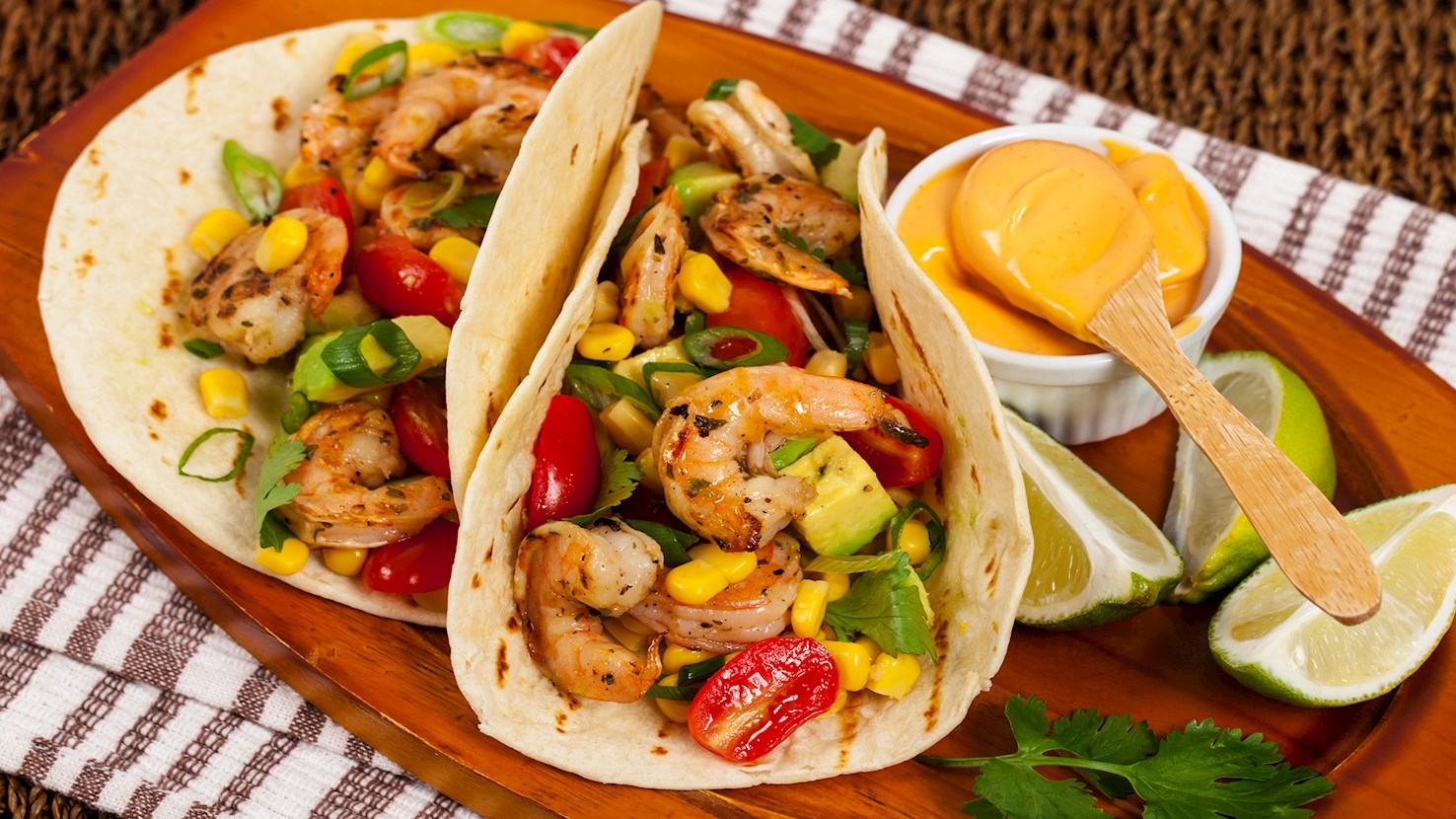
Tacos gobernador (lit. governor's tacos) are Mexican tacos named after a Sinaloan governor. In order to prepare the dish, warm tortillas are filled with a combination of shrimps, grated cheese, coriander, onions, and tomatoes. The tortillas are then folded in half, brushed with butter, and cooked on a griddle over medium heat. When served, tacos gobernador are often accompanied by lime wedges and hot chili sauce. Apart from Sinaloa, these tacos are also quite popular in Baja California.
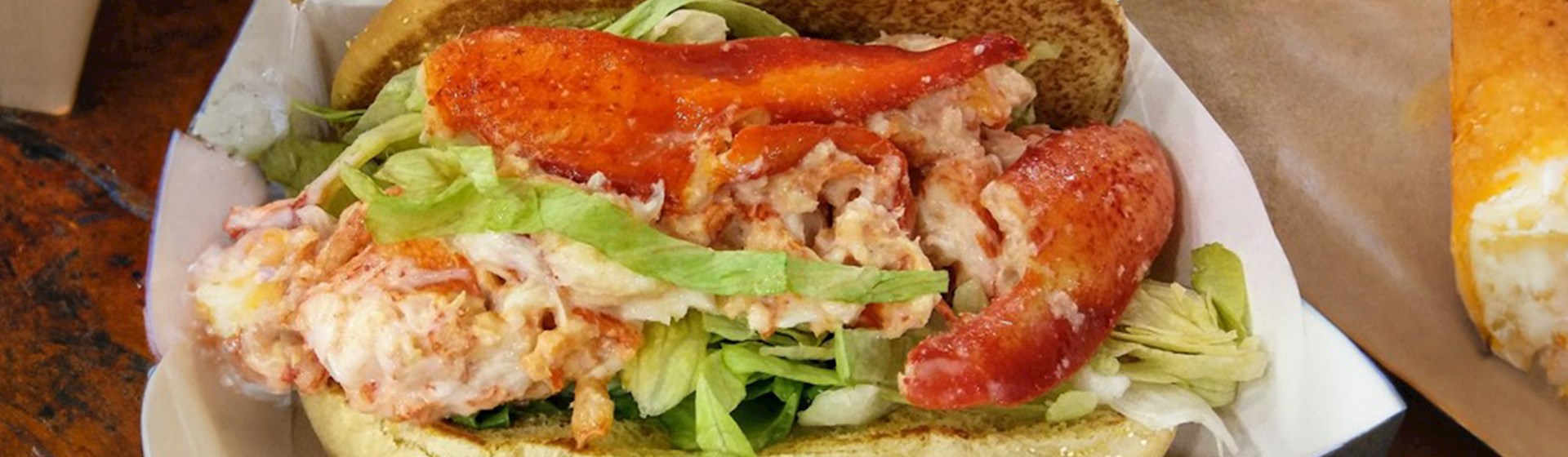
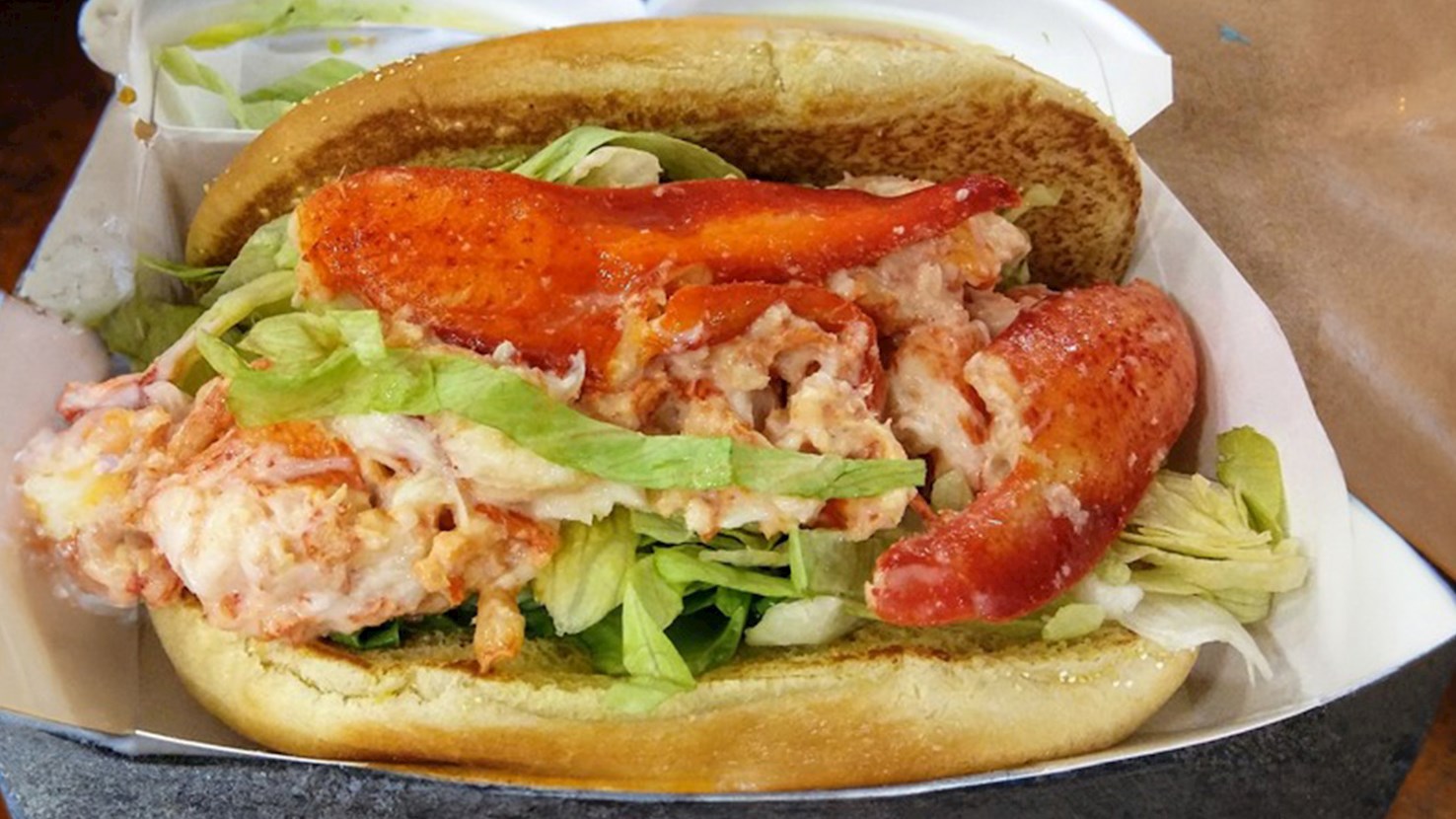
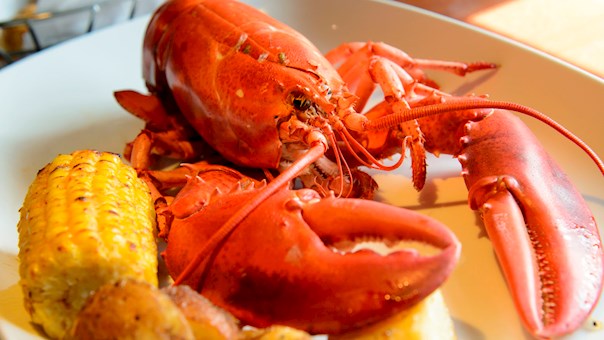
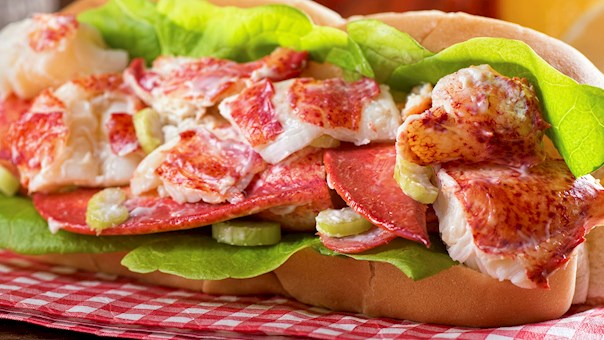
One of New England cuisine staples, the Maine-style lobster roll consists of a chilled lobster salad tucked into New England-style split-top buns. The lobster salad, at its basic, is made with knuckle and claw meat that is dressed in mayonnaise and mixed with finely chopped celery, seasoned only with salt and pepper. Variations typically include ingredients like lemon juice, mustard, and chives. Because the buns are buttered and toasted, the result is a lobster roll with contrasting texture and flavor: a warm, buttery, toasted bun vs. a cold, crunchy lobster salad. It is unknown when it was invented and by whom. What is known is that it started to first appear sometime in the 1950s due to the explosion of summer tourism, but it boomed in the 1970s thanks to the increase in the roadside lobster roll stands. Red Eat's, the most famous restaurant on Route 1 in Maine, had a big role in popularizing it. Also, even though the Connecticut-style lobster roll appeared earlier, the Maine-style one is the more popular of the two. When it comes to serving, the most typical pairing is a Maine lobster roll and either creamy clam chowder or seafood chowder. But at seafood shacks or food stands, it is typically served with salt and vinegar potato chips, coleslaw, pickles, and onion rings.
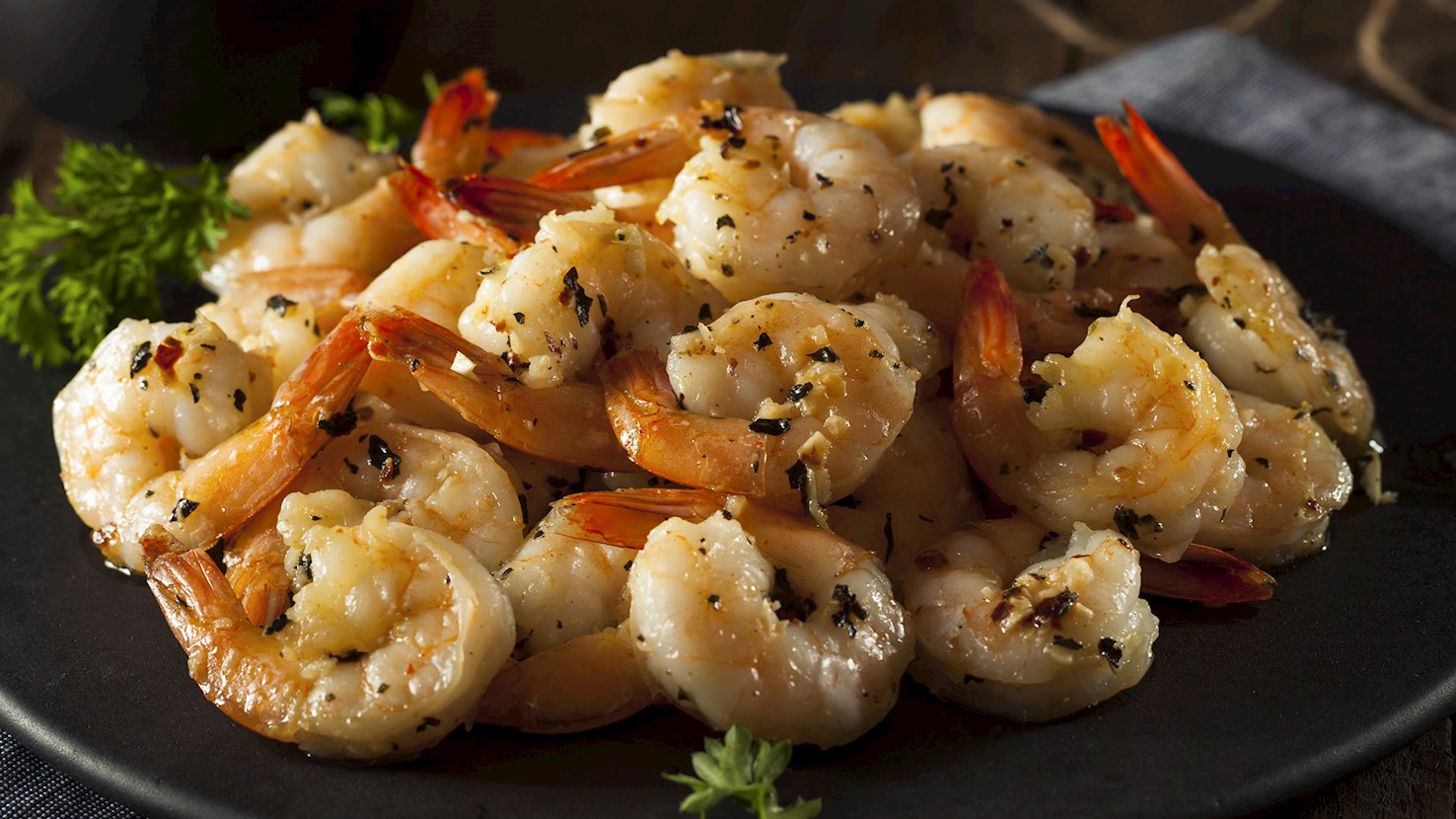
Camarones al mojo de ajo are large shrimp pan-seared in a rich, pungent sauce made with generous amounts of butter, olive oil, and minced garlic. Pulling this meal together starts by slowly heating a large skillet. A heavy slab of butter melts down alongside a generous pour of olive oil, which prevents the milk solids from burning at high temperatures. Dozens of finely minced garlic cloves drop into the hot fat, simmering gently until they soften and turn pale gold. Large, peeled shrimp plunge into the infused butter, searing for just two or three minutes until their translucent flesh turns completely opaque and bright pink. Right before leaving the heat, a squeeze of fresh lime juice and a handful of chopped cilantro go into the pan, injecting a sharp citrus bite to balance the heavy dairy. The sizzling shrimp hit a wide dinner plate, universally accompanied by a dome of white rice, shredded lettuce, a thick scoop of refried beans, and lime wedges for squeezing over the shrimp. A stack of warm corn tortillas sits nearby, meant to be torn apart and used to mop up the pools of garlic-infused oil remaining on the plate. Adjustments happen frequently, depending on the specific town. Some kitchens throw fiery dried chilies directly into hot butter to give the sauce a high level of heat. Other restaurants deliberately leave the thick shells on the shrimp during cooking, trapping extra moisture in the meat and forcing diners to peel the slippery, garlic-soaked shells by hand at the table. Another distinct shift involves splashing dry white wine into the skillet just before adding the seafood, yielding a thinner, more acidic pan sauce. Camarones al mojo de ajo are also a great party food, especially for Cinco de Mayo, when it is recommended to pair the dish with some Margaritas.
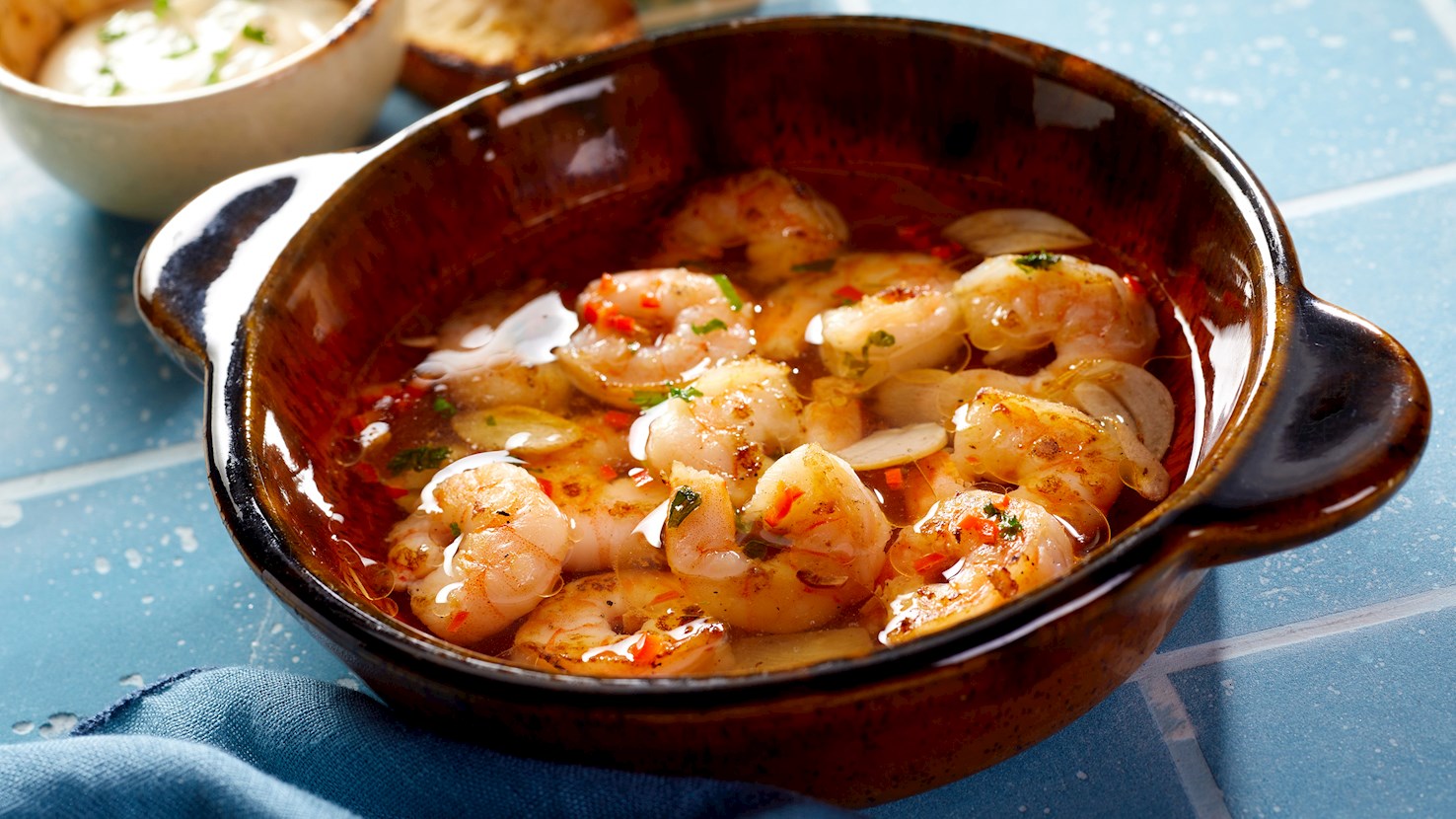
Gambas al ajillo is a popular Spanish appetizer consisting of shrimps that are sautéed in a pan with minced garlic, lemon juice, paprika, and olive oil. The dish is usually consumed as a tapa. It is recommended to garnish gambas al ajillo with chopped parsley and pair it with some crusty bread on the side, which is useful for mopping up the flavorful sauce.
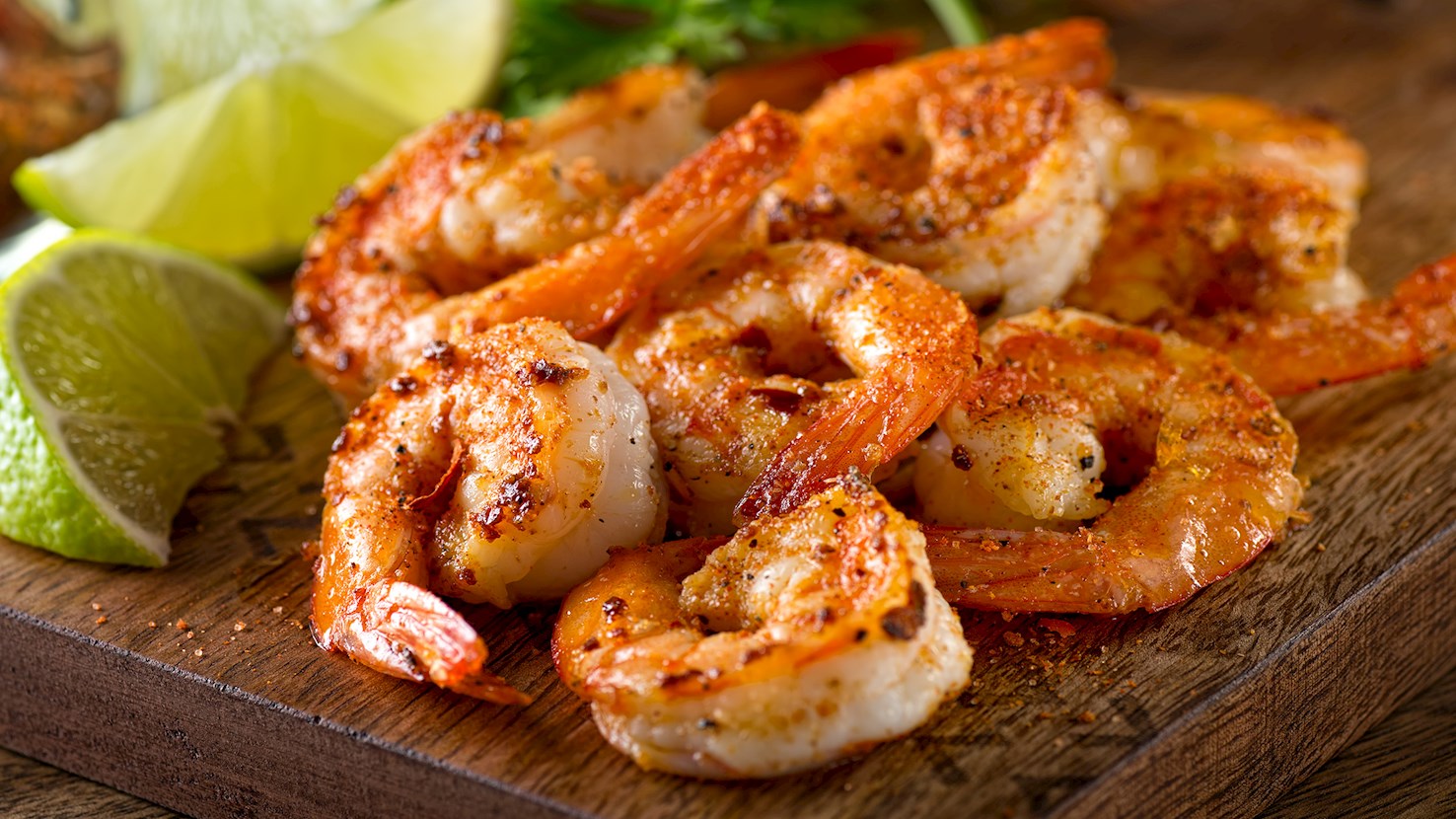
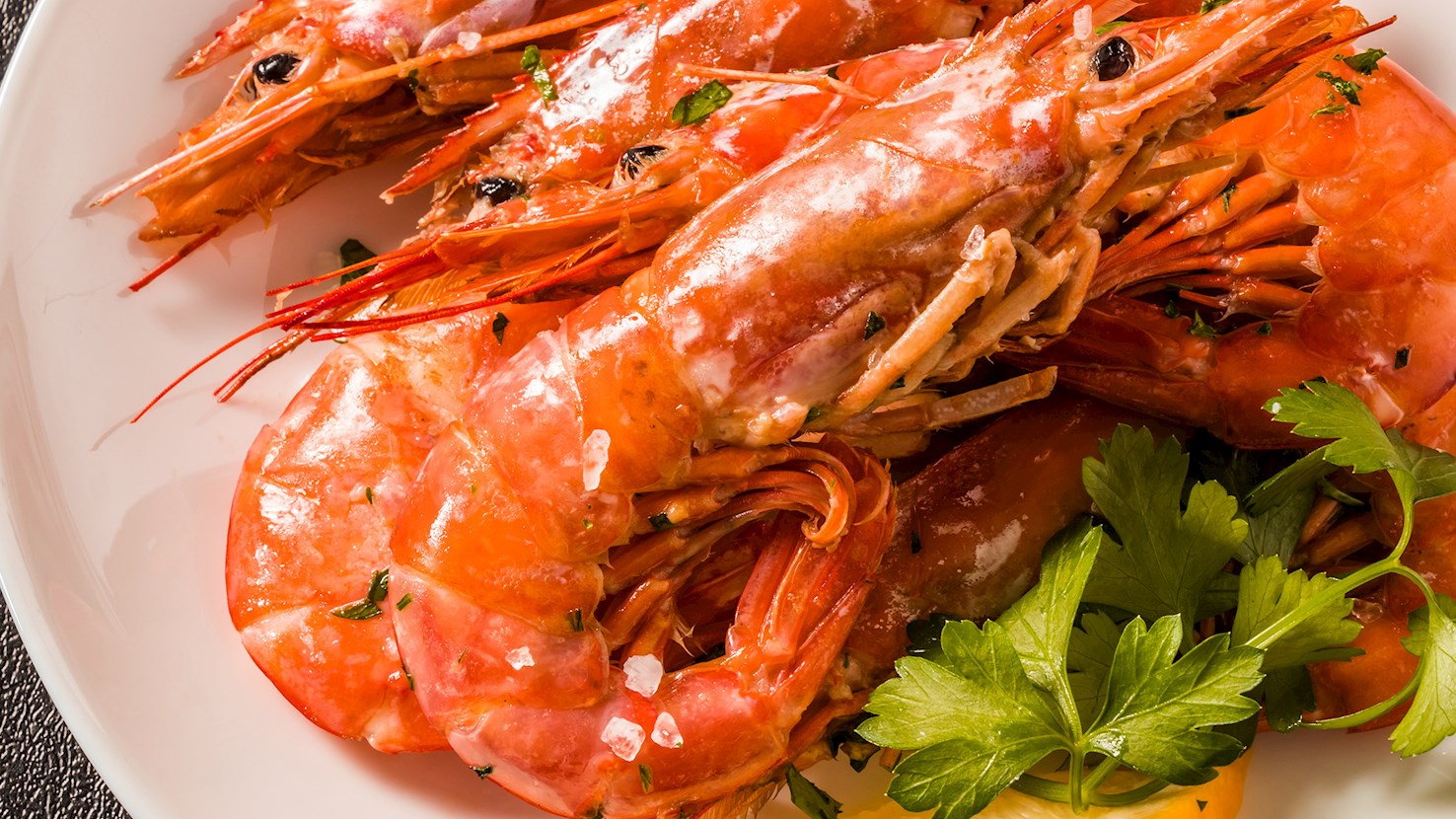
This is a traditional tapa dish where whole shrimps are seasoned with salt, then quickly grilled on an iron skillet over high heat. It is recommended to enjoy them simply with a few squeezes of lemon or lime juice on top, while black pepper is optional, according to personal preferences. Pair the shrimps with a cold beer or a glass of wine on the side.
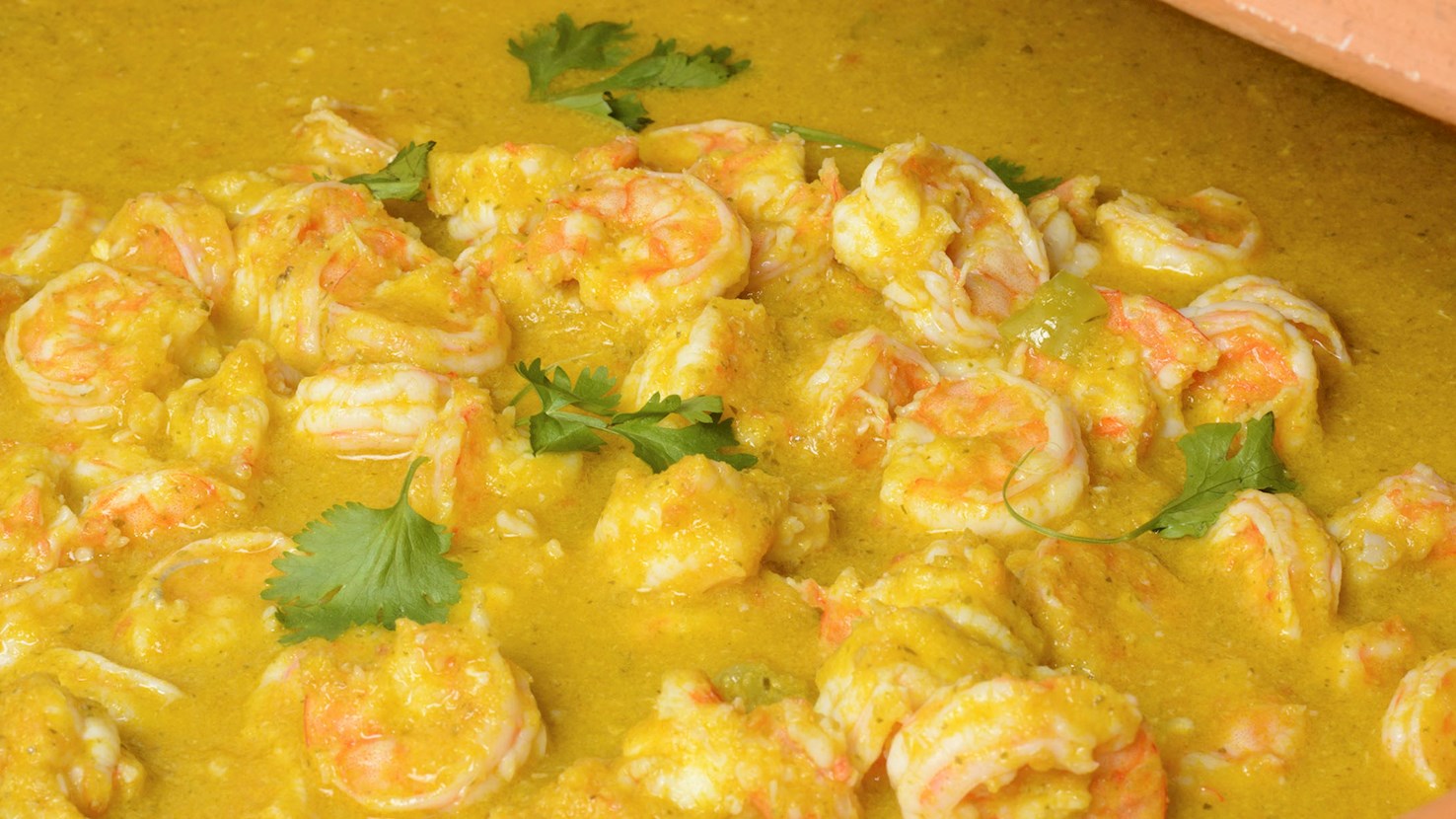
A classic dish of the Brazilian Bahia region, bobó de camarão is a stew made with puréed cassava (bobó), fresh shrimps, coconut milk, and dendê palm oil. The word bobó comes from the Ewe people who were brought to Brazil as slaves, denoting a dish made with beans, although there are no beans in bobó de camarão as we know it today, due to the fact that the Afro-Brazilians enthusiastically took to cassava when they were first introduced to it. The dish is traditionally accompanied by rice on the side, and is a staple of most traditional Brazilian eateries and Bahian self-service restaurants.
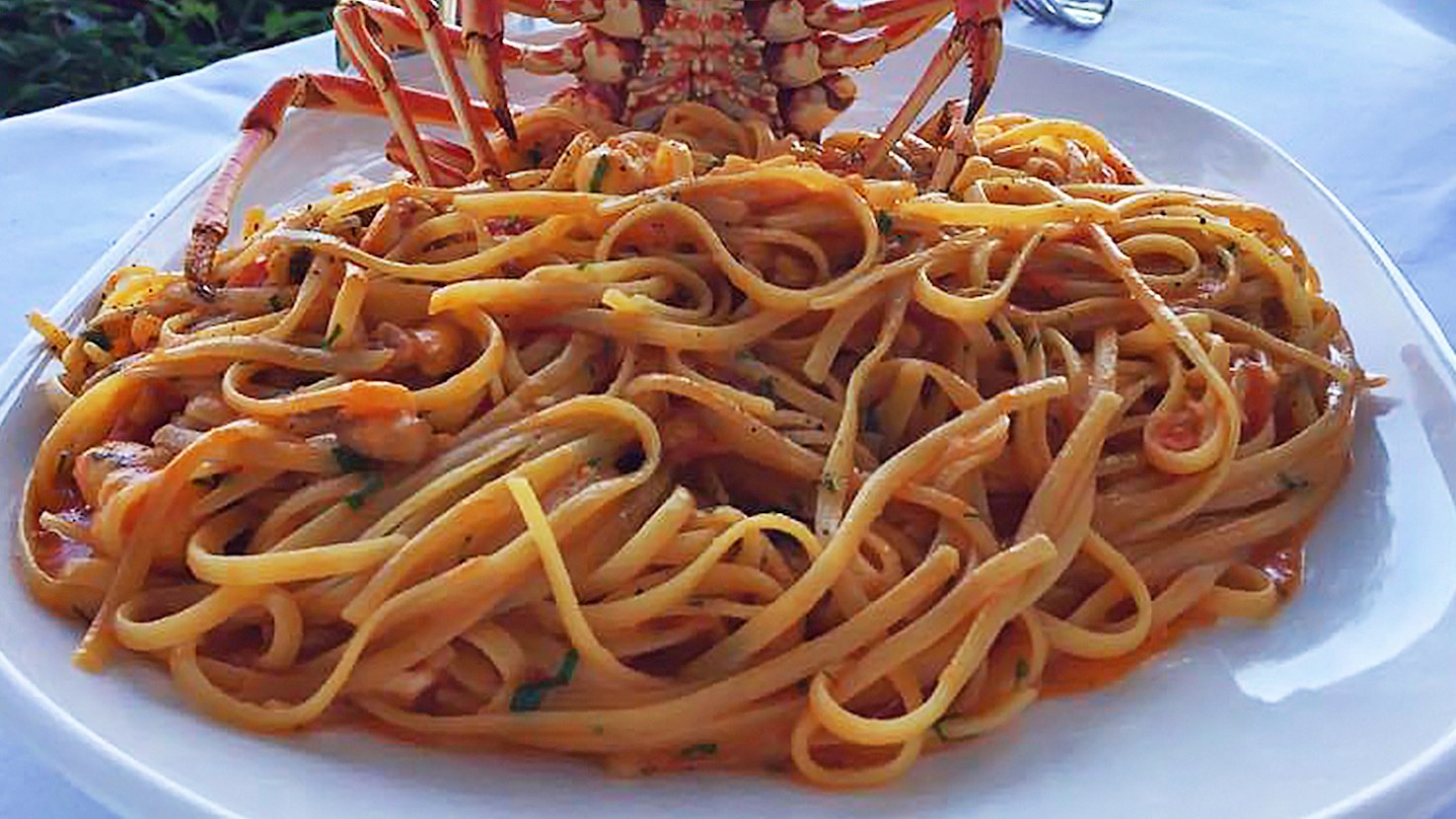
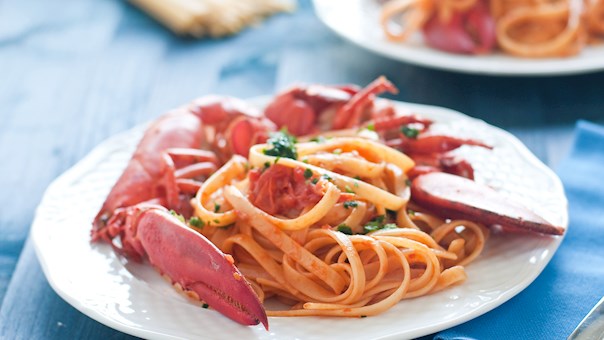
The main element in this exquisite Greek dish is lobster meat that is coupled with a flavorful tomato-based sauce and served over pasta. The dish is typically prepared with spaghetti, while the sauce is usually enriched with wine and various herbs and spices. Lobster meat is traditionally served in shells, and the whole dish is generously garnished with parsley. Though it can be found in other Greek regions, astakomakaronada is mainly associated with the island of Skyros.
A quintessential seafood delicacy of the Greek island of Symi, simiako garidaki or Symi shrimp is a unique variety of tiny shrimps that inhabit the sea around the island. Bright red, delicate, and sweet, the small crustaceans are packed with flavor, which has made them famous throughout the whole country and beyond. The most common way to enjoy these tiny crustaceans is crispy-fried in olive oil and garlic, typically seasoned with nothing else than salt and pepper. Due to their delicate nature, the fried shrimps are usually eaten whole, including tails, shells, and heads. Sometimes they can be coated in flour and cornstarch before frying, and they’re commonly not enhanced with any other flavorings or sauces, except for an optional squeeze of lemon. Fried Symi shrimps make for an excellent meze dish alongside a glass of Greek ouzo or local raki. On Symi Island, a festival day has been dedicated to these special shrimps, celebrated every year in August.
Taco de camaron is a variety of taco filled with shrimps and various other ingredients such as tomatoes, onions, coriander, mayonnaise, or pico de gallo. Shrimp tacos originate from Baja California, and are often served with lime or lemon wedges on the side. It is recommended to pair the dish with a cold beer on the side.
You bao xia is a dish consisting of whole, shell-on shrimp that are flash-fried in scorching oil until delightfully crisp, then rapidly tossed in a vibrant, sticky, sweet-and-savory glaze. Translated literally as "oil-exploded shrimp," this culinary masterpiece is a brilliant showcase of traditional Jiangnan cooking, which prizes the natural freshness of regional aquatic ingredients alongside deeply caramelized, complex flavor profiles. The defining characteristic of authentic you bao xia lies in its textural duality, achieved through a rapid, highly specific cooking process. First, the shrimp are briefly submerged in smoking-hot oil; this fierce thermal shock causes the translucent shells to instantly puff, crisp up, and detach slightly from the meat inside, turning a brilliant, glossy ruby red while ensuring the delicate flesh remains incredibly tender and sweet. Once the shrimp are scooped out of the bubbling oil, the wok is quickly repurposed to build the dish's signature aromatic profile. A fragrant foundation of minced ginger and scallion whites is quickly bloomed in the residual oil before the transformative glaze is introduced. This sauce is a delicate balancing act of classic Chinese pantry staples: premium light and dark soy sauces for umami and color, a generous pour of Shaoxing wine to neutralize any seafood funk, and the distinctively Shanghainese addition of abundant sugar, which melts down into a rich, clinging syrup. A final, crucial splash of aged Chinkiang black vinegar is added to the bubbling reduction, providing a subtle, acidic brightness that cuts through the richness of the frying oil and sugar without making the dish overtly sour. When the crispy shrimp are tossed back into this aggressively boiling wok, the blistered shells act like sponges, absorbing the sticky, caramelized coating to create a deeply savory, sweet exterior. You bao xia holds a revered place in Chinese dining culture, frequently taking center stage at banquets, family gatherings, and Lunar New Year celebrations. Its festive presence is highly symbolic: the bright crimson color of the cooked shrimp represents luck and joy, while the energetic "jumping" of the live shrimp and the phonetic sound of the word for shrimp (xia, which echoes laughter) evoke happiness and prosperity. Enjoying you bao xia is an inherently interactive and tactile dining experience that rewards the adventurous eater. While some diners prefer to painstakingly peel the glazed shells to reach the meat, true devotees of the dish argue that it is best eaten entirely whole—crispy shell, head, and all.
TasteAtlas food rankings are based on the ratings of the TasteAtlas audience, with a series of mechanisms that recognize real users and that ignore bot,
nationalist or local patriotic ratings, and give additional value to the ratings of users that the system recognizes as knowledgeable.
For the “Top 100 Crustacean Dishes in the World” list until September 15, 2026, 7,760 ratings were recorded, of which 5,019 were recognized by the system as legitimate.
TasteAtlas Rankings should not be seen as the final global conclusion about food. Their purpose is to promote excellent local foods,
instill pride in traditional dishes, and arouse curiosity about dishes you haven’t tried.











What People Say