

shutterstock

Top 5 Singaporean Crustacean Dishes

Last updated on June 15, 2026
01

Chilli crab

4 ·

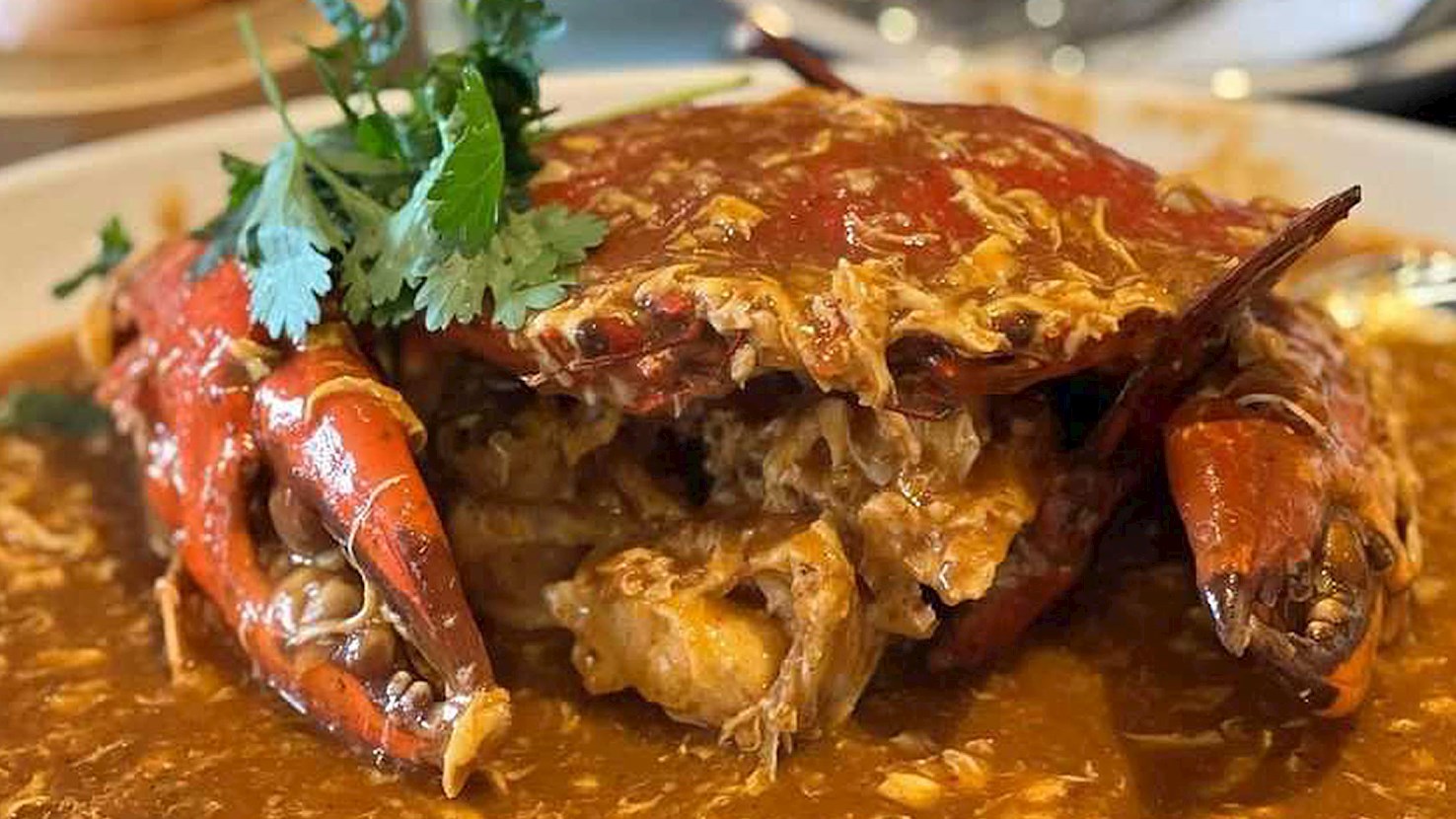
Like many other dishes in Asia, chilli crab started as a street food item, but it has eventually become so popular that today it is considered to be the national dish of Singapore. It consists of a stir-fried crab covered in a succulent, spicy sauce. The story of chilli crab's origin is a well-known anecdote - it was invented in the 1950s by Cher Yam Tian, who wanted to modify her stir-fried crab recipe by adding bottled chili sauce into the dish. The result was so delicious that her family persuaded her to start selling the dish, so chilli crab began its way to become the signature dish of Singapore. The dish is served in many restaurants in the country, and since the crab is served in a shell, the consumption of chilli crab is a unique experience. The diners must use their hands to crack the shell open in order to get hold of the tender crab meat hiding on the inside. Usually, mallets or nutcrackers are used to ease the whole procedure. Bread is commonly served together with the crab, and it is mainly used to soak up the delicious spicy gravy.

02

Black Pepper Crab

4 ·

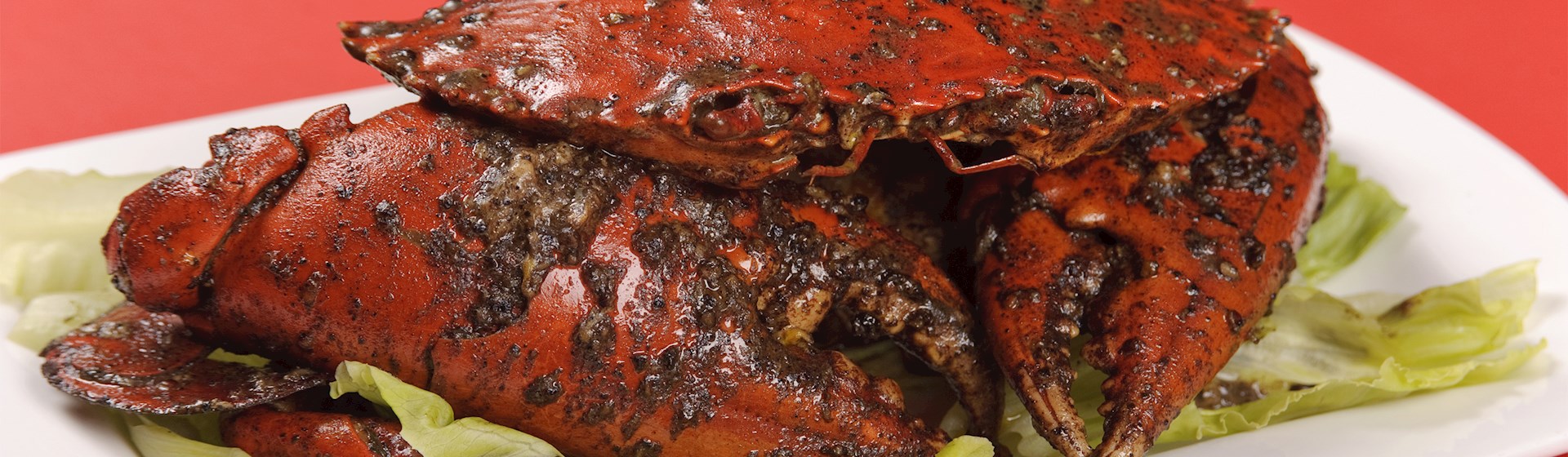
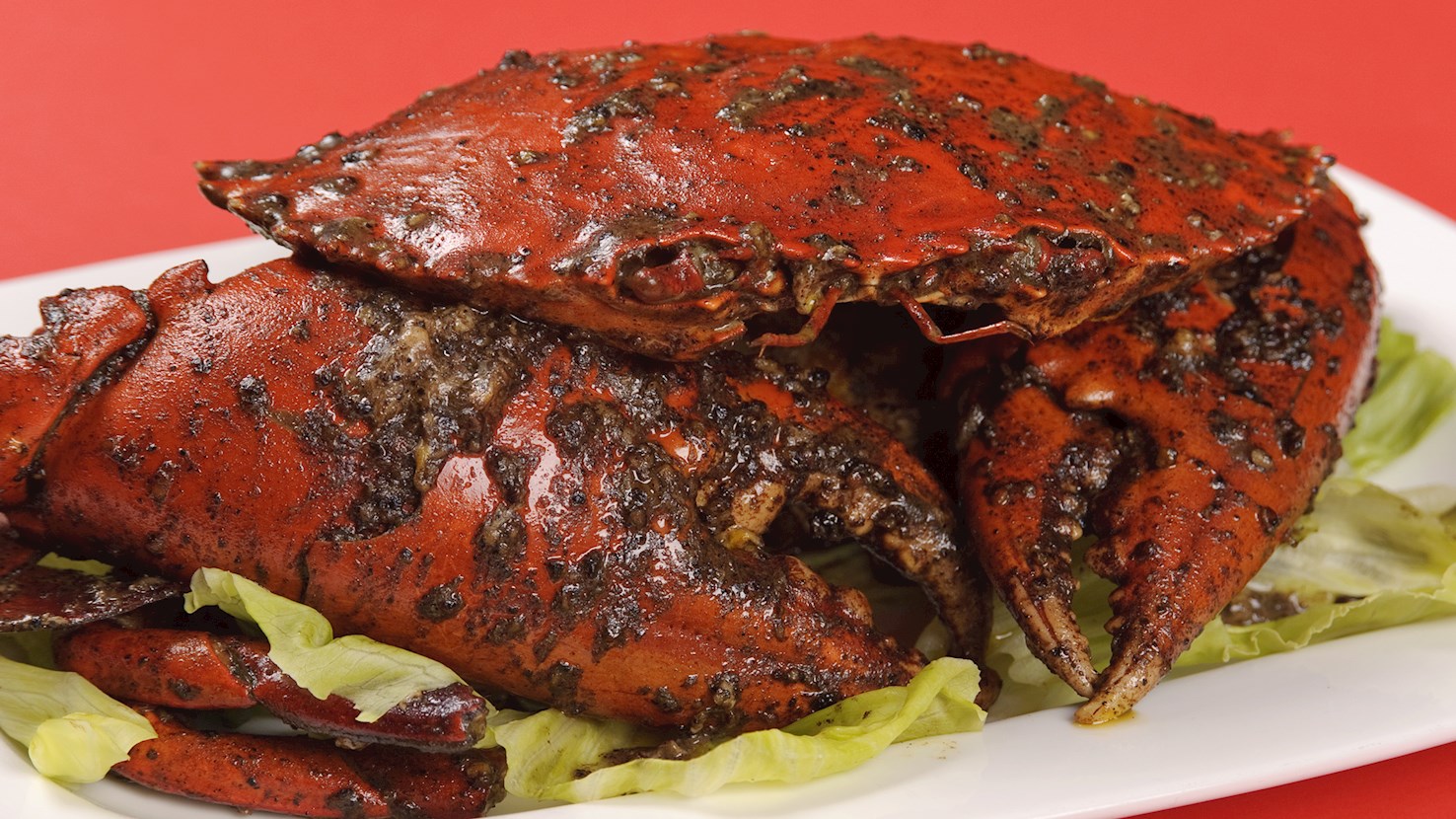
Black pepper crab is the unofficial national dish of Singapore, made by stir-frying crab pieces with black pepper, garlic, shallots, and oyster sauce over high heat. The dish is seldom prepared at home, but people can easily find it at numerous street stalls and seafood restaurants. Once the crab is cooked, it is often garnished with coriander leaves and paired with rice on the side.

03

Cereal Prawns

3.9 ·

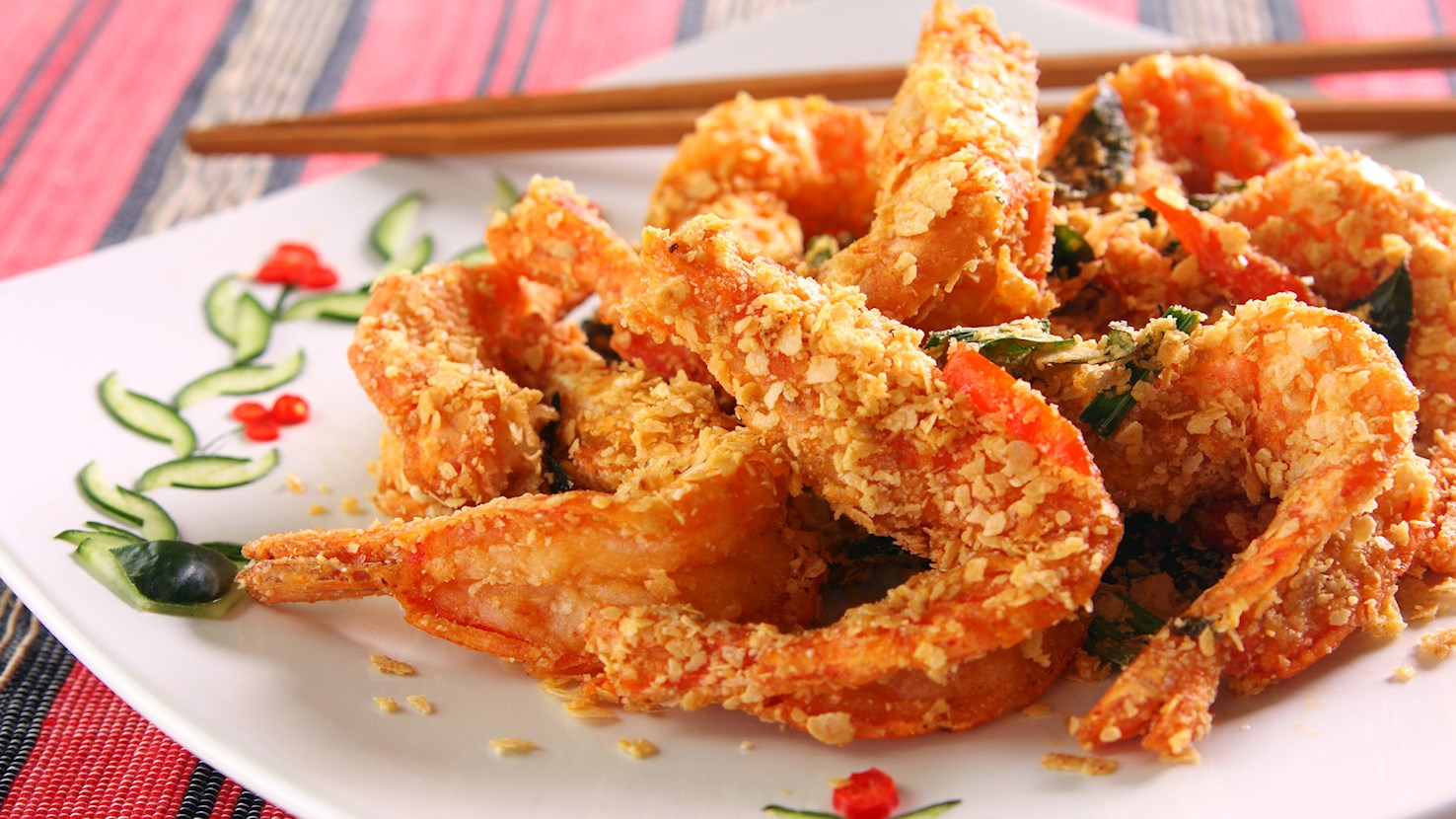
This Singaporean dish consists of crispy fried prawns that are doused in a rich combination of butter, crushed and toasted cereals, curry leaves, and chilis. Even though it is easily prepared at home, the dish is a staple at hawker centers and restaurant throughout Singapore and Malaysia. Cereal prawns are occasionally served topped with a heap of toasted, almost sand-like cereals, and they are always enjoyed hot.

04

Crab bee hoon soup

n/a ·

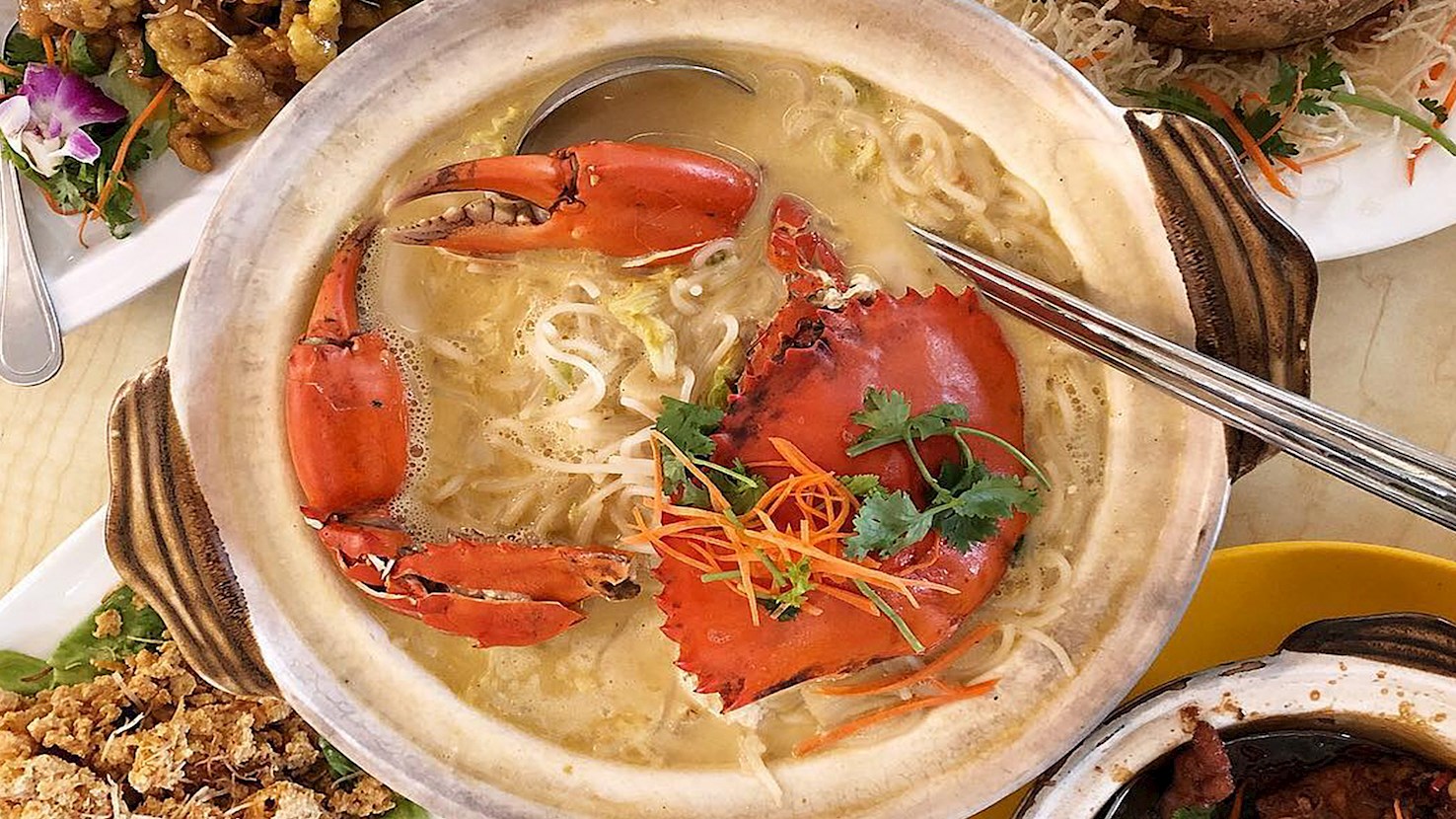
Crab bee hoon soup is a Singaporean delicacy that consists of bee hoon noodles (rice vermicelli) and succulent crab meat drenched in a silky, aromatic broth. Sri Lankan mud crabs are most commonly used in this dish, while the broth is usually made with a combination of chicken broth, butter, evaporated milk, ginger, garlic, white pepper, sesame oil, fish sauce or oyster sauce, and a splash of Chinese rice wine, brandy, or XO Cognac. The soupy broth is also typically enhanced with leafy vegetables such as baby bok choy or chye sim, scallions, and cilantro leaves. This savory specialty is often served in a clay pot, while chili-based dipping sauces usually accompany it on the side.

05

Crab bee hoon

n/a ·

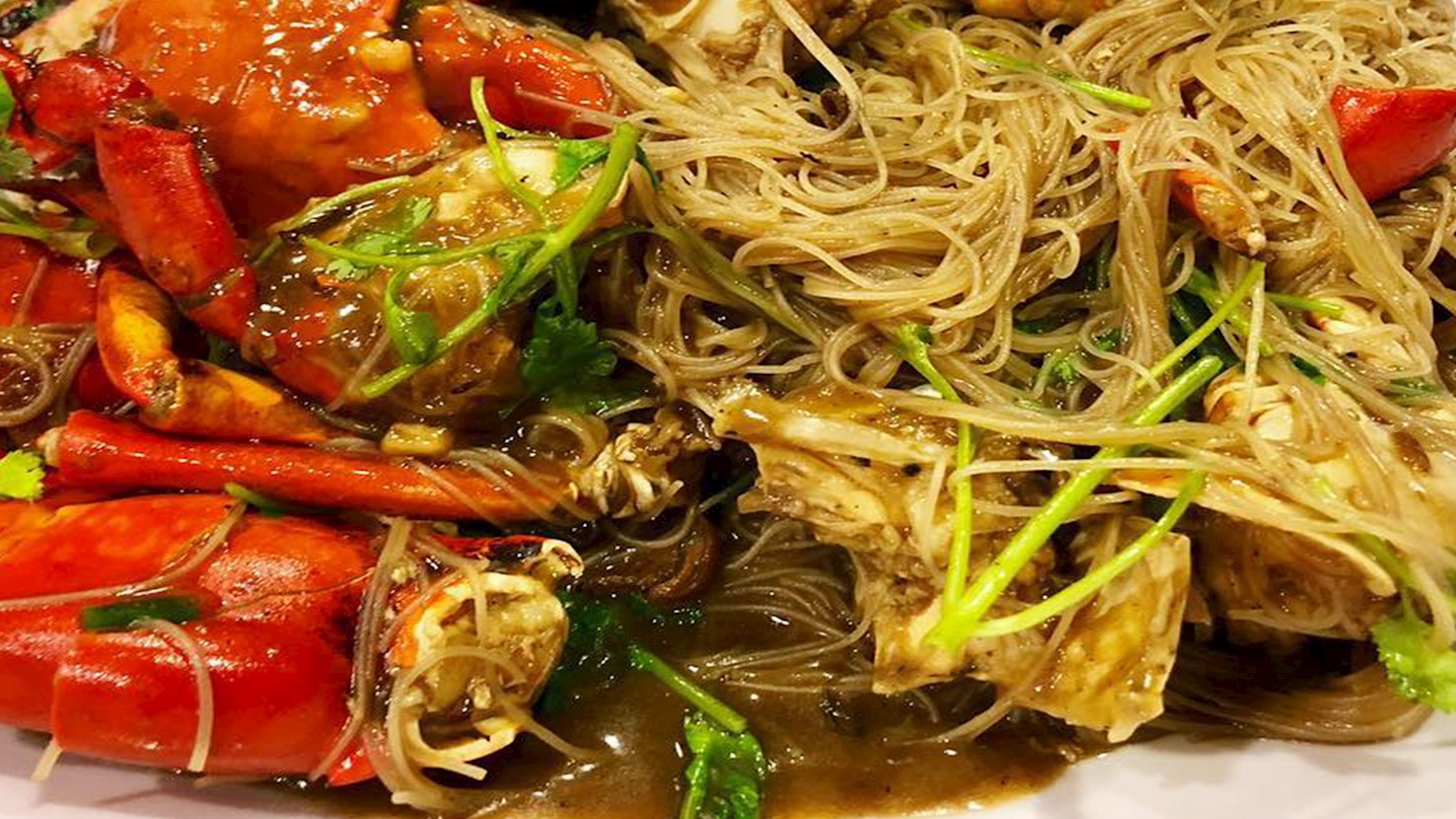
Apart from the traditional chili crab and black pepper crab, Singaporean cuisine offers another delicacy that features the prized crustacean - crab bee hoon. This hawker-style dish consists of rice vermicelli (bee hoon) and succulent Sri Lankan crab meat. Both are cooked with an aromatic chicken or seafood stock. Depending on the cooking process, the dish may come in two different versions: a dry version or a soup. Infused with a smoky wok-hei flavor, the first version calls for the ingredients to be stir-fried and braised in a wok over high heat, resulting in a dish of noodles and crab meat doused with gravy. Often served in a clay pot, the other version is a type of soup in which the noodles and pieces of crab are more or less submerged in clear or milky broth. Interestingly, the late celebrity chef Anthony Bourdain highly recommended the stir-fried version of crab bee hoon served at the Sin Huat Eating House on his show.

Read more
View all
View map
About this ranking

TasteAtlas food rankings are based on the ratings of the TasteAtlas audience, with a series of mechanisms that recognize real users and that ignore bot, nationalist or local patriotic ratings, and give additional value to the ratings of users that the system recognizes as knowledgeable. For the “Top 5 Singaporean Crustacean Dishes” list until June 15, 2026, 161 ratings were recorded, of which 123 were recognized by the system as legitimate. TasteAtlas Rankings should not be seen as the final global conclusion about food. Their purpose is to promote excellent local foods, instill pride in traditional dishes, and arouse curiosity about dishes you haven’t tried.

Similar lists