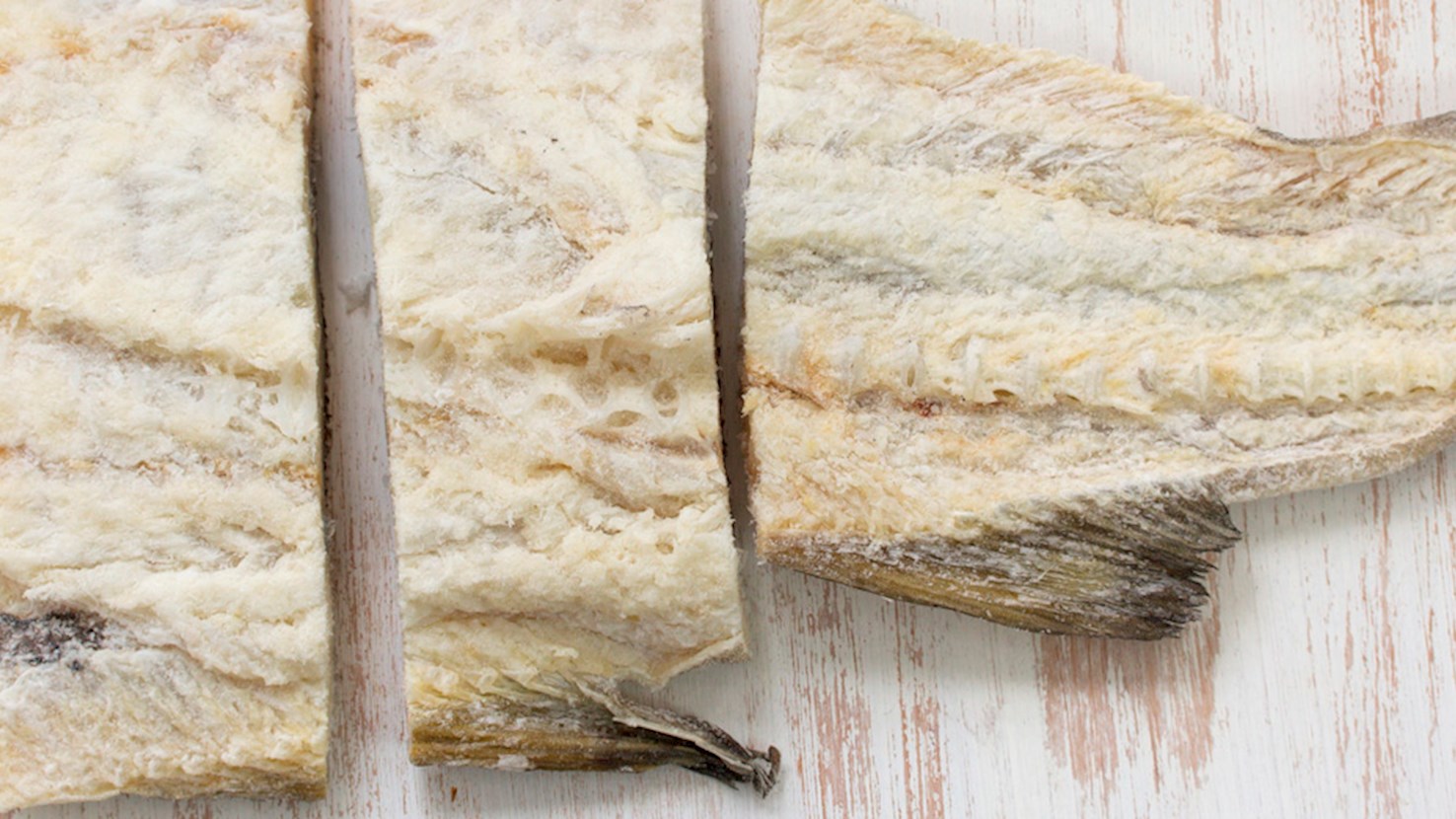
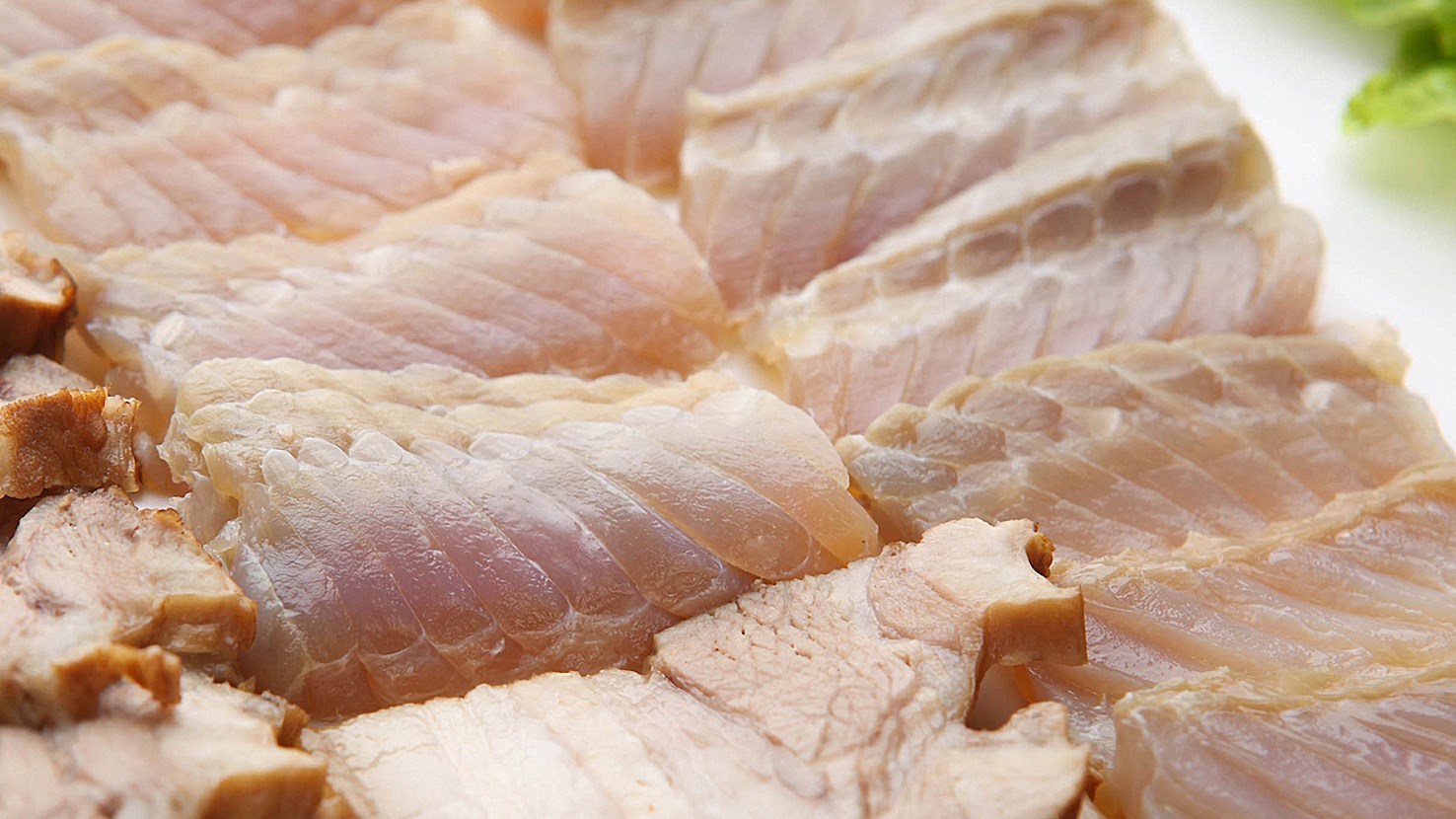
Portugal is the number one consumer of cod in the world. Cured cod is a centuries-old method of preparing cod, and it is still the most popular and best-known today. A cured Bacalhau de Cura Tradicional Portuguesa is carefully selected, as it must weigh more than 1.5 kilos, and it is then salted and left to cure under controlled conditions. After maturation, the fish is cleaned and is then ready to use. Cod fish prepared in this way is smooth, juicy, and tender, and ranges in color from pale to bright yellow. The flavor of the fish is extremely complex and intense, and its flavor is preserved in its entirety even if cooked for an extended period of time.
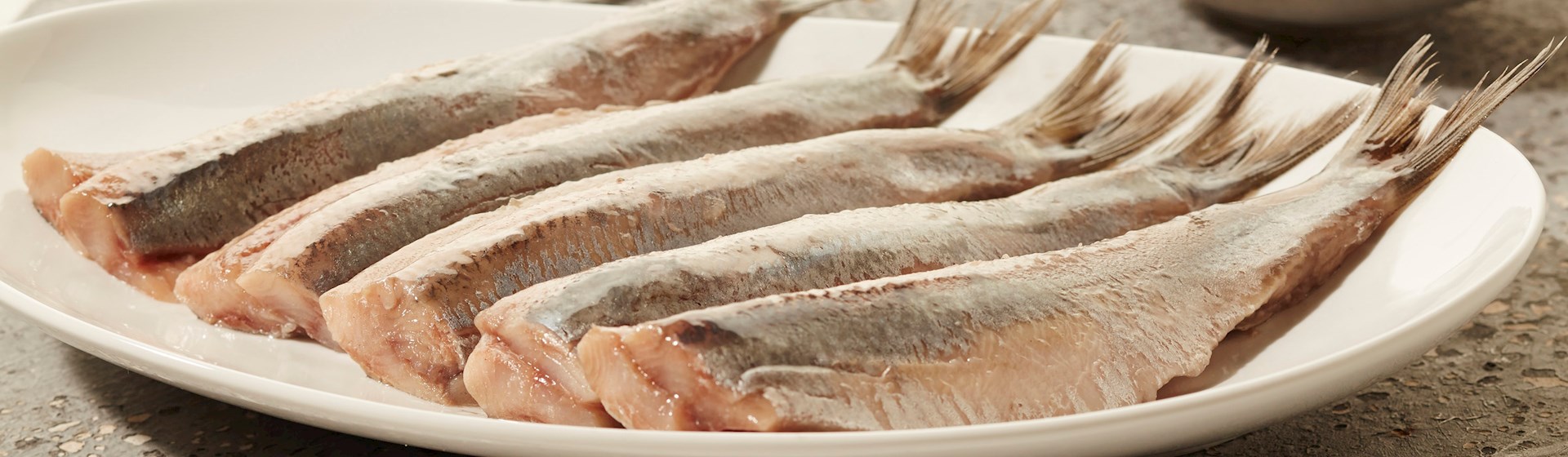
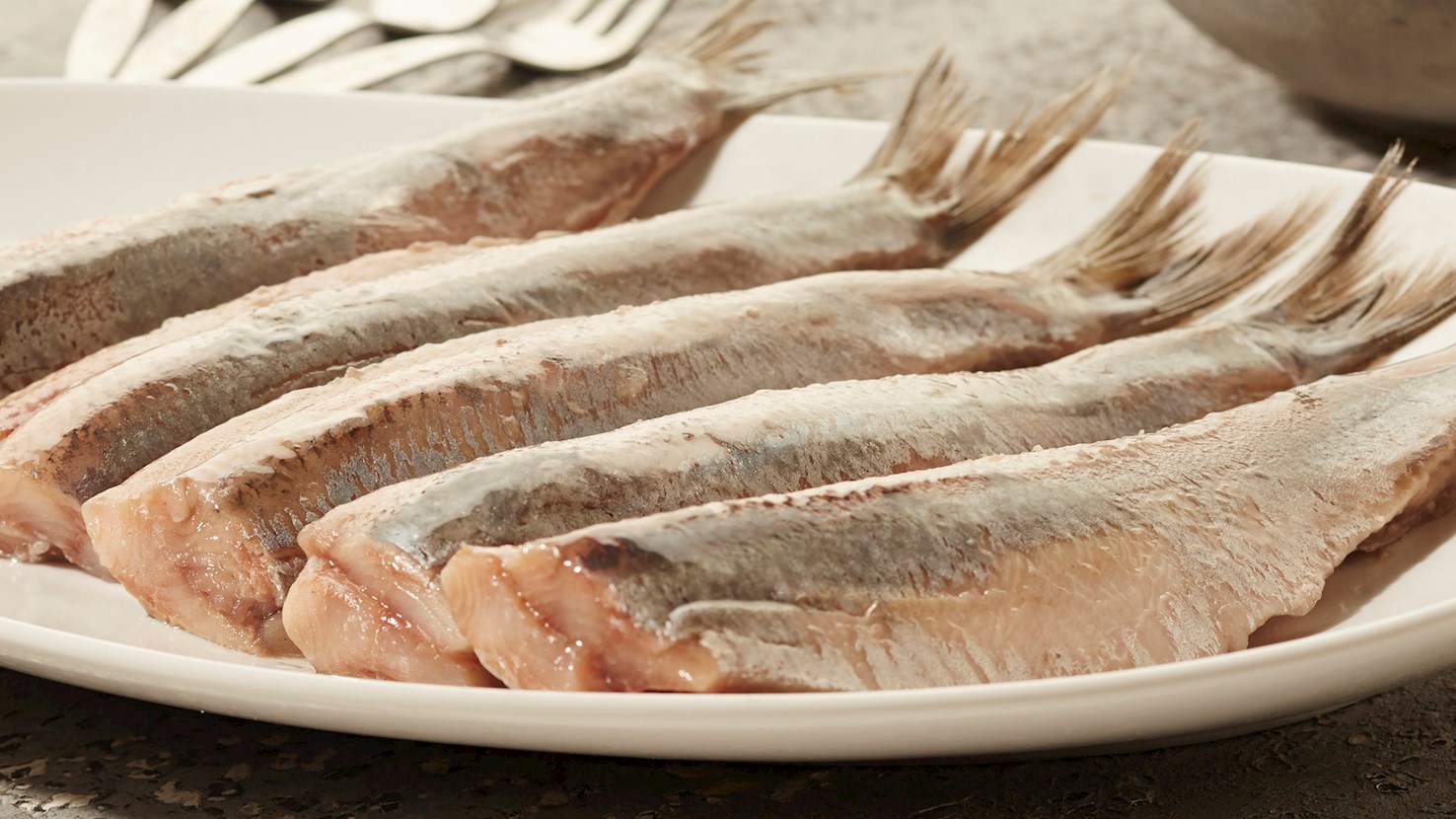
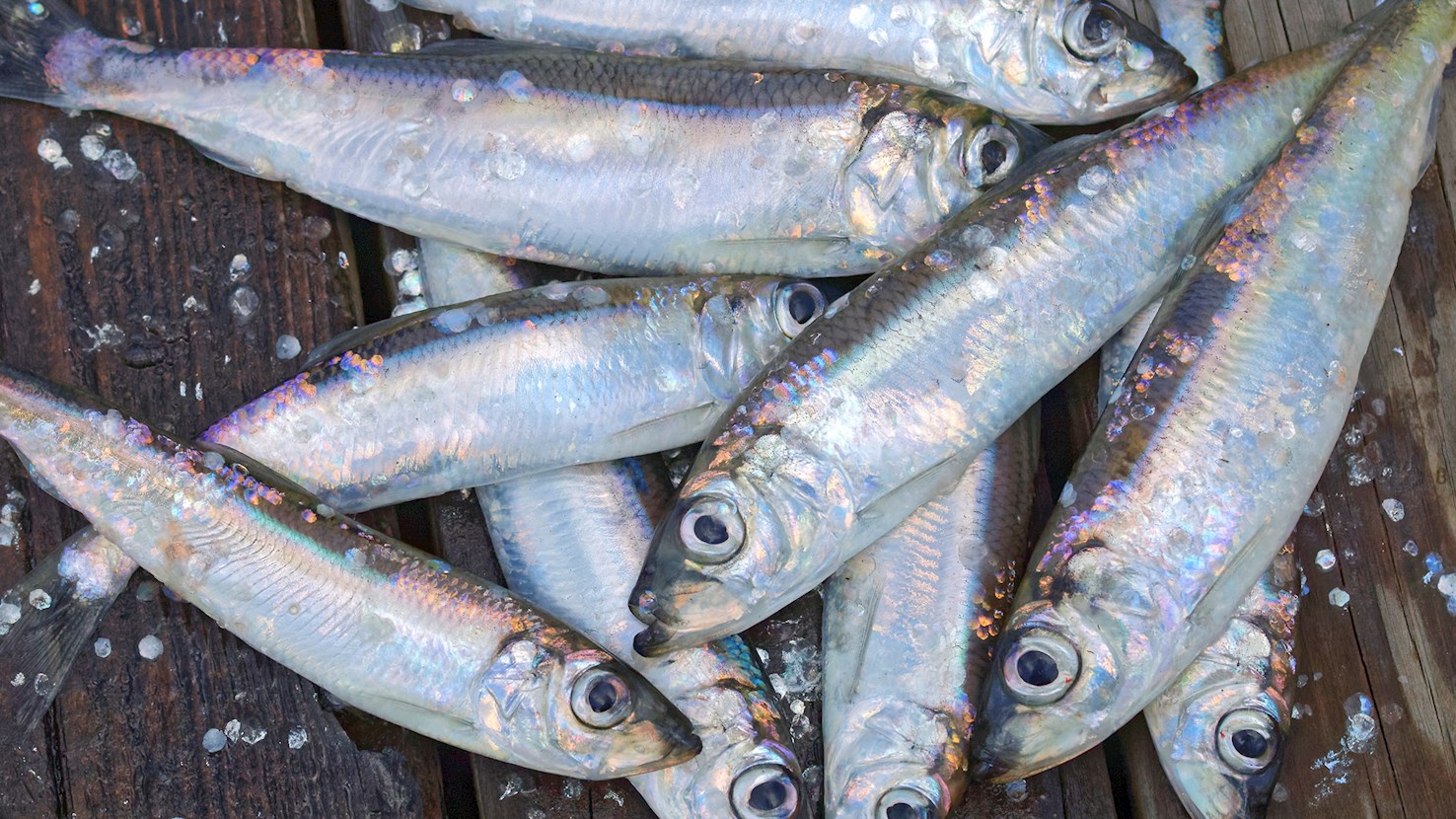
Hollandse maatjesharing are small fish, specifically herrings, that are headed and brined or dry-salted using traditional Dutch methods and consumed after natural ripening. Only herrings caught between May 1 to August 31 can be called maatjesharing, referring to the raw fish, while the term Hollandse refers to the traditional Dutch method of production. These herrings are slim and small with soft bones and a short fin on their back. Their taste is salty, fresh and creamy, while the meat is tender and fatty. Hollandse maatjesharing are also unique because of the strict quality controls, they must smell fresh, the brine must be of good color and clarity, and the herring must have a firm, yet tender structure. The traditional Dutch way of eating Maatjesharing is to dip the fish into finely diced onions, lift it by its tail and lower it into the mouth.
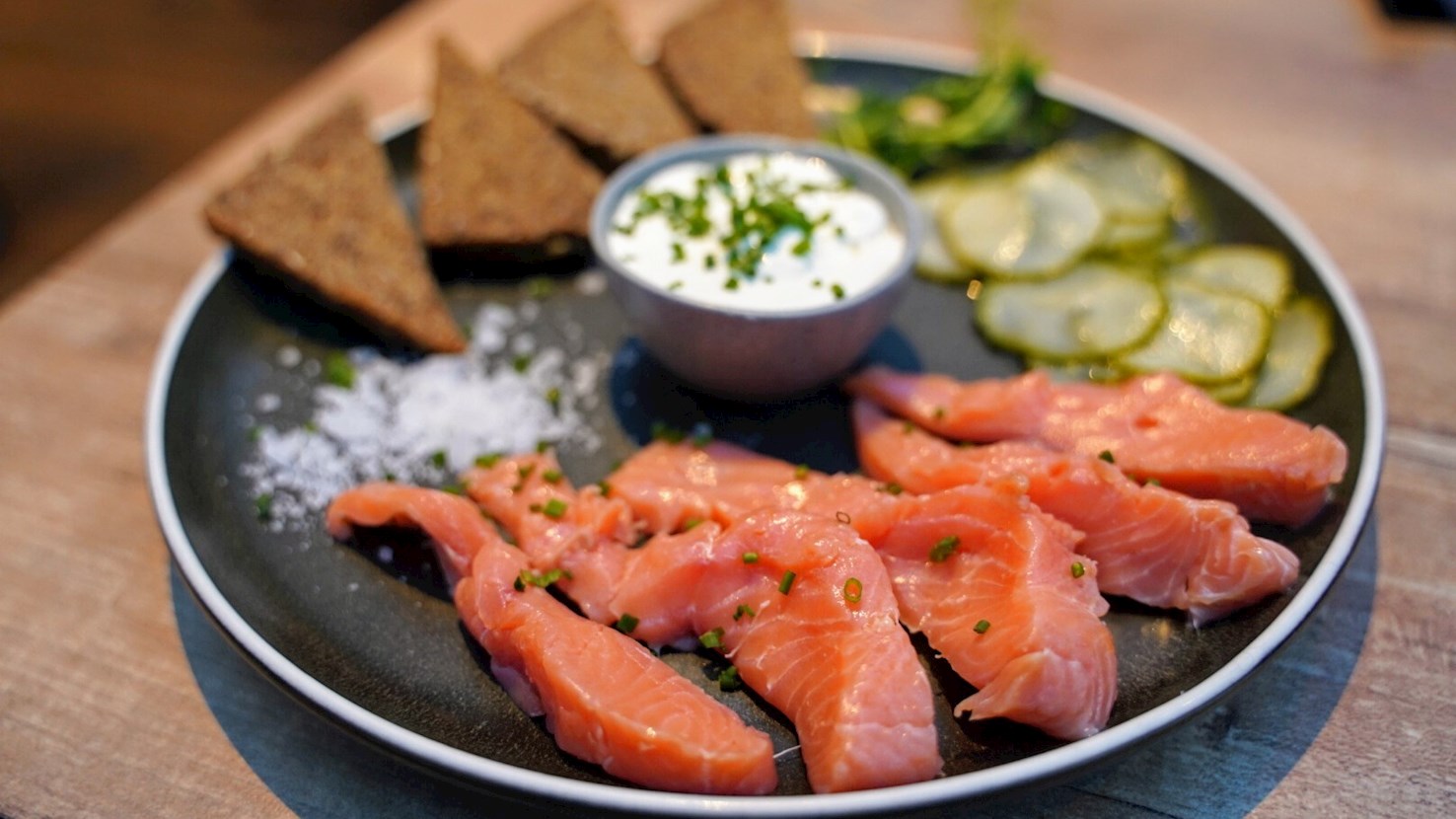
Rakfisk is a Norwegian specialty that is made by salting and fermenting fish for a few months or up to a year. It is typically prepared with trout or char, although any freshwater fish can be used instead. The fish is preserved through a process called raking, hence the name rakfisk. This fish delicacy is known to have a remarkably strong odor, often described as reminiscent of old cheese or dirty socks. Contrary to its pungent aromas, the fish has a pretty mild and slightly salty flavor with a tang to it. Rakfisk has been traditionally enjoyed during the festive Christmas season in Norway, and it can also be savored at the annual Rakfisk Festival, held in November in the district of Valdres, which is considered the original birthplace of this delicacy. The fish is typically consumed raw and chilled, either sliced or cubed, and it's usually paired with accompaniments such as potatoes, potato cakes, onions, sour cream, butter, lefse (flatbread), eggs, and mustard-dill sauce. Norwegians usually wash down the exceedingly pungent aromas of the fish with beer or shots of aquavit (a distilled Norwegian spirit).
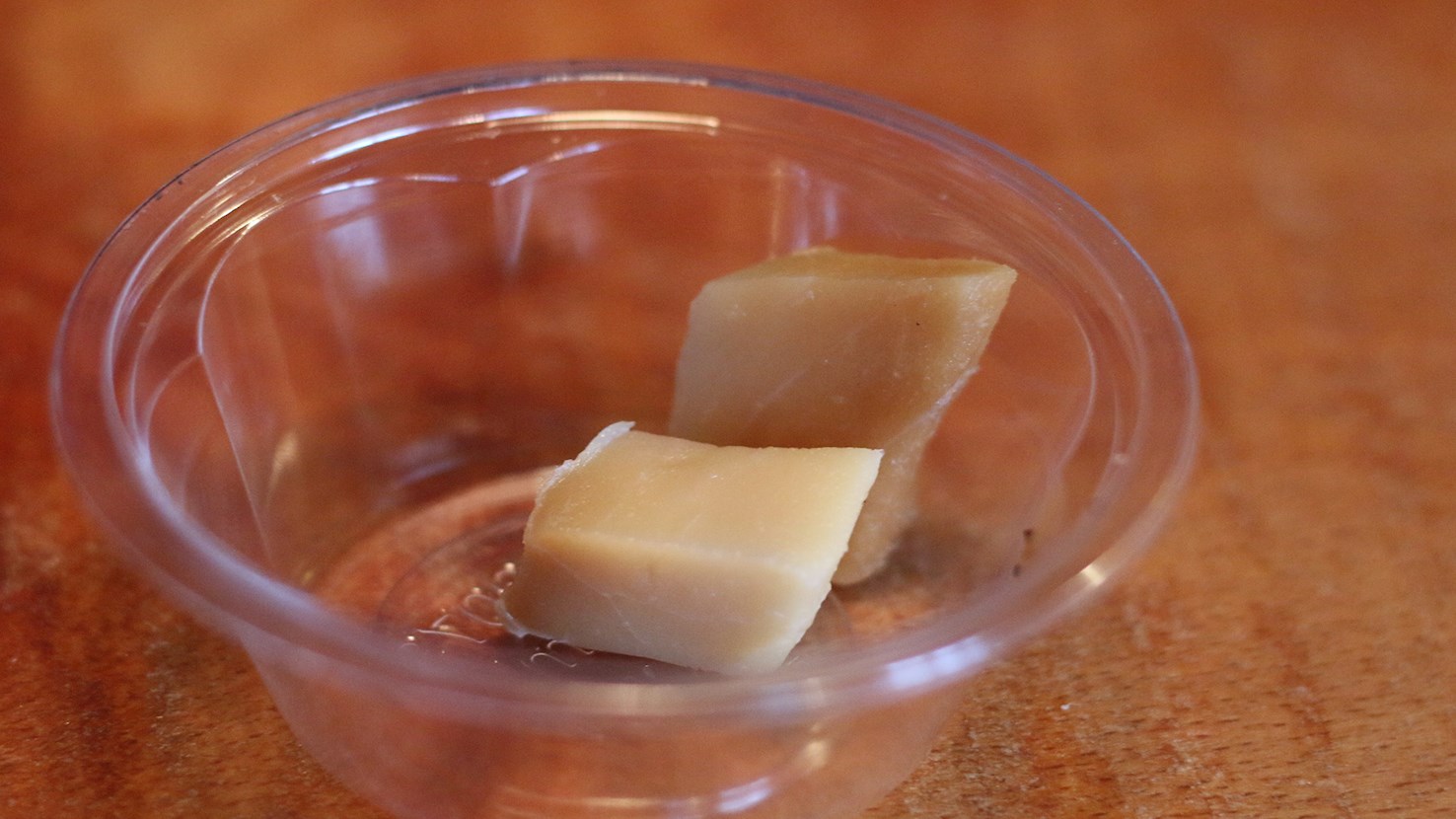
Hákarl is Iceland's national delicacy made from cured shark flesh, namely Greenland shark and other sleeper sharks. The meat is first fermented for up to three months, then hung and left to dry for another four to five months. There are two varieties of the dish: the chewy, reddish glerhákarl, and tender, white skyrhákarl. It is often considered to be food for the brave, because the high ammonia content often makes people gag. The cured shark meat is typically cut up into cubes and served on toothpicks with an accompanying shot of a local spirit known as brennivin.
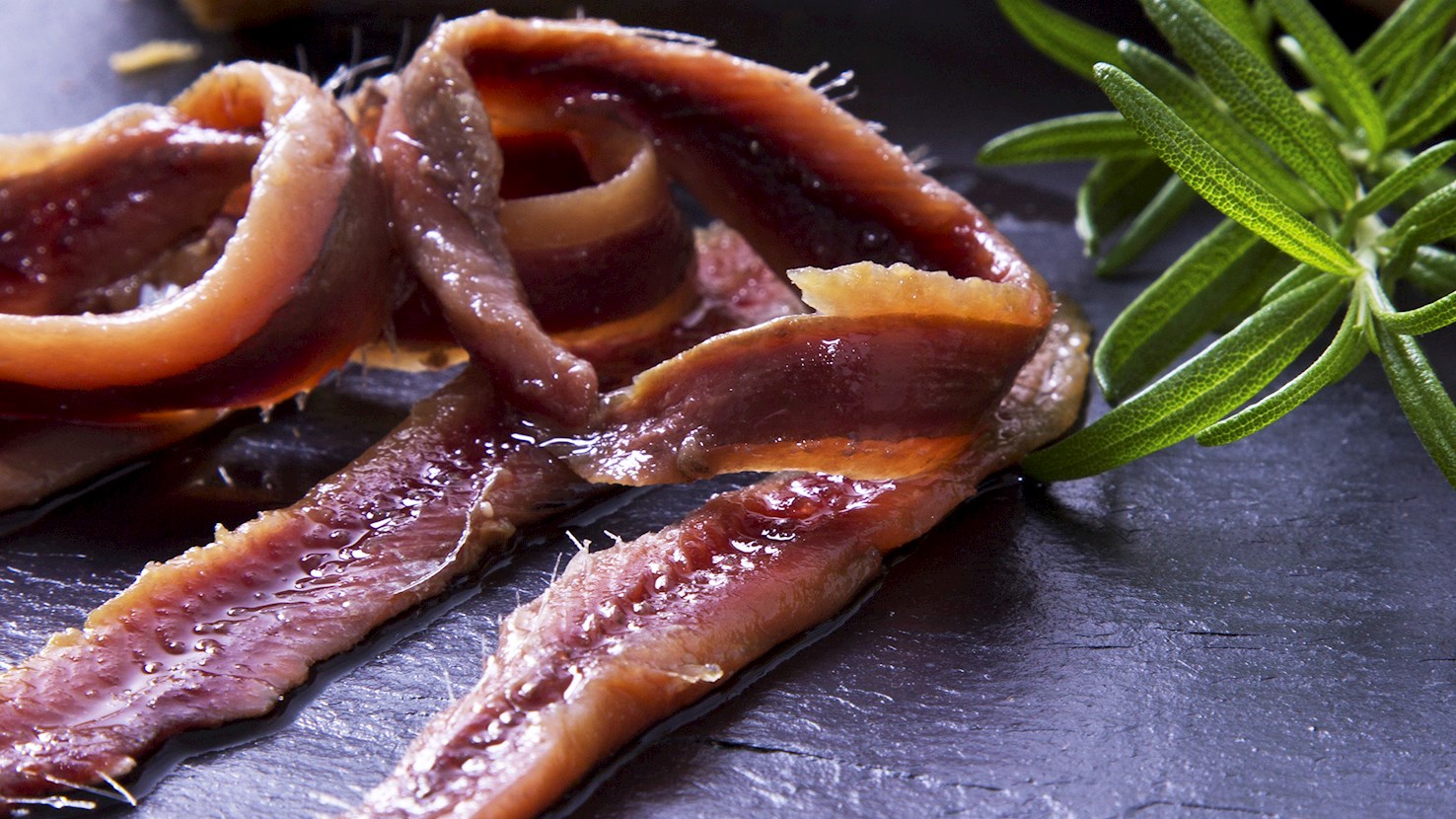
Fishing and fish preservation in Liguria are traditions known since the early 16th century when the historical Republic of Genoa was already regulating and controlling fish supply, prices and sales. Acciughe Sotto Sale del Mar Ligure are Ligurian anchovies, caught in the Tyrrhenian Sea between April and October. The freshly caught fish are cleaned, pre-salted and cured in chestnut wood barrels or terracotta vases for about 40 to 60 days. After the curing process is over, the salted anchovies are marketed in glass containers called arbanelle, layered and covered with fine sea salt. Acciughe Sotto Sale del Mar Ligure have delicate skin and their flesh color varies from pink to deep brown, depending on their size. They can be used as an ingredient in numerous pasta dishes or served as a Ligurian-style appetizer.
In 1395, a Dutchman named Jan Pieter Beukelzoon came up with the idea of maturing freshly caught herring in brine. The name of this 'virgin herring' finds its root in the Dutch word for girls (Meisjes). The original Glückstädter Matjes herring may not be caught too young, as they should have spawned at least once. The fishing season is limited to the end of May until mid-June off the central North Sea coast. The herring is frozen directly on board the fishing vessels and transported to Glückstadt. The herring is grooved, salted, and aged in barrels until it develops its distinct taste. This characteristic flavor cannot be developed with artificial additives – it comes from the fish aging whole, with the internal organs left inside. Genuine Matjes is tender, and its salty flavor is reminiscent of the sea, algae, and fine butter.
Known for its rather pungent smell, kæst skata is an Icelandic winter specialty consisting of fermented skate. Skate fish is typically buried in sand and left to ferment for 6 months - a process which gives the fish its recognizable smell of ammonia. The fish is occasionally salted, which significantly diminishes its strong smell. In Iceland, this fish specialty has long been an indispensable part of the holiday table for Þorláksmessa (Mass of St. Thorlák, celebrated on December 23), although its popularity has been on the decline in recent years. Kæst skata is mostly consumed in the West Fjords area, and it is typically accompanied by boiled potatoes and turnips, lamb fat, and buttered slices of rye bread, as well as some brennivín schnapps (traditional Icelandic beverage) and cold beer on the side. As for the flavor of the dish, opinions are divided between those who truly appreciate its flavor and regard the dish as a delicacy and those who are entirely repelled by its smell, so much that they won't even try it.
TasteAtlas food rankings are based on the ratings of the TasteAtlas audience, with a series of mechanisms that recognize real users and that ignore bot,
nationalist or local patriotic ratings, and give additional value to the ratings of users that the system recognizes as knowledgeable.
TasteAtlas Rankings should not be seen as the final global conclusion about food. Their purpose is to promote excellent local foods,
instill pride in traditional dishes, and arouse curiosity about dishes you haven’t tried.





What People Say