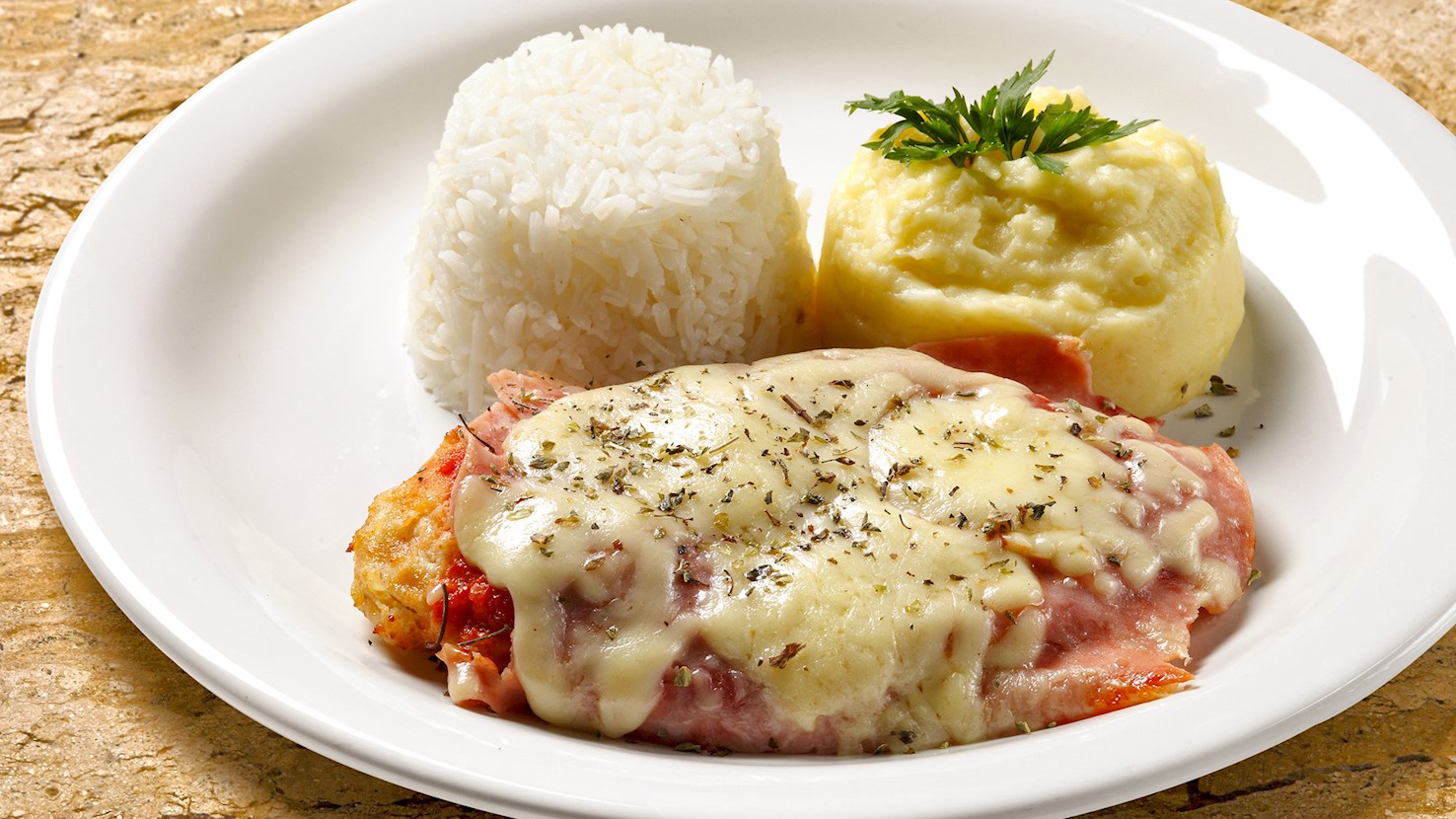
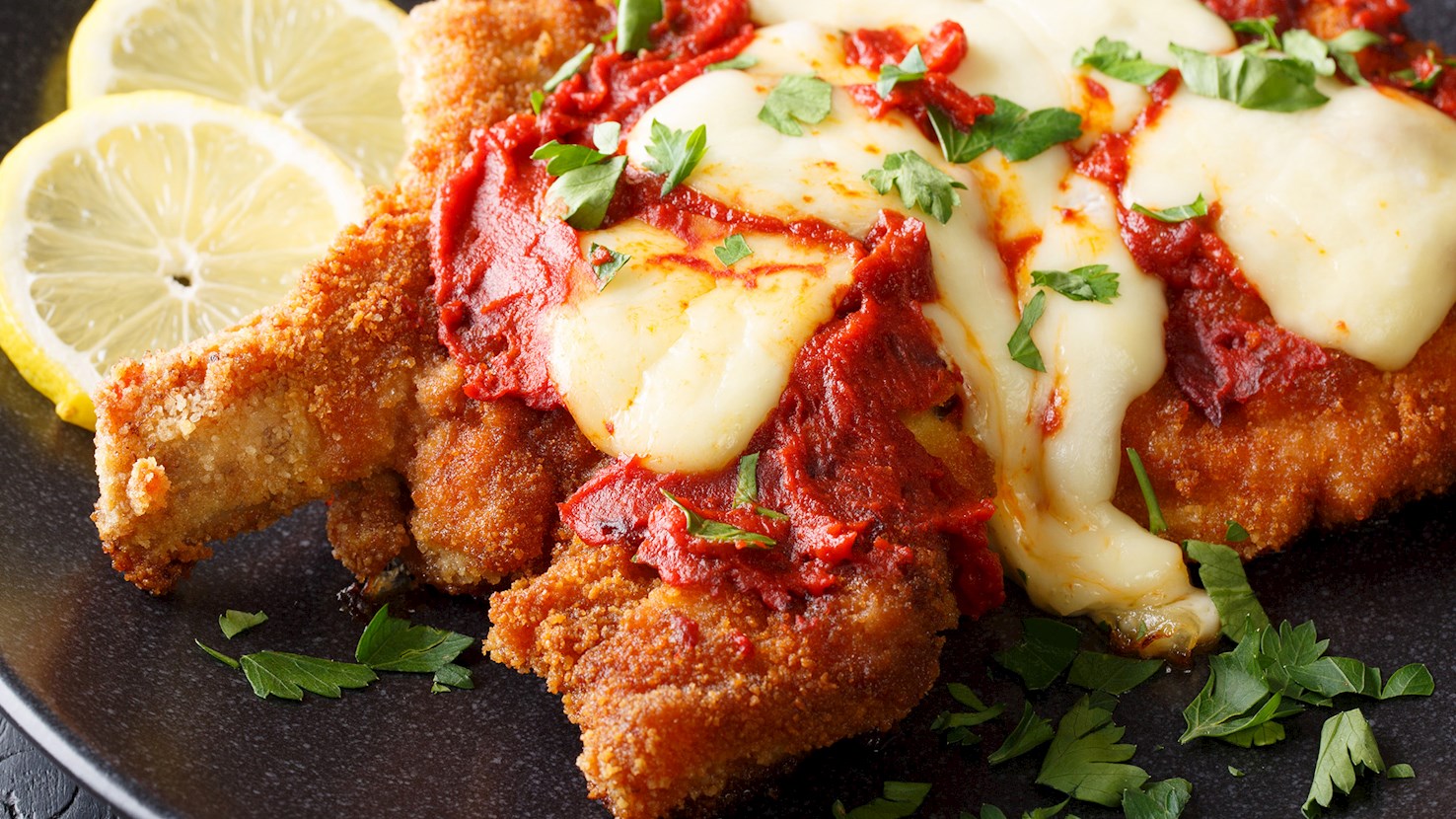
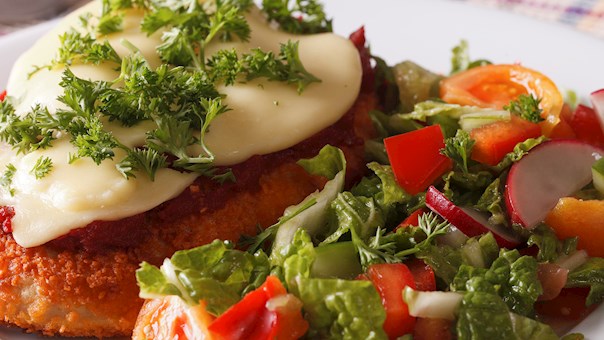
Bife à Parmegiana is a beloved Brazilian dish that draws its roots from Italian cuisine, specifically the Italian classic parmigiana dishes, like chicken parmigiana or veal parmigiana. In this version, the main protein is a tender beef cutlet, typically made from high-quality cuts such as sirloin, filet mignon, or even ribeye. The preparation begins by pounding the beef cutlet to tenderize it, then seasoning it with salt and pepper. The cutlet is coated in flour, dipped in beaten eggs, and finally covered with breadcrumbs before being fried until golden brown and crispy on the outside. Once fried, the beef is topped with a generous amount of tomato sauce (often a rich, homemade marinara sauce) and mozzarella cheese or sometimes Parmesan cheese. The dish is then baked in the oven until the cheese melts and becomes bubbly and golden, creating a flavorful blend of crispy breading, tender beef, savory tomato sauce, and gooey cheese. Bife à Parmegiana is traditionally served with a variety of sides, commonly white rice, French fries, or mashed potatoes, and sometimes accompanied by salad. The dish is hearty, rich, and comforting, making it a favorite in Brazilian homes and restaurants alike.
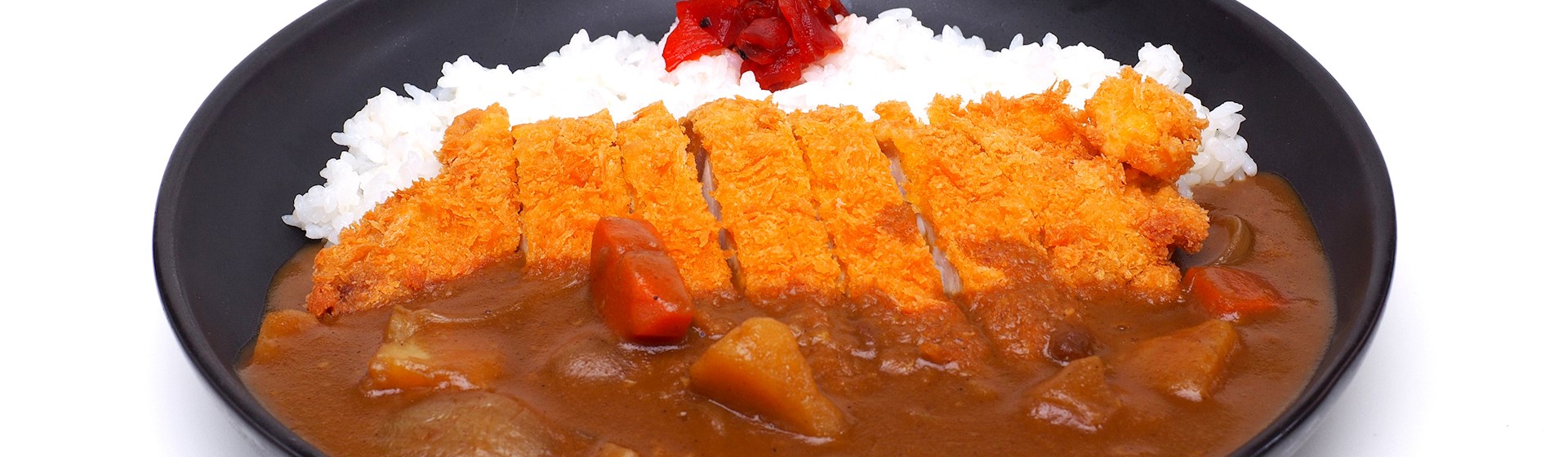
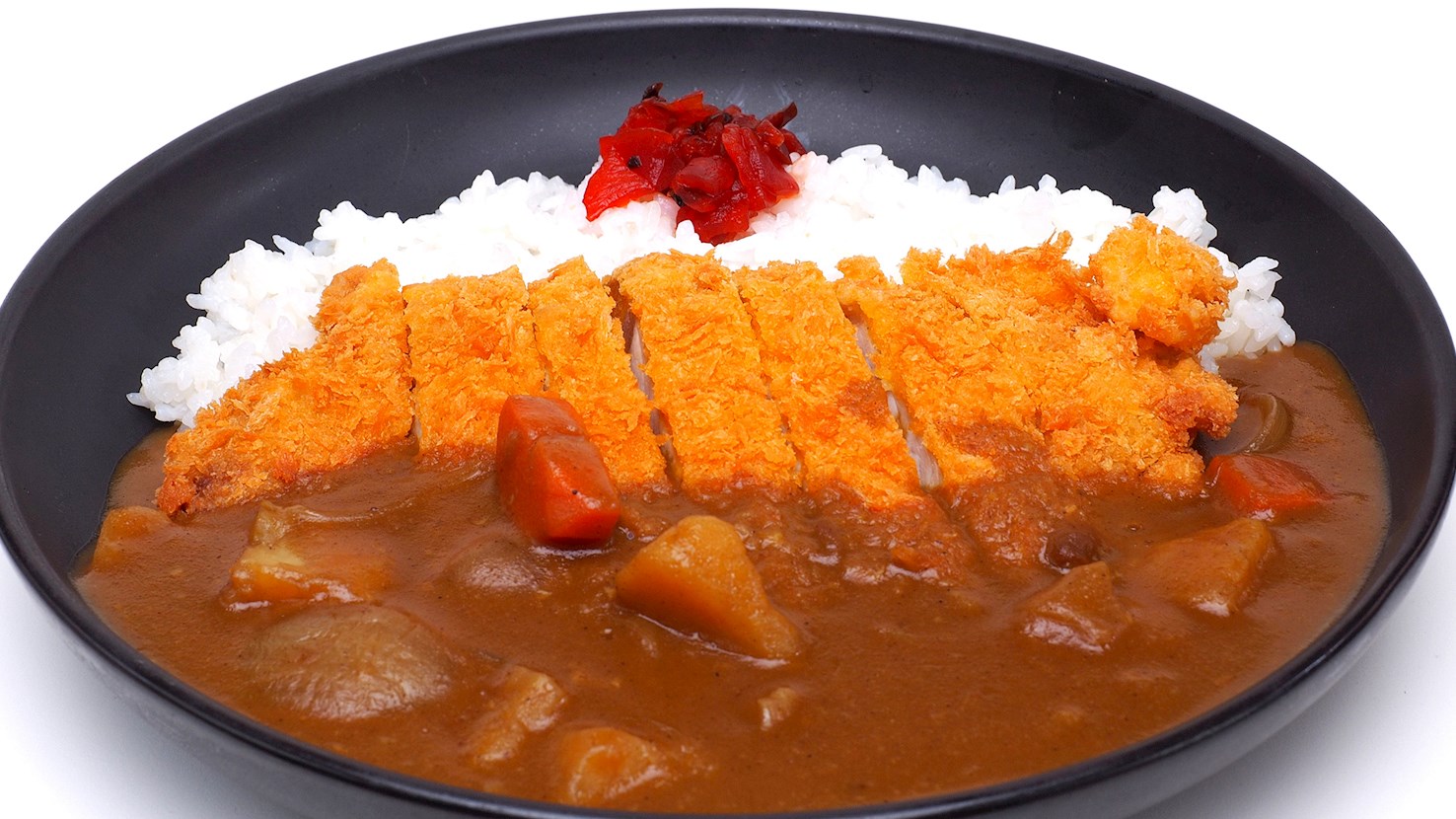
Katsu karē brings together steamed rice, thick curry sauce, and a crisp breaded cutlet, most commonly pork tonkatsu, on the same plate. It combines two foods that developed in Japan through yōshoku, the Japanese adaptation of Western-style cooking: curry rice and the breaded meat cutlet. Japanese curry began taking shape during the Meiji period after curry powder reached Japan through Britain rather than directly from India. British-style curry had already evolved into a thickened stew made with curry powder and flour, and in Japan this approach was further adapted to rice, eventually producing the mild, thick, slightly sweet curry sauce now associated with karē raisu. Curry also entered the diet of the Imperial Japanese Navy during the late 19th century, where meat-and-vegetable curry served with rice became part of efforts to provide sailors with more nutritionally varied meals. Tonkatsu followed another route through yōshoku cooking, developing from European-style cutlets into the distinct Japanese preparation of pork coated with flour, egg, and coarse panko breadcrumbs and deep-fried until crisp. Putting the two together seems inevitable today, but the precise first appearance of katsu karē is disputed. Kawakin in Asakusa traces a curry-and-cutlet dish called Kawakin-don to 1918, while Ōroji in Shinjuku served a similar combination called ton-don from the early 1920s. Ginza Swiss provides the best-known postwar story: in 1948, professional baseball player Shigeru Chiba, a regular customer, asked the restaurant to place a cutlet directly on his curry rice so he could eat both together, and the restaurant subsequently made the combination a regular item under the name katsu curry. Contemporary katsu karē begins with Japanese curry, usually prepared by slowly cooking onions with carrots, potatoes, and sometimes meat before thickening and seasoning the liquid with curry roux. Commercial curry roux blocks are extremely common in Japanese homes and produce the characteristic glossy, substantial sauce, while restaurants may make their own roux and spice blends. Japanese curry is generally milder and sweeter than many South Asian curries, with sweetness sometimes reinforced by grated apple, honey, or slowly cooked onion. The cutlet is prepared separately so that its exterior remains crisp. Pork loin or tenderloin is seasoned, coated with flour, dipped in beaten egg, covered generously with panko, and deep-fried until the breadcrumbs are golden and the meat is cooked through. It is then rested briefly and sliced into thick strips before being placed beside or on top of the rice. Curry sauce is spooned around or partly over the cutlet; covering only part of it allows some of the panko crust to stay crunchy, while completely covering it produces a softer crust that absorbs the sauce. Rice usually occupies one side of the plate, the curry fills the other, and the sliced cutlet forms the boundary between the two, although presentation varies considerably. Pork is the standard choice, but chicken katsu is also common, and restaurants may offer beef cutlets, shrimp, croquettes, cheese-filled cutlets, or combinations of several fried toppings. The dish can also be ordered by heat level in specialist curry shops, although the basic Japanese curry profile remains more rounded and stew-like than sharply spicy. Fukujinzuke, a sweet-and-salty assortment of finely chopped pickled vegetables, is one of the most common accompaniments, adding acidity and crunch against the rich curry and fried pork. Rakkyo, small pickled scallion bulbs with a stronger sweet-sour flavor, are another standard curry condiment. Finely shredded cabbage, familiar from tonkatsu meals, may also be served on the side, particularly when the cutlet is treated as prominently as the curry itself. Katsu karē is eaten throughout Japan in curry shops, yōshoku restaurants, casual cafeterias, railway stations, university dining halls, and homes, and its combination of rice, sauce, and fried meat makes it a complete meal rather than a dish requiring many side courses. It is best served immediately after the cutlet is fried, while the panko still contrasts with the soft rice and thick curry. A cold Japanese lager works particularly well with the fried coating and rich sauce, while unsweetened green tea or cold barley tea provides a lighter pairing.
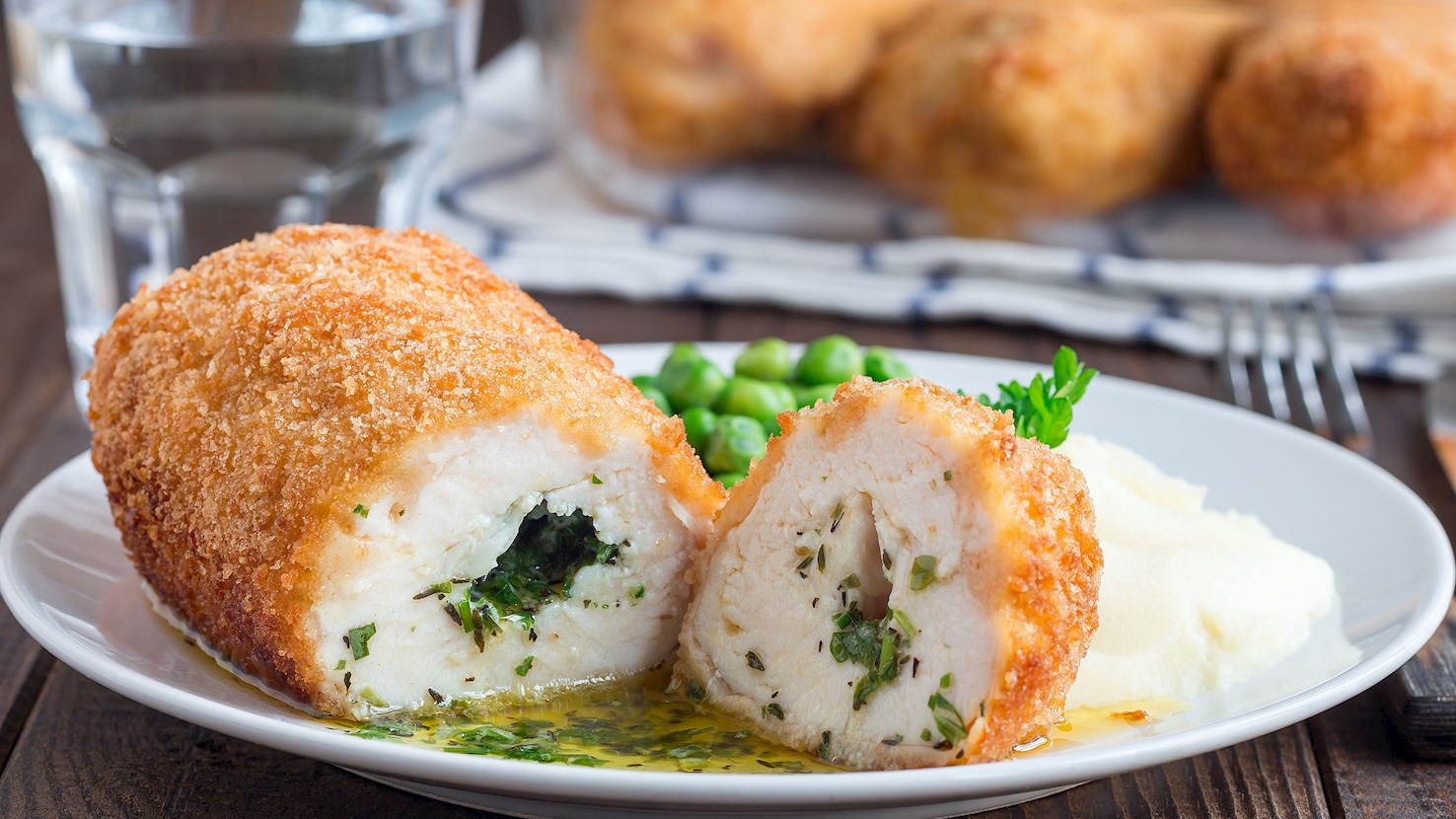
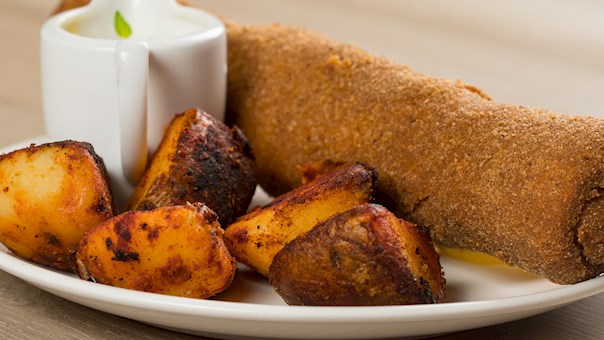
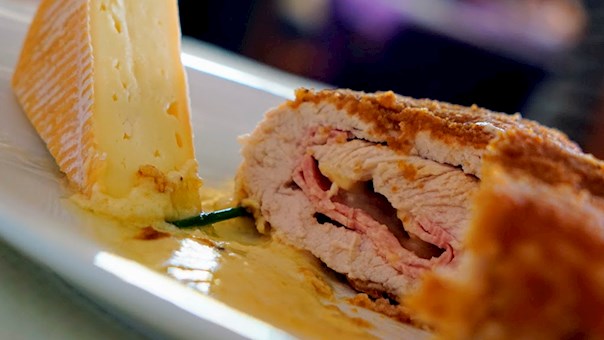
Chicken Kyiv consists of a boned, flattened chicken breast that is rolled around chilled herb butter, breaded, and then fried. Although the dish is very popular, no one knows where it came from or how it got its name, and there are numerous contradicting theories attributing its invention to Ukrainian, Russian, and French chefs. It was at the height of its popularity in the 1970s, but quickly fell out of favor in the late 1980s with the rise of nouvelle cuisine. Interestingly, in Soviet hotels’ tourist brochures, guests were warned of the dangers of splattering themselves with hot butter.
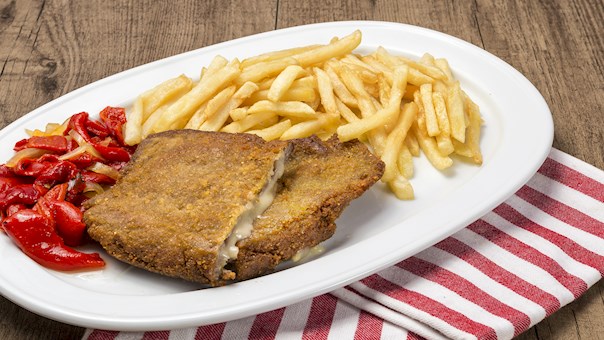
Milanesa napolitana is a traditional Argentine dish originating from Buenos Aires. It consists of a milanesa steak that's breaded, fried, then topped with a slice of ham, tangy tomato sauce, and thick slices of mozzarella, which will melt under the broiler. It is typically served with french fries on the side. If there are any leftovers, they can be used to make delicious sandwiches called sánguche de milanesa. Milanesa napolitana was supposedly invented in the 1930s or 1940s in a restaurant called Nápoli, hence the name.
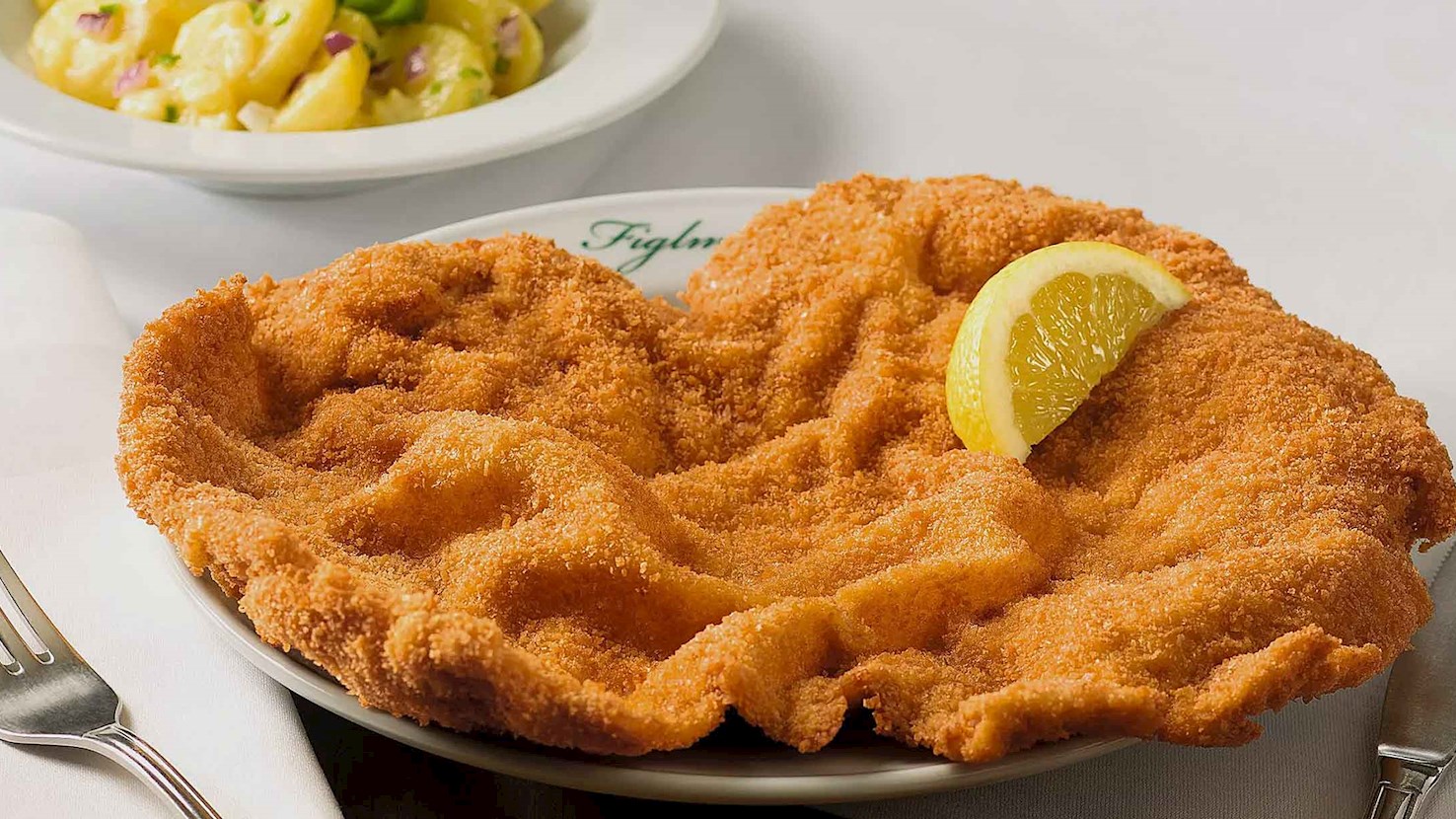
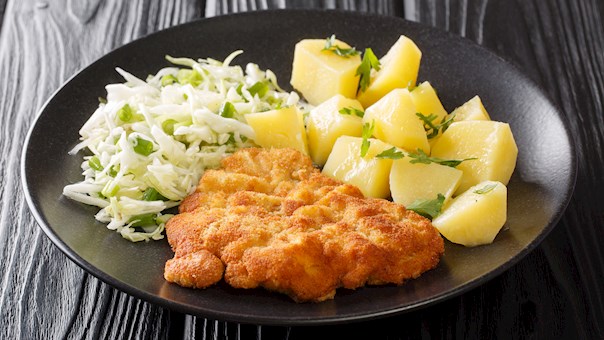
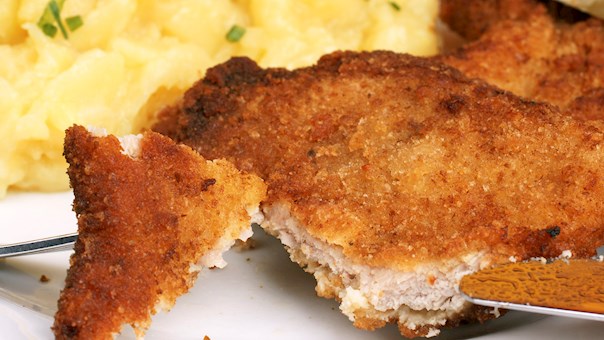
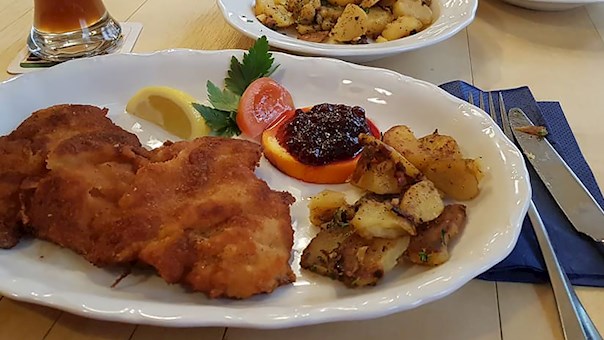
Schnitzel Wiener Art is a take on the classic of Austrian cuisine, the Wiener schnitzel, a breaded and fried veal cutlet. But unlike the traditional Wiener schnitzel, the schnitzel Wiener Art is made with a pork cutlet, not a veal one. The reason behind this switch is the fact that pork is much cheaper and more available than veal. Today, most restaurants in Austria and Germany serve the Wiener schnitzel made with pork and not the real Wiener schnitzel. Luckily, they are obliged by law to state so on their menu. Schnitzel Wiener Art is prepared the same way as the traditional Wiener schnitzel. The pork is thinly pounded, breaded, and pan-fried, usually in oil or a mix of oil and butter. When it comes to serving, the same side dishes are served as with the traditional Wiener schnitzel — a potato salad, French fries, and parsley potatoes will all do, and to cut through the fat, any of the following — a dollop of lingonberry jam, a salad, or lemon wedges to squeeze over the meat — should also be present when the schnitzel is served.
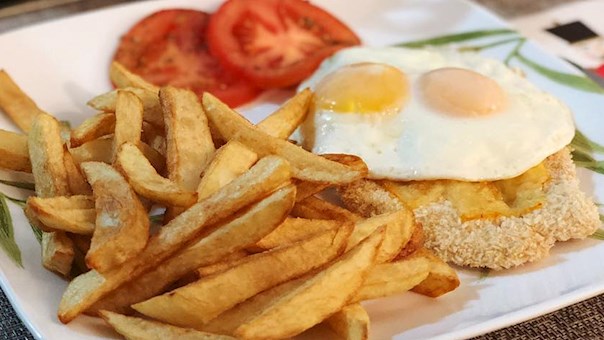
Often referred to as Argentina's unofficial national dish, milanesa is a humble, yet delicious meal consisting of a breaded slice of prime beef that is fried in hot oil, curling up as it cooks, due to the fact that the chosen cuts of meat have less fat and sinew than other cuts. The dish shares many similarities with the Austrian Wiener schnitzel and the American chicken fried steak. However, milanesa has its roots in Italy, and the original dish has been traced to the city of Milan and the famous cotoletta alla milanese. Some claim that the best milanesa in Buenos Aires will always be prepared at home, cooked by someone's mother, although many restaurants also have it on their menus. For the pure, basic experience, it is enough to squeeze some lemon juice over it, but it is often served with a side of creamy mashed potatoes or french fries, while one of the most popular varieties is called a caballo (on horseback), where a fried egg is placed on top of the meat.
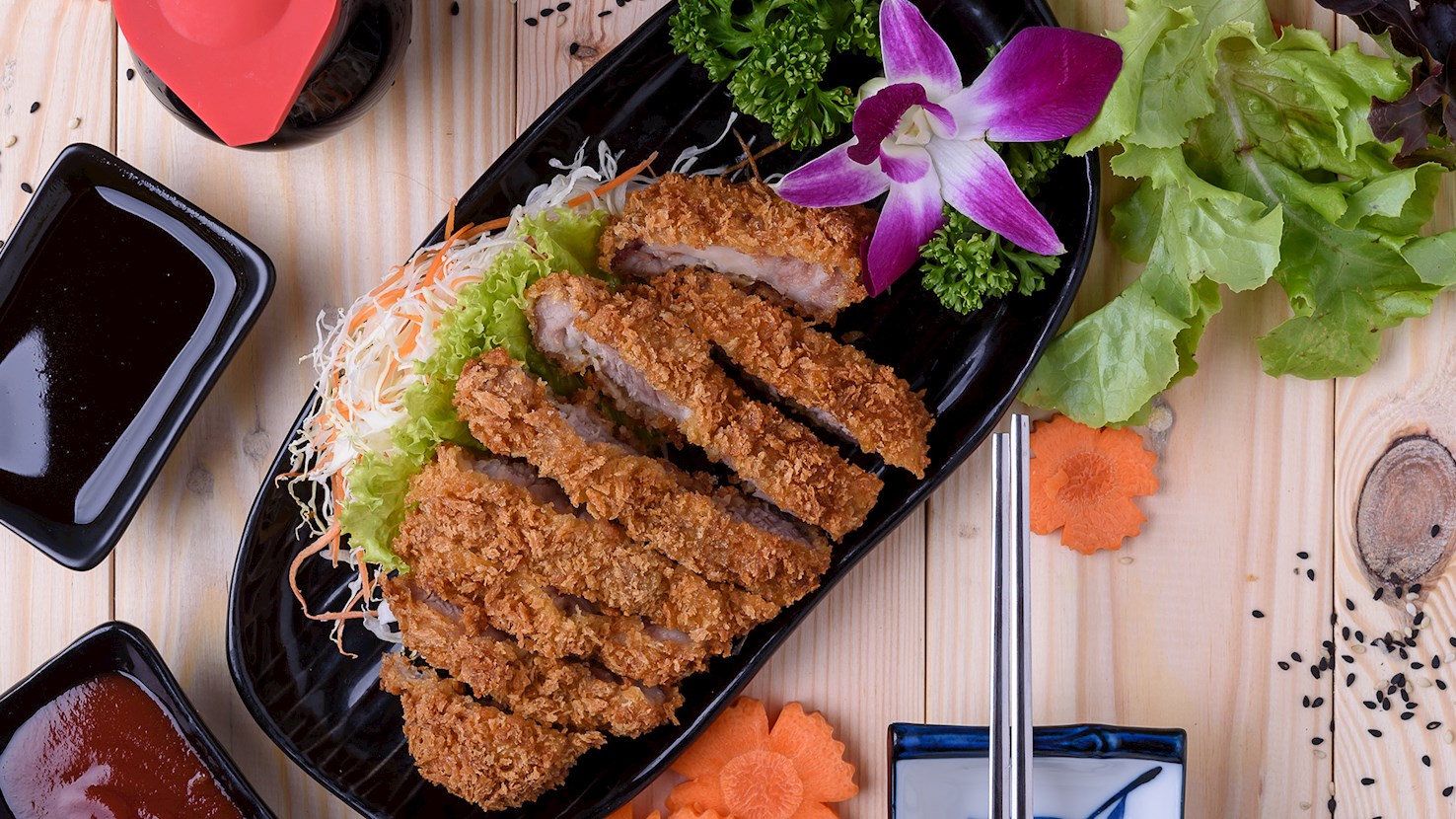
The breaded, deep-fried pork cutlet tonkatsu is a Japanese dish with a very recent history. It first appeared at the end of the 19th century as a type of yoshoku — the Western-influenced Japanese dishes — but with time, tonkatsu has become increasingly Japanized, widely available to the masses and thus more popular. Tonkatsu is a dish in itself or, if married with other ingredients, it can turn into many of its almost endless variations; made like a sandwich, paired with ramen or rice, poured over with a thick miso sauce as done in Nagoya, or served with curry to make katsu karē. As a result of such popularity, many other fried dishes were developed using ham, beef, minced patties, and chicken as substitutes. For serving, tonkatsu is sliced, then placed on a plate together with shredded cabbage. Rice and miso come in separate bowls, while pickled vegetables and a citrus-based sauce are placed on the side. An essential element is the seasoning, traditionally either a type of thick Worcestershire sauce called sōsu or mustard.
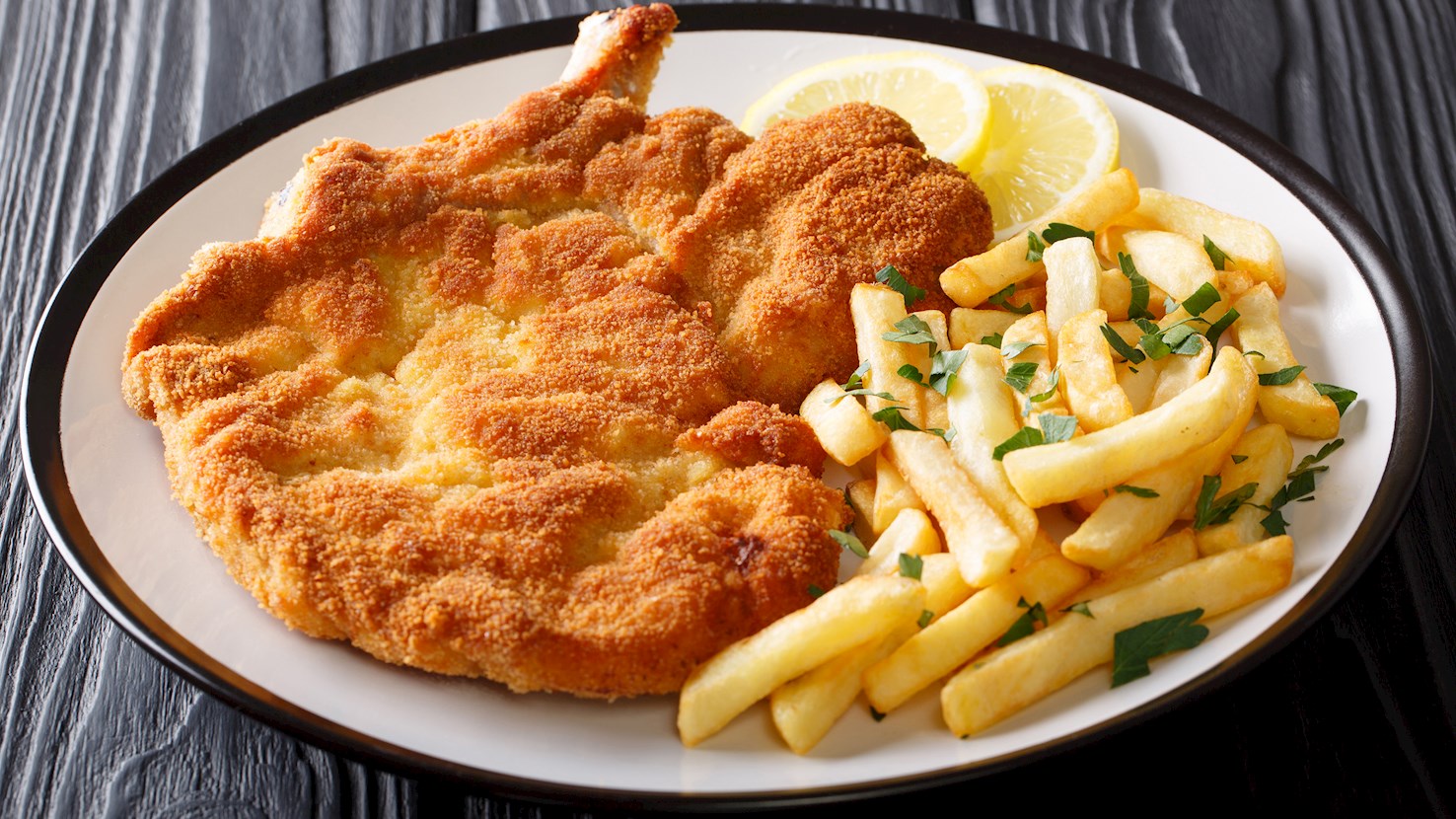
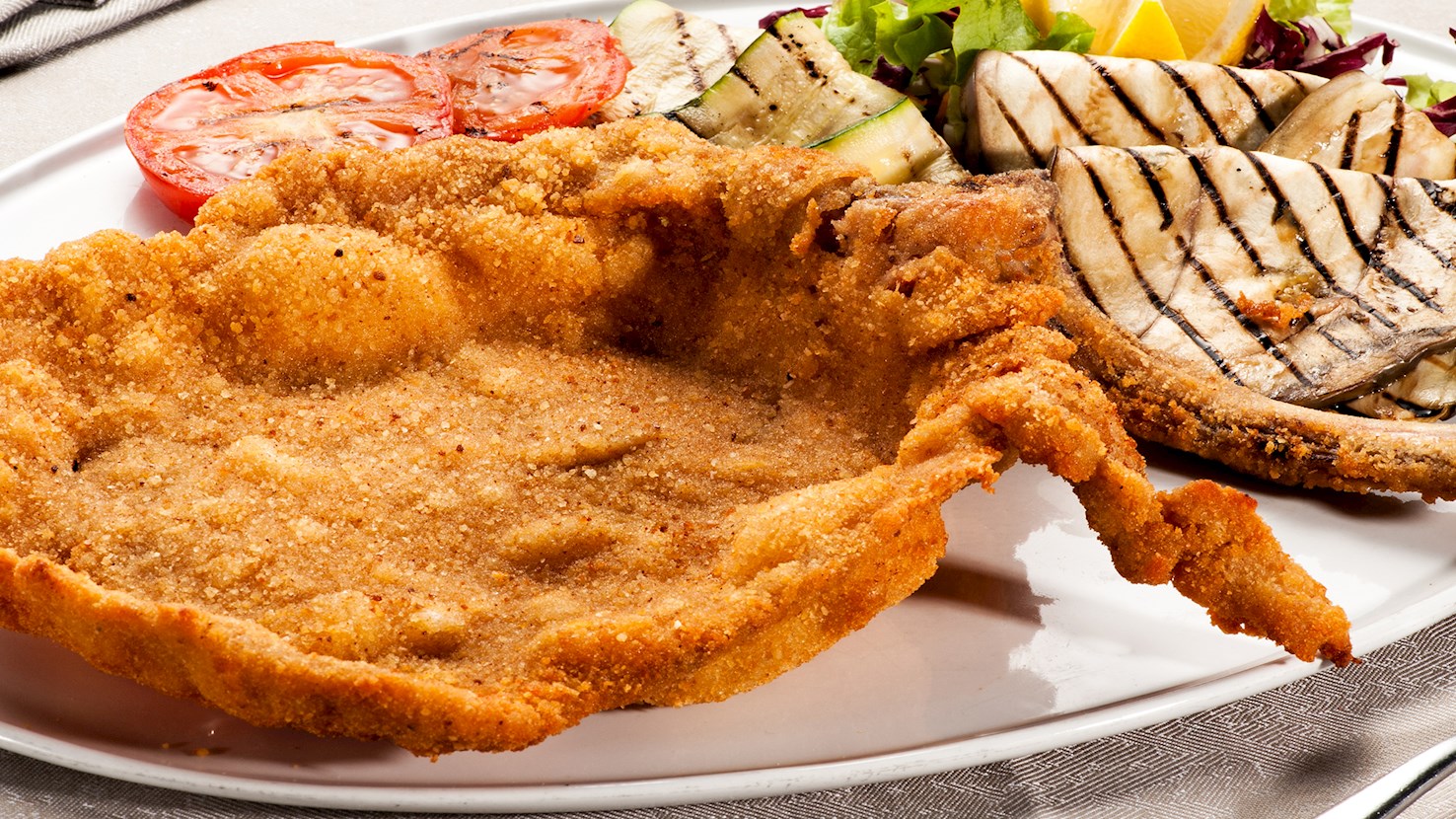
Just like its distant Viennese cousin, cotoletta alla Milanese is a thinly pounded, breaded, pan-fried veal cutlet. Although similar, the two dishes do differ slightly: the Viennese version is traditionally dipped in both flour and bread crumbs before being fried in oil, butter, or a combination of both, while the Milanese version is cooked bone-in and uses only bread crumbs and butter. It is often suggested that the similarities between these two culinary classics are not purely coincidental, as Milan was a part of the Austro-Hungarian Empire in the 17th and 18th century. However, when responding to any superficial comparison between the cotoletta and Wiener schnitzel, the Milanese will proudly point out that their dish has been a specialty of Milan and Lombardy since the 12th century. A recent Milanese invention is a version of the cotoletta called l’orecchia di elefante (lit. elephant's ear) in reference to its size and shape, while the original version gets its name from la costoletta - the cut of meat traditionally used to make it, a nearly inch-thick bone-in veal chop.
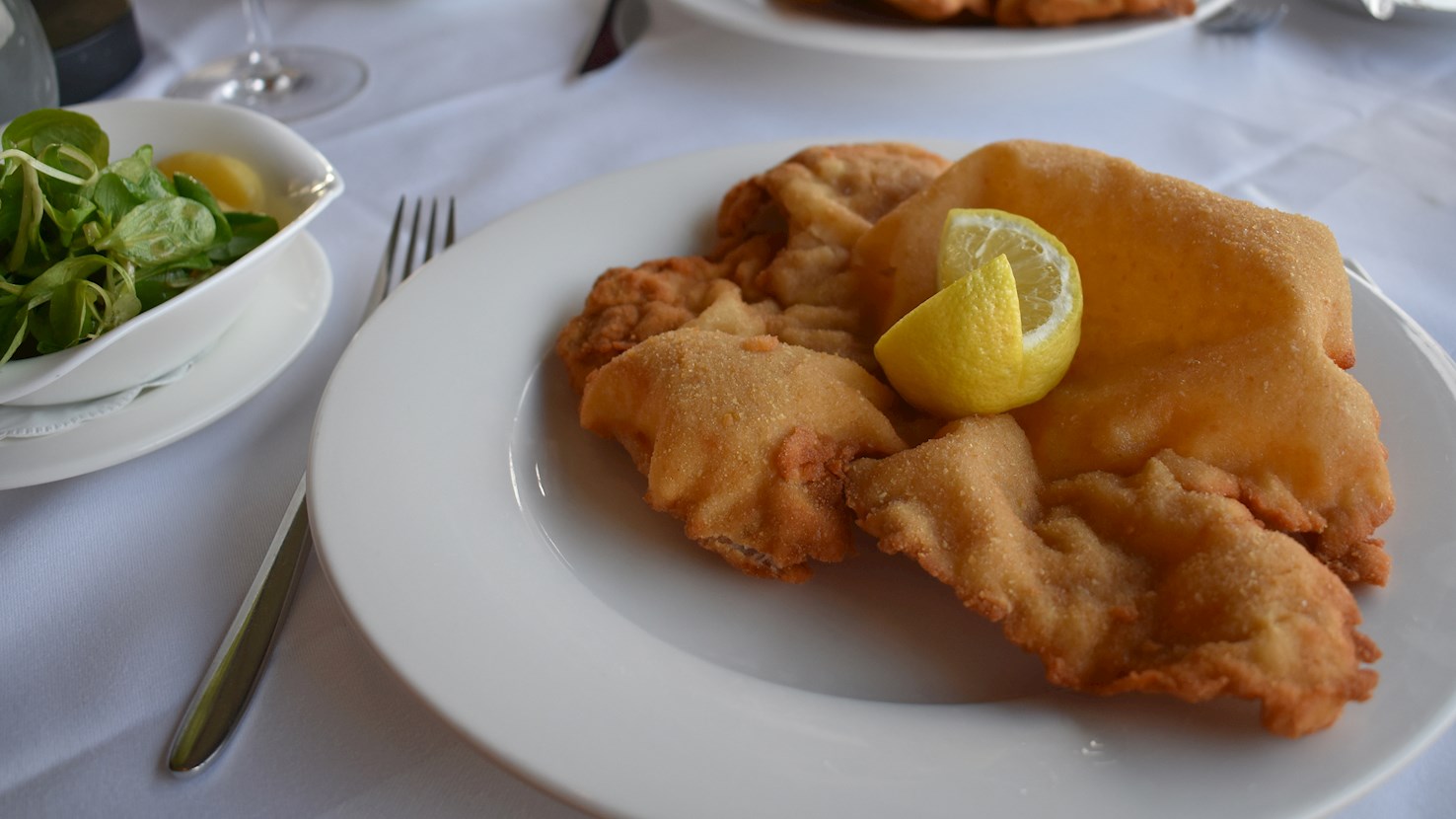
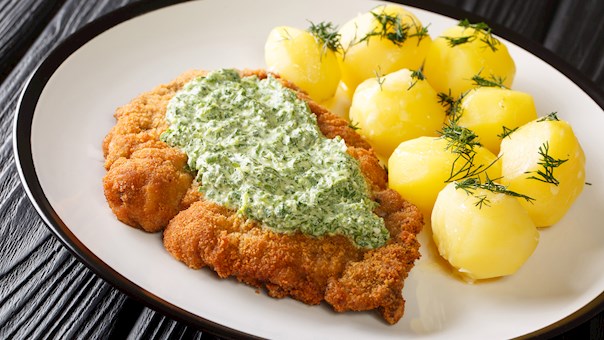
One of the best-known dishes of Austrian cuisine, the Wiener schnitzel is a thinned, breaded, and pan-fried veal cutlet that is traditionally served with a dollop of lingonberry jam, lemon wedges, and either buttered parsley potatoes, a simple potato salad, or french fries. The dish is protected under Austrian law, and—if it is to be called Wiener schnitzel—it must be made with veal. However, pork is often used instead of veal because it's more available and cheaper. Such a schnitzel is not considered a real Wiener schniztel and is referred to as Wiener schnitzel vom schwein (lit. Wiener schnitzel from pork) or schnitzel Wiener art (lit. Viennese style schnitzel). But sadly, these days, the schnitzel made with pork is what most people consider the real-deal Wiener schnitzel. Even Figlmüller, probably the most popular schnitzel spot in Vienna, offers both the Wiener schnitzel made with pork and the one made with veal. Despite this dish being one of Austria's most popular offerings, it has been suggested that this Austrian national dish was actually invented elsewhere. According to one legend, in the 19th century, Austrian field marshal Josef Radetzky supposedly brought the schnitzel to Vienna upon returning home from Italy, where he had enjoyed the Milanese cotoletta, a dish that bears quite a strong resemblance to the Viennese classic. Regardless of its true origins, the crispy yet tender Wiener schnitzel remains a favorite in Austria and beyond.
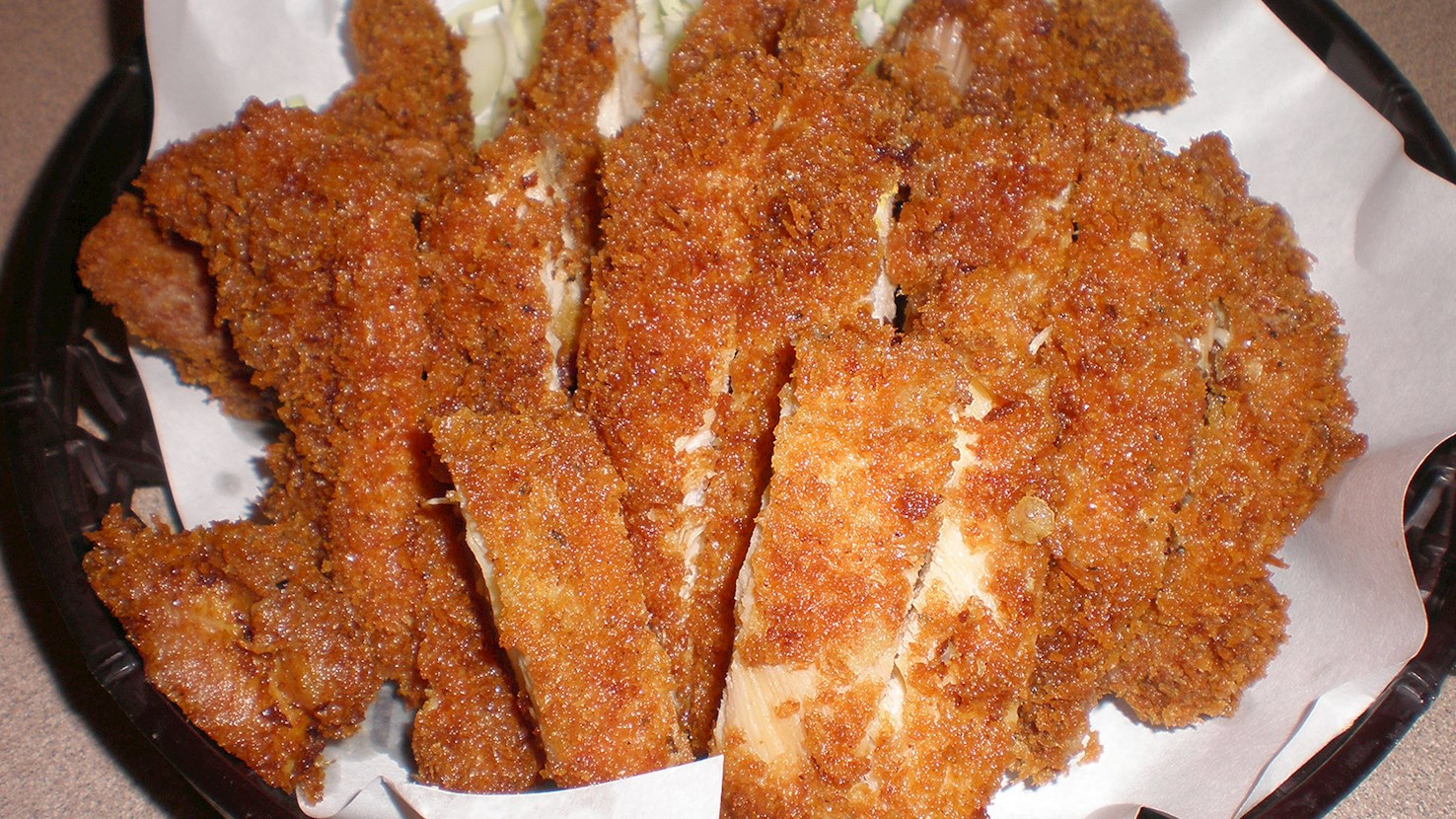
Chicken katsu is a traditional dish and a type of katsu. It's made by dredging tender chicken breast in flour, eggs, and panko breadcrumbs, then frying the cutlets in hot oil until they become golden and crunchy. Although chicken breast is the most popular choice, other parts of the bird can be used as well. The cutlet is traditionally served cut into smaller pieces since it's eaten with chopsticks. The dish is served with steamed white rice and katsu sauce, a tangy, sweet, and thick Worcestershire-like concoction made from apple purée.
TasteAtlas food rankings are based on the ratings of the TasteAtlas audience, with a series of mechanisms that recognize real users and that ignore bot,
nationalist or local patriotic ratings, and give additional value to the ratings of users that the system recognizes as knowledgeable.
For the “Top 35 Breaded Cutlets in the World” list until October 15, 2026, 5,784 ratings were recorded, of which 4,787 were recognized by the system as legitimate.
TasteAtlas Rankings should not be seen as the final global conclusion about food. Their purpose is to promote excellent local foods,
instill pride in traditional dishes, and arouse curiosity about dishes you haven’t tried.















What People Say