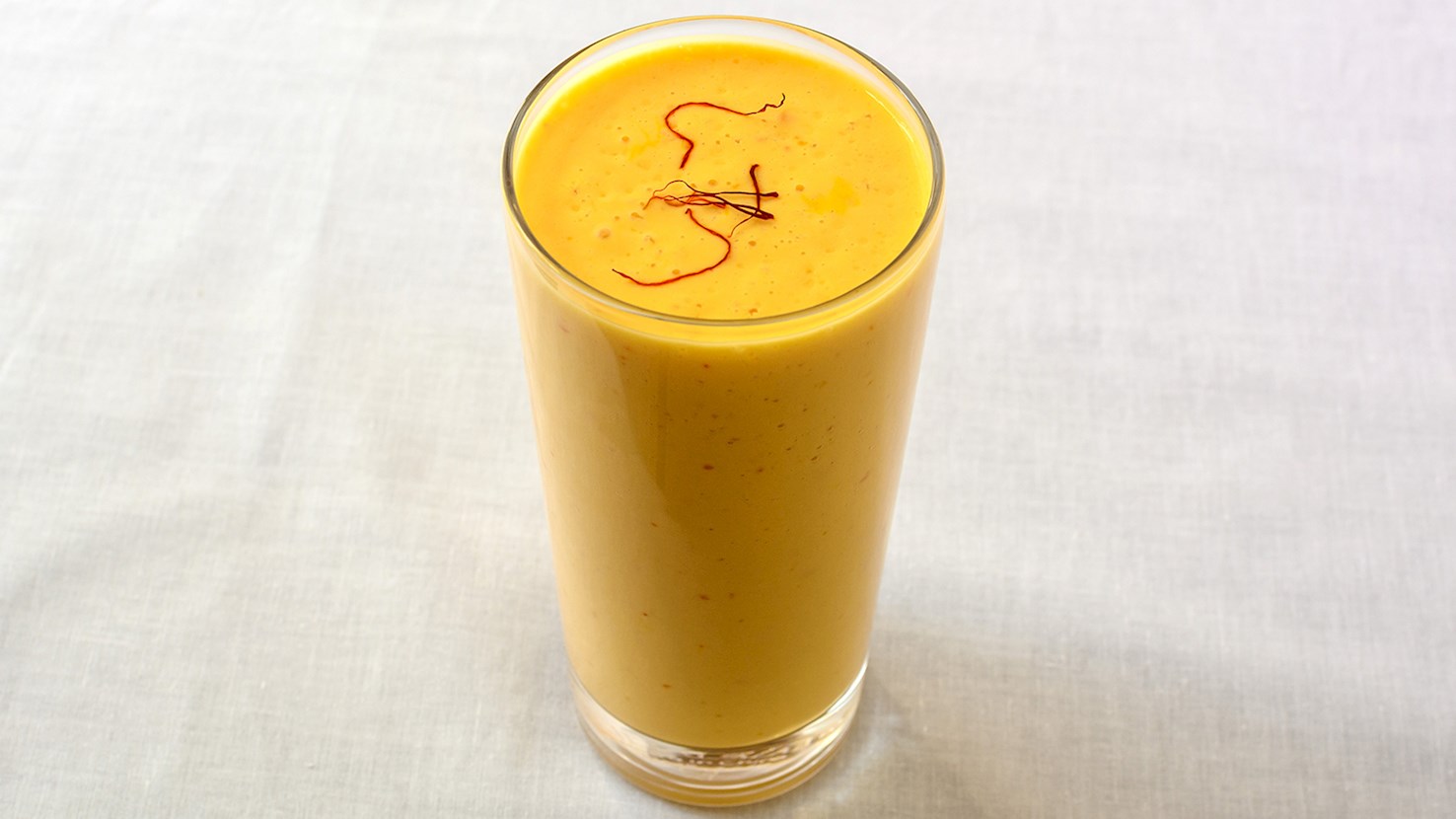
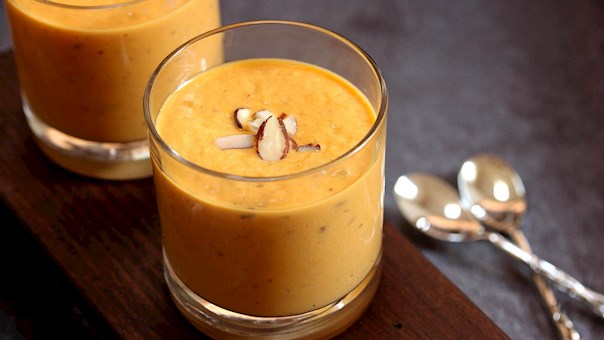
Mango lassi is one of the most popular lassi varieties, consisting of yogurt (dahi) and fresh mango. It commonly includes cardamom, water, and sugar. The ingredients are combined until the drink is creamy and frothy. Mango lassi should always be served well-chilled. Among numerous types of lassis, this sweet mango version is the most common variety on the menus of Indian restaurants outside the country.
As the name suggests, this lassi variety is sweetened. Along with sugar, it incorporates yogurt (curd) and usually some fruit or flavorings such as saffron or cardamom. Sweet lassi is often enjoyed after a meal or simply as a refreshing drink that is especially popular during warm summer days. Lassi is traditionally prepared in clay pots. It is often topped with a dollop of thick cream (malai), and sweet varieties are commonly garnished with slivered nuts. There are many sweet lassi variations, and apart from traditional versions, mango lassi recently grew into one of the favorites.
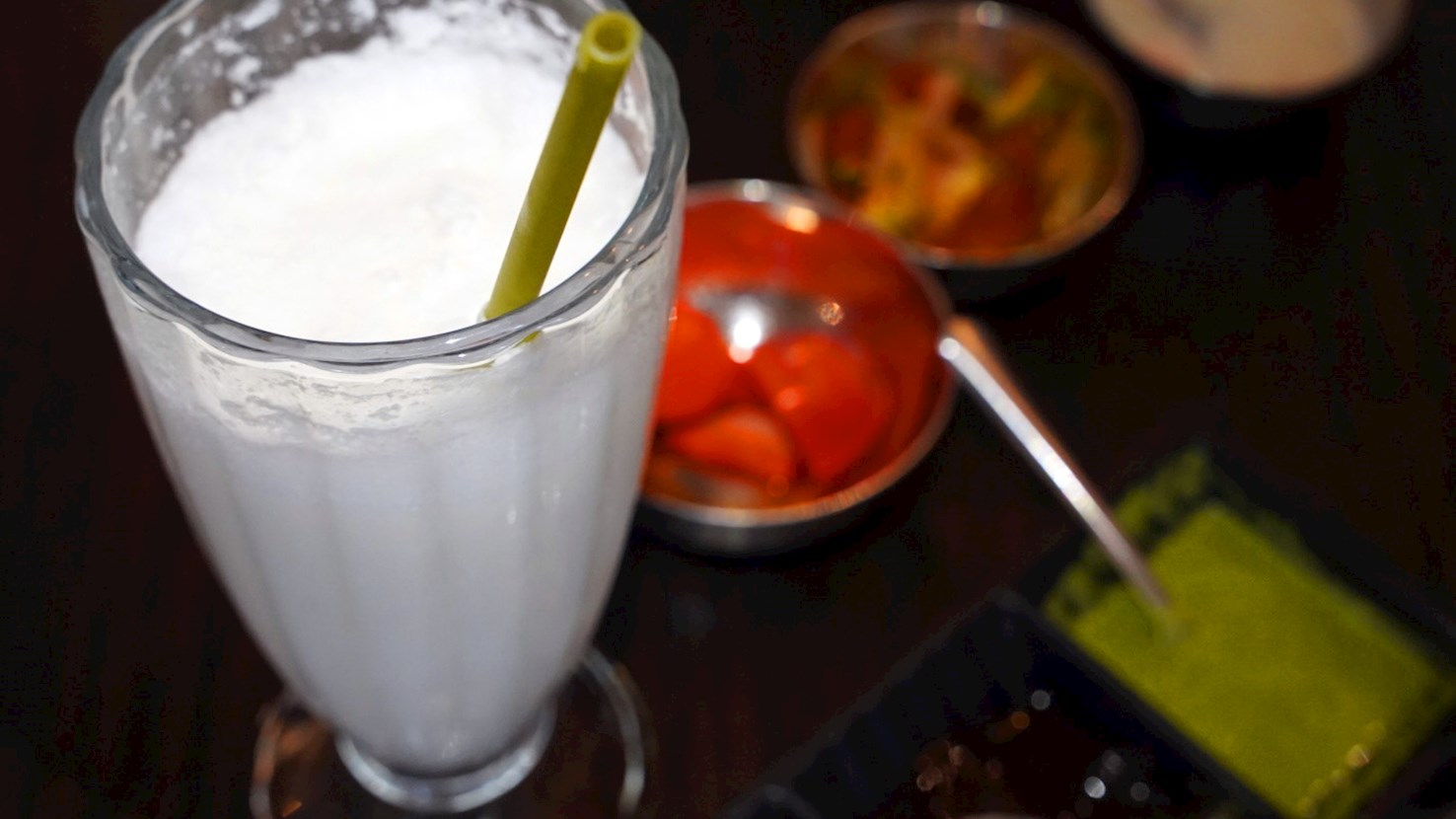
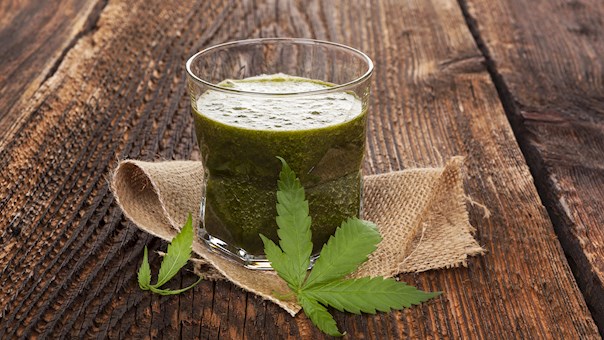
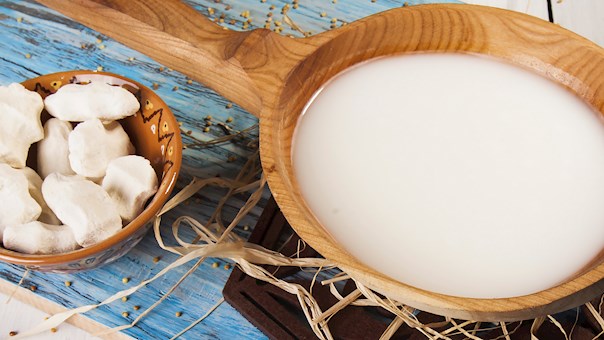
This traditional Indian yogurt-based drink hails from the pre-refrigeration era when Punjabi farmers mixed their milk with sugar and curd, and kept the concoction in clay pots. Lassi is often flavored with a variety of fresh herbs, different spices, fruits, and floral essences. It is typically mixed with ice and served as an accompaniment to hot and spicy dishes, as it provides refreshment for the palate and soothes the body, especially on hot summer days. Sweet lassi is called metha lassi and it often contains ginger, mint, rosewater, cardamom, and exotic fruits like mango. Namkeen lassi is the salty version of lassi, typically flavored with ground black pepper, garlic, and roasted cumin seeds. Another popular variety is the so-called bhang lassi which is made with crushed dried leaves or flowers of Indian wild hemp, and it is mostly consumed during exuberant Indian festivals like Maha Shivaratri.
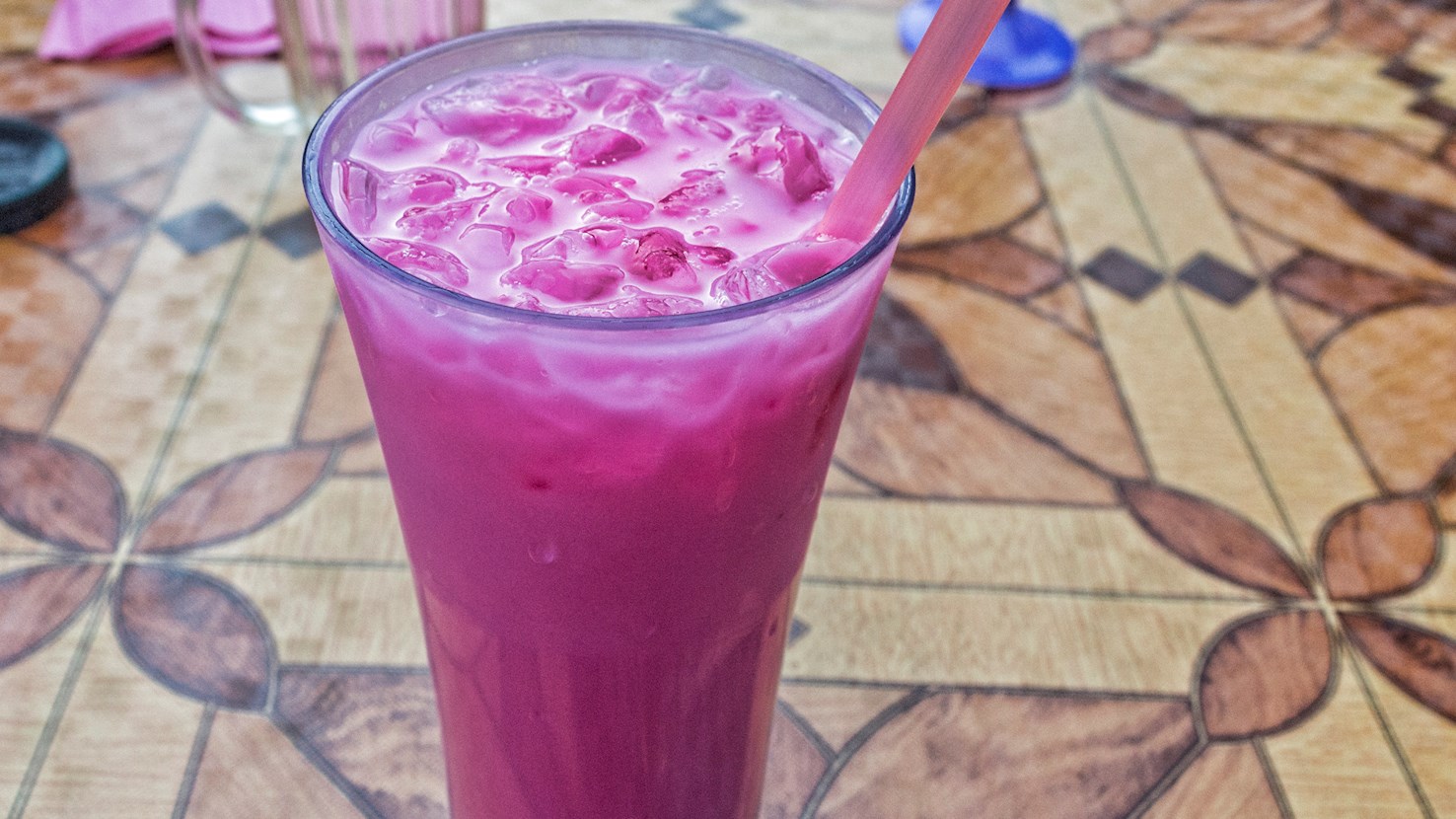
Bandung is a popular Malaysian pink-hued beverage that is especially beloved by the Malai community. This simple drink is made with a combination of milk and rose syrup, and depending on where it has been bought, bandung can be made with condensed milk, fresh milk, evaporated milk, or any combination of the three. It is typically served over ice, and it is especially popular at weddings or during Iftar (breaking the fast) in the month of Ramadan.
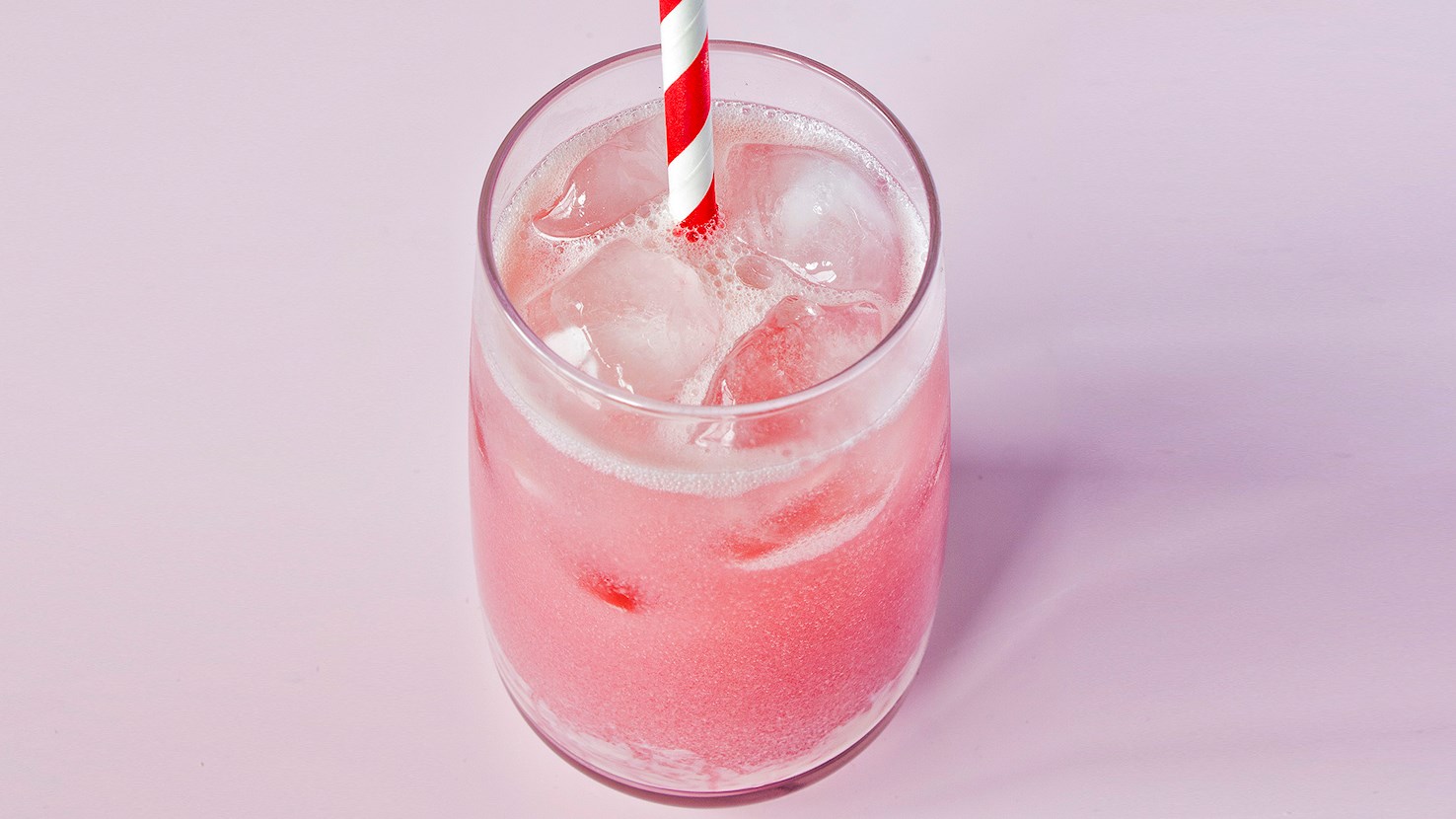
Soda gembira is a sweet, fizzy beverage from Indonesia, widely consumed across the country and especially popular in Java and Sumatra. The name translates to "happy soda," reflecting its status as a cheerful, indulgent drink often enjoyed during festive meals, gatherings, or as a casual refreshment. The drink is made by combining sweetened condensed milk, syrup (typically strawberry or rose-flavored) and carbonated soda water. The result is a visually striking and sweet-tasting drink with a light, creamy texture balanced by carbonation. Its origins are not tied to a specific region but rather to the broader Indonesian approach to mixing Western-style beverages with local tastes. The use of sweetened condensed milk is common in Southeast Asian drinks, and in the case of soda gembira, it acts as both a sweetener and a source of richness. The syrup, often vibrant pink in color, adds fruity notes and visual appeal. Soda water, usually a plain or lemon-lime variant, is poured over the milk and syrup mixture just before serving, creating a layered and slightly effervescent drink that is stirred before consumption. Soda gembira is typically served over ice in tall glasses and consumed immediately to retain the carbonation. It is especially popular during iftar in the month of Ramadan, served alongside other sweet or savory dishes to break the fast. Although it is a non-alcoholic and simple beverage, it holds a special place in social and family contexts, often evoking a sense of comfort and nostalgia for many Indonesians. While there are variations that use different syrups, flavored sodas, or even evaporated milk, the basic concept remains the same: a cold, sweet, and carbonated drink designed to be both satisfying and easy to prepare. In some food stalls or restaurants, it may be customized further with additional toppings like jelly or fruit pieces, though the classic version remains the most common.
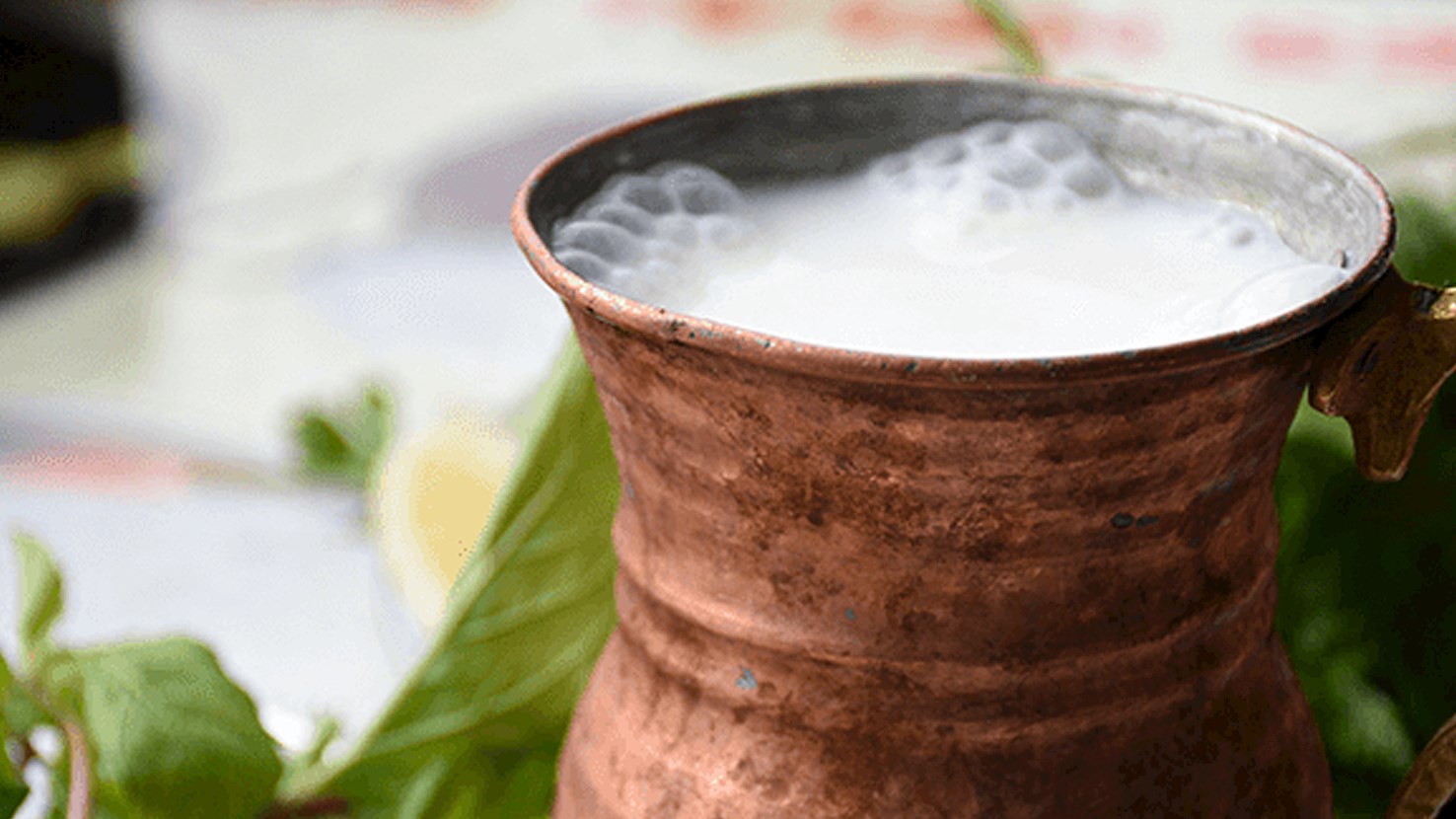
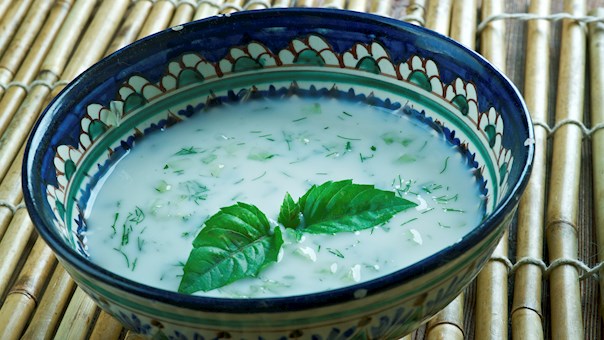
Ayran, also known as doogh in Iran, is a cold, yogurt-based beverage that has deep roots across the Middle East, the Caucasus, Central Asia, and parts of the Balkans. This simple, refreshing drink combines strained yogurt with water and a pinch of salt, resulting in a lightly tangy and savory flavor. In Iran, it is called doogh, while in Turkey and surrounding regions it is more widely recognized as ayran. The drink is especially popular in hot climates where it serves as both a thirst-quencher and a complement to grilled meats and rice dishes.
The origins of ayran and doogh can be traced back centuries to pastoral communities that relied on fermented dairy products for nutrition and preservation. Historical references to yogurt drinks appear in Persian records as early as the pre-Islamic era, while Turkic nomads also prepared similar beverages to accompany their meals. As yogurt production spread through trade routes, versions of this drink became widespread, evolving into regional variations with local names and adjustments in preparation. To prepare ayran or doogh, fresh plain yogurt is blended with chilled water until smooth and slightly frothy. Salt is added for flavor, and in Iran and parts of the Caucasus, dried mint or fresh herbs can be stirred in to enhance the aroma. Some recipes incorporate a splash of carbonated water for effervescence. The consistency can vary from thick and creamy to thin and drinkable depending on personal preference and local custom. Ayran and doogh are typically served cold in tall glasses or clay cups and often accompany kebabs, rice, or rich stews. In Turkey, ayran is a popular pairing with grilled lamb or lahmacun, while in Iran, doogh is frequently enjoyed alongside koobideh kebab and other hearty dishes. In Azerbaijan and Armenia, the drink appears at family meals and picnics, appreciated for its cooling effect during warm weather. Across these regions, ayran and doogh have remained a staple not only because of their taste but also for their role in balancing meals that are heavy in protein or spice. The drink continues to be prepared in homes, sold bottled in markets, and poured fresh in restaurants and roadside eateries, symbolizing a shared culinary heritage that transcends borders.
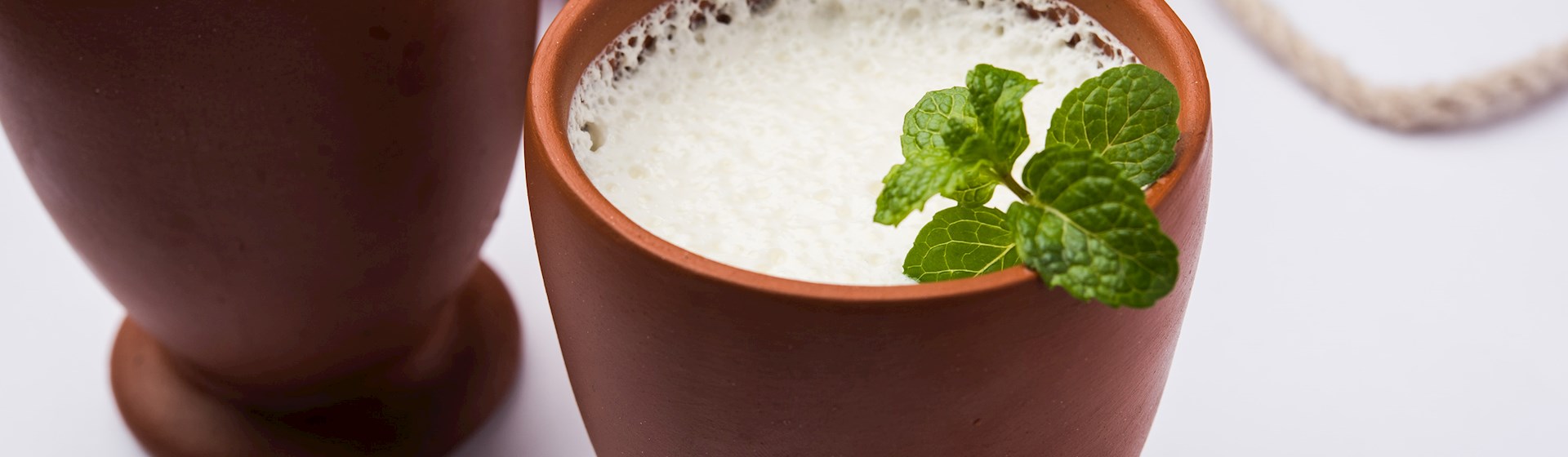
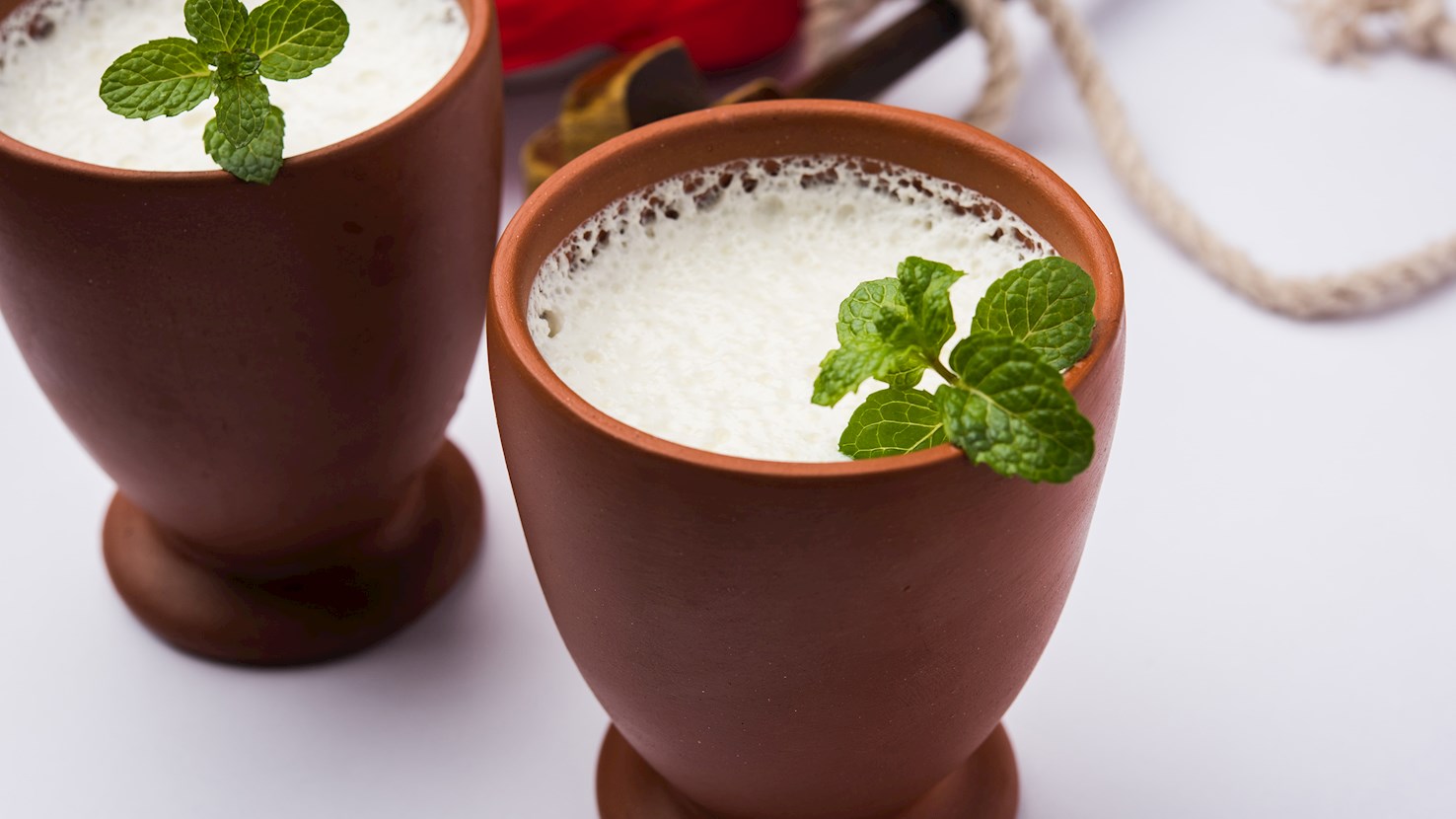
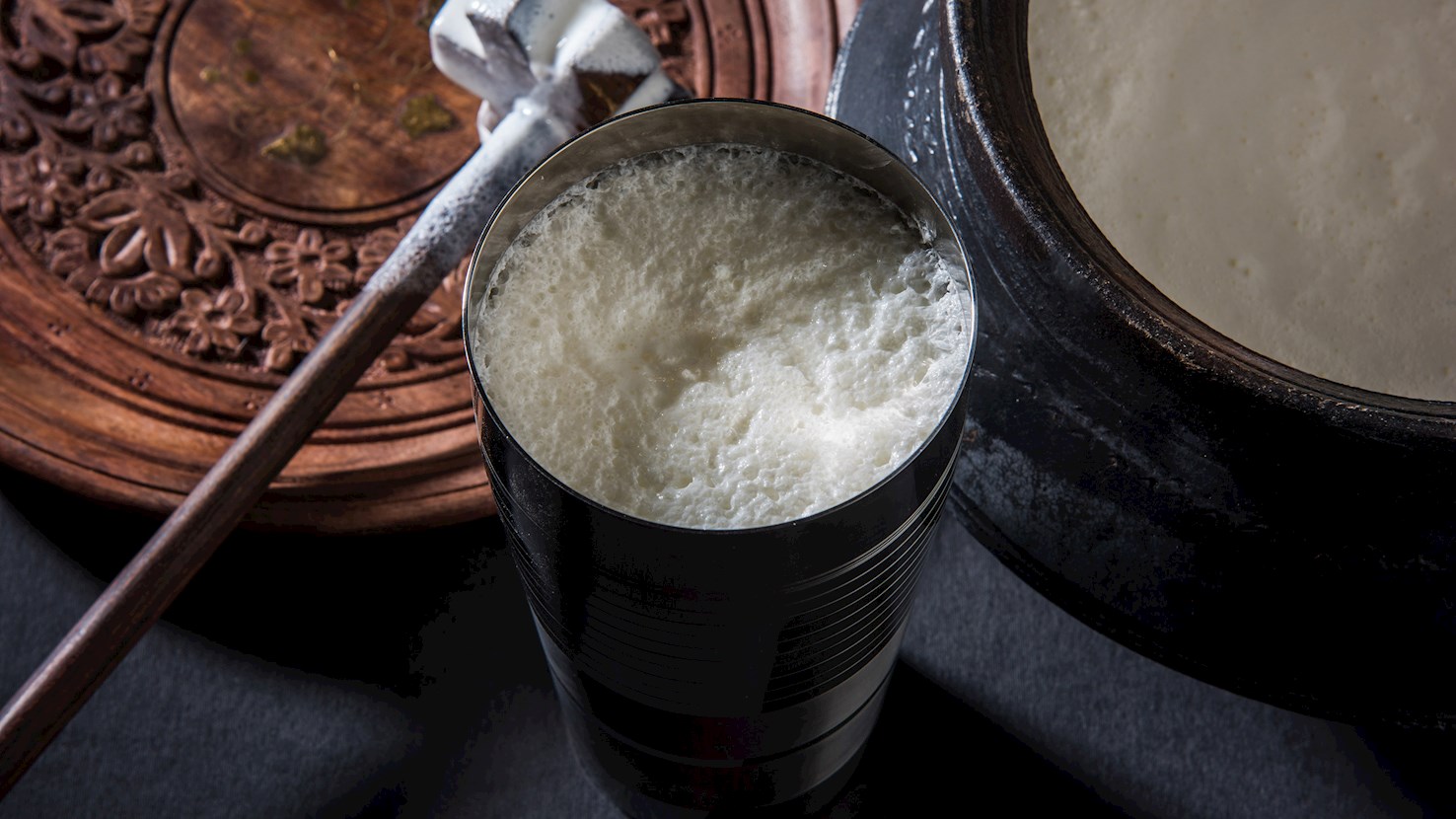
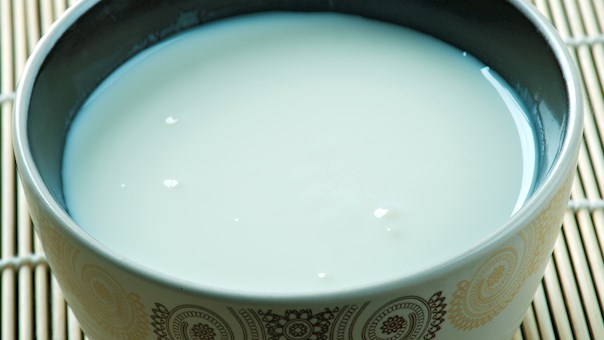
Salted lassi is a savory lassi variety prepared with yogurt (dahi), salt, and typically roasted cumin powder (bhuna jeera). It commonly includes pepper and other spices, and it is sometimes diluted with water. The preparation consists of mixing the ingredients until the combination is well combined and frothy. This lassi is one of India's most popular lassi varieties, and it is traditionally served in a clay cup called kulhar. The drink is especially popular as a refreshing and replenishing summer drink. It can be served over ice, and it sometimes comes topped with cumin or chopped mint leaves.
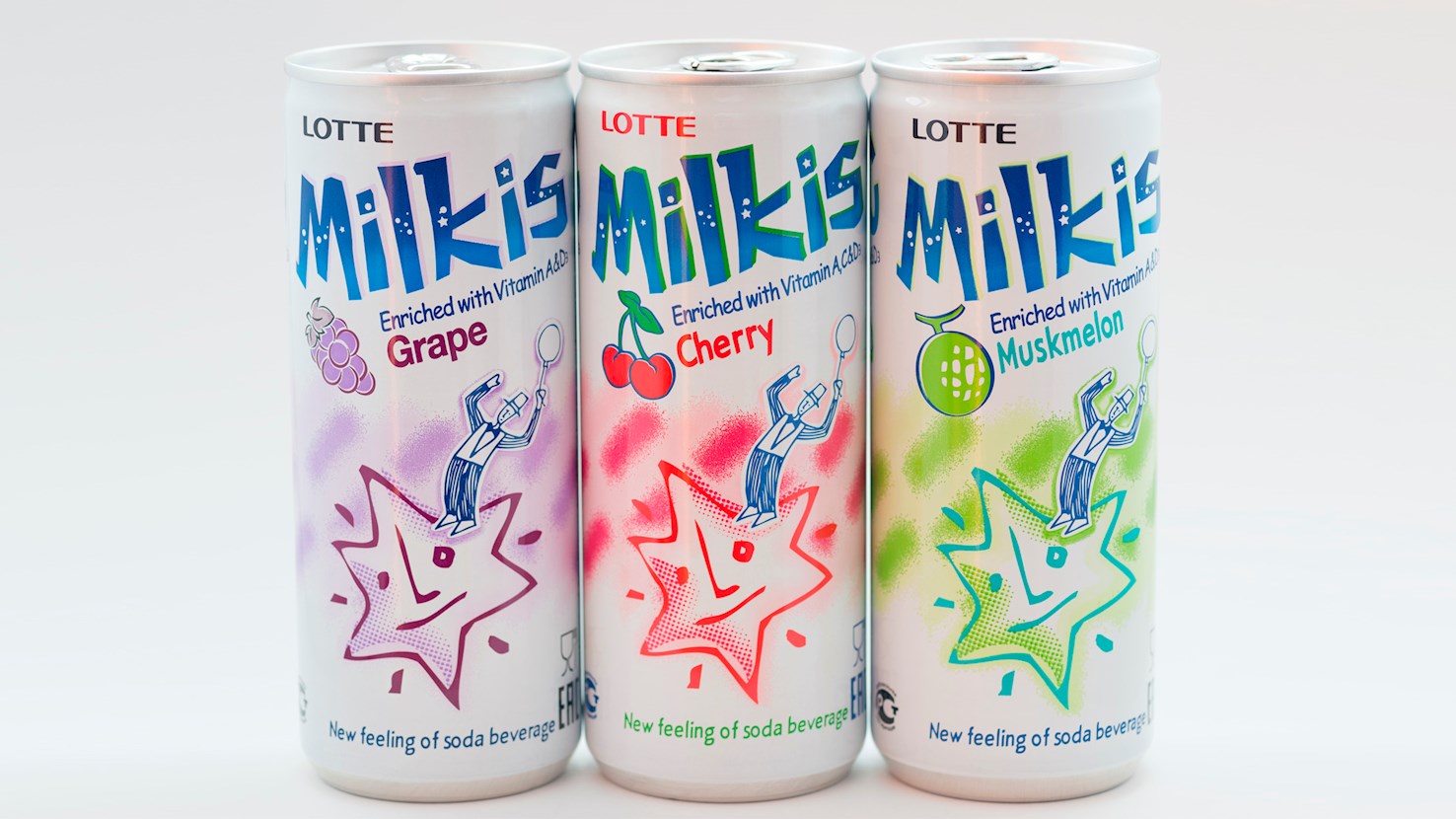
Milkis is a South Korean soft drink produced by Lotte Chilsung, a company which released the beverage in 1989, labeling it as a milk and yogurt soda. Some like to describe it as a melting mousse made with frozen yogurt. It is made with carbonated water, corn syrup, sugar, and milk. Today, Milkis is available in many varieties, flavored with mango, banana, peach, orange, strawberry, apple, or melon.
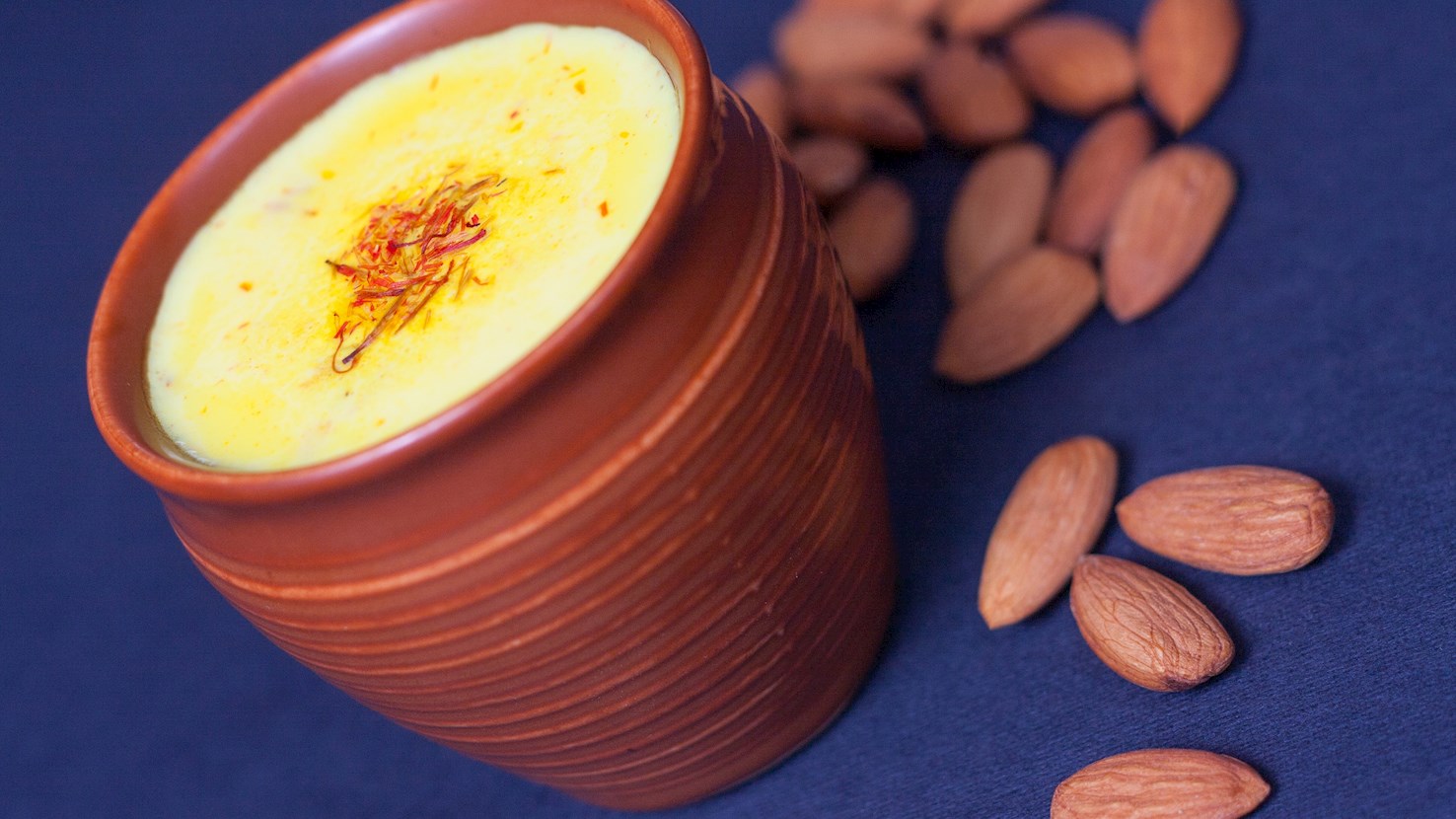
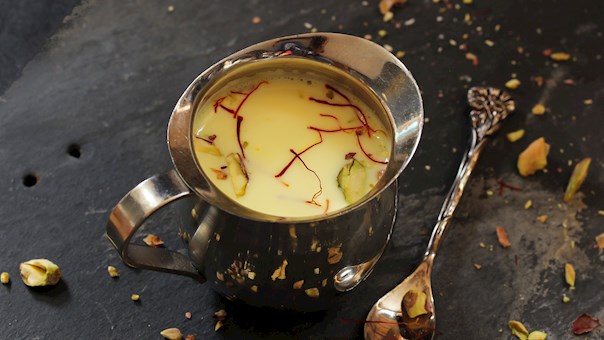
Badam doodh is an almond-based beverage that hails from India. The drink is made with almond paste—consisting of ground almonds—which is combined with warm milk, sugar, and spices. Cardamom and saffron are often added as flavorings, but some varieties may also use rosewater. Badam is mostly enjoyed on special occasions, such as religious ceremonies or weddings. It can be served warm or chilled and garnished with slivered almonds, rose petals, or saffron strands.
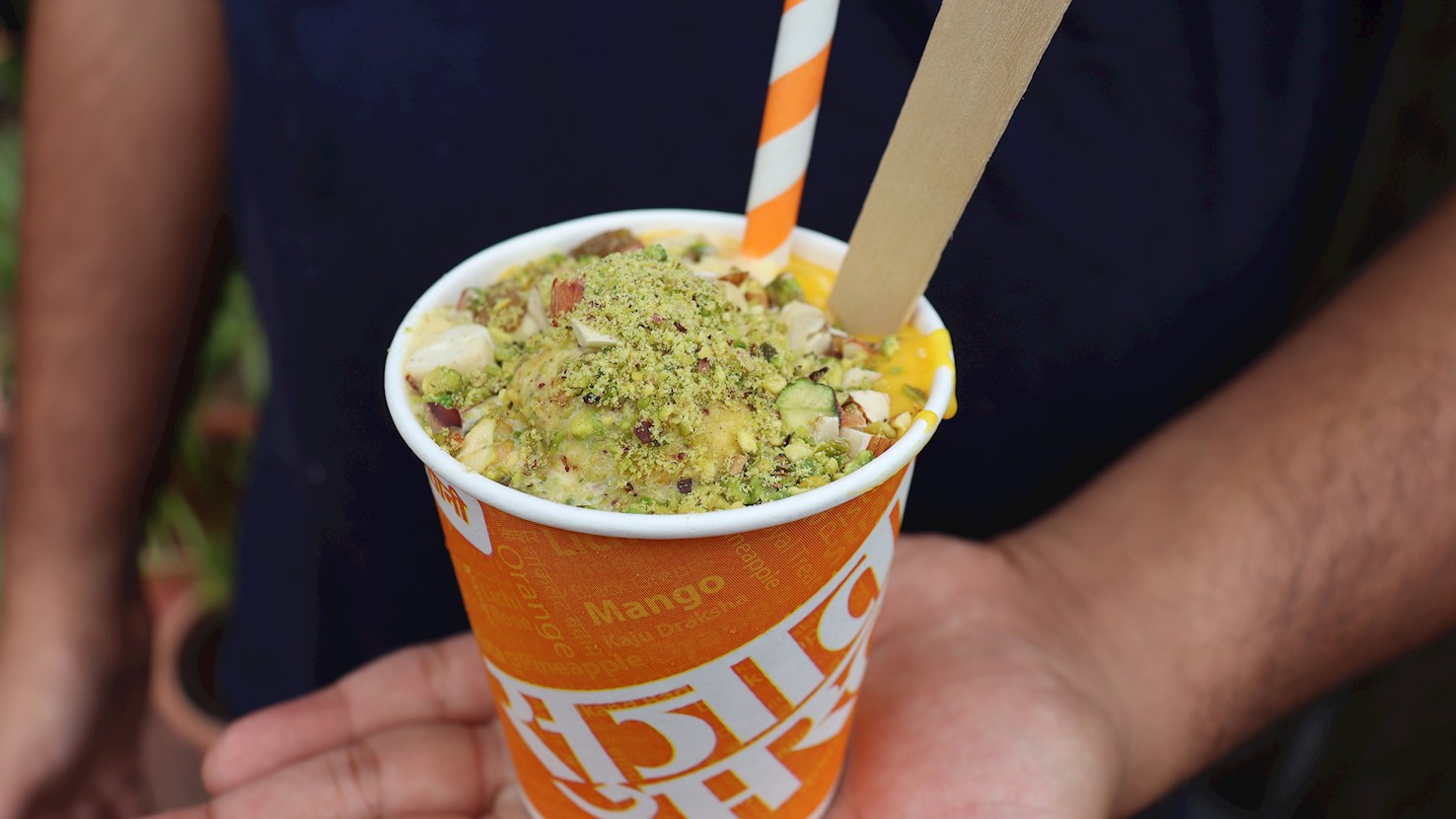
Mango mastani is a local beverage hailing from Pune that blends mangoes and chilled milk. It can be made with fresh mangoes or mango puree. The drink is typically garnished with slivered nuts and often comes topped with a scoop of ice cream. It should be thick and creamy, and it usually comes served in a tall glass. This refreshing mango version is only one of the mastani varieties—a drink that supposedly originated in Pune, and that was allegedly named after the princess Mastani.
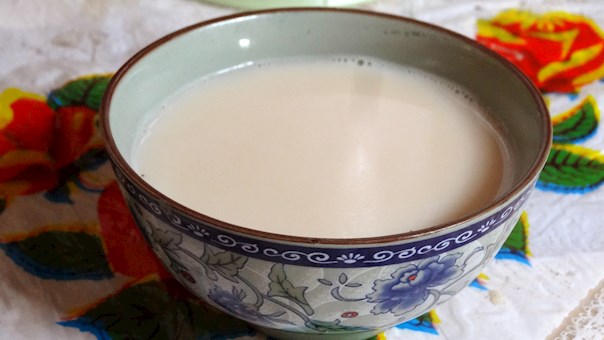
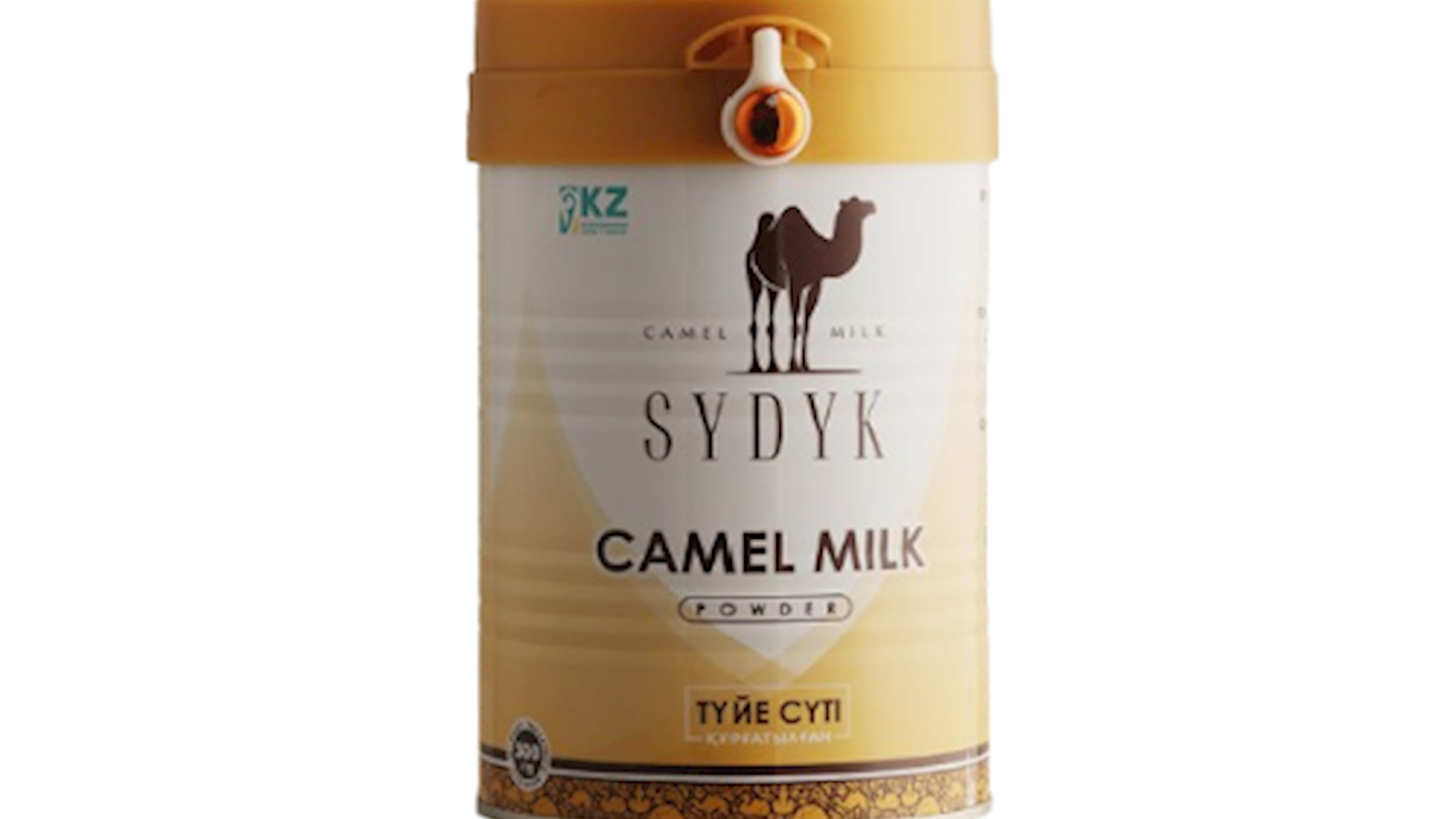
Daulet-Beket is a Kazakh company based in the village of Akshi in the Almaty region, specializing in camel farming and the processing of camel milk into both traditional and industrial products. Its core production includes shubat, a fermented camel milk beverage, as well as camel milk powder, with a modern processing facility capable of producing around 30 tons of dried milk per month. The farm maintains a large herd of camels raised on natural pastures, which contributes to the nutritional quality and consistency of the milk. The company is also expanding into new product categories such as camel-milk-based cosmetics, wool processing, and additional dairy derivatives intended for broader distribution. A part of their operations includes a therapeutic center offering saumal and shubat treatments, which attracts a significant number of visitors each year. By combining traditional pastoral practices with contemporary processing technology, Daulet-Beket positions itself as a producer of high-value, nutrient-rich products with clear export potential.
TasteAtlas food rankings are based on the ratings of the TasteAtlas audience, with a series of mechanisms that recognize real users and that ignore bot,
nationalist or local patriotic ratings, and give additional value to the ratings of users that the system recognizes as knowledgeable.
For the “Top 21 Asian Dairy Beverages” list until June 24, 2026, 1,317 ratings were recorded, of which 974 were recognized by the system as legitimate.
TasteAtlas Rankings should not be seen as the final global conclusion about food. Their purpose is to promote excellent local foods,
instill pride in traditional dishes, and arouse curiosity about dishes you haven’t tried.
The initial list of top producers was compiled based on available reviews, awards, local recommendations, media and blog coverage, and consumer reviews.
The list will be updated with ratings from TasteAtlas local ambassadors and TasteAtlas users.