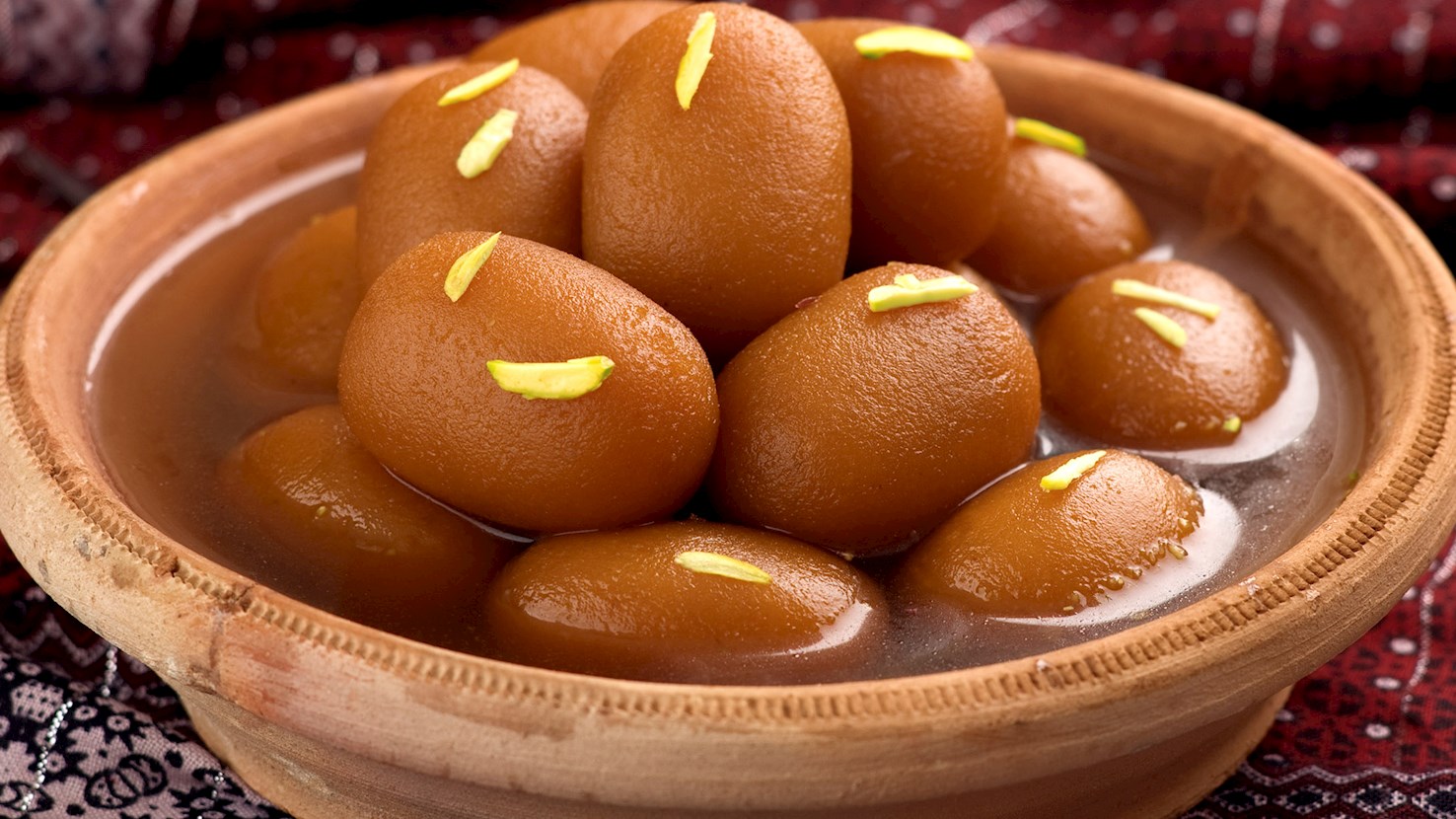
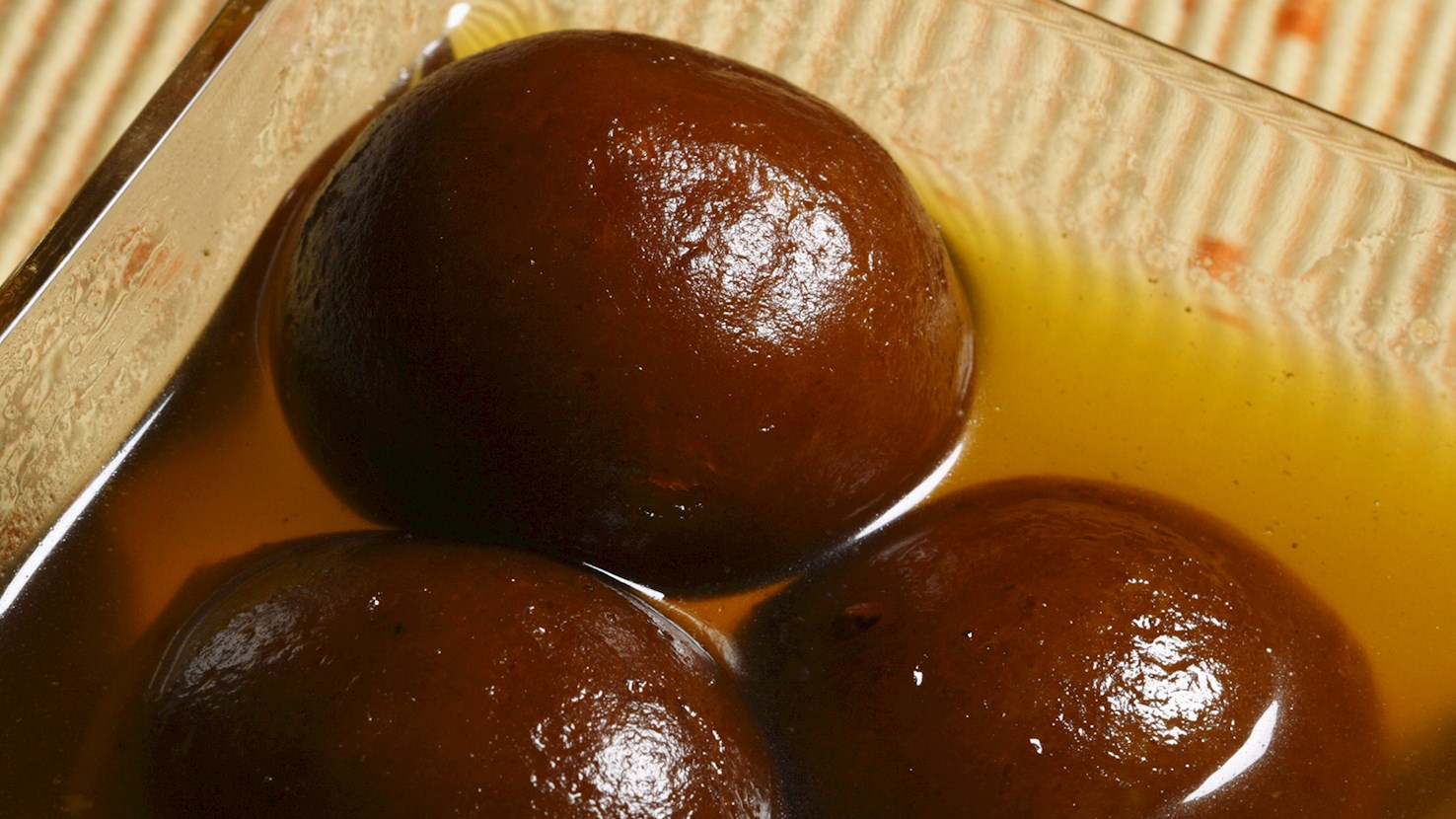
Gulab jamun is a dessert based on milk solids that are kneaded into a dough, shaped into balls, and deep-fried in ghee. The balls then get soaked in a sugary concoction flavored with saffron, green cardamom, and rose water. When served, gulab jamun is often garnished with dried nuts to further enhance its flavors. The name of the dish is derived from two words: gulab, meaning rose, and jamun, referring to the purple-colored jamun berry fruit. It is believed that the dessert originated from an Arabic dessert called luqmat al-qadi, which became popular during the Mughal era, when Indian cooks at the palace kitchens adapted their cuisine by combining the newly arrived Persian ingredients with their own Hindu flavors. Nowadays, gulab jamun is often prepared for weddings and during the Diwali festival, both in India and in Trinidad and Tobago, where gulab jamun is also quite popular.
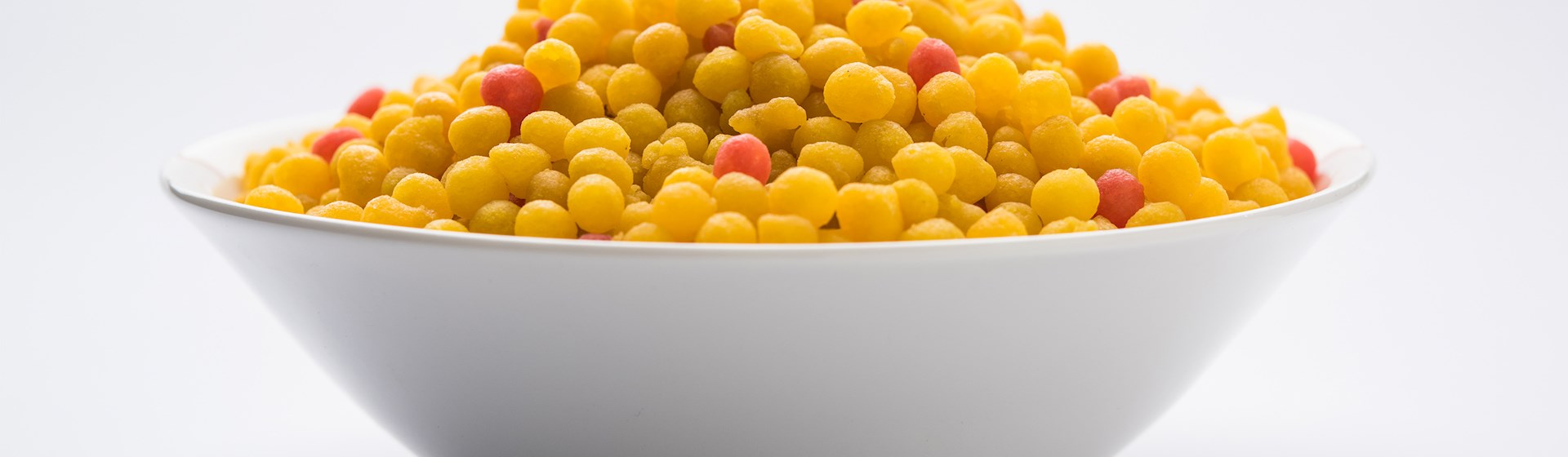
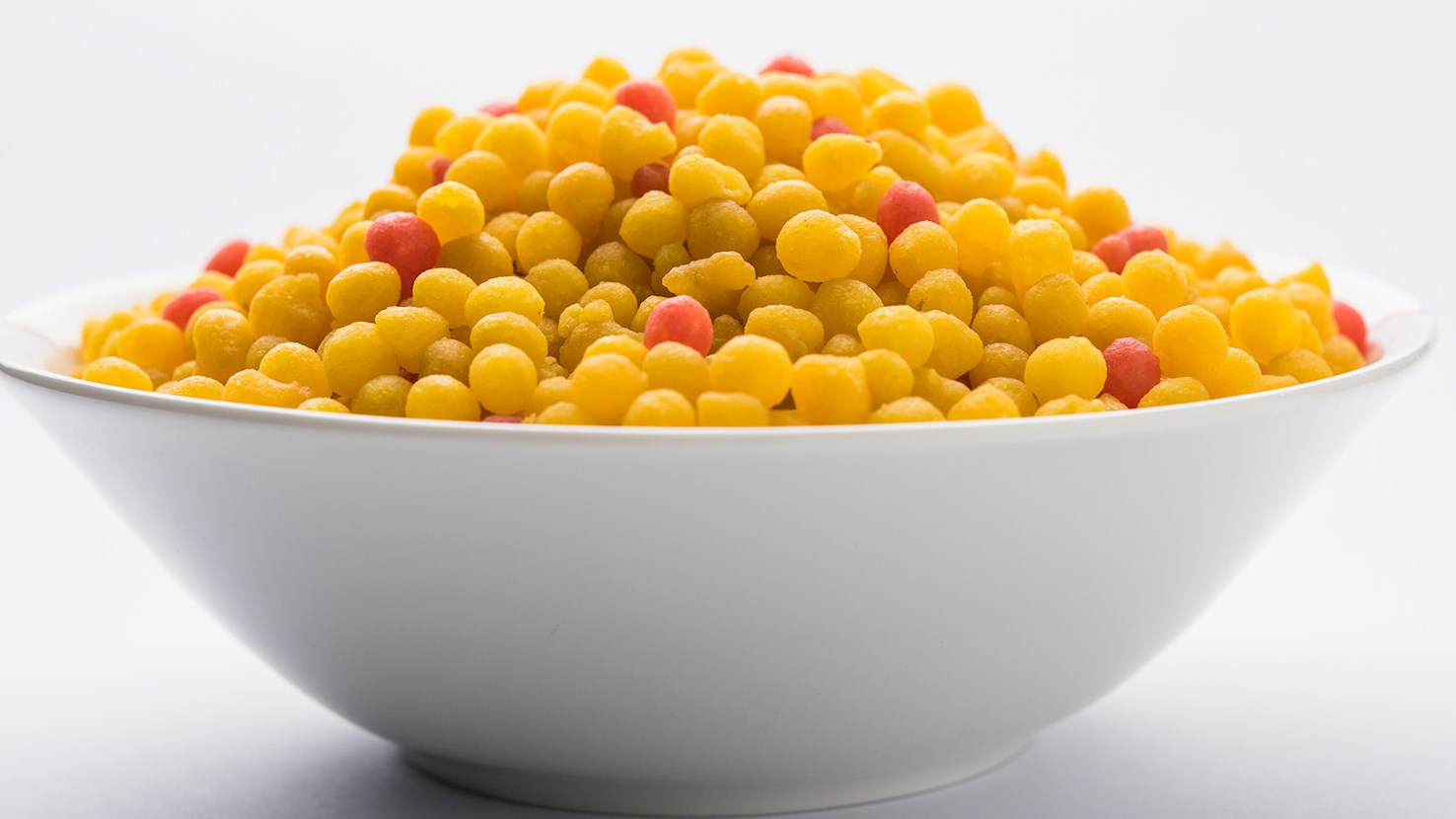
Boondi are small deep-fried round balls made from besan (gram flour). They come in a sweet or savor version. The process of making boondi starts with a thick besan batter that is poured through a sieve and dropped directly into sizzling oil, creating small deep-fried droplets. If enjoyed as a dessert, these tiny, crispy balls are usually coated in sugary syrups or incorporated into popular boondi laddu balls. Savory versions are typically enjoyed as a snack and are often combined with yogurt-based raitas, curries, or sprinkled over salads. Besan, which is prepared with a variety of ground chickpeas, is an essential ingredient in traditional Indian cuisine.
Originating in Bengal, pantua is a soft, spherical dessert that is entirely drenched in cardamom-and-saffron-flavored sugar syrup. A dough of khoa (dried evaporated milk solids), chhena (Indian cottage cheese), flour, and baking powder is shaped into small balls, which are then fried in hot ghee (clarified butter) or oil before they are submerged into the warm sugar syrup. This East Indian dessert is considered to be a variation of another Indian sweet called gulab jamun, which uses only khoa in its dough. There are different versions of pantua itself, namely langcha and ledikenni, which are distinguished by different shapes and finishes. Pantua is often enhanced with the addition of dry nuts or raisins, and it can also be made with boiled sweet potatoes. The dessert is commonly prepared on celebratory occasions and for Hindu festivals such as Durga Puja.
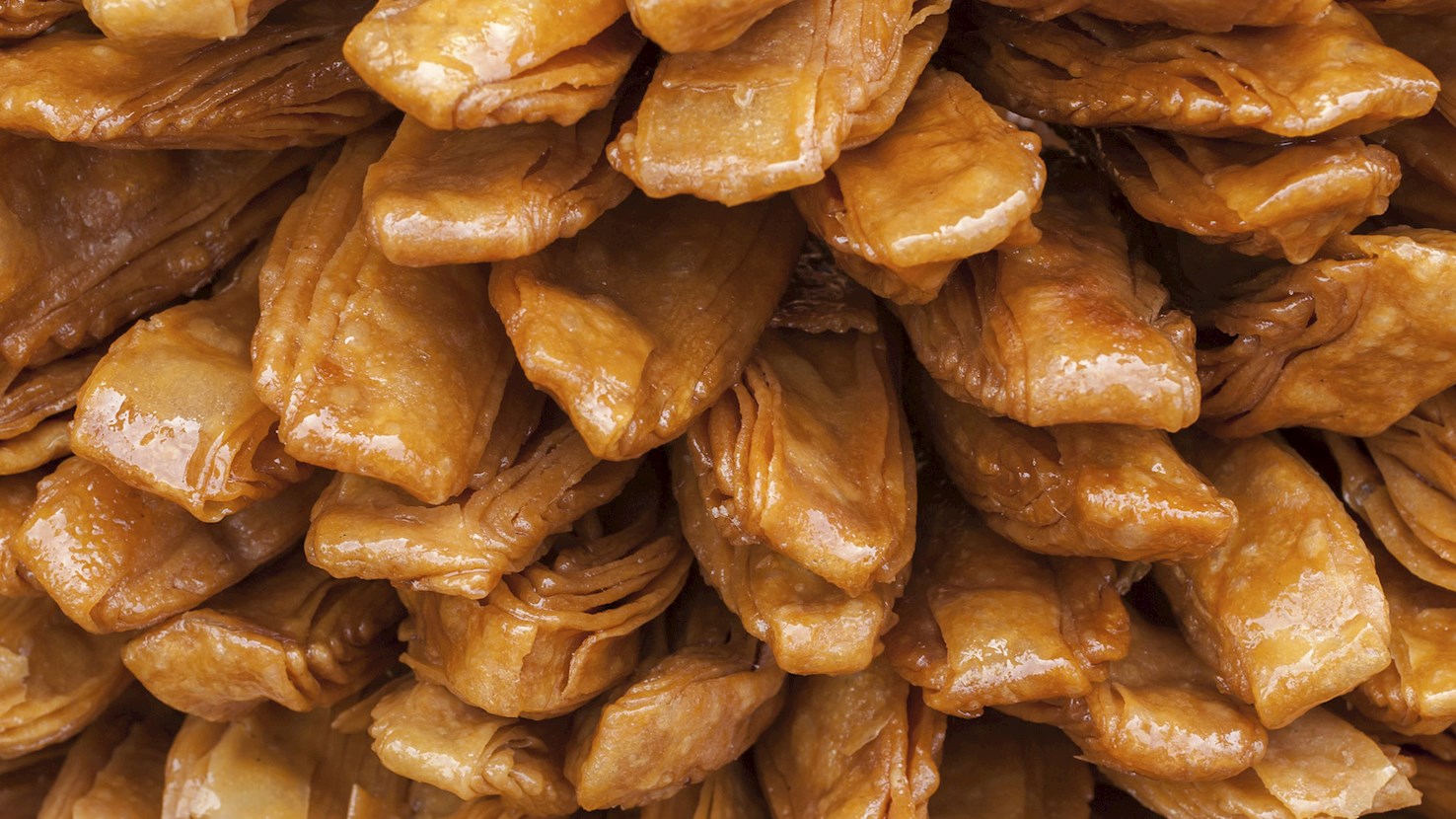
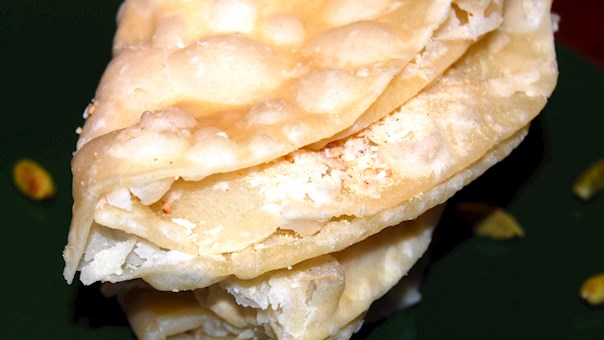
Khaja is a traditional dessert consisting of flour, sugar, and ghee-based dough that is deep-fried in oil until golden and crispy. After the preparation, khaja is sometimes soaked in sugar syrup, depending on the regional variation of the recipe. This tasty dessert is one of the key dishes at numerous North Indian wedding feasts. There are many regional varieties of khaja, so khajas from Silao and Rajgir are characterized by their puffiness, while khajas of the coastal part of Andhra Pradesh are dry on the exterior and filled with sugar syrup on the inside. All of the varieties should have a wafery texture and melt in the mouth. There is also a special variety of khaja called belgrami which is not so sweet and is made from milk solids, sugar, and ghee.
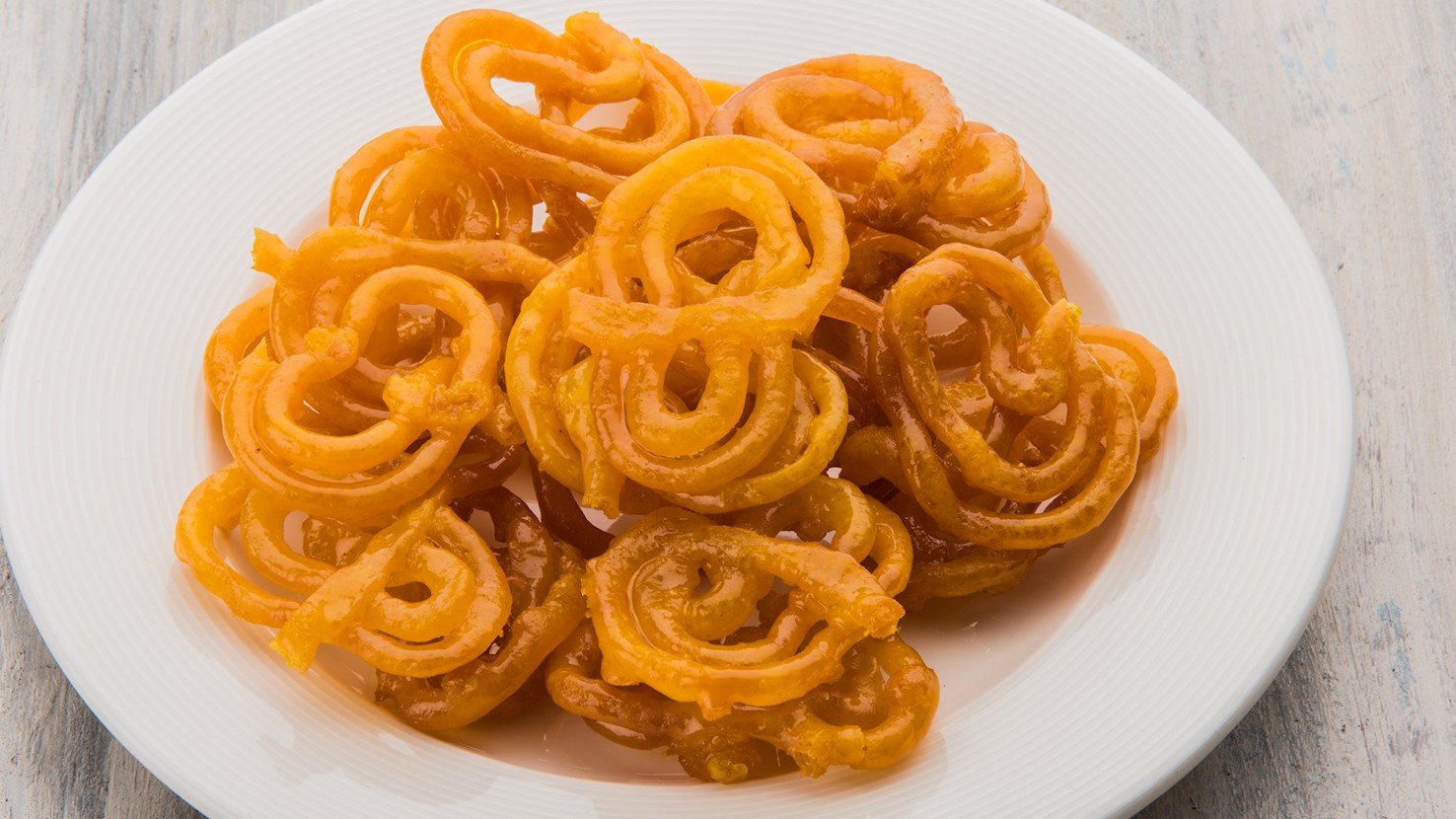
Zulbia is a sweet confection prepared by deep-frying thin coils of fermented batter and then soaking them in a fragrant sugar syrup. Although it is believed to have its origins in Persia, zulbia or jalebi is an international dessert with variations that spread throughout the Middle East, India, and Asia. Its golden color and delicate crispness have made it a favorite accompaniment to tea in both homes and pastry shops. To make zulbia, a batter is prepared by mixing refined flour with yogurt or fermented starter, a little cornstarch, baking soda, and sometimes a splash of rosewater. The batter is rested to develop a slight tang and a smooth consistency. Using a special funnel or piping bag, it is poured into hot oil in looping, spiral patterns that expand and puff as they fry. The pieces are turned until evenly golden and crisp, then immediately immersed in warm syrup made with sugar, water, saffron, rosewater, and sometimes a dash of lemon juice to prevent crystallization. After a short soak, they are removed and set to drain on racks, leaving them saturated but not soggy. The flavor is sweet and floral, with a hint of acidity from the syrup balancing the richness of the fried dough. Because it holds up well over time, zulbia is often prepared in large batches to be served over several days or packaged as a gift. Historical records suggest that variations of zulbia were made across Persia and the Indian subcontinent as early as the medieval period, with recipes spreading along trade routes and adapting to local tastes.
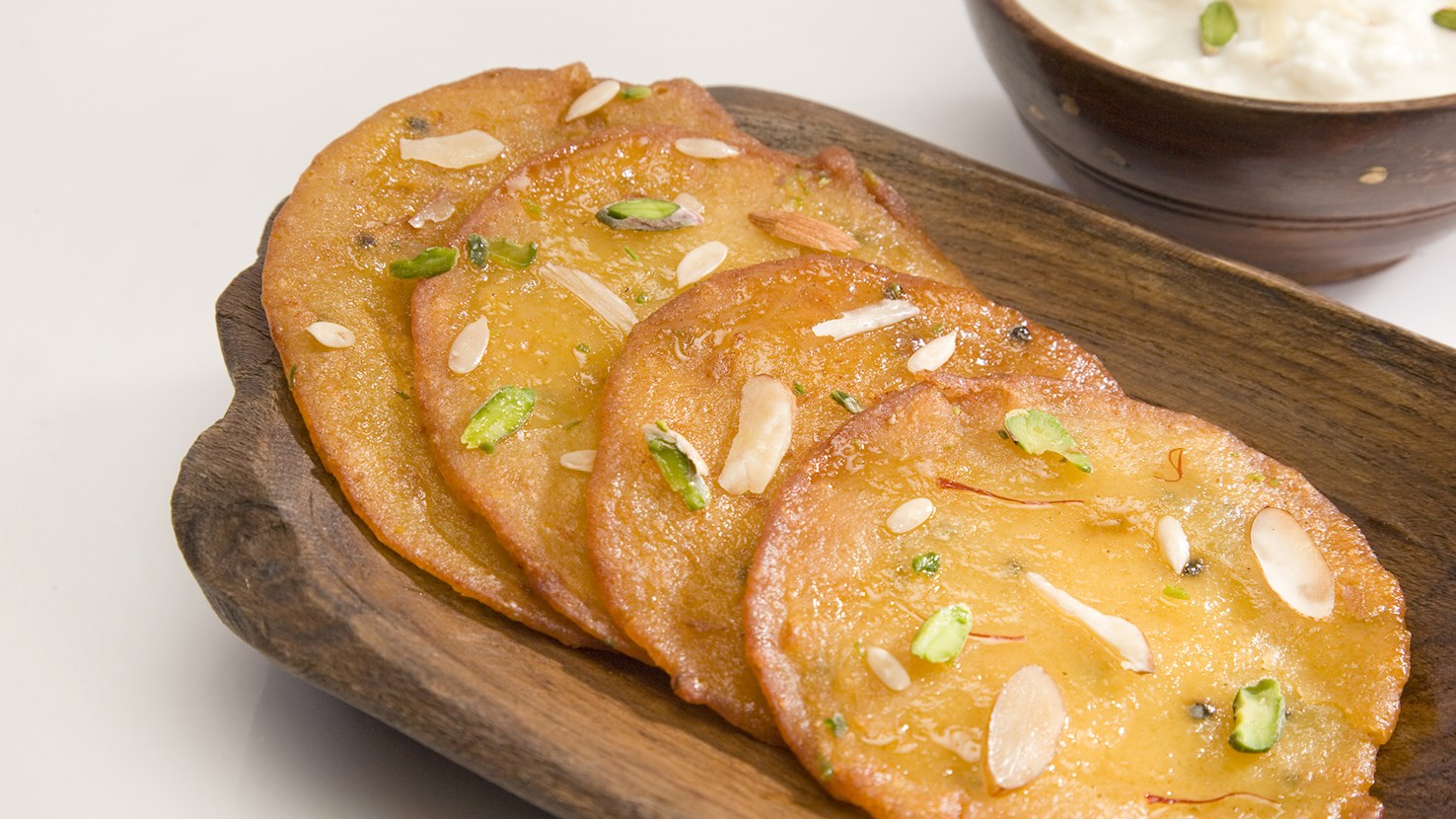
Malpua is a sweet Indian pancake made by deep-frying a batter of rice flour, thickened milk, and (quite often) cardamom. These pancakes are traditionally prepared for celebrations and festive events, and they are the most popular in winter and during Ramadan and Holi. After they have been fried, malpuas are typically dipped in sugar syrup. In the past, malpuas were made with barley flour, and nowadays, there are many variations of these small pancakes, so they are often made with mangoes, pineapples, or mashed bananas. It is said that malpuas taste the best when served with milk or rich and creamy rabri.
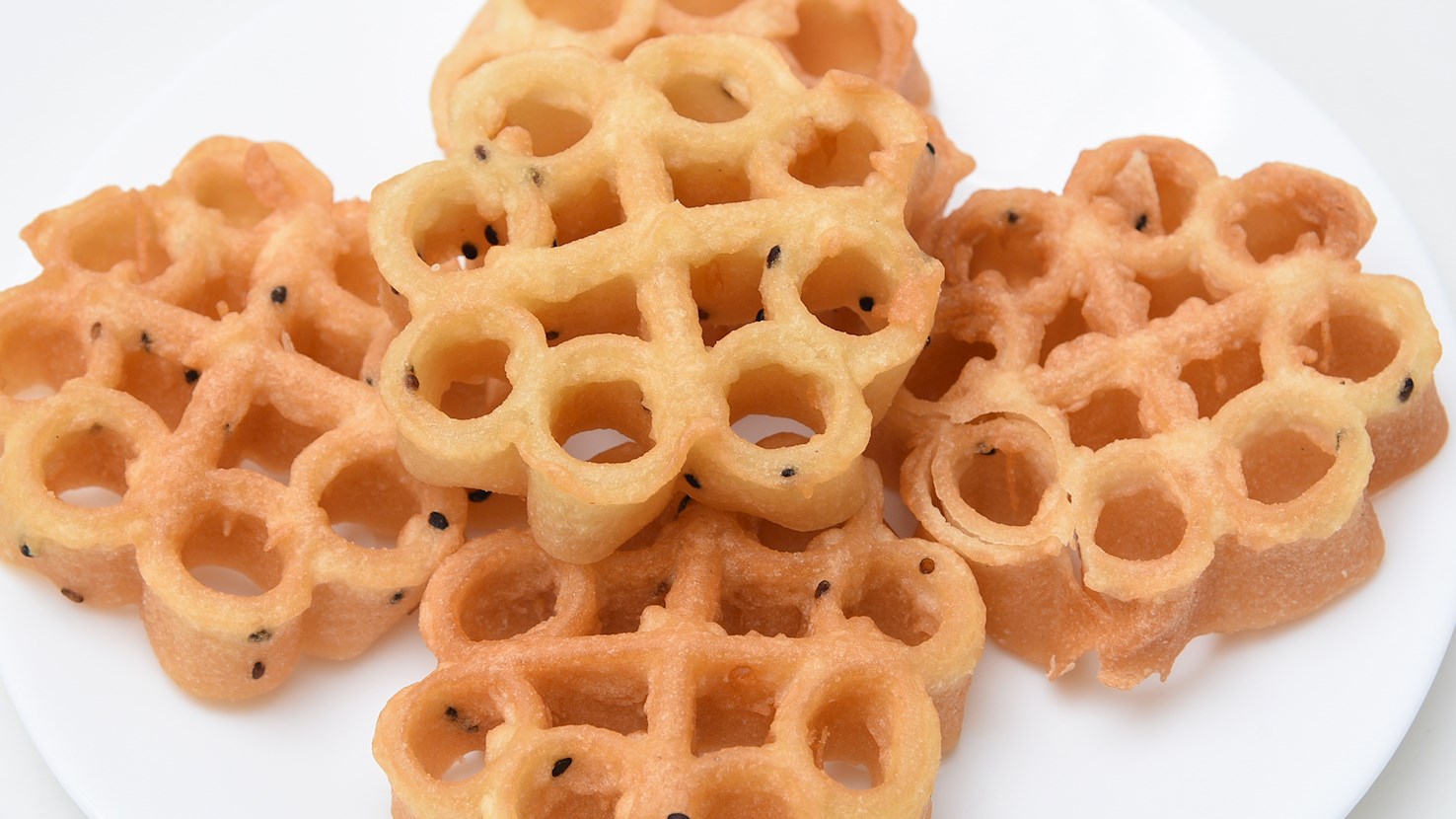
These flower-shaped cookies are prepared with a thin batter which consists of rice flour, eggs, and coconut milk. They are made with specialized achu molds which are heated, then dipped and coated in batter, before the cookies are deep-fried until golden and crispy. Achappam cookies originate from Kerala, where they are usually associated with Christian communities, but similar sweets are found in other Asian countries. It is believed that all of them were modeled on traditional Dutch cookies known as rosette or struva.
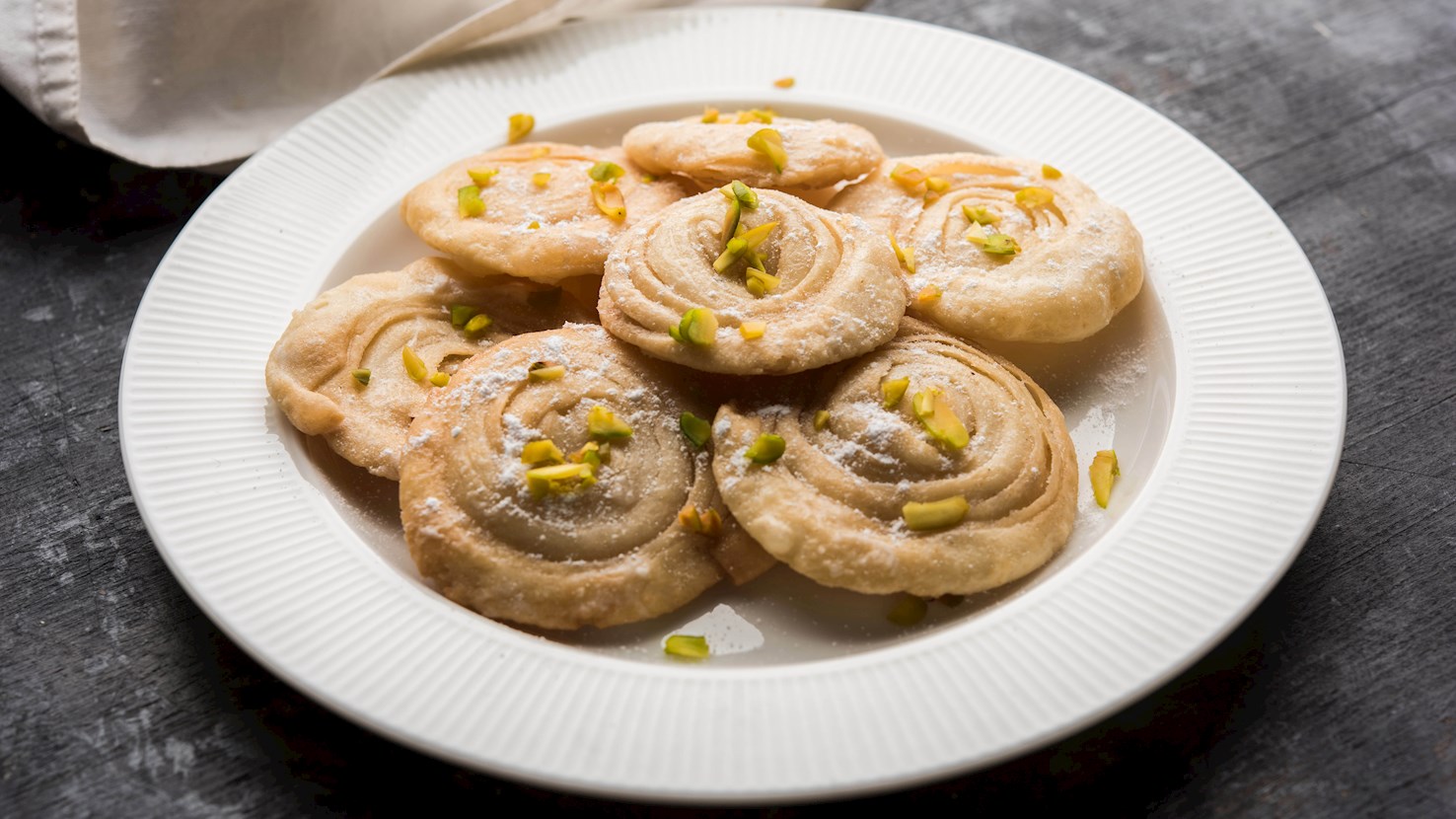
Chiroti is a traditional dessert originating from South India, and it's very popular in Maharashtra and Karnataka. This fried, layered, and flaky sweet pastry is usually prepared on religious festivals such as Diwali and special occasions. It's usually made with a combination of flour, ghee, salt, sugar, rice flour, and cardamom powder. The dough is rolled into cylindrical logs, sliced into pieces, rolled again, then fried in ghee until golden and crunchy. Before serving, chiroti is often dusted with powdered sugar or cardamom powder. There are a few variations on chiroti, so it's not unusual to come across semolina flour and almond milk in some recipes.
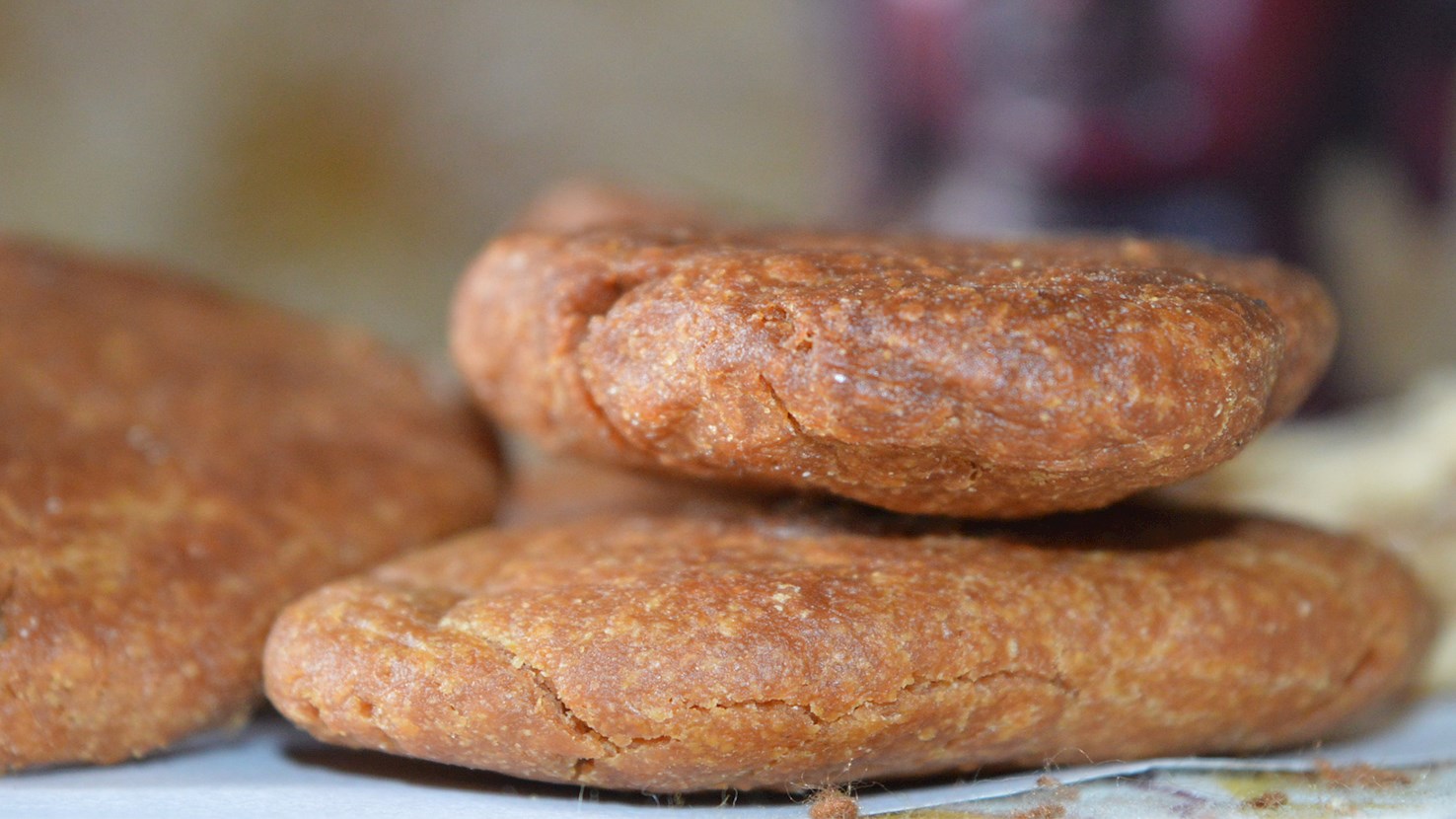
Thekua is a flavorful, crispy Nepalese dessert consisting of whole wheat flour, jaggery, and grated coconut. The dough is traditionally deep-fried in ghee until it develops a reddish-brown color. This unique treat is especially popular during the Chhath Puja festival, when it is prepared as an offering to God. Apart from Nepal, thekua is very popular in Bihar and Uttar Pradesh, and some claim that the true origin of thekua is actually in Bihar.
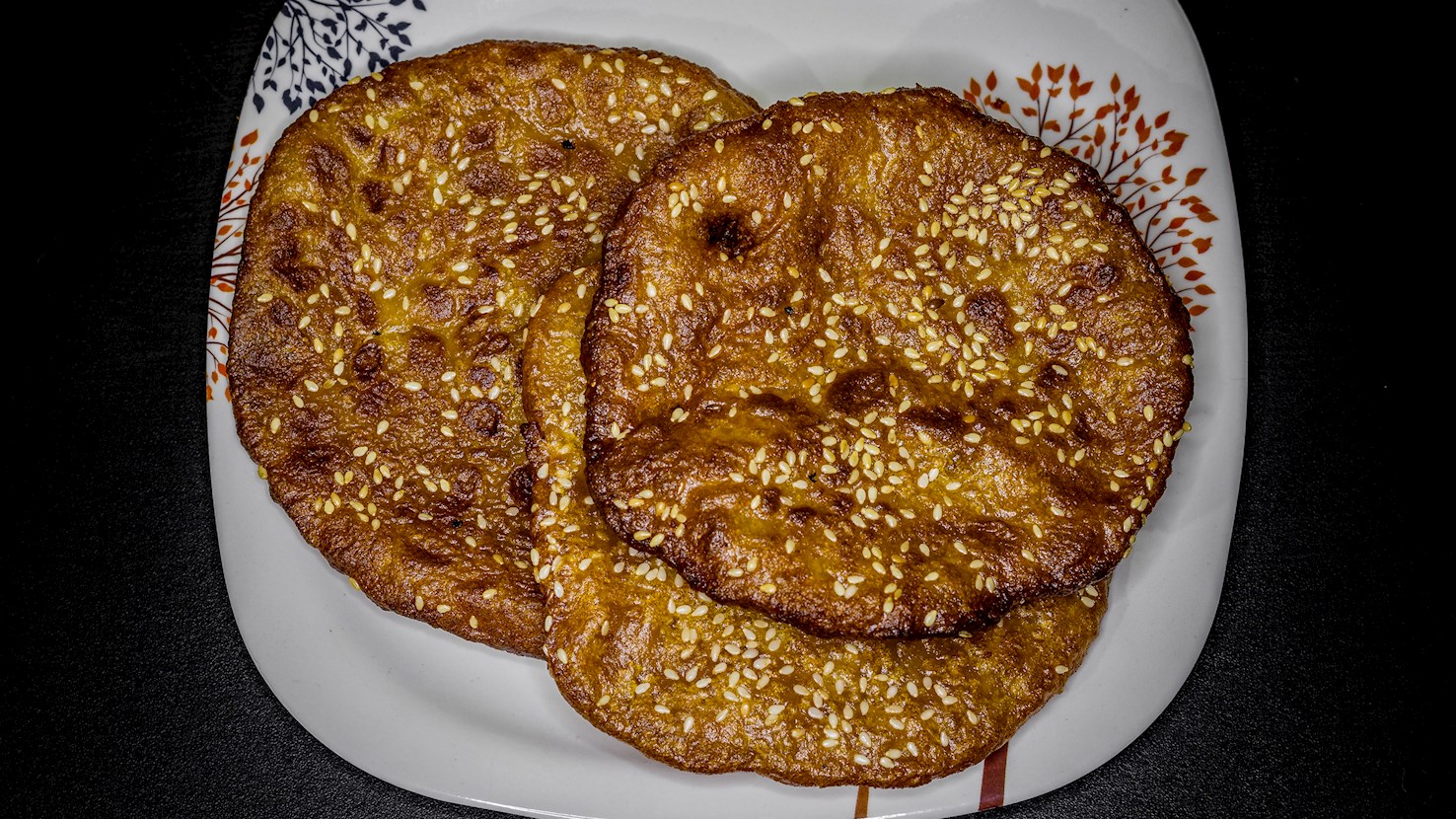
Arisa pitha is a traditional pancake-like sweet snack and a type of pitha originating from Odisha. It's usually made with a combination of rice flour, sesame seeds, jaggery, sugar, ghee, and oil. The rice is soaked, slightly drained, and ground into a paste with sugar syrup in order to form a batter. The batter is stuffed with toasted sesame seeds and jaggery, topped with sesame seeds, and it is then fried in oil until browned. Arisa pitha is traditionally served warm, but it can also be enjoyed after it has cooled down and hardened.
TasteAtlas food rankings are based on the ratings of the TasteAtlas audience, with a series of mechanisms that recognize real users and that ignore bot,
nationalist or local patriotic ratings, and give additional value to the ratings of users that the system recognizes as knowledgeable.
For the “Top 12 Indian Deep-fried Desserts” list until August 15, 2026, 917 ratings were recorded, of which 521 were recognized by the system as legitimate.
TasteAtlas Rankings should not be seen as the final global conclusion about food. Their purpose is to promote excellent local foods,
instill pride in traditional dishes, and arouse curiosity about dishes you haven’t tried.



What People Say