


shutterstock

Top 7 Spanish Deep-fried Desserts

Last updated on June 15, 2026
01

Leche frita

4 ·

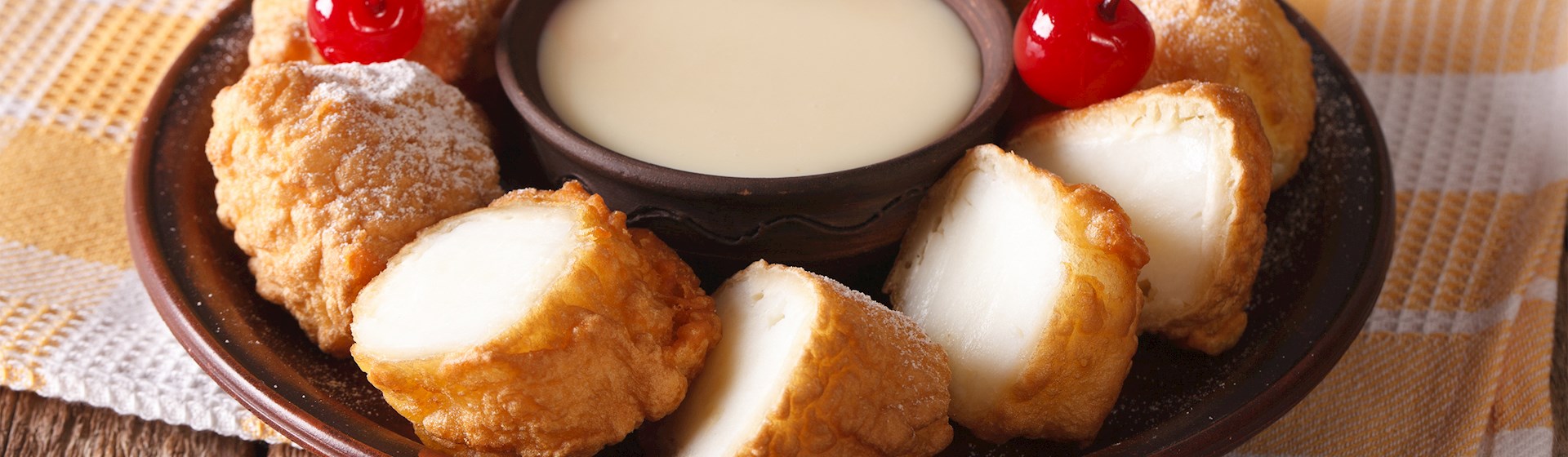
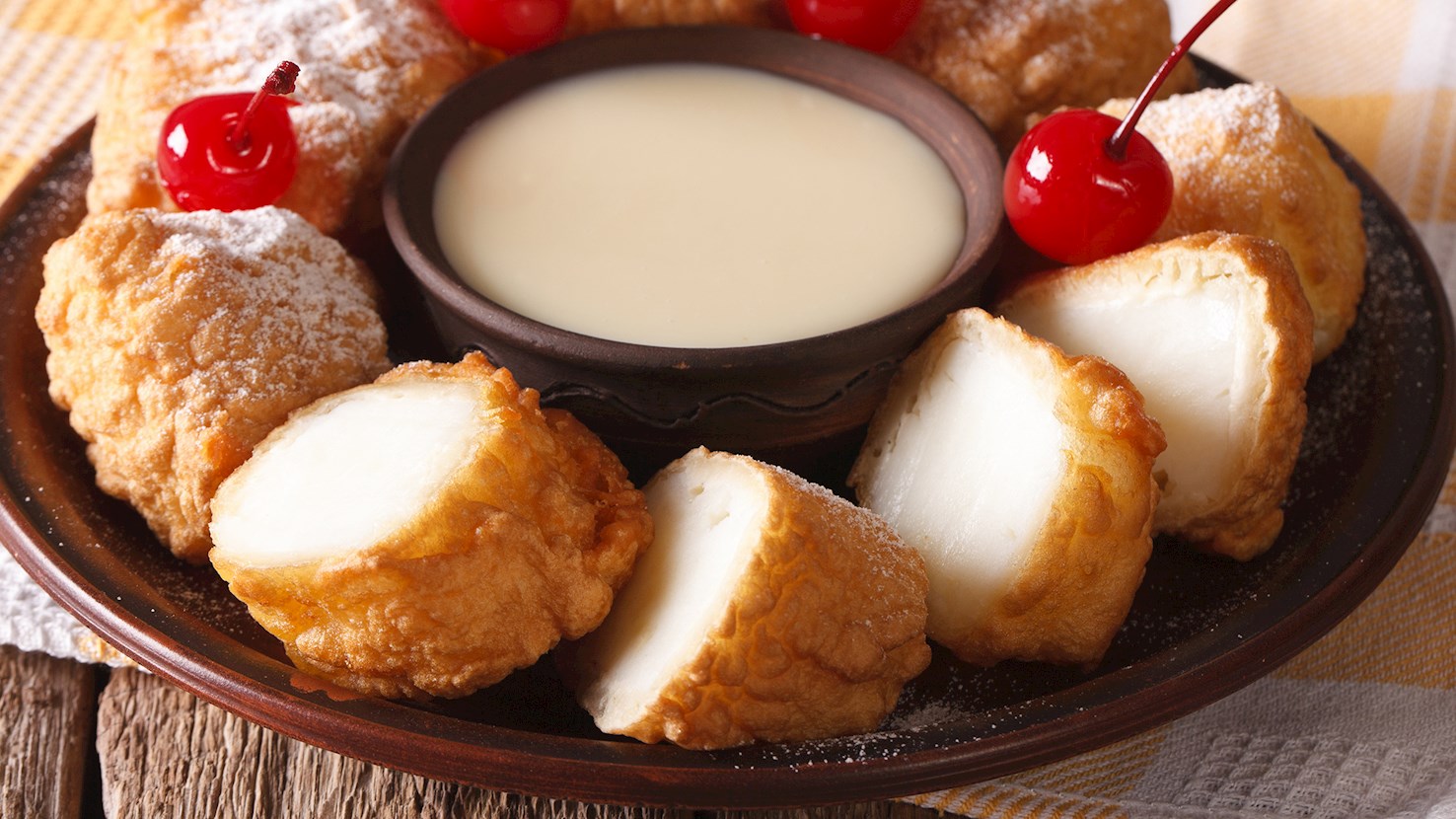
Leche frita is a delicious Spanish dessert consisting of a sweet, firm milk-pudding encased in a crunchy fried shell of eggs and flour. It is made with flour, cornstarch, sugar, milk, eggs, butter, and olive oil. The whole concoction is flavored with cinnamon. Leche frita, meaning fried milk, can be served cold, at room temperature, or hot, ideally with a scoop of ice cream on the side. Although this old dessert has murky origins, it is believed that the first versions were made by nuns who used to sell these treats to help maintain their convents. Nowadays, it is a popular street food item that can also be found in pastry shops and restaurants.

02

Churros

4 ·

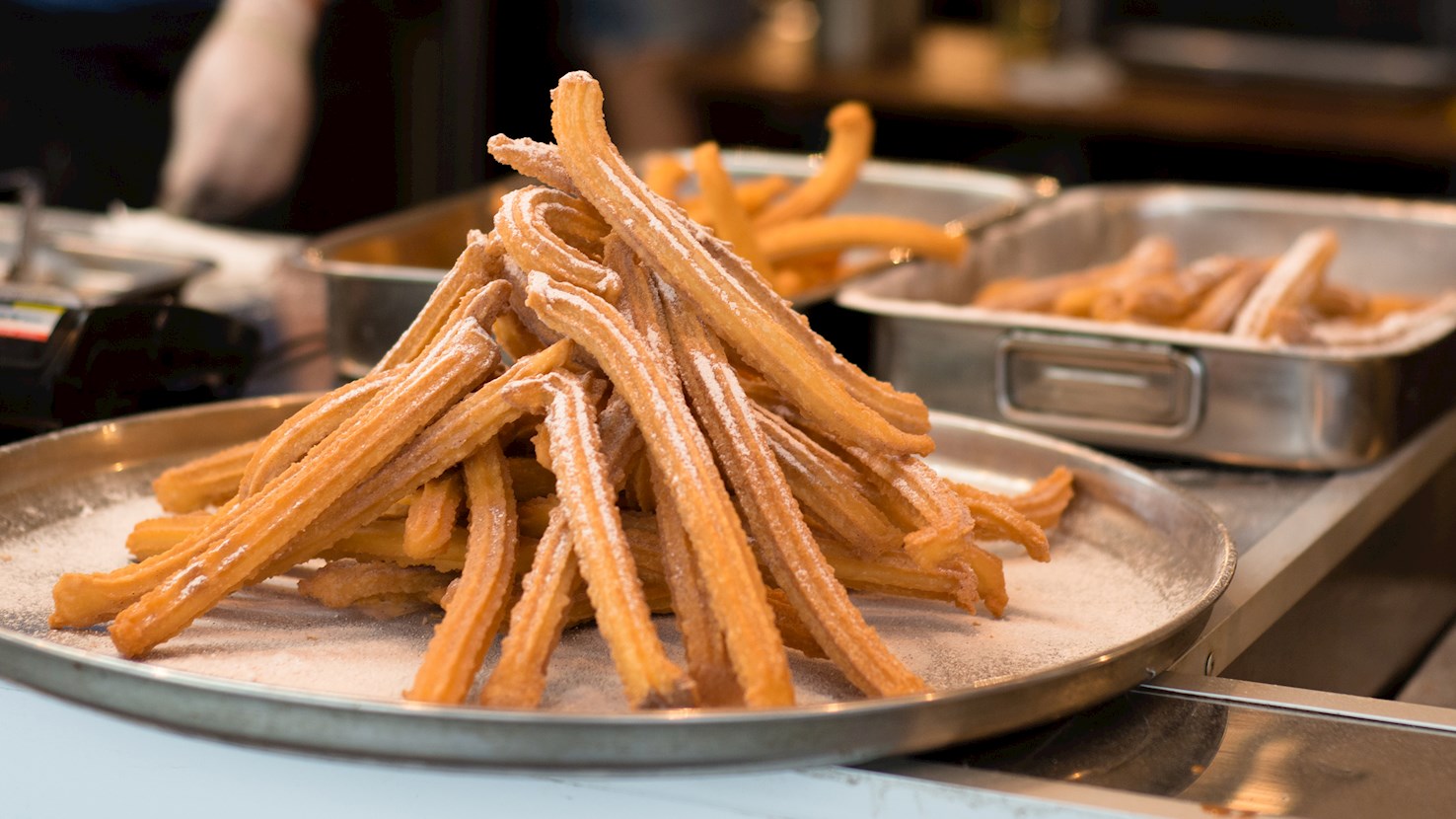
Elongated, crispy, crunchy and intensely fragrant, churros consist of deep-fried yeast dough encrusted with sugar. Although some may argue against consuming these sweet treats, warning others about the dangerous effects of sugar and fat on human bodies, the popularity of churros throughout the world doesn't seem to wane. Originally invented by Spanish shepherds who could easily cook them in a pan over an open fire, today these unusually shaped, cinnamon sugar sprinkled twists are most commonly eaten in Spain and Latin America as a hot breakfast food, accompanied by a strong cup of coffee or a cup of thick hot chocolate. Their characteristical shape is achieved by pressing the dough through plastic tubes so it emerges on the other side in thin, ridged ropes. Although churros are a Madrid specialty, the ones found in Seville are often praised because they differ in a lighter and more delicate texture. In Cuba, they may be filled with guava, in Mexico with dulce de leche, and in Uruguay with cheese. Regardless of the varieties, churros are an indulgence that must be tried at least once.

03

Buñuelo

3.8 ·

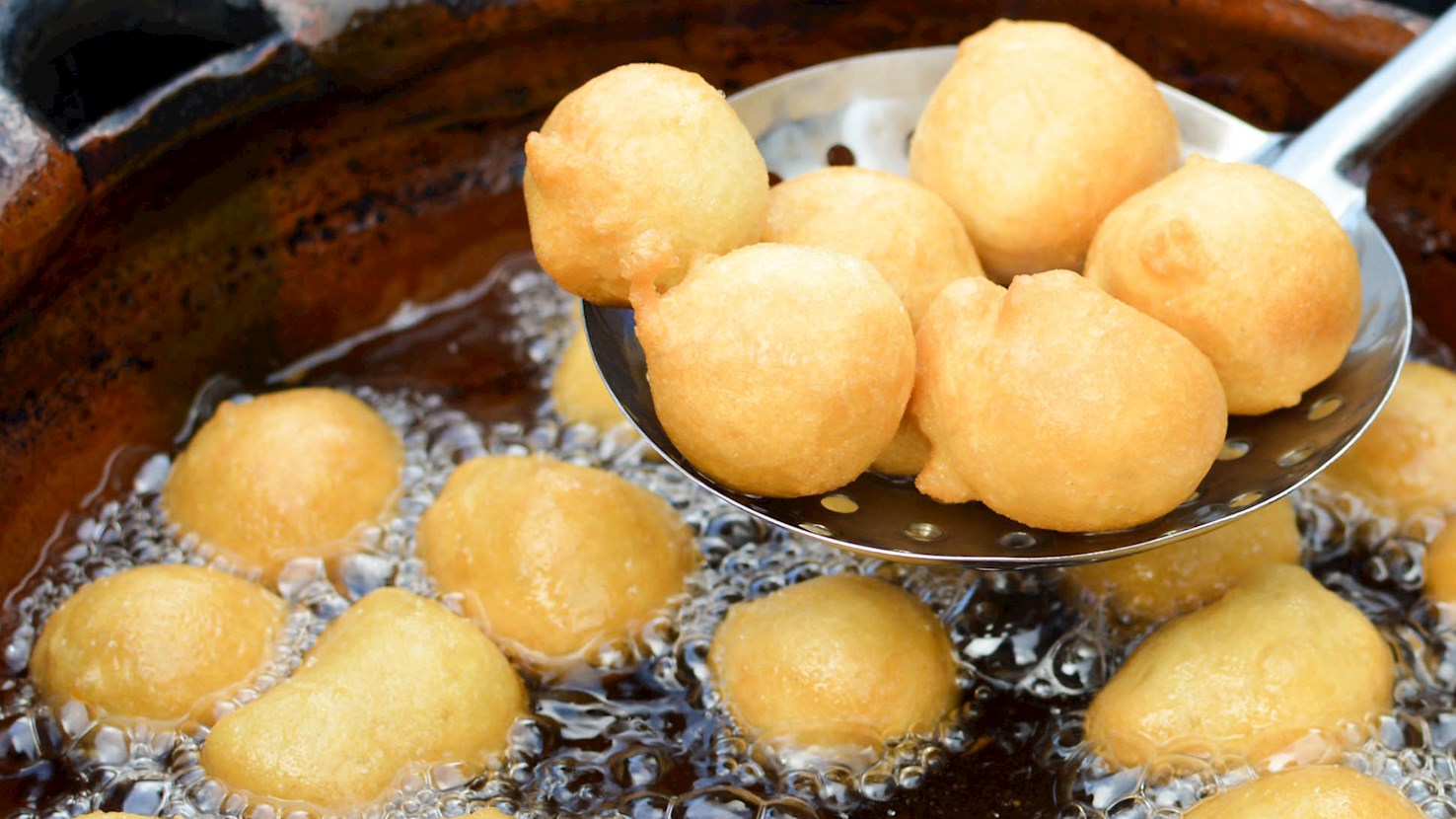
Deep-fried, golden, and crispy buñuelos are an original Spanish creation that has become an internationally popular treat. In the simplest form, these fritters are created with milk, eggs, butter, and flour into a dough which is usually shaped into balls, then deep-fried. They were first made by the Sephardic Jews inhabiting the Iberian Peninsula, and through colonization, they spread to Latin America, where they still represent a staple dish. Buñuelos are a popular Hannukah treat among Jewish communities, and in the predominantly Christian communities in Spain and Latin America, the fritters are traditionally made on All Saints Day and during the Christmas season. Today, there are numerous varieties of these oily snacks: in Columbia, grated cheese is incorporated into the dough, and they are usually more savory than sweet, but commonly served with creamy desserts; while in Mexico, buñuelos are anise-flavored and flat in shape, usually dusted with sugar or drizzled with honey.

04

Rosquillas

3.5 ·

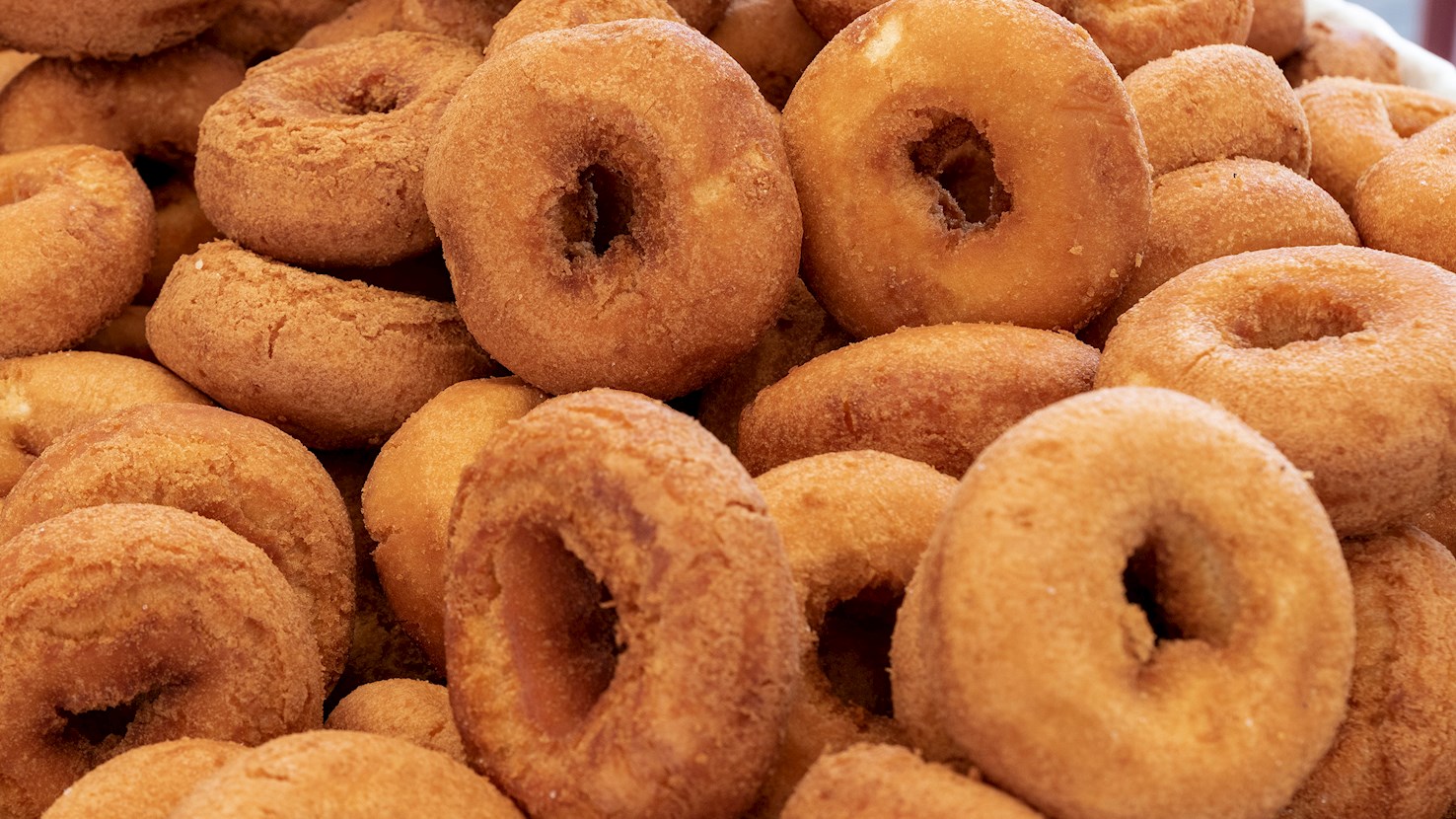
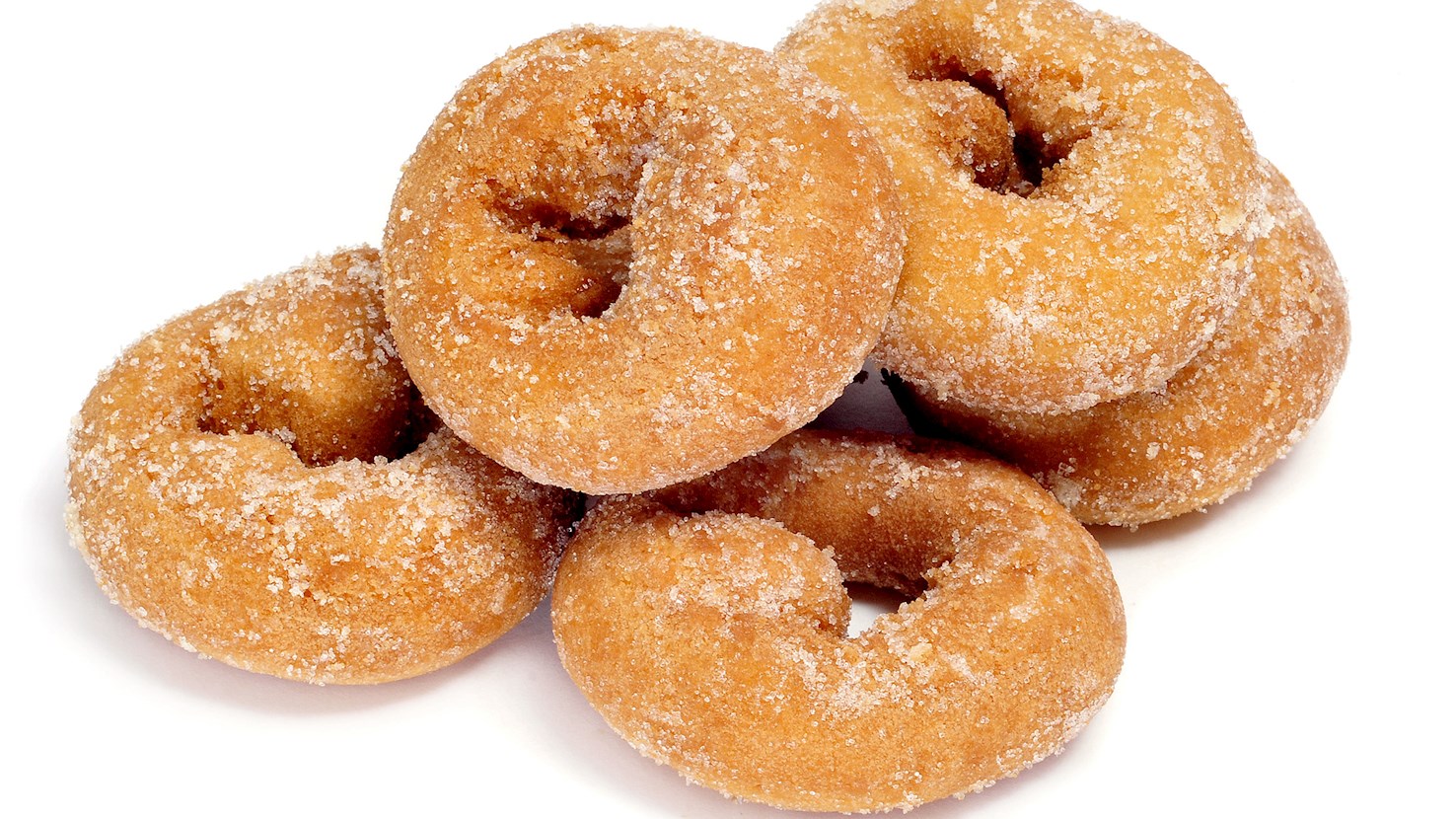
Rosquillas are traditional Spanish deep-fried donuts, characterized by their fluffy texture and a hole in the middle. They are typically prepared during the Holy Week festivities. Although there are many varieties of rosquillas, the classic ones are prepared with a combination of eggs, sugar, milk, oil, lemon zest, flour, baking powder, and anisette, which imparts a unique flavor to these tasty donuts. Another classic variety of rosquillas is made with sweet muscat wine (moscatel), and those donuts are known as rosquillas de vino. After they have been deep-fried, rosquillas are typically served as a sweet snack, topped with cinnamon sugar. Interestingly, in Honduras, the rosquillas are made with corn masa and curd cheese, and they are not deep-fried but baked in the oven.

05

Roscos fritos

3.5 ·

Roscos fritos are typical Spanish desserts that are similar to donuts, but they have a different texture and are a bit sweeter than regular donuts. Also, roscos are often rolled in sugar after being fried. The dough is prepared with a combination of eggs, sugar, flour, oil, and grated lemon rind. It is shaped into donut rings, then fried until golden. Although the place of origin of roscos fritos is thought to be in Andalusia, these sweet treats are nowadays consumed throughout the country, especially during the Easter festivities.

06

Pestiños

3.3 ·

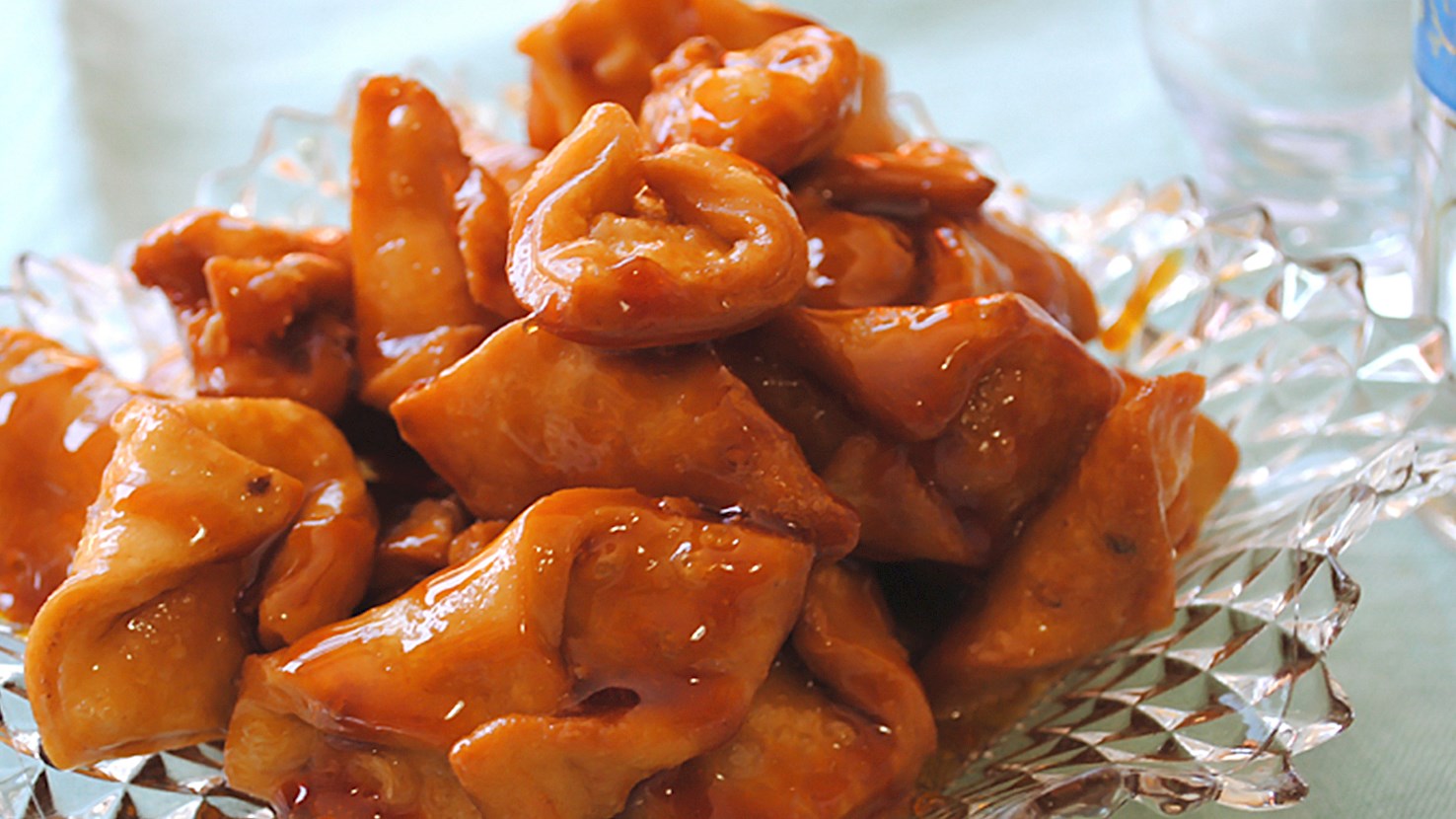
Pestiños are Spanish pastries fried in olive oil. The dough is made with flour, yeast, sesame, and sometimes orange juice and cinnamon. After the dough has been fried, it is traditionally topped with honey or sugar. These crunchy fritters have been prepared during the Holy Week and Christmas since the 16th century. Serve them with sweet wine, tea, hot chocolate, or coffee.

07

Figues albardaes

n/a ·

Figues albardaes is a traditional Valencian dessert originating from Castellón. It's usually made with a combination of dried figs, flour, yeast, water, sugar, and salt. The figs are cut in half and flattened. In a bowl, the yeast is dissolved in warm water, and flour is then added to the bowl and mixed until the batter becomes slightly thick. The batter is left to stand for about an hour, and the figs are then dipped in the batter and fried in hot oil until nicely golden. Once done, figues albardaes are rolled in sugar and enjoyed warm or at room temperature.

Read more
View all
View map
About this ranking

TasteAtlas food rankings are based on the ratings of the TasteAtlas audience, with a series of mechanisms that recognize real users and that ignore bot, nationalist or local patriotic ratings, and give additional value to the ratings of users that the system recognizes as knowledgeable. For the “Top 7 Spanish Deep-fried Desserts” list until June 15, 2026, 1,634 ratings were recorded, of which 1,350 were recognized by the system as legitimate. TasteAtlas Rankings should not be seen as the final global conclusion about food. Their purpose is to promote excellent local foods, instill pride in traditional dishes, and arouse curiosity about dishes you haven’t tried.

Similar lists