shutterstock

Top 72 African Desserts

Last updated on May 15, 2026

Best African Desserts

01

Bambalouni

4.3 ·

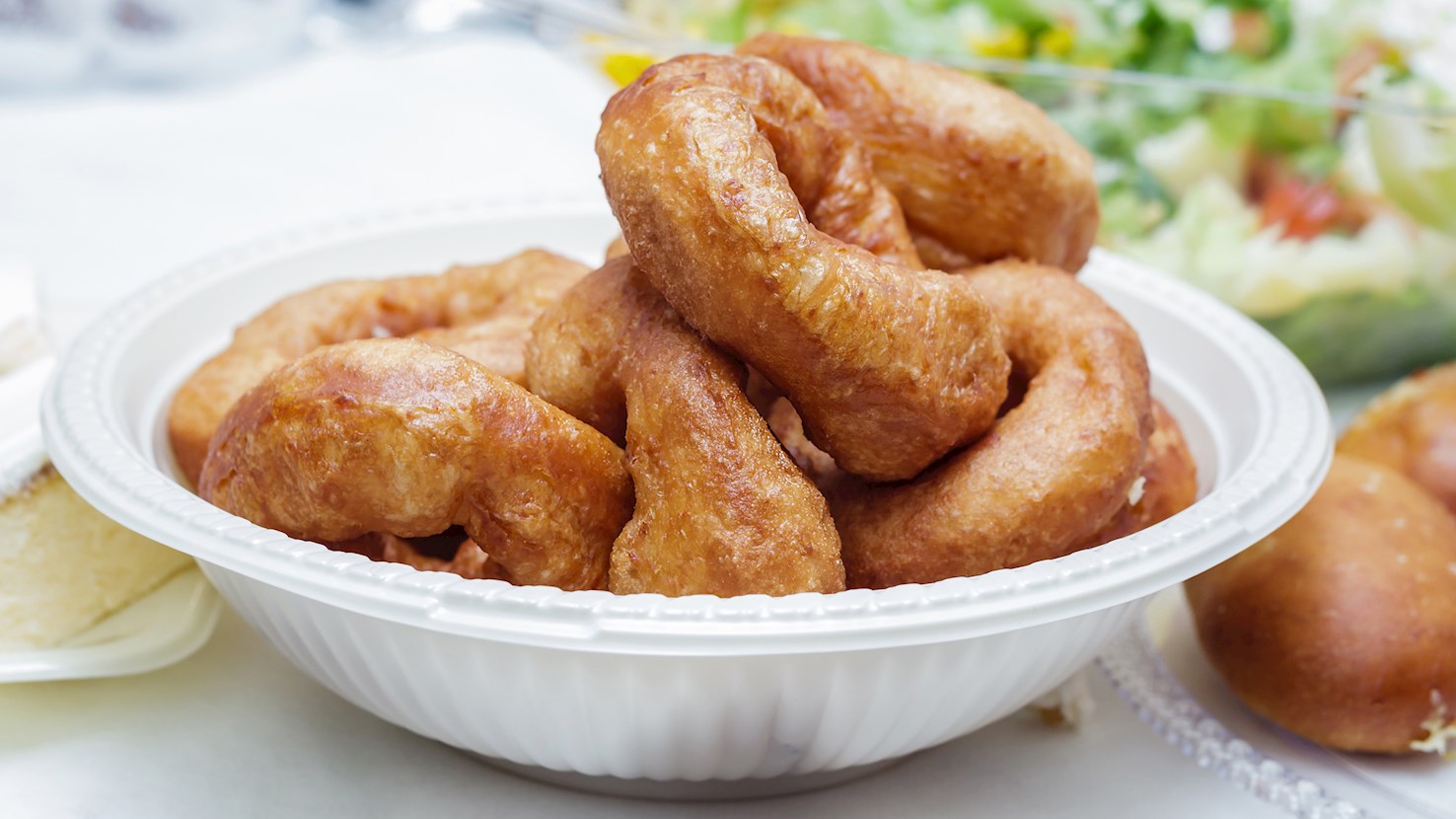
Bambalouni are traditional Tunisian doughnuts that are especially popular in the village of Sidi Bou Said. They are made with flour, hot water, yeast, and salt. After the dough has been prepared, it is fried in hot oil until golden brown, and the doughnuts are then sprinkled with sugar on top. It is recommended to serve bambalouni with coffee, either for breakfast or as a snack eaten at the end of the day.

02

Kunāfah

4.3 ·

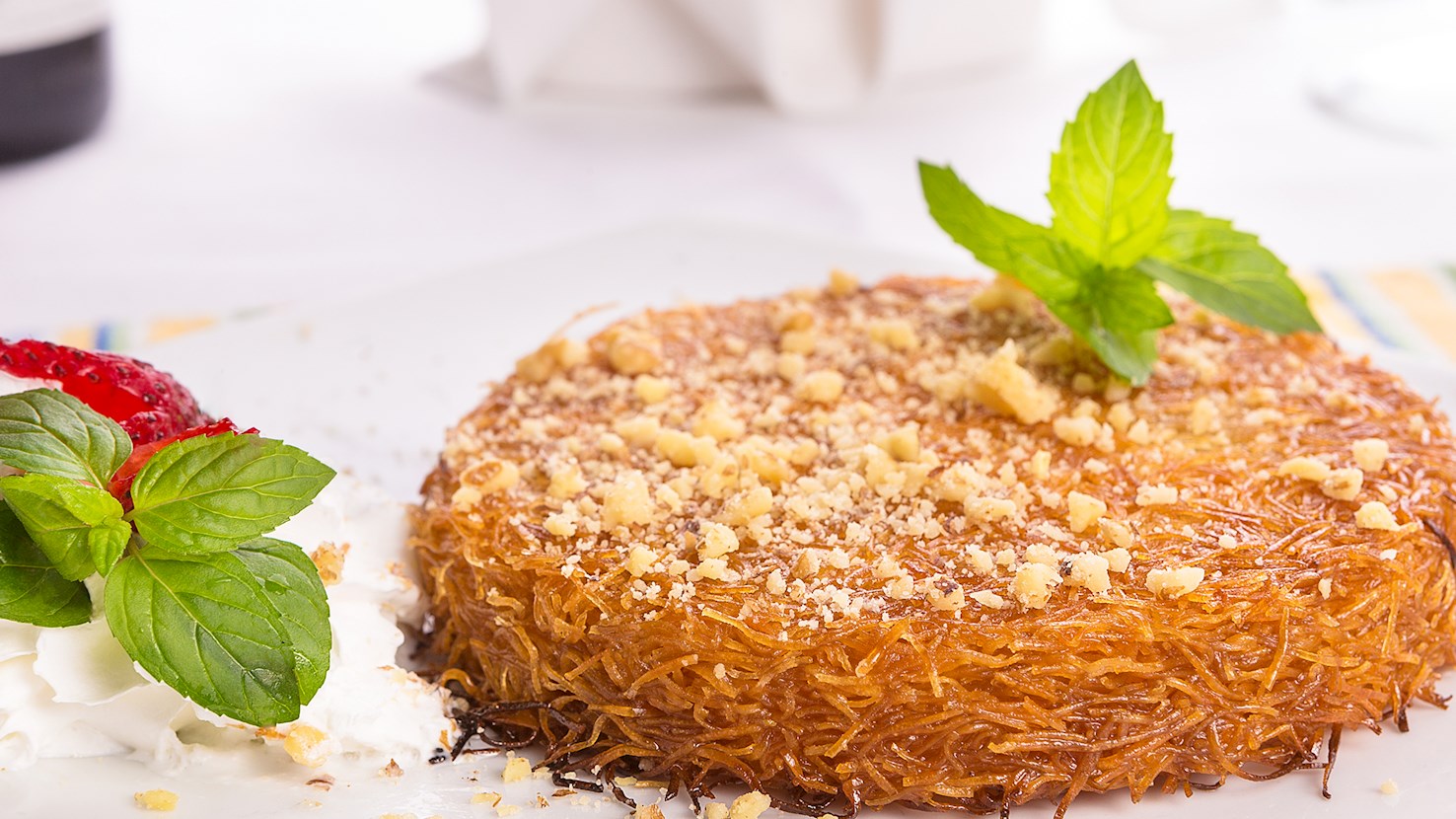
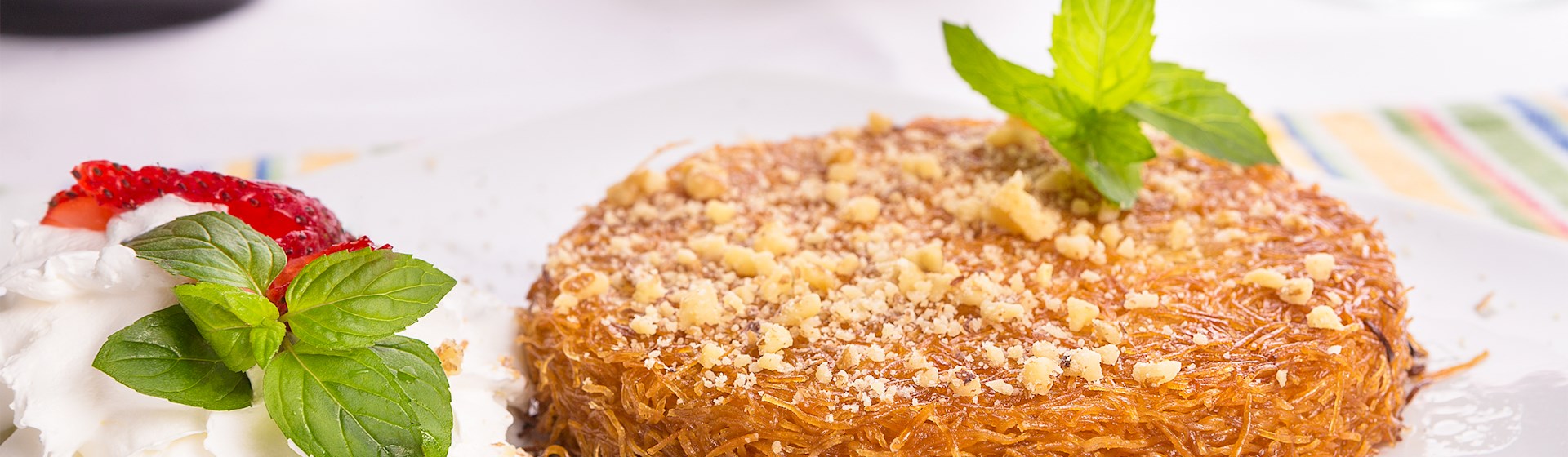
Kunāfah consists of two crunchy layers of shredded and buttered kataifi or knefe dough, filled with a luscious cheese cream that's often flavored with orange zest and cardamom, then drenched in a sugar syrup infused with lemon juice and orange blossom water. Turkish künefe is traditionally made with Hatay, Urfa, or Antep cheese. It is usually topped with pistachios and is best served warm. Elegant and amazingly simple to make, this dessert is nothing short of what cheese-filled pastry dreams are made of. Some authors speculate that it originated from the Fatimid Egypt or pre-Islamic Syria, while others claim that the Palestinian city of Nablus is its birthplace - hence the name kanafeh nabulsieh. Nevertheless, this decadent dessert has been a part of a long culinary tradition in Türkiye and Egypt, and it is listed as one of Egypt's national dishes.

03

Sfenj

4.3 ·

Sfenj are popular Moroccan and Algerian doughnut-like fritters made from sticky unleavened batter, similar to Libyan sfinz and Tunisian bambalouni. The dough is traditionally shaped into rings and deep-fried until it develops a golden, crispy exterior. The interior should be fluffy, tender, and chewy. These fritters are usually served hot when sold by street vendors, and they can be consumed plain or dusted with icing sugar.

04

Makroud el louse

4.3 ·

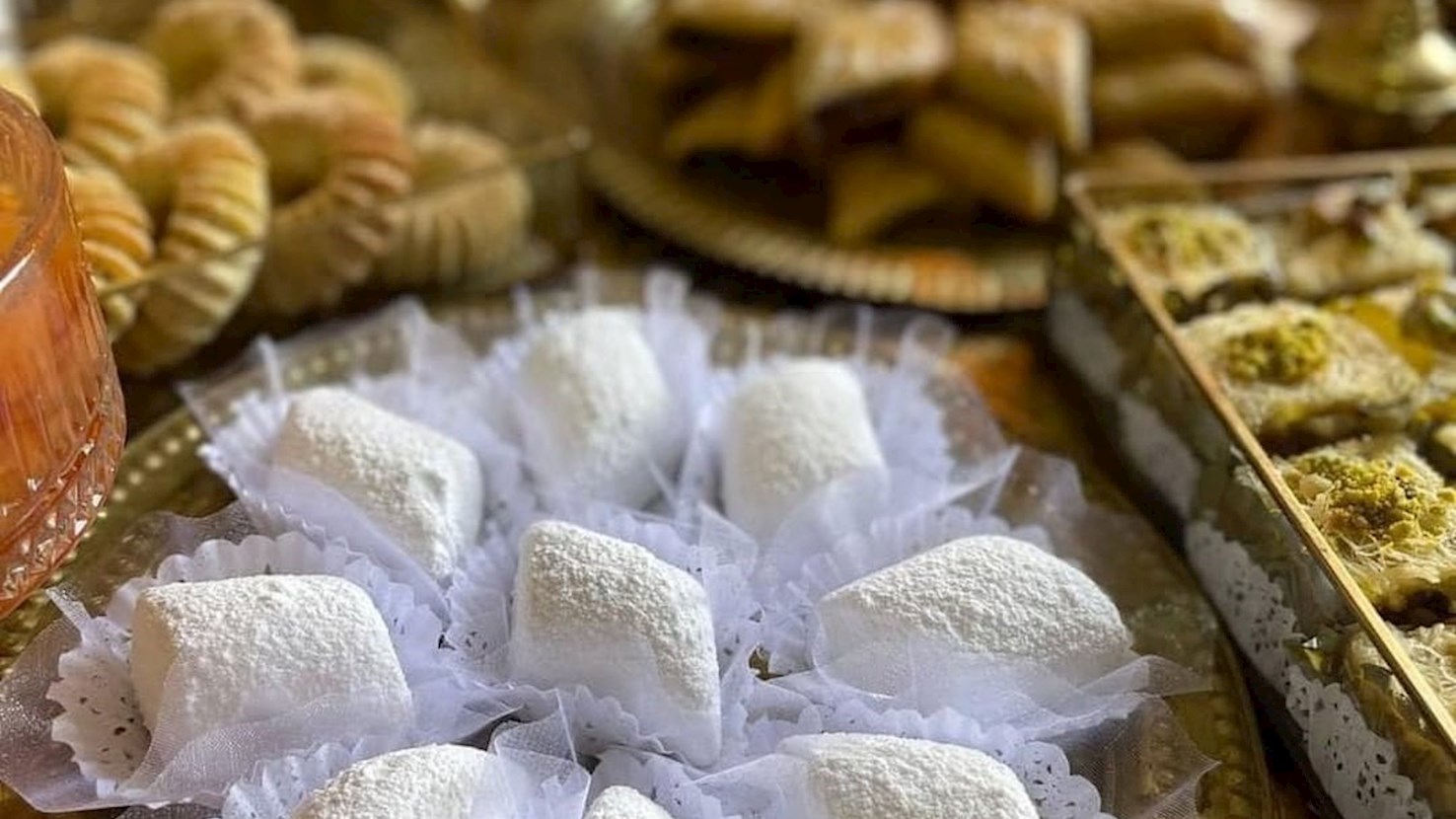
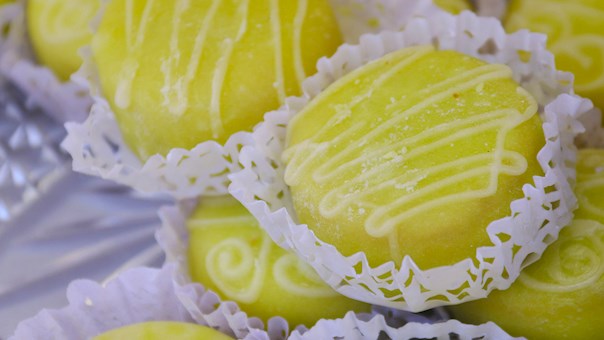
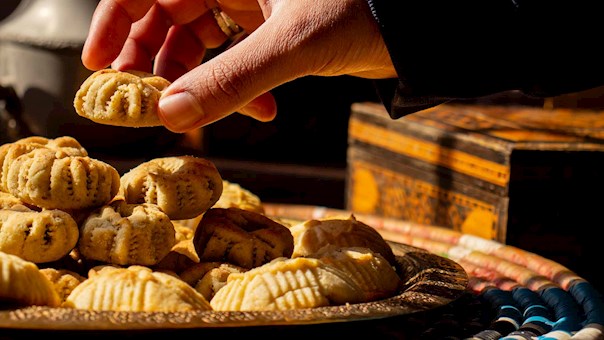
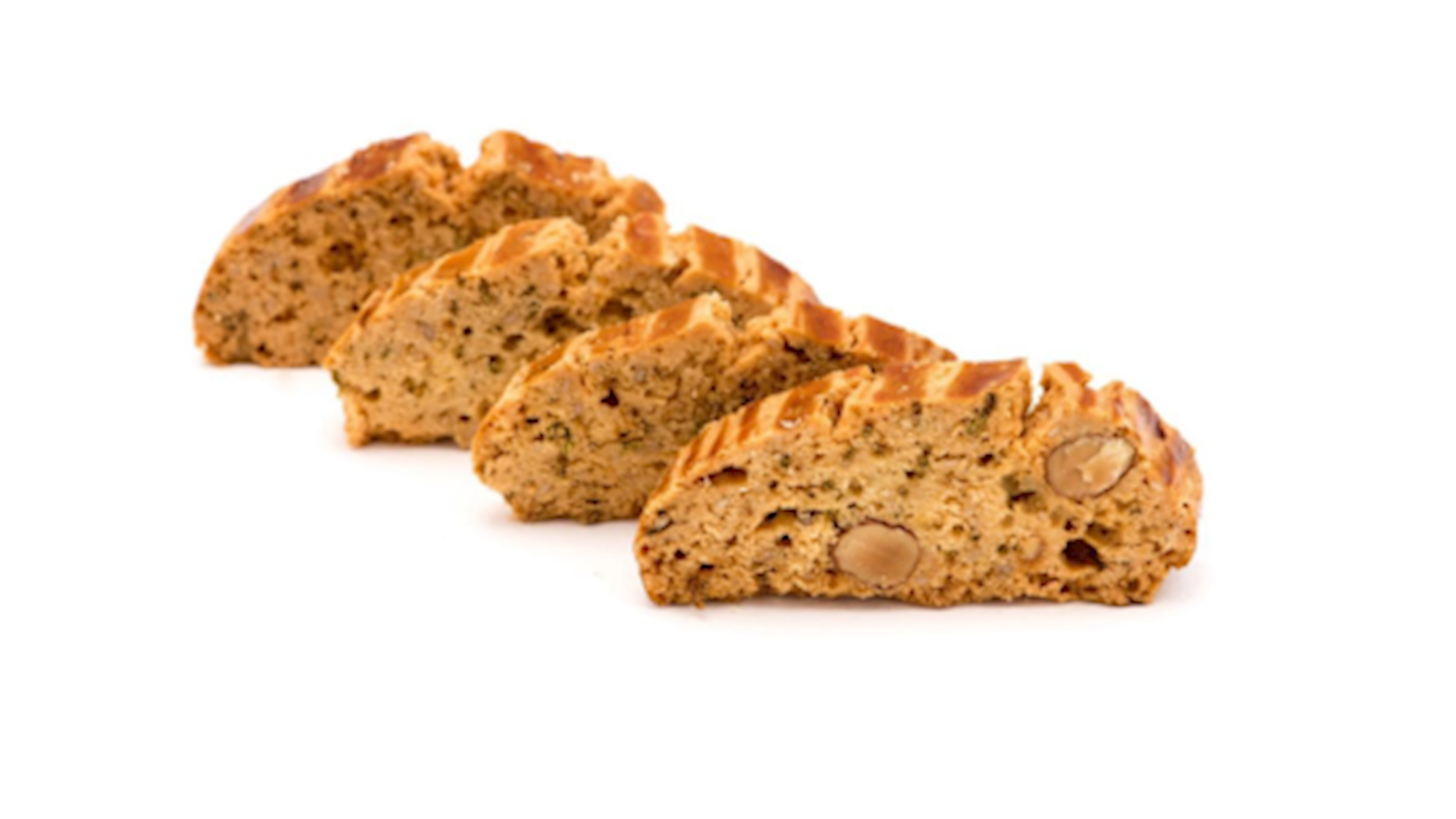
Makroud el louse are flourless Algerian cookies consisting of almonds, eggs, sugar, and a flavoring of orange flower water. Baked until lightly browned, these cookies are typically tossed in powdered sugar in order to be completely coated. Once consumed, makroud el louse should melt in the mouth. It is recommended to serve these cookies with a cup of tea or coffee on the side.

05

Qatayef

4.2 ·

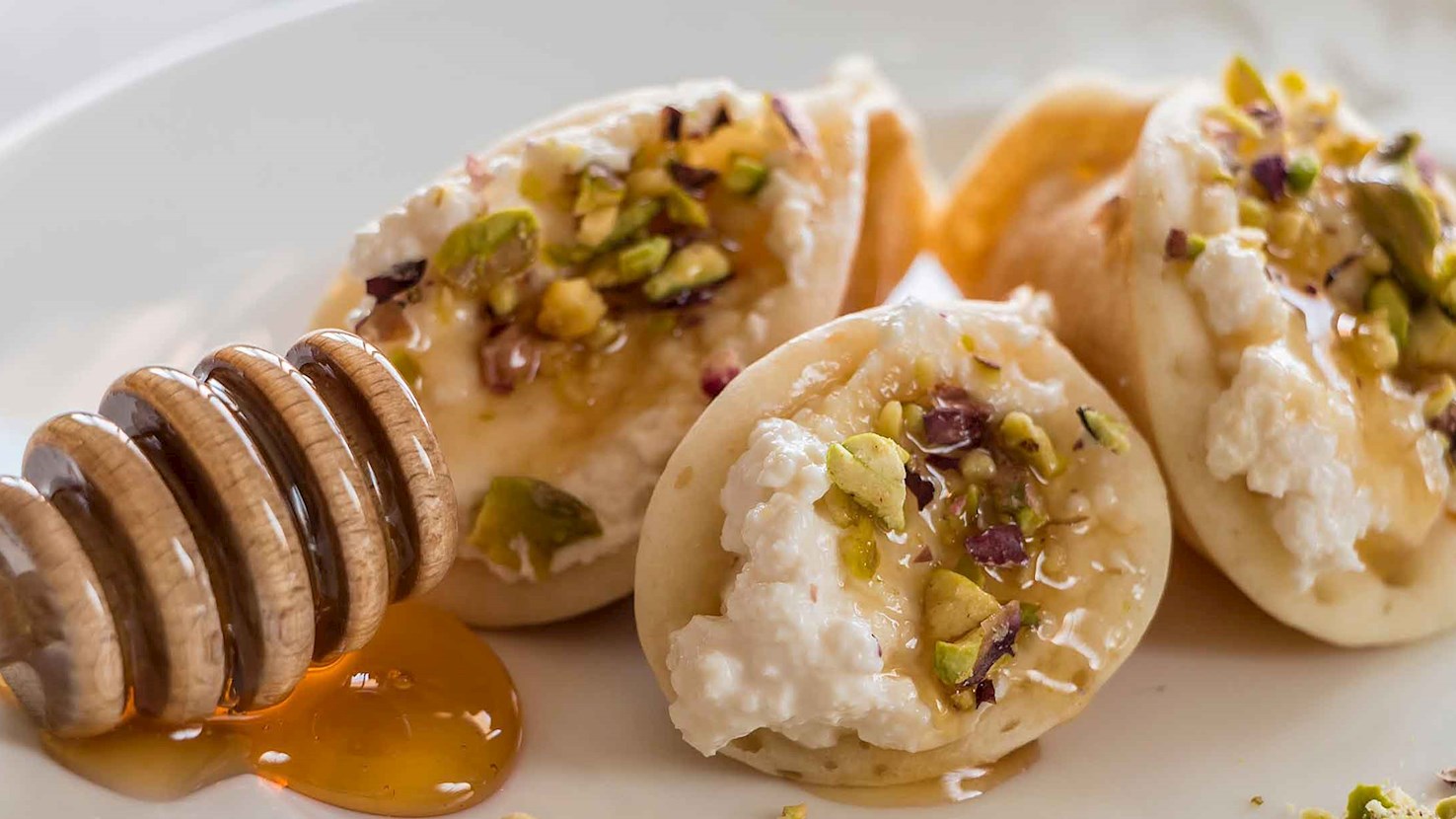
Qatayef is an Arabian dessert and a staple of the Ramadan holiday feast. It is a sweet pancake that is usually filled with cheese or nuts such as walnuts, almonds, pistachios, or hazelnuts. Qatayef can also be consumed plain, topped with clotted cream, or drizzled with sugar syrup. It is believed that nothing is better after the Ramadan fasting than a few nights of socializing and feasting on qatayef, which is either prepared throughout the streets in food stalls or brought over to friends as a sweet gift. Although the dish has Fatimid origins, today it is very popular throughout Levant and Egypt as well, where it is baked in numerous households. The biggest qatayef was made in the city of Bethlehem, currently holding a record with a weight of 104 kilograms and 3 meters in diameter. Apart from the sweet version, qatayef can also come as a savory snack filled with cheese or served plain as a side dish.

06

Baghrir

4.2 ·

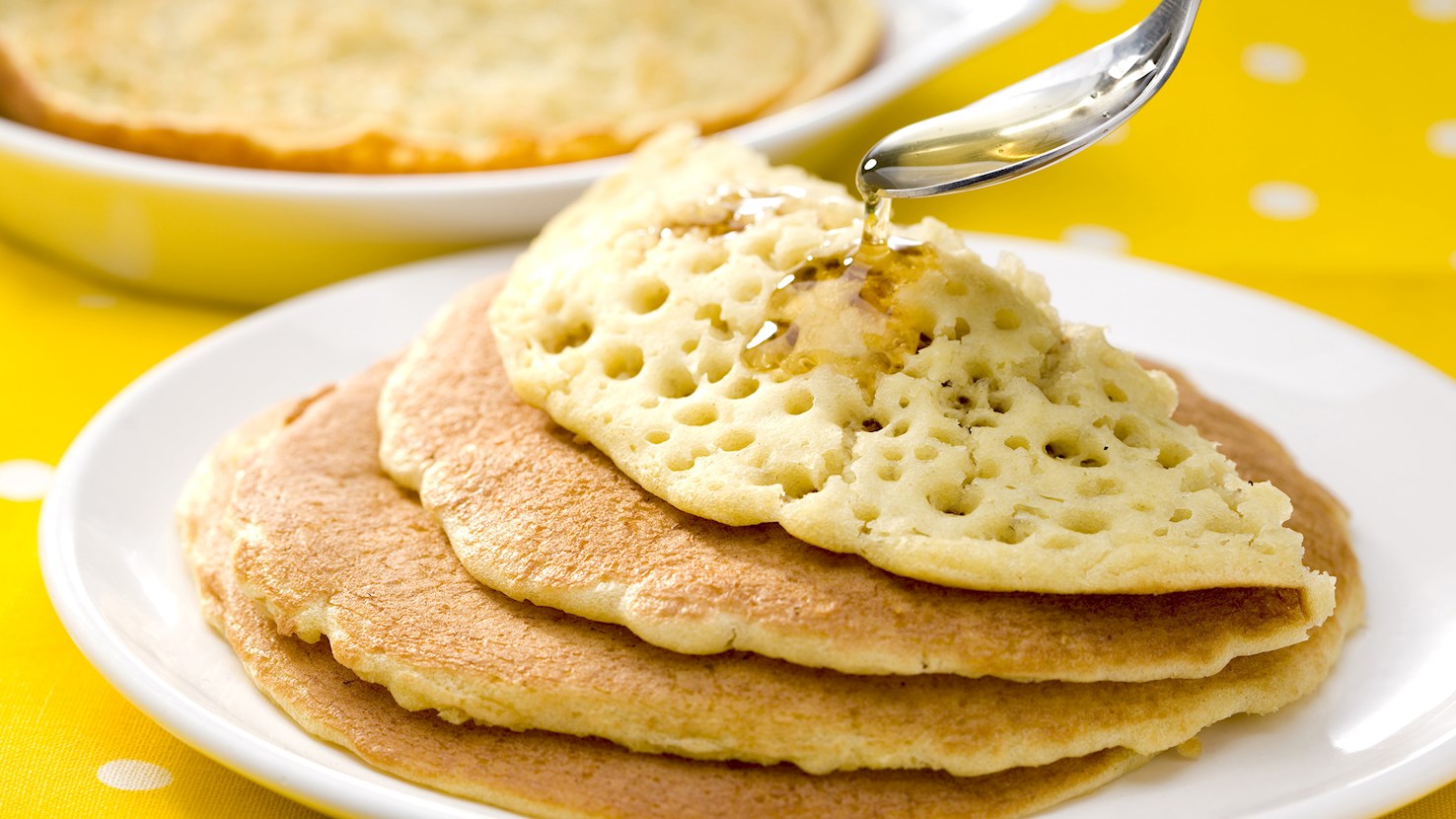
Baghrir is a soft and spongy Moroccan and Algerian pancake made with semolina flour. It is characterized by numerous holes on its surface, a result of yeast-produced bubbles in the batter that form and break as the pancake cooks. The pancake is cooked on one side only. It's recommended to serve baghrir with fruit jams or a syrup made with butter and honey.

07

Tamina

4.1 ·

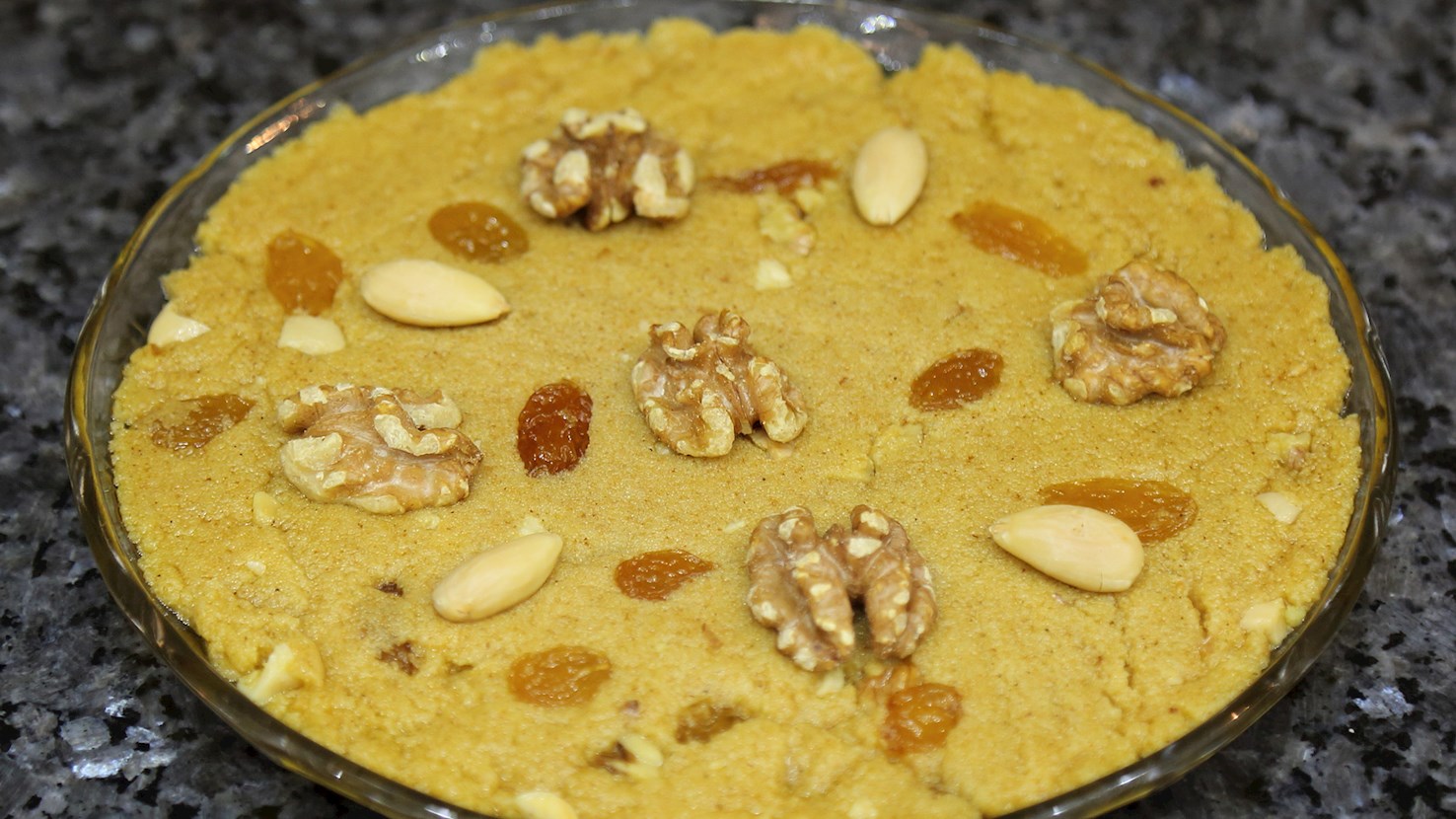
Tamina is an ancient Algerian sweet treat consisting of toasted ground semolina, butter, and honey. It is typically decorated with cinnamon or sugared almonds. Traditionally, it is served when celebrating the birth of a child, but it can be prepared any day of the year. Tamina is usually shared between a few people, as it is served in small plates and consumed with small spoons.

08

Umm Ali (Egyptian bread pudding)

4 ·

Although there are many recipes, the Egyptian umm Ali dessert is usually made by dividing bread or puff pastry into pieces, then mixing it with sugar, milk, and coconut flakes. The mixture is typically sprinkled with raisins, pistachios, almonds and cinnamon, then baked in the oven until the top develops a golden brown color. This dessert can be served hot or chilled. When translated, the name of the dish means Ali's mother, referring to the 13th-century legend saying that Sultan Ezz El Din Aybak's wife prepared the dessert as a sign of celebration and it was then shared amongst the people. Apart from Egypt, umm Ali is also enjoyed in other Middle Eastern countries and is considered part of their cuisine.

09

Kalb-el-louz

4 ·

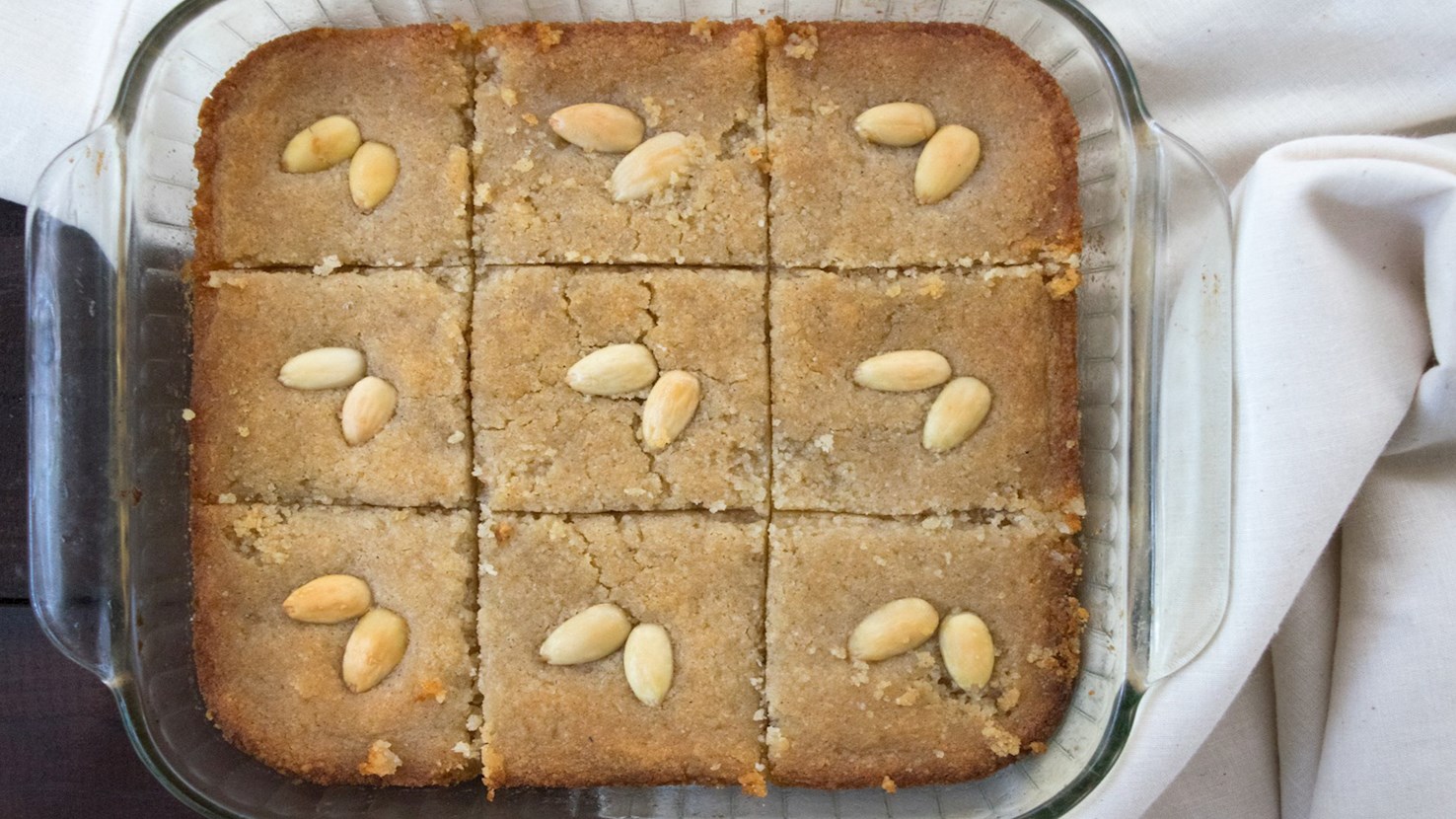
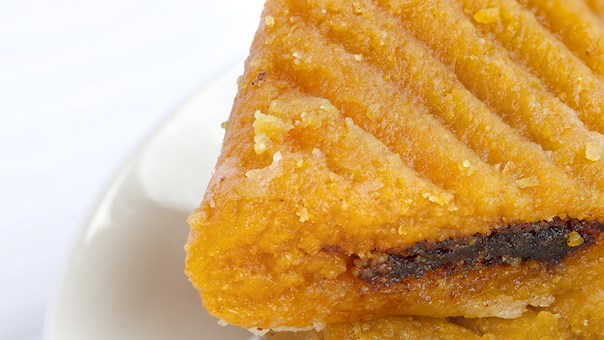
Kalb-el-louz is a popular Algerian baked dessert consisting of semolina and ground almonds as key ingredients. It's typically flavored with cardamom, cinnamon, vanilla, and orange blossom water. After it has been cooked, kalb-el-louz is combined with a fragrant syrup that makes it sweet. In the west of Algeria, it is also known as chamia, while in the east, it is known as h'rissa. This dessert is especially popular during the month of Ramadan, when it is traditionally paired with a cup of coffee.

10

Assidat zgougou

4 ·

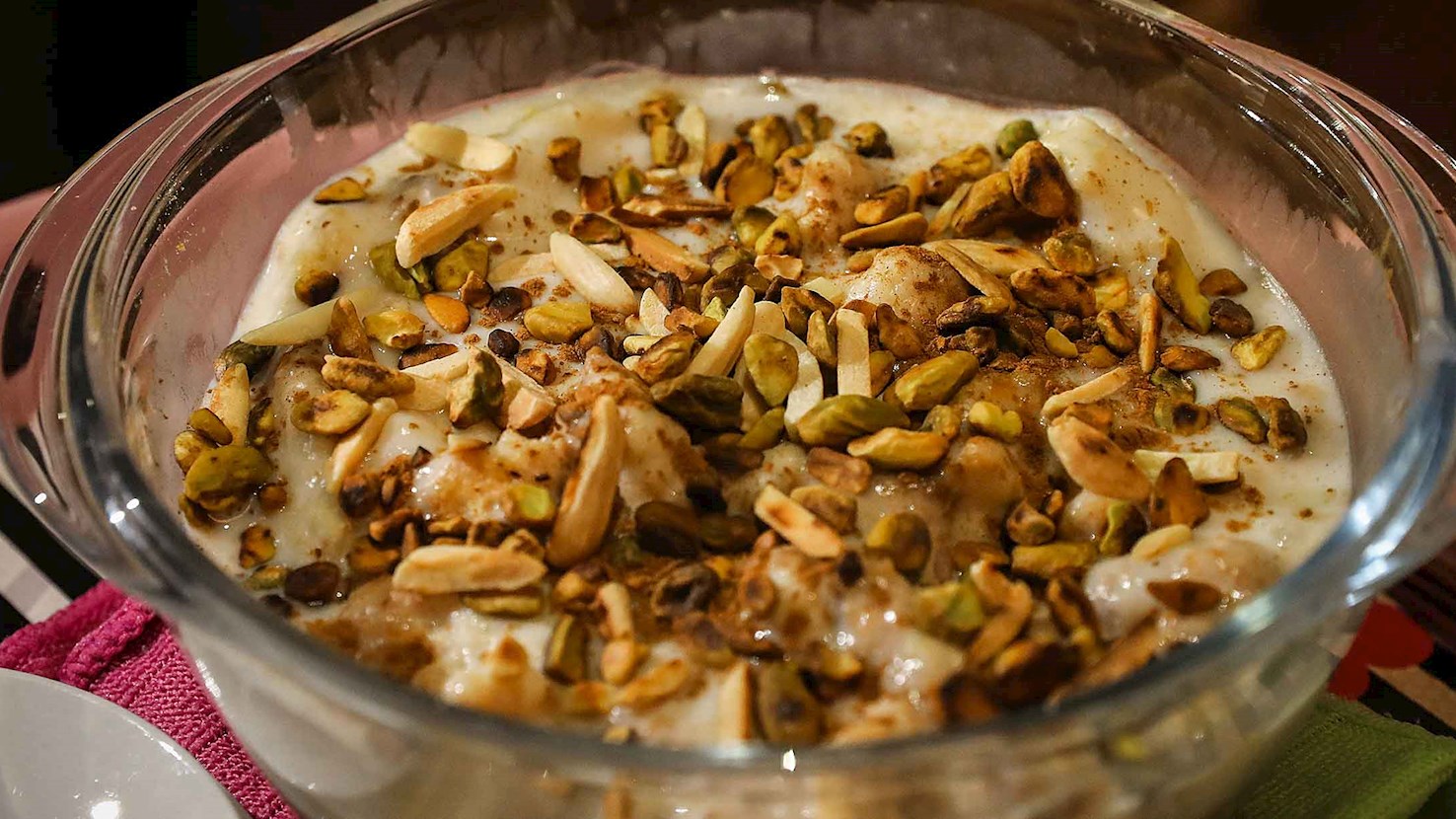
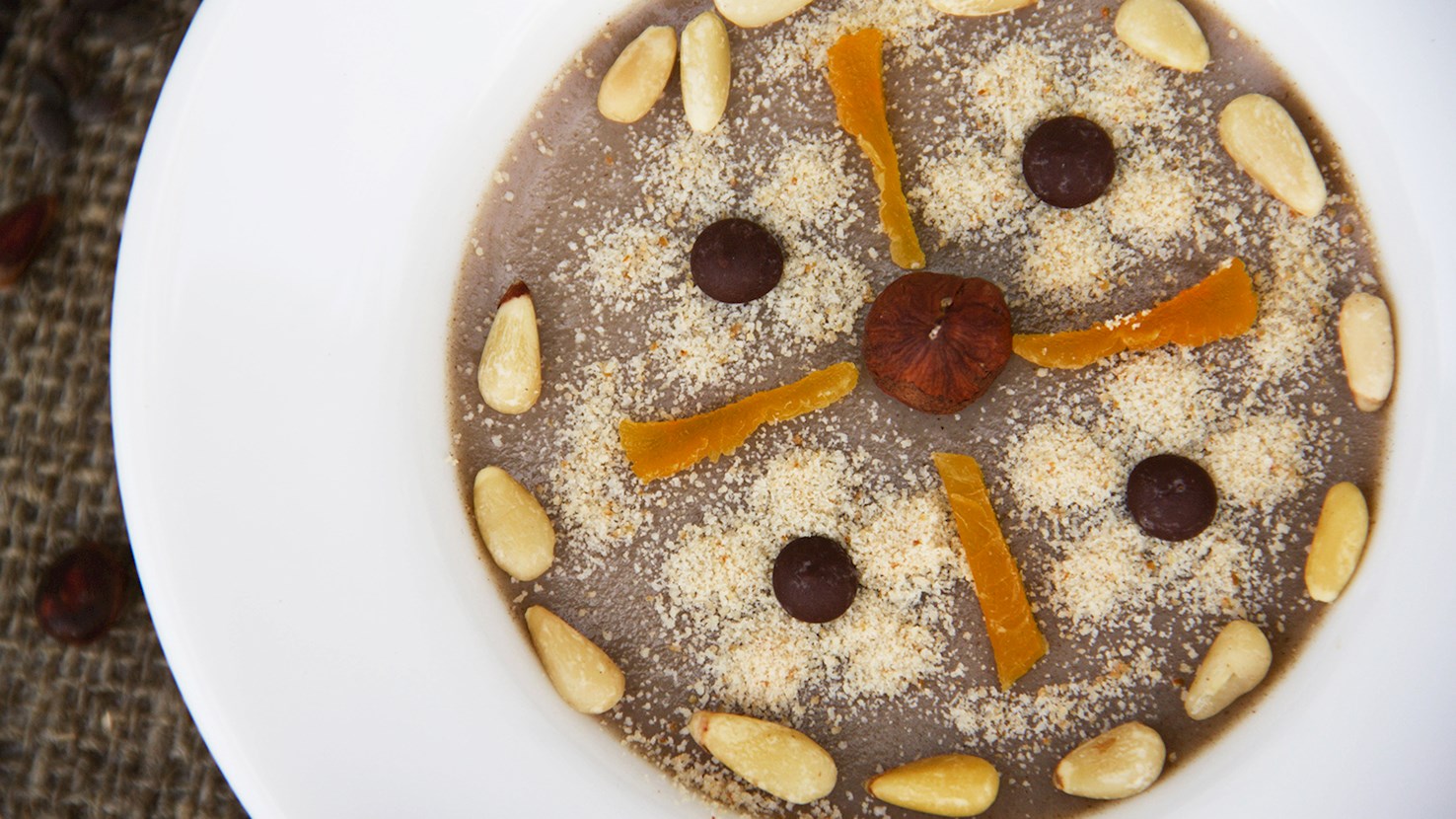
Assidat zgougou is a traditional dessert made with a combination of seeds of Aleppo pine, sugar, flour, starch, water, and rosewater. The zgougou seeds are ground and combined with the sugar, flour, and starch, then stirred continuously while the concoction is cooking over low heat until it thickens. Another component, the custard, is made with sugar, milk, starch, vanilla, egg yolks, and rosewater. The cream is placed on the bottom of a glass, followed by a layer of custard, and the dessert is then usually sprinkled with nuts such as toasted almonds or pistachios on top. Traditionally, assidat zgougou is exchanged between family and friends, and many will use dried fruit to decorate the top and add some color to the somewhat bland-looking dessert.

11

Mkhabez

4 ·
12

Kaab el ghazal

4 ·
14

Makroudh

3.9 ·
15

Bonbon coco

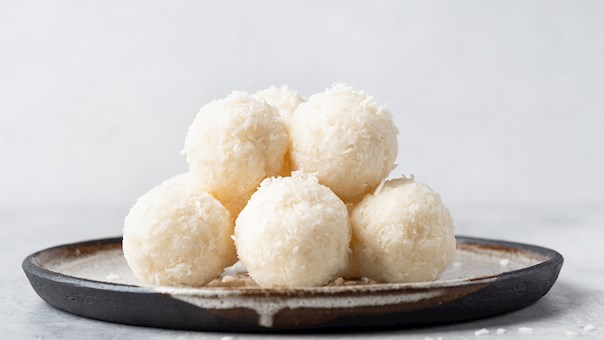
3.9 ·
17

Mahalabia

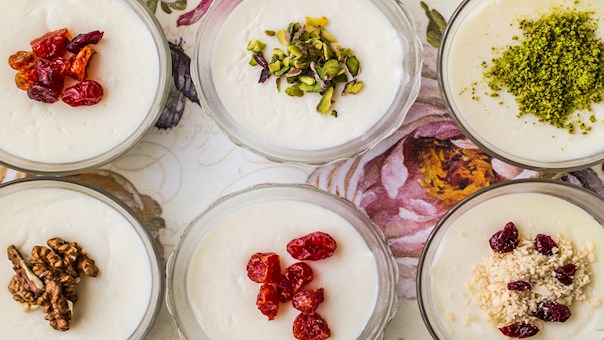
3.9 ·
18

Luqmat al qadi

3.9 ·
19

Créponné

3.9 ·
20

Kahk

3.8 ·

Best African Desserts

01

Pâtisserie Bennis Habous

4.5 ·
Pâtisserie Bennis Habous is a historic Moroccan patisserie located in the Habous district of Casablanca, with origins dating back to the 1930s and a continuous family ownership that has extended across four generations. Founded by a family from Fez, the business evolved from a small artisanal operation into one of the city’s most established pastry houses, while maintaining a strong commitment to traditional methods. The production is centered on classic Moroccan sweets, particularly almond-based pastries such as cornes de gazelle, alongside honey-coated specialties like chebakia and other nut-filled confections. Recipes are preserved with minimal modification, relying on simple ingredients such as almonds, orange blossom water, honey, and sesame to build layered and recognizable flavors. The pastries are prepared daily, with an emphasis on freshness and consistency rather than large-scale industrial output. Visually, the products retain a handmade character, often presented in traditional trays that reflect the artisanal nature of the craft. The patisserie itself, with its modest interior and distinctive tiled exterior, mirrors the architectural identity of the Habous quarter. Today, it remains a reference point for authentic Moroccan pastry-making, closely tied to the cultural and culinary heritage of Casablanca.
Read more
View all
View map
About this ranking

TasteAtlas food rankings are based on the ratings of the TasteAtlas audience, with a series of mechanisms that recognize real users and that ignore bot, nationalist or local patriotic ratings, and give additional value to the ratings of users that the system recognizes as knowledgeable. For the “Top 72 African Desserts” list until May 15, 2026, 7,527 ratings were recorded, of which 2,177 were recognized by the system as legitimate. TasteAtlas Rankings should not be seen as the final global conclusion about food. Their purpose is to promote excellent local foods, instill pride in traditional dishes, and arouse curiosity about dishes you haven’t tried.

The initial list of top producers was compiled based on available reviews, awards, local recommendations, media and blog coverage, and consumer reviews. The list will be updated with ratings from TasteAtlas local ambassadors and TasteAtlas users.

Similar lists